|
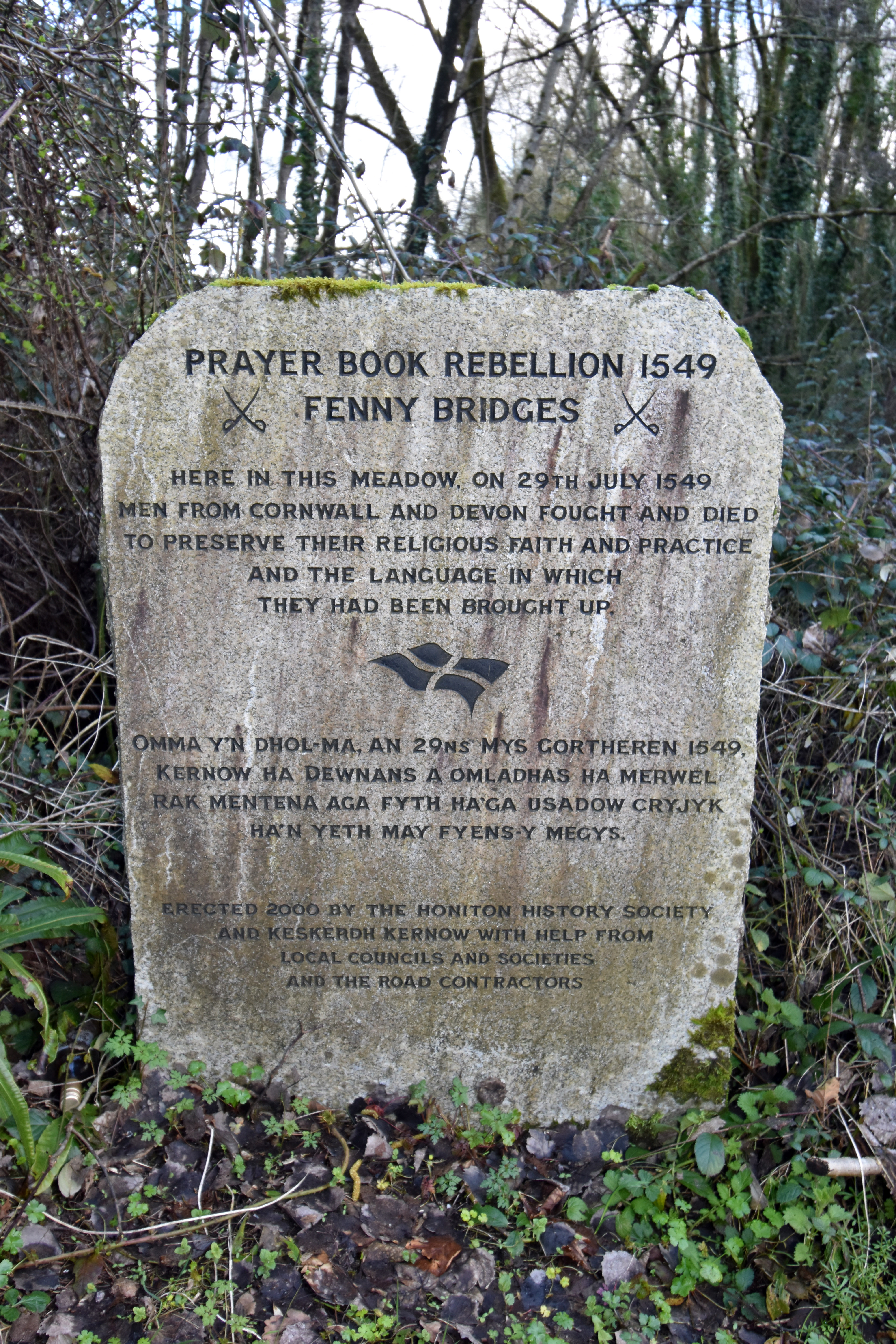
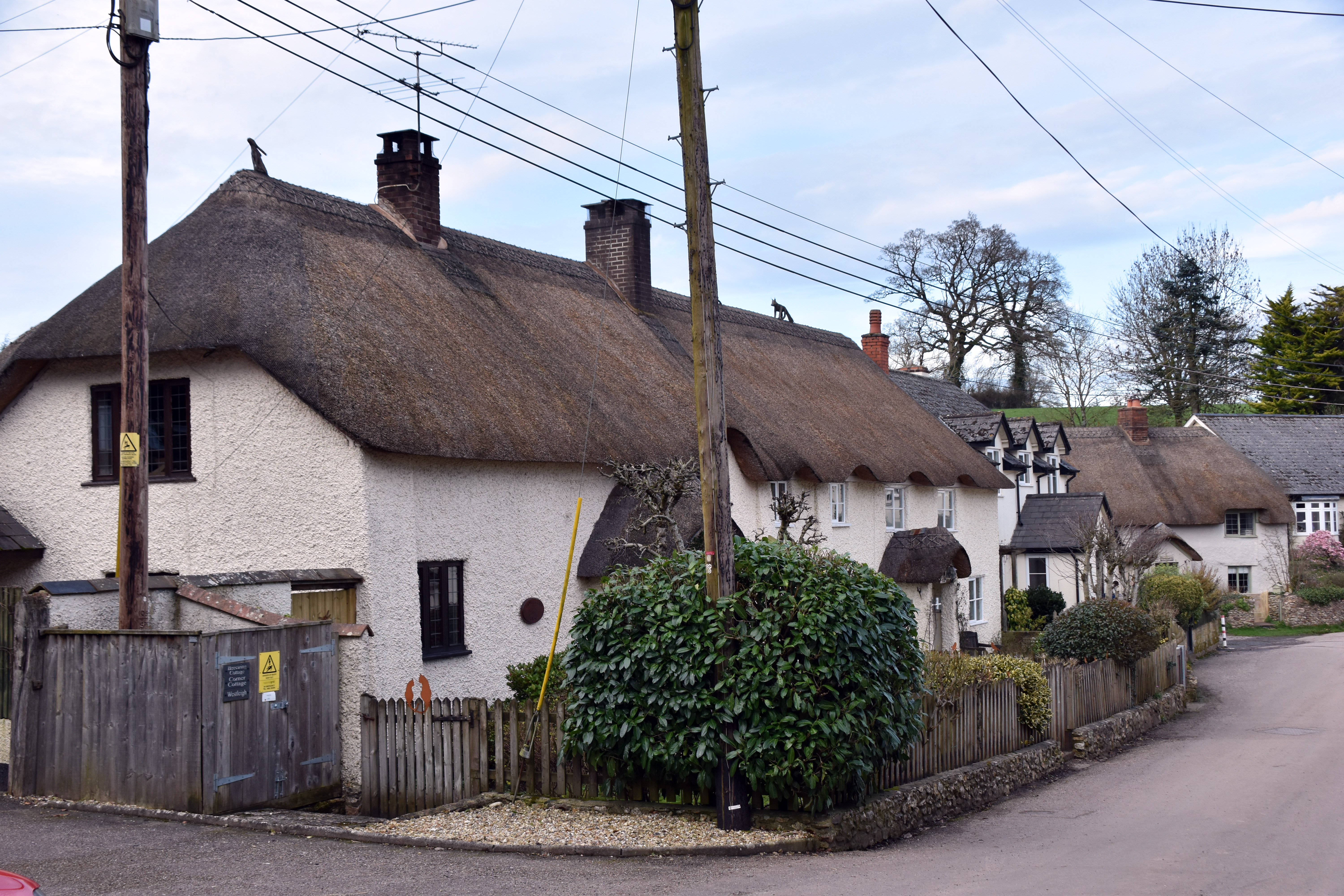
Our intention had been to follow the Prayer Book rebels to the furthest they got to back in 1549, but in doing so we accidentally stumbled across other stories connected to the murder of a missionary on a remote Pacific island, a most unexpected memorial to a soldier killed in the Seven Years’ War in the Caribbean, an Indian Army officer decorated fighting in Mesopotamia, and the grave of an RAF airman who survived being lined up to be shot by the Gestapo – oh, and two stunning but very different churches, both strongly connected to the descendants of Samuel Taylor Coleridge. Quite the variety for a spring walk in Devon’s sunshine.

|
|
|
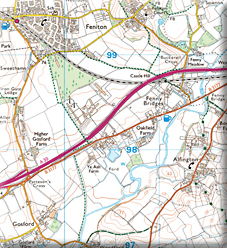
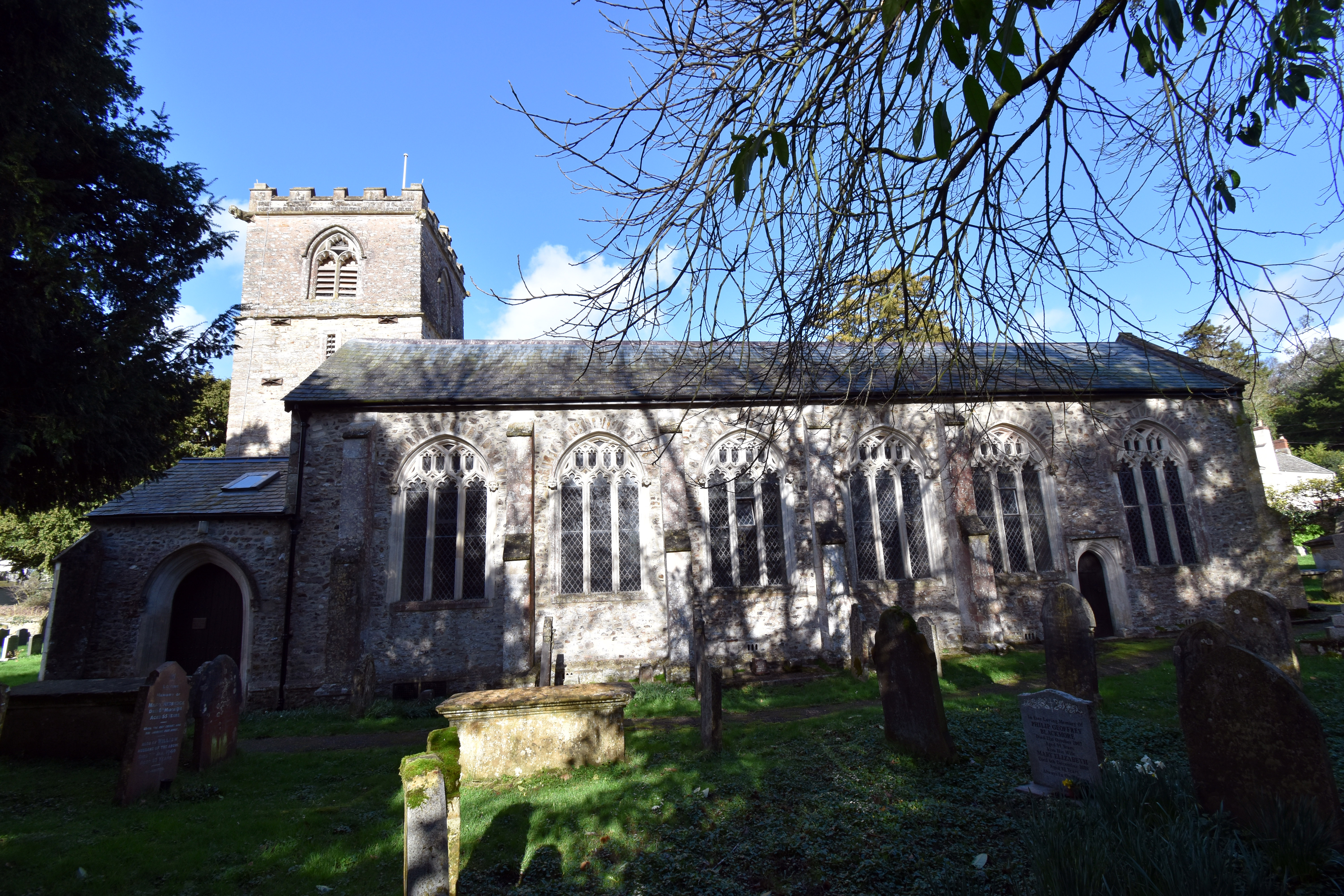
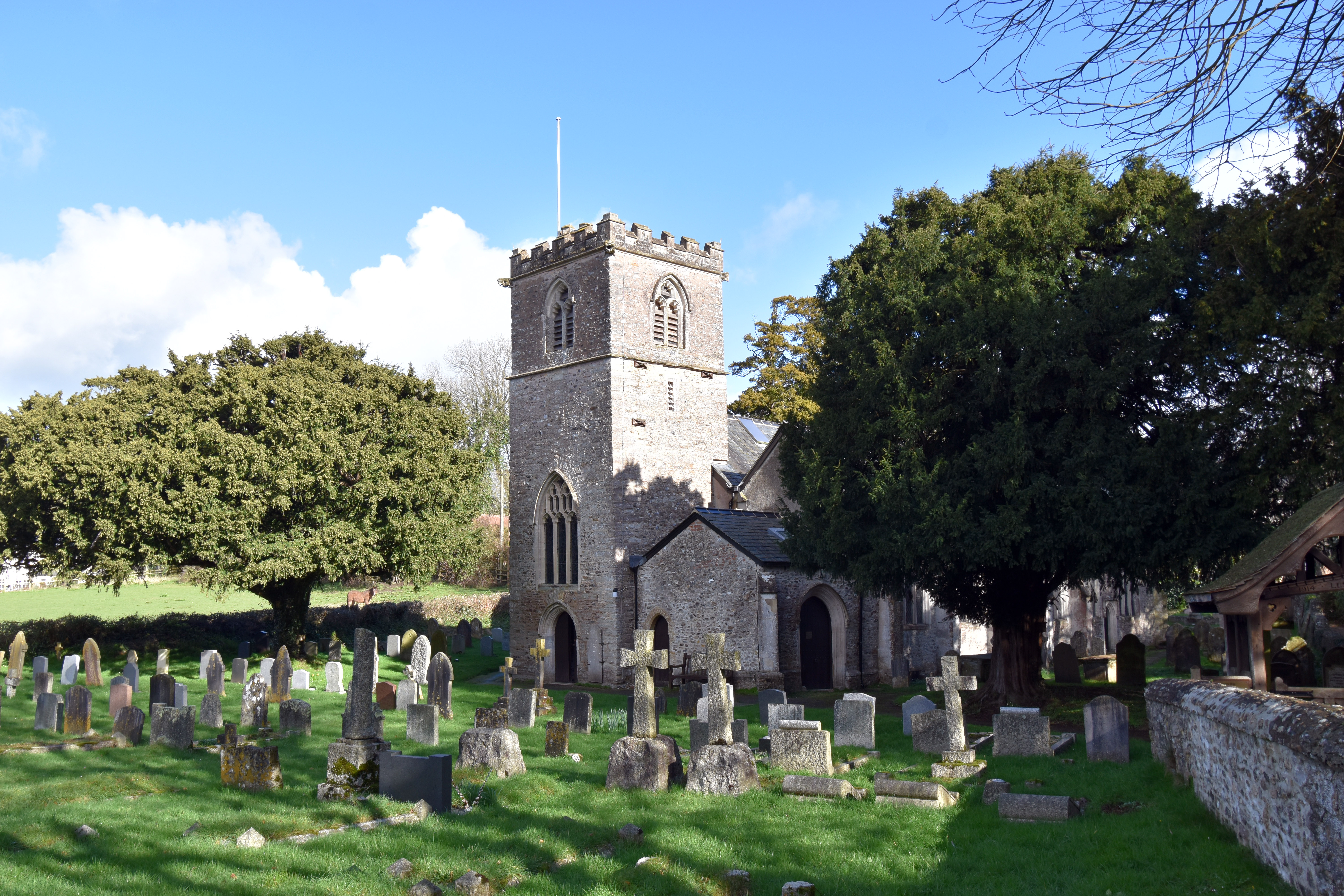
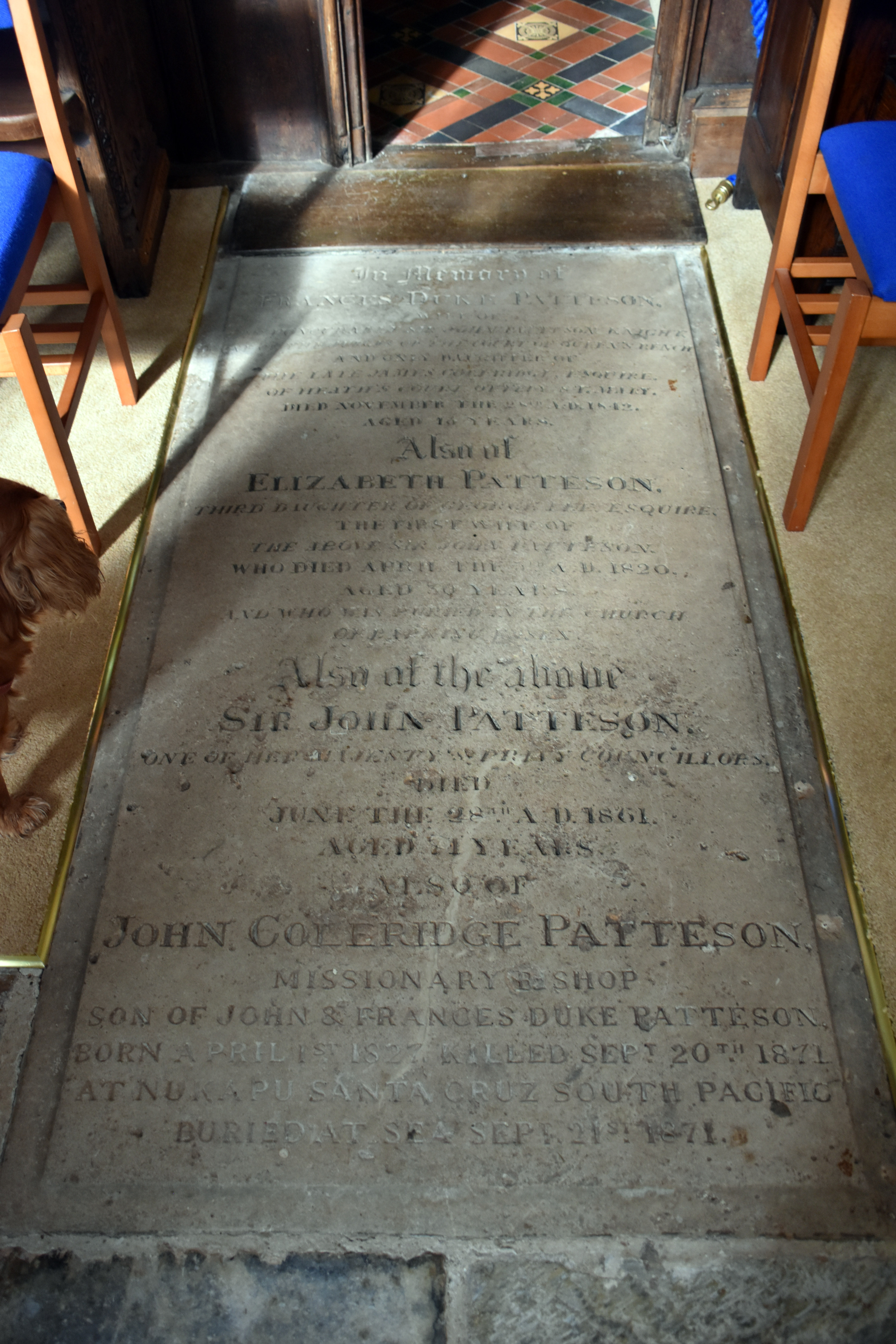
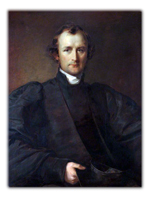
We started in Feniton just north of the A30 and close to Fenny Bridges, which is where the Prayer Book rebels were attacked as they followed the old Roman road from Exeter on their way to petition the king in London. Now, who would know that the headquarters of the Melanesian Mission to encourage evangelism in the Pacific is based in Feniton, Devon of all places? The reason for this strange connection between this tiny village in Devon and the Pacific lies with the story of John Coleridge Patteson (yes, he was related to Samuel Taylor Coleridge of nearby Ottery St Mary, being his great‑nephew). John Coleridge Patteson was a curate in Alfington when he met the first Bishop of New Zealand, George Selwyn, at his home at Feniton Court, literally next door to St Andrew’s Church here in Feniton. He convinced Patteson to come out to the South Seas as a missionary. There is a family vault of the Coleridge Pattesons which includes a terse dedication to J.C.P. too, although his body was buried at sea off the Solomon Islands. But you can see the family grave and the Patteson house and the garden where the Bishop of New Zealand recruited him all at the same time from the east side of the church. An amazing confluence of history.
|
|
|
He arrived in the Pacific in 1855 to an area that really was as hostile and unpredictable as anything that might have been found in Africa at the time. Cannibalism was rife and there was understandable suspicion at the motives of outsiders. This was made more so with the advent of ‘blackbirding’. This was little more than outright slavery whereby plantation owners in Queensland and Fiji paid for labour abducted from Pacific islands. Blackbirding was maritime slang for kidnapping, and those doing it employed coercion, trickery, or outright seizure of islanders to force them to work on sugar cane and cotton plantations.
|
|
|
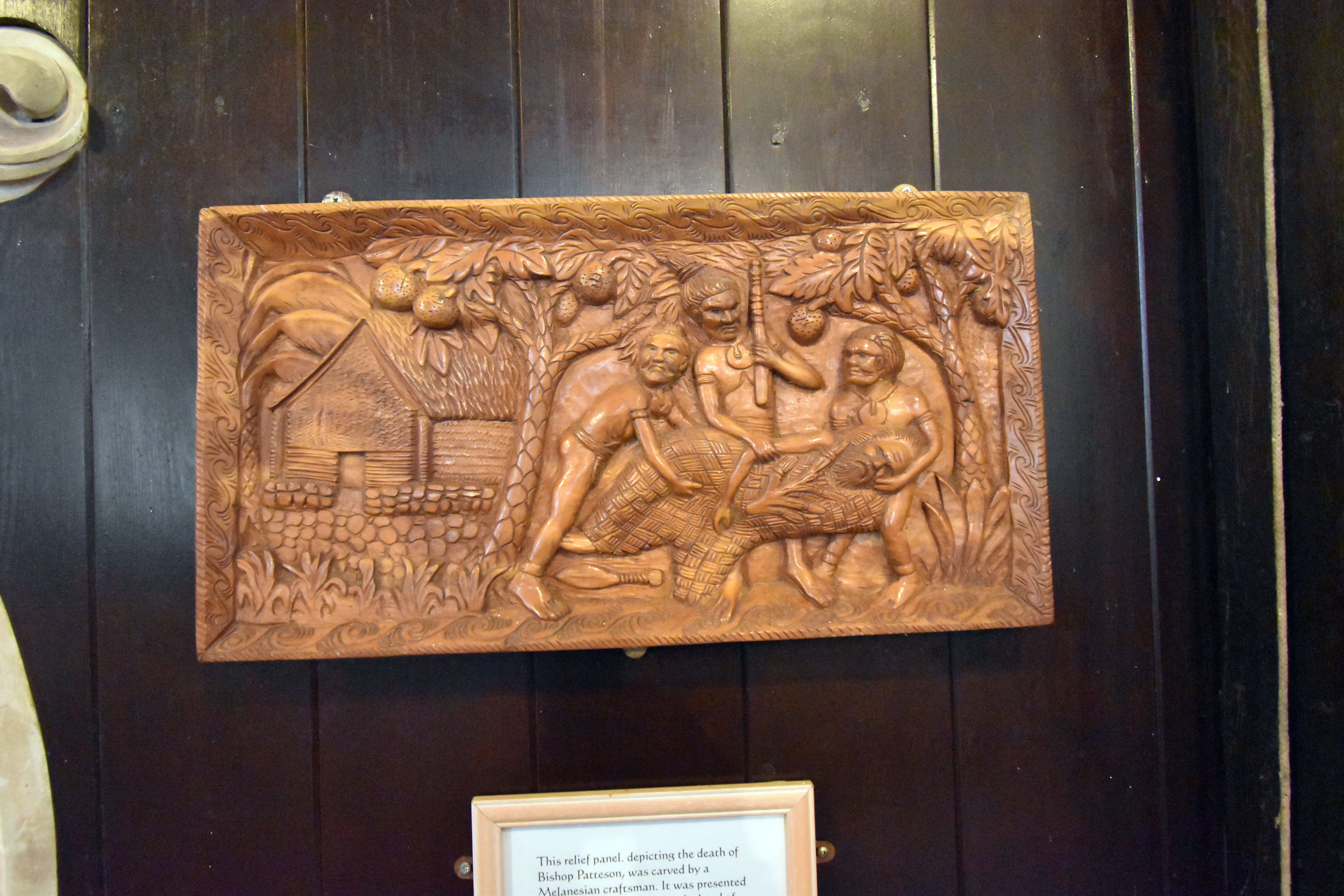
John Coleridge Patteson had an amazing facility to learn languages, which was just as well considering how many languages the islands had (1,000+ by all estimates). He lived as the locals did, wearing their clothes, eating their food, and enjoying their lifestyles. He translated the gospels into local languages and set up schools and missionary training schemes. He used his own family wealth to finance much of his work. In 1861 he was made the first Bishop of Melanesia. Where he worked he made serious inroads in evangelising the local population; however, he was to be undone by the blackbirders who had been making his life far more difficult anyway. On 20 September 1871, Patteson was killed on the island of Nukapu in the Solomon Islands, where he had landed alone. Just a few days earlier blackbirders had seized five locals, and it was assumed that Patteson was there to try and take more. He was supposedly beaten to death by clubs, but soon the local people realised their mistake. They gave him a full local burial, covering him in palm, placing him on a canoe, and pushing him out to sea.
His death became a cause célèbre back in Britain. It shone a light on the horrible practices of blackbirding, and the British government took steps to stamp it out. The Royal Navy was ordered to patrol the islands, and Fiji was annexed in 1874 specifically so that they could regulate the plantations and ensure they were not using local labour against their will (they would actually replace it with indentured labour from India – but that is a different story).
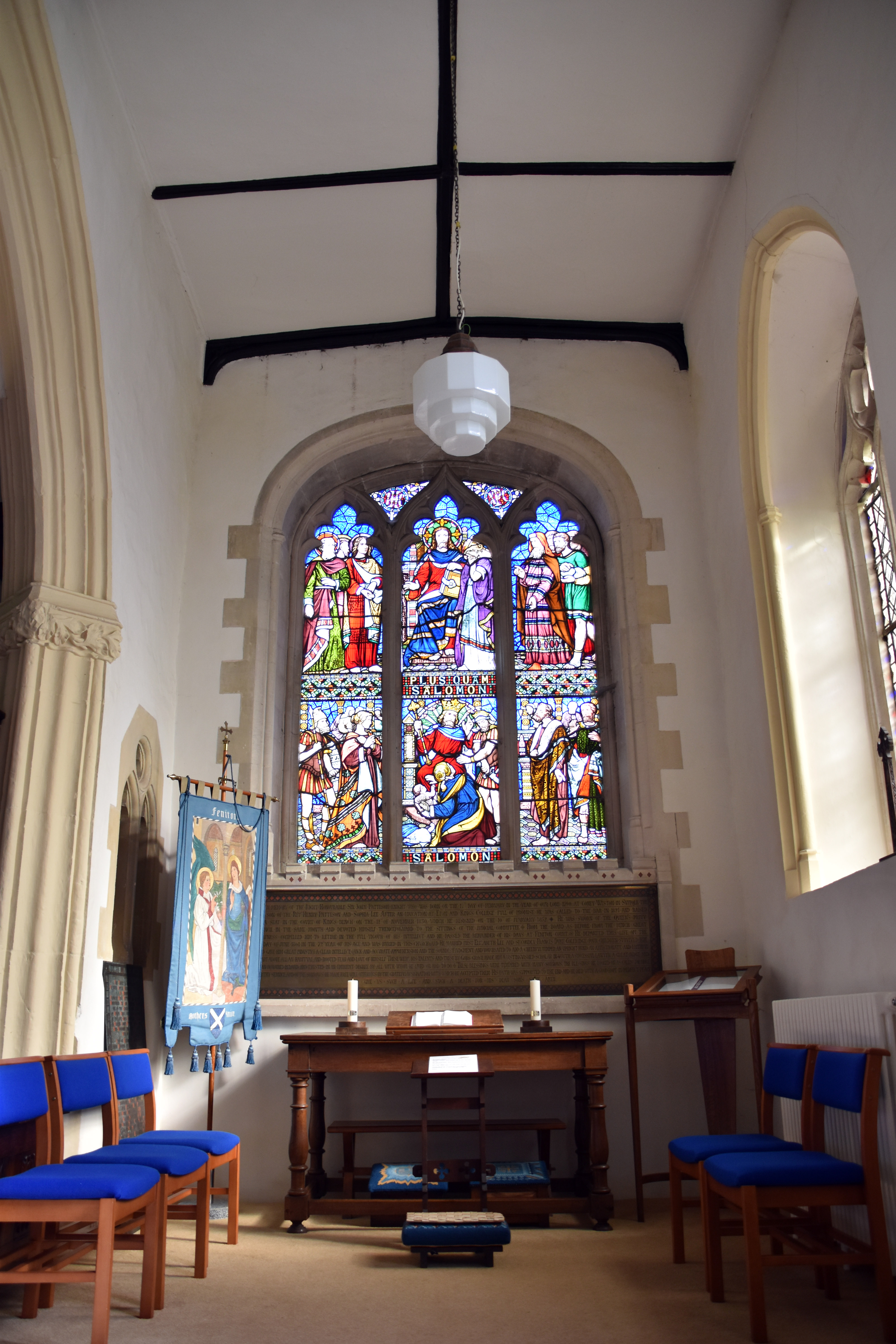
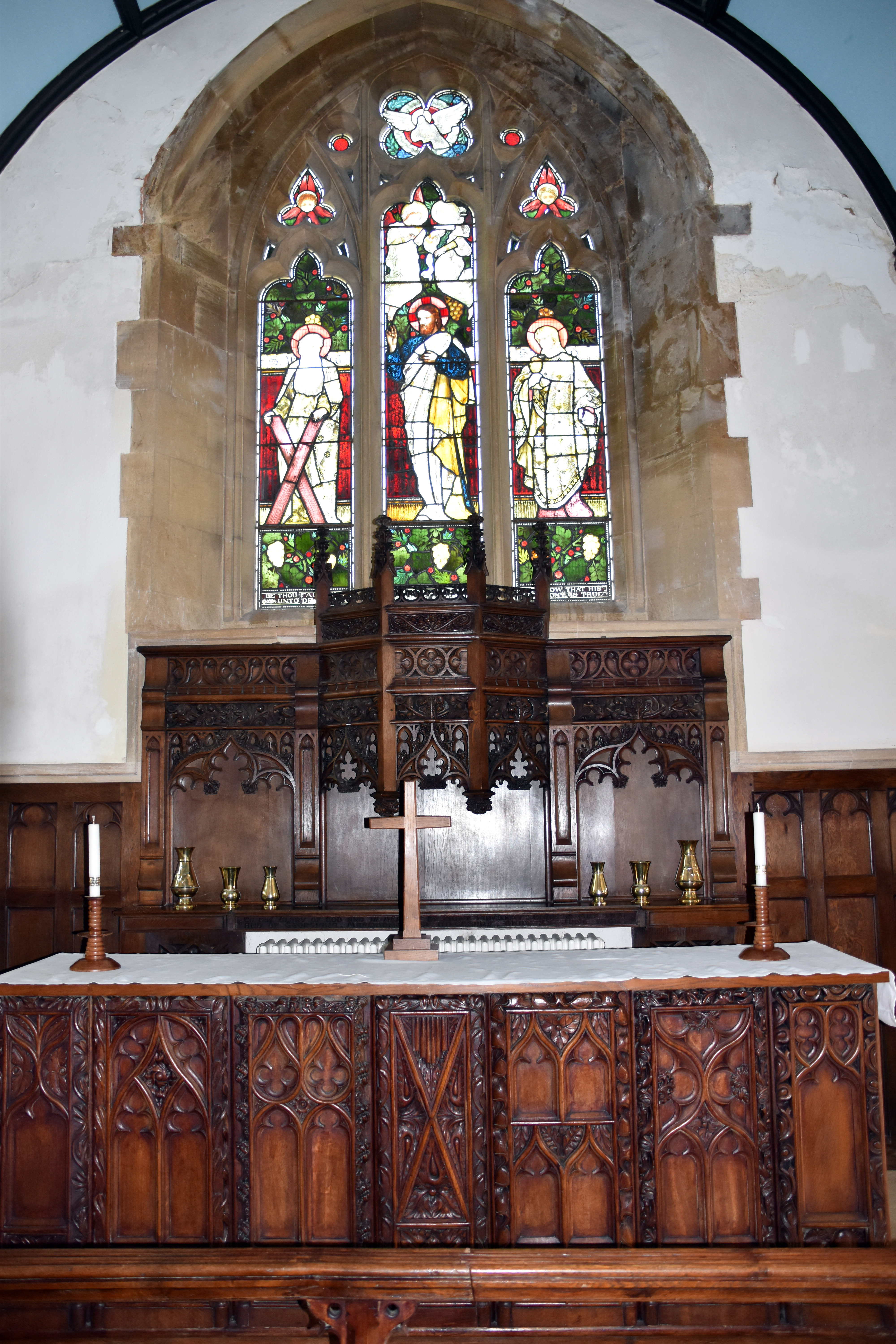
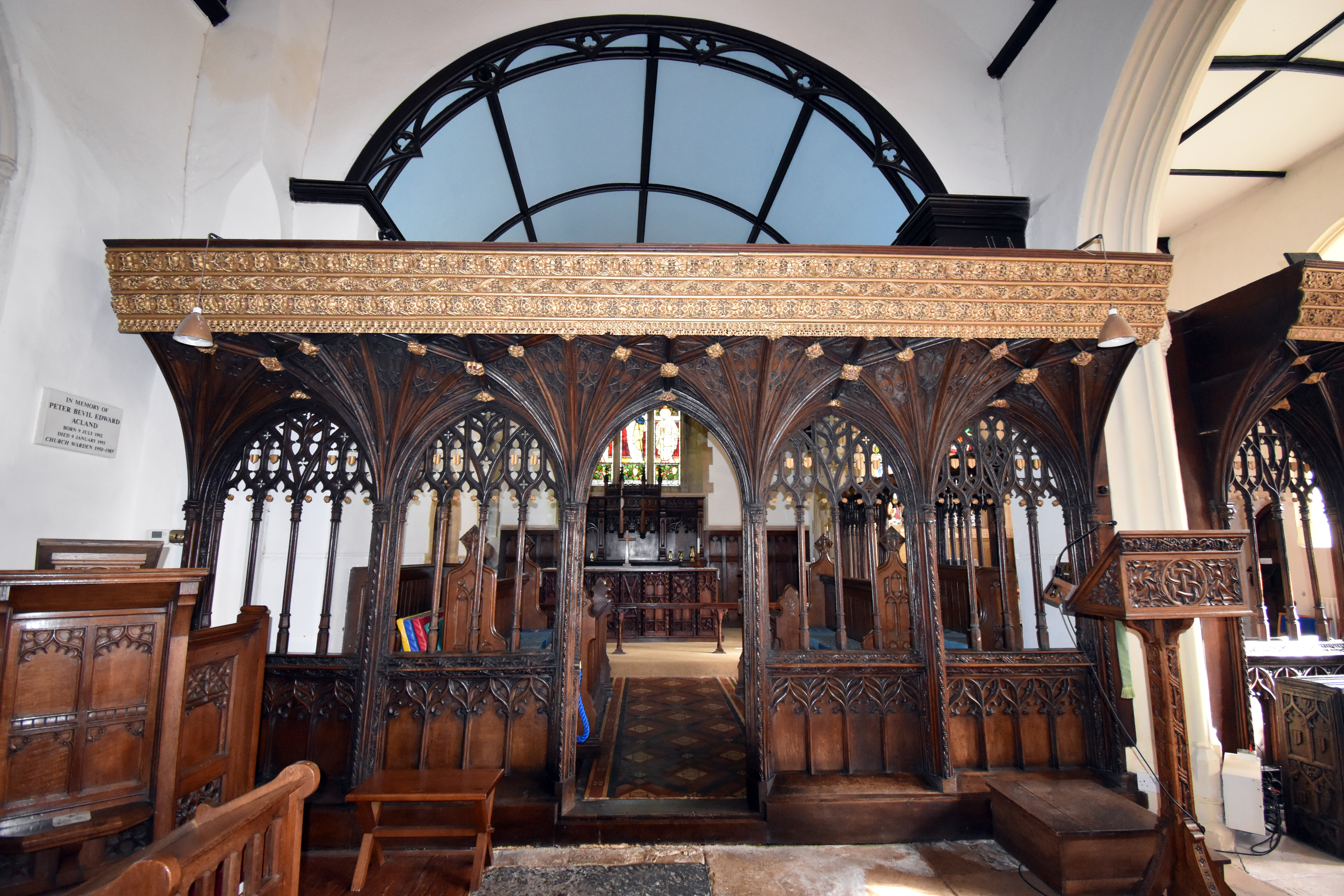
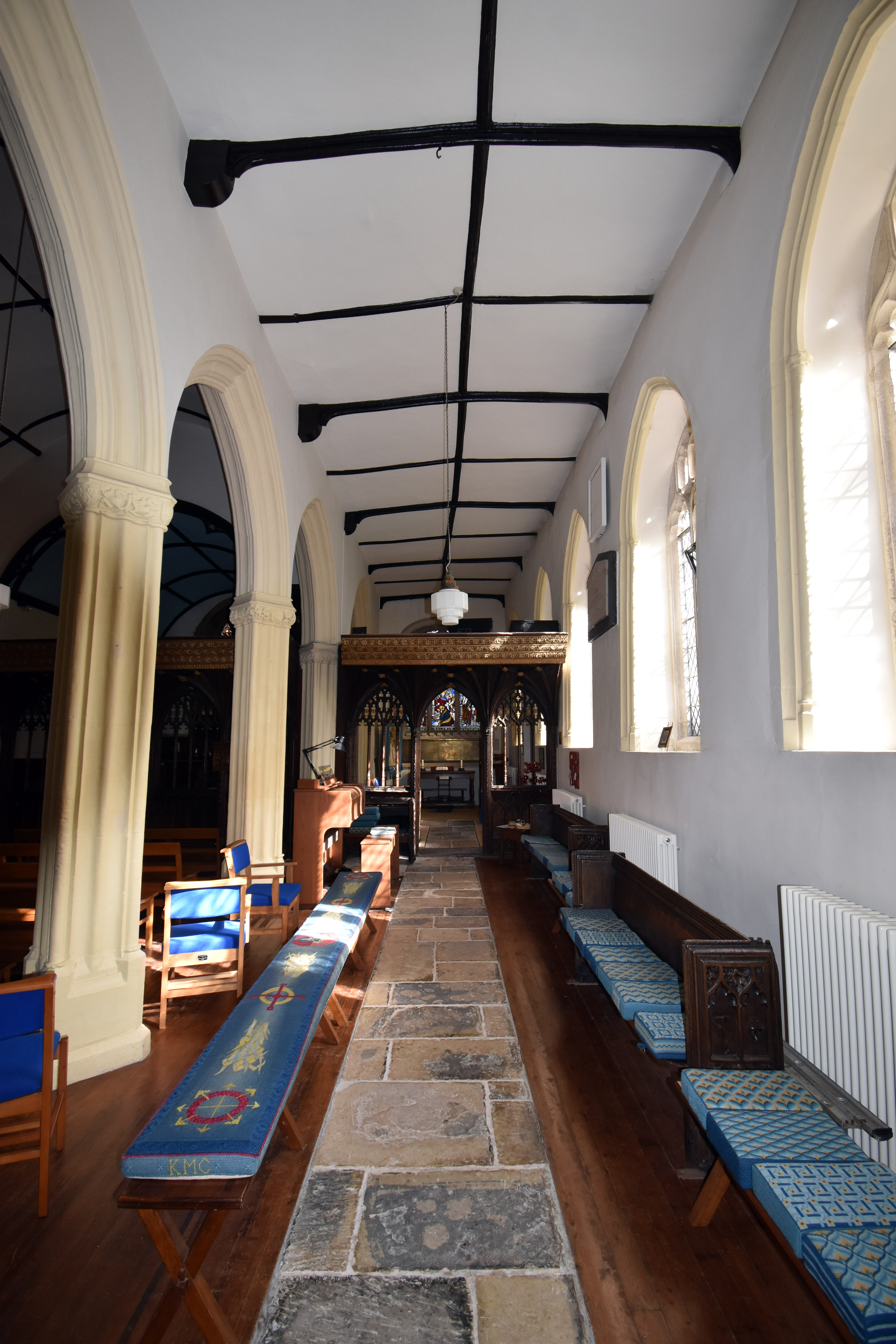
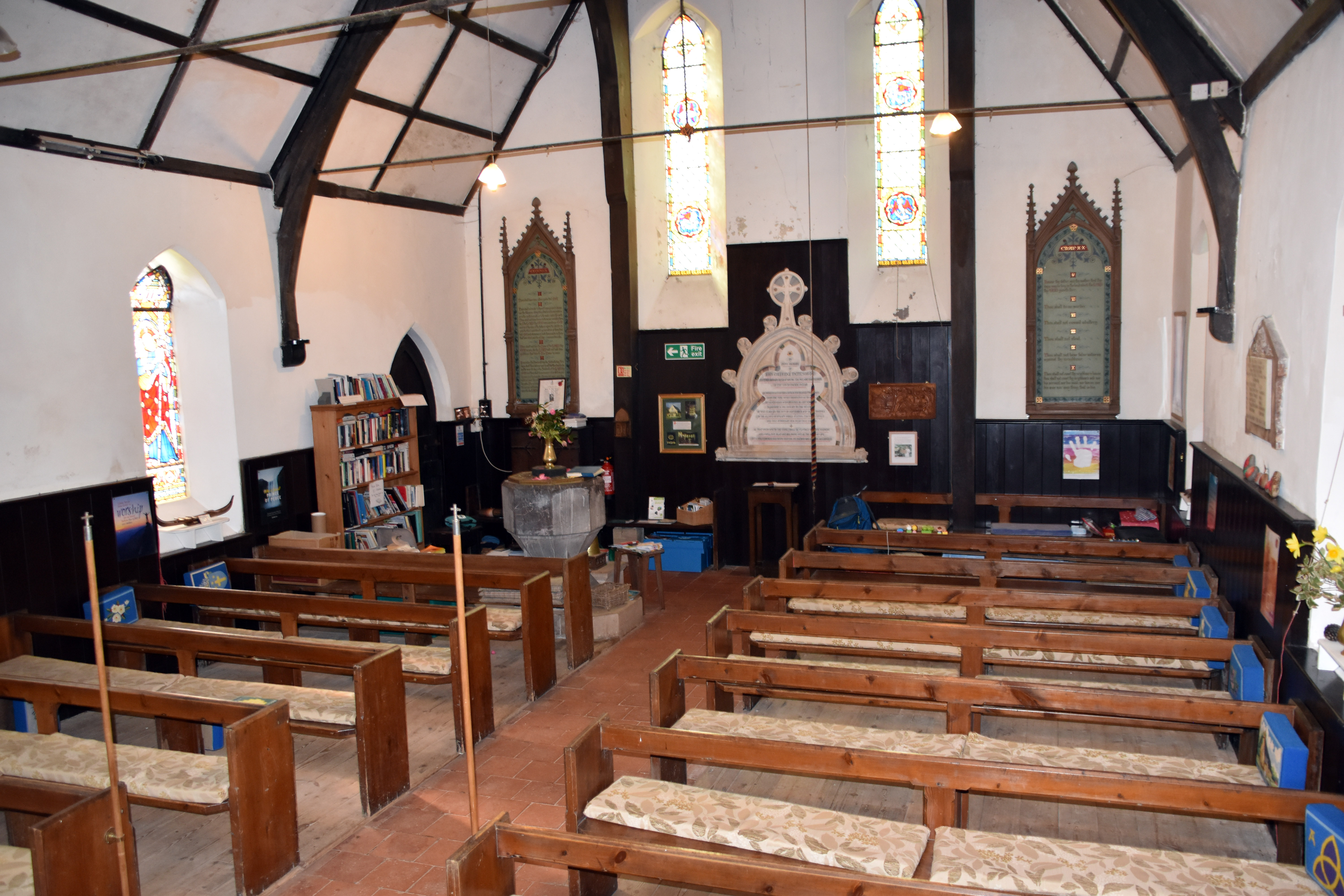
To the Victorians he was the perfect hero, a noble young man from an esteemed family who dedicated his life to spread Christianity in some of the most remote and hostile places on the planet. He was effectively martyred in the same way as the earliest Christian saints. His death saw donations flood into the Melanesian Mission Society, and a new church was erected on Norfolk Island to train local clergy dedicated in his honour. Christianity surged through the Solomon Islands and, most importantly of all, blackbirding began to be stamped out officially. His death had shone the light on an abhorrent practice, but one that had been conducted so far away. There were to be artistic representations of his sacrifice, including the cross we’d visit later, a carving of his death on the martyr’s pulpit in Exeter Cathedral, a stained glass window in Bromley where he had trained, and he is the central character in the mariner’s window in Lincoln Cathedral. To this day Feniton and Alfington are attached very firmly to the identity of Christians from the Solomon Islands, many of whom make the pilgrimage in reverse, travelling from the Pacific to see the origins of their first Bishop. Both churches are full of Pacific imagery and photographs of visiting Solomon Islanders. St Andrew’s also has a bust of John in a chapel dedicated to him on the south aisle when the church underwent a renovation – partly inspired by his fame and work. Suitably, this chapel has a stained glass window dedicated to King Solomon, whose name was used for the nation where he is still honoured.
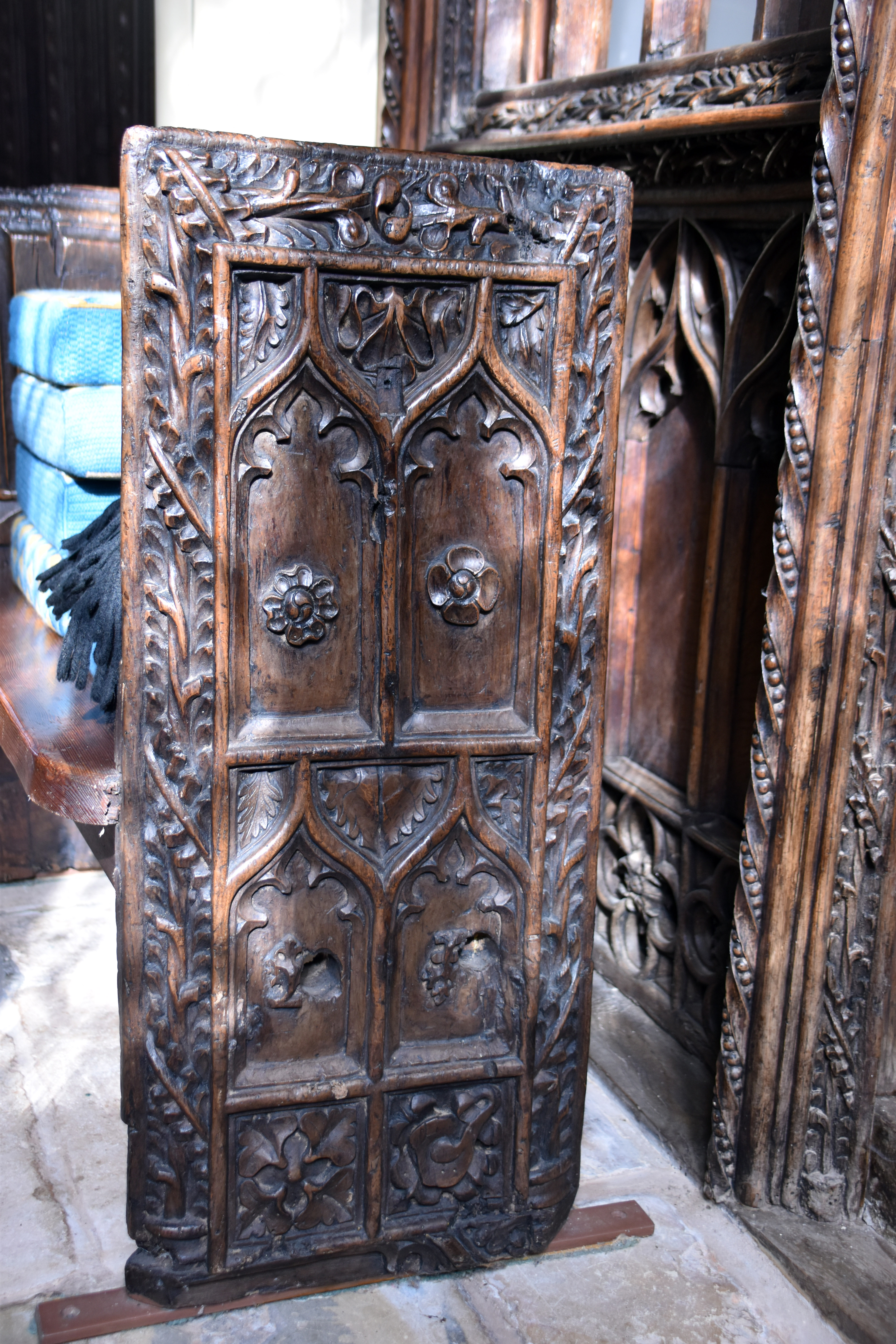
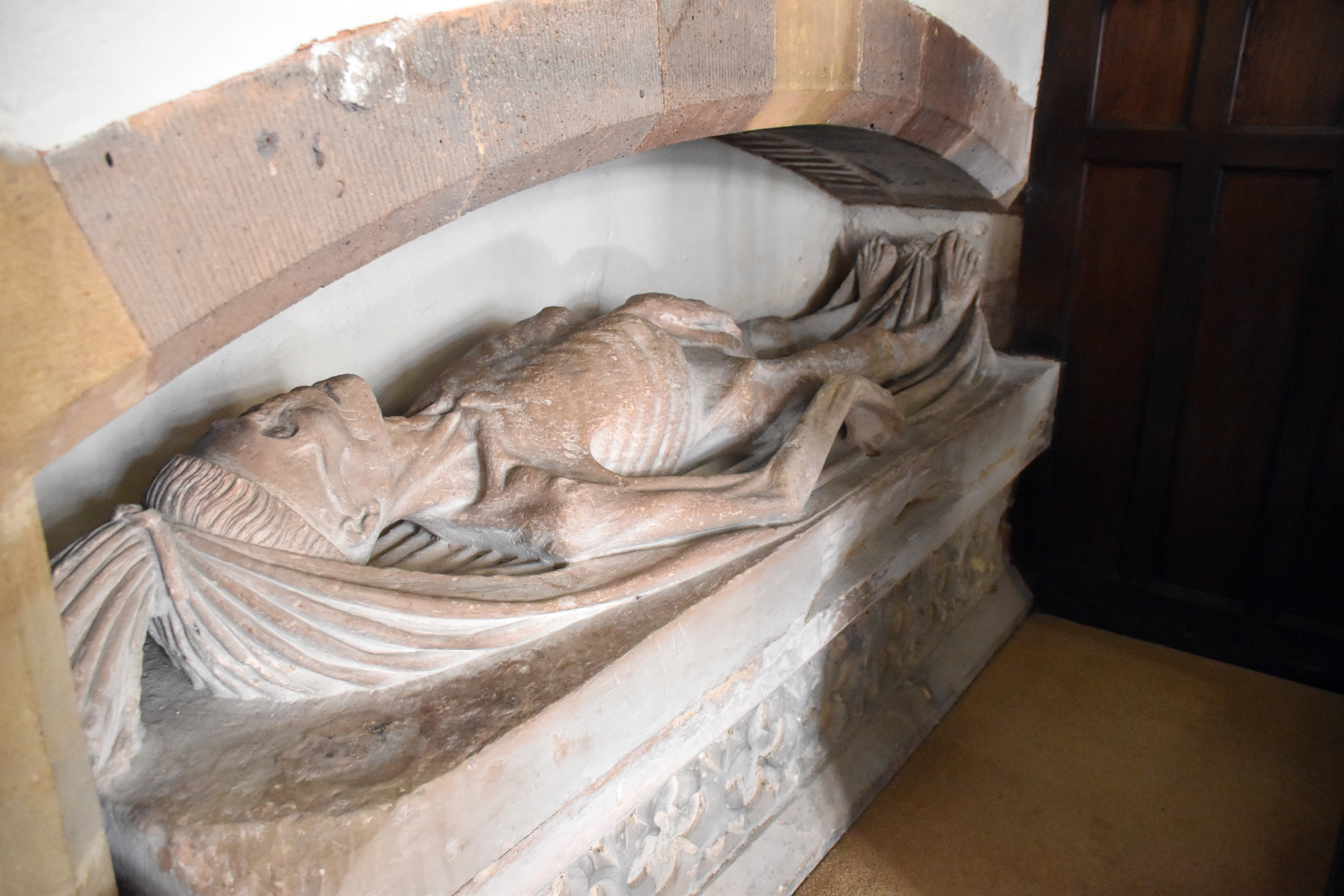
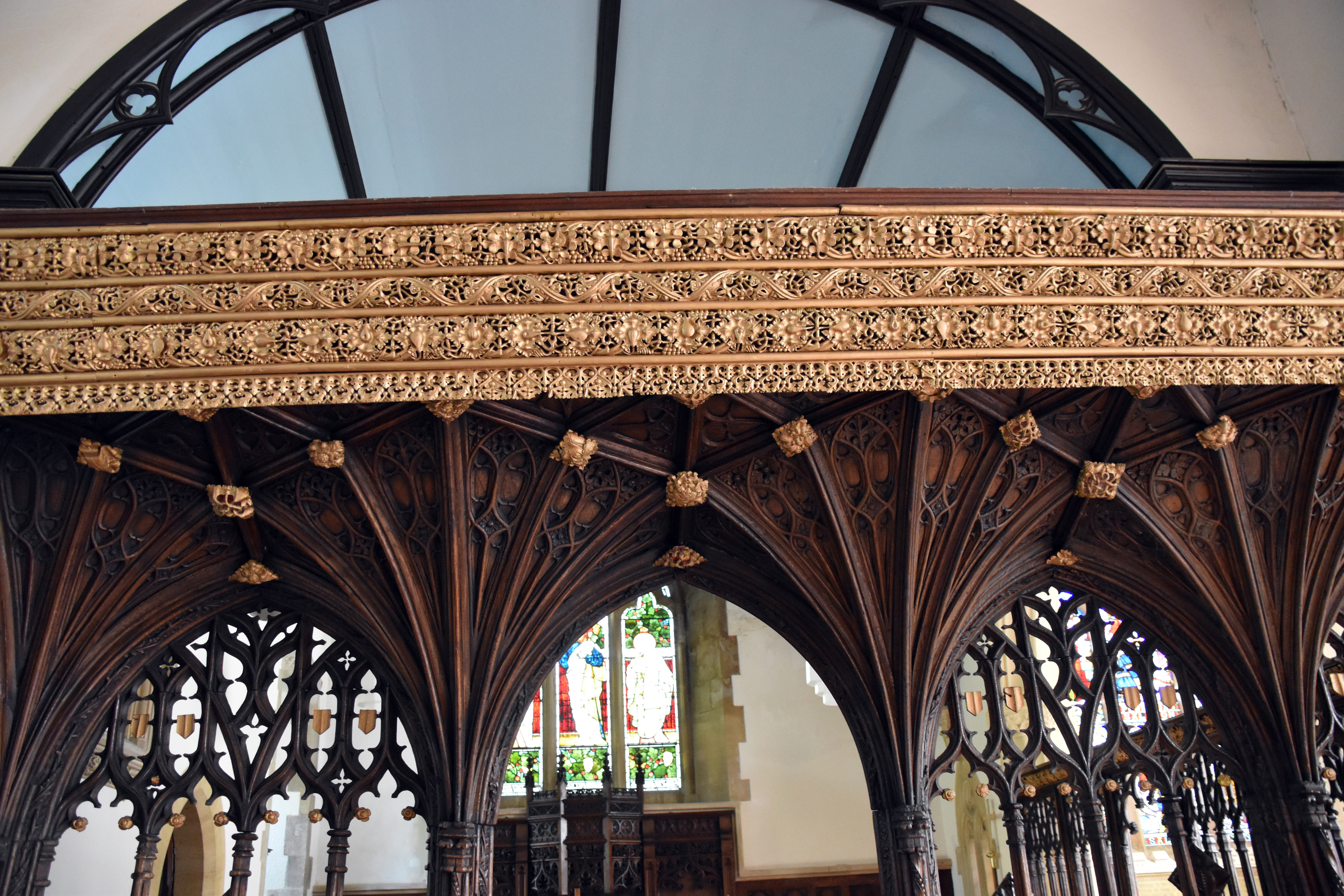
Sadly St Andrew’s suffered from severe flooding a few years ago, doing lots of damage to their beautiful pews, although some were rescued and are still used. There is also a very disturbing memento mori cadaver reminding us of the transience of life.
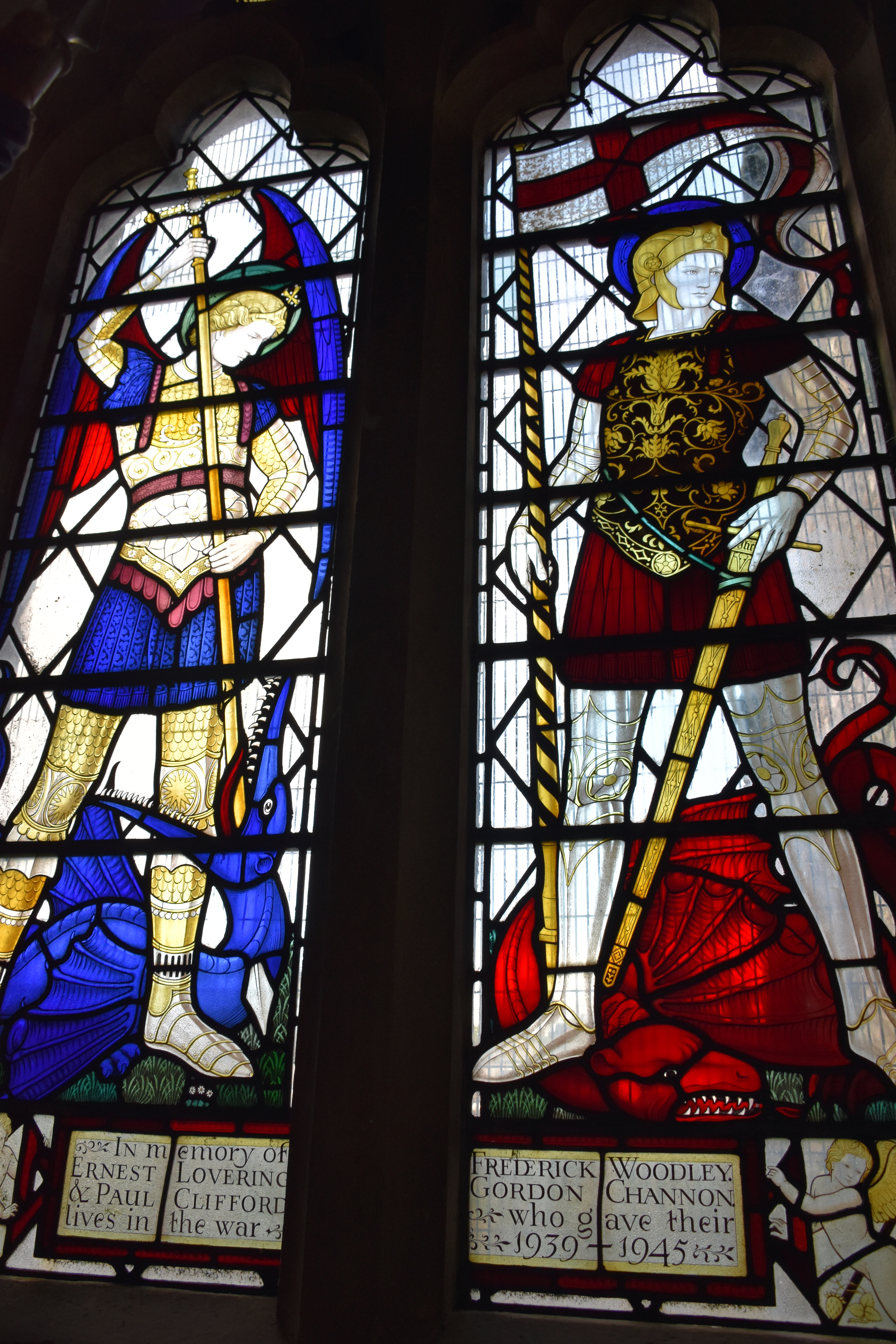
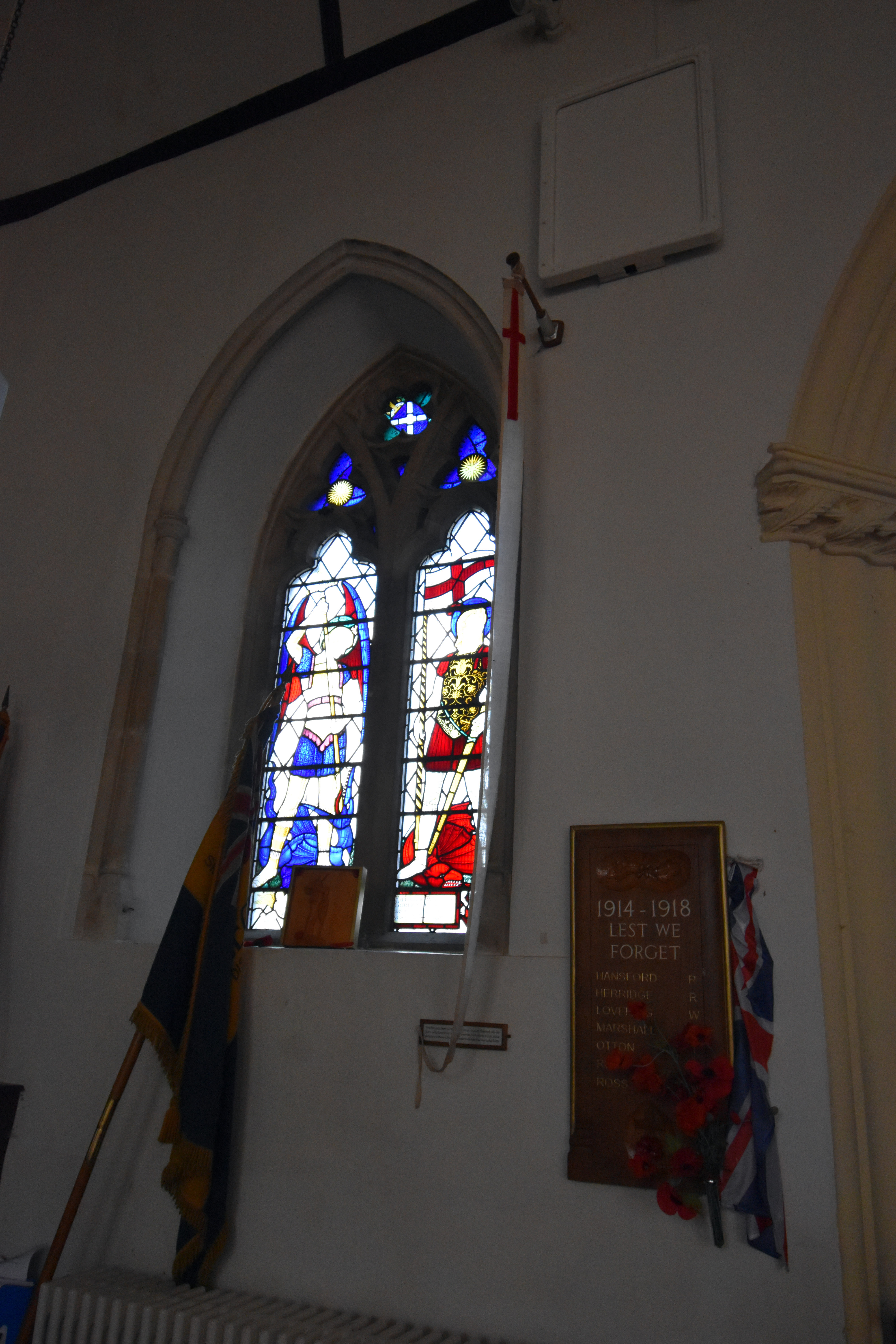
For some reason, next to the war memorials and a stained glass window dedicated to two soldiers killed in the Second World War is a pennant from HMS Exeter, which was one of the three ships that fought the Graf Spee at the Battle of the River Plate in 1939 and the first real victory of the Royal Navy during that war. HMS Exeter took an absolute beating, but they managed to keep the German pocket battleship from escaping into the Atlantic, with her German captain scuttling the ship under the misapprehension that there were more Royal Naval ships waiting for her outside Montevideo. I can’t find what the connection is from that ship to this village, but it is a lovely artefact to have.
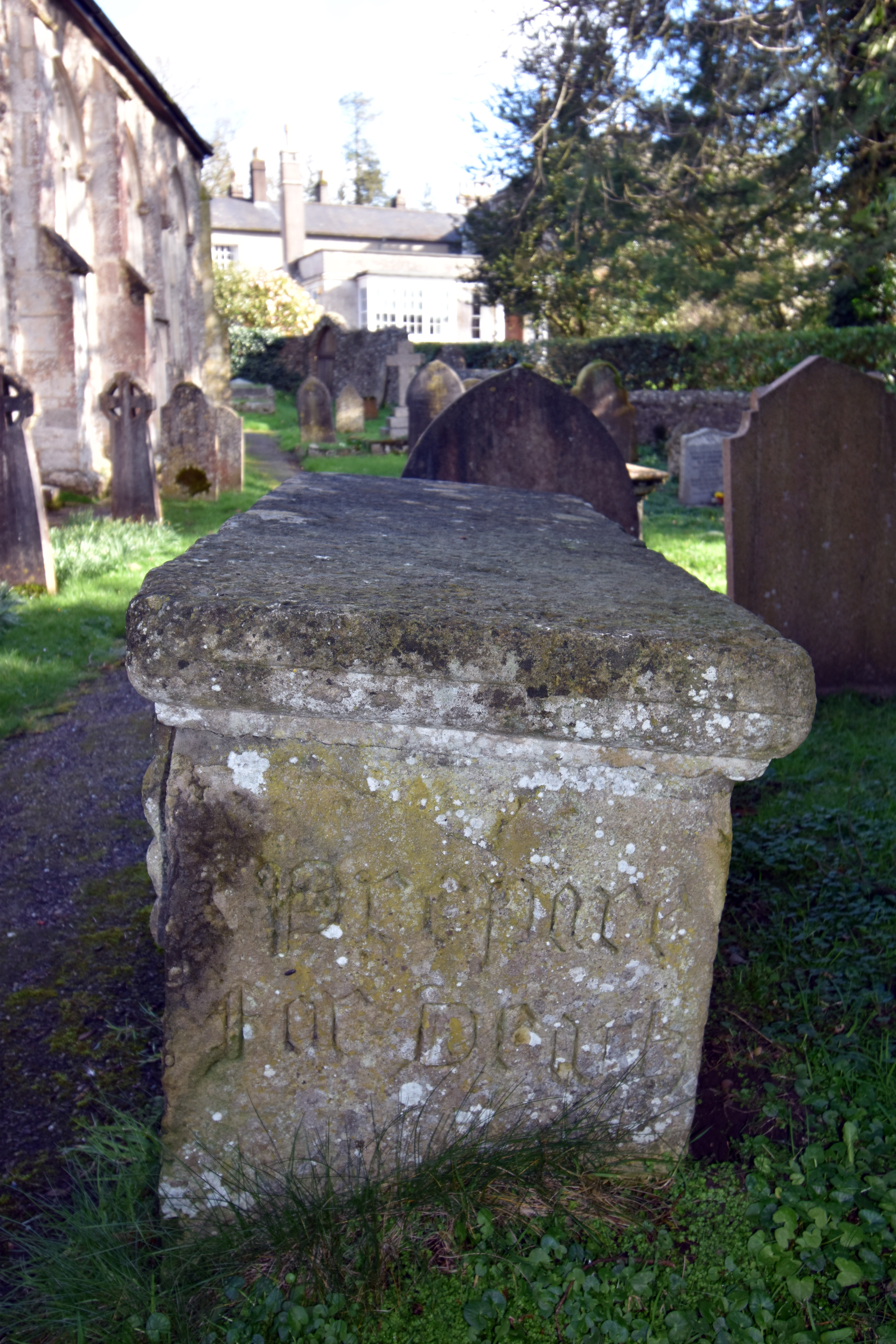
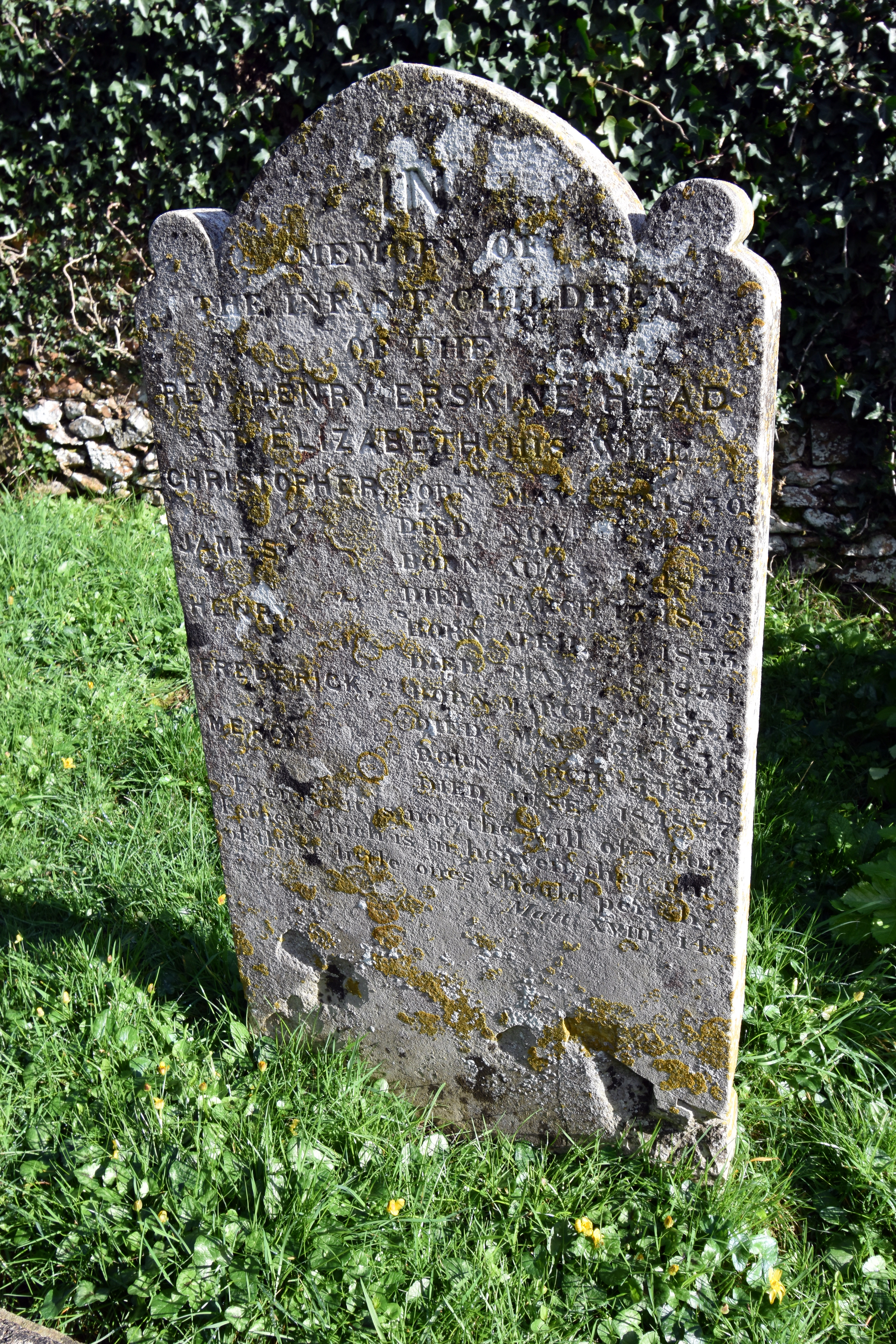
In the graveyard, in addition to the Patteson family vault, we saw some particularly interesting graves. One very old-looking grave warned us to ‘Prepare for Death’ in a very accusatory manner! A sadder grave still was to the infant children of Reverend Henry Erskine Head and his wife Elizabeth. It is quite hard to make out, but there are five children where they detail when they were born and when they died – usually within months, at most a couple of years. It is a reminder of the horrific infant mortality that afflicted even those such as a vicar who would have come from a relatively well‑to‑do family, and indeed the Erskine Heads were a very prominent local family of substantial means. It does not record how they died, but in the 1830s cholera was a particular problem even in isolated rural communities like Feniton.

|
|
|
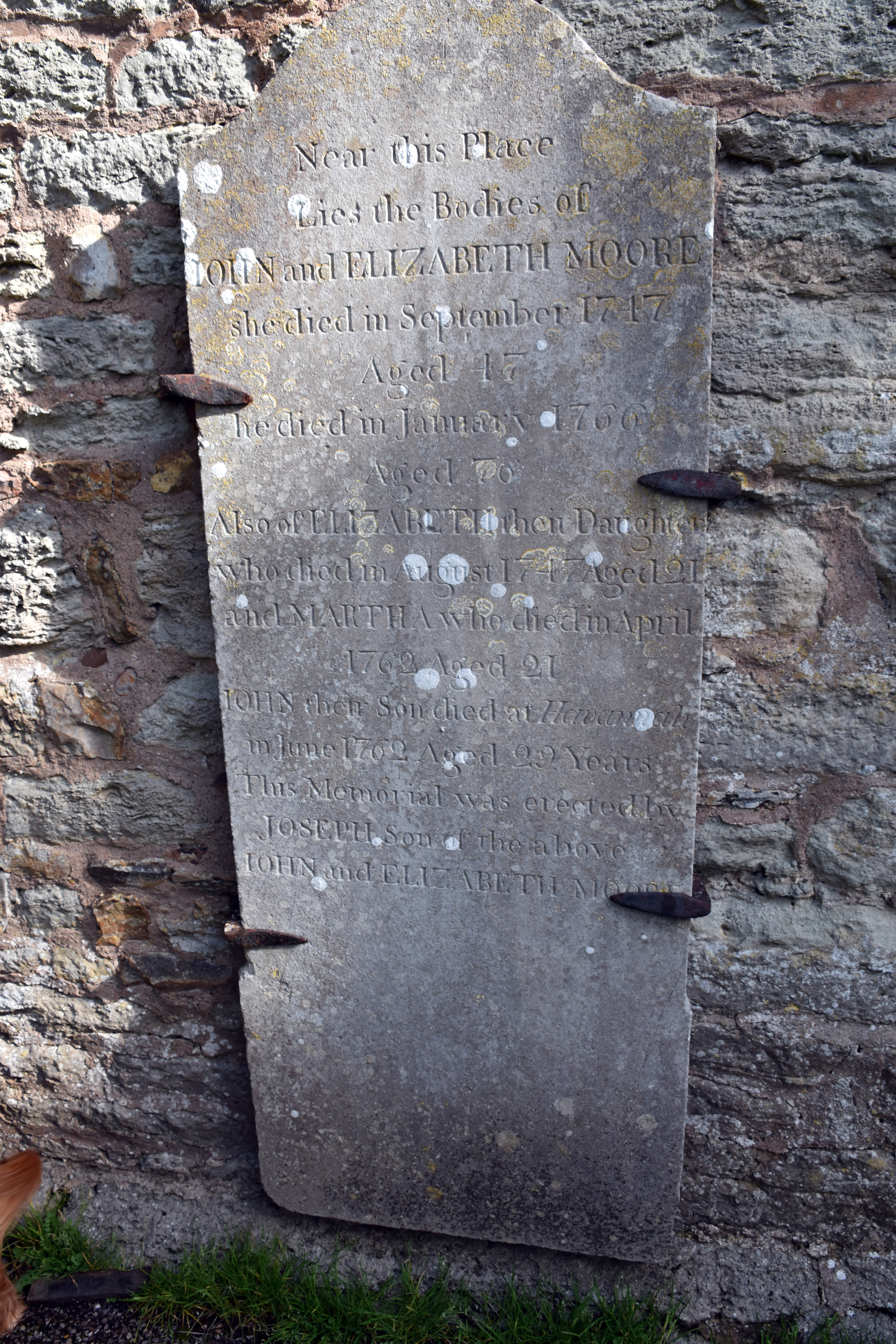
But the most fascinating grave of all was to John and Elizabeth Moore, which includes a dedication to their son John, who died in Havannah in June 1762. This is Havannah, Cuba, and not the name of a local house. That date was very important, as at that time the British did indeed assault Cuba as part of their Seven Years’ War campaign against Spain, the ally of their principal enemy France. They also assaulted Manila in the Philippines, showing just how much the Seven Years’ War was a world war – in many ways the real First World War. I have never seen a dedication or memorial to anyone killed in this obscure, little‑remembered but well‑documented action. If he were in the Royal Navy he would likely have been buried at sea; if he were in the army he would likely be buried in Havannah itself. So it is remarkable to find a connection to this Caribbean campaign in East Devon. These churches and graveyards never cease to throw up amazing connections to our history!
|
|
|
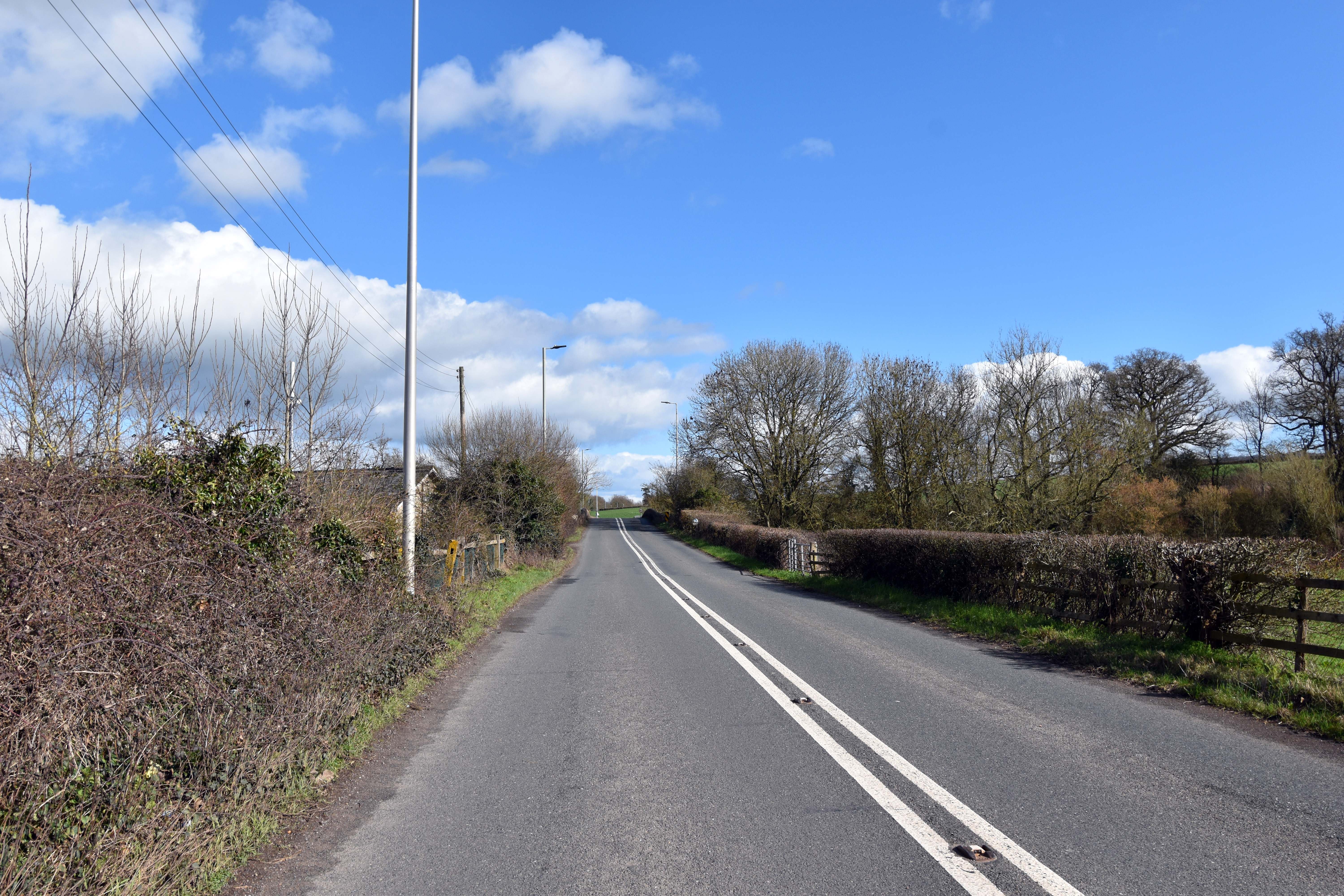
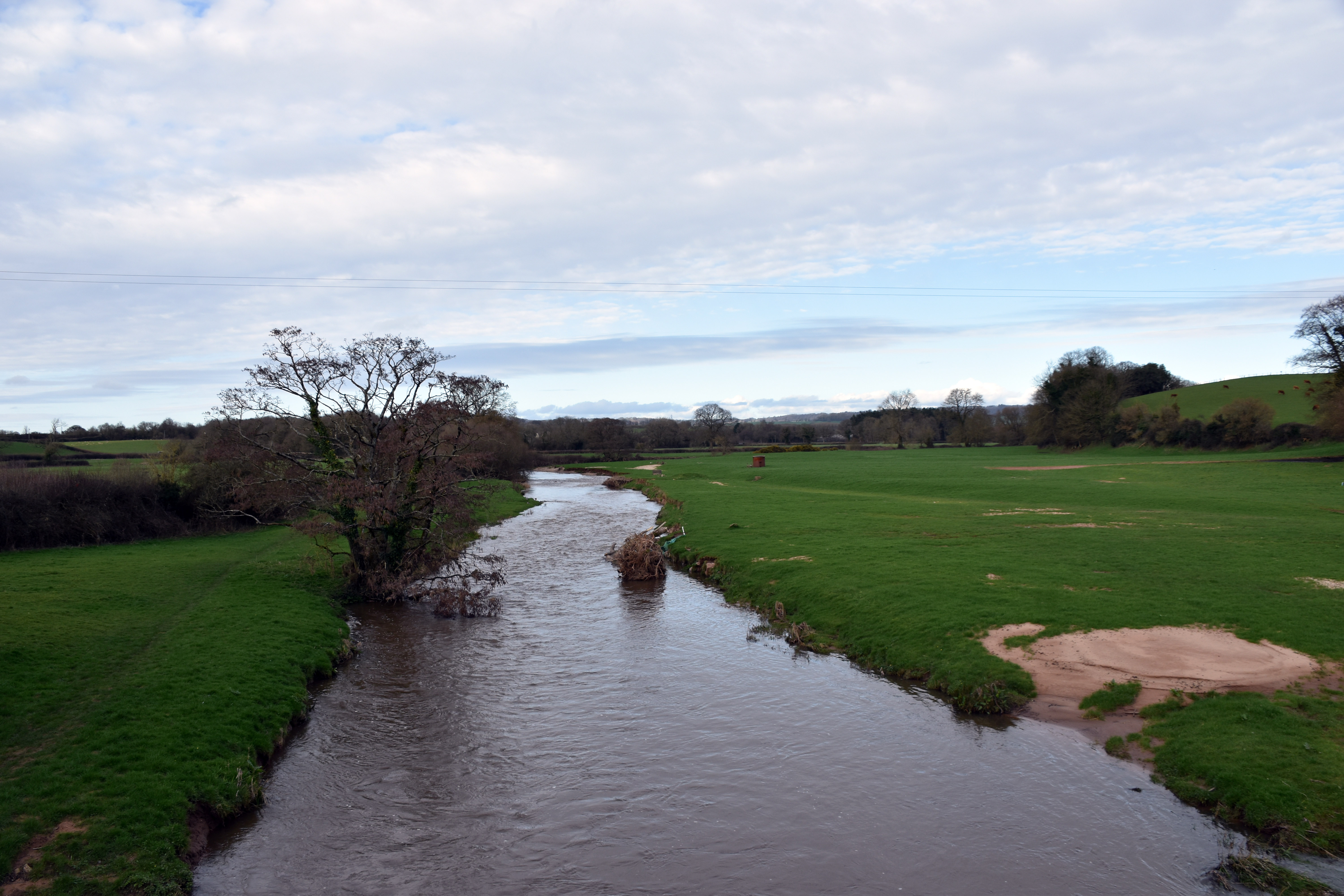
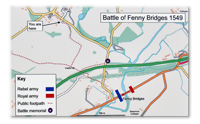
We leave the church by passing through the lych gate that was actually built as a memorial to those who died in the First World War, as the inscription makes clear. We then headed due south towards the battlefield of Fenny Bridges. Now although the fighting did indeed take place on the main bridge where the rebels at first successfully held back the King’s army under Lord Russell, it would soon spread to the north of the bridge when the frustrated Royal army sent cavalry upstream to look for somewhere to ford the River Otter and then attack the defenders from behind (much like what they were to do at Clyst St Mary!). Crossing the river did change the dynamics of the battle, and the rebels were soon in retreat. However, the royalist follow‑up was seriously compromised when a well‑timed ambush by hidden rebels caught Lord Russell off guard. He was to halt his advance, which would allow the West Countrymen to retire in order back along the old Roman road – back ultimately to Clyst St Mary. Lord Russell, somewhat taken aback by the ferocity and skill of the defenders, retired back to Honiton and requested further reinforcements. It is remarkable to think that the King’s army was made up of European Landsknechts and arquebusiers. Quite surreal, looking at the battlefield, thinking of these largely Catholic mercenaries in incredibly colourful uniforms fighting for the ultra‑Protestant Edward VI against West Countrymen who wished to retain the old Catholic traditions. It makes little sense, and yet that is exactly what happened on this ancient highway first constructed by the Romans, but whose route is still largely used to this day – although for some reason the A30 does take a slight bulge northwards before returning to the old Roman route. I’m not entirely sure why, but it actually allows us a far better view of the battlefield. And as for how big the battle was, it is not entirely clear, but it is believed that the King’s army numbered just shy of 2,000, largely mercenaries (they didn’t trust calling out local militia in case they joined the rebels). The rebels’ force was believed to number 10,000 in total, but a large number of these were still besieging Exeter, though still quite a few thousand would have fought here at Fenny Bridge. Once again, though, they were undone by a lack of cavalry to counter the speed of the King’s army. That was a recurring problem that would ultimately undo them.
|
|
|
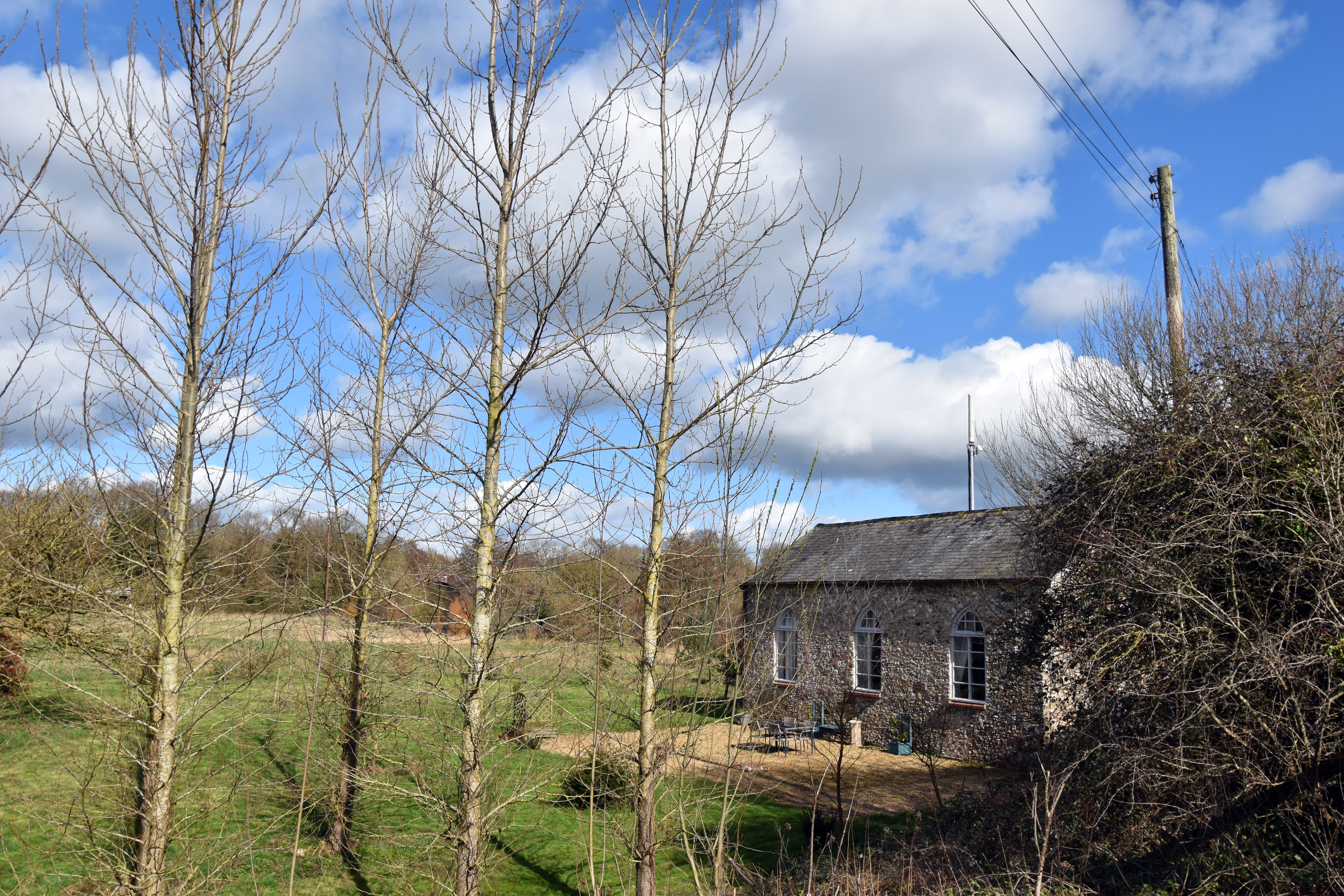
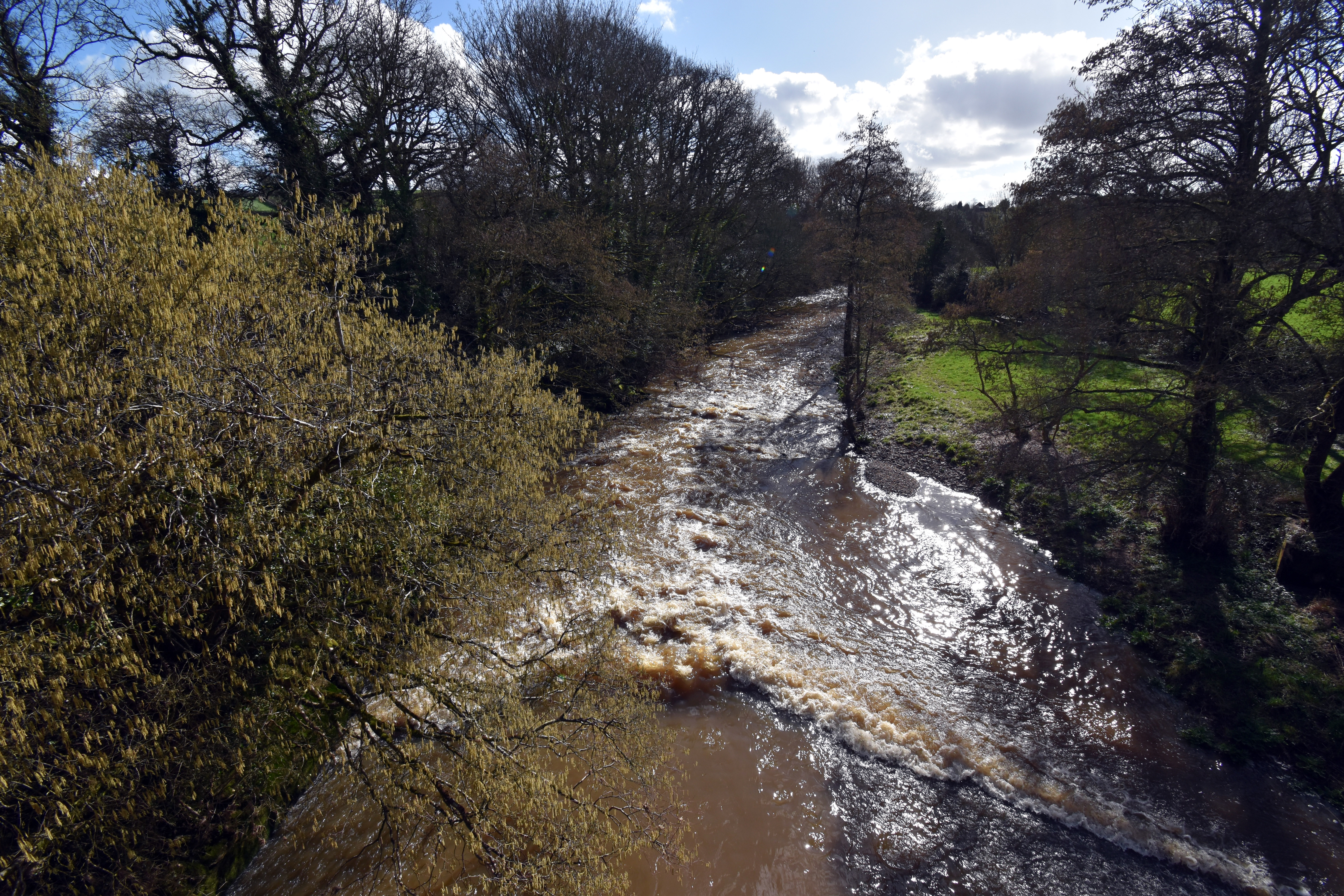
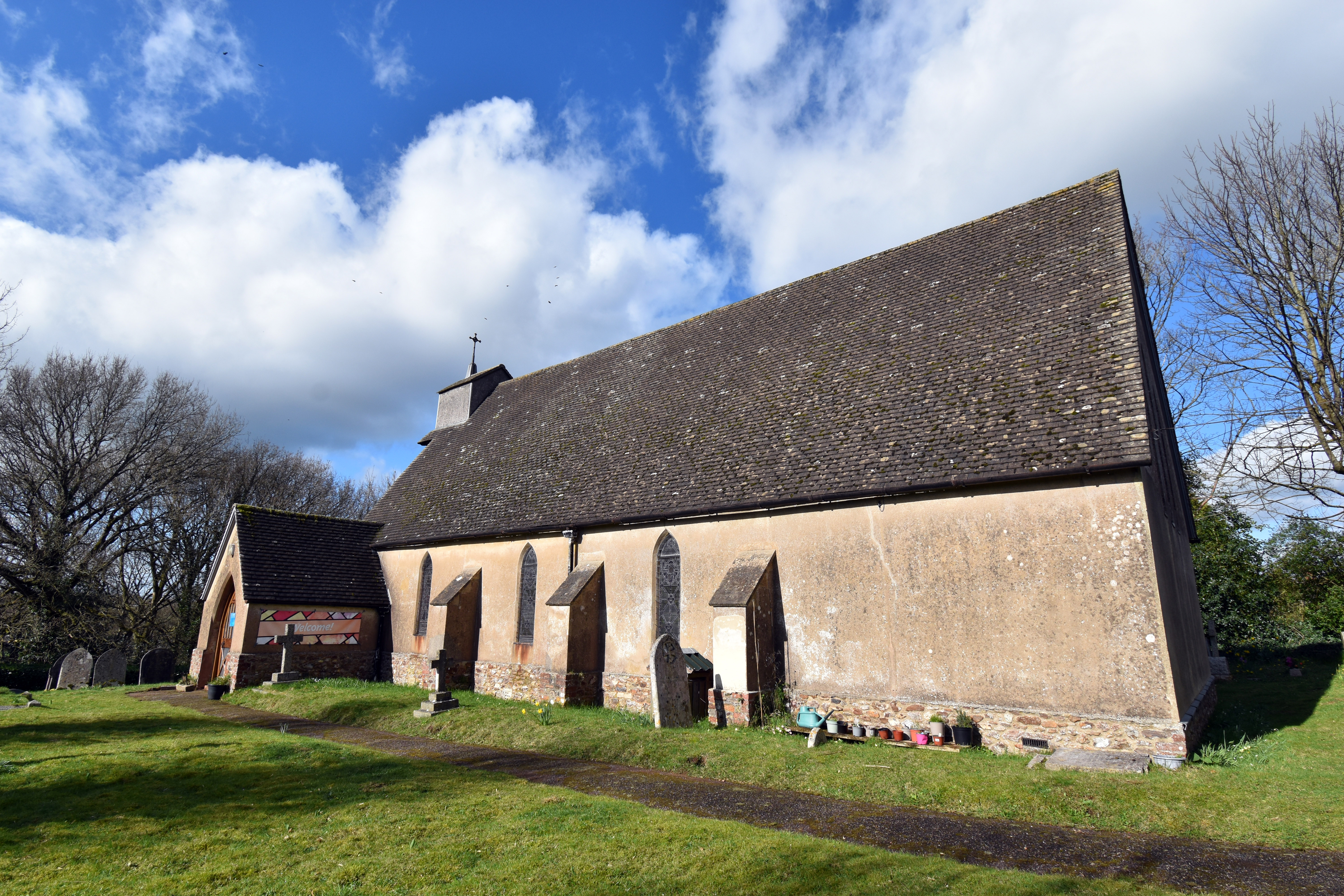
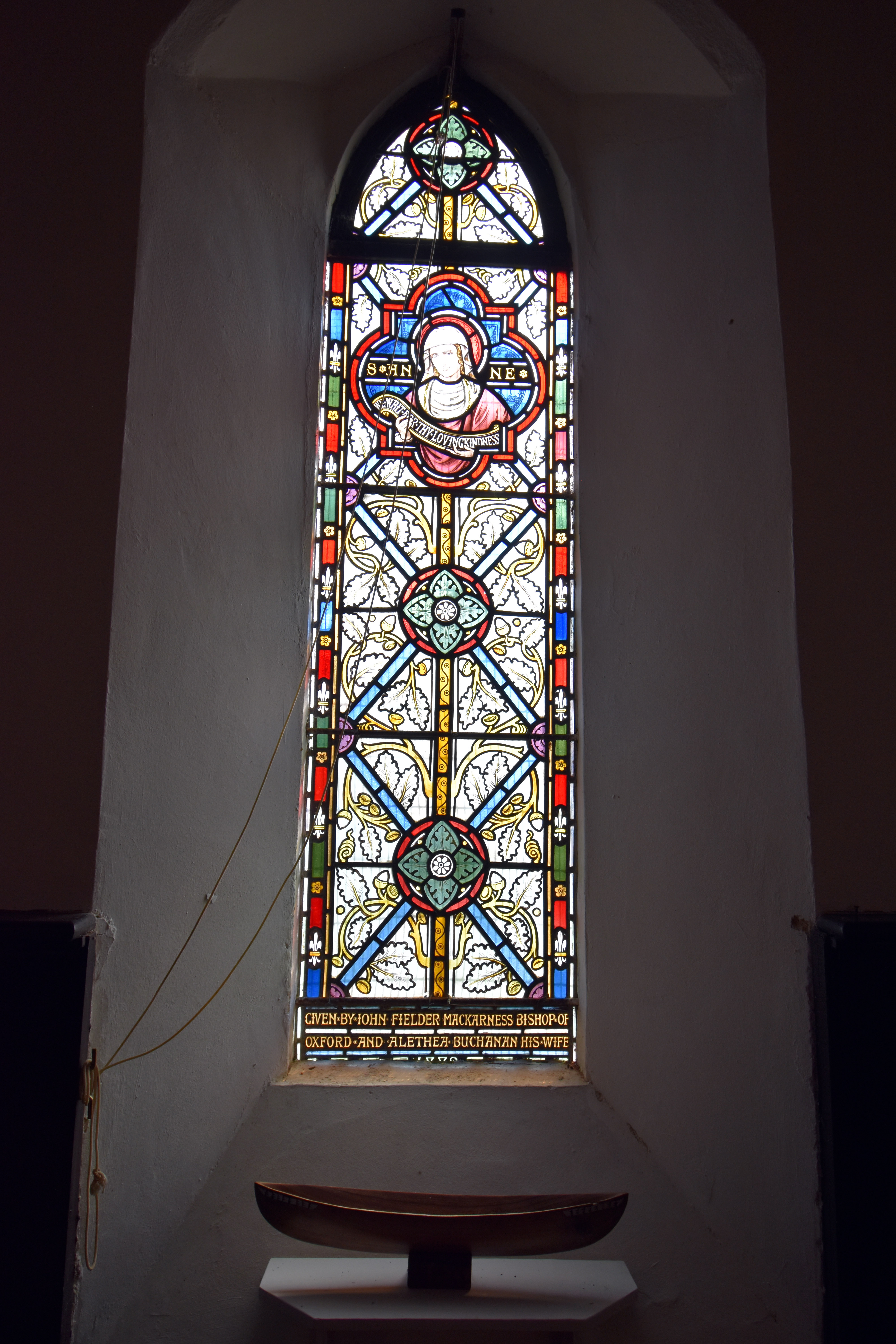
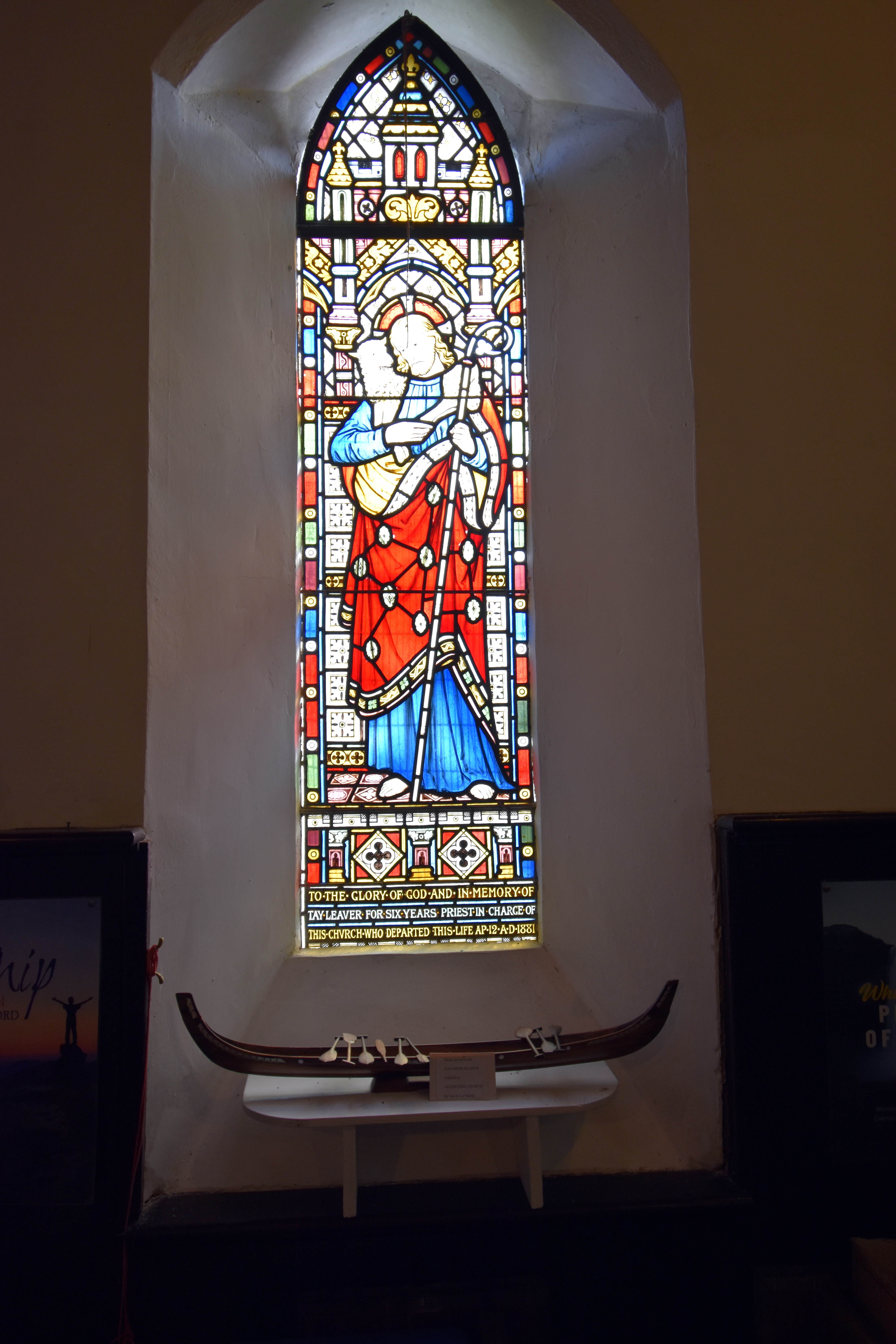
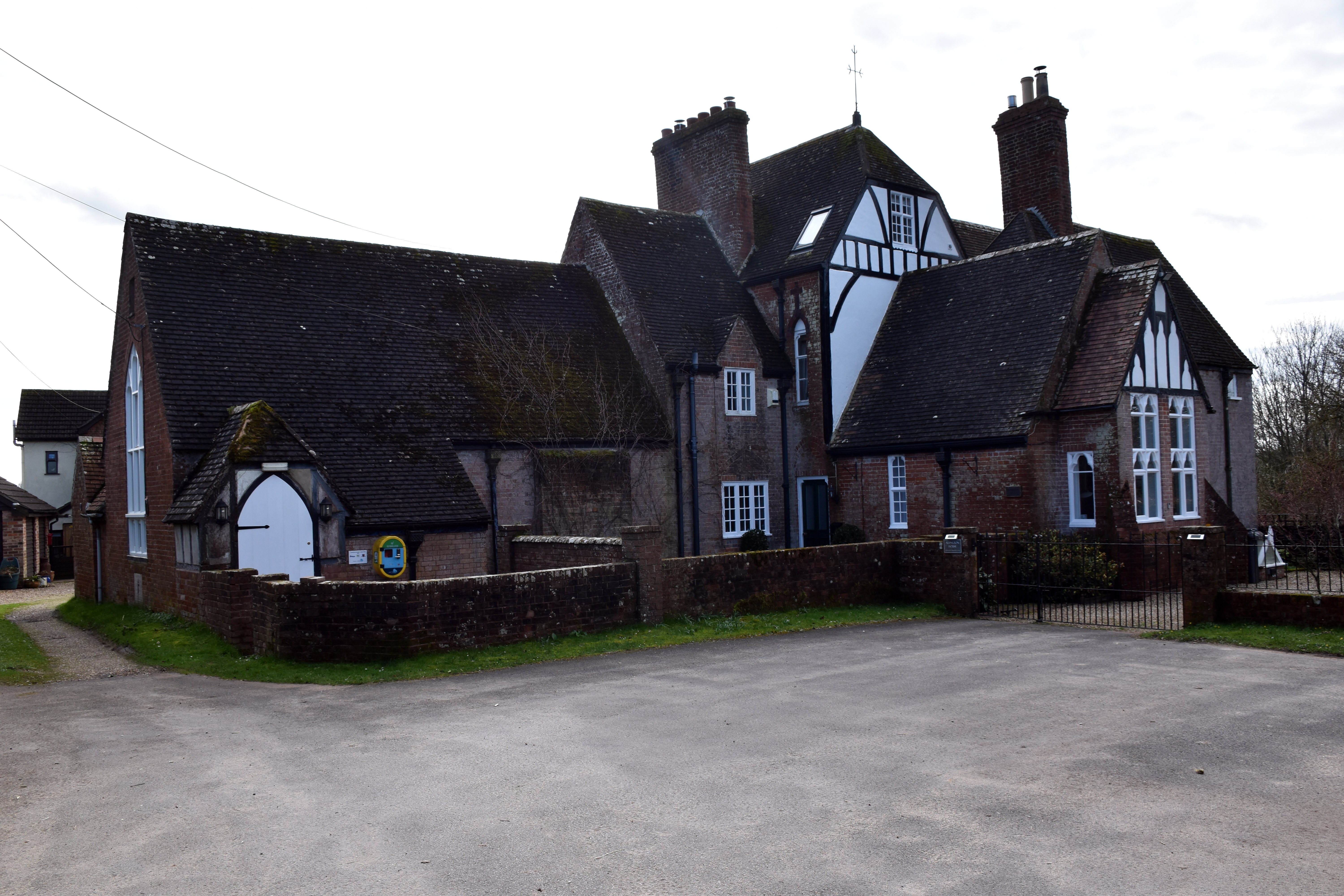
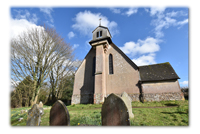
Just before the bridge on the north side is the old Methodist chapel built in 1839. Sadly it is now converted into a house. Immediately after crossing the bridge we took a footpath towards Alfington, following the River Otter (in full winter flow) southwards. Alfington is a tiny little village with quaint cottages and houses and some lovely views over the River Otter. Its church is really tucked away, and the fact that it has no spire nor any tower makes it even harder to find. You have to know that it is there, and it is at the end of a cul‑de‑sac which at least hints at its treasure with the name of Church Lane. This church is an early Victorian church next to the imposing‑looking Alfington House. The Coleridge Patteson family seem to have left Feniton Court and relocated to Alfington, perhaps to be closer to where John had started his career as a young curate. Many of the stained glass windows and a large memorial to him are found inside the church.

|
|
|
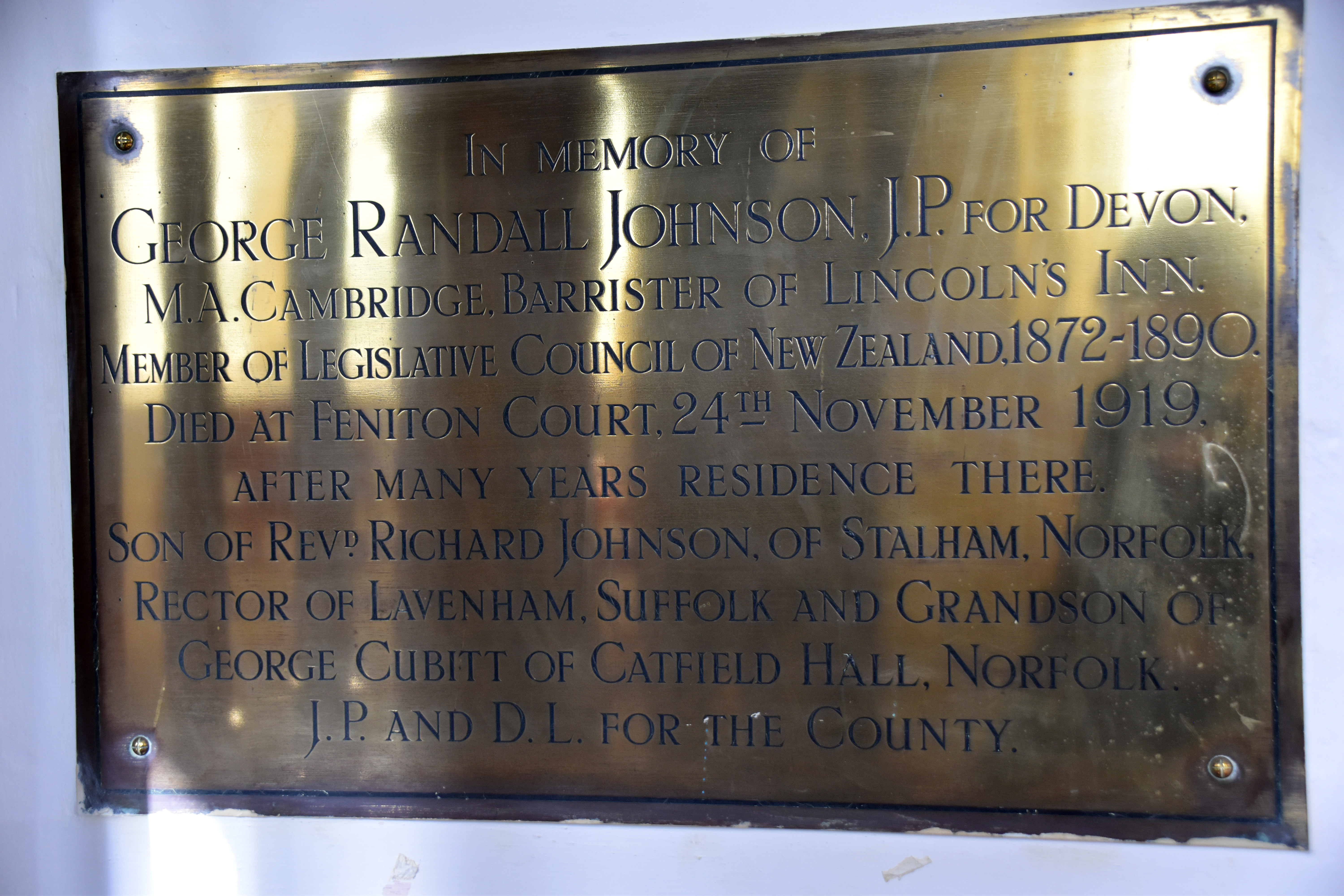
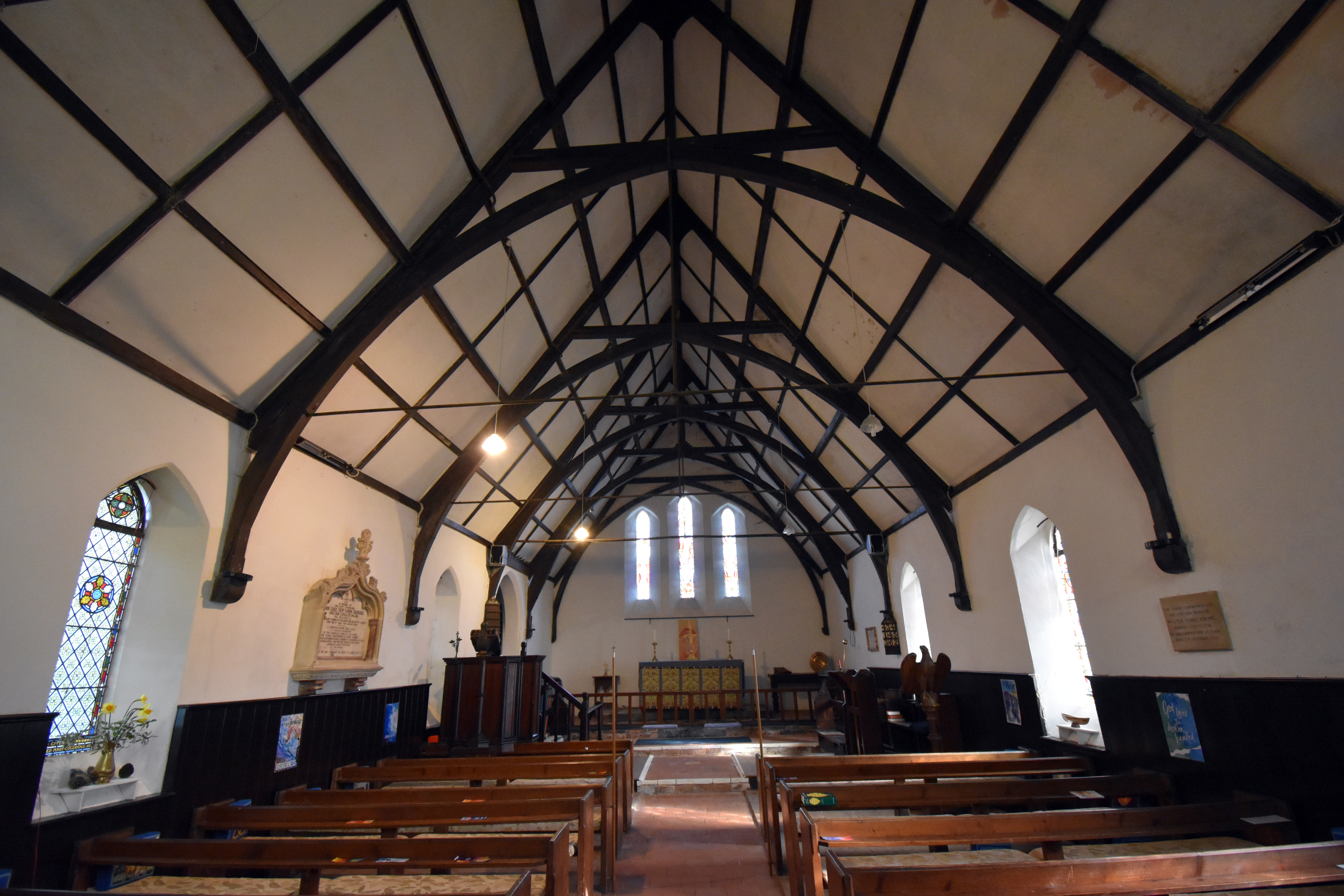
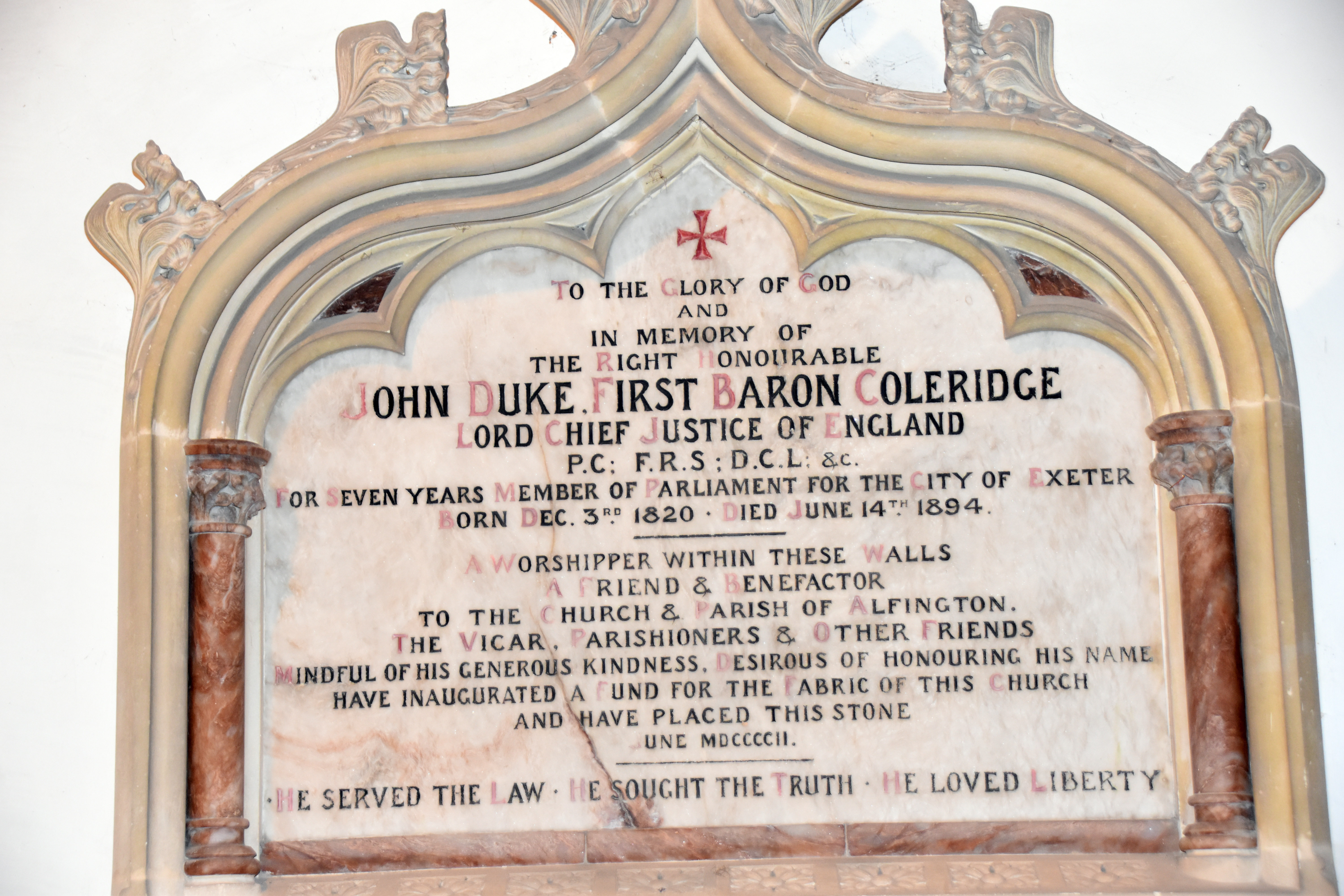
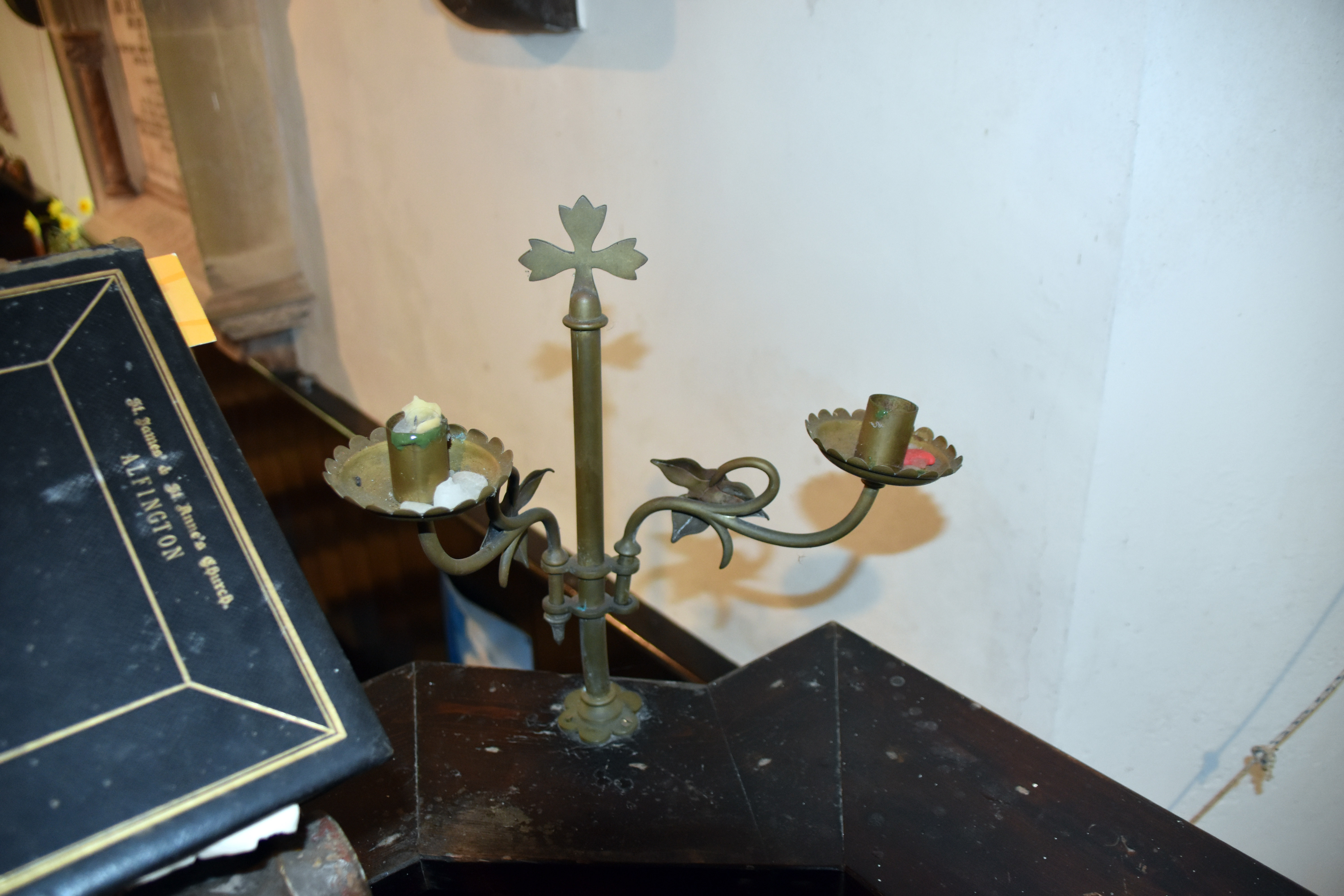
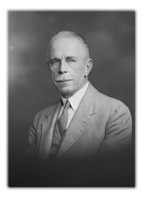
Once again you see lots of connections to the Pacific inside this church, including a carving by Melanesian craftsmen showing the Bishop’s death. There is also a large memorial to John Duke Coleridge, another relation to Samuel Taylor Coleridge. John Duke was the Liberal MP for Exeter in the 1860s and was appointed Gladstone’s Solicitor‑General before being made Attorney‑General in 1873 and eventually being Lord Chief Justice of England. Unusually for such a highly placed man, he was a firm advocate for women’s suffrage, years before it was fashionable to be so. He was involved in some fascinating cases, such as the 1884 case of cannibalism when two sailors ate a 17‑year‑old cabin boy to survive, claiming it was through necessity. His landmark decision made it clear that necessity is not a legal defence to murder. The two mariner cannibals were sentenced to death but with a recommendation for mercy! They were guilty, but it was unusual circumstances. They were shown more mercy than the poor cabin boy received and were freed from prison in 1885. He was also involved in the Royal Baccarat Scandal that saw the Prince of Wales (the future Edward VII) caught up in a gambling case when a good friend of his, an army officer by the name of William Gordon‑Cumming, was accused of cheating at cards. The Prince of Wales found himself called as a witness, and his profligate lifestyle soon became newspaper fodder. It was also the first time that a member of the Royal Family had been summoned to court since 1411! Gordon‑Cumming lost the case and was dismissed from the army. It transpired that he provided the prince with mistresses in a case with echoes of similar issues for today’s Royal Family. The Prince of Wales was the big loser, and his mother was furious with him. Basically, Lord Chief Justice is as high as you can go in the legal profession, and here in this tiny village is a memorial to one of the most important legal minds of the 19th century.
|
|
|
In the graveyard we also found a grave of a Colonel from the Indian Army, a certain John Cunningham Moore Hoskyn. Another child of Empire, he had been born in Barbados, got married in Bombay, and served with the 44th Merwara Infantry Regiment in the Indian Army, serving in Mesopotamia, Persia, and the Caucasus, receiving both a D.S.O. and a C.B.E. Another imperial son buried in a quiet Devon churchyard.
|
|
|
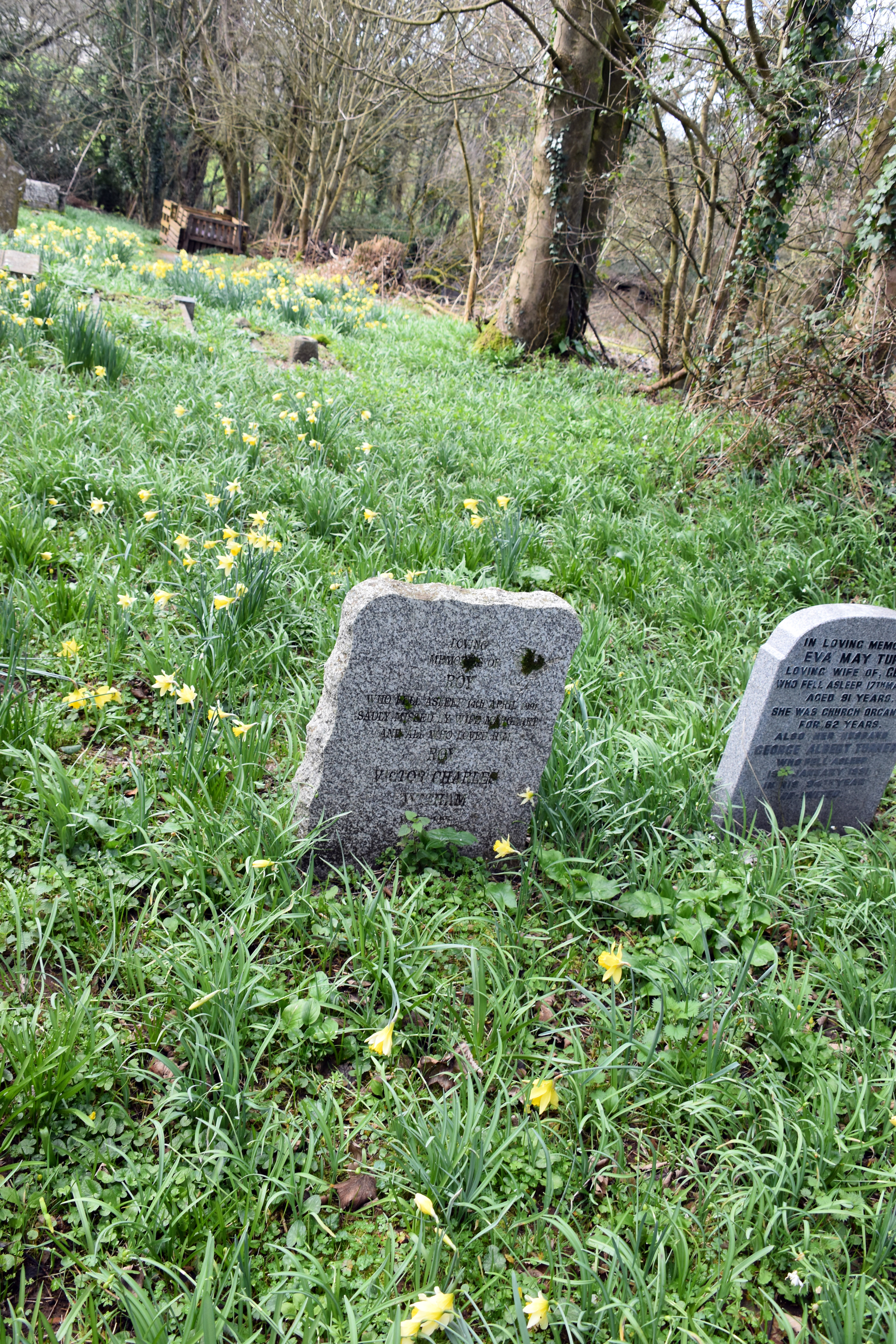
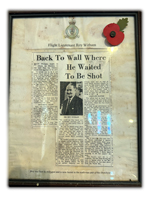
On the other side of the church was a grave to a Flight Lieutenant Roy Witham, who survived to die in his bed here in Alfington. This was no mean feat when he parachuted from his crippled aircraft into occupied Belgium in May 1944. He was the only survivor from the plane but was handed over to the Gestapo for interrogation. This harsh process included being lined up to be executed against a wall. Fortunately for Roy, this was just part of their interrogation technique, and he was to be evaluated as being a genuine prisoner of war and spent the rest of the war in captivity. It can be surprising, the stories behind some of the graves in these churchyards.
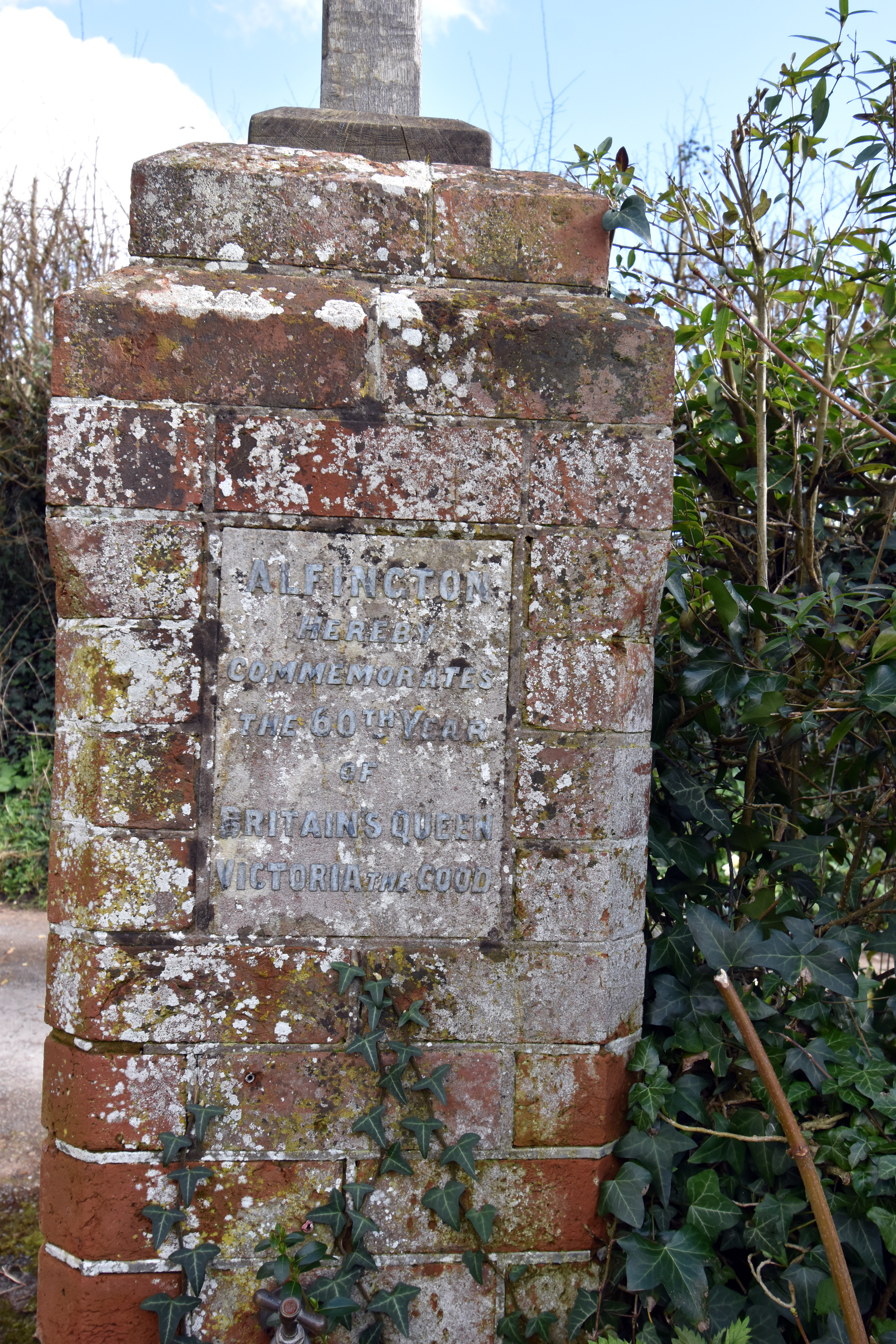
As you leave the church you walk through the lych gate, which this time was dedicated to Queen Victoria on her Diamond Jubilee in 1897. Intriguingly, it refers to her as Queen Victoria the Good! Which is not a sobriquet I’ve heard often, but definitely one that a patriotic little village like Alfington might agree upon.
|
|
|
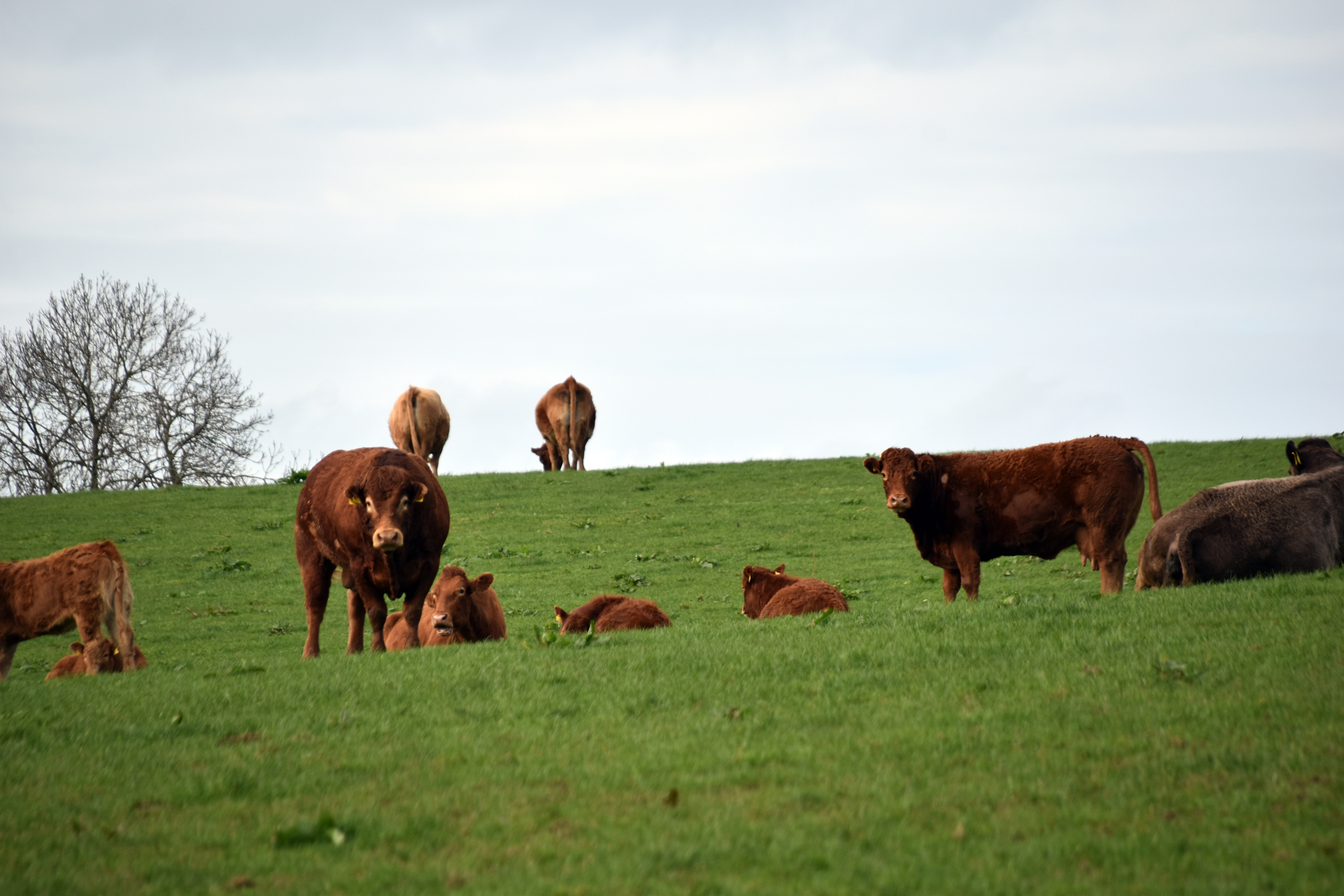
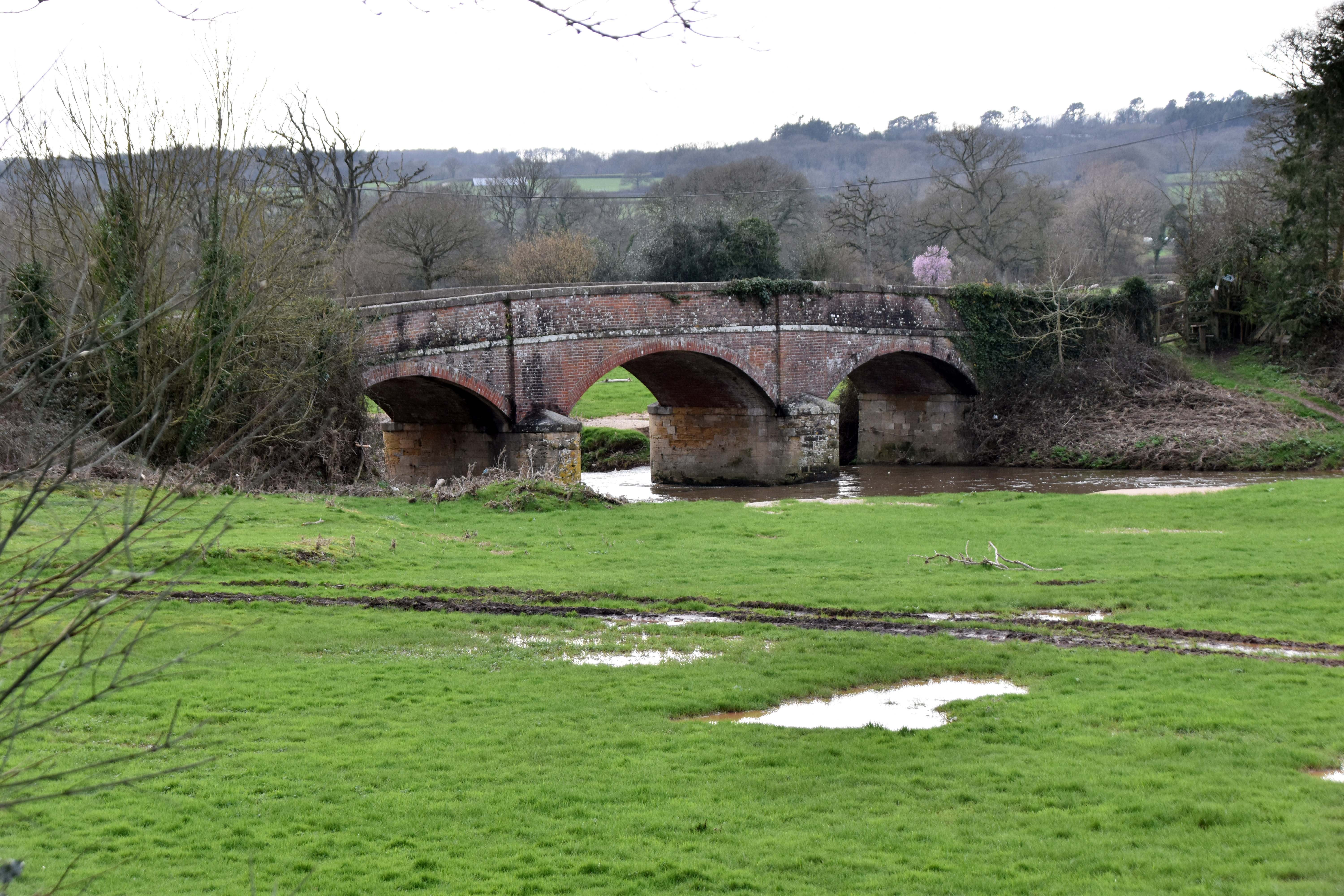
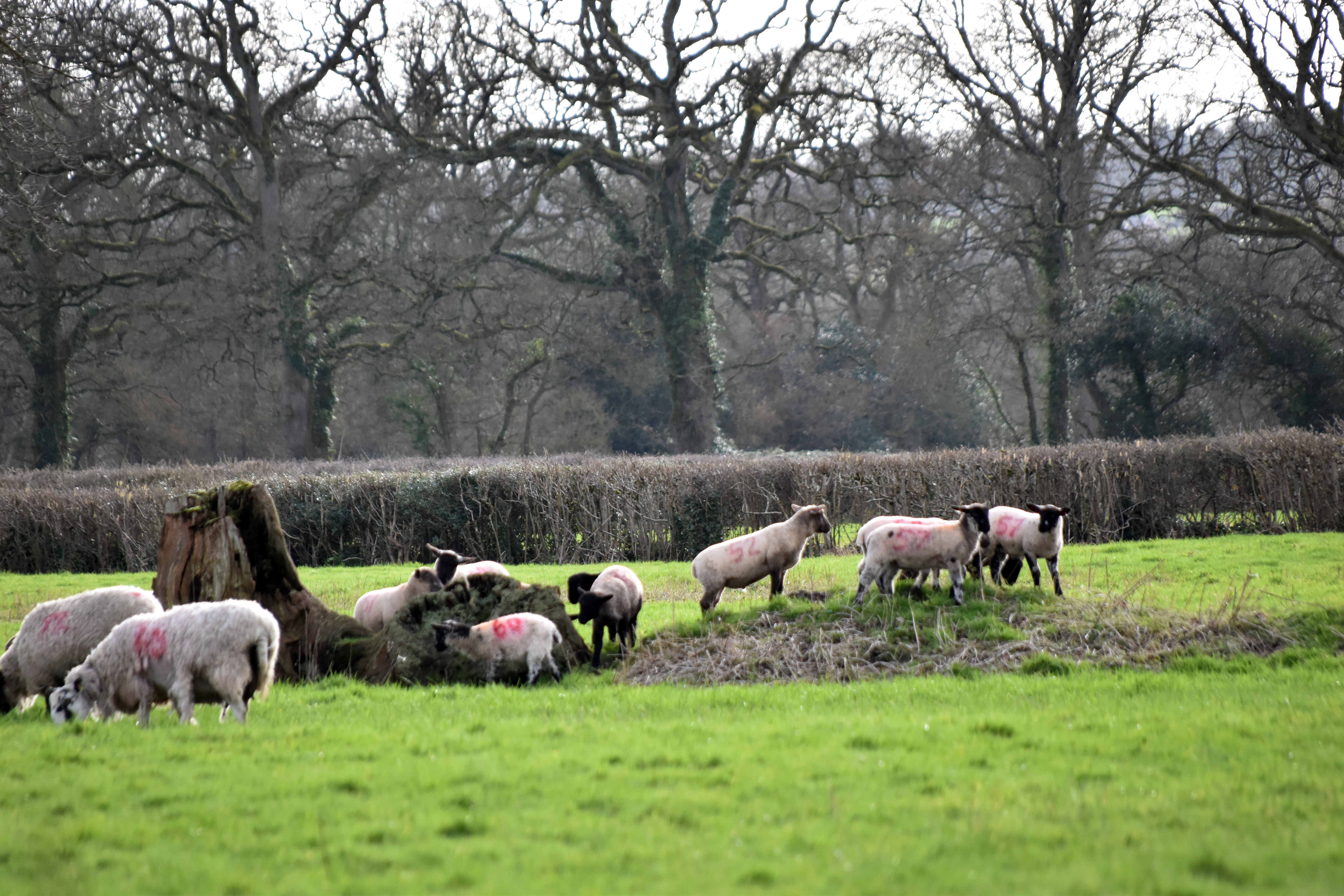
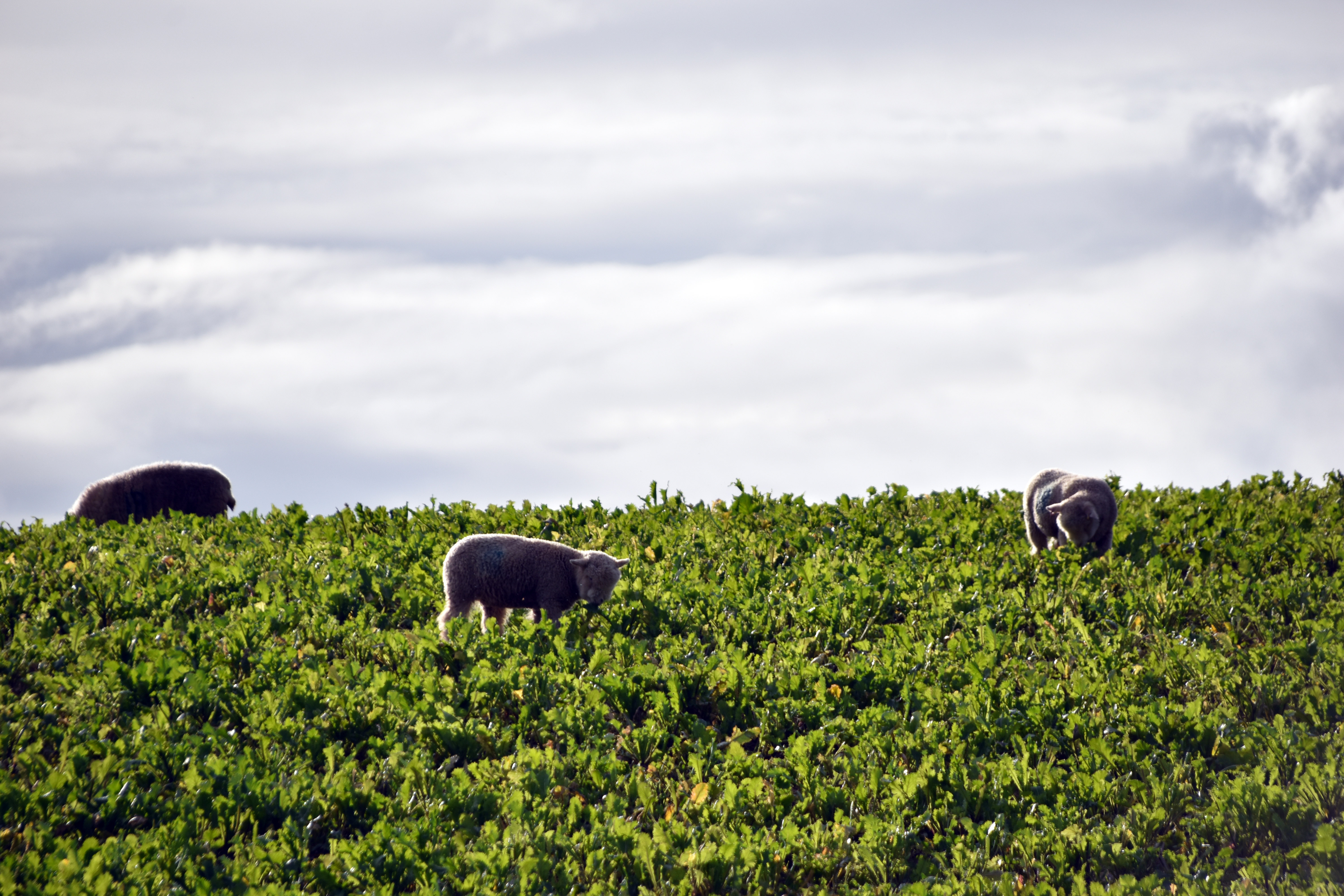
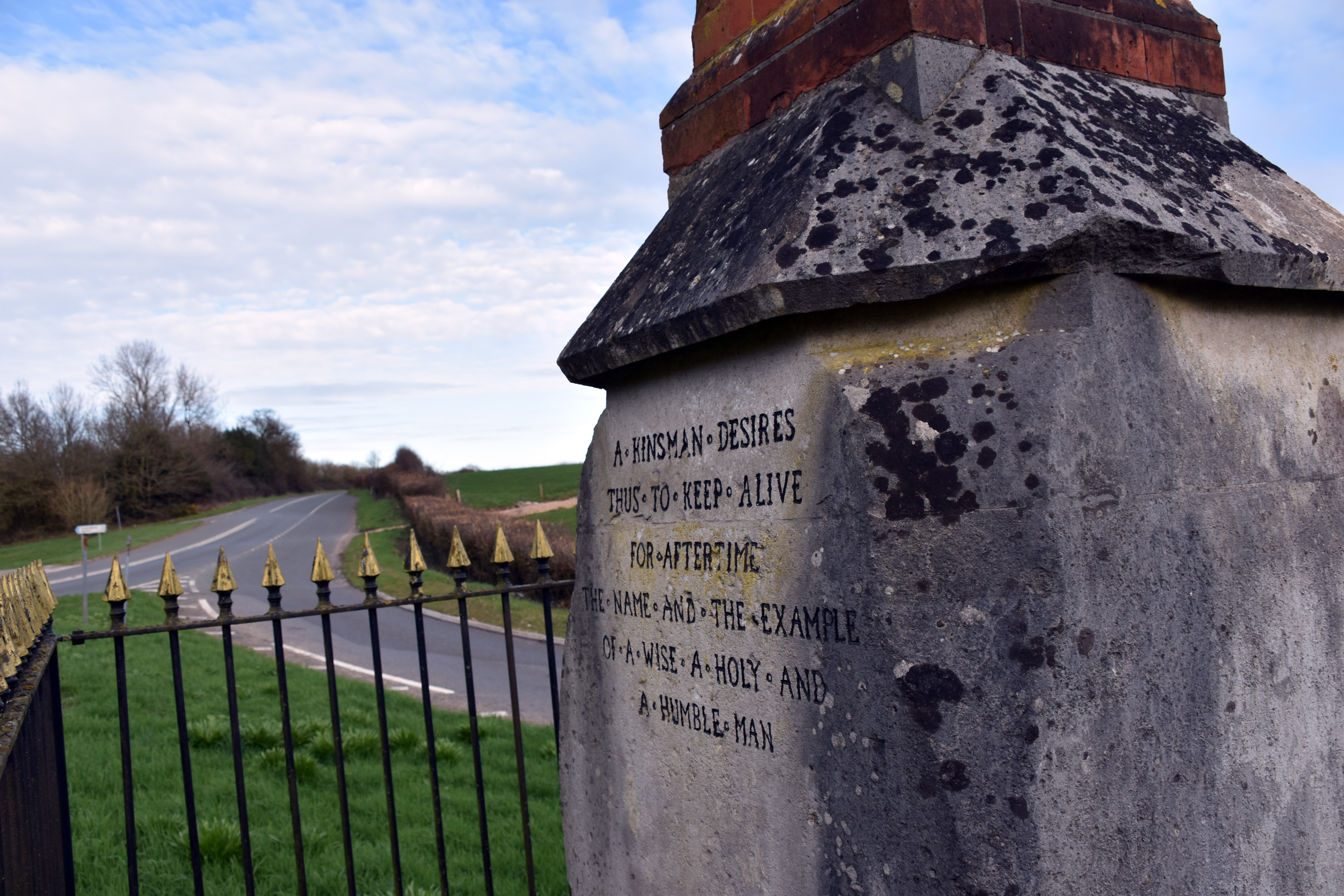
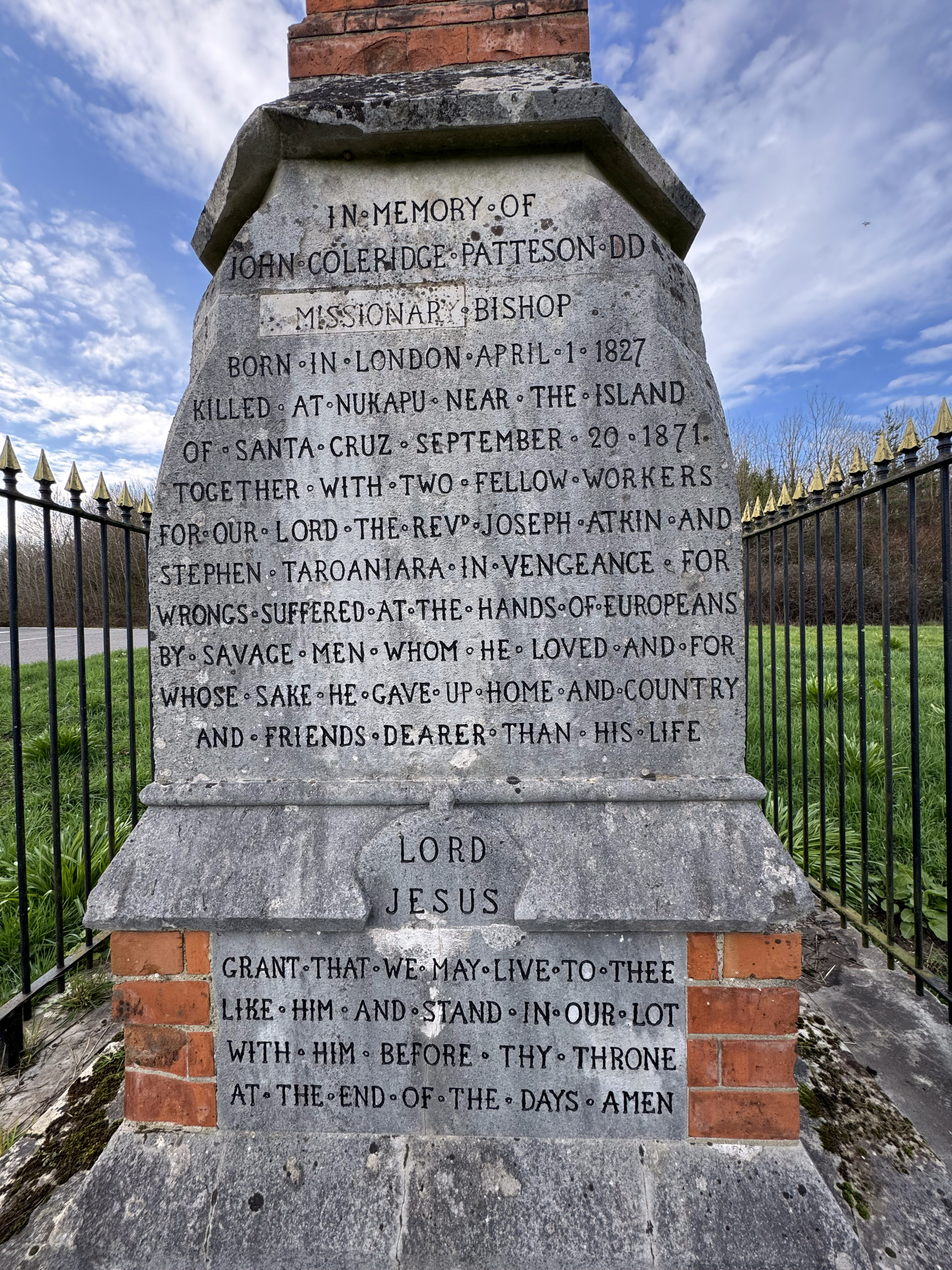
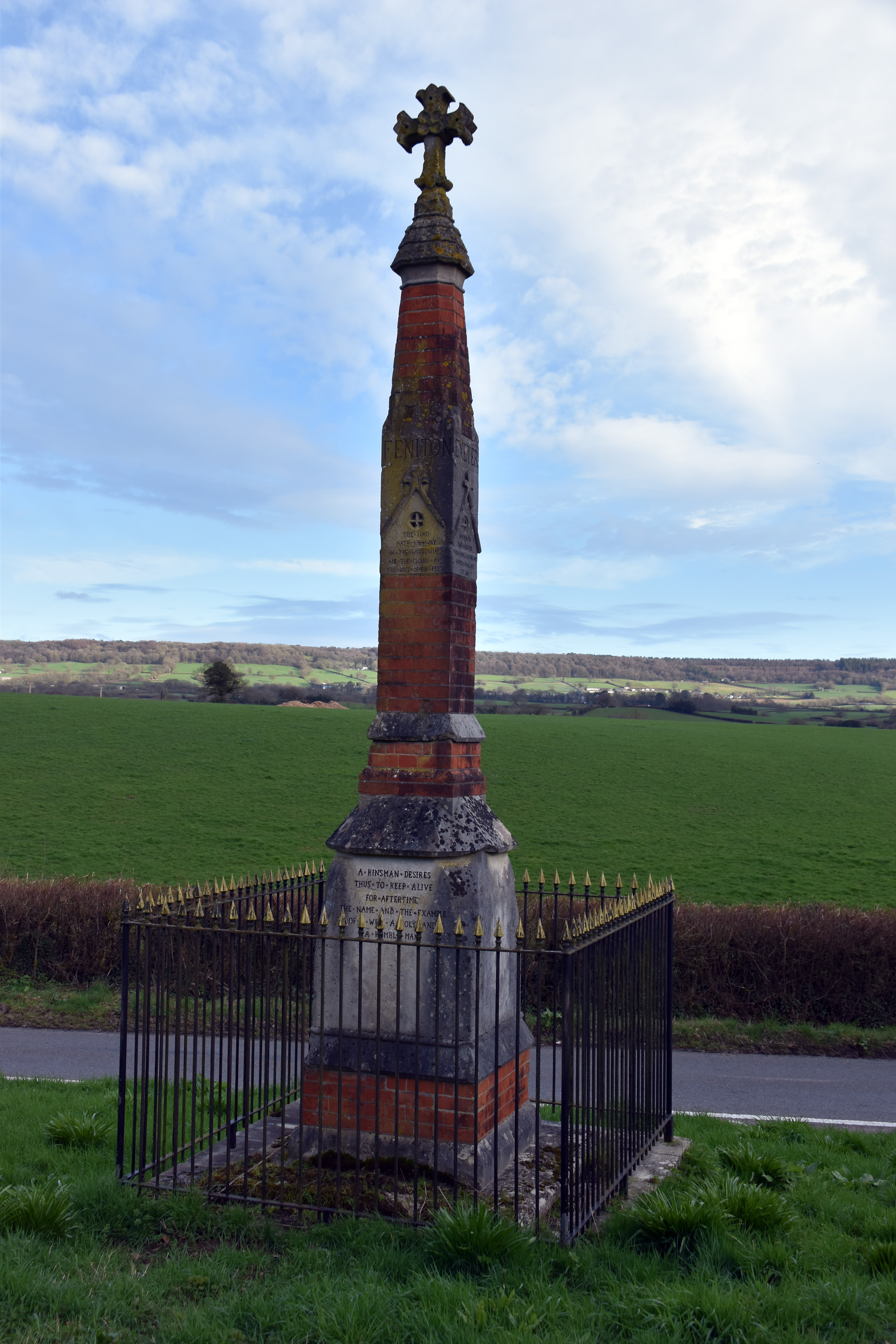
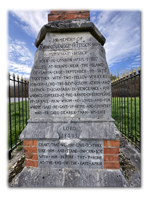
Our next destination was the John Coleridge Patteson Cross back on the old Roman road. Spring was definitely in the air as we passed calves and lambs frolicking in the fields and trees and flowers budding. The ground was still very wet underfoot due to all the recent rain. We crossed back over the full River Otter and walked up to the cross. It was designed and built in 1873 by William Butterfield, a famous church architect from the era – who happened to design Alfington church too! He had been friends with John and so felt a personal connection and loss at the death of his friend. It was paid for by kinsman Lord Coleridge, the Lord Chief Justice discussed above, confirmed on the rear where it says: “A kinsman desires thus to keep alive for after time the name and the example of a wise, a bold and a humble man.” On the front the language blames the blackbirders when it says he was killed: “for wrongs suffered at the hands of Europeans by savage men whom he loved and for whose sake he gave up home and country and friends dearer than his life.” Again, a fascinating connection to events nearly 10,000 miles away on literally the other side of the world.
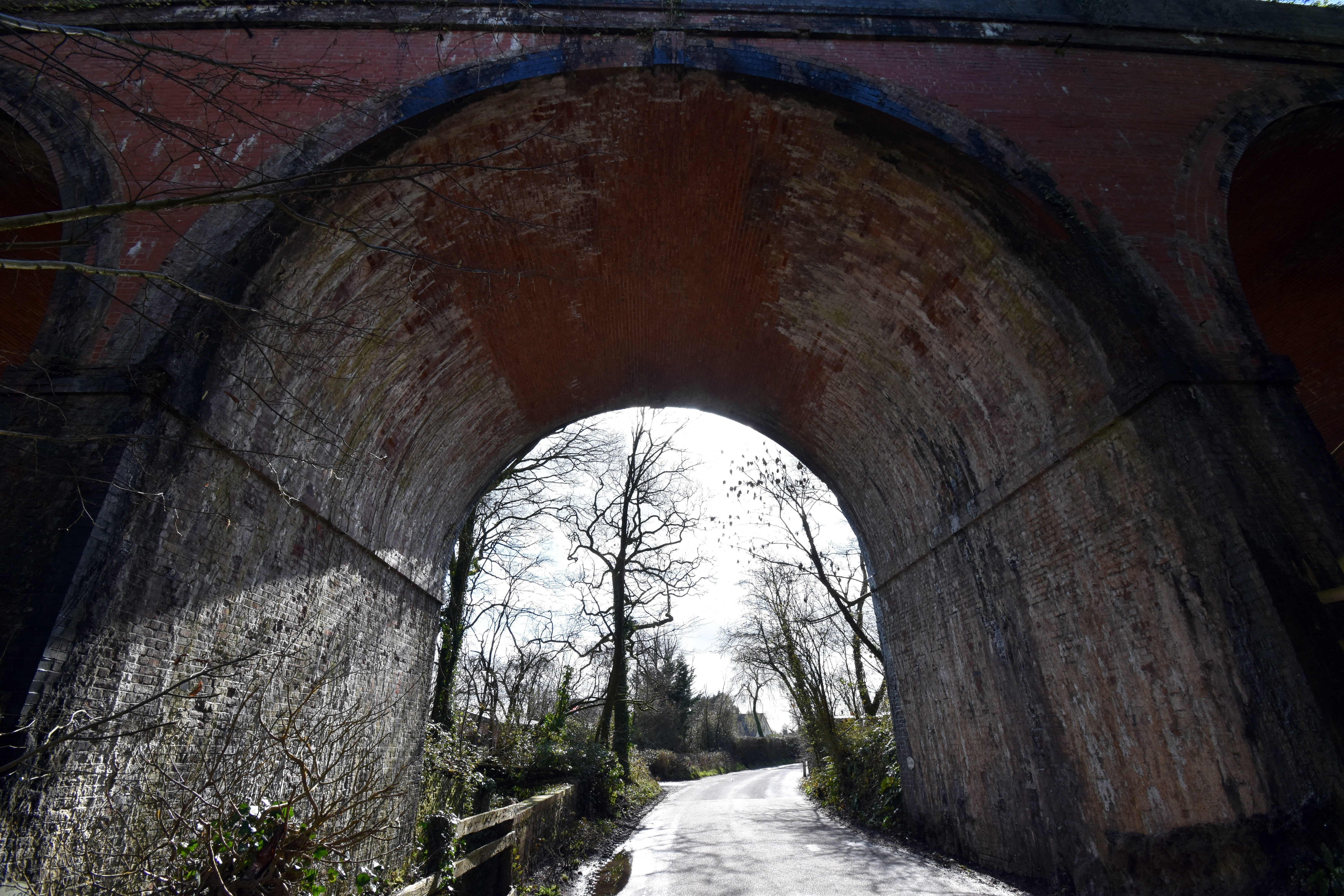
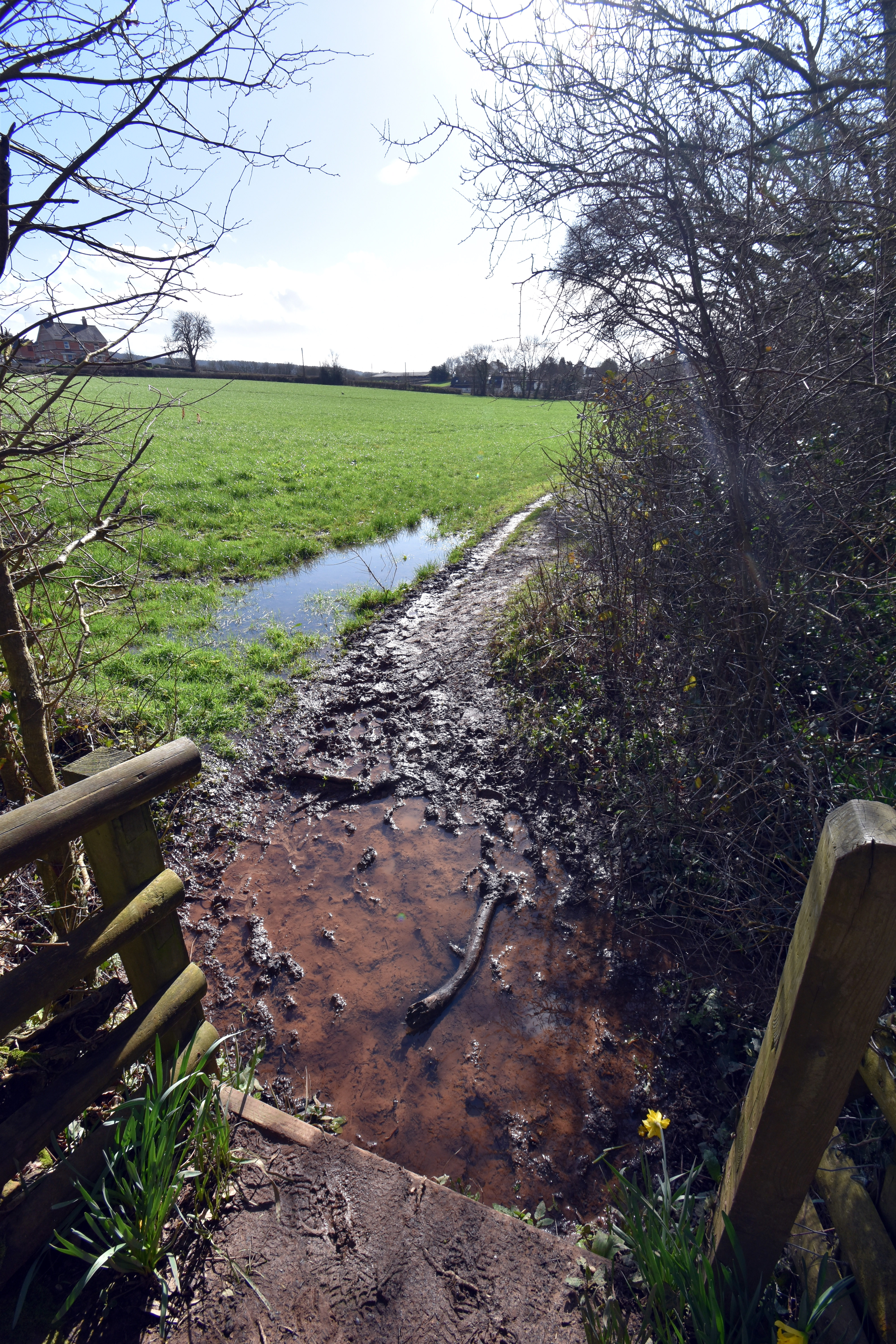
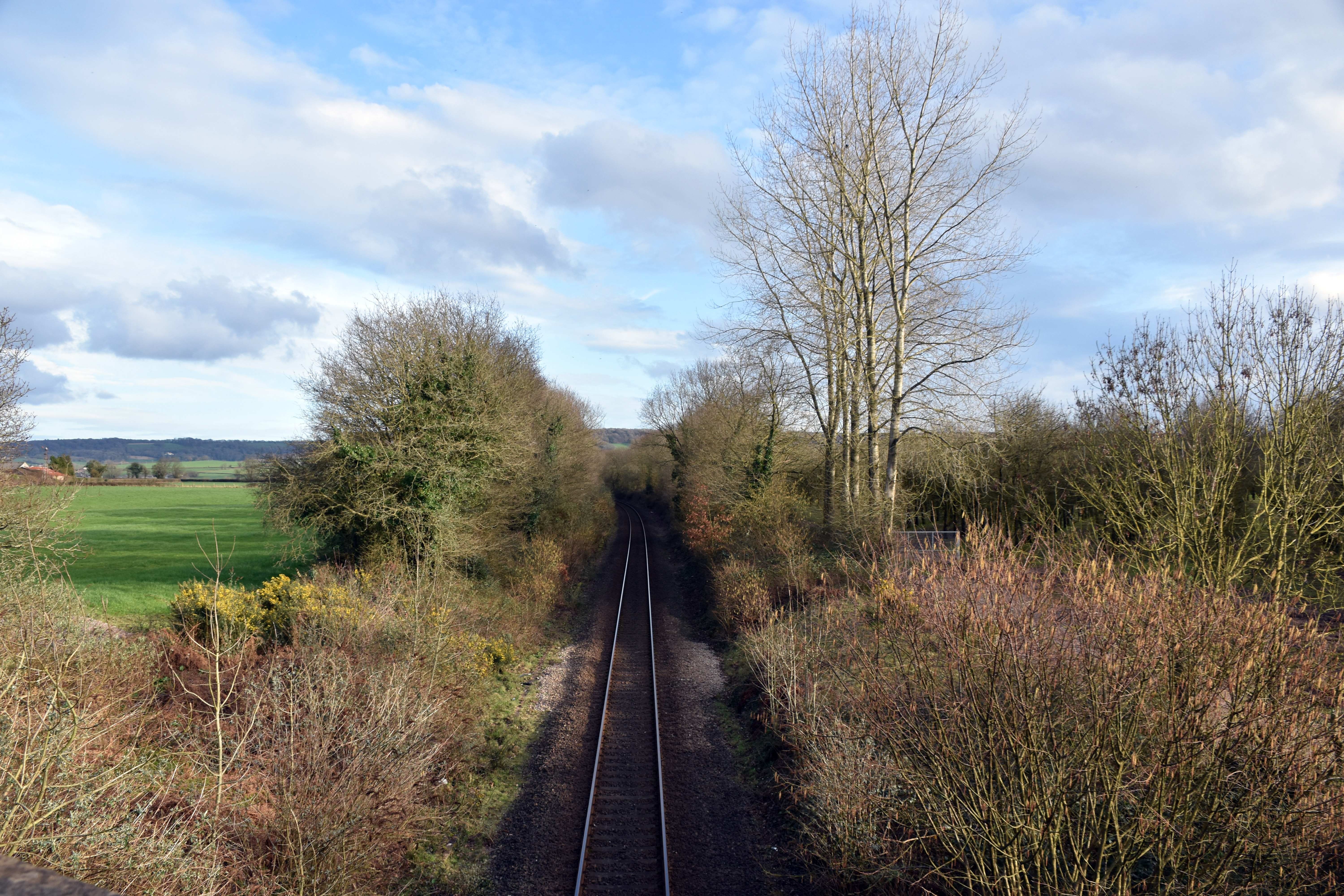
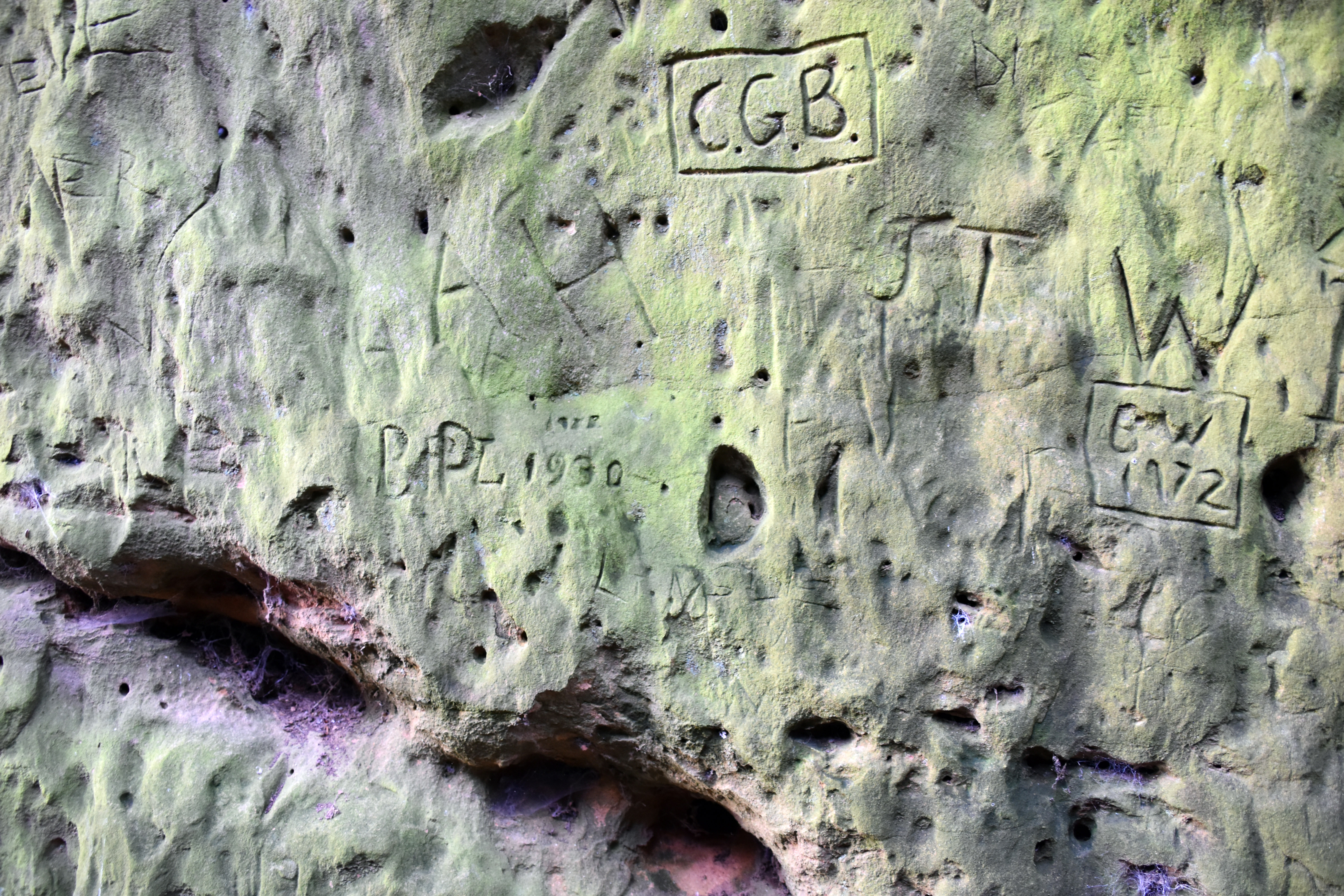
From here we walked back along the old Roman road before heading back north to the newer part of Feniton. This bit grew up when the train line came through the area and a junction to Sidmouth and Exmouth was built southwards. You can still see the bridge of that old line as you enter this part of Feniton. It is now separated from the original Feniton, but as you walk between the two you pass through a fascinating cut‑through with tree roots exposed and some very old graffiti indeed inscribed on the uncovered stone. The oldest I saw was 1909, but plenty were from the 1930s and 40s… Obviously it has become something of a local tradition to carve your initials and date here. Then we returned to the village to complete our remarkable journey following West Country rebels, imperial soldiers and sailors, and Pacific missionaries amongst so many other fascinating bits of unexpected history.
|