British Empire Title

The Westcountry Walker: Hiking Through History

Clyst St Mary: The Ancient Bridge Worth Fighting For


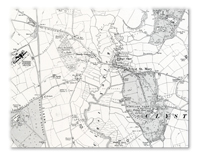
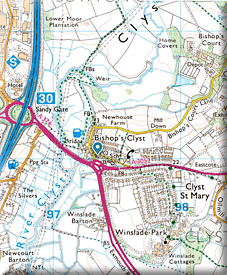
Map of Clyst St Mary

Despite driving to Clyst St Mary in the rain, the forecast promised a warm spring day and it did not disappoint. I am guessing that not many people would think of exploring Clyst St Mary, sandwiched as it is between the M5 to the west, the A30 to the north, the A376 and A3052 to the south, the huge Westpoint exhibition centre to the east, and Exeter Airport just to the northeast. And yet this little village, next to one of the oldest bridges in Devon and astride a vital roadway to and from the important entrepôt of Exeter, hosted not one but two important battles, and nearby hosted the Bishops of Exeter at Bishop’s Court. Its strategic position is confirmed by the drone of traffic as so many arterial routes continue to pass close by or through it. The River Clyst empties into the far wider River Exe just two miles to the south near Topsham, making Clyst St Mary a critical place to get to and from Exeter from the east.

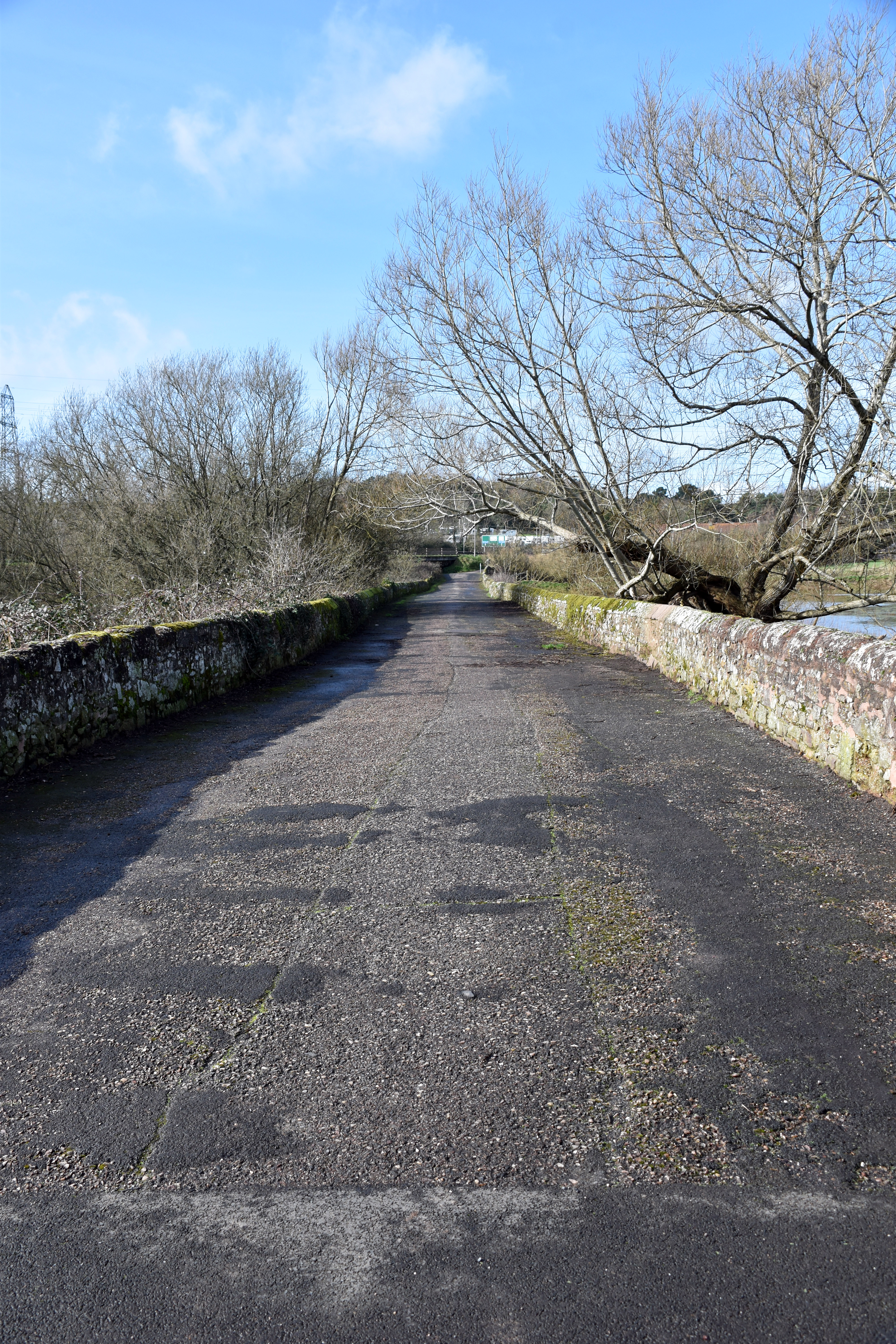
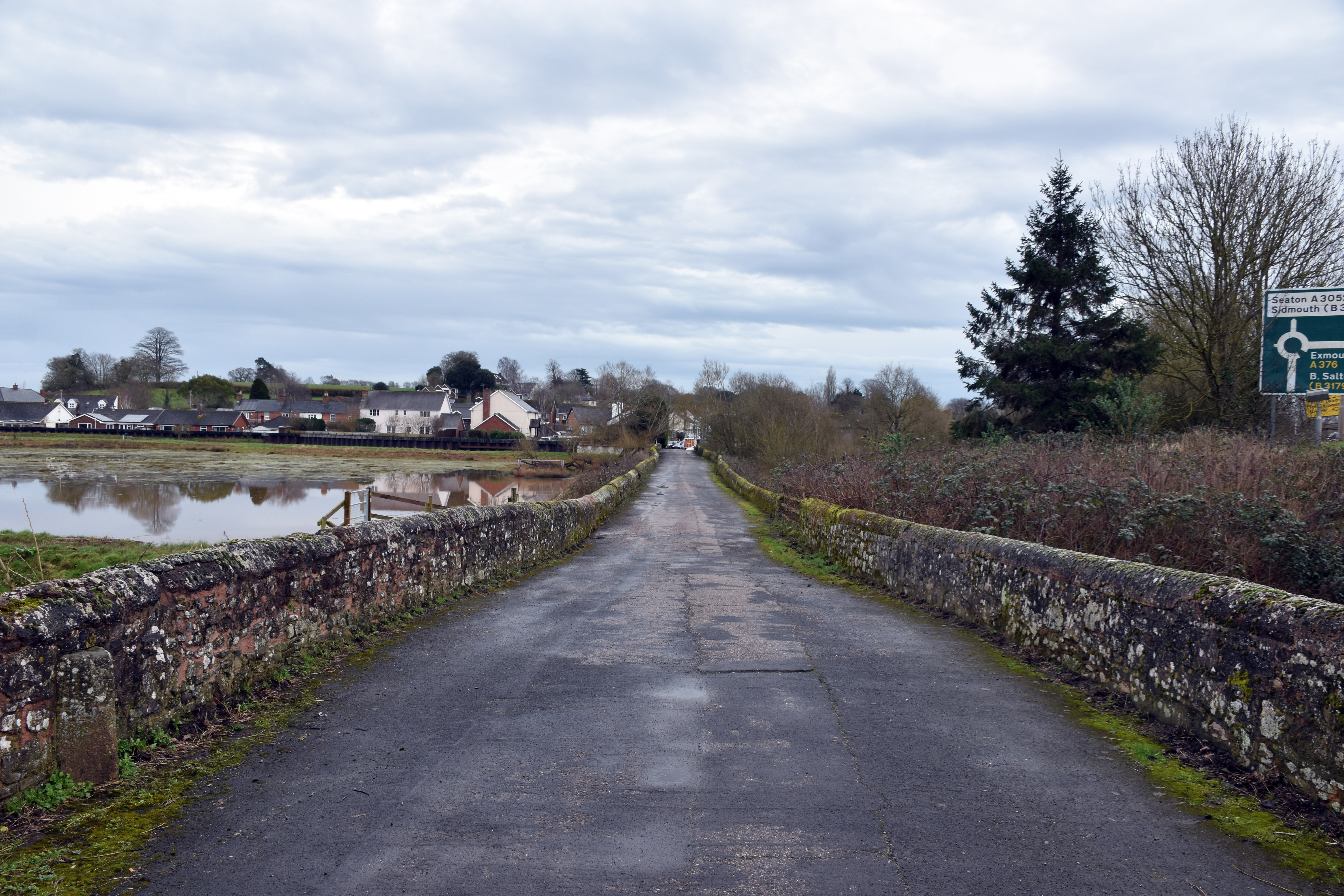
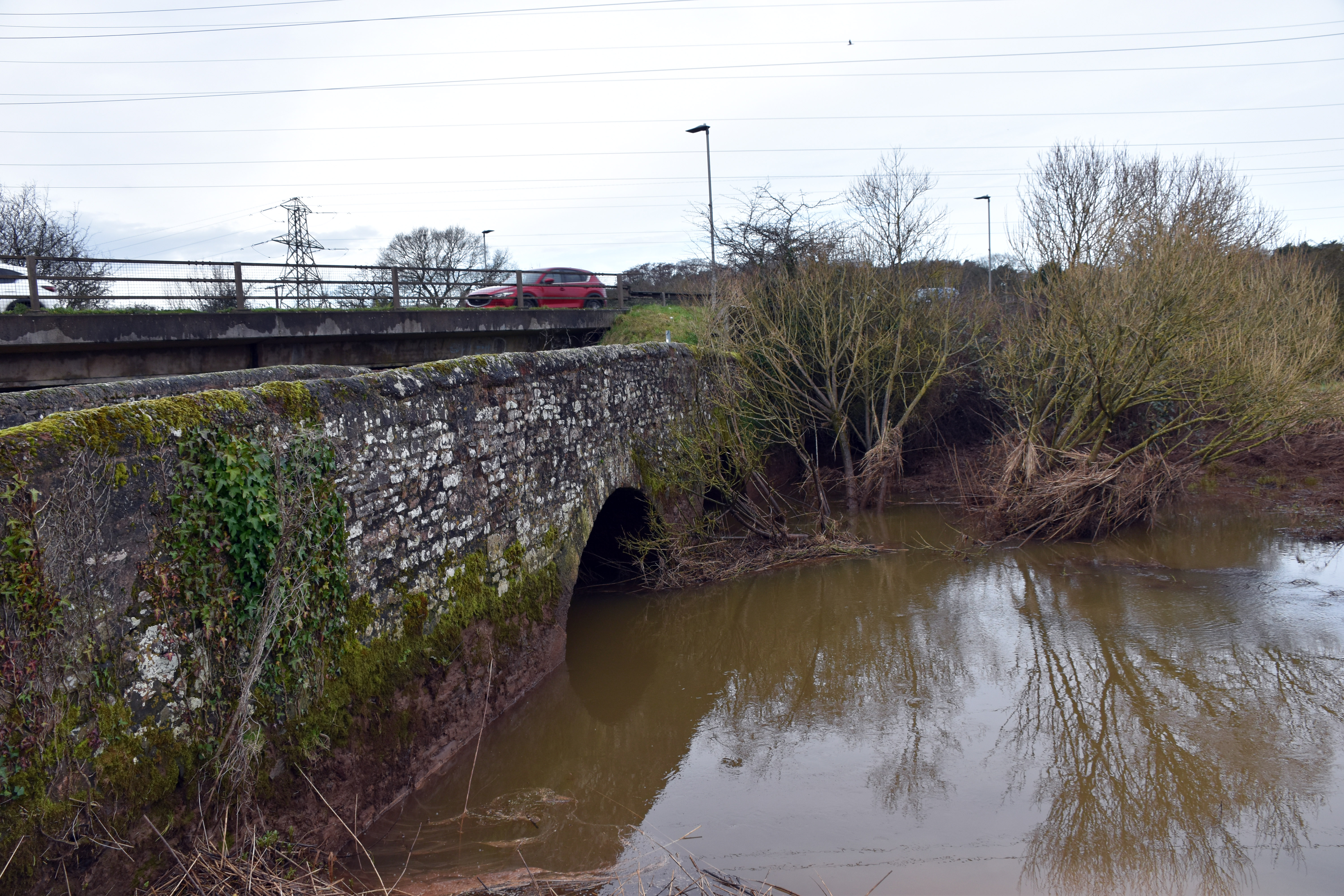
The bridge at Clyst St Mary is thought to date from at least 1238, when it was first mentioned as “Pontem de Clist”, although it may well have been built on the site of a far older Roman wooden construction. The westernmost part crossing the Clyst itself is thought to be the oldest section of the stone bridge, but it was probably extended to deal with the floodplain almost to Clyst St Mary itself, making it a surprisingly long medieval bridge.

It was the existence of this bridge that allowed the Bishops of Exeter to build a country palace to get away from the hurly‑burly of urban life. That palace was built by Bishop Bronescombe in the late 13th century and was used until Henry VIII’s Reformation, although later it was updated in the Victorian era in High Gothic style and still stands to this day, although tucked away.

But the strategic position of the bridge was revealed in the long‑running feud between the Courtenay family and the Bonville family over political power in Devon during the Wars of the Roses (although confusingly the Bonvilles had married into the Courtenays, making it even more complex to follow). In many ways this was a private feud between rival families that lasted for years, culminating in the battle here in 1455. In that year Thomas Courtenay seized Exeter from under Lord Bonville’s control and seized Powderham Castle from a branch of the Courtenays sympathetic to the Bonvilles. Lord Bonville sent a retinue to try to retake Exeter, only to be intercepted by Thomas Courtenay’s forces at the bridge at Clyst St Mary. Lord Bonville was forced to flee, and Courtenay advanced eastwards to his ancestral home at Shute Barton, which his troops ransacked.
Postcard of Clyst St Mary

The Duke of York, regent at the time, was unimpressed with Thomas Courtenay’s undermining of one of the York family’s staunchest supporters. Courtenay had married Margaret Beaufort (the aunt of the more famous Margaret, mother of Henry Tudor) whose tomb we came across in our article on Colyton: The Most Rebellious Town in Devon recently. Richard of York had Thomas Courtenay imprisoned in the Tower of London; he was only released when Henry VI resumed personal rule in 1456. Thomas Courtenay died in 1458, but he had an heir to continue his line, unlike Lord Bonville, whose support for the Yorkists saw him pay with his life in 1461 after the Battle of St Albans. Ironically, he had been left guarding Henry VI in the aftermath of defeat. Henry VI was little more than a pawn at this time, and despite the king’s promises that Bonville would not be harmed, the Lancastrians had him executed. The Courtenay connection to the Lancastrians through the Beauforts would eventually pay dividends and see them triumph in Devon as the Earls of Devon — a title they still hold at nearby Powderham Castle.

But it was actually the second battle at this bridge that we were particularly interested in, having visited Sampford Courtenay just a week before (and yes, yet another connection to the Courtenay family). Rupert and I were keen to follow the Prayer Book Rebellion’s advance out of Cornwall and into Devon. I already explained how they found new adherents at Sampford Courtenay, and they had fought at Crediton en route to Exeter, which they had hoped would rise in support. However, they were disappointed, but still set about besieging the important town from 2 July, not wishing to leave the garrison free to attack them as they advanced on London. The furthest the rebels got was Fenney Bridges near Honiton, where they were defeated but not decisively, and indeed their number and professionalism had somewhat startled the King’s men. The survivors headed back towards Exeter, where they could be reinforced by the besiegers left behind. The natural choke point was the bridge at Clyst St Mary, and the Westcountrymen set up defences to the east of the bridge to intercept the advancing forces of Lord Russell.

Lord Russell’s army had grown considerably as the call for mercenaries had seen some eclectic formations arrive to reinforce him. Notably he was joined by Burgundian cavalry, Italian arquebusiers, and most flamboyantly of all, Albanian horsemen. What the local population made of these foreign soldiers is anyone’s guess, but the government’s dependence on mercenaries underscored their fear of relying on local militia who might well have thrown in their lot with the Prayer Book rebels.

It is tempting to see the rebels as no more than disgruntled peasants and miners, but they were remarkably well organised and had some important military leaders, including the Earl of Arundel and Sir Thomas Pomeroy of nearby Berry Pomeroy Castle. Sir Thomas Pomeroy came close to winning the battle at Clyst St Mary when he set an ambush for the advancing King’s army on Frog Lane, which still exists in the village. His forces surprised the initial attackers, allowing the rebels to seize Lord Russell’s baggage train and artillery, which was moving up to bombard the defenders. Had the rebels possessed cavalry of their own, they might well have routed the King’s army at this point. However, they did not, and Lord Russell’s men fell back and regrouped for a second attack using their new reinforcements.

Meanwhile, the rebels pulled back the artillery and placed it on the bridge behind cut‑down trees, barricading the approaches. Lord Russell’s men advanced from the northeast down Bishop’s Court Lane, which still runs almost exactly the same course as it did in 1549. The King’s men tried to fight their way into the barricaded village, with intense hand‑to‑hand fighting that kept the rebels focused on this threat, while a detachment under Lord Grey was sent to a mill upstream (where more modern buildings keep the name alive) to cross the river undetected. This body of troops advanced down the opposite bank behind the rebels. This convinced the defenders to withdraw while they could, ceding control of the bridge to the King’s men.

Just as at Fenney Bridges, Lord Russell was not convinced they were safe and thought the rebels were massing for another attack, so he ordered the slaughter of all prisoners taken so far. The next day Lord Russell’s men fought another battle between the bridge and Exeter at Clyst Heath, which convinced the rebels to lift their siege of Exeter and fall back to Sampford Courtenay.
St Mary's Church, Clyst St Mary

As mentioned in the account on Sampford Courtenay, the rebels fought far more doggedly and determinedly than anyone had expected and, but for the want of cavalry, may well have succeeded in defeating the King’s mercenaries on more than one occasion. Their willingness to fight did see the Duke of Somerset fall from power and be executed in 1552. It also paved the way for the Catholic Mary to resume the throne in 1553 rather than the unfortunate Lady Jane Grey, and possibly convinced Queen Elizabeth to find a middle way during her reign that would reconcile English Protestantism to a more moderate church than it might otherwise have become. The rebellion may have failed, but their message had been heard.

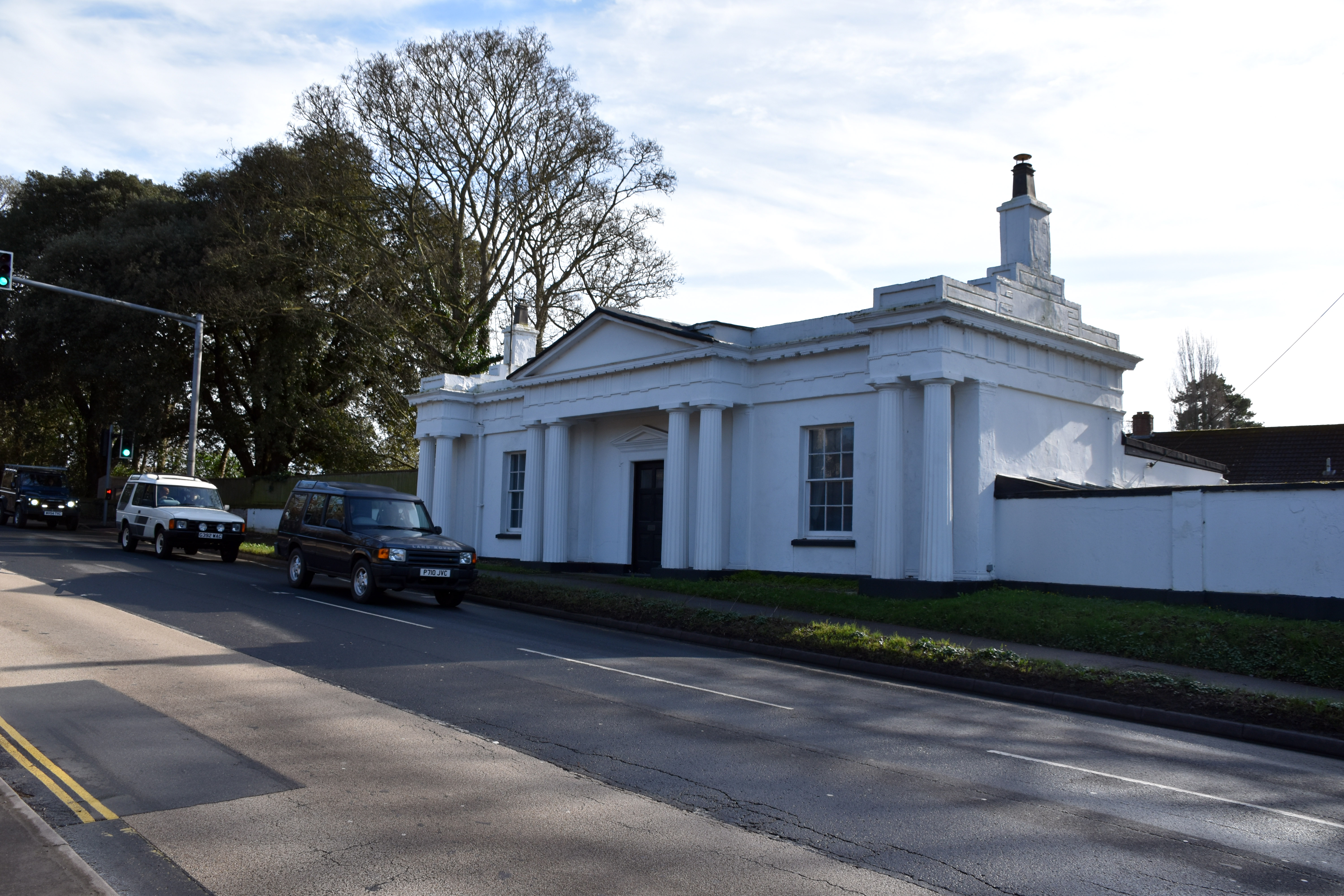
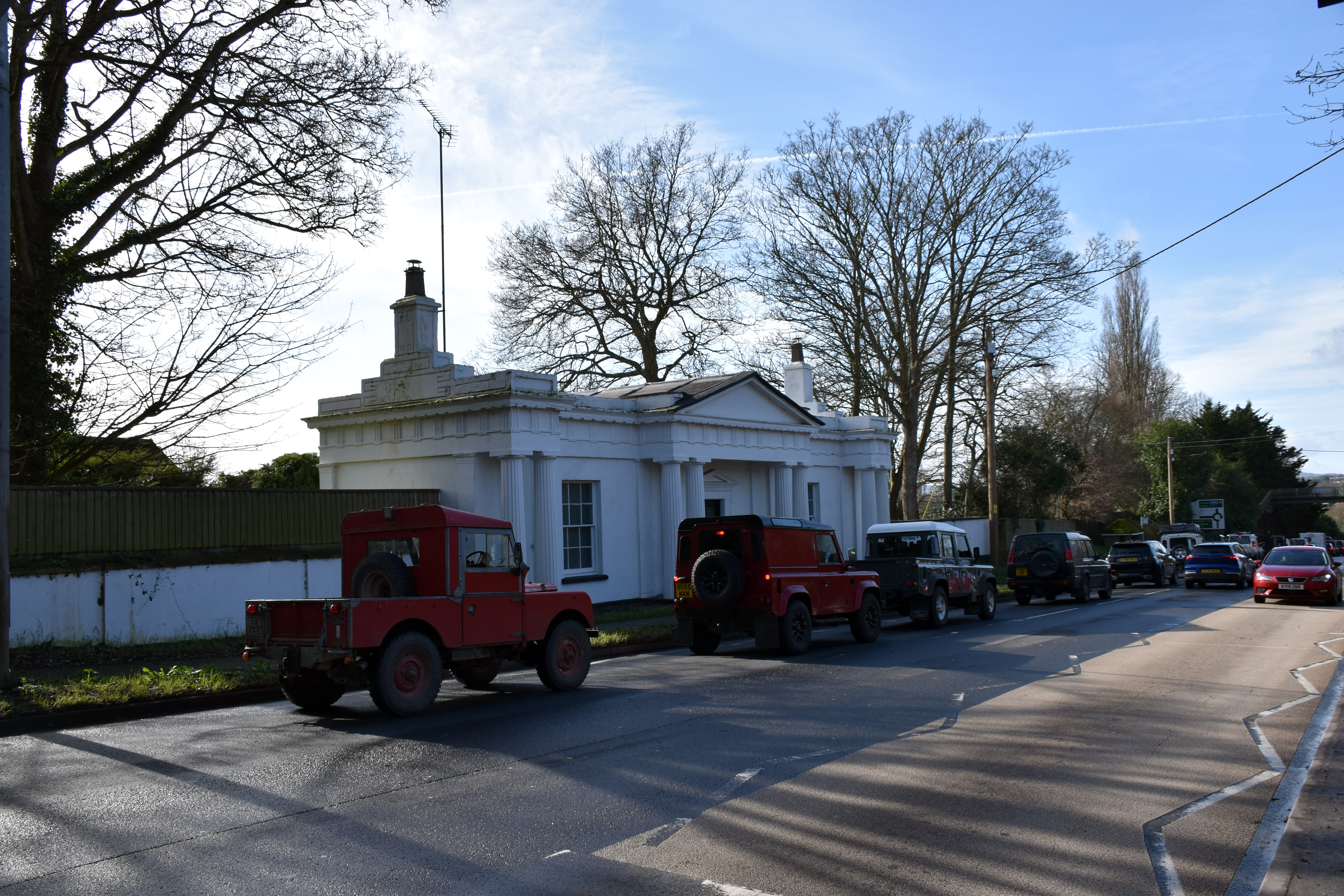
After following the route of the battle and being treated to some beautiful birdlife along the river and floodplain, Rupert and I crossed over the A3052 to head to the parish church of St Mary. There is a very imposing White Lodge that many drivers pass daily without realising that it was designed to look like a miniature Greek temple by the owners of nearby Winslade House in 1812. It would have made for an imposing entranceway or a suitable venue for a picnic in inclement weather. Its position on a major road somewhat undermines its original intent. Curiously, while crossing the road we must have stumbled across a Land Rover and Range Rover event, as there were dozens travelling in front of the lodge as we waited at the pedestrian crossing.
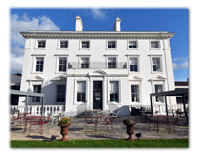
Porchers of Winslade House

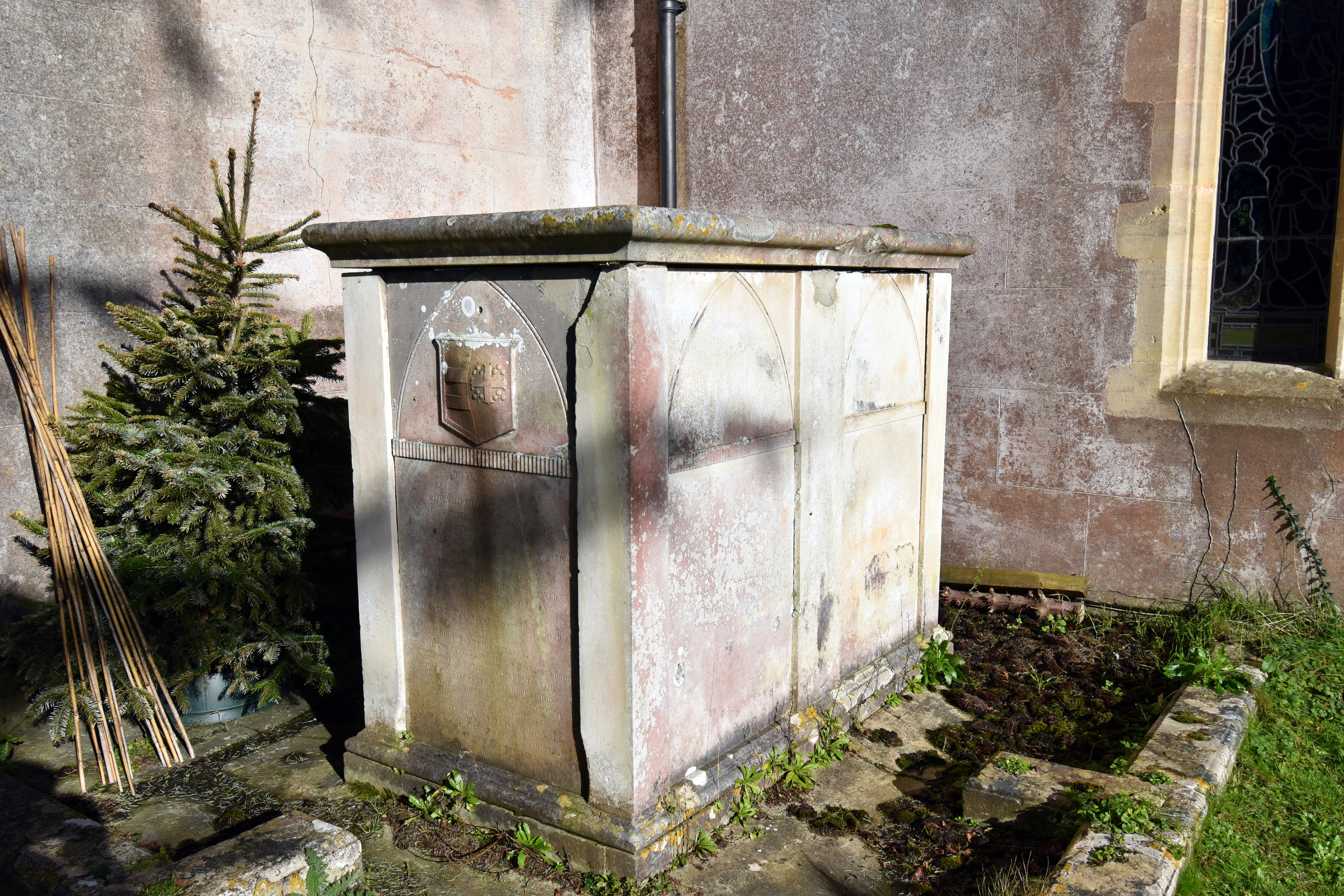
Winslade House was built by Edward Cotsford, who made his fortune in the East Indies. His tomb stands outside St Mary’s Church, which is literally next door to his imposing house built c1800, now part of a large business park. His tomb explains that he “filled many offices in the East Indies of the highest trust and importance.”

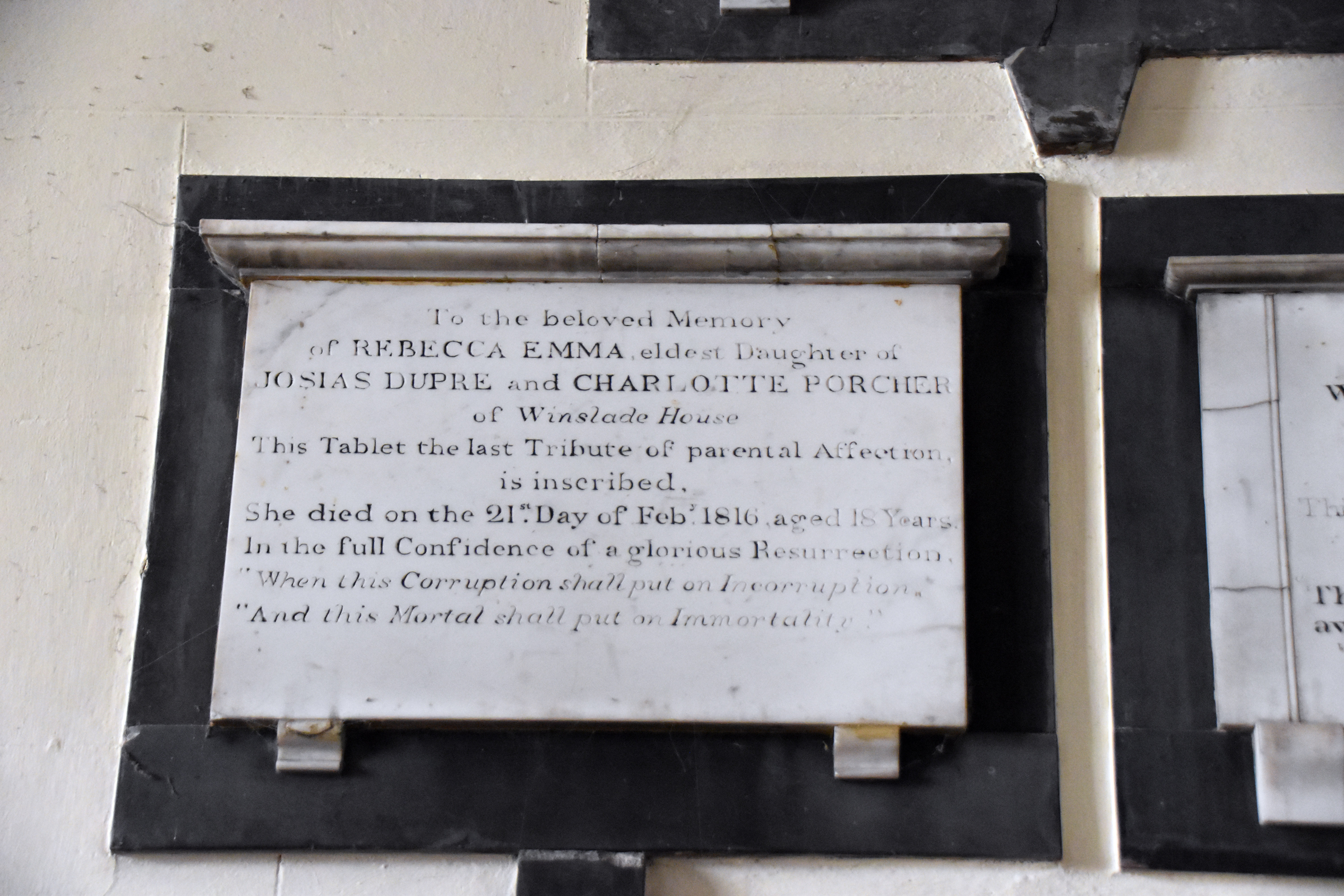
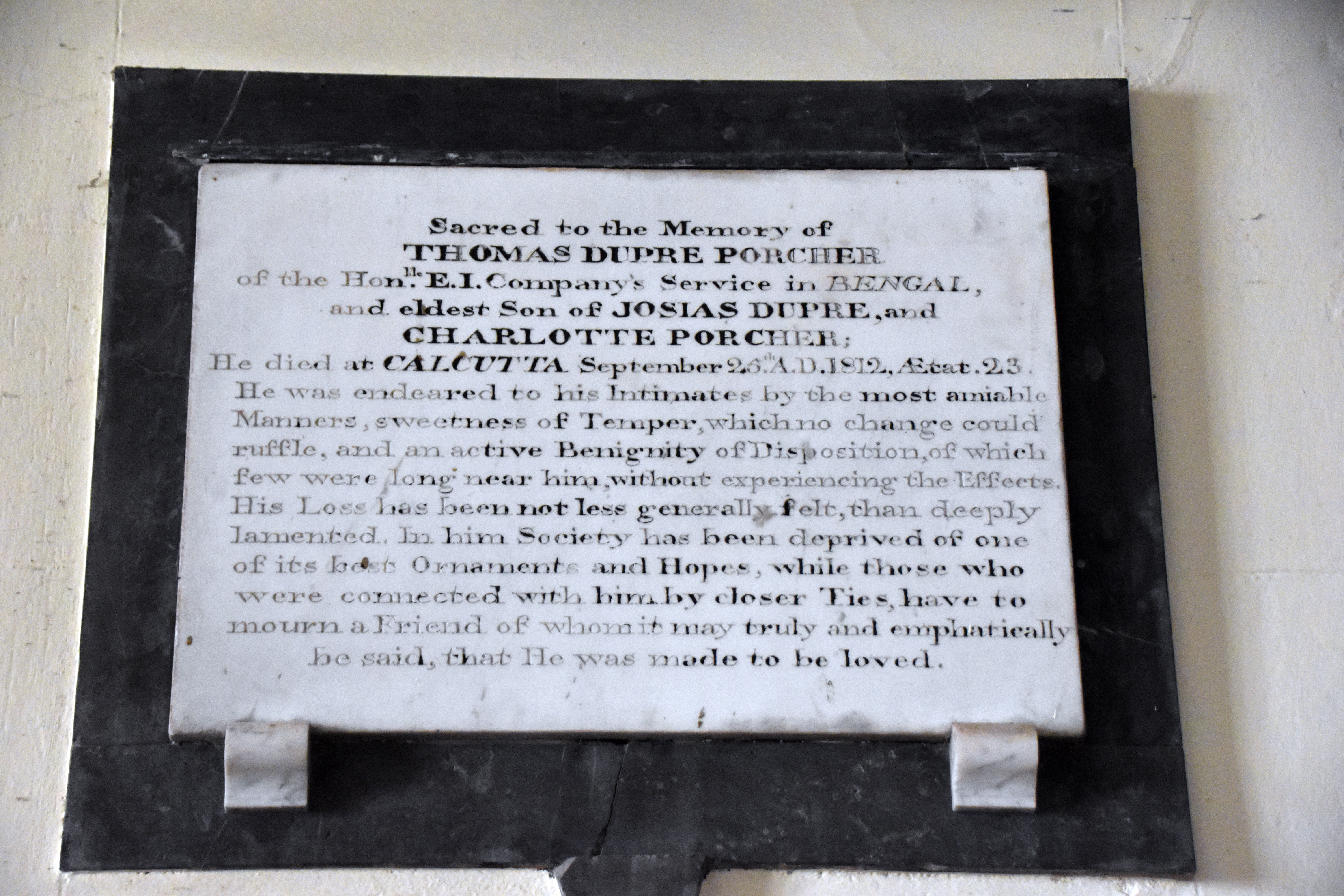
Interestingly, Winslade House passed to another family with strong Indian connections: the Porcher family. Inside St Mary’s we found a dedication to Thomas Dupre Porcher of the Honourable East India Company of Bengal, who died in Calcutta in 1812. Many Anglo-Indians would retire to Devon to live the life of country squires after making their fortunes in India.
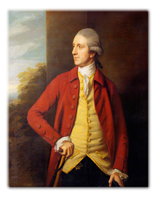
Edward Cotsford

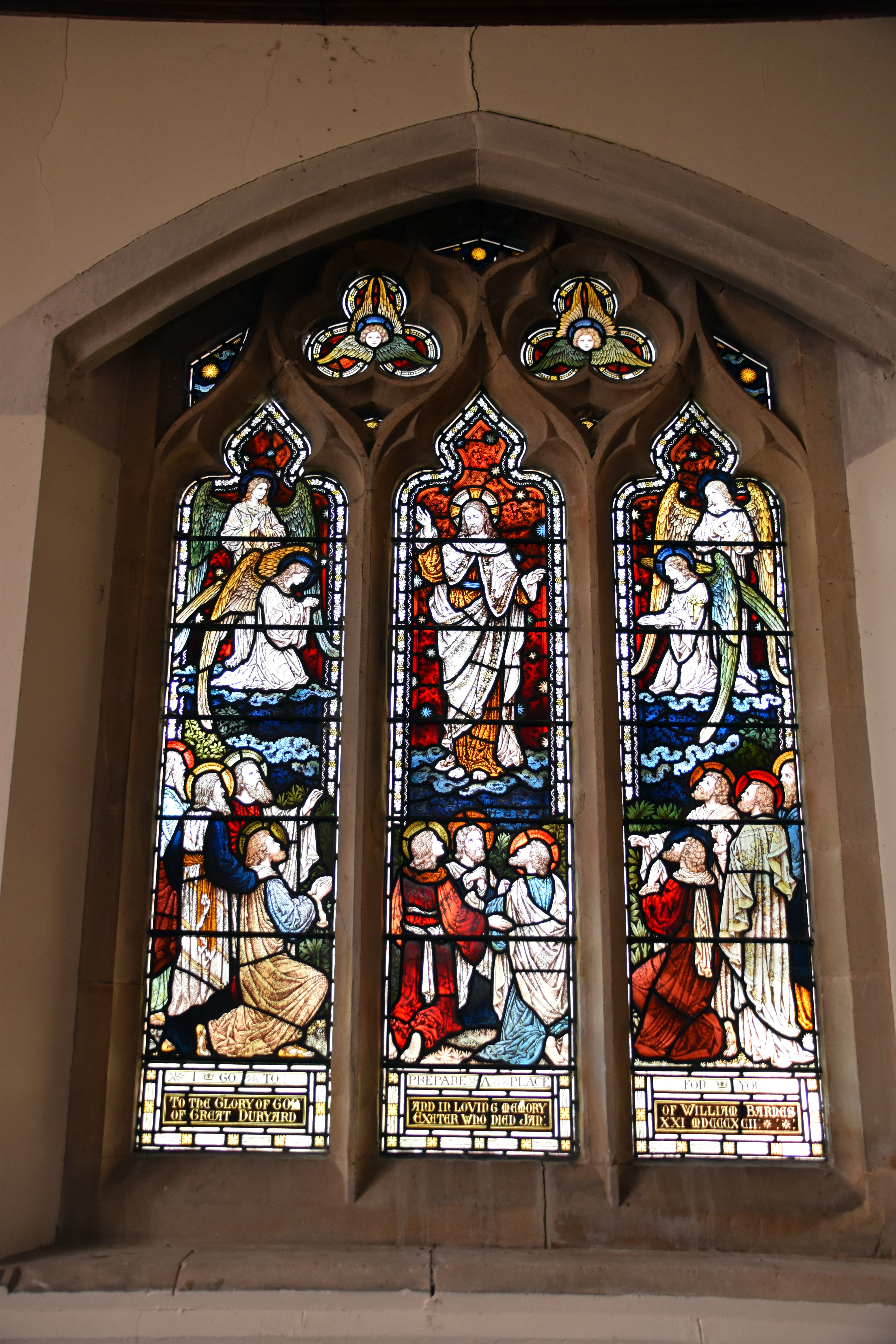
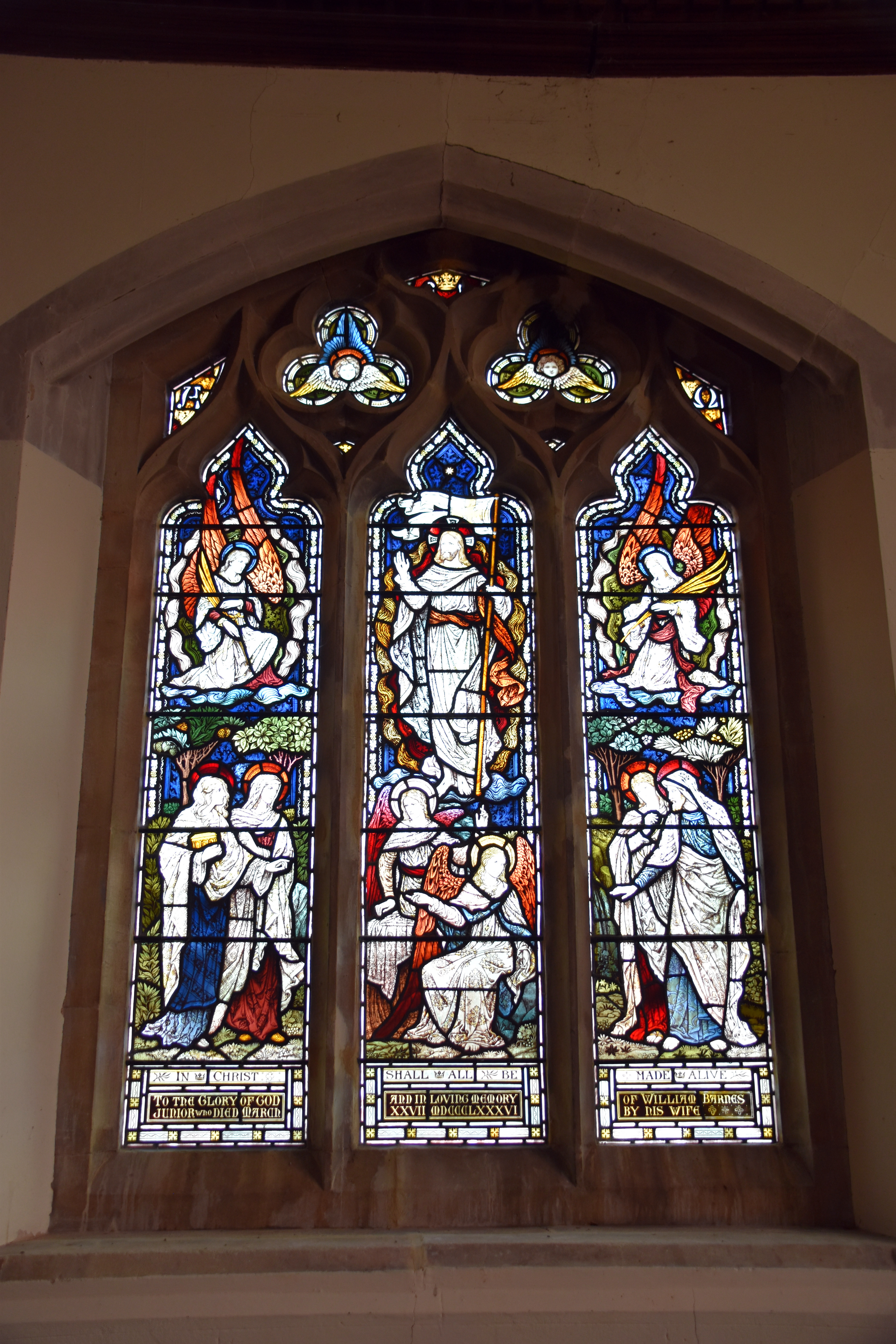
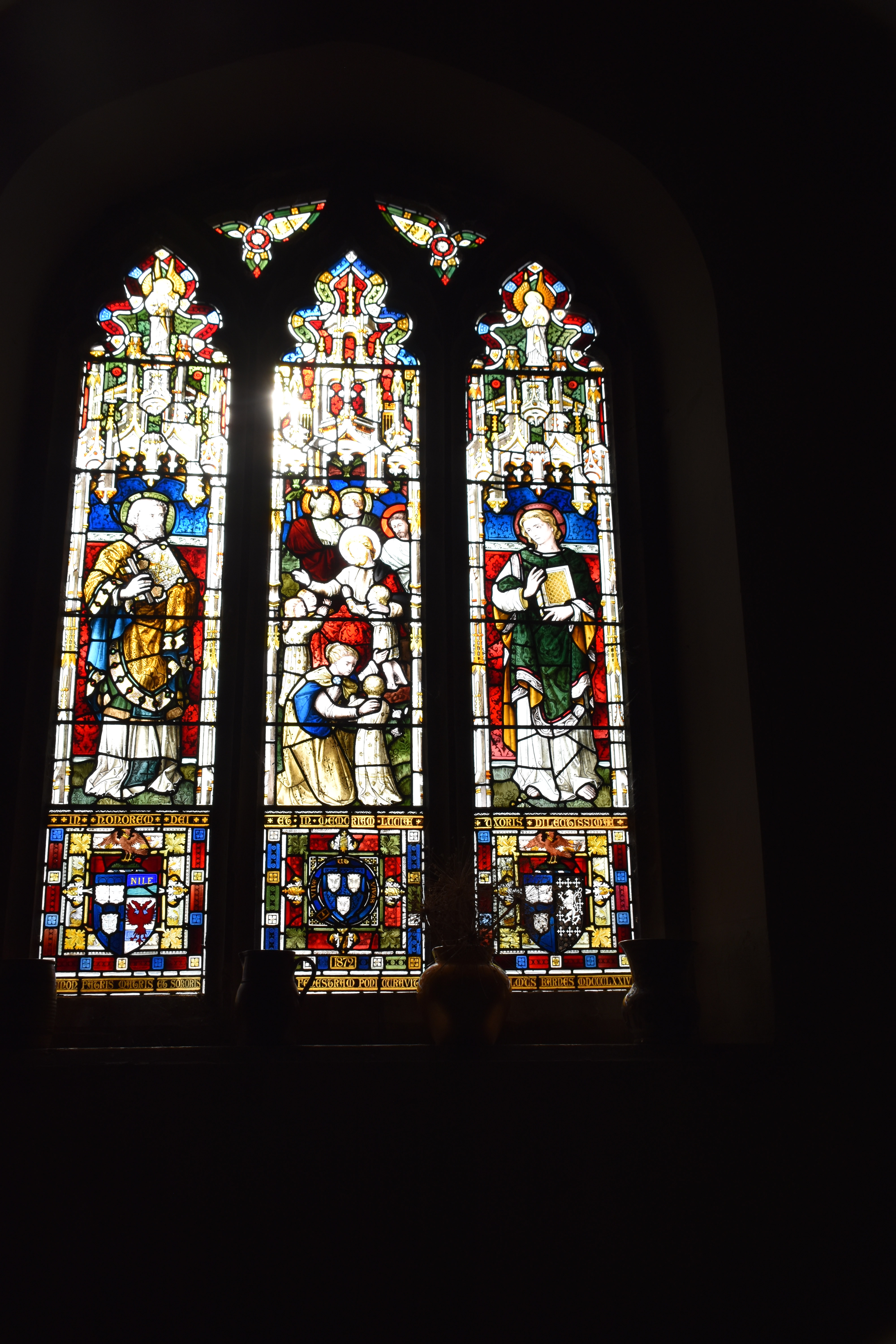
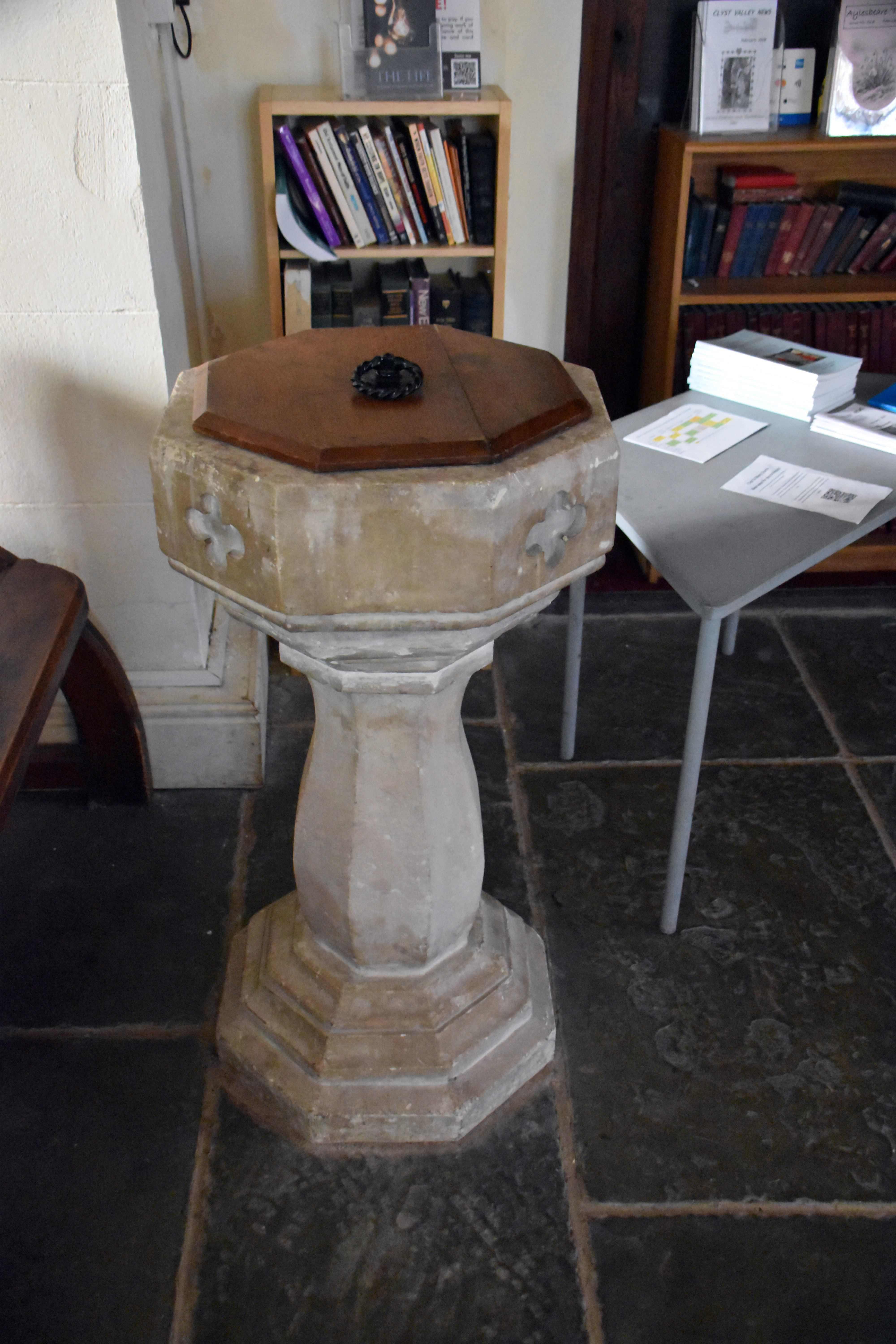
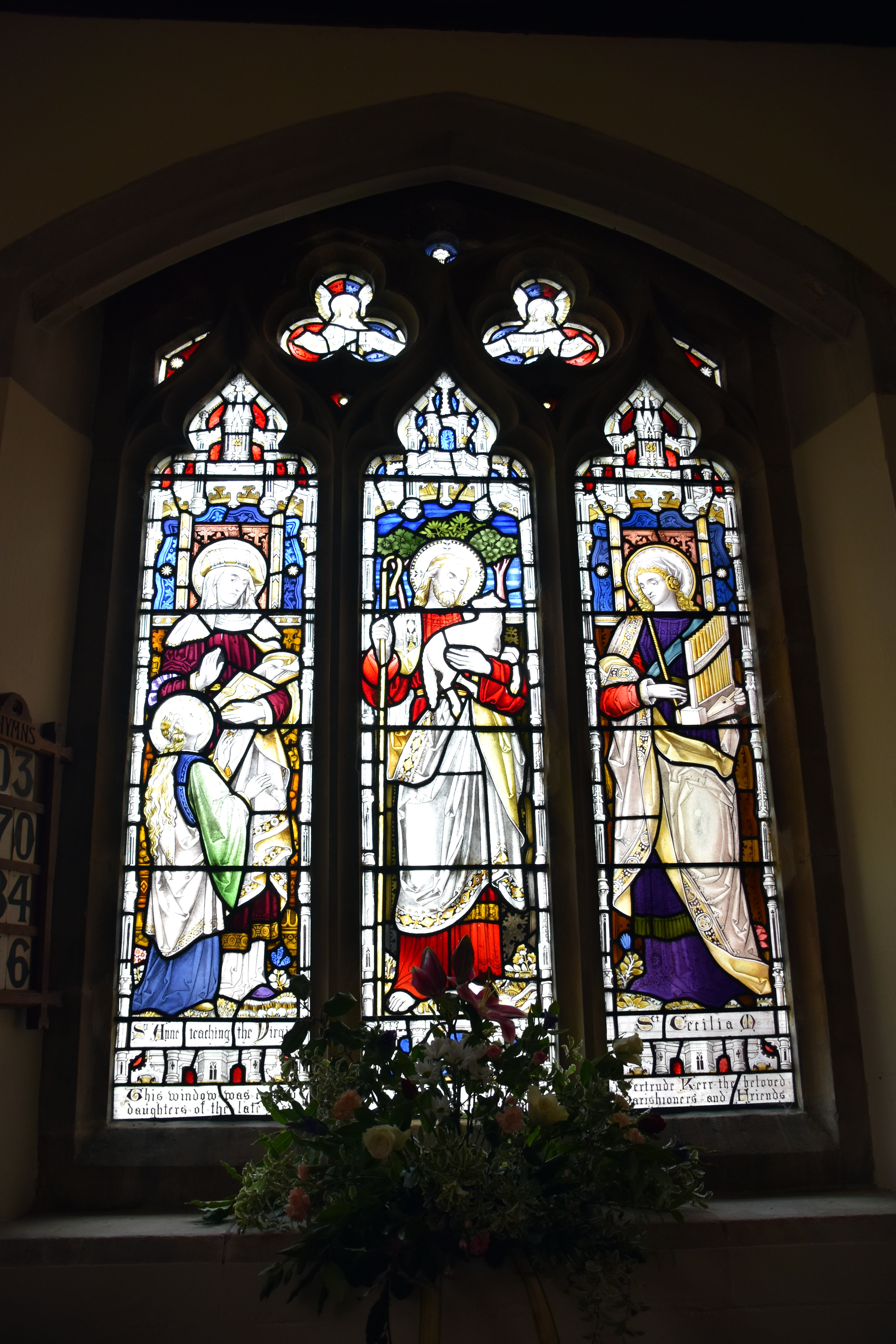
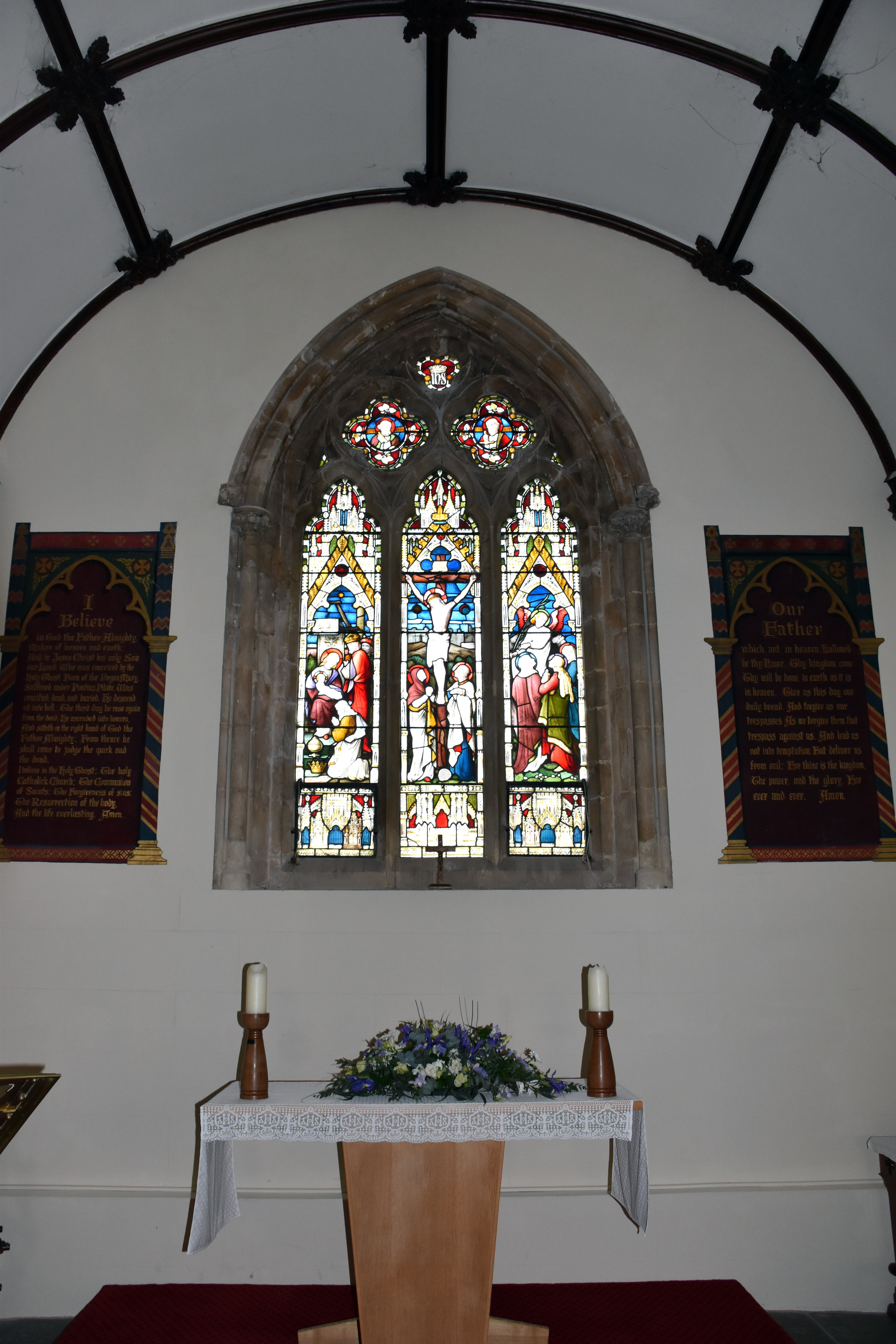
St Mary’s is a beautiful church dating from the 13th century. It has an unusually small tower and, inside, an equally small font, both adding to its charm. One other oddity is that it is one of the few churches in Devon which doesn't run on an East West axis. The altar is in the highly unusual north section of the church. The church was remodelled significantly in the Victorian era and it may well have been reconfigured at that time. It also had some stunning stained‑glass windows installed, which in the spring sunshine brought a wonderful glow and ambience to the church. It is amazing how all of our churches can be so radically different from one another.
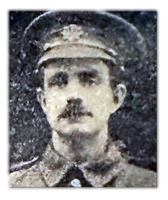
William Henry Hunt

St Mary's did not completely escape the fall out from the Prayer Book Rebellion battle at the bridge. It was said that the father of the famous Merchant Adventurer Sir Walter Ralegh, confusingly also called Sir Walter Ralegh, had to take refuge from a band of the Western Rebels in this church and was later rescued by a party of Exmouth seamen who had come looking for their employer.

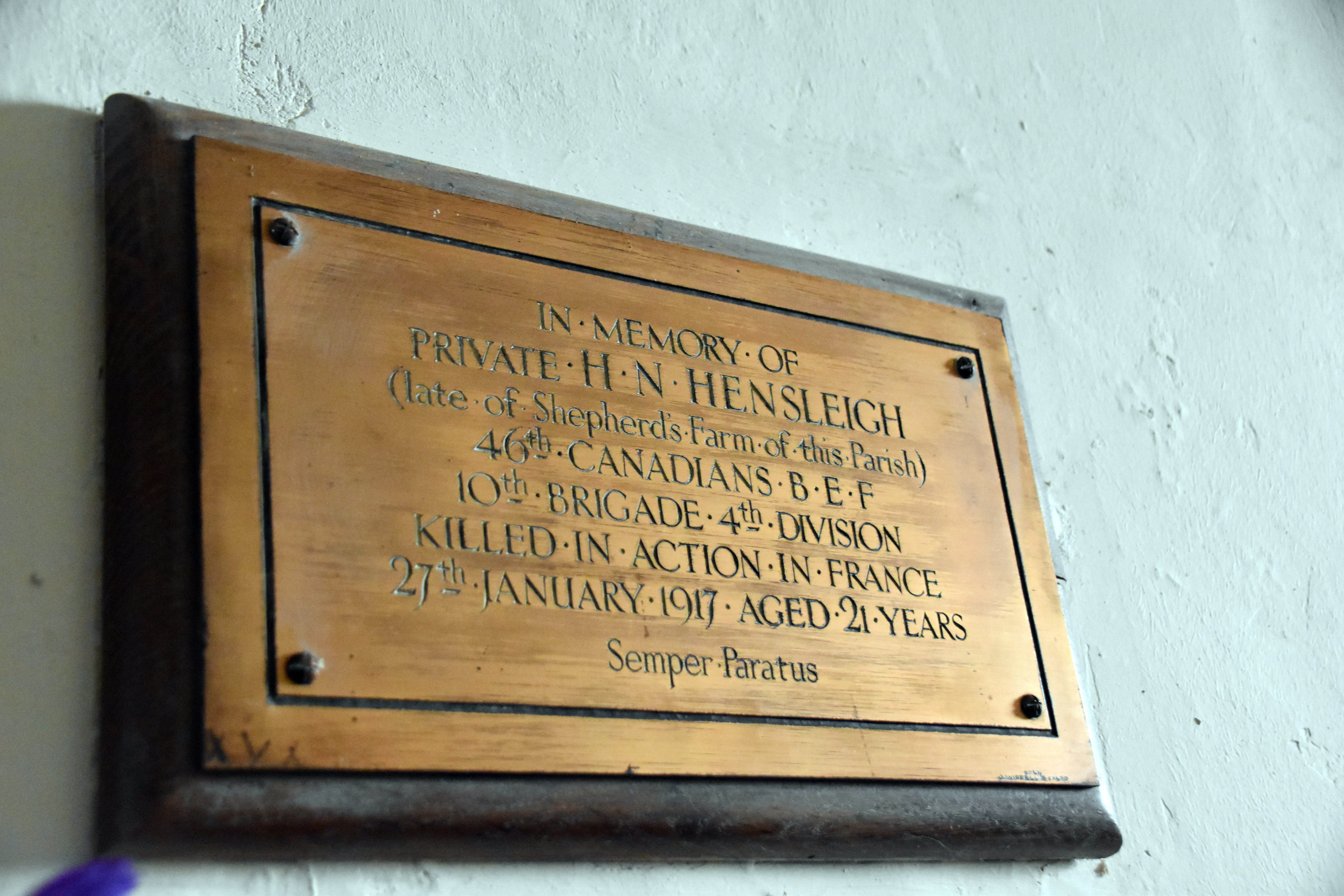
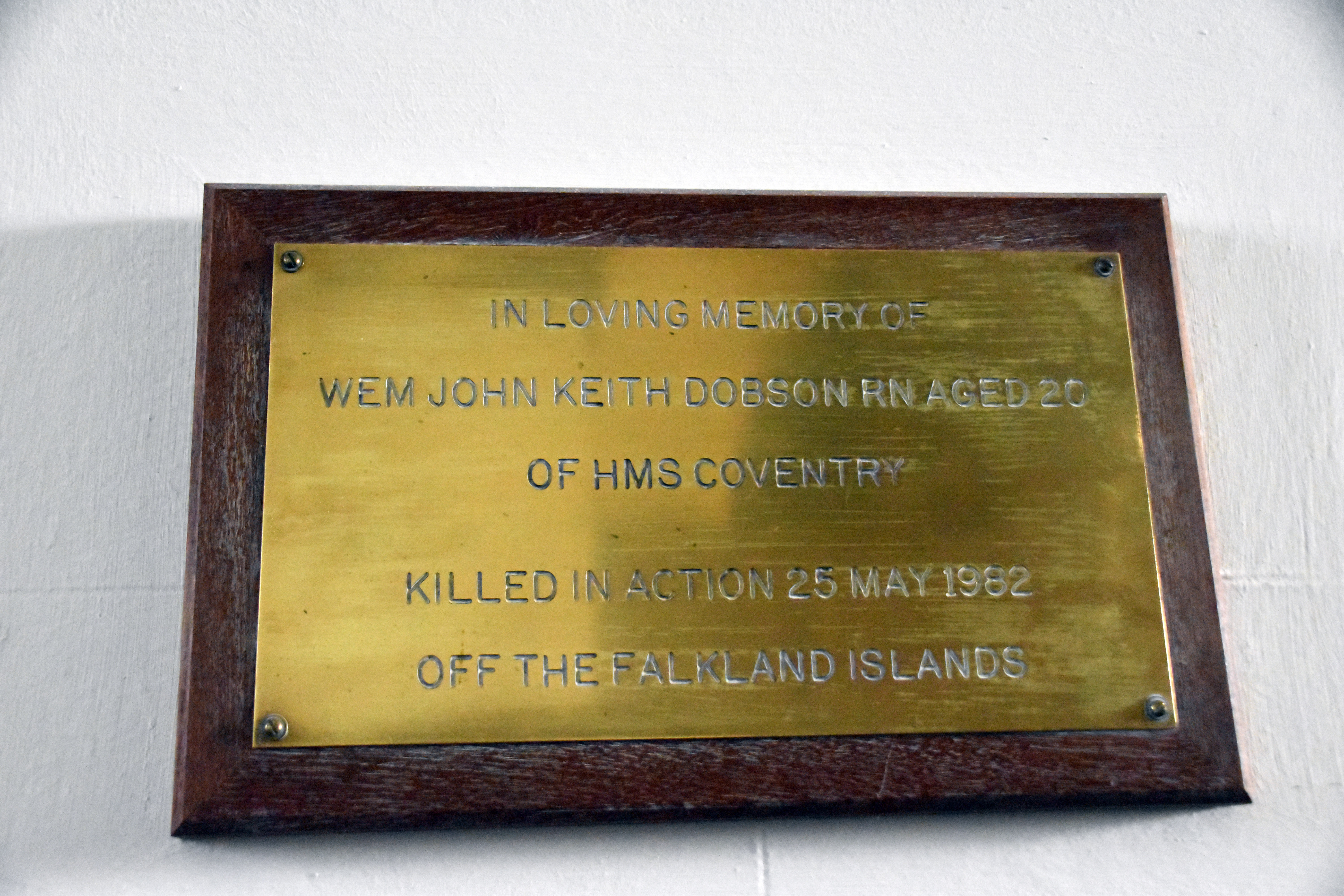
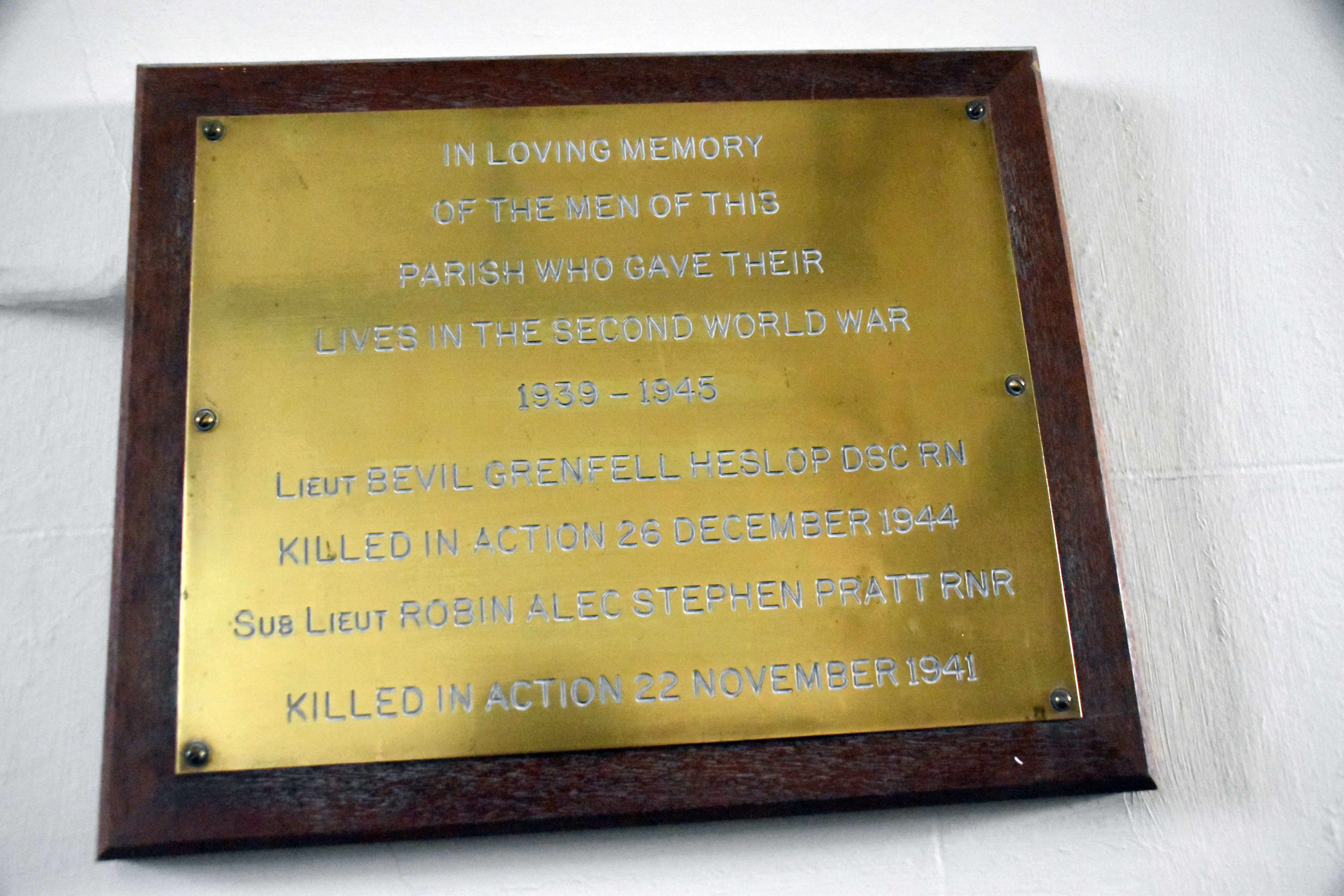
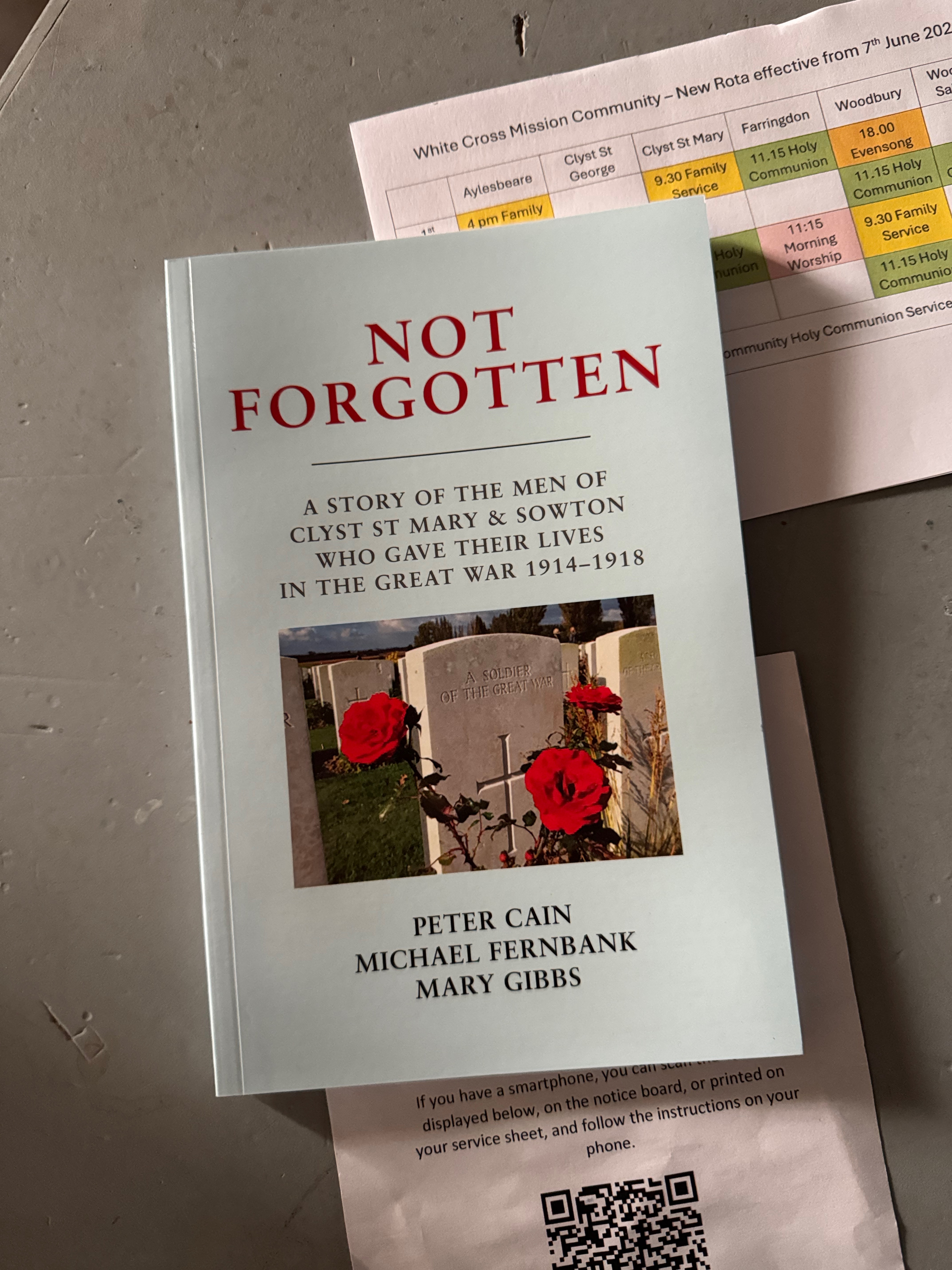
As mentioned, there were dedications to the Porcher family, a First World War memorial with additional names added later, a Second World War memorial, and unusually a memorial to a sailor killed in the Falklands War of 1982 aboard HMS Coventry, showing that military sacrifice continues long after the World Wars. It was particularly gratifying to find a book on sale detailing the lives and military careers of the soldiers honoured at this church and the nearby Sowton churches.

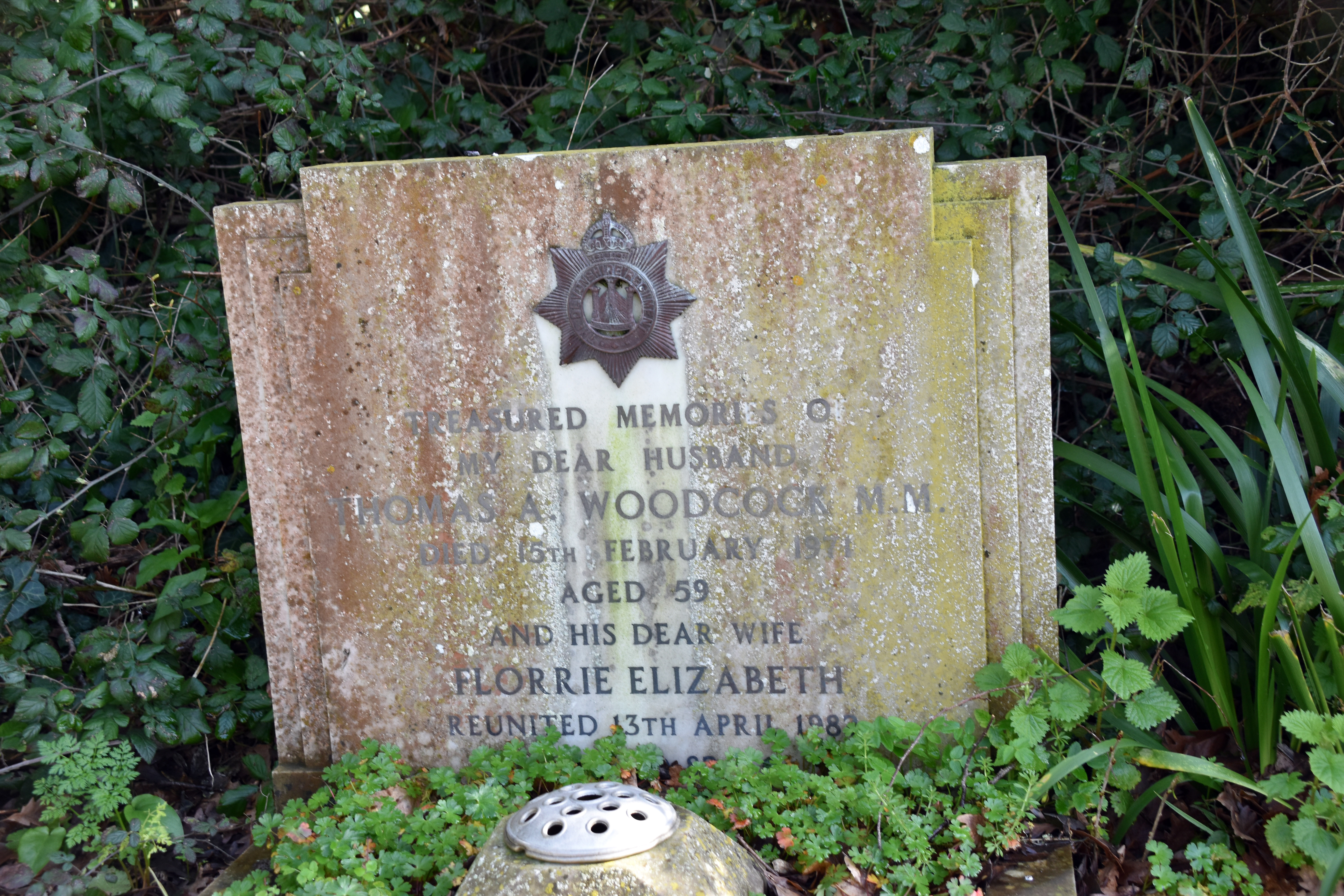
In the graveyard I found the grave of one brave soldier, Thomas A. Woodcock of the Devonshire Regiment, who survived the First World War and died in 1971. Sometimes it is easier to find out about the careers of those who died in war, whose deaths were recorded meticulously, than those who survived. But fortunately, if a person earned a medal, we can at least get a glimpse of his career, and in this case the grave explained that Thomas A. Woodcock had been awarded the Military Medal. It appears that he won his medal at Nijmegen during the Arnhem campaign, helping to repel a German counterattack. During that action Sgt Thomas A. Woodcock, ‘C’ Coy, 2nd Devons, volunteered to go forward and rescue wounded men left in no‑man’s‑land after his platoon had been forced to give ground. What is even more remarkable is that he appears to have been wounded in the days before this heroic act and yet carried on fighting regardless. One wonders if these wounds may have contributed to his death at the relatively young age of 59. But at least he survived the war and lived out his life with his beloved wife, Florrie Elizabeth.

Thomas A. Woodcock

Heading back to Clyst St Mary along the church lane, we walked past Grindle House, which had once been the rectory for the church. It now appears to be used as business premises, but its size shows just how important a job a rector or vicar once held.

The sun greeted us back in Clyst St Mary as we crossed over the busy A3052 and headed towards the strategically important settlement. It may well have been the Romans who first put this section of Devon into such an important location, with their engineering later updated by medieval builders. It is satisfying to see that the bridge is still in operation all these years later, even if converted to a pedestrian bridge. You can see it as you zoom by at 40 miles an hour on the A376, perhaps going to or from the M5 or into Exeter. It is no accident that people have been willing to fight and die over this vital communications route. So next time you are driving by in a hurry, know that your route has been used for many centuries — but not without incident.

Location of Walk

Click for OS Map of Area

Links

Historic England – Clyst St Mary Bridge
Grade II* listed medieval bridge central to both battles and the village’s strategic importance

Historic England – Church of St Mary, Clyst St Mary
Grade II* listed parish church with medieval fabric and later restoration

Devon & Dartmoor HER – Clyst St Mary: Medieval Settlement
Overview of the village’s historic core and landscape context

Heritage Gateway – Bishop’s Court, Clyst St Mary
Summary of the former episcopal residence and its landscape

Historic England – Winslade Park House
Grade II* listed early 19th‑century mansion at the centre of the Winslade Park estate

Historic England – White Lodge, Clyst St Mary
Grade II listed Greek‑revival lodge forming the ornamental entrance to Winslade Park

Battle of Clyst St Mary
The Battlefields Trust overview of the 1549 engagement

Battlefields of the Prayer Book Rebellion
Devon County Council project summarising the 1549 campaign and battlefield locations

Clyst Heath, 1455
The Wars of the Roses – overview of the earlier battle on Clyst Heath

Cornish Prayer Book Rebellion (PDF)
Glenn Foard & Alex Hodgkins, University of Leeds, 2009

Suggested Reading

Carpenter, Christine – The Wars of the Roses: Politics and the Constitution
Cambridge University Press, 1997

Cherry, Bridget & Pevsner, Nikolaus – The Buildings of England: Devon
Yale University Press, 2004

Cornwall, Julian – Revolt of 1549: The Prayer Book Rebellion
Frank Cass, 1977

Duffy, Eamon – The Voices of Morebath: Reformation and Rebellion in an English Village
Yale University Press, 2001

Fletcher, Anthony – Tudor Rebellions
Routledge, 1983

Fox, Adam – Oral and Literate Culture in England, 1500–1700
Oxford University Press, 2000

Higham, Robert – Defending Devon: The Landscape of Fortification
University of Exeter Press, 2002

Hicks, Michael – Warwick the Kingmaker
Blackwell, 1998

Hoskins, W. G. – Devon
Collins, 1954

Loades, David – Edward VI
Amberley, 2012

Ross, Charles – Edward IV
Yale University Press, 1997

Rose-Troup, Frances – The Western Rebellion of 1549: An Account of the Insurrections in Devon and Cornwall
Smith Elder, 1913 (reprints available)

Stoyle, Mark – Murderous Midsummer: The Western Rising of 1549
Yale University Press, 2022

Stoyle, Mark – Devon and the Civil War
Devon Books, 1994

Whiting, Robert – The Reformation of the English Parish Church
Cambridge University Press, 2010

Wolffe, Bertram – Henry VI
Yale University Press, 2001

More Walks

Walks by the Westcountry Walker

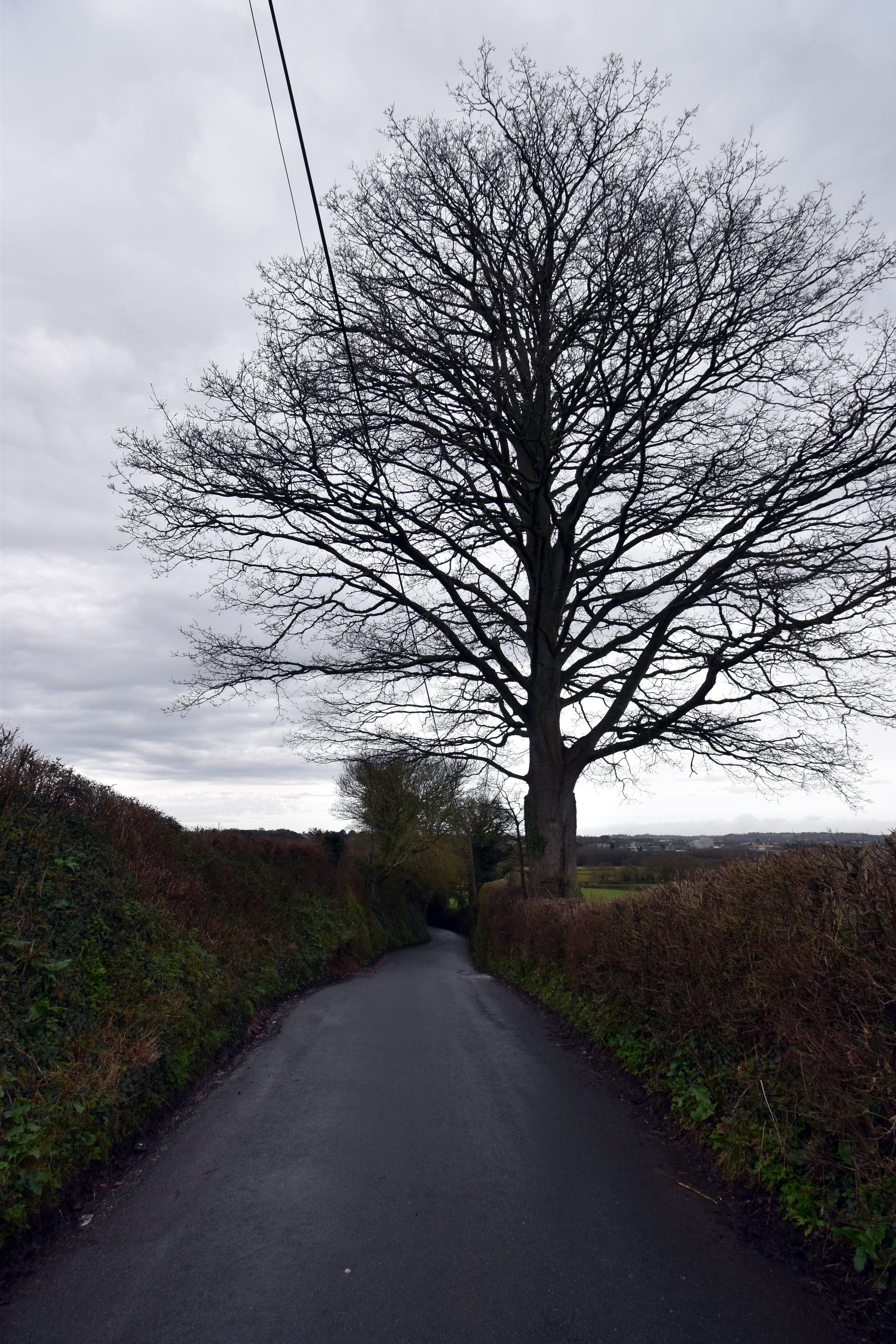
Frog Lane, site of Pomeroy’s ambush Bishop’s Court Lane, route of Russell’s second attack Medieval bridge at Clyst St Mary Clyst floodplain in full flood
Frog Lane — where Sir Thomas Pomeroy ambushed the King’s forces and captured their baggage and artillery. Bishop’s Court Lane — the route along which Lord Russell launched his second attack with his eclectic reserves of Burgundians, Italians and Albanians. The medieval bridge — a long multi‑arched structure on which the defenders placed an artillery piece to command the crossing. The Clyst floodplain — from the bridge showing a dedication to the 1549 action.
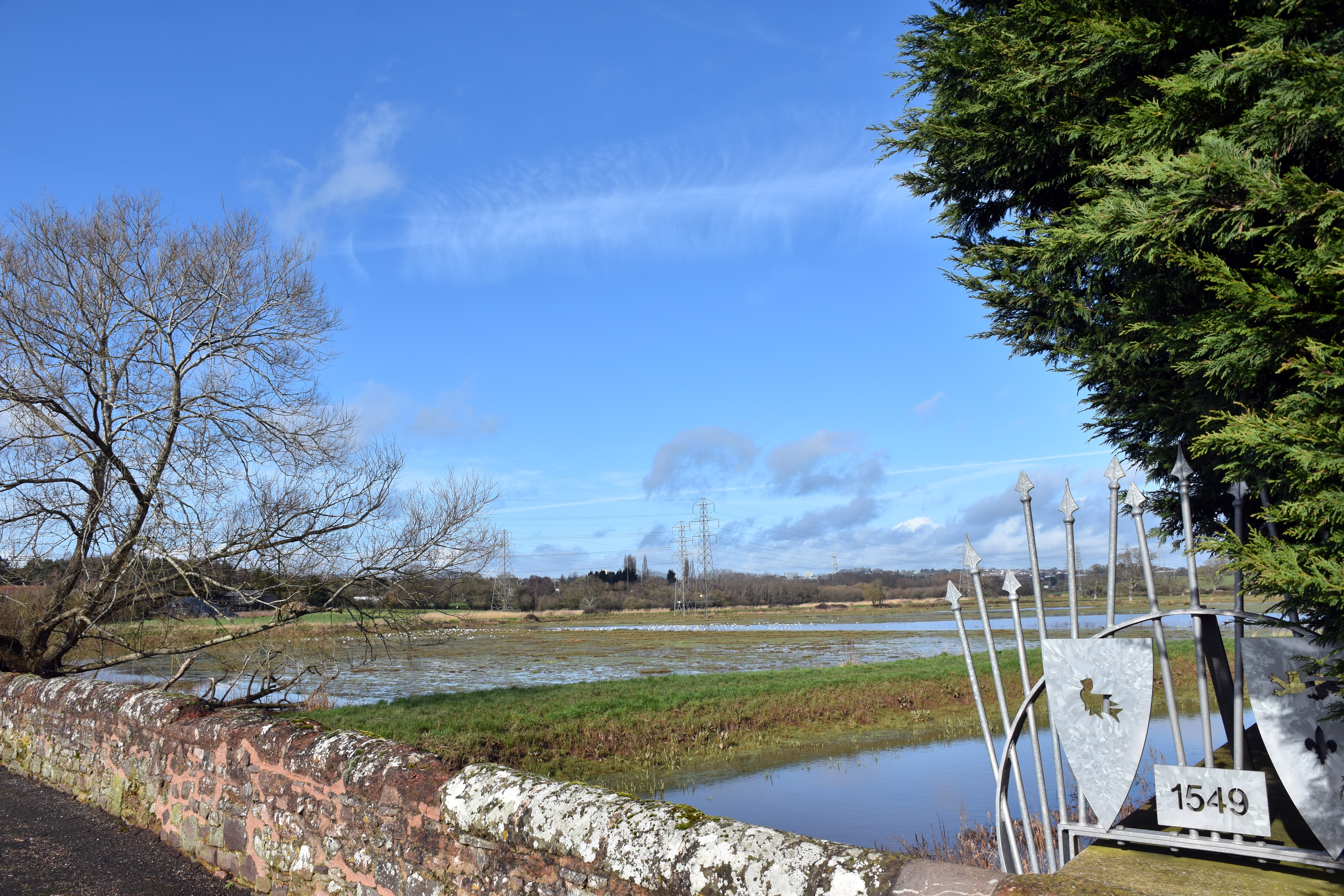
Clyst St Mary Bridge, one of the oldest in Devon Clyst floodplain in full flood with birdlife Rupert crossing the ancient bridge site Footpath used by Lord Grey to attack the bridge in 1549
Clyst St Mary Bridge — one of the oldest surviving bridges in Devon, its long medieval structure still carrying the road across the Clyst today. The Clyst floodplain — shown in full flood, with large numbers of birds taking advantage of the wetland habitat. Rupert crossing the bridge — a modern crossing on a site likely used since Roman times, linking the settlement to Exeter The footpath of Lord Grey’s attack — the route from which Lord Grey advanced to dislodge the rebel defenders from the bridge in 1549.
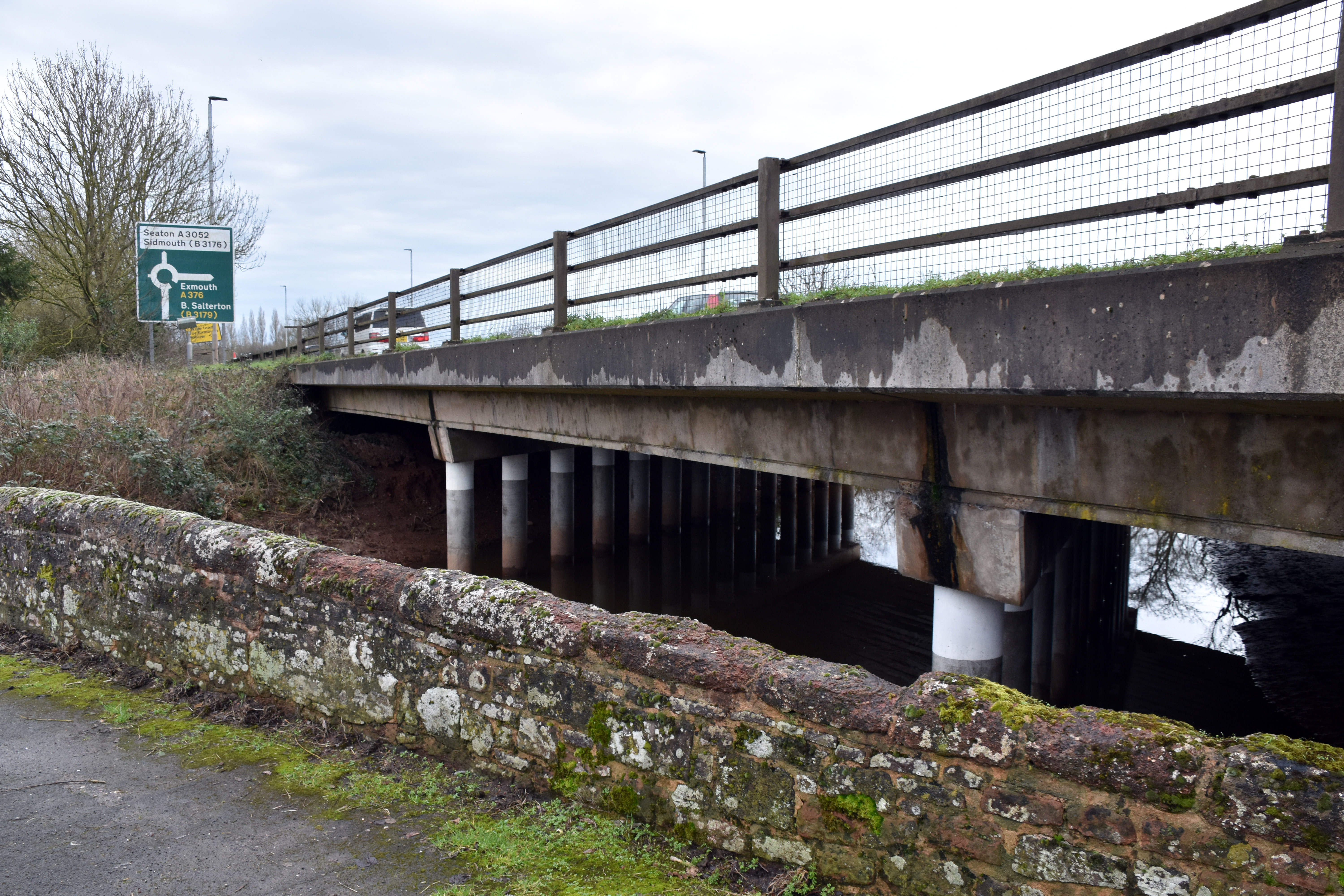
View along the bridge back towards Clyst St Mary Modern road bridge beside the original medieval bridge Oldest part of the medieval bridge over the River Clyst Flooded area showing why the bridge needed extending
Looking back towards Clyst St Mary — the view along the medieval bridge, showing its length and its relationship to the village it served for centuries. The modern road bridge — built alongside the original crossing to carry present‑day traffic while preserving the historic structure beside it. The oldest surviving section of the medieval bridge — the core of the structure that has spanned the River Clyst for hundreds of years. Flooded meadows of the Clyst — illustrating why the medieval bridge had to be extended across the floodplain to maintain a reliable crossing.
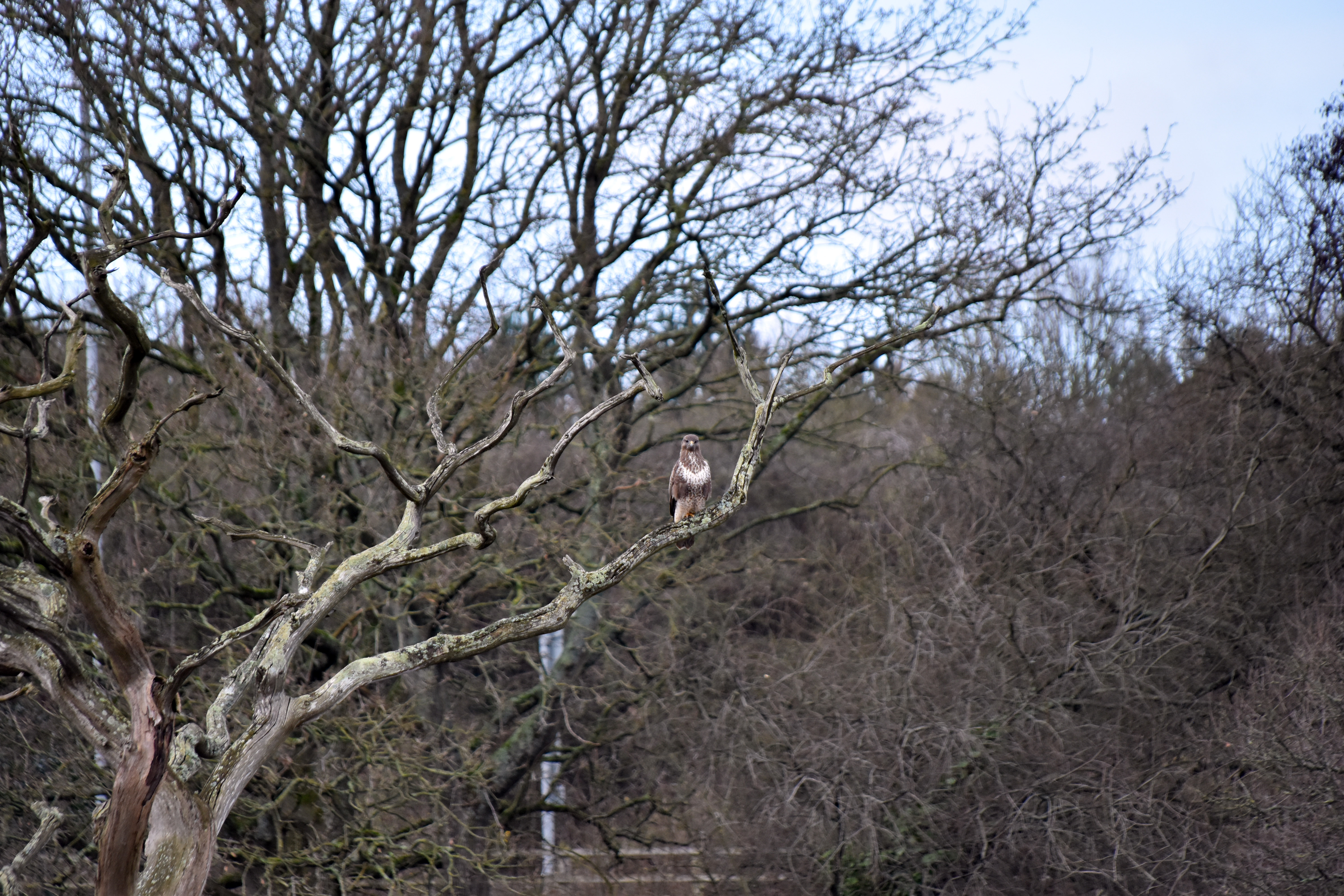
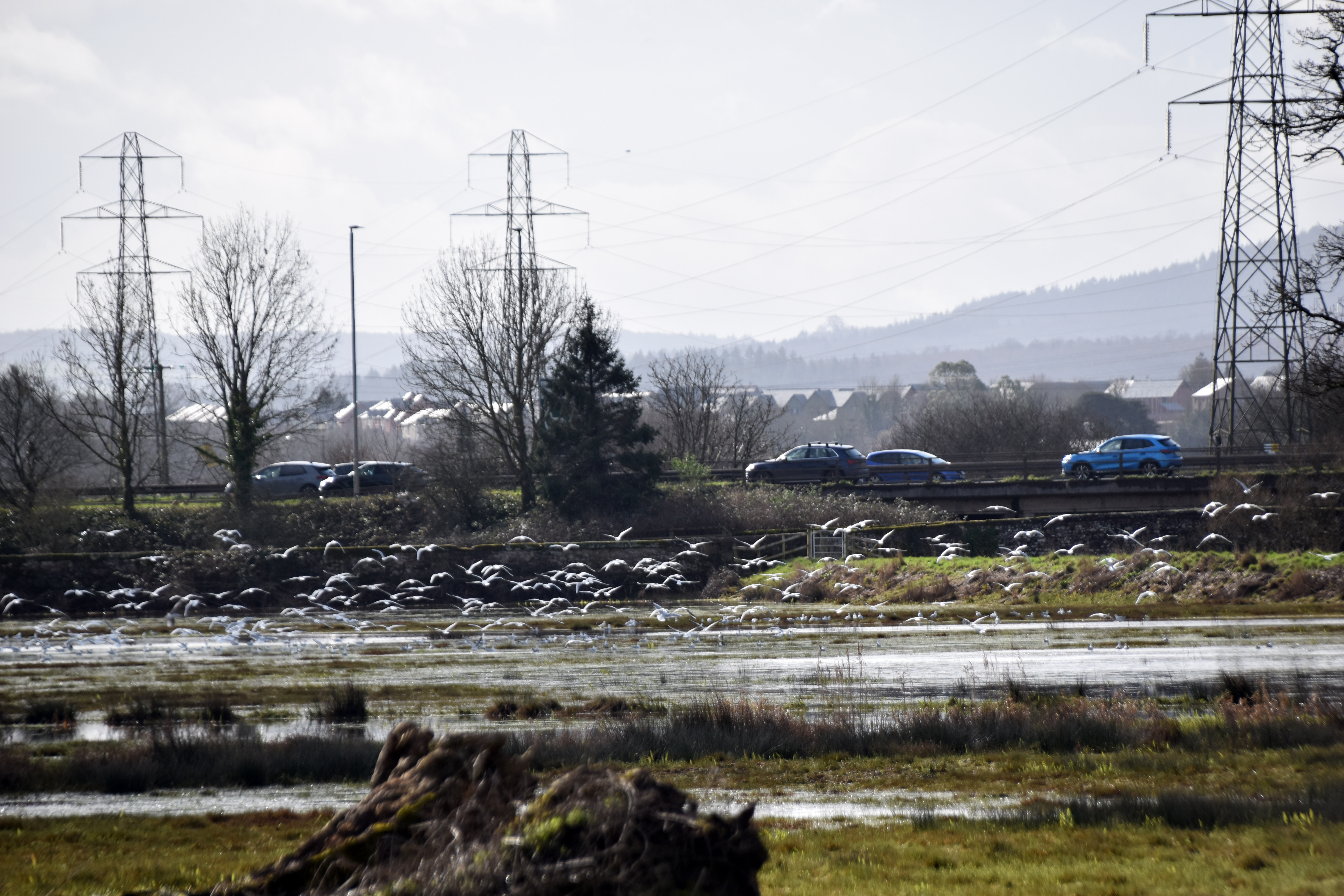
Floodplain of the River Clyst in full flood Floodplain of the Clyst with birds in flight Tributary of the Clyst bursting its banks Buzzard along the River Clyst
The Clyst floodplain — one of several views showing the landscape in full flood after the recent heavy rains. Flooded meadows — another aspect of the Clyst floodplain, with birds taking advantage of the temporary wetland habitat. A tributary of the River Clyst — here bursting its own banks, adding to the extensive flooding across the valley floor. A Buzzard along the River Clyst — a regular sight over the valley, hunting across the fields and floodplain.
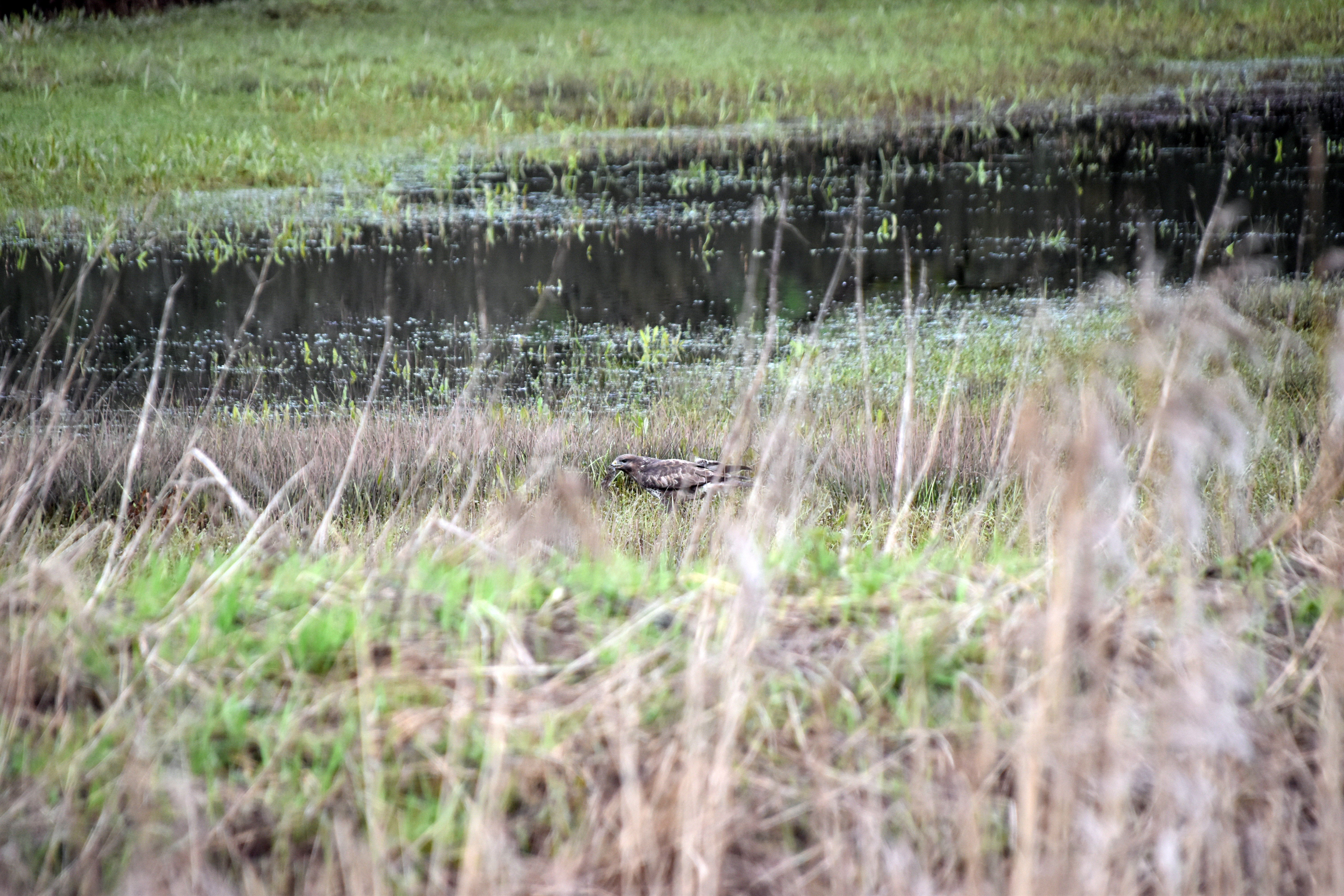
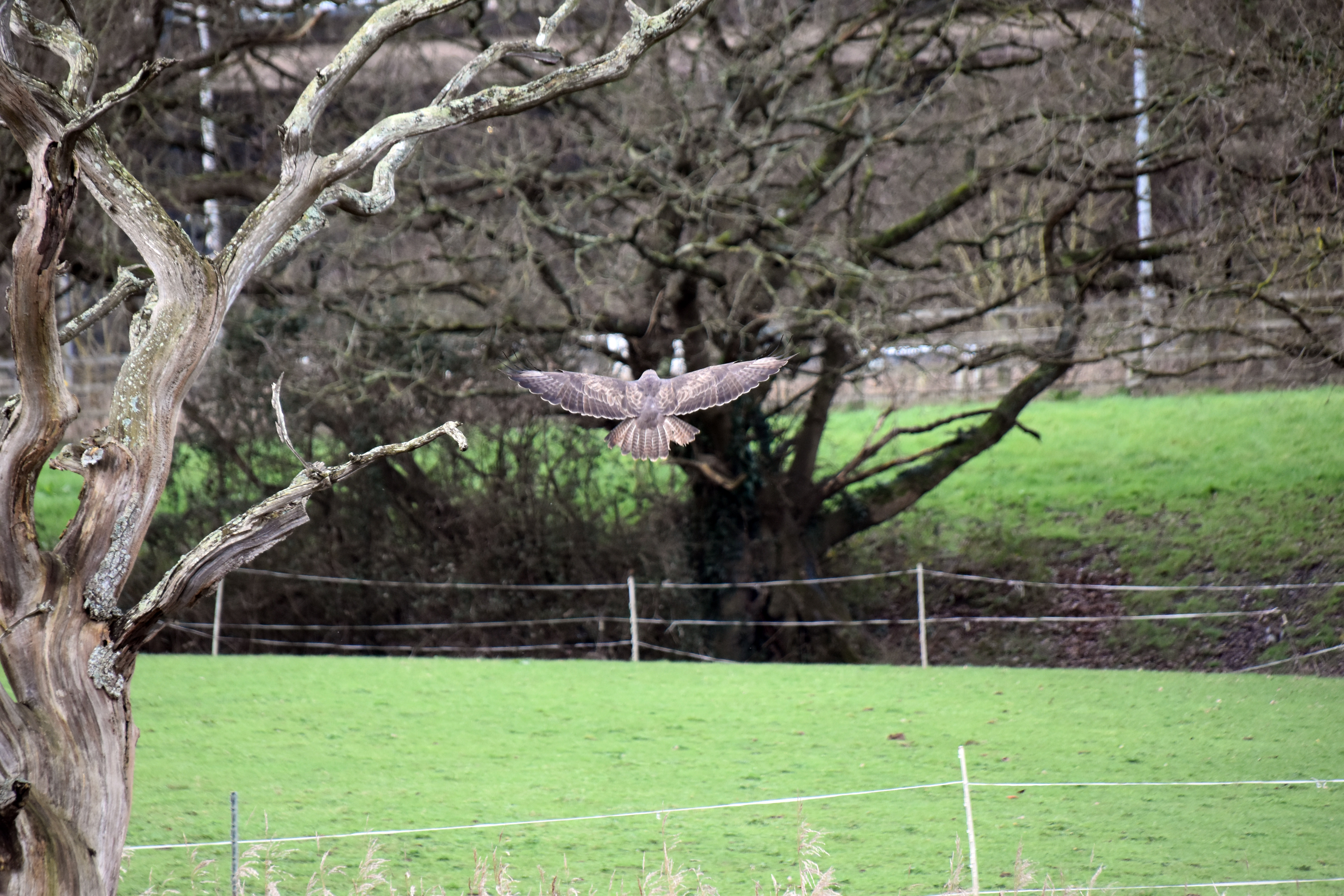
Buzzard on the ground feeding Buzzard returning to its perch Flooded farmland near the River Clyst Very muddy track near the Clyst floodplain
A Buzzard on the ground — feeding on its latest catch beside the Clyst, a common sight along the valley in winter. Returning to its perch — the Buzzard lifting off again to resume its lookout over the river and floodplain. Flooded farmland — yet another example of how extensively the Clyst valley fills after prolonged rain. A very muddy track — showing the saturated ground conditions across the valley during the winter floods.
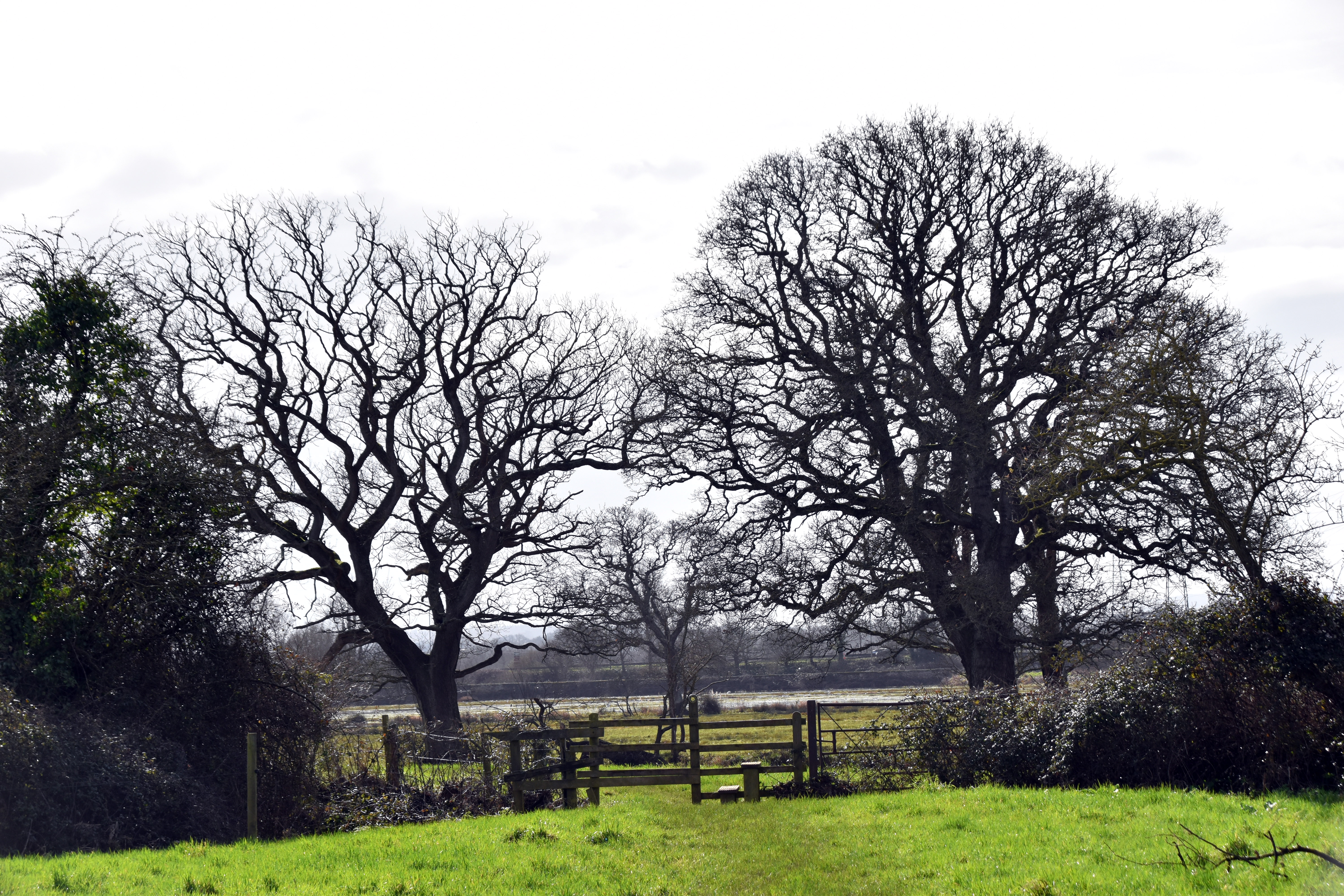
Rupert inspecting floodways at full capacity Rupert on a footbridge over the River Clyst Stile on the footpath back to Clyst St Mary Dead tree in the foreground of Clyst St Mary
Rupert inspecting the floodways — channels running at full capacity after the recent heavy rains, showing how the valley manages excess water. Rupert on the footbridge — crossing the River Clyst at one of the quieter points along the valley’s network of paths. A stile on the footpath — marking the route back towards Clyst St Mary, part of the network of paths across the floodplain. A dead tree in the foreground — framing the village beyond and adding character to the winter landscape of the Clyst valley.
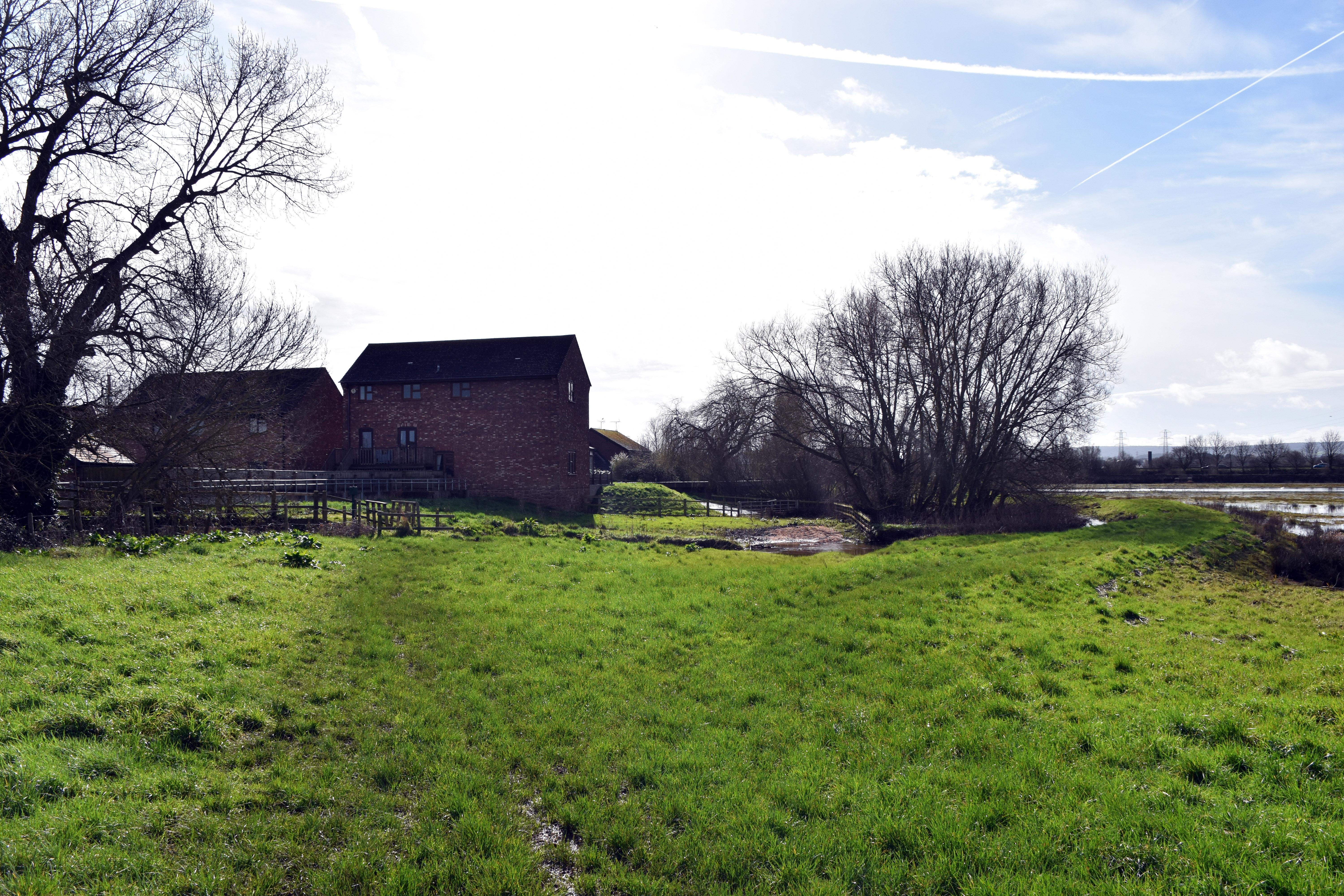
Birds in flight before the ancient and modern bridges over the Clyst Buildings on the site of the old mill where Lord Grey crossed the river Mill House on the former mill site The Half Moon pub near the bridge, site of street fighting in 1549
Birds in flight — sweeping across the floodplain with both the ancient and modern bridges over the Clyst visible behind them. The old mill site — buildings now standing where the mill once lay, the point where Lord Grey and his soldiers crossed the river to flank the rebel defenders. Mill House — the name preserving the memory of the long‑vanished mill that once controlled this crossing of the Clyst. The Half Moon pub — close to the bridge and standing on ground that saw fierce street fighting during the 1549 battles around Clyst St Mary.
View up the main road of Bishops Clyst towards the village Old house at Bishops Clyst and Frog Lane, possible site of Pomeroy’s ambush White Lodge at the entrance to Winslade Park Land Rovers and Range Rovers passing White Lodge
Looking up the main road of Bishops Clyst — a view towards the heart of the village, showing the line of approach used for centuries. An old house at the junction of Bishops Clyst and Frog Lane — possibly close to the site where Sir Thomas Pomeroy ambushed the King’s forces in 1549. White Lodge — the striking Greek‑revival lodge marking the ornamental entrance to Winslade Park. A stream of Land Rovers and Range Rovers — modern traffic flowing past White Lodge on the historic route through the Clyst valley.
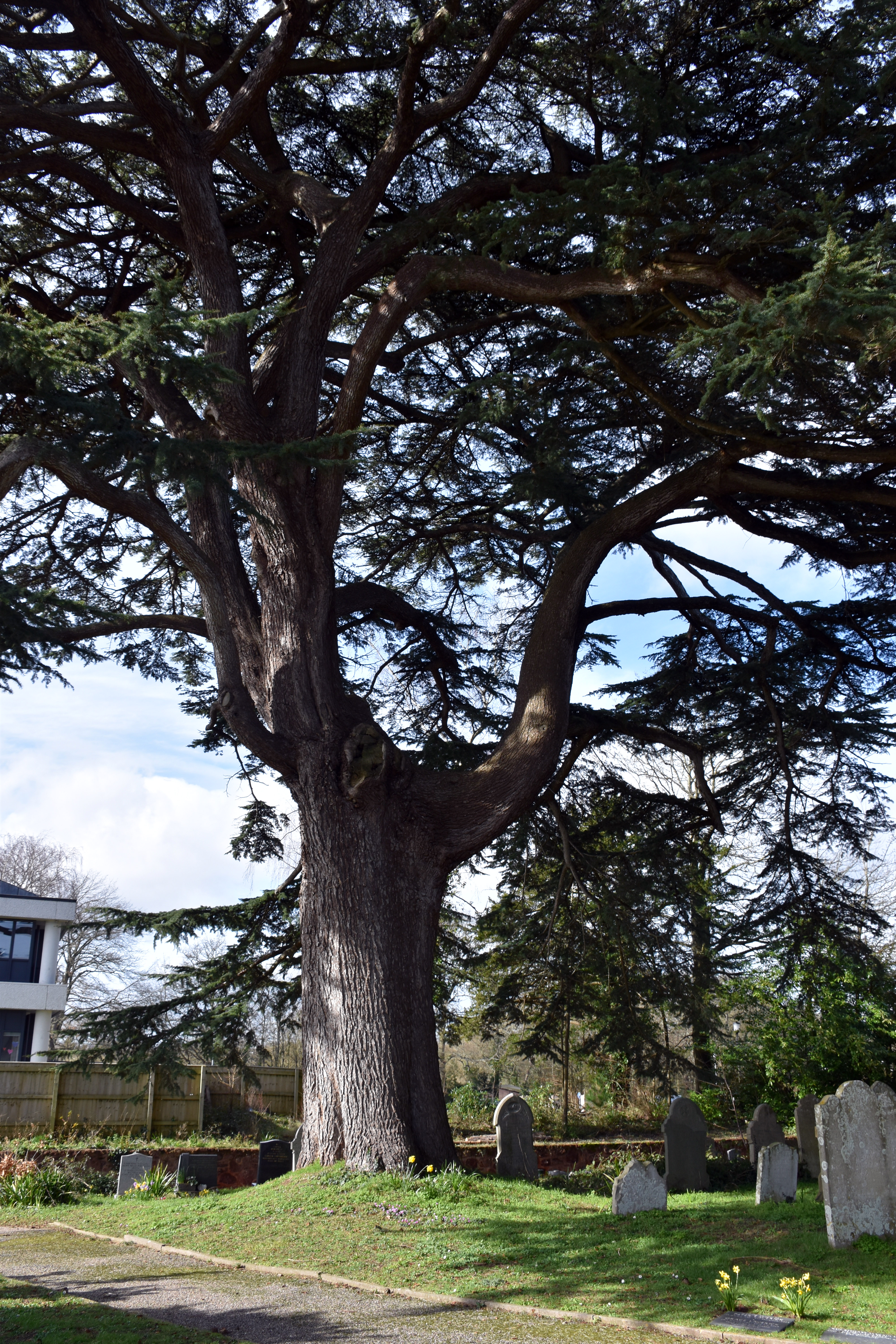
Church Lane leading to St Mary’s Church Gravestone of Thomas A. Woodcock MM with Devon badge Ancient tree in the churchyard Dedication plaque to Private H. N. Hensleigh, 46th Canadians
Church Lane — the quiet approach to St Mary’s Church, lined with trees and forming the historic route into the parish centre. The gravestone of Thomas A. Woodcock MM — bearing the Devon Regiment badge and commemorating a Military Medal winner of the parish. An ancient tree in the churchyard — likely as old, if not older, than the graves beneath its branches. Dedication to Private H. N. Hensleigh — 46th Canadians, B.E.F., killed in action in France on 27 January 1917, aged 21. “Semper Paratus.”
Memorial to Josias Du Pré Porcher of Winslade House Memorial to Charlotte Porcher of Winslade House Memorial to Rebecca Emma Porcher, eldest daughter of Josias and Charlotte Memorial to Thomas Du Pré Porcher of the HEIC in Bengal
Josias Du Pré Porcher — of Winslade House, who died on 25 April 1820 aged 59, head of the Porcher family commemorated here. Charlotte Porcher — wife of Josias Du Pré Porcher of Winslade House, who died on 29 September 1818 aged 48, remembered in a tablet inscribed by her “affectionate husband.” Rebecca Emma Porcher — eldest daughter of Josias Du Pré and Charlotte Porcher, who died on 21 February 1816 aged 18, commemorated in the language of resurrection and immortality. Thomas Du Pré Porcher — eldest son of Josias Du Pré and Charlotte, serving in Bengal with the Honourable East India Company; he died at Calcutta on 25 September 1812 aged 23, his plaque mourning the loss of a man “made to be loved.”
Stained glass window commemorating William Barnes Stained glass window dedicated by the wife of William Barnes, 1836 Stained glass window with Latin inscriptions, dated 1879 Small octagonal stone font in St Mary’s Church
Stained glass window commemorating William Barnes of Great Duryard, Exeter, 1863 Memorial window commissioned by the wife of William Barnes Junior, 1886 Stained glass window also to Barnes family dated 1874, bearing Latin inscriptions including “The Word was made flesh” and “Dominus Illuminatio Mea.” The small octagonal stone 19th Century font
Stained glass window commemorating Joshua Dixon of Winslade, 1845 Ribbed wagon roof of St Mary’s Church Memorial to WEM John Keith Dobson RN, HMS Coventry, 1982 Second World War memorial to parish men, 1939–1945
Stained glass window depicting the Six Corporal Works of Mercy, dedicated to Joshua Dixon of Winslade, who died on 7 December 1845 aged 75. The ribbed wagon roof of St Mary’s — part of the church’s 19th‑century interior, reflecting the Victorian re‑ordering of 1895–96. Memorial to Weapons Engineering Mechanic John Keith Dobson RN, aged 20, of HMS Coventry, killed in action on 25 May 1982 off the Falkland Islands. Second World War memorial to the parish men who fell: Lieut. Bevil Grenfell Heslop DSC RN (26 December 1944) and Sub‑Lieut. Robin Alec Stephen Pratt RNR (22 November 1941).
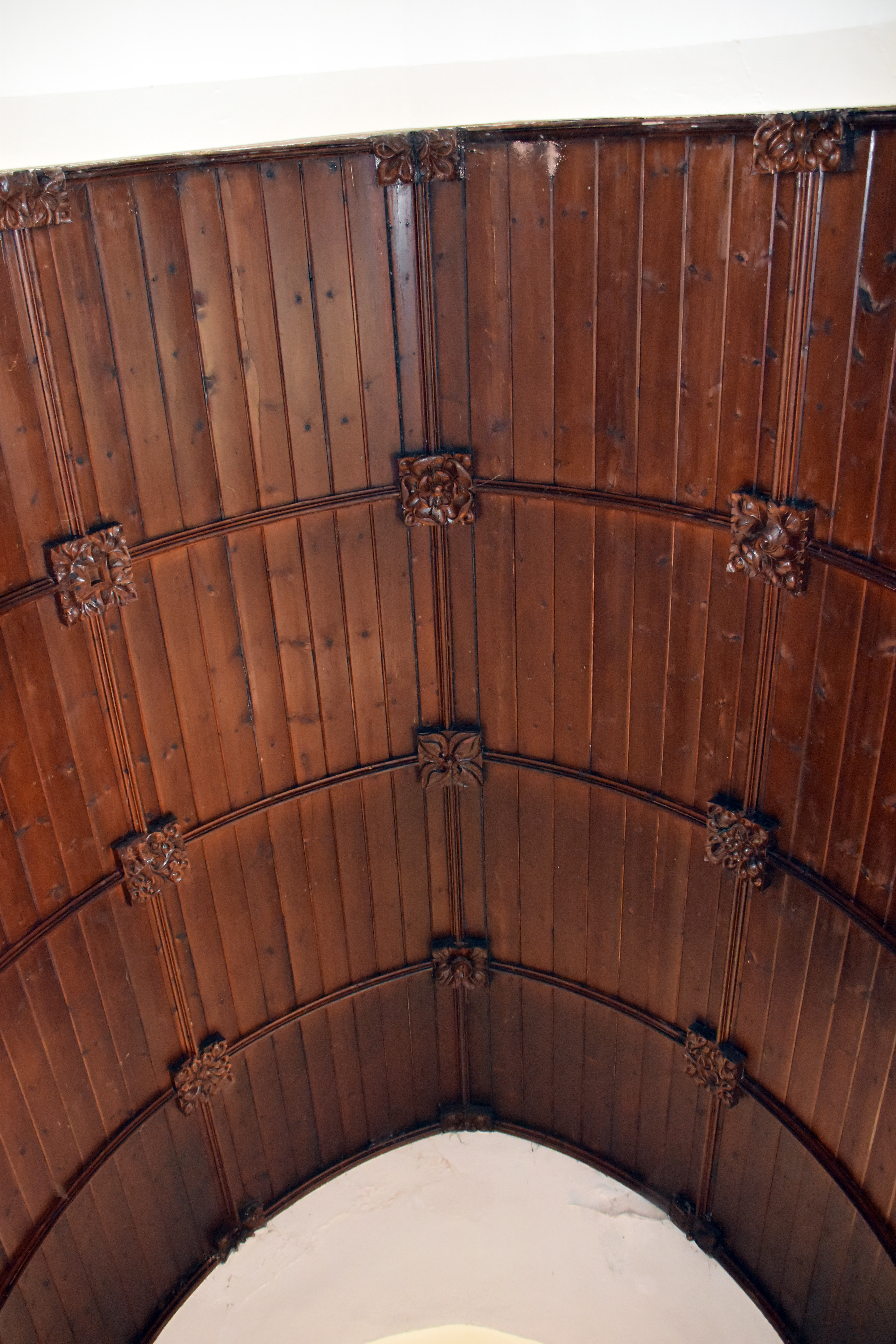
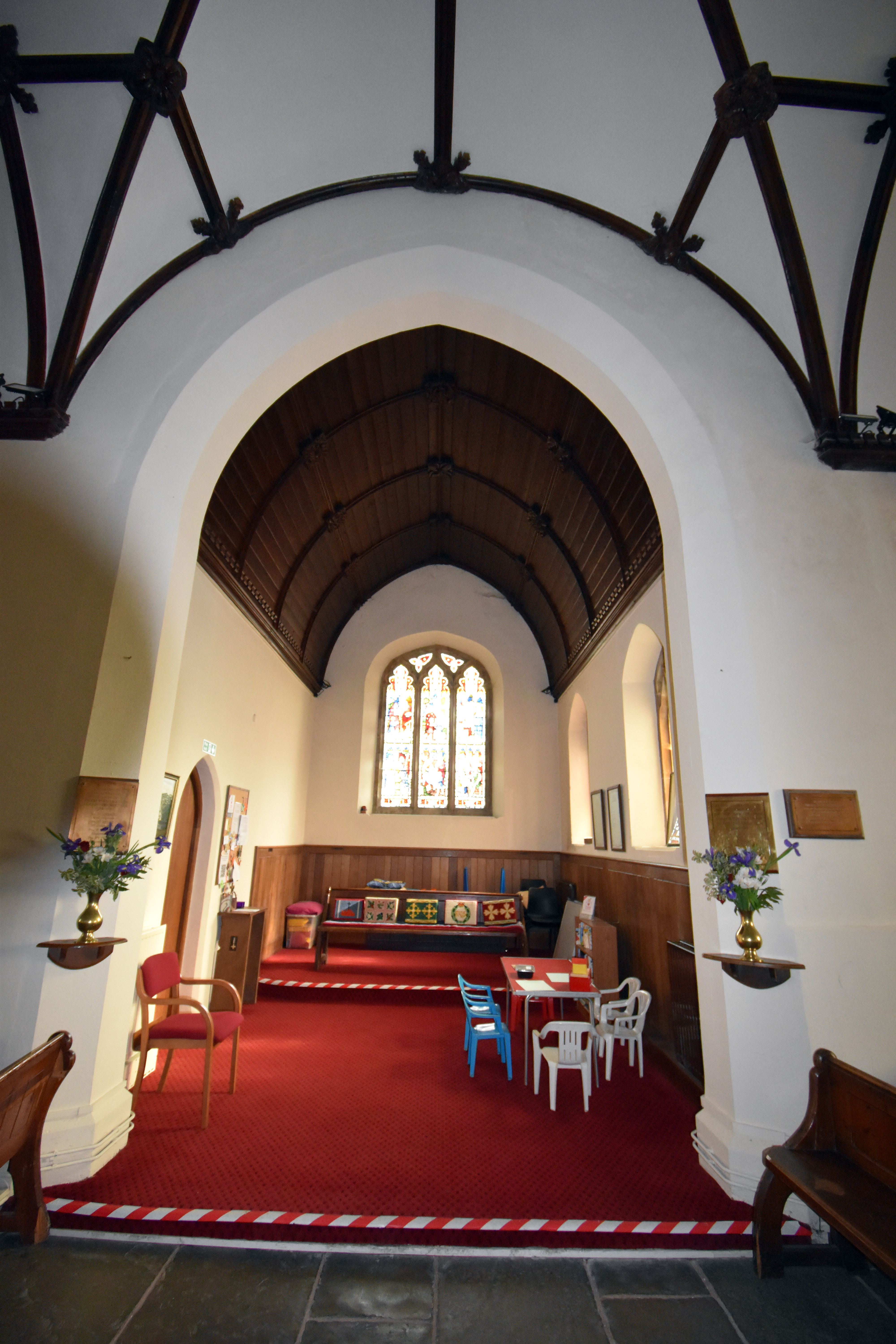
Stained glass window dedicated to Arthur Kerr, featuring Anne, Jesus, and St Cecilia Altar and stained glass crucifixion window flanked by Apostles’ Creed and Lord’s Prayer Barrel-vaulted wooden ceiling with carved floral bosses Interior view of chapel with WWI memorial and stained glass
Stained glass window dedicated by the daughters of Arthur Kerr, a devoted parishioner and churchwarden of Trimley, featuring Anne teaching the Virgin, Christ as the Good Shepherd, and St Cecilia. The altar of St Mary’s — flanked by the Apostles’ Creed and Lord’s Prayer, with a central stained glass crucifixion scene and floral arrangements. Barrel-vaulted wooden ceiling — with carved floral bosses at each intersection, reflecting traditional craftsmanship and Victorian restoration. Interior view of the chapel — showing pews, stained glass, and the WWI memorial plaque honouring the men of the parish who gave their lives in the Great War.
View to the east inside St Mary’s Church Not Forgotten Book WWI memorial plaque listing Gosland, Hunt, Mifflin and Pitts Prayer Book Rebellion 1549 kneeler
View to the east — looking along the nave towards the stained glass and chancel, showing the church’s Victorian re‑ordering and vaulted roof. Not Forgotten - fascinating book explaining the sacrifices of the local parish population. Great War memorial — commemorating Spr. E. Gosland (Royal Engineers), Pte. H. Hunt (2nd Devon Regt), Pte. R. Mifflin (Somerset L.I.), and Pte. F. Y. Pitts (Royal Warwickshire Regt), who gave their lives in 1914–1918. Prayer Book Rebellion kneeler — a needlepoint cushion commemorating the 1549 rising, stitched with the words “PRAYER BOOK REBELLION 1549.”
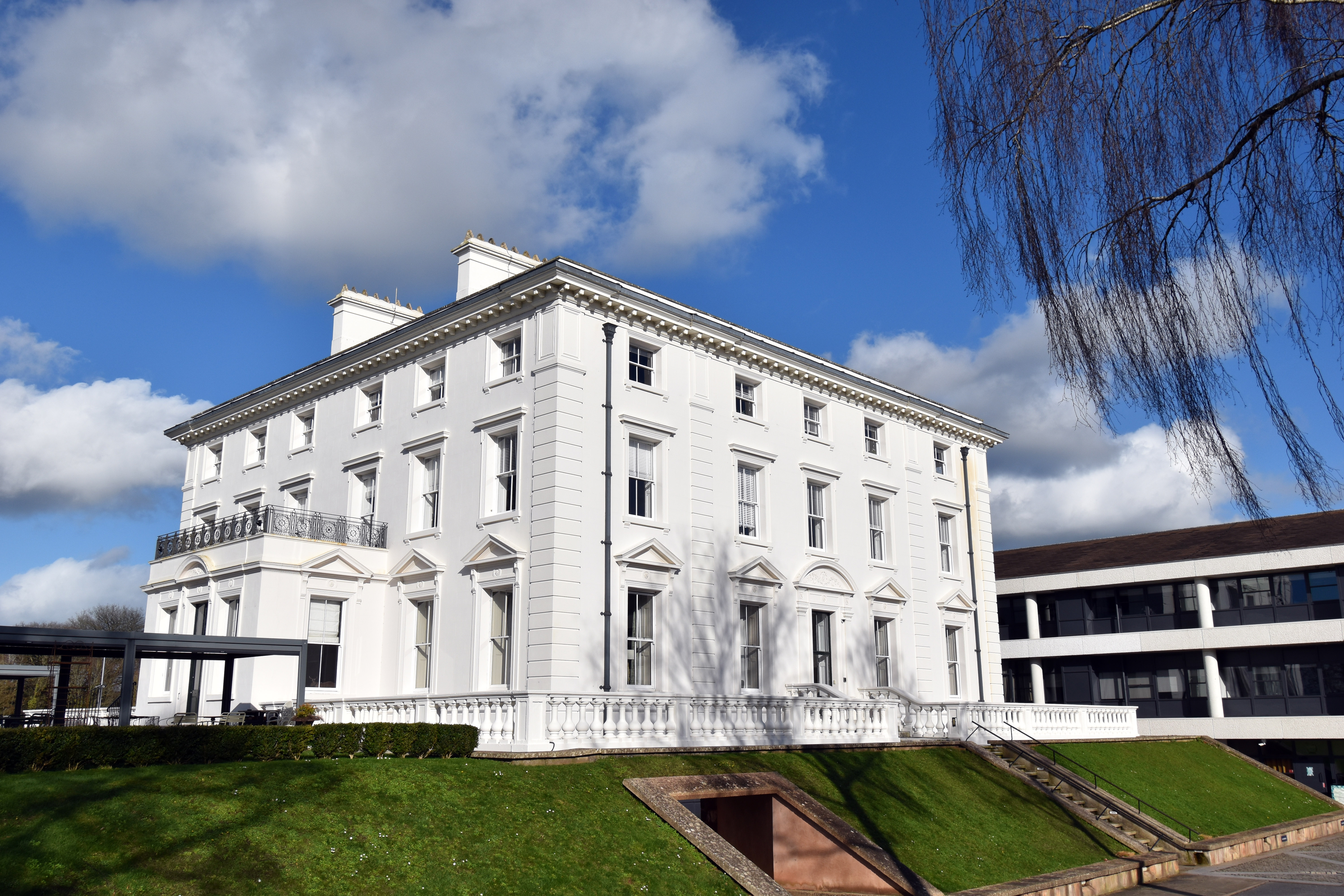
Memorial plaque to Edward Gosford Esquire, 1810 Stone tomb of Edward Gosford beside the church wall Exterior view of St Mary’s Church with tower and Gothic windows Winslade House, classical façade with fountain and lawn
Memorial to Edward Gosford Esquire — who died on 25 May 1810 aged 74, remembered for holding offices “of the highest trust and importance” in the East Indies, later MP for Midhurst and High Sheriff of the county. The tomb of Edward Gosford — set against the church wall, bearing the shield and stonework of an early‑19th‑century memorial to a man of considerable public service at home and in the East Indies. St Mary’s Church — showing the west tower, Gothic tracery, and weathered stonework of the historic parish church at Clyst St Mary. Winslade House — the classical mansion set within landscaped grounds, later adapted for modern use but retaining its 18th‑century elegance.
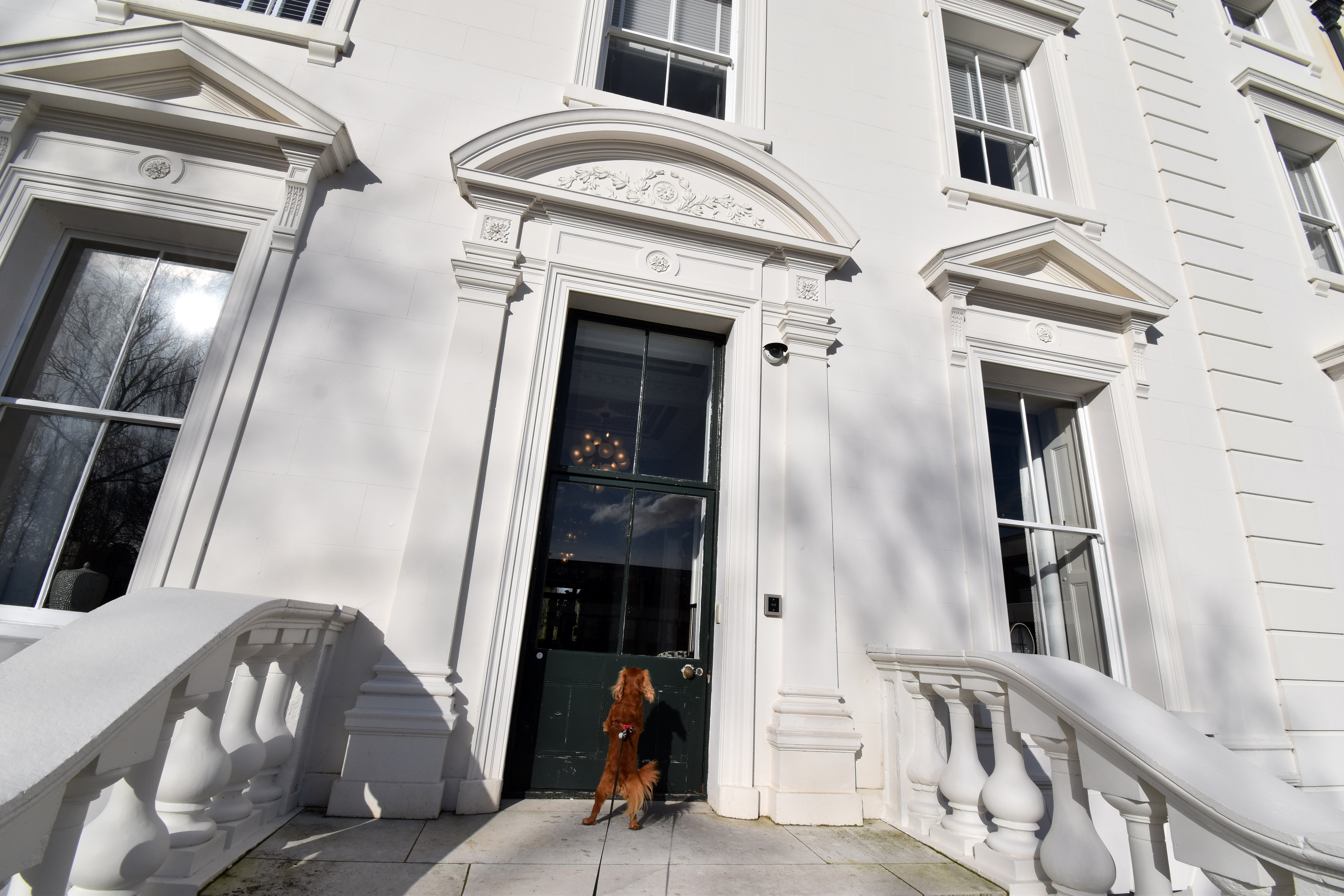
Winslade House with terrace and seating Rupert looking into the restaurant entrance at Winslade House Winslade estate buildings showing classical and modern architecture Grindle House, former Rectory of St Mary’s Church
Winslade House — the main façade with its classical symmetry, terrace seating, and landscaped grounds. Rupert investigating the restaurant entrance — adding a touch of character to the elegant frontage of Winslade House. Winslade estate — showing the contrast between the historic mansion and the adjoining modern buildings on the site. Grindle House — the old Rectory for St Mary’s, set behind its gate pillars and framed by trees and garden walls.

Walks by the Westcountry Walker
Armed Forces | Art and Culture | Articles | Biographies | Colonies | Discussion | Glossary | Hiking | Home | Library | Links | Map Room | Sources and Media | Science and Technology | Search | Student Zone | Timelines | TV and Film | Wargames
Donate by Stephen Luscombe