British Empire Title

The Westcountry Walker: Hiking Through History

Colyton: The Most Rebellious Town in Devon


Colyton: The Most Rebellious Town in Devon

After a week of relentless rain, capped by a downpour of almost biblical proportions, we were determined not to be deterred. The forecast for the weekend was hardly encouraging, yet Saturday promised a brief window of dry skies — enough to tempt Rupert and me eastwards to Devon. Our destination was St Andrew’s in Colyton, a church we had heard much about but never seen. The ninety‑minute drive proved more than worthwhile, for not only were we rewarded with a remarkable building, but we also found ourselves swept into the festive spirit by the way this small town embraced December with such gusto.

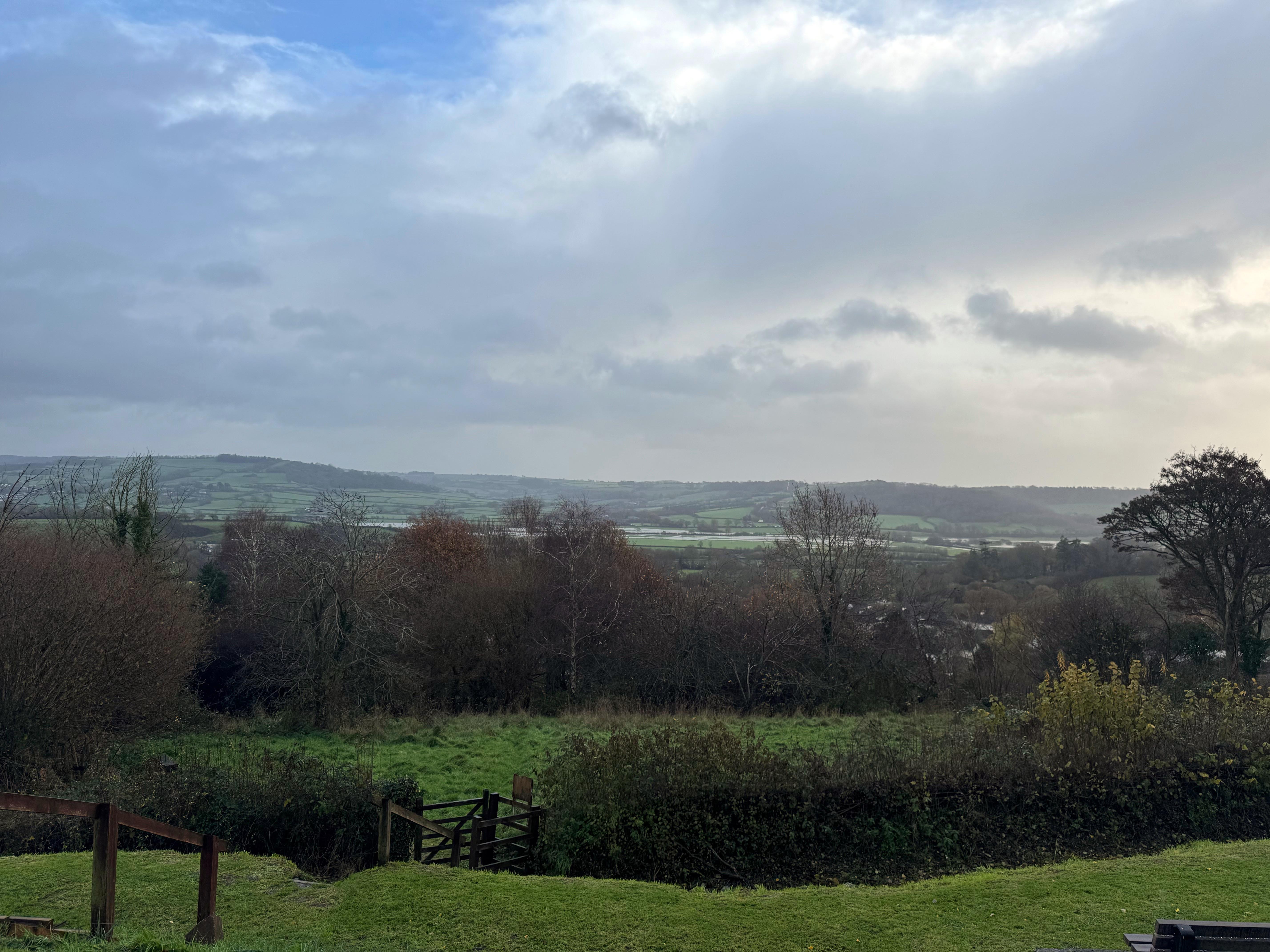
We parked in a lovely spot overlooking the Coly Valley and the Axe Valley and out towards Musbury Castle (which is actually an Iron Age hill fort despite its name suggesting otherwise) and towards Boshill Hill – such a big hill they had to name it twice! To our south would be Seaton but we couldn’t see that, though we could glimpse the Dowlands Cliffs from the car park. In front of us should have been the Seaton and District Electric Tramway running up and down the valley, but I’m not sure if all the rain had put a stop to their services – they should at least have been running a Christmas‑only service but we didn’t see sight nor sound of it all day – perhaps the wet weather had taken its toll on this tourist line. Indeed, with it being early December there was a distinctly out‑of‑season feel to the valley – even more so with the substantial pools of water in the fields below us thanks to all the recent rain. The ground really was saturated… we weren’t optimistic about leaving asphalt and pavements, but more of that later.
Colyton: The Most Rebellious Town in Devon

We waited in the car park for the last of the major rain clouds to blow through and then headed into Colyton itself, heading down the road northwards towards the town centre. Few towns can have quite as much variety in the housing as Colyton – almost no two houses looked the same, with some centuries‑old cottages next to new builds, thatched roofs rivalling more modern slate. Not a few houses had peculiarly curved walls. It was all very quaint and idiosyncratic. Perhaps its moniker as ‘The most rebellious town in Devon’ conveyed itself through its architecture as much as through its history.

Now why is it called the ‘most rebellious town in Devon’? This is to do with the Monmouth Rebellion when the Duke of Monmouth landed in nearby Lyme Regis in June 1685. No town volunteered as large a proportion of its population as Colyton did. Most other communities shirked away when they contemplated the consequences of their treason, but not Colyton, and indeed sadly Judge Jeffreys and the Bloody Assizes did take savage reprisals in this part of the country in consequence of the defeat of the rebels at Westonzoyland.

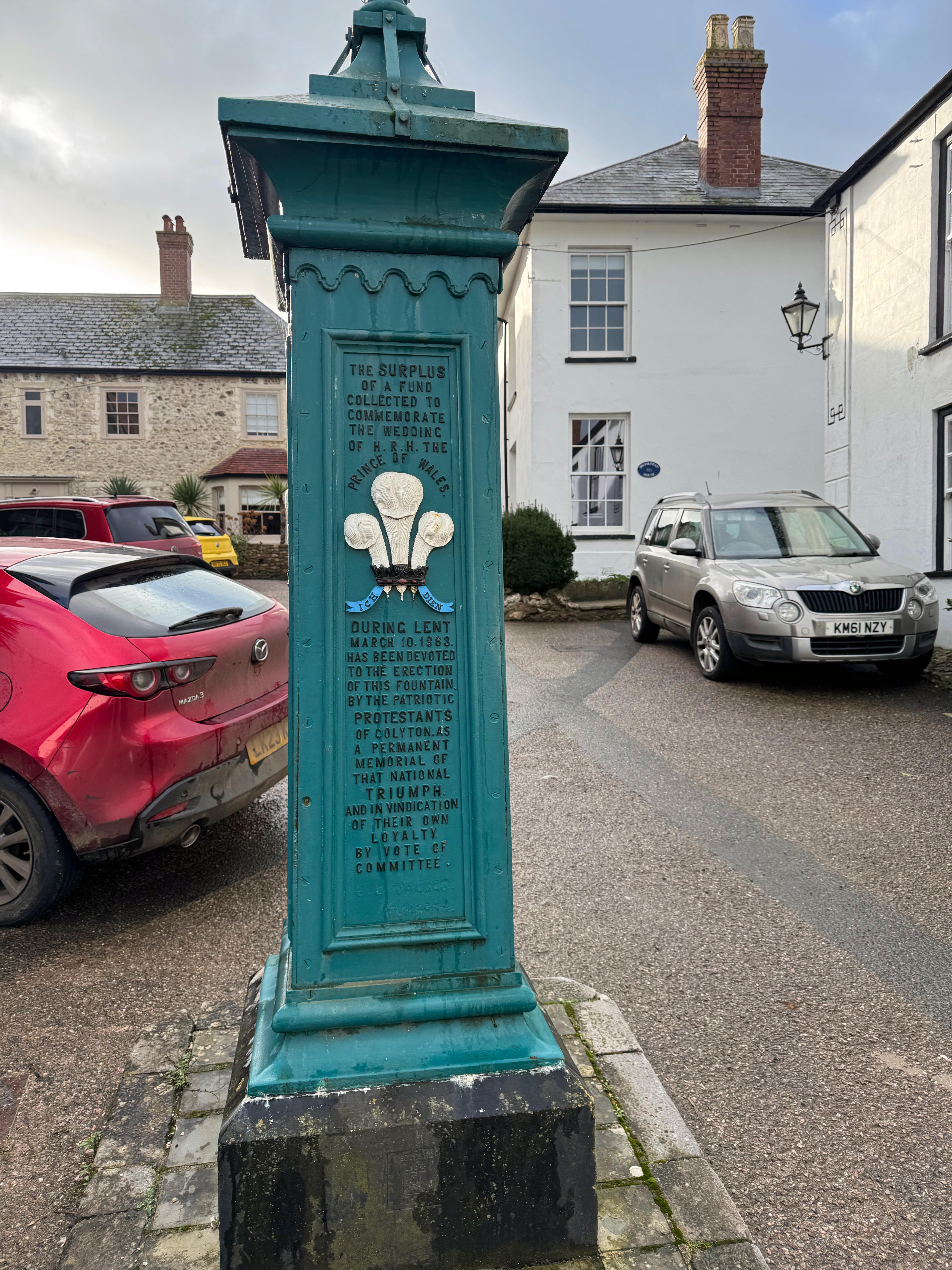
That Protestant heritage definitely ran deep, as there was an intriguing fountain in the town centre that was built to commemorate the wedding of Queen Victoria’s son HRH The Prince of Wales in 1863, which was funded “by the Patriotic Protestants of Colyton as a permanent memorial of that national Triumph and in vindication of their own loyalty!” In the era before piped water, fountains were a very popular way of serving the local community and this dedication must have been seen by thousands of inhabitants over the years before their need to gather fresh water from a pump in the centre declined.
Colyton: The Most Rebellious Town in Devon

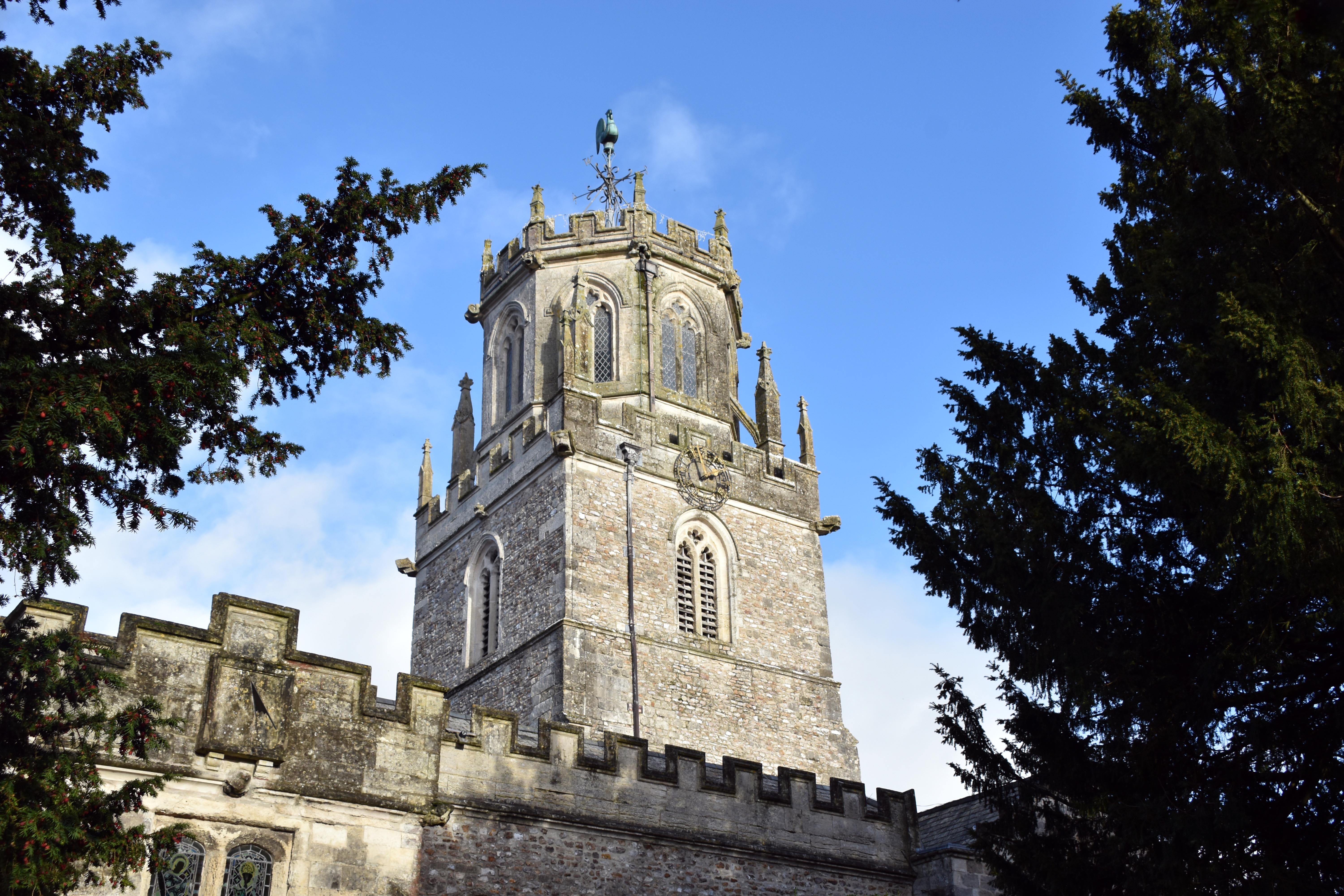
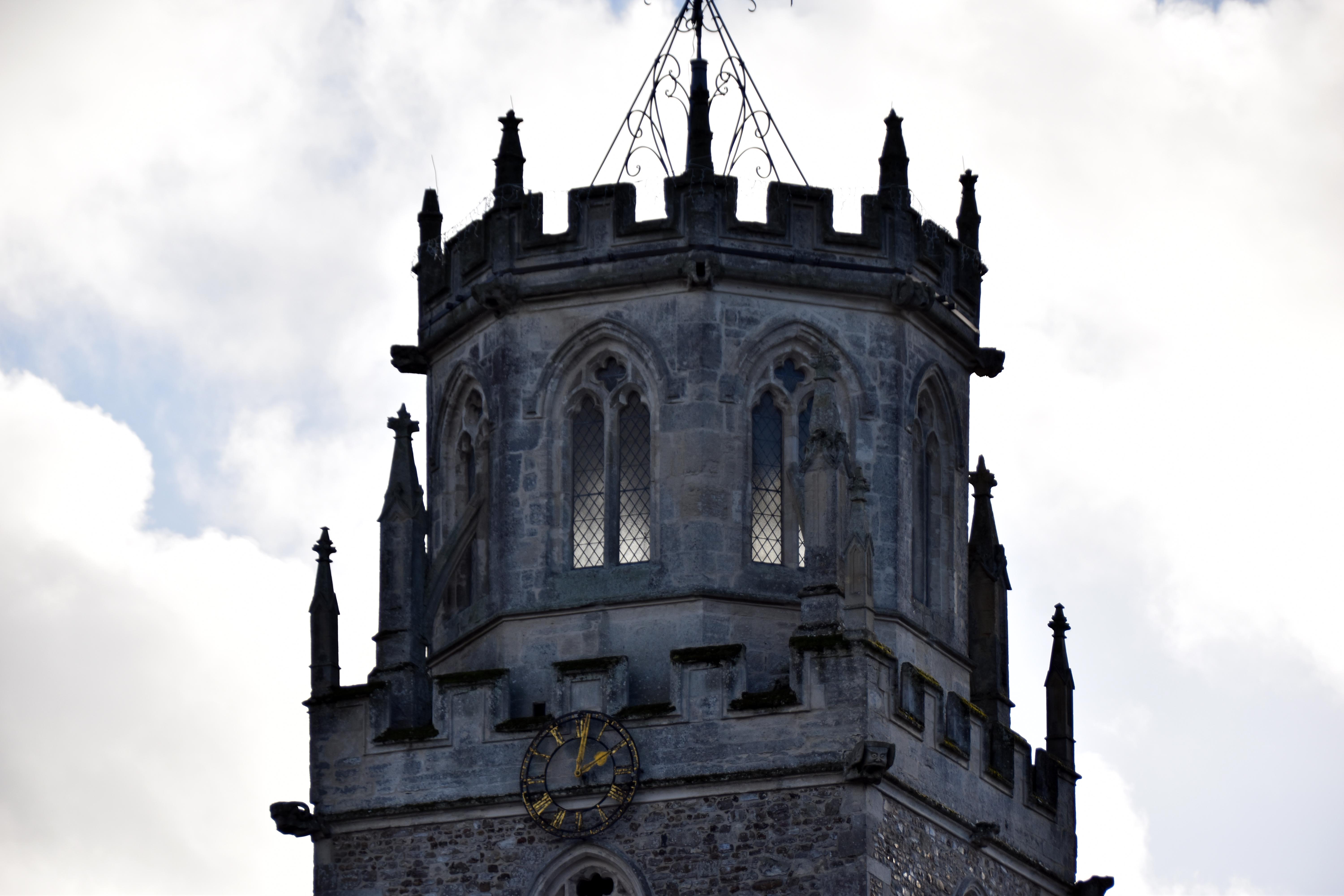
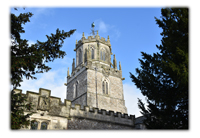
Even in church architecture Colyton seems to have found a way to be rebellious. St Andrew’s church does not have a traditional tower nor a spire. No, it has to do its own thing and have a 14th‑century octagonal lantern tower, making it look so different from any other church in the country. There are a couple of other lantern tower churches in England and the rest of Europe, but even in the Venn diagram of lantern churches, St Andrew’s manages to be different by not having massive buttresses holding it up – just four on the corners to gently hold it in place. It is quite unique. The story goes that it was designed with the dual purpose of calling people to prayer but also to provide a navigation point for boats going up and down the River Axe (before farmland reclaimed its navigable nature to ships). But again it is really tucked away and would seem superfluous with heights above it. More likely, the wool merchants that helped make Devon in general and Colyton in particular rich and successful economically would have been familiar with the famous Bruges Town Hall where so much of the weaving of Devon wool would have taken place. It would have cemented business relationships and made purchasers from Bruges feel at home and see the connection between the producers of the raw material and the manufacturers of the finished cloth.

Another claim to fame for being different is the enormous stained‑glass window on the west side of the church. This is certainly the biggest stained‑glass window you will see in Devon outside of Exeter Cathedral and indeed it is one of the largest parish stained‑glass windows of any church in the country. It is beautiful and shows Christ in Majesty surrounded by angels.

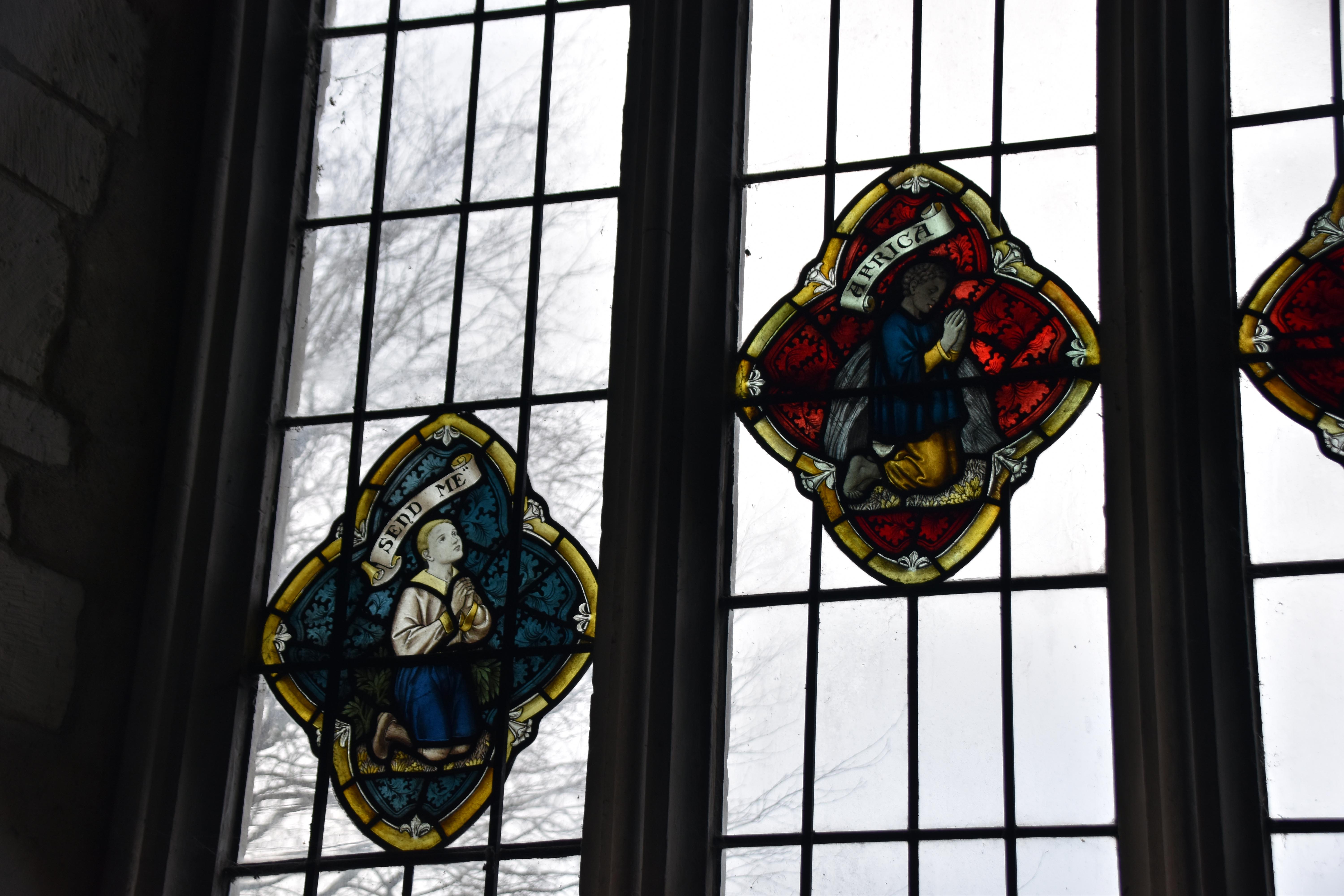
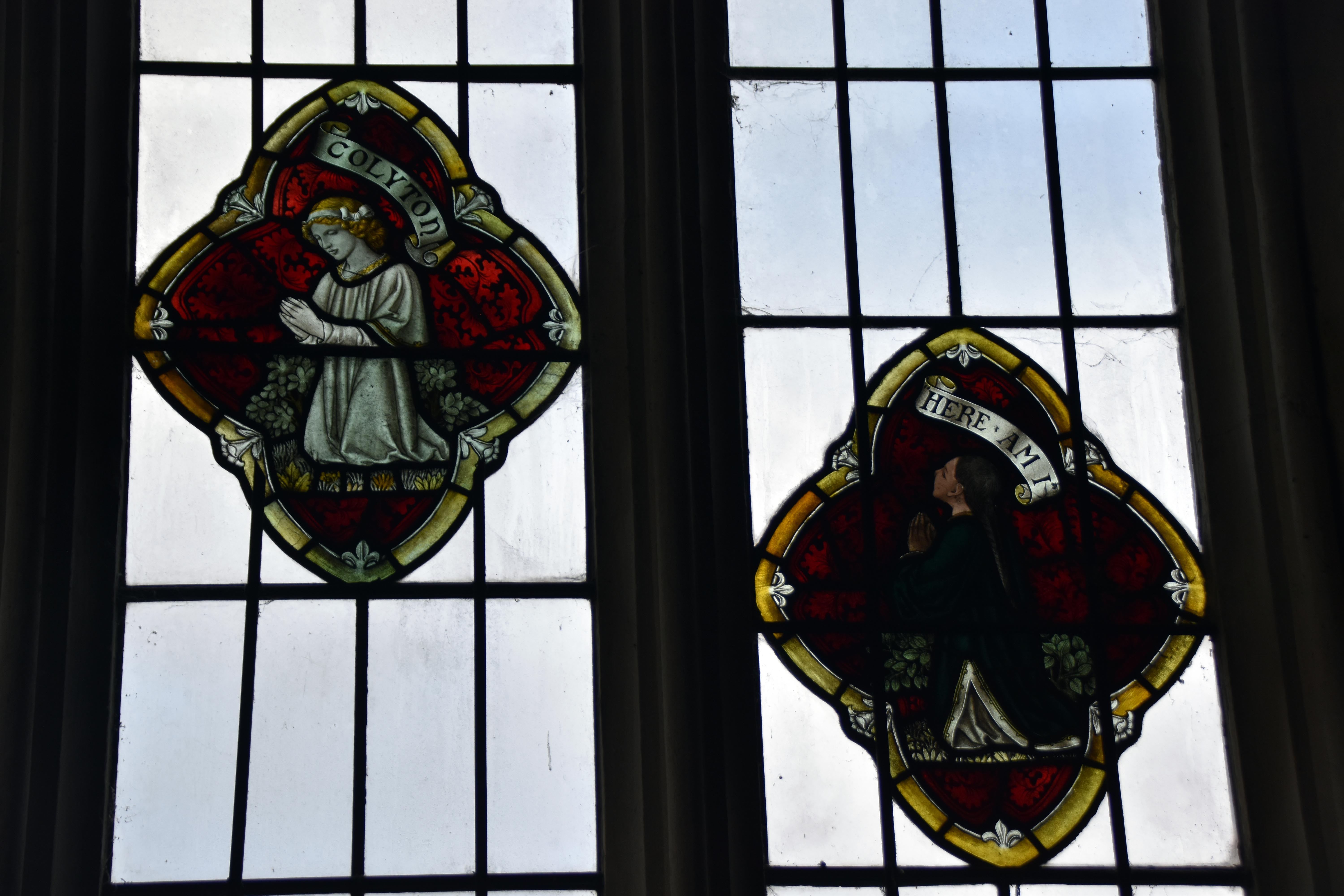
There are so many beautiful stained‑glass windows in this church but one on the western side next to the huge stained‑glass window particularly took my attention. There were four different roundels saying ‘Send Me’, ‘Africa’, ‘Colyton’ and ‘Here Am I’. I did actually enquire about this one to various members of staff and volunteers and nobody quite knew what it referred to. I am pretty sure that it might well have something to do with missionary activity being funded from the church, almost certainly in the Victorian era. Organisations like the Church Missionary Society would have raised funds to pay for missionary activity and one has to say that in the case of Africa, they were peculiarly successful in spreading the word of the Gospel. I would like to know the specifics of why this window was installed, but it is very likely to be another connection to the global evangelisation of our predecessors.

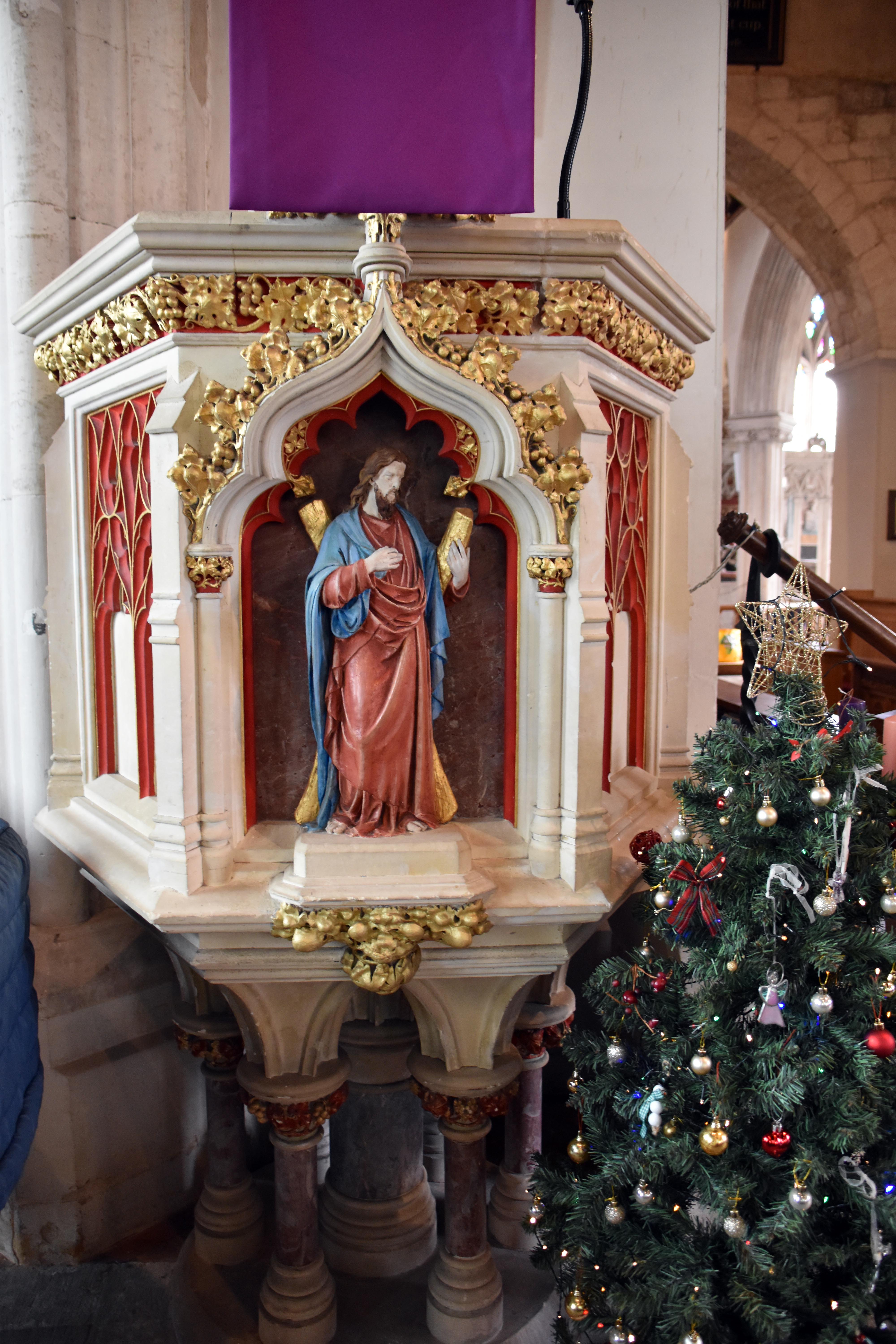
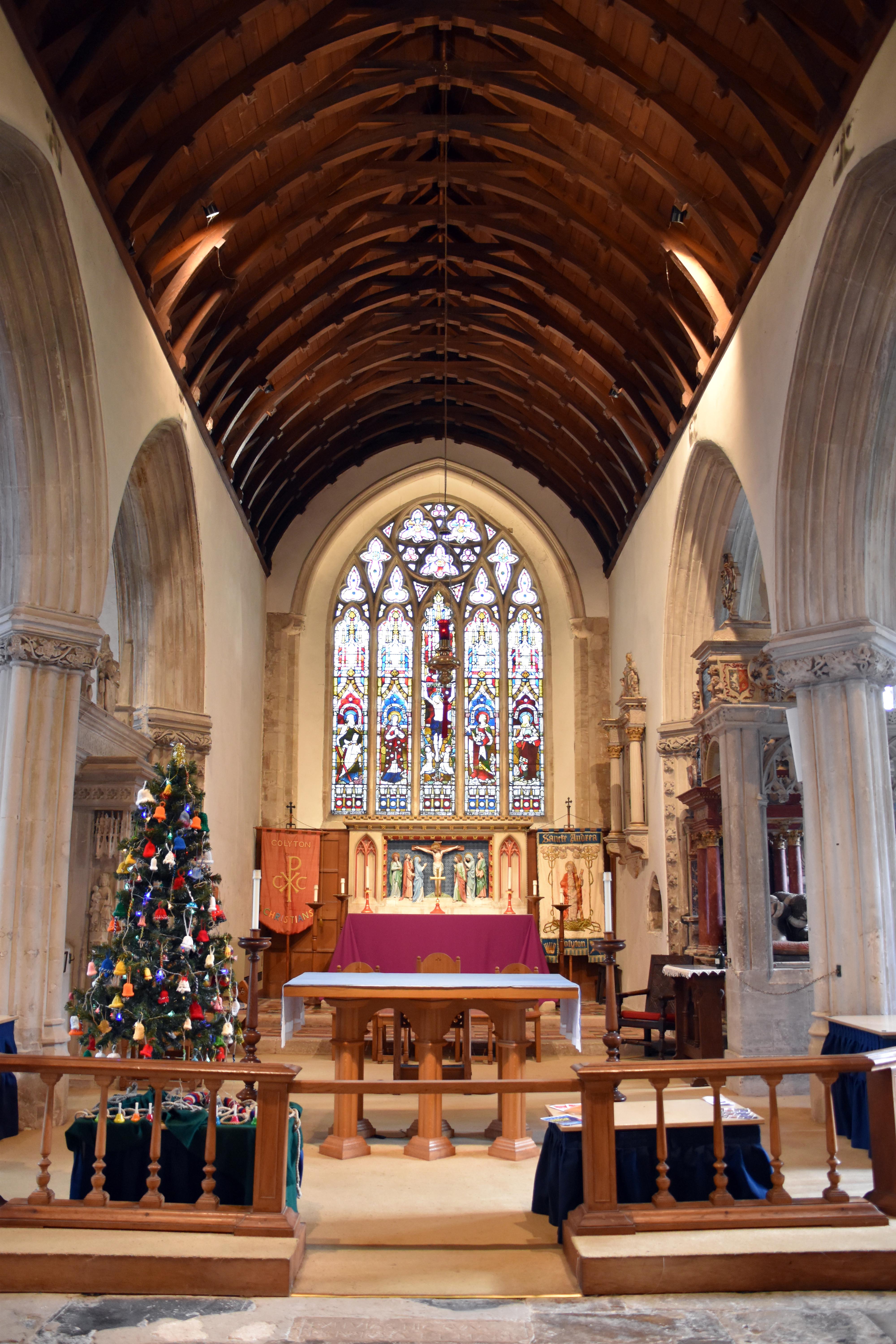
The Victorian pulpit is unusually decorative for a Protestant church and looks like it would be more at home in a Catholic church than a Protestant one and perhaps, alongside the gorgeous chandeliers, hints at it being at the forefront of the Victorian Anglo‑Catholic Oxford Movement? I should point out that there are a lot of Christmas trees in the pictures and this is because we arrived on the day of a Christmas Tree Festival in the church where there were dozens of trees all decorated and being shown off. Christmas music also played over the speakers and we felt positively festive in this beautiful venue.

Colyton: The Most Rebellious Town in Devon

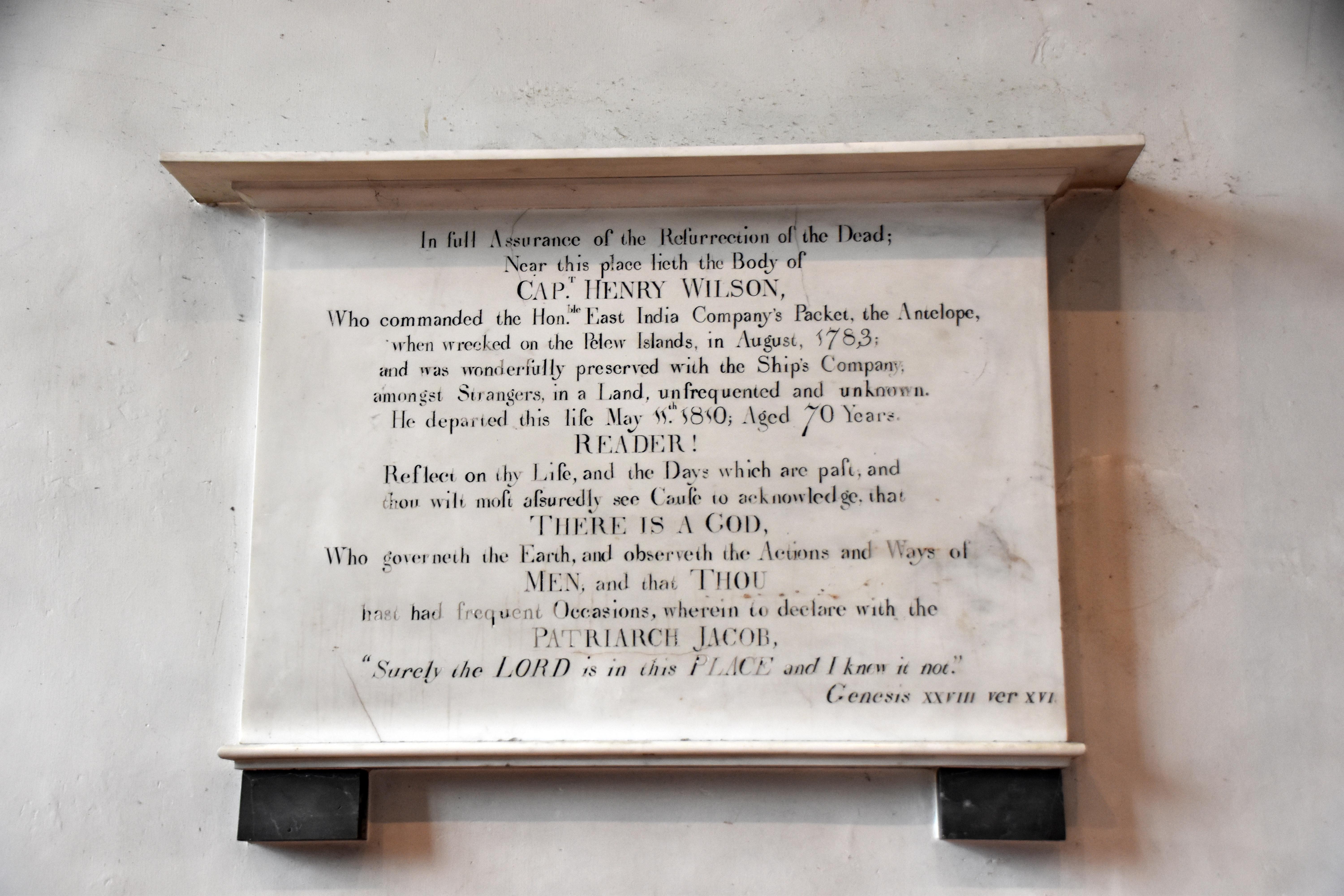
There was a fascinating memorial to Captain Henry Wilson who commanded the East India Company’s packet ship The Antelope. What made it so interesting is that it says he was wrecked on the Pelew Islands in August 1783 and was wonderfully preserved with the ship’s company amongst “Strangers in a Land unfrequented and unknown.” He was obviously very thankful for the intervention of God to save him and his crew, as the memorial makes clear!

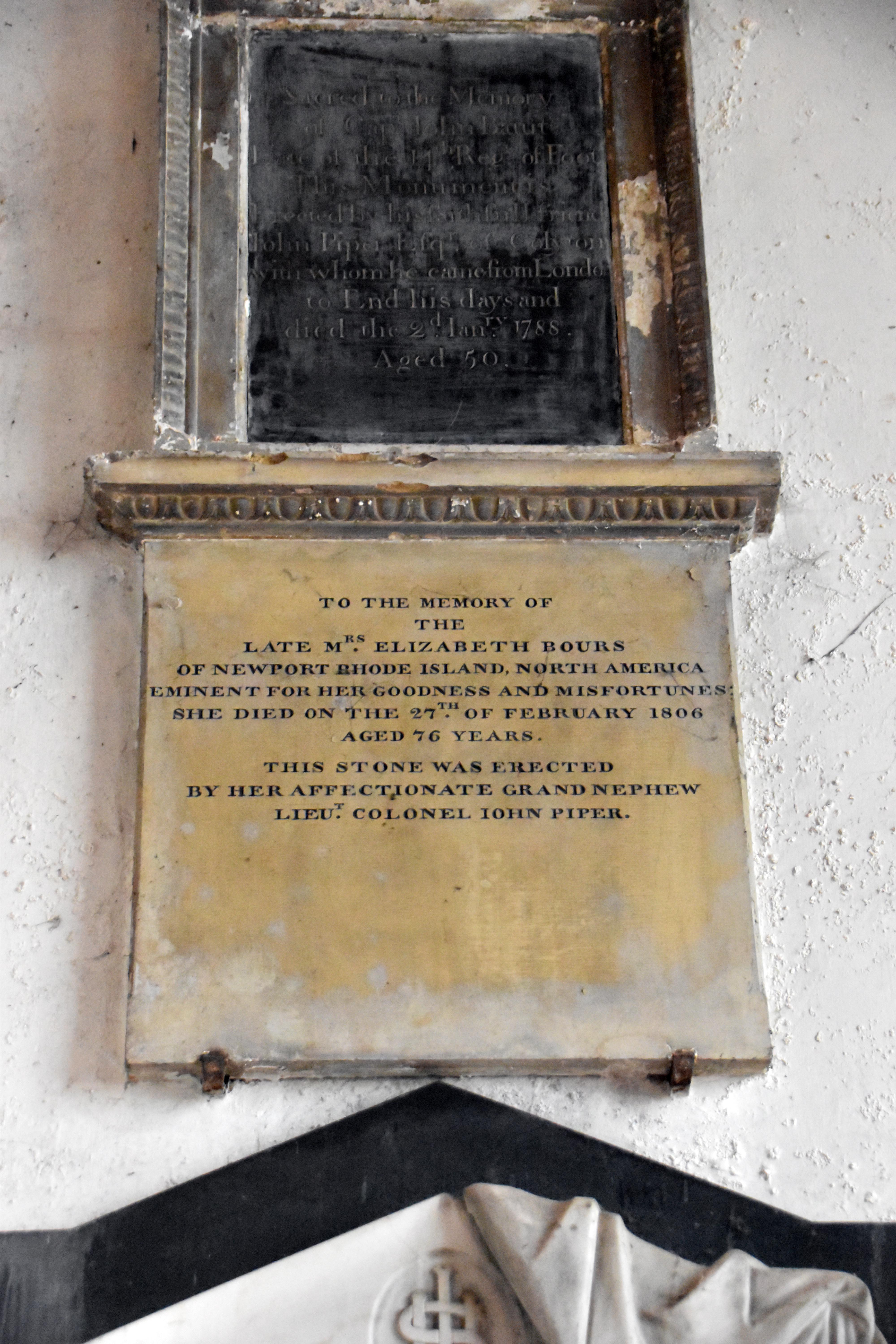
Then there is a monument to the late Mrs Elizabeth Bours of Newport, Rhode Island in North America who was ‘Eminent for her Goodness and Misfortunes’ in 1806, which definitely gets you scratching your head and wondering what those misfortunes were and why she is commemorated here in East Devon.

Colyton: The Most Rebellious Town in Devon

But perhaps the most intriguing memorial of all was to Captain Liddon of the Royal Navy, who it says was present in the Naval Brigade at the Siege of Montevideo and served with distinction in the Spanish, French and American Wars! But even more fascinating was that he was Lieutenant Commander of HMS Griper and accompanied Sir Edward Parry on HMS Hecla on his second Arctic voyage of discovery in 1819 – keen to find the elusive North West Passage! They got stuck in the ice and had to spend almost an entire year waiting for it to thaw enough to escape. Amazingly, thanks to Parry’s and Liddon’s leadership the crew suffered remarkably few casualties considering the privations and extreme temperatures they had to endure for so long. This really was a landmark voyage in the history of Arctic exploration and inspired later expeditions, notably Franklin’s not‑so‑successful one over two decades later.

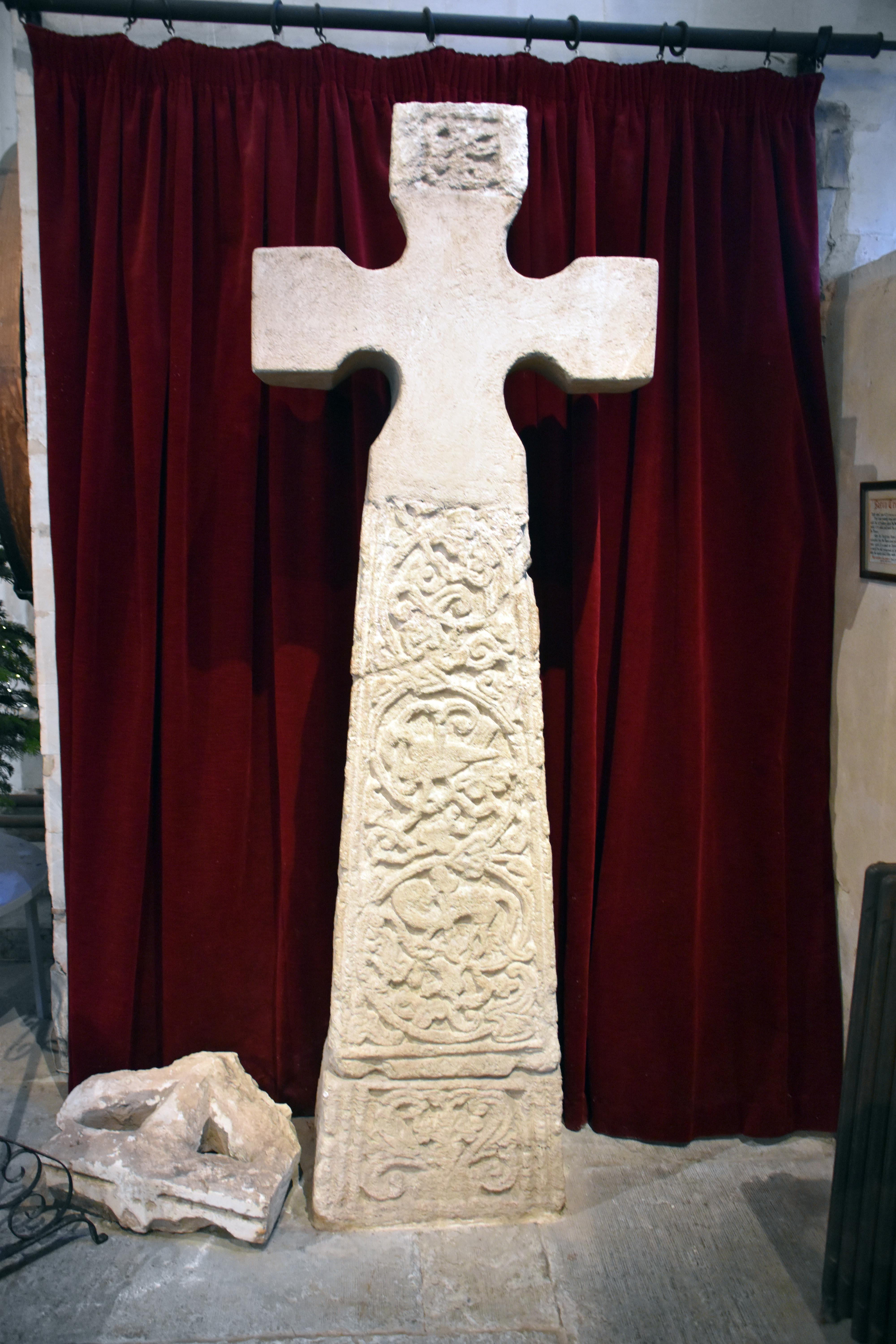
Another surprising thing to see in the church is a Saxon cross hailing from the era of King Alfred. It was actually used by the Normans to help build the church and disappeared from history for 700 years until a fire in 1933 caused extensive damage to the tower and this cross was discovered as part of the renovation of the church. It is the oldest thing in the church and beautiful with it.

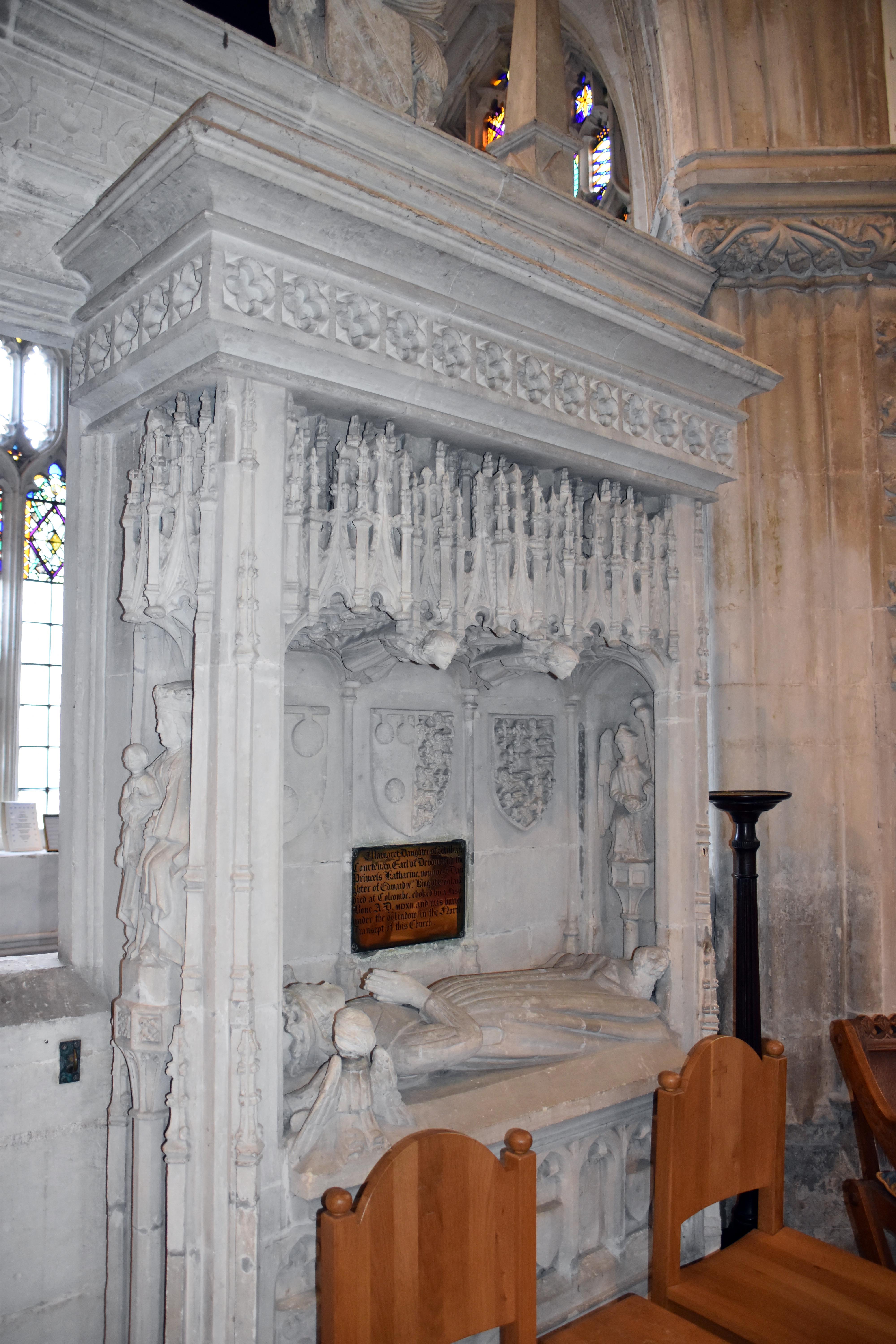
There is a tomb thought to be that of Margaret Beaufort – not that Margaret Beaufort we mentioned in our walk around Sampford Peverell the other week, the mother of King Henry VII – but actually she is a relation, an aunt of that more famous Margaret Beaufort. This particular Margaret was part of the famous Courtenay family, the Earls of Devon, she was the wife of Thomas Courtenay who eventually prevailed over Lord Bonville of nearby Shute Barton. Margaret was the granddaughter of John of Gaunt.

Colyton: The Most Rebellious Town in Devon

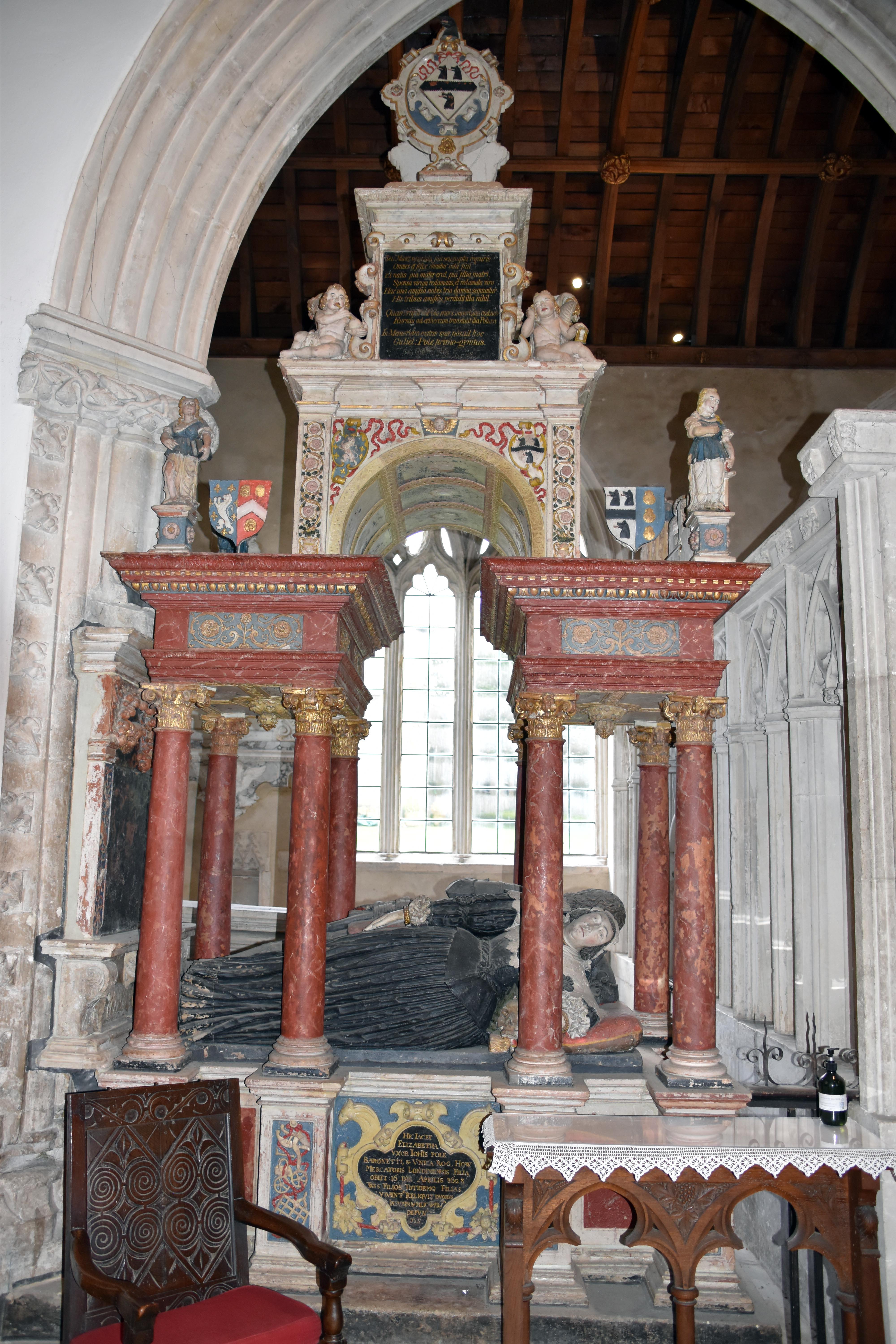
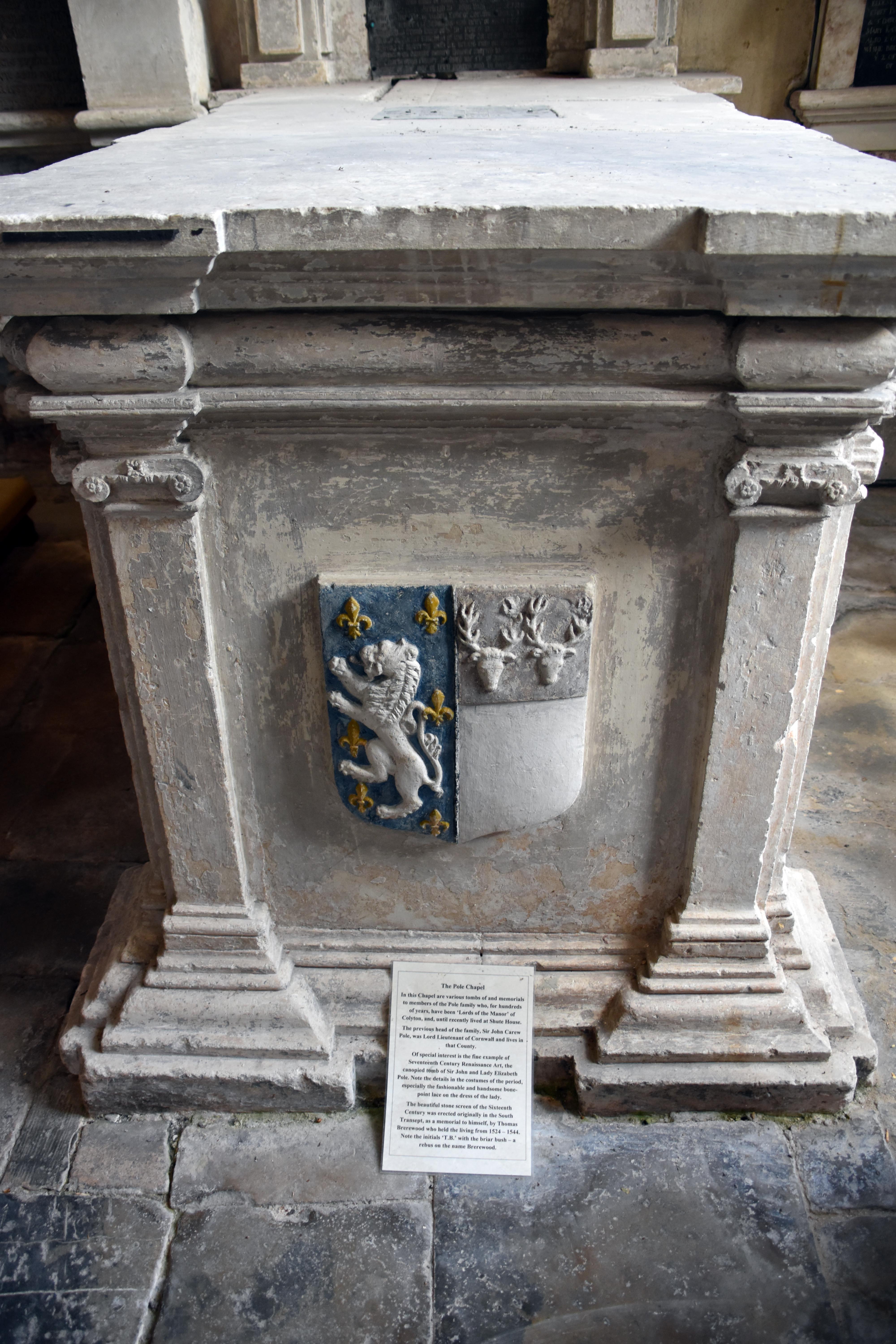
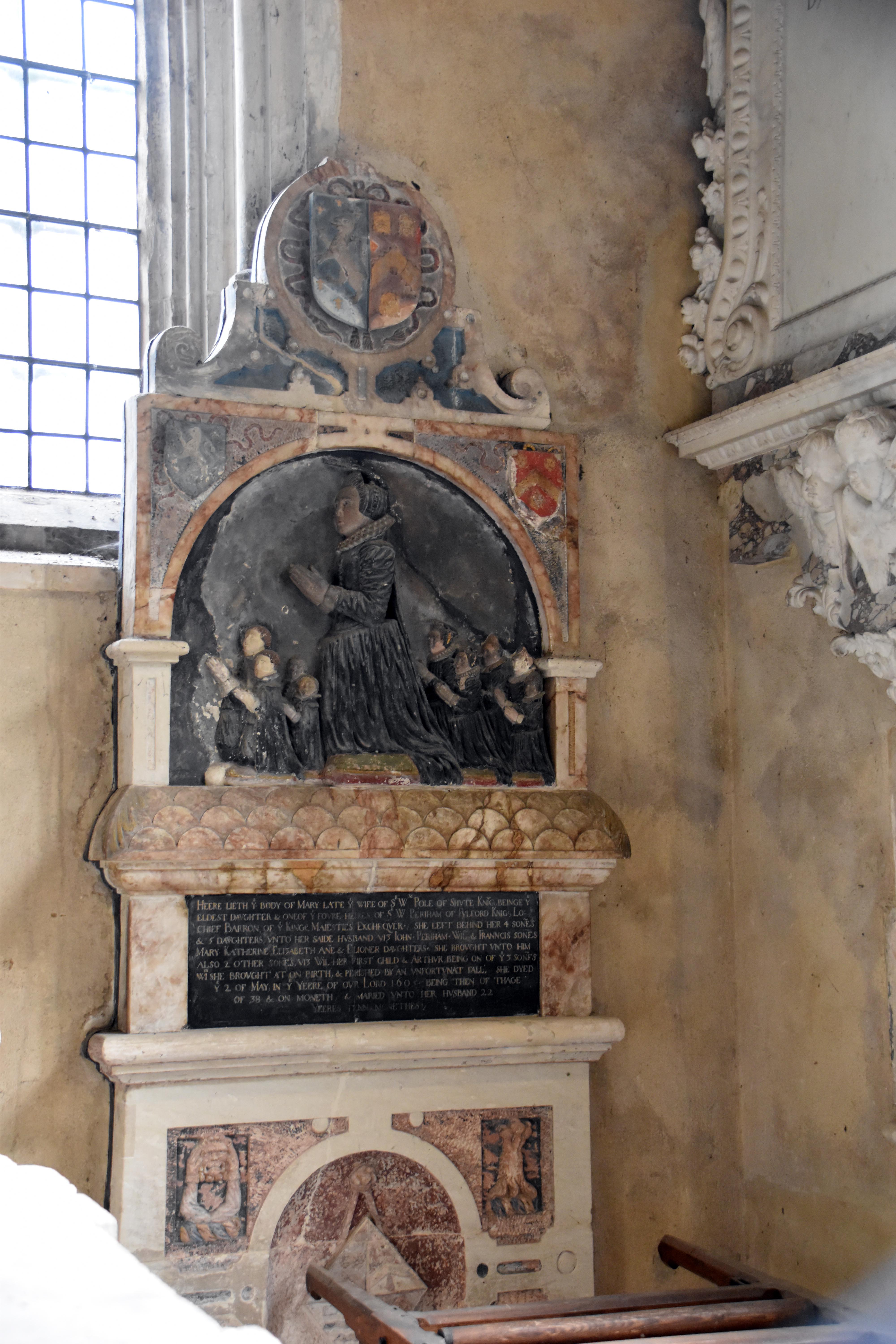
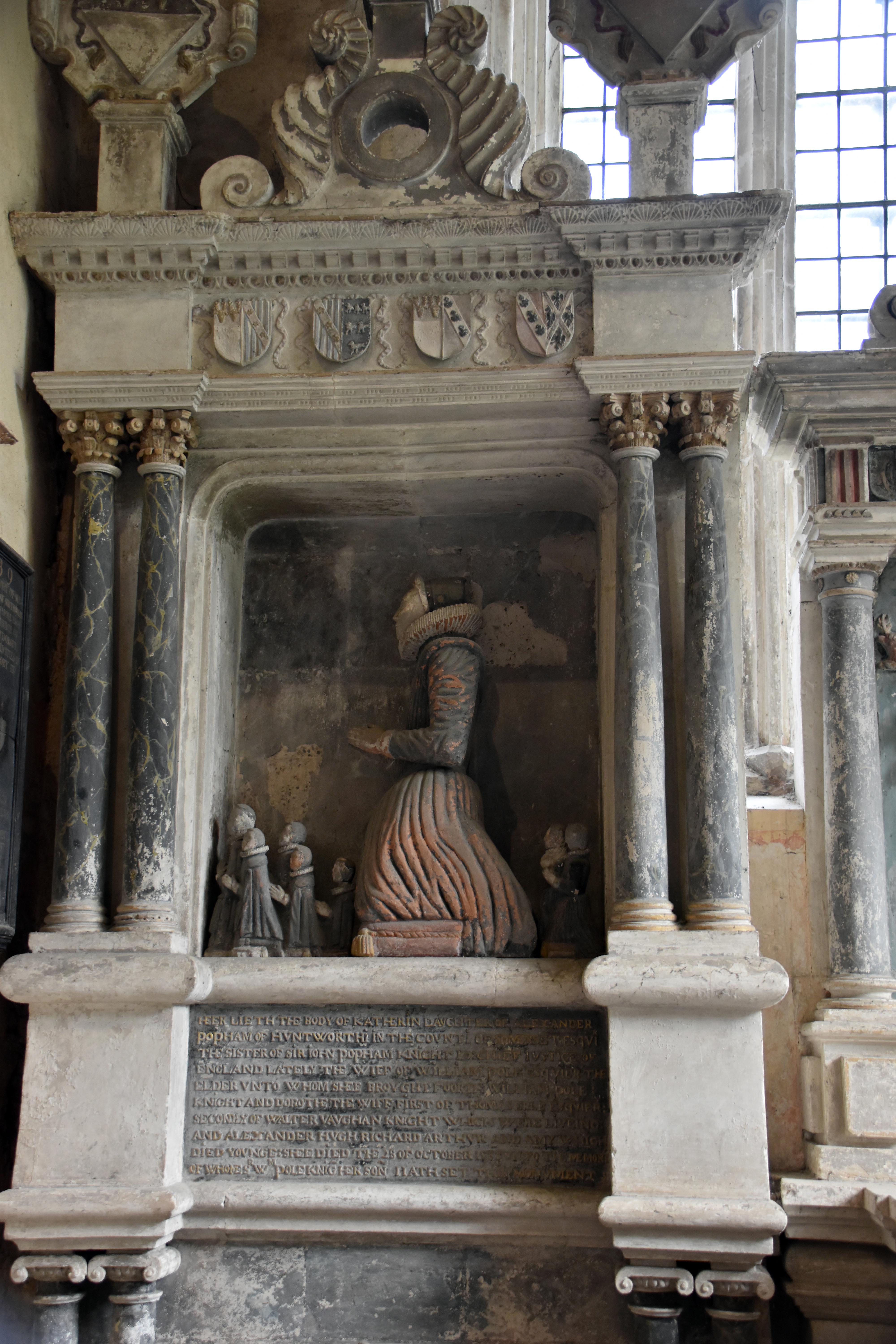
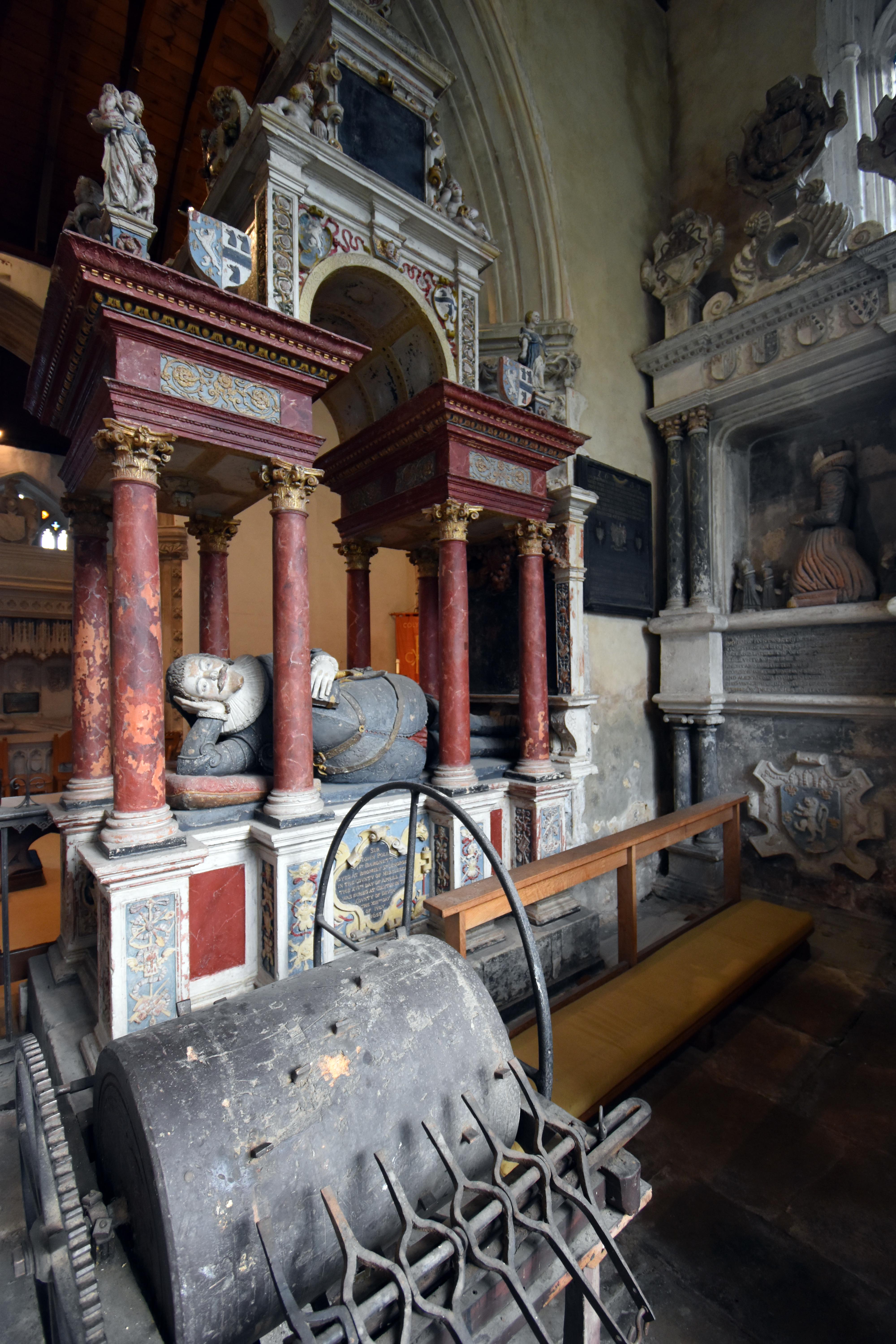
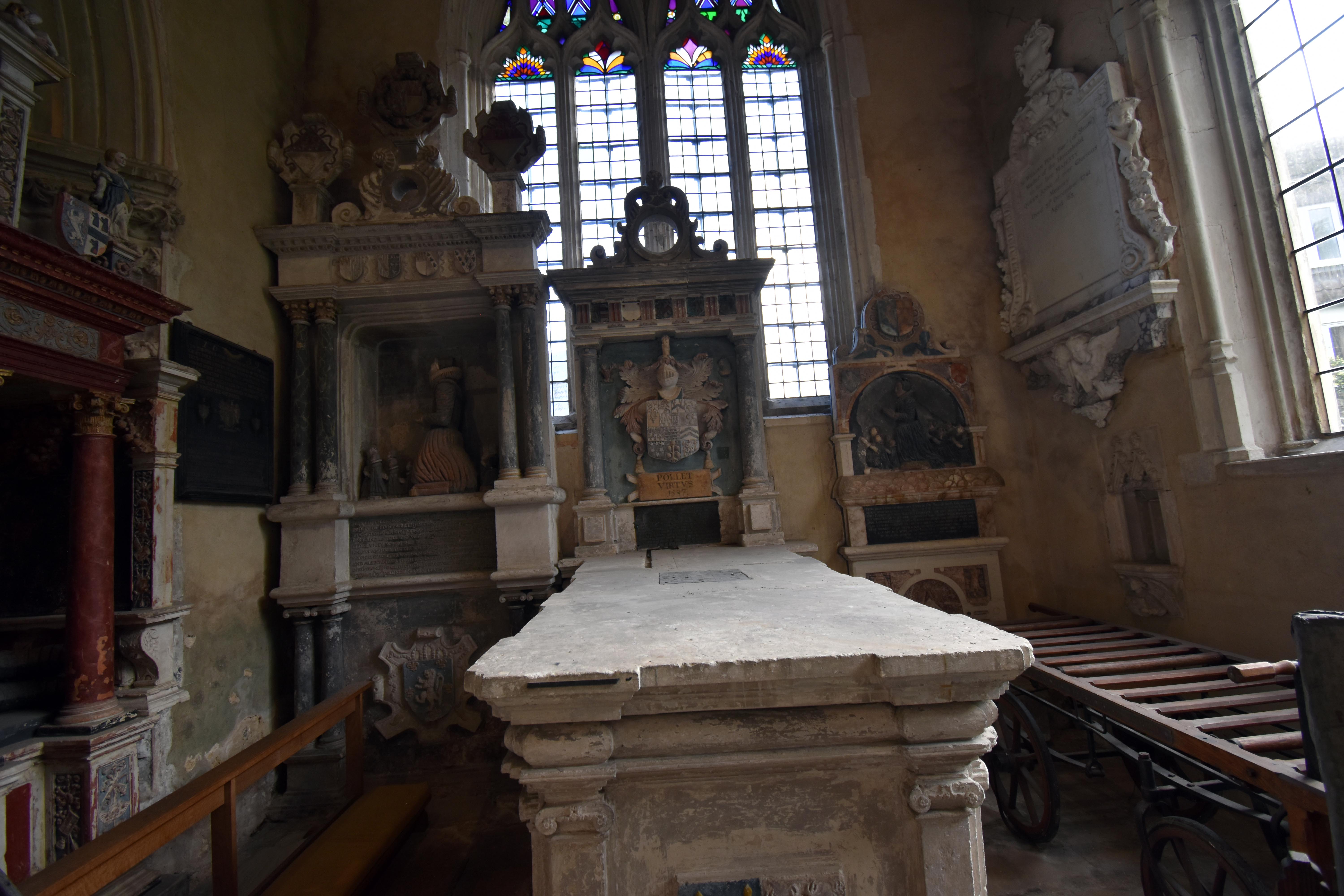
But even her impressive tomb is blown away by the size and grandeur of the Pole Chapel, stuffed full of sumptuous Renaissance‑era monuments to the famous Poles of Shute. The family later married into the Carews of Cornwall and the family seat moved to Antony House in Cornwall, but they still have a connection to Colyton to this day.

Colyton: The Most Rebellious Town in Devon

There is so much to see in this church and I really have just scratched the surface. It is one of those churches that is both beautiful inside and out and this one seems more packed with history than most – which is no mean feat given the history and heritage in most of our churches.

Now from here we had intended to walk down alongside the River Coly to Colyford and perhaps on to Seaton. We even managed to walk through a field of cows and bulls on our mission when the ground along the river just got wetter and wetter. It was totally saturated even. I had my boots on and so was unperturbed by the moist soil (Rupert less so perhaps), but soon some of the gateways were just thigh‑deep mud – no fun at all to try and deal with. Reluctantly we turned around and headed back towards the town and looked around there some more instead. As I said it was full of character and we searched out the graveyard for some more history to savour. As the sun began to go down it was lovely to see all the Christmas lights and decorations in the town and through various shop and home windows. It really was a lovely day despite having to stick to pavements rather than footpaths. It really did put us in the festive mood despite not going where we wanted to go. But we will definitely be back in warmer weather to walk and explore the area further.

Colyton may wear its rebellious reputation lightly today, but a visit to St Andrew’s and the town itself shows how deeply history, character, and community spirit are woven into its fabric. From lantern towers and stained glass to Arctic explorers and Saxon crosses, every corner seems to tell a story. Even when the paths are too muddy to follow, the welcome of the town and its festive cheer make the journey worthwhile.

And perhaps that spirit of defiance still lingers. As recently as 2018, when a resident’s laundry sparked complaints, Colyton responded not with embarrassment but with humour — creating a “Raising of the Pants Festival” to celebrate solidarity with the rebel clothes‑line. It is a fitting reminder that in Colyton, rebellion is less about confrontation than about community pride, resilience, and a refusal to be told how to live. So whatever the weather and whatever the season there is so much to see and do in this East Devon town.

Location of Walk

Click for OS Map of Area

Links

Church of St Andrew, Colyton – Historic England
Grade I listed parish church with architectural notes and statutory details

Britain Express – St Andrew’s Church, Colyton
History, photos, and visitor information including the lantern tower and stained glass

GENUKI – Colyton
Genealogical resources, parish registers, and historical background

Royal Museums Greenwich – Wreck of the Antelope Packet
Account of Captain Henry Wilson’s 1783 shipwreck on the Pelew Islands

Auckland Museum – An Account of the Pelew Islands
Contemporary record based on Wilson’s journals after the Antelope wreck

Royal Museums Greenwich – Parry’s First Arctic Expedition
Story of HMS Hecla and HMS Griper, with Matthew Liddon as second‑in‑command

LR Foundation – Hecla Rediscovered
Blog exploring the rediscovery of HMS Hecla and the story of Parry’s Arctic voyage

Internet Archive – Journal of a Voyage for the Discovery of a North‑West Passage
Full text of Parry’s 1819–20 expedition account, including the winter in the Arctic

Colyton Heritage Centre
Local history society with resources, exhibitions, and community heritage projects

Suggested Reading

Stoyle, Mark – West Country Rebellions: The Monmouth Rebellion
University of Exeter Press, 1980

Hoskins, W. G. – Devon
Phillimore, 1954 (reissued)

Orme, Nicholas – English Churches in the Middle Ages
Oxford University Press, 2010

Marks, Richard – Stained Glass in England
Routledge, 1993

Parry, William Edward – Journal of a Voyage for the Discovery of a North-West Passage
John Murray, 1821

Keate, George – An Account of the Pelew Islands
London, 1788 (based on Captain Henry Wilson’s journals)

More Walks

Walks by the Westcountry Walker

View from Colyton car park across the Coly and Axe Valleys with distant hills and fields Teal-painted Protestant fountain in Colyton town centre commemorating the wedding of the Prince of Wales in 1863 Lantern tower of St Andrew’s Church in Colyton with Gothic stonework and weather vane West wall stained glass window in St Andrew’s Church showing Christ in Majesty surrounded by angels
Valley panorama — looking out from Colyton car park over the Coly and Axe Valleys towards Musbury and Boshill Hill Patriotic fountain — Colyton’s 1863 memorial to the Prince of Wales, raised by the town’s Protestant community Lantern tower — the distinctive octagonal tower of St Andrew’s, a rare architectural feature in English churches Christ in Majesty — the vast stained glass window on the west wall of St Andrew’s, radiant with colour and detail
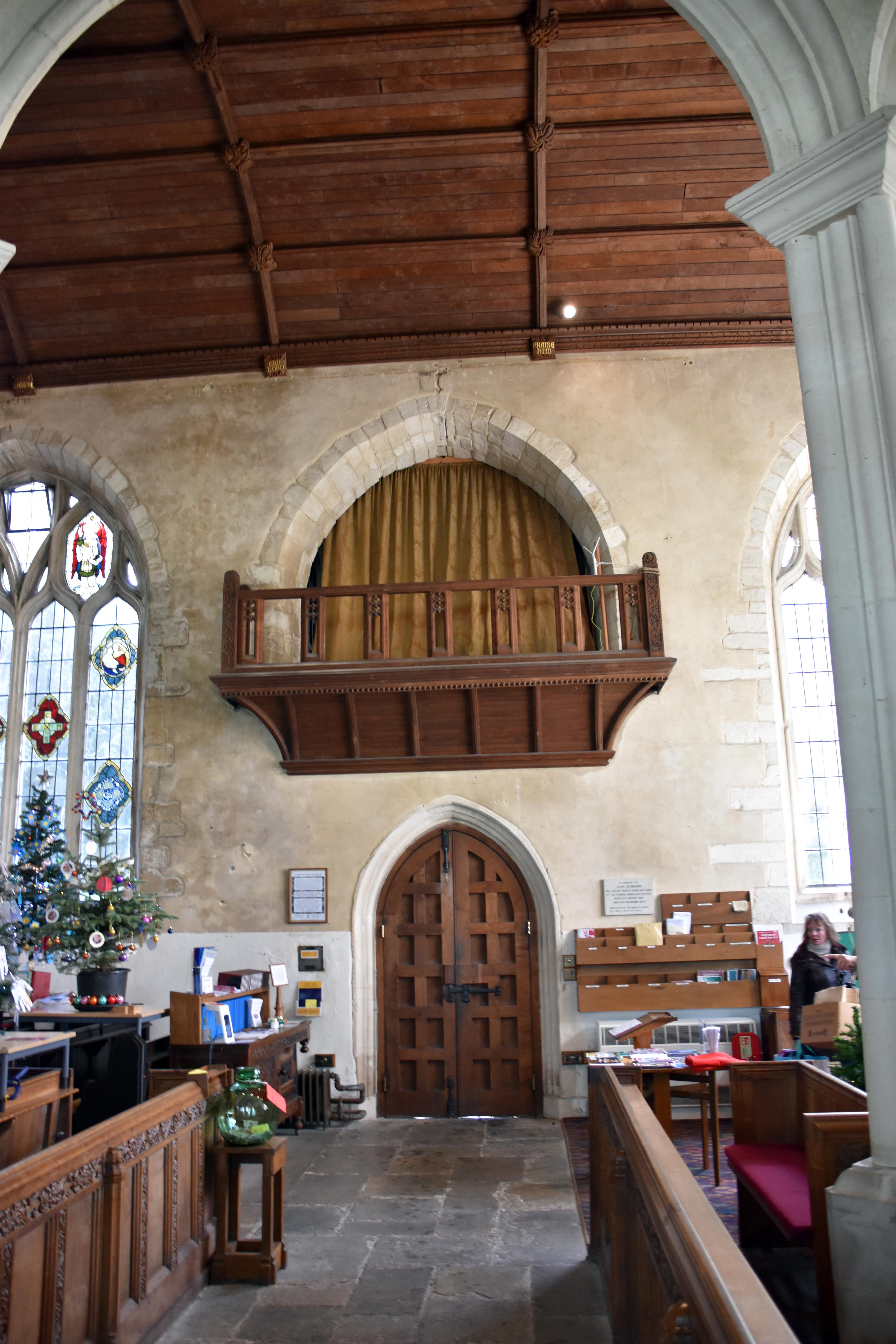
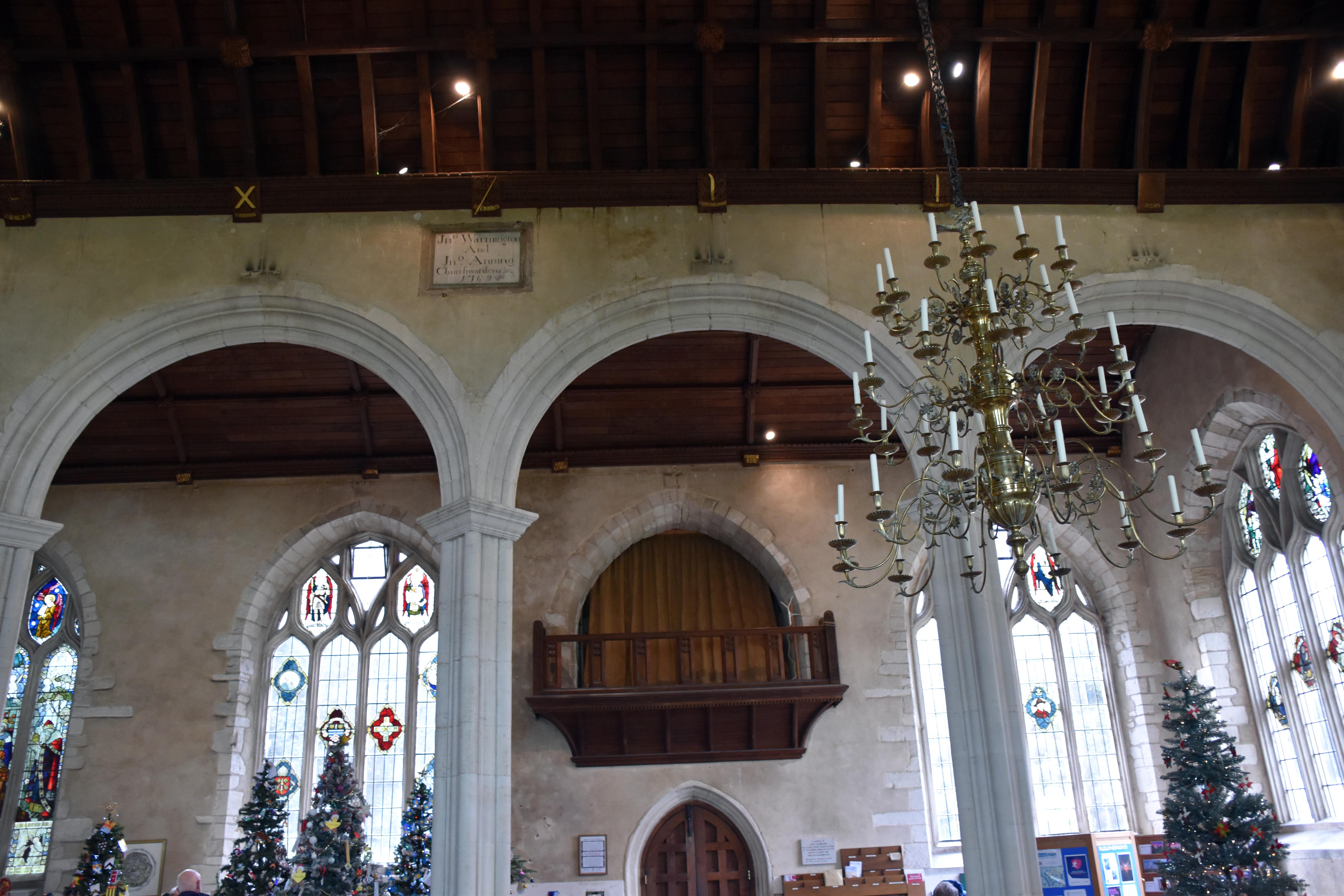
Memorial plaque to Captain Henry Wilson, commander of the East India Company’s packet ship The Antelope Interior of St Andrew’s Church showing the main entrance, wooden balcony, and stained glass windows Church interior with stone arches, chandeliers, and festive decorations including Christmas trees Memorial to the Piper family including Lieutenant-Colonel John Piper and General Robert Sloper Piper
Captain Wilson memorial — commemorating the 1783 wreck of The Antelope and his survival on the Pelew Islands Church entrance — view from inside St Andrew’s with carved woodwork, stained glass, and festive touches Arches and chandeliers — the elegant stonework and lighting of St Andrew’s dressed for the Christmas Tree Festival Piper family memorial — honouring military service across generations, from infantry command to medical endeavours to engineering leadership
Memorial plaque to Mrs Elizabeth Bours of Newport, Rhode Island, commemorated for her goodness and misfortunes Memorial to Captain John Barut of the 14th Regiment of Foot, with inscription and decorative framing Memorial to John Piper, formerly Captain in His Majesty’s 6th Regiment of Foot, with carved urn and garlands Christmas Tree Festival in St Andrew’s Church, with nautical-themed and traditional trees beneath stained glass and chandeliers
Elizabeth Bours memorial — honouring a Rhode Island resident remembered for her goodness and misfortunes, erected by her grandnephew Captain Batut — commemorated for his service in the 14th Foot, with a monument shared by fellow officers and family John Piper — a tribute to the former captain of the 6th Regiment, beloved and respected, with classical mourning motifs Christmas Tree Festival — festive creativity fills the church with themed trees, maritime ornaments, and seasonal colour
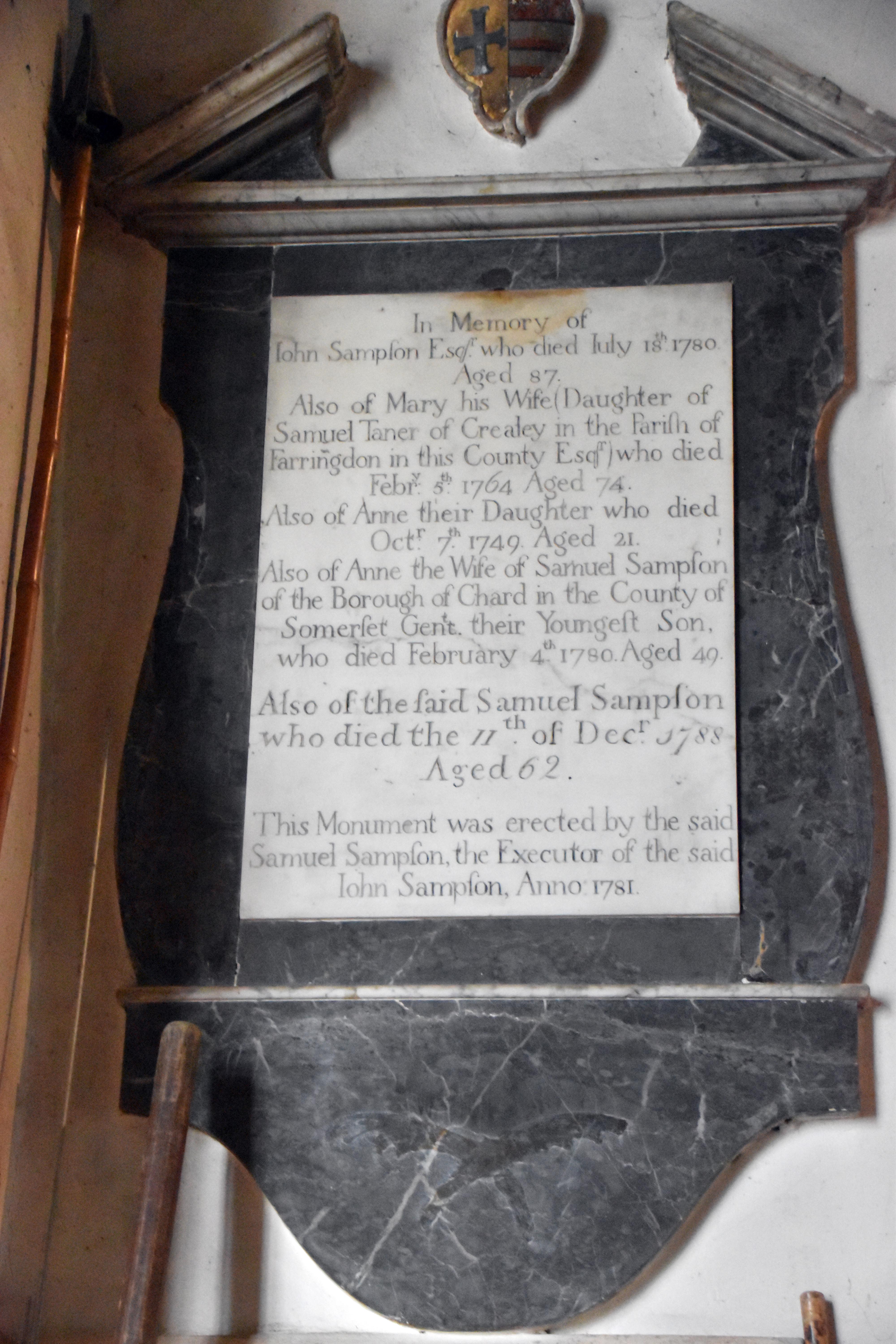
Ornate pulpit in St Andrew’s Church with Gothic detailing, religious statue, and Christmas decorations Memorial plaque to Samuel Sampson and family, with heraldic shield and engraved inscription Tomb monument believed to commemorate Margaret Beaufort of the Courtenay family, with effigy and heraldic shields Funerary monument with kneeling figures and heraldic decoration, commemorating the Drake family
Victorian pulpit — richly carved and gilded, with a central religious figure and festive tree beside it Sampson family memorial — honouring generations from Devon and Somerset, with heraldry and 18th-century inscriptions Margaret Beaufort tomb — a Courtenay family monument with effigy and Gothic canopy, linking Colyton to royal lineage William Drake Memorial— sculpted figures in prayer beneath a heraldic arch, rich in Renaissance symbolism
Tomb monument in the Pole Chapel with recumbent effigy, red and gold columns, and heraldic canopy Elaborate tomb of Sir Robert Pole in the Pole Chapel with Latin inscription and heraldic shields Memorial plaque in Latin to Elizabetha, wife of Sir John Pole, with sculpted frame and gold lettering Pole family tomb with heraldic arms and informational plaque describing the history of the Pole Chapel and its occupants
Pole Chapel tomb — richly carved monument with effigy and heraldic canopy, commemorating a manorial lord of the Pole family Sir John Pole and his wife lying back to back Elizabetha Pole memorial — Latin plaque honouring the wife of Sir John Pole, framed with floral and heraldic motifs, 1628 Pole family history — heraldic tomb and plaque detailing the lineage and legacy of the Pole family in Colyton
Heraldic monument in the Pole Chapel with shield, knight’s helmet, and Latin motto POLLET VIRTUS 1587 Funerary monument to Mary Pole with sculpted relief of kneeling figures and heraldic shield above Monument to Katherine Seymour née Popham with kneeling effigy and inscription detailing her family lineage Mechanical barrel organ mechanism with pegs and levers, surrounded by heraldic and architectural decoration
Pole motto — “Virtue Prevails” inscribed beneath a heraldic shield and knight’s helm, dated 1587 Mary Pole memorial — sculpted tribute to the wife of Sir Pole, with children and heraldry carved in relief Katherine Popham — monument to the wife of William Pole the senior. William purchased Shute and lands establishing the Poles in Devon. Barrel organ — historic musical mechanism that once regulated the sounding of the bells in the church. Very few survive.
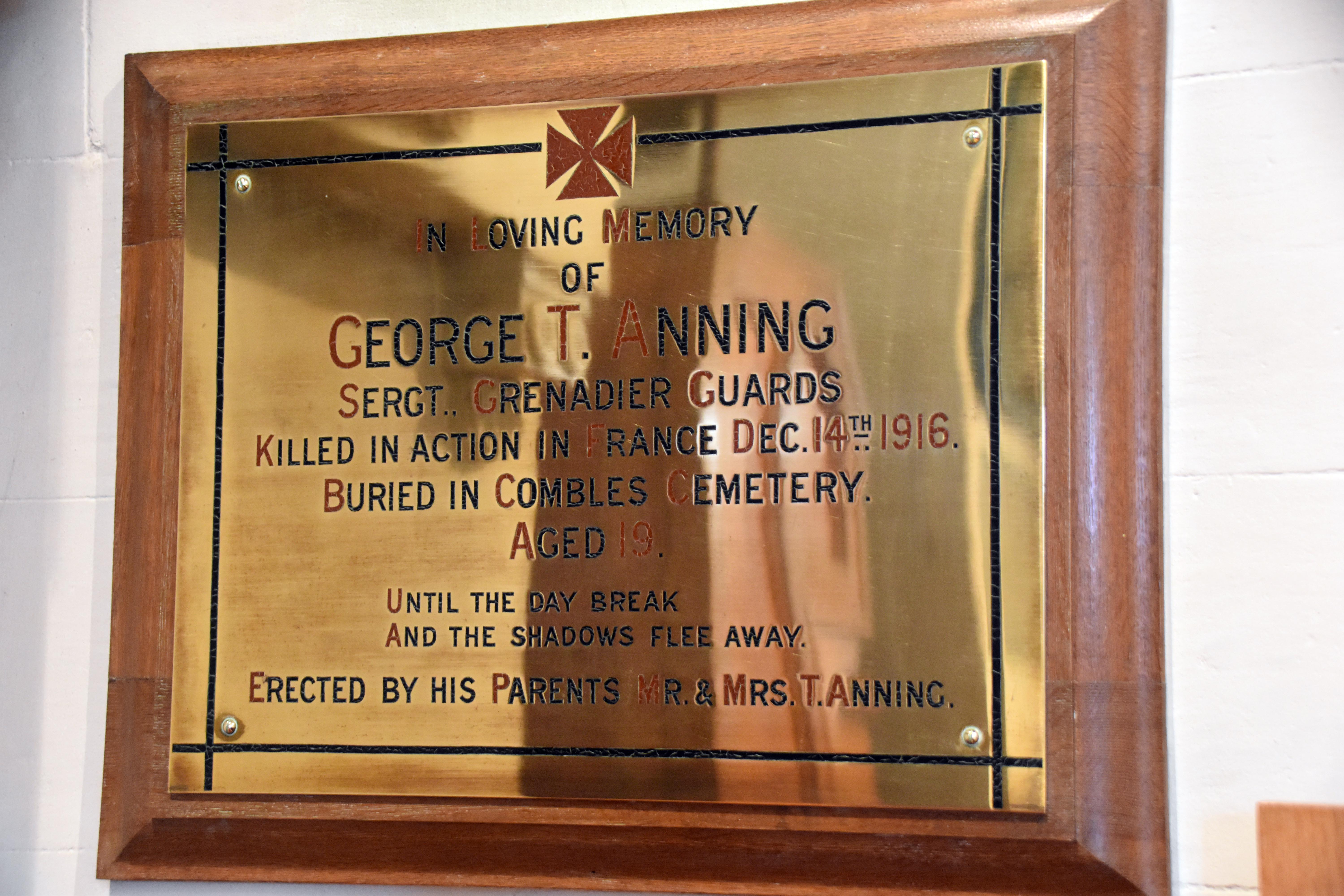
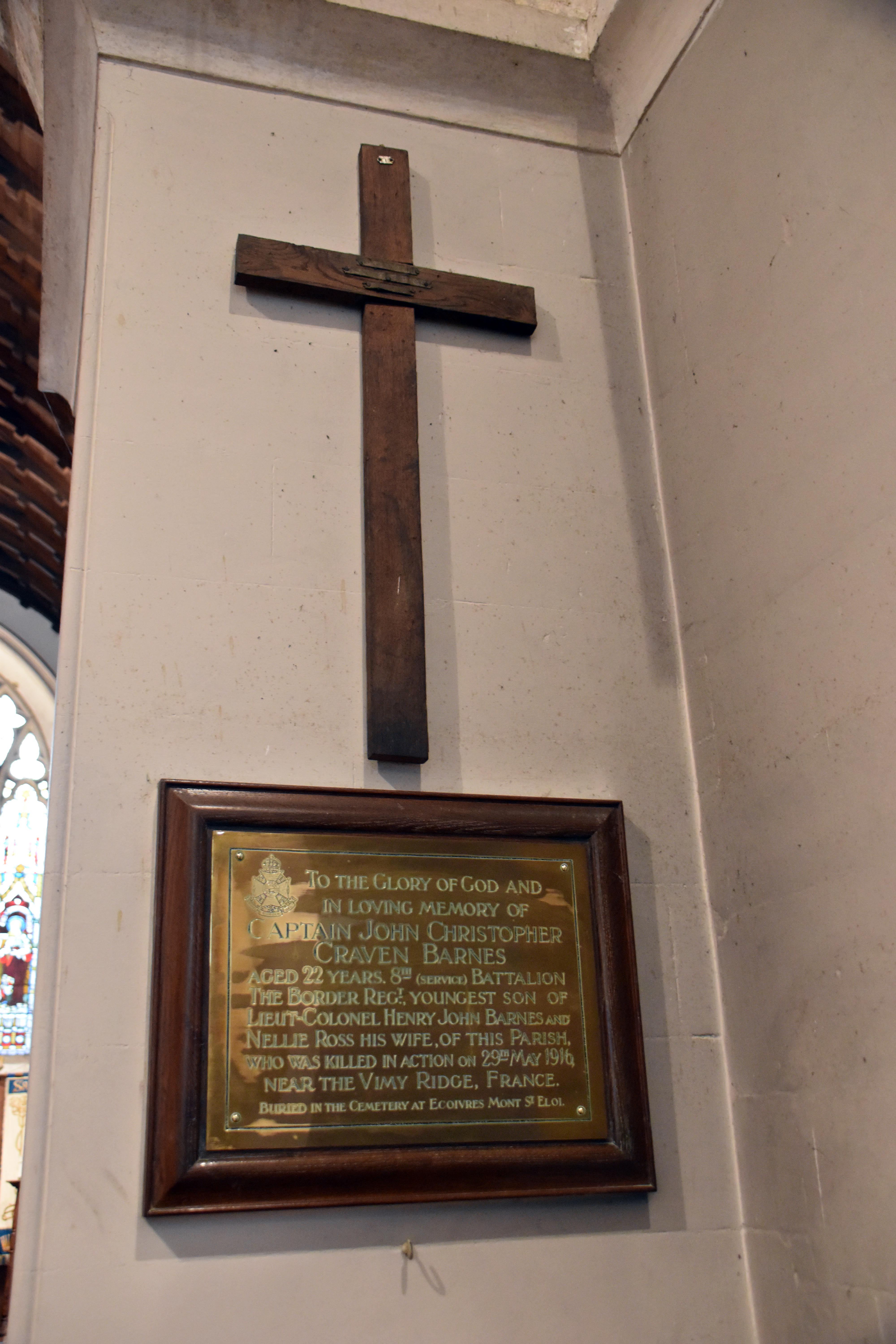
Memorial plaque to Thomas Sampson Esq. and Frances Anna, commemorating their lives and connection to the Whitford Estate Brass plaque in memory of George T. Anning, Sergeant in the Grenadier Guards, killed in action in France in 1916 Memorial plaque to John Kenelm Sharland Zealley, Private in the Honorable Artillery Company, killed near Bapaume in 1917 Plaque and cross commemorating Captain John Christopher Craven Barnes, killed near Vimy Ridge in 1916
Whitford Sampsons — memorial to Thomas Sampson and his wife Frances Anna, 19th-century residents of the Whitford Estate George T. Anning — Sergeant in the Grenadier Guards, killed in action in France in 1916 at just 19 years of age John K. S. Zealley — Hon. Artillery Company private, killed in action near Bapaume in 1917 Captain Barnes — youngest son of the Barnes family, killed near Vimy Ridge and buried at Mont St Eloi
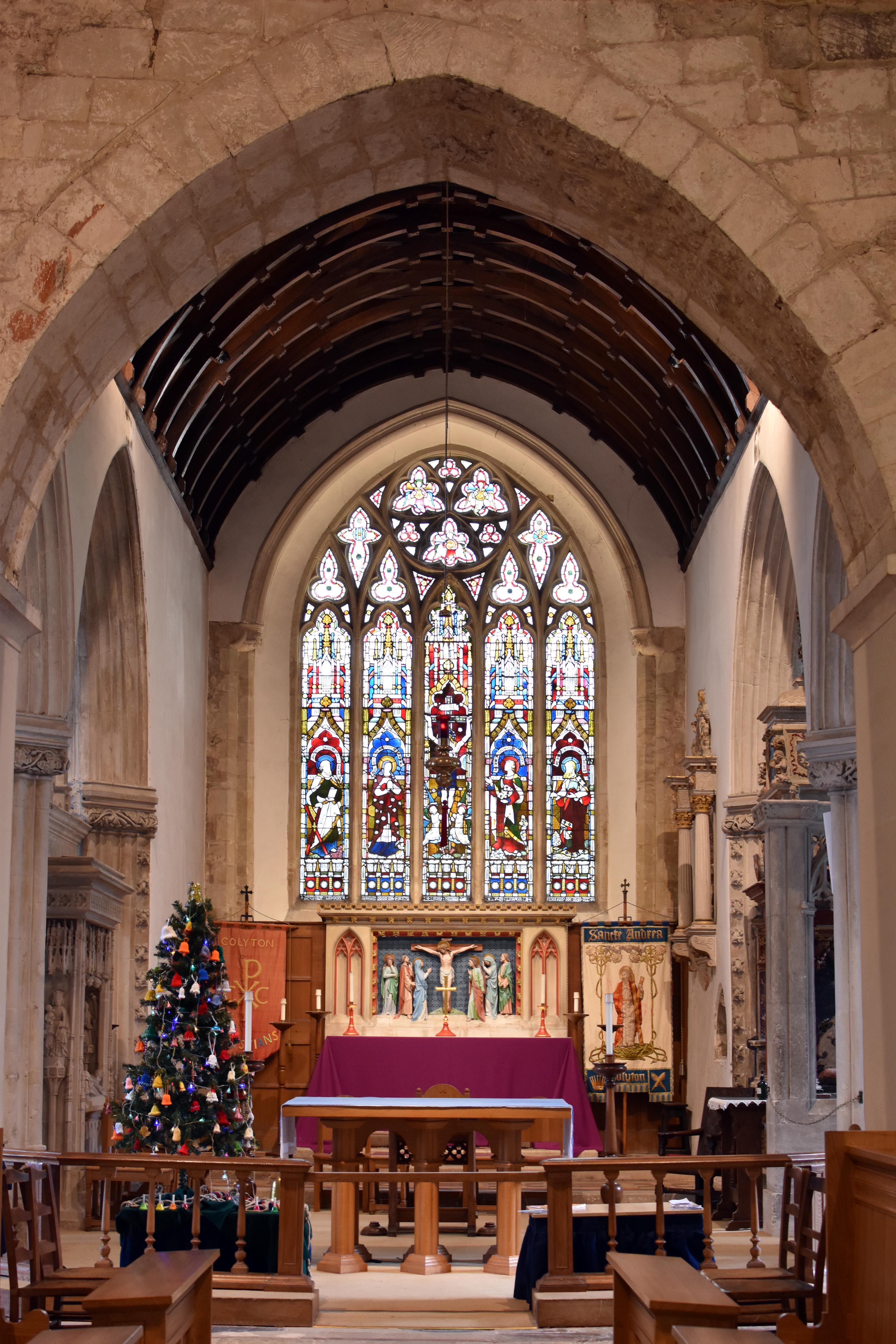
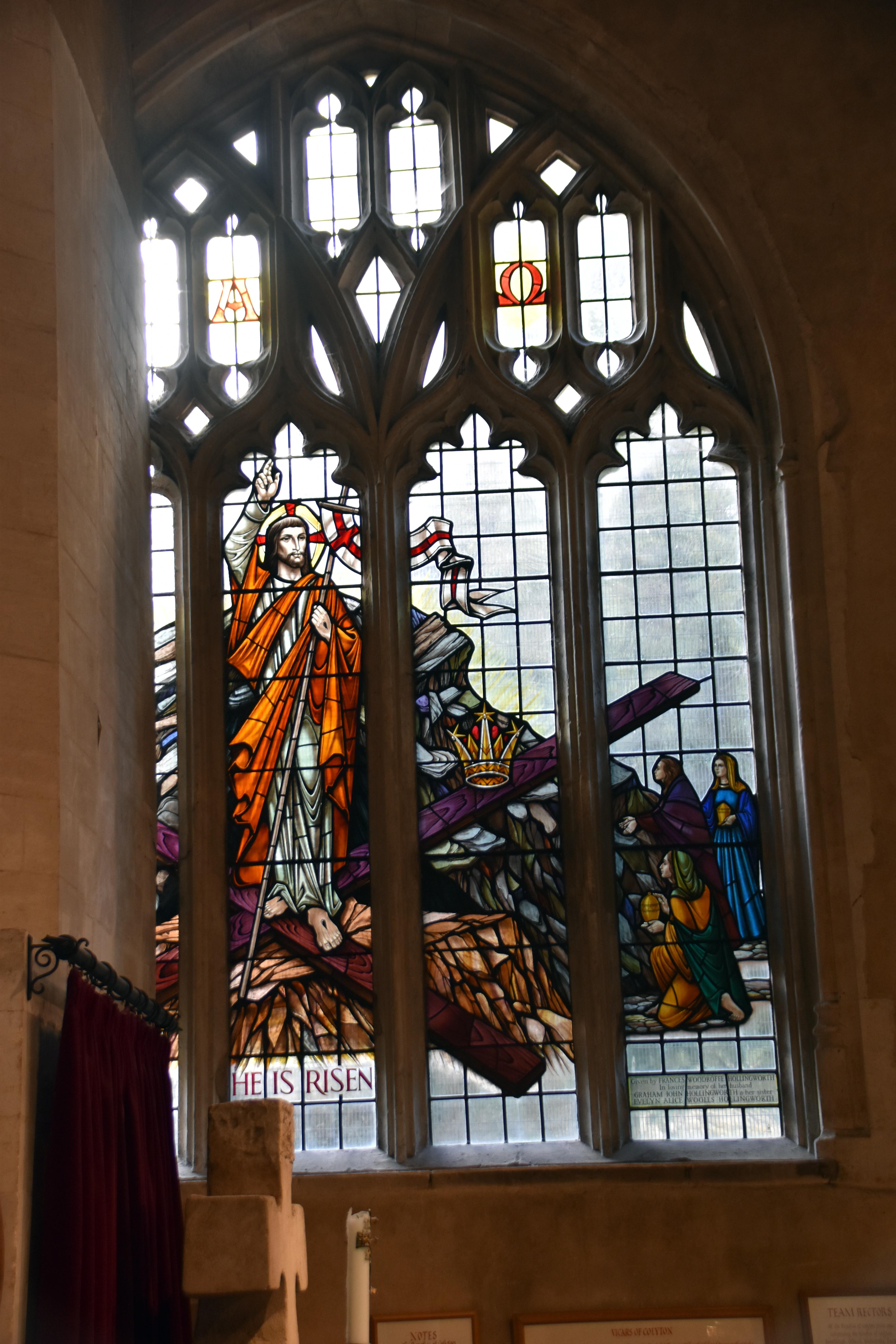
Close-up of brass plaque commemorating Captain John Christopher Craven Barnes, killed near Vimy Ridge in 1916 Stained glass window on the south wall depicting the resurrection of Christ with the inscription 'He is Risen' View of the chancel and altar in St Andrew’s Church, with vaulted ceiling, stained glass, and Christmas decorations Memorial plaque to Captain Matthew Liddon, Arctic explorer, and his son Henry Parry Liddon, theologian and Oxford scholar
Captain Barnes — brass memorial honouring his service with the Border Regiment and sacrifice near Vimy Ridge Resurrection window — vibrant stained glass on the south wall proclaiming “He is Risen” with Alpha and Omega symbols Chancel view — vaulted timber ceiling, reredos, and festive trees framing the altar in seasonal splendour Liddon memorial — tribute to Arctic explorer Matthew Liddon and his son Henry, canon of St Paul’s Cathedral
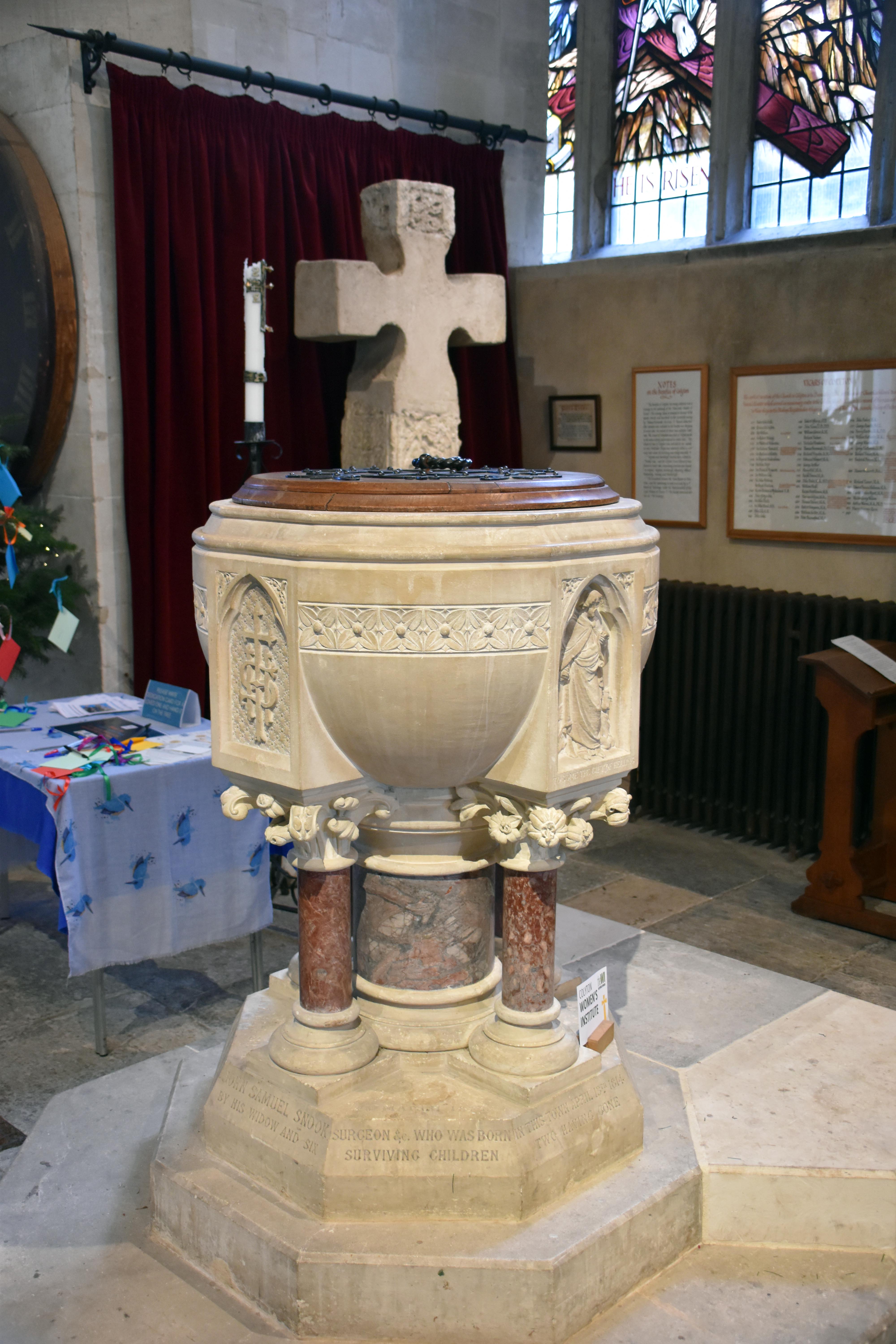
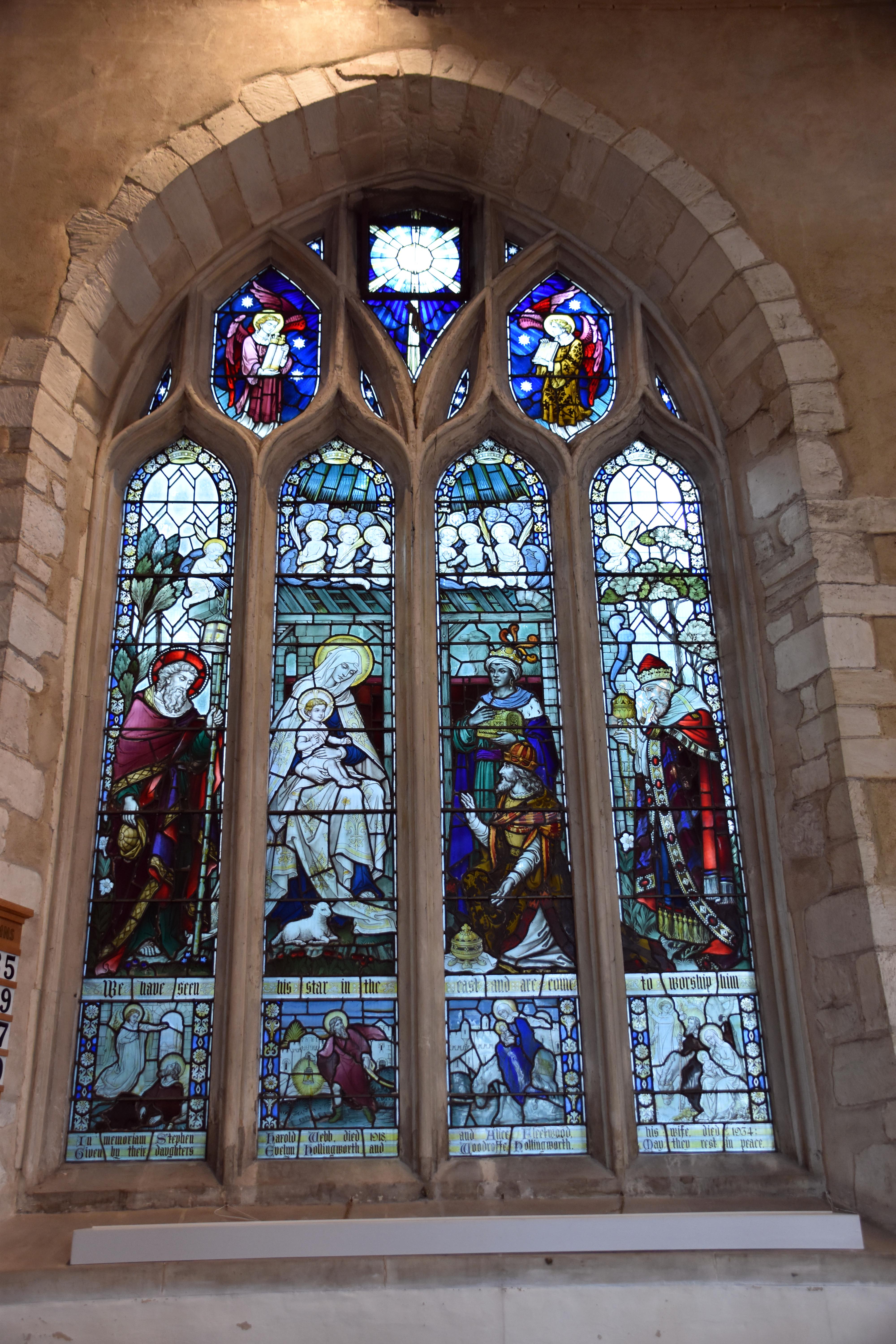
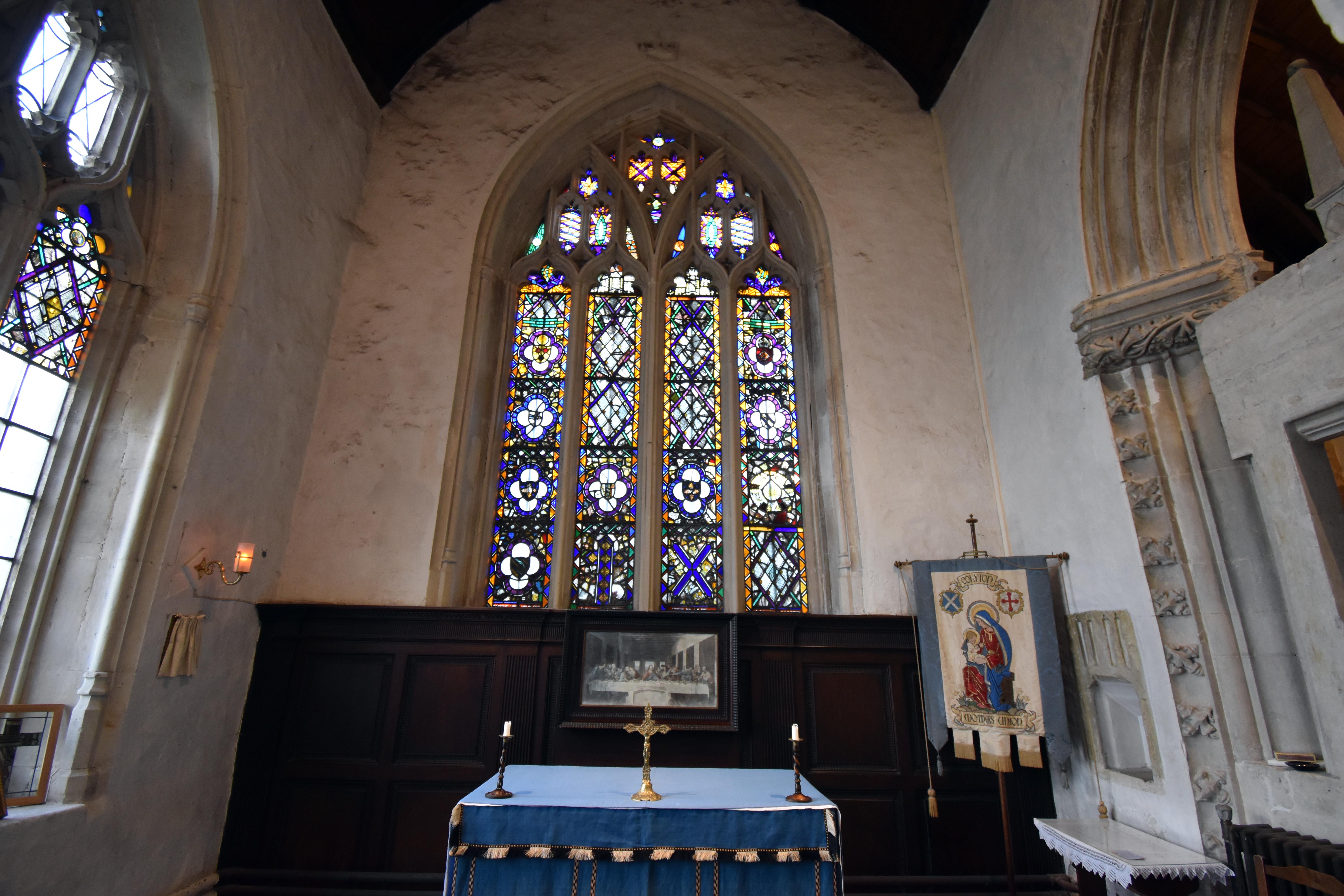
Saxon cross with intricate interlacing carvings, rediscovered after the 1933 fire and now displayed upright in the church Ornate baptismal font with carved figures and marble columns, set beside a Christmas tree and stained glass window Stained glass window depicting the Nativity and the Star of Bethlehem, with memorial inscriptions at the base Lady Chapel altar with blue cloth, crucifix, and banner of the Virgin Mary, framed by stained glass and stone arches
Saxon cross — early medieval carving rediscovered in 1933, now standing as the church’s oldest artefact Baptismal font — richly carved stone bowl with marble supports, surrounded by festive and devotional elements Nativity window — vibrant stained glass showing the Magi and angels, with dedications to the Hollingworth family Lady Chapel — altar and stained glass framed by Gothic arches, with Marian banner and devotional furnishings
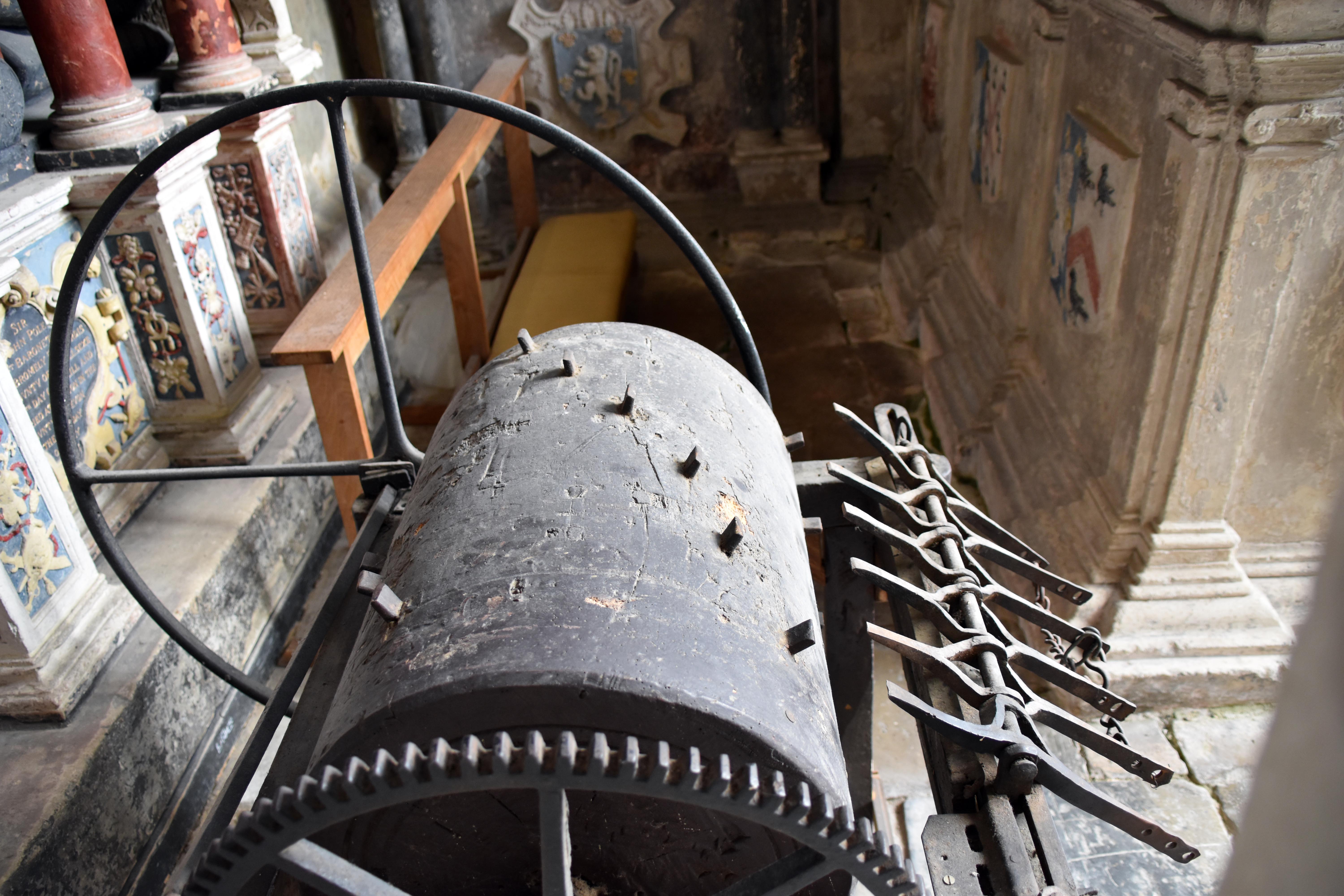
Tomb monument in the Pole Chapel with recumbent effigy, red and gold columns, and heraldic canopy, alongside mechanical artefact Interior view of the Pole Chapel with multiple tombs, sculpted busts, and stained glass windows illuminating the space Chancel and altar of St Andrew’s Church with banners, Christmas tree, and stained glass window above the reredos Western wall stained glass window showing saints and biblical figures in vibrant colours beneath a vaulted ceiling and chandelier
Pole Chapel tomb — richly carved effigy with heraldic canopy and adjacent mechanical artefact, blending history and curiosity Chapel interior — layered memorials and stained glass illuminate the legacy of the Pole family across centuries Chancel and altar — festive and devotional elements framed by Gothic arches and radiant stained glass West window — towering stained glass depicting saints and angels, one of the largest parish windows in England
Stained glass panel with kneeling figure and banner reading 'SEND ME', part of the missionary-themed window in St Andrew’s Stained glass panels showing figures labelled 'AFRICA' and 'COLYTON', symbolising missionary outreach and local connection Stained glass panels with figures labelled 'COLYTON' and 'HERE AM I', part of the church’s missionary-themed window series Exterior view of St Andrew’s Church from the north, showing Gothic windows, central tower, and weather vane
Missionary window — ‘SEND ME’ panel depicting a kneeling figure in prayer, part of Colyton’s global outreach legacy Africa and Colyton — paired stained glass figures symbolising spiritual connection between local parish and overseas mission Here Am I — devotional imagery linking Colyton’s missionary spirit with personal calling and global evangelism Northern elevation — view of St Andrew’s Church with its lantern tower, Gothic tracery, and peaceful churchyard
Lantern tower of St Andrew’s Church with Gothic spires, clock face, and weathered stonework against a cloudy sky Thatched stone cottages with unusual rooflines and white-framed windows along a narrow village street in Colyton Millennium plaque listing key events in Colyton’s history from Roman times to the year 2000 View up the Coly valley with green fields, scattered trees, and distant hills under a bright sky
Lantern tower — Colyton’s iconic octagonal tower with clock and spirelets, a rare architectural landmark Village street — distinctive thatched cottages with quirky rooflines and timeless Devon charm Colyton timeline — commemorative plaque marking milestones from Roman arrival to the Feoffees and railway Coly valley — tranquil landscape of fields and hills stretching northward from the town’s edge
Muddy pasture near the River Coly with grazing cows and bulls, village rooftops and church tower in the distance River Coly flowing through eroded banks with exposed red soil and sparse trees along the water’s edge Quiet stretch of the River Coly bordered by leafless trees and muddy banks under an overcast sky White Cottage with thatched roof and signage, nestled beside the muddy lane leading toward the riverbank
Pasture and bulls — livestock grazing near the Coly, with the church tower rising above the village beyond Riverbank erosion — fast-flowing Coly cutting into red soil, framed by bare trees and winter light Coly in winter — tranquil waters winding through muddy banks and skeletal trees under a grey sky White Cottage — thatched retreat beside the river path, with mossy roof and picket fence signage
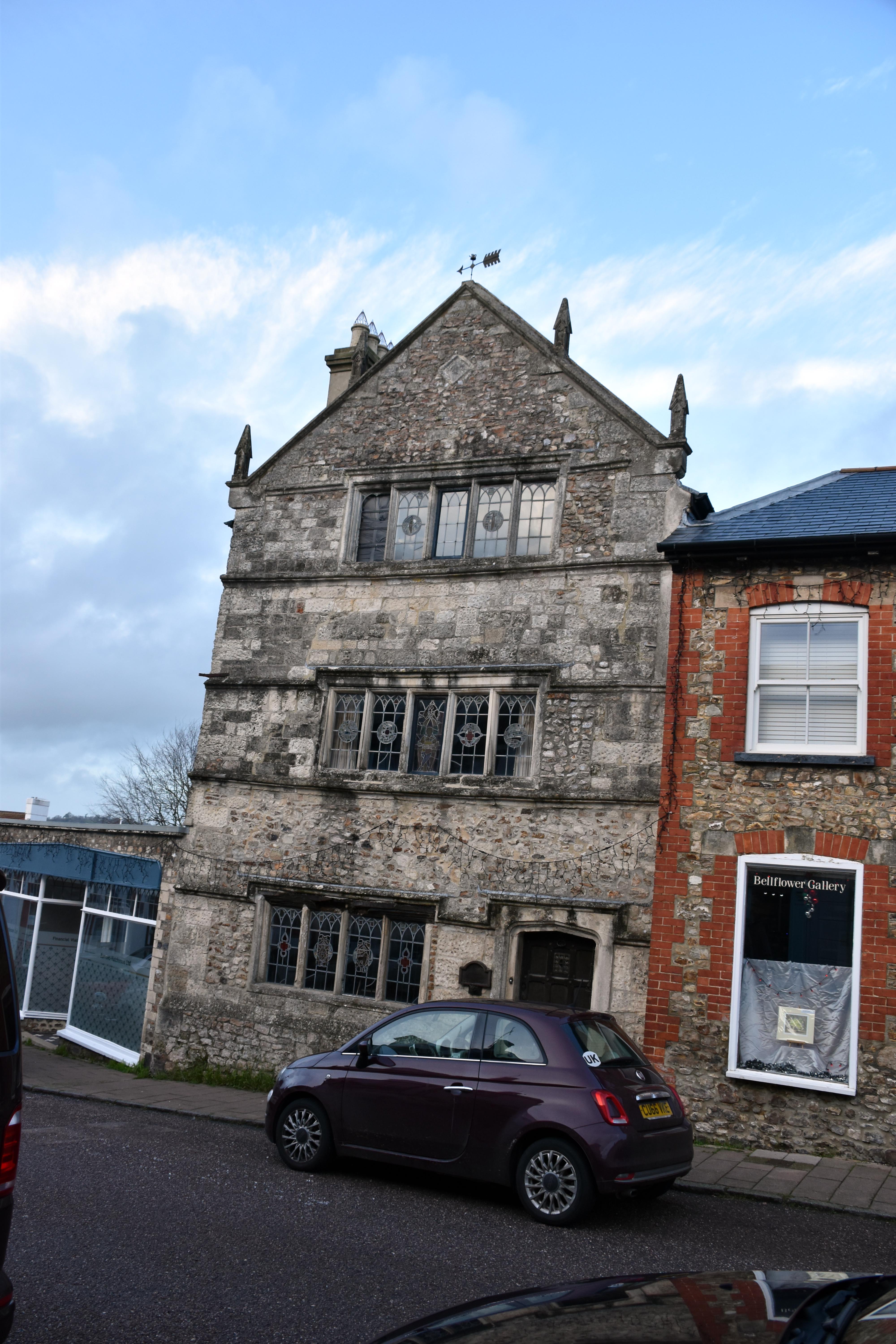
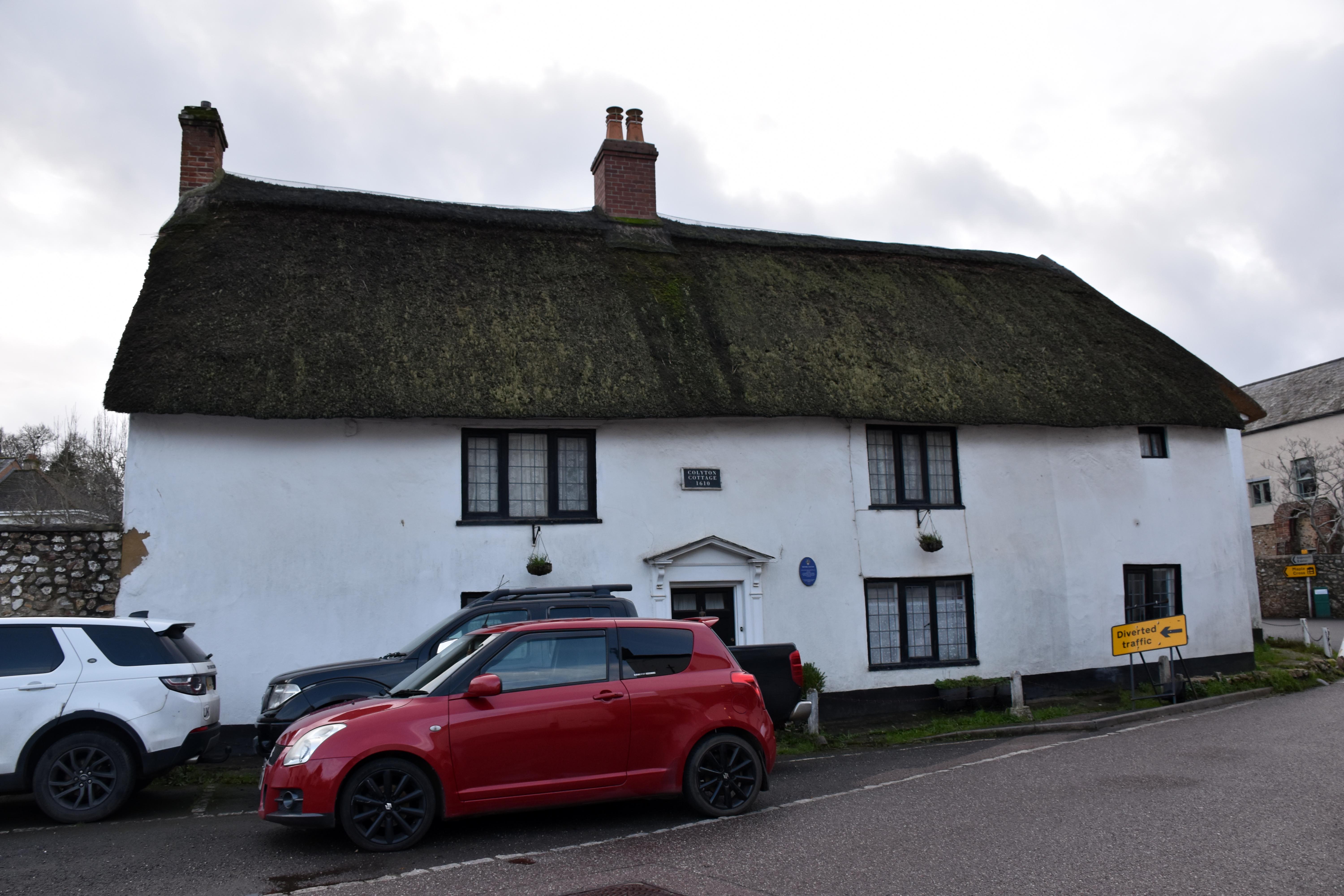
Directional sign for Colyton car park featuring a Monmouth Rebellion soldier and the label 'Rebel Town 1685 AD' Historic stone building with leaded windows and pointed gables beside the Bellflower Gallery on a sloped street Churston Court Hotel, a thatched cottage with whitewashed walls, flower pots, and historical plaque beside parked vehicles Blue plaque commemorating Commander George Eyre-Powell R.N., benefactor and worshipper at Colyton’s Unitarian Chapel
Rebel Town — Colyton’s proud link to the Monmouth Rebellion, marked by a soldier and car park sign Bellflower corner — medieval stonework and gallery frontage blend heritage and creativity on Colyton’s high street Colyton Cottage — home of Commander Eyre-Powell, nestled in the heart of the village Commander George Eyre-Powell RN plaque
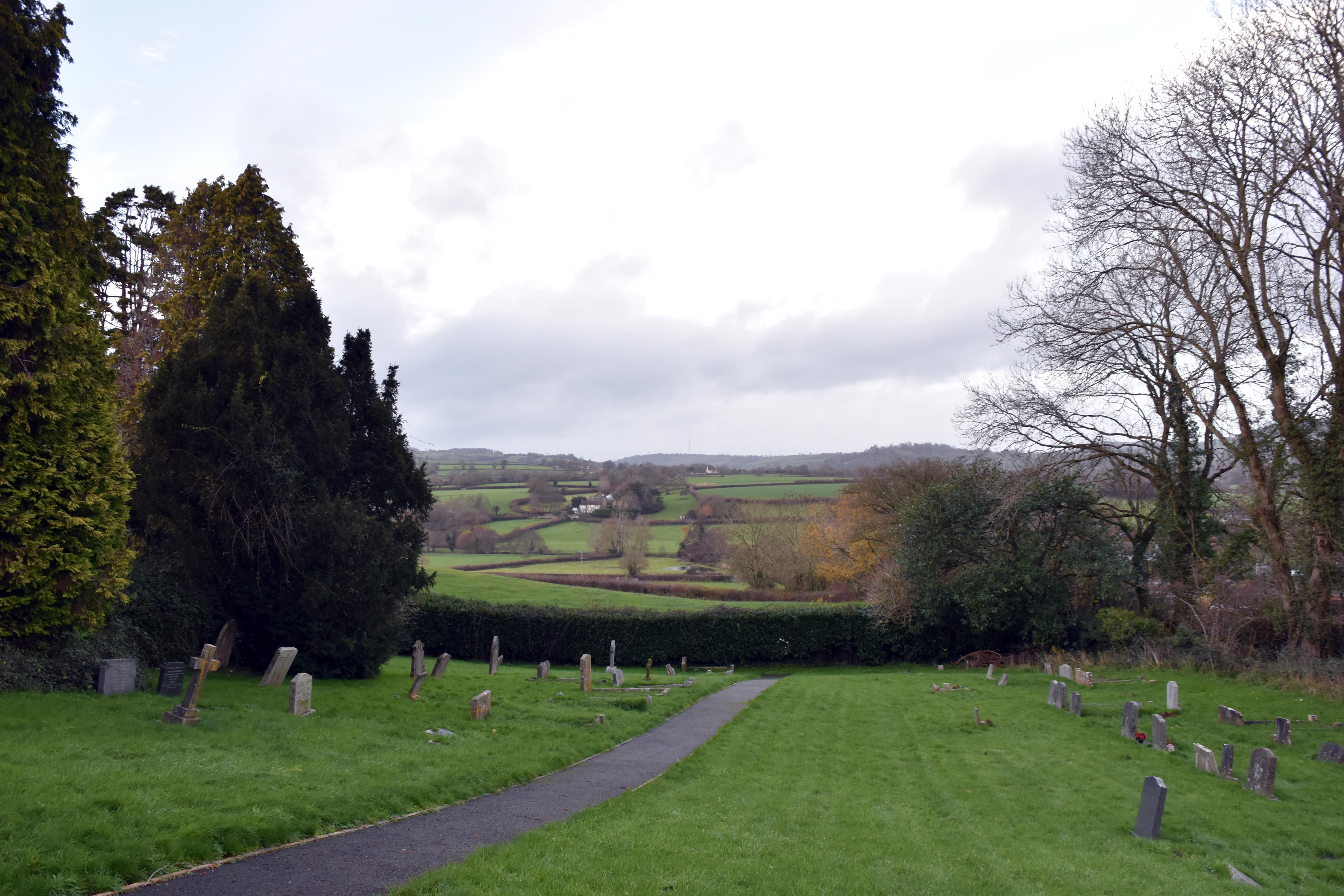
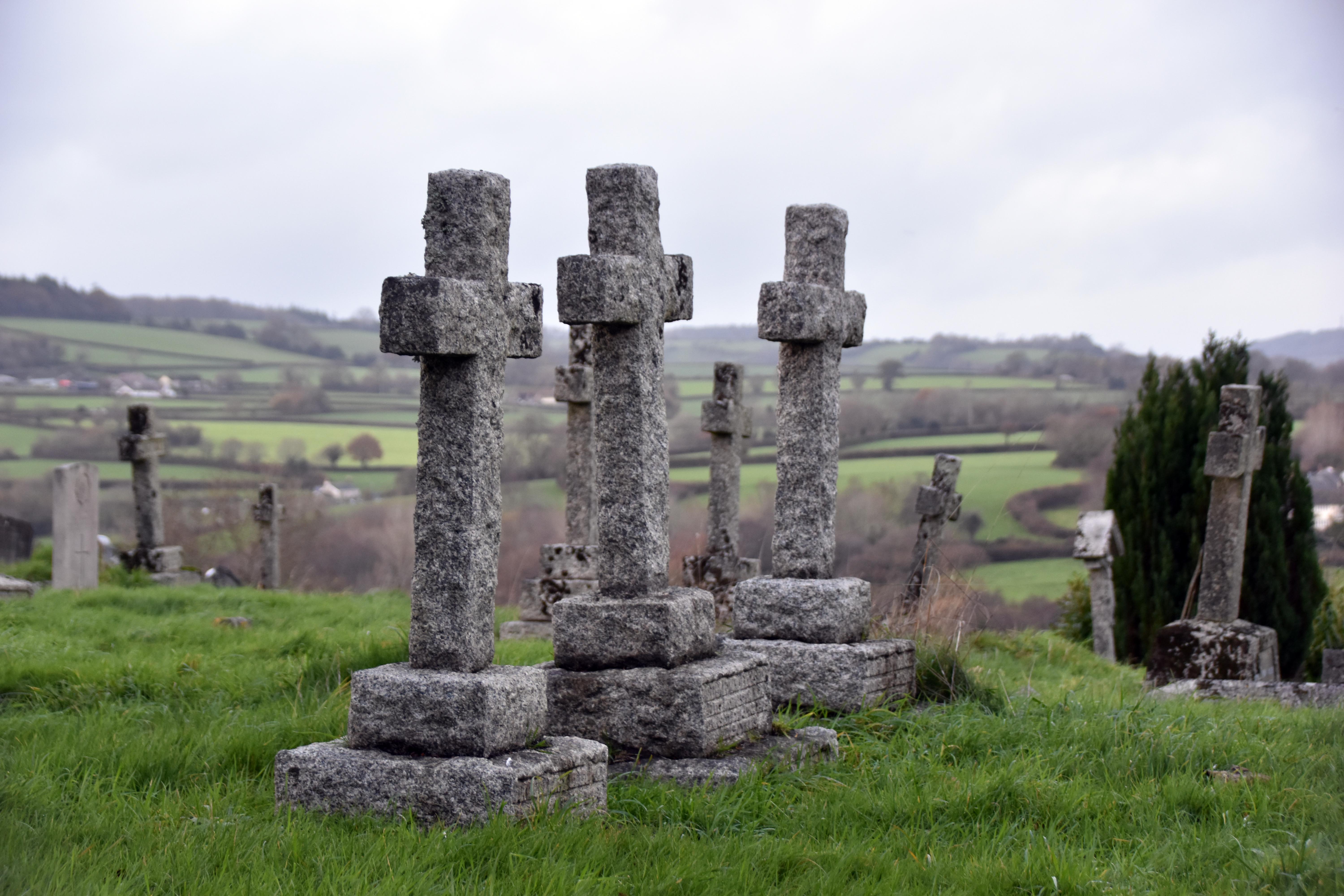
Stone chapel in the graveyard with steep roof, pointed arch doorway, and quatrefoil window, nestled among trees Ivy-covered gravestone in a quiet cemetery, surrounded by mossy markers and shaded by mature trees Grassy cemetery with scattered gravestones and a path leading toward hedgerows and open countryside Stone crosses in a rural cemetery with rolling hills and hedgerows in the background under an overcast sky
Graveyard chapel — peaceful stone sanctuary with Gothic details, set among trees and memorials Ivy and time — weathered gravestone embraced by nature, marking centuries of quiet remembrance Path through memory — cemetery trail leading toward the fields beyond, where nature and history meet Stone crosses — enduring symbols of faith and heritage in Colyton’s rural resting place
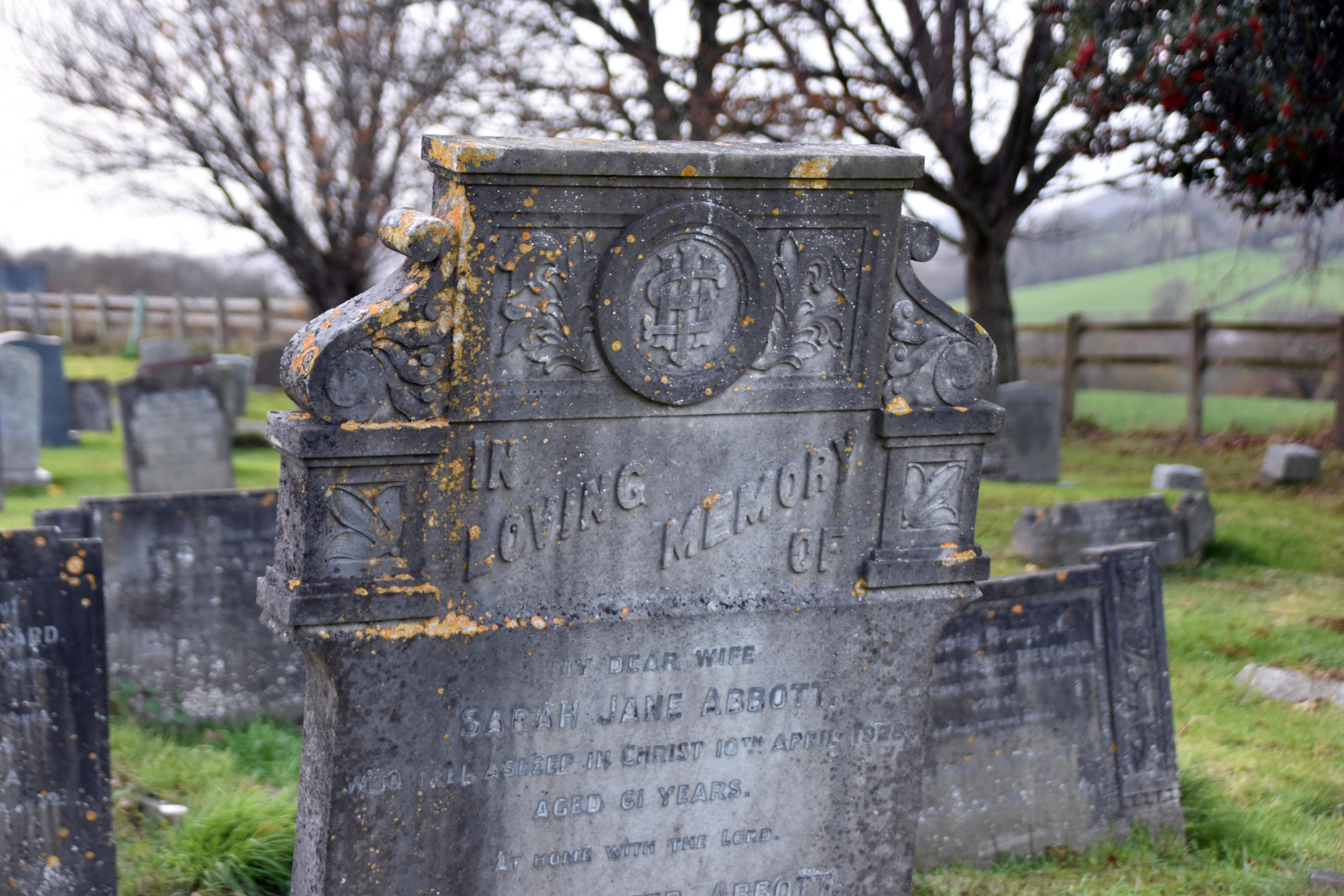
Art Deco gravestone from the 1920s with floral carvings and lichen-covered inscription for Sarah Jane Abbott Beautifully carved stone cross with floral motifs commemorating Olive and James, surrounded by flowers and remembrance tokens Mariner’s grave marked by a stone cross entwined with an anchor and chain, dedicated to William Armitage Gravestone of Mary Coon, commemorating her tragic death in the 1941 Lyme Regis landslip, with inscription and family tribute
Art Deco memorial — Sarah Jane Abbott’s 1928 grave with stylised carving and lichen patina evoking quiet elegance Floral cross — a graceful tribute to Olive and James, framed by carved blooms and tokens of remembrance Anchor and cross — maritime symbolism marking the grave of William Armitage, a soul tied to the sea Mary Coon — poignant memorial to a mother lost in the 1941 landslip at Lyme Regis, remembered by her sons

Walks by the Westcountry Walker
Armed Forces | Art and Culture | Articles | Biographies | Colonies | Discussion | Glossary | Hiking | Home | Library | Links | Map Room | Sources and Media | Science and Technology | Search | Student Zone | Timelines | TV and Film | Wargames
Donate by Stephen Luscombe