|
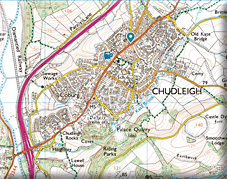
I mentioned that Rupert and I had searched for the Bishop’s Palace previously on our first ever visit to Chudleigh walking from Chudleigh Knighton, but as it was a Saturday the church of St Martin and St Mary was closed. Fortunately, with a little coordination with the vicar, it was open on Good Friday of all days. On this appropriately religious day, Rupert and I headed back to Chudleigh to explore the church, more of the town, and also to look for the cemetery that was built in the Victorian era to cope with an overflow from the full graveyard of St Martin and St Mary. We were to find some fascinating memorials, dedications and buildings. We may not have walked far in distance, but we definitely covered so much in the history and geography of not just the local area but a surprising amount of the world beyond. These little rural towns were often far more connected to the wider world than most people assume.
|
|
|
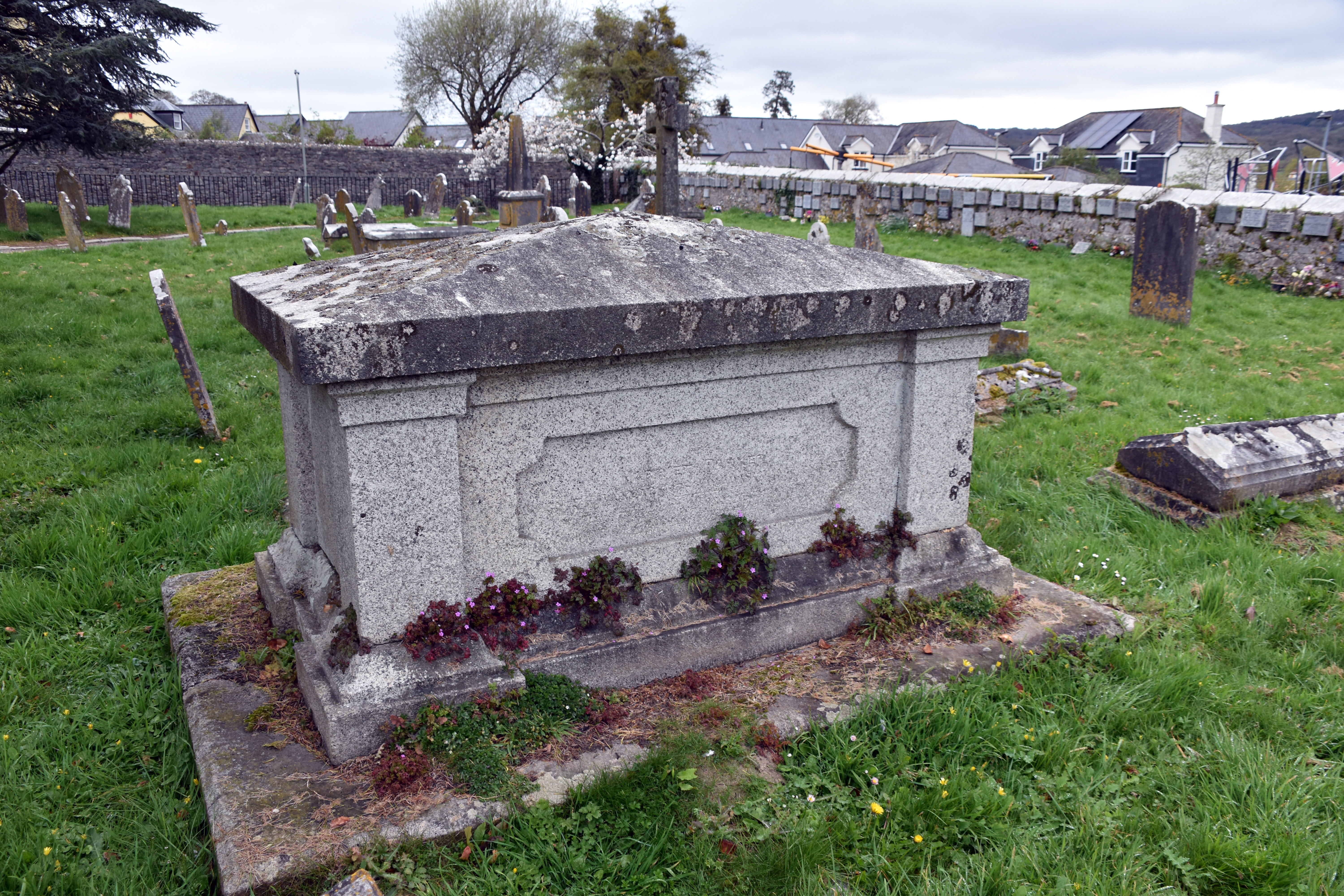
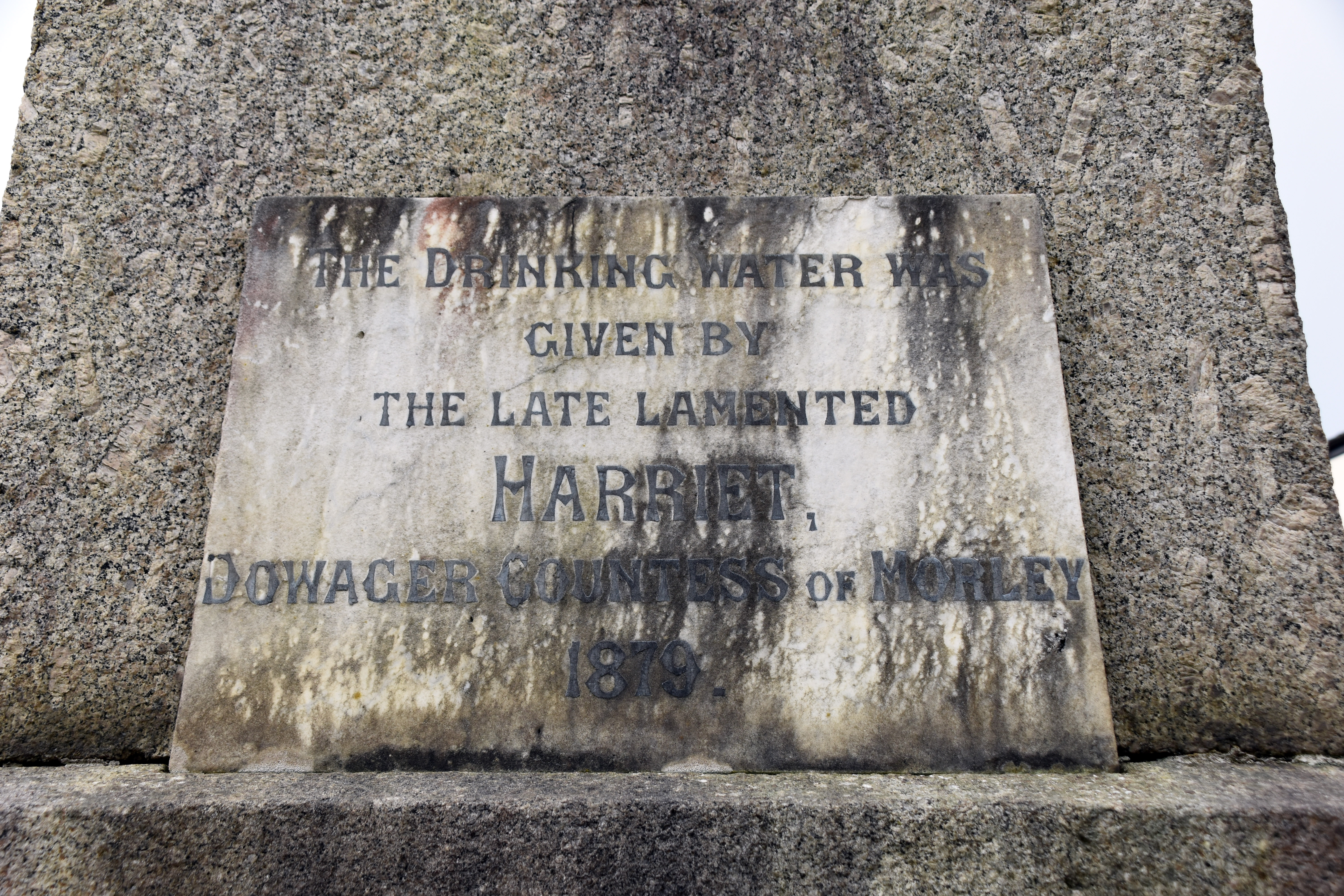
It was a bit grey and misty outside, but in that suitably eerie weather I discovered a Luscombe grave close to the main entrance of the door. I have no idea if we are related, but probably at some point along the line we are. I was to discover another connection to Plymouth through the impressive box tomb of Montagu Edmund Parker and Harriet (Newcombe) Parker, who lived in nearby Whiteway House, which had been constructed by John Parker, perhaps better known as the 1st Baron Boringdon of Saltram House in Plympton. Montagu was his younger brother. The Parkers are a fascinating family who made their family fortune in the reign of Queen Elizabeth when their ancestors seized not one but two Spanish treasure ships! They bought Boringdon Hall with their new wealth and joined the ranks of the landed aristocracy. Their daughter was Harriet Sophia Parker. To say that she married well is something of an understatement. Her first marriage was to William Coryton, who owned the vast Pentillie Estate on the River Tamar. Sadly, this marriage ended in tragedy when he was discovered drowned off a quay close to his property. The inquest returned the interesting verdict of “Temporary Insanity” rather than say he committed suicide. He was the heir to a vast fortune. Her only child from this marriage married a diplomat and sadly was struck down in Algeria in 1875 at the age of 39, predeceasing her mother. Her second marriage a few years later was to her cousin—another Parker—Edmund Parker, who was the 2nd Earl of Morley and lived at Saltram House until his death in 1864, at which point she became known as the Dowager Countess of Morley. Their son would be Albert Parker, the 3rd Earl of Morley, who would become an important member of Gladstone’s cabinet. There is a plaque to her on the obelisk from when she provided money to upgrade the water supply for the people of Chudleigh. She divided her time between living at Whiteway and Saltram Houses. She died in Chudleigh but was buried in the Parker family vault at St Mary’s Church in Plympton. Interestingly, the last Earl of Morley (the 5th) was named Montagu Parker in honour of his great‑grandfather buried here in Chudleigh. (Oh, and that 5th Earl had a fascinating life that at least partially inspired the story of Indiana Jones and the Raiders of the Lost Ark—but that is a story for another walk!)
|
|
|
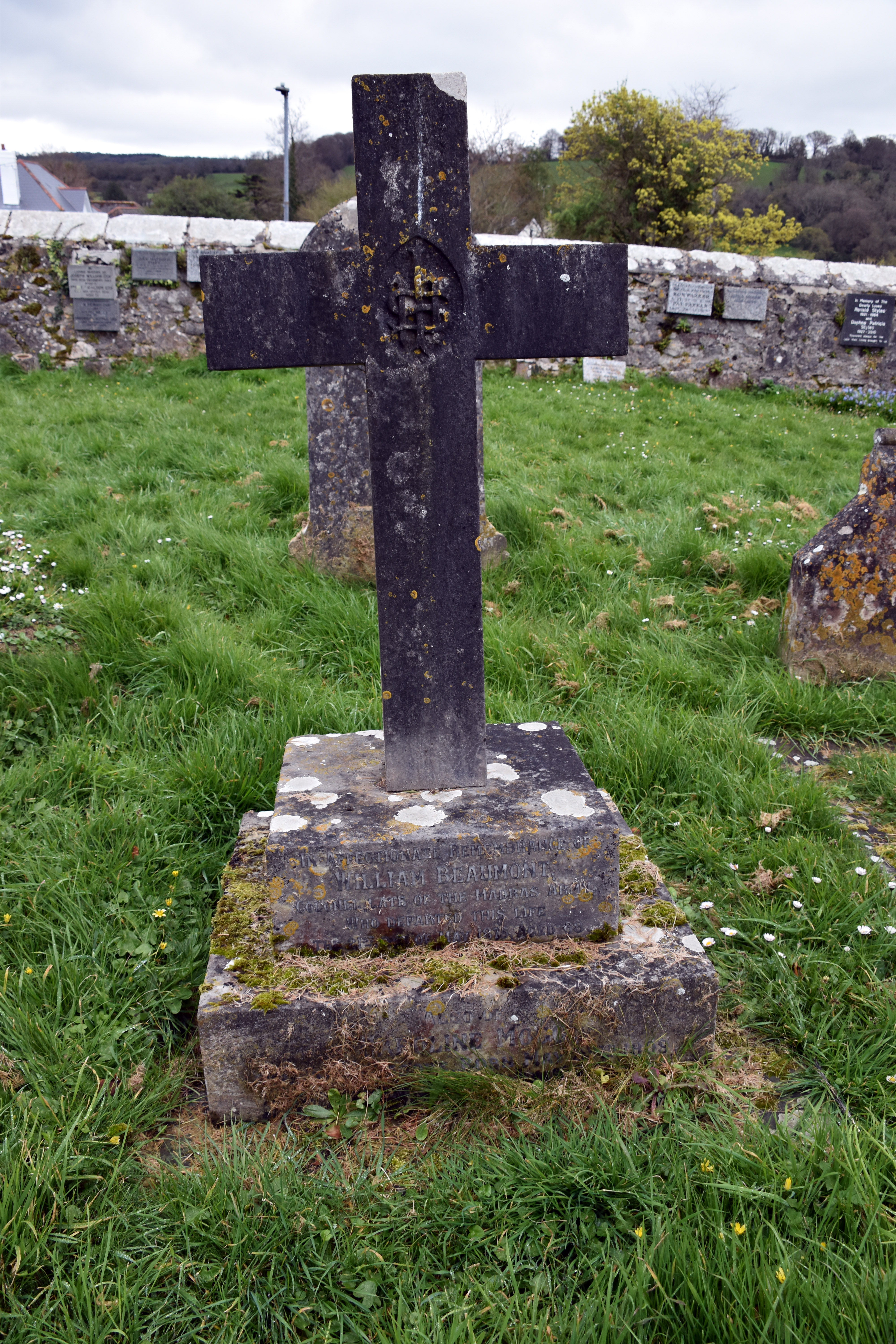
Almost next to this Parker tomb is that of William Beaumont, Colonel in the Madras Army, who died in 1875. He retired to Fairfield House after a full career on the Indian subcontinent. He spent his entire career from 1823 to 1862 with the 23rd Madras Light Infantry based at Wallajabad in Tamil Nadu. His eldest son died at sea with the Merchant Navy, but his other son, William Henry Beaumont, followed him into the army but then settled in South Africa and became an important judge in the early years of the Union of South Africa. We would discover a string of imperial connections on this journey.
|
|
|
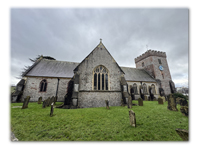
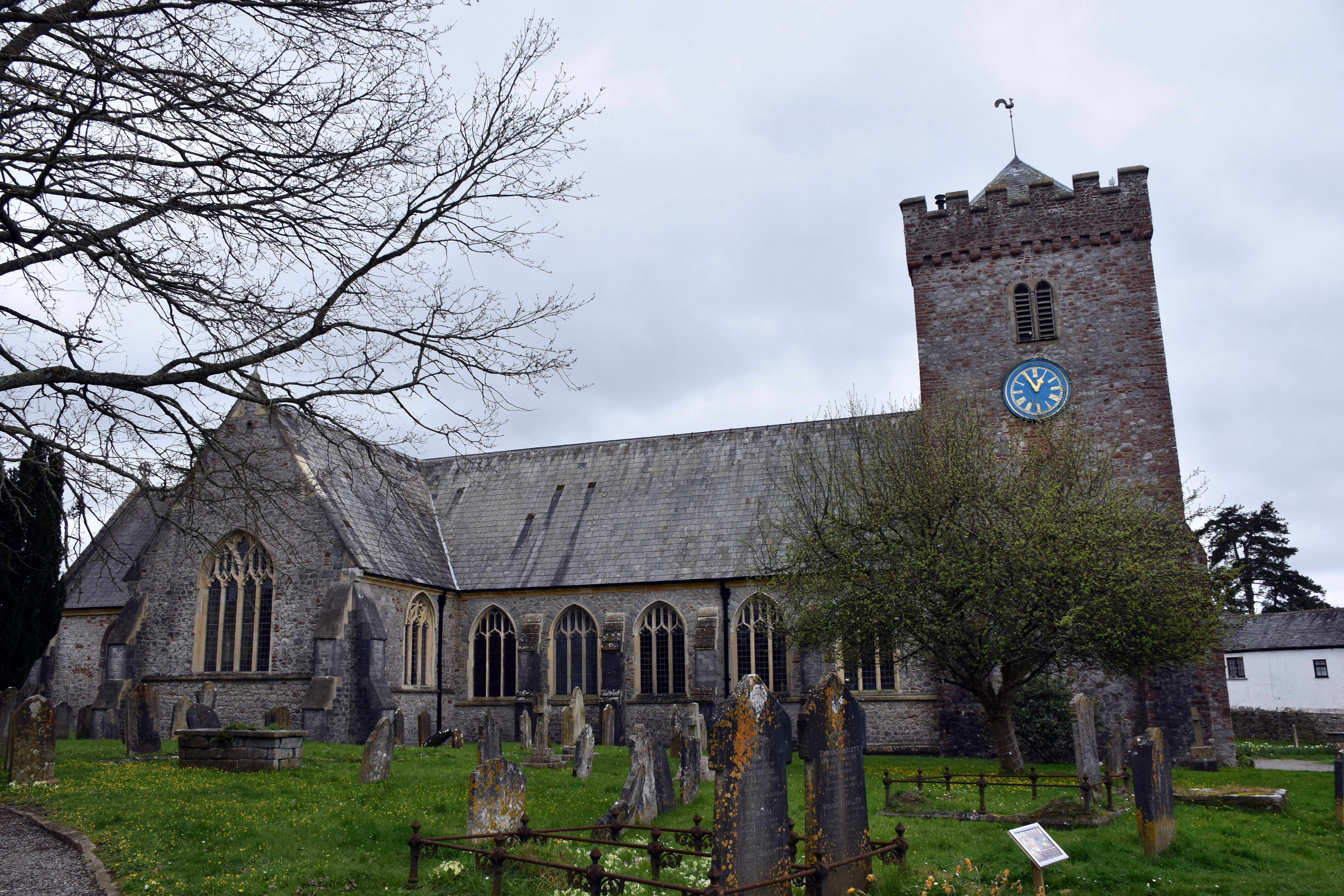
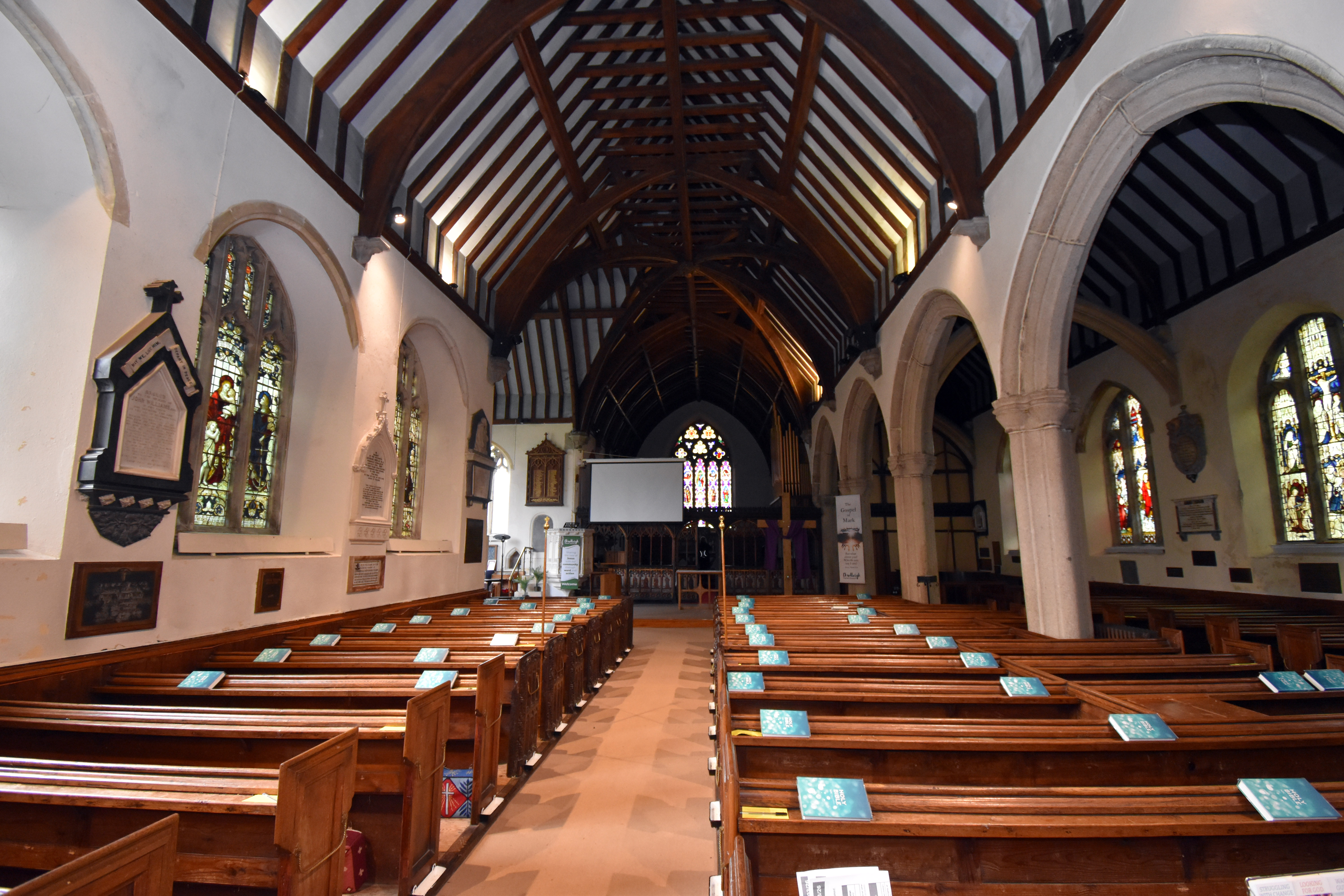
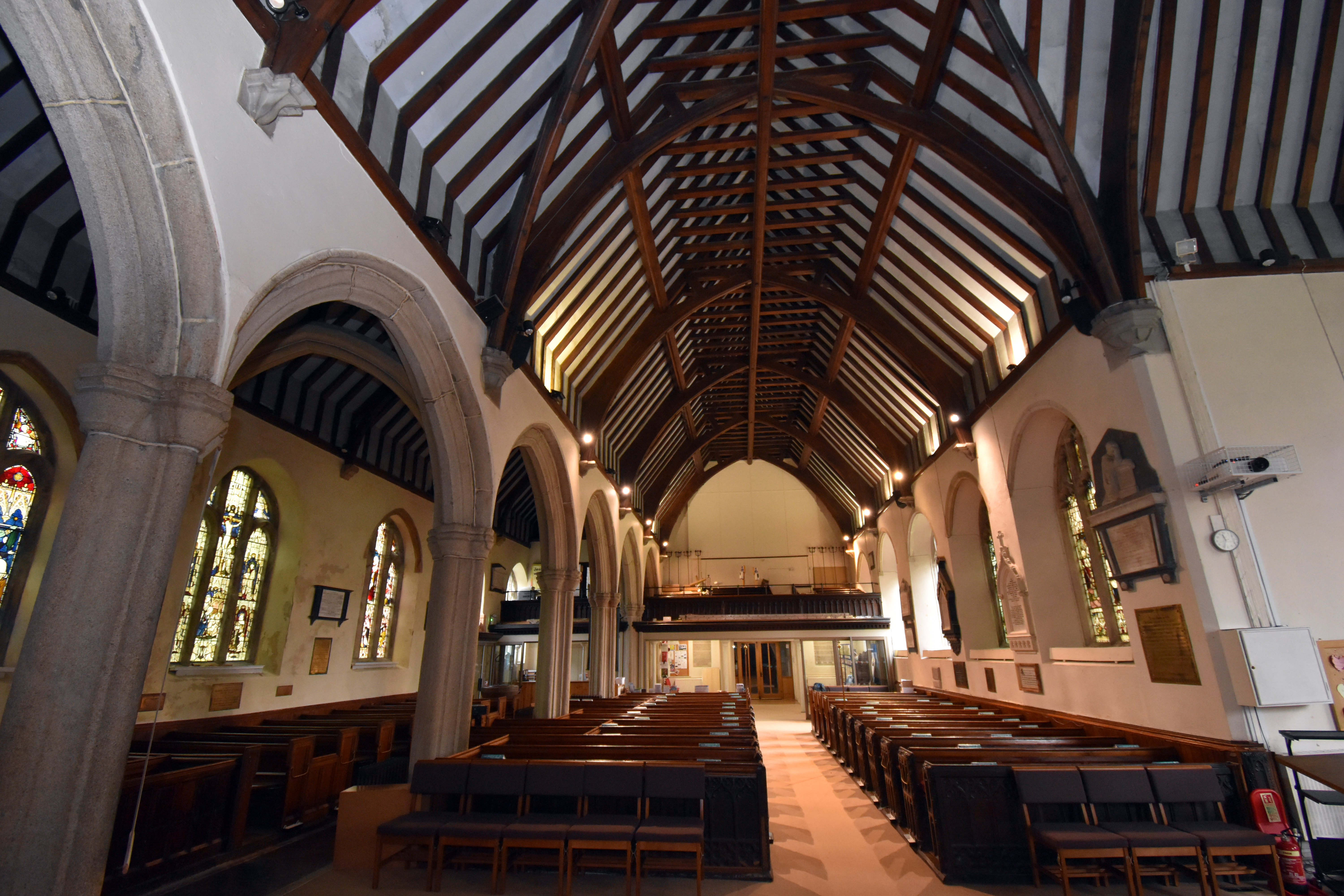
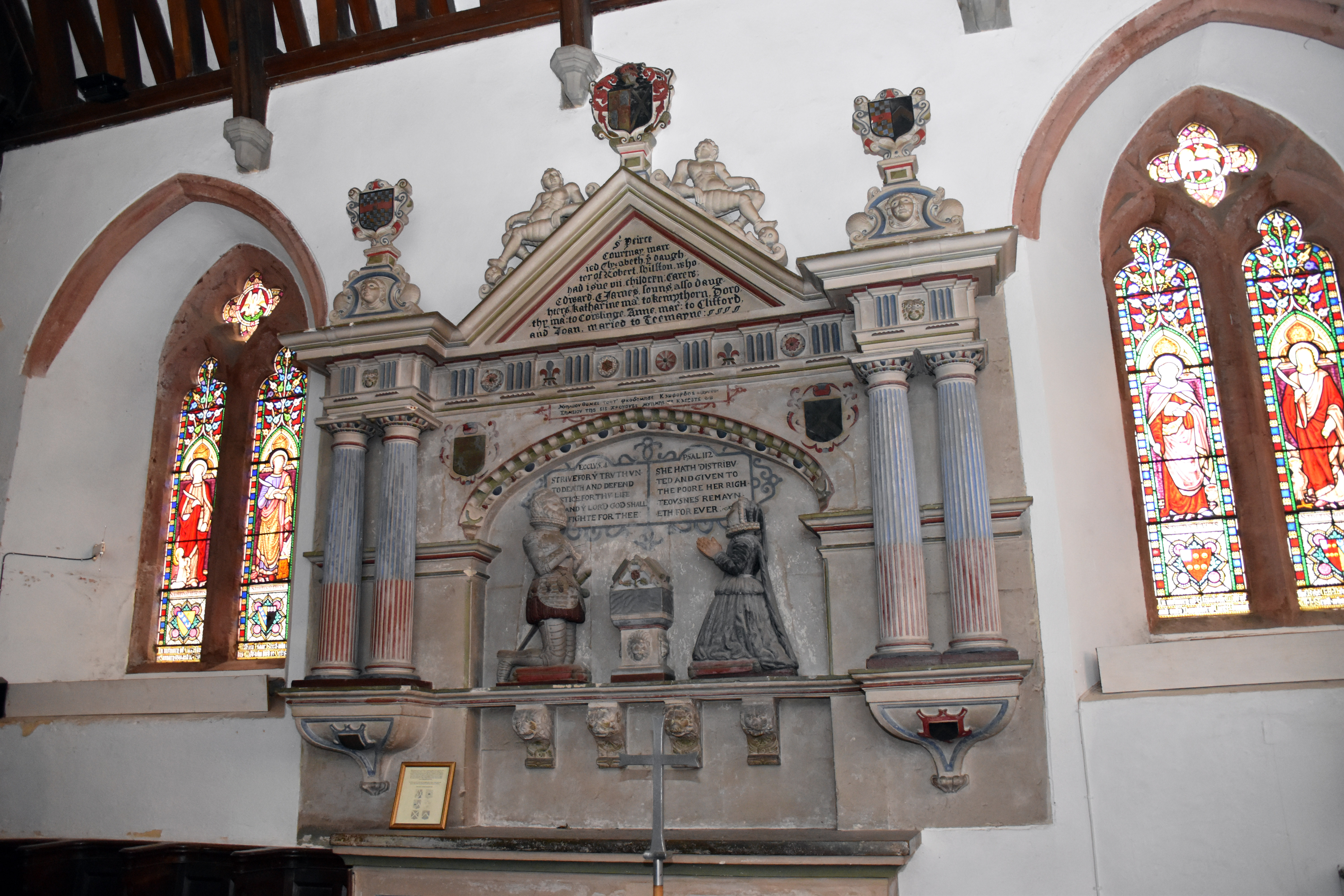
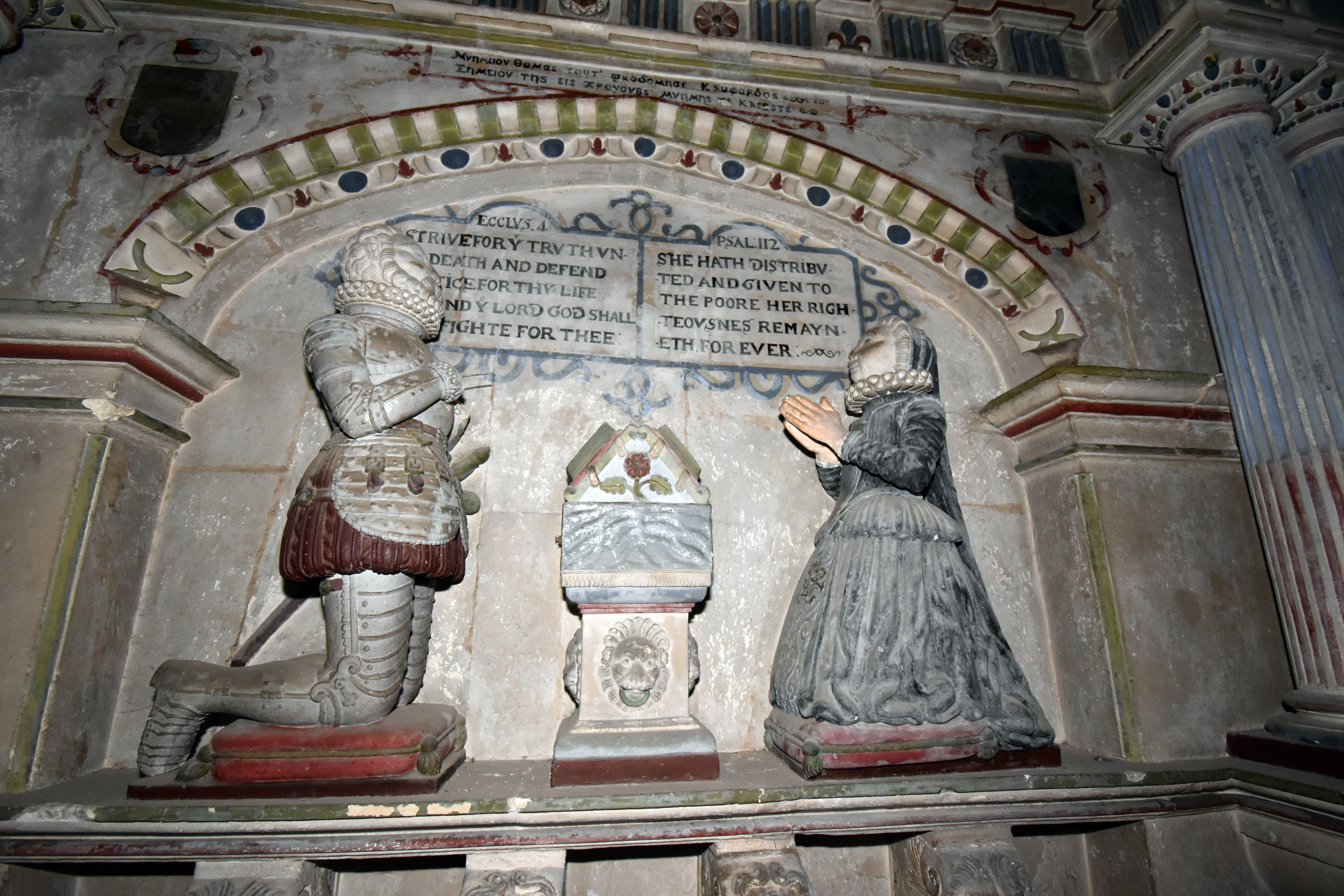
St Mary and St Martin church is a 13th‑century church which expanded over time as the wealth of the wool industry cascaded into market towns like Chudleigh. It was heavily renovated in the 19th century as Victorian wealth provided new funds and new styles to suit their priorities. There is a lot of space in this church, and as if the church floor wasn’t impressive enough, there is also a seating area upstairs—although one wonders when it was last used. Not to say that this is a church struggling. In fact, we were later delighted to see just how many people, and especially children, arrived to participate in escorting the cross to a nearby hill. It was heartening to see. The biggest memorial by far is in the chancel and dedicated to Sir Piers Courtenay, who died in 1552. The Courtenay name keeps cropping up throughout the Westcountry and indeed, but for the fact that he left his eldest daughter Anne Ugbrooke House, who took on the married name of Clifford, the local connection lives on but through the name of Clifford instead of Courtenay. By the way, Sir Piers’ widow survived him by over half a century, hence this interesting early Stuart 1607 memorial depicting a man in Tudor armour.
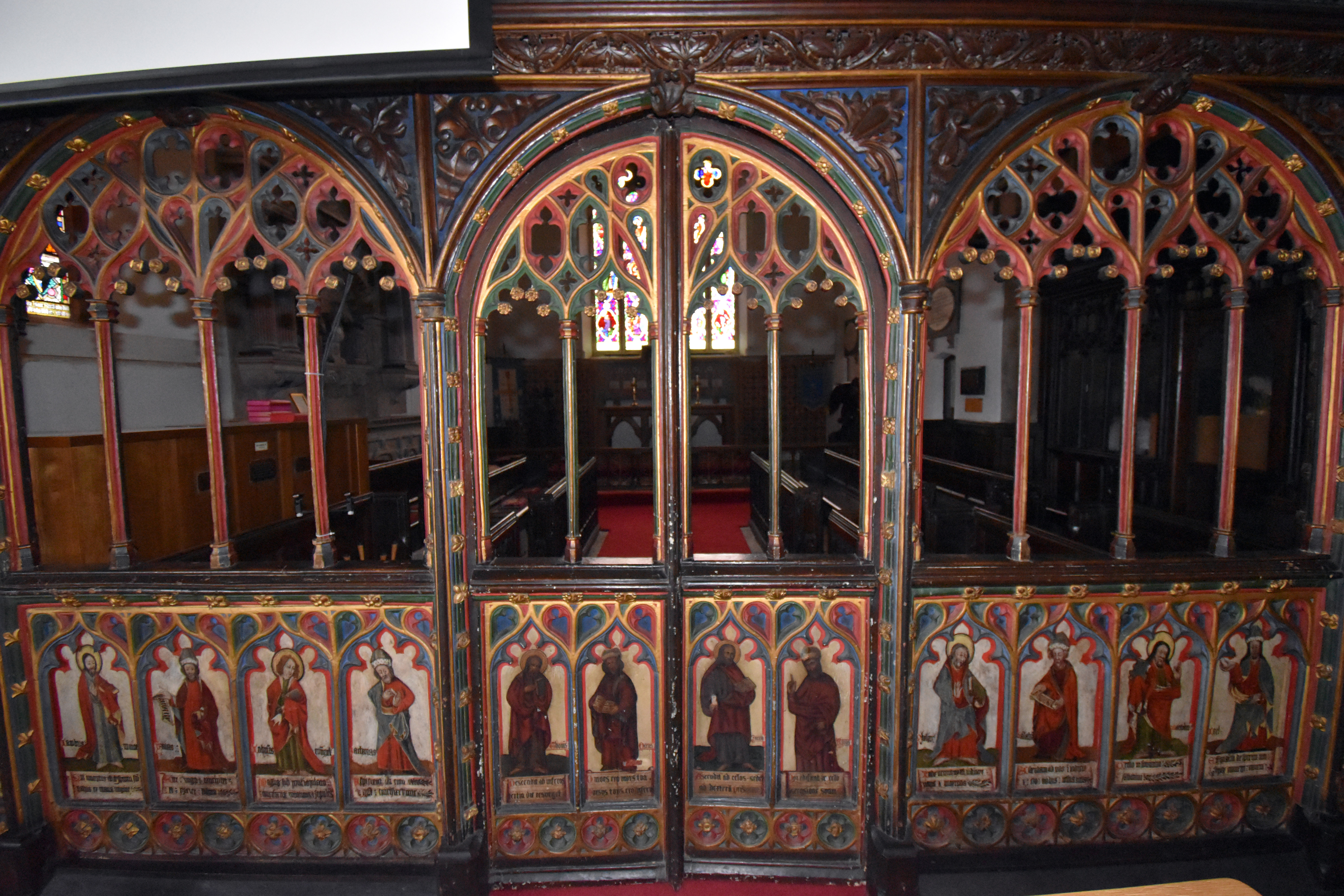
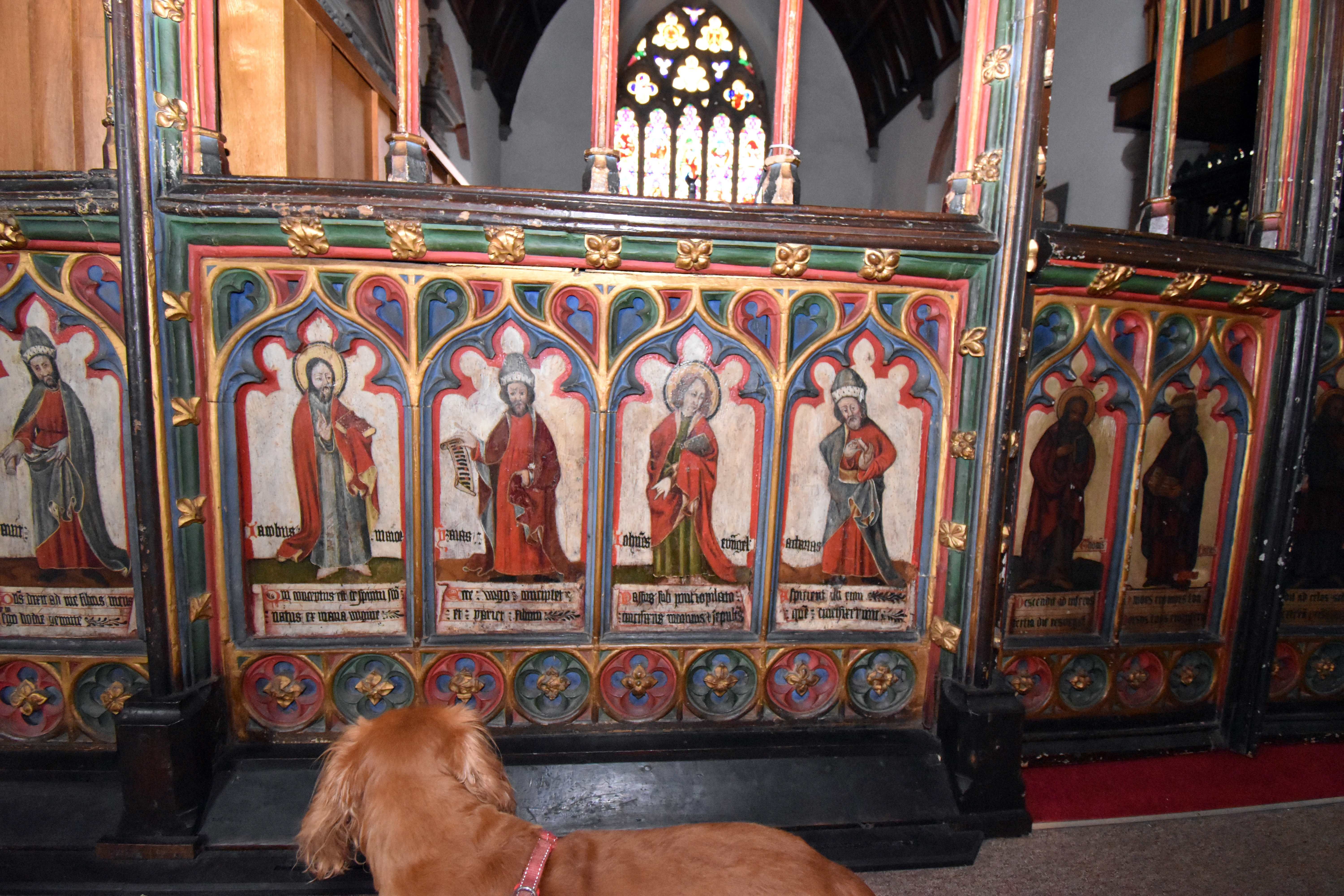
This church is also fortunate to have its 15th‑century rood screen in what you might call rude health. So many of these have been destroyed over the centuries or renovated away; it is lovely to see brightly coloured depictions of late‑Medieval artwork. Obviously it has been restored over the years, but you can still appreciate the original intention of the diligent artisans who created these works of art.
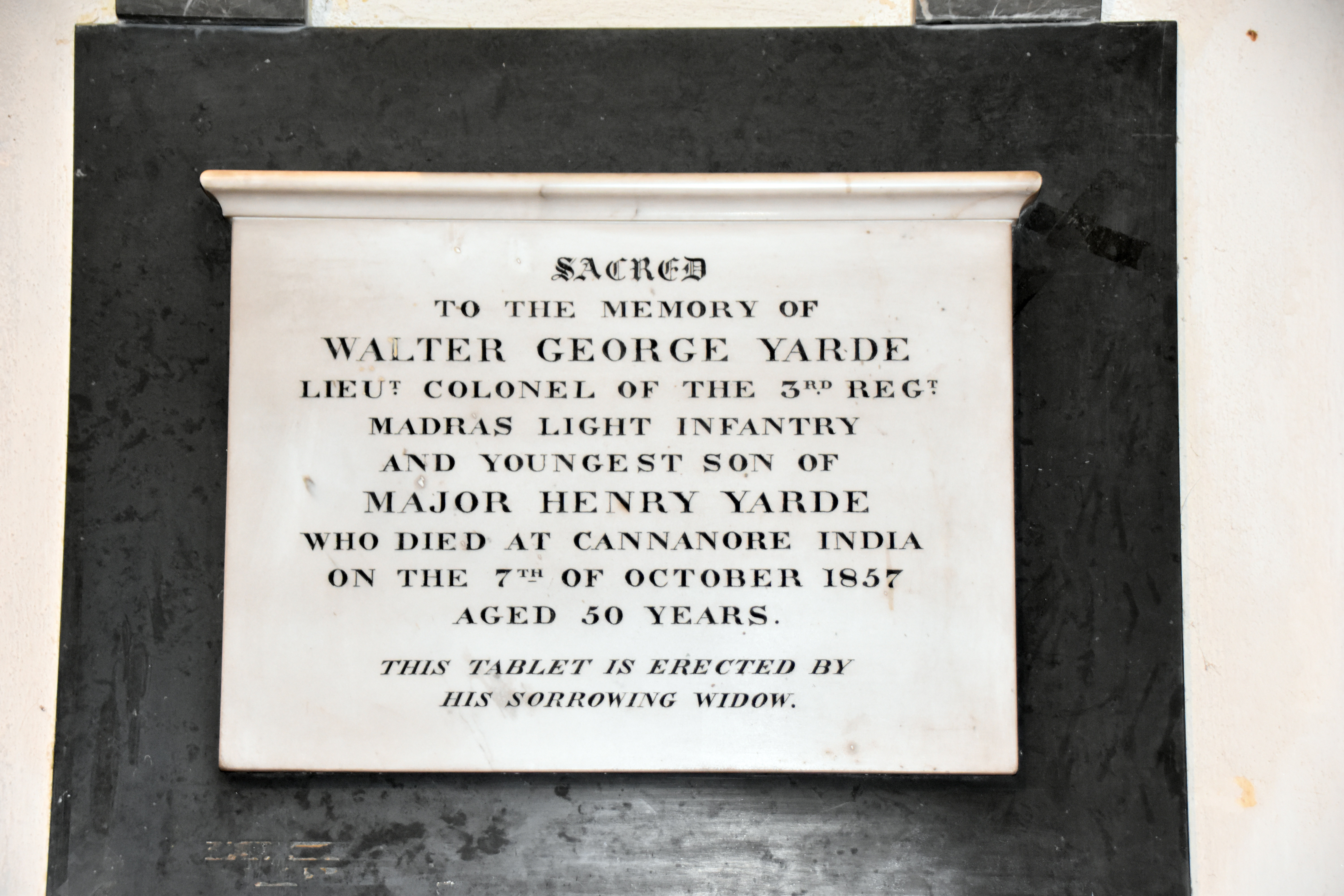
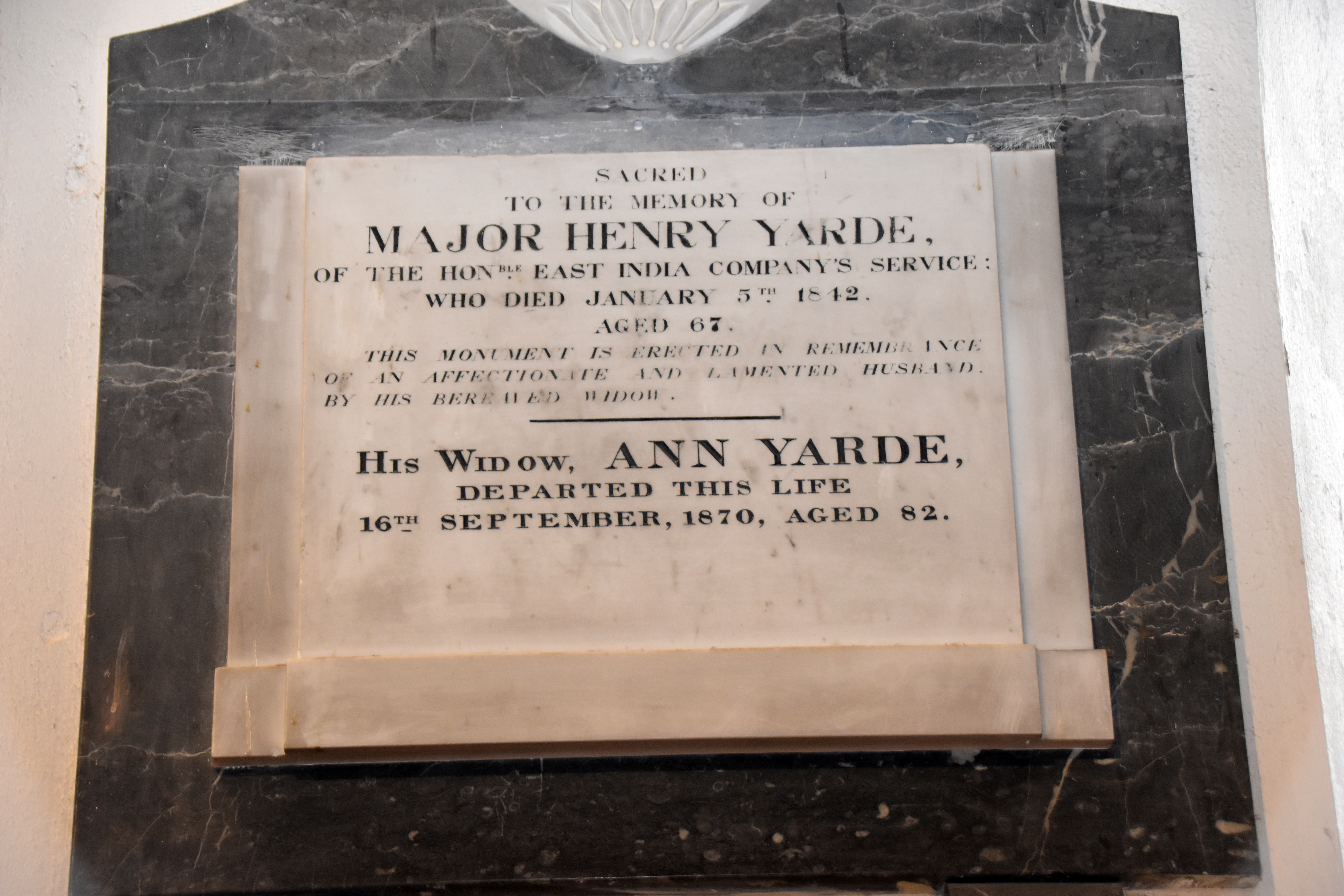
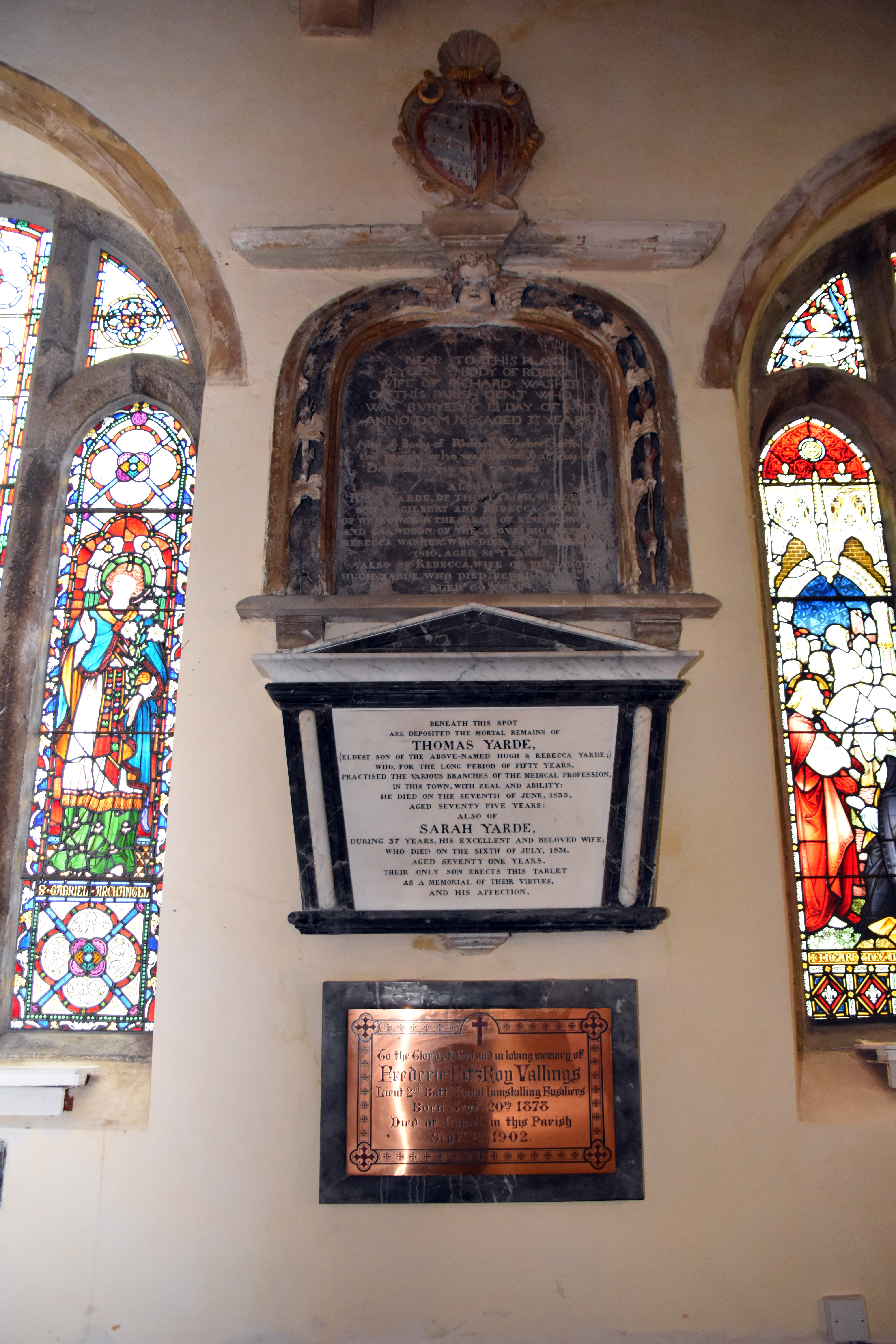
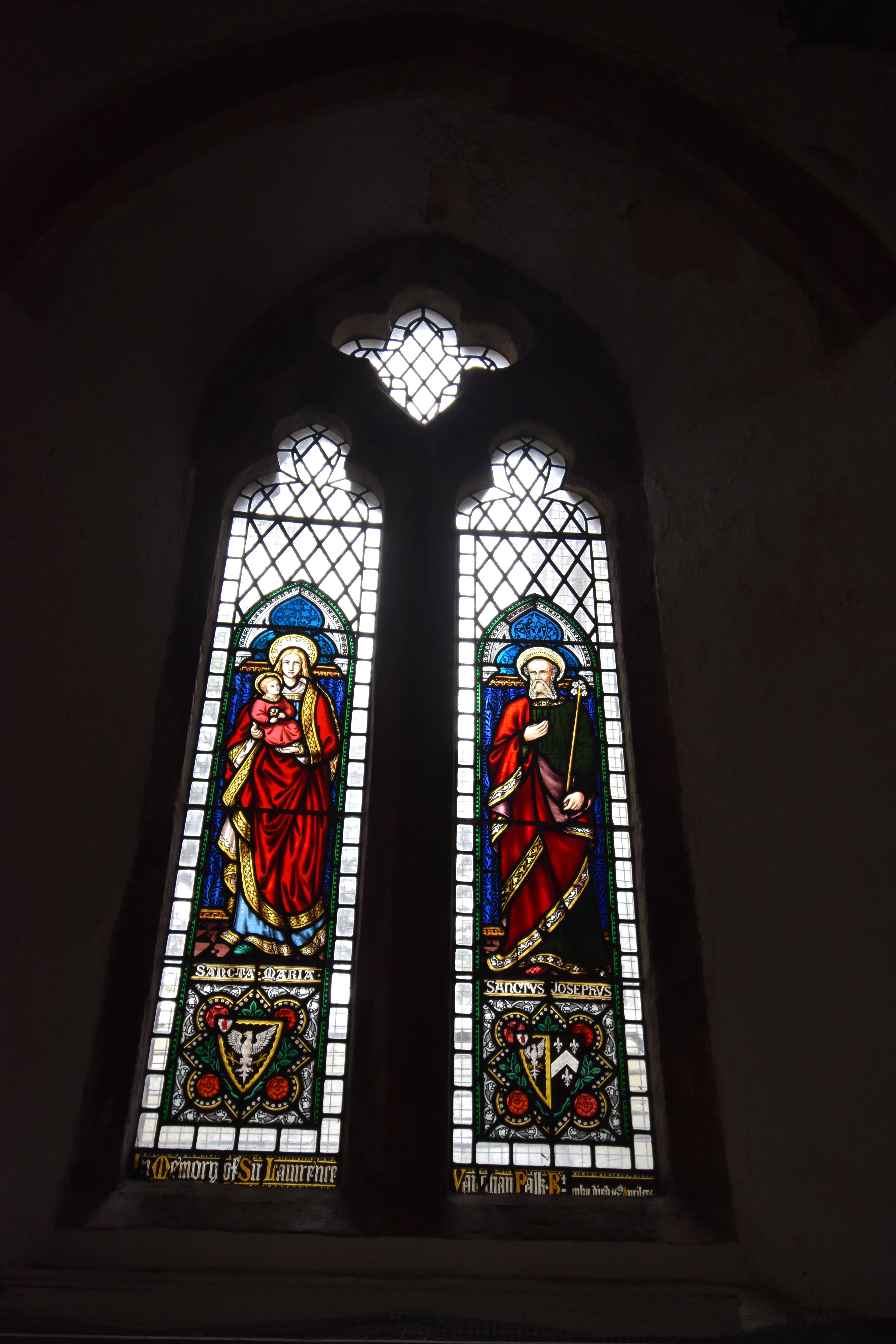
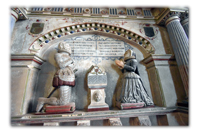
Another prominent local family is the Yarde family. As you enter on the left, we saw two fascinating memorials to two generations of the Yarde family, both with Indian connections. The top one explains that Major Henry Yarde of the Honourable East India Company died in 1842 and his wife in 1870. The bottom one explains that Lieutenant Colonel Walter George Yarde of the 3rd Madras Light Infantry died at Cannanore in 1857. There is a chance that the Yardes were in India thanks to another family connected to the church: that of the Palk family. Sir Lawrence Vaughan Palk has a stained‑glass window dedicated to him in the chancel. His grandfather, Robert Palk, was one of the first big Nabobs who came back from working with Clive of India with a fortune and set about building the enormous Haldon Hall, modelled on Buckingham Palace, the remains of which we visited not that long ago. The Palks and Yardes certainly corresponded, and perhaps they were convinced to go out to find their own fortunes. It may also have helped that his uncle‑in‑law was from the Sullivan family. Lawrence Sullivan was chairman of the East India Company and a good friend and supporter of the Governor Warren Hastings. Sadly, both generations of Yardes commemorated here seem to have found illness and death, which was the other by‑product of life in the tropics. Major Henry Yarde was invalided in 1818 before retiring fully in 1826. It appears that his son may have died of disease in Madras. He had already lost his first wife at the tender age of just 39. He was at least spared being swept up in the events of the Mutiny swirling around at the time of his death, but at 50 he was a relatively young man. Being in the tropics, he was buried the day after he died in Cannanore. This memorial was the family’s way of remembering him. Serving in the Empire could indeed bring some a great fortune, but it was more likely to bring shattered health at best or possibly an early grave.
|
|
|
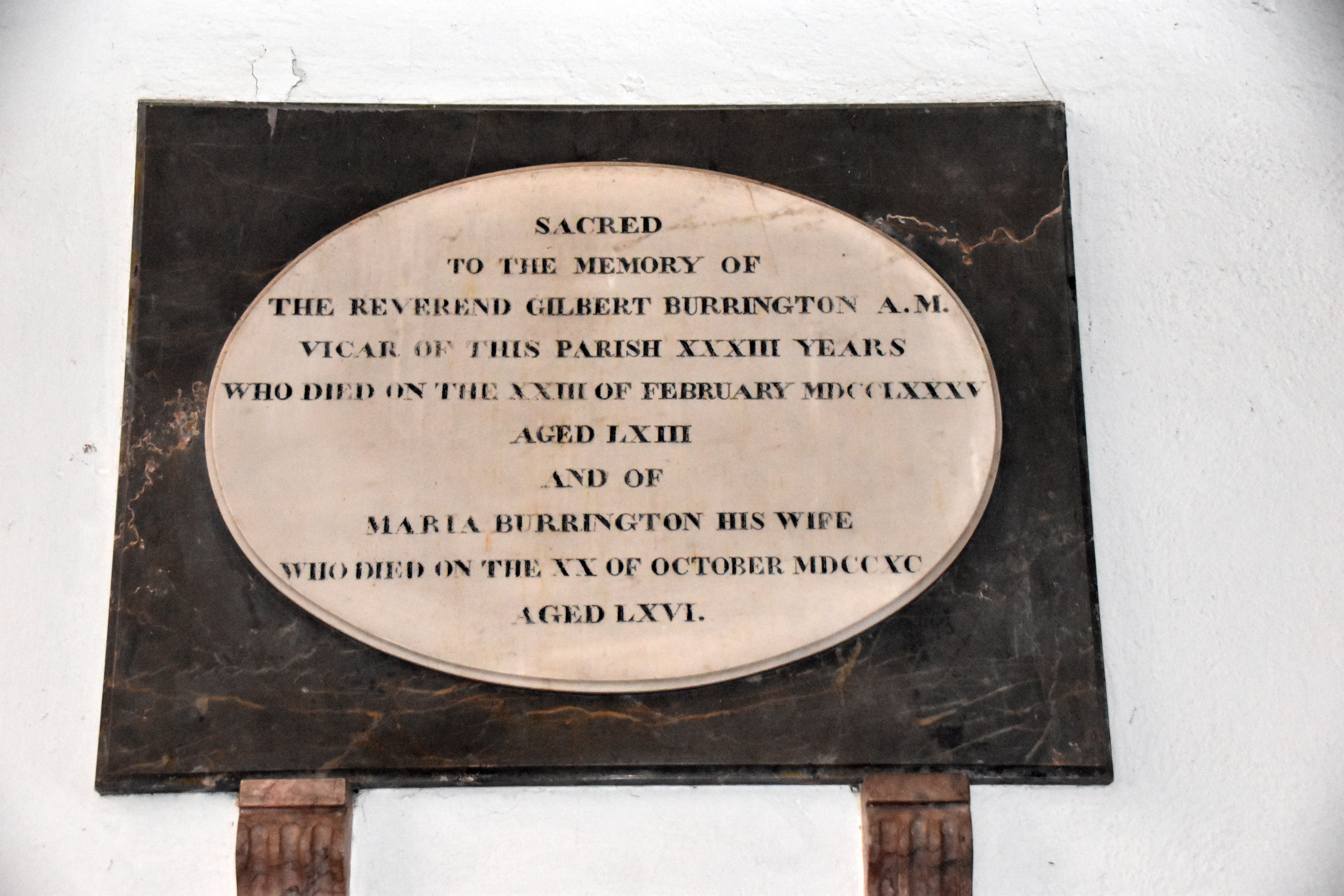
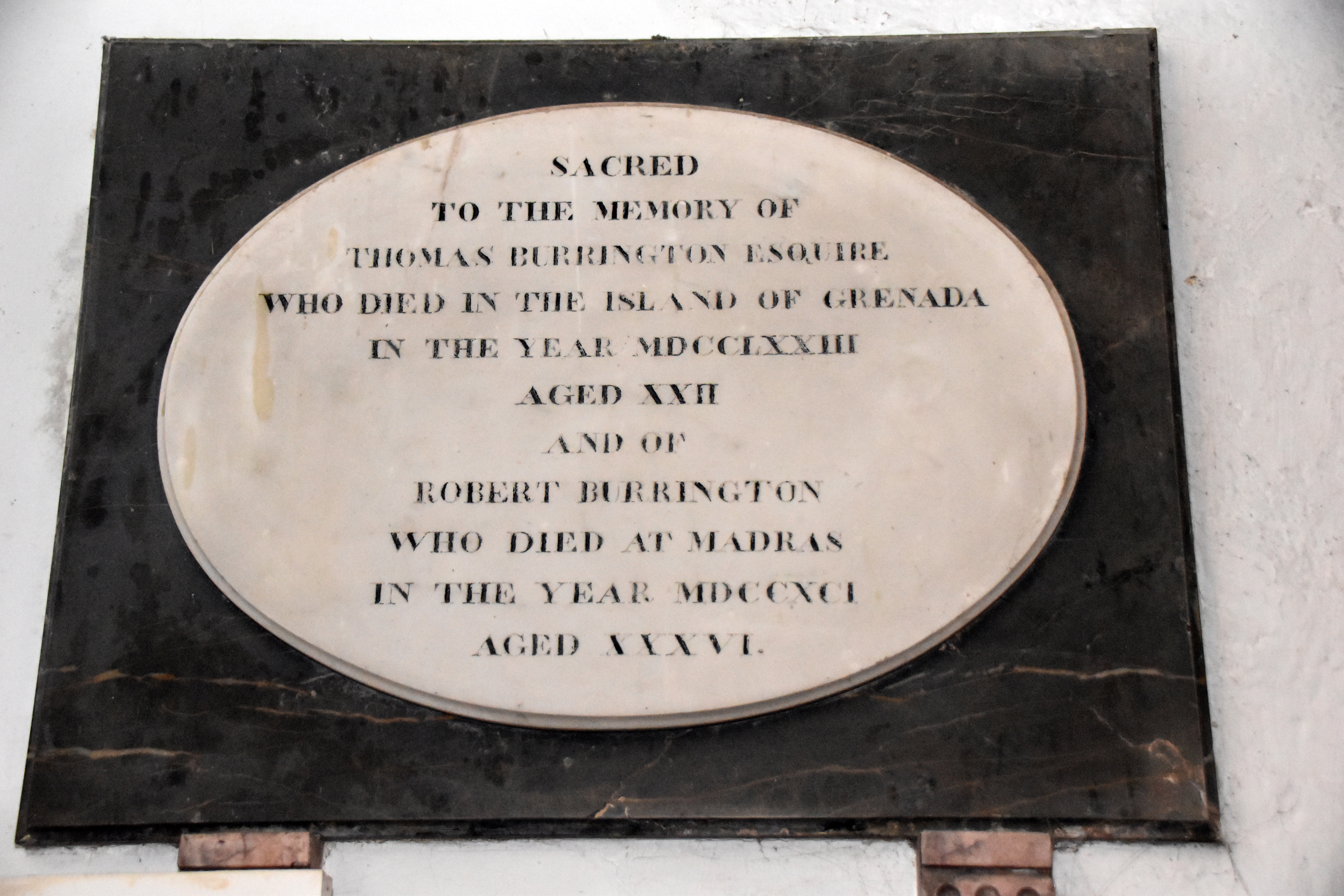
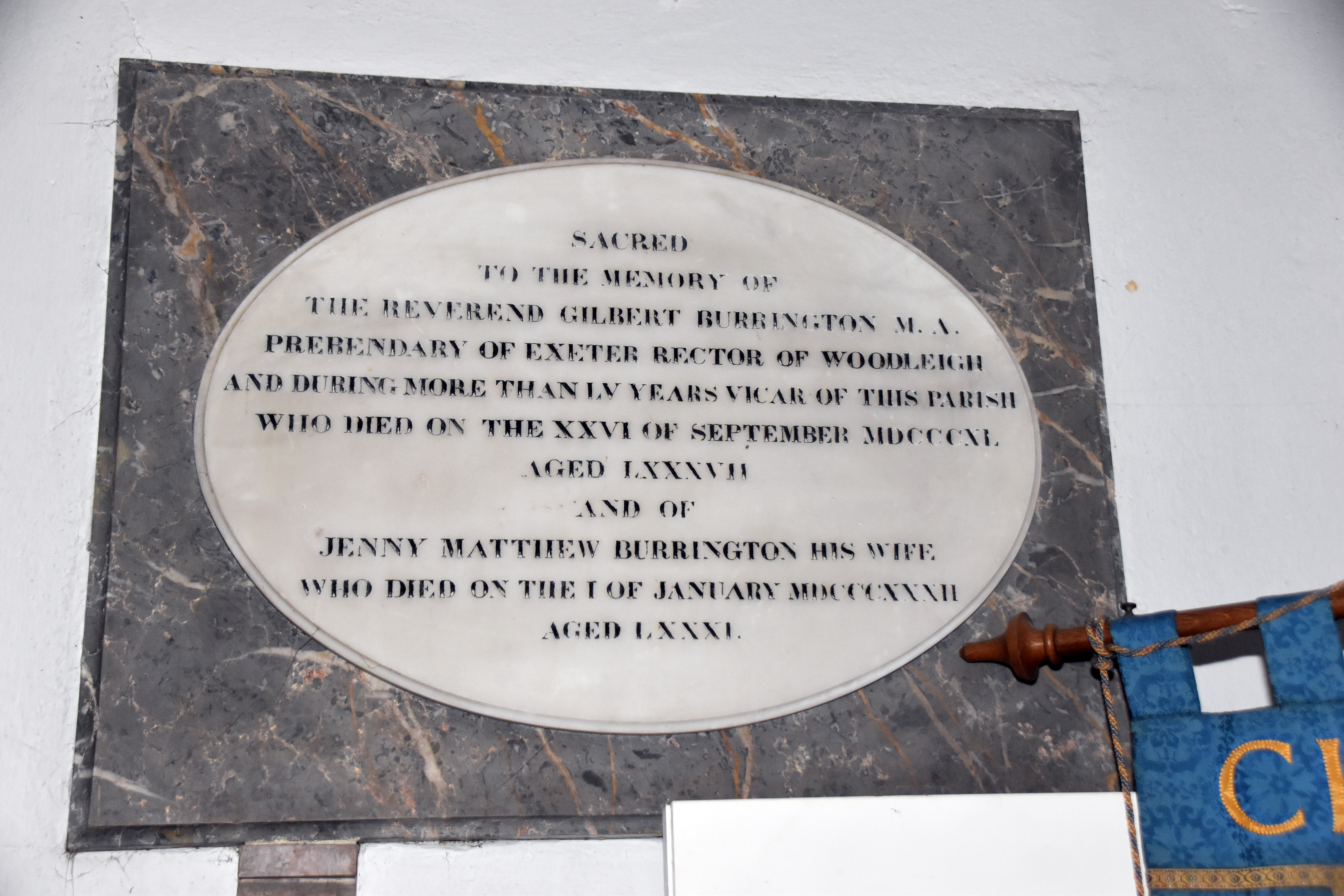
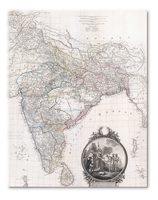
Another interesting local family is that of the Burringtons, who provided a few of the vicars to this church and others who similarly died far from home, including yet another in Madras—in this case Robert Burrington in 1791. There seems to be a real cluster of Madras links to Chudleigh! And Thomas Burrington, who died in Grenada in the Caribbean in 1773. But even more interesting is that of Reverend Gilbert Burrington (the senior—there are two remembered here). Gilbert was vicar of this church for 33 years, but in that time he took pity on a young child whose father was killed in the War of the Austrian Succession. His mother could not cope, so Gilbert raised him as his own. James Rennell joined the Royal Navy just as the Seven Years’ War broke out and served all over the world. In India he was transferred to the East India Company’s Navy. He would later become the hydrographer to Alexander Dalrymple, who undertook some of the most important voyages of exploration of the 18th century and indeed was the Royal Society’s preferred candidate over Captain Cook to observe the transit of Venus in 1769, but was over‑ruled by the Admiralty. James continued his mapping work along the coastline and then into the rivers of India, being the first person to formally chart the Ganges, seeing how navigable it was to ships but then coming up against the formidable barrier of what he called the Tartarian mountains, but we know better as the Himalayas. This was a dangerous line of work, and at least on one occasion he came close to being killed by hostile locals. Clive of India was so impressed with his work that he created for him the post of Surveyor‑General of the East India Company. Rennell would send much of his considerable salary back to the Burrington family and their children in gratitude for all they had done for him. He surveyed the Calcutta–Bombay road across the subcontinent. Nearly all the early maps of the East India Company are thanks to his work.
|
|
|
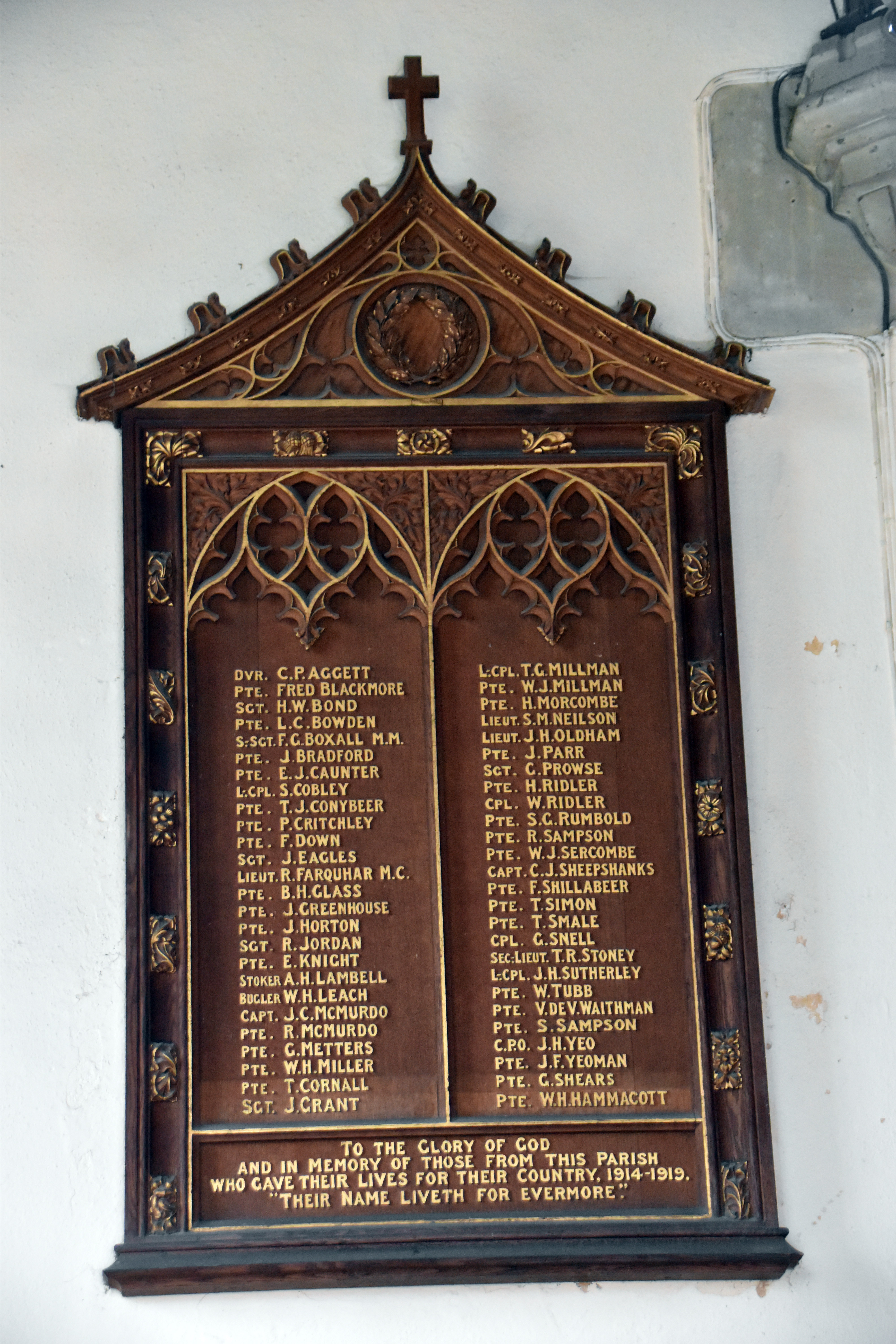
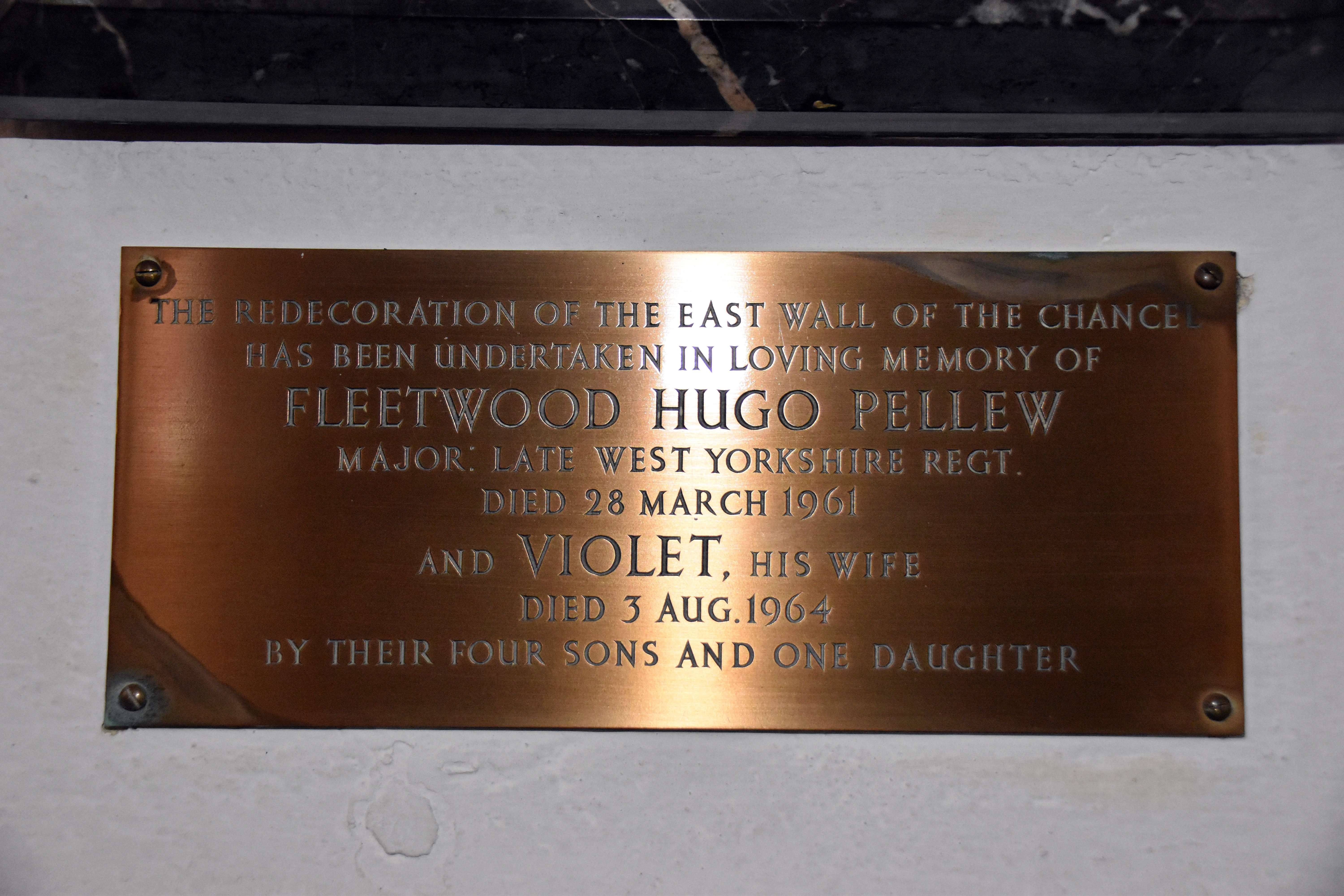
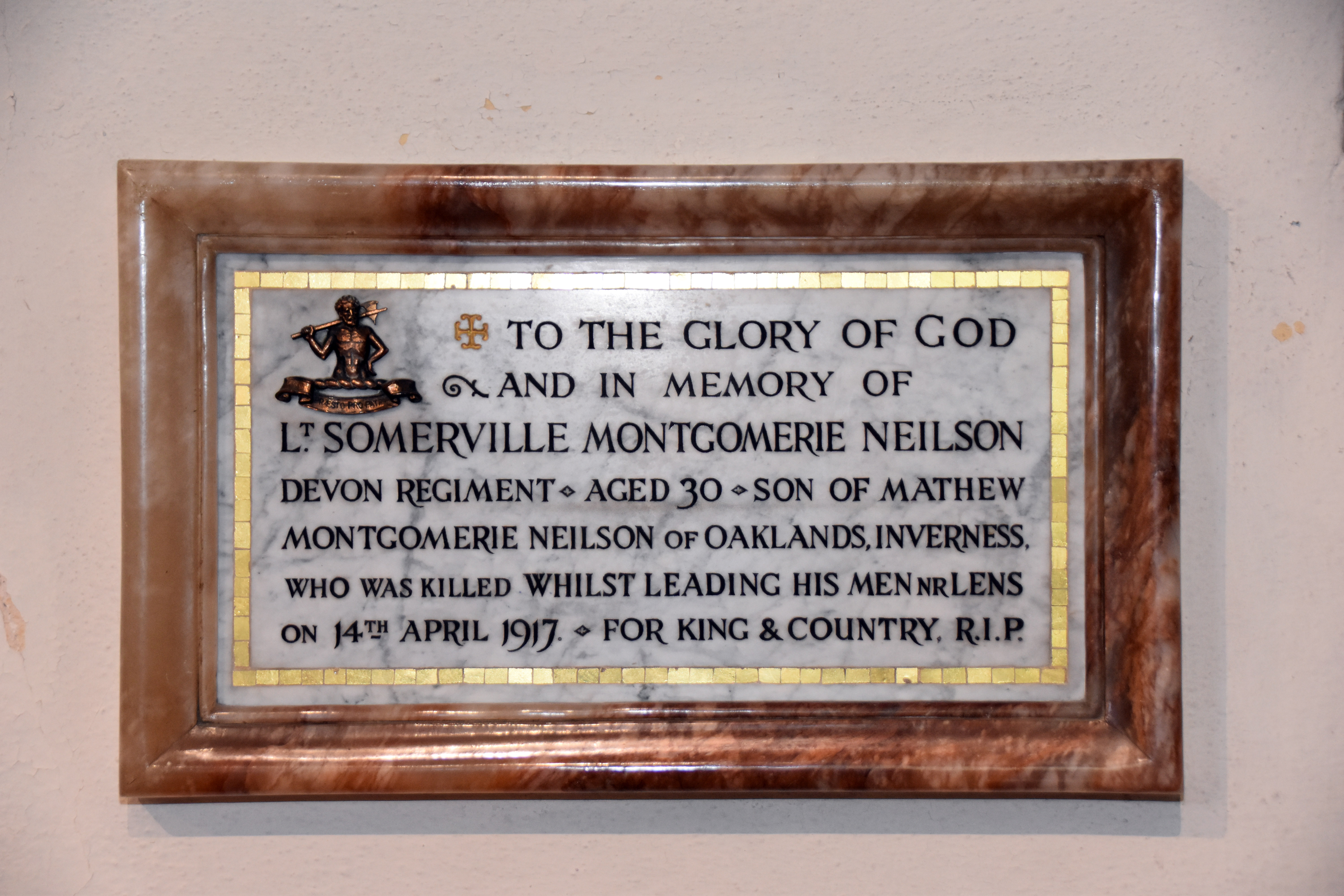
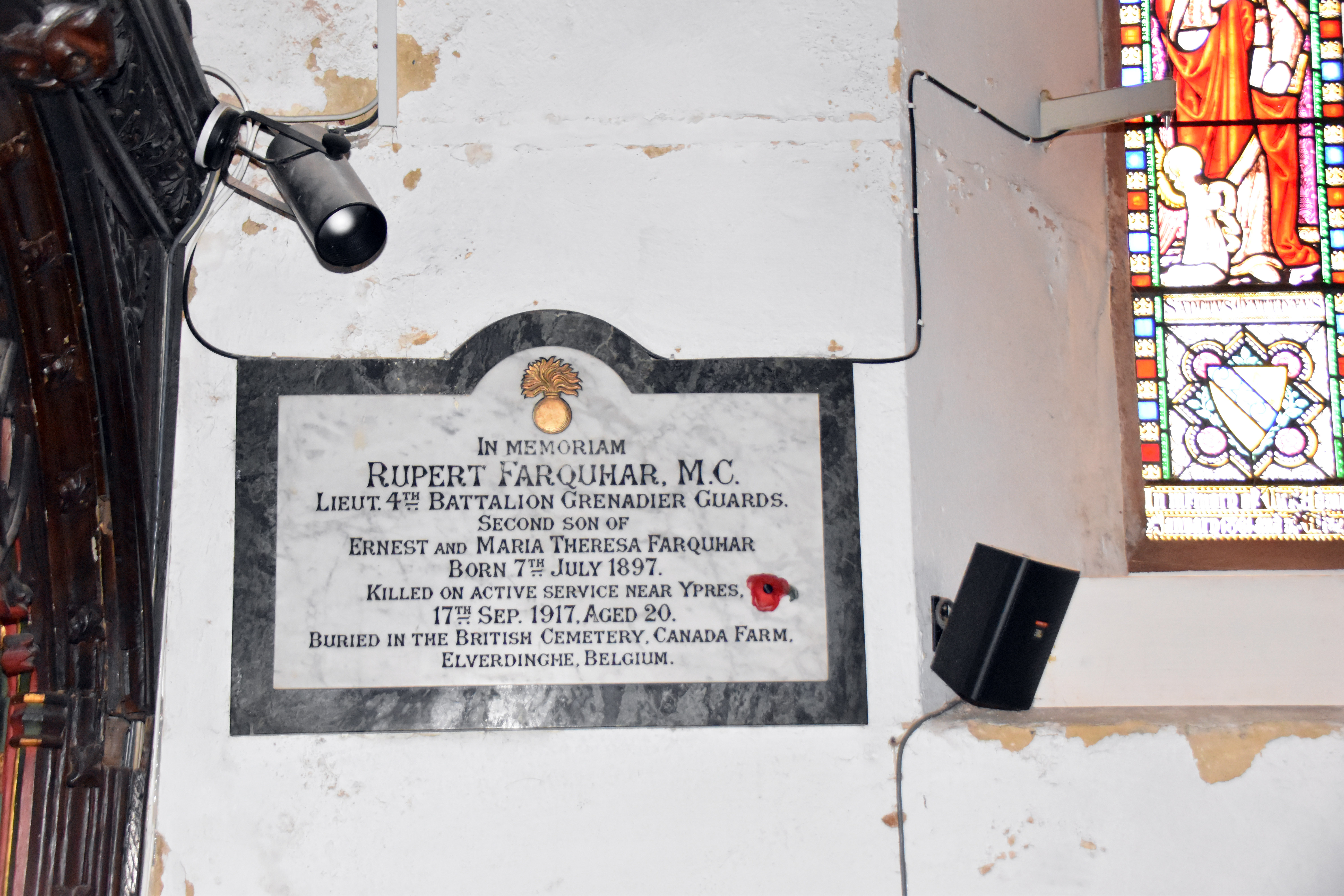
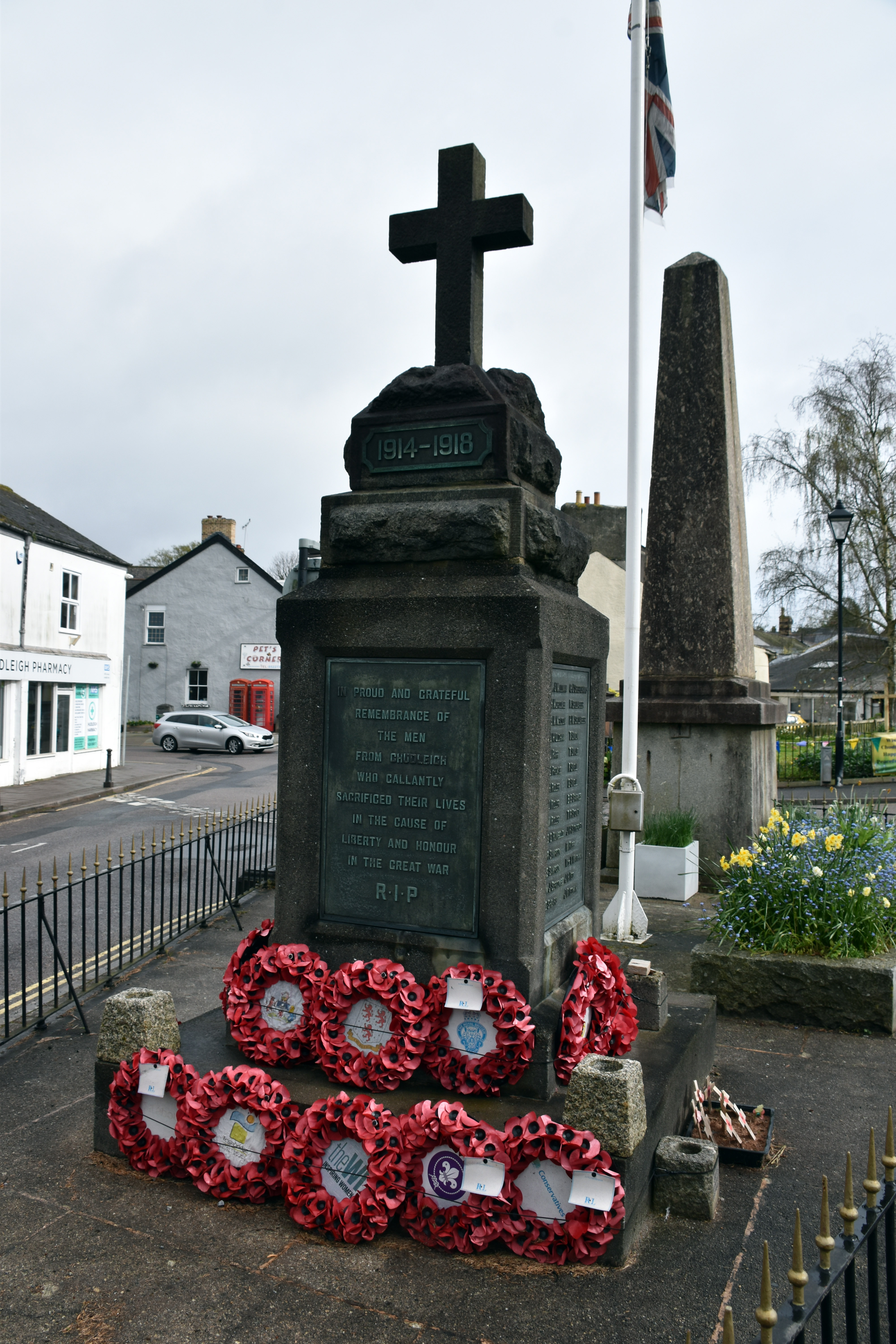
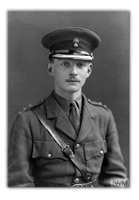
Rupert was definitely drawn to the plaque commemorating the life of Rupert Farquhar of the Grenadier Guards. He had won the Military Cross in 1916 “For conspicuous gallantry during operations. He volunteered for, and successfully carried out, two hazardous reconnaissances, proceeding through a heavy barrage, and in face of rifle and machine‑gun fire. In spite of heavy casualties, he each time brought back information of great value.” Sadly, this bravery may have cost him his life in 1917 when he was killed by an artillery shell that landed in their camp. The regimental history says: “A move was made to Charterhouse Camp, where Lieutenant R. Farquhar, M.C., was killed by a shell. He was a fearless officer who had seen much fighting, and already distinguished himself; his death was a great loss to the Battalion.” This was no assault on the enemy but just an unfortunate death from the real queen of the battlefield in the First World War: artillery. I have been able to locate some photographs of Rupert in both uniform and civilian clothes. It is always nice to put a face to what can sometimes seem anonymous memorials. He is buried in the Canada Farm graveyard in Belgium close to where he fell.
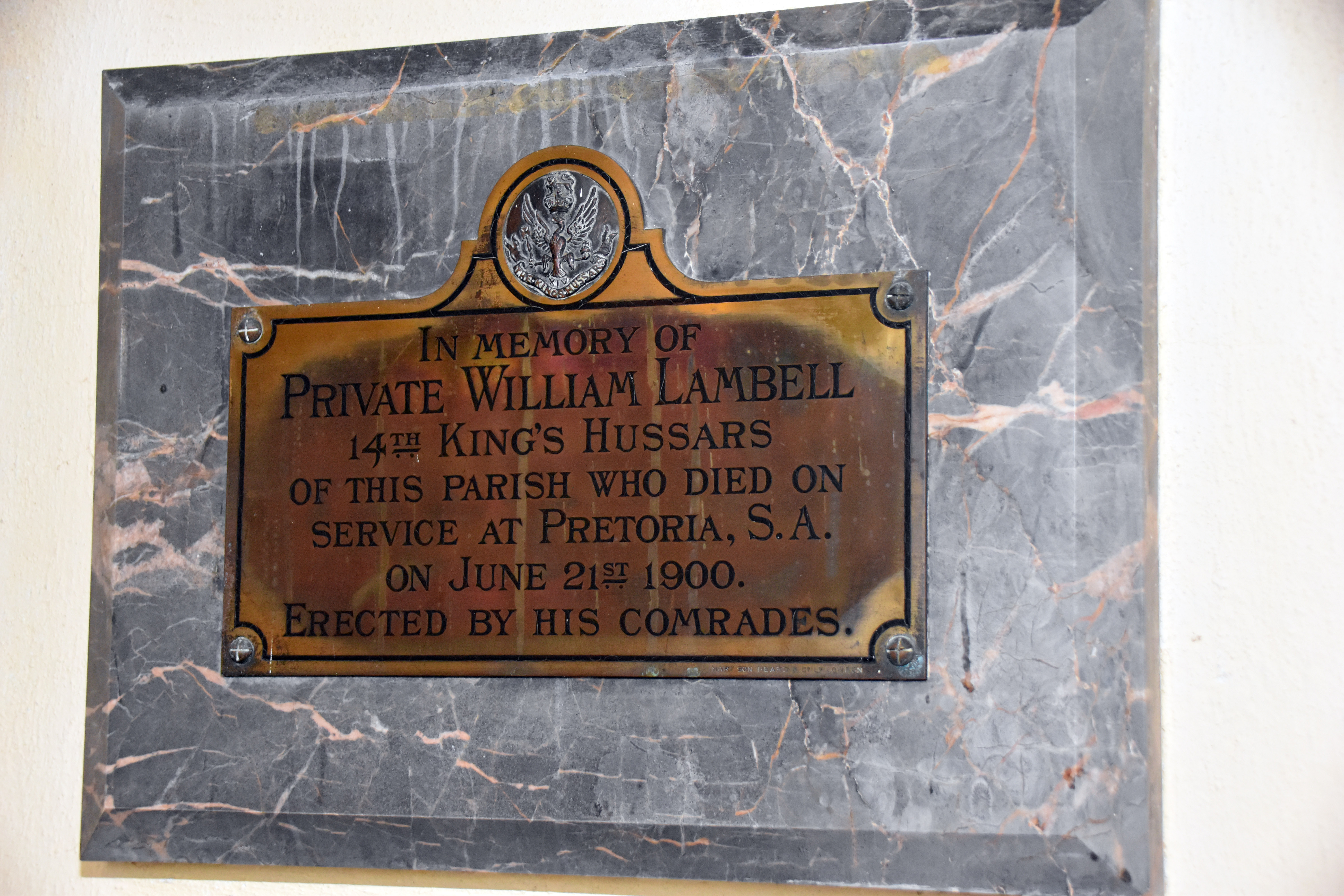
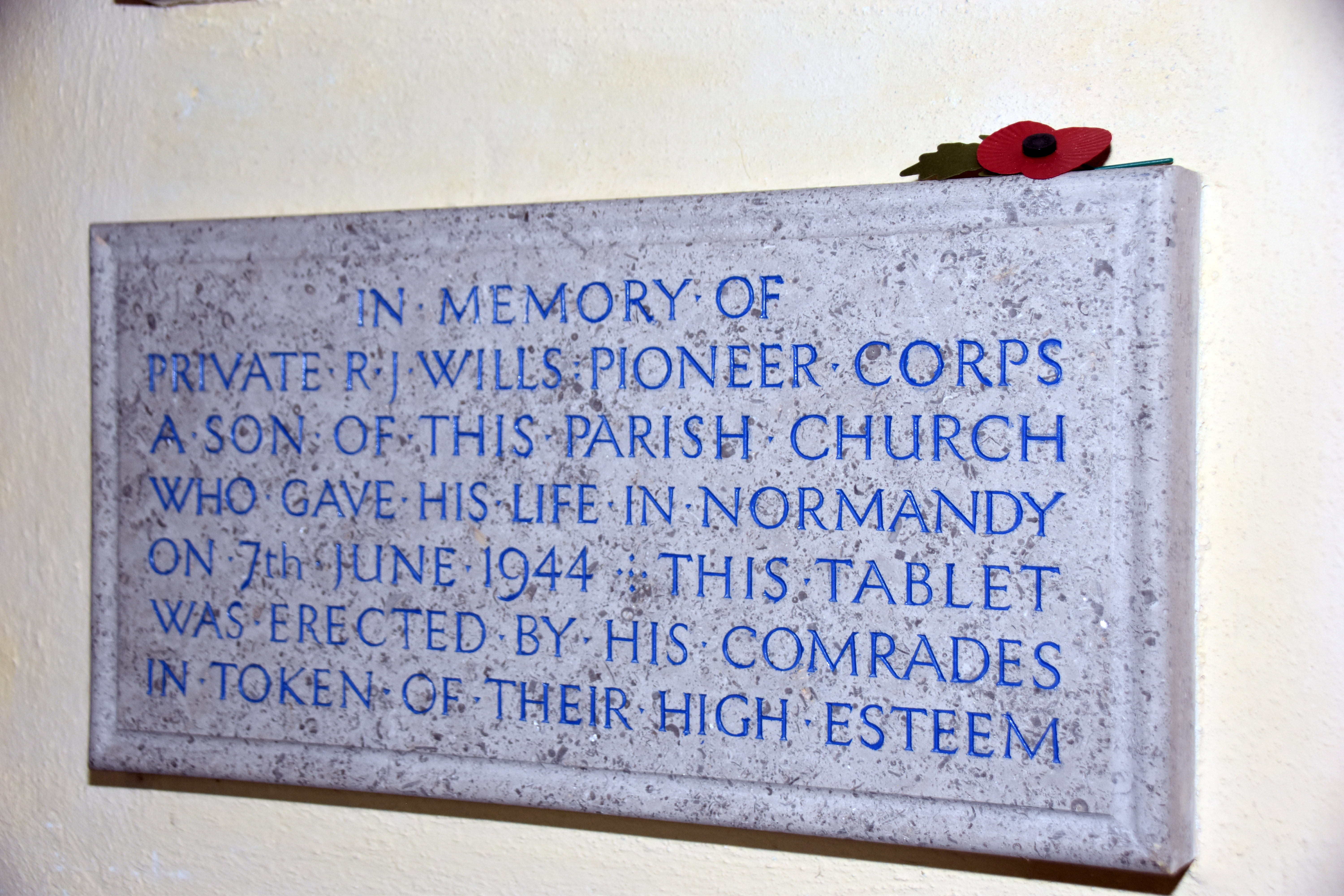
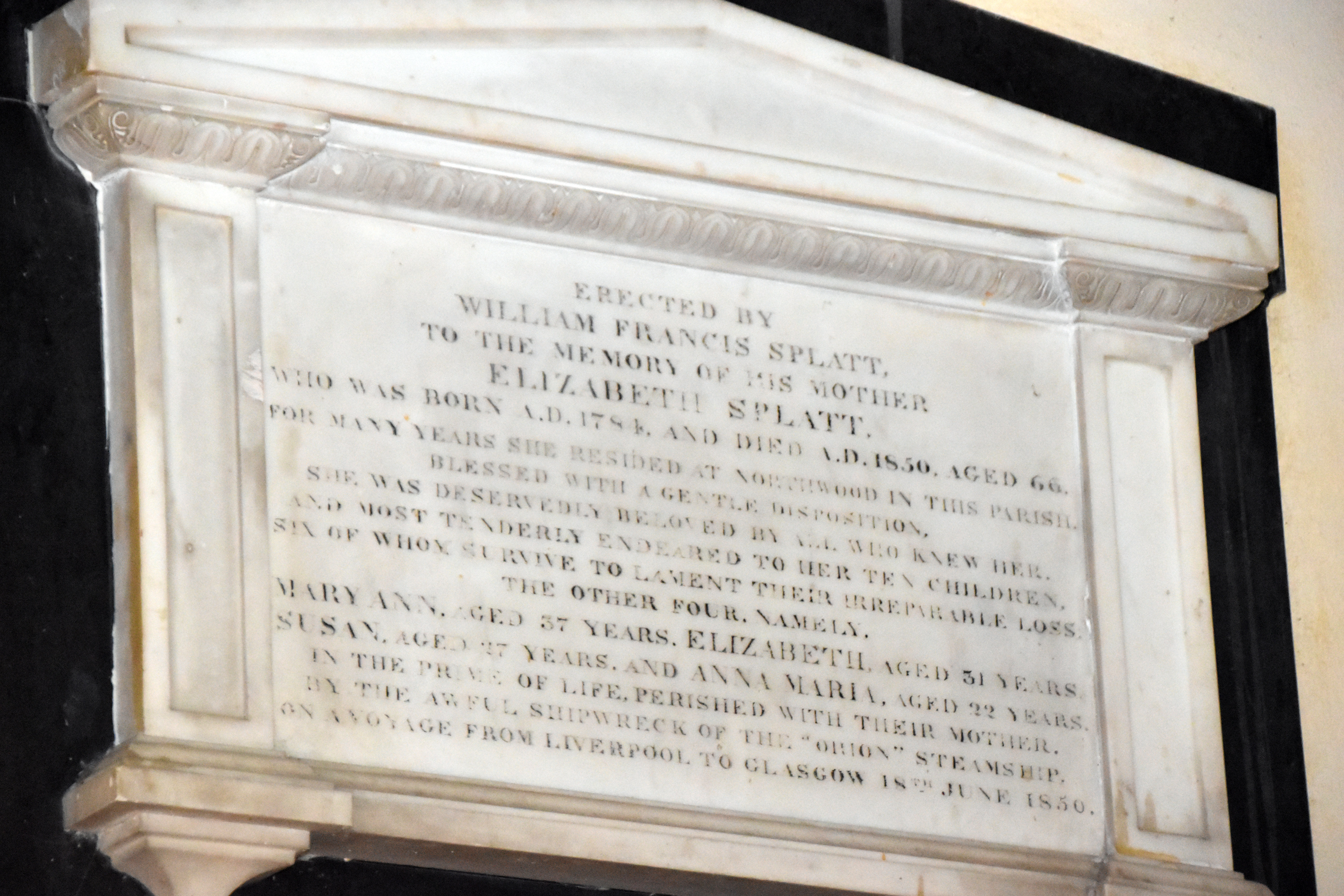
There are so many more plaques and dedications that I could tell you about, including many to those who died in the Boer War or the First World War, but one plaque that you might miss is upstairs on the balcony. This is the desperately sad story of the Splatt family, which I have already recounted in our visit to Kenton church, where the widower John Splatt is buried, recounting the sad loss in his life which is also detailed here in this church. In 1850 his wife Elizabeth and four of his daughters—Mary Ann, Elizabeth, Susan and Anna—all died together in a tragic shipwreck. They had been travelling on the Orion steamer from Liverpool to Glasgow when it hit rocks off Portpatrick in Scotland. They were all buried close to where they had died in Portpatrick, as was the case in those days. So these memorials were a way of remembering these tragedies. But one on such a scale would have made an impact on the whole local community, and someone or a group of them must have gone to some considerable expense to erect this beautiful memorial—sadly it is up high and might easily be missed. Victorians were very sentimental when it came to the deaths of women and young women in particular.
|
|
|
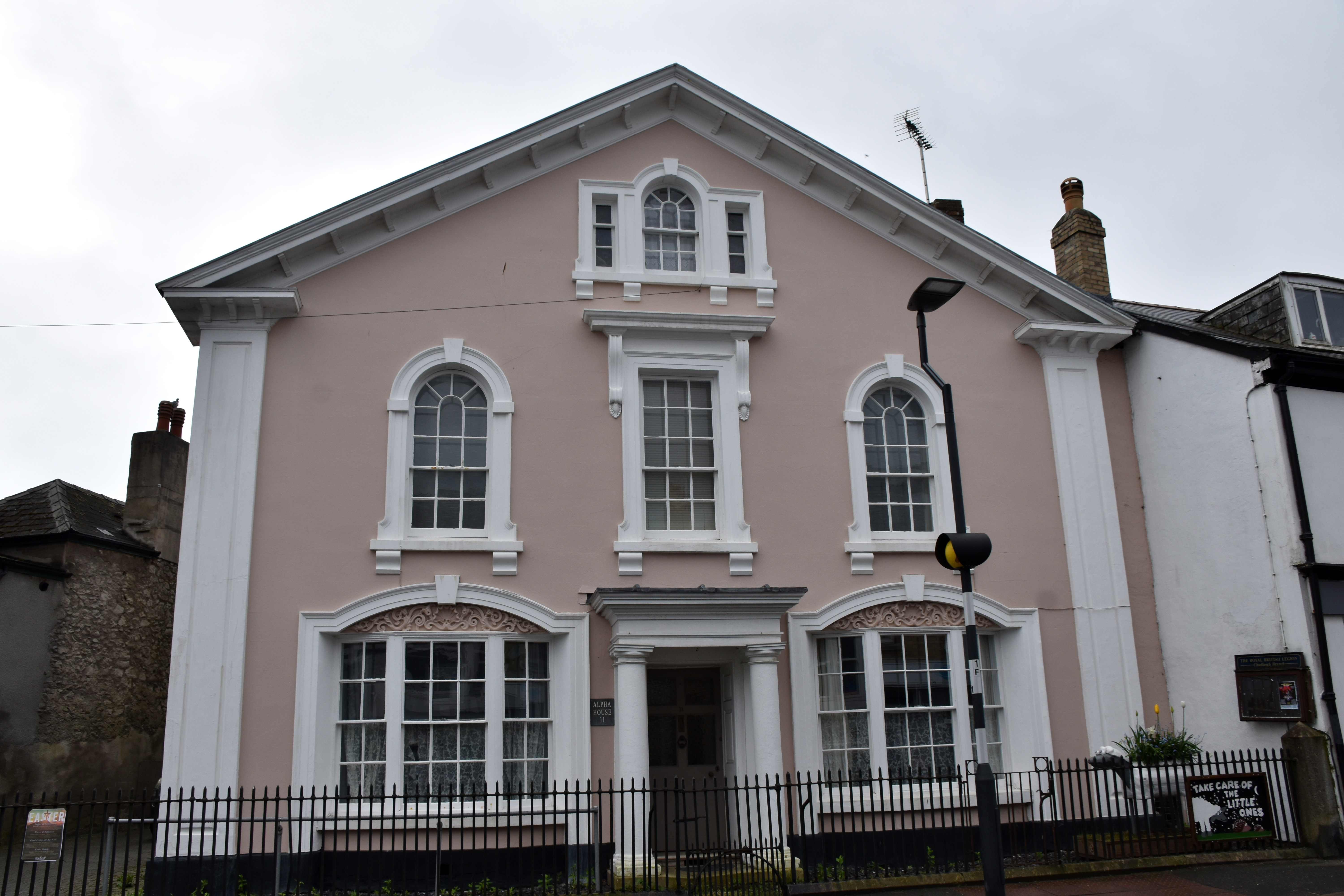
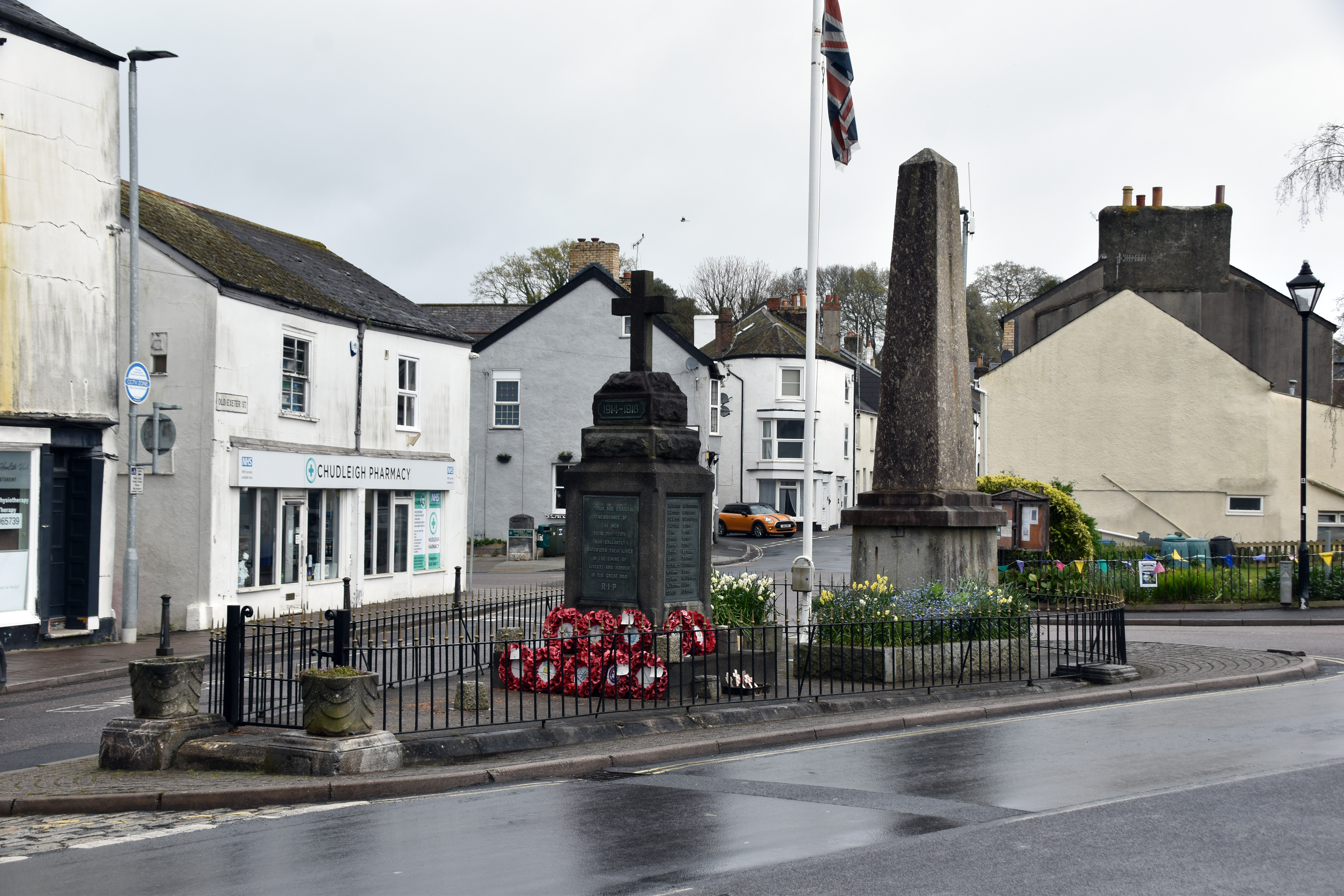
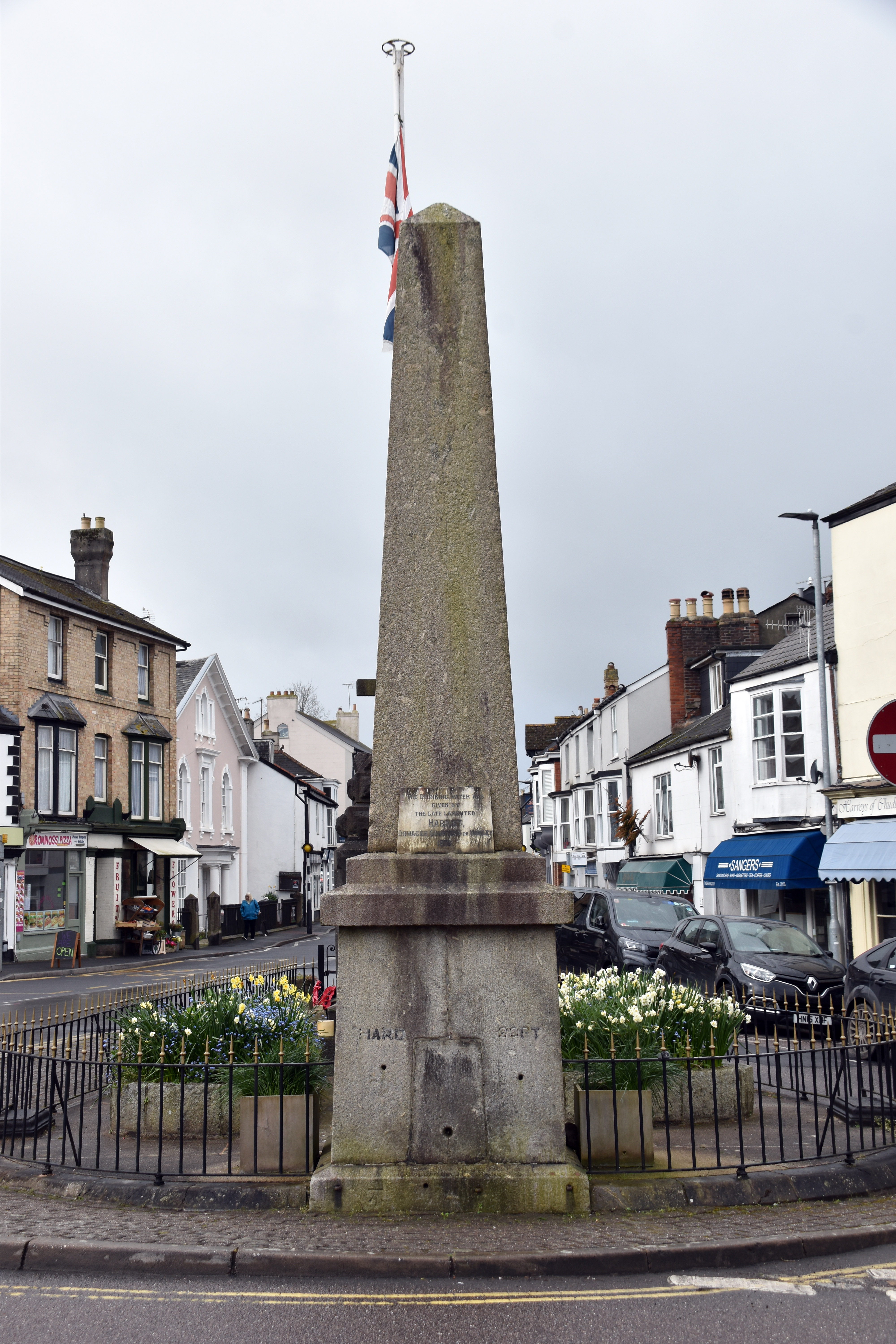
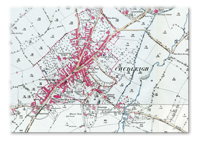
As the church was going to prepare soon for the Good Friday events, Rupert and I walked down Fore Street, passing many beautiful or interesting buildings as we went, including the impressive Alpha House where the Yarde family lived before they moved to Culver House. In the First World War it was used as a hospital for recuperating soldiers. We carried on to the obelisk with its dedication explaining its link to the Dowager Countess of Morley. Providing fresh water was seen as a very Christian thing to do, and many water fountains and pumps were donated by wealthy families wishing to serve their communities.
|
|
|
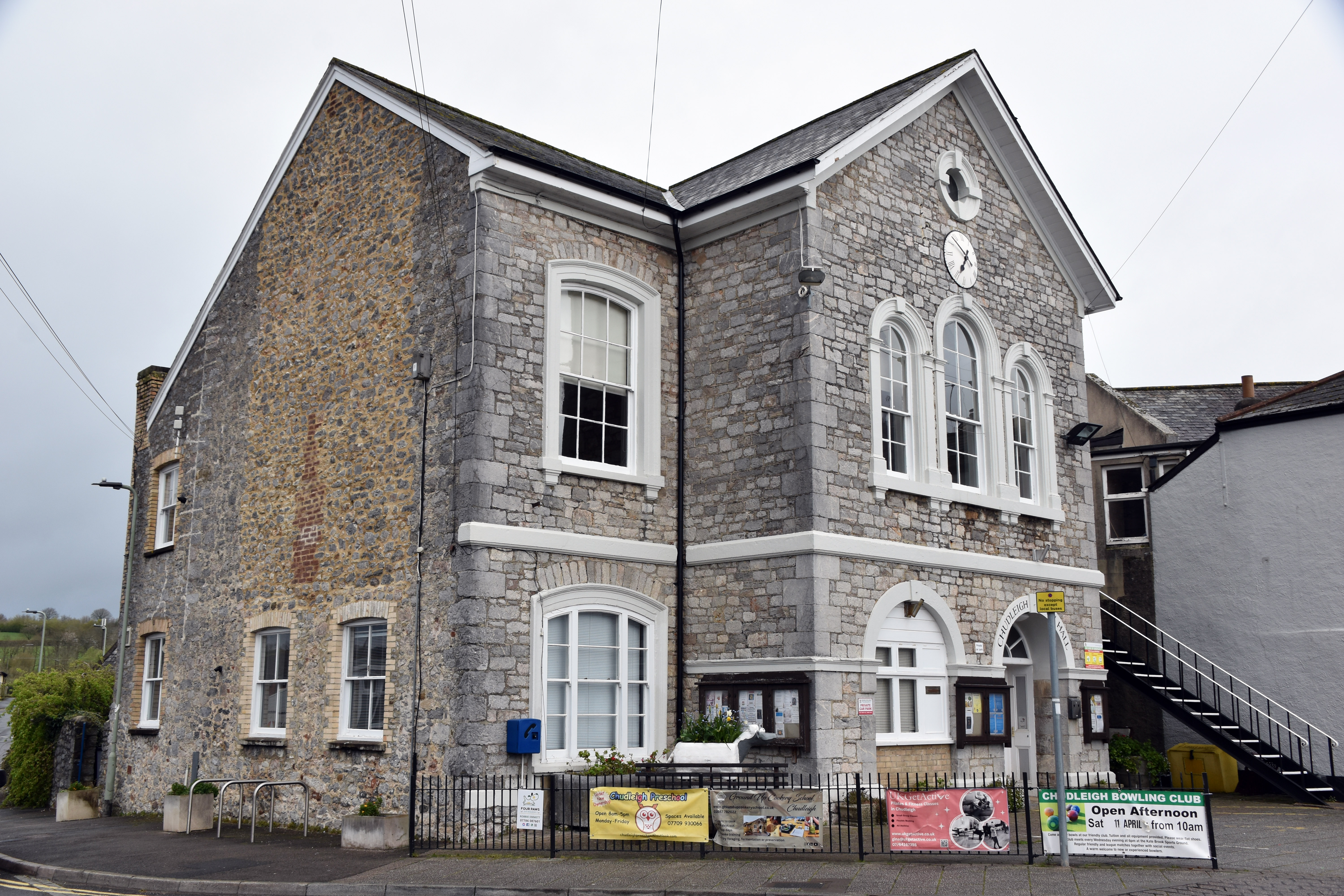
Just behind this memorial is the town hall, which used to be the location of the mansion of the Cholwich family (a family who we also met in our Farringdon walk previously). It is believed that William of Orange, when he invaded Devon on the auspiciously Protestant day of November 5th, came to Chudleigh on his way to Exeter. William had spent the night as the guest of the Courtenays at Forde House in Newton Abbot (as their Powderham Castle home had still not been rebuilt since the Civil War). He then headed to Chudleigh with his army. They were waiting for news from the Governor of Plymouth, Sir John Grenville, who had actually done so much to see James’ brother Charles II regain his throne. James had ordered Sir John Grenville to block William at Exeter, but Sir John had no intention of doing so. It is highly likely that frantic Dutch and English messengers were flying up and down the roads between Plymouth and Chudleigh, ascertaining whether this was going to be an opposed invasion or a peaceful one. With no word of an army marching from Plymouth, William could stand at the windows of the Cholwich family home and pronounce his Protestant credentials to the local population. He actually was quite good at speaking English because his mother was English and of course he was married to King James’ daughter Mary—who put her religion and her husband before her father! Oh, and William’s main general and adviser marching with him was Hans Willem Bentinck, who obviously took a shine to Devon, as soon after the throne was secured for William he would take residence in nearby Indio House in Bovey Tracey. Now why there is no blue plaque to commemorate this enormously significant event in British history is beyond me, especially as it is on the Town Hall location itself! They only need permission from themselves to put one up.
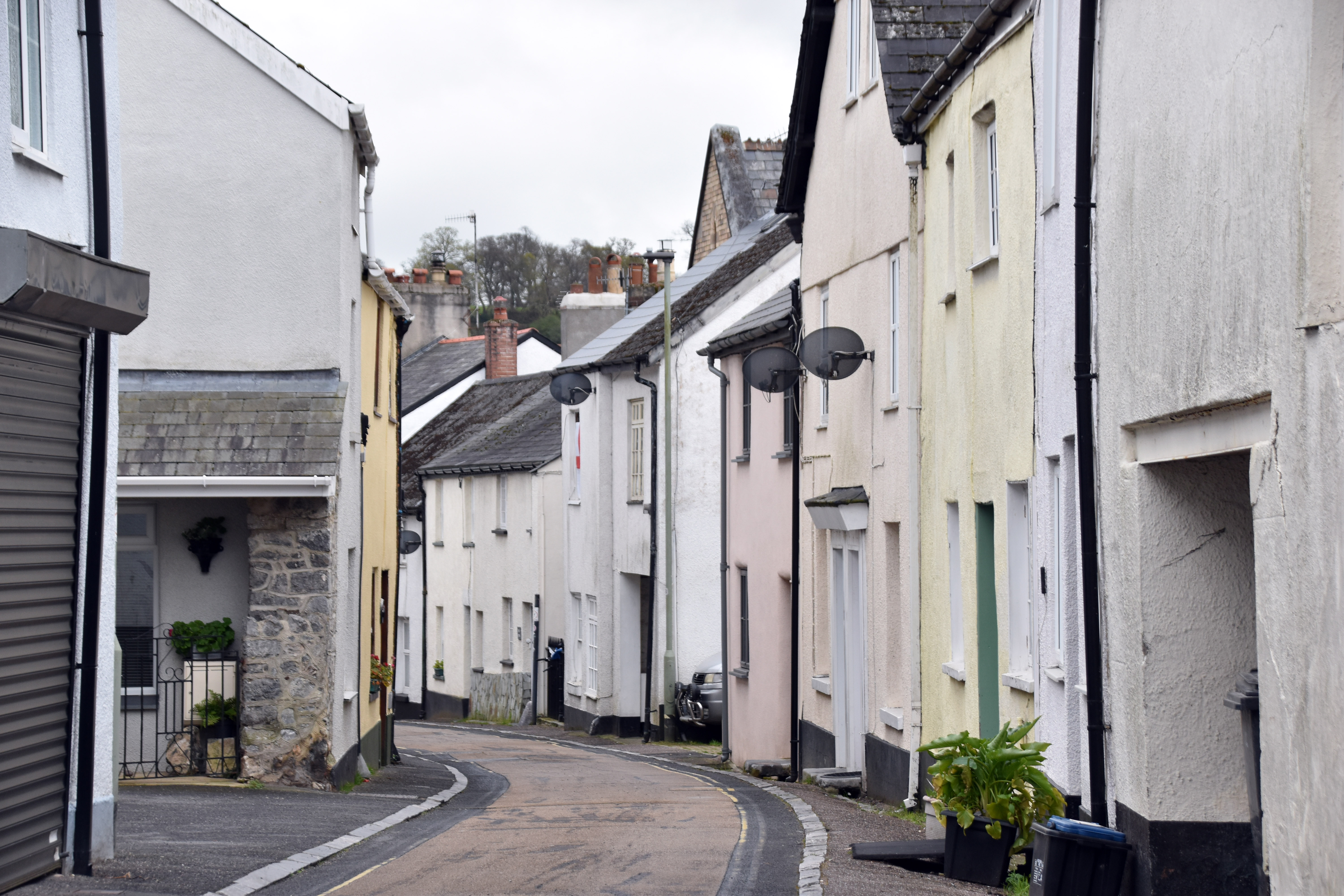
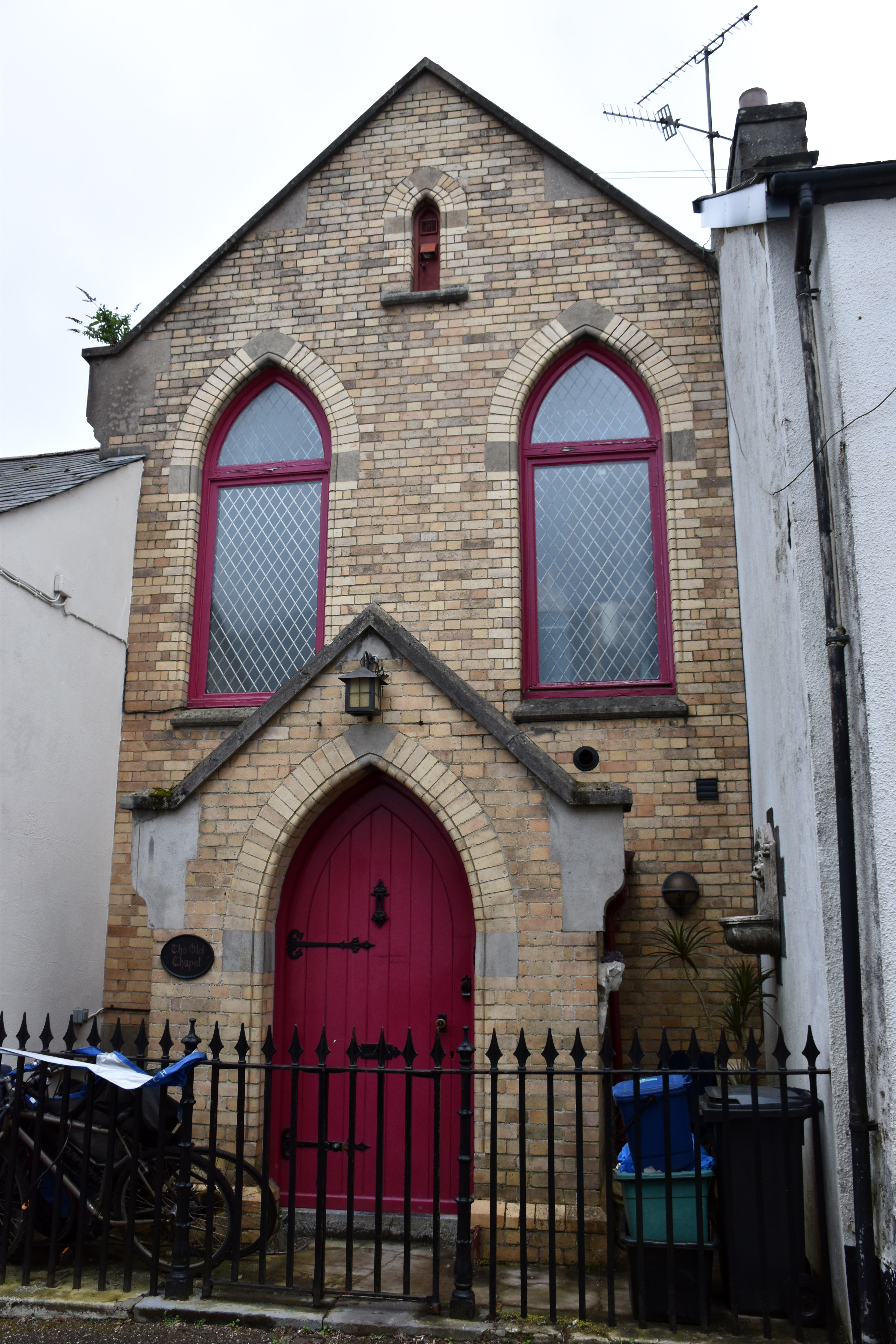
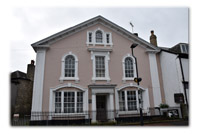
We then turned down the charming Clifford Street, which really is very pretty indeed, with quaint cottages on both sides harking back to the era before the motor car. It can take a car, but not by much! There is the cutest Methodist chapel squeezed in as you walk down the road, although sadly I don’t believe it is a place of worship anymore. As you go down the hill you pass the old Town Mill on the left with what is still a huge waterwheel on the back of the building. It is tucked away, but it is still there. Being a rural town, Chudleigh would have had an unusually large number of mills to process all the produce from the surrounding countryside. This particular one had a mill leat leading from the Brookfields Baptist church, but then at the foot of this mill is a new mill leat which was used to power Parkway Mill. Interestingly, both leats were improved by Napoleonic prisoners of war, as you have to keep those Frenchies busy!
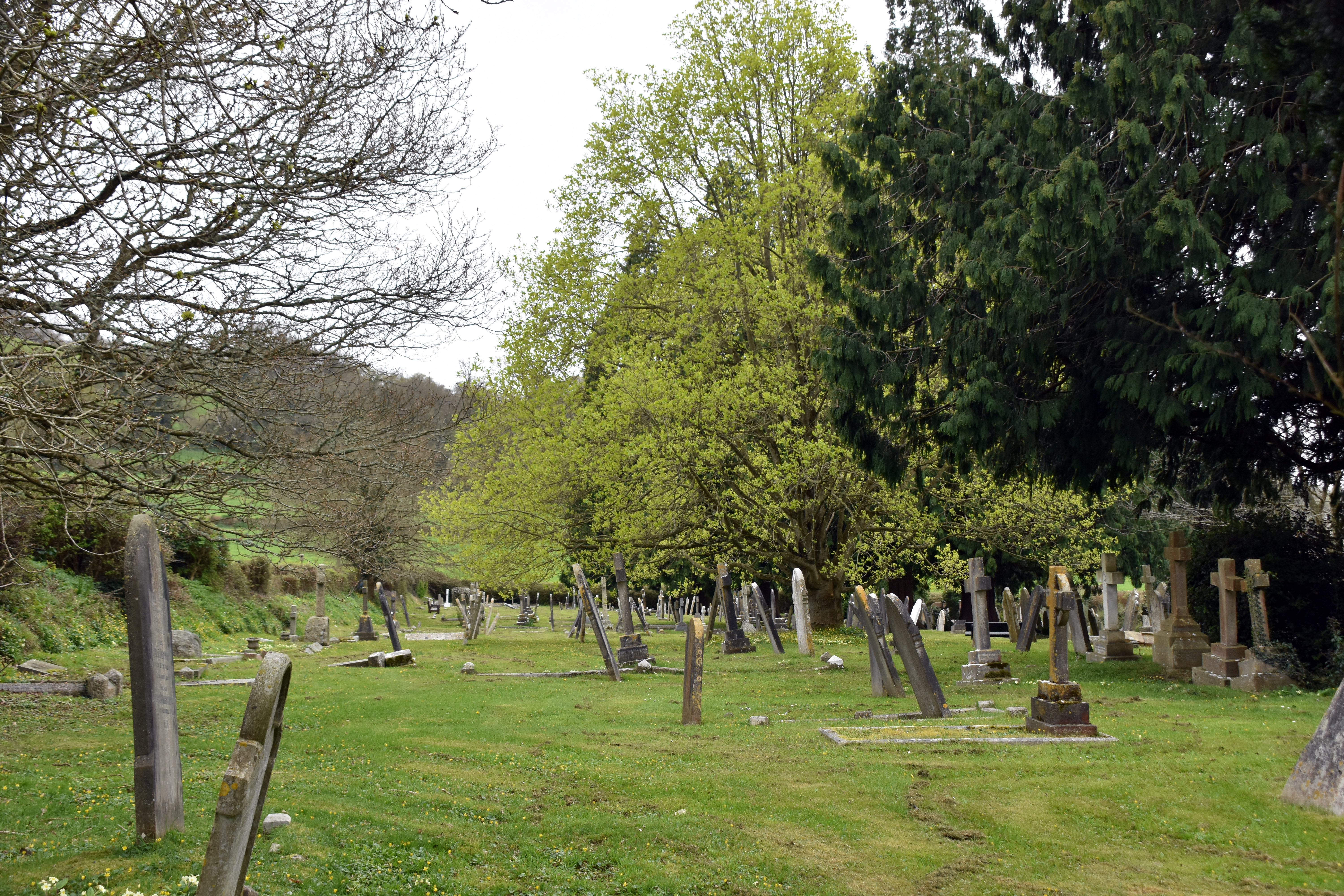
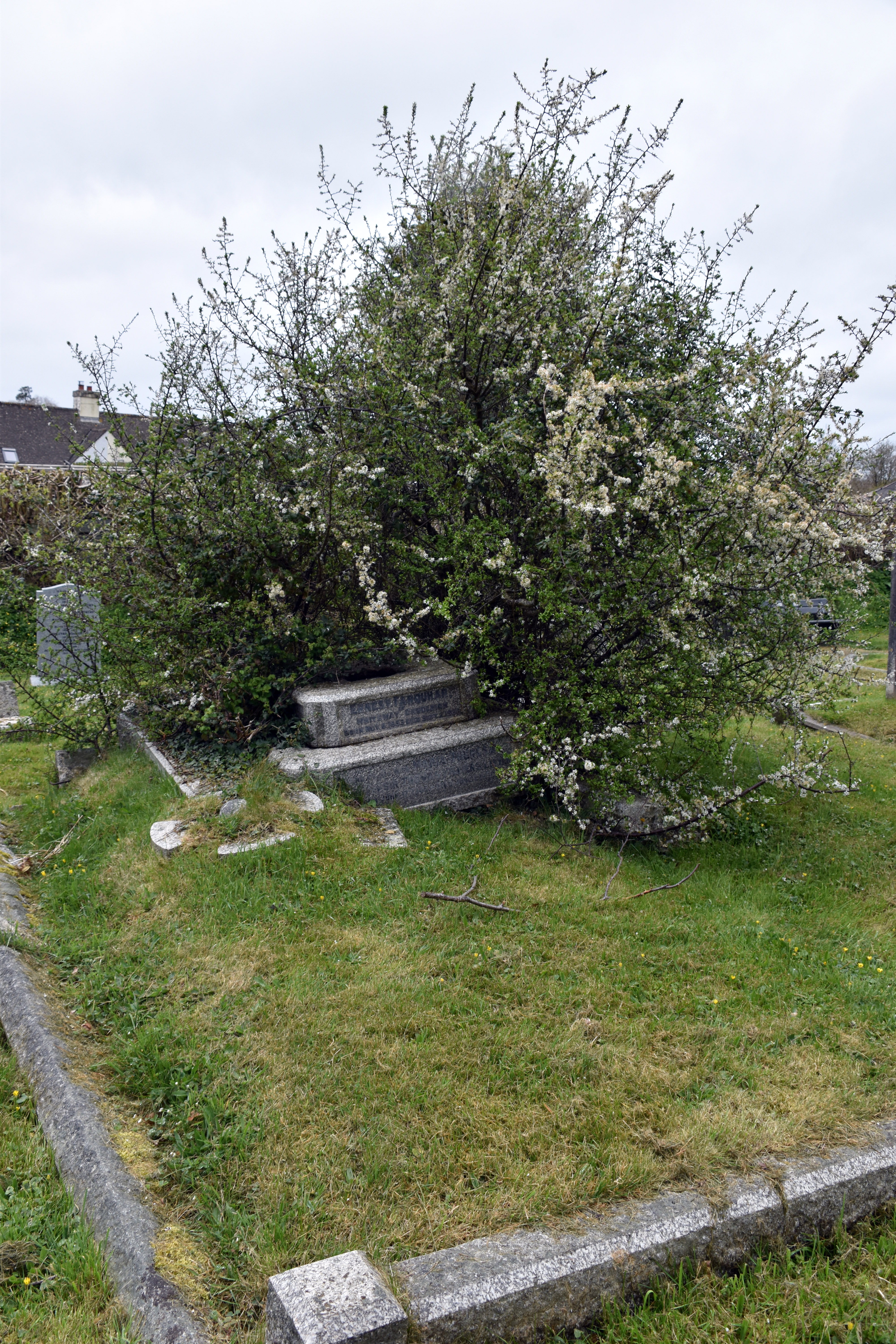
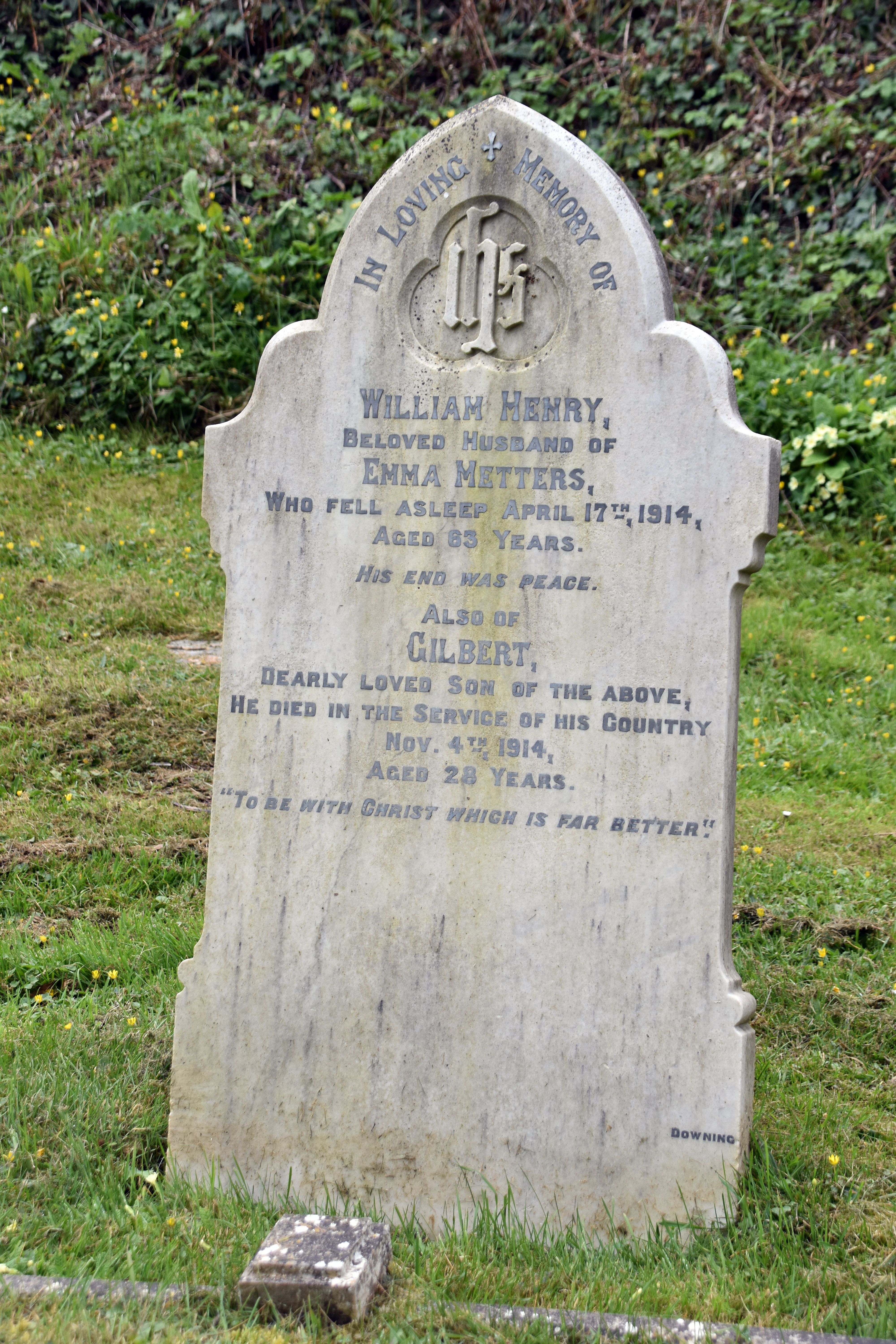
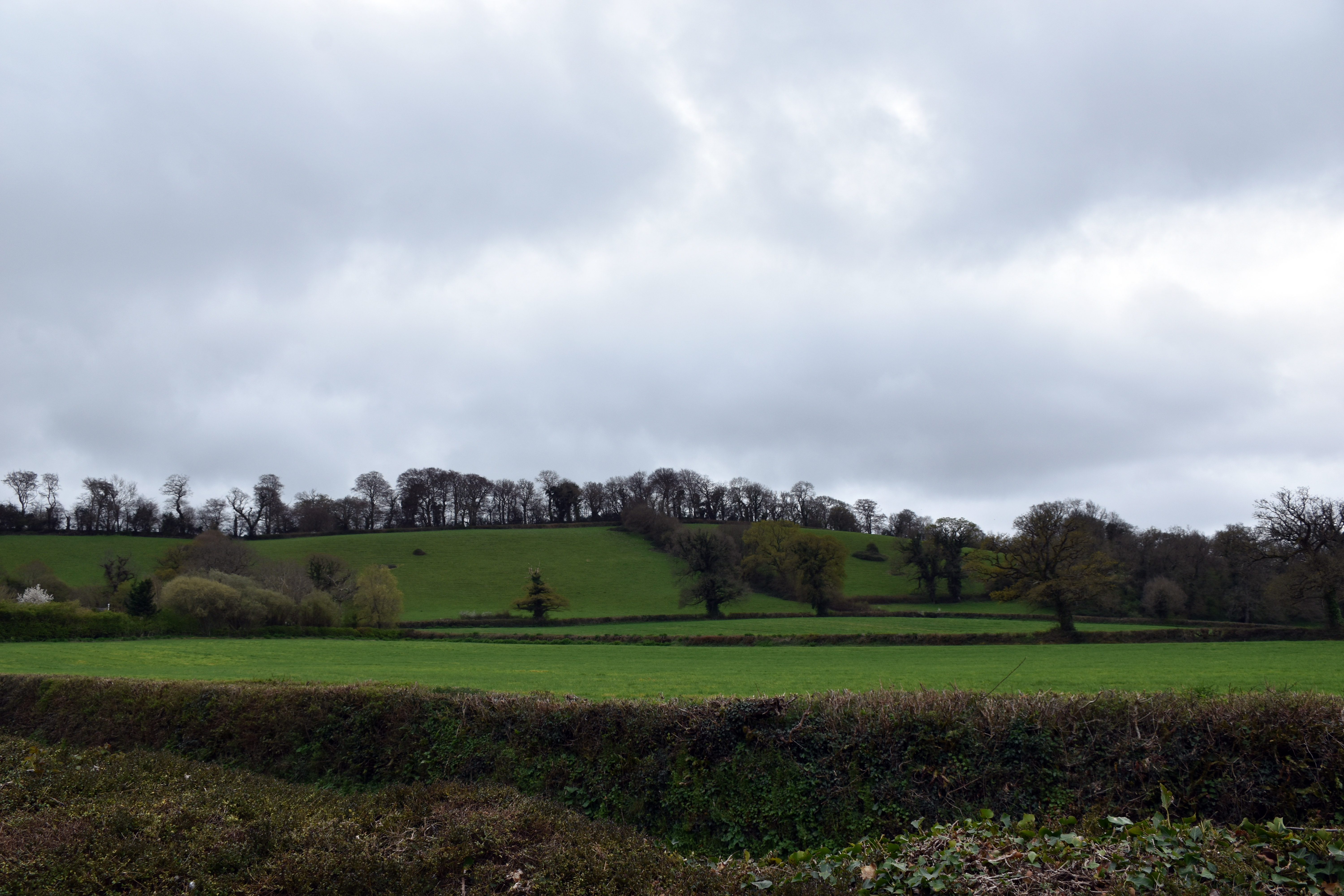
If you keep going, you eventually come to the cemetery on the left. As mentioned above, it is another one of those Victorian overspill cemeteries trying to move the dead further away from the centres of towns and out of packed church graveyards. What is interesting about this one is that it is still in a rural setting—suburbia has failed to completely absorb it. It has come close, but from the cemetery you have some lovely rural views up to the old Iron Age Castle Dyke hillfort. Just behind that but out of sight is Ugbrooke House, the home of the Clifford family, who indeed provided the land for this particular cemetery in the 1870s.
|
|
|
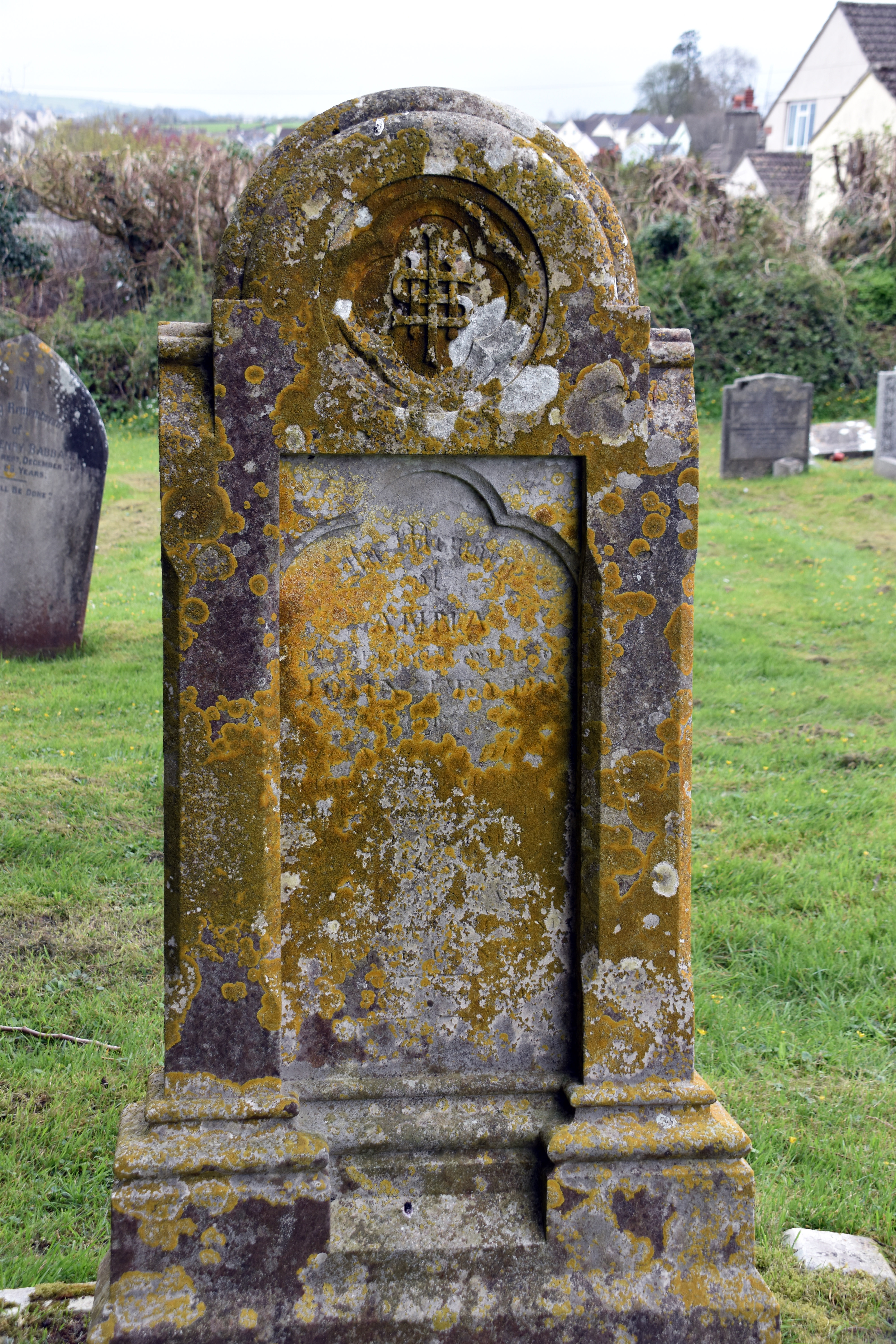
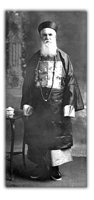
The very first grave interred was for a fascinating‑sounding lady called Anna Fryer. It is suitably close to the entrance, but other than her name Anna it is difficult to discern the rest of the dedication, which reveals a startling overseas connection. It reads: “In Memory of Anna, the Beloved Wife of John Fryer of Shanghai China, who Entered Into Her Rest on the 20th October 1879, aged 41 Years. After a Long and Severe Illness Her End Was Peace.” Apparently she married John Fryer in the chapel of the British Consulate at Peking in November 1864. Her husband was teaching at an interpreter’s school. But just think about that date for a minute. 1860s China had recently finished its second war with Britain and was in the midst of the Taiping Rebellion, widely regarded as the most violent civil war in history. Charles Gordon of Khartoum fame was known at the time as Chinese Gordon due to his service fighting the Taiping rebels on behalf of the Chinese Emperor. He only returned to England in 1865 to a hero’s welcome. I wonder if the Fryers’ and Gordon’s paths crossed at all? He and Anna set up the Anglo‑Chinese School in Shanghai. John was a remarkable linguist who translated over 75 books into Chinese and also was the editor of a Chinese‑language newspaper.
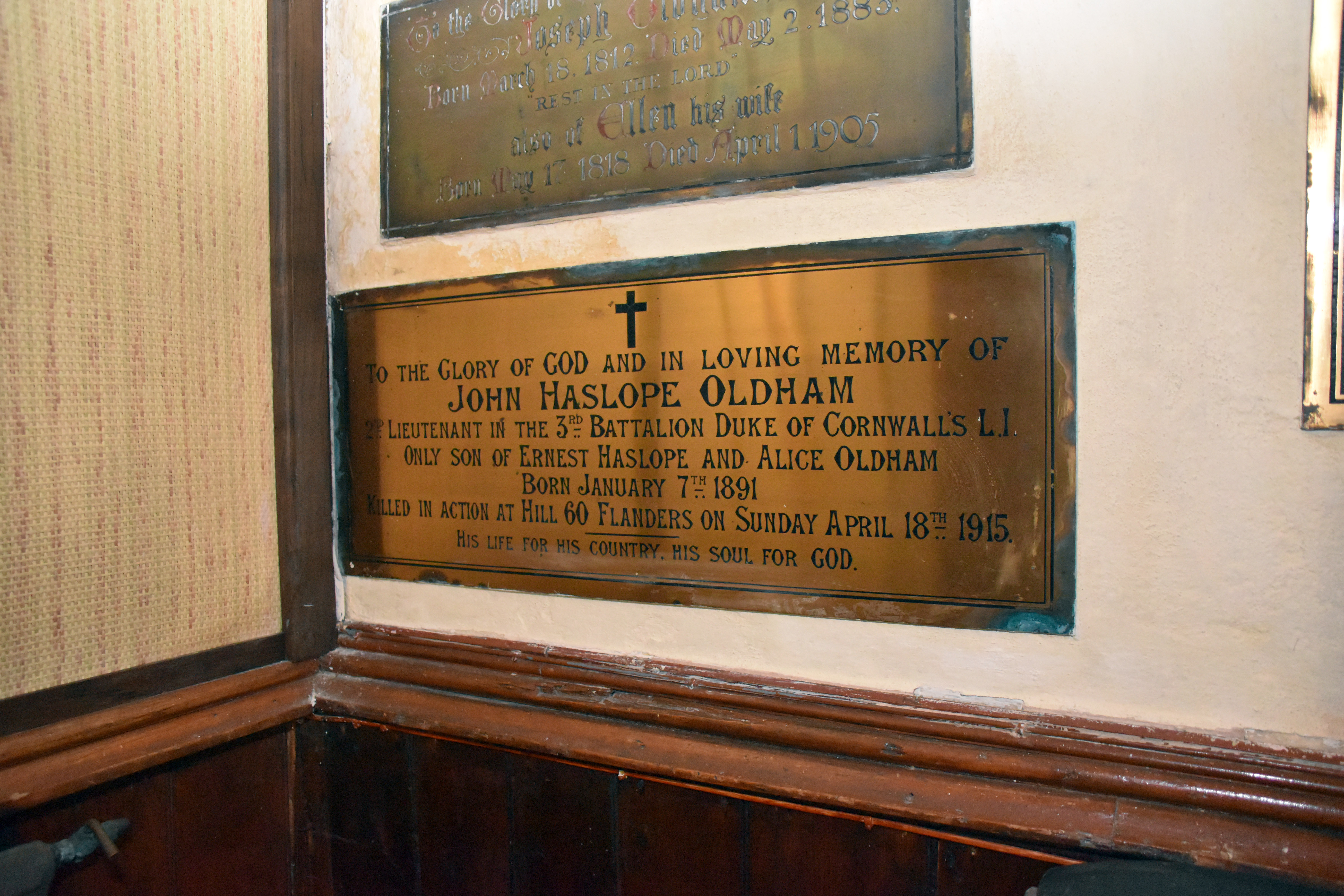
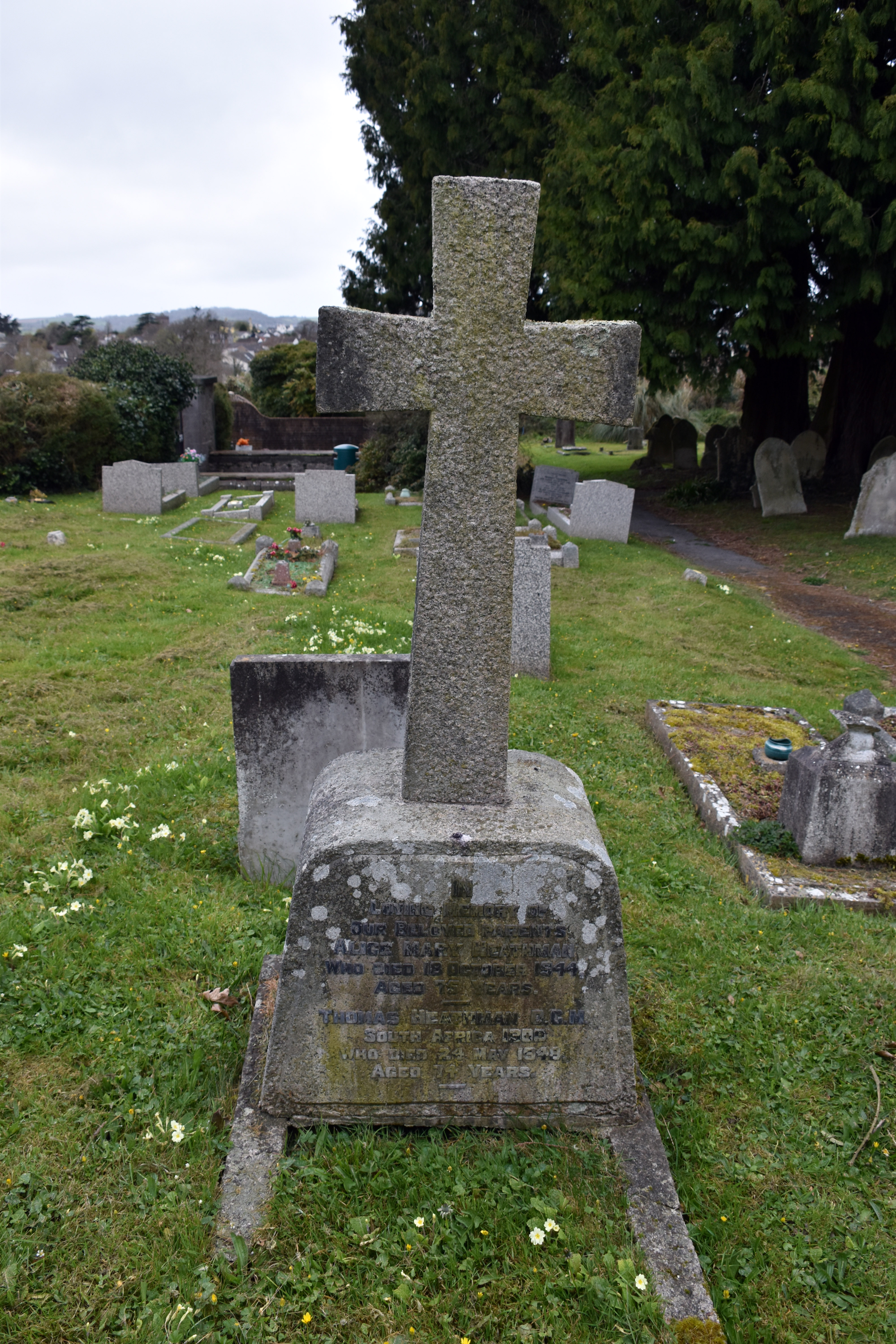
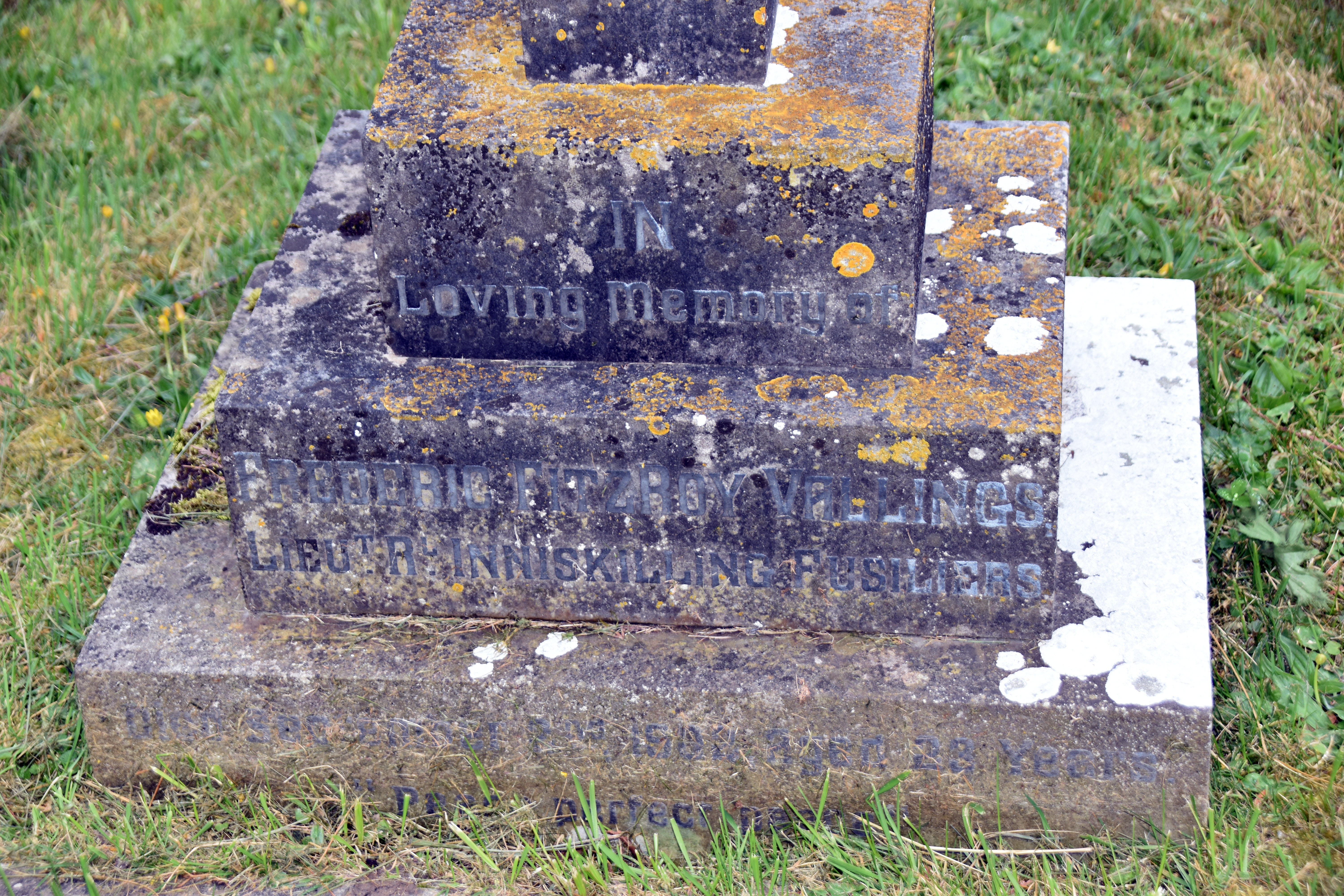
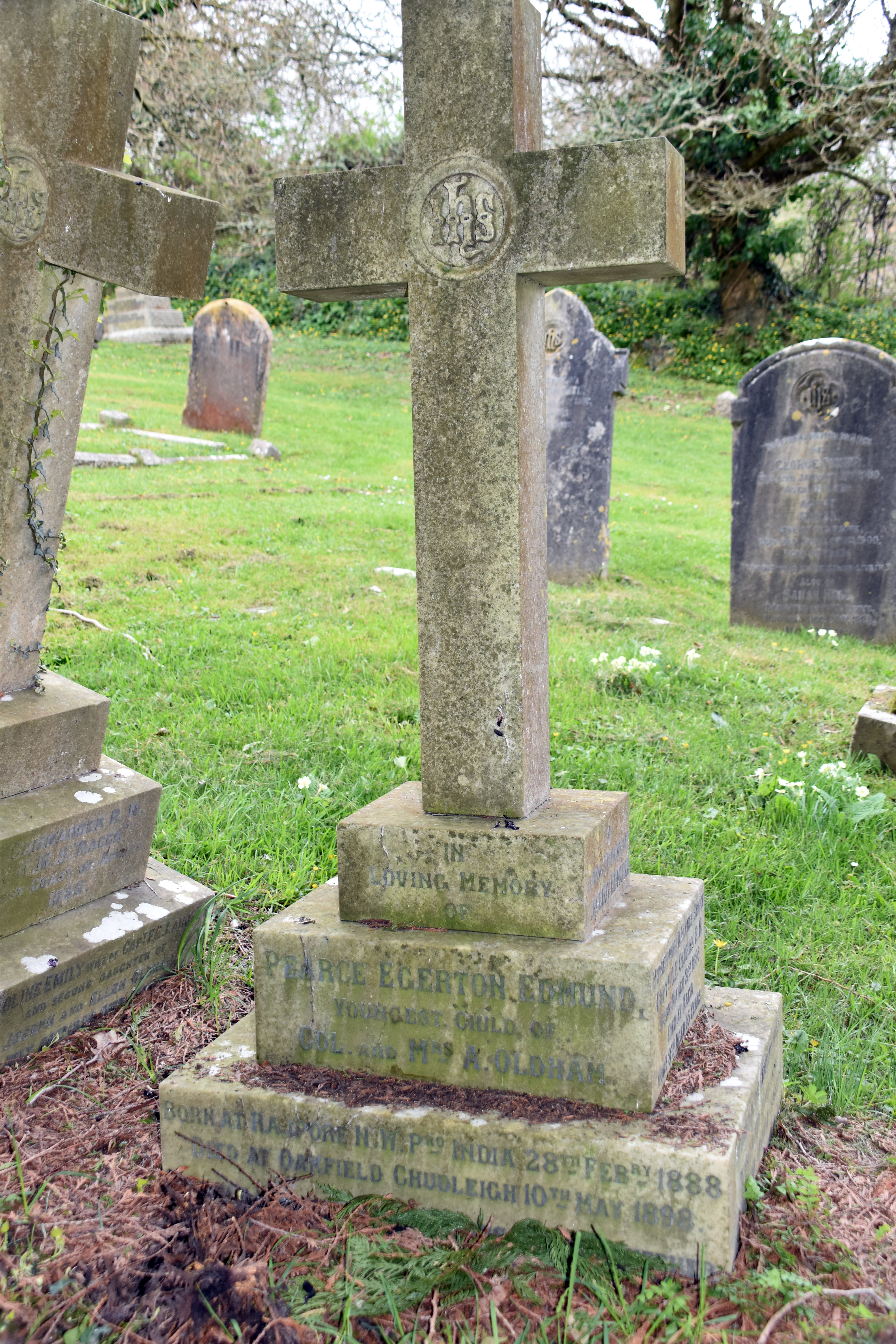
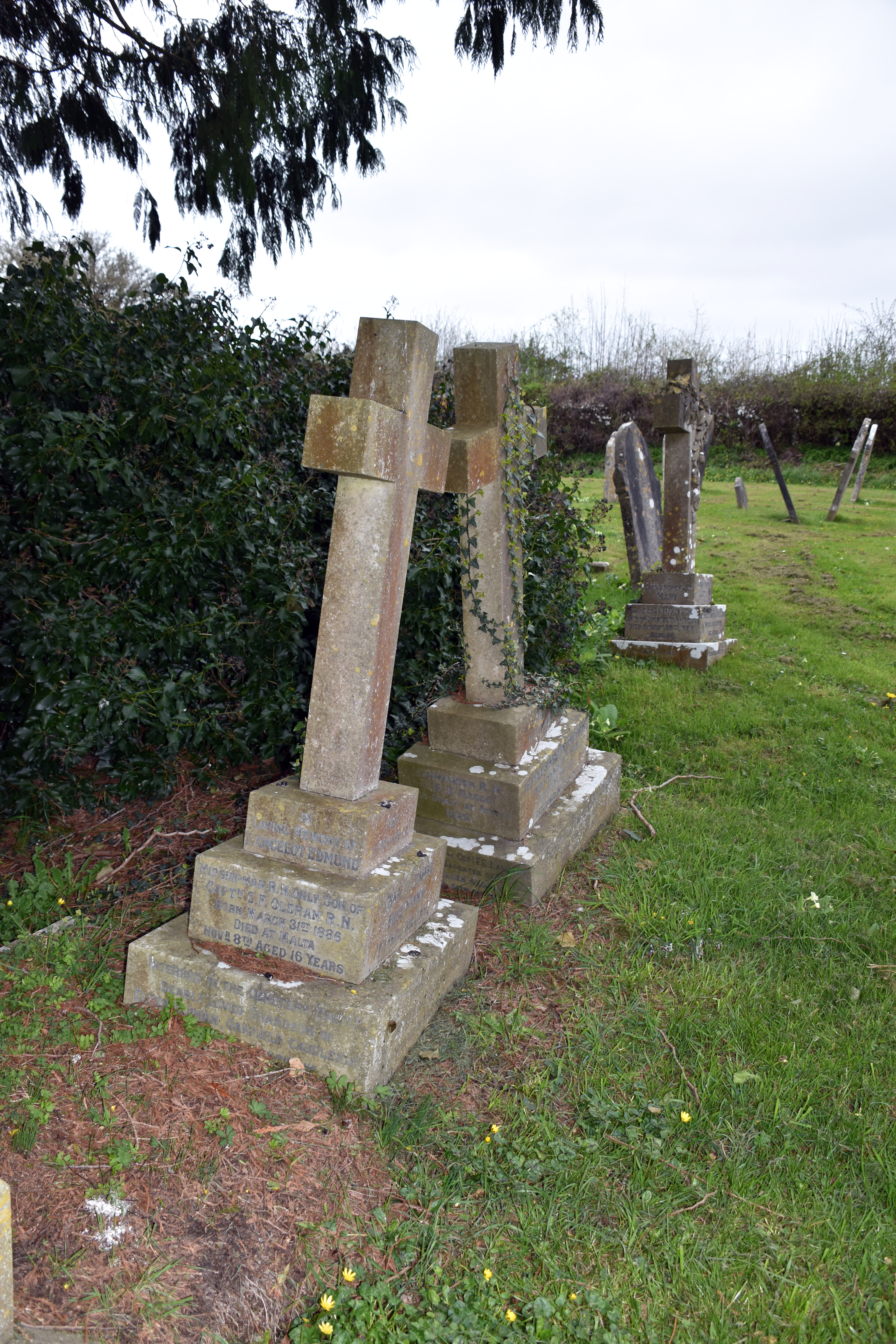
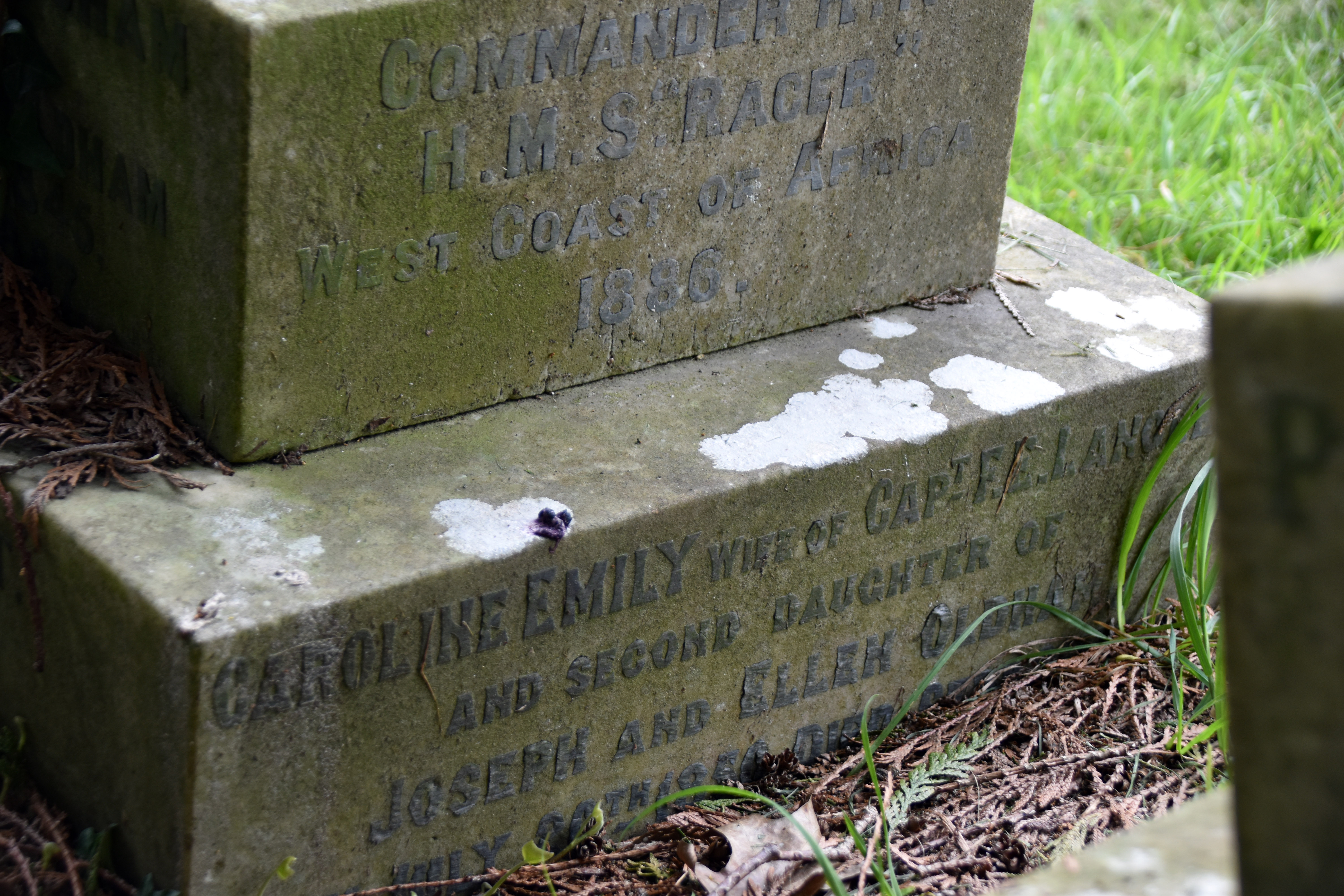
It was interesting to find names of families in the cemetery who had been remembered in memorials in the church, including Yardes, Vallings, Farquhars and the Oldhams. The Oldhams had a whole series of crosses with multiple members of the family remembered on them. For example, Pearce Egerton Edmund Oldham was the son of Colonel Arthur Oldham of the Bengal Infantry and was born on the North‑West Frontier in 1888, presumably whilst his father was on active service. Sadly, Pearce died as a 10‑year‑old. He wasn’t the only Oldham to die in the 1880s. Commander Edmund H. Oldham had been given command of a brand‑new Royal Naval warship, HMS Racer, newly launched from Devonport. He had taken this ship to the West Coast of Africa to support an expedition up the River Niger in 1886. That area is not called the White Man’s Grave without reason. Sadly, he was dead at the age of just 42. It is interesting that his service in Africa is detailed on his grave.
|
|
|
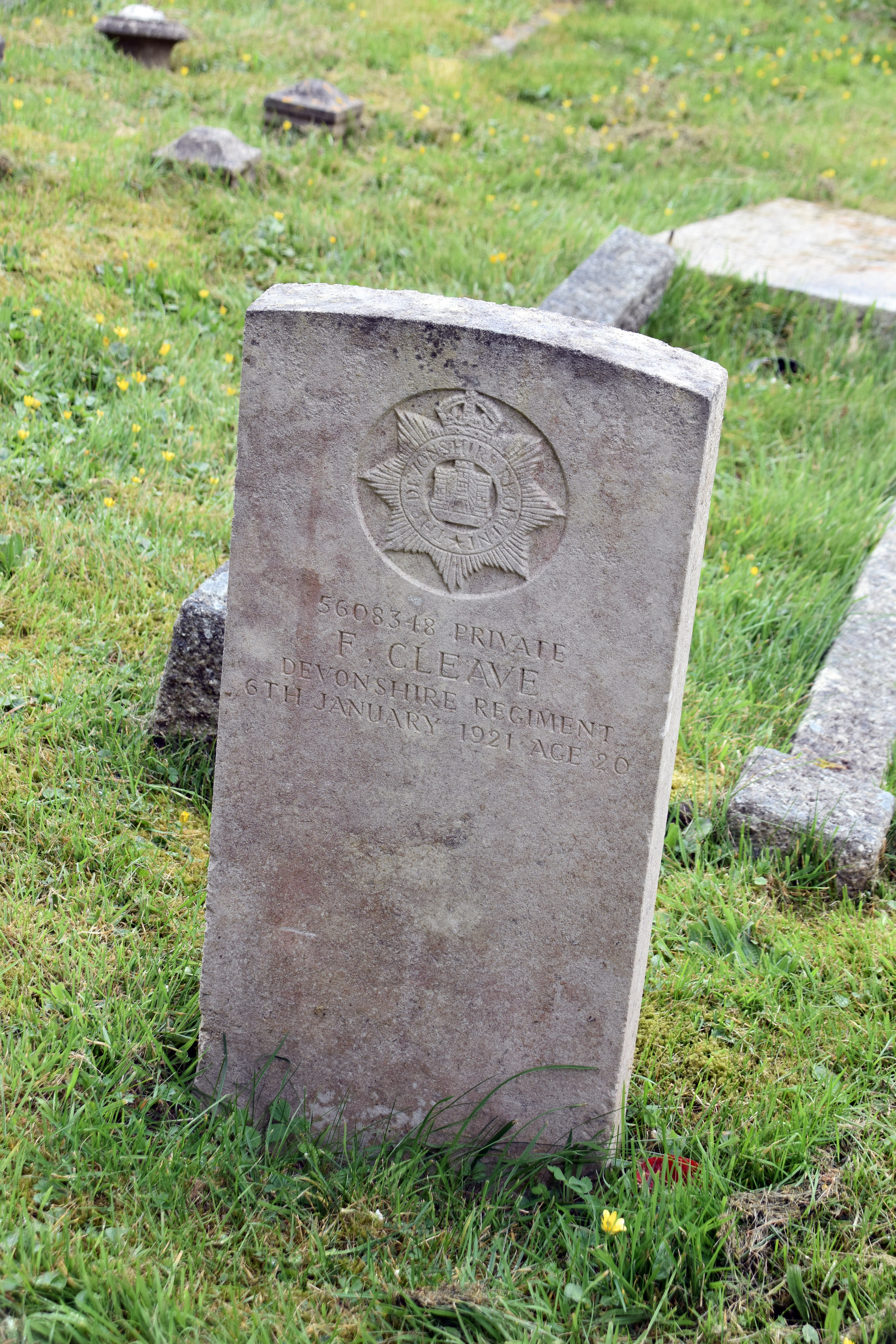
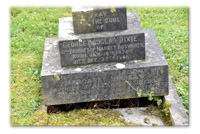
One CWGC grave got us scratching our heads. Private F. Cleave of the Devonshire Regiment was killed in 1921 at the age of 20 according to the gravestone. But this would mean that he was never legally old enough to join up and see active service. It transpires that he did indeed lie about his age. There may actually be an error on his date of birth, as local newspapers had him at 21 and not 20, but a little digging revealed that he joined the army as a 16‑year‑old in 1915. Earlier in the war the authorities turned more of a blind eye to children volunteering, but when these started dying on the battlefield the authorities began to take a sterner approach and require proof of age. But young Frederick had already joined up and served with the Devons throughout the war and actually survived the fighting on the Western Front. Maybe he got a taste for soldiering, as he transferred to the Bedfordshire Regiment and travelled with them to fight in Russia as it descended into civil war and the British sought to deny stores given to the Russian Army from falling into Bolshevik hands. The Bedfordshire Regiment was sent to the Arctic port of Archangel. It does not explain what Frederick contracted there—it may have been a disease or something, but possibly it could have been frostbite. Either way, he was medically evacuated to Ireland where he died shortly after. As he died before 31 August 1921 he was eligible for an Imperial War Grave as it was then. But Frederick Cleave had definitely seen some sights before he sadly died at such a young age.
|
|
|
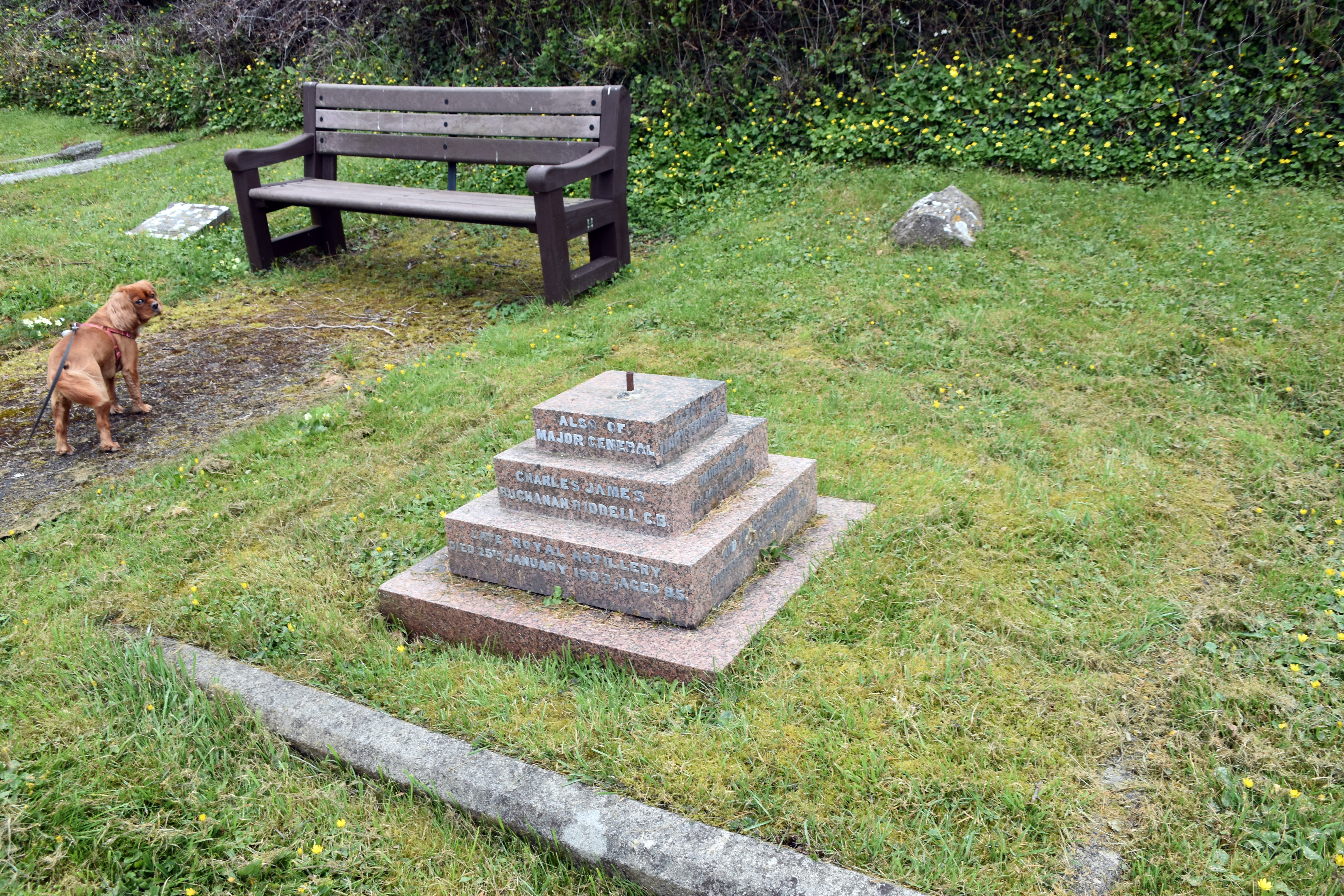
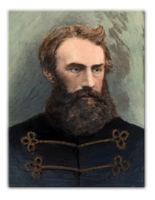
Frederick Cleave is not the only person who has connections to the Arctic circle. Although in the case of Major General Charles James Buchanan Riddell CB, Royal Artillery he is probably glad that he did not undertake the perilous voyage that he was helping to prepare. This was because it was the famous, or rather infamous, Franklin Expedition of the Erebus and Terror in 1845 in search of the North West Passage. Riddell was heavily involved in the work to prepare the companies of the Erebus and the Terror for the scientific work as they travelled the Arctic seas and channels above Canada. In particular helping them understand terrestrial magnetism and its implications for navigation. Riddell had already spent some time in Canada and had personally selected the site of the new colonial Magnetical and Meteorological Observatory in Toronto. The crews of the two ships became icebound and set up a winter camp but all were sadly to perish. As if his career was not interesting enough, Charles Riddell would later be awarded the Companion of the Bath (CB) for his work with the artillery in the first relief column of the siege of Lucknow with General Outram. This was actually anything but a relief column as they themselves were then besieged by the far larger Mutineer force around the settlement and they had to wait for a second 'relief column' under Sir Colin Campbell which organised a full scale evacuation of Lucknow.
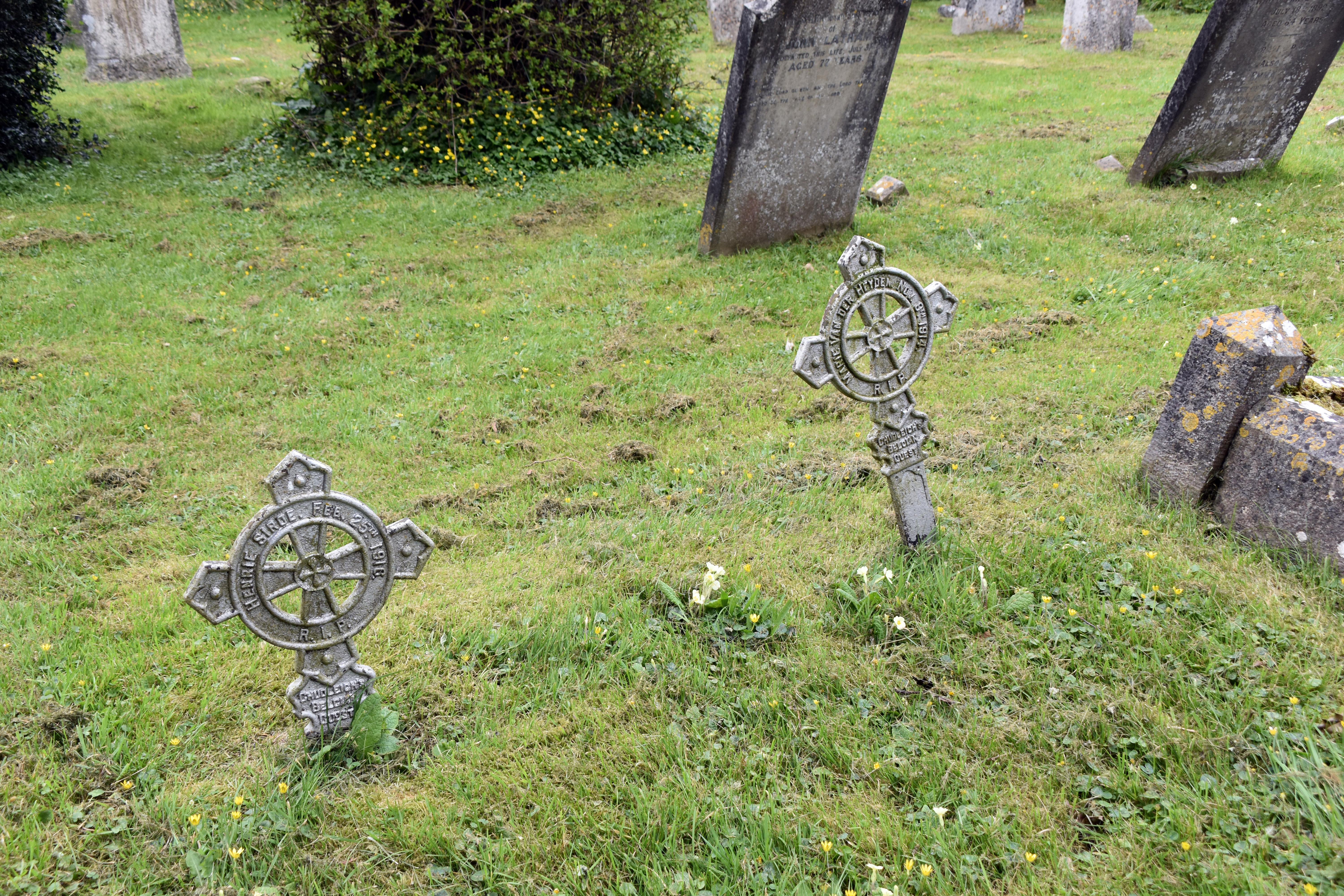
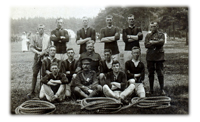
Not far away were two interesting metal grave markers with another curious connection to the First World War. These are of Henri Sirde, who died in February 1916, and Marie Van Der Heyden, who died in November 1914. A clue to their identity is revealed beneath with the inscription “Chudleigh’s Belgian Guest”. These would have been refugees fleeing from German‑occupied Belgium who, sadly, despite getting to the safety of Britain, still passed away here. The Germans occupied some 90% of Belgium, so many Belgians had fled as the Germans invaded. Most settled in the South East of England, but plenty of others were moved further afield.
|
|
|
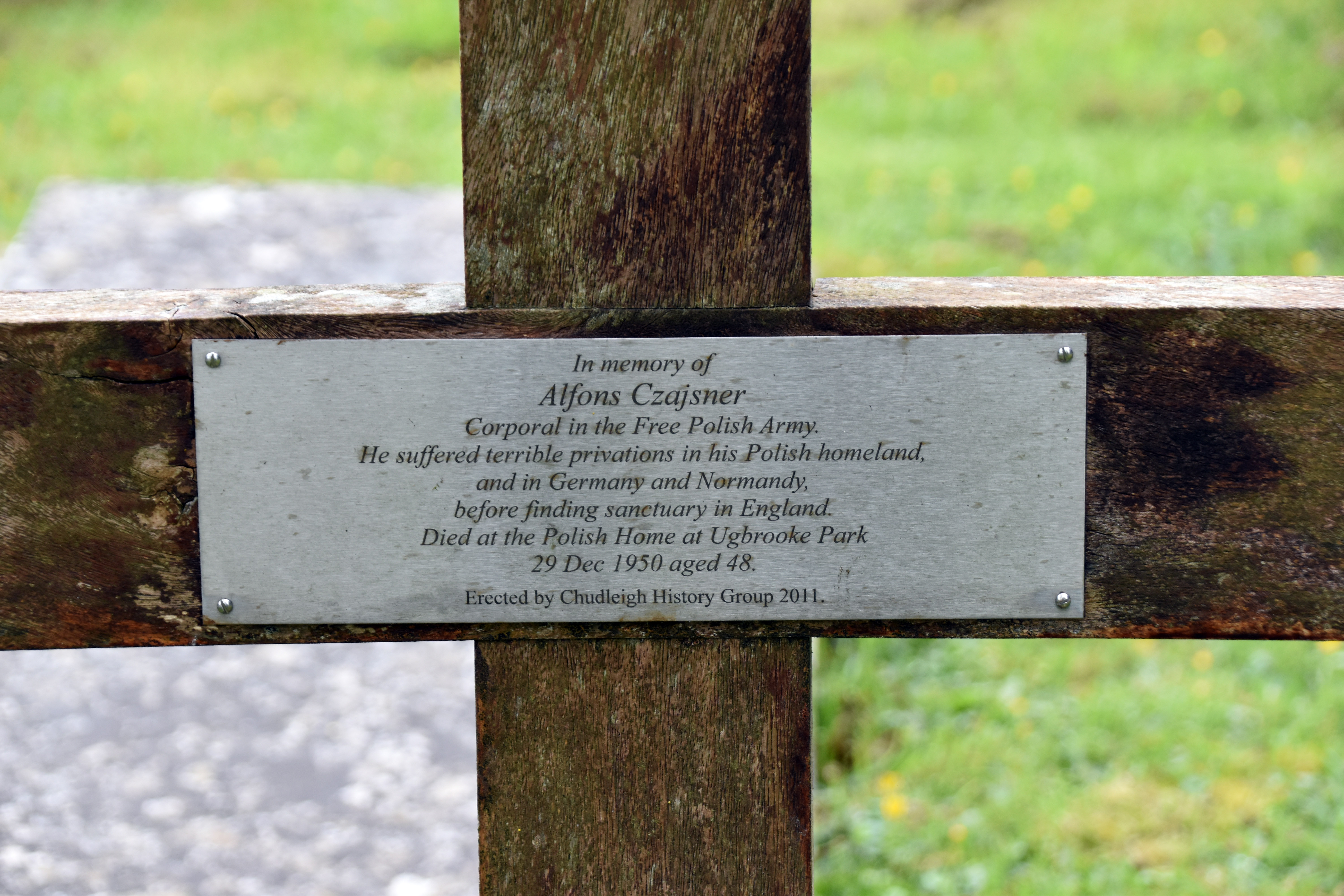
Almost next to these was another refugee’s grave, this time from the Second World War. It is that of Alfons Czajsner, who was a Corporal in the Free Polish Army. It is worth quoting the citation on the wooden cross: “He suffered terrible privations in his Polish homeland and in Germany and in Normandy, before finding sanctuary in England. Died at the Polish Home at Ugbrooke Park 29 Dec 1950 aged 48.” He had been forcibly conscripted into the German Army and assigned to coastal defence in Normandy. He was captured on D‑Day itself and brought to England for evaluation. He was soon released to the Free Polish Army and promoted to Corporal. My grandfather followed a very similar route, and after the war Poles like them could not return to Poland in safety. So Alfons joined the Polish Resettlement Corps and worked at Ugbrooke Park just over the hill, which was used as a hostel for wounded Polish soldiers. Sadly, he died of a brain haemorrhage whilst working at the hostel.
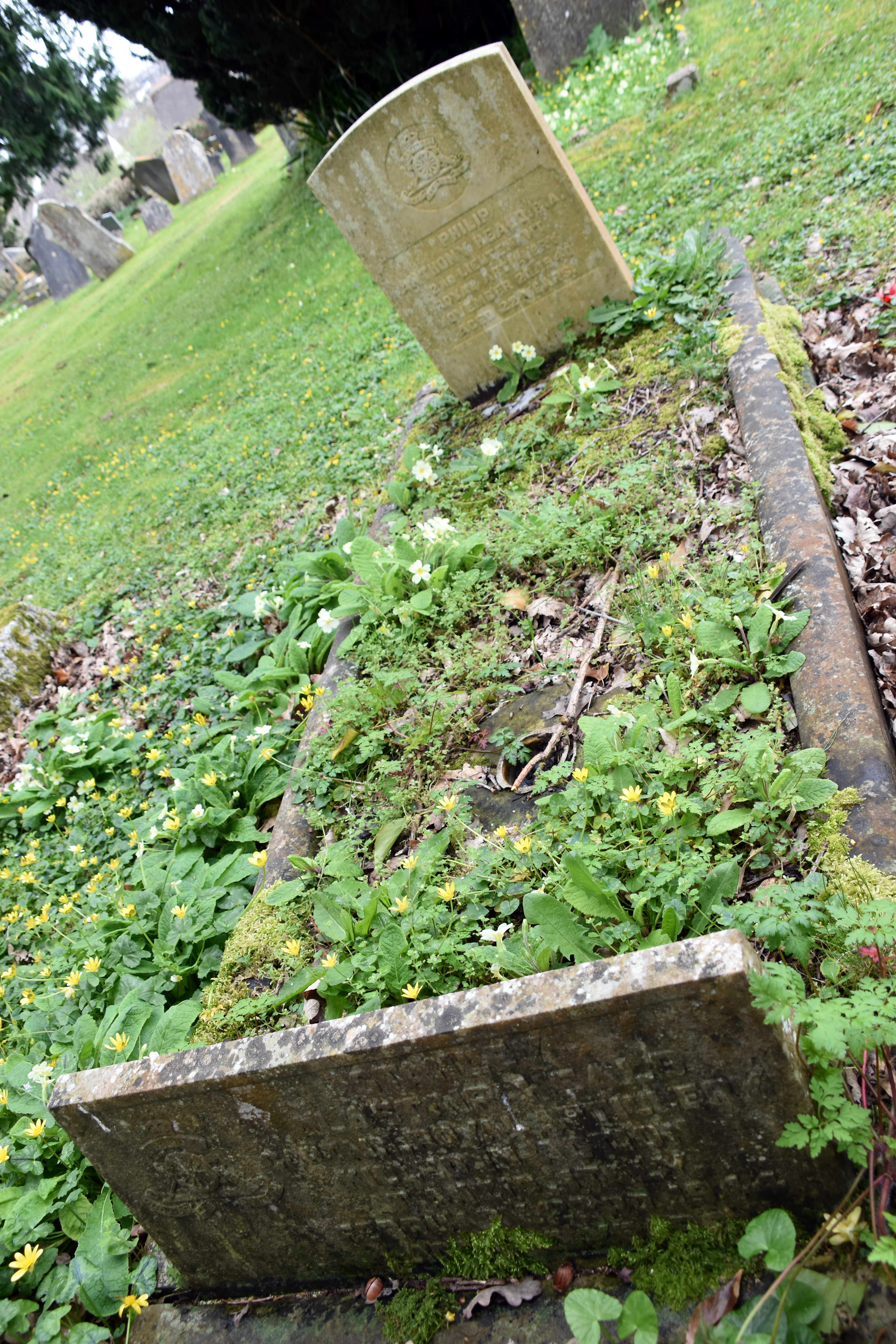
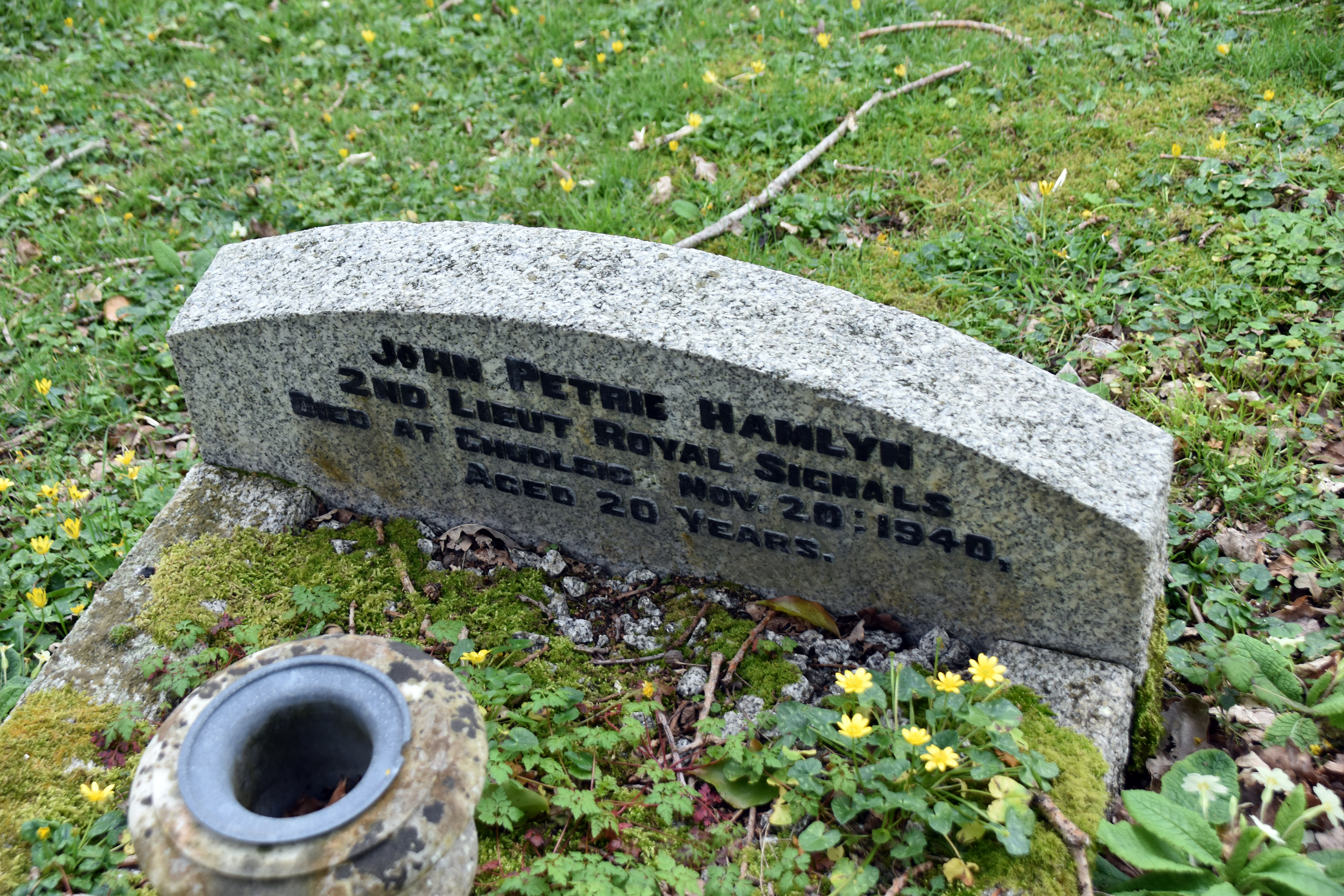
Up in the corner of the church was a strange double grave of soldiers: one with a CWGC grave and one without. The one with is Lieutenant Philip Anthony Heald of the Royal Artillery, who died on 20 November 1940. His grave is atop Stanley Alistair Heald’s, who it says was killed in Anzio in 1944. Stanley’s grave is actually in Anzio, so this one was a private one to remember him by. Philip, on the other hand, is actually buried here in this cemetery. What makes it even more intriguing is that just two graves over was a grave to Lieutenant John Petrie Hamlyn of the Royal Signals, who died on exactly the same day as Philip in Chudleigh. Tragically, Philip was killed in a motorcycle accident. Sadly, I don’t know how John died, but it does seem a strange coincidence that they died on exactly the same day.
|
|
|
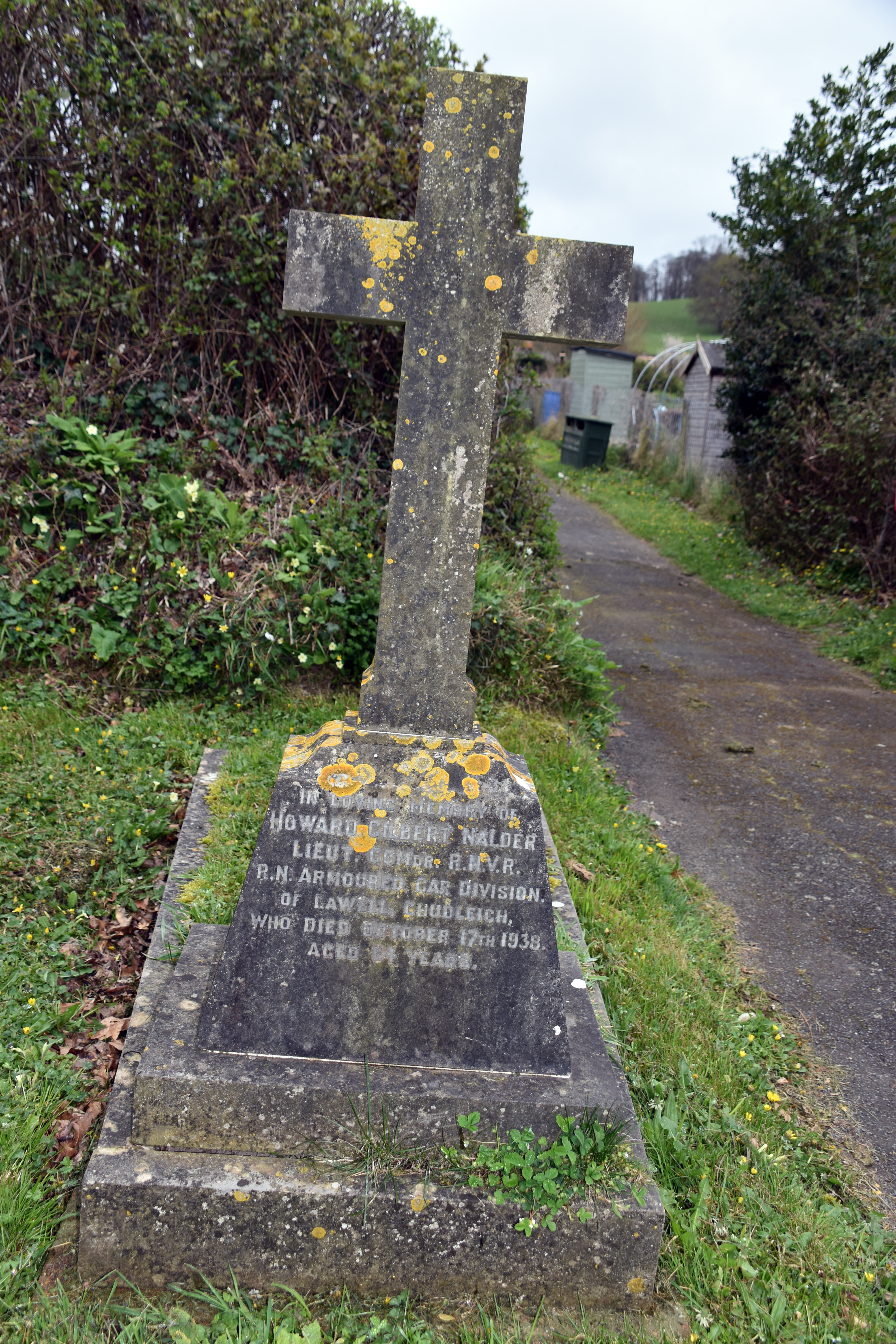
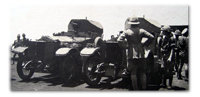
There was another intriguing war‑related grave, but this time from somebody who survived the First World War. The grave is that of Howard Gilbert Nalder, who it goes on to say proudly had been a Lieutenant Commander R.N.V.R. from the Royal Naval Armoured Car Division. In many ways this formation was Britain’s first attempt at vehicular combat, thanks to a man called Commander Samson, who personally designed an armoured car that shot up advancing German motor vehicles. This caught the attention of Winston Churchill, who was the First Lord of the Admiralty. Soon orders were put in for specially designed Rolls‑Royce armoured cars and formed into this new division. They were used by the Royal Navy in the early stages of the fighting on the Western Front, but as the trenches arrived the division was sent to more promising battlefields, including the Middle East, Russia and Romania. One unit stayed in Europe to develop further armoured vehicles with another project by Churchill—that of the Landships Committee, which developed the first tanks as we know them. I don’t know about his earliest service, but I believe he was sent to South‑West Africa with Lieutenant Commander Whittall in 1915. However, the sand and excessive water requirements were a problem, and events in East Africa required attention over there. Tanganyika had far firmer ground and was much better suited to the armoured car. At this point Lieutenant Nalder was given command of 10 (R.N.) Armoured Motor Battery, which comprised four armoured cars, at least one of which he named Ark Royal and another Anne Gallant. They were trying to subdue the Germans there under the command of von Lettow‑Vorbeck. They worked successfully with mounted infantry and gave some real flexibility of manoeuvre which had been sorely needed. On one occasion they were involved in a daring rescue of a seriously wounded Lieutenant trapped under enemy fire. The armoured cars raced up under artillery and machine‑gun fire, placed the wounded Lieutenant on the back of the car, and drove him to safety. In 1917 Lieutenant Nalder and the unit were transferred to Egypt to help subdue the Senussi rebellion and then fight against the Turks. Yet another grave that hides a remarkable story.
We only scratched the surface of the interesting graves. It never ceases to amaze me how these Westcountry rural communities can have so many remarkable people with such fascinating lives. Places like Chudleigh really challenge your preconceptions of a sleepy Devon rural town where nothing much really changes. The memorials, buildings and graves we saw today reveal a complex web of historical forces and geographical mobility. Come to Chudleigh to see the world!
|