|
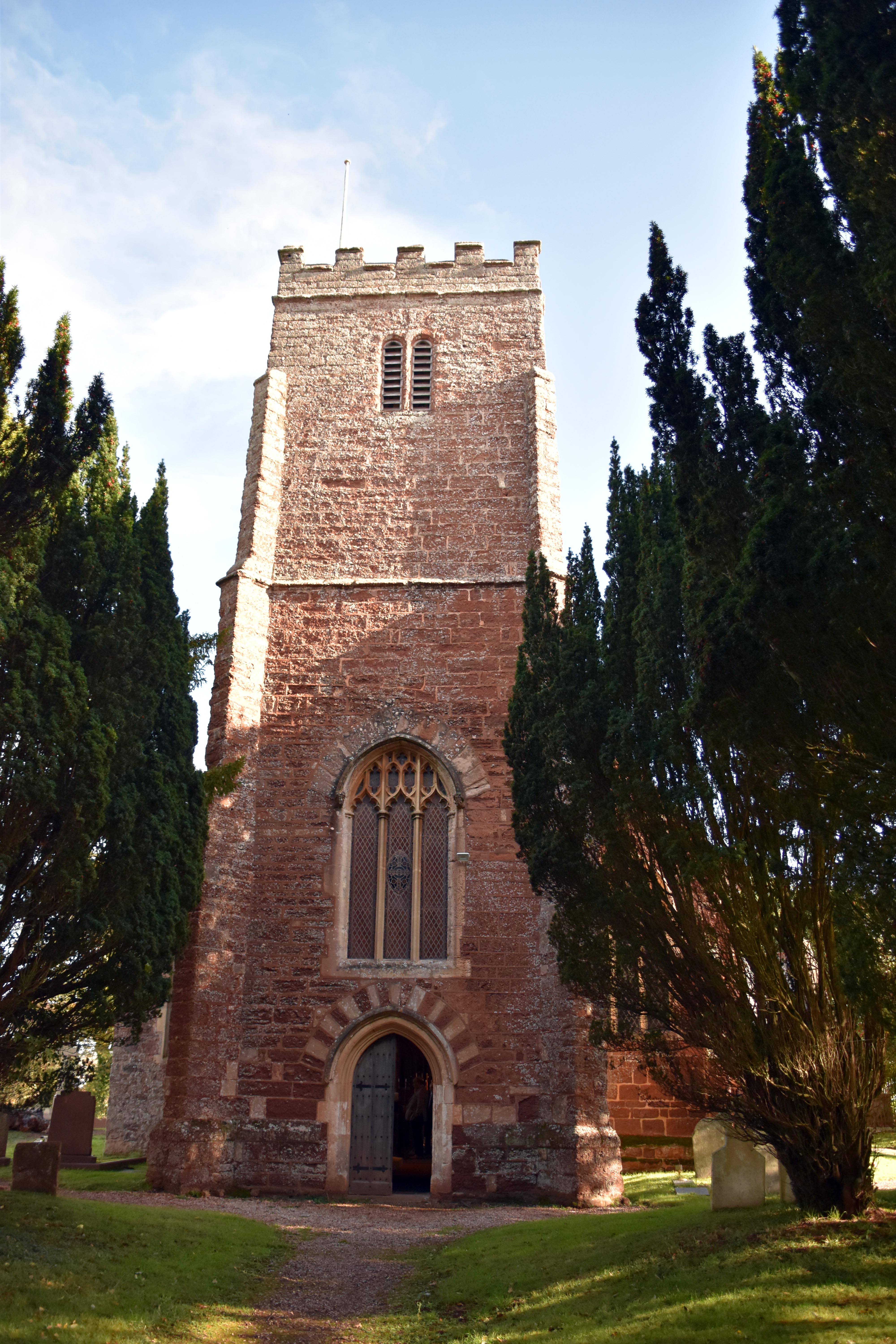
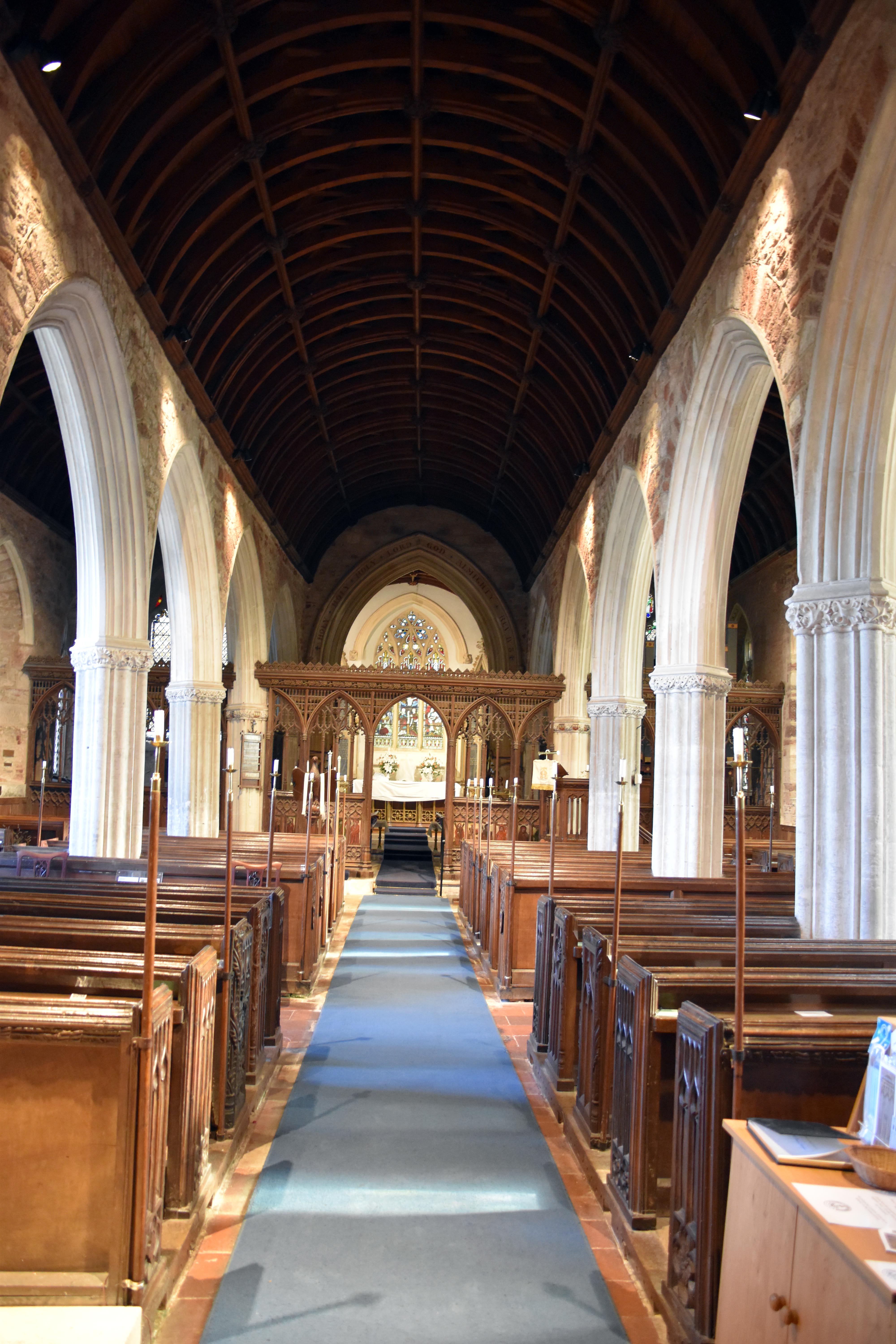
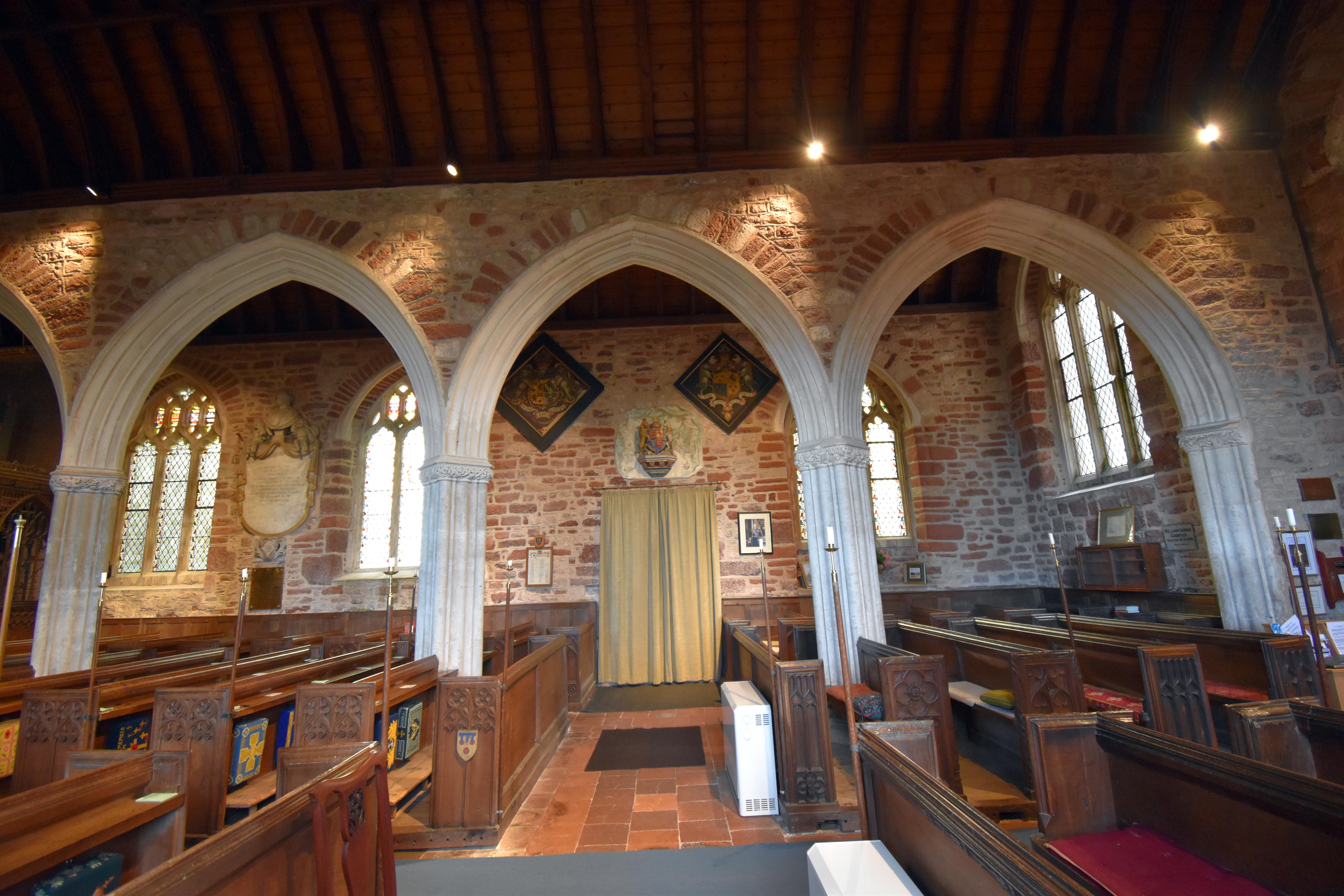
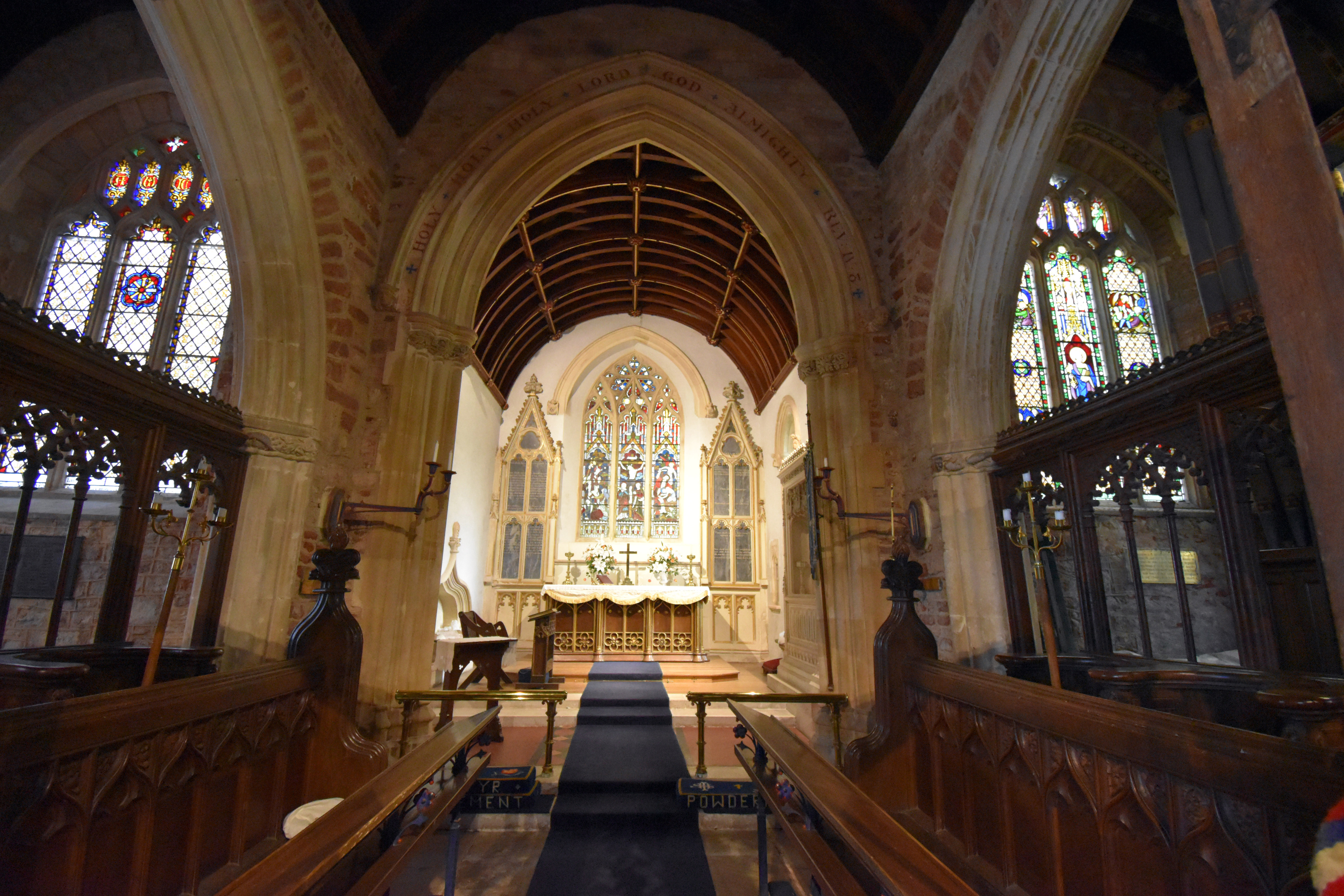
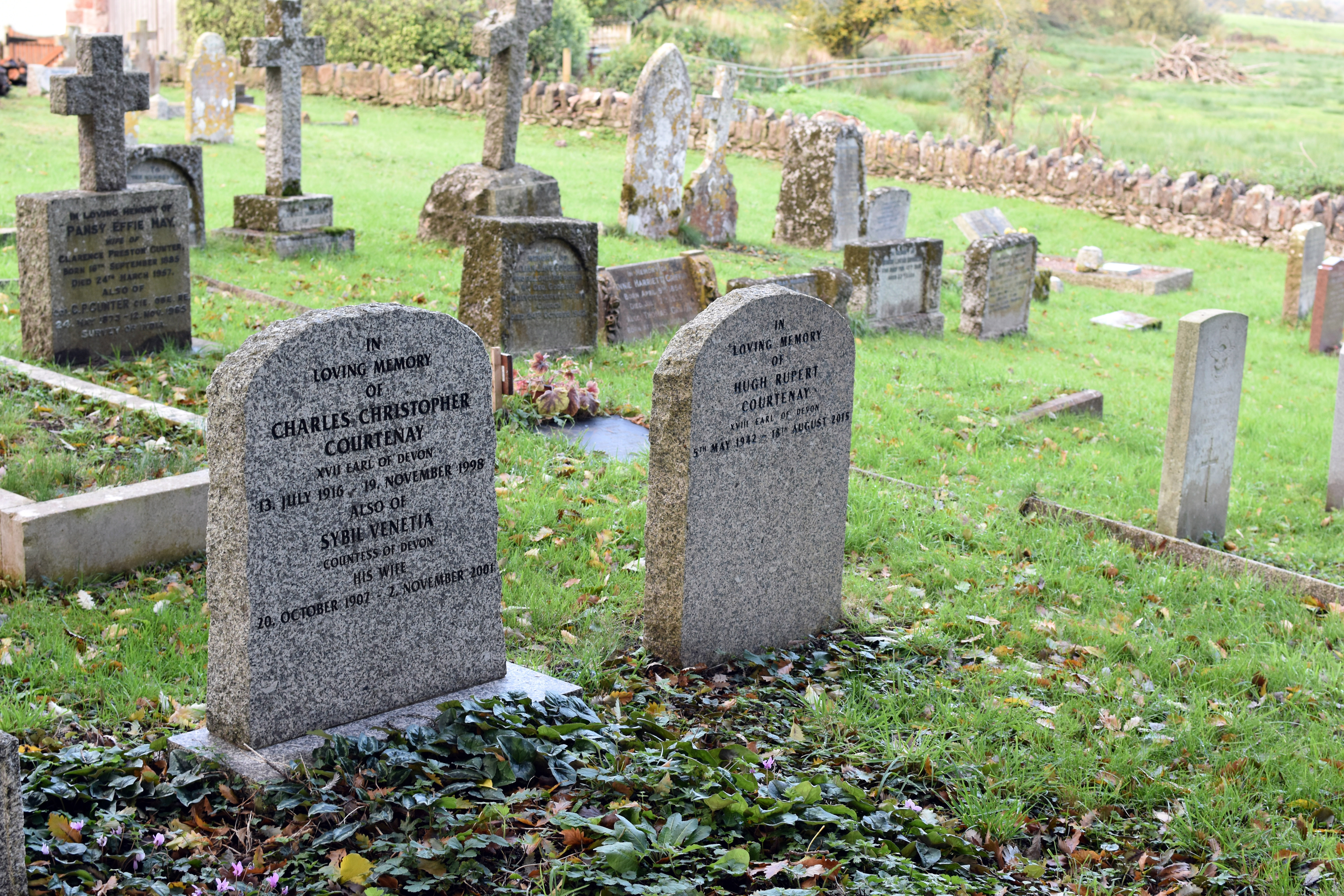
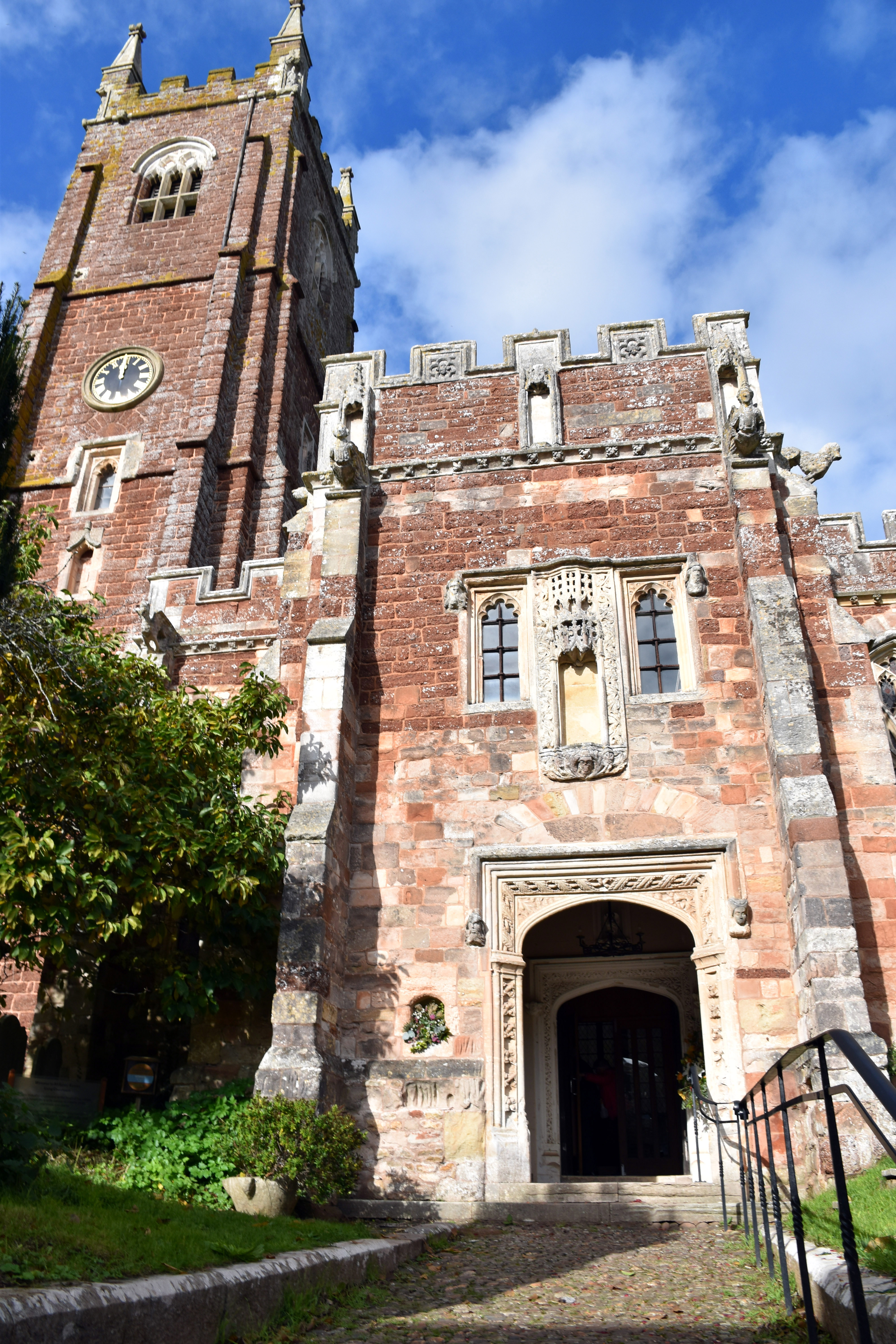
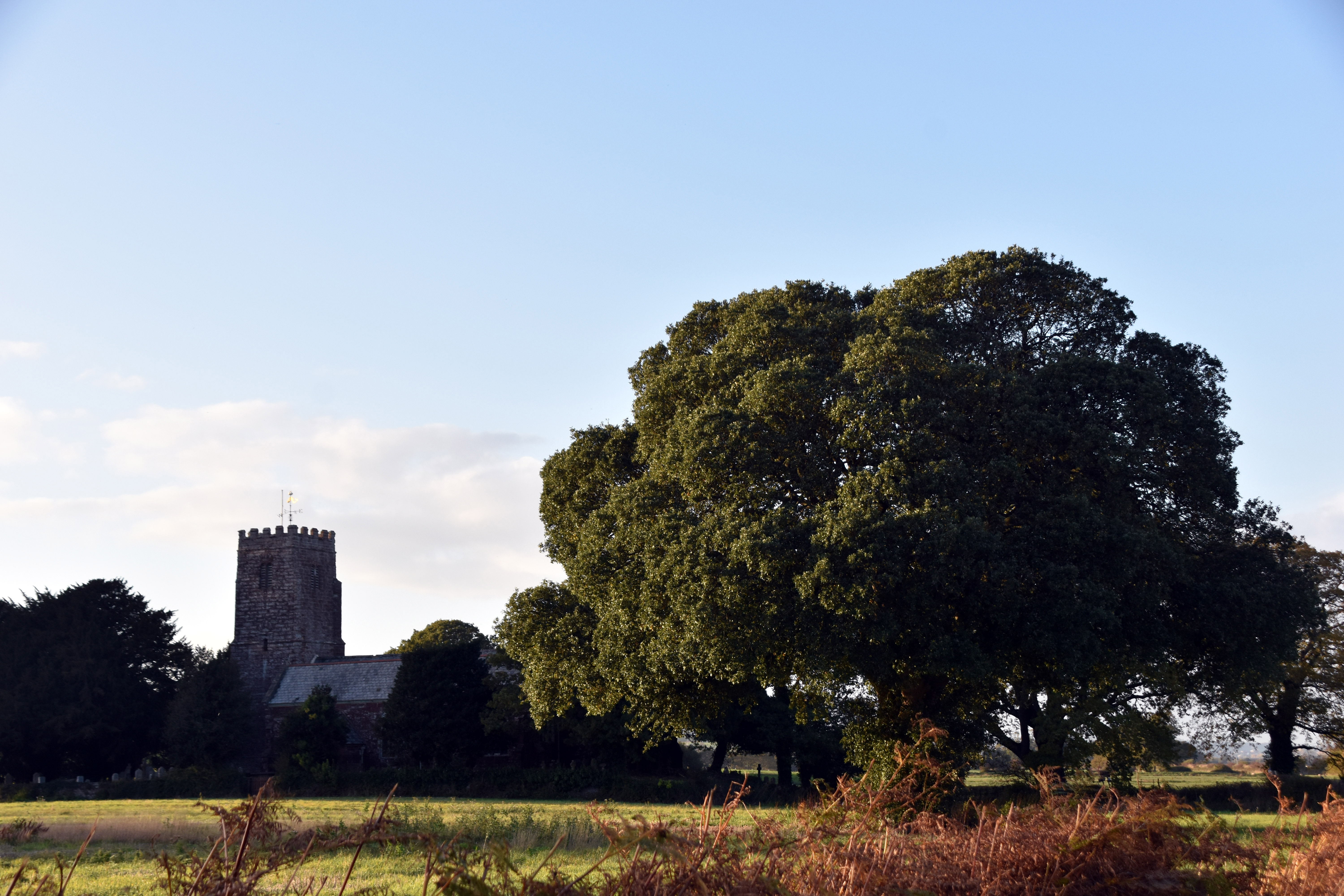
Our November adventures started in a blaze of Autumn sunshine. This particular Sunday Rupert and I headed to St Clement’s Church at Powderham with a view of trying to catch it open before their service began at 11am. Sadly this church is not normally open to the public but it is worth trying to peak inside this church which has a more interesting history than most - being that it was the scene of an actual battle being the church for the local manorial family of the Courtenays.
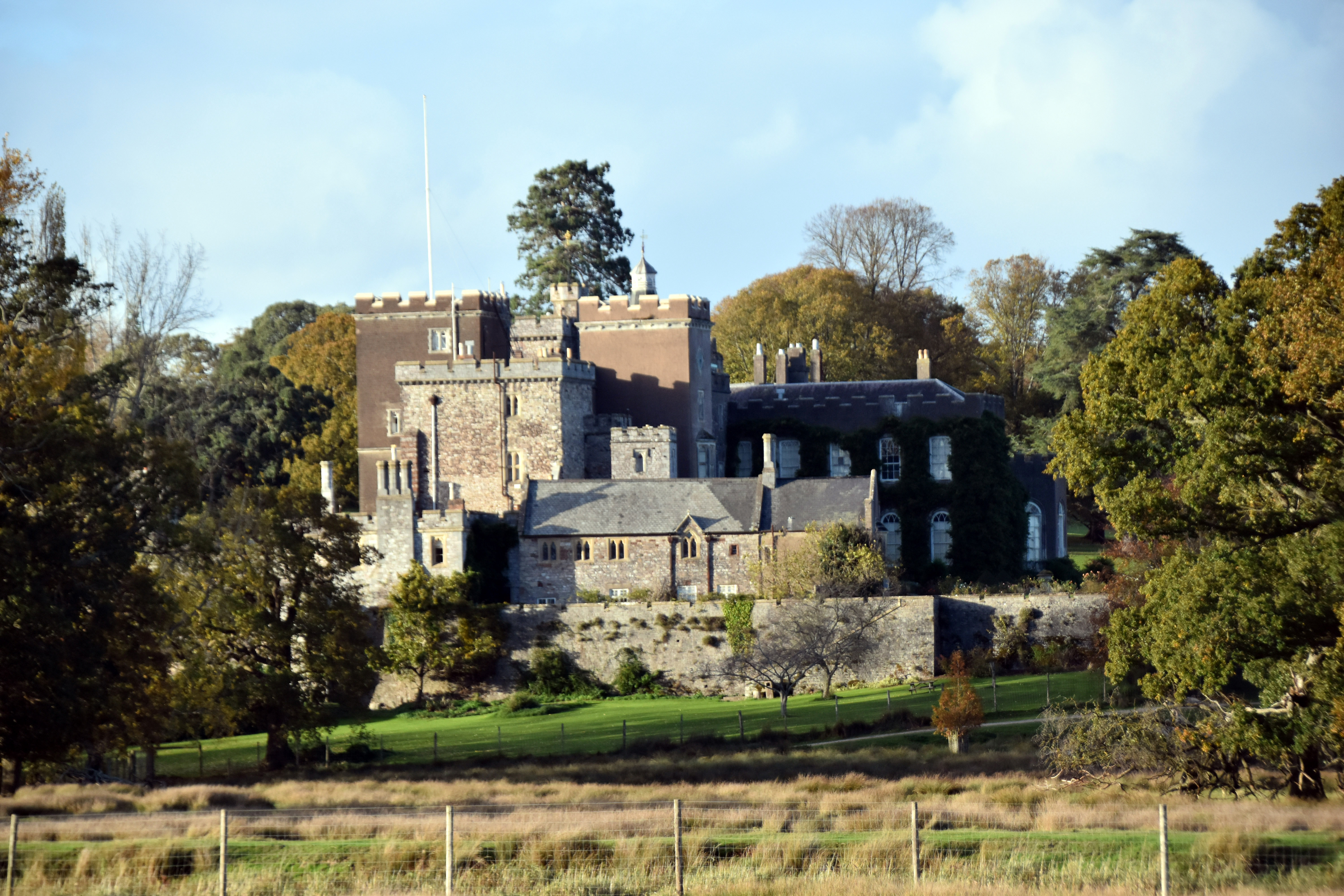
Now the Courtenays would marry into the Bohuns and take over Powderham Castle and have lived there since the 14th Century and still do - becoming the Earls of Devon in the Tudor period. During the English Civil War, The Courtenays declared for the King (and received a Baronetcy in return for their loyalty). They were involved in the not one, not two but three sieges of Exeter!
 |
|
|
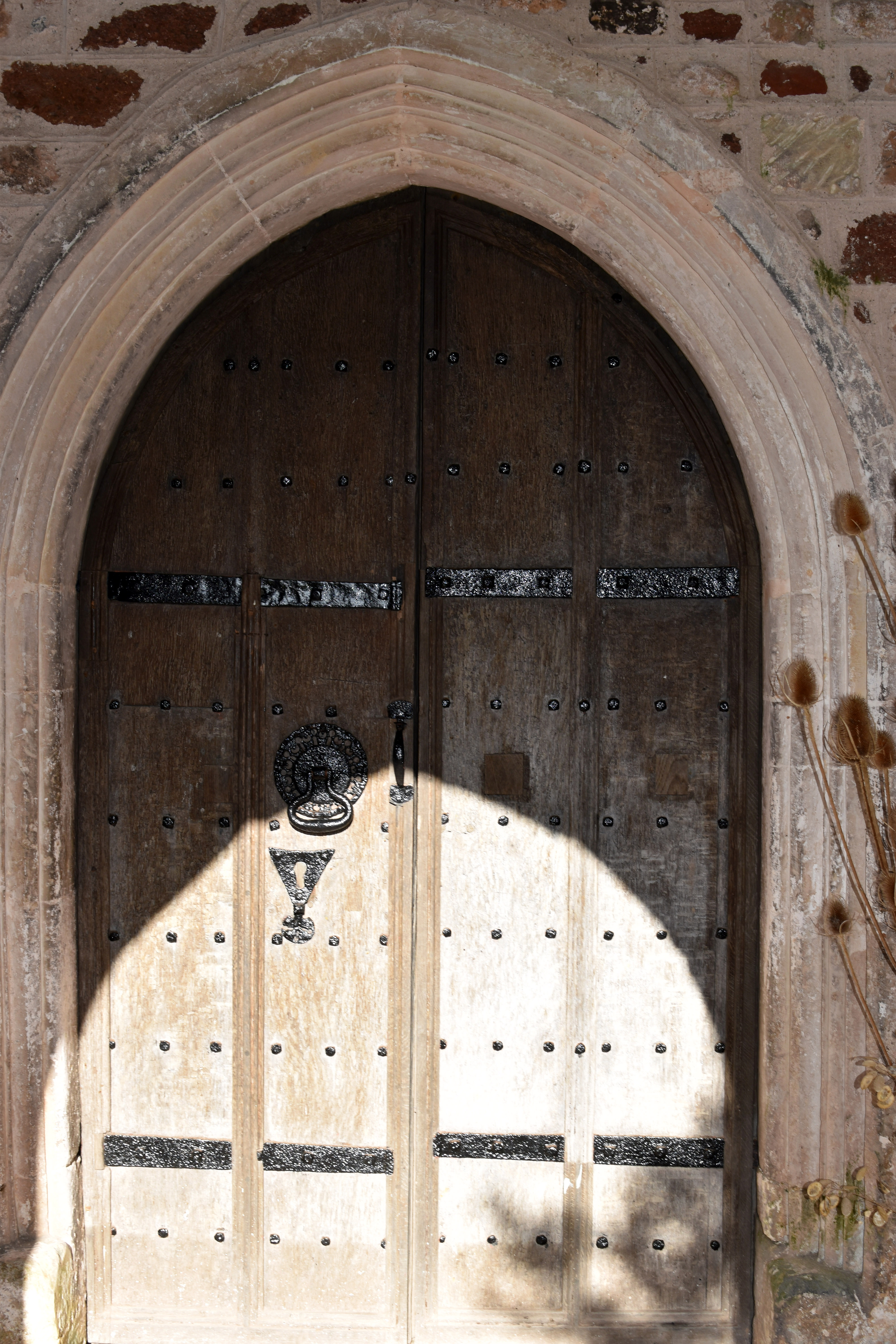
In 1645 as the Royalists were being pushed back after the Battle of Naseby, General Fairfax the overall Commander of the Parliamentarian forces was surging into the Westcountry with a view of depriving the King of one of his last strongholds. There was to be a sharp engagement as Parliamentarian forces rowed across the Exe and tried to assault the Powderham Castle but were pushed back. They then fell back to the church and set up a defensive perimeter. Emboldened the Royalists assaulted the church to try and evict the Parliamentarians before they could fortify themselves. There ensued a 3 hour battle there with grenades and hand to hand fighting - you can see repairs to the South Door which were reputedly to deal with musket ball holes in the door itself. The Parliamentarians hung on as reinforcements arrived from Crediton forcing the Royalists to retreat back into Powderham Castle. Fairfax and Cromwell then bypassed the castle when they heard news that a Royalist army was gathering at Bovey Tracey and set off there for an impressive victory. It didn’t take long for Powderham Castle to realise that the war was lost and they eventually surrendered to the Fairfax’s forces.
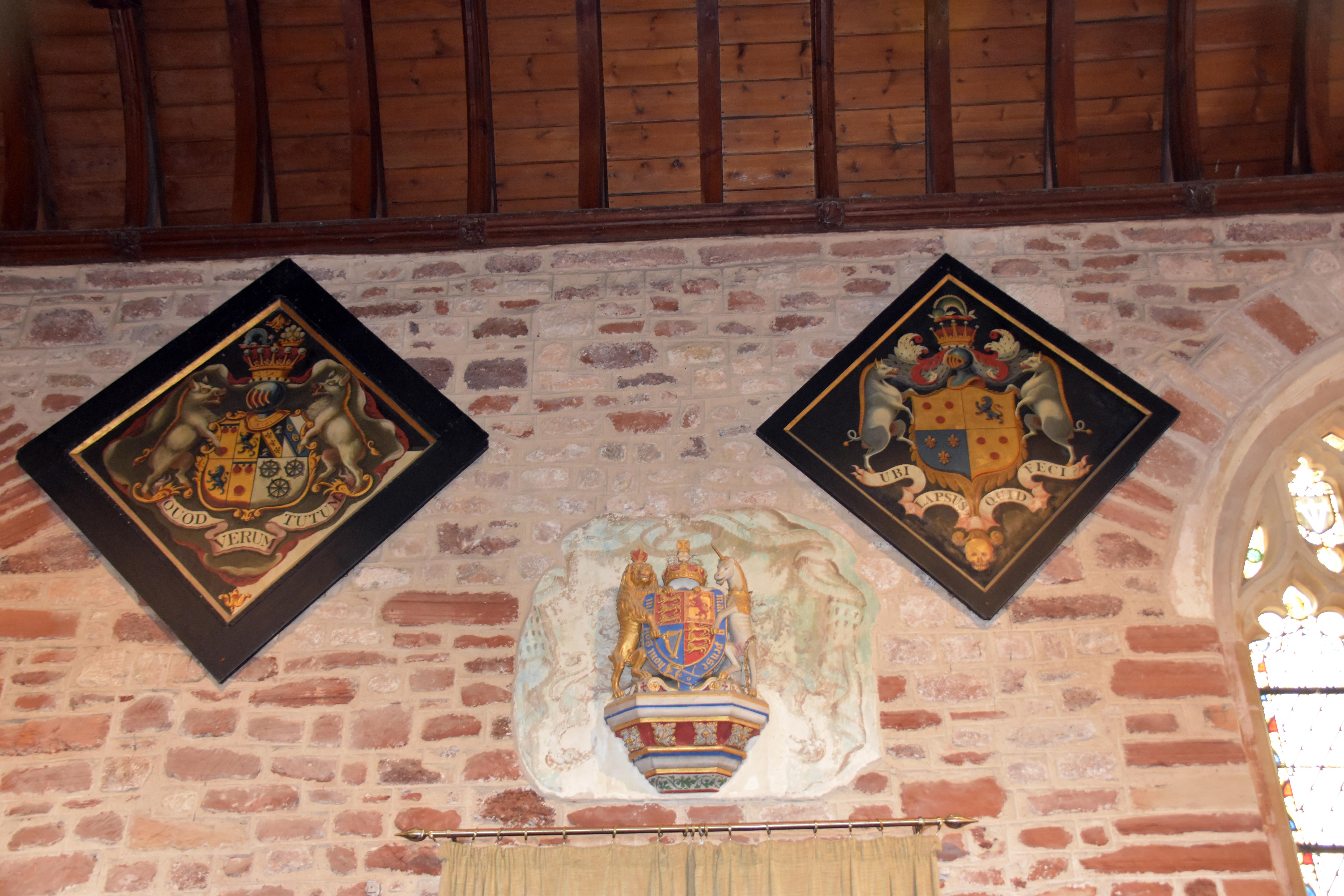
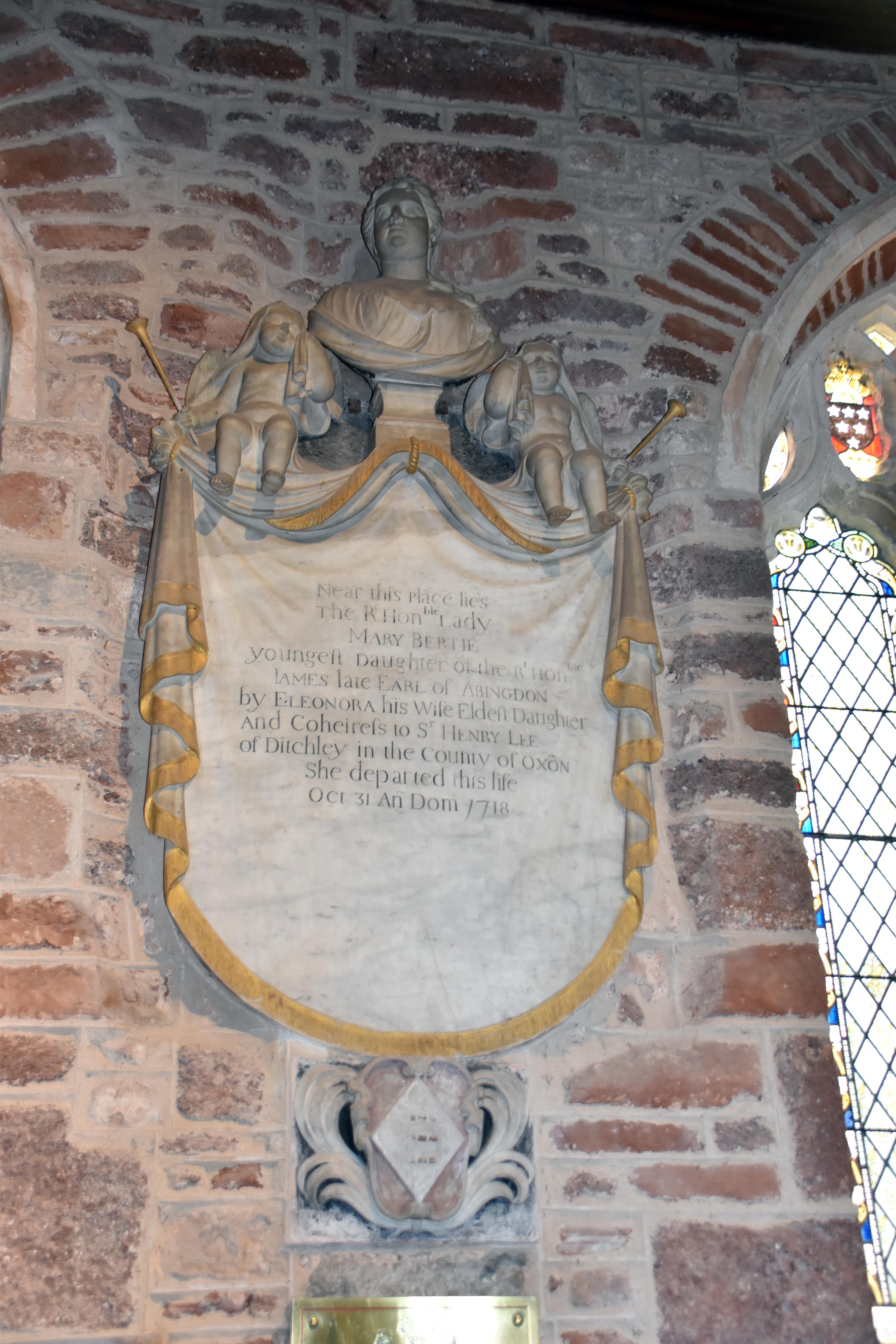
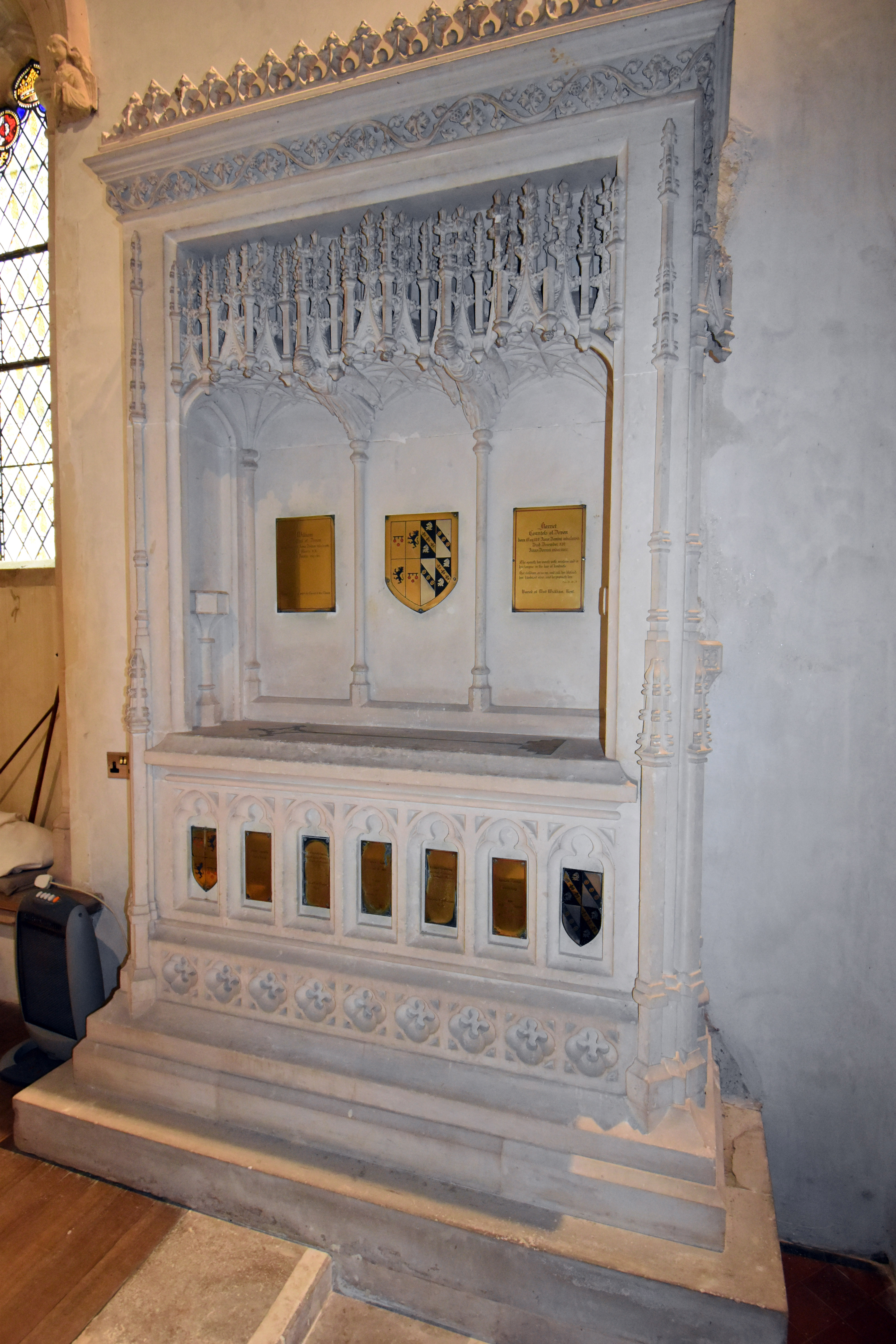
Now the church itself is effectively the family vault of the Courtenays who claim ancestry back to the Norman Invasion - in fact there were two branches of the family with the other based at Tiverton who fought like cat and dog for many years - and yet more connections to Okehampton and Plympton Castles. The three dots of blood on their coat of armys relates to the fact that they had fought in the Crusades. The blue lion in the Courtenay coat of arms is due to marriage with the de Redvers family. They even have a connection to the Pepys family (of Samuel Pepys fame).
 |
|
|
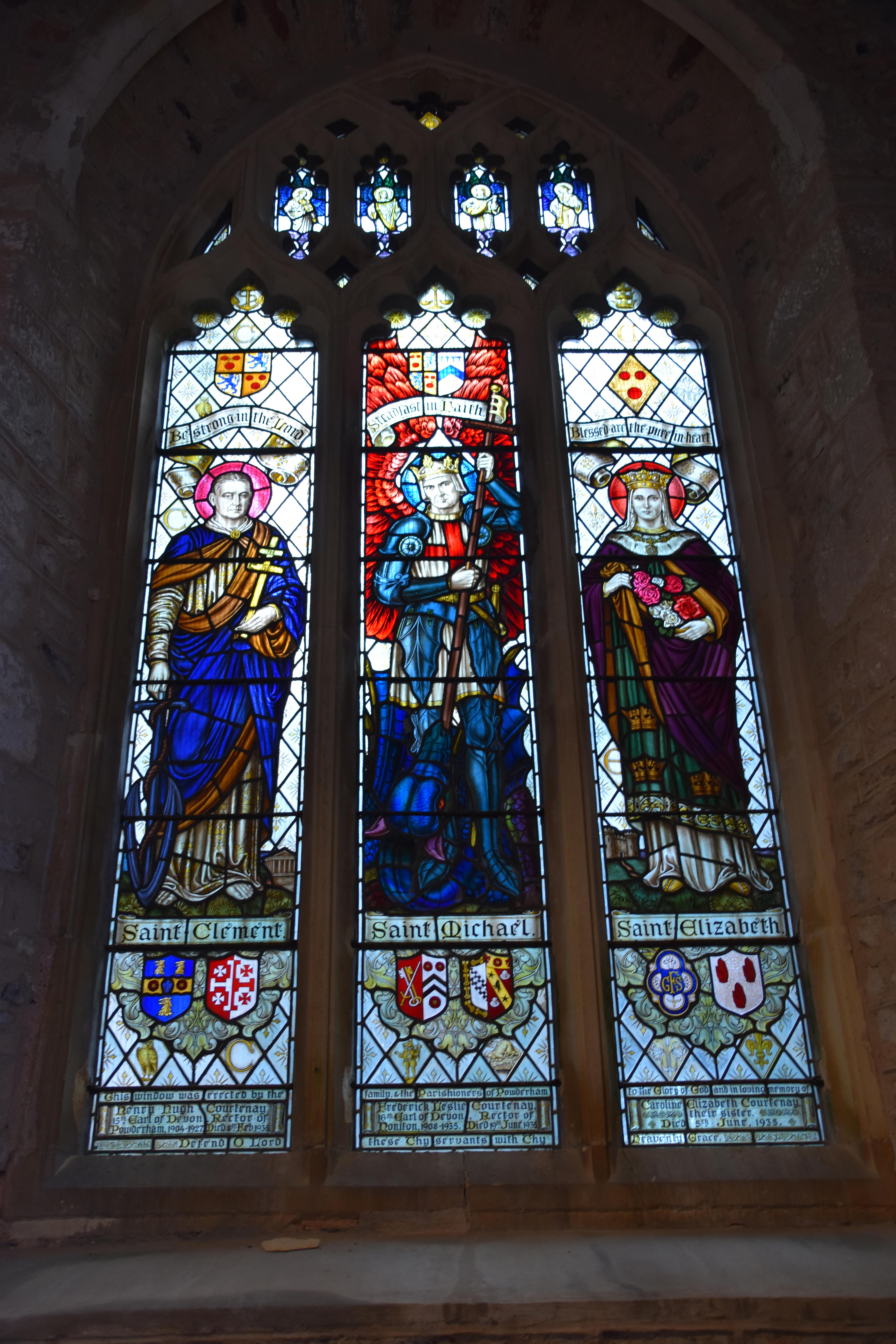
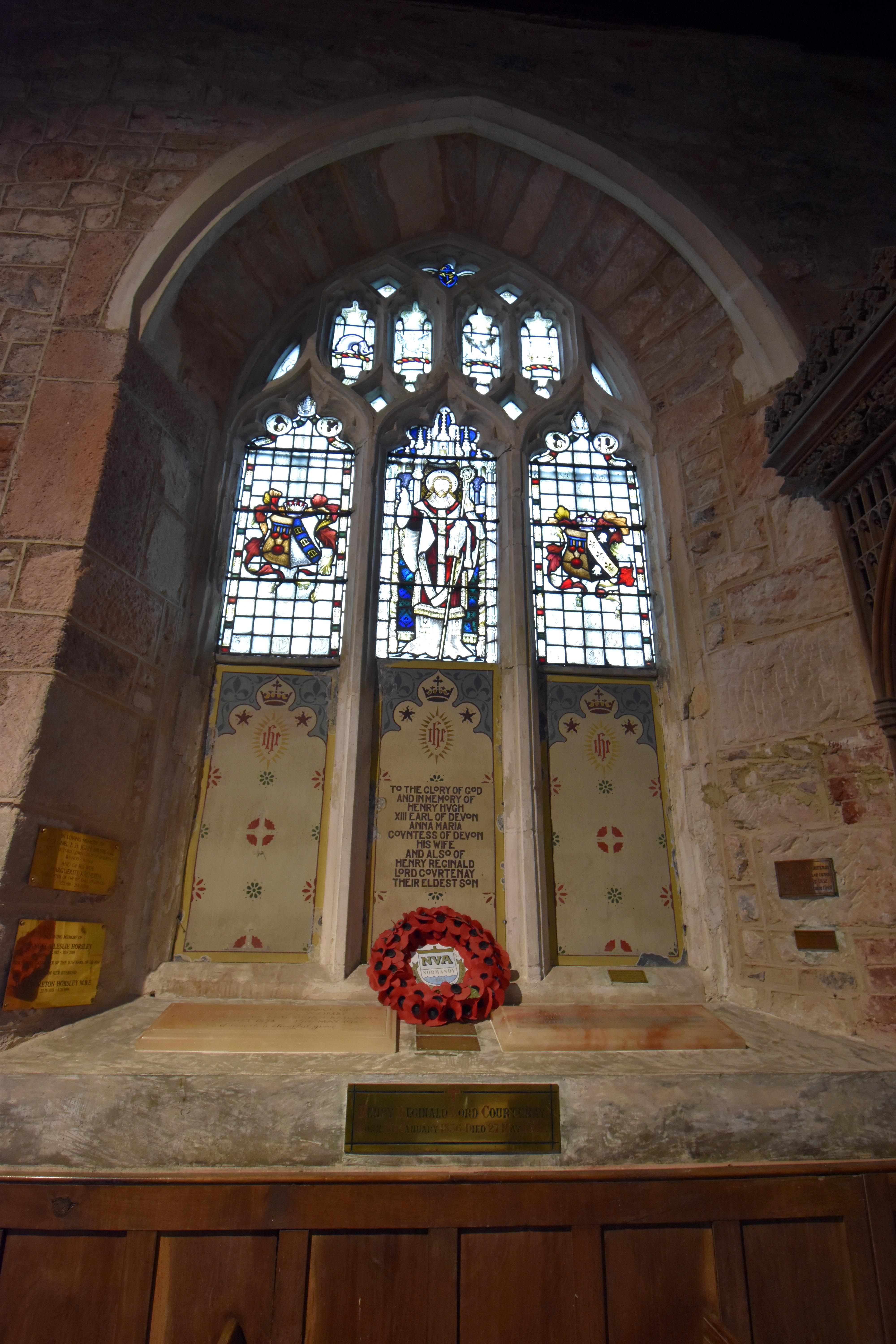
Rupert and I got to talk with the Church Warden and someone else helping to set up for the service - who actually had family connections to the Courtenays himself. They mentioned that the Courtenays do still have strong connections with the church and that the dowager Countess attends service most weekends. Interestingly there is a stained glass window that purports to show St Clement, St Michael and St Elizabeth but who were actually muddled on the Courtenays who paid for the window to be installed. You can see their names inscribed below the saints.
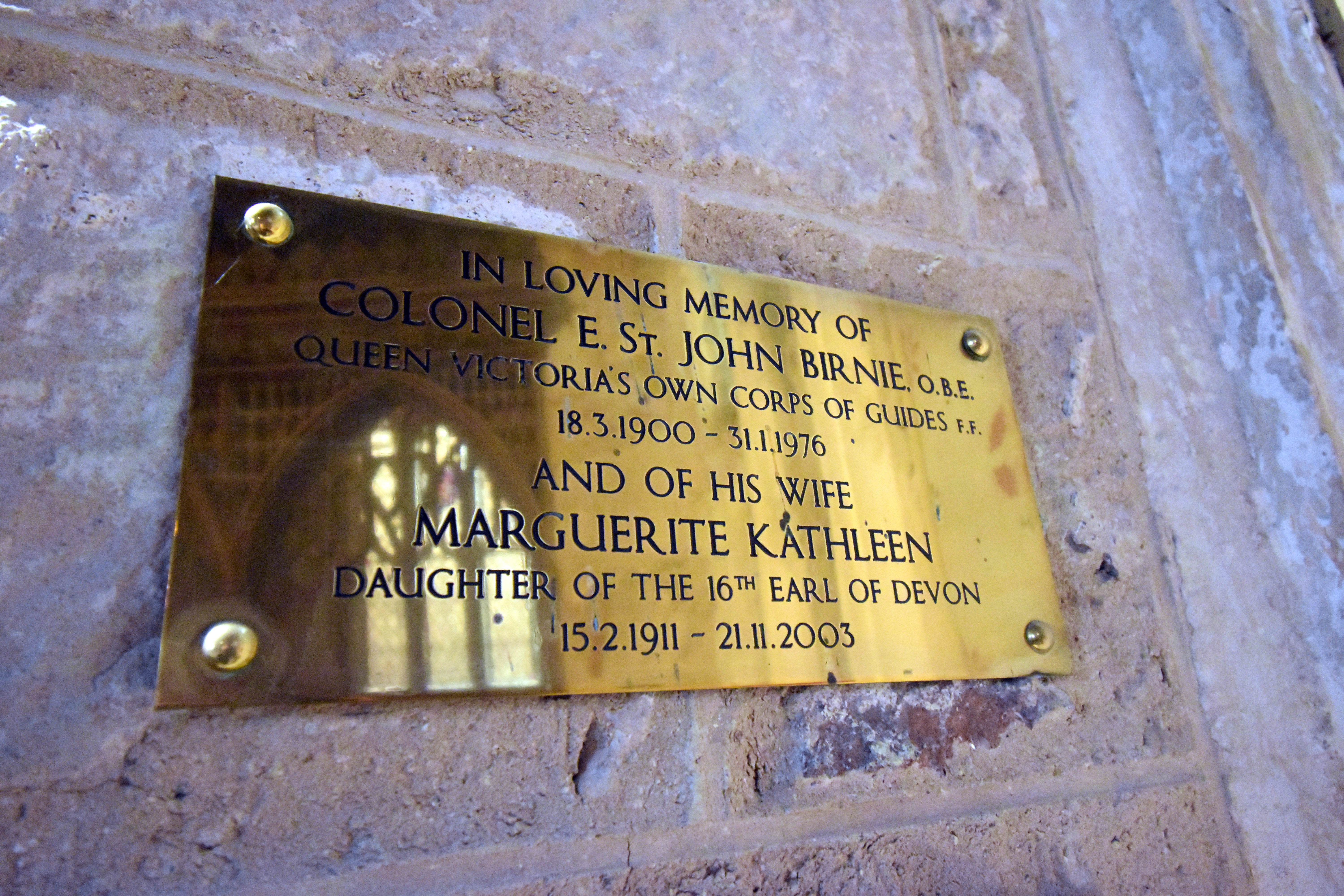
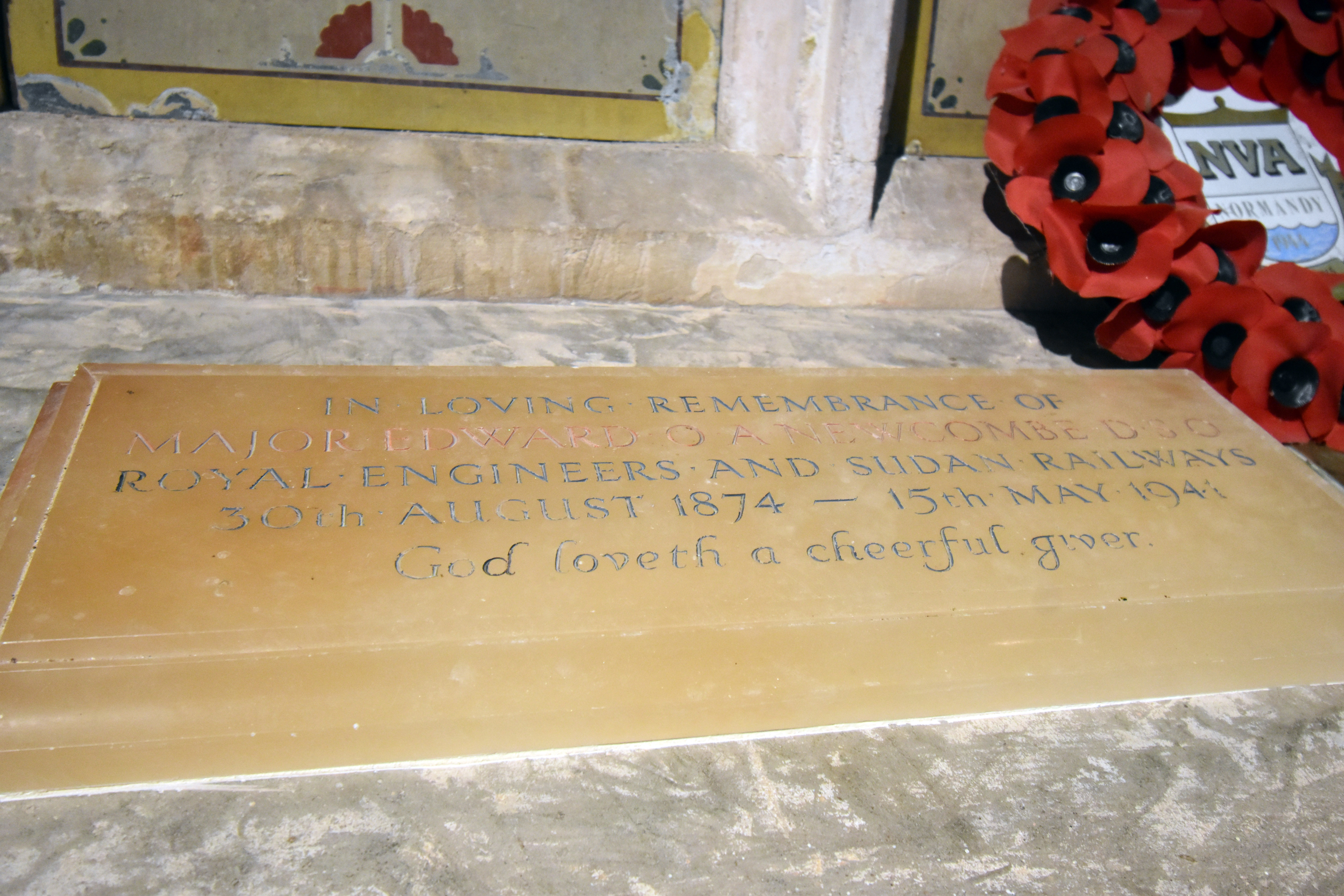
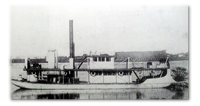
There were lots of Imperial and military connections as you would expect from a church with strong links to the local aristocracy. I found a plaque dedicated to Colonel Eugene St John Birnie OBE of Queen Victoria’s Own Corps of Guides who had married into the Courtenays. There is another dedication to Major Edward Newcombe DSO of the Royal Engineers and intriguingly of the Sudan Railways from 1906 to 1926. In fact he had been present in Kitchener's 1898 expedition down the Nile to defeat the Khedive at the Battle of Omdurman where he himself saw action. He had commanded the gunboat Abu Klea, part of the flotilla that secured the supply lines for Kitchener’s advance. He was mentioned in despatches for his actions in that campaign. His path may well have crossed with that of the remarkable Major Girouard who built the railway following the British Army into the Sudan. This is the railway that Newcombe would manage for nearly two decades with remarkable efficiency and during the First World War. Remarkably, that same railway line is still in use in Sudan to this day.
 |
|
|
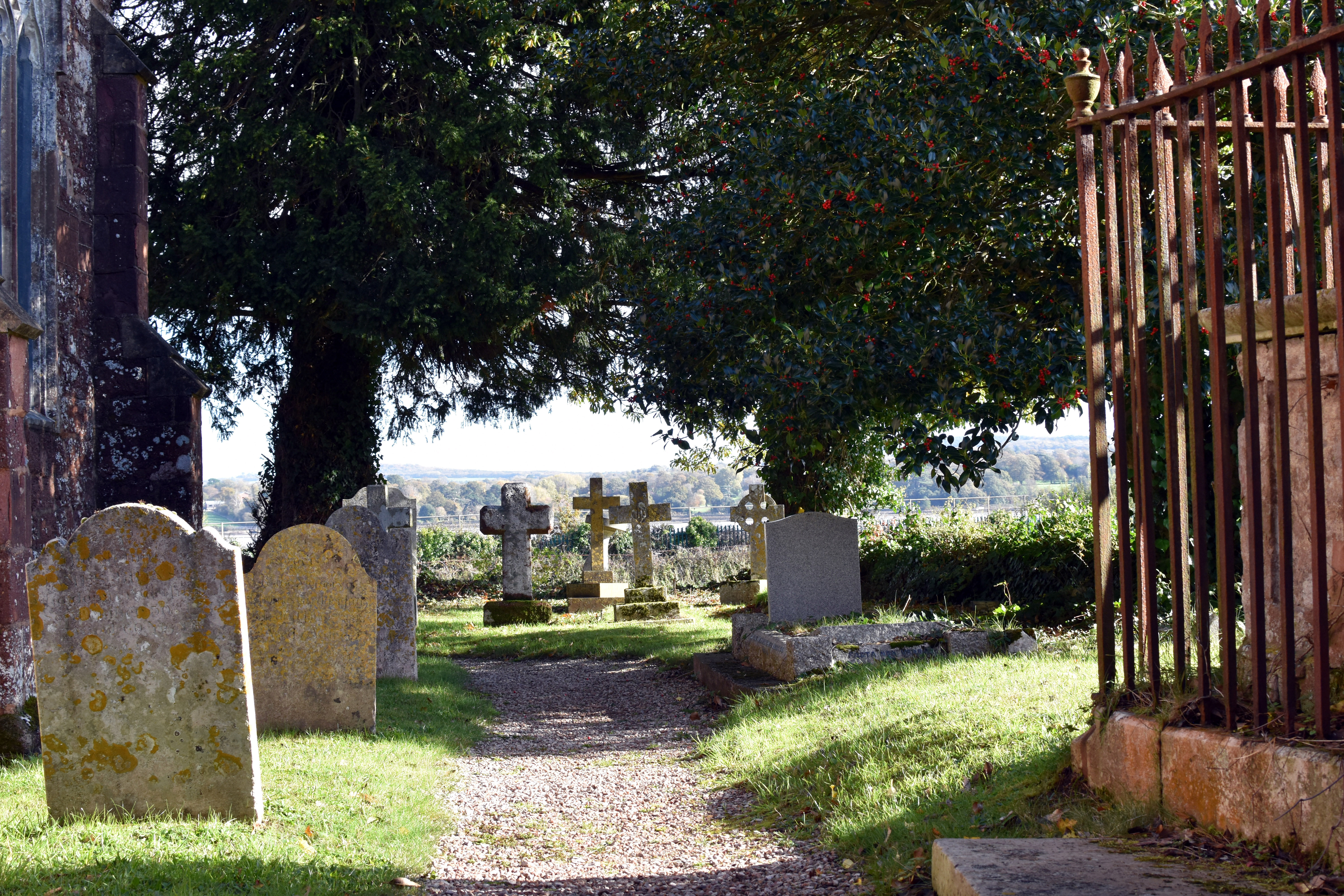
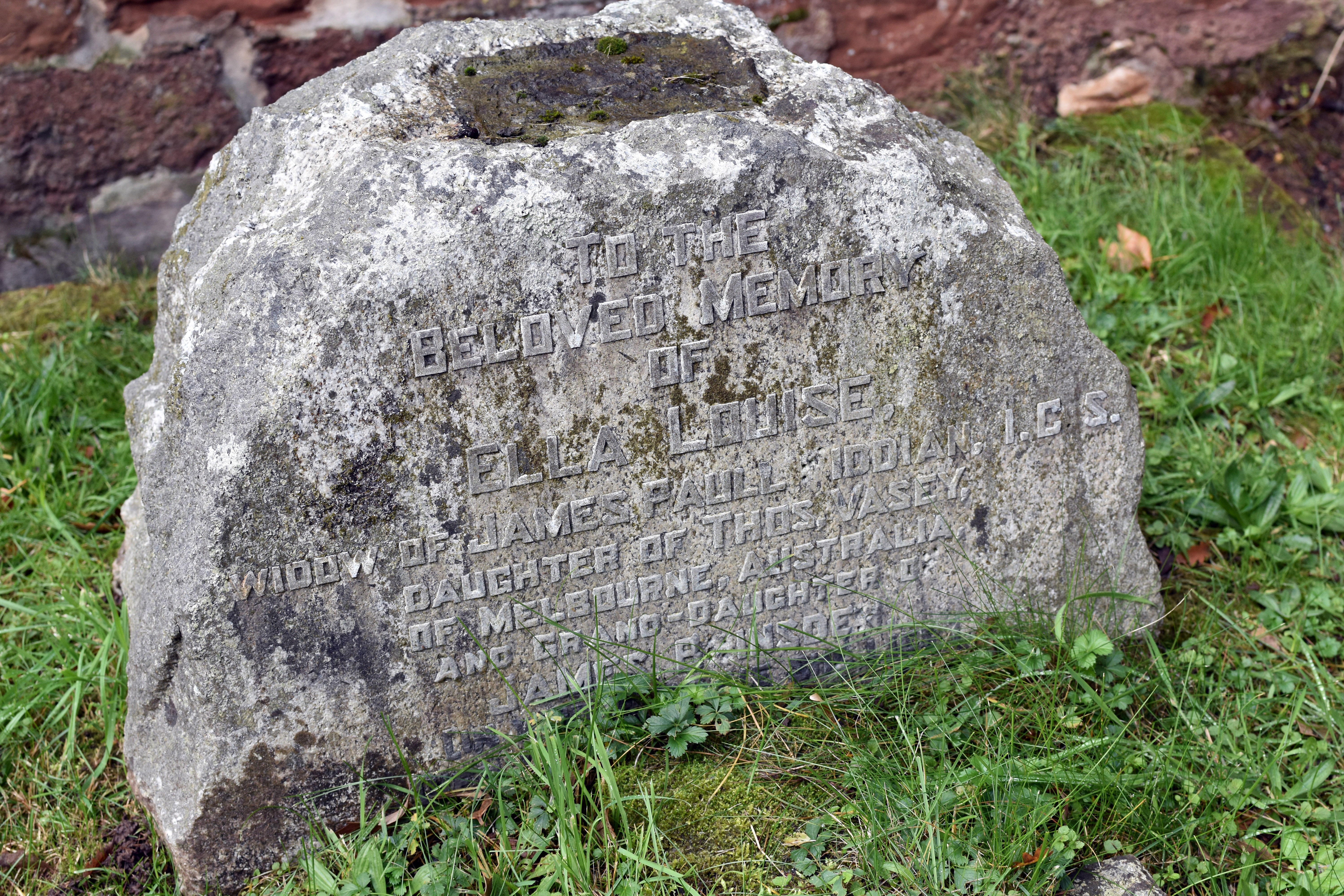
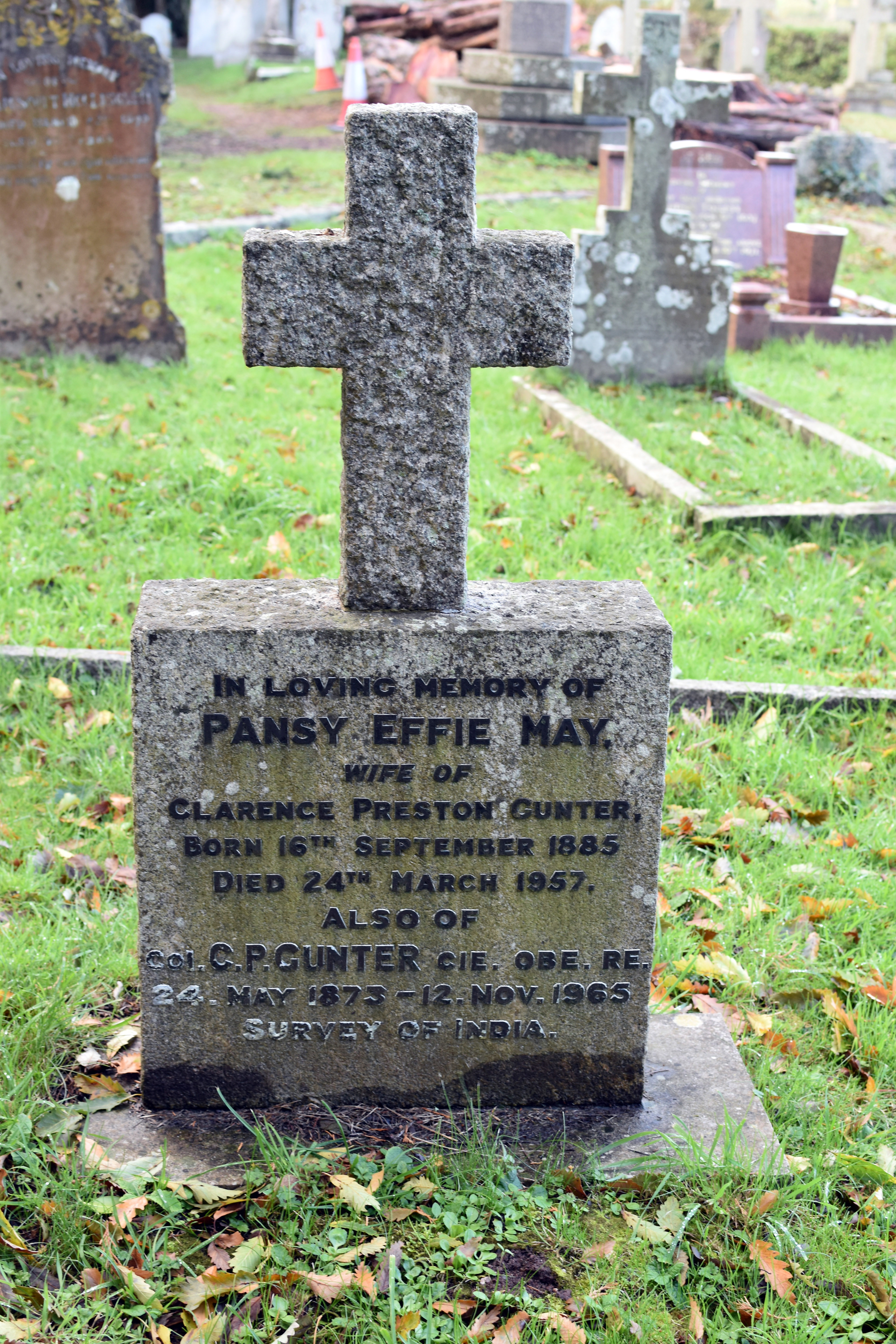
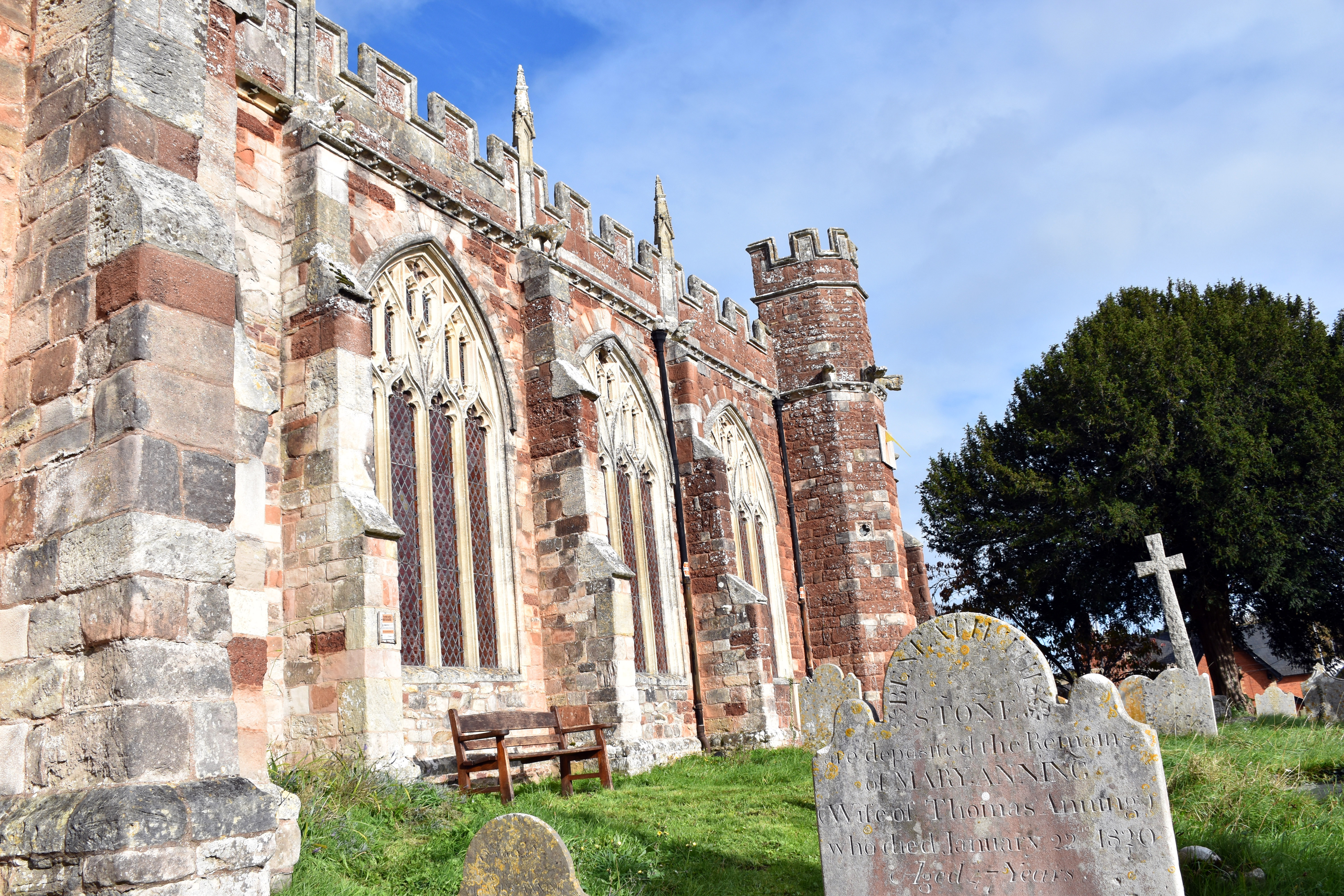
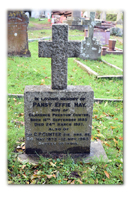
In the graveyard I also found a grave to Ella Louise Fiddian, an Australian married to James Paul Fiddian of the Indian Civil Service. You also have the grave to Colonel C.P. Gunter of the Royal Engineers who had served in Mesopotamia in WW1 and was the one time director of the Survey of India. He was an early pioneer of using planes to construct accurate maps for use by the military and for administrators alike. Indeed the early Mesopotamia campaign had been a debacle partially due to terrible maps of the area they were fighting the Turks. Thanks to officers like Gunter, the later operations in Mesopotamia were to prove to be far more effective thanks largely to more accurate understanding of the ground they were fighting over.
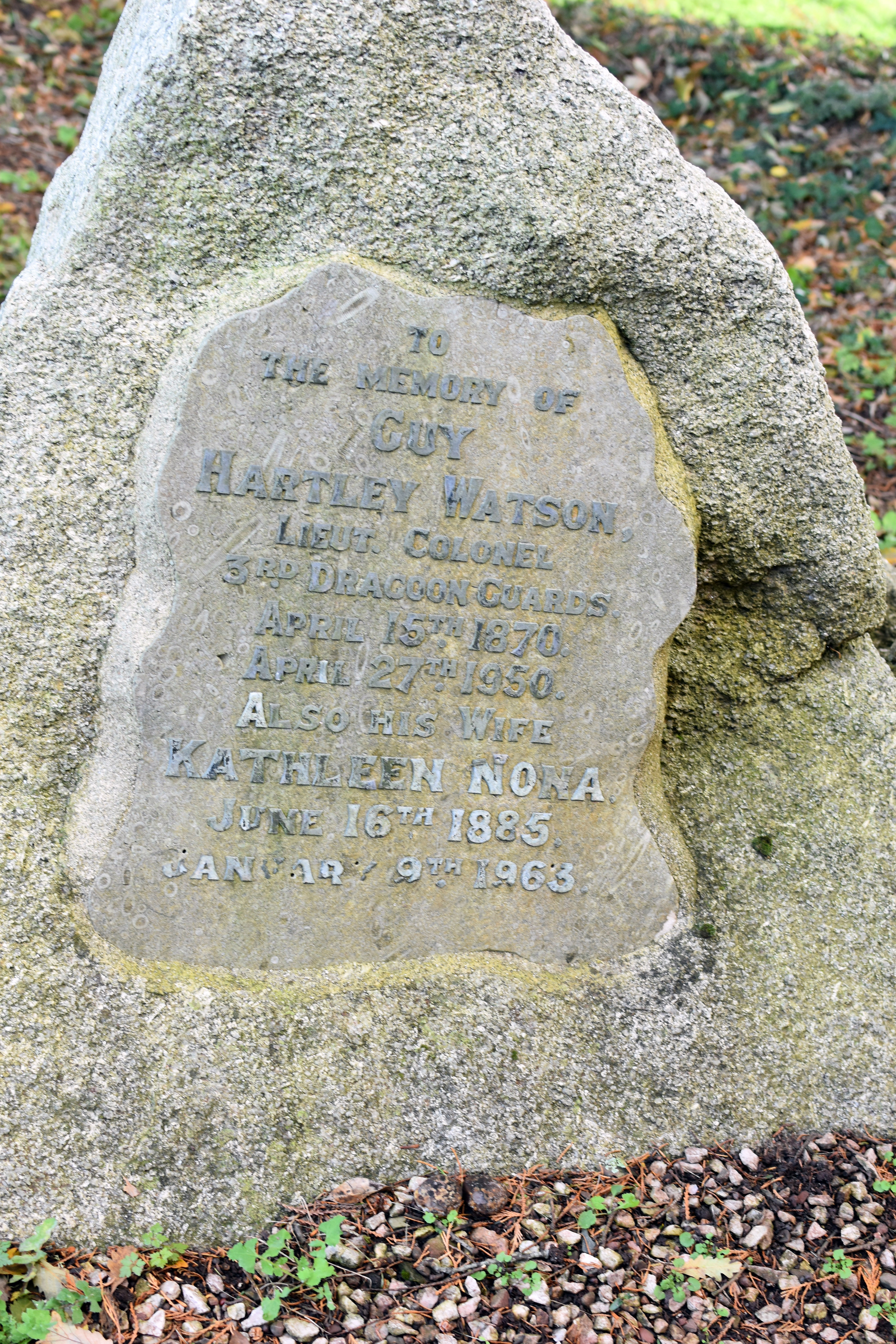
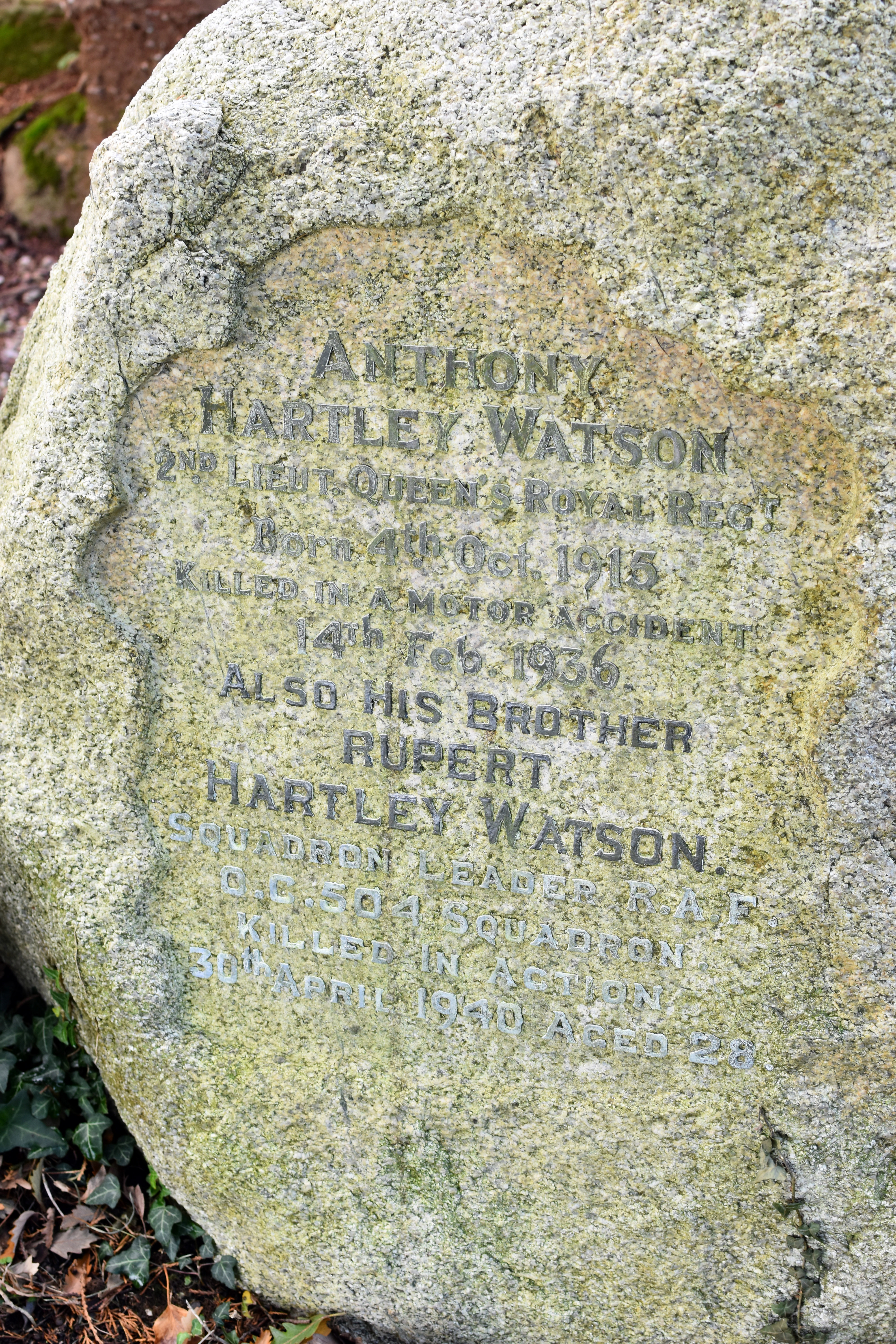
Then there is the sad collection of Watson graves. Guy Hartley Watson is commemorated with his wife. Guy actually became the Lieutenant Colonel of the 3rd Dragoon Guards and had actually fought at the Siege of Ladysmith in the Boer War as a Captain. Sadly on the reverse of his grave you can see that he knew personal tragedy through the loss of his two sons. The elder was 2nd Lieutenant Anthony Hartley Watson of the Queen’s Royal Regiment who was sadly killed in a motor accident in 1936. The other was Rupert Hartley Watson who had been a Squadron Leader and Officer Commanding of 504 Squadron in the RAF. He was sadly killed in action in 1940.
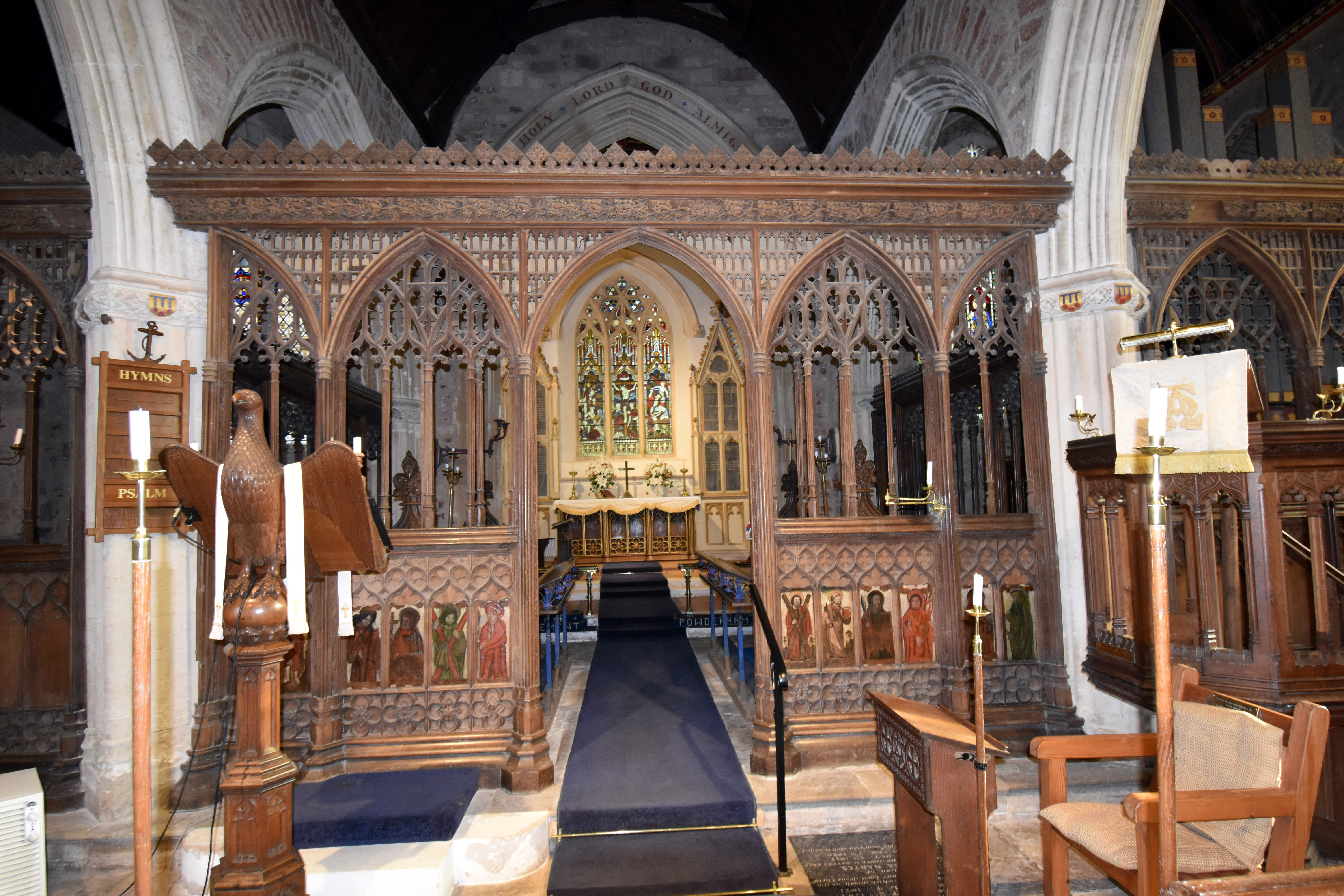
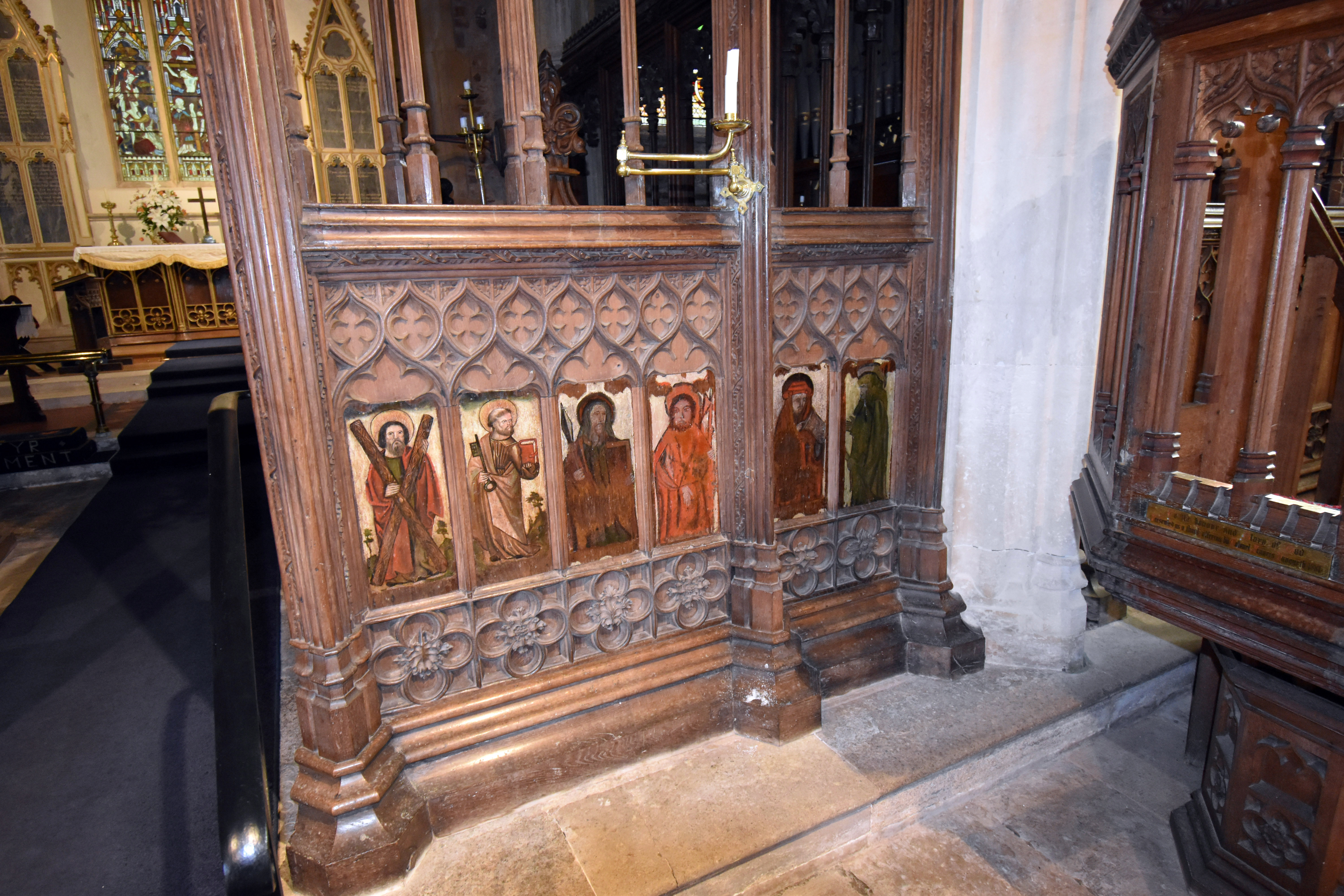
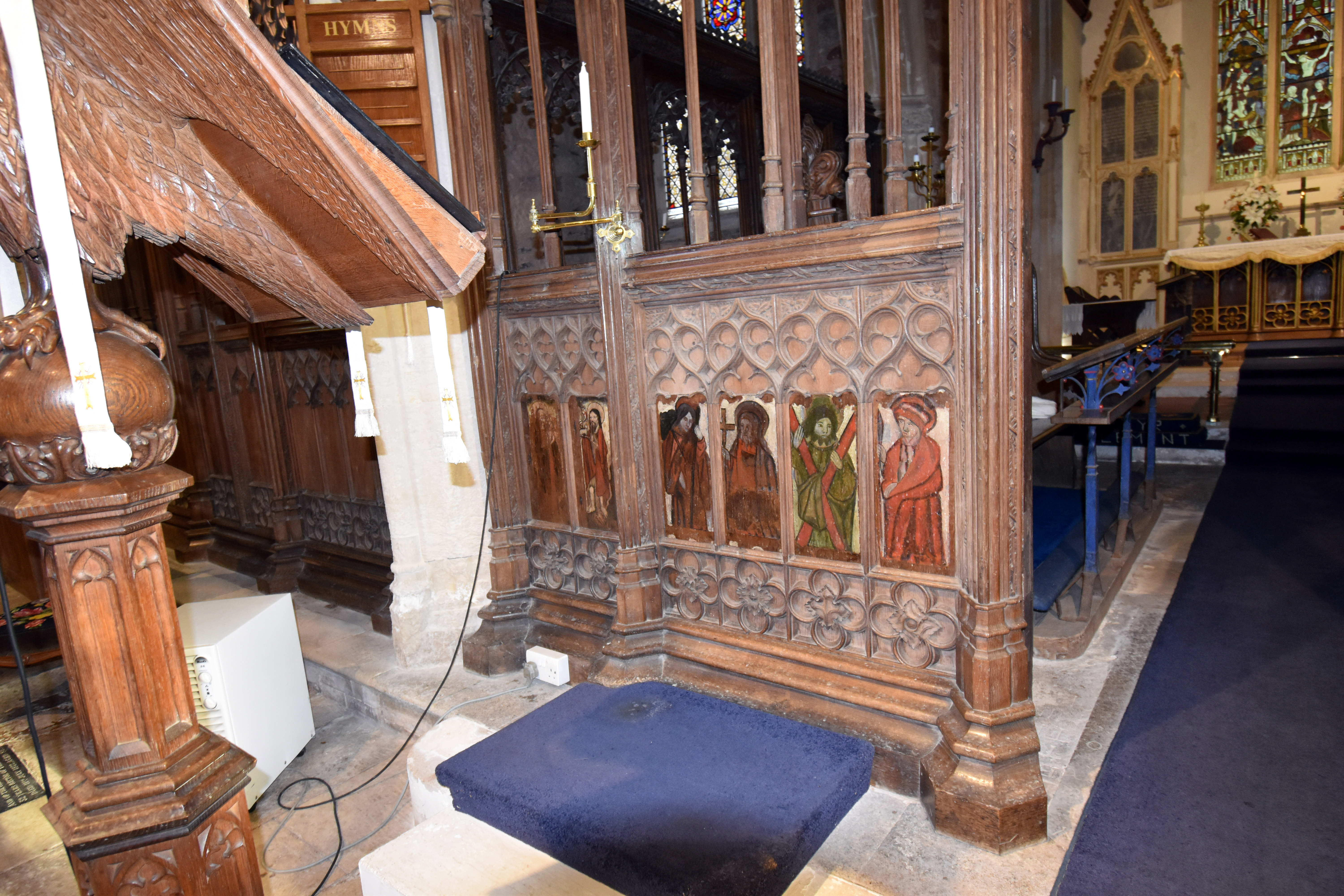
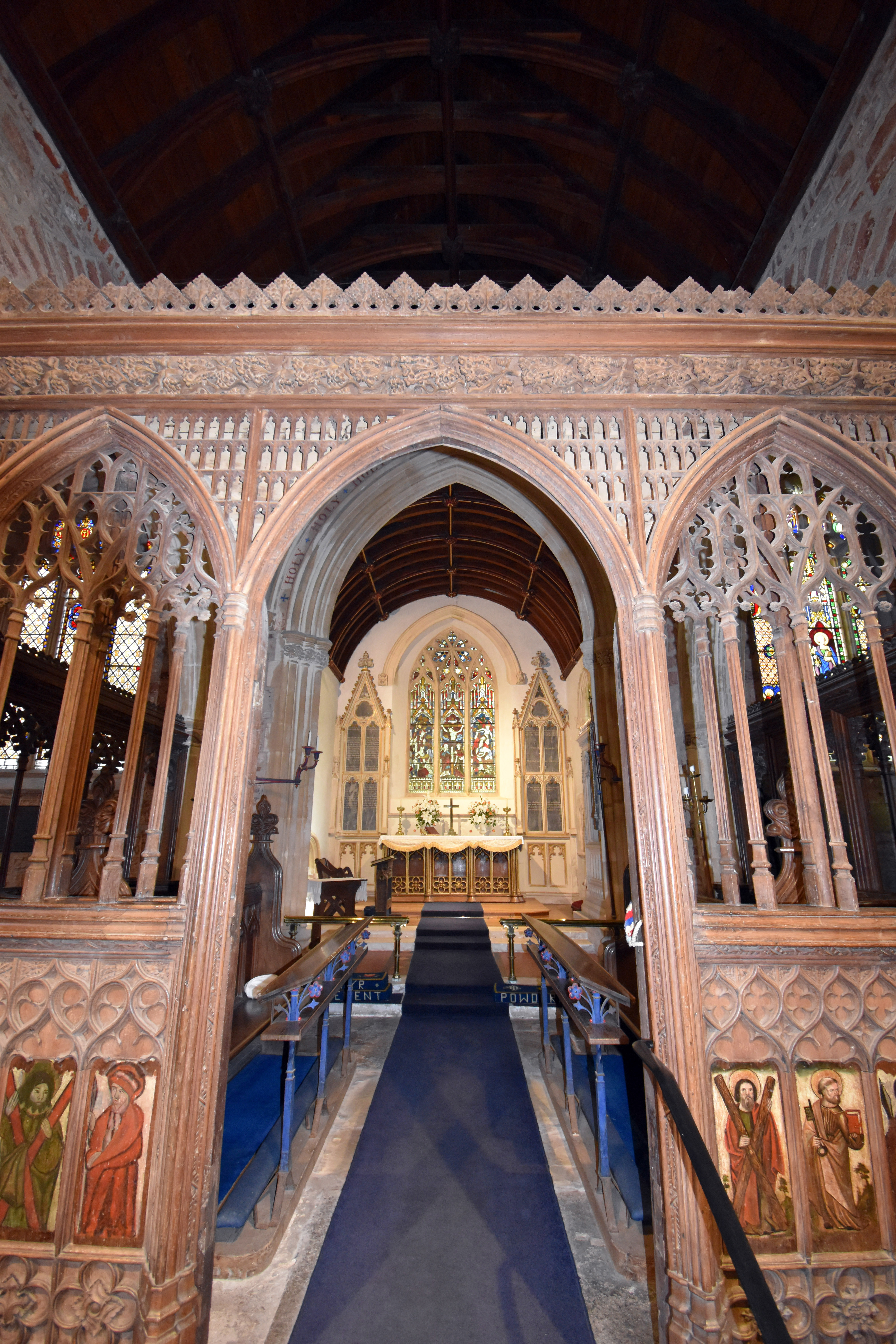
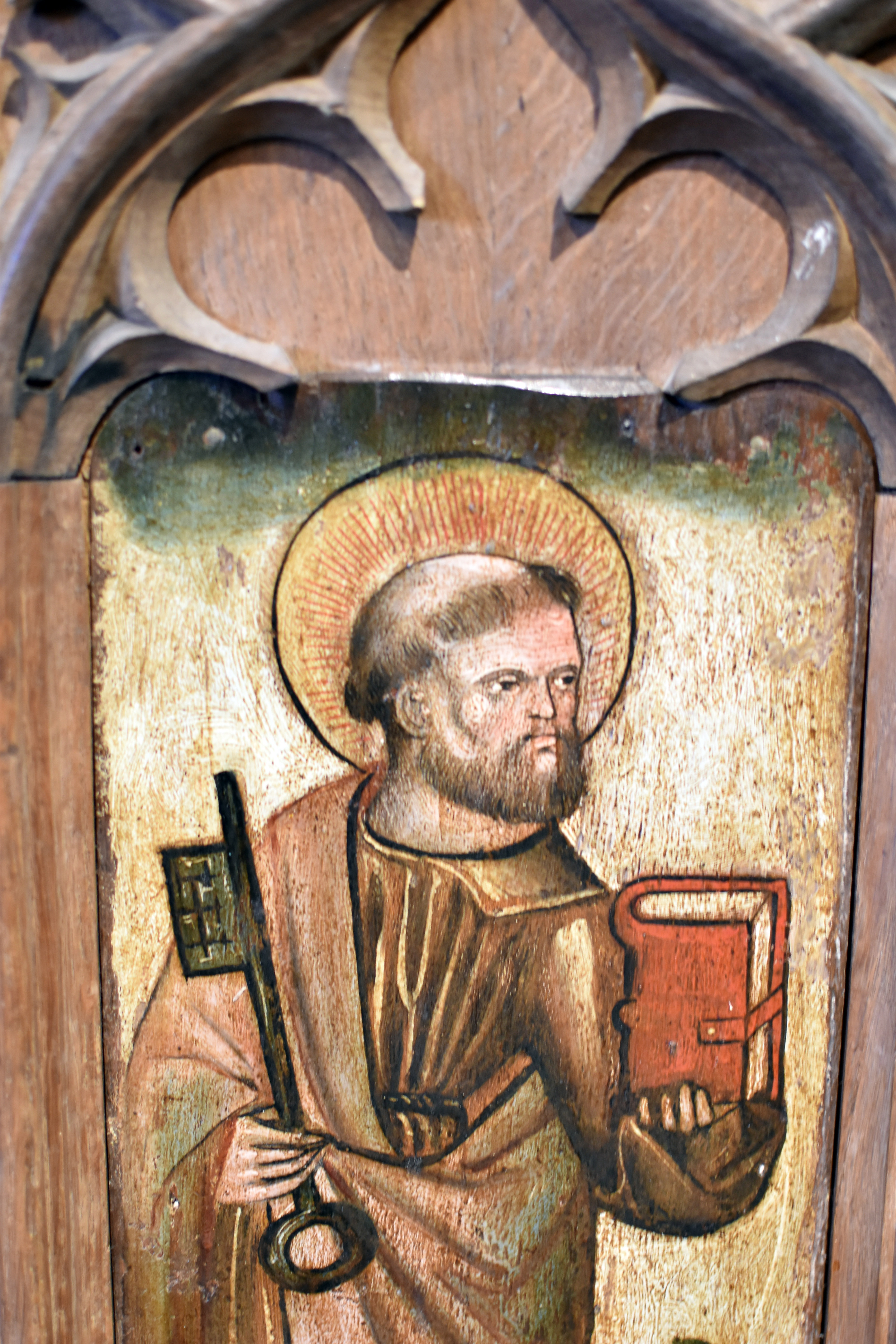
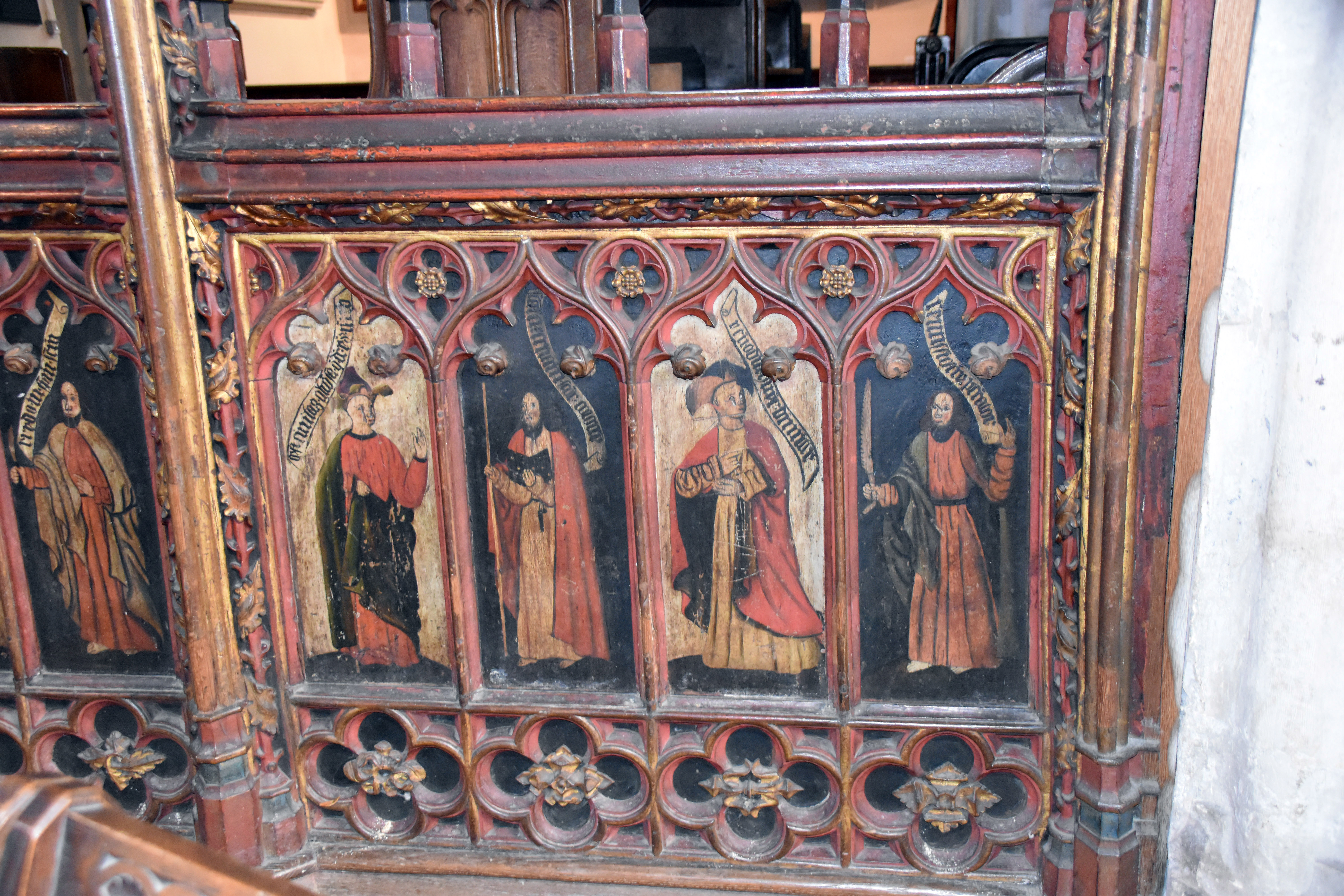
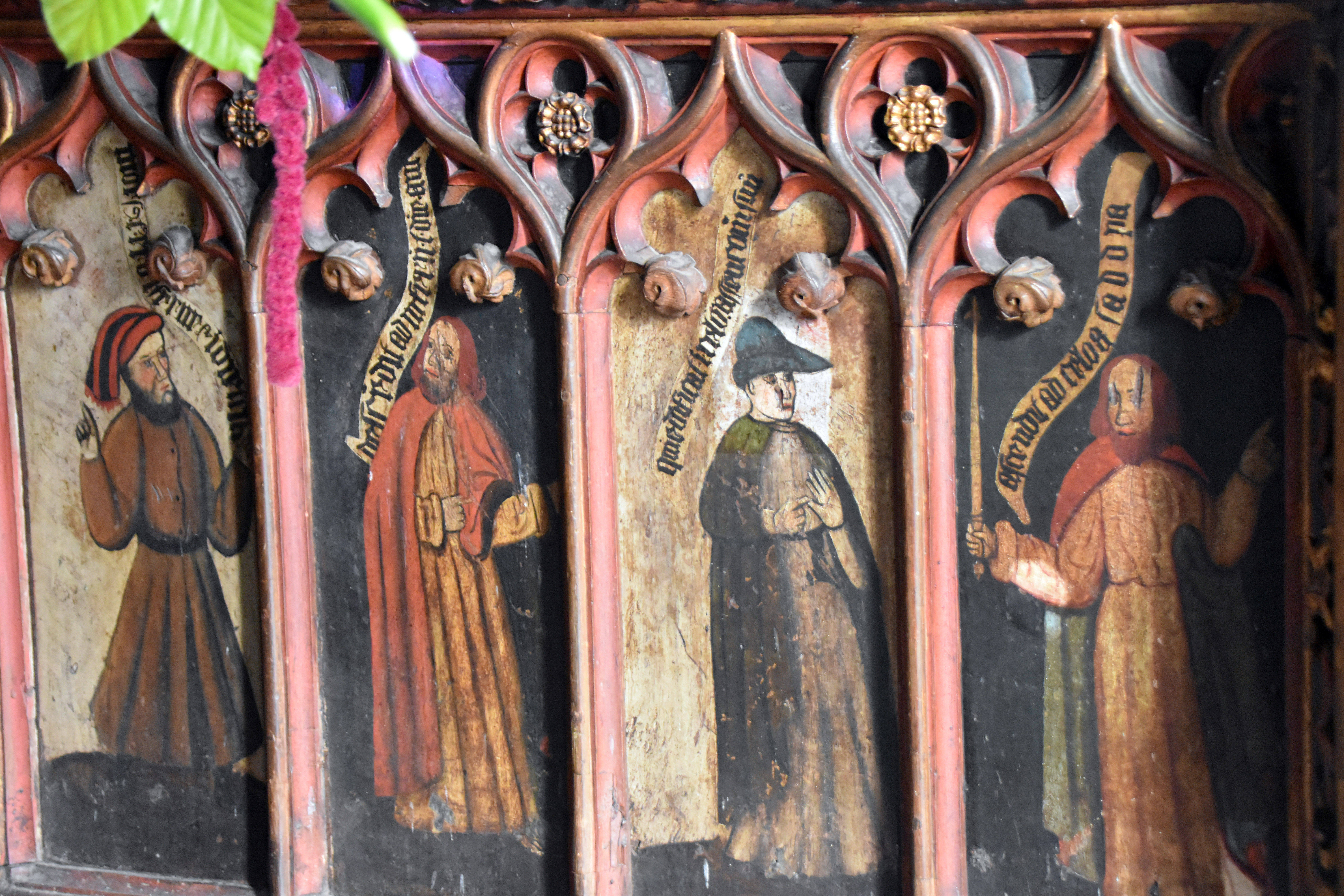
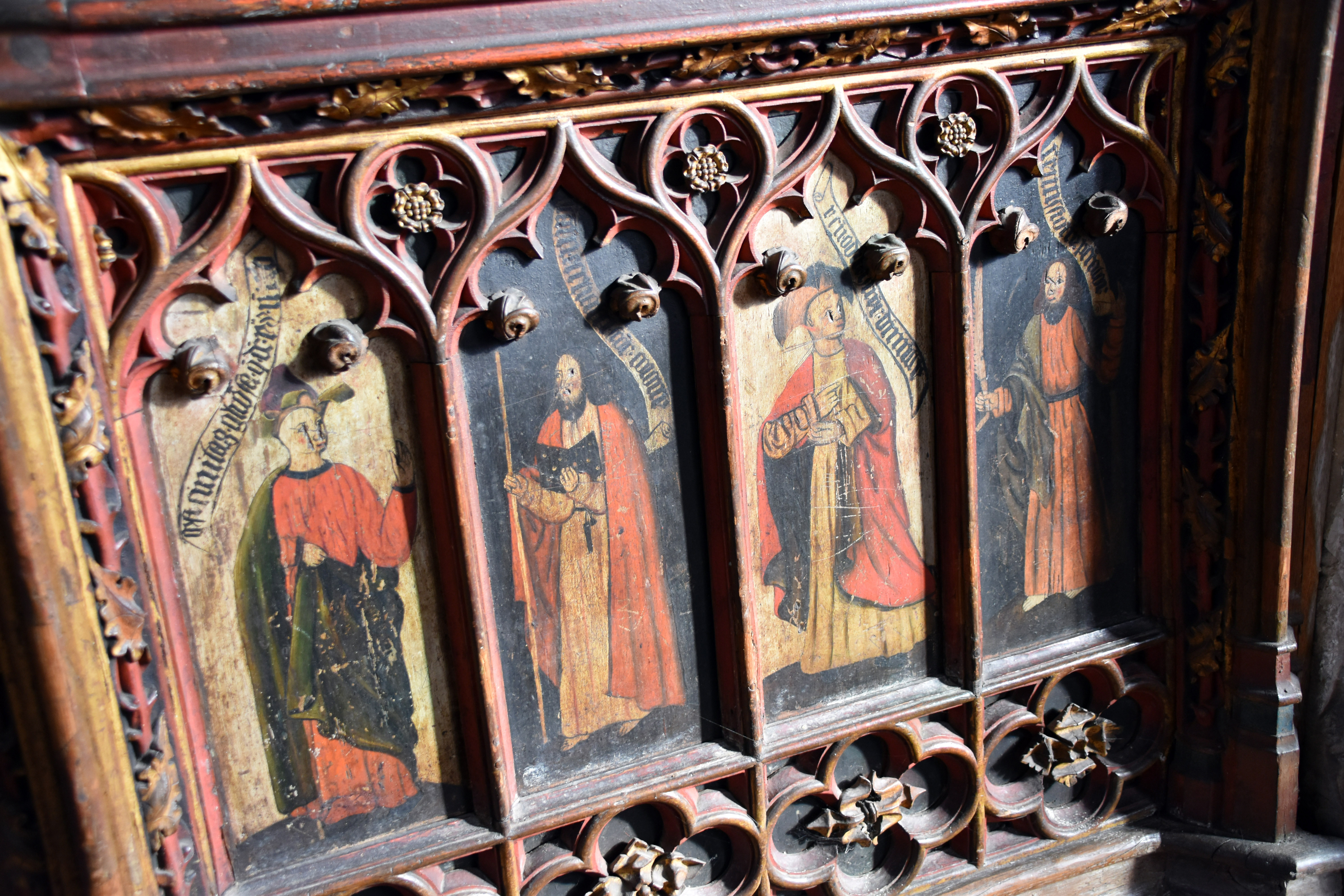
St Clement’s is still fortunate to have remarkably vivid paintings on its Rood Screen. And with a couple of exceptions - the eyes seem to have been spared the wrath of any righteous puritans for scratching them out. This is even more remarkable as we know for a fact that Parliamentarian soldiers definitely entered and indeed defended this church. Perhaps they were hidden behind some kind of whitewash. It is also possible that the Rood Screen was brought to the church from another church at a later date - but whatever the reason I always love looking upon Pre-Reformation art.
 |
|
|
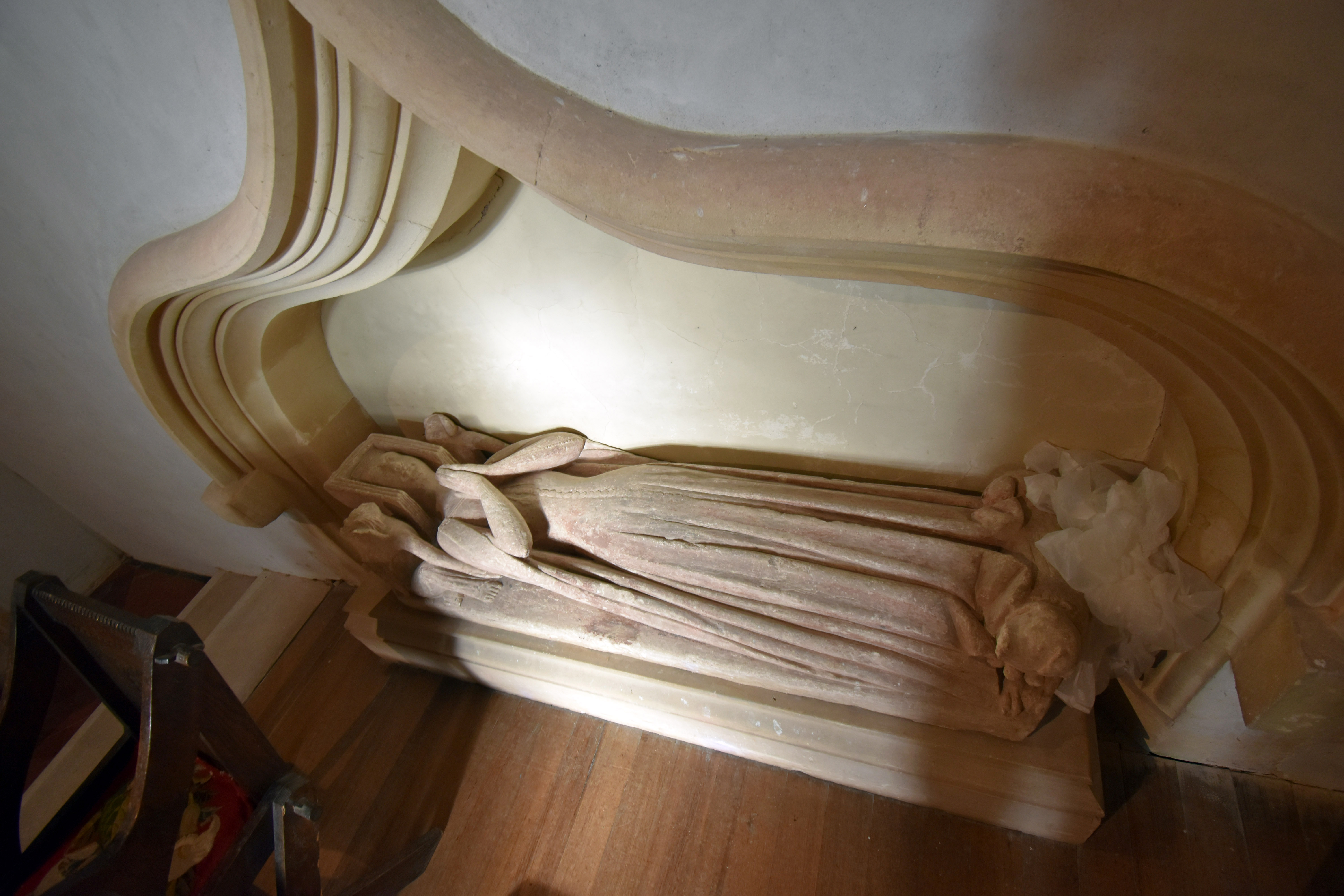
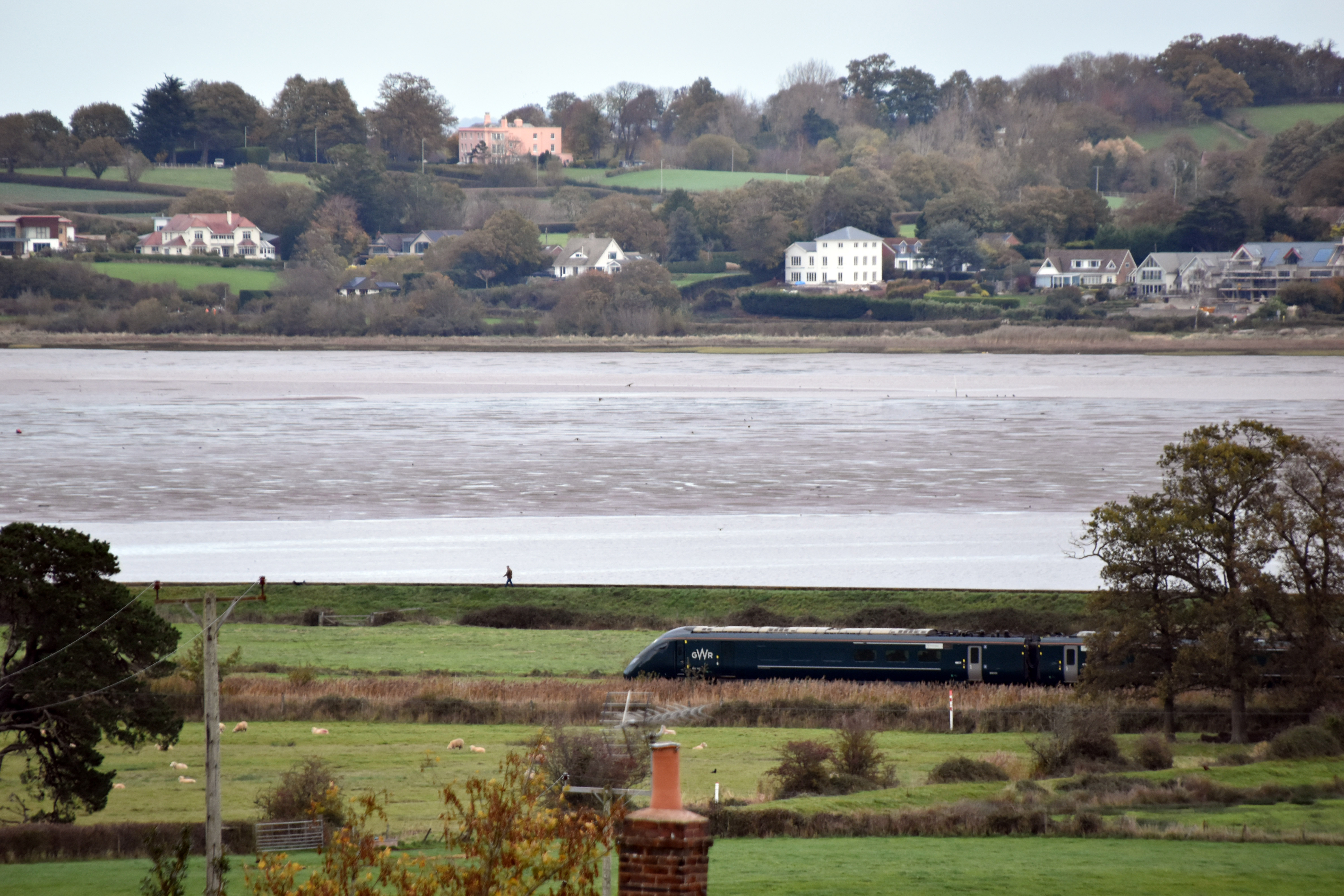
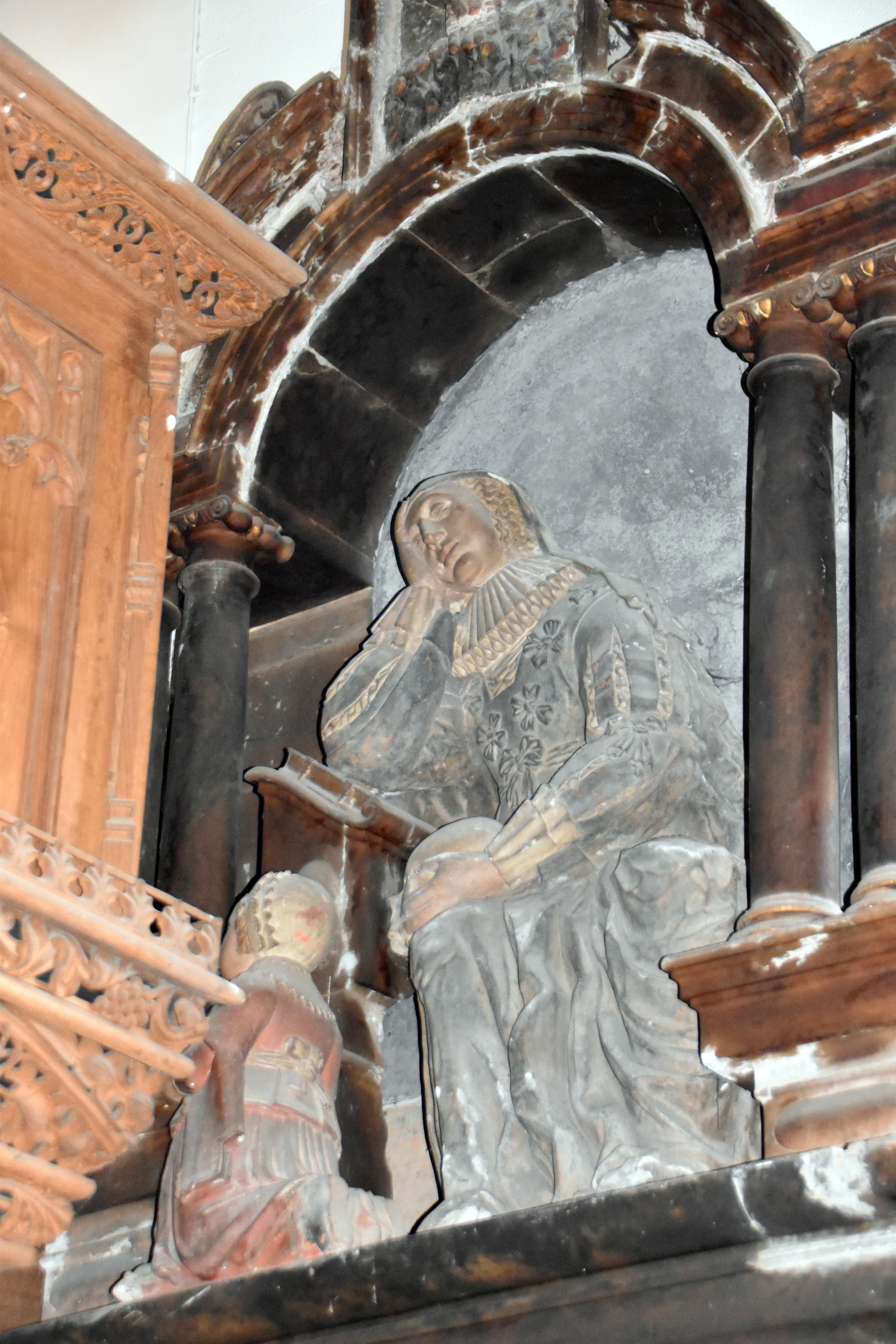
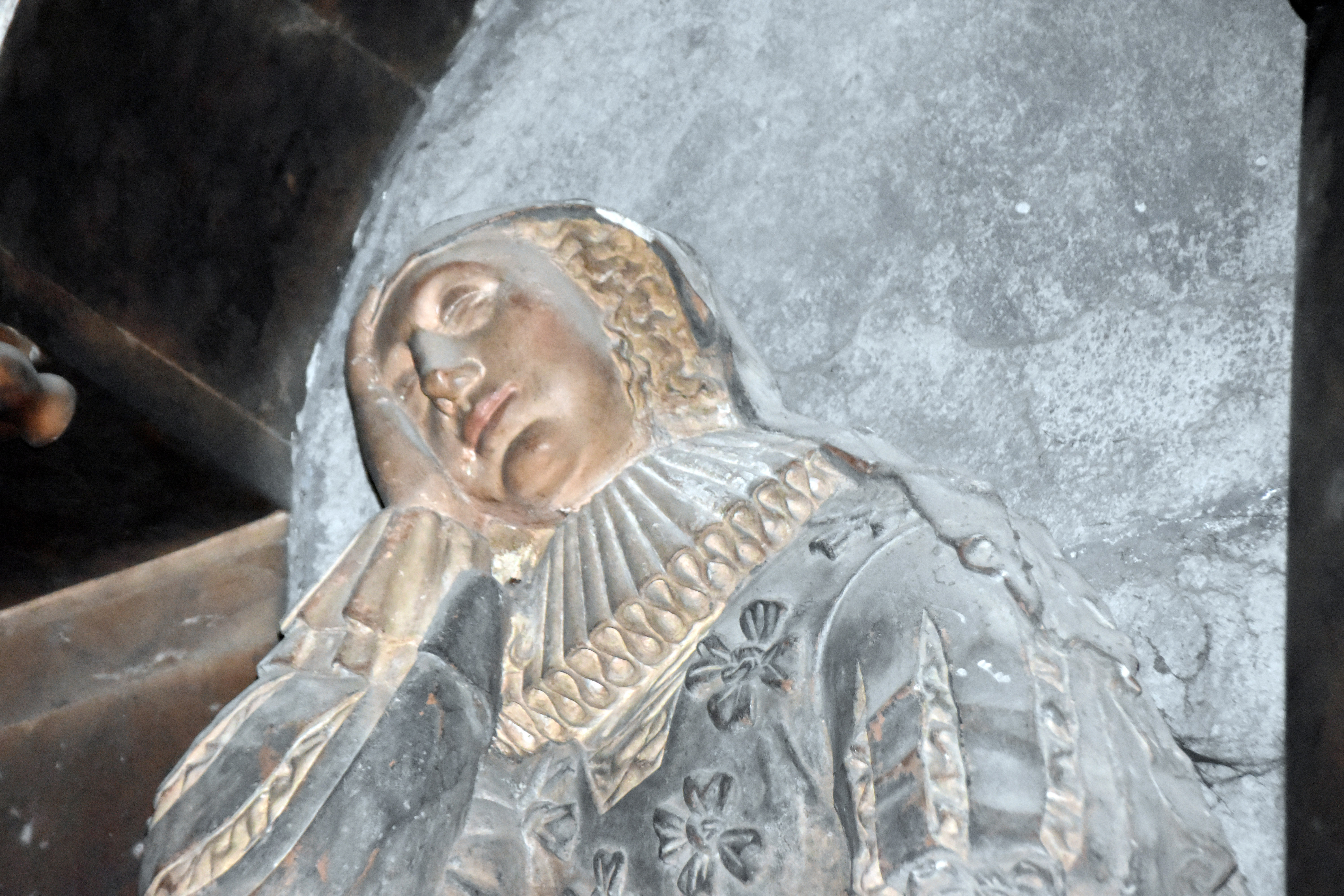
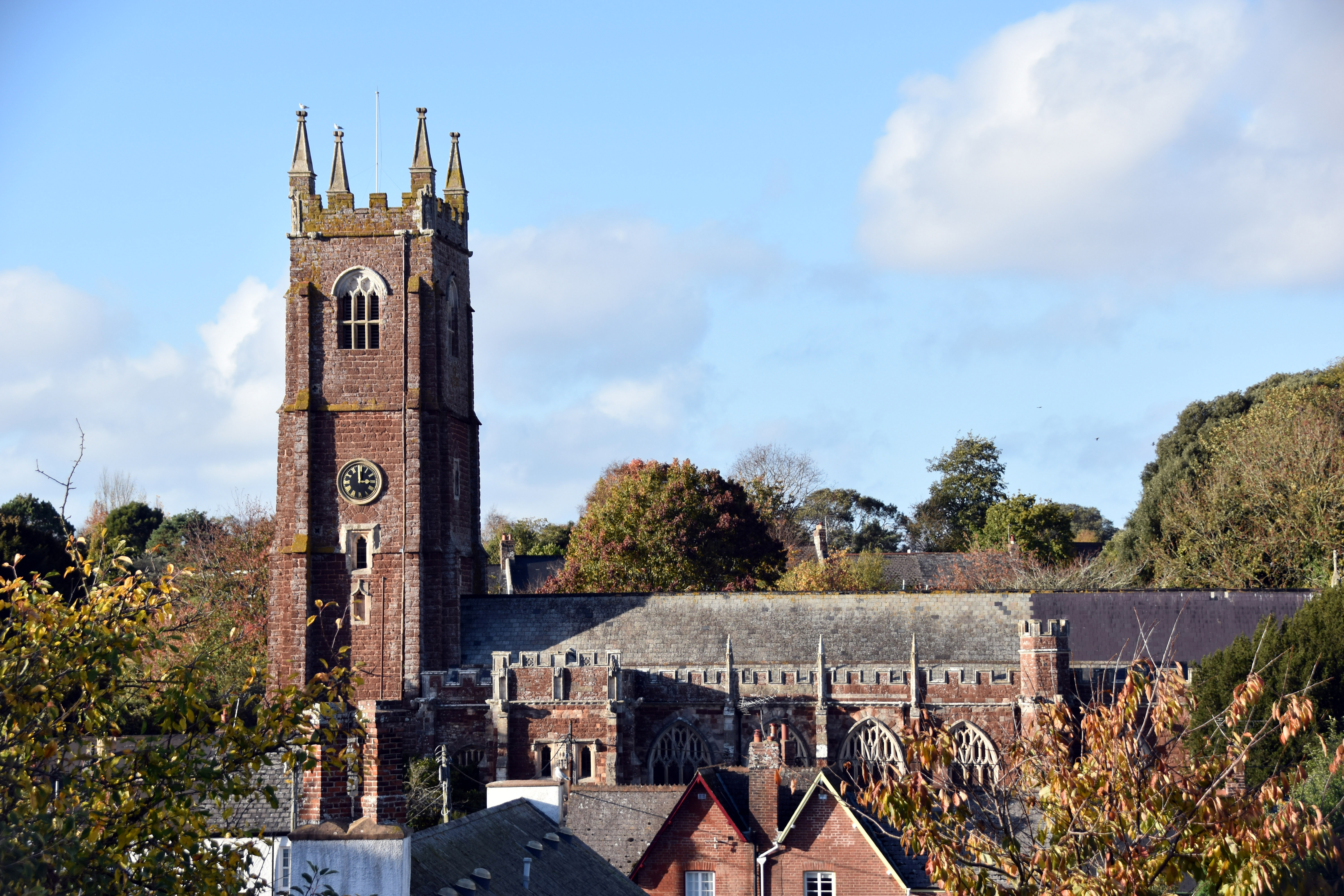
There is also a 14th Century effigy almost certainly of a Courtenay which looks remarkably pristine and fresh - it certainly doesn’t look 600+ years old. The church as a whole has a distinctive red colour thanks to the local sandstone and it looks particularly beautiful in the low winter sun. We were also treated to a Buzzard flying overhead as we left the building. The church is beautifully situated next to the River Exe - although the main line trains running nearby definitely add a little extra modern colour and soundscape to the setting.
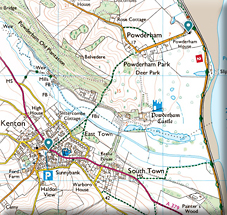
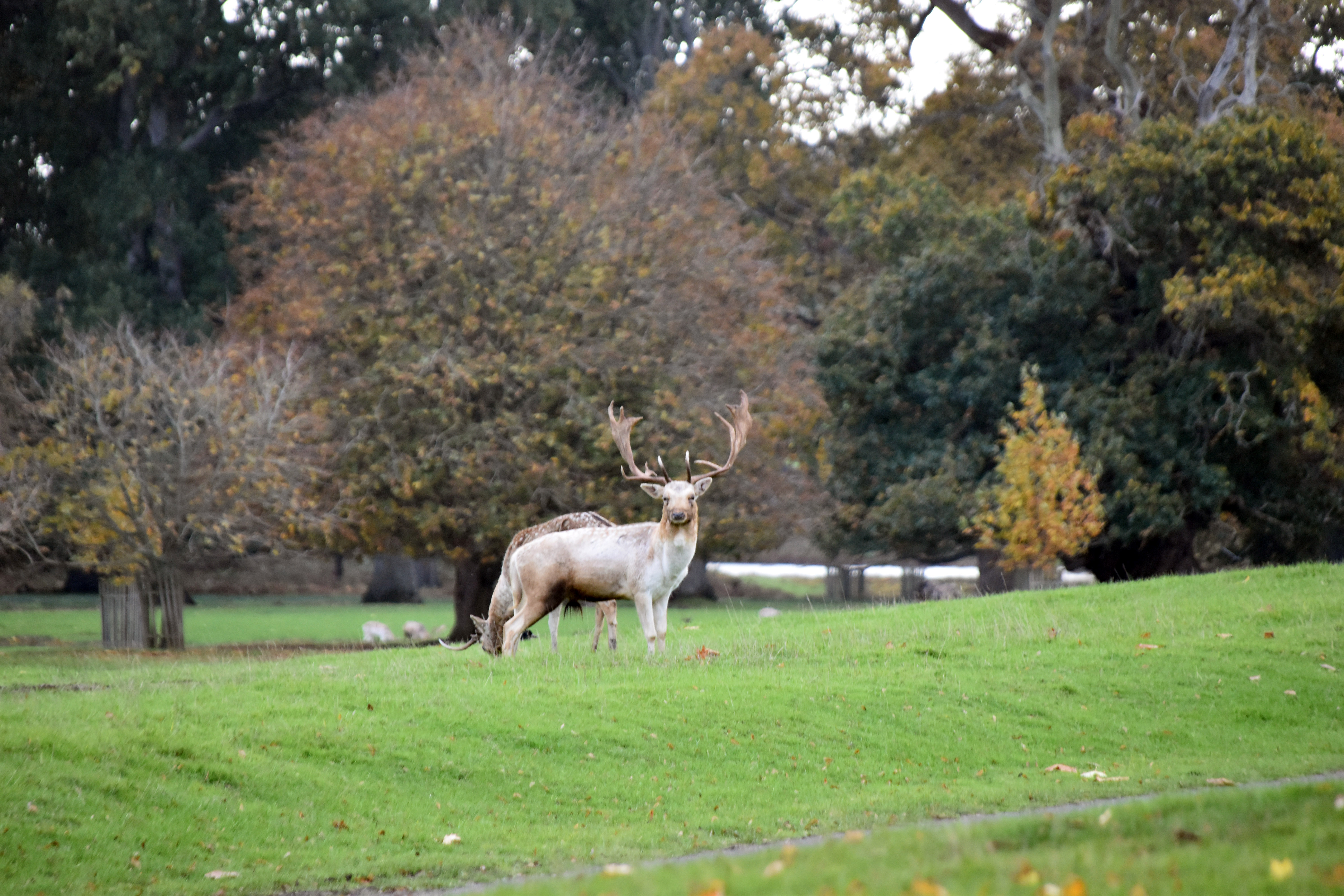
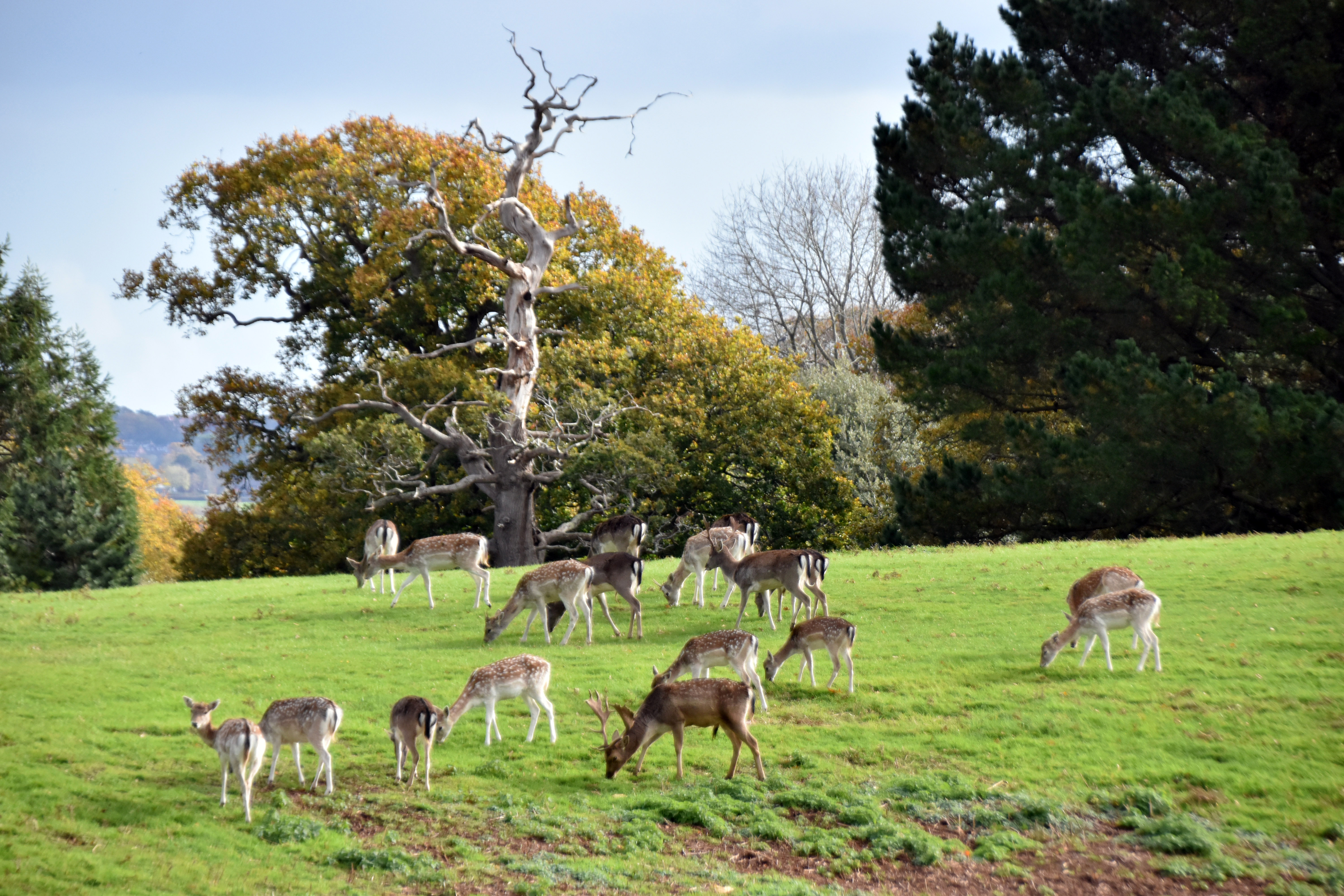
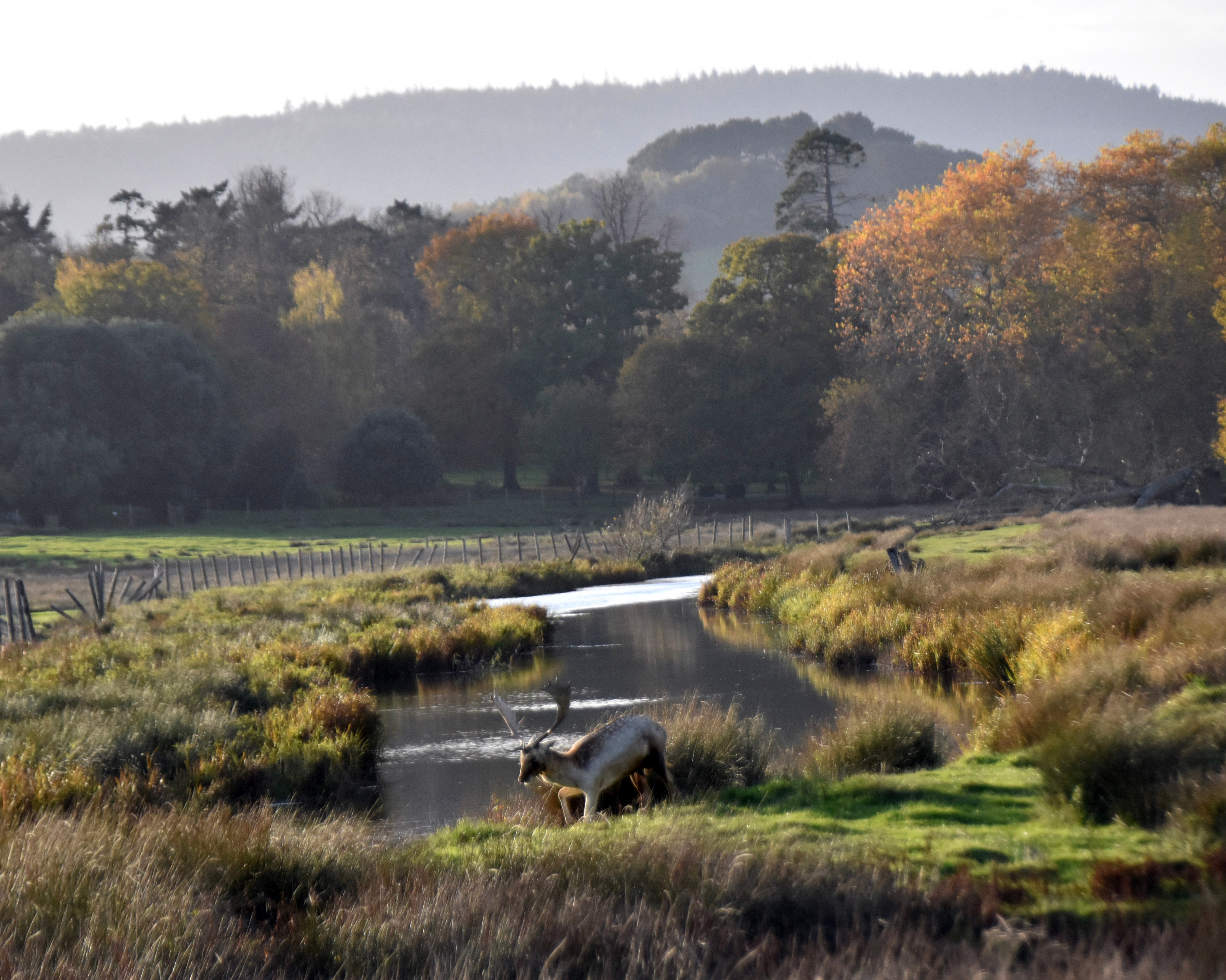
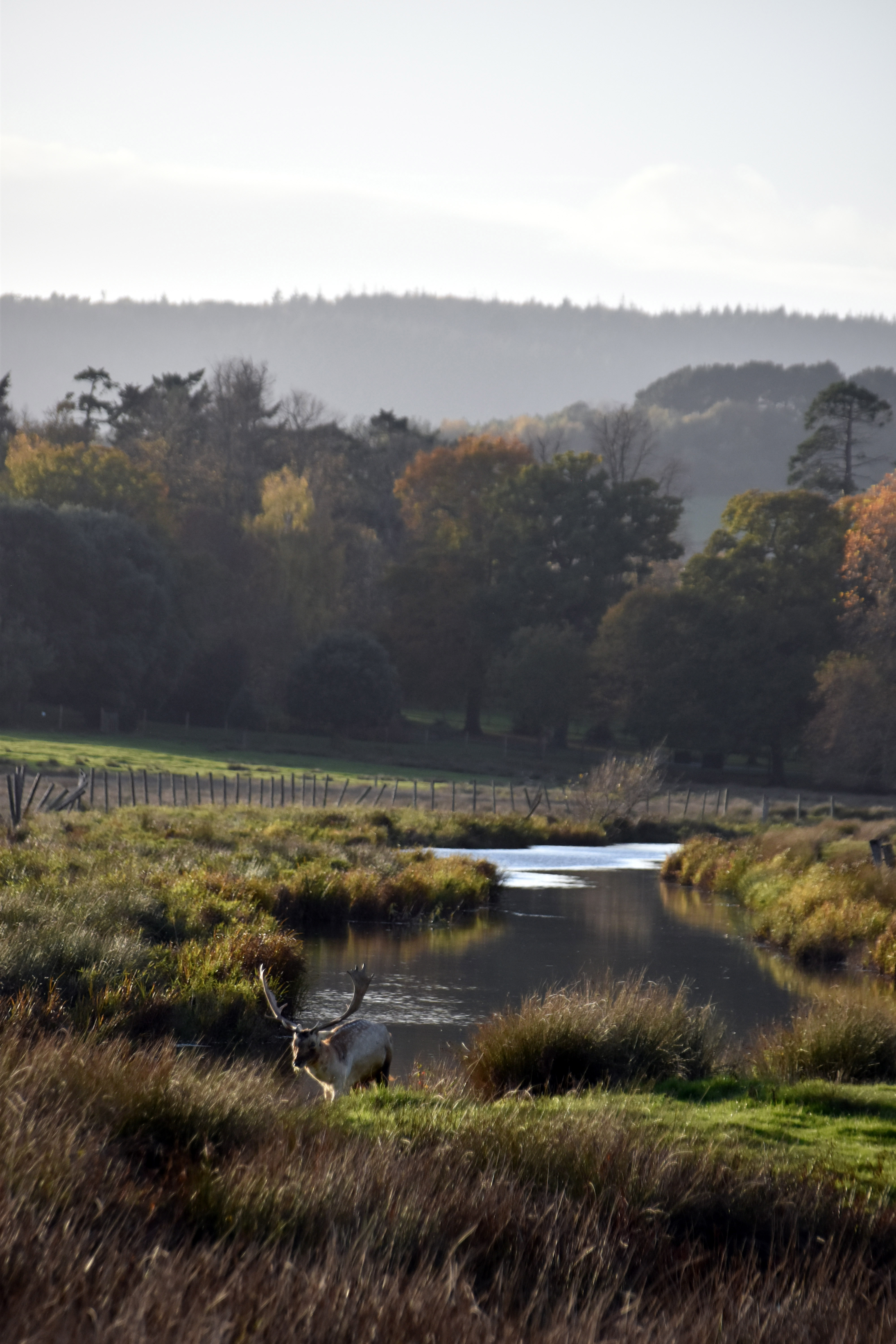
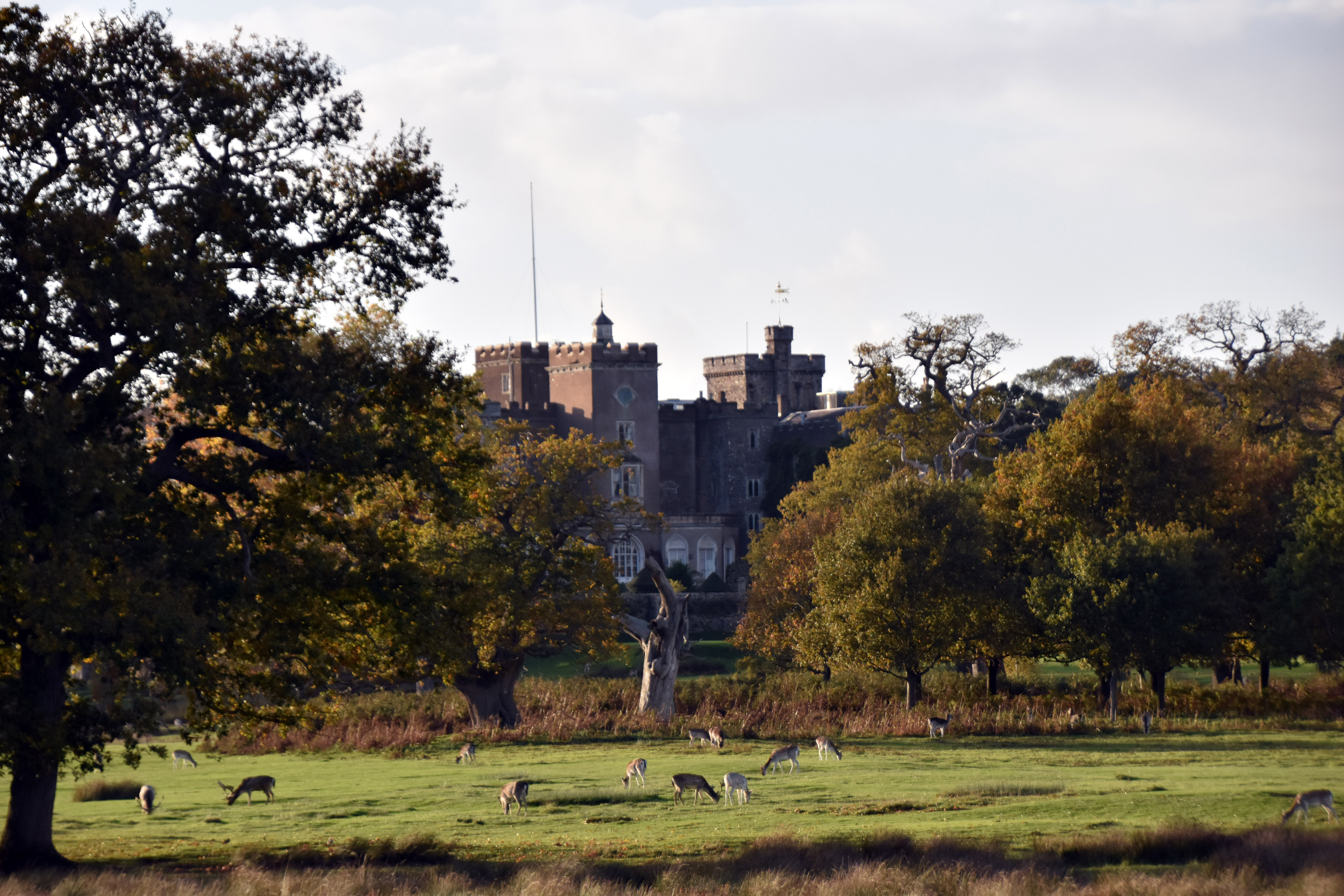
Leaving the assembly parishioners to their service, Rupert and I did not follow the well used pathways along the River Exe but instead walked due West inland towards Kenton and through the Powderham Estate. It was lovely to see so many glorious deer through the Estate’s fencing with some very impressive antlered deer indeed. They were all rather too well fed and provisioned for to be anything other than sedate but still it was beautiful to see the deer in the beautiful grounds of Powderham Castle.
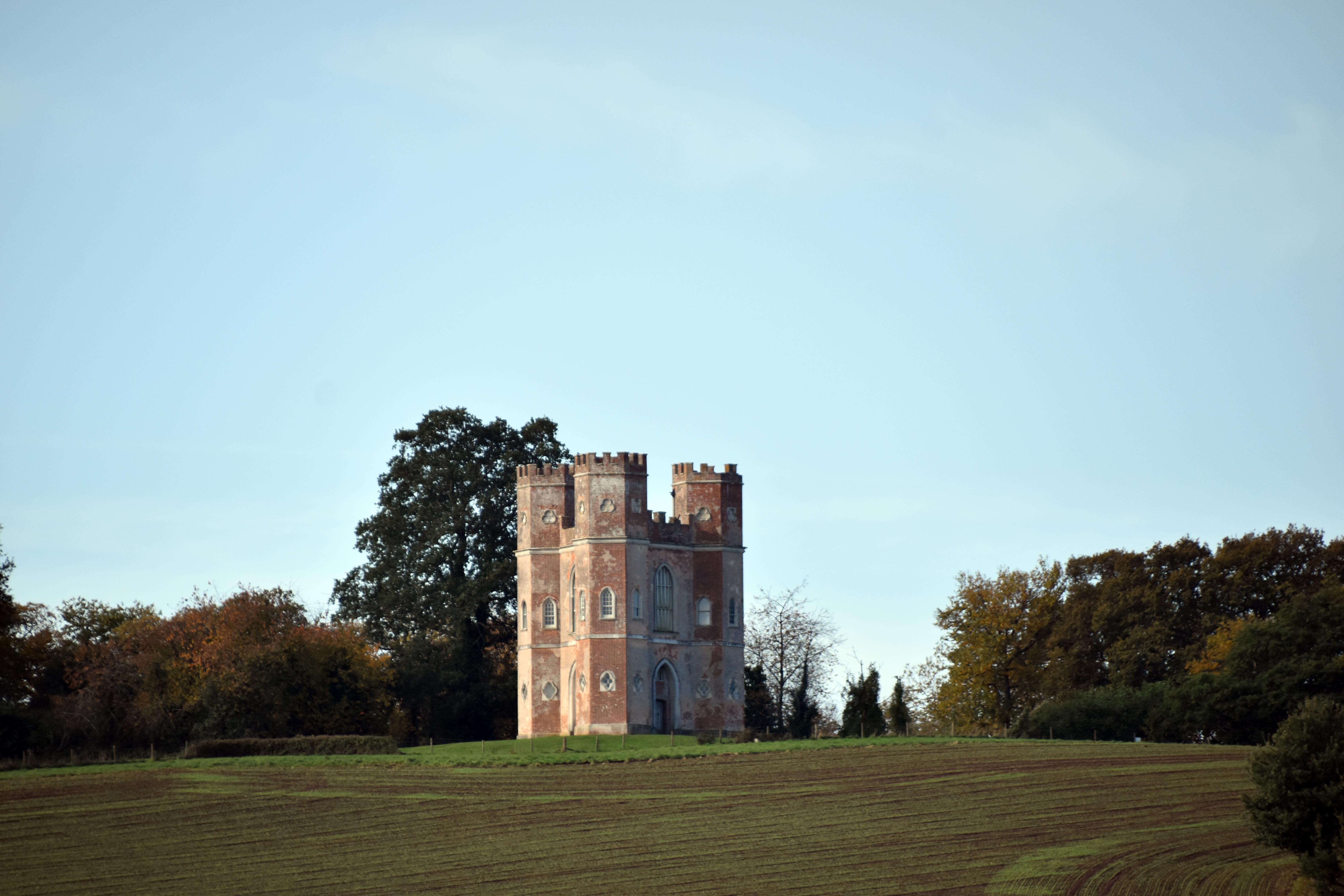
We also got a good view of the 18th Belvedere which was built by the Courteneays as a rather well situated Ball Room in the 18th Century with stunning views over the Exe estuary towards Lympstone and beyond. Soon we could see our next destination of All Saints Church in Kenton.
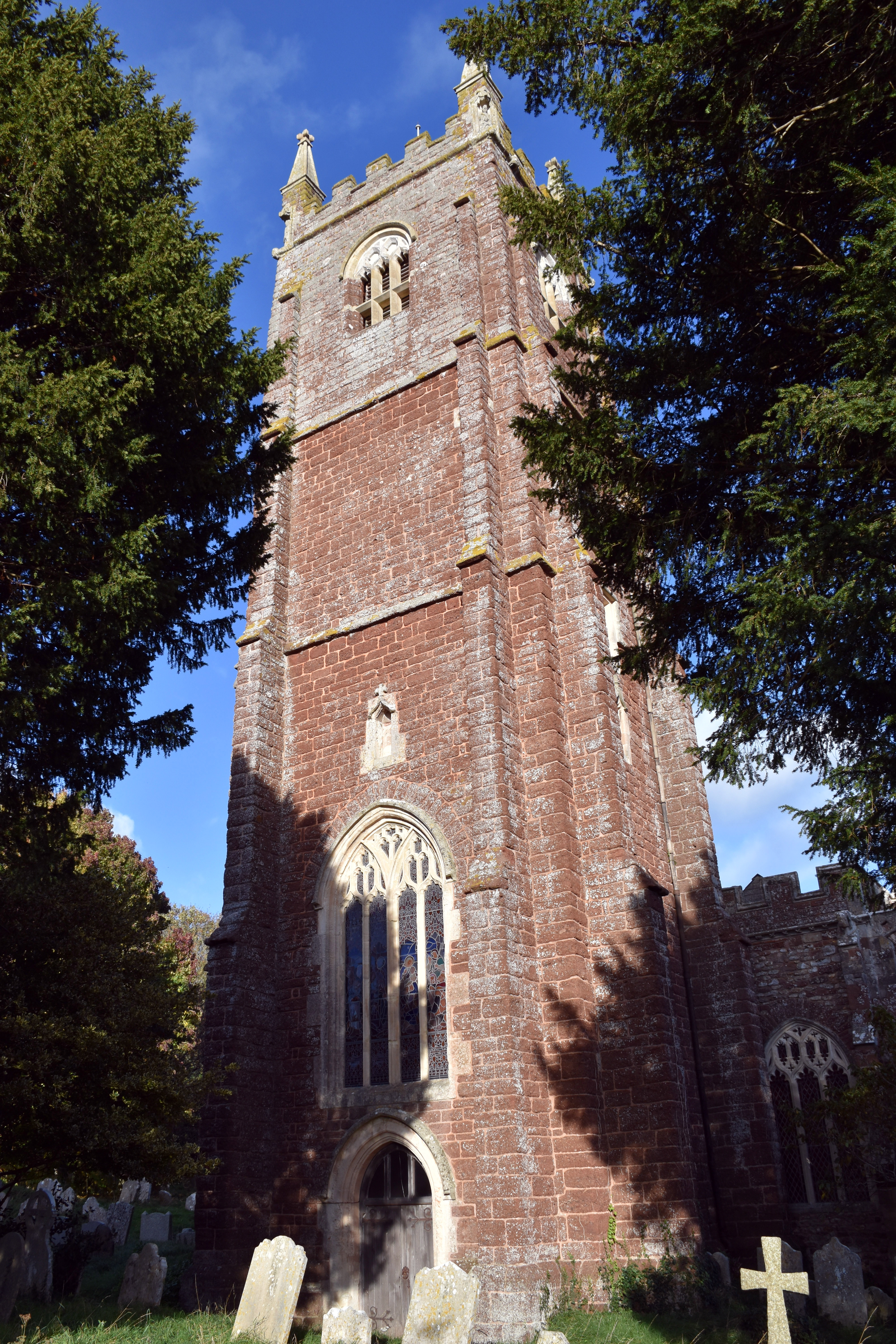
Now it is remarkable just how large this church is for such a small village. It further reinforces just how wealthy Devon settlements used to be in the heyday of the Wool Industry. It is also a red sandstone church which looks like it is glowing in the sun. This 14th Century church is one of the nicest ones we have been to - and we have been to some very nice churches indeed. As you enter it you notice two corbels which depict Henry IV and Joan of Navarre. There is also some odd grooves below the water stoup which is where the locals used to sharpen their arrows when it was compulsory to practice archery on a Sunday - the soft sandstone was not forgiving but did allow for sharpened arrows! The entrance way also has the old stocks when justice was swift and shaming in public was seen as a deterrent to bad behaviour. They have two on display - one for the legs and one for the head!
 |
|
|
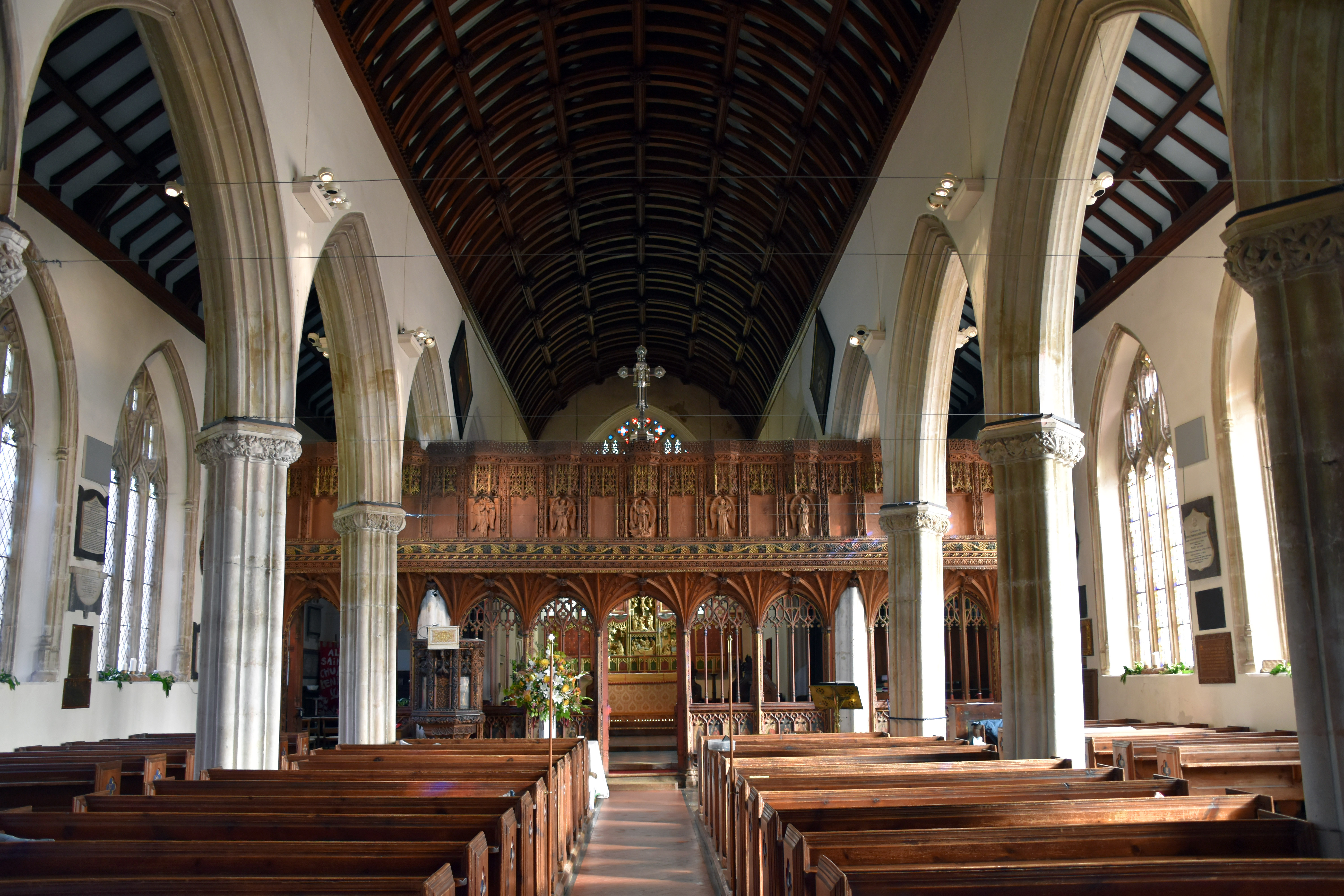
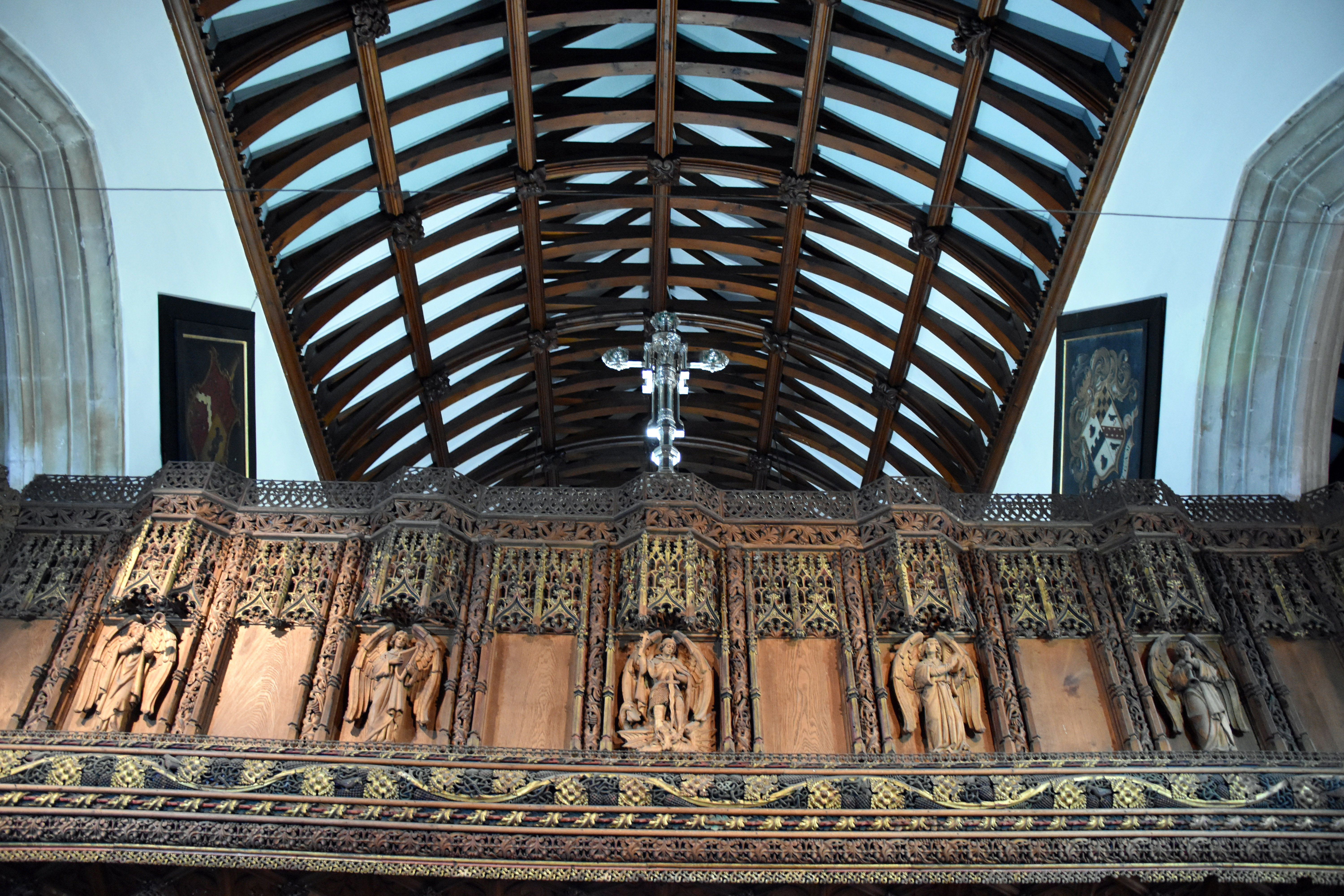
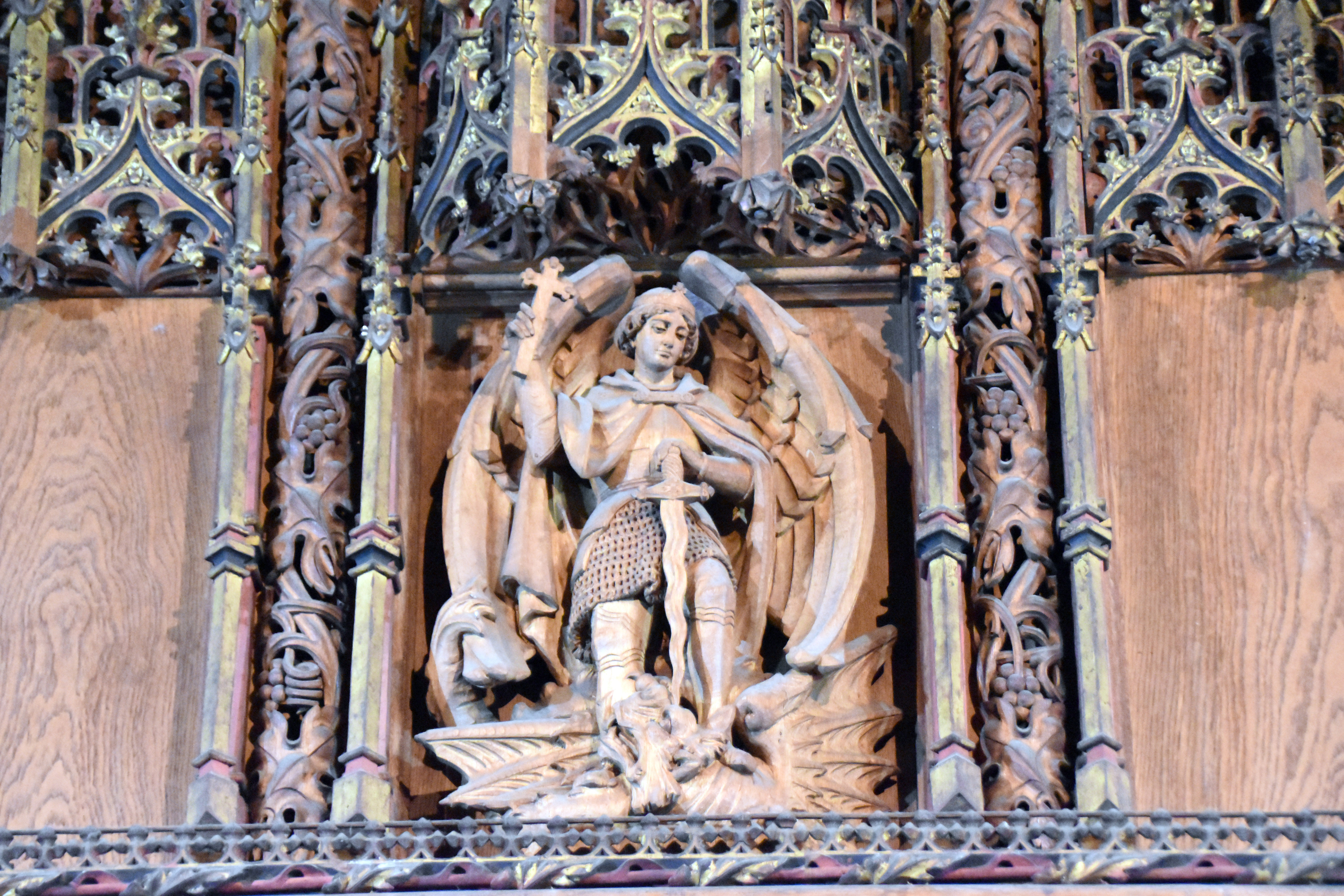
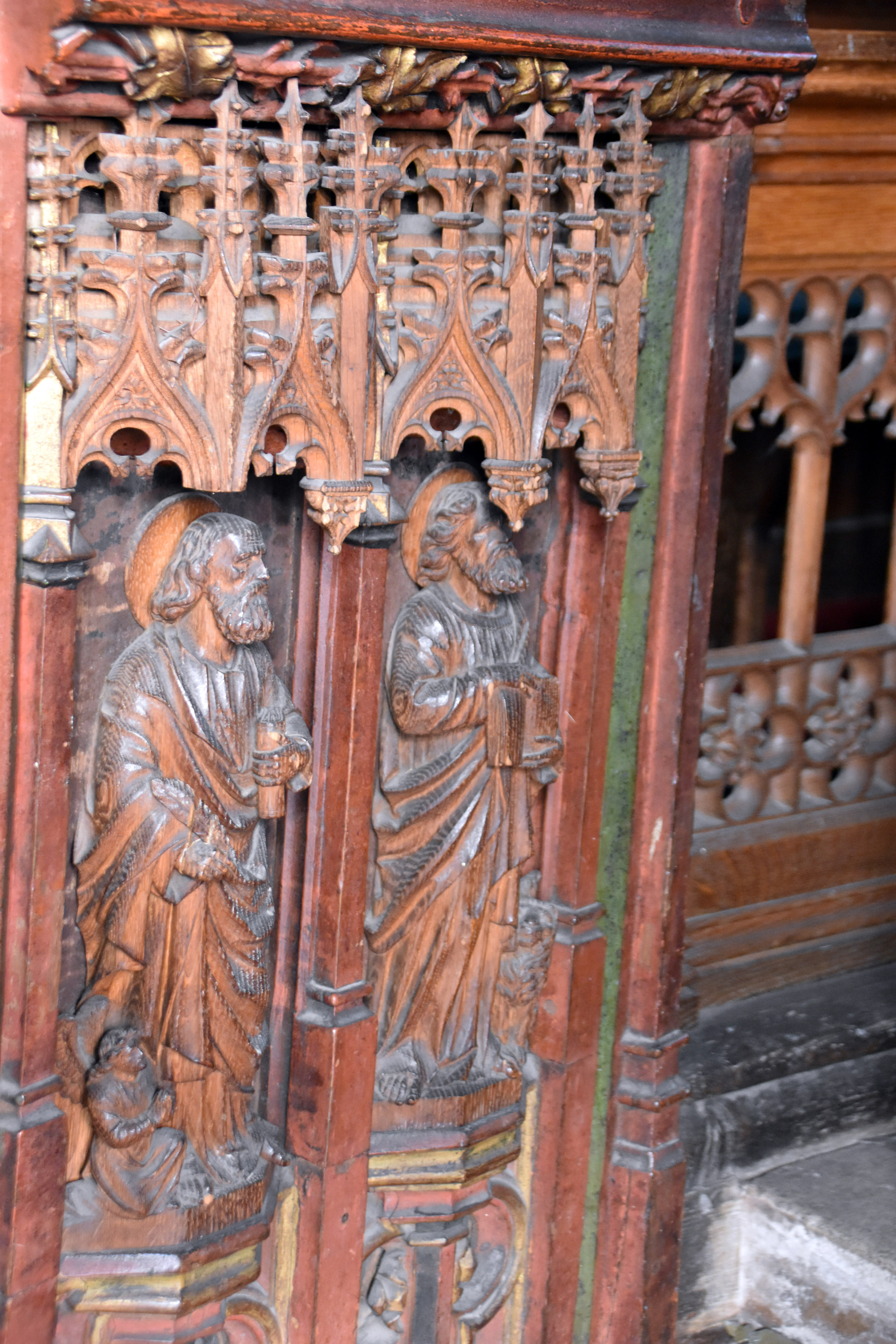
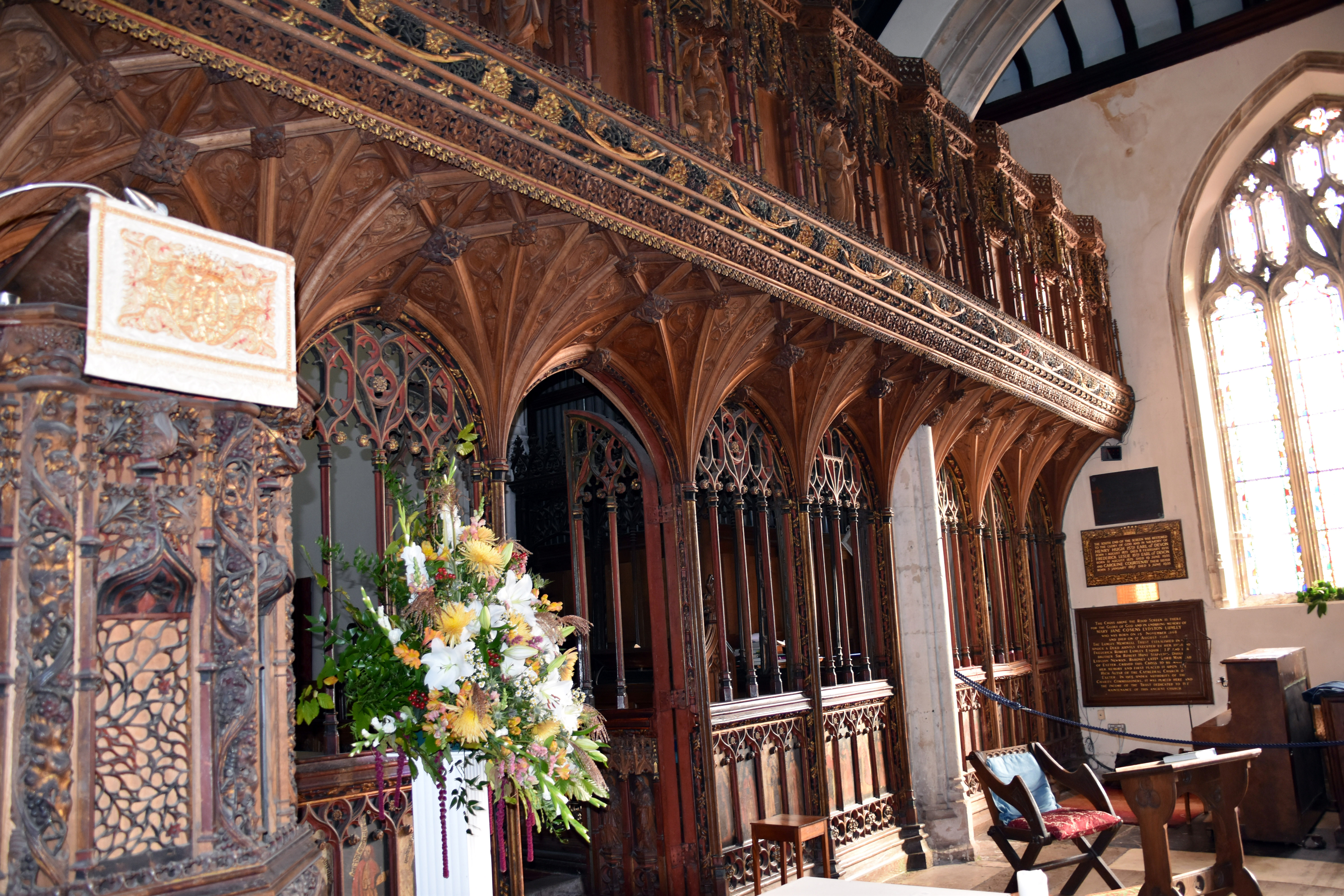
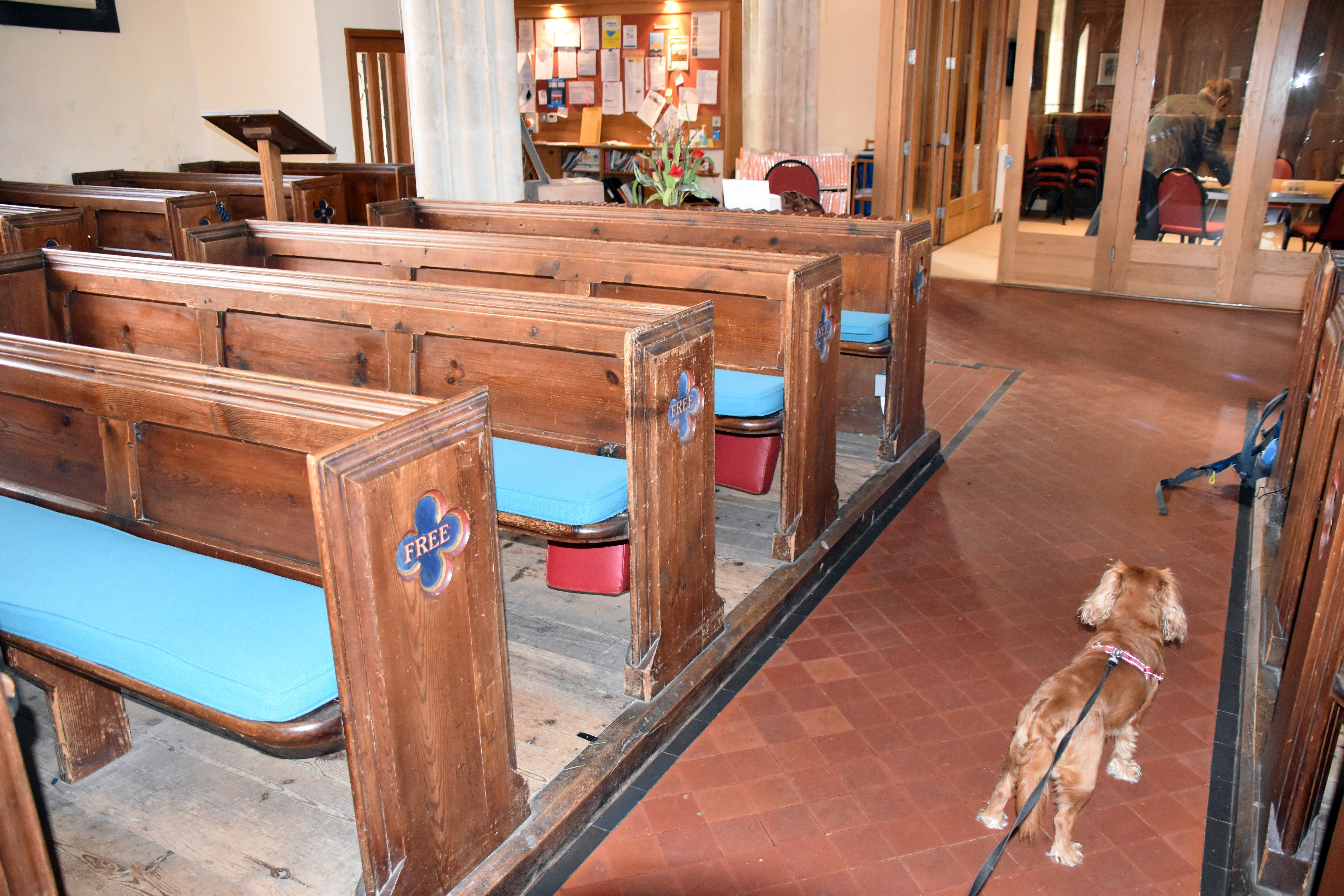
Rupert and I were made very welcome by members of the church as they were just finishing their Sunday service. Being such a large church they were able to add what is in effect a building within a building at the back to allow for a smaller meeting room with toilet facilities. There is no way this church is going to fill all its pews on a regular basis. Although it was fascinating to see that the pew ends had marked which ones were free to use and which ones had been reserved by donations to the church - obviously the free ones were at the back! And the local Oxton Manor went one step further by having their own private chapel which later was converted to the Lady Chapel. It even had its own door so that they didn’t have to mingle with the riff raff at all! Now what stands out when you look down the central aisle is that the rood screen has a rood loft attached to it. Sadly not an original one as they were pretty much all ripped out under orders from Queen Elizabeth I but it was built in the late Victorian and early Edwardian era to recreate the magnificence of the pre-reformation church. In the centre below a silver cross that used to be used in Exeter Cathedral there is a particularly magnificent carving of St Michael dealing with the Devil under his feet. Either side of him are angels bearing musical instruments - hinting at the original purpose of Rood lofts being to hold a minstrels gallery before the era of organs.
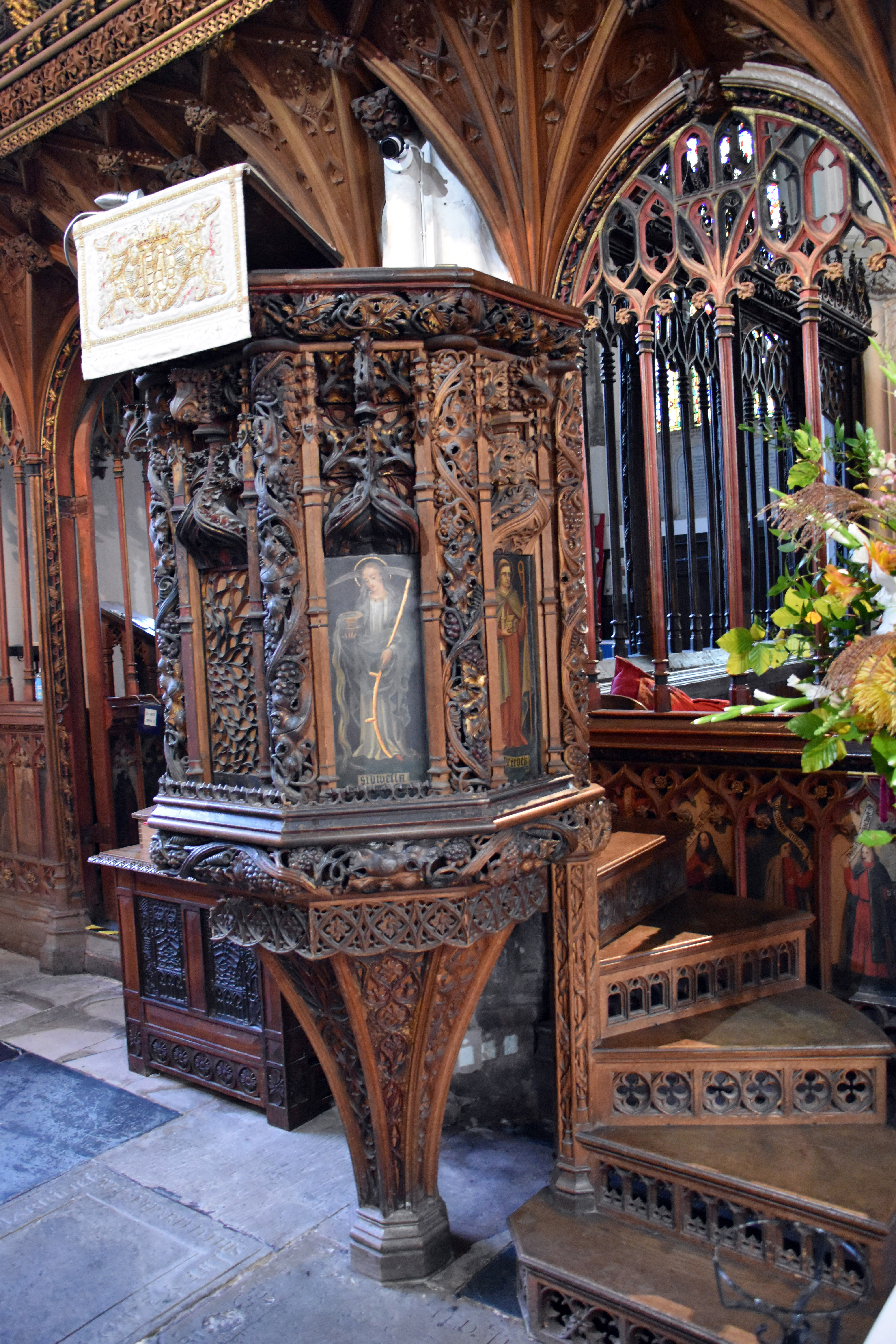
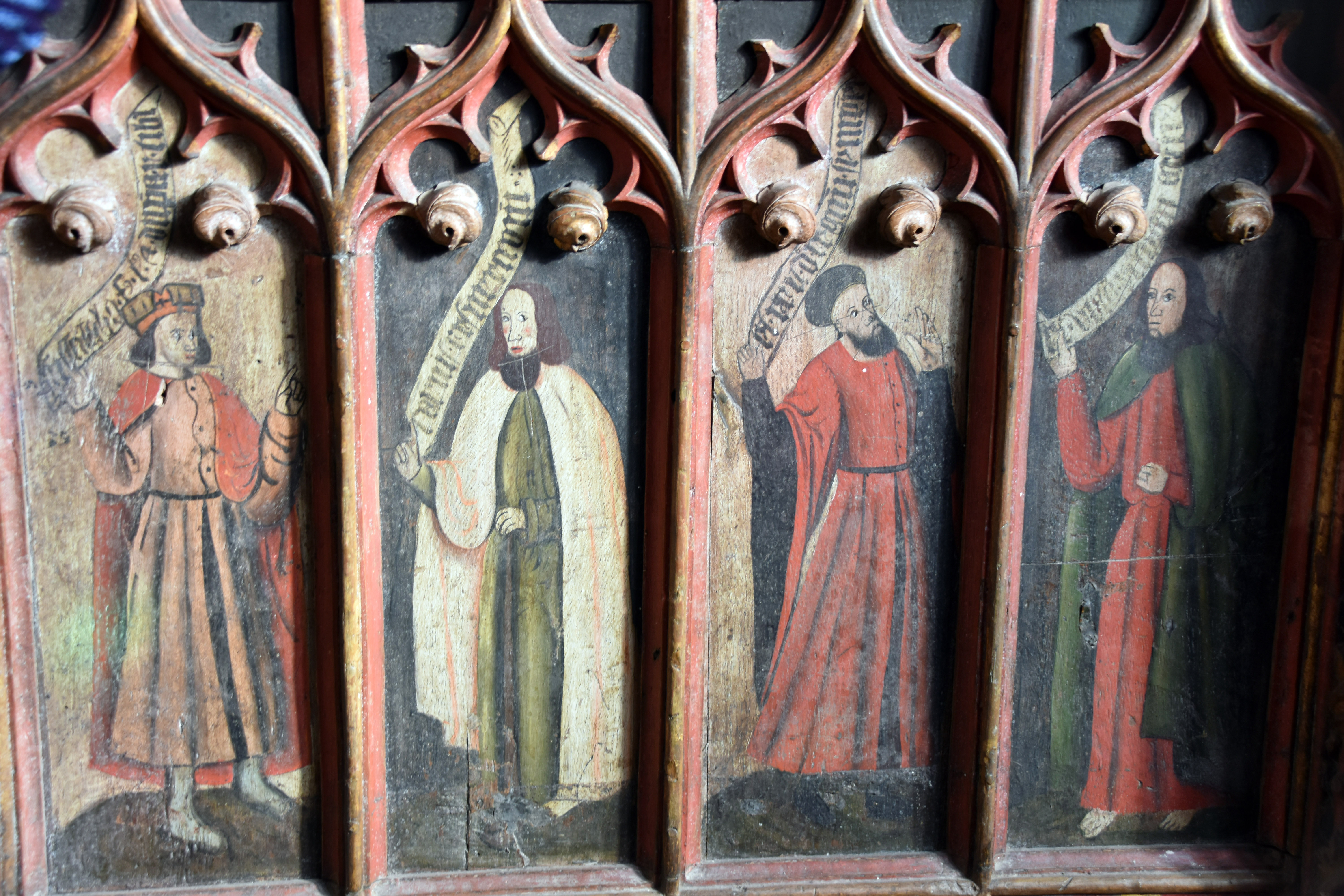
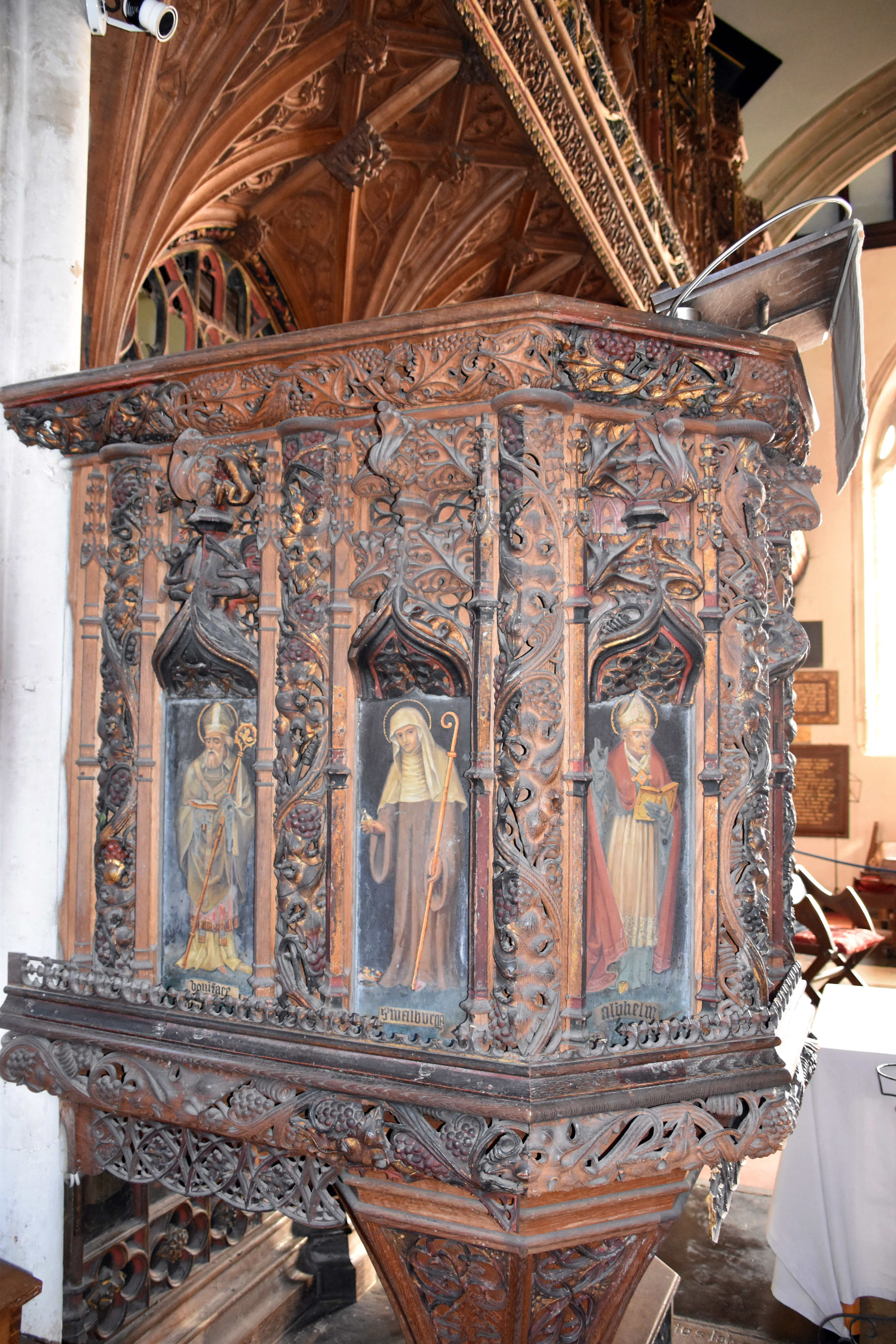
Once again you have beautifully preserved images on the Rood Screen - although in this case more of the eyes scratched out. There is also a fabulous pulpit which was originally from the 15th century on a wineglass stem but was recarved and renovated in the late Victorian era to match the rood screen and loft - and this of course means that it has beautiful paintings with their eyes intact!
If you look carefully you can see that the pillars aren’t straight at all - both sides arch outwards. Apparently this only happened when a new roof was added in the Victorian era - but the building is still standing but it is surprisingly noticeable to see.
 |
|
|
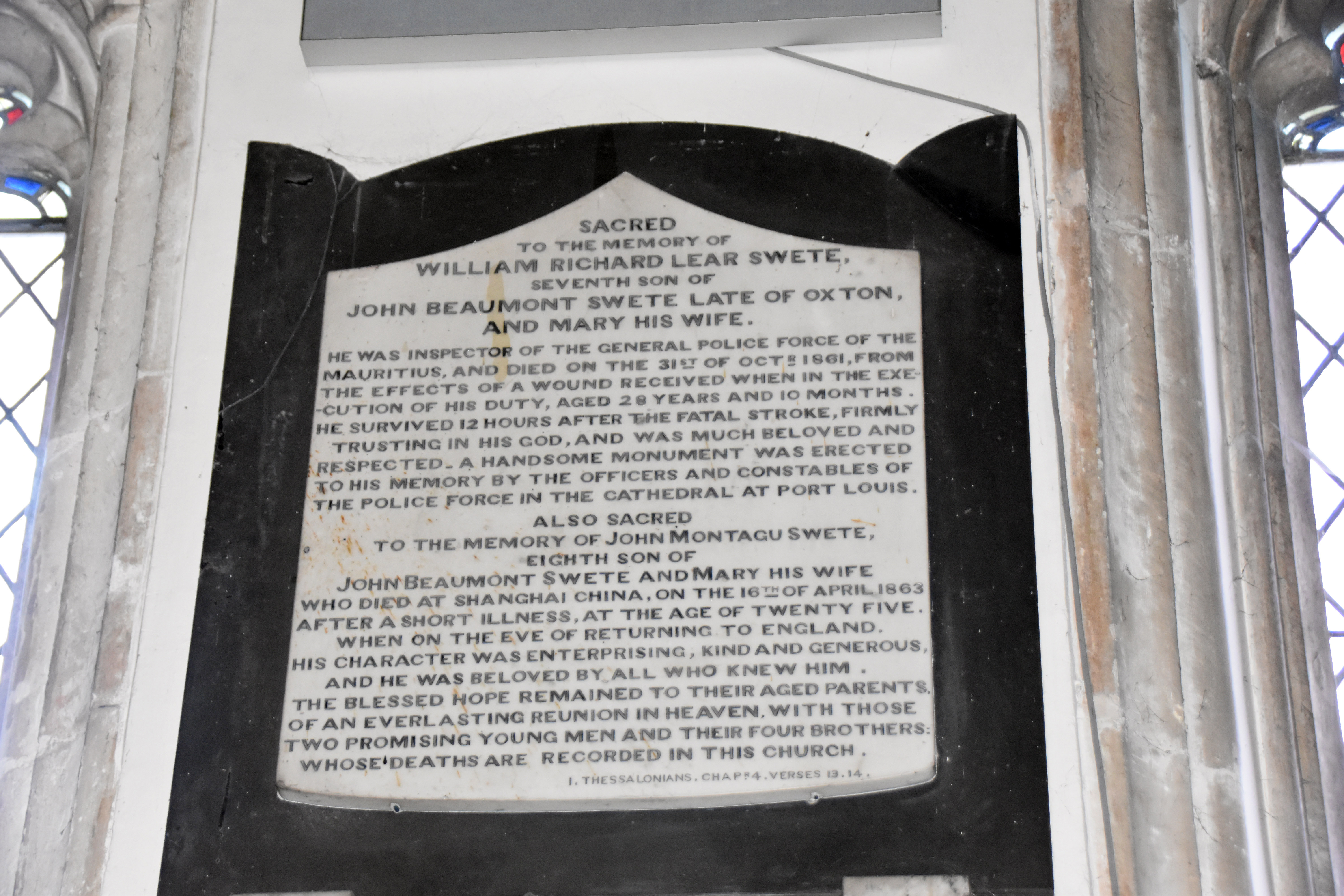
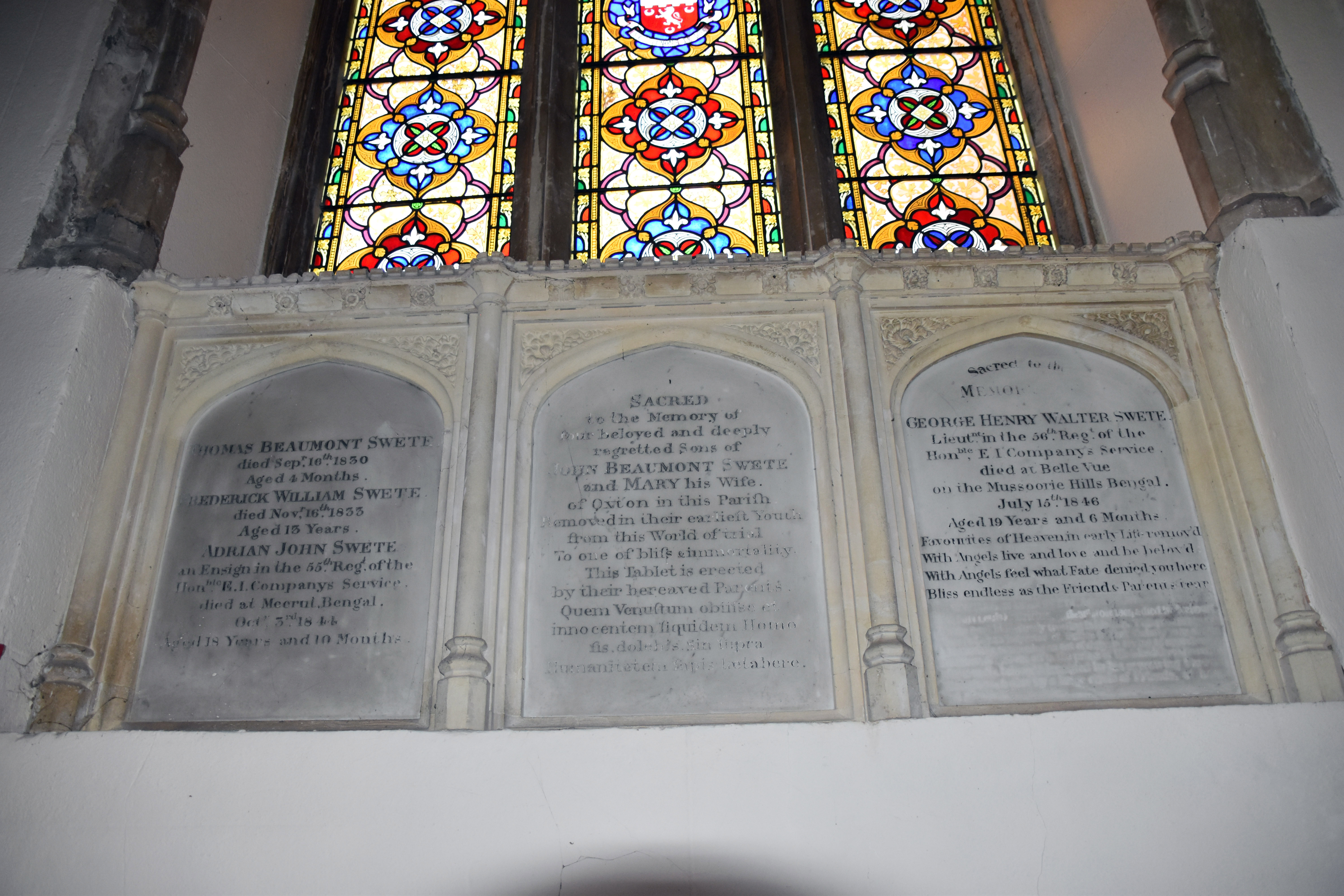
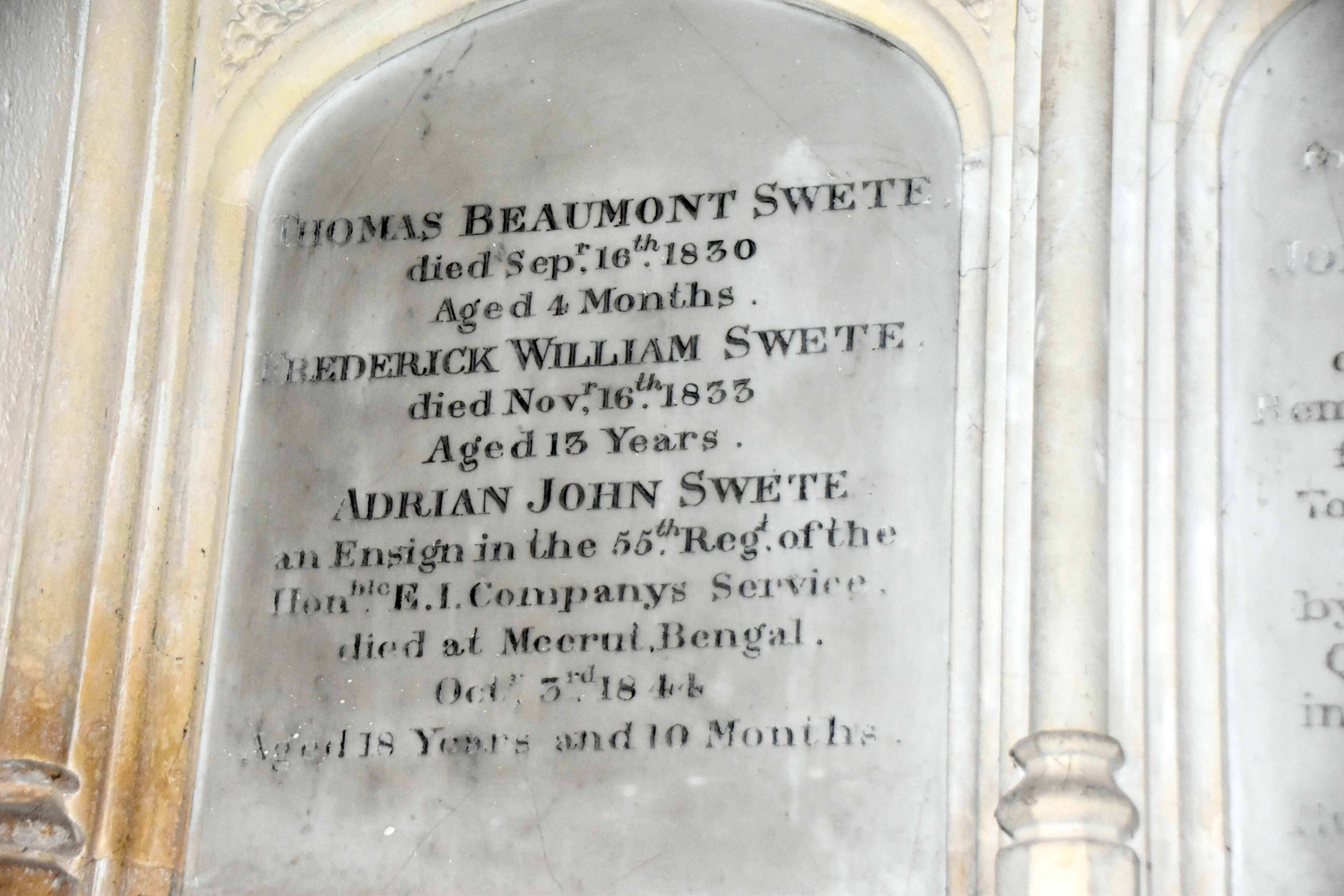
Inside, there was a fascinating dedication to William and John Swete of Oxton Manor - both of whom died in very strange circumstances indeed. William was apparently killed as a young 28 year old Inspector of the Police Force of Mauritius dying of wounds received in the execution of his duties in 1861. It says he lingered for 12 hours after receiving them. His younger brother John died not long after as a member of the Imperial Customs Office in China in Shanghai. The Chinese Maritime Customs Service had been set up to facilitate and help the Chinese authorities collect Customs dues during the chaos of the Taiping Rebellion. It became highly efficient and was noted for its lack of corruption. It effectively became a government within a government gaining the confidence of international investors and would expand into postal, infrastructure and domestic administration. It was soon responsible for collecting a third of the entire revenue of China. It doesn’t explain how the 27 year old died but disease must be quite likely. There is a separate memorial to what could have been their older siblings given the dates of death - some of course died very young in an age of high infant mortality - but there is an Adrian John Swete who died in 1844 as an Ensign in the 55th Regiment of East India Company at Meerut (which would later be where the Indian Mutiny started). And then there is George Henry Walter Swete who was a Lieutenant in the 56th Regiment of the East India Company who it says died at Belle Vue in the Mussoorie Hills in Bengal in 1846. This family appears to have been a remarkably geographically widespread one and illustrating the extent of Imperial opportunities but also of their consequent dangers and sacrifices.
 |
|
|
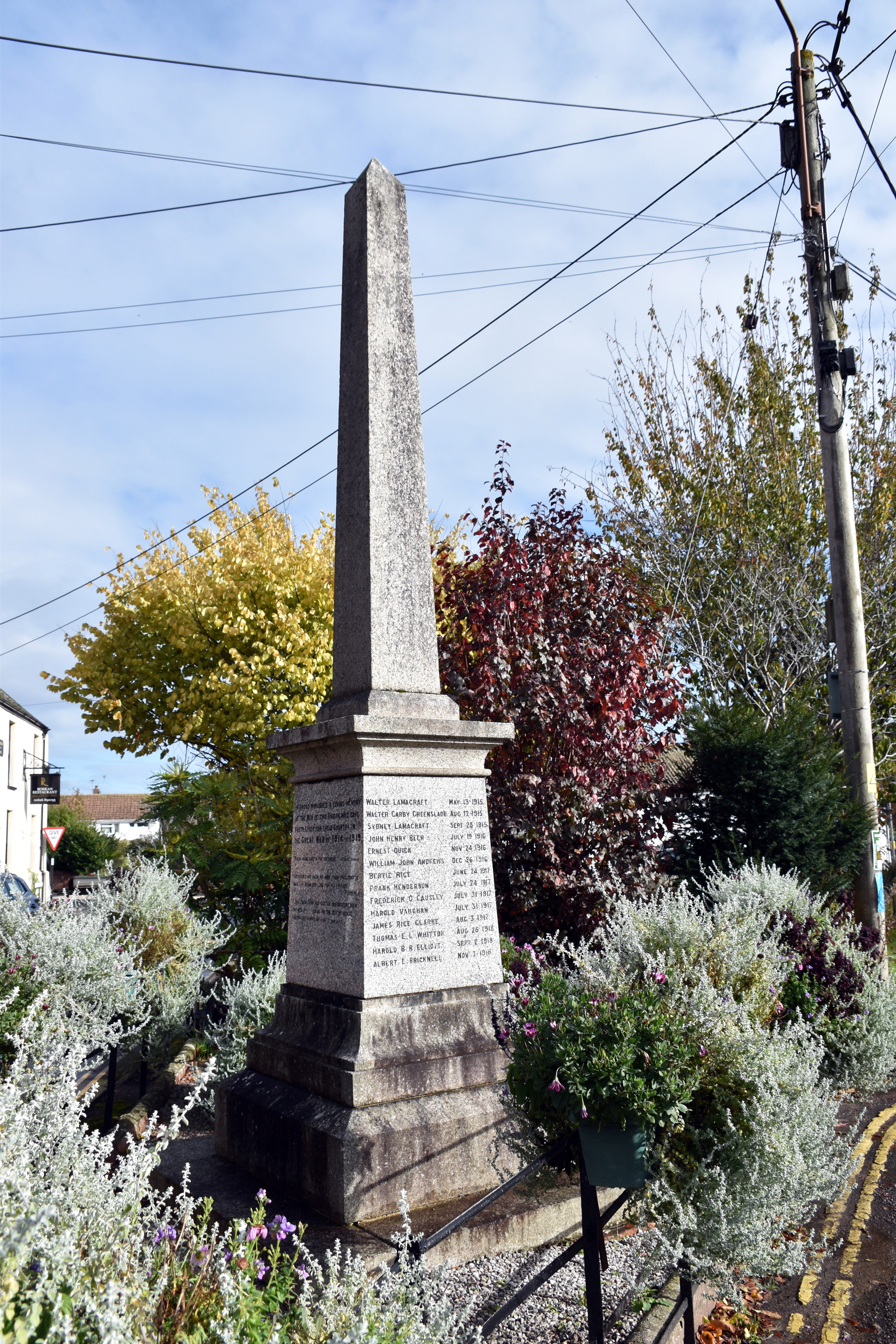
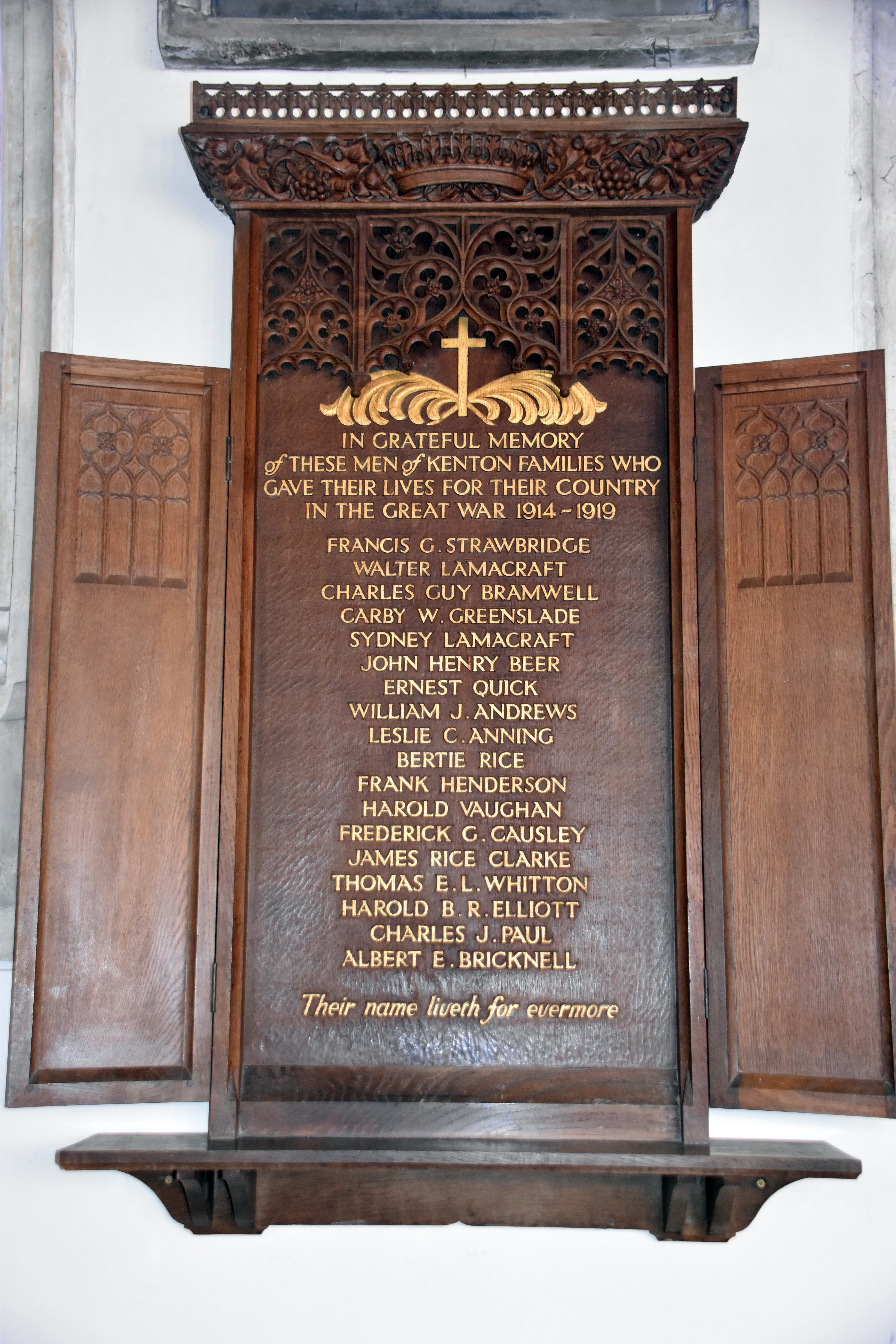
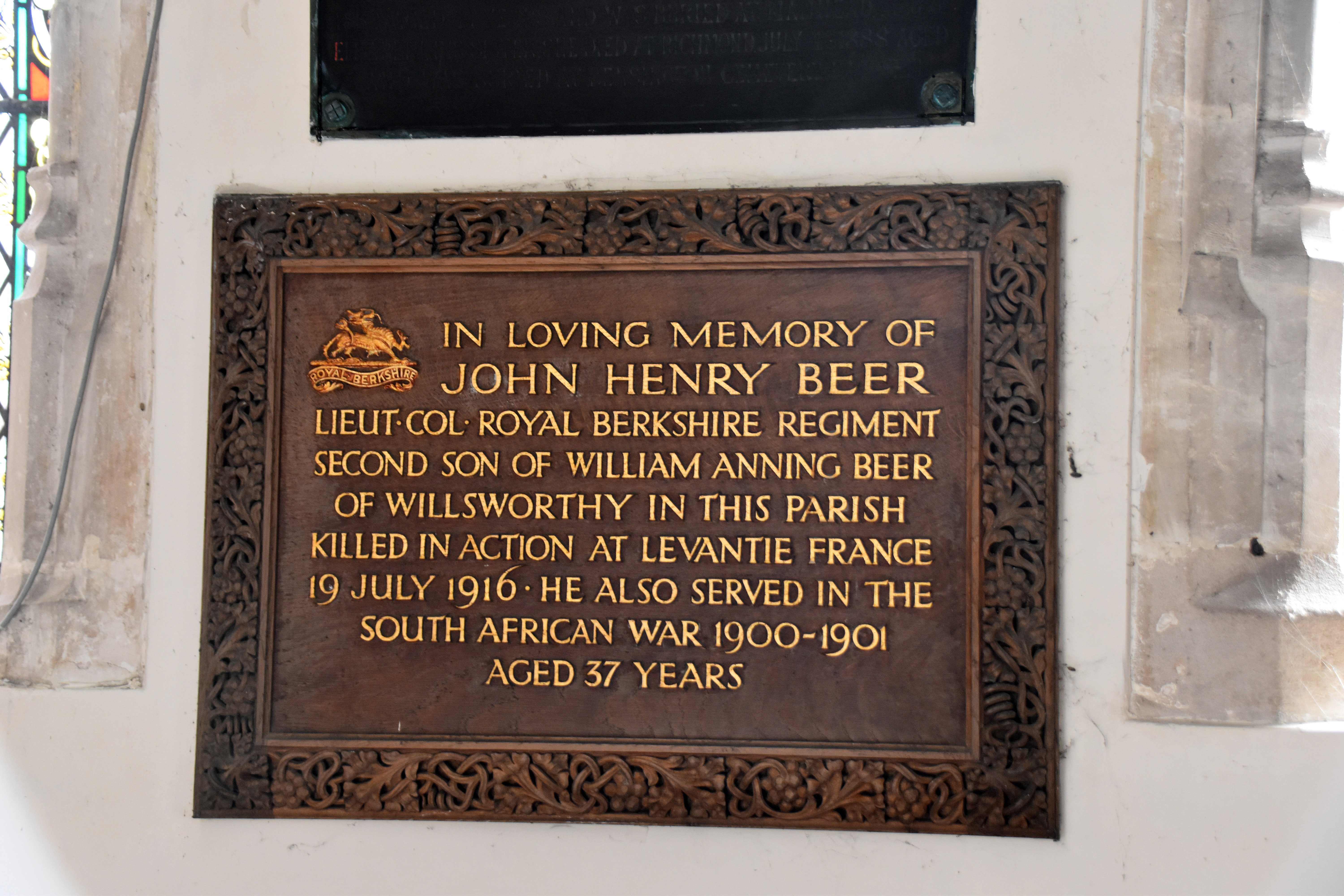
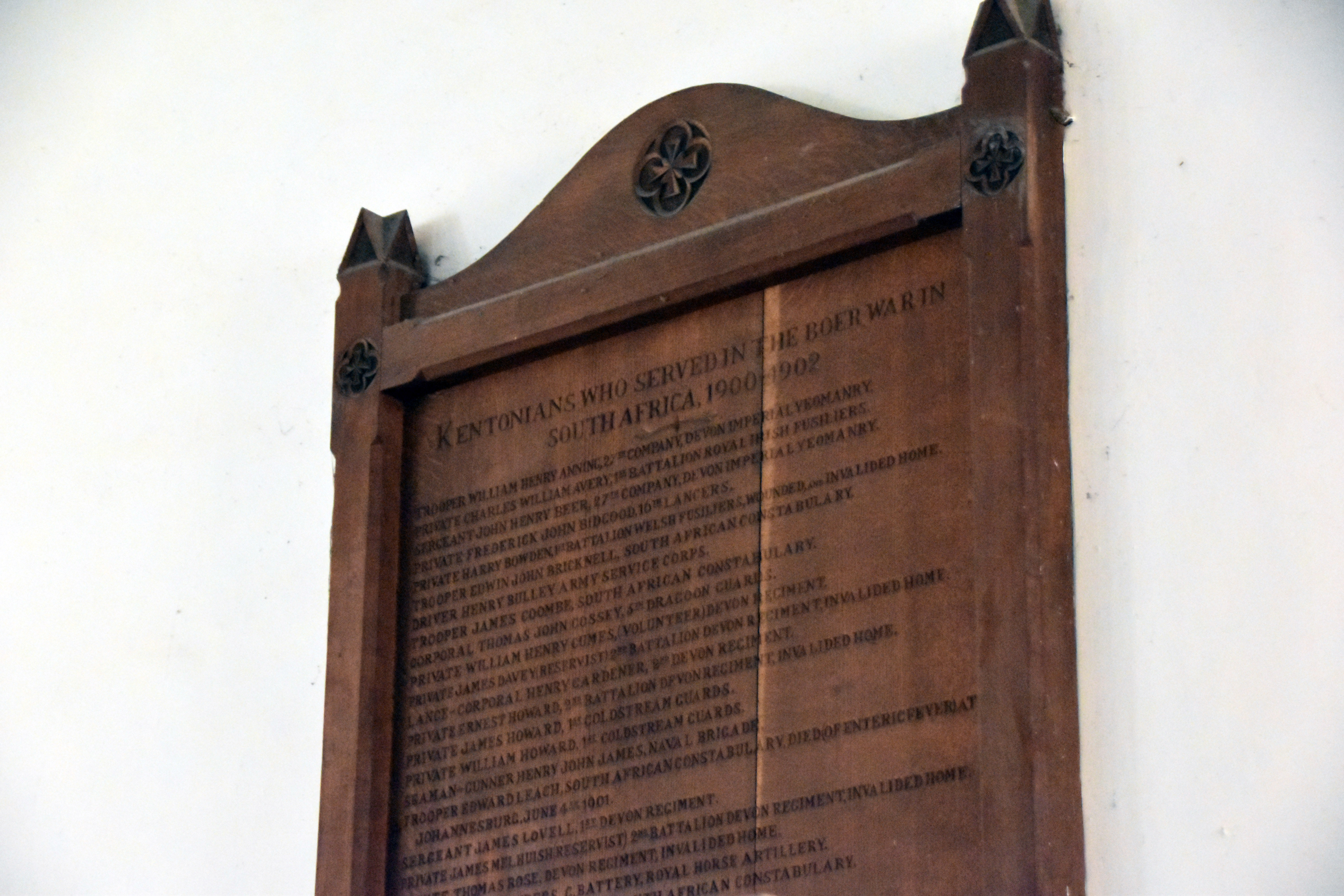
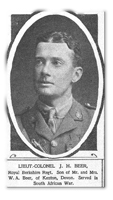
There are of course memorials to those who died in World War One and World War Two but intriguingly if a little hard to see as it is above the doorway there is a memorial to all those from the village who served in the Boer War. And considering how small the village is there is a remarkable number of participants in that South African War. There is also a dedication to Lieutenant Colonel John Henry Beer of the Royal Berkshire Regiment who was killed in action at Levantie in France in 1916. Interestingly he arrived in France as an officer in the Bengal Lancers - it remarks that he also was a veteran of the Boer War. He died as officer commanding of his battalion which illustrates that officers did not sit behind the lines safe from the consequences of their orders.
 |
|
|
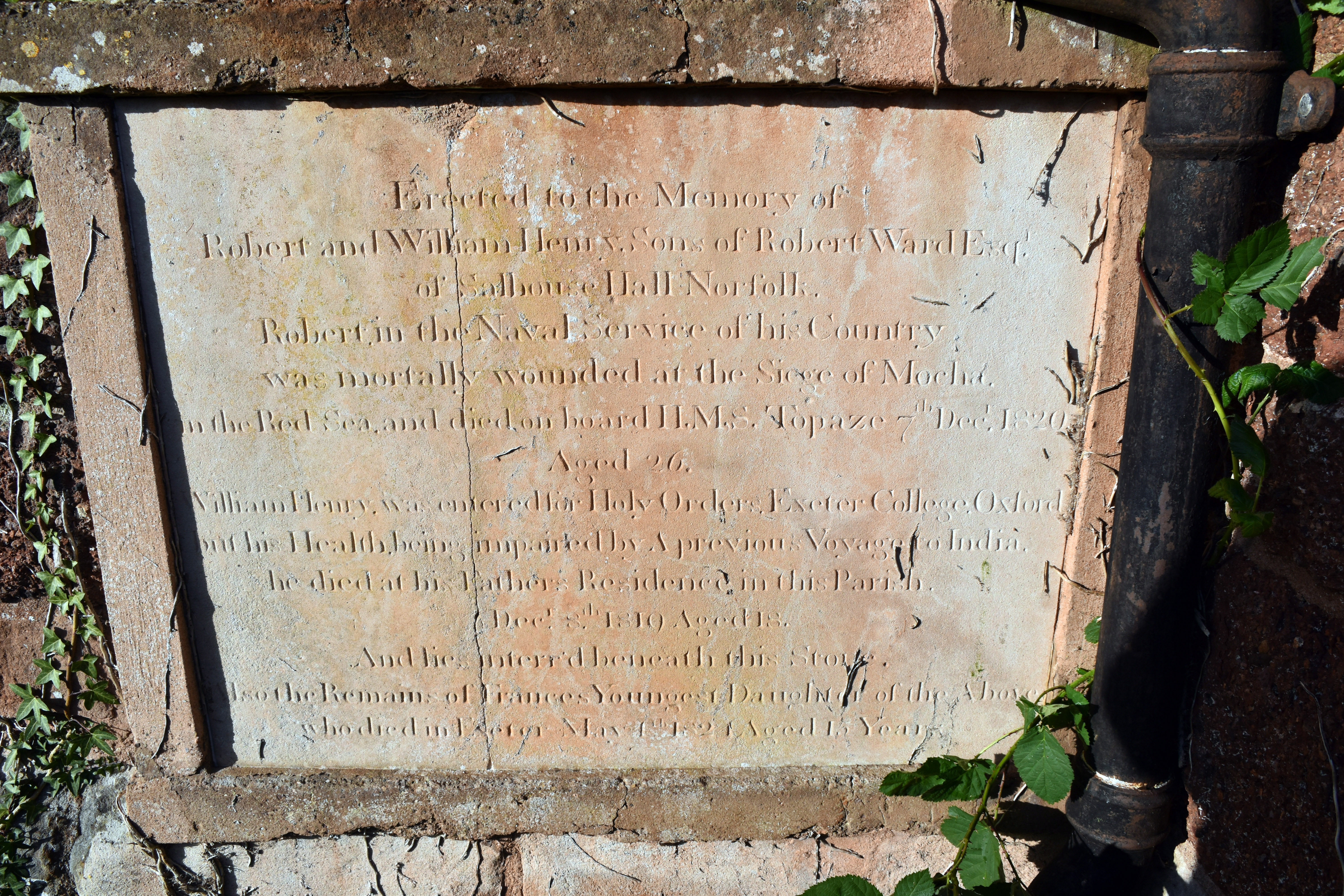
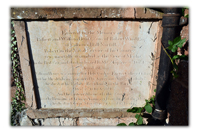
Now outside on the side of the church is one of the most interesting memorials I have seen in a long time. This is to Robert and William Henry. It says that Robert died in Naval Service of his country when mortally wounded at the Siege of Mocha in the Red Sea and died on board HMS Topaze in 1820 aged 26. Now this was a campaign where the Royal Navy and East India Company combined to try and stamp out piracy emanating from the Gulf Region. I have never ever seen a memorial to anyone killed in that campaign before. Sadly this one is beginning to decay in the soft sandstone (and the ivy isn’t helping). Interestingly it says that his brother William who had entered Holy Order at Exeter College in Oxford had died after his health had been impaired by a “previous voyage to India” in 1819 aged 18. Again some remarkable connections to the Empire.
 |
|
|
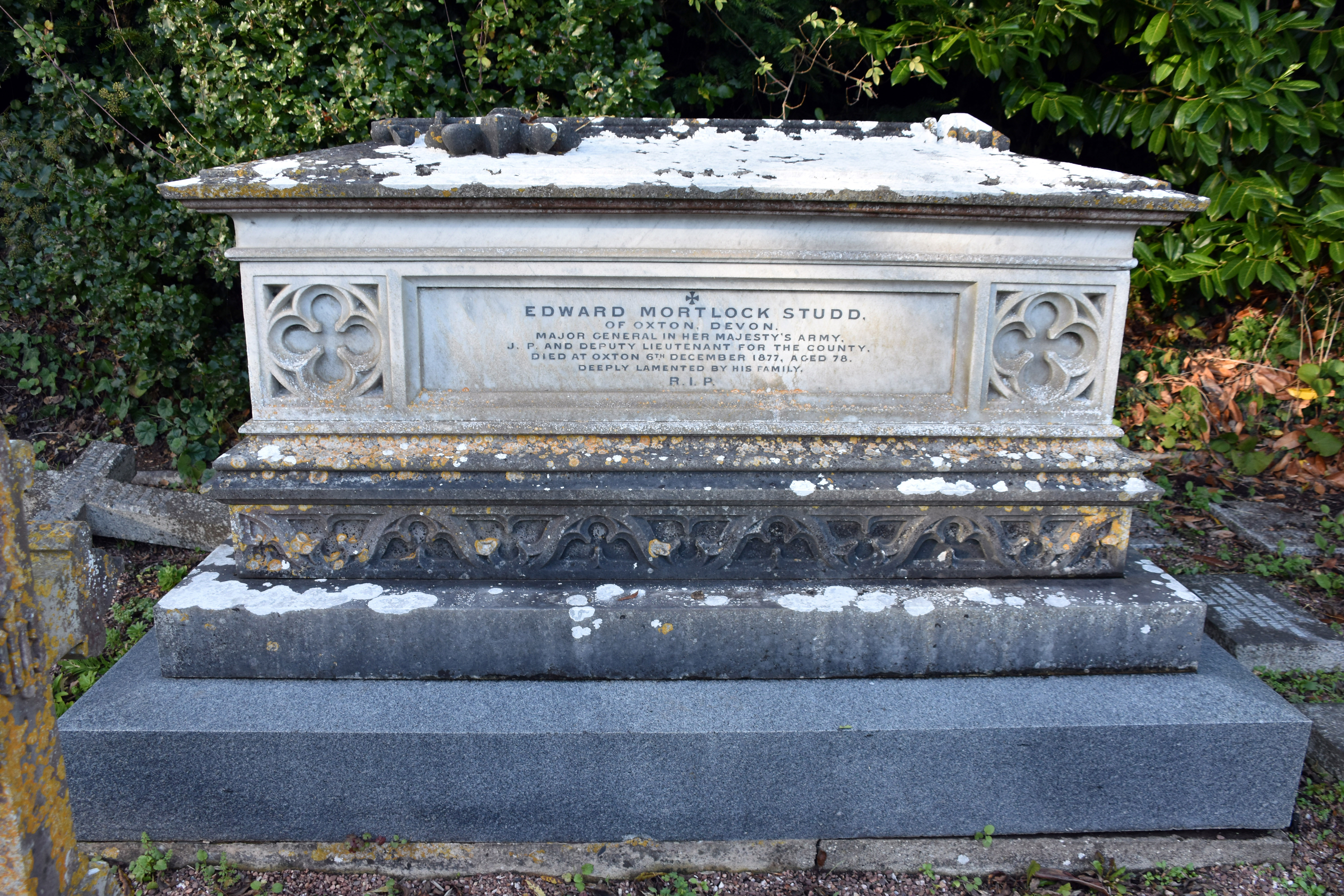
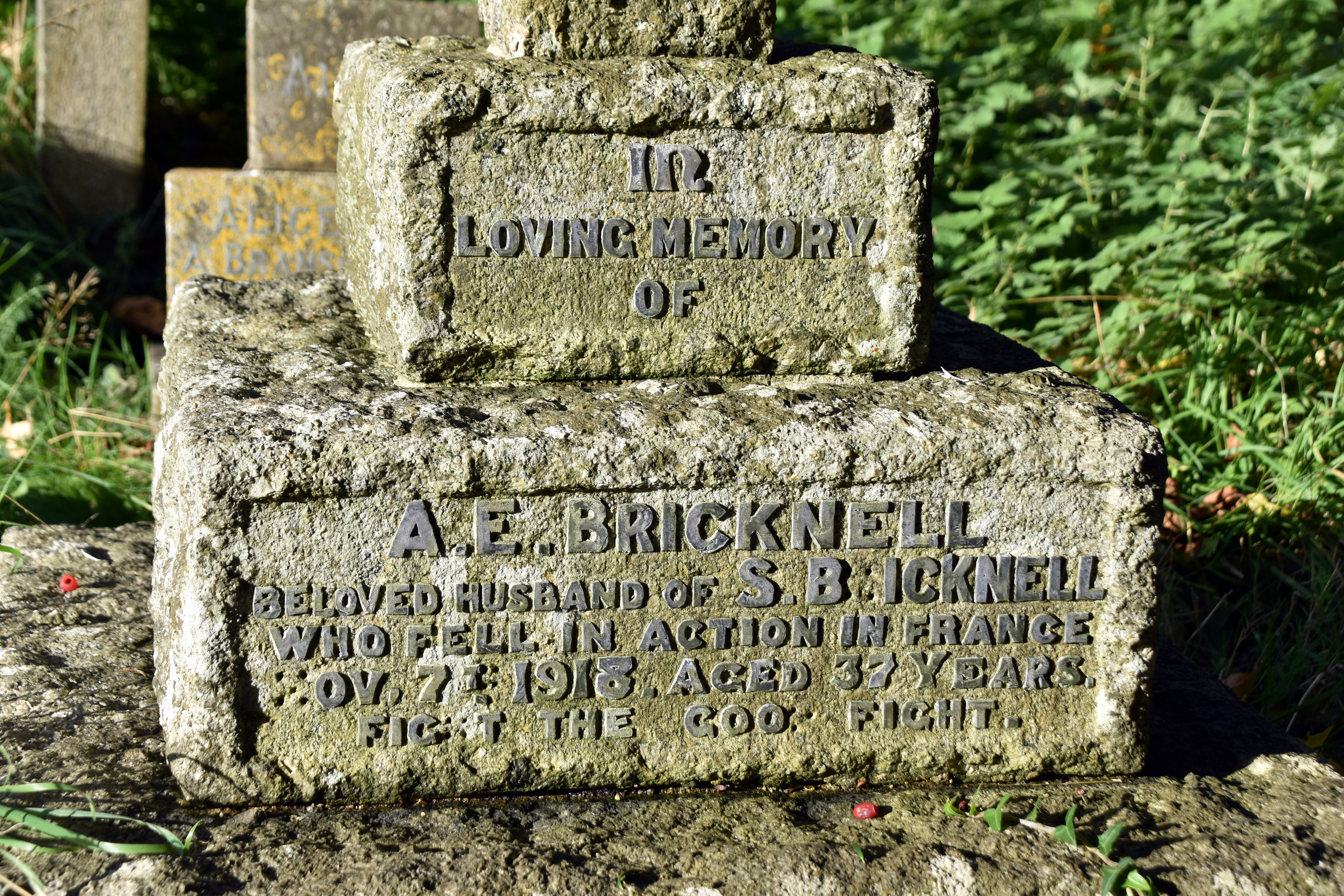
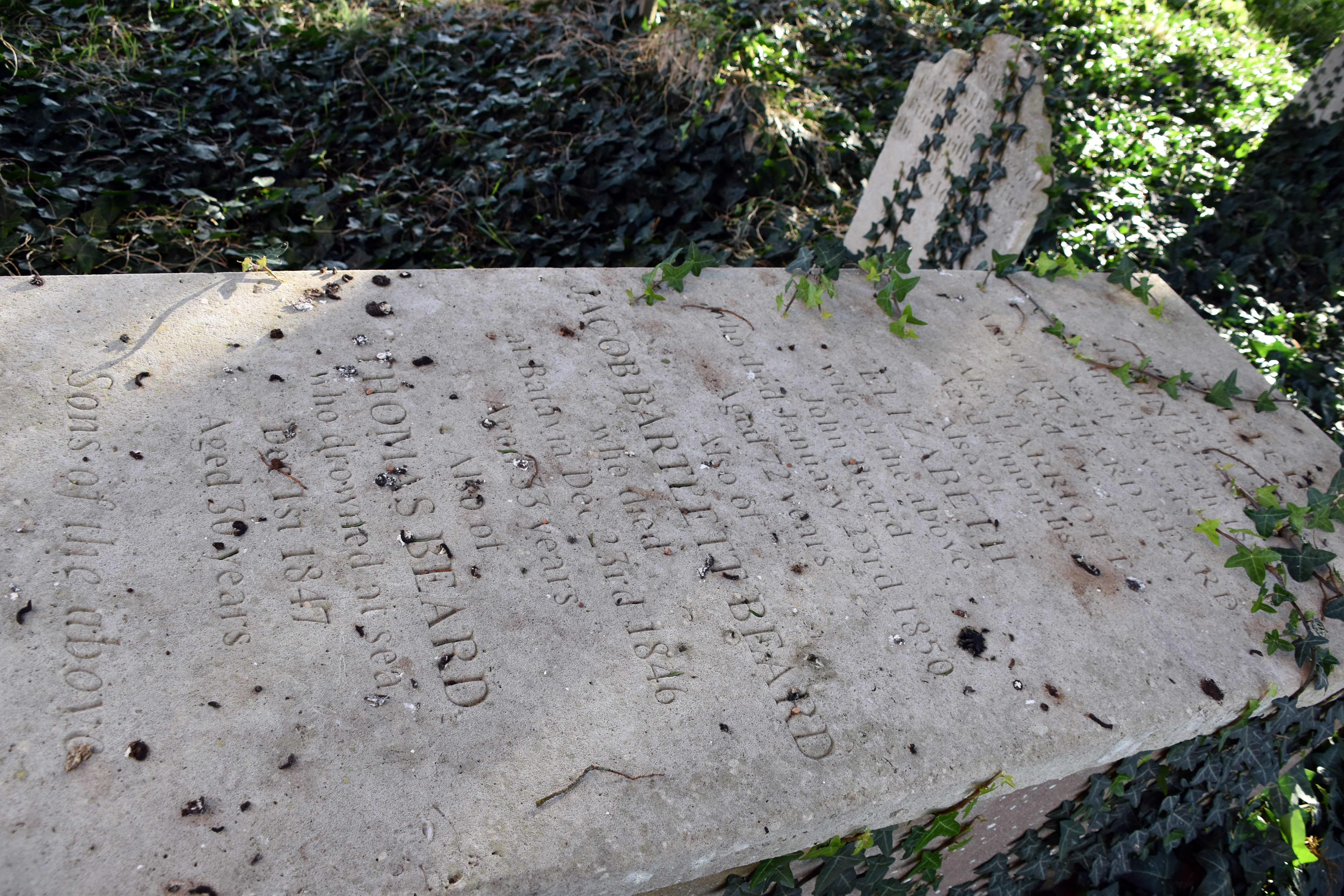
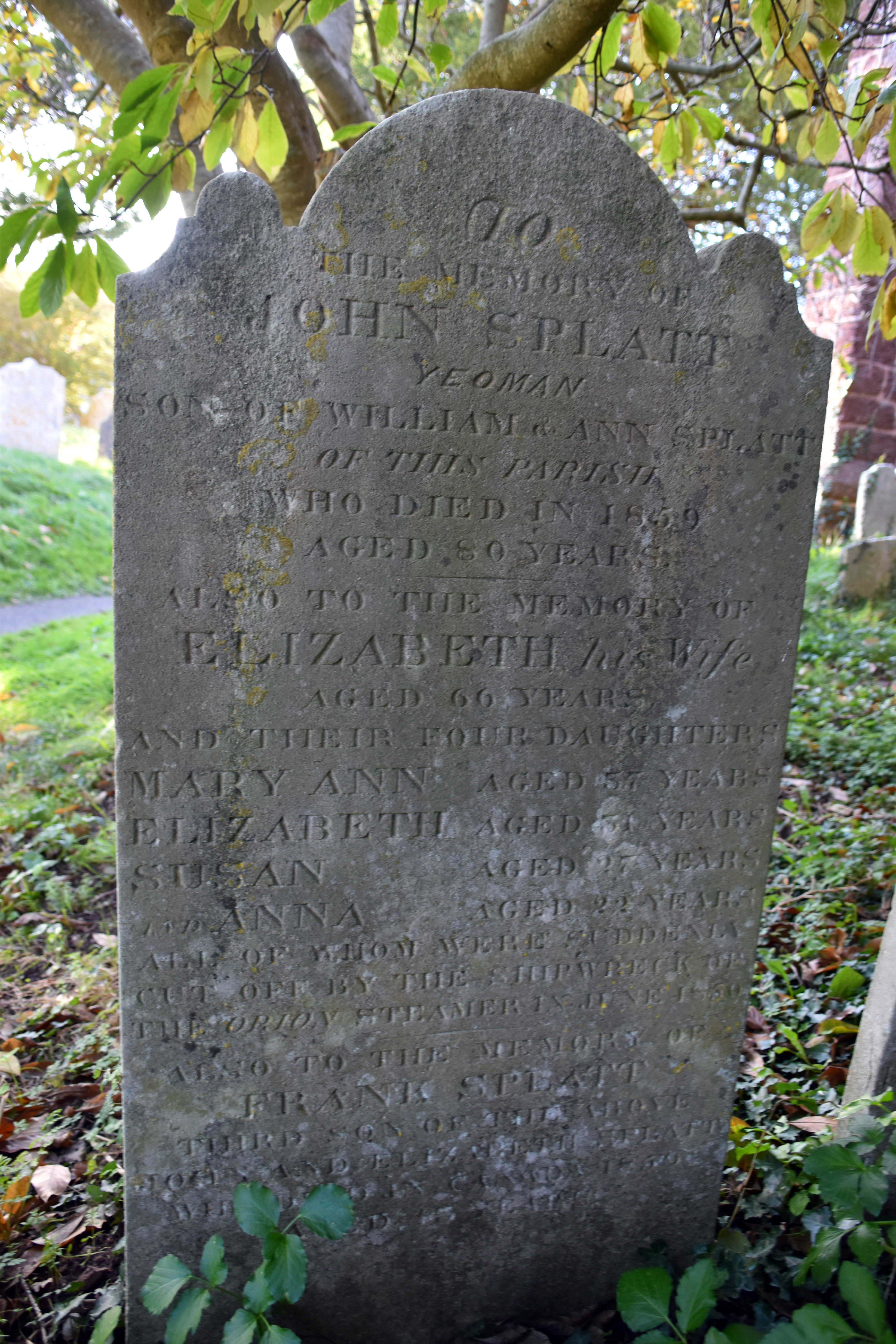
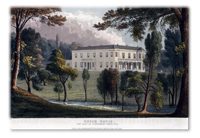
Oxton Manor seems to have had a plethora of influential families live there including Major-General Edward Mortlock Studd who is buried in a very impressive tomb in the graveyard. He died in 1877. But an even more interesting grave tucked away and about to be hidden by foliage is that of William Thomas Brown - the Colonel of the 5th Bombay Native Infantry who died in 1907. I’d love to know his story and how he ended up in this graveyard. It is likely that he retired to the area after his military career. Another grave showed that poor S Bricknell died on November 7th 1918 just 4 days before the end of the fighting in World War One aged 37 years old. But there was to be another fascinating slab grave which showed that Jacob Bartlett Beard died in 1846 at 33 years of age in Batavia of all places. And his brother Thomas Beard was drowned at sea the following year aged 30 years. Now Batavia had been a British colony prior to Singapore fulfilling the entrepôt role from 1819. By 1846 it was firmly in the Dutch empire. Was he involved in trade? What was he doing in the Dutch Empire? All very fascinating to find in this Devon churchyard… and there was to be one more interesting grave with real family tragedy. John Splatt died in 1859 but his wife Elizabeth and four daughters Mary Ann, Elizabeth, Susan and Anna had all died together in a shipwreck 1850. They had been travelling on the Orion Steamer from Liverpool to Glasgow when it hit rocks off Portpatrick in Scotland. His wife and daughters are all buried in Portpatrick but remembered here and also commemorated at Chudleigh's St Martin and St Mary church. What an absolute blow it must have been to have lost four daughters and wife all at the same time. It is just so fascinating how much history and how much international history we can find in our churches and their graveyards.
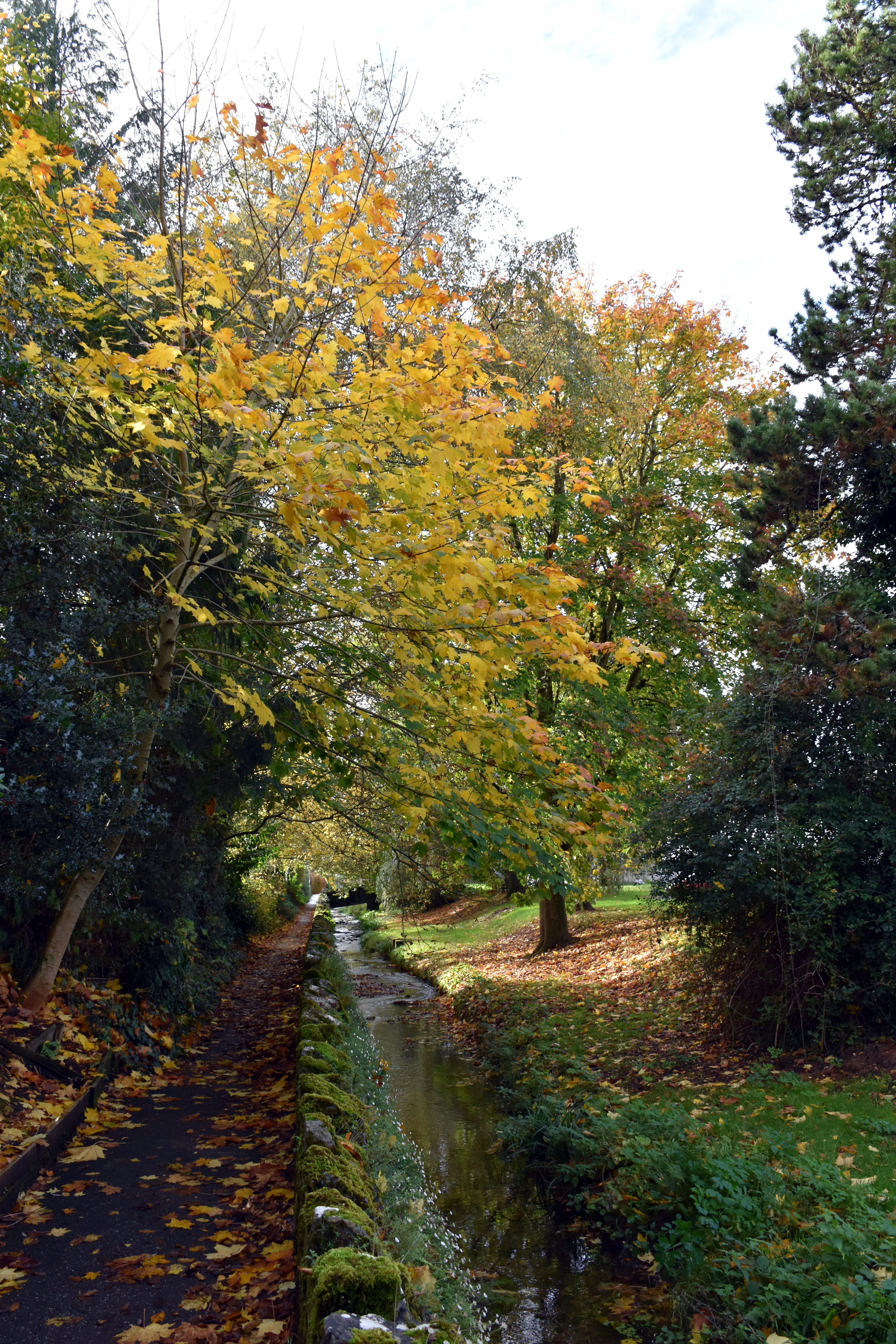
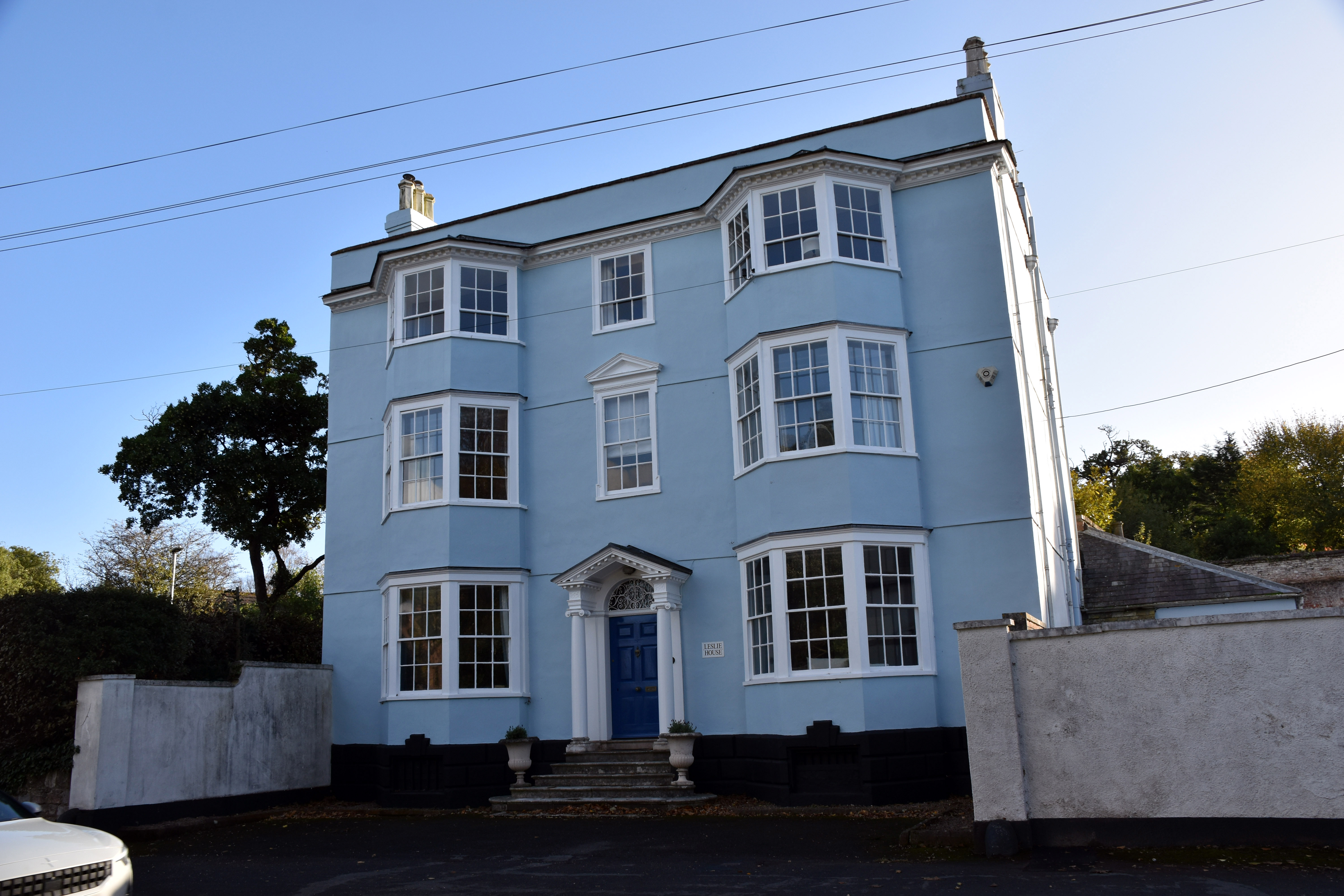
From Kenton we headed South-East towards Powderham Estate and rejoined it at its public entrance opposite the Leslie House. From there we had a lovely walk in the low sun seeing lots more deer in the Powderham estate and getting some good views of the fortified manor itself. We then joined the Exe Valley Way to take us back up to St Clement’s Church and finish a stunningly beautiful walk.
|