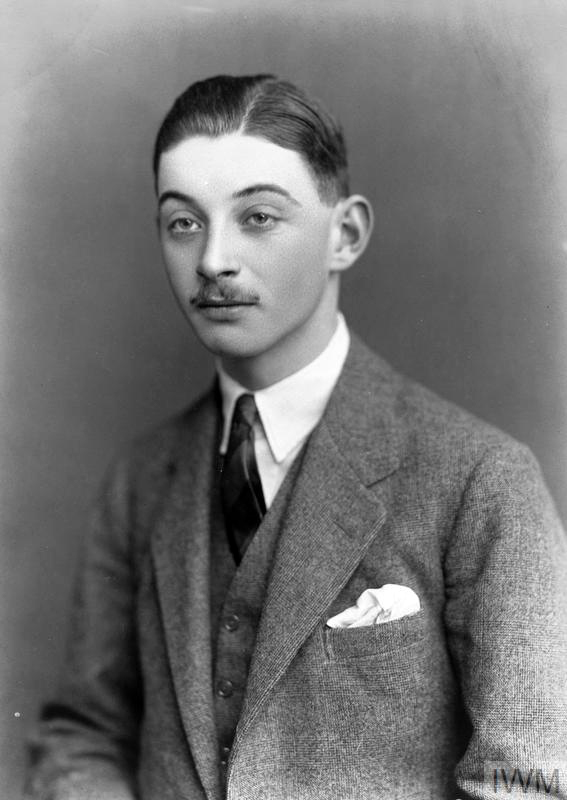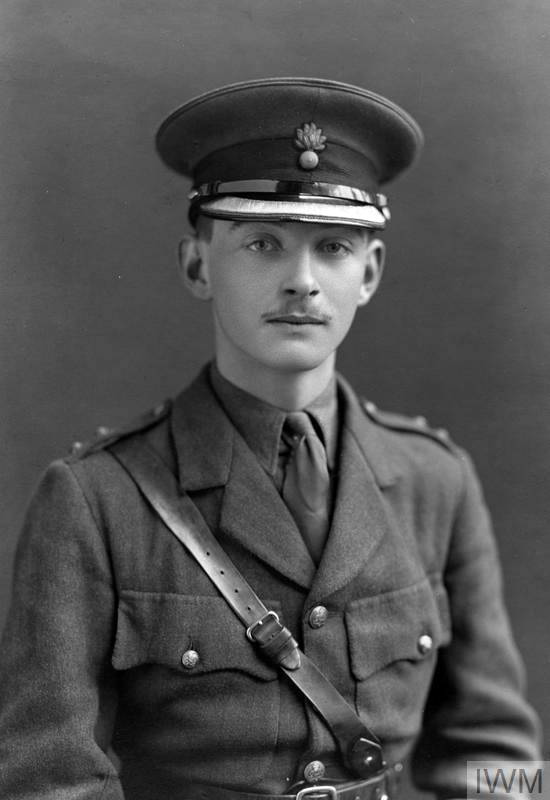
Lieutenant Rupert Farquhar, M.C., Grenadier Guards, was one of several members of the Farquhar family associated with Whiteway House, Chudleigh, during the nineteenth and early twentieth centuries. His own life is only lightly recorded in the surviving sources, but his death near Ypres in 1917 and his appearance on the Chudleigh war memorial place him within a wider family history that linked Whiteway to banking, imperial administration, collecting, and the social world of the Victorian and Edwardian elite. Rupert was the son of Ernest Farquhar (1853–1930) of Whiteway House, whose branch of the family inherited a substantial collection of furniture, art and objects originally assembled by Sir Walter Rockcliffe Farquhar (1810–1900), senior partner in the private bank Herries, Farquhar & Co.
The Farquhar bank was known for its introduction of circular notes, the forerunner of the traveller’s cheque, and for its role as a financier to the aristocracy and gentry. Through Sir Walter and his successors the family accumulated a collection of French and English furniture, decorative arts and objects with connections to the courts of Louis XIV, Louis XV and Louis XVI. According to family tradition, Herries, Farquhar & Co. invested heavily in French bonds after the Napoleonic Wars and maintained links with Napoleon III. It was said that the deposed Emperor was offered temporary refuge by the Farquhars at their Eaton Square residence, and that, unable to repay his debts in the usual manner, he presented the family with items from French royal palaces. These were reputedly transported across northern France by bullock cart and shipped to England, adding a layer of historical interest to the collection later housed at Whiteway.
The collection passed from Sir Walter to his son Sir Harvie Morton Farquhar, then to Alfred Farquhar, and finally to Ernest Farquhar of Whiteway, Rupert’s father. It remained at Whiteway for three generations, with a temporary removal during the First World War when the house served as a recovery hospital and the collection was placed in safe keeping at the Victoria and Albert Museum’s Bethnal Green outpost. After the sale of Whiteway in 1967 the collection moved to Redlynch House near Salisbury, where it remained until 2021 under the care of Adrian and Ann Farquhar. Its dispersal in the twenty-first century, including pieces attributed to Nicolas Sageot, Martin Carlin and B.V.R.B., reflects the long trajectory of the family from banking and imperial service to country-house life in Devon.
Rupert Farquhar’s own career was cut short by the First World War. Commissioned into the Grenadier Guards, he served on the Western Front and was killed near Ypres in 1917. He was awarded the Military Cross for gallantry, and his name appears on the Chudleigh war memorial and in the parish church. His death formed part of the wider pattern of loss experienced by families across Devon, but in the case of the Farquhars it also marked the end of the direct Whiteway line. Ernest Farquhar survived his son by more than a decade, but the estate declined in the interwar years and was eventually sold, bringing to a close the family’s long association with the house.
Although Rupert’s surviving record is brief, his place within the Farquhar family connects Chudleigh to a wider narrative of banking, collecting, imperial administration and military service. The family’s presence at Whiteway, their continental connections and their role in the social and financial networks of nineteenth‑century Britain give context to Rupert’s life and death, and explain the prominence of the Farquhar name in the parish during the period.