|
My son was off for a job interview in Exeter, so after dropping him off we drove to nearby Sowton to explore the church and see if we could catch a glimpse of the old Bishop of Exeter’s Palace and to once again follow in the footsteps of the Prayerbook Rebels as we followed a part of the route of the King’s Army to do battle with them at Clyst St. Mary in 1549.
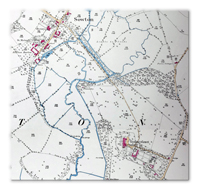
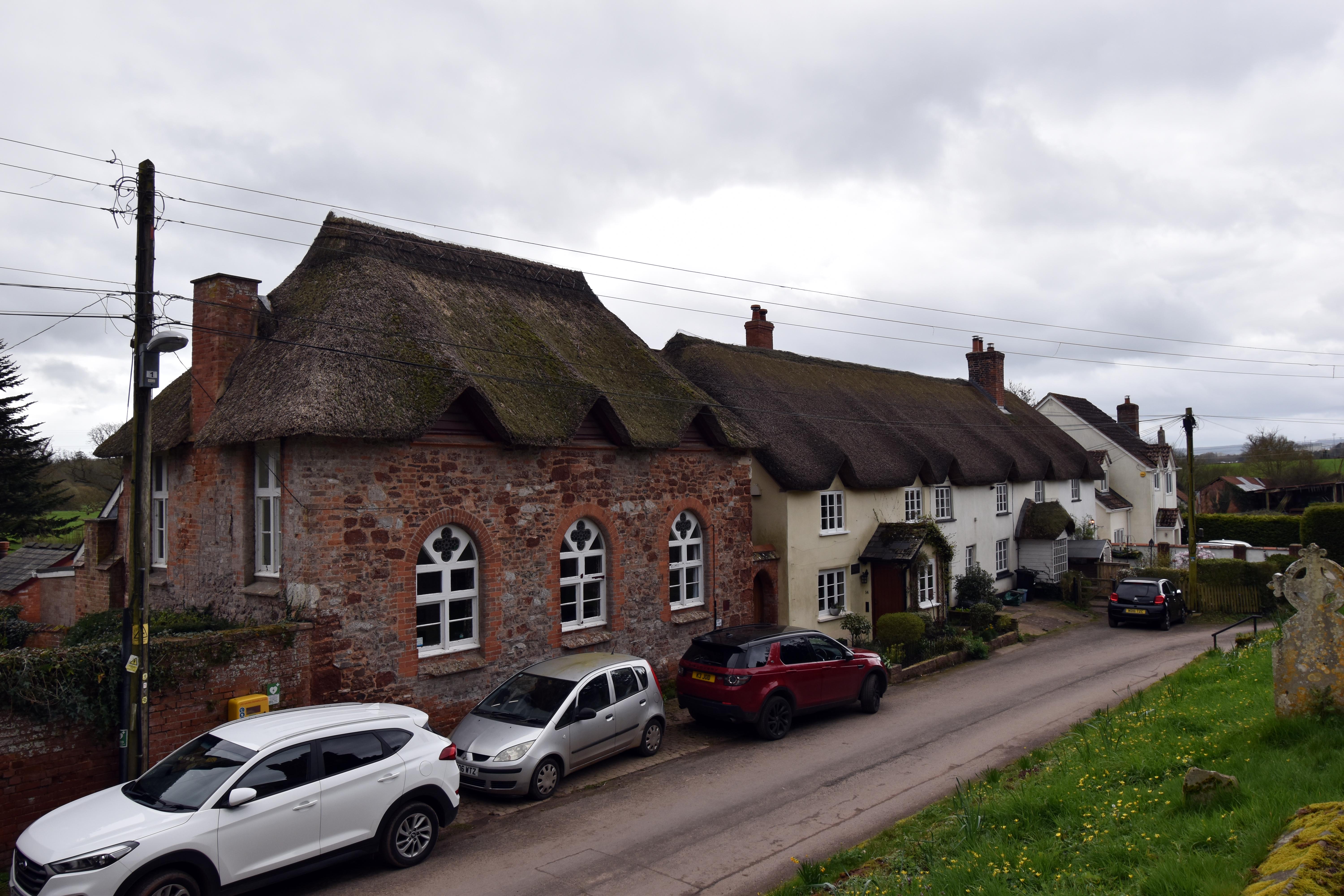
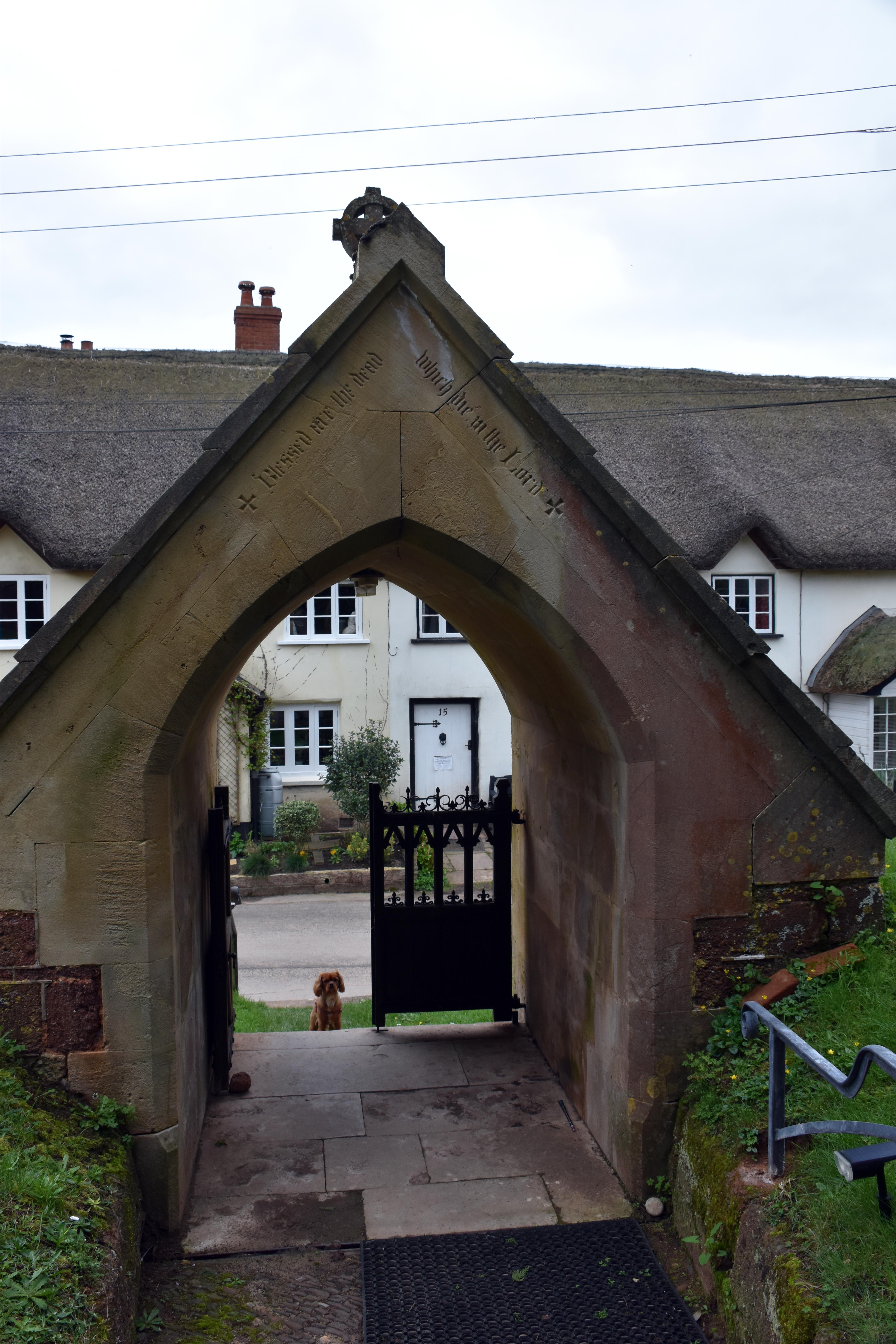
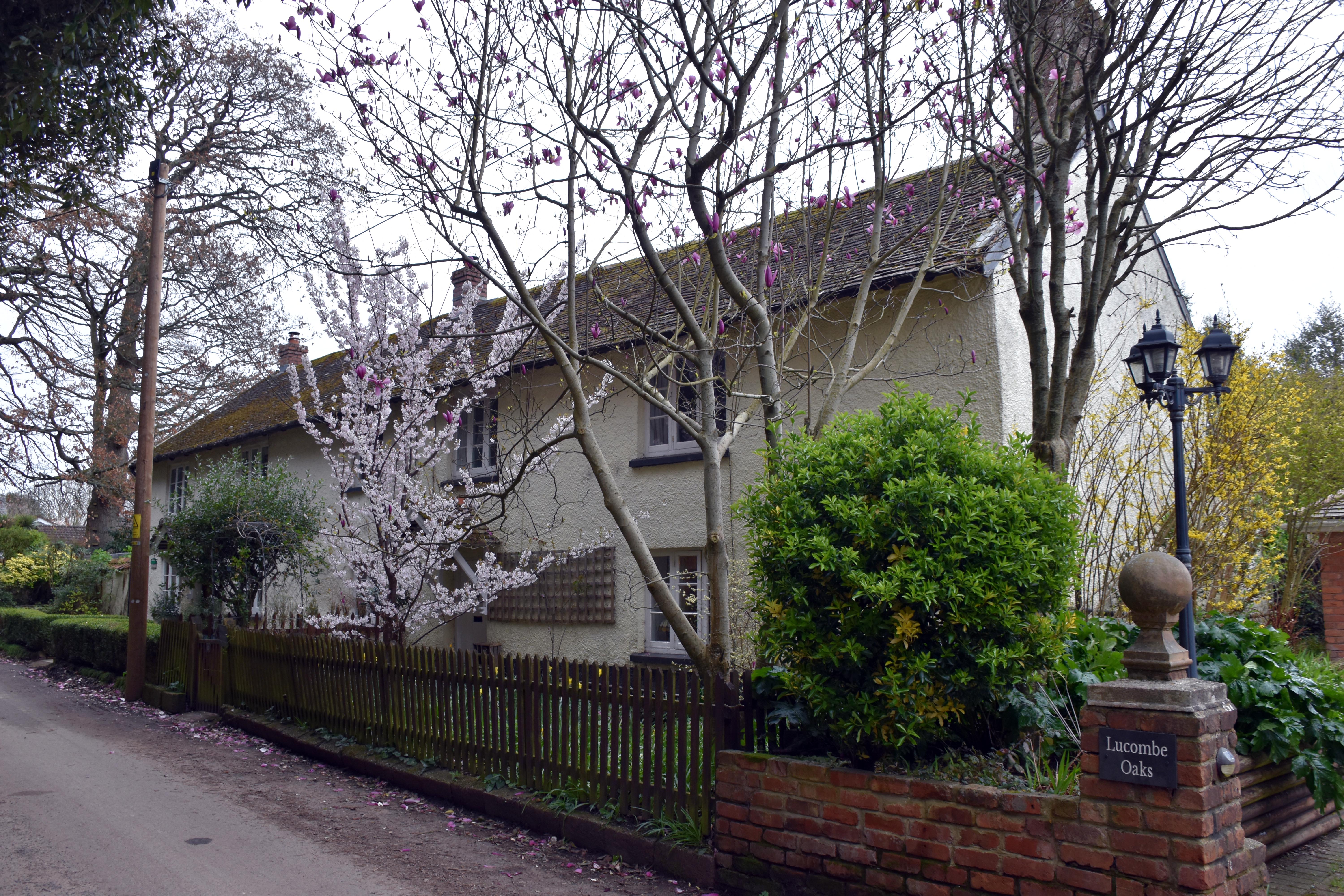
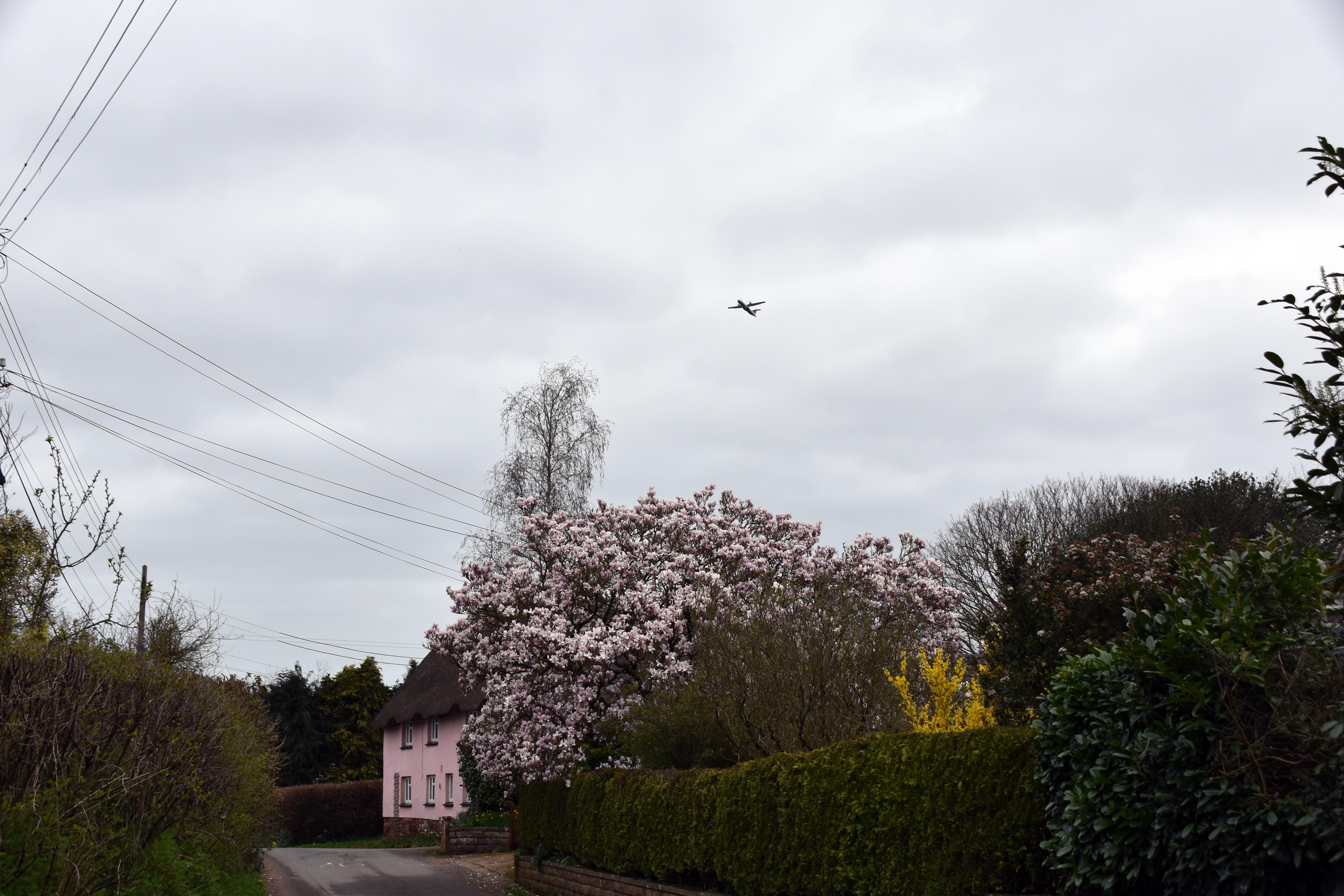
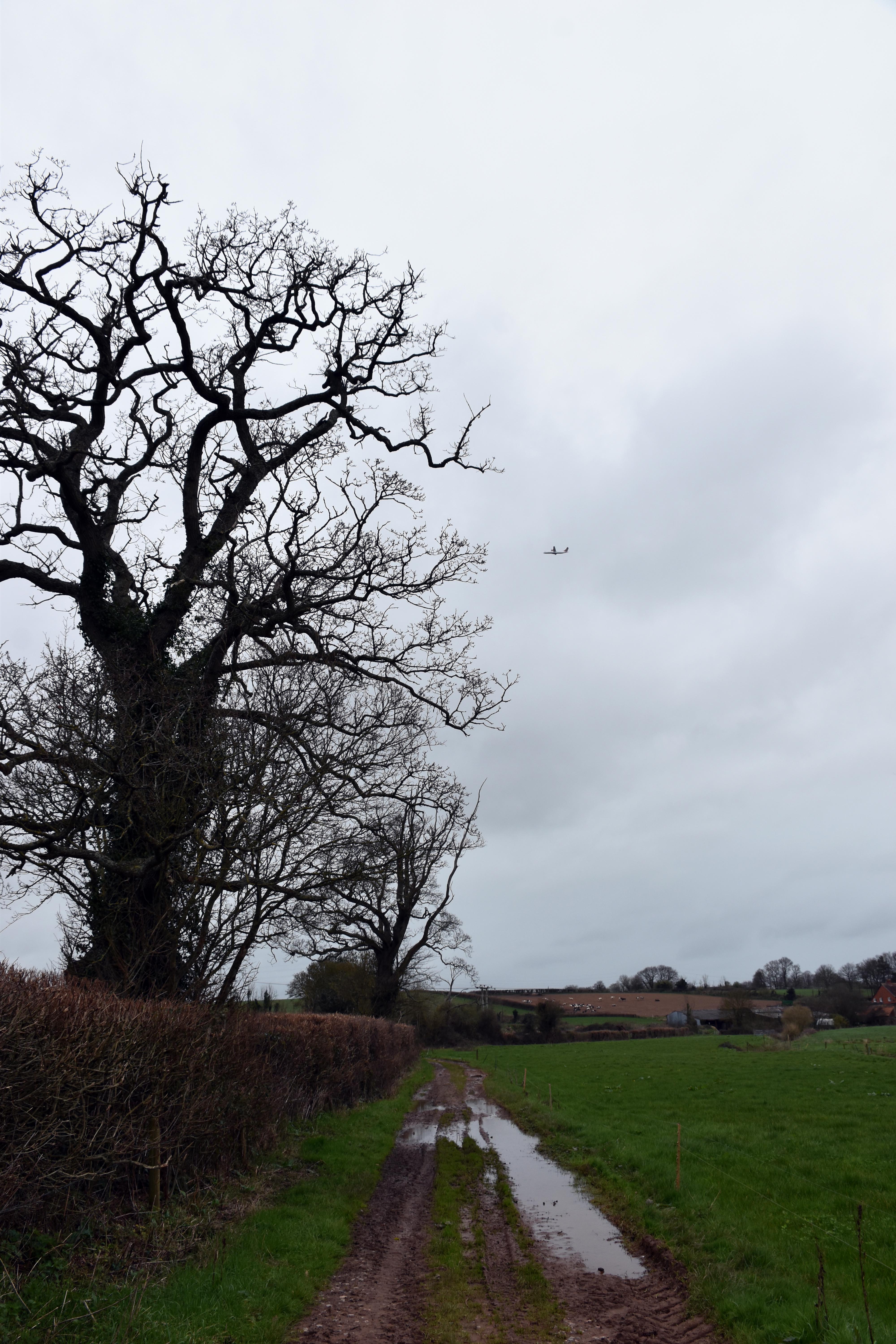
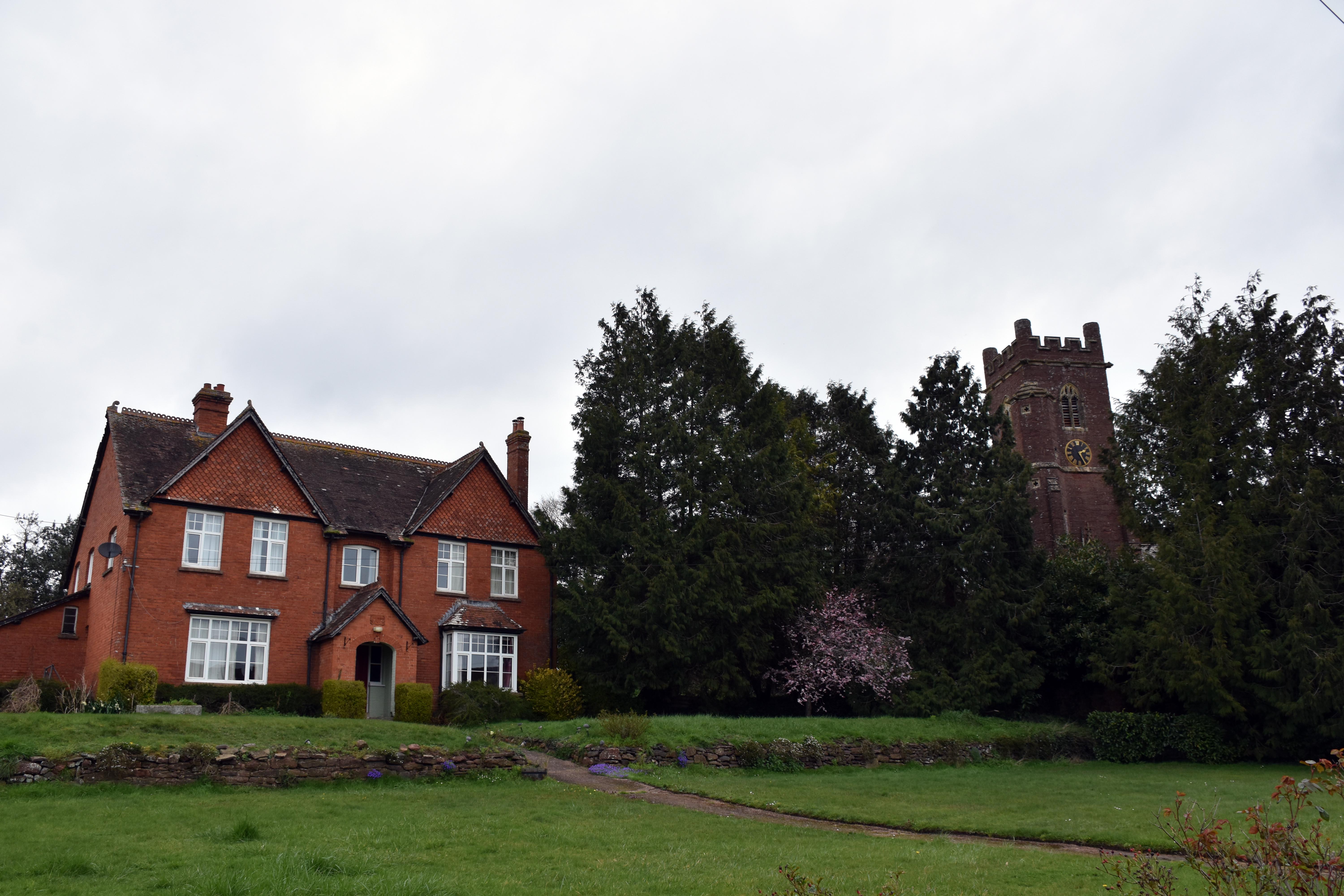
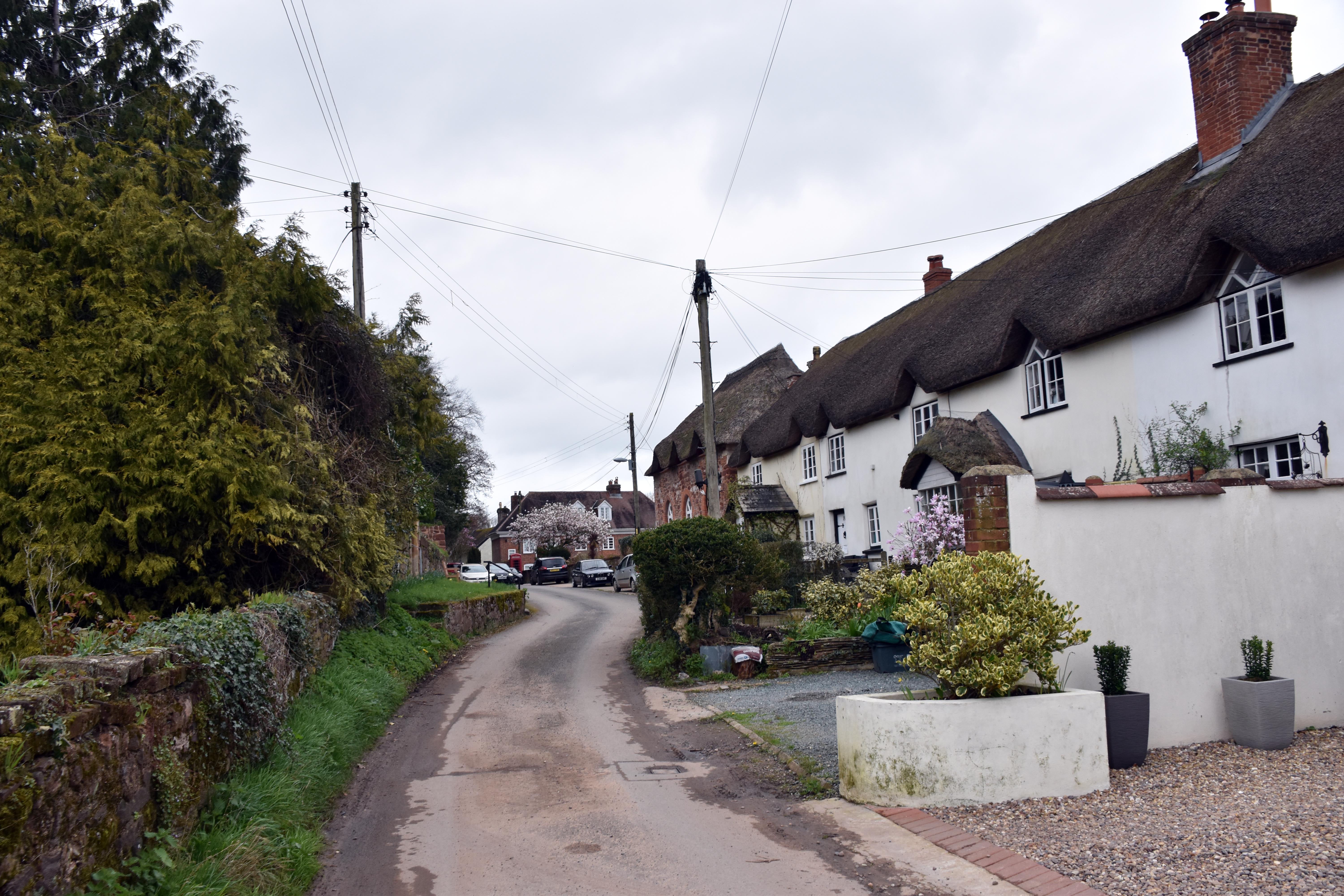
Sowton is a tiny village that is just about holding the developers at bay, but it is sorely surrounded with major roads on three sides, a railway line nearby and Exeter International Airport just a few kilometres away. There is a constant drone of traffic and plenty of planes taking off and landing and yet that still doesn’t detract from what is almost a picture postcard hamlet. I think Sowton is helped by the fact that there is no through traffic route to anywhere. It is effectively a cul-de-sac amidst traffic hurtling all around it just a hop, skip and a jump away from Exeter City.

|
|
|
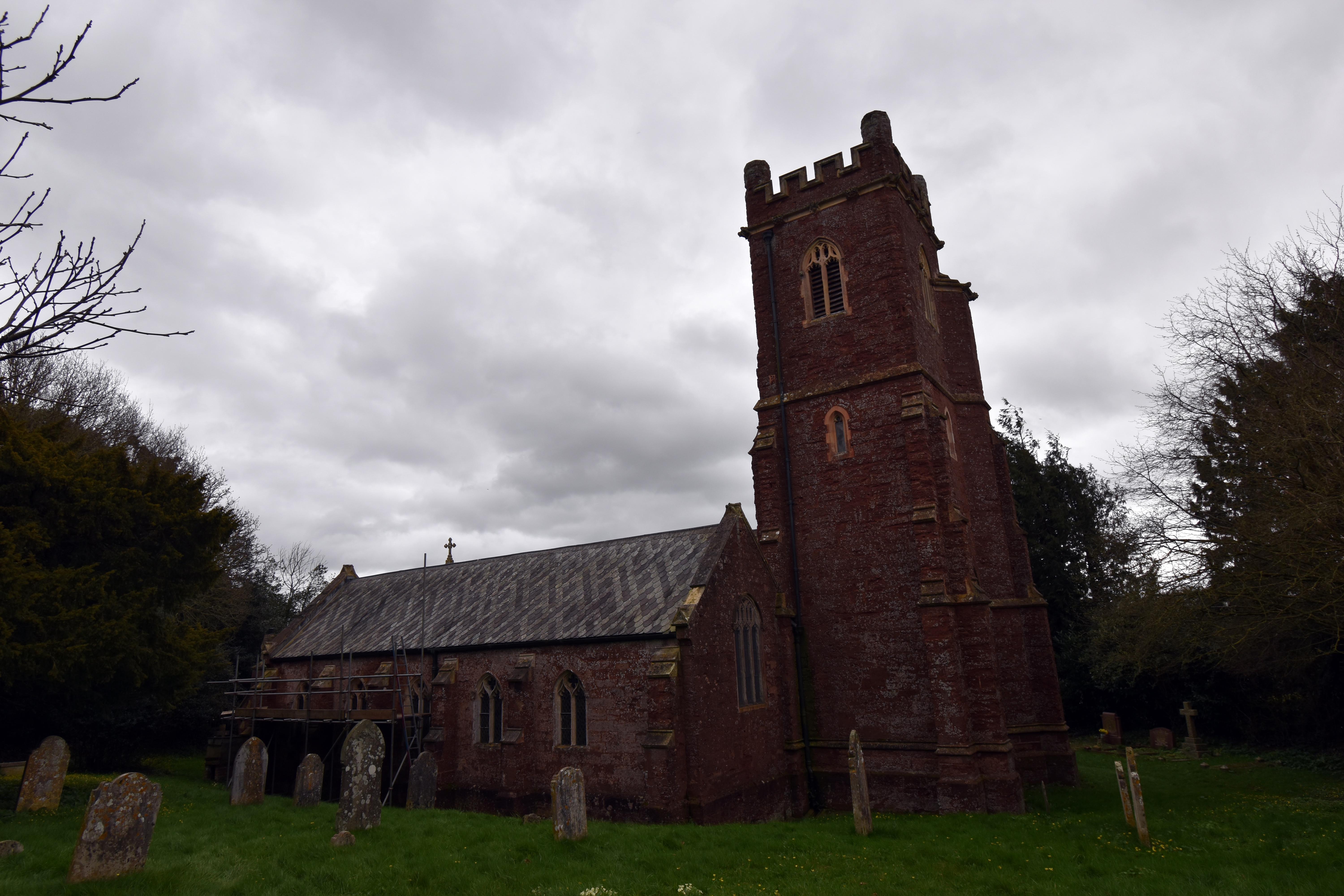
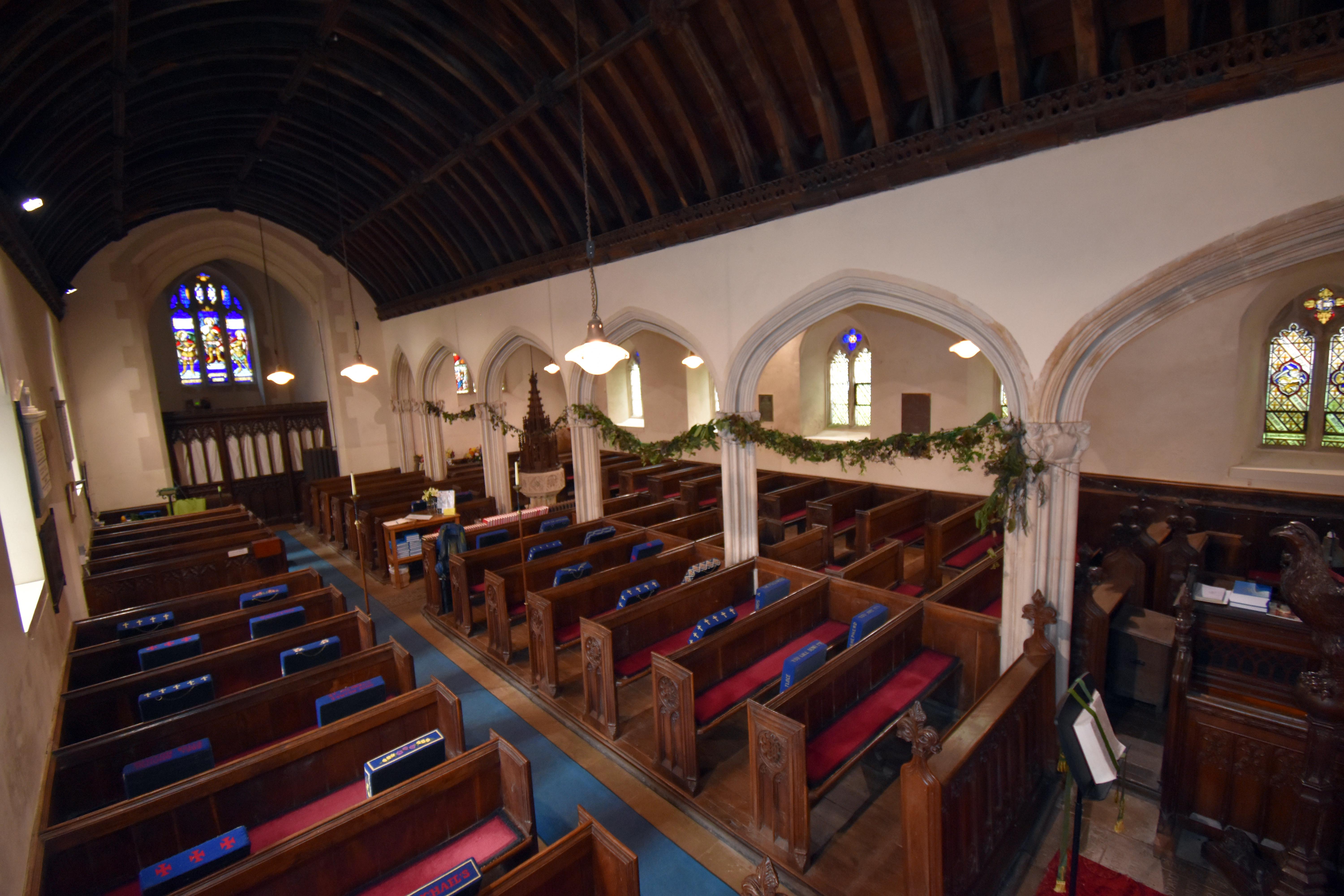
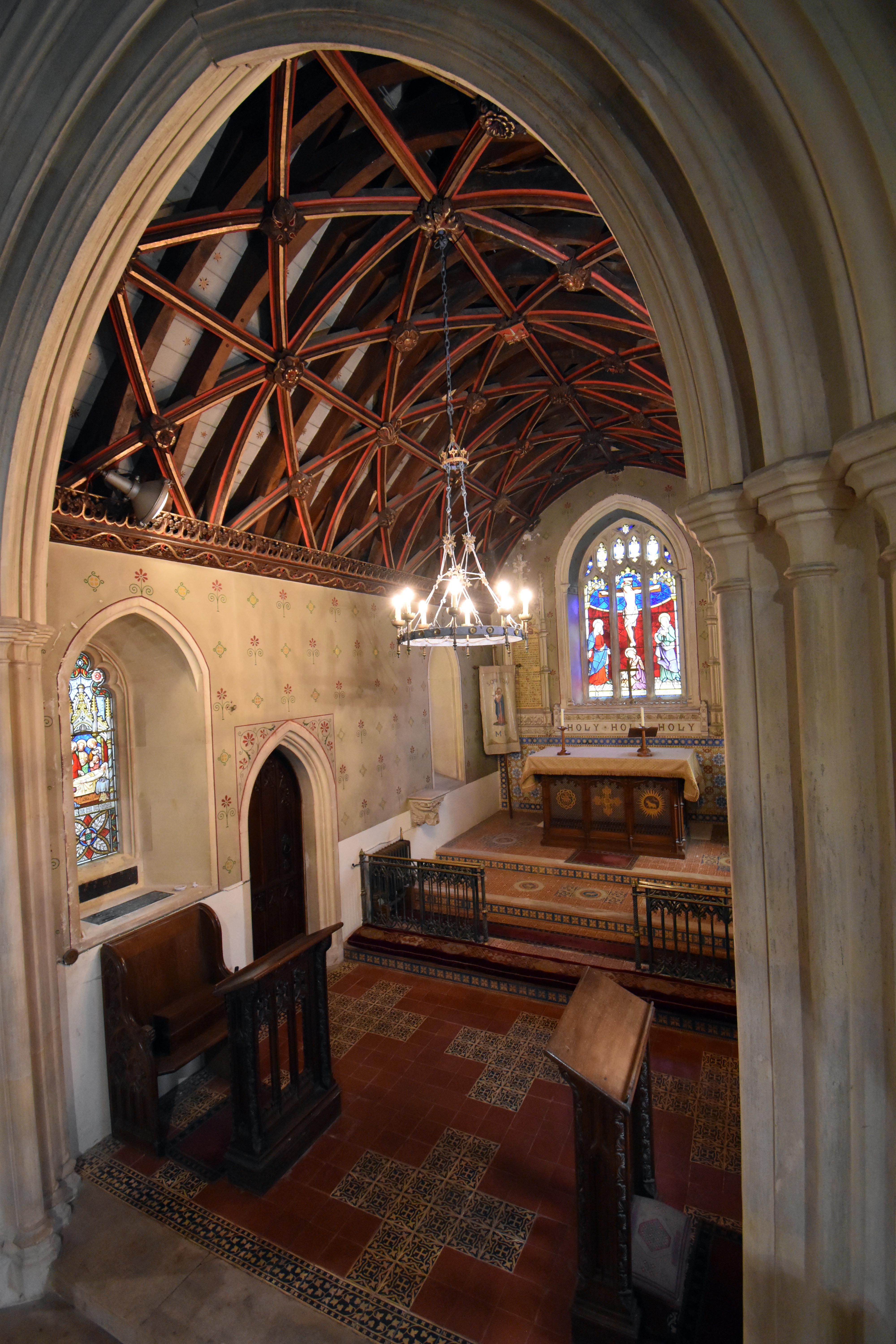
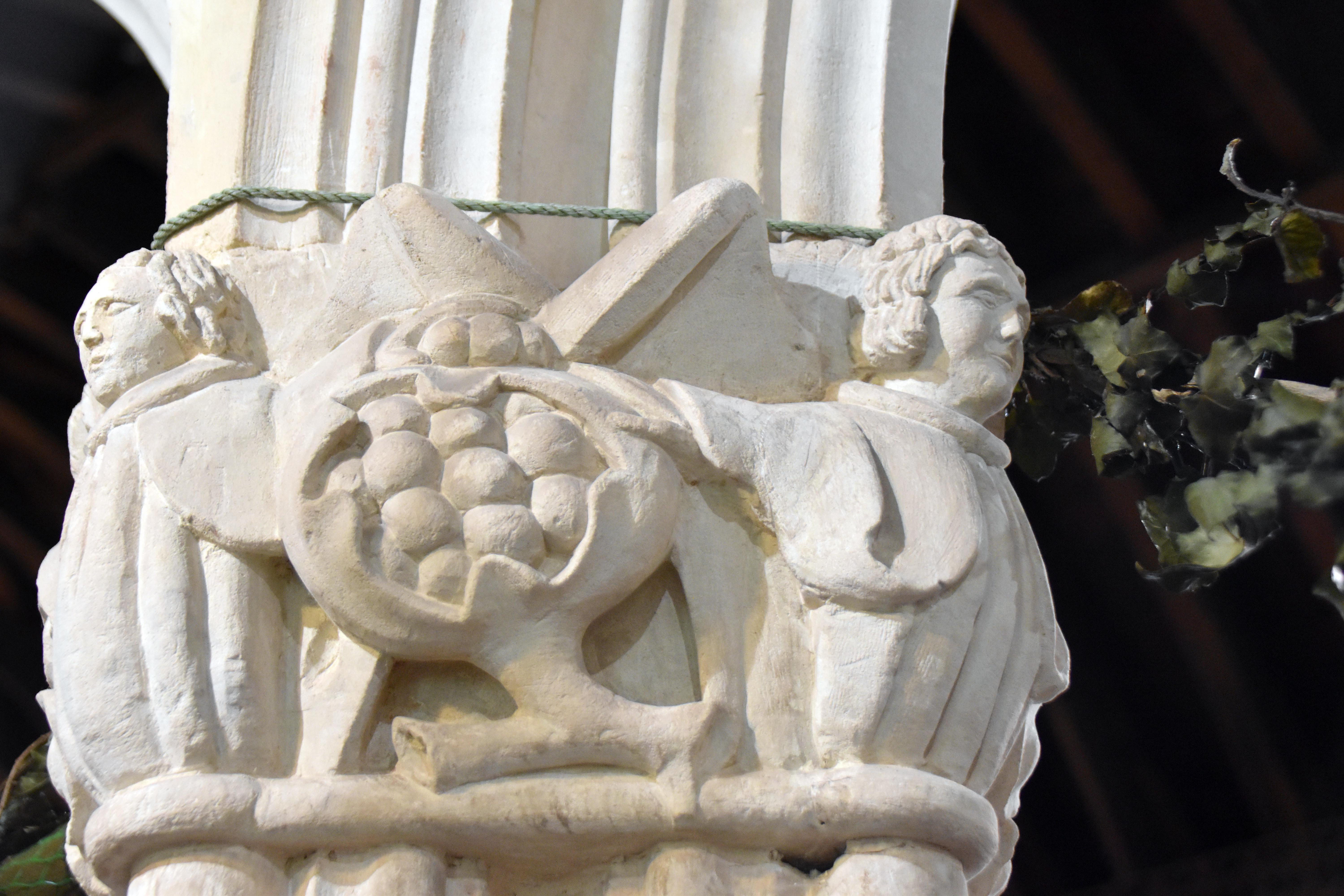
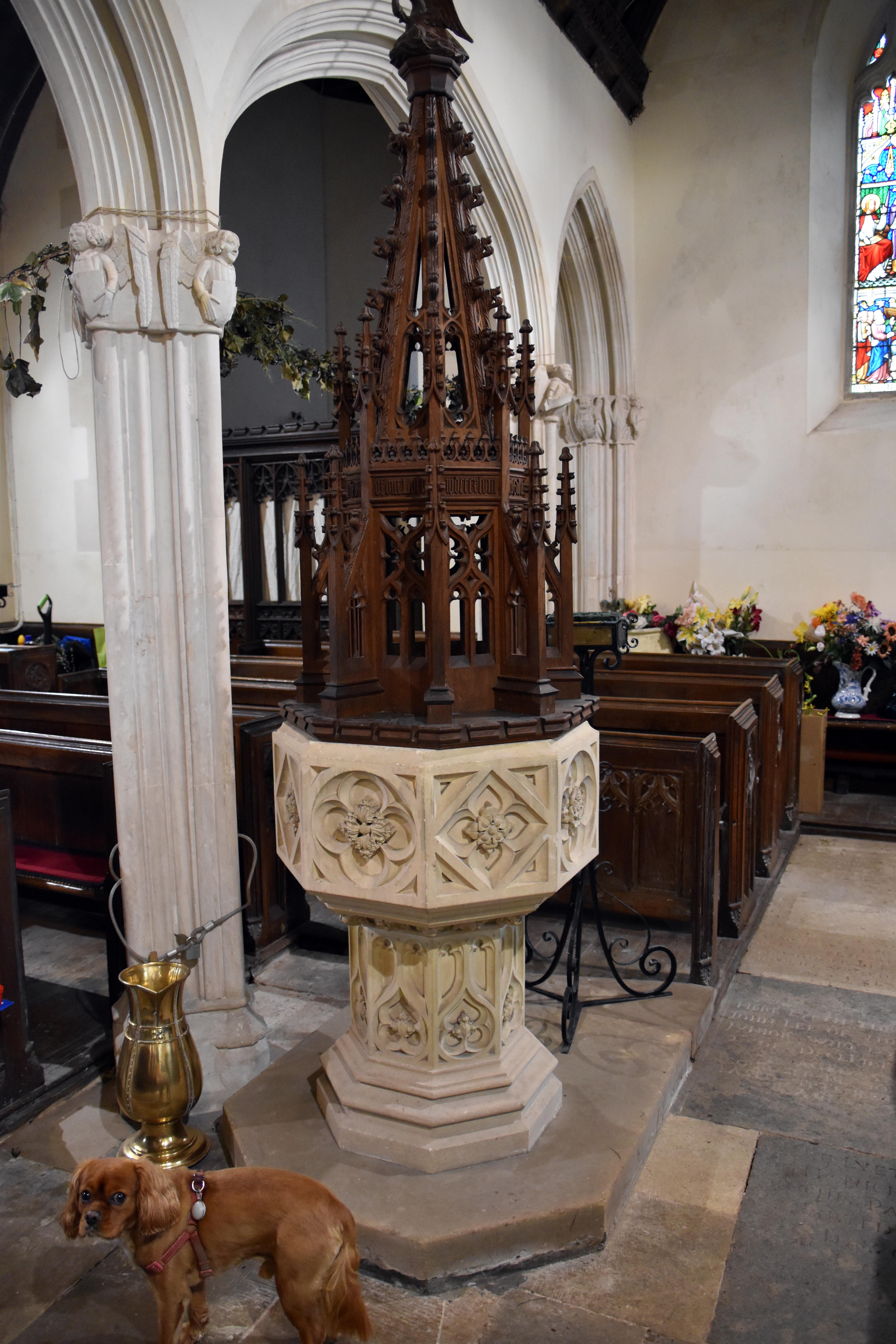
St Michael and All Angels’ church is a rare treasure indeed. There has been a church on this site since the 13th century but it has had two major renovations one of them in the Tudor period which saw the addition of a northern arcade. This was the heyday of the wool industry when parishes wanted to show off their new wealth by investing and enlarging their churches. We can tell where the Tudor extension was added thanks to some beautiful pillar decorations showing the Tudor Rose and one showing the symbol of the House of Aragon - the pomegranate. This almost certainly was added to commemorate the marriage of Catherine of Aragon to either Prince Arthur in 1501 or more likely still to his Brother King Henry VIII in 1509. Of course it was this act of marrying his brother’s wife that provided Henry with his excuse to try and have the marriage annulled, although the Aragons had powerful friends in the Papacy who frustrated Henry and set off the English Reformation which itself would transform the shape of our churches so distinctively over the following century or so.
In a funny way, the second major renovation of this church was part of a kind of counter‑revolution against the Anglican Church in the 1830s and 1840s. The inside of the church was completely redesigned in 1845 at the expense of John Garratt who lived at nearby Bishop’s Court (built on the site of the old Bishop of Exeter’s Palace). John Garratt had made his fortune as a tea importer at a time when tea combined with sugar fuelled the Industrial Revolution. Soon it became a national drink that rich and poor alike regarded as a daily luxury. With his wealth he became Lord Mayor of London. He had bought Bishop’s Court in 1830 not long before his son John Garratt Junior went to study at Oxford. Now this timing was significant because whilst at Oxford University John Garratt Junior came under the sway of the Tractarian Movement which later became better known as the Oxford movement or the Anglo-Catholics. Influential people like John Henry Newman, John Keble and Edward Pusey were all distraught that a new Anglican Diocese had been established in Jerusalem as fallout from the war between the Ottoman Empire and Muhammad Ali of Egypt. They wrote tracts in the newspaper that stated that the Anglican Church had no right to create new bishoprics in an area already served by Christian churches. Soon they were trying to reconcile Anglican and Catholic doctrine. It is tempting to see these Tractarians as an elite project especially when we see their renovated churches which beautified them in a way that had not been seen since before Henry VIII’s Reformation. However, the Tractarians were every bit as evangelistic as any Christian sect and often invested in churches in very poor areas or isolated parishes. In the case of Sowton, the church was in a serious state of disrepair when the Garratts became involved. The father provided the money and the son provided the ecclesiastical underpinning to redesign it. Hence St Michael and All Angels became a showcase of Tractarian design and decoration as the interior was transformed.
|
|
|
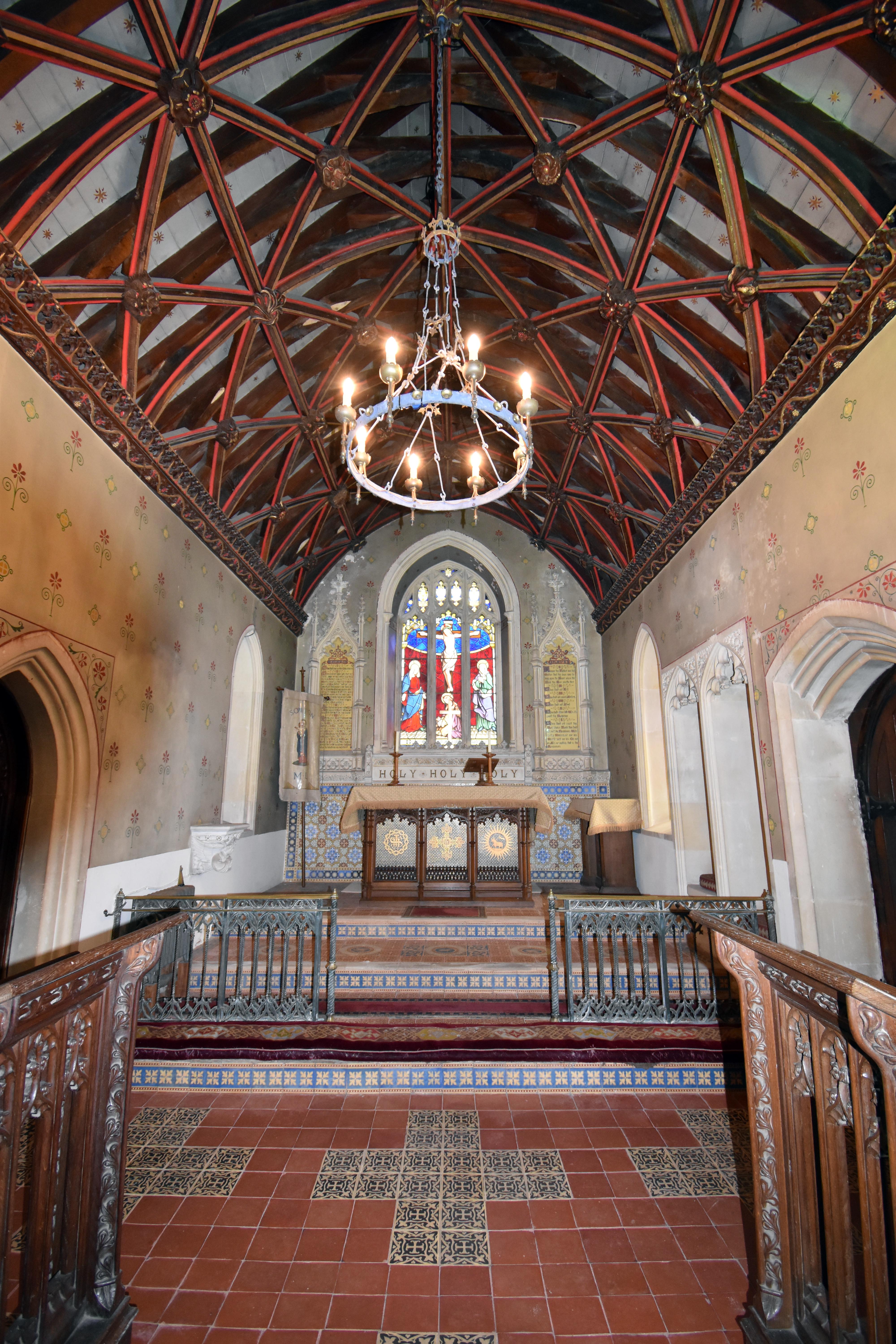
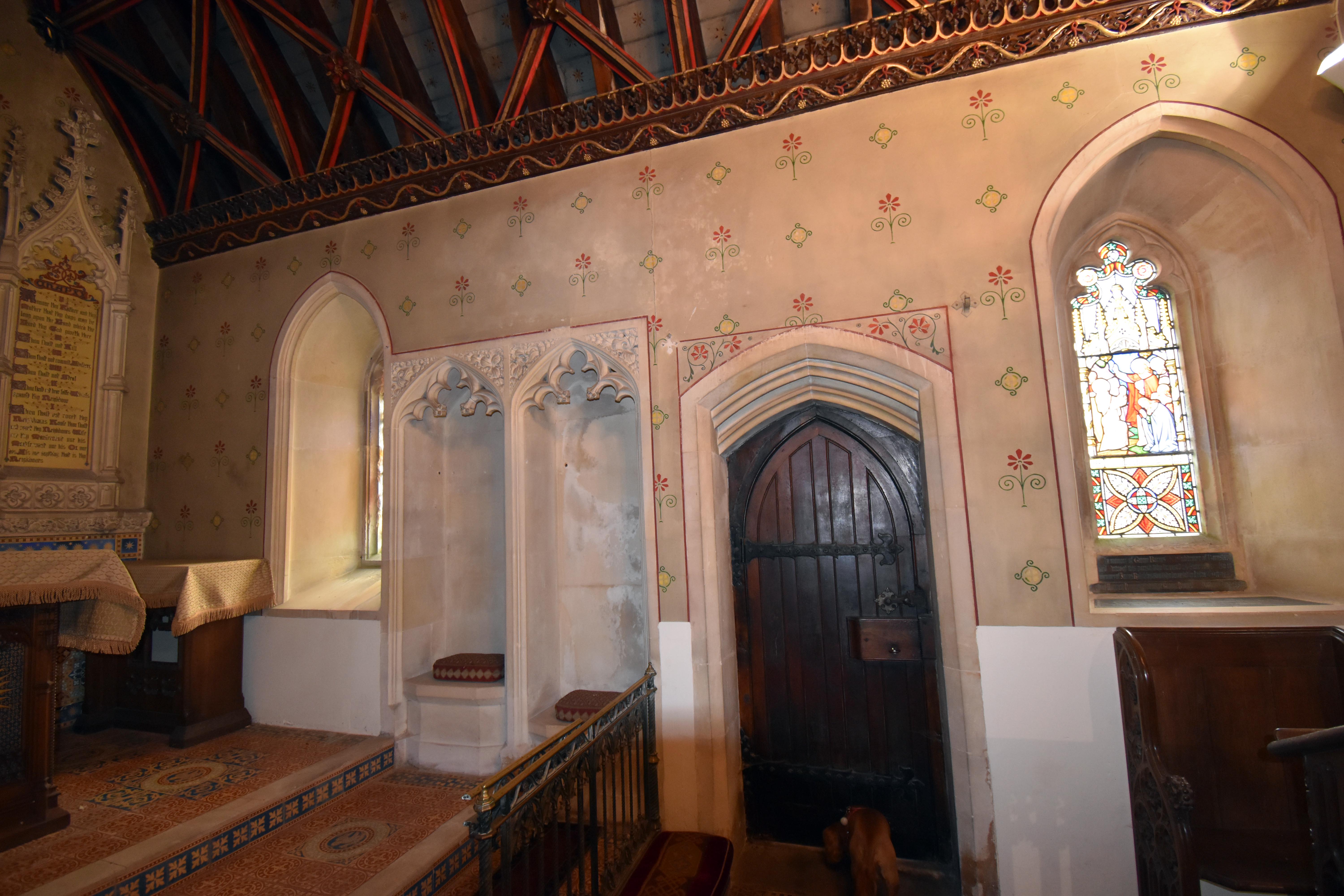
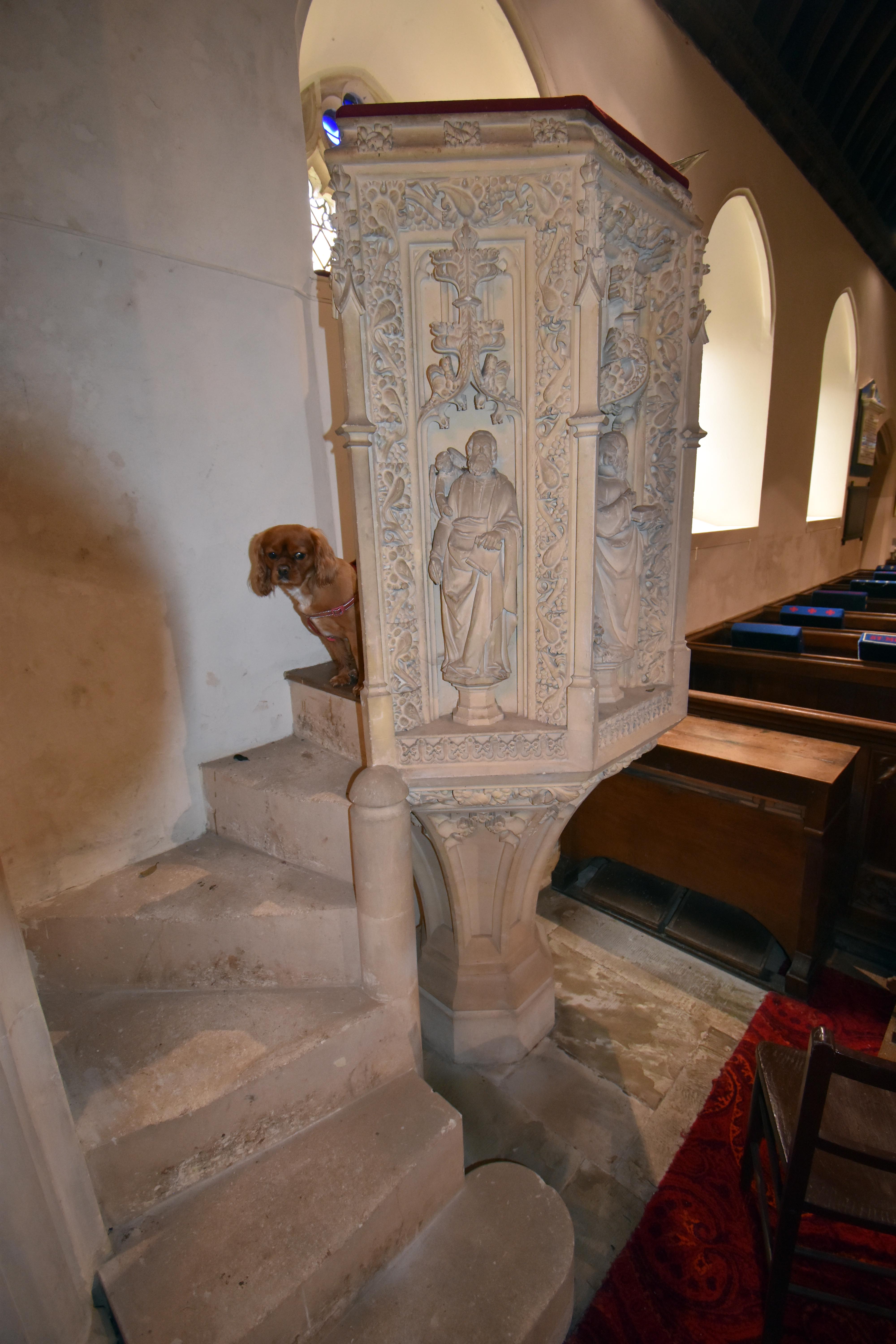
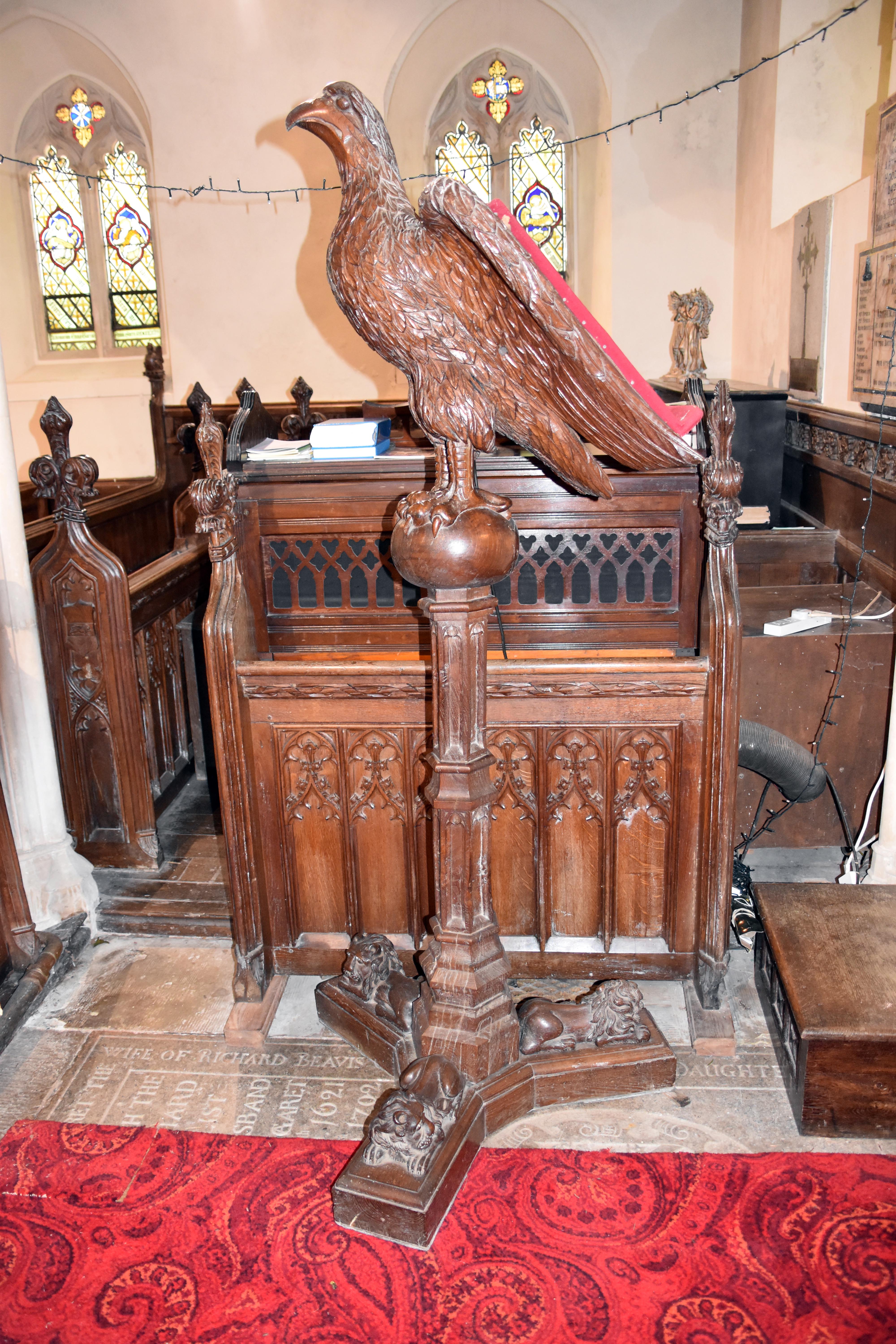
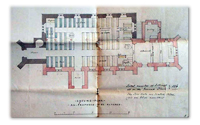
The renovator responsible for this transformation was the renowned Devon architect John Hayward who also designed the Royal Albert Memorial Museum in Exeter. His uncle Charles Barry had recently worked with Pugin to restore the Houses of Parliament after the fire in there in 1834 and provided plenty of advice and contacts to his nephew. For example the magnificent wine‑glass pulpit in the church was carved by one of the Westminster Stone carvers himself - John Thomas. What strikes you is the colour especially in the chancel, with stencilled wall decorations, painted roof members, decorative tiles on the floor and very ornate quotes from the Bible on the wall. There is also a significant amount of coloured light from the various stained glass windows around the building. Many of these Tractarian churches were later restored to more plain Anglican styles especially after Cardinal Newman went the whole hog and joined the Catholic Church so it is unusual to find a church which fully retains this early Tractarian character. There are a few dedications to the Garratt family which indicate their involvement in the church.

|
|
|
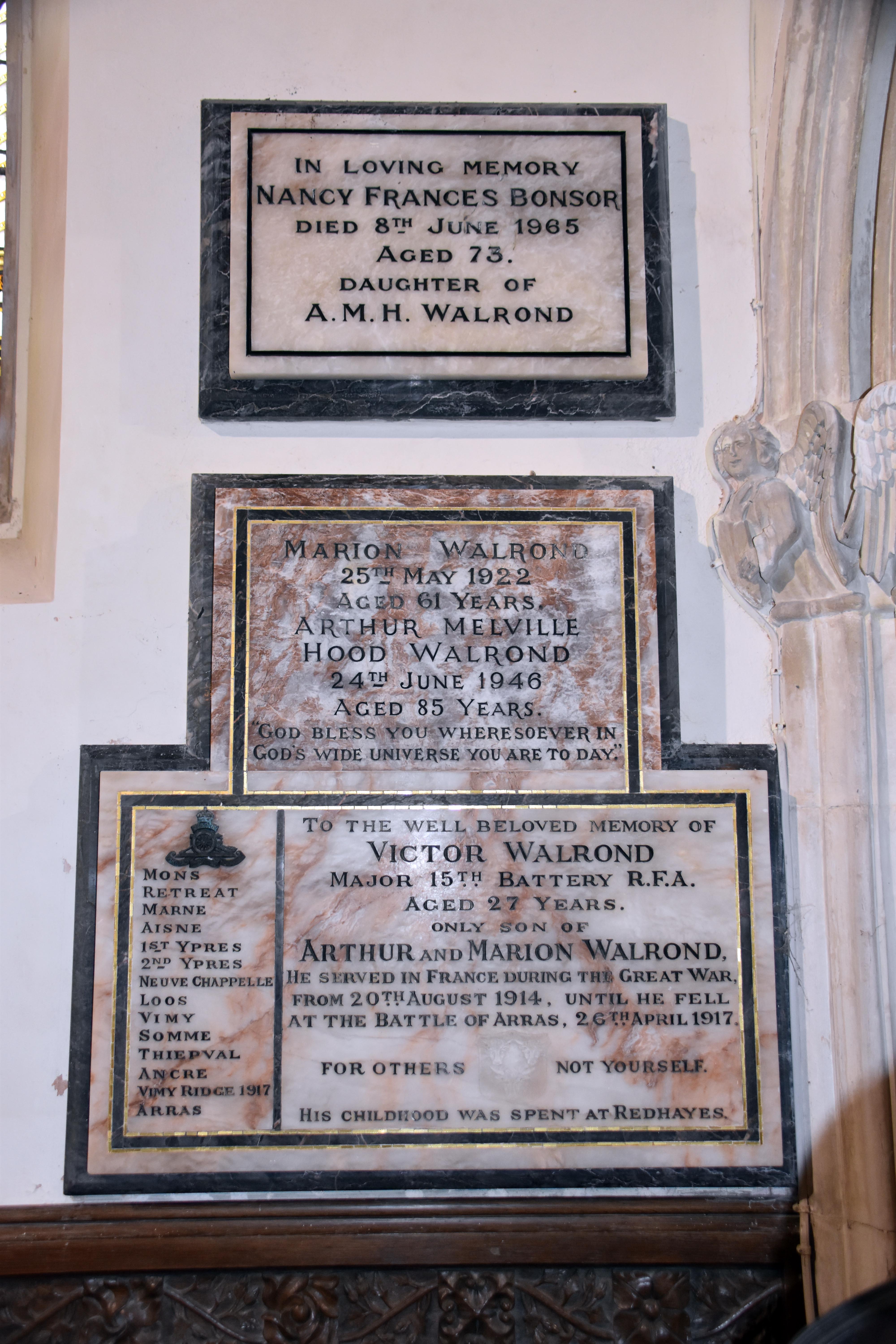
Major Victor Walrond was the nephew of the influential Conservative politician Lord Walrond of Bradfield House near Cullompton. His father Arthur Melville Hood Walrond was also born at Bradfield House but his mother was from the Coleridge family from Ottery St. Mary (which we visited just last week). The memorial to Major Victor Walrond shows that he was in the Royal Artillery from the very start of the war including the very first action for the British Army with the Retreat from Mons. By coincidence I know that my Great Grandfather was also in the Royal Artillery at the Retreat from Mons and subsequent battles. May their paths have crossed? It is certainly not impossible. The parents must have hoped that their son was living a charmed life as he went on to survive major campaign after major campaign - the Marne, 1st and 2nd Ypres, Neuve Chappelle, Loos, Vimy, Somme, Thipeval, Ancre, Vimy Ridge only to fall at Arras in 1917. Arras was part of the French General Nivelle’s campaign to go back on the offensive but it proved a disastrous campaign for the French in particular and would lead to mass mutinies in the French Army. The British fared better but took higher daily casualties here than they had at the Somme. April 1917 was something of a nadir for the Allied war effort as the Germans retreated behind their Hindenberg Line. It was at least offset with the good news that America had joined the war. Although this must have been cold comfort for the Walrond family.
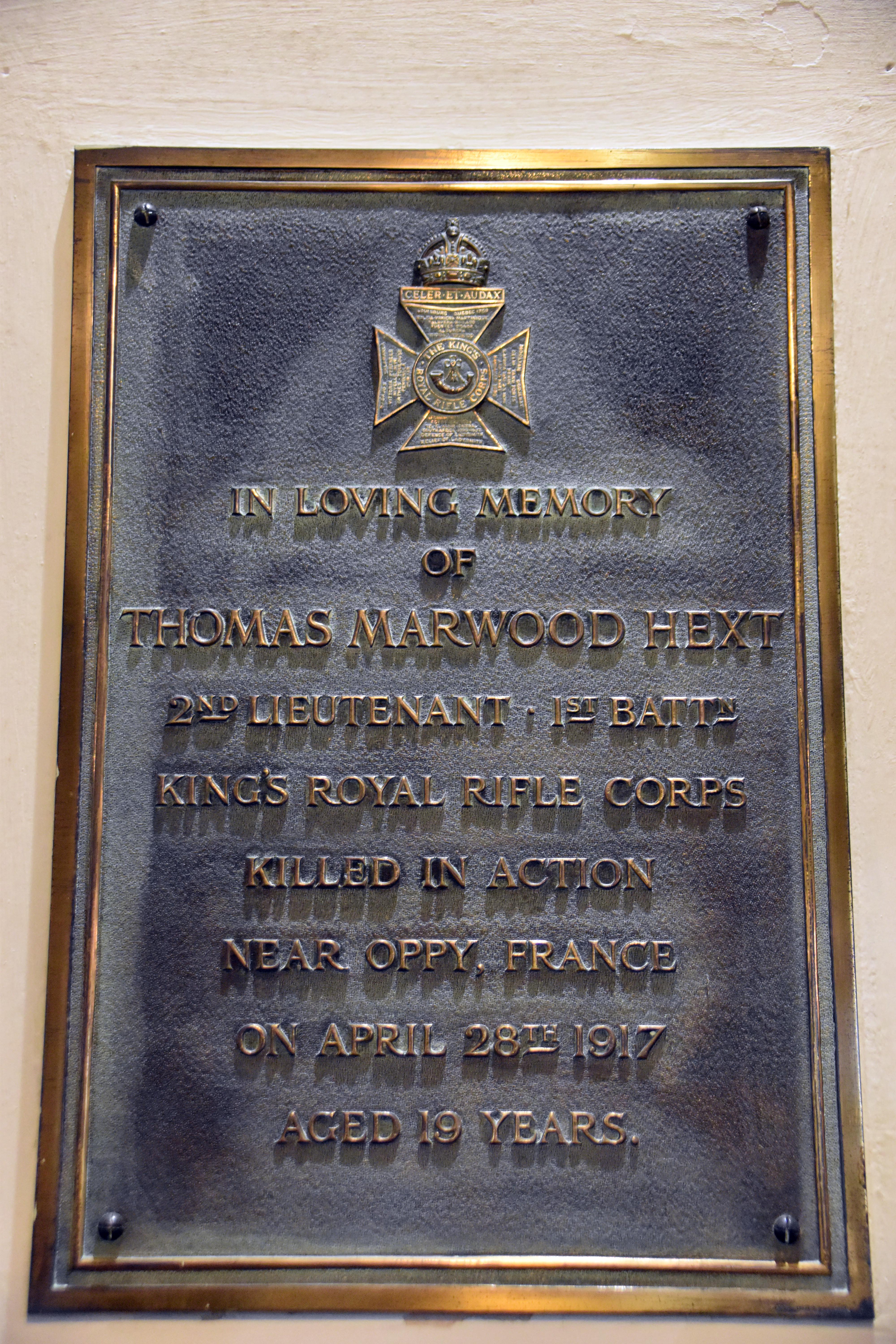
By coincidence there is another soldier commemorated in this church who died just two days after Major Walrond in the exact same Battle of Arras. Both hailing from local families there is a very good chance that the two families knew each other and both would have received the same devastating news at virtually the same time. Lieutenant Thomas Marwood Hext of the King's Royal Rifle Corps was the son of Lieutenant Colonel Francis Marwood Hext of the Royal Irish Fusiliers. Unlike Major Walrond, Lieutenant Hext had only been sent to the front line for the first time in January 1917. Within 3 months he would be killed outside Oppy. Sadly they never located his body. He is now commemorated on the Arras memorial.
There is the general war memorial but it was sadly difficult to make out the names on the main World War One memorial as it was definitely in need of a good polish. Worse yet, it seemed to have damaged the memorial with 5 extra names added below it on the centenary of the war. Intriguingly there is actually a memorial at the crossroads in the memorial but to all those who served and not just those who died in the war. I really appreciate when a community goes to such lengths to remember all of those willing to make the sacrifice and not just those who did make the ultimate sacrifice.
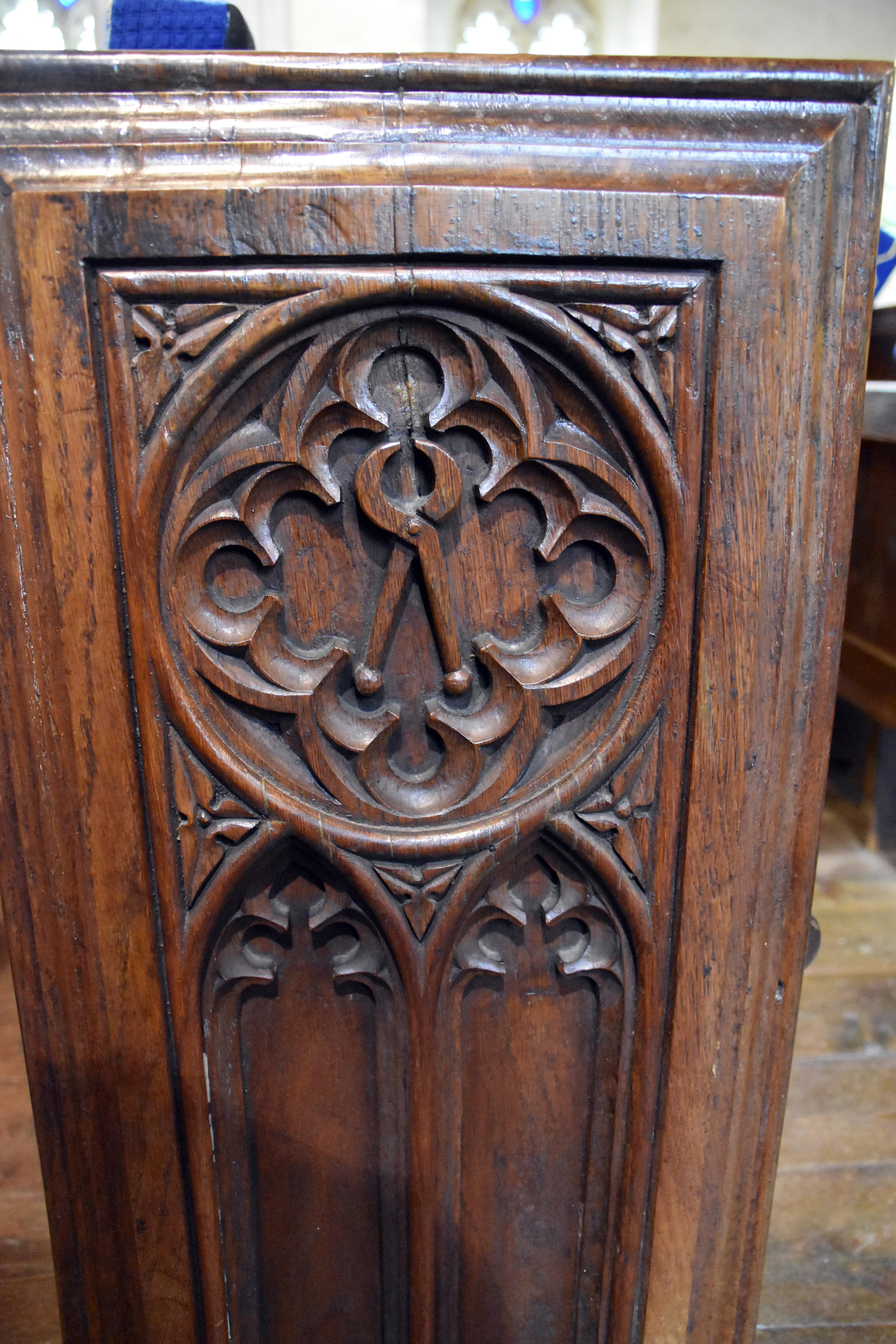
Back in the church, the bench ends are quite fascinating and include everyday tools of trade for carpenters, masons, etc. Again it is nice when a church remembers all of its community and not just the elite.

|
|
|
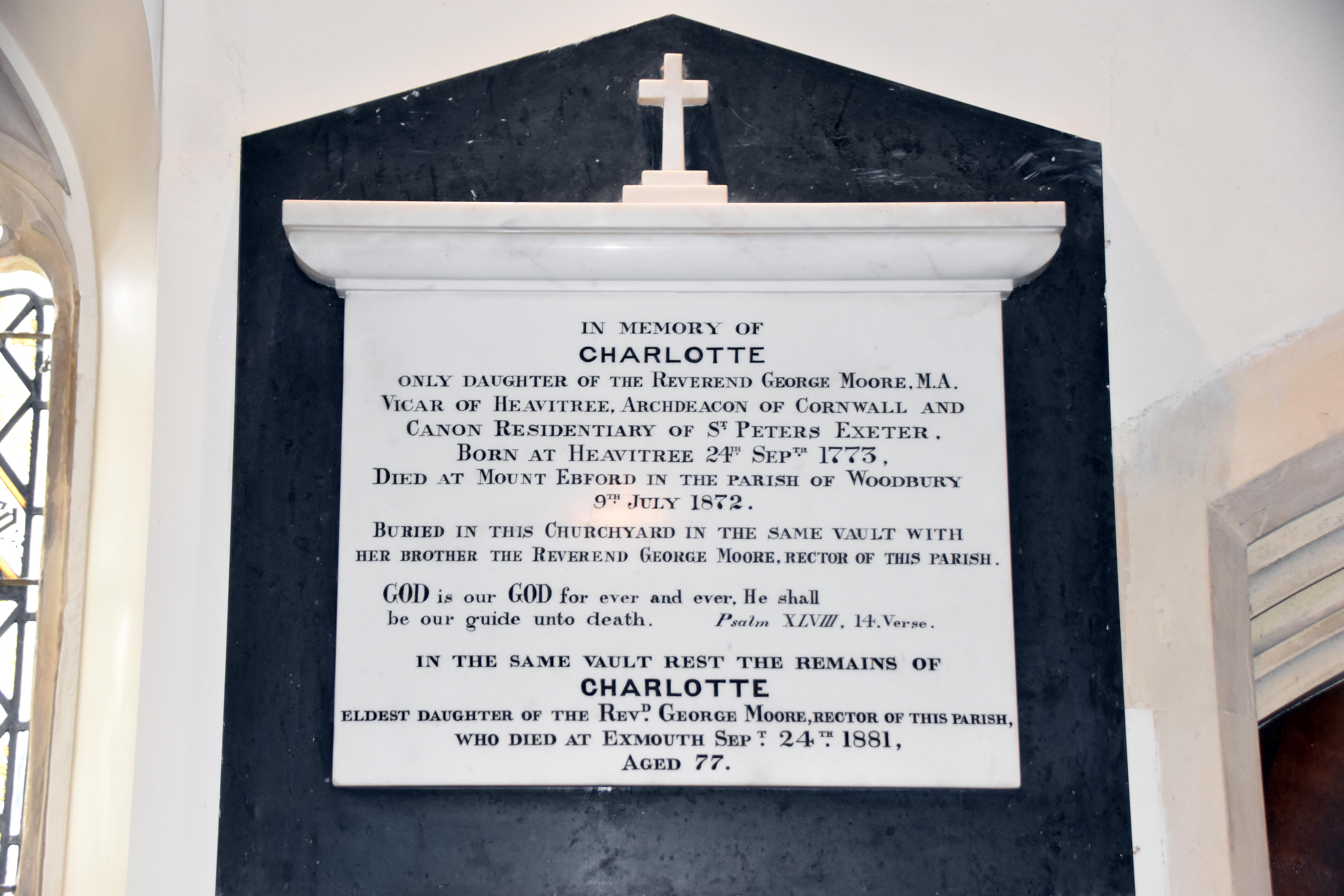
There are some surprising religious personnel commemorated in the church. The Moore family are very heavily represented mainly as they provided two generations of rectors at this church from 1777 until 1821 between the pair of them. The senior Reverend George Moore went on to be Archdeacon of all of Cornwall in the era when Cornwall was still part of the Bishopric of Exeter. The Bishopric of Truro was not created until 1877 and so previous to this the Archdeacon of Cornwall would have been the most senior Anglican cleric for Cornwall. There is a rather beautiful memorial to Charlotte Moore - or rather to two Charlotte Moores and confusingly they are both daughters of George Moores but not the same George Moore! They were not very imaginative with their names it has to be said! Both Charlottes are buried outside in a line of three substantial Moore vaults.

|
|
|
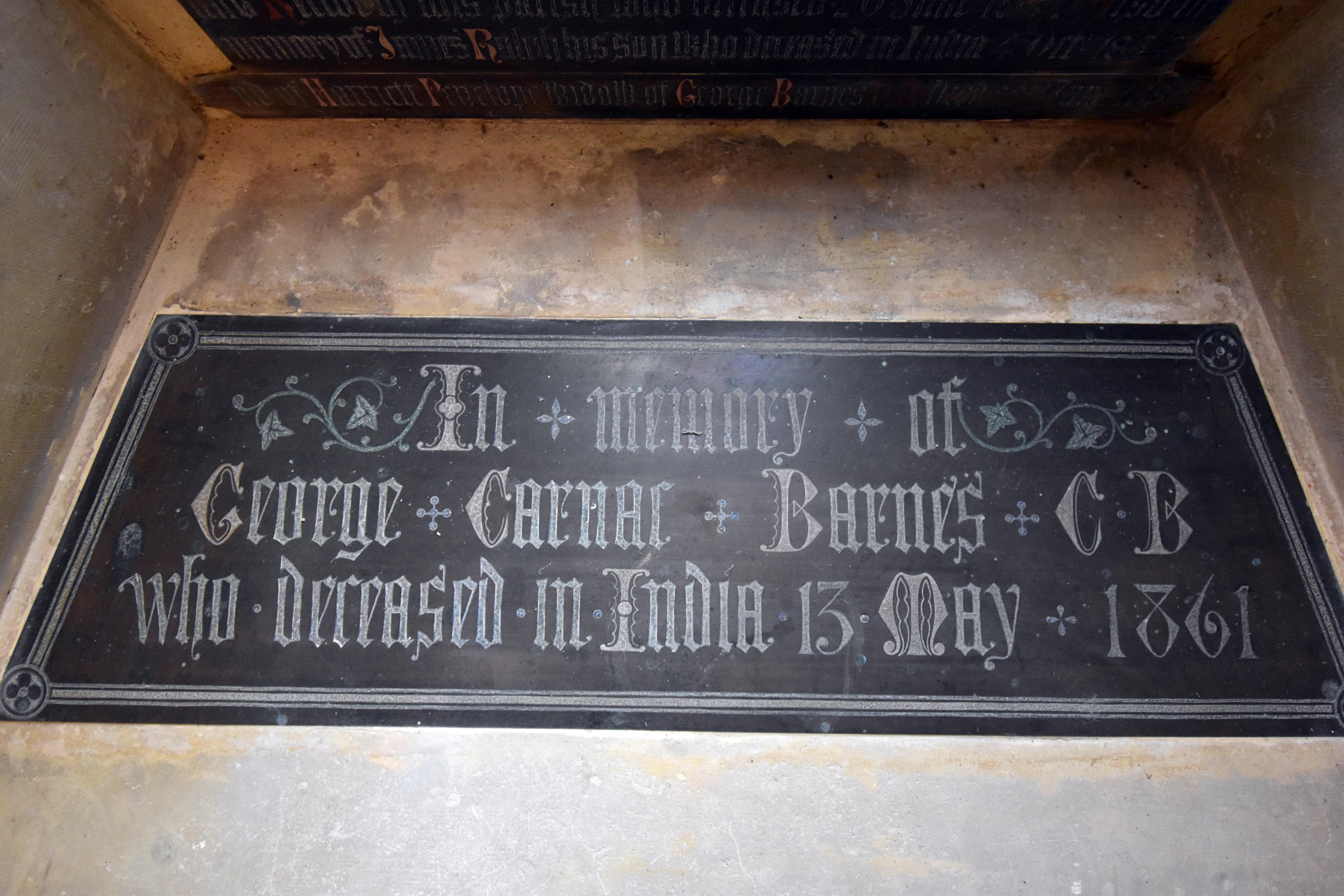
Another local family commemorated are the Barnes family, this time with a stained glass window and two memorials beneath. The Barnes family had strong links to Exeter Cathedral and more intriguingly to India. The George Barnes mentioned as the Archdeacon of Barnstaple had also been the very first Archdeacon of Bombay. This Indian connection carried on with two of his sons who are both also named on the memorials one is to James Ralph Barnes who the plaque informs us ‘deceased in India 4th Oct 1854’ and his brother George Carnac Barnes. Now the Barnes family were surprisingly important and influential in India with Lord Canning appointing George Carnac Barnes as the Foreign Secretary for the newly created Raj in the aftermath of the Indian Mutiny. Indeed it was George Carnac Barnes’ role in the Mutiny that caught the attention of Lord Canning. He had been the Commissioner of the Cis-Sutlej States which had only recently been incorporated into British India after the first Anglo-Sikh War in 1849. Hence when the Mutiny broke out just to the South of the Punjab, there was consternation that these recently annexed areas might join in with the Mutiny and overthrow British control of India for good. George Carnac Barnes was instrumental in not only keeping this largely Sikh area from throwing their lot in with the rebels but convincing the leaders that they should support the British authorities and provide troops to secure the road to Delhi and indeed to help relieve the besieged British garrison there. It is not an understatement to say that these loyal native troops from the hills above the Delhi plain were critical in allowing the British to survive and ultimately defeat the Mutiny. Sadly for George Carnac Barnes, he also ‘deceased in India’ through dysentery in 1861. One of his sons, George Stapylton Barnes, continued to work in India and another son, Arthur Stapylton Barnes was one of those Anglo-Catholics who would have been very much at home in the surroundings of St Michael and All Angels’ church. He though converted fully to Roman Catholicism in the 1890s and went on to become the Roman Chaplain at Oxford University from 1918 to 1926 where he was affectionately known as ‘Mugger’. Now it just so happened that at the same time a young Catholic student by the name of Evelyn Waugh was studying there. It was widely understood that ‘Mugger’ provided the inspiration for the character of Monsignor Bell in Evelyn Waugh’s classic Brideshead Revisited book published in 1945. I cannot think of a more appropriate connection as that between this beautiful Tractarian church and possibly the most influential literary critique of the vanishing world of our Anglo-Catholic aristocracy.
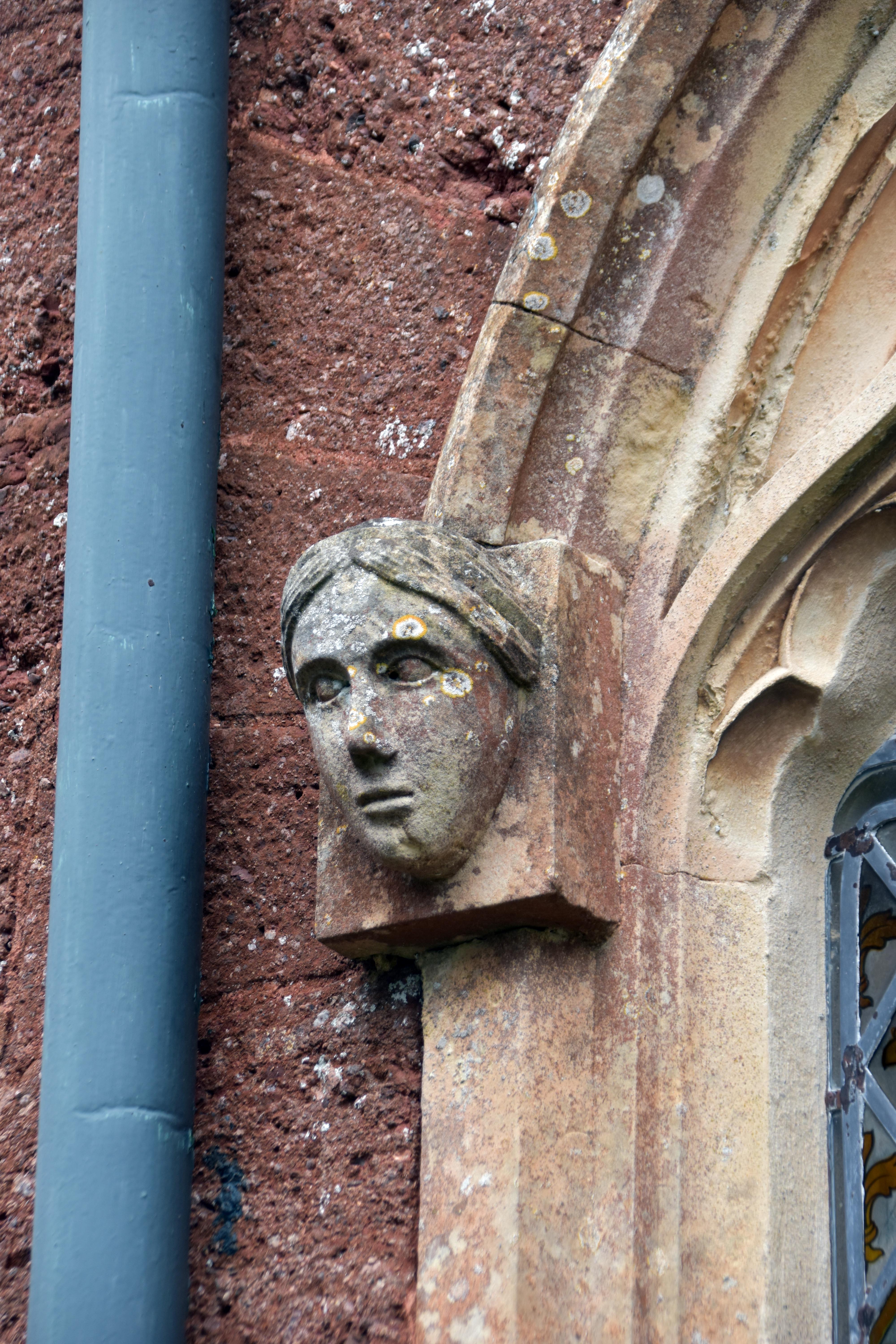
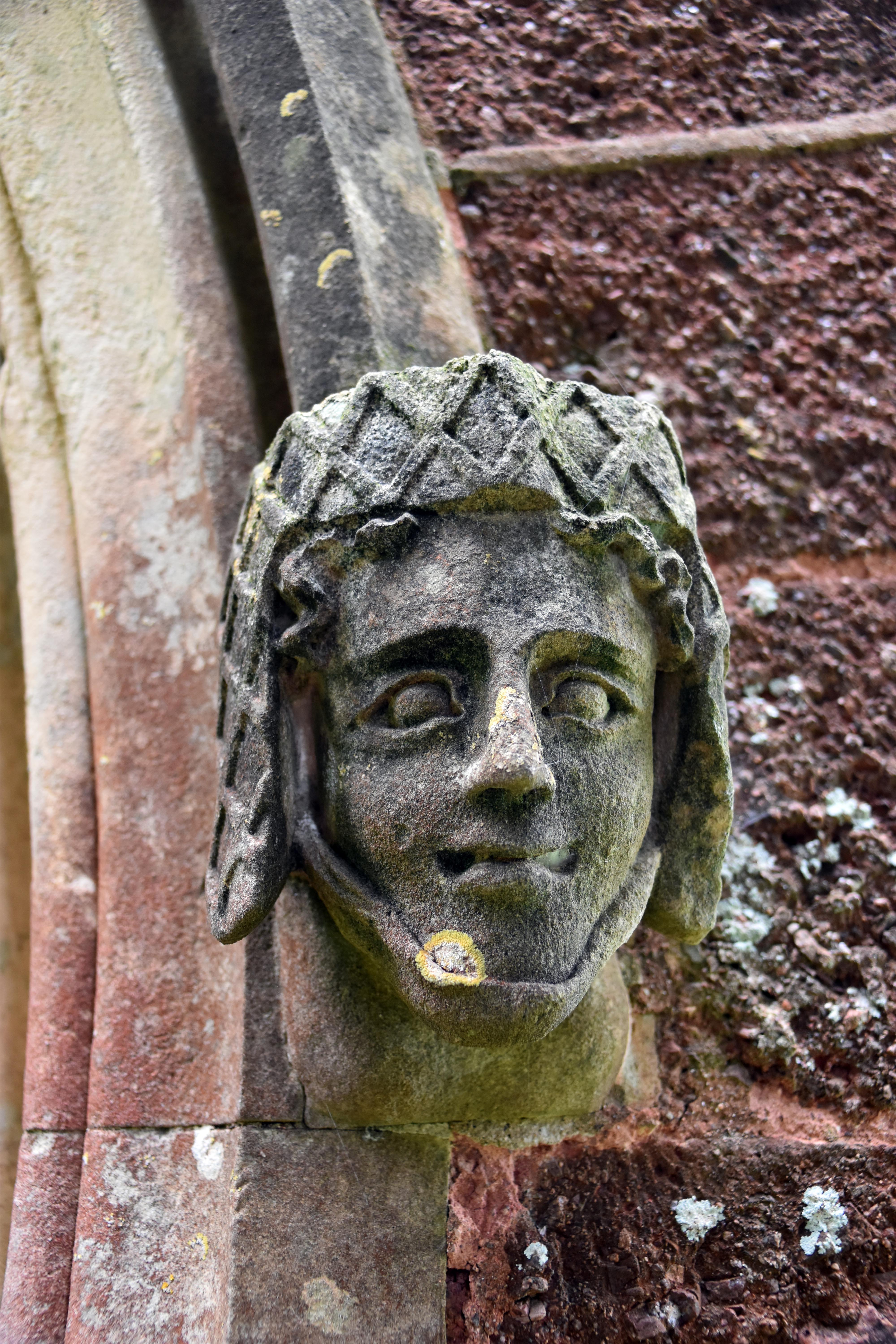
And if we want to remember that this church originated as a Catholic Church we can step outside and gaze at the grotesque carvings surrounding the church. These pre-Reformation faces can really transform us back in time as we imagine the people they are based upon and can see the period clothing and headdress that they wear. It is even believed that at least one of the grotesques on the rear of the church is a carving of one of the medieval stonemasons themselves. It is quite rare to see the faces of the lower classes from this period in time but as we have seen from this church it sought to represent all of its local community from the workers to the local gentry.
|
|
|
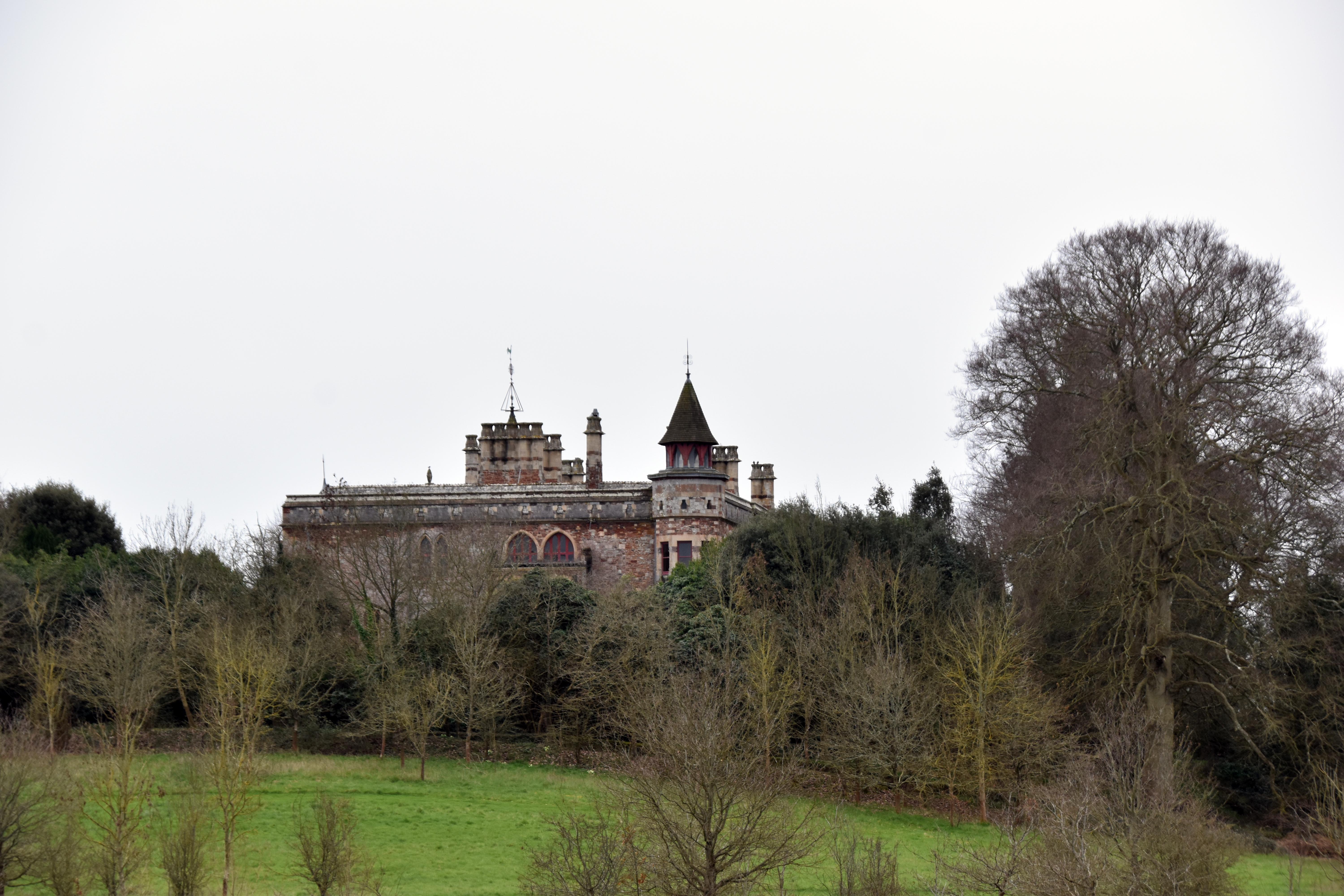
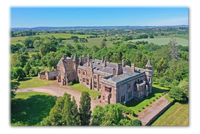
After visiting the local war memorial we turned south to follow Bishop’s Court Lane which once upon a time was the entranceway to the Bishop’s Palace and latterly to the renovated mansion on its site Bishop’s Court You get a glimpse of the old grandeur of this grand entrance with the lodge at its start and some incongruous 1834 decorated iron railings across a leat that was built to service the mill down towards Clyst St. Mary - where the other set went to is a mystery. The Garratt family would have used their wealth from tea to pay for this suitably impressive drive to their mansion. You can catch a glimpse of the back of Bishop’s Court although the trees do obscure much. Sadly it is not open to the public which is a shame as it has a fascinating history.
|
|
|
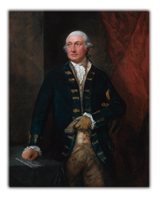
The Bishop of Exeter wanted somewhere close to the Cathedral but far enough away to avoid the dirt, grime and noise of an Exeter confined by its city walls. In the 13th Century they built a palace here which remained as a Bishop’s Palace until the Reformation of Henry VIII when lands like these were prime for selling off to favourites and to provide an income for a King ambitious to expand the state’s power. Before the Garratts moved in one notable occupant of the house was Admiral Thomas Graves who fought in the Seven Years War and the American War of Independence. Sadly an outnumbered Thomas Graves was defeated by the French Admiral Comte de Grasse at the Battle of the Chesapeake Bay in 1781. This defeat directly led to the surrender of Lord Cornwallis at Yorktown and signalled the effective end of the war. The Comte de Grasse did not have long to savour his victory though as he sailed on to try and capture Jamaica and was defeated by Admiral Rodney at the Battle of the Saintes and taken as a prisoner of war. Thomas Graves was given the honour of escorting the Comte de Grasse’s flagship back to Britain as a prize although an unexpected Hurricane would see the French battle scarred ship lost at sea. Thomas Graves survived the ordeal and he went on to be promoted to full Admiral and given an Irish peerage. He also had been the Governor of Newfoundland and became Commander in Chief of my home town of Plymouth as the country prepared for war with France.
When war broke out with France he was very active in the early years and indeed he was actually Second in Command to Admiral Lord Howe at the ‘Glorious First of June’ which was the first big naval victory over the Revolutionary French. Unfortunately he was seriously wounded in that action which compelled him to retire from active service. He saw out his last years at Bishop’s Court and started to seriously update the gardens and house before he died at the age of 76 in 1802.
It was the wealth of the Garratt family that saw the traditional Bishop’s Court converted into a Gothic Mansion. The Victorians came to love Gothic Revival architecture - just look at the Houses of Parliament rebuilt in the 1830s and 40s. It even has its own ornate chapel which may surprise us considering how much they spent renovating St Michael and All Angels’ church.
We joined Bishop’s Court Lane and followed the route of Lord Russell’s Army as it sought to dislodge the prayer book rebels at the bridge at Clyst St. Mary after being forced to retreat from Fenny Bridges. I have written about this battle in more detail in the article on Clyst St. Mary but I think it is worth reminding us that there has possibly never been a more colourful army in our history than the one that marched down this road in 1549. Unsure whether the local militia would remain loyal to King Edward VI or go over to the Prayer book rebels, the Duke of Somerset had arranged for foreign mercenaries to provide the bulk of the military under Lord Russell’s command. These included Arquebusiers from Genoa in Italy, German Landsknechts, Burgundian heavy cavalry and most intriguingly of all Albanian light horsemen. These would be joined by Welsh archers to try and compensate for the prevalence of well trained Cornish archers on the side of the rebels. What a sight it must have been to see such exotic soldiers in their incredibly exuberant uniforms march down this road nearly half a millennium ago. We turned off at the mill to return back to Sowton which is actually what Lord Russell ultimately had to do too after his initial assault was ambushed and pushed back. His plan B was to send some of his exotic troops to cross the River Clyst further up and attack the Westcountry defenders on the bridge from behind.
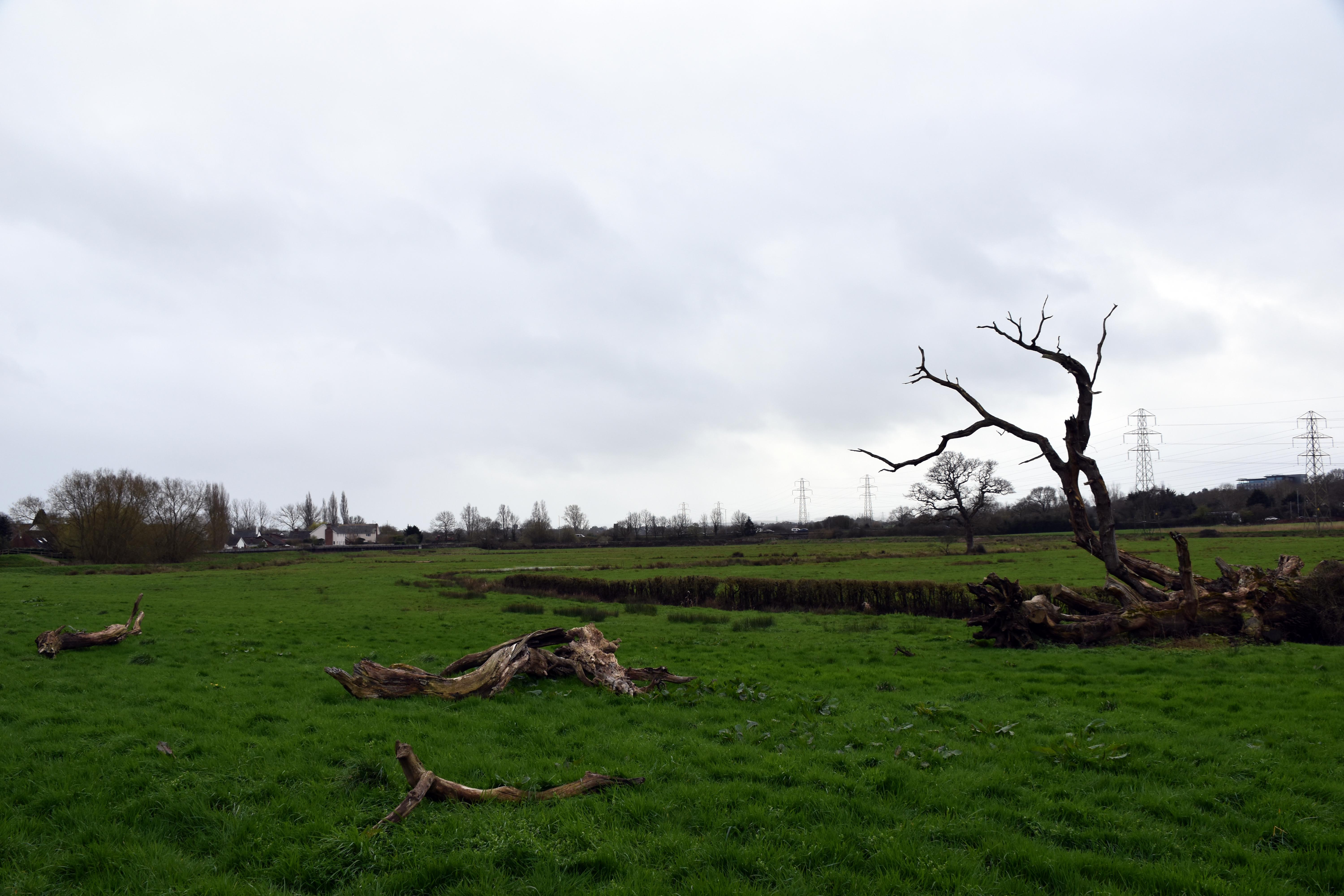
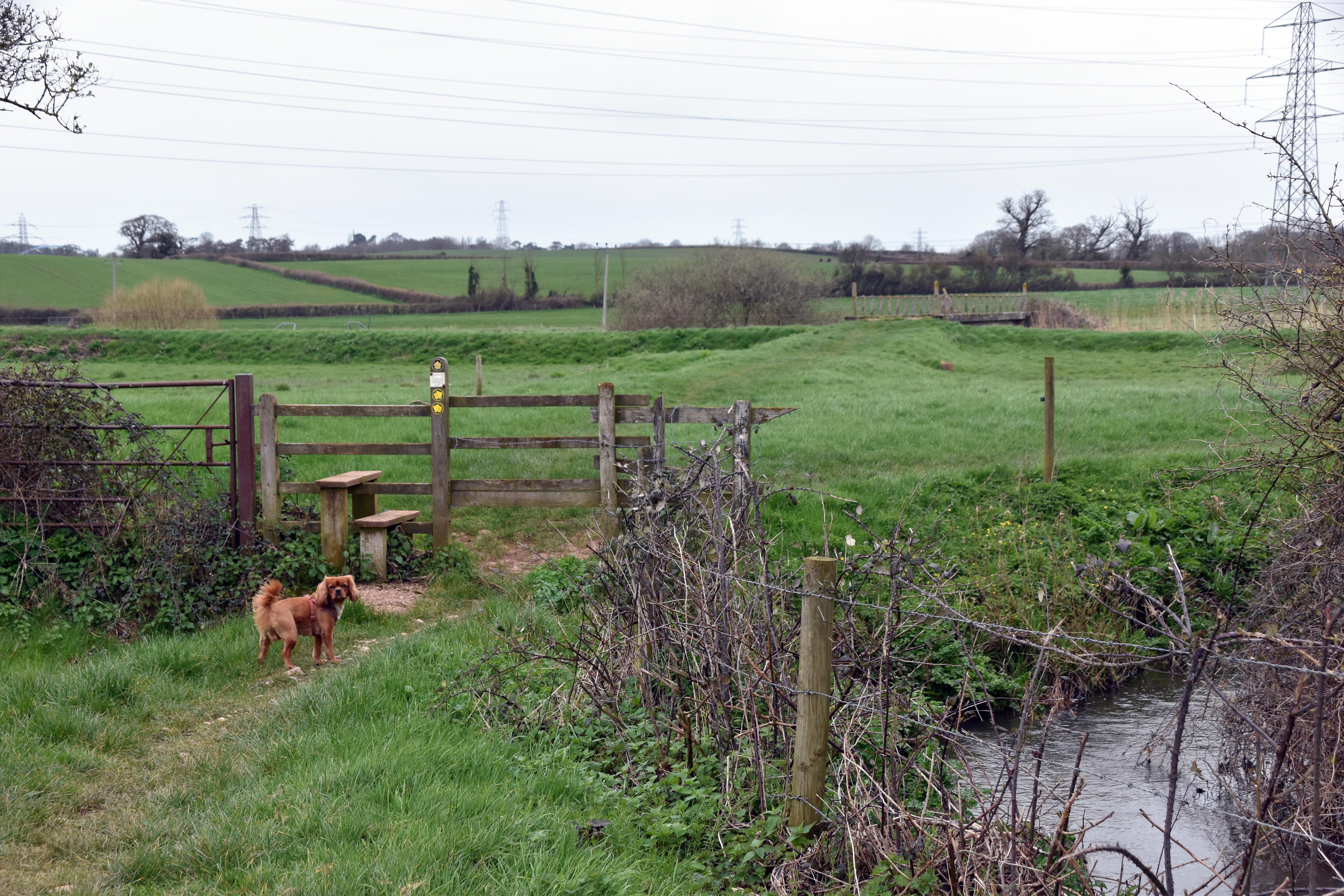
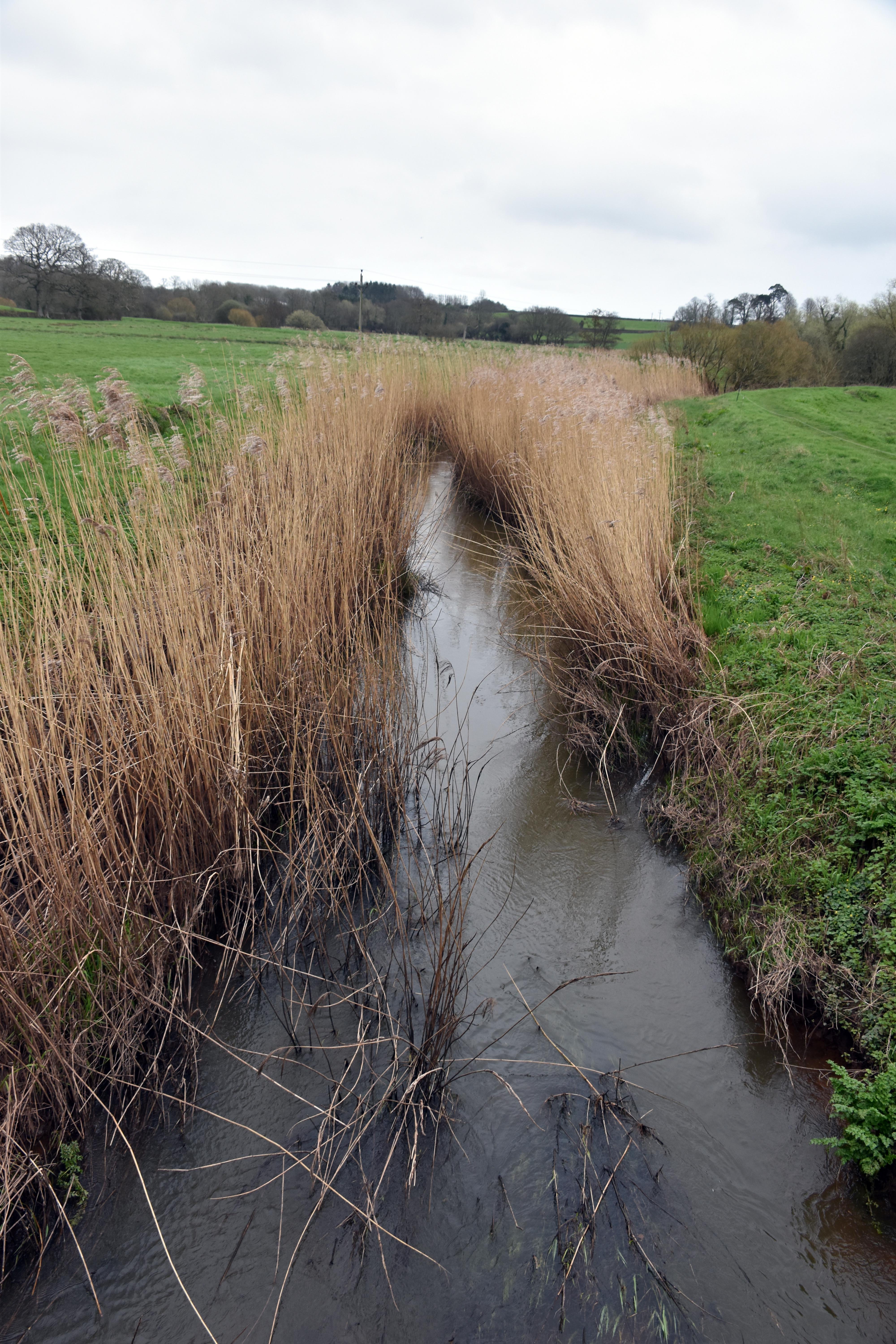
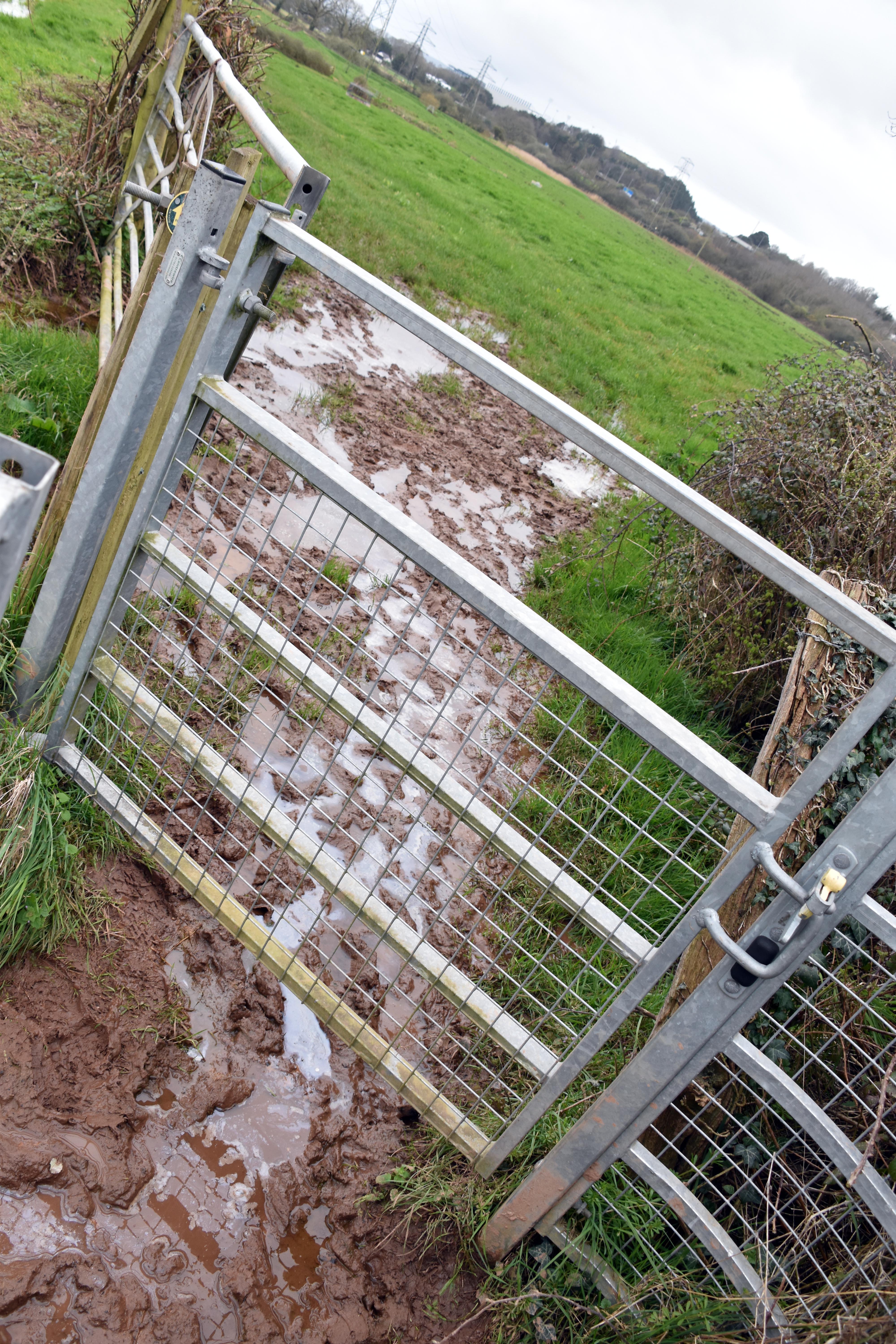
It was interesting that we were only at Clyst St. Mary a few weeks ago and the area around the River Clyst was totally flooded with ducks, swans and seabirds living the life of Riley on a huge if temporary lake. Now it is bone dry and lush grass stands where the water was. It was definitely still damp underfoot though and still seriously boggy as we had to traverse some of the gates on our route back to Sowton. We heard the constant buzz of traffic and saw various planes take off and land and yet you could still feel transported back in time as we returned to the quaint village of Sowton. It had only been a short walk as we had to return to Exeter to pick up my son from his interview. However even this short walk was crammed full of fascinating history and best of all - my son got the job! Definitely not a wasted trip in any shape or form.
|