|
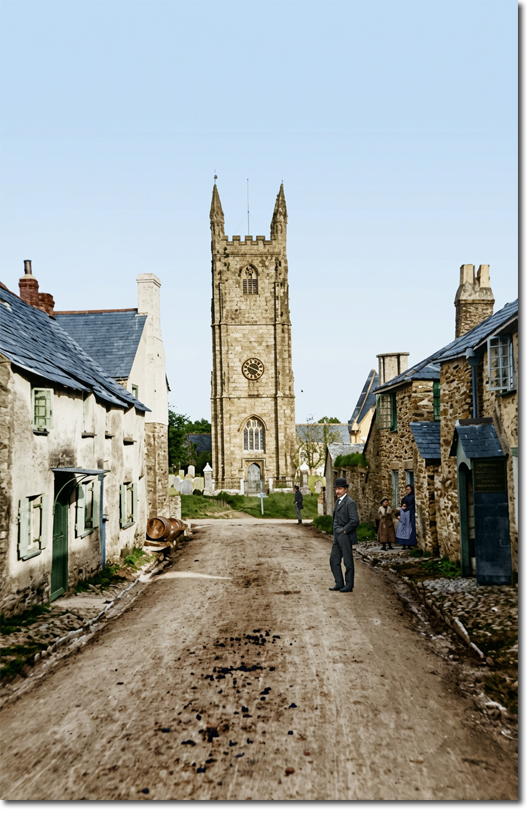
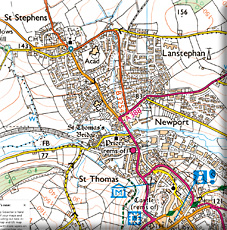
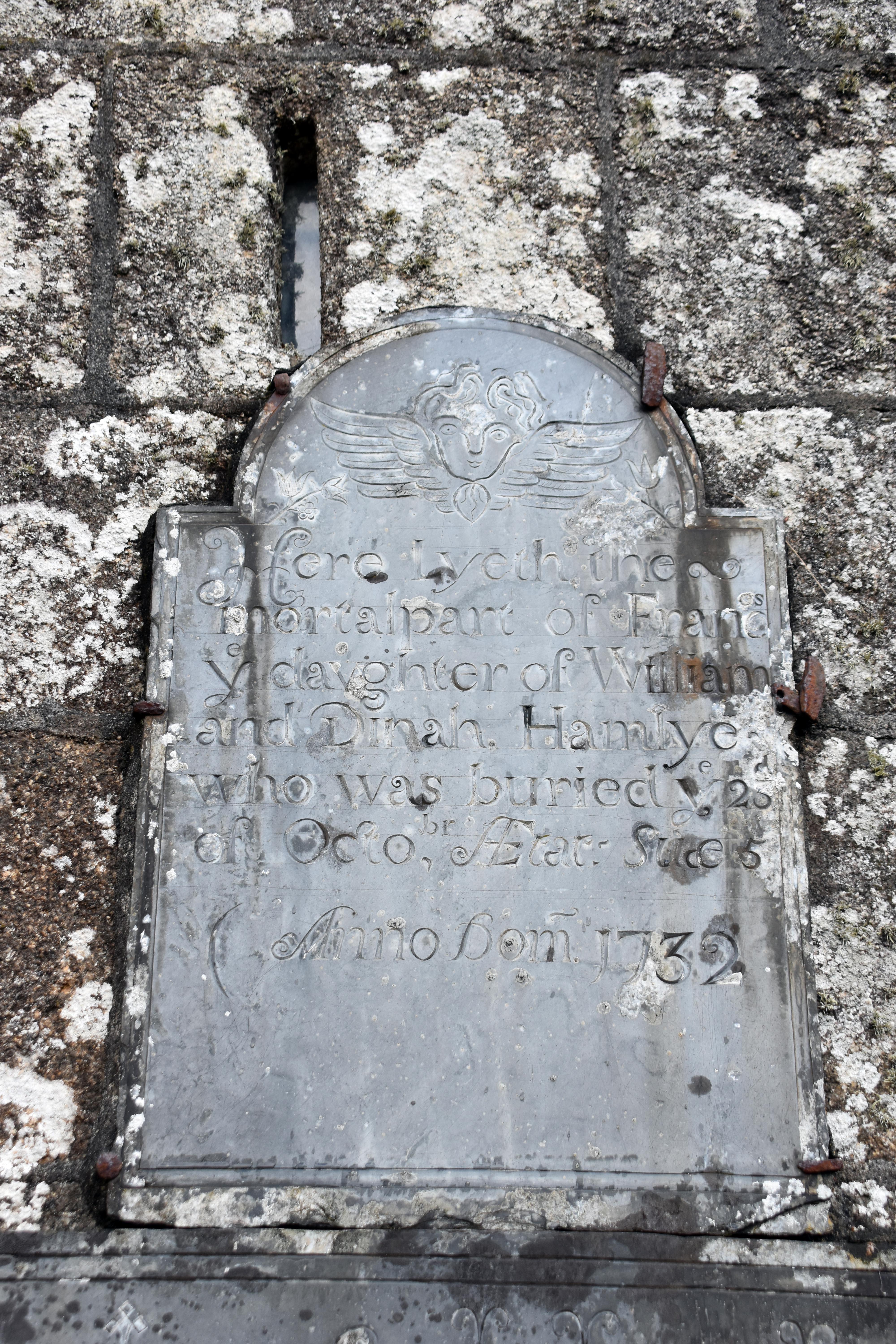
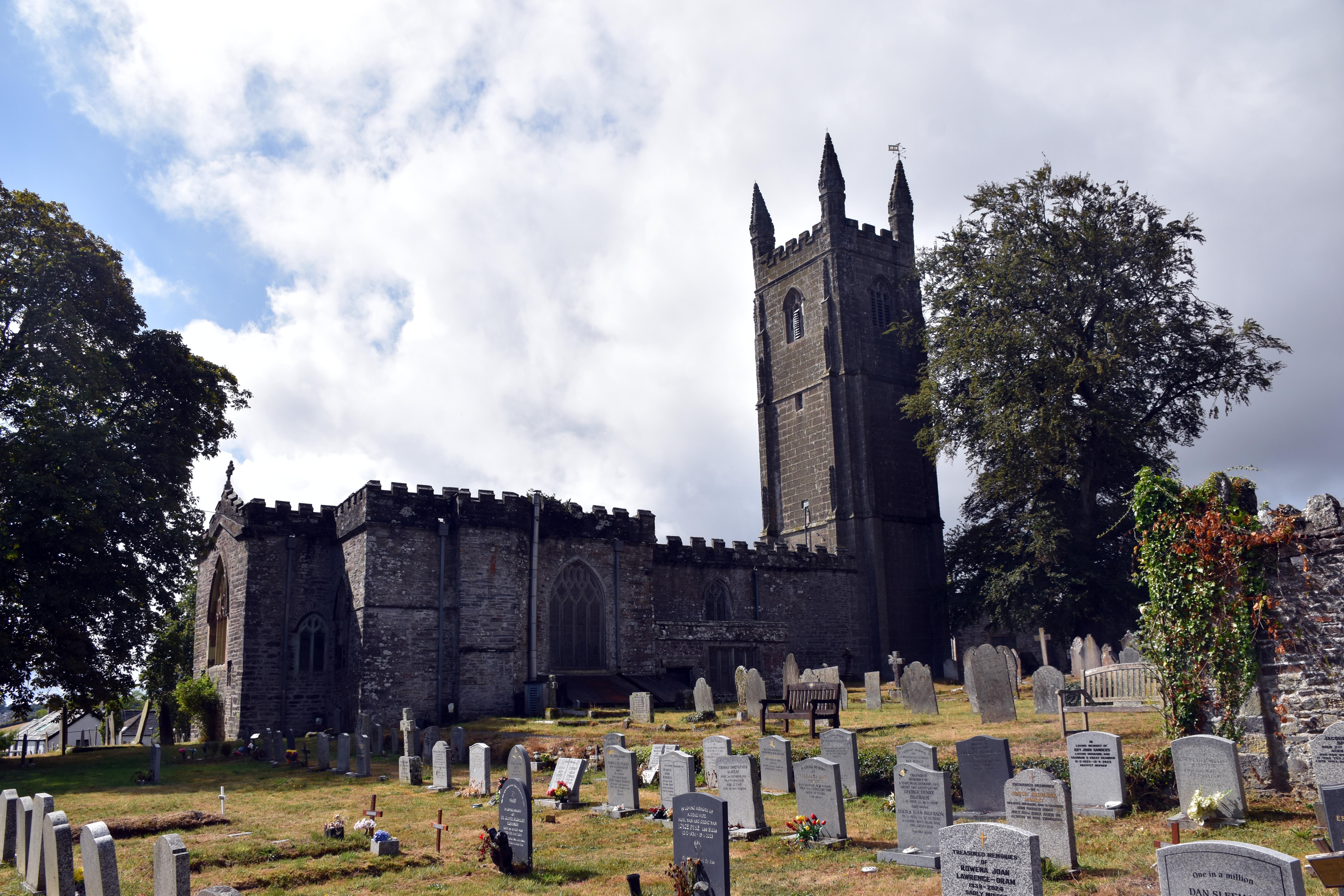
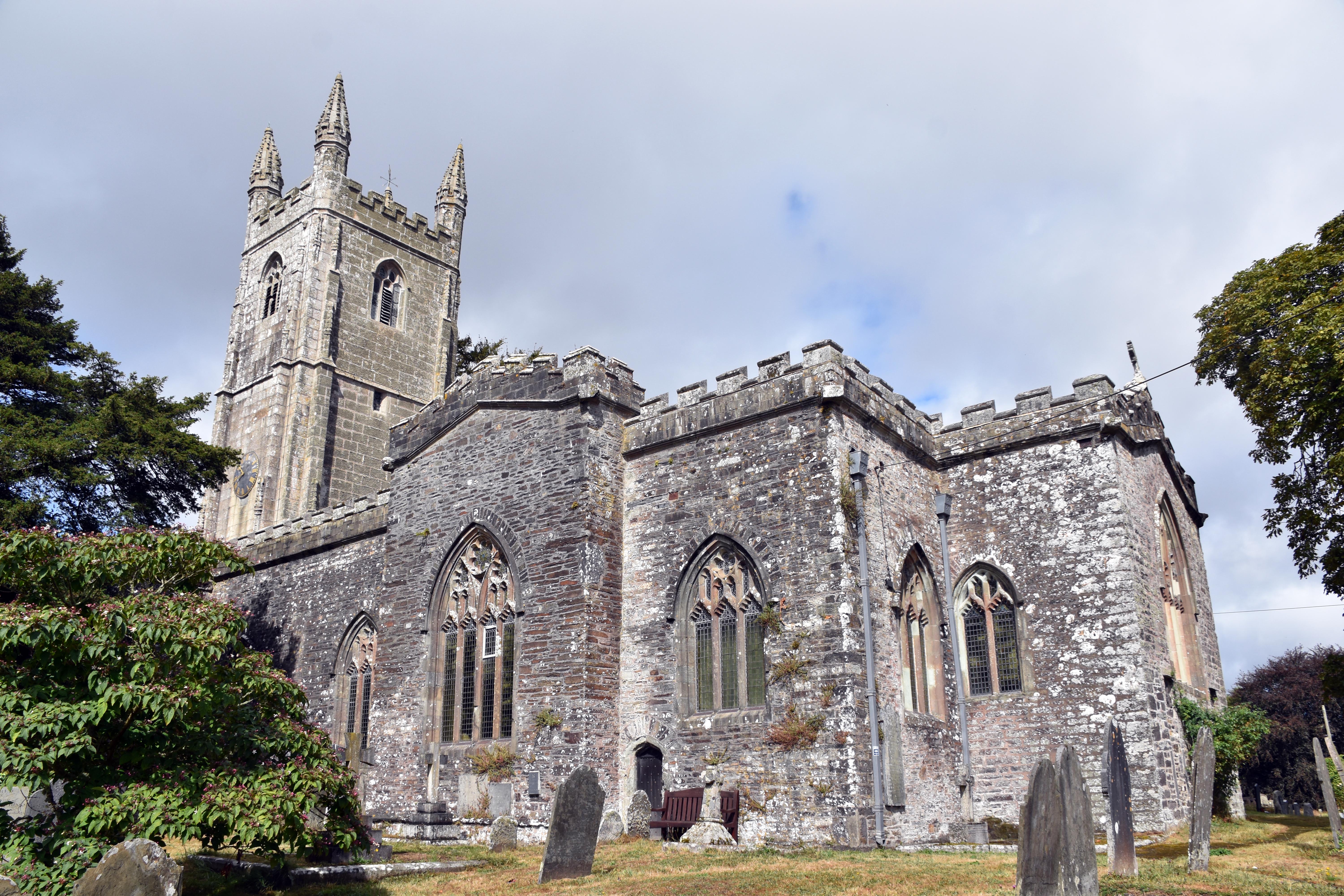
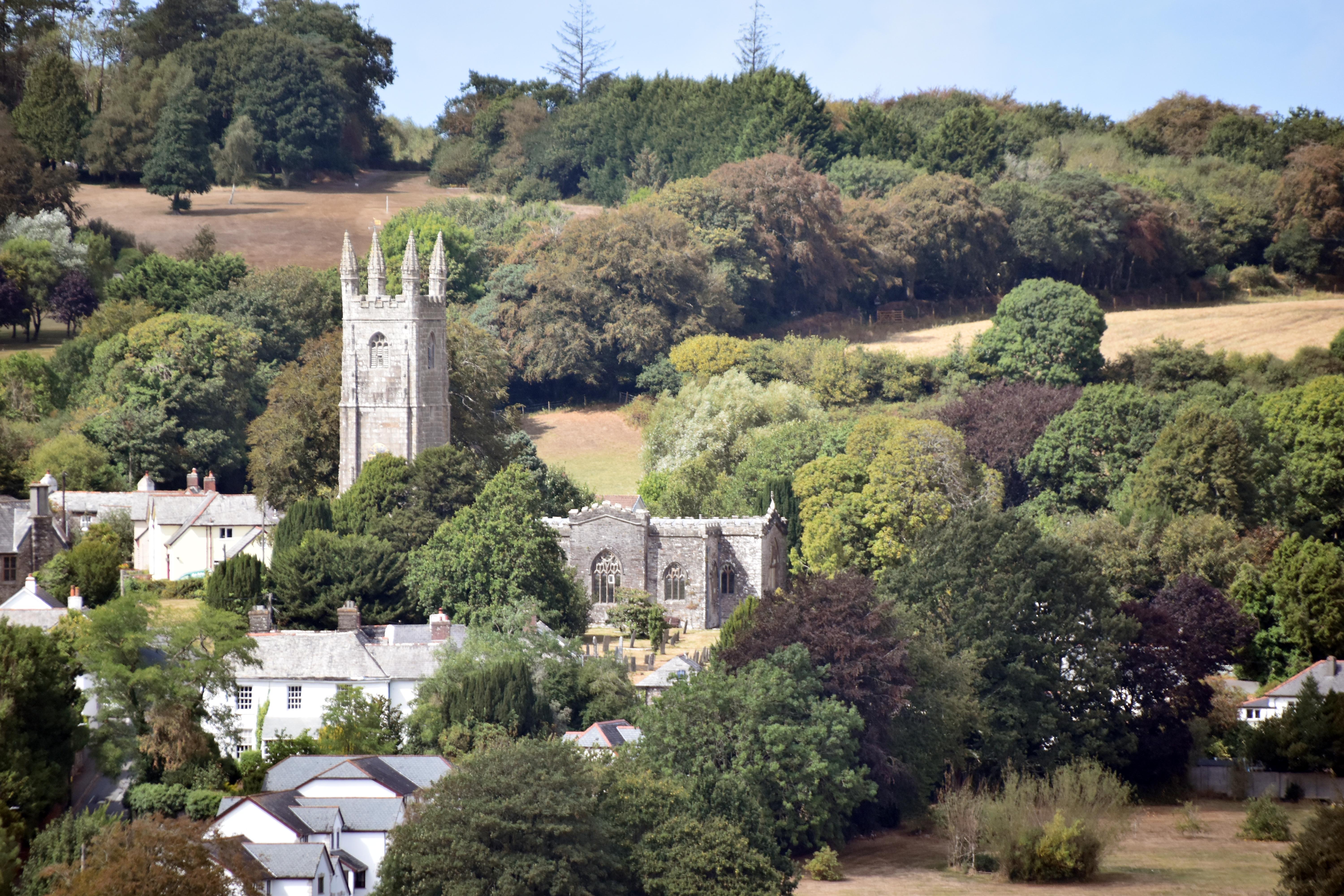
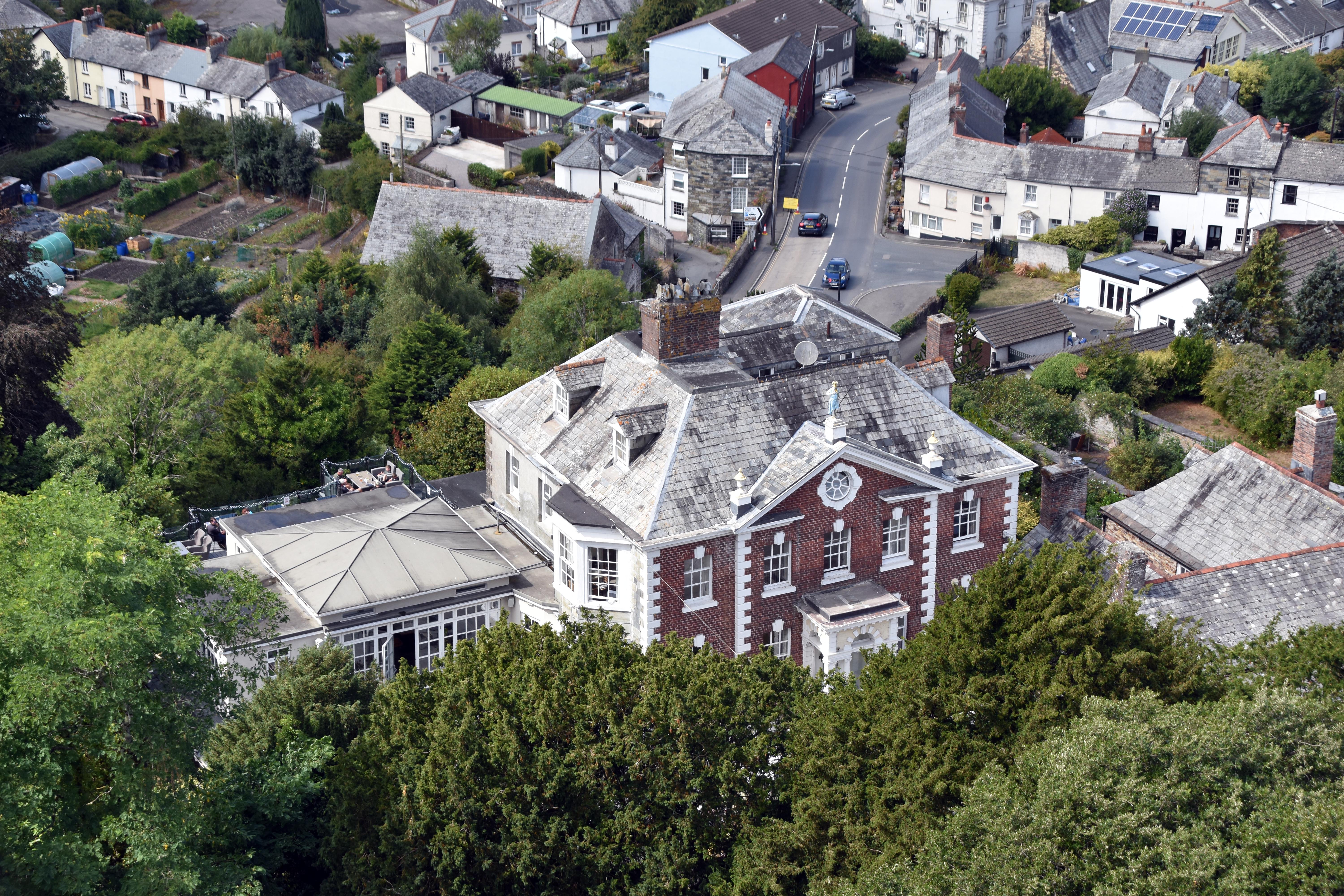
Any trip to Launceston should really start on the hill directly north of the castle at St. Stephens. This is almost certainly where the name of Launceston derives. “Lan” is an old Celtic prefix denoting a religious settlement of some kind. St Stephen’s was one of the churches established in the time of Athelstan, who is regarded as the first true king of England, and ‘tun’ is an old Saxon word for a settlement which over time provided us with the word ‘town’. So if you say “Lan – St Stephen – Tun” very quickly with a thick Cornish accent you can begin to hear where the seemingly strange name of Launceston comes from.
The Saxon presence is telling in itself. Nearby was where the Battle of Gafulford was said to have taken place in 825 AD (and which we visited a few months before) when Saxons and Cornish clashed on their borderlands. The Battle of Hingston Down in 838 AD was even more cataclysmic for the Cornish despite their alliance with Viking raiders. Their defeat at that battle, which may well have been a bit further down the Tamar near Callington, opened the door for Saxon settlement in the northern part of Cornwall, perhaps focused on this very hill at St Stephens.
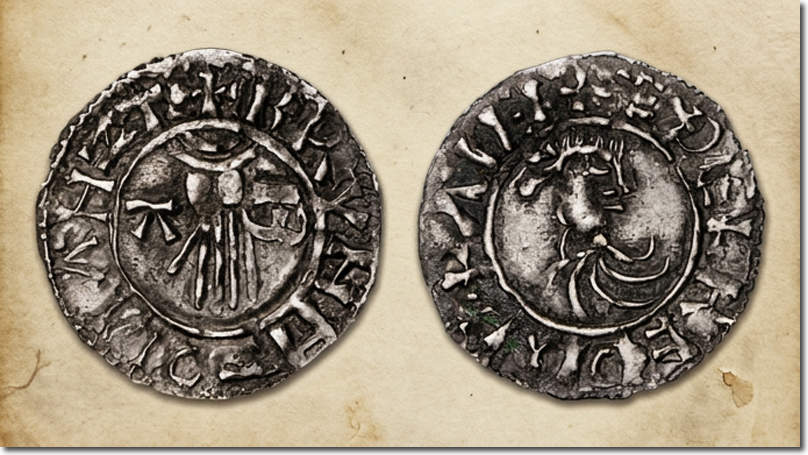
Nearby is where the strategically important Polson Bridge was built. The mighty Tamar finally becomes crossable and bridgeable this far north, thus opening up easier communications routes. Saxon interest in pushing into Cornwall is almost certainly connected to the rich mineral wealth of the region. And indeed Athelstan, in addition to creating the church, would also open a royal mint right next to the church on this hill to produce official Coins of the Realm. This was to be the only Saxon mint in all of Cornwall and illustrates that Saxon influence tended to arc into the northern parts of Cornwall, with the south and west holding on to their Celtic structures and culture far longer. Interestingly, the Normans kept the mint going for another century at least after their takeover. But of course, they would move their military focus to the hill to the south where they built their impressive castle which we were to visit later.
It is probable that Athelstan gave permission for an Augustinian religious community to be set up on this hill, perhaps with a view to pushing Saxon Roman ideas of Christianity onto a Cornish people who had their own traditional Christian customs that had grown up in isolation from the influence of Rome. This religious order would have been self‑sufficient in terms of food production and is perhaps where the suffix ‘tun’ came from, with an enclosed farming religious community next to the church and mint.
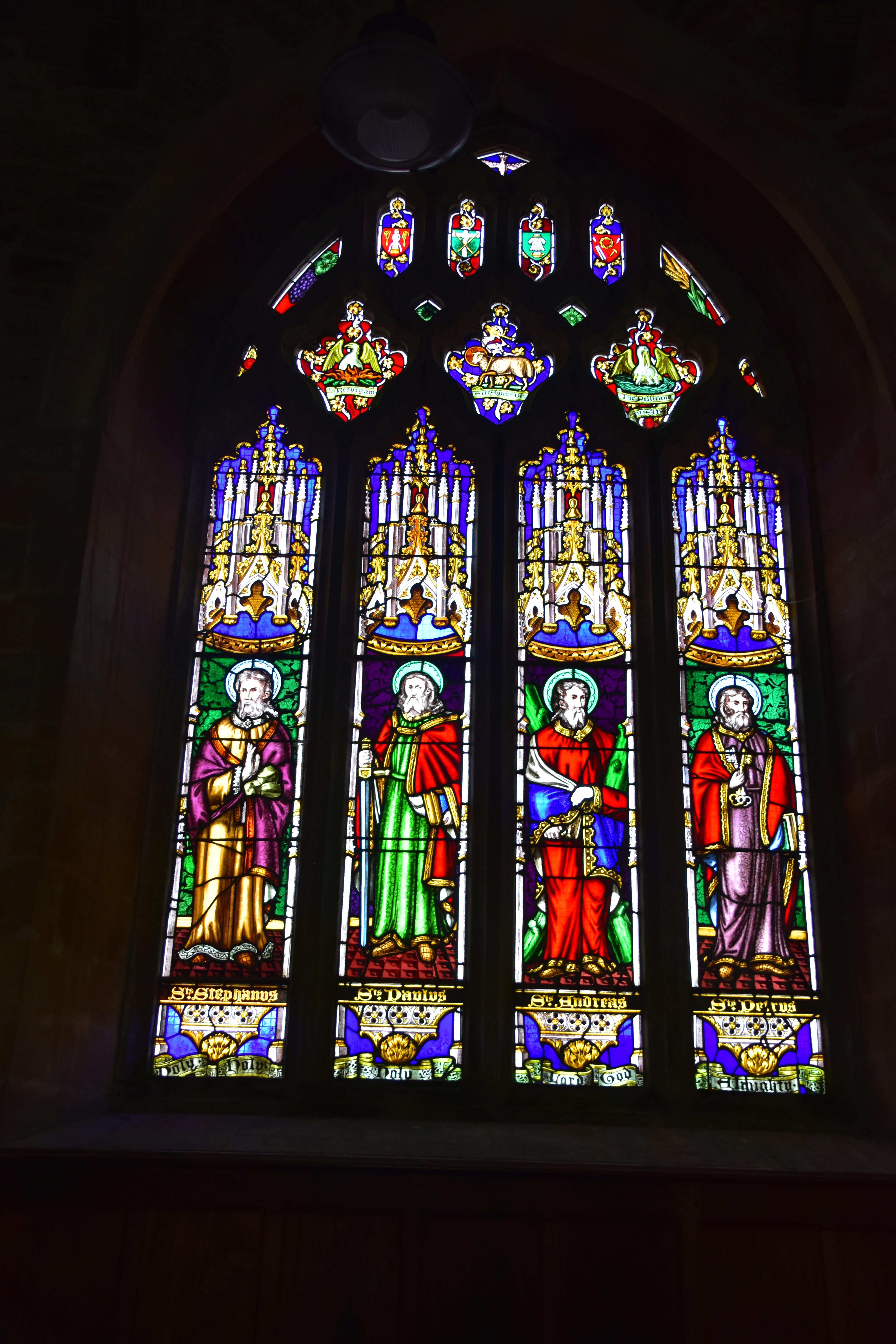
These were only the very beginnings of what would, over time, become parish churches. They would have used the church both for their own community but also for local Christians to have important ceremonies like baptisms, weddings and funerals take place there. Like nearly all church buildings, this one was updated beyond all recognition, but if you do look carefully you can find a few features and signs of its Saxon origins.
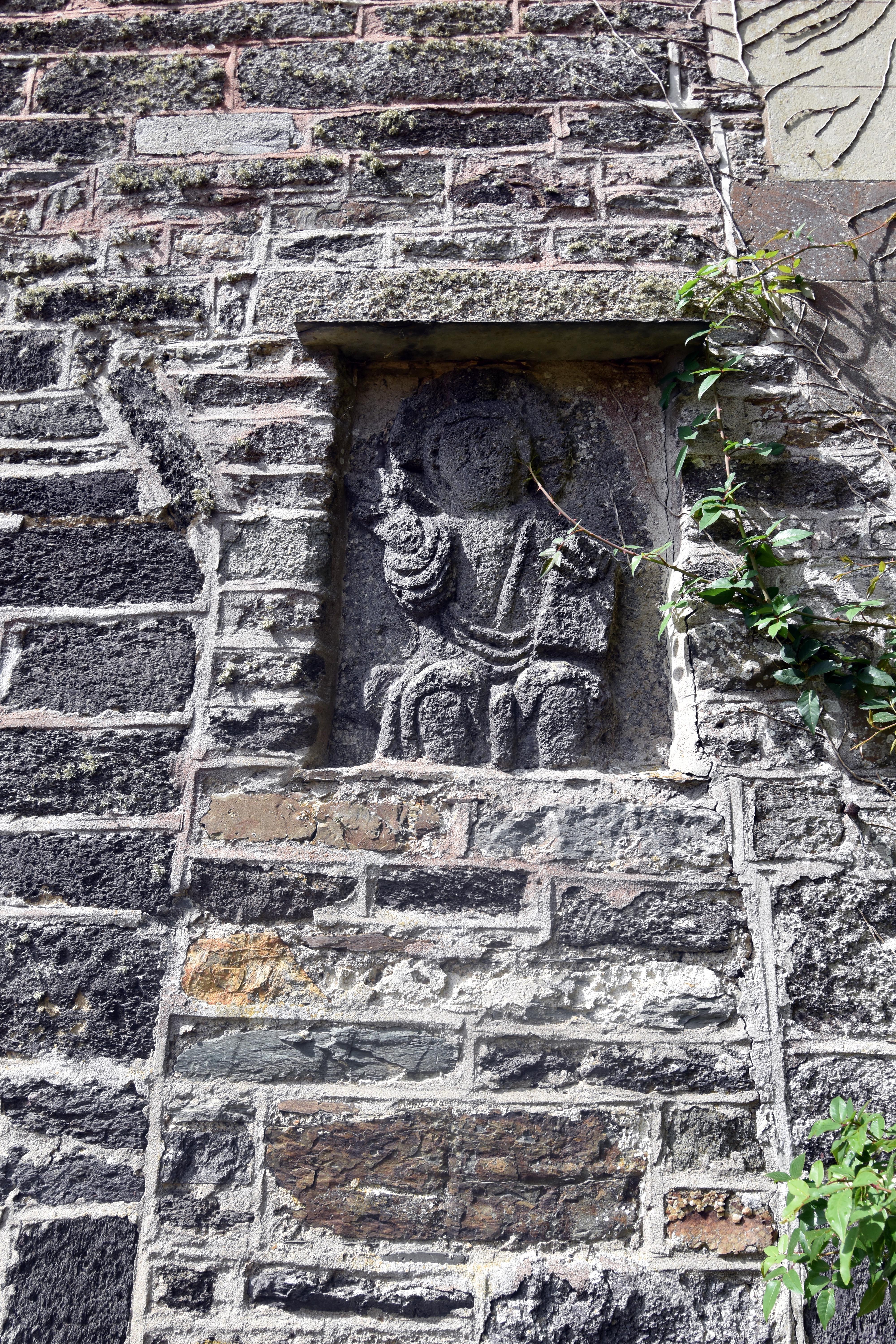
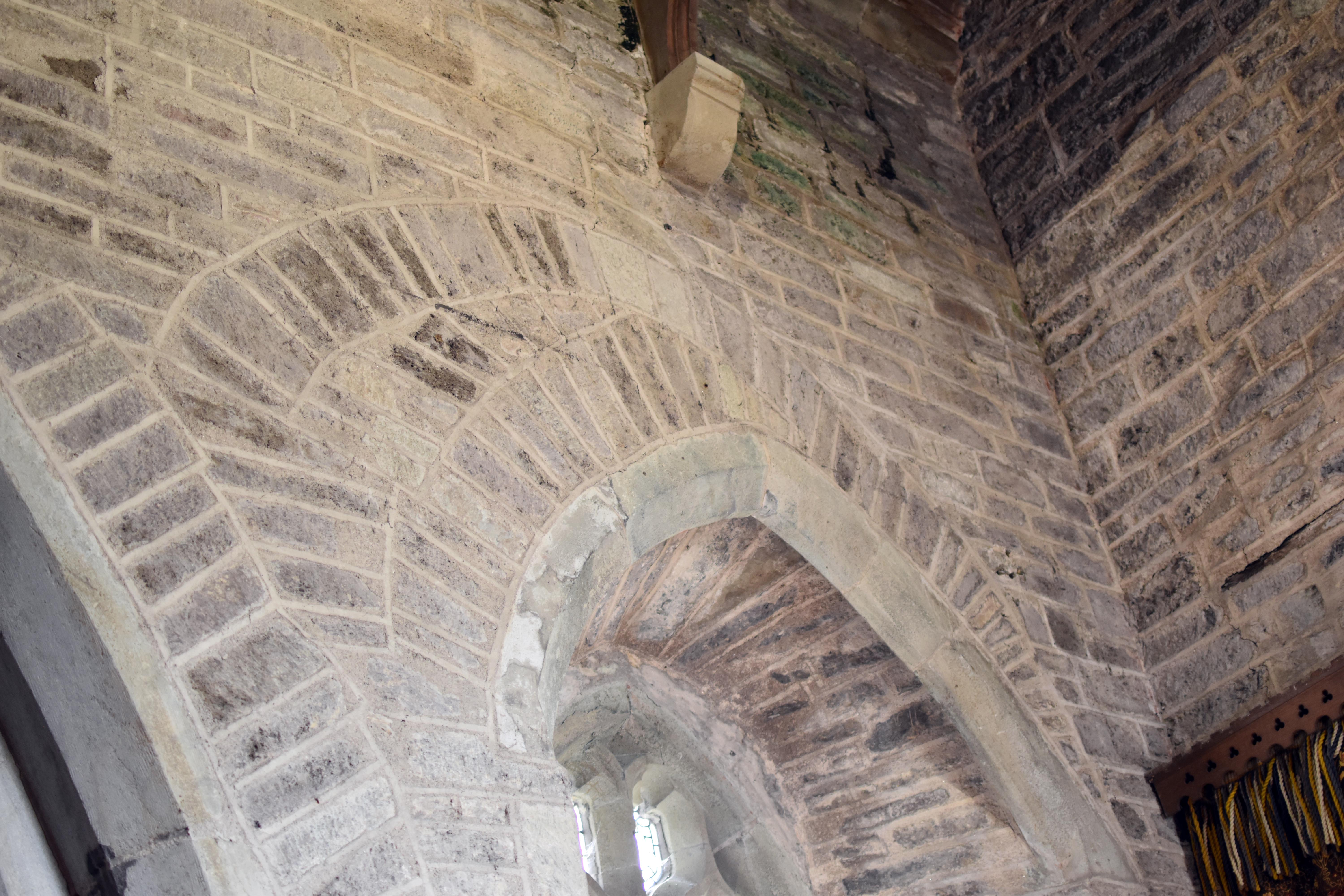
In the chancel to the left of the altar, if you look up, you can see where some old window arches have been left in situ but with newer Norman windows placed below them. And outside on the eastern wall, there are two very old sculptures which almost certainly date from the Saxon period, although they were only rediscovered in 1833 whilst the church was being restored and then used as decoration on the eastern wall.
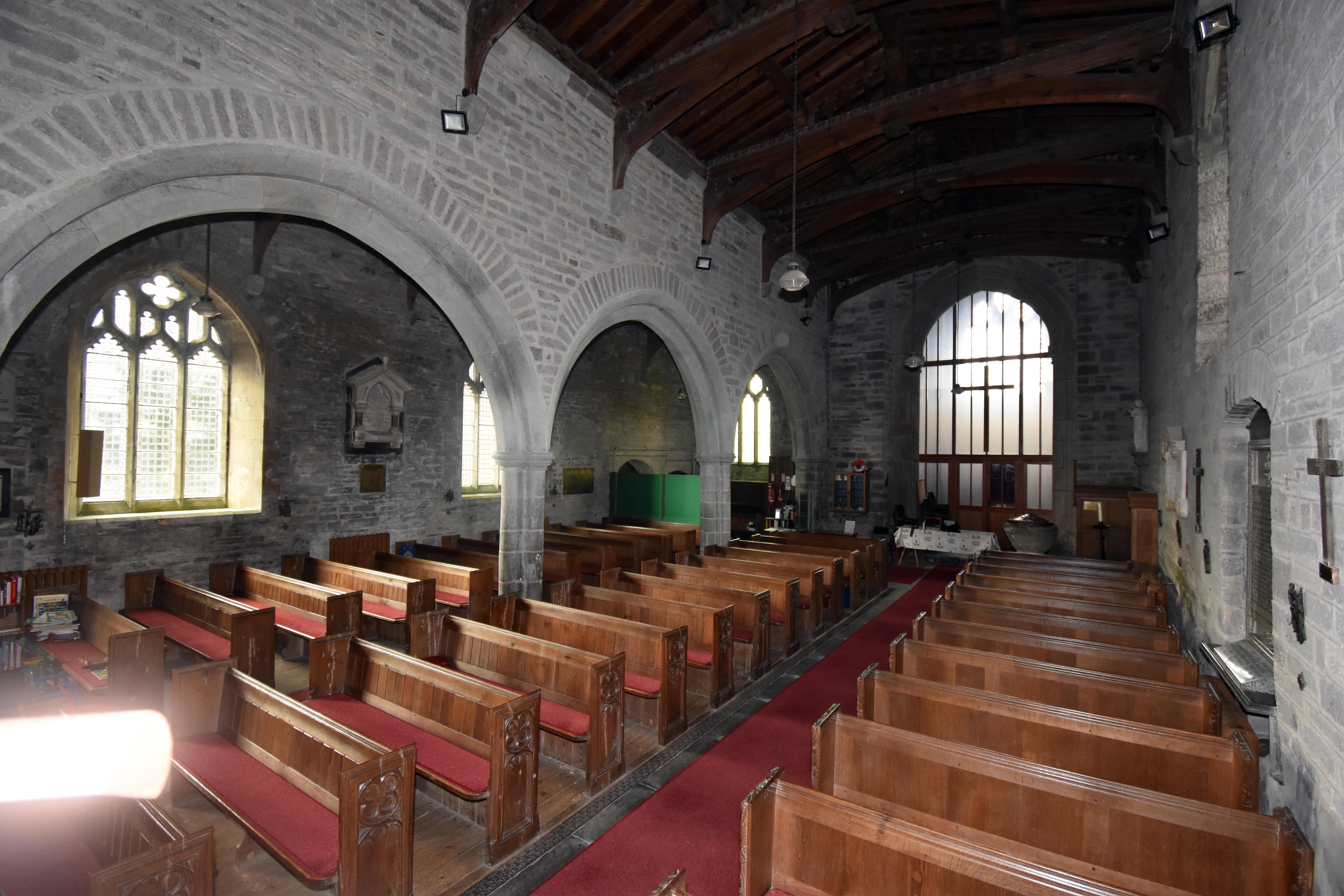
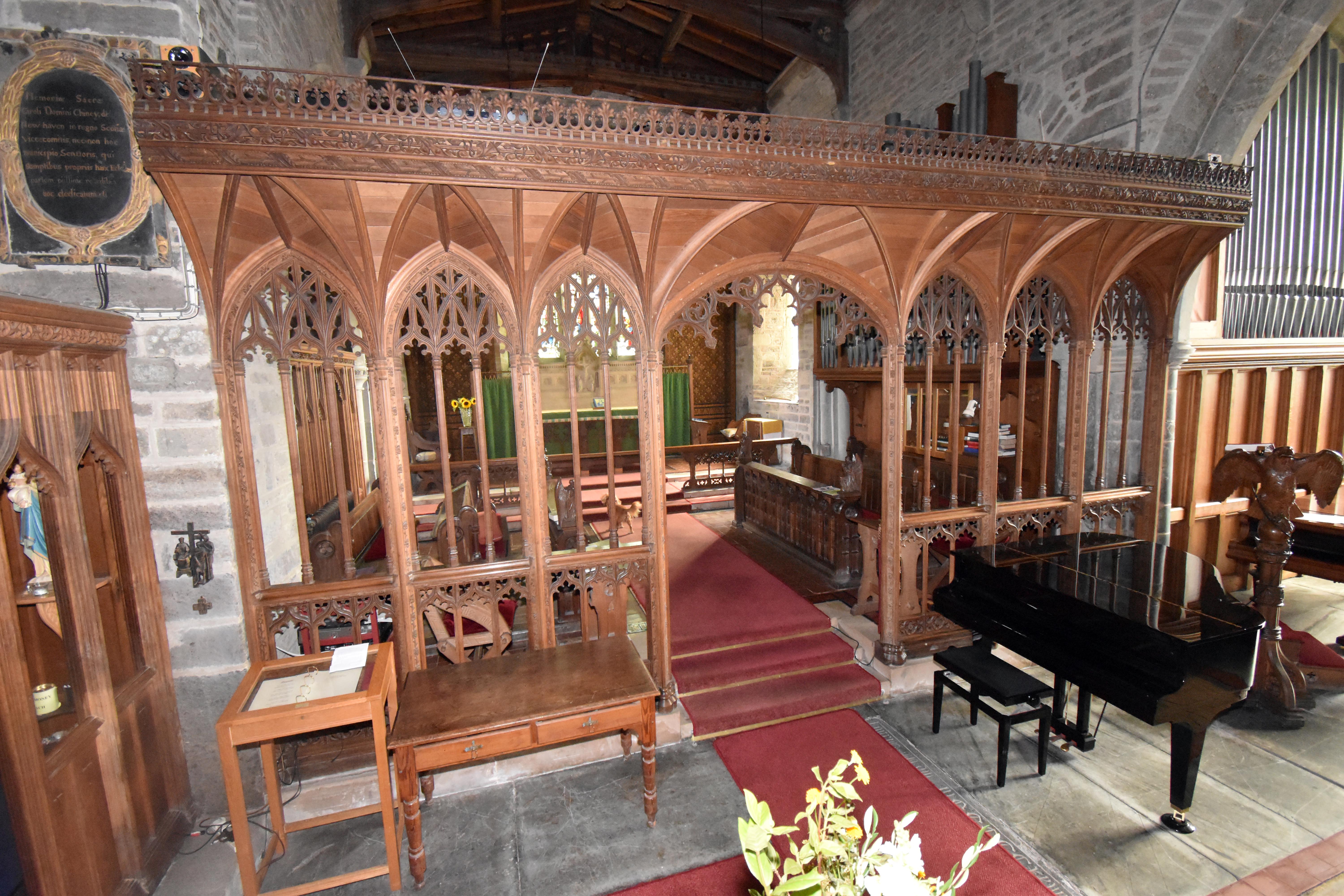
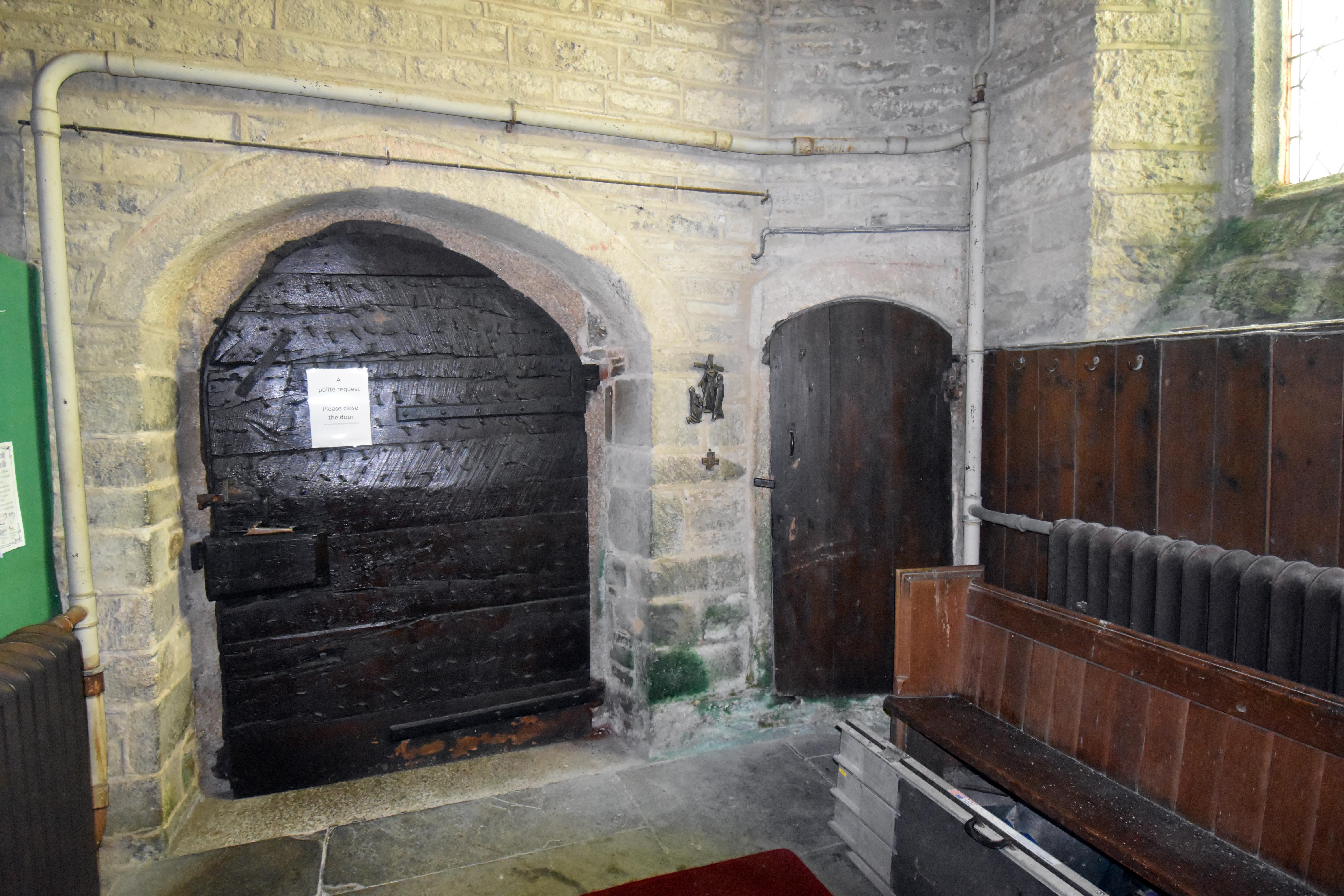
In the 12th century the Augustinians built the far larger priory down in the valley between St Stephens and Launceston, whose remains we visited just a few weeks prior. They still provided the clergy for this church right up until the Reformation. This makes their clergy board quite unusual in that it did not record the monks’ names who provided religious services here. The first named vicar is not until 1613. The church also has a very unusual porch with a floor above it which was the monks’ room. You can see the entrance to it with a smaller door right next to the imposing ancient main southern door.
Indeed, on the outside of the door you can see a ‘Sanctuary Ring’, which was the medieval ne’er‑do‑wells’ “get out of jail free” card. Basically, if you could get to that handle before the authorities stopped you, you could ask for sanctuary. The church would not judge you at this point and would provide the refugee with a robe bearing a cross and house them for up to 40 days in the church, within which time the accused could either negotiate with their accusers or arrange to leave the country and go into exile.
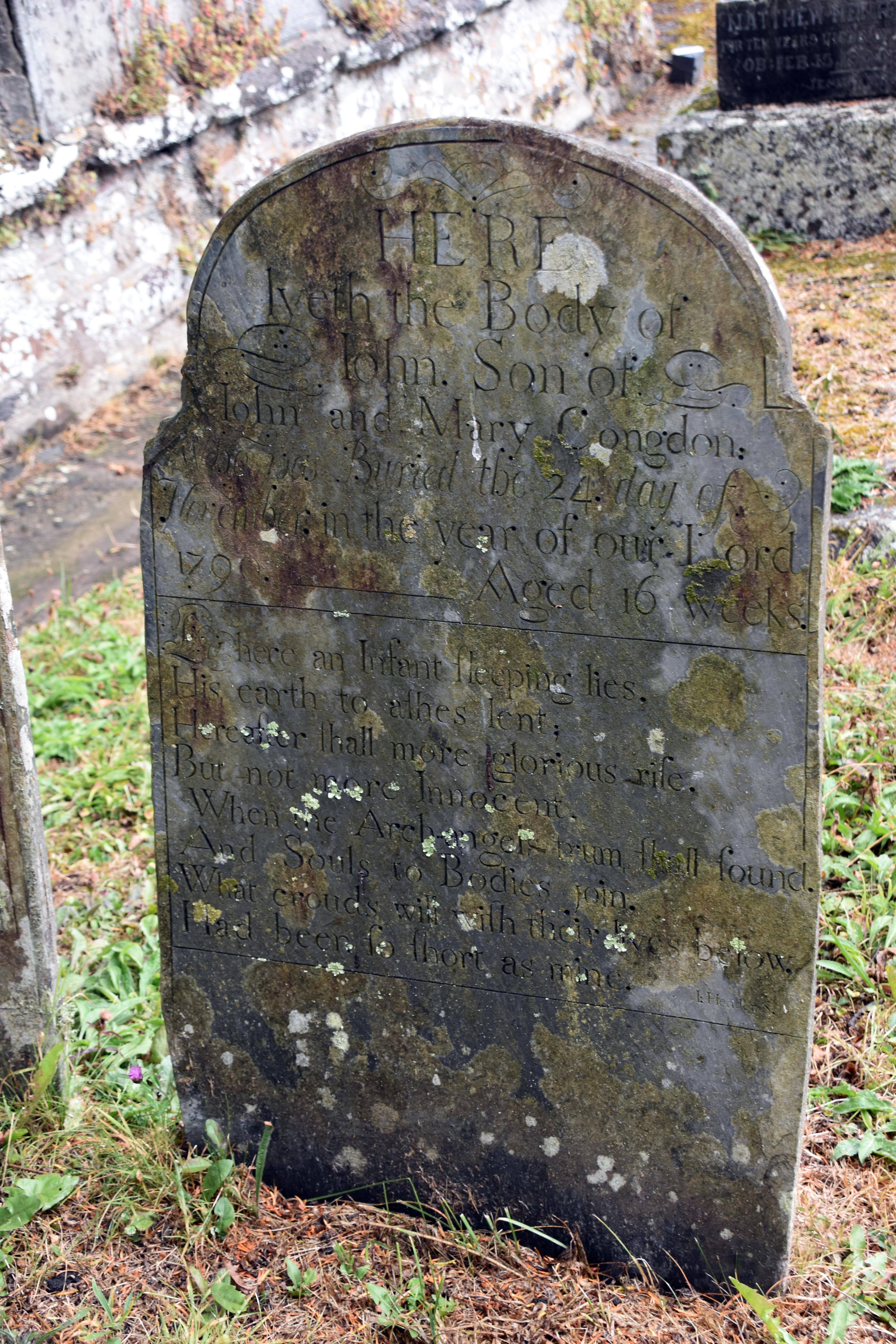
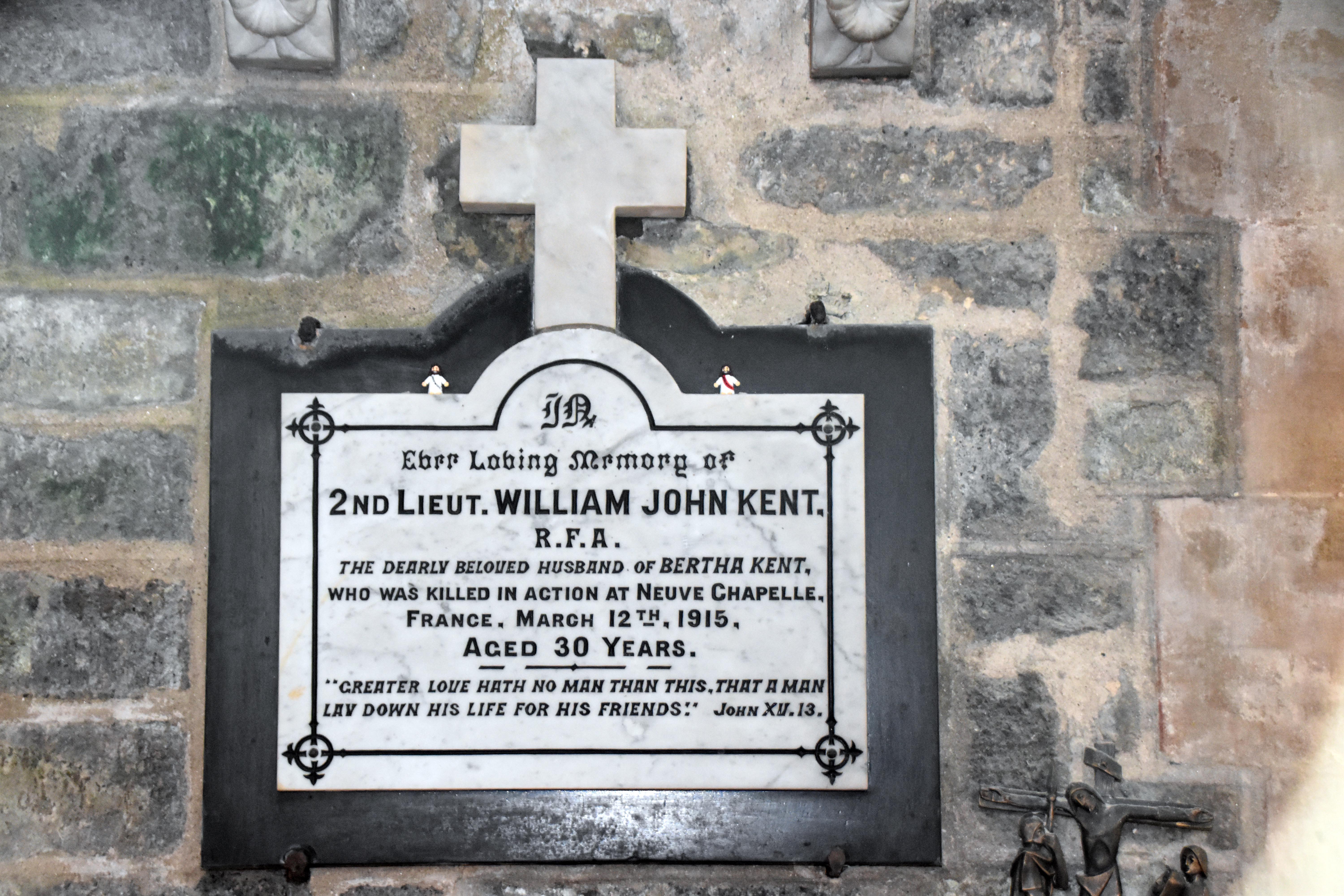
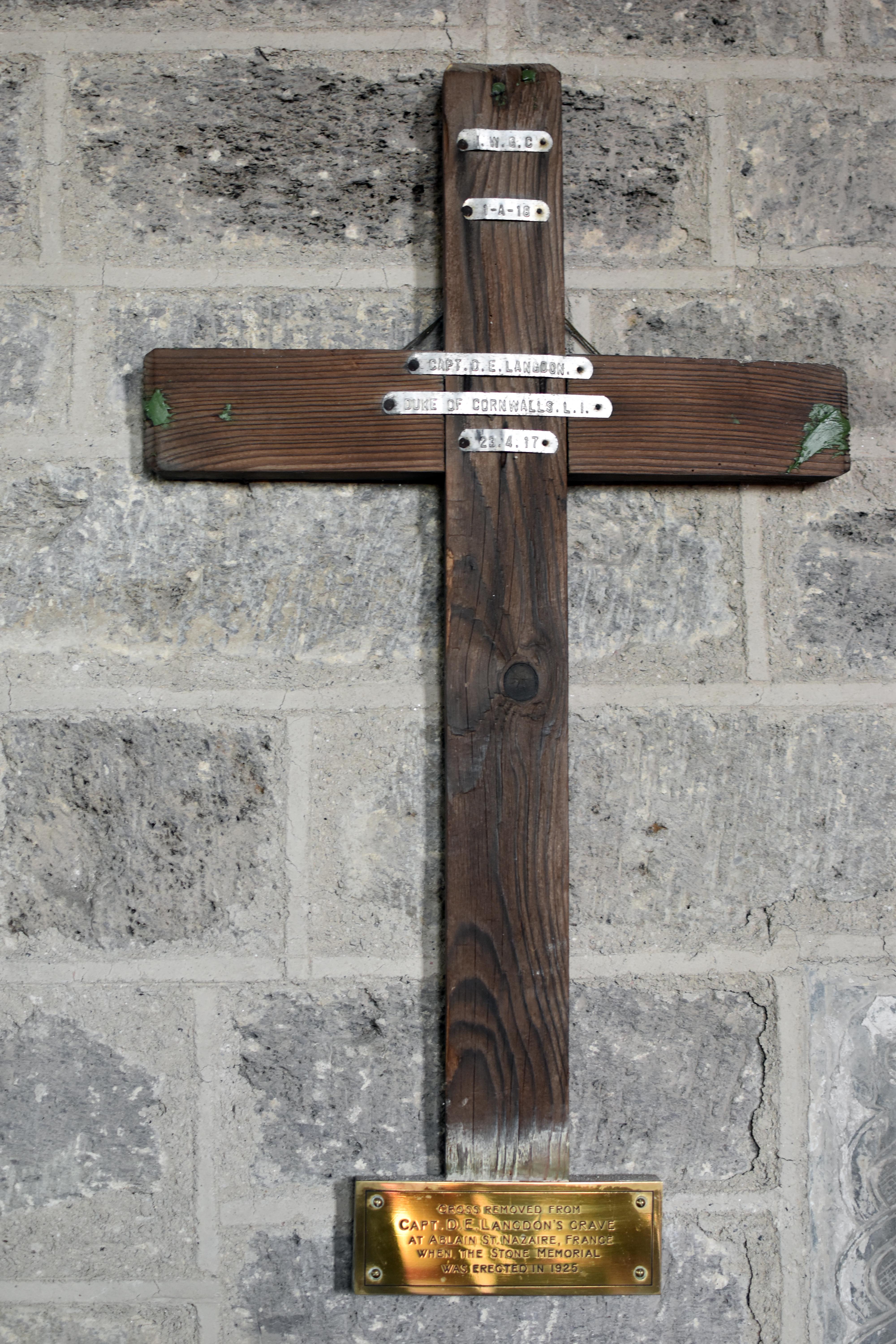
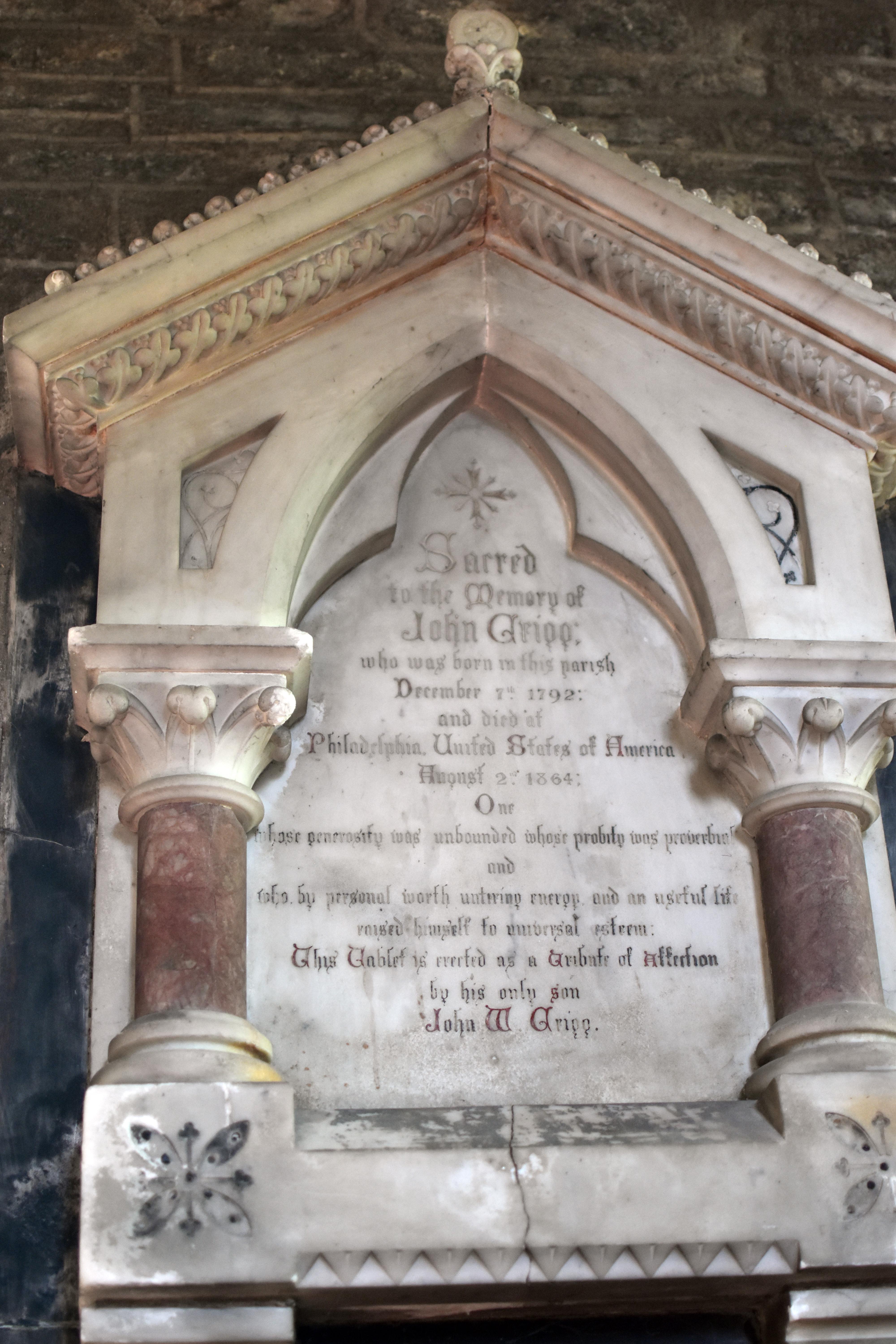
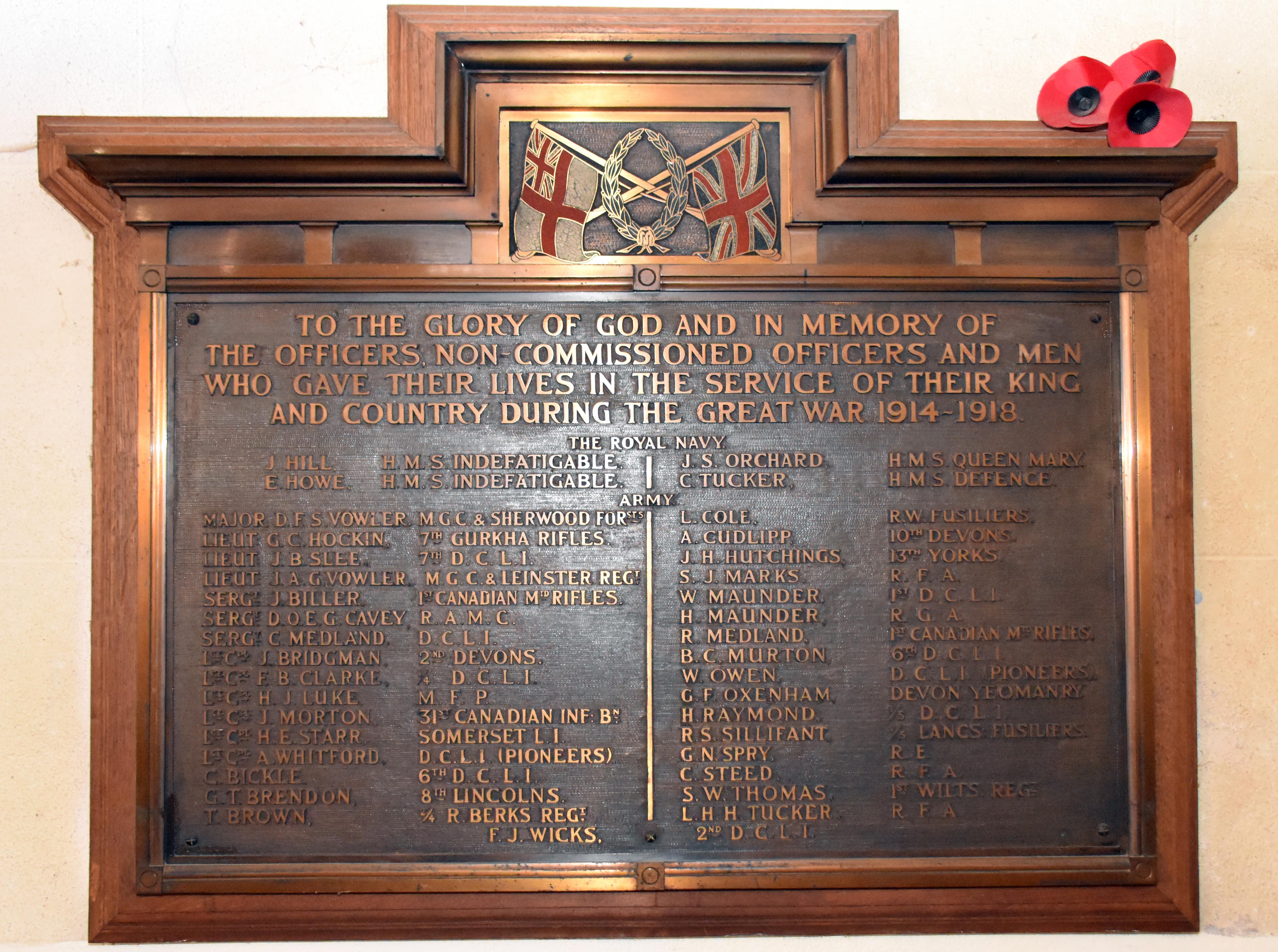
This church had a higher proportion of World War One memorials than most churches do. Nearly all, of course, have the sad list of local people who sacrificed themselves, but this one has quite a few individualised memorials and also not one but two Western Front original grave markers that were brought back from France as a kind of Catholic‑style “contact relic” where they had been attached to the grave of the soldier killed. Of course, the temporary wooden grave markers were replaced with the engraved Imperial War Graves Portland Stone grave markers, which took a long time to produce in sufficient quantity given the sheer number of casualties during that war and the added complexity of etching the regimental badges of the units of the soldiers, which required specialist engraving equipment to be developed. But these simple wooden crosses hold real power, signifying loss and sacrifice.

|
|
|
One of them also has a memorial which explains a little more about the death of the soldier commemorated. Captain Douglas Eckley Langdon was serving in the Duke of Cornwall’s Light Infantry. It says he was killed on St George’s Day 1917 “whilst gallantly leading his company in an attack on strongly held ruined houses near Lens, France, aged 33 years. For King, Country and Friends.” This was part of the Arras Campaign that was to support what would be an even more disastrous French offensive to the south and to distract the Germans in the wake of the February Russian Revolution that had seen the fall of the Romanov Tsars in Russia. It was also to encourage the Americans to join the war, although after initial successes this campaign disintegrated into another quintessential Western Front slog through the mud, way beyond any utility. It should be said that the Langdons were a very well‑to‑do influential local family with many prime spots in the cemetery outside and a few mentions within the church.
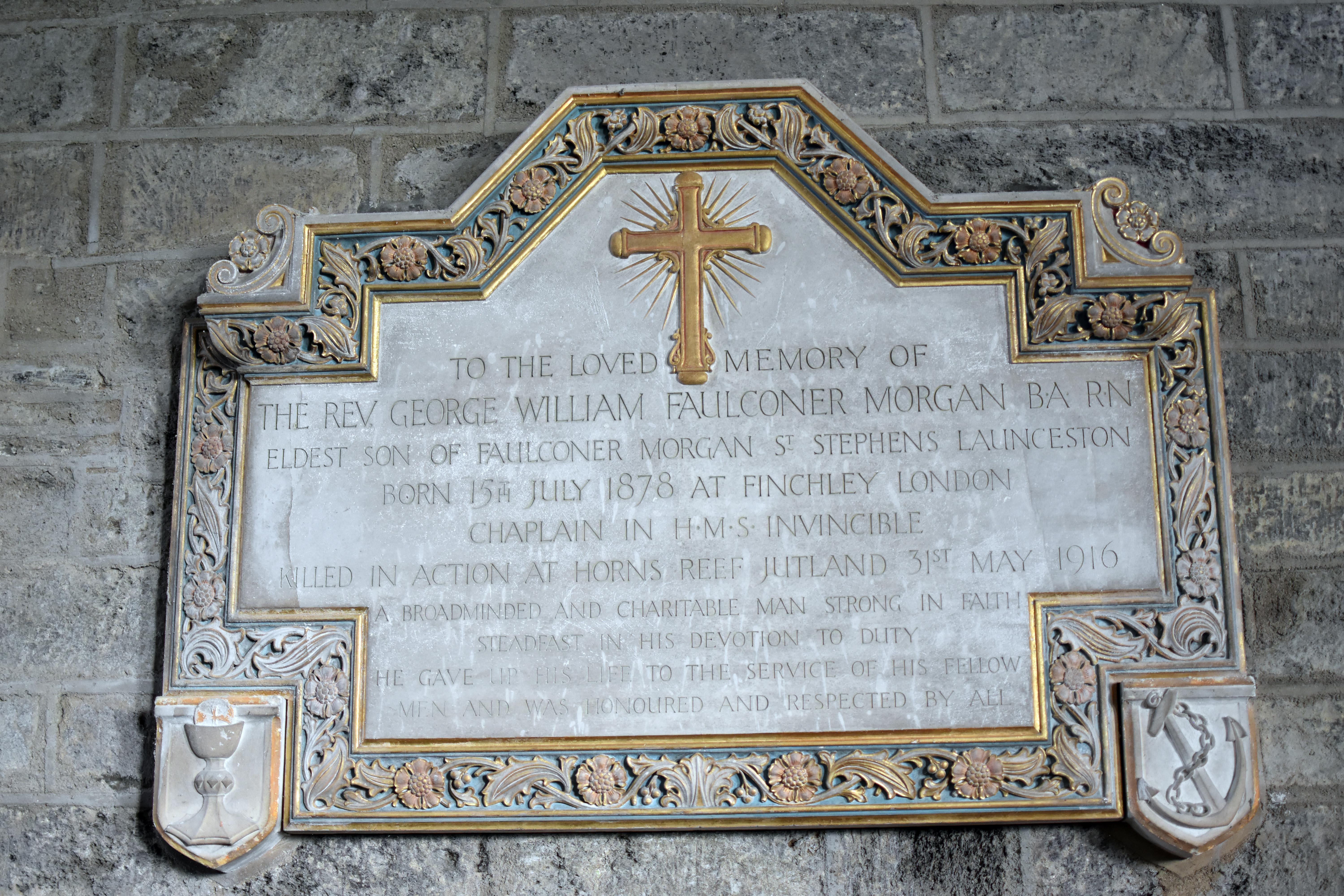
Not all memorials relate to the Western Front though. There was a very attractive memorial to the Reverend George William Faulconer Morgan who, it says, was “Chaplain in HMS Invincible Killed in Action at Horns Reef, Jutland 31st May 1916”. The sinking of HMS Invincible was one of the worst setbacks of the Battle of Jutland when a hit on a turret instigated a flash that ignited the magazine, culminating in a catastrophic explosion breaking the ship’s back and sinking her within minutes. Of the 1,032 crew only six were to survive. The Reverend George William Faulconer Morgan was not one of them sadly.
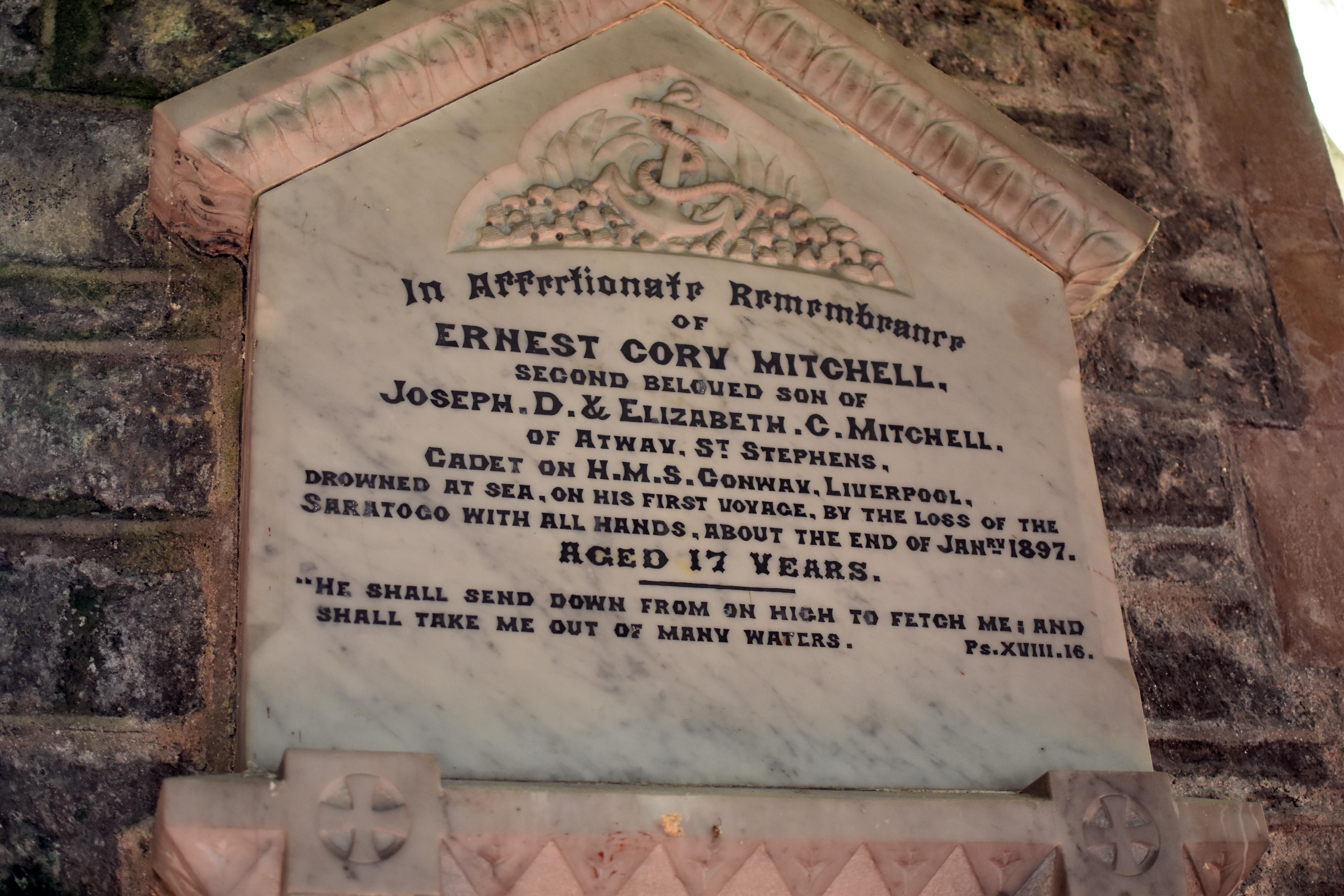
There are other Great War memorials but a sad one from 1897 concerning 17‑year‑old Ernest Cory Mitchell. The memorial explains that it was his first time at sea as a cadet with HMS Conway when he was drowned at sea. HMS Conway was an old‑fashioned ship of the line that was used as a training ship. It appears that as part of that training young Ernest was attached to a merchant ship by the name of Saratogo sailing from Liverpool to South America. This ship mysteriously disappeared in 1897 in the South Atlantic, presumed wrecked. At least Lloyd’s paid out insurance as if she were wrecked. In the era before radio, ships could disappear without trace and with no one knowing their fate if all hands were lost. Somewhat ironically, HMS Conway herself was to be famously shipwrecked in 1953 at the Menai Straits when a bad storm swept her ashore. Even more ironically, she was not insured and was a total wreck. At least nobody died in her shipwreck, and there are many photographs of her on the shore of Anglesey.
Now as we left the church there was one more fascinating memorial on the west side of the church on the exterior wall. This was to the son of another local family with many memorials and gravestones — that of the Tuckers. It is in memory of William Tucker who died “in 1848 in the Parish of St Peter’s in British Guiana where he had been many years engaged as a licensed Catechist and Reader under the ‘Society for the Propagation of the Gospel in Foreign Parts’. He was much respected and beloved. Especially by the Coloured Inhabitants. To promote whose spiritual instruction his labour in the Lord’s Vineyard were more particularly directed. Aged 50.” To find a connection to South America in this corner of Cornwall is fascinating. The Society for the Propagation of the Gospel in Foreign Parts was an Anglican missionary society and was a very early advocate organisation for abolishing slavery and bringing religion and education to slaves and ex‑slaves alike. It gained the opprobrium of Southern States slave owners for promoting the rights of black men in what in 1848 was still a slave society. Indeed William Tucker may have been in British Guiana to have experienced slavery, which had only been abolished completely in the British Empire in 1834. This tiny little plaque demonstrates that Christians were often at the forefront of battling against the evils of slavery, and this poor missionary paid for his service towards the recently freed slaves of British Guiana with his own life.
Our reason for returning to Launceston was that last time we were there, Launceston Castle was closed as it was a Tuesday - that well known day off in high tourist season. We also had found that St Mary Magdalene’s Church was closed so we were hoping to catch that open. You have to go down the steep hill to cross the River Kensey close to the old Priory and St Thomas (which we are yet to find open) and then head back up the equally steep hill into Launceston. This time we had timed it right and the castle was open for business.
|
|
|
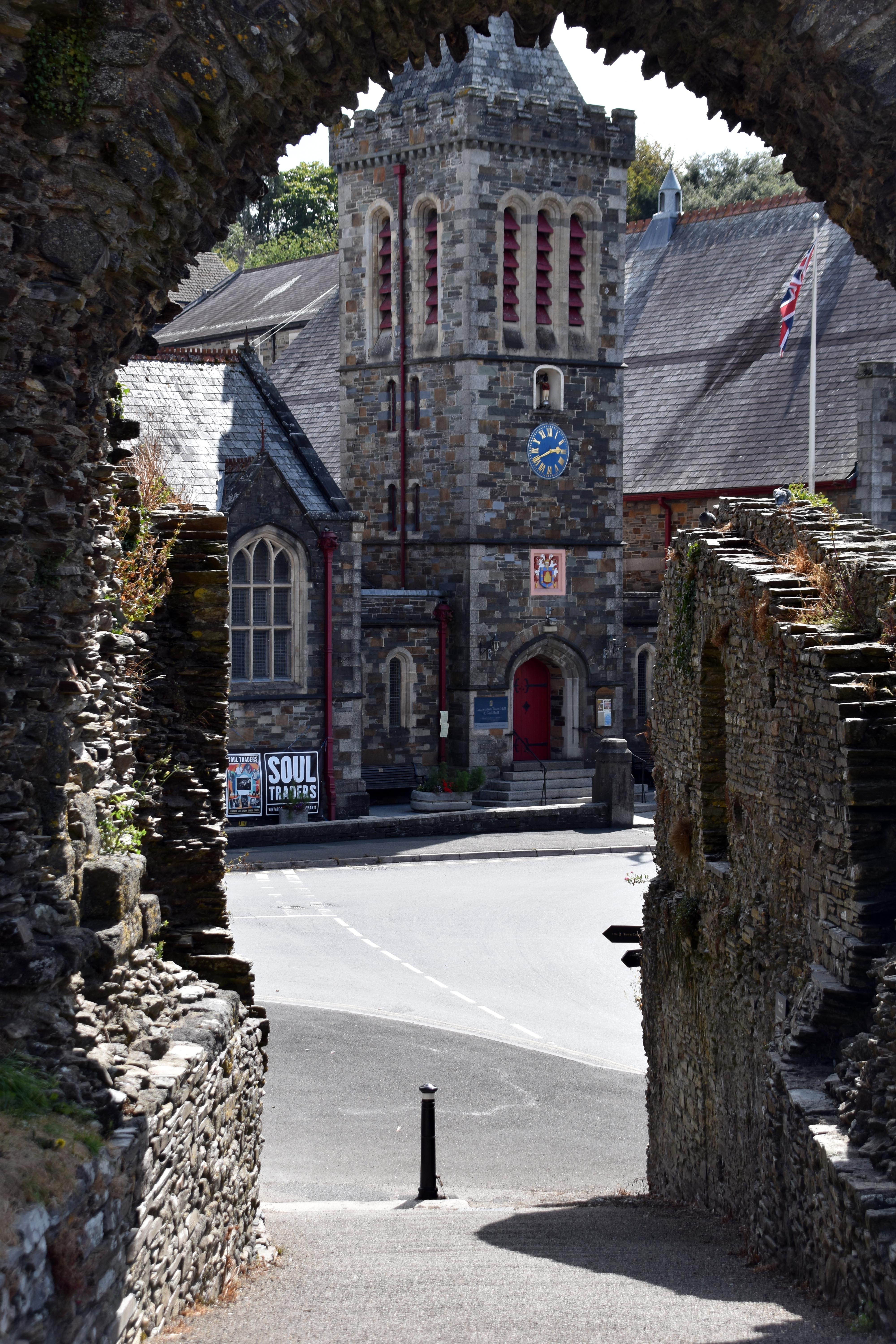
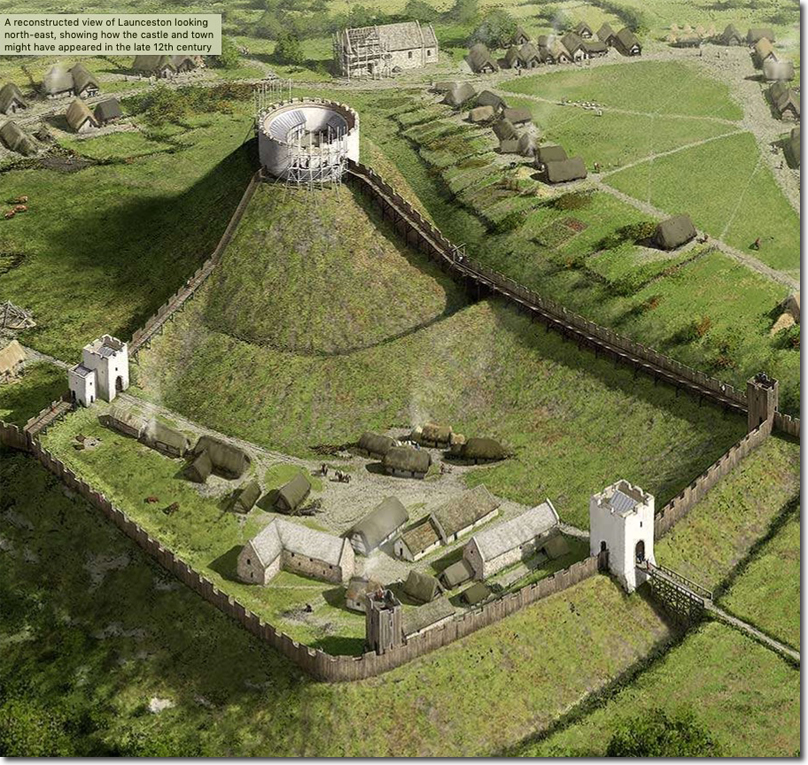
Launceston Castle was built in 1068 by Brian of Brittany in the aftermath of King Harold’s mother Gytha’s rebellion and resistance to Norman rule in the Westcountry, which only came to an end when William the Conqueror himself headed to Exeter in 1068. Brian of Brittany was an inspired choice as the Bretons and Cornish had deep cultural and linguistic ties, and the Normans hoped that the Cornish might be better disposed towards Norman rule with their Breton brothers than the Saxons were likely to be. It is a kind of Norman version of divide and rule.
Of course, it was not quite so simple, and as we have already seen the Saxons had been in this part of Cornwall for many generations already, and funnily enough it was not to be the Cornish who were the problem but the Bretons in 1075 when there was the Revolt of the Earls against William the Conqueror, including leading Bretons. In the aftermath of this doomed revolt, many leading Bretons were either stripped of their lands or quietly slipped back to Brittany to avoid guilt by association. In this manner Brian of Brittany’s lands were taken over by William’s half‑brother, and presumed far more loyal, Robert, Count of Mortain.
Regardless of who the landowner was, what had not changed was the importance of this communications corridor from Devon into Cornwall over the crossable part of the Tamar and the continued mineral wealth available in Cornwall. Creating a castle in this location allowed for a completely new Norman‑dominated settlement to be created around this defensive fortification. Robert turned Launceston into his administrative centre for his considerable lands in Cornwall - indeed he owned far more than the king did in this part of the country.
The castle was swept up into the wars of anarchy in the early 12th century as supporters of Matilda and Stephen waged war, and the castle changed hands several times. The first person to seize the castle was Reginald de Dunstanville, who was an illegitimate son of Henry I and half‑brother of Matilda, who helped her by seizing the castle and hoped for the mineral wealth of Cornwall. This of course led to a backlash by supporters of Stephen, where a ruthless knight by the name of Alan of Brittany retook the castle. In thanks Stephen granted Alan the title of Earl of Cornwall, the first time the title was used. Confusingly, Alan changed sides and back again, as people were wont to do in civil wars.
Eventually a truce was declared between the supporters of Stephen and Matilda, where he would keep the throne but she would pass it on through her son. This was sooner than expected, and her son Henry II would actually confer the title Earl of Cornwall back on to his illegitimate half‑uncle Reginald and established the principle that the Earl of Cornwall would always have a strong royal connection.
|
|
|
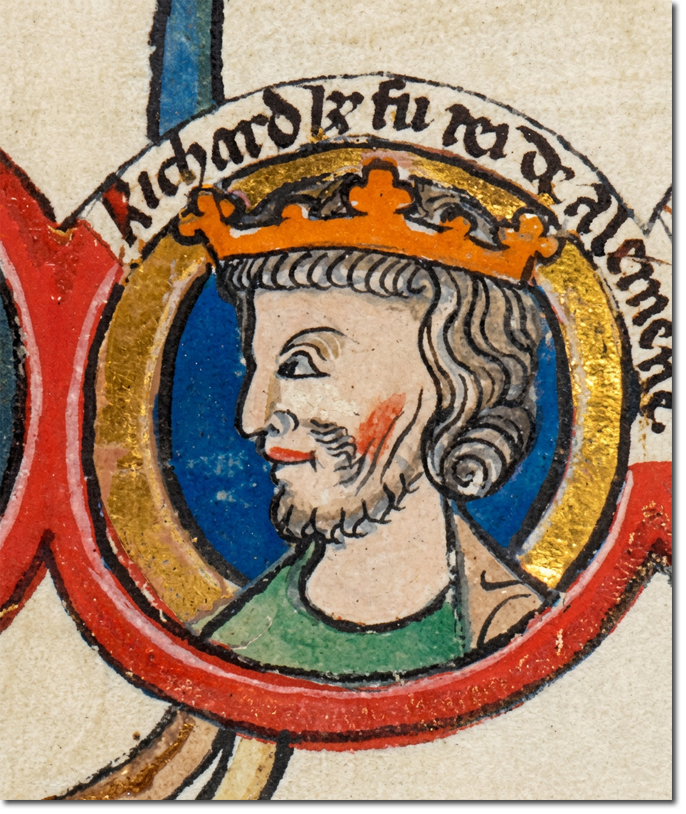
Launceston Castle reached its heyday under its most famous Earl of Cornwall, Richard of Cornwall, younger brother of Henry III. Richard’s powerbase here in the Westcountry allowed him to become enormously wealthy and use this fortune not only to seriously upgrade his main castle here at Launceston but also to be elected as King of Germany and even as Holy Roman Emperor, although critically only a disputed one as there were rival claims to what was regarded as the most prestigious title in Europe at the time. In addition to expanding the defences of the castle he also added covered walkways from the main entrance and around the towers. You can still see where these covers were attached. It would also have been whitewashed in lime, making it appear a very bright and prestigious‑looking building indeed. When looking at the ruins now it can be difficult to conjure up just how cutting edge and modern it once was. I quite like the Japanese idea of rebuilding their castles to when they were at their height of beauty. We let ours quietly decay and so lose some of the majesty in the process.
Launceston Castle lost some of its strategic importance as shipping, trade and seaborne threats became increasingly important. Castles with water access such as at Trematon and Lostwithiel began taking on extra importance whilst landlocked ones lost their military significance, although not their administrative and indeed legal importance. Launceston slowly morphed into an Assizes court with ready‑made dungeons and holding cells. It began to take on the nickname “Castle Terrible” for the terrible conditions of its prisoners as well as for executions taking place as the result of decisions made in the castle. Many Cornish rebels who joined the 1549 Prayer Book Rebellions were tried, imprisoned and executed here. Cuthbert Mayne was a high‑profile religious man executed in 1577 holding a copy of the Papal Bull effectively calling for the assassination of Queen Elizabeth I. His head was displayed over the Castle Gate after his public execution.
There was to be one final flurry of military usage in the English Civil War of the 1640s where once again the strategic importance of Launceston reasserted itself. Although Cornwall predominantly supported the King, Launceston found itself three times under siege and changed hands until Fairfax finally captured it in 1646. Perhaps fittingly it was the period of Parliamentary rule that moved the courts out of the castle and into the town itself in a new assize hall built there. Perhaps they did not wish to be reminded of the royal connections to justice! Eventually in the 19th century cases and jailings would be transferred to Bodmin.
The views from the summit of the internal tower allow you to look back at the old Saxon centre of St Stephens and off westwards to Bodmin Moor and eastwards all the way to Dartmoor. You really can see its strategic utility with unimpeded views in every direction.
|
|
|
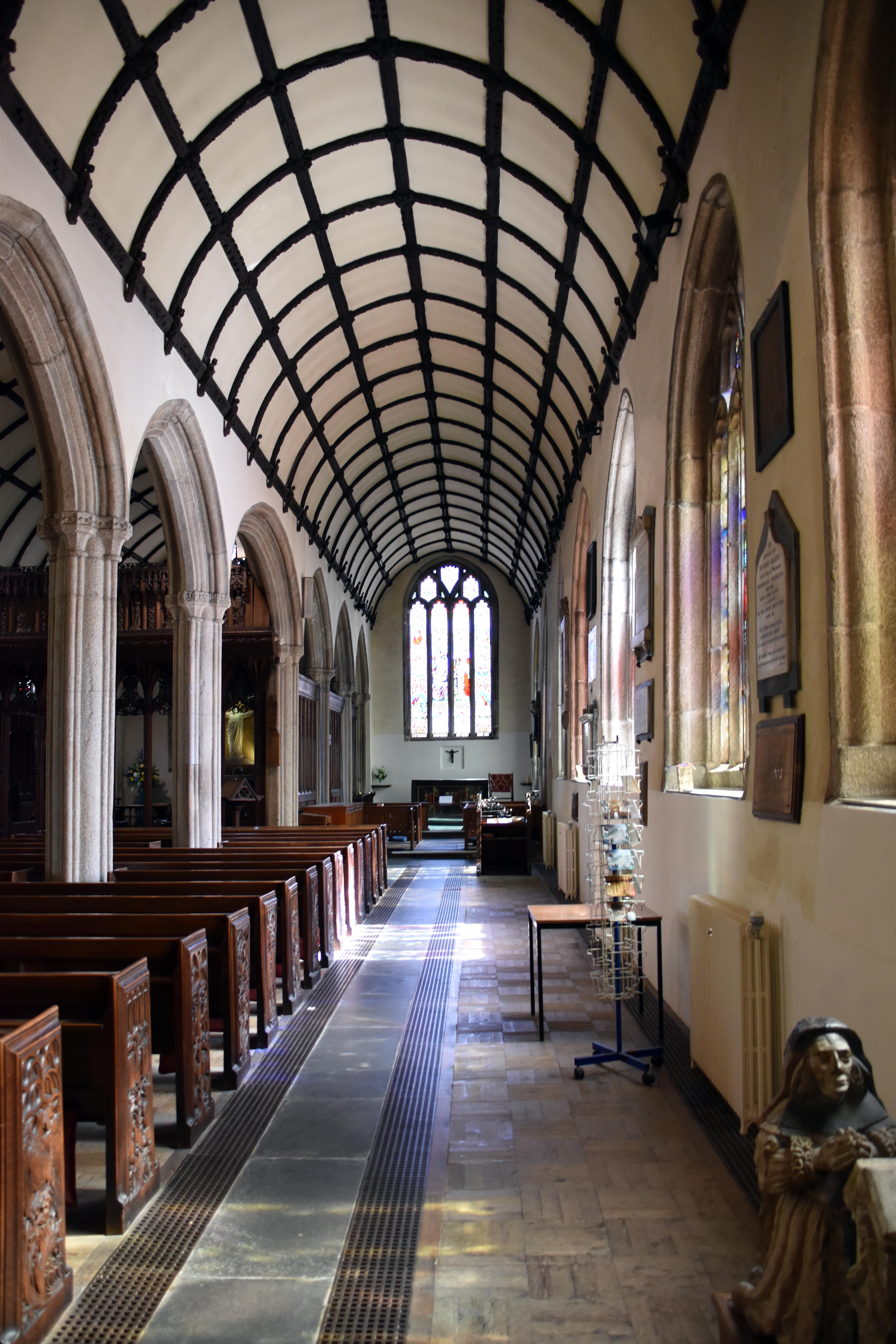
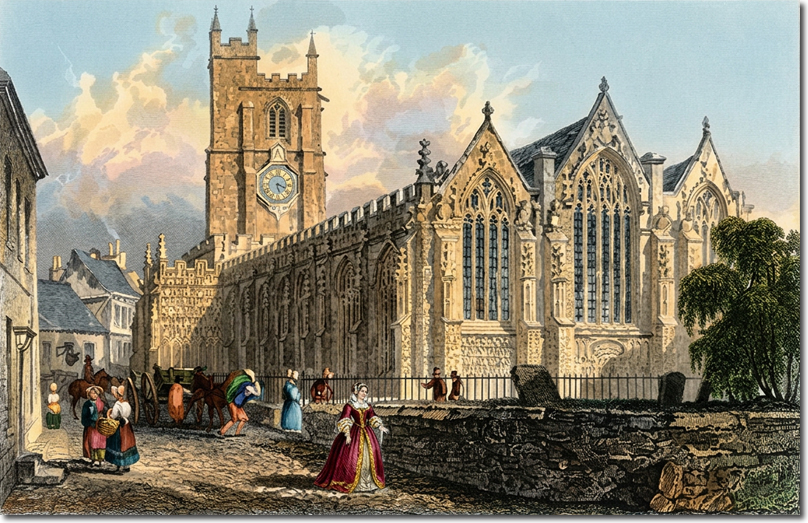
Conscious of time we headed towards St Mary Magdalene’s church with its fascinating carved granite exterior. As if to illustrate the historic importance of Launceston, this church is truly enormous for what was effectively just a parish church. It was started in the 12th century but just kept being added to over the centuries, as was befitting such an important administrative centre for an area of the country with unusually rich mineral wealth, making some people at least very wealthy, as the sheer quantity of memorials inside the church attest to. The most significant expansion occurred in the early Tudor period thanks to Henry Trecarrell. He is the one who oversaw the installation of the highly unusual carved granite edifice to the church just before the Reformation, after which such decorations were swept away for many years to come.
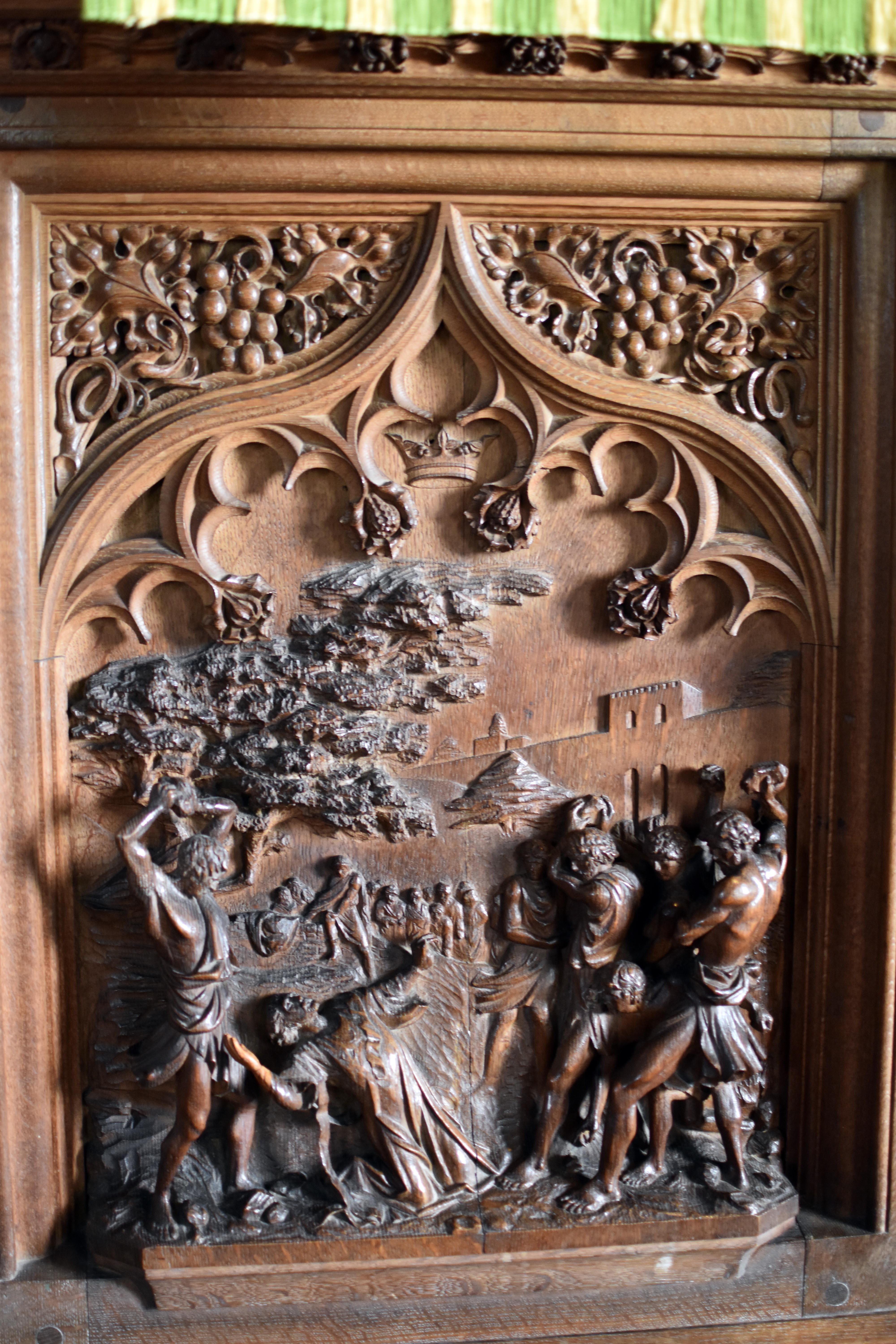
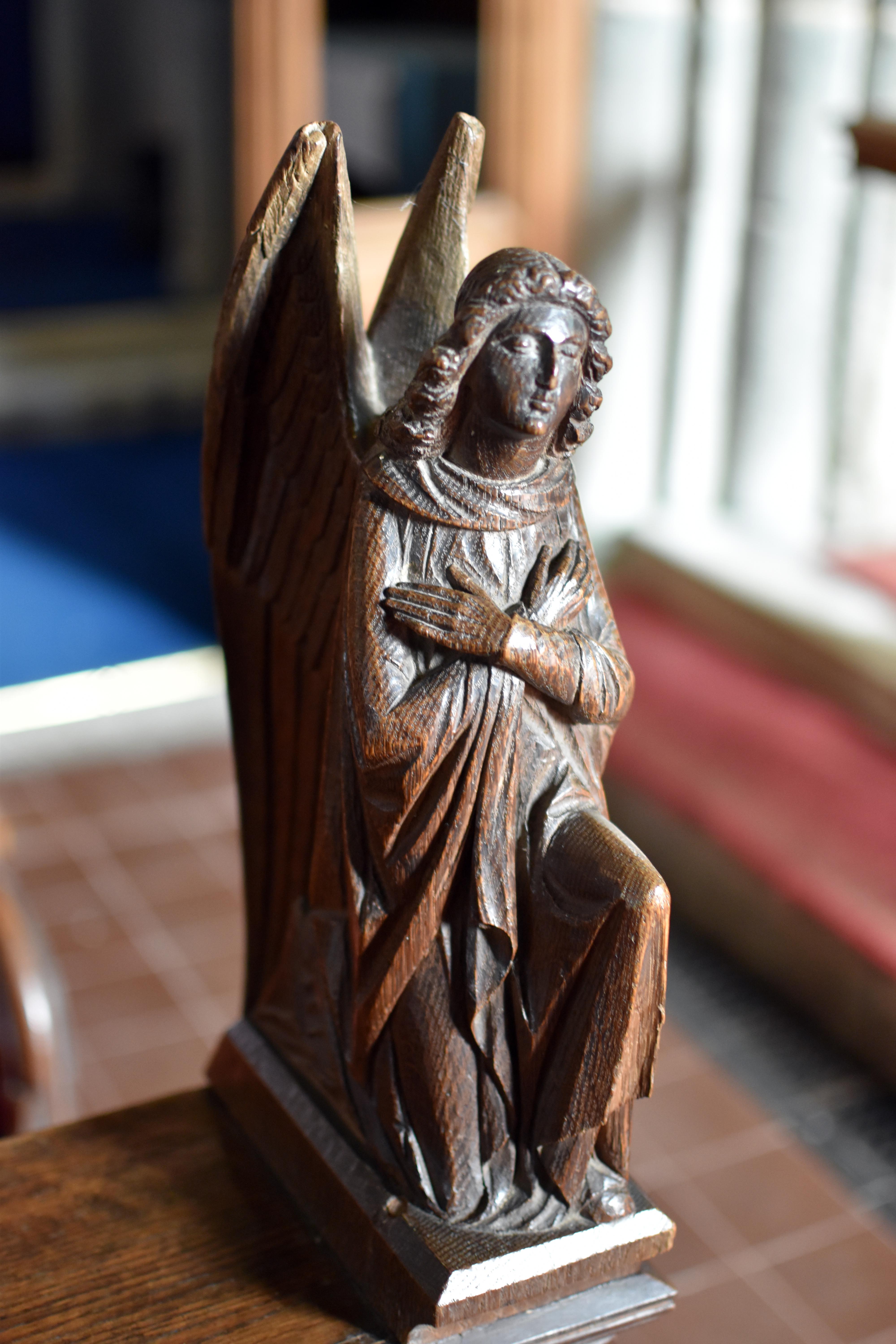
There is a beautifully ornate pulpit which is said to have been daubed in pitch during the Civil War to hide it from rampaging soldiers who might destroy or covet it. Once it sported a canopy, but this was sawn off, perhaps during the Commonwealth years. There is also a wonderfully restored rood screen complete with a very impressive canopy, which was implemented by our friend Violet Pinwill alongside her mentor and teacher Edmund Sedding. Likewise, they restored the medieval pews with their delightfully carved ends. There are also some Flemish‑style altar rails from the days when Flemish wool merchants and producers were invited to this part of Cornwall to help develop the wool trade and transform it into one of the most important industries of the late medieval and Tudor periods.
There are actually quite a few English Civil War stories connected to this church. One of them relates to the 1643 Battle of Launceston when Parliamentary troops crossed the bridge at Polson below the town in preparation for attack. Most of the Royalist soldiers were at prayer in this church, including the commanders Sir Ralph Hopton and Sir Bevil Grenville. They allowed the service to be completed before calmly forming their forces on Windmill Hill just above the town and awaited the Parliamentarian attack, which they successfully repelled.
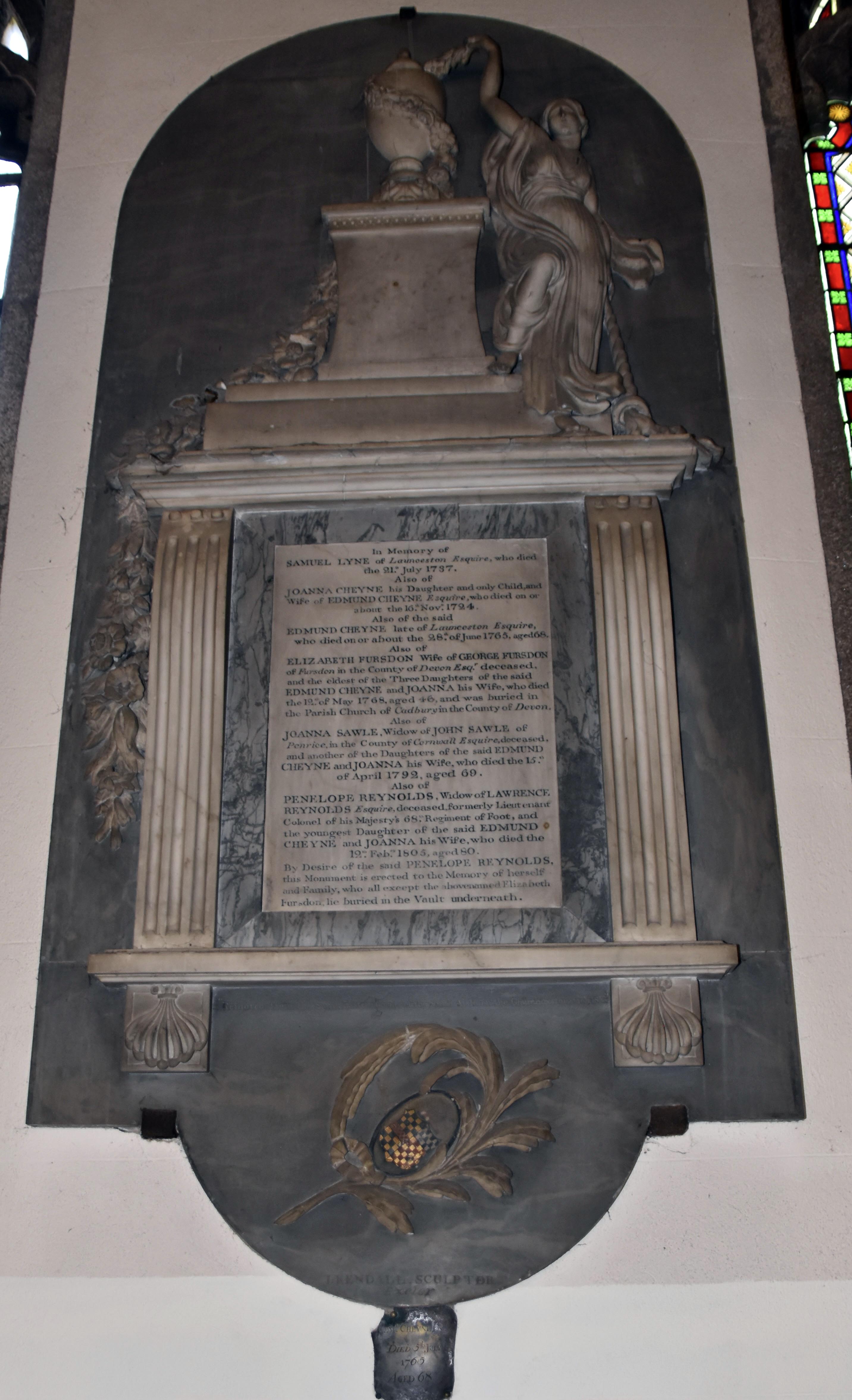
There is also a fascinating memorial to Colonel Sir Hugh Piper together with a delightful statue set of him and his wife praying over a prie‑dieu on the floor below. The memorial explains that the Colonel had once been Lieutenant Governor of the Royal Citadel in Plymouth and Constable of the Castle here in Launceston, amongst many other positions. But crucially it points out that he had served in the Civil Wars as an “Ensign, Lieutenant and Captain under Sir Richard and Sir Bevill Grenville at the siege of Plymouth, the Battle of Stratton and Landsdown where he was wounded in the Neck, Thigh and Shot thro the Shoulder. His Estates were sequestered by the Rump Parliament for his Loyalty to his Master and Injured Sovereign King Charles the First.” Fortunately, with the Restoration came a return of his fortunes and the prestigious jobs for showing his loyalty to his monarch. The Pipers became a very important local family, as the even more impressive Piper/Wise classical monument on the north wall makes clear. This very elaborate monument was to these two best of friends, both of whom became mayors of Launceston. There is a touching inscription: “As they had in life been of one mind and most closely associated together, so now after death these equally true‑hearted friends are not divided.” Again, the sheer exuberance of this monument illustrates the growing wealth of Launceston.
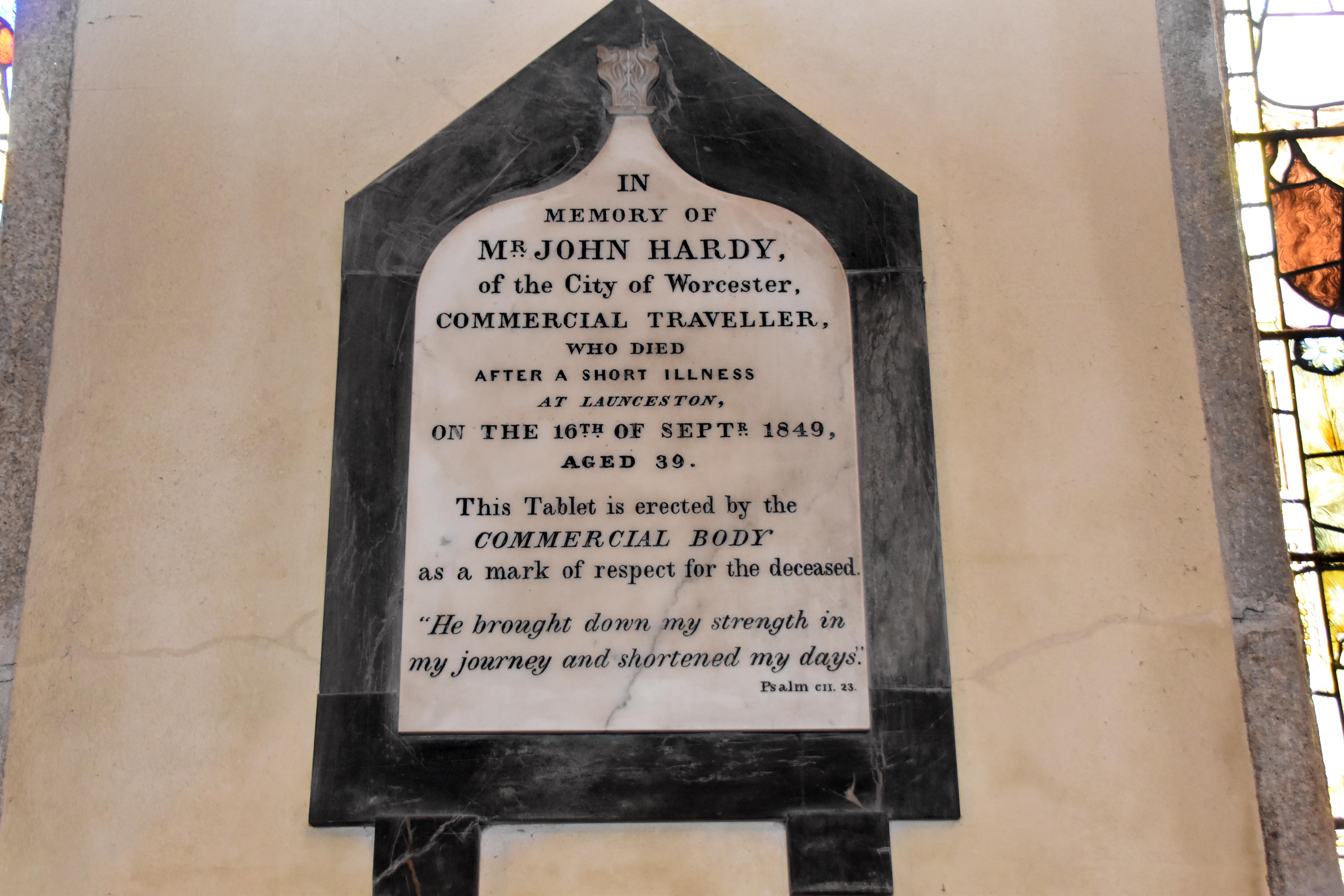
There is also a curious memorial to Mr John Hardy which also illustrates Launceston’s importance as a trading entrepôt. This dates to 1849 and explains that he was from the City of Worcester and a commercial traveller who died after a short illness at Launceston. The tablet was erected by the “Commercial Body” as a mark of respect for the deceased. We are used to seeing memorials to soldiers, sailors, men of the cloth and politicians, but not many are for the wealth creators and traders who provided the economic lifeblood of the nation. It is a nice addition to see.
|
|
|
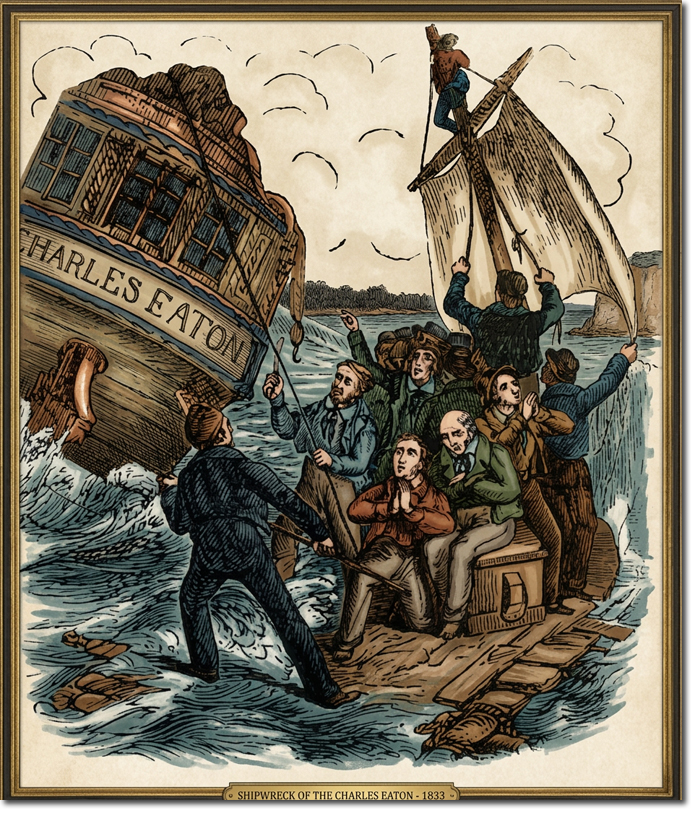
But the most interesting memorial by far is that to Thomas Prockter Ching, aged 22: “Who in the Month of 1834 after having been wrecked in the ship ‘Charles Eaton’ on a Voyage to China suffered a more cruel fate at the hands of ignorant savages, by whom the crew was decoyed and murdered in the island of Boydang in Torres Strait.” The ship was wrecked on the Great Barrier Reef initially. Some of the crew took their quarter boat to sail for rescue at Timor whilst the others made two rafts out of the wreck. One of those rafts reached the small island of Boydang where Torres Strait islanders initially promised to help them before turning on them and killing all but two very small children. The skulls of the adults were prepared for ceremonial uses. The other raft did not fare better and in their case all but four young children and the ship’s dog were spared by Torres Strait islanders. Two of these children lived with their captors for months before being discovered by sympathetic islanders from another nearby island, who swapped them for a bunch of bananas. The two young boys lived with them for nearly two years when they were finally discovered by a passing ship. That ship then uncovered the story from the islanders protecting the young boys and returned to the islands where the massacres had taken place, finding grisly mosaics incorporating the European skulls within them. Horrified, they burned the settlement to the ground and the surrounding crops. There was no sign of the Torres Strait islanders who had perpetrated the horror. It is not entirely clear if they were eaten, although it was practice to consume certain body parts in the rituals of killing one’s enemies and taking their souls. It was certainly assumed that cannibalism had taken place. It should be said that there was an amusing local saying that came out of this grisly story. Young Thomas Prockter Ching was from a very well‑to‑do local family and had been educated at Eton. This gave rise to the saying that he “had gone from Eton to the Eaton only to be eaten!”
Annoyingly, there was still so much to be seen when at 3pm almost to the dot a man came in like the wind and started shouting “Church locking up”… “Church locking up”… There were a couple from overseas who couldn’t quite understand what was happening, so he kept repeating it again and again and again: “Church locking up”, “Church locking up”, “Church locking up!” Since when is 3pm closing time for anything? And there were no clues as to when it would open or shut. It was very disappointing, but at least we had caught a glimpse of the interior, which is more than we did last time. My advice to you is that should you go to Launceston — make sure you visit St Mary Magdalene’s first. It is worth it.
Altogether Launceston’s history is so instructive for the development of this provincial centre. Religion has always played a pivotal role in Launceston’s history, even being incorporated into its name. But not only did its religious house move location, but the military and administrative centre moved too. Launceston is about a mile away from its original site on the complete opposite side of the Kensey valley, but it grew up anew as a castle town in a wealthy part of the country thanks to mineral wealth, sheep farming and being a commercial entrepôt for the surrounding area. Its strategic value may have ebbed and flowed over the centuries, but it provided a focus that allowed for a commercial and administrative centre to grow up in its shadow. It illustrates a fascinatingly unique path in urban development.
|