|
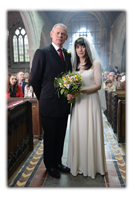
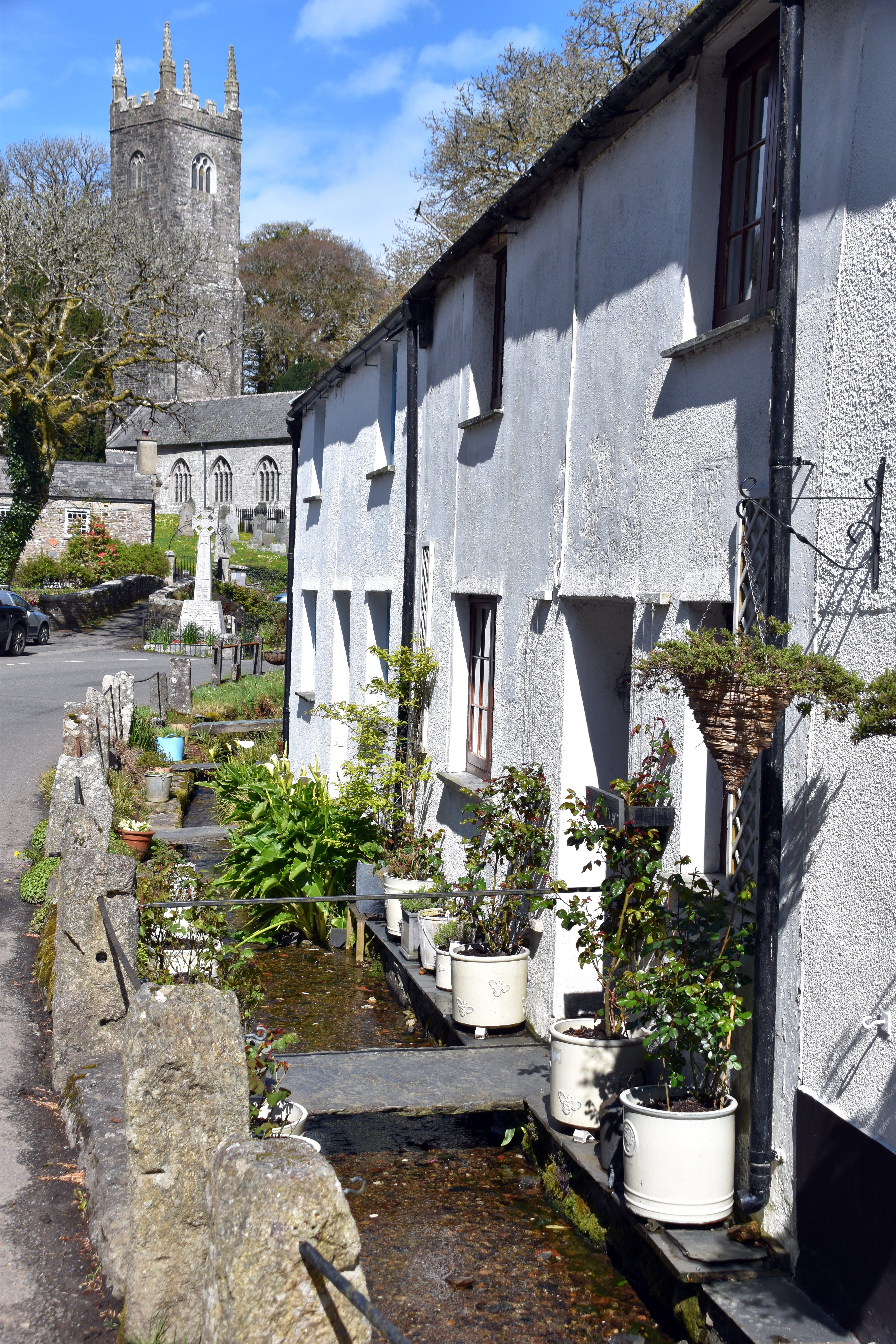
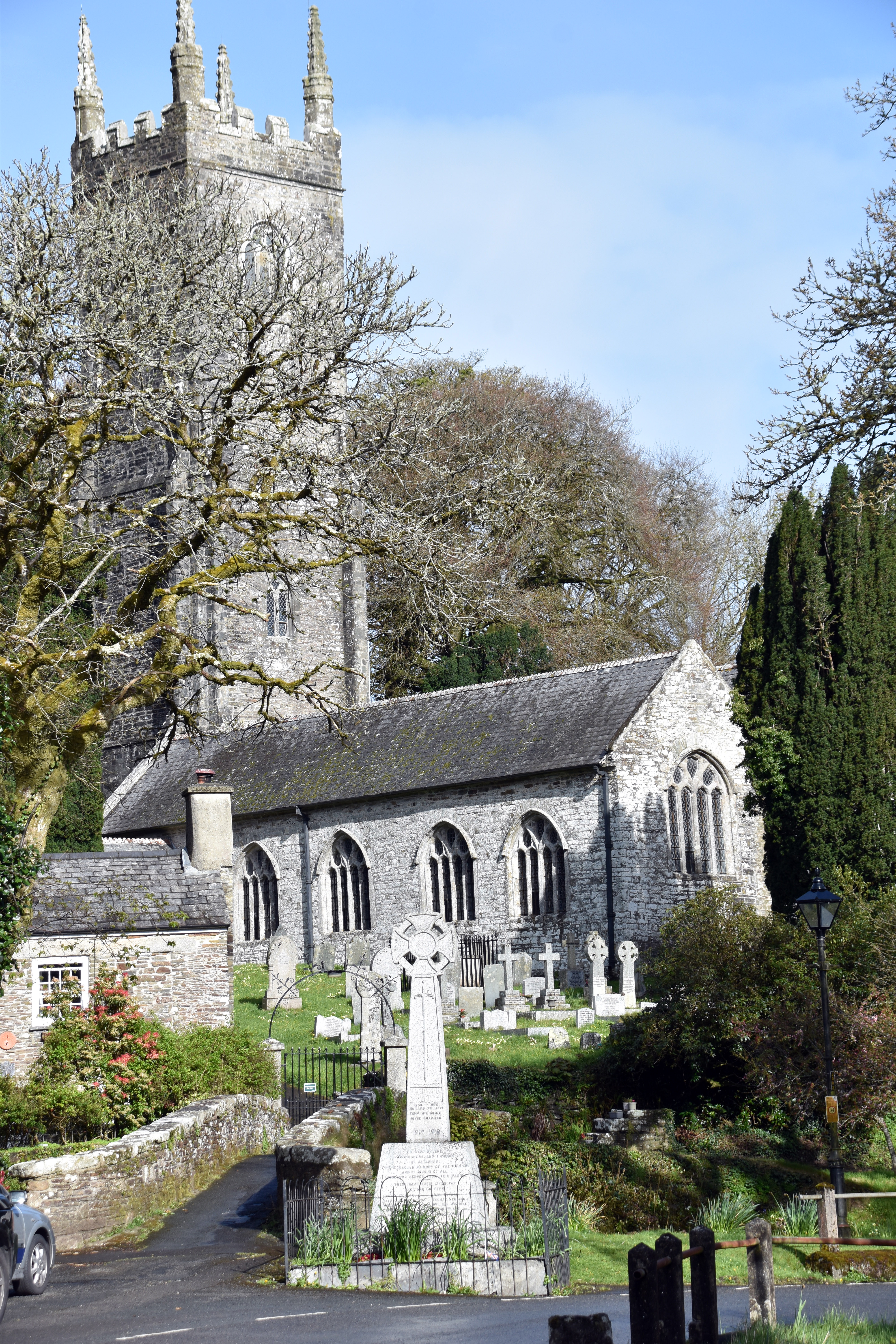
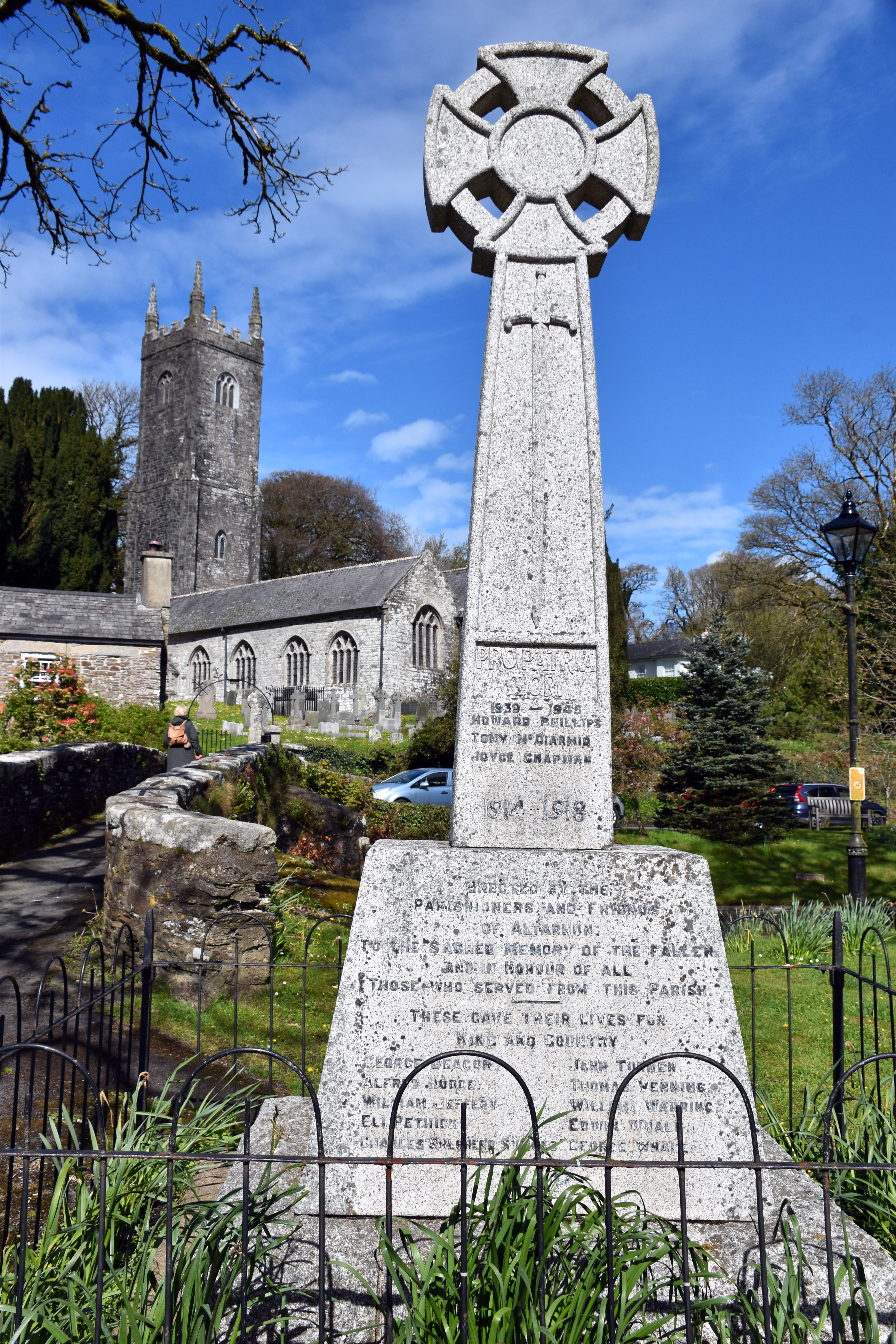
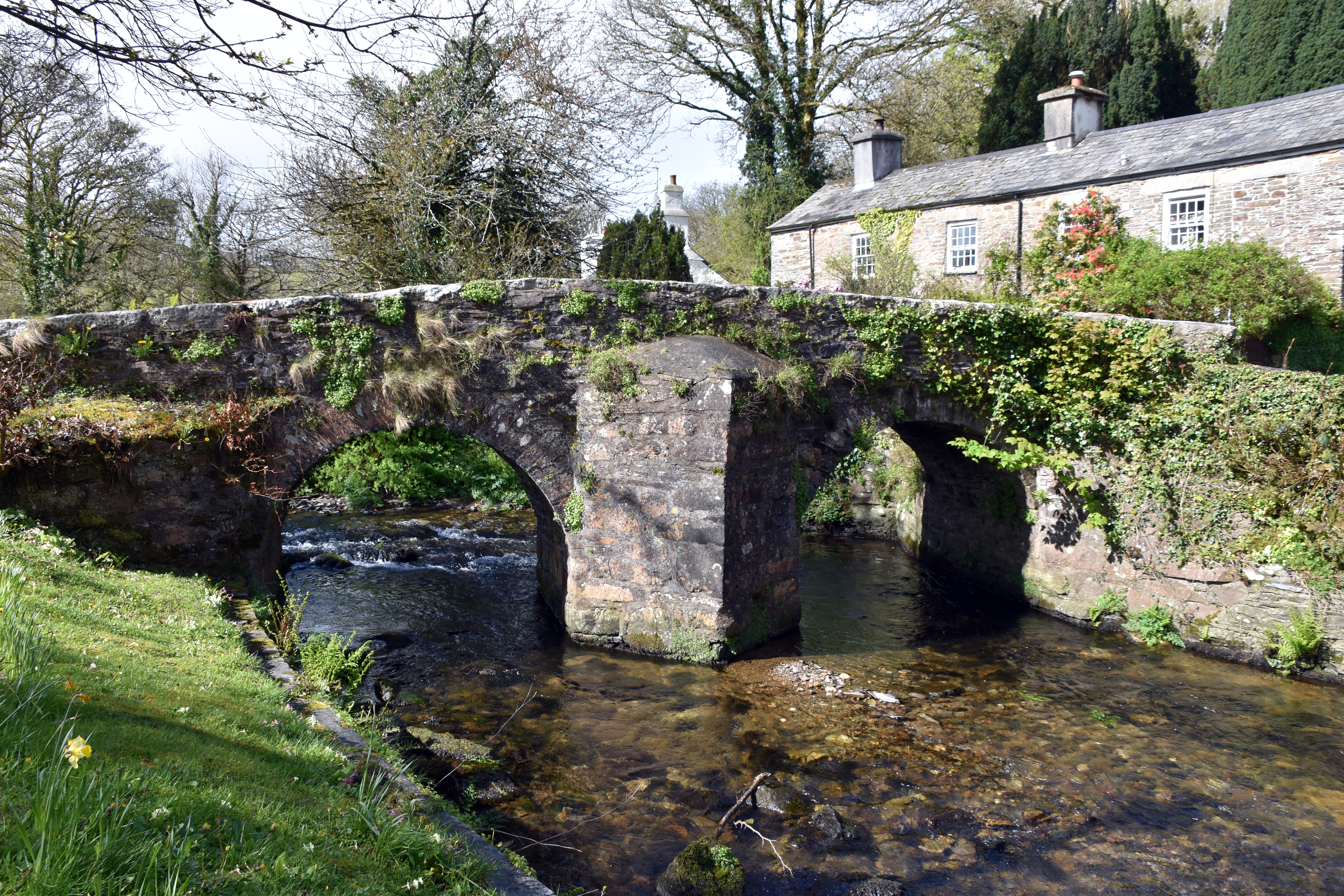
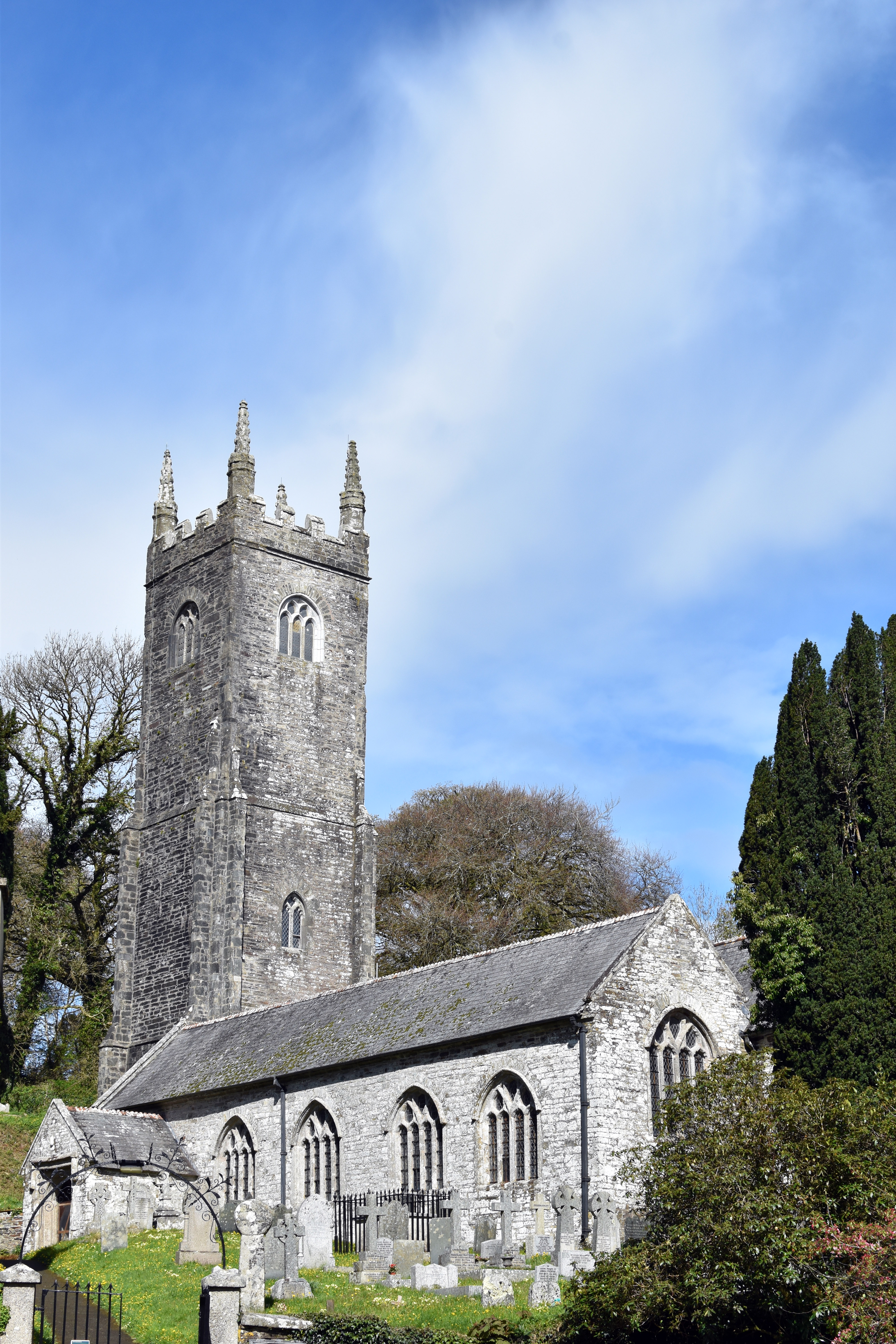
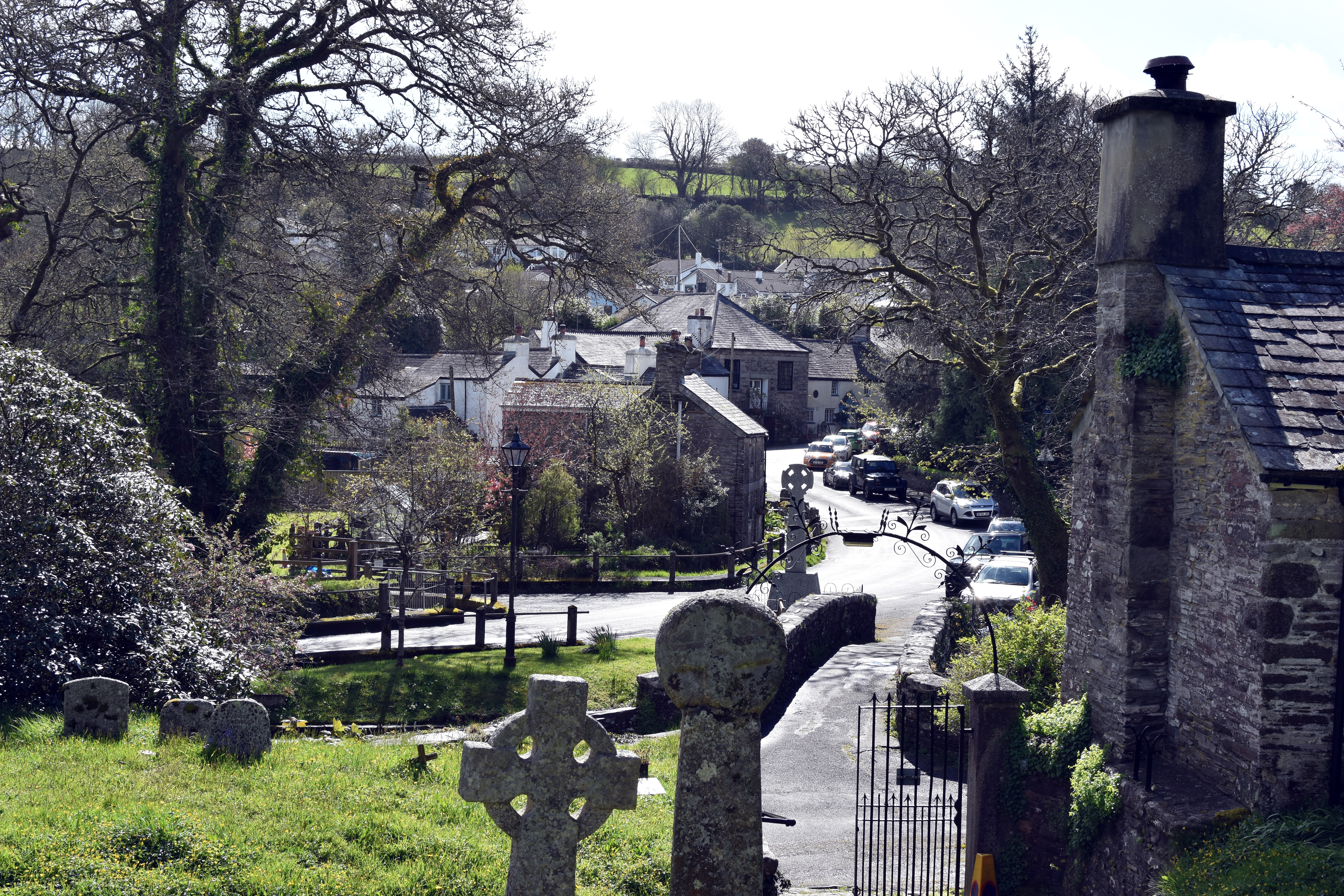
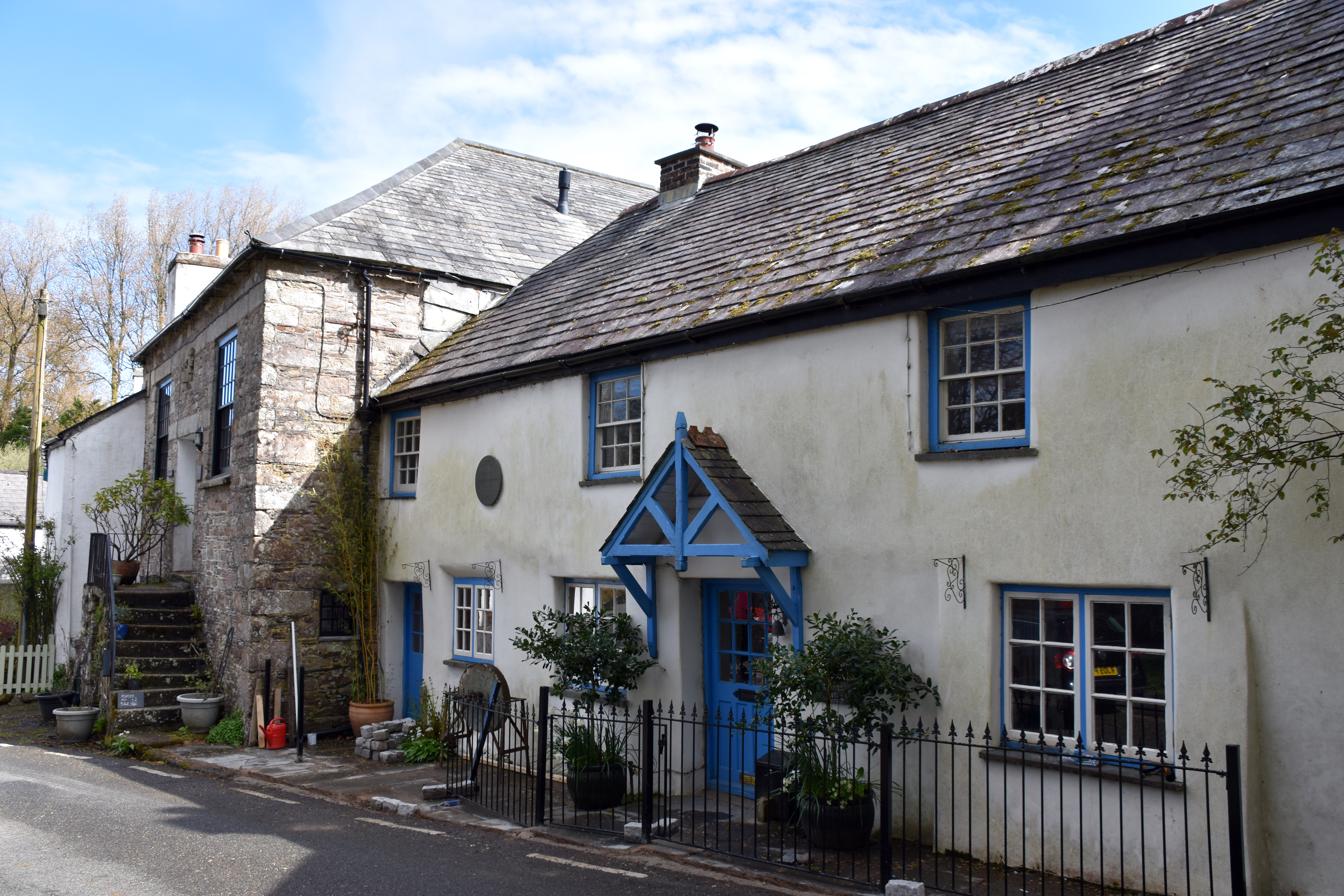
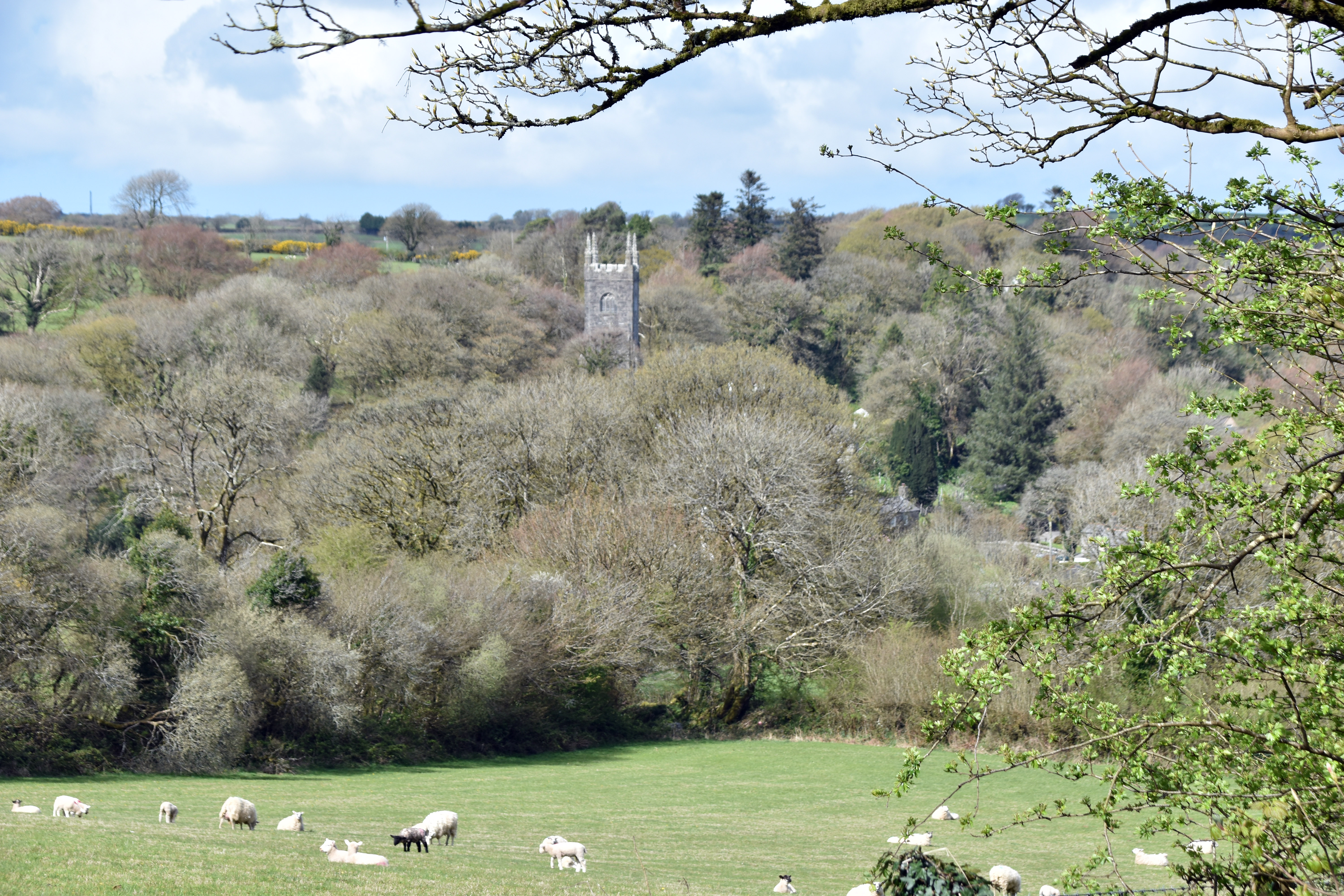
When the producers of the TV series ‘Doc Martin’ wanted to find a beautiful venue for their main character to get married they chose wisely in setting it in the picturesque village of Altarnun. You could hardly create a prettier location for a church if you tried. On the side of a valley in front of an old pack horse Medieval bridge with a beautiful war memorial and characterful slate gravestones rising on the slope and all from the vantage point of the Main Street of the village with its own picturesque cottages with an old mill leat running just in front of their entrances as the water trickles backloads down to the river Penpont from which it was drawn off from before. Almost in every direction you look you see a perfect postcard image.
|
|
|
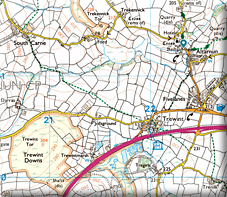
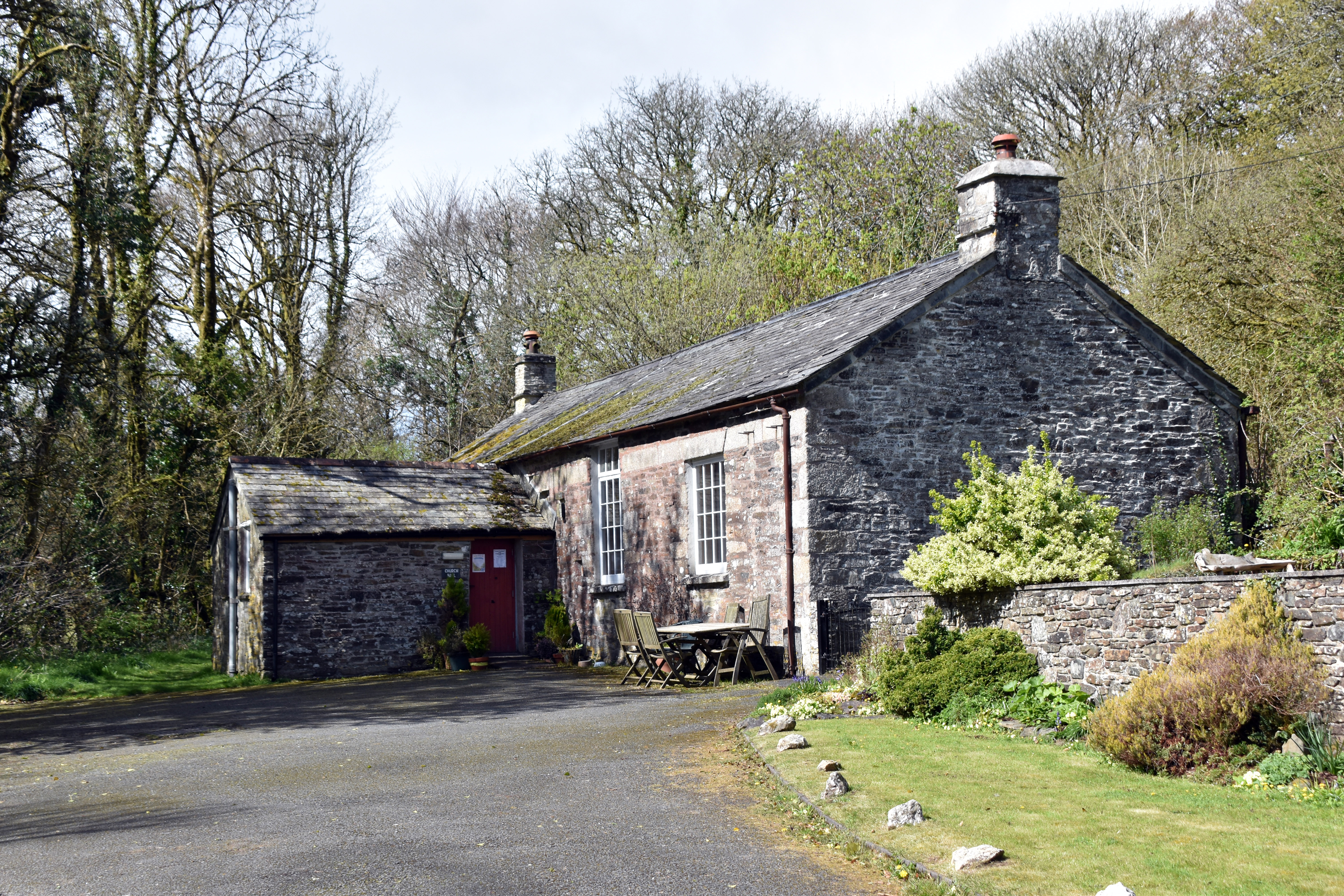
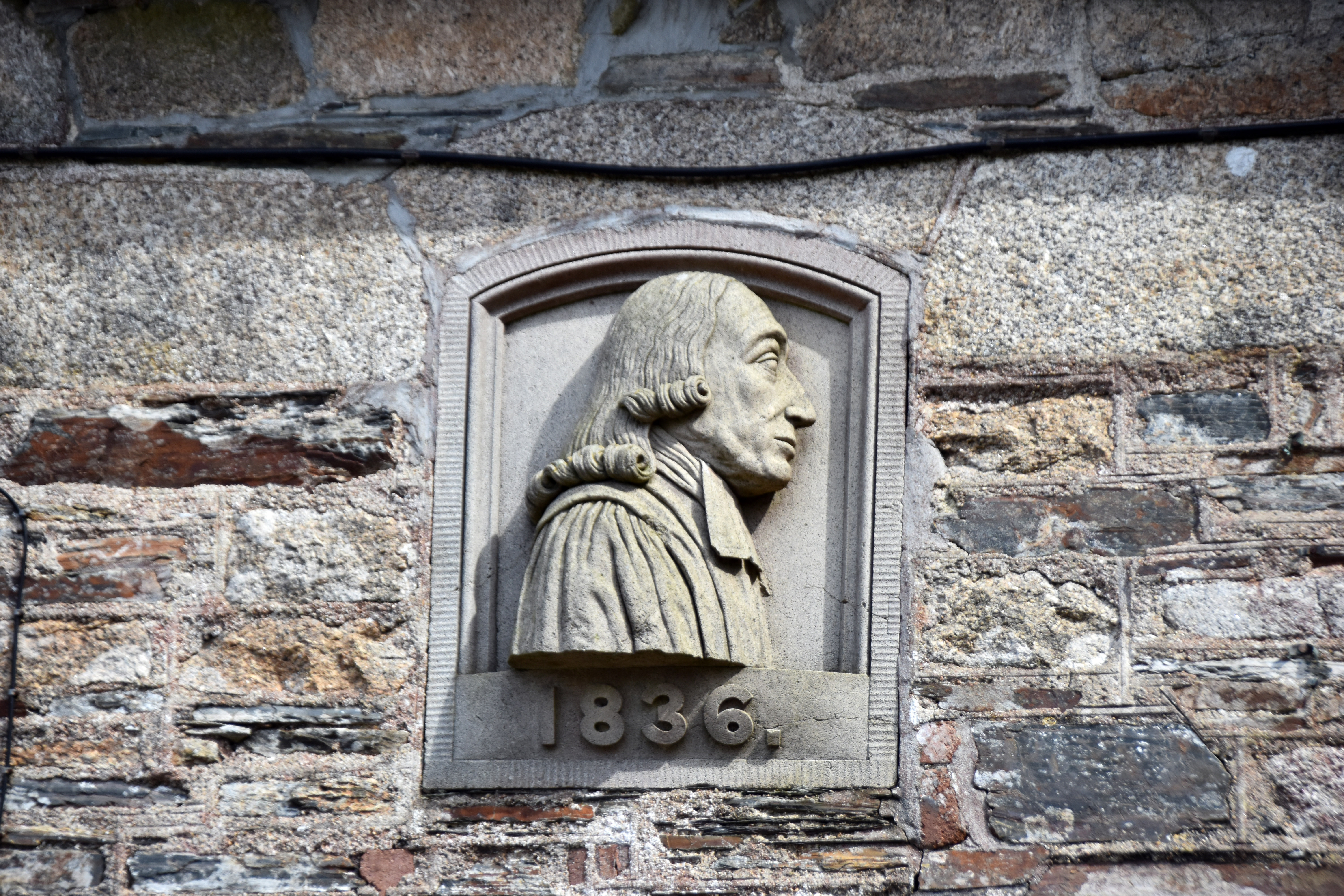
Rupert and I travelled here after having visited the charming Trewint village with its tiniest Methodist Chapel in the World which had been built and donated by Elizabeth and Digory Isbell just a fortnight before. It was brought to our attention that Elizabeth and Digory Isbell were buried in the churchyard in Altarnun and that the sculptor related to the Isbells, Nevil Northey Burnard, was born and raised in Altarnun and an example of his earliest sculpture work was still on display to this day on the entrance of an old Chapel there. He was only 16 years old when he carved it and it is a striking 3D profile of John Wesley. It’s the kind of image that looks totally different from the angle you view it from. Interestingly, that was only a temporary chapel in the village as later a far larger Methodist chapel was built further up the road and this building was used as a Sunday School building. There is a funny story connected to the Methodist Chapel. As I parked the car I was somewhat surprised to see a striking church steeple top in the garden of Penpont House. All was revealed later when I got talking to the vicar of St Nonna’s Church. He said with a twinkle in his eye that the owners of the House used to take delight in informing visitors that what they could see in their garden was an older church that was no longer in use and had been buried over time. In reality, it was actually originally designed to sit atop the Methodist Chapel but the tackle and pulleys could not cope with its weight and so they literally just left it on the side of the road where it still lies to this day going on for two centuries now. I love it when you see these real world results of miscalculations - kind of a genuine folly not an ornate one.
|
|
|
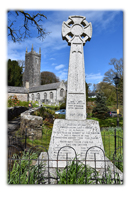
Altarnun is definitely an unusual name and it possibly refers to St Nonna the mother of the Welsh Saint David. Of course Wales and Cornwall were incredibly closely connected culturally in the 6th century and there is speculation that St. David’s mother was from Cornwall. The nearby 'Davidstow Moor' name might be another link to the Welsh saint. There is a holy well close to the church that it was said that St Nonna used and established a church there - of which there is no sign left of it - but it is said that it became known as Altarnon – or ‘the Altar of Saint Nonna’. Now there is a second theory and it refers to the fact that a nunnery existed in this area - this one clearly marked on old maps. But that the Nun’s chapel (which housed their Altar) was converted into the present church or you might say ‘altered’ from a Nunnery to a Parish church - hence Altarnun! Either way this village has very deep Christian roots going back to the very earliest days of the Christian Era in this part of the country - and of course dealing with the Reformation and also a focal point of Methodism that swept through the county in the 18th and 19th centuries. Another hint at this old Christian connection is an old Cornish cross as you enter the churchyard which may well date from the Early Medieval period (the Dark Ages in old money). These usually predate the churches and were the first symbols for people to meet to hear wandering clerics before parish churches even existed. Curiously, the Methodists kind of resurrected this idea themselves, preaching on street corners and to any who would hear them at first. It was only later that they realised the practicality of having Chapels of their own to provide a more convenient meeting location if often in far more basic premises than the established church would provide.
|
|
|
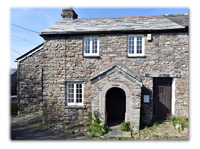
Not far behind this Ancient Cornish cross is the grave of Digory and Elizabeth Isbell which in itself is something of a curiosity if you step back and think about it. These were the two people who created and donated land and labour to the first Methodists in Cornwall creating the smallest chapel in Trewint as mentioned earlier. The weathered inscription is a little tough to read through the iron railings that surround it but it is worth persevering with as it gives a clue to their religious principles: “They were the first who entertained the Methodist Preachers in this County, and Lived and died in that connection, but Strictly adhered to the duties of the Established Church. Reader, may thy end be like theirs.” John Wesley started as a Church of England priest but felt that it was moving to far away from the teachings of Christ. He however never left it and tried to provoke a Revolution from within. The timings are interesting as John Wesley died in 1791, Digory died in 1795 and Elizabeth in 1805. It was only after the death of John Wesley that the split between Methodists and Anglicans became overt especially after Methodists in 1795 began ordaining their own priests and allowed them to administer Holy Communion. Whether Methodists left the Church of England or were expelled is six of one half a dozen of the other but basically when the Isbells’ tombstone was carved in 1805 this separation was raw and the Isbells are kind of hinting that they adhered to the original John Wesley idea of Methodism providing a revolution from within the established church. As far as they were concerned they had not left this Christian church hence they are buried in their parish churchyard despite doing so much to help Methodism prosper in Cornwall. This tomb provides a fascinating insight into the fracturing of Protestantism two centuries ago. Interestingly in 2003 The Anglican-Methodist Covenant was signed acknowledging their shared heritage and committed both churches to removing obstacles to unity. They are not quite back to where they were, but they are as close as they have been since the Isbells were buried in this churchyard.

|
|
|
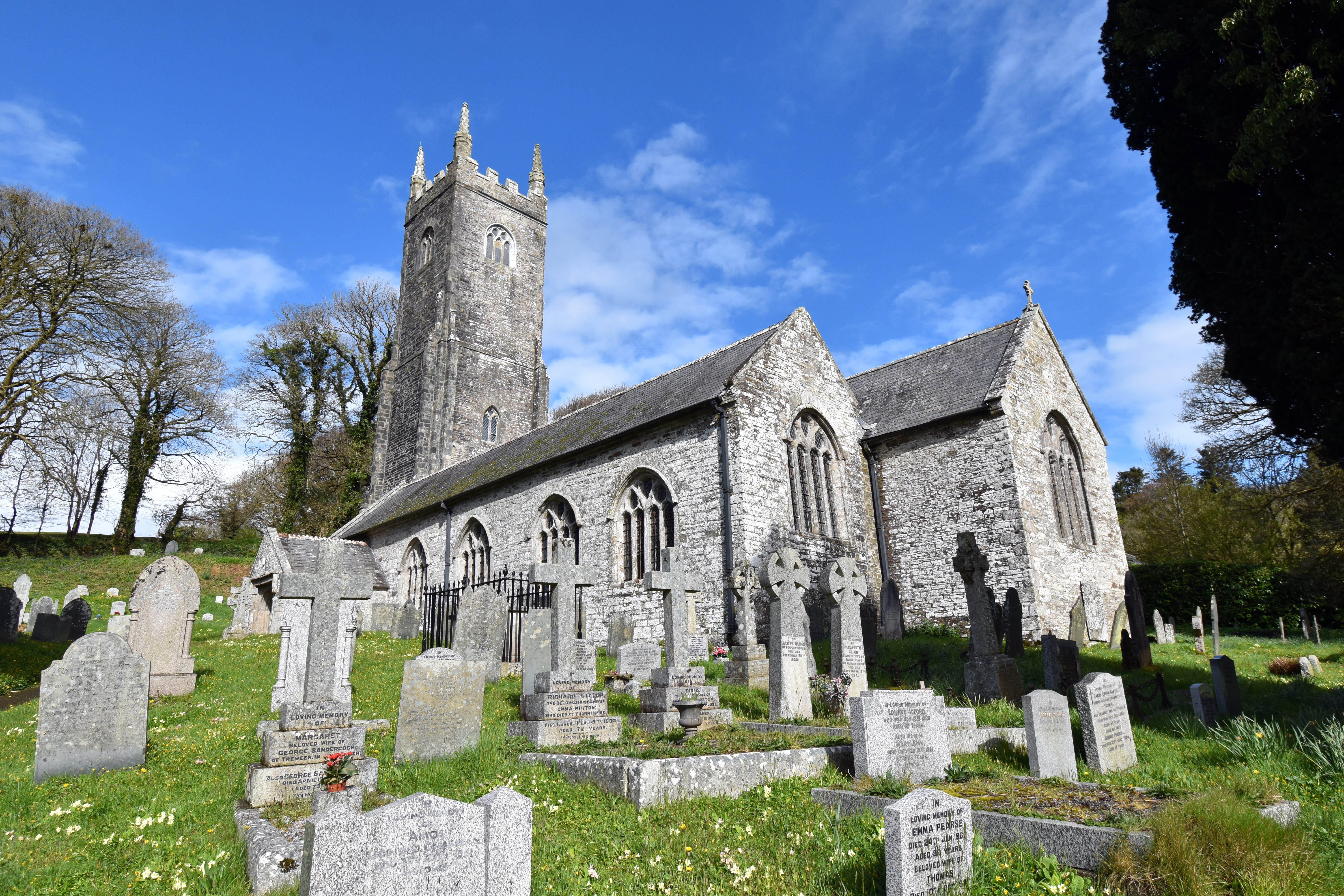
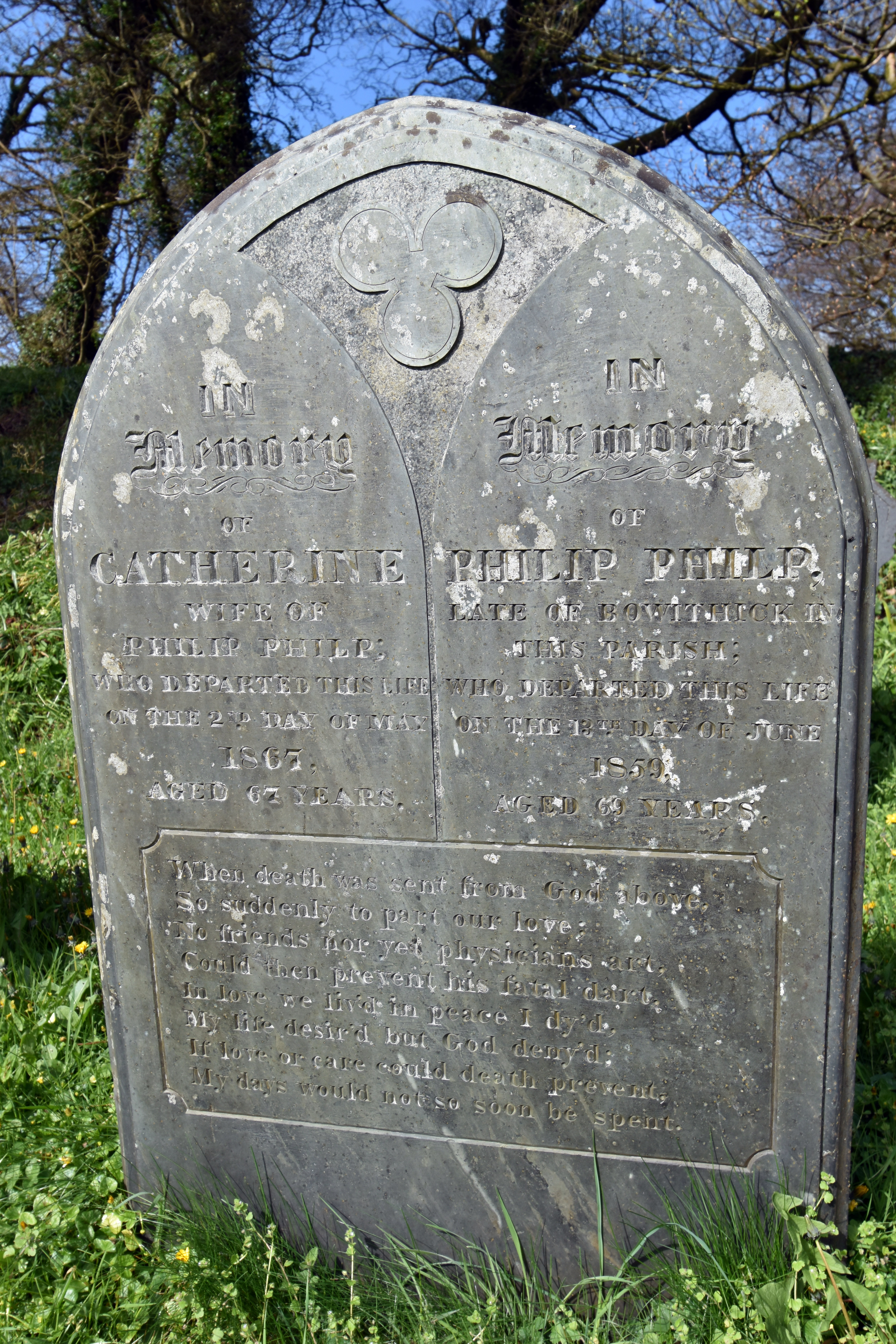
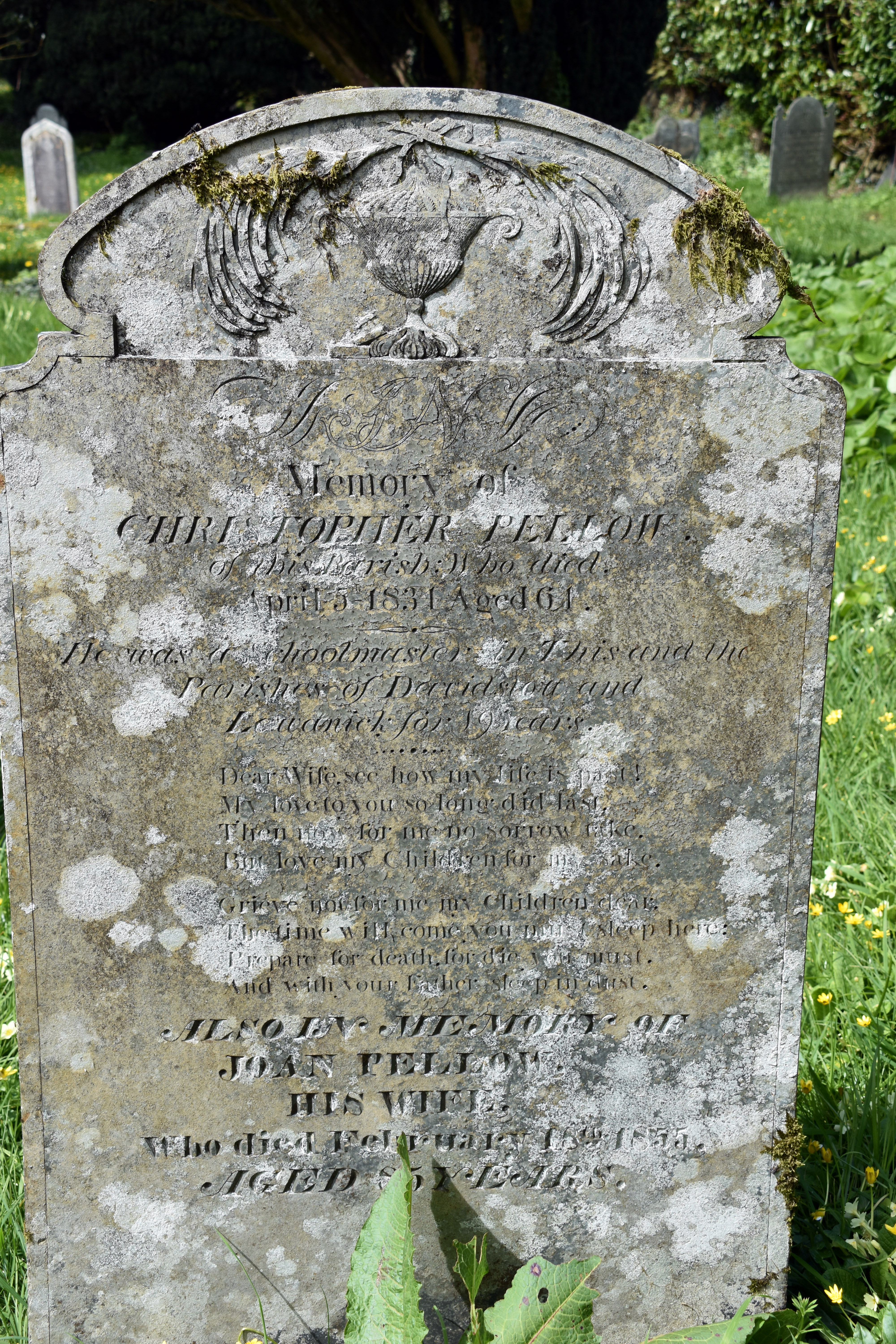
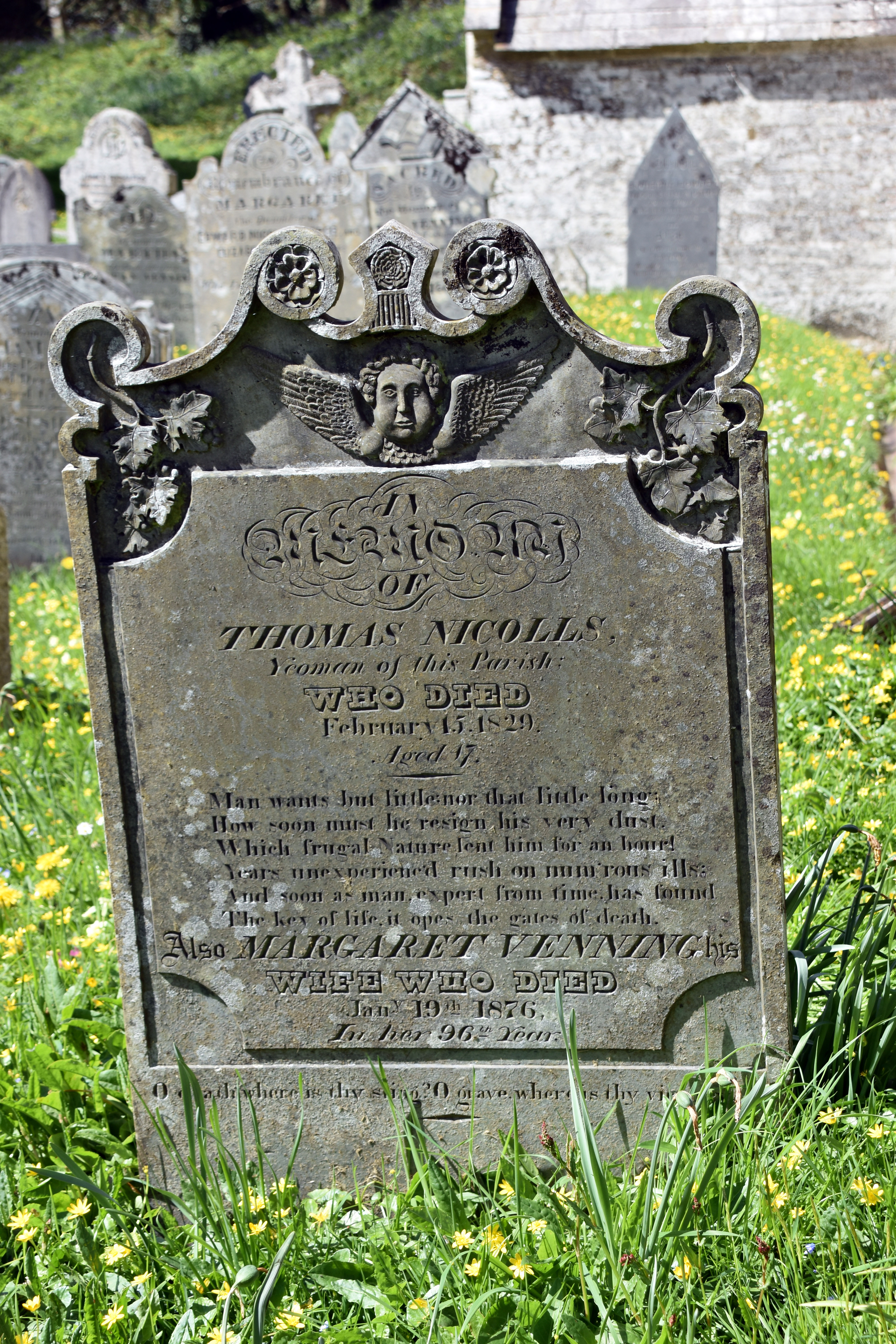
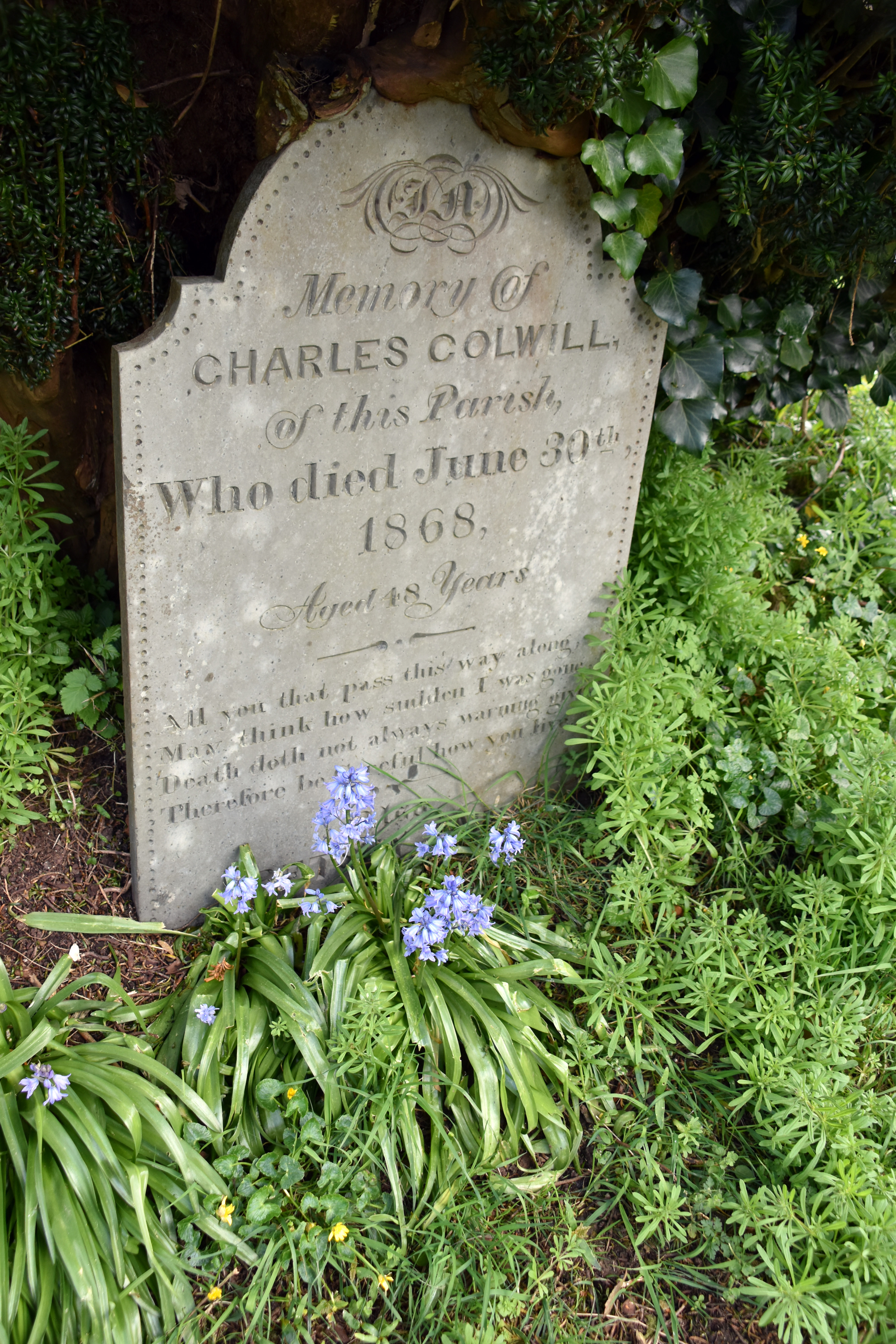
Now I have to say that rarely have I seen such interesting Monumental Inscriptions and epitaphs. Slate grave markers are one of the better stones for avoiding the ravages of time and some of the 18th and 19th century slate gravestones look as if they were carved last week! Obviously the local grave carver was a very good salesman if he was paid by the letter as some of these graves positively overflowed with verses or quotes from the Bible. Or perhaps it is because the Cornish love talking so much! Although quite a few of them had very dark quotes indeed on them. Fully Gothic in the full meaning of the term which of course is the reason we talk about Gothic horror in the first place. These gravestones prove why we think the 19th Century was the peak of mournful attitudes to death. Some examples we saw included John Parnell’s: “In Pain and Sickness Long I Laid; My Flesh Consumed My Lungs Decayed; I Like a Flower Once Did Bloom; But Now Lie Withering In This Tomb; Weep Not For Me You Weep in Vain; Weep For Yourselves And Then Refrain.” Or John Brown’s: “Learn all ye living by the mouths be taught; of all the sepulchres instructors true; That soon or late death also is your lot; And the next opening grave may yawn for you.” Or Christopher Pellow’s: “Grieve not for me my children dear; The time will come you must sleep; Prepare for death for die you must; And with your Father sleep in dust.” Or 29 year old Thomas Jasper’s: “Farewell my Parents dear; Since I from you am gone; Weep not for me Pray and prepare; Death for you soon will come; My Brothers, Sisters Friends and all; May this a warning be: Think on my last Heart Piercing Call; Prepare to Follow me.” Or Charles Colwill’s suitably next to the path: “All you that pass this way along; May think how sudden I was gone; Death doth not always warning give’ Therefore be careful how you live!” These were oddly fascinating giving a real insight into conceptions of death mostly in the 19th Century it has to be said. This idea that you must always live as a good Christian as you never know when you are going to die. To us it might feel a morbid way of saying Seize the Day but for them it was a reminder to be a Good Christian and realise that the real prize was not how you live your life but how you spend your eternity. Be a good Christian now so that your place in heaven is assured.

|
|
|
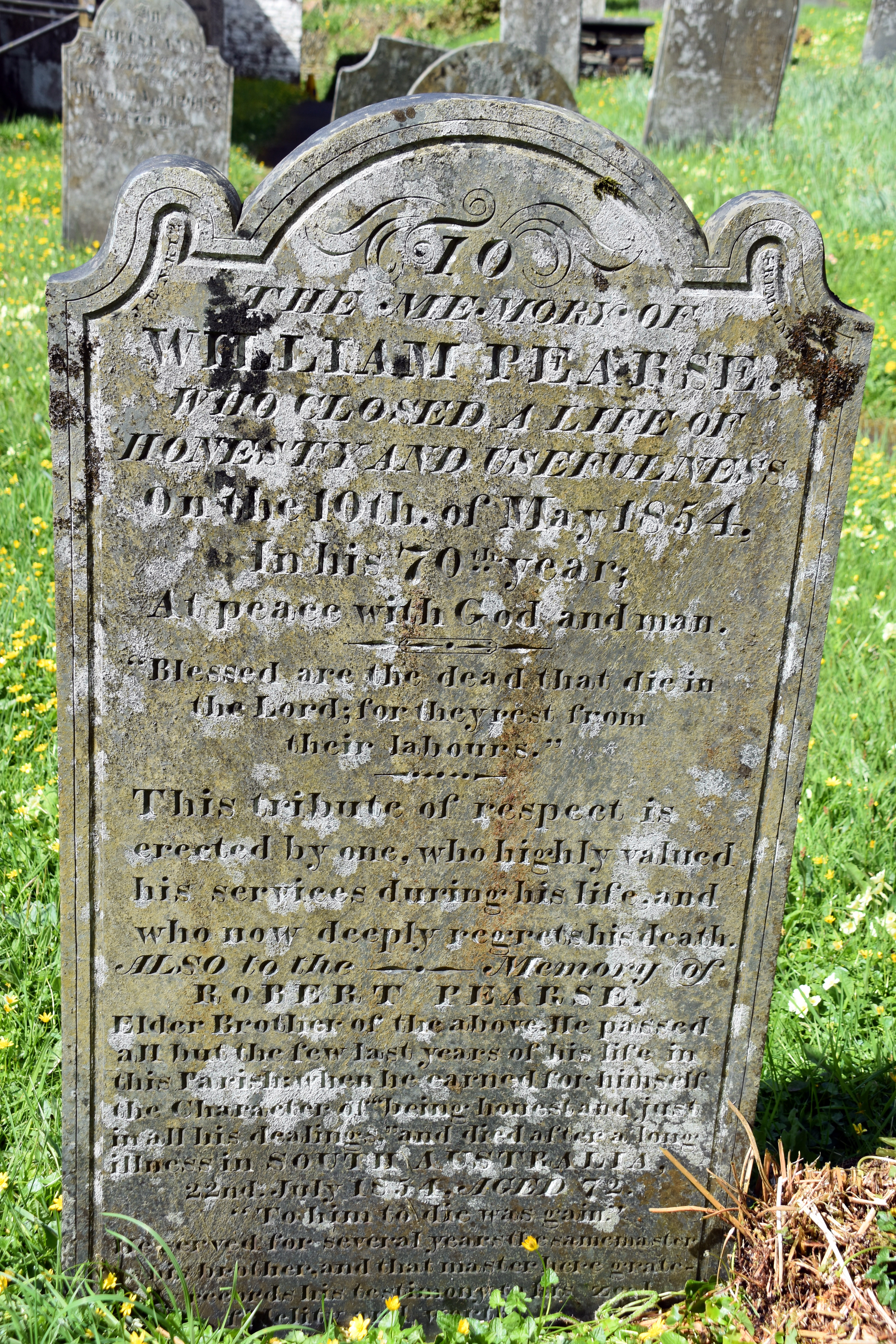
Another grave which must have paid handsomely to its carver is that of “William Pearse who Closed a Life of Honesty and Usefulness on 10th May 1854 in his 70th Year.” There is a further reference to his brother Robert Pearse who “passed all but the few last years of his life in this Parish when he earned for himself that character of ‘being honest and just in all his dealings’ and died after a long illness in South Australia 22nd July 1854 aged 72.” This is undoubtedly a grave paid for by a master on behalf of two servants whom he obviously held in very high respect. The grave explains the initial dedication to William thus: “This tribute of respect is erected by one, who highly valued his services during his life and who now deeply regrets his death.” A few weeks previously we saw a similar example in Farringdon of such goodwill between employer and employee. It is easy to forget that living so close to one another genuine affection and respect could be developed between those in service and their masters. This grave and burial would have cost quite a considerable amount and in the era before pensions and social security elderly servants were often kept on by the employer to provide food and lodging and in this case to take care of their burial too. There was no legal obligation to do so, but this grave hints at that broader social contract that the employer felt to a long time employee. “A Life of Honesty and Usefulness” also exemplifies protestant virtues that all visitors to this cemetery would instantly have appreciated and related to. It may appear curt to us, but a servant could ask for no higher accolade.
|
|
|
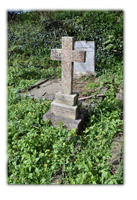
Then there are the desperately sad gravestones of children cut down on their prime. Up on the hill is a sad cross dedicated to Cyril Edwards “Who died at East Moor Gate in this Parish, Oct 9th 1913 Aged 6 years”. East Moor Gate actually lies due south of Altarnun just a bit over the current A30. It marks the transition from reclaimed farmland and the common lands of Bodmin Moor. It appears from his death certificate that this poor young child had contracted Poliomyelitis affecting his nervous system and causing irreversible paralysis. Sadly he appears to have succumbed to this horrible disease that still to this day has no known cure but at least we have vaccinations to protect us from it.
|
|
|
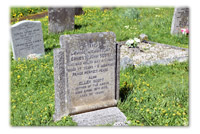
Similarly the grave of Ernest John Scott “Who Was Killed May 16th 1940 Aged 15 years 9 Months” hid another family's tragedy at losing a child. In this case it transpires that poor Ernest John Scott died in a rural accident dying in a field in New Park Farm to the north-west of Altarnun on the edge of Bodmin Moor. He died of a fracture of the base of his skull through accidentally being jammed between tractor and plough in a field. Presumably he was killed whilst helping produce food in wartime England desperate for supplies as the Battle of the Atlantic had begun and actually he died the same week that the Germans launched their Blitzkrieg against France that would see it fall. This personal local tragedy seems to have been overlooked in a world distracted by greater events going on. We could find no mention of it in the local press from the era. Fortunately his death certificate shines light on his sad ending. Many farming families or those who laboured on farms know that farming can be a dangerous profession with powerful equipment and difficult terrain able to combine in deadly ways. Sadly poor Ernest John Scott died mundanely going about an important job growing food for a nation at war.
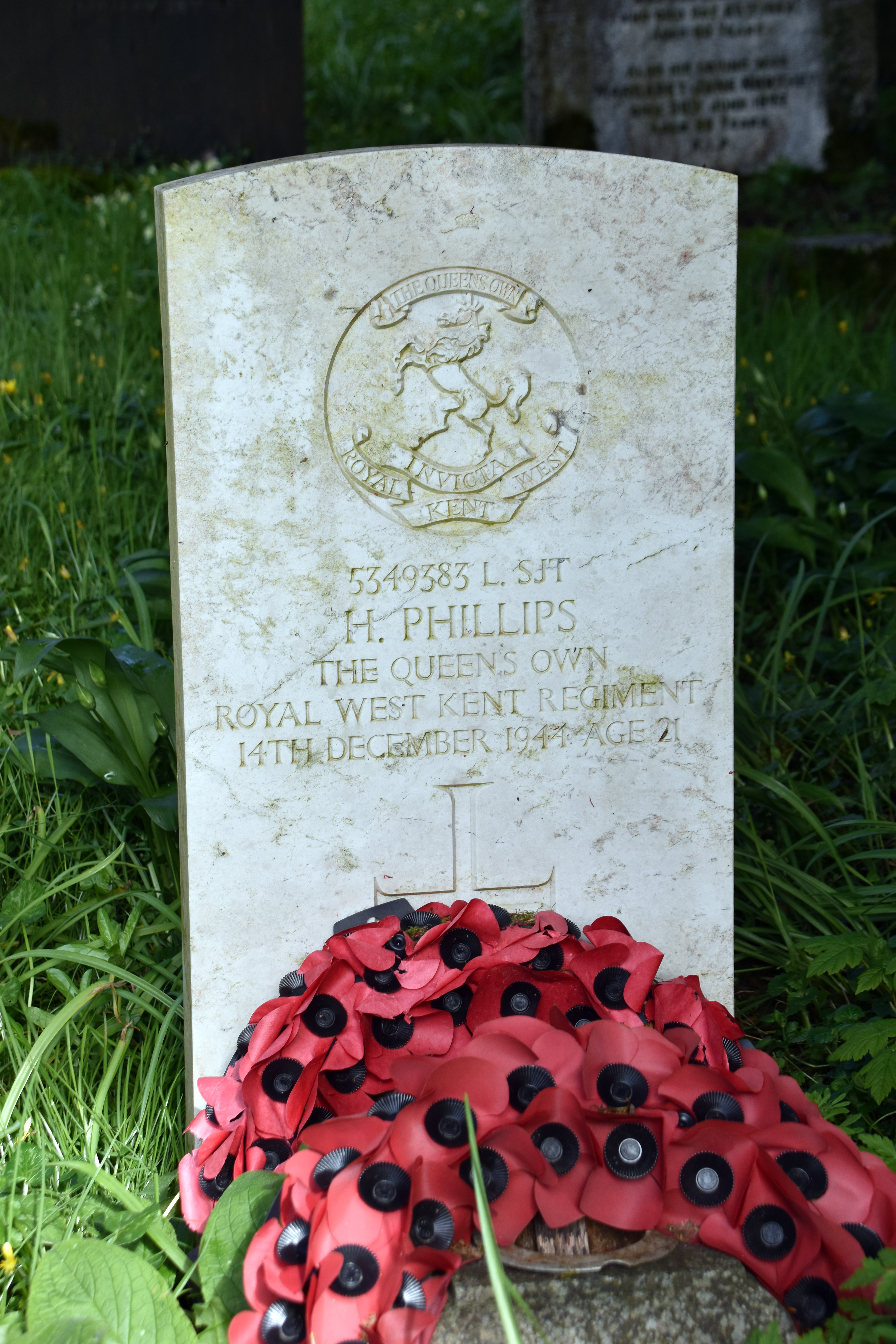
There is but a single Commonwealth War Grave in the churchyard belonging to Lance Sergeant Howard Philips who was injured fighting with the Queen’s Own Royal West Kent Regiment in Monte Cassino. The 6th battalion was involved in the fierce fighting on Monastery Hill and took and held Cassino Castle Hill on the approaches to the Abbey. They provided mortar support on the main attacks but were themselves subject to relentless barrages and counter mortar fire from above. It was likely in this role that Howard was injured. He was to be evacuated back to Liverpool but was discharged to Altarnun where he sadly died at the age of just 21. Sadly there is another military burial site but a much more modern one with the MOD headstone as opposed to the CWGC ones. This belongs to Corporal Simon M Wadge who sadly died in 2001 whilst on service with the Adjutant Generals Corps in Germany - purportedly from septicaemia at the young age of 32. He had seen active service in Bosnia in 1992 with the Royal Military Police. Sad to say that he was born in the same hospital as I was just one year earlier than me. It is very sad to think that he should have had many more years of life than he was allotted.
|
|
|
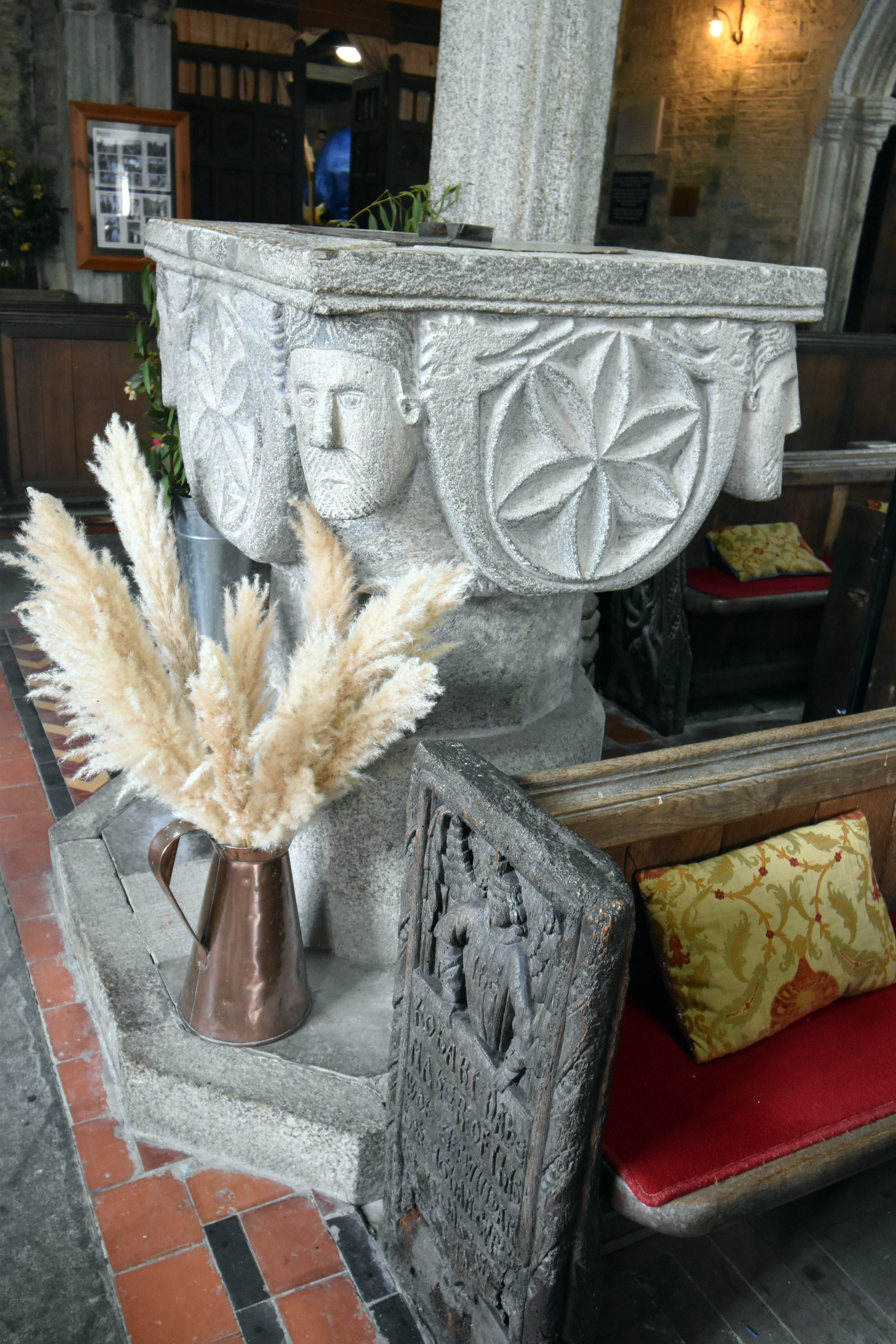
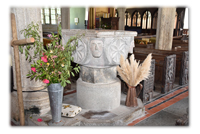
The church building is worth walking around and admiring. It dates from the 15th century although as we have already pointed out there was a nunnery here before with a church and almost certainly a church that predated that. The only evidence we have from those earlier structures are a fascinating 12th Century font that looks surprisingly crude and functional with bearded faces separated by rosettes and serpents. Could it have been carved for use by the nuns who had no need for expensive artisans and just needed a basic font to work with? Similarly the church is built of rough moorstone literally picked up from the nearby Moors - there is no expensive quarried rock and yet the roughness adds to the effect. I particularly liked the West end entrance door which appears to have been built for particularly short people wide of girth. It is curiously wide and curiously low! Almost an optical illusion making it look like an entrance way for Dwarves from the Lord of the Rings.

|
|
|
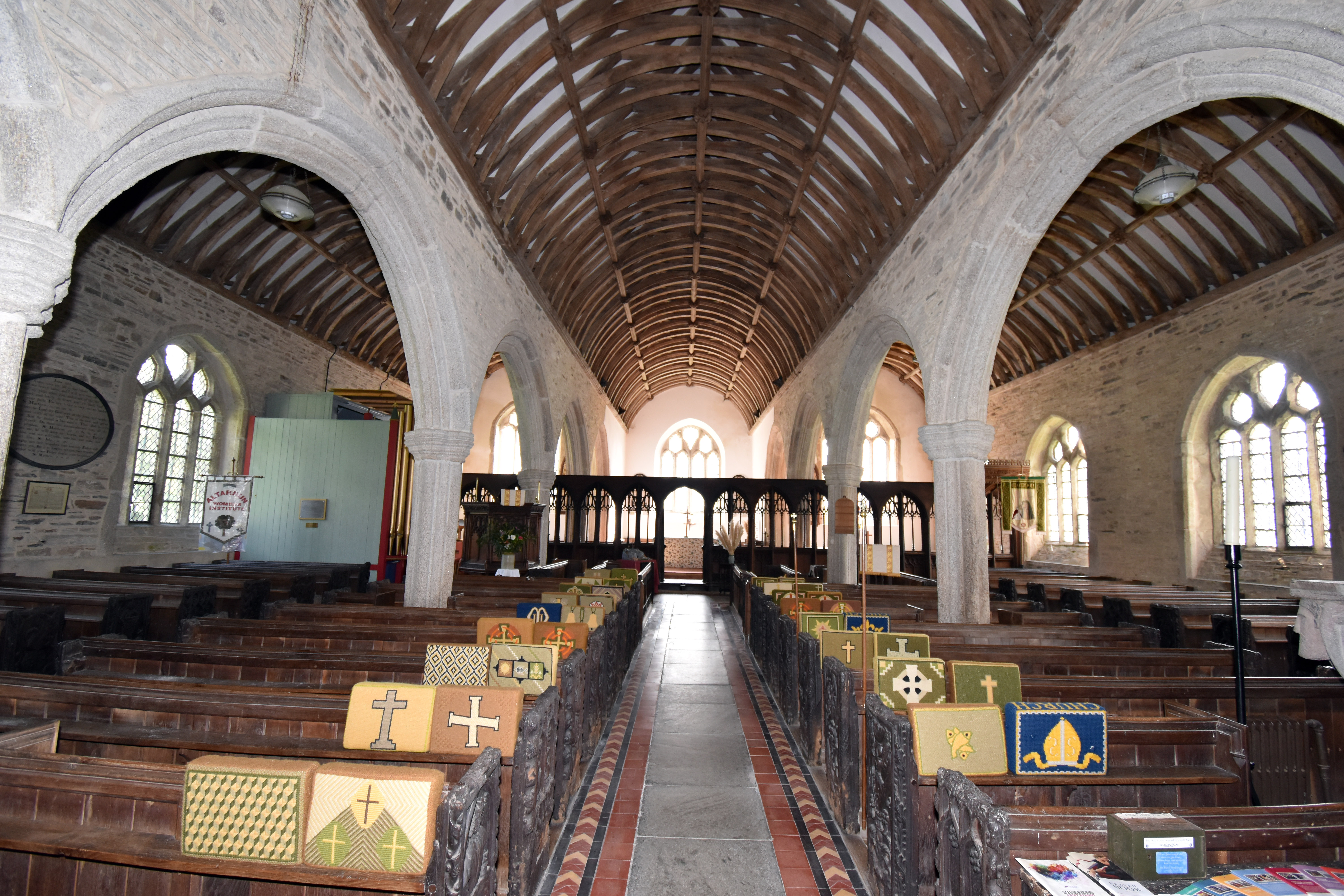
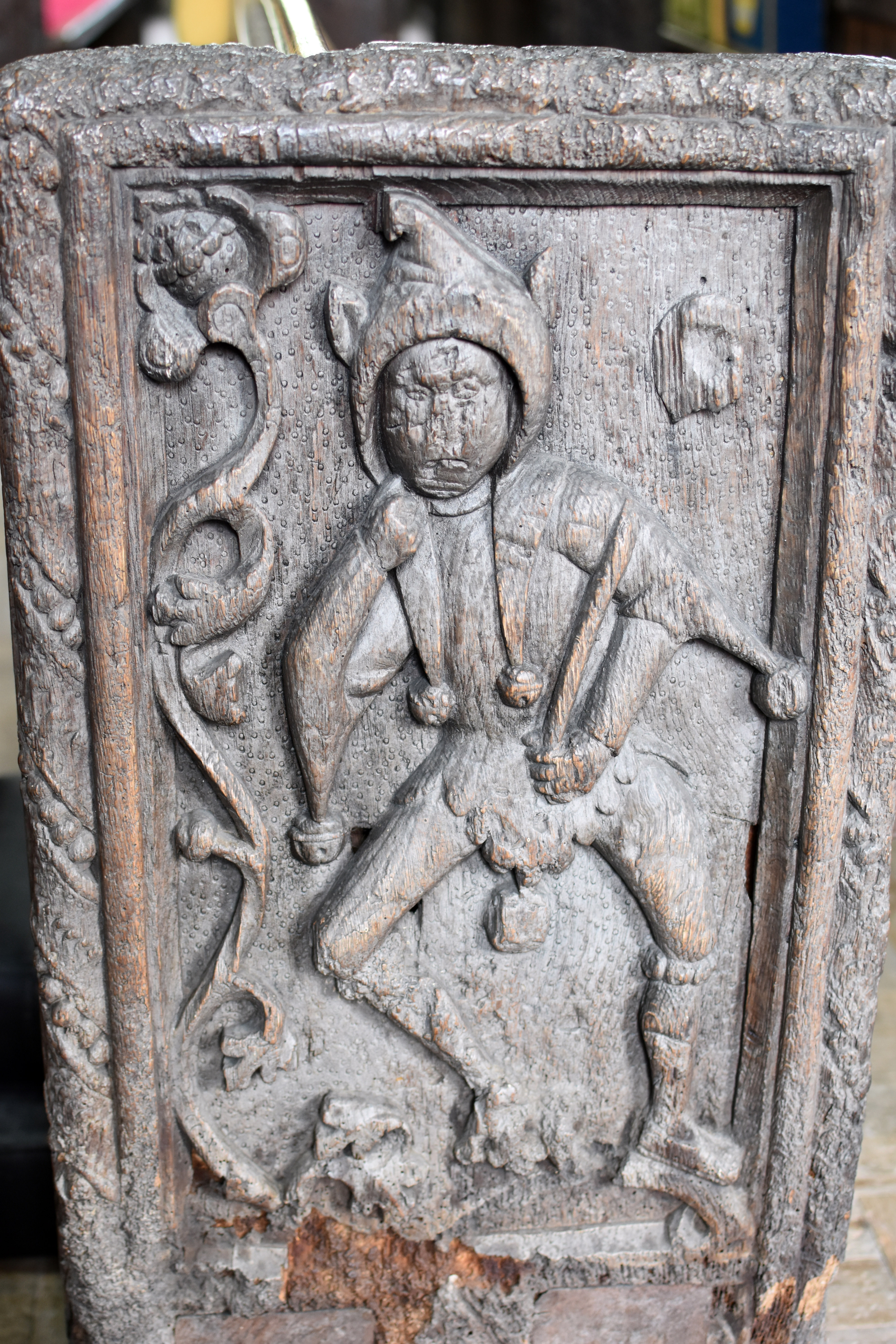
Inside St Nonna’s church there is a particular treat with 79 remarkable bench ends dating from the reign of Henry VIII. Just a reminder that church benches are technically different to church pews. Pews are technically enclosed although they are often used interchangeably with benches by many people. But these bench ends are some of the most impressive Tudor bench ends you are likely to see anywhere in the country. One of them even tells us the name of the artisan a certain Robert Daye and he may even have represented himself as a sort of self portrait - well you may as wellcarve somebody you know. Although these are from Henry VIII’s era chances are they do predate the Reformation that he did so much to unleash. The carvings have real variety in what they display from a fiddler, a bagpiper with his dog, a jester, a man with a cauldron, several angels, sheep, and at least two men in Renaissance clothing wielding swords. The sheer variety is dazzling, and it is commonly believed that it took Robert Daye at least two decades to complete his work. Every church seems to have a unique aspect that it is worth the visit for and in the case of St Nonna’s it is undoubtedly these bench ends.
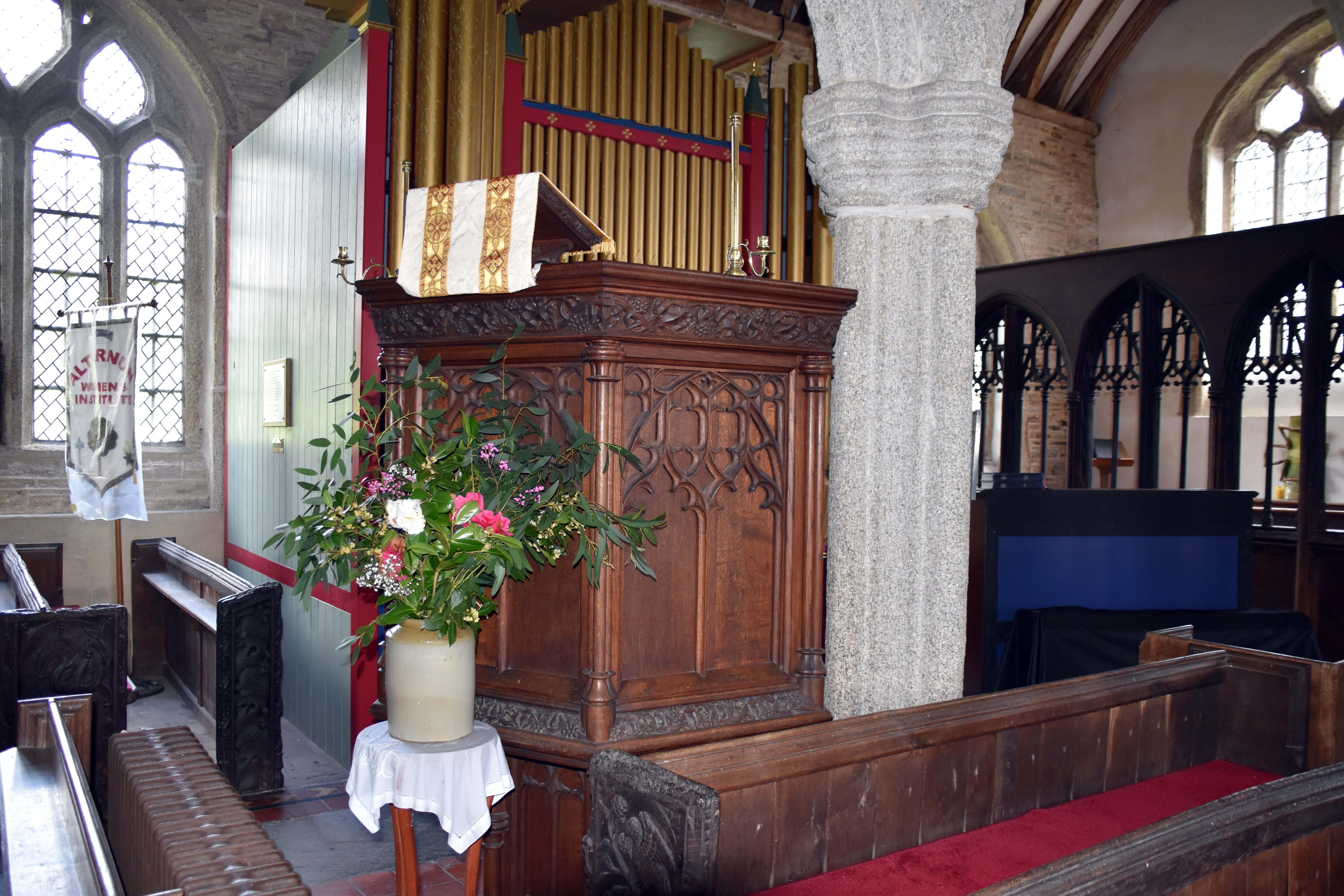
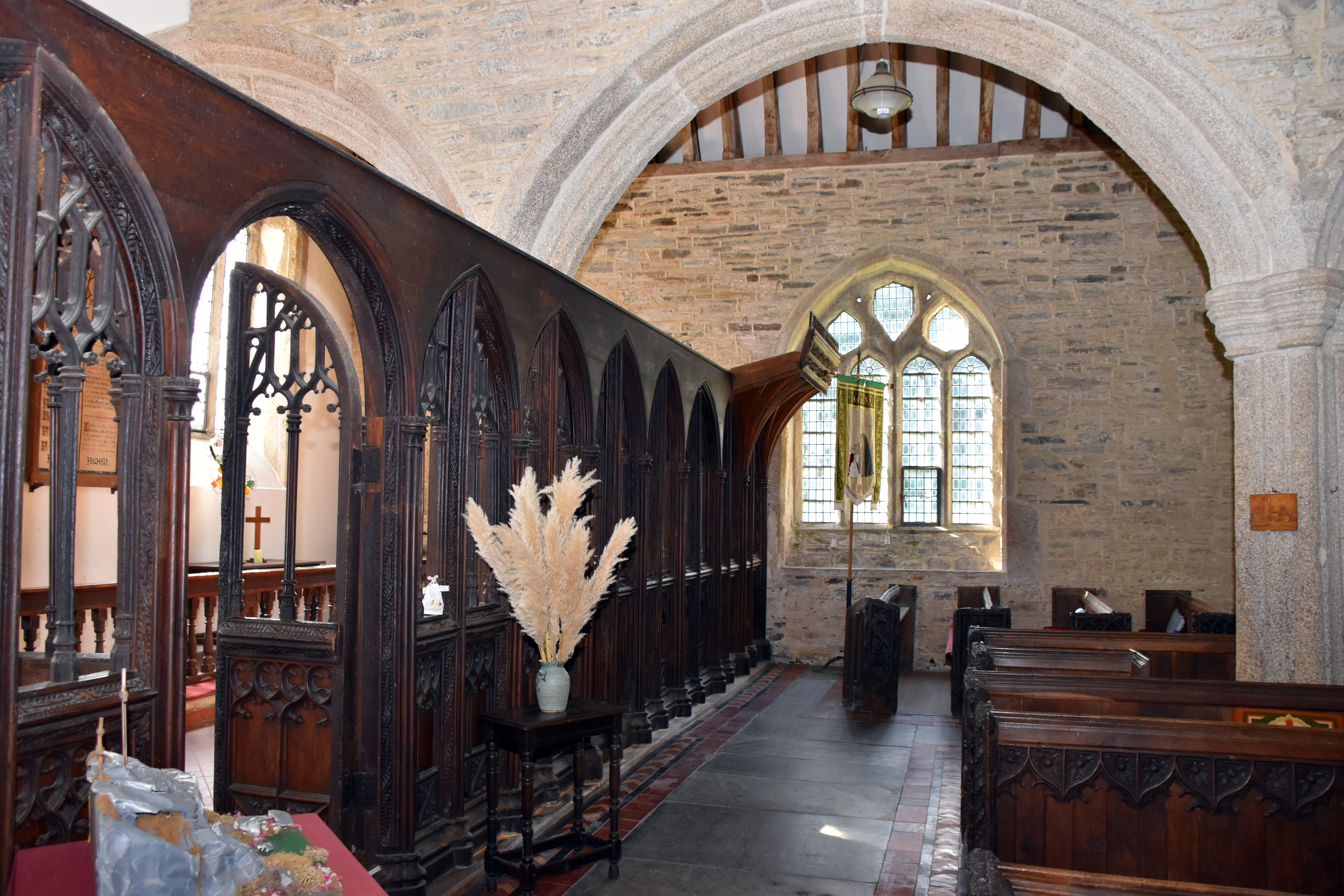
That is not say that there are not some other interesting things to see. We were delighted to visit when the bell ringers were in full action ringing the peal of eight bells through the valley calling the locals to the service at 11:15am on the 2nd and 4th Sundays of the month. There is an impressively long altar rail dating from the reign of King James II with an inscription that fills that space with “John Ruddle, minister of Lanceston, prebendary of Exon and vicar of this parish, anno 1684. William Prideaux and Samson Cowl, churchwardens”. So another local craftsman was doing well charging by the letter! In front of that is a rood screen. You can just make out where the old access to the rood loft was - all now bricked up, sadly. But chatting to the vicar he told me another funny story about the very partial ornate Victorian restoration screen at either end but no further. He explained that the Victorian vicar fell out with the benefactor funding this installation who promptly pulled the plug on the funding and left the project seriously incomplete. Actually this not only adds to the story of this fascinating church but actually it is the simplicity of this church which is so pleasing. It probably looks very similar to how it would have when it was first built.

|
|
|
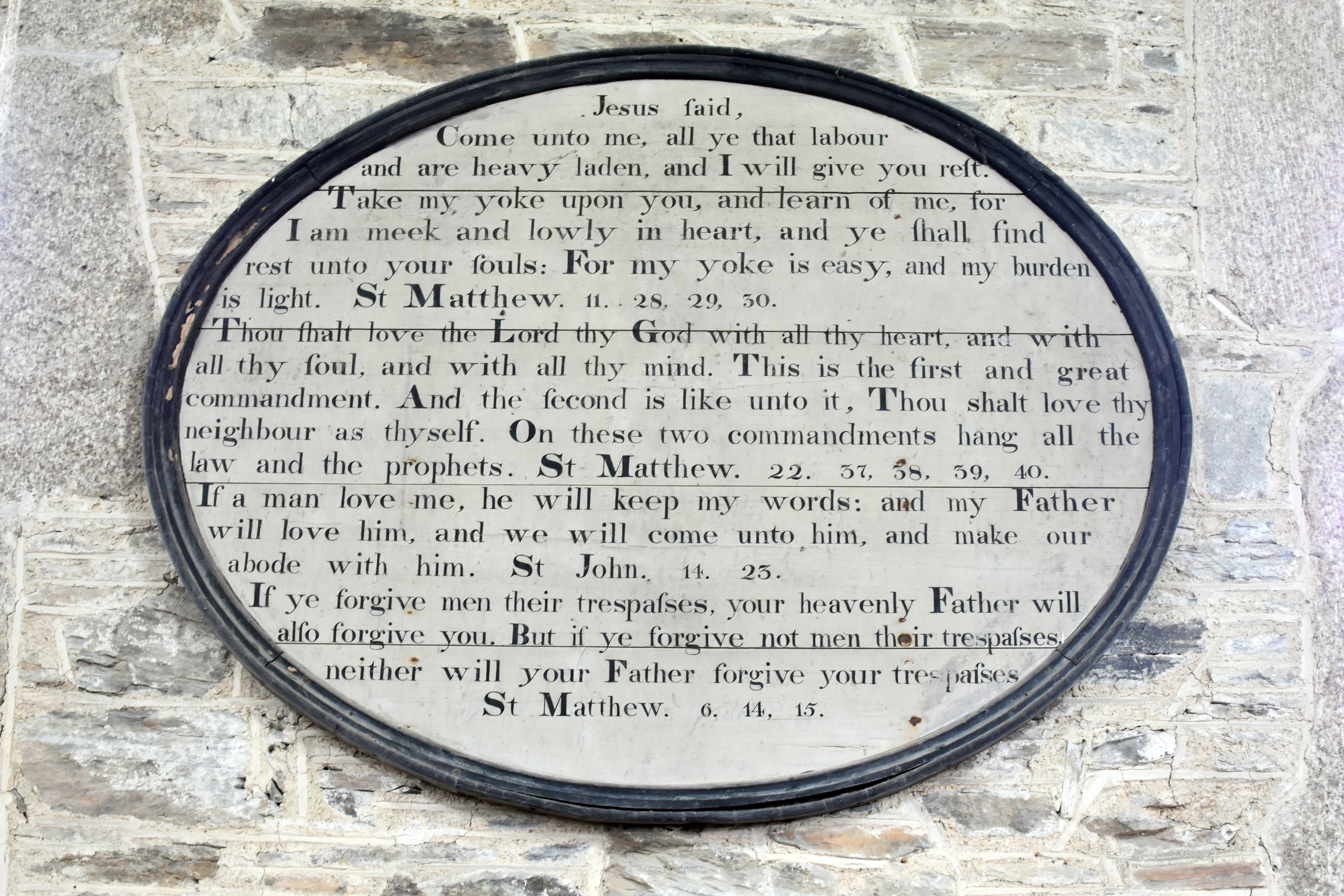
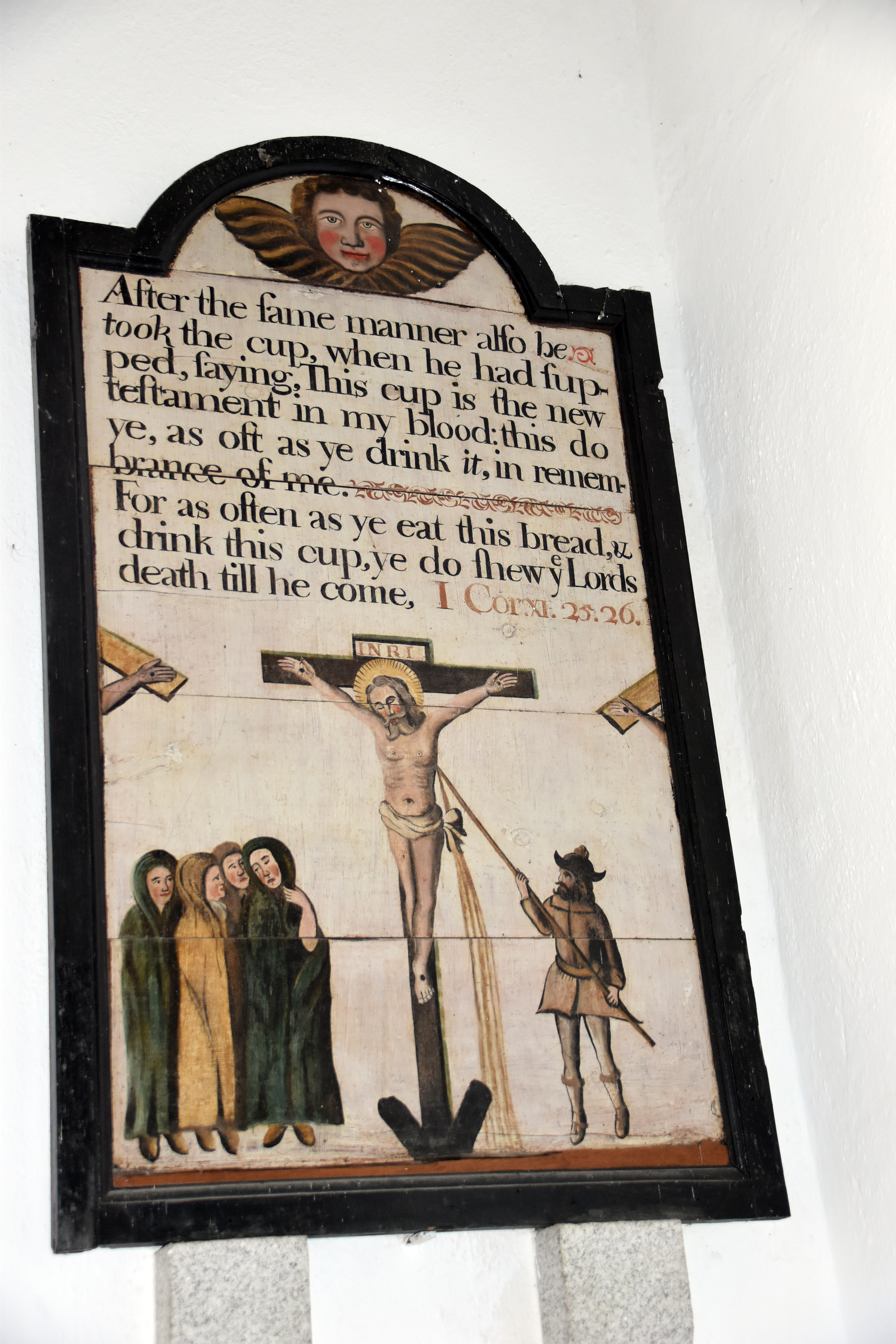
Indeed this is a church which has very few memorials and dedications on the wall and none to the great and the good. There are some suitably austere quotations from the Bible and two interestingly decorated scenes of the crucifixion and last supper which show Jesus and his disciples looking decidedly early Stuart in their appearance both in clothing and in facial hair. It is interesting how artists felt compelled to make them relatable to the audience. Jesus looks far more like King James than he does a Middle Eastern holy man.

|
|
|
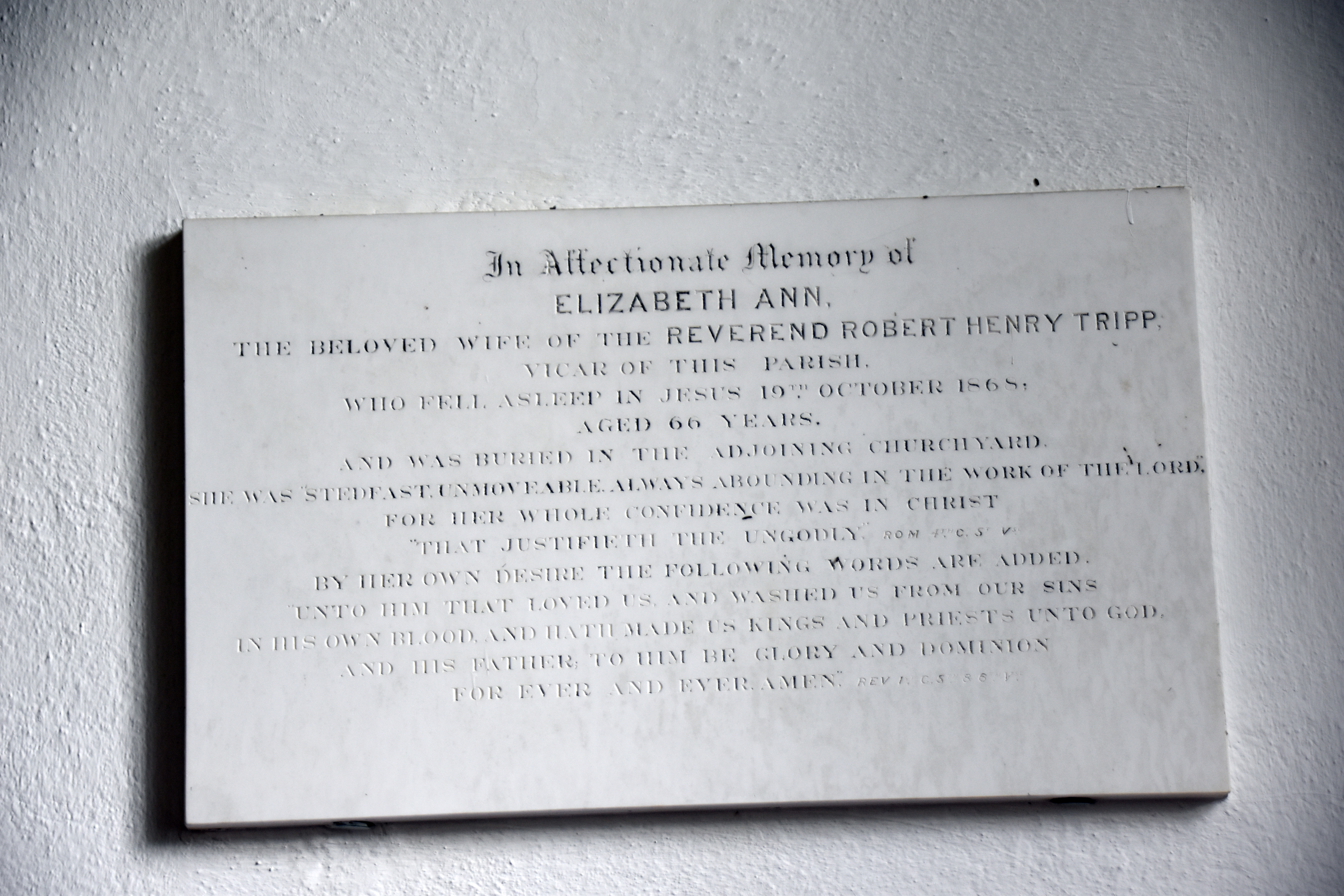
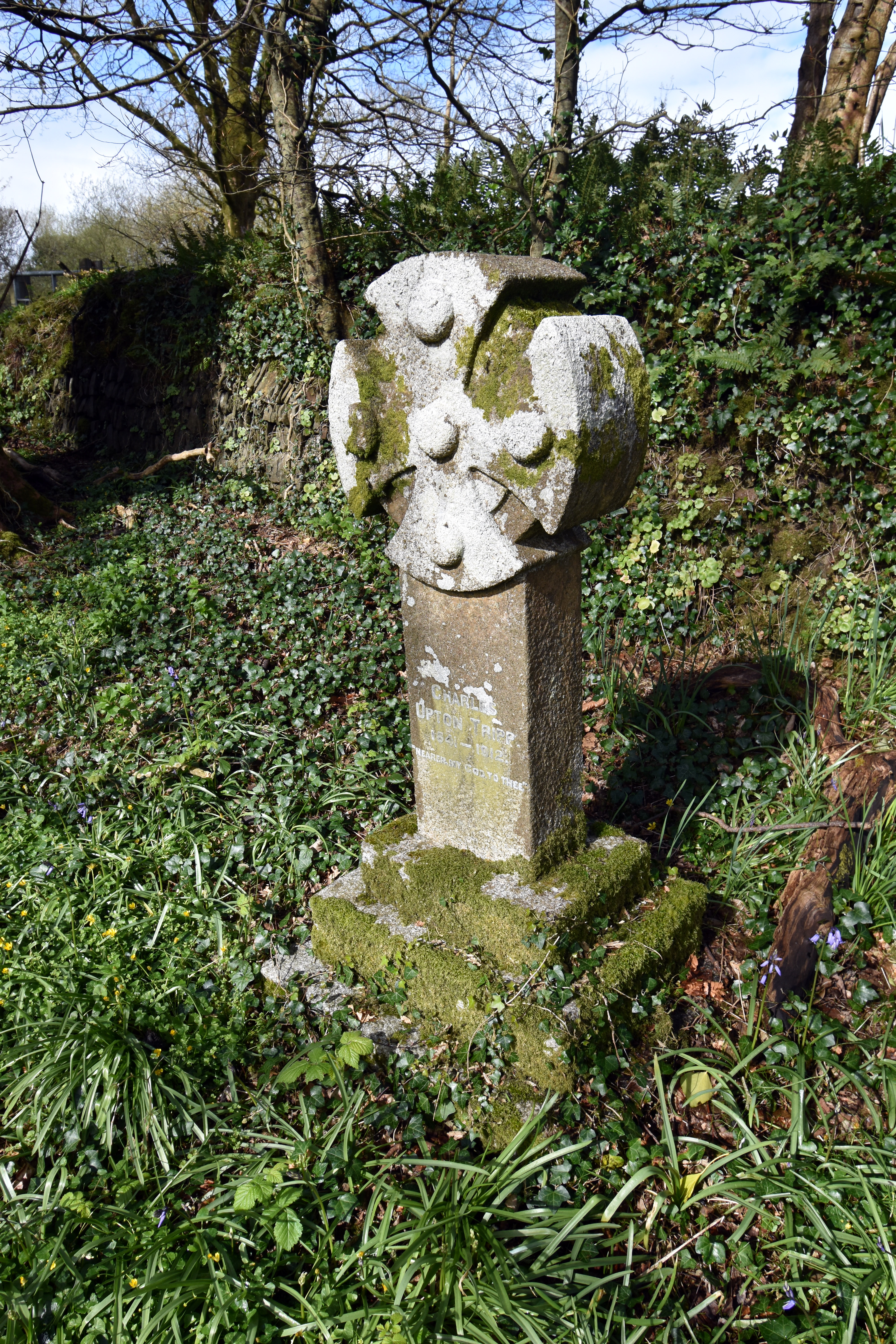
The only real dedication that we did find was in the Chancel and dedicated to Elizabeth Ann Tripp the wife of the Reverend Robert Henry Tripp who was a vicar of this church in the Victorian era. Now this couple had a daughter who went on to become a famous botanist no doubt inspired by the landscape of this valley and the nearby moorland. Her name was Frances Elizabeth Tripp known as Fanny Tripp. She lived in Altarnun from a very young age and as she never married lived with her parents here for many decades where she undertook her studies and began her writing. It is unusual to have female scientists at this time although not completely unknown. Fanny wrote a two volume work entitled British Mosses, their homes, aspects, structures and uses which ran for three editions. She illustrated it herself. She would become one of the earliest supporters of the nascent National Trust. She was also a strong supporter of improved housing for the poor through Miranda Hill’s Kyrle Society. Another object of her attention was that of Italian Unification. We forget how young a country like Italy is. Giuseppe Garibaldi was one of the superheroes of the age and many Victorians saw it as something of a Liberal crusade against the autocratic monarchies who had divided Italy up between them. I always like it when these small villages can illustrate that they could be anything other than isolated. She herself moved to London in later life dying there in 1890 of a heart attack and where she was to be buried. There was one lonely grave right in the top corner of the graveyard looking out over the valley which belongs to her younger brother Charles Upton Tripp 1841 to 1912.
The lack of memorials to the great and the good attests that the church was one built for its community and its basic interior reflects that and yet the very simplicity of the church adds to its charm as does the undoubted skill of the artisans whether it is Robert Daye or the carpenter who made the altar rail or the stonemasons who carved the remarkable gravestones, it all adds up to a community feeling to this church perched on the side of the valley.
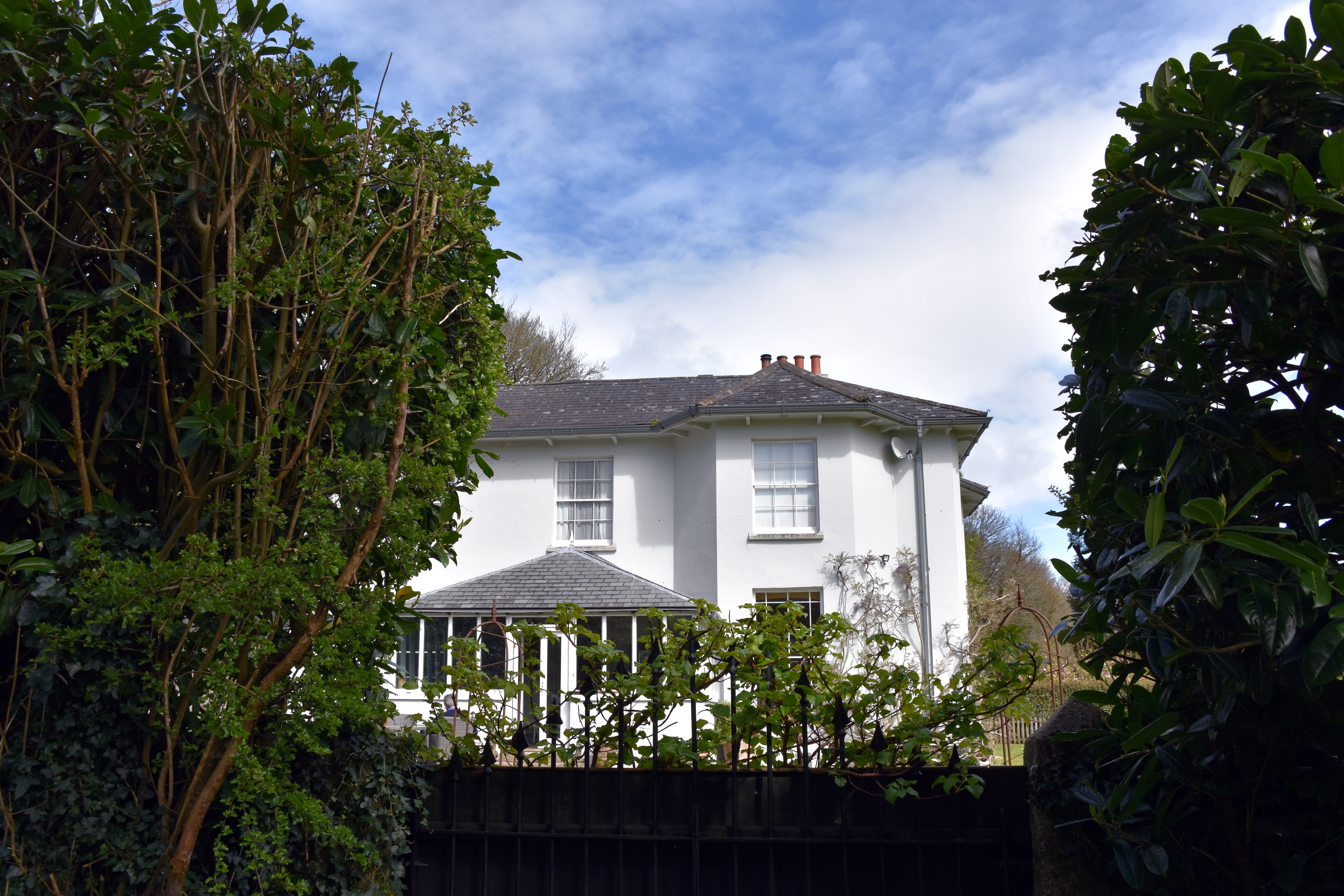
Just as we left the church we noted the old vicarage next door. Now this has an interesting literary connection to Daphne du Maurier’s Jamaica Inn as the home of the less than saintly fictional vicar of Altarnun; Francis Davey. Altarnun is a major character in its own right and Jamaica Inn still lies within the parish boundaries of this church. Sadly the building is no longer a vicarage but Rupert and a dog who lives there started a conversation of sorts with one another.
I should mention that at the entrance to the churchyard is a curious set of steps to nowhere. This is not a long abandoned entrance way to the church but a very thoughtful step for riders to mount or dismount their horses from the era when travel by equine was very much the done thing. One can imagine an 18th-century queue of the great and the good waiting to dismount with style and panache on the way to a service or a wedding of some kind.

|
|
|
Rupert and I were very impressed to find a village with toilet facilities which were in excellent condition too. These are such a welcome sight for someone who is out and about for much of the day. Just close to the pack horse bridge is something of an idyllic village green next to the river complete with picnic benches, lovely views and a Millennium sundial. At the far end of this patch of grass is the church hall which once upon was the National Day School building for the community. These National schools were set up by the National Society for Promoting Religious Education and were designed to teach people how to read their Bibles effectively. It wasn’t until much later in the 19th Century that the state assumed any provision for education with the creation of School Boards after the 1870 Education Act. But National schools continued into the early 20th Century. I wonder if Frances Elizabeth Tripp was educated there? It certainly was a school at the time she lived here.
After leaving the church we walked southwards up the hill towards Fivelanes. This is where we passed the original Methodist Chapel with its remarkable John Wesley carving. Further up the hill is the much bigger Methodist Hall that was built in 1859. Sadly it is no longer a place of worship reflecting the decline of Methodism in this area that once thrived with adherents. The enormous size of the building illustrates just how ambitious they were to preach to the local population.

|
|
|
Just opposite the Methodist Hall is the village hall which itself was originally built as a completely different community asset. It was constructed in 1912 as a Unionist Hall paid for by John Kittow who lived in the nearby Tredaule Estate just to the east of Altarnun. He was a gentleman farmer of means with five servants living under his roof in addition to his wife and daughter. Unionist Halls were a manifestation of the Patriotic combination of Conservatives and Liberal Unionists in the late Victorian and Edwardian periods. They were also swept up in the debate about Ireland’s future and whether it should be in the ‘Union’ or not. Unionists were keen to preserve the existing political structures especially in the face of the very radical Liberal governments of Sir Henry Campbell-Bannerman and Herbert Henry Asquith. This Unionist Hall was built very much in opposition to the prevailing political trends of Cornish politics. All seven of Cornwall’s MPs were held by Liberals in 1906 and the Launceston Division which Altarnun was to return a Liberal MP in both the 1910 elections. There was thought to be a strong association between non-conformism and liberalism. I am willing to bet that the Kittow family attended services in the Anglican Church rather than the Methodist one.
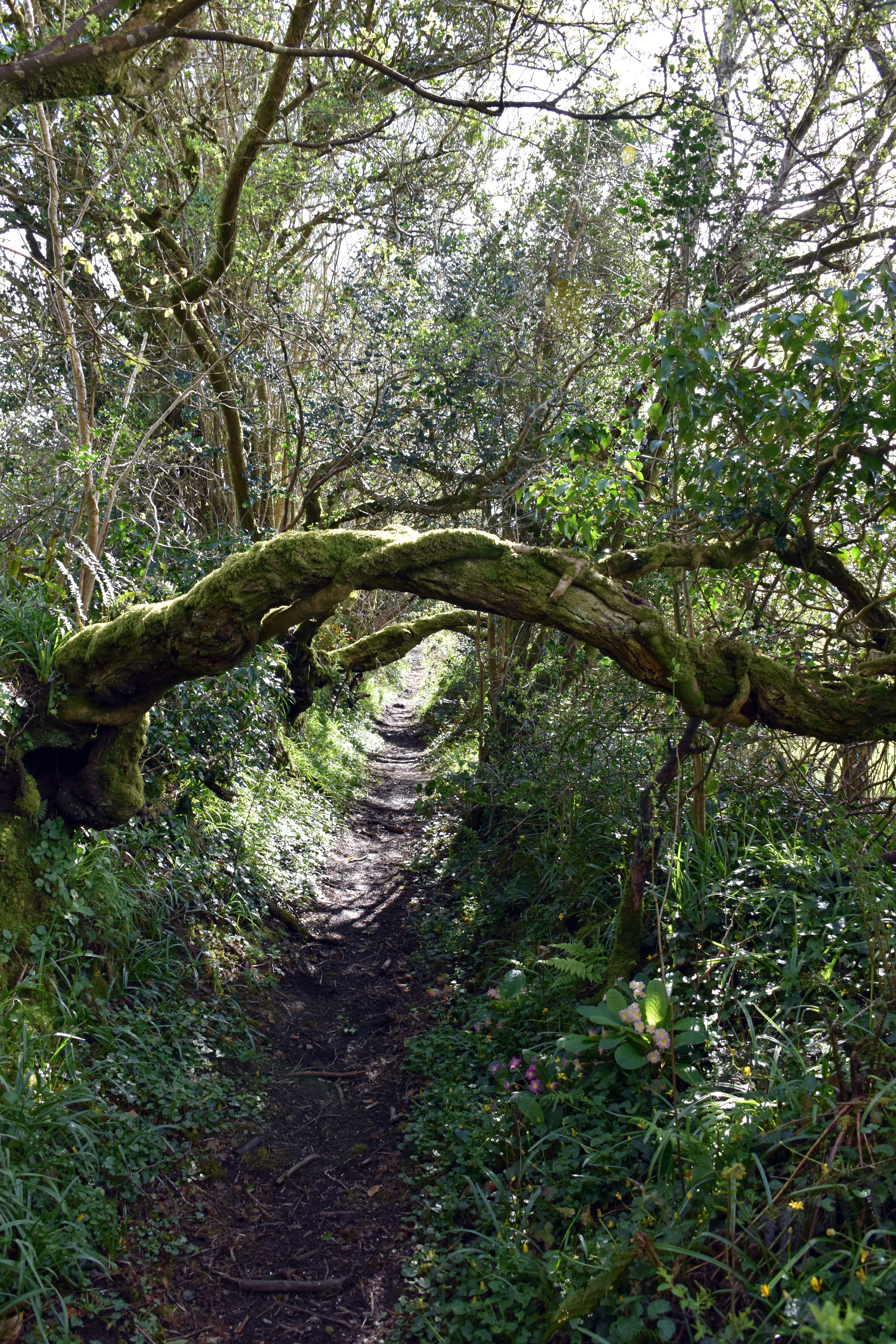
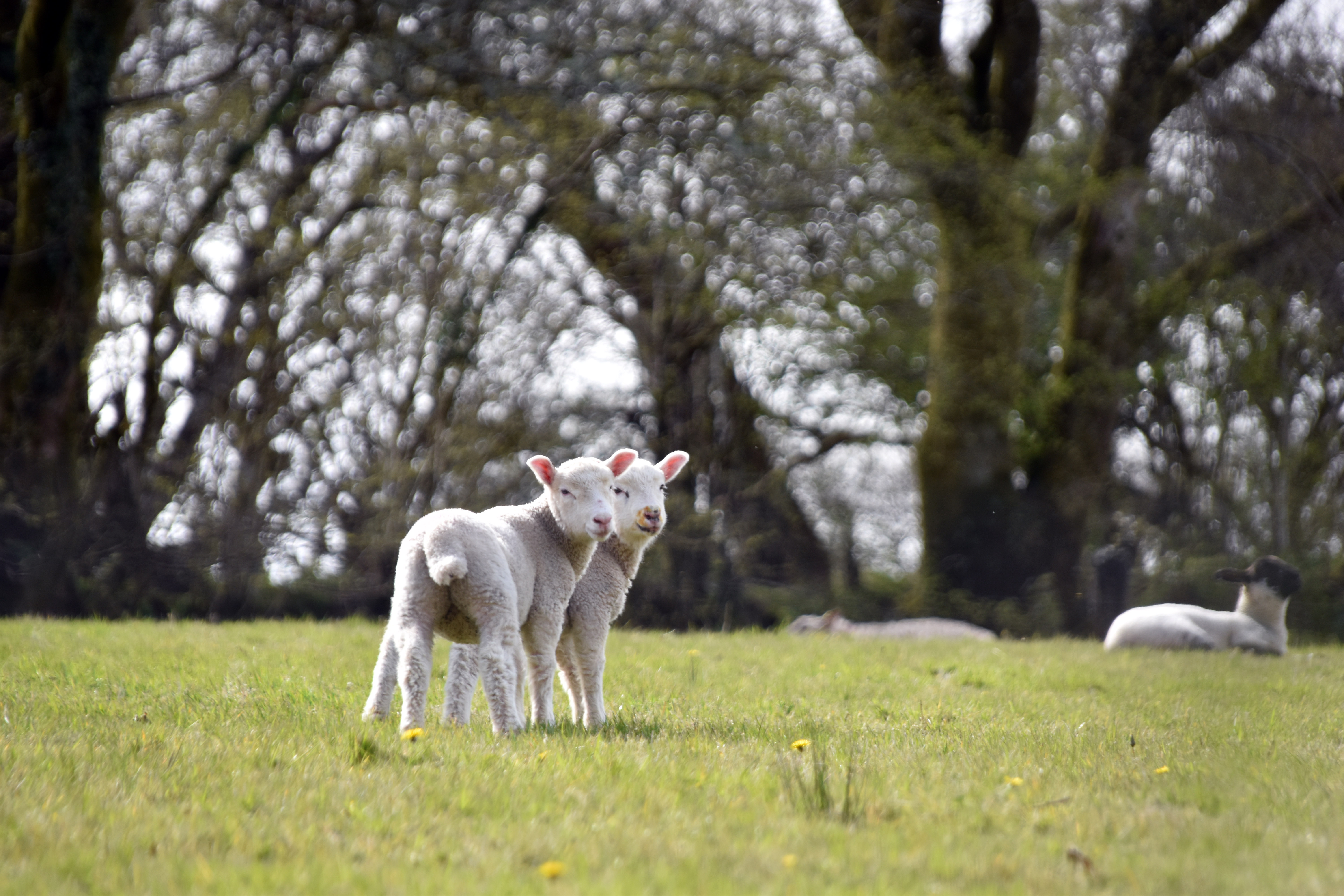
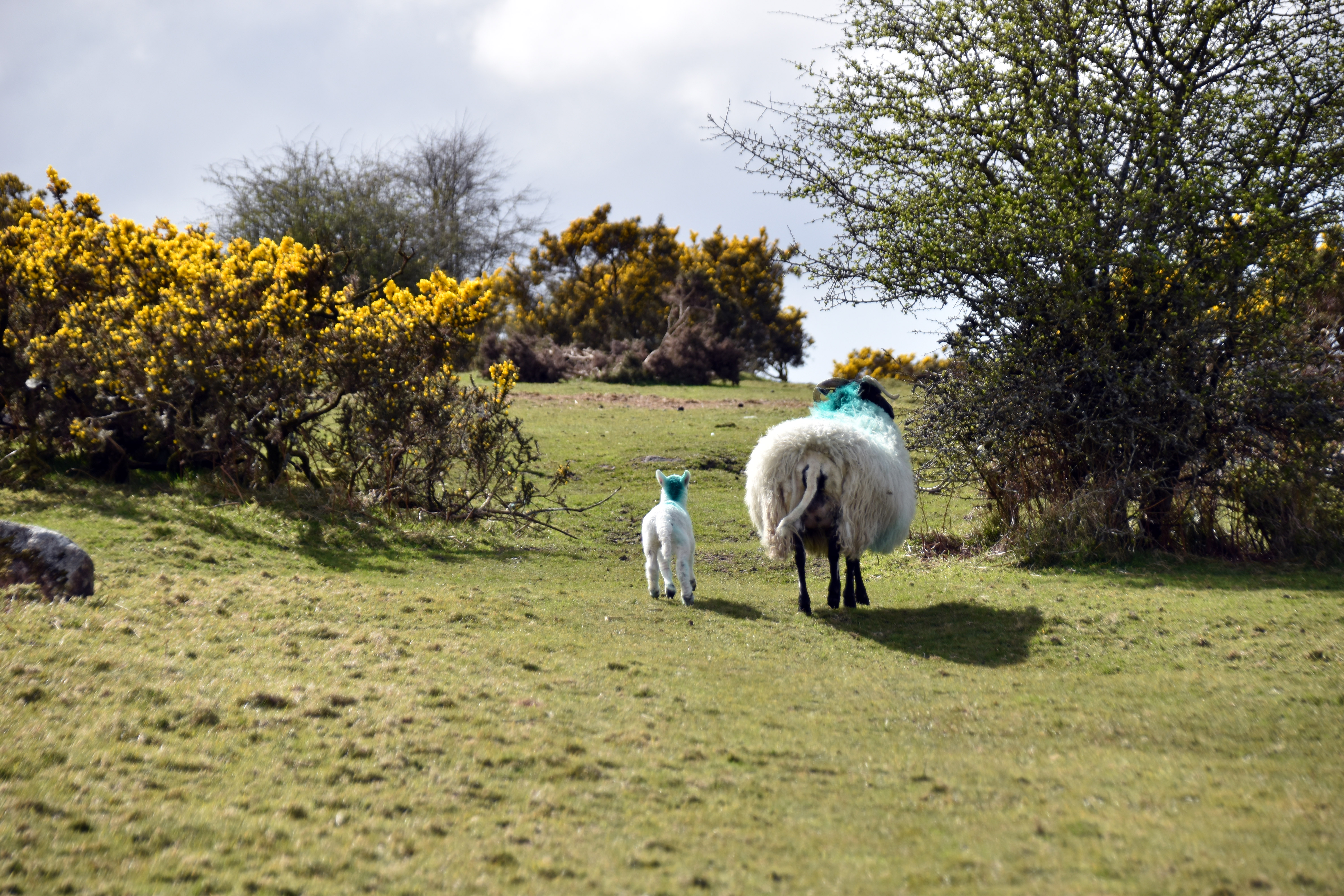
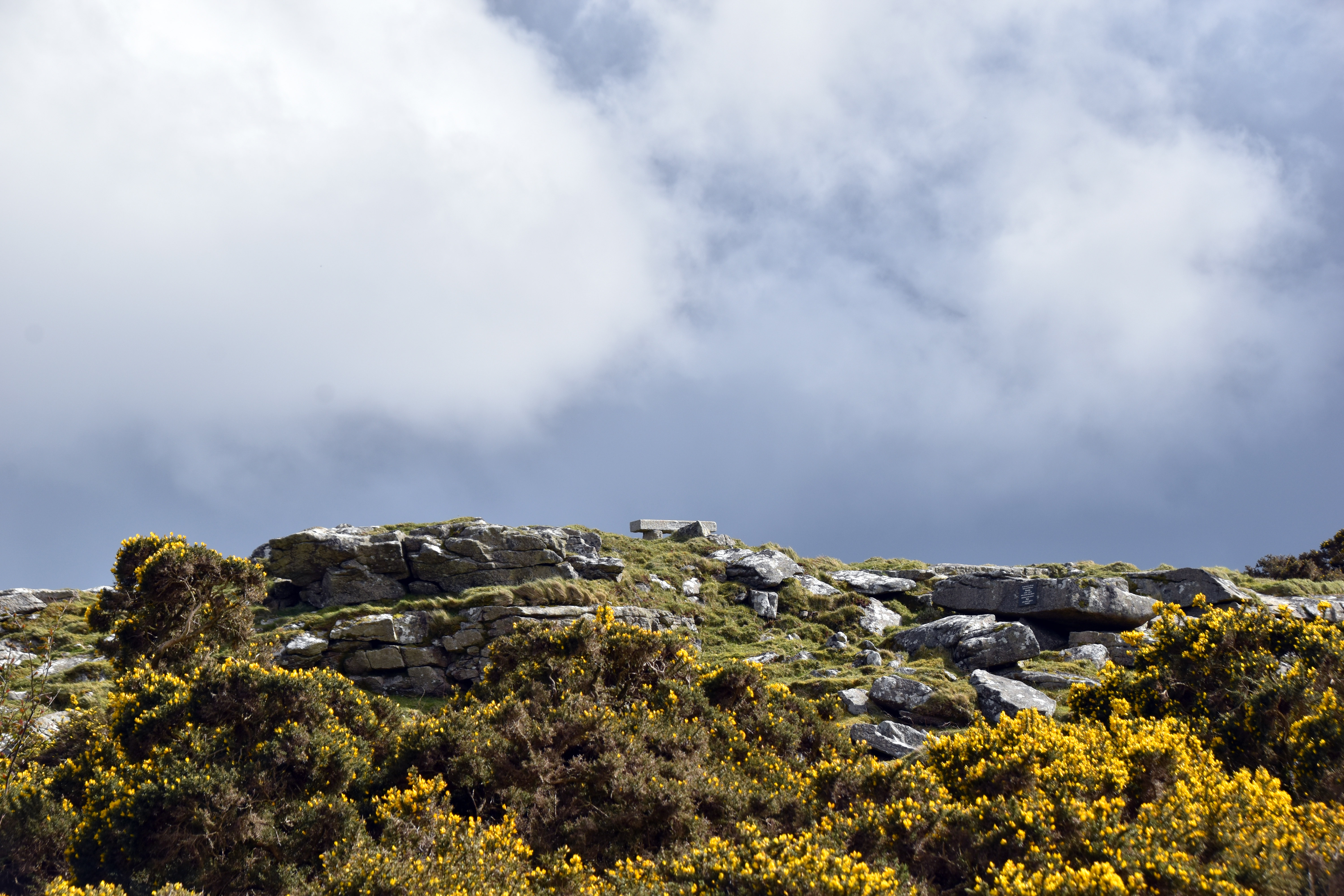
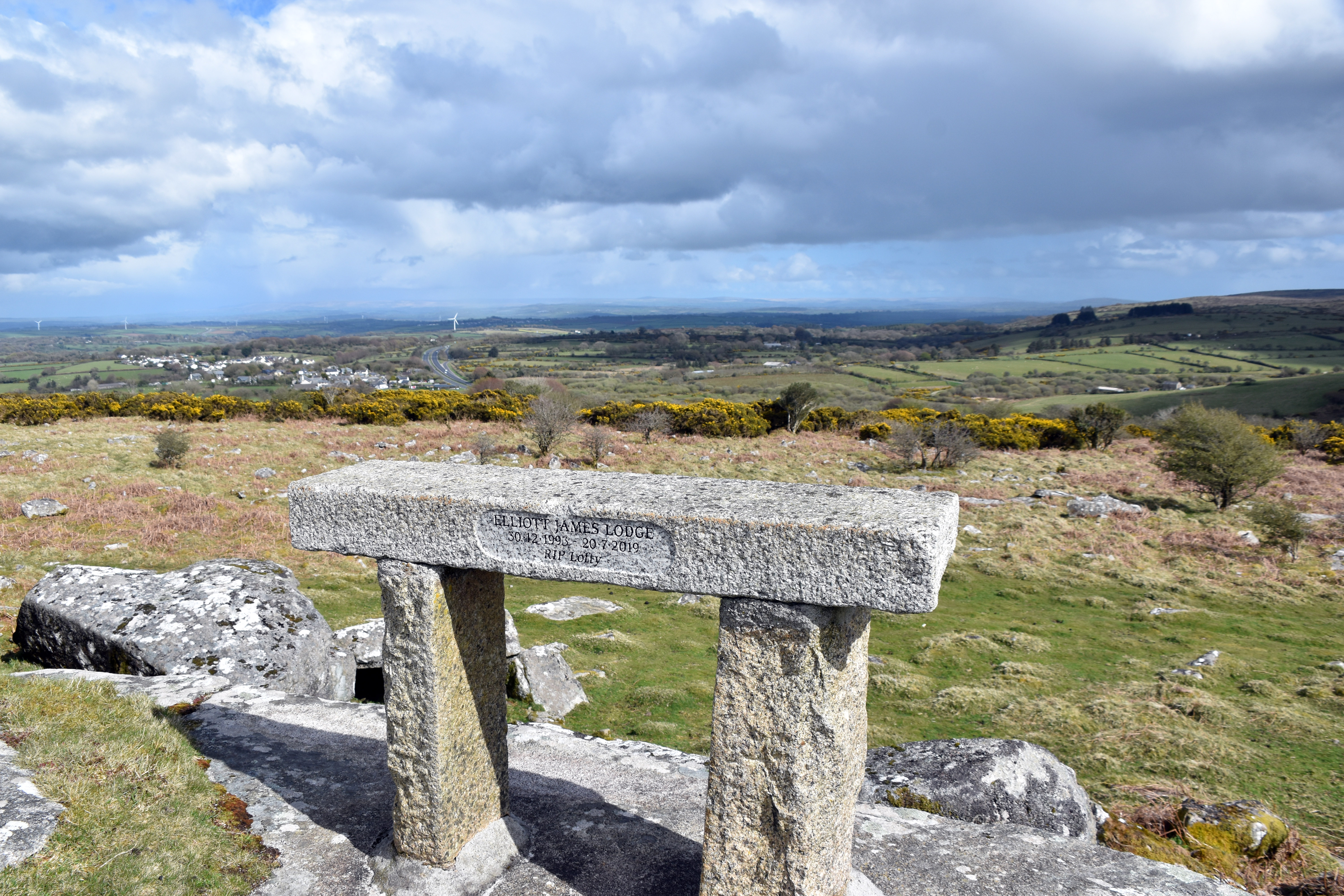
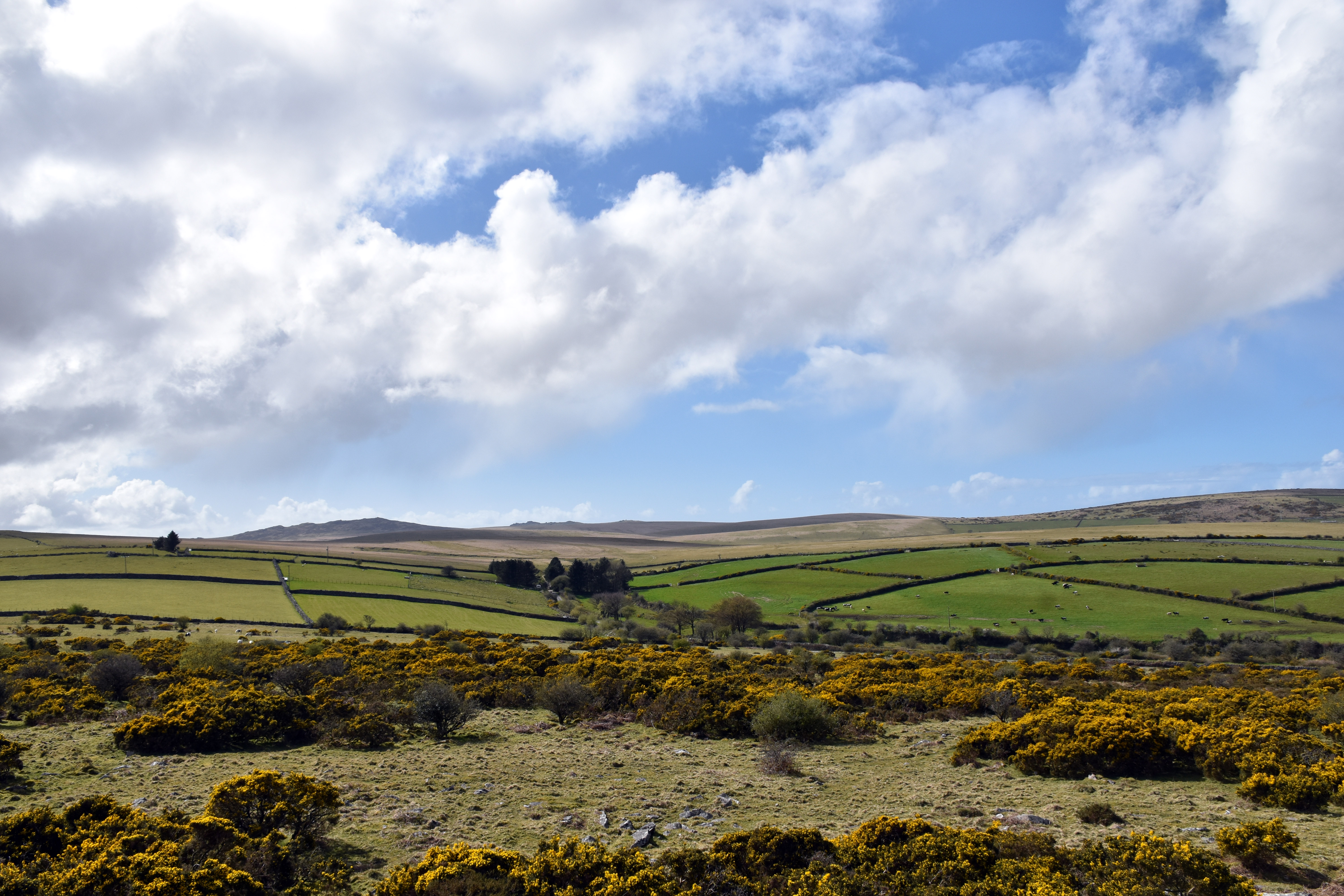
From here we took a detour along an old path with some very old kissing gates indeed I am guessing Edwardian possibly even Victorian. In fact they were quite a tight squeeze for me to get through with the rucksack although Rupert had no such issues. We then walked up towards Trewint through some very picturesque fields where young lambs were sunning themselves with their mothers overlooking the quaint village of Altarnun below. There was definitely the vibrancy of spring in full evidence. We did not enter Trewint as we had done so very recently instead we once again followed the road towards West Moor Gate but this time we deviated off heading for Trewint Tor. There were yet more sheep and lambs enjoying the day and bleating like nobody’s business and we saw our first Swallows of the year which is always a good sign. We soon found a path of sorts to lead us up to the Tor. It is not particularly high but it has phenomenal views in every direction. To the South and West lies Bodmin Moor, North is rolling farmland towards Davidstow and East you can even see all the way over to Dartmoor in Devon. You can see the baby Lynher making the first part of its journey to the sea and the constant hum of the A30 reminds you that this has long been a major communication route. There is a rather substantial granite bench dedicated to Elliott James Lodge who died in 2019. Sadly I do not know the story behind this young man who was only born in 1993 but this is definitely a beautiful location to remember someone dear.
We then returned via Five Lanes which lies just above Altarnun and has the suitably named King’s Head Hotel which started life as a coaching inn. I say suitably named as it dates from just before the Civil War in 1623 and reputedly both Roundheads and Cavaliers stayed in at various times as the rival armies vied up and down the all important Bodmin to Launceston road throughout the entirety of the war. It has even been claimed that the great Sir Bevil Grenville stayed here on his way up to help secure victory at the Battle of Stratton in 1643. The king being executed in 1649 may well have provided a suitable change of name for an enterprising publican keen to ingratiate himself with the Commonwealth government. And perhaps a later enterprising publican came up with the ghost story of Peggy Bray who was apparently one of the daughters of Queen Anne era owners who likes to keep an eye on the old place and make sure everything is running as it should. At least this ghost is trying to be helpful!
We then descended back down into Altarnun and just before we got back to our car noticed a tiny telephone box library. It really is worth reiterating just how well-resourced it is. Toilets, idyllic church, river and bridge, a community shop, post office, a coffee shop, not one but two community halls, the Five Lanes pub is just at the top of the hill and virtually every driveway seemed to be selling fresh eggs and plants. If you could pick one village to act as a template for a Cornish village you could do a lot worse than choosing Altarnun. It combines ancient history, beautiful geography and its rural heritage lying close to major communication lines very well indeed. If it’s good enough for Doc Martin to get married here it is good enough for Rupert and me!
|