

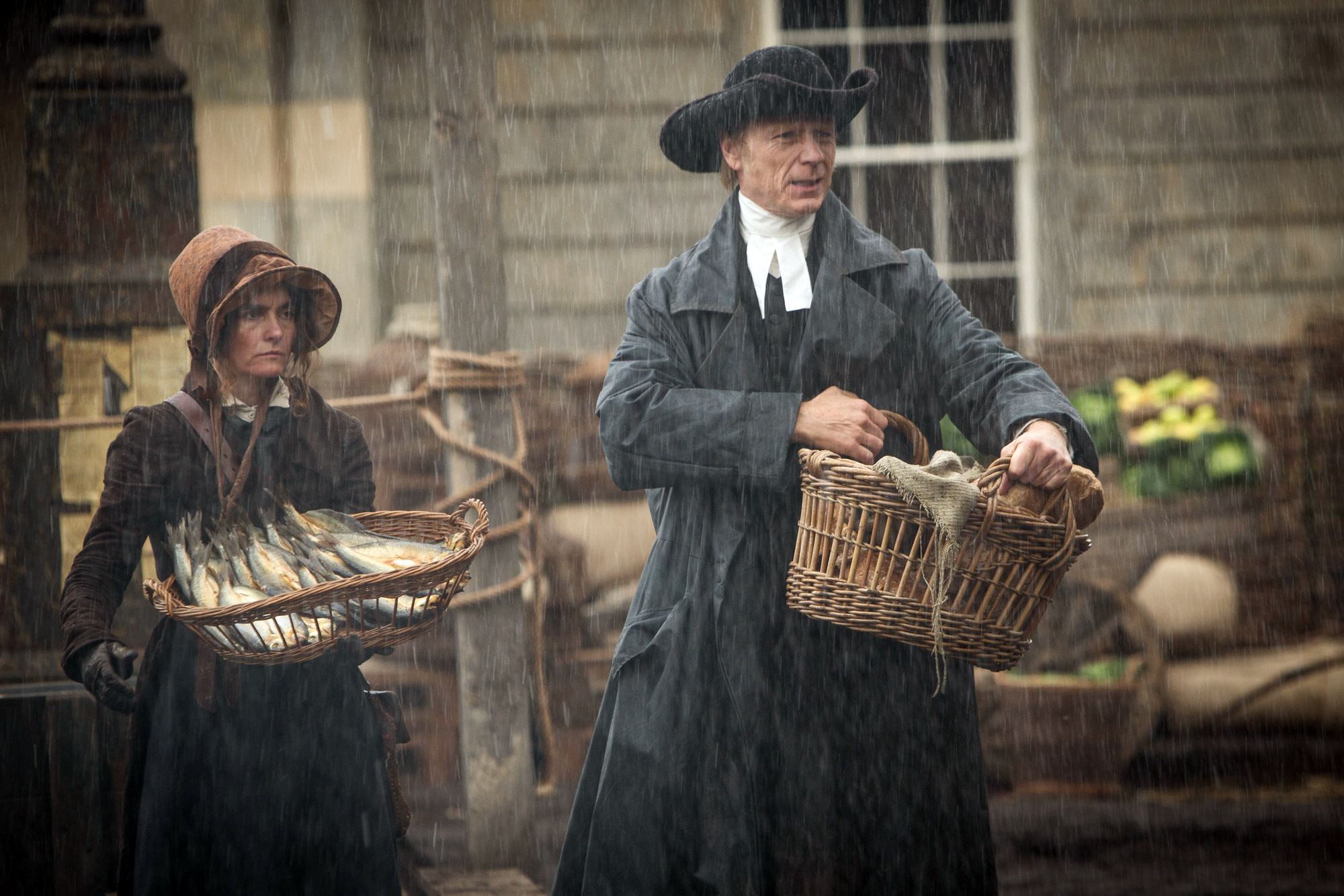
In Daphne du Maurier’s Jamaica Inn, published in 1936, the quiet moorland parish of Altarnun acquires one of the most unsettling clergymen in English fiction. The Reverend Francis Davey, Vicar of Altarnun, is introduced as a pale, courteous and rather remote figure, a man whose calm manner and ascetic appearance set him apart from the rough world of Bodmin Moor. Du Maurier uses him to great effect, placing a seemingly gentle parish priest at the centre of a story of wrecking, murder and deception.
Jamaica Inn itself stands on the old coaching road across Bodmin Moor and historically lay within the parish of Altarnun. Du Maurier makes full use of this geography. Mary Yellan, the novel’s heroine, travels from Helston to live with her aunt at the inn, and the nearest church, the nearest village and the nearest representative of authority are all in Altarnun. The moor, the inn and the parish are bound together in the novel’s atmosphere of isolation and menace.
Francis Davey appears at first to be Mary’s only ally. He listens to her concerns about the inn, offers her a measure of safety and speaks with a quiet intelligence that contrasts sharply with the brutality of Joss Merlyn. His white hair, pale skin and stillness give him an almost spectral quality, and du Maurier hints early on that he is not a conventional clergyman. His conversation reveals a fascination with the moor and a detachment from ordinary parish life. He speaks of older beliefs and of a personal philosophy that owes little to the Church of England whose robes he wears.
As the story progresses, the truth emerges. The Vicar of Altarnun is the mastermind behind the wreckers who lure ships onto the rocks and murder their crews. Joss Merlyn, the landlord of Jamaica Inn, is merely his instrument. Davey’s intelligence, calmness and apparent gentility conceal a cold and calculating mind. Du Maurier uses the contrast between his clerical office and his secret life to heighten the novel’s tension. The idea that the parish priest, the man entrusted with the spiritual care of Altarnun, is the architect of the crimes gives the story much of its power.
Davey’s beliefs are presented as a deliberate rejection of Christianity. He speaks of the moor as a place with its own ancient spirit, older than the church and indifferent to human morality. His fascination with this landscape and his sense of personal detachment mark him as a man who has stepped outside the faith he publicly represents. Du Maurier draws on the long literary tradition of the moor as a place of mystery and danger, and Davey becomes its human embodiment.
For readers familiar with the real Altarnun, the novel’s use of the parish is striking. St Nonna’s Church, the vicarage and the surrounding moorland are all real, but Francis Davey is entirely fictional. No historical vicar of Altarnun bore any resemblance to du Maurier’s creation. The real clergy were conventional parish priests; Davey is a Gothic invention, designed to give Jamaica Inn its central twist and to embody the theme of hidden corruption beneath a respectable surface.
Jamaica Inn remains one of du Maurier’s most atmospheric Cornish novels, and Francis Davey is one of her most memorable villains. His role as Vicar of Altarnun, his apparent gentleness and his secret leadership of the wreckers all depend on the tension between the quiet moorland parish and the violence of the coast. By placing Jamaica Inn within Altarnun parish and making the vicar the architect of the crimes, du Maurier created a story that has shaped popular perceptions of Bodmin Moor and Altarnun for nearly a century.

