|
When most people think about Paignton in Devon they think of arcades, ice creams, pier and beach, crazy golf, seagulls and the strong smell of fish and chips. Paignton was one of those seaside communities whose economy was transformed by the advent of the railway, which opened up the town to mass tourism in the 19th and 20th centuries, and indeed it is still very much served by railways, although the advent of cheap air travel has lured away many tourists to sunnier climes overseas. But even in the depths of winter, Paignton was buzzing with activity. However, Rupert and I were not that interested in Paignton’s history as a tourist hub on our walk; rather, we were looking for evidence of the town’s history that often gets missed by its many visitors.
We actually started in Shorton with its impressive views down over Torbay. As we descended to Coombe Road you could begin to see evidence of old rural buildings. Paignton suffered bomb damage in the Second World War from German bombers, but nothing on the scale of, say, Plymouth or Exeter. Hence, it retains many of its old historic buildings. The Old Manor pub on Old Torquay Road shows evidence of this continuity of architecture with a delightful 17th‑century thatched building which you can enter and see for yourself as it operates as a pub. It is close to where Preston House used to stand – which was actually built as Paignton School, offering ‘Education by the Seaside’ for young gentlemen. Later it was bought by the Butland family, who were local landowners and lived there until the 1950s. Their formal gardens live on as Preston Gardens Public Park.
 |
|
|
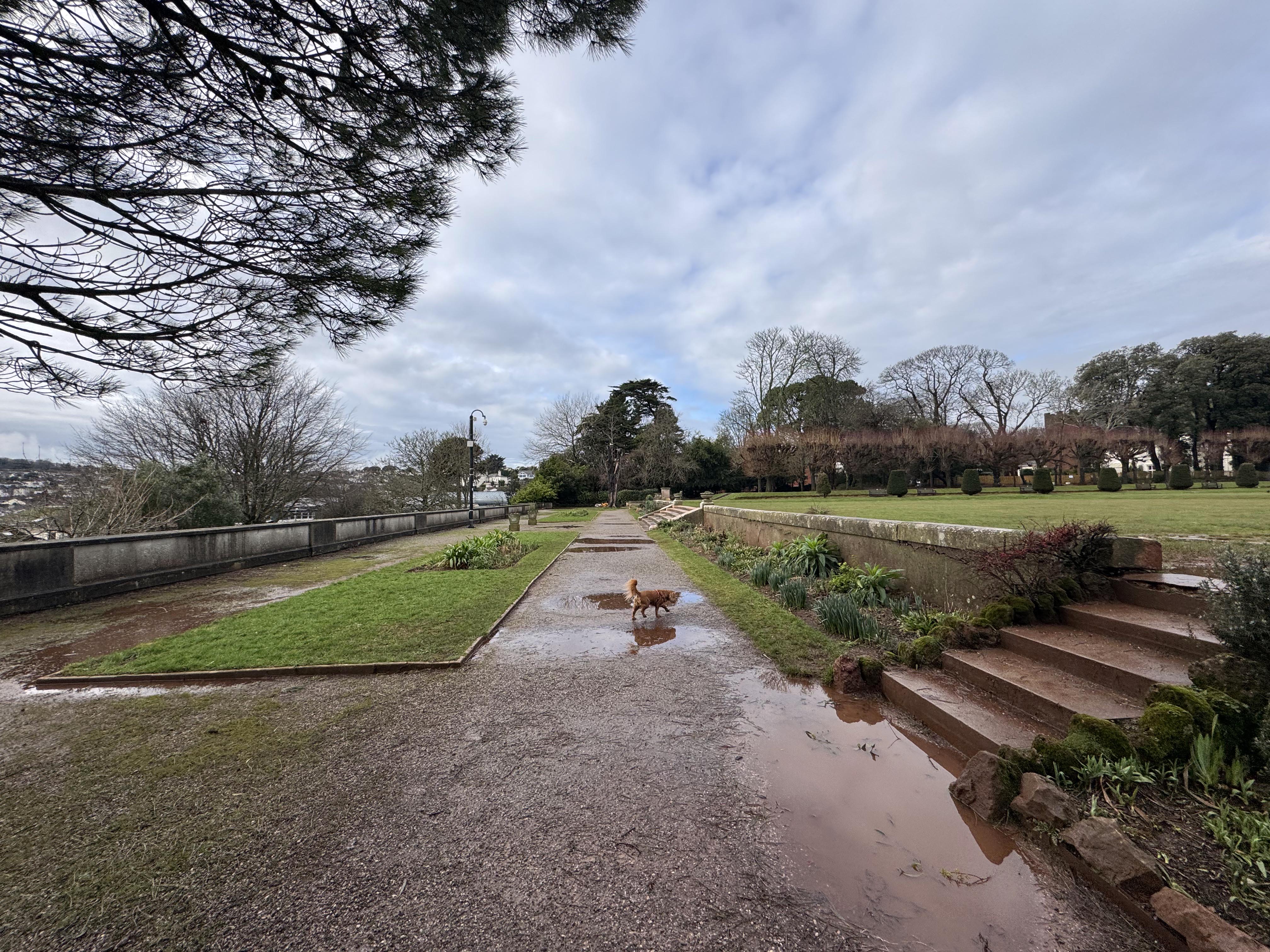
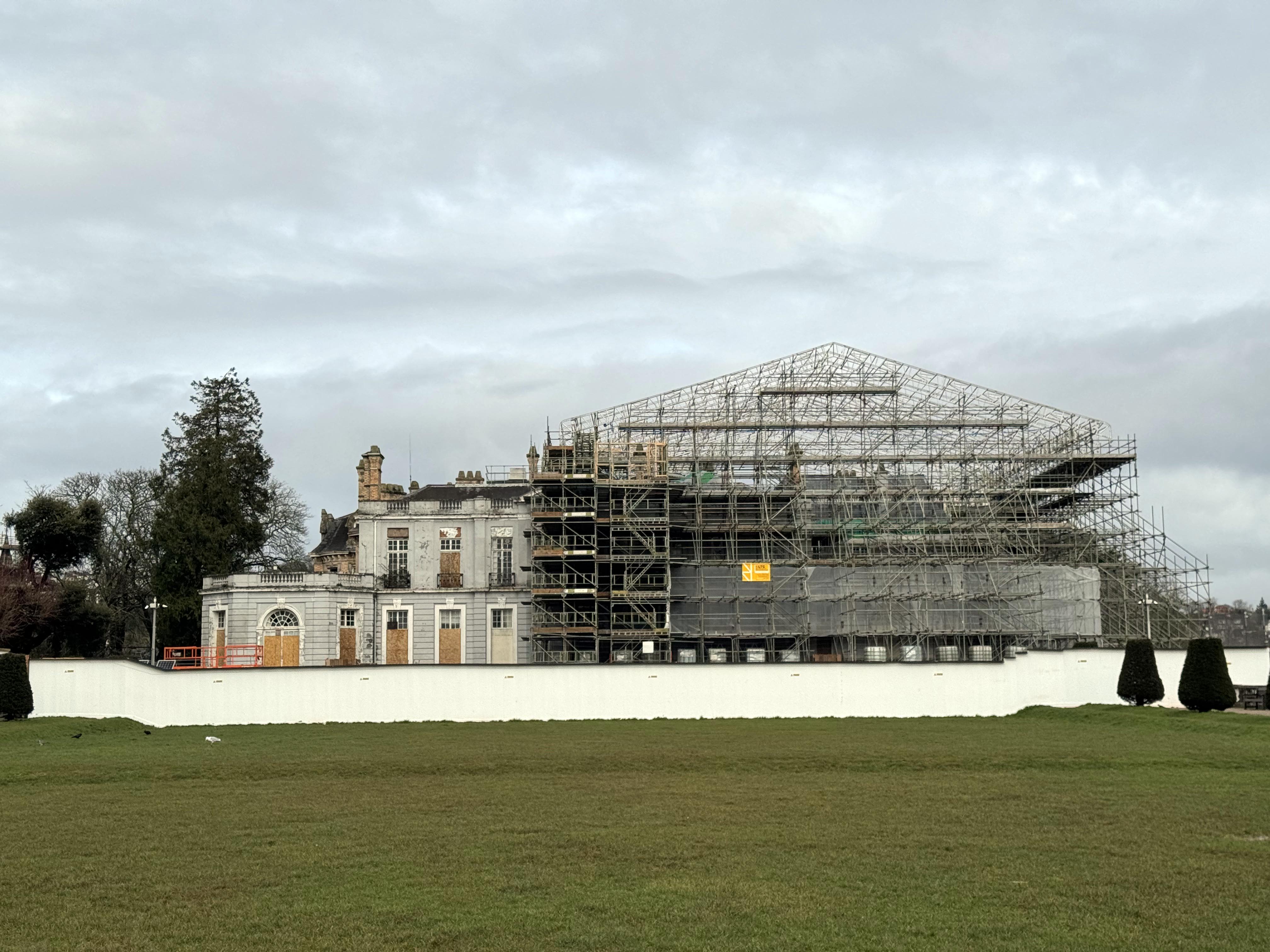
We, however, were on a mission to find another purpose‑built mansion: that of Oldway House. The story behind this house is quite fascinating. It was built by Isaac Merritt Singer in the 1870s. Isaac Merritt Singer had been an apprentice who fixed sewing machines but came up with his ‘Singer’ sewing machine, which would revolutionise the automation of sewing and make it far more reliable and far cheaper. He was also a pioneer of the hire‑purchase system, allowing his customers to buy his machines in instalments. He became fabulously wealthy, but his scandalous private life shocked New York society (it is said that he had 22 children from a host of mothers). To avoid opprobrium at home he decided to relocate to Paris, where his second wife came from and where the social mores were somewhat more relaxed for a dilettante like Isaac. However, his French retirement came to an abrupt end when Prussia declared war on France and Isaac and his wife fled to England, choosing to settle in Paignton. Here they built a fabulously opulent building, inside and out, called Oldway Mansion. Isaac died before the house was complete in 1875, but his family owned it until 1946. Fittingly, when the First World War broke out, the Singers allowed the American Women’s War Relief Committee to run it as a hospital for Allied soldiers. In the Second World War it was used by the RAF, and although it was bombed by the Luftwaffe it did not suffer lasting damage. The local council took it over in 1946 and it was a stunning tourist attraction for many years. Sadly, the local authority sold it off in 2012 to developers and the building has been allowed to slide into a state of serious disrepair. It remains a shocking waste of a fascinating historical asset. At least we can still walk around the grounds, but even those are looking tired and overgrown.
From Oldway we headed south, passing Christ Church, a late Victorian church built to help cope with the rapid growth of Paignton thanks to the railway transforming its economy and opportunities. However, we were more interested in discovering the original parish church of St John the Baptist, which holds much deeper historical roots. Besides, it was a Sunday morning and Christ Church was holding a service which we did not wish to intrude upon, although it is always lovely seeing churches being used and the car park was pleasingly full.
 |
|
|
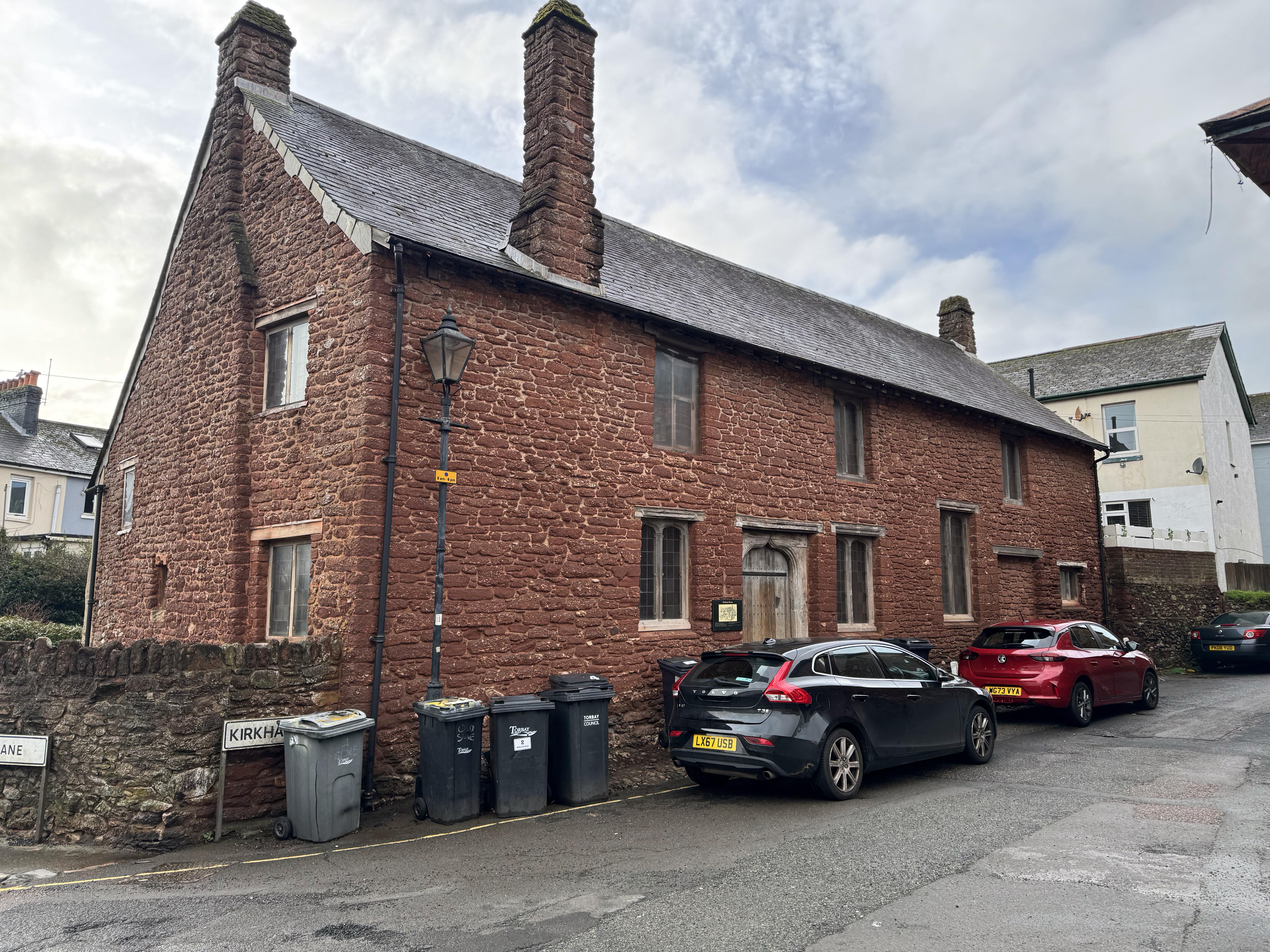
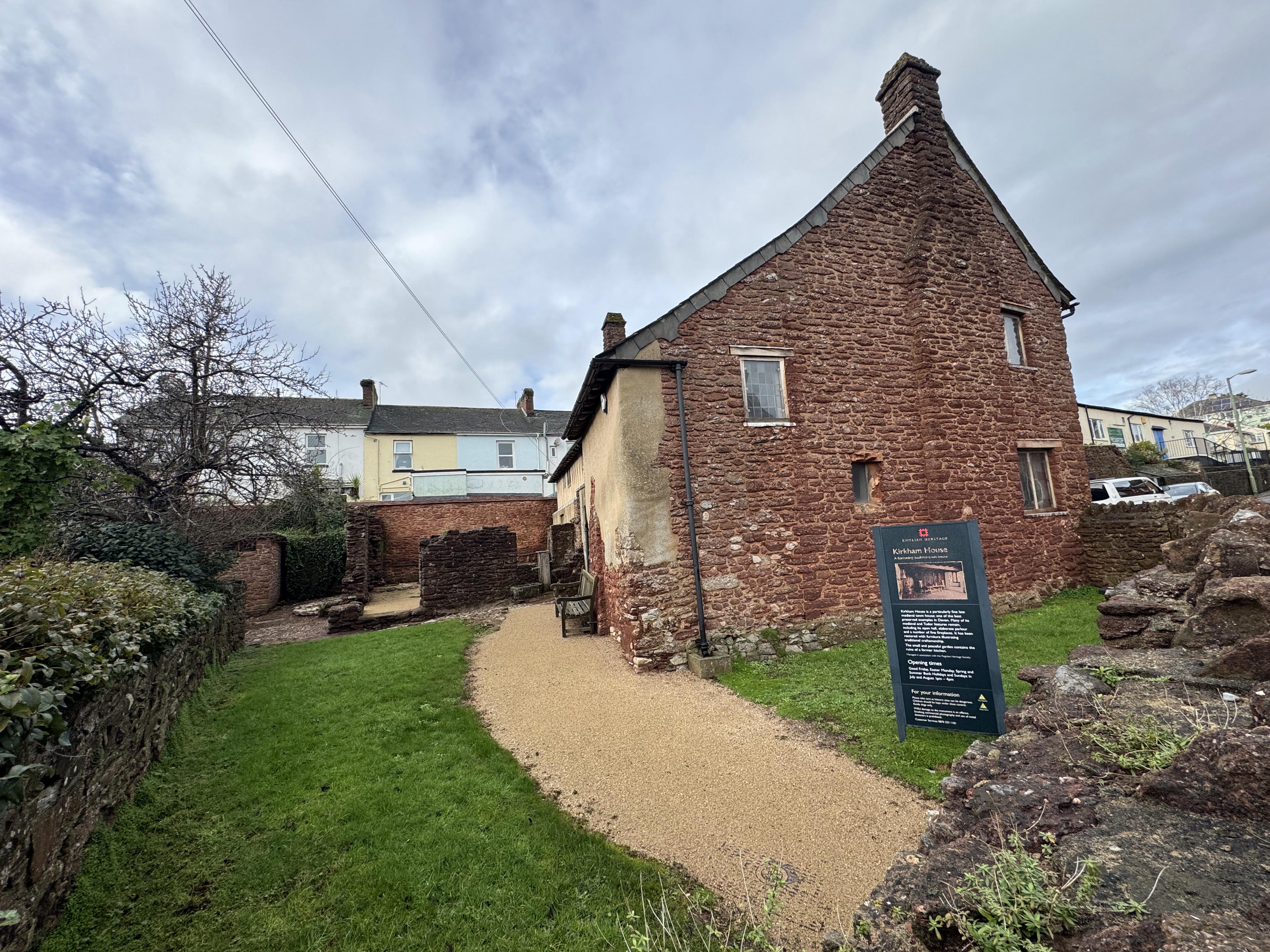
En route to St John the Baptist we intended to swing by Kirkham House, an unusually well‑preserved medieval townhouse. It dates from the 15th century and originally would have been close to the salt marshes below the parish church. All this area around was salt marshland, much like the area around Slapton Sands; hence the settlement built up on the hill where St John the Baptist sits. Sadly, Kirkham House is only open to the public on a few weekends in the summer and bank holidays. However, you can get a good look at what the houses of the original Paignton community would have looked like once upon a time.
Serendipitously, as we left to climb up the hill to St John the Baptist’s, we stumbled upon Paignton Clink – a medieval lock‑up that predated any notion of police forces. This was a temporary lock‑up that Justices of the Peace and night‑watchmen could use to lock up ne’er‑do‑wells and drunks. There were two cells inside. It is said that at least one prisoner noticed that you could lift up the flagstones and enter the sewer system and come out onto Paignton Beach. The plaque records its last use in 1867, by which time purpose‑built jails and police stations had taken over this earlier civic function. It had also been used as a temporary mortuary after a great storm in 1866 and would find a new lease of life as an air‑raid shelter in the Second World War.
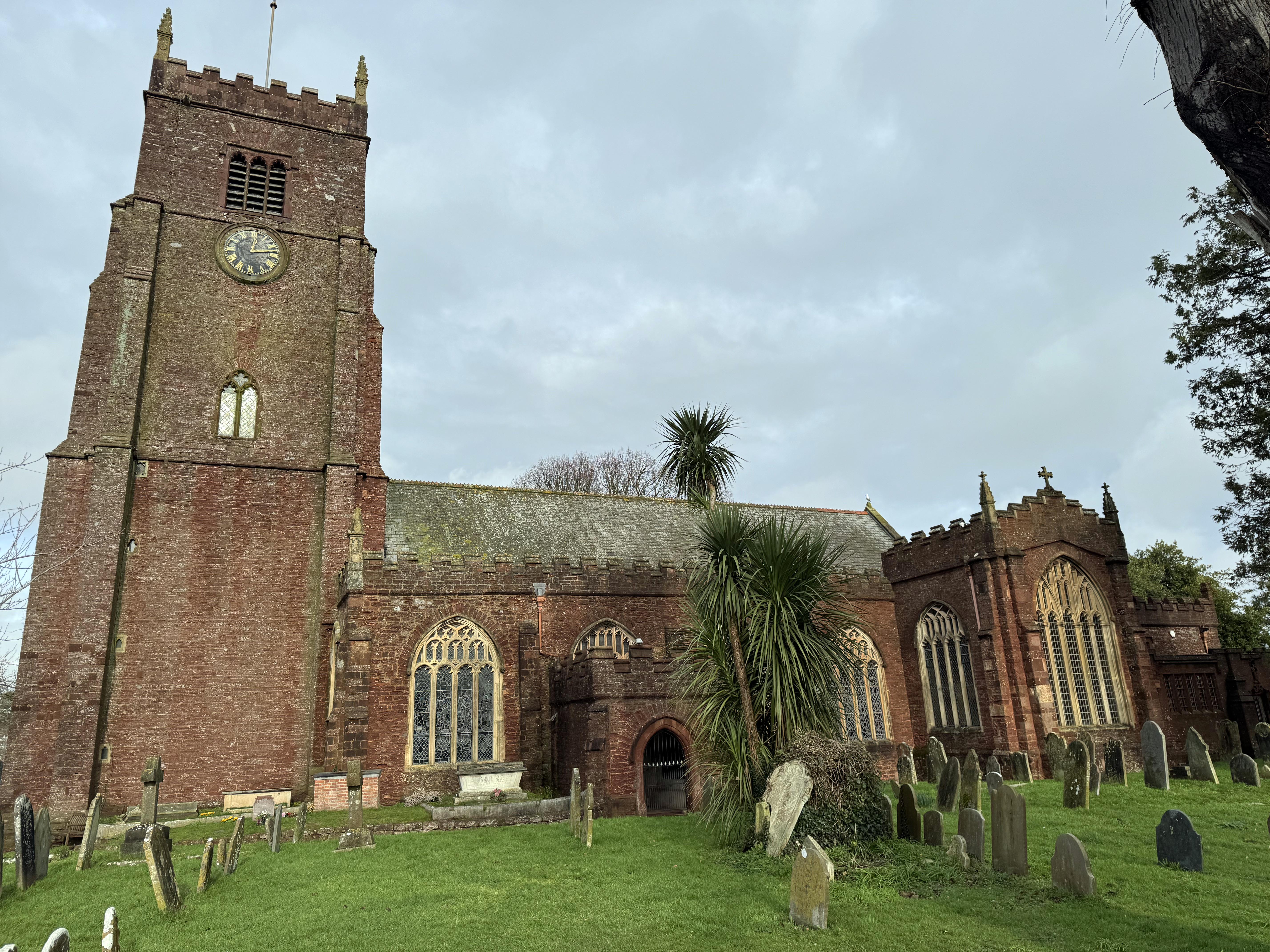
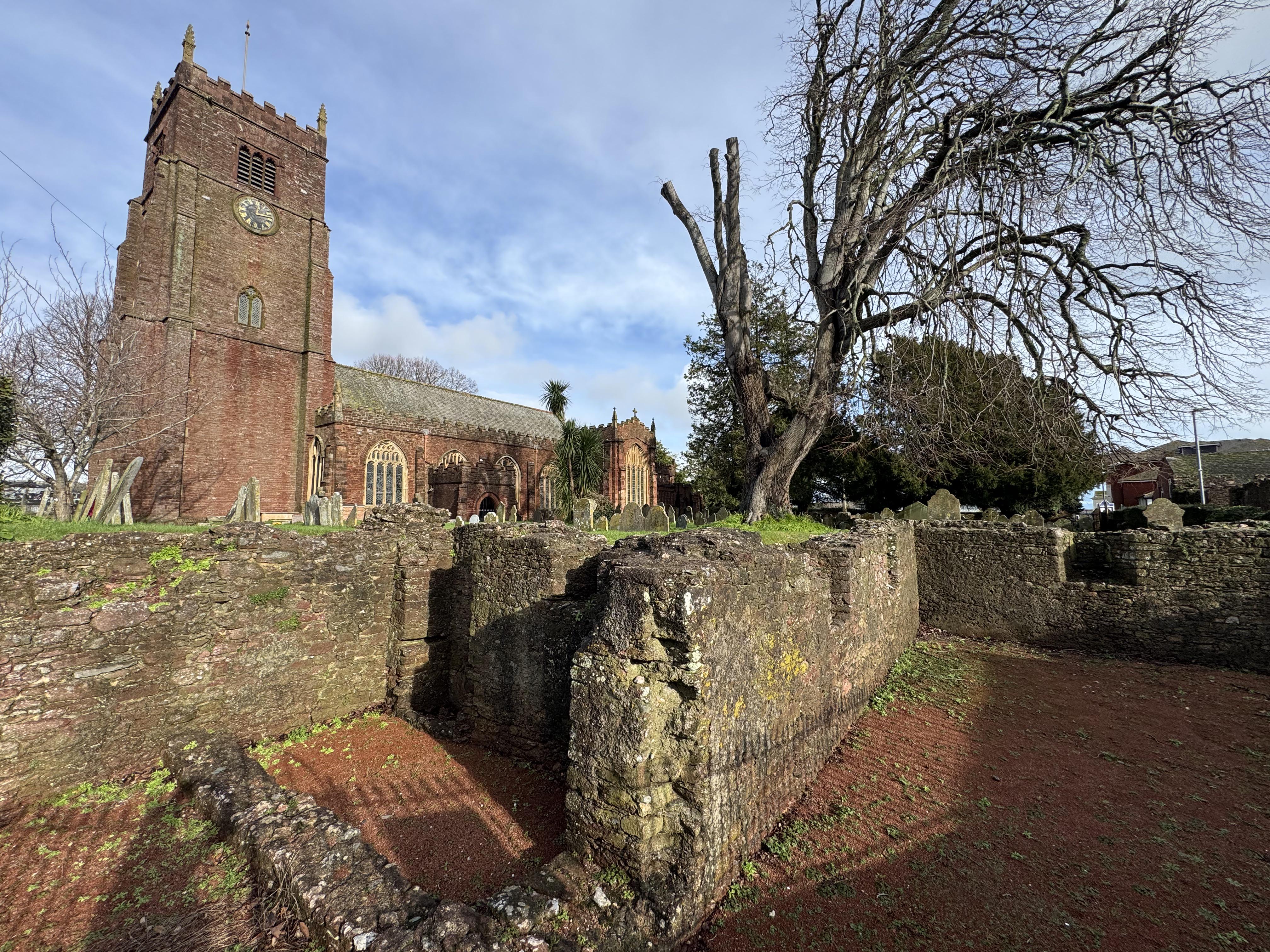
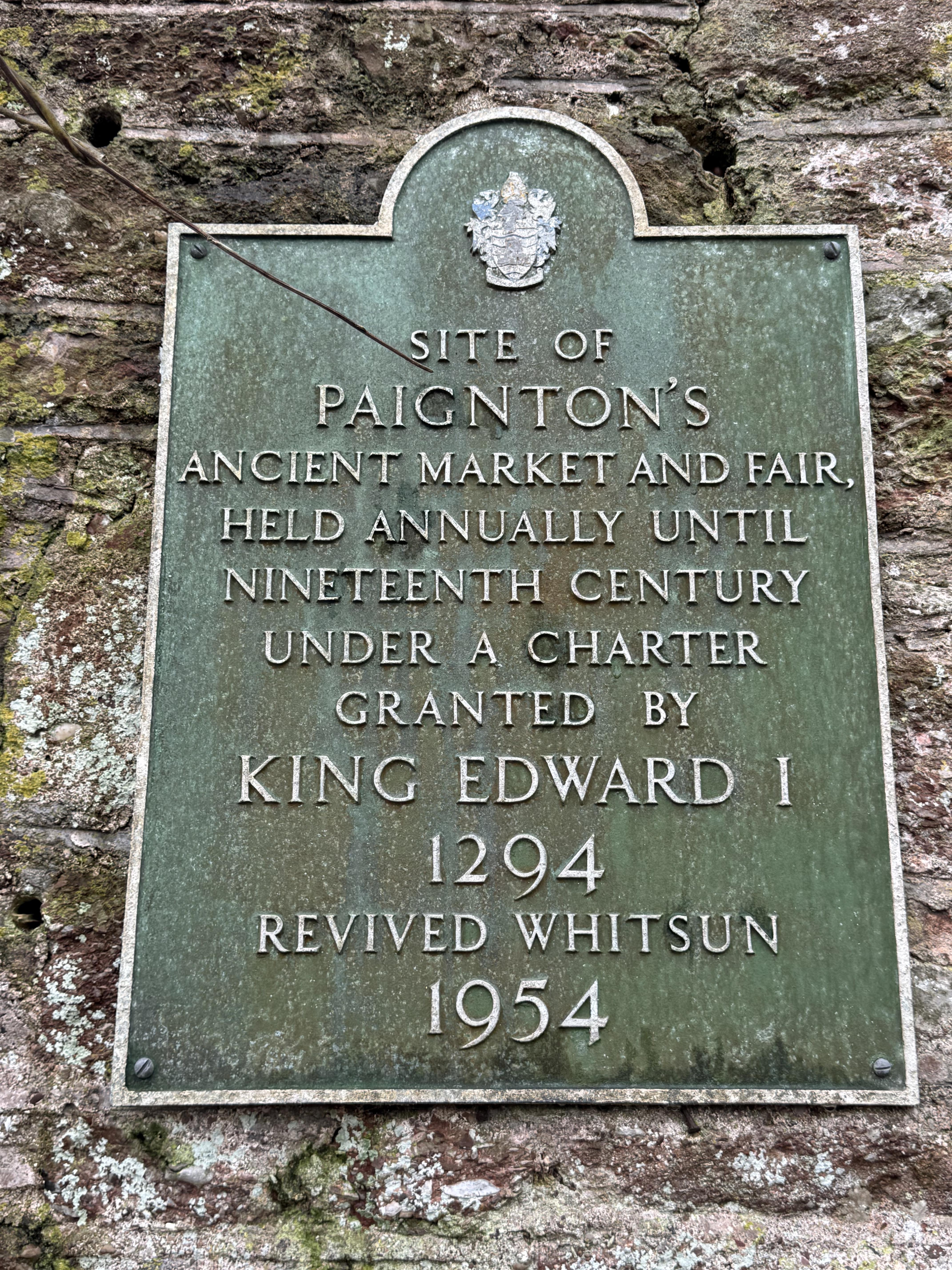
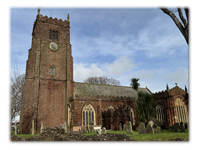
From here we walked up to the church, which was once one of the more important churches in Devon. Indeed, for much of its history it had a Bishop’s Palace right next to it, the remnants of which can still be seen to this day. This would have been the heart of the original Paignton settlement, or Peintone as it was called in the Domesday Book of 1086, clear of the salt marshes and tides of the sea – certainly during storms. Now usually the Domesday Book would explain which lord or knight held which settlement, but in the case of Paignton it was actually held by the Bishop of Exeter. This area had been set aside as ecclesiastical lands as far back as Saxon times. The new Norman clergy had no thought of returning it to the Crown to be redistributed and kept the lands all the way down until Henry VIII, when church lands were forcibly seized by the King. In the case of Paignton they were handed to the Earl of Pembroke, who held it for nearly a century.
 |
|
|
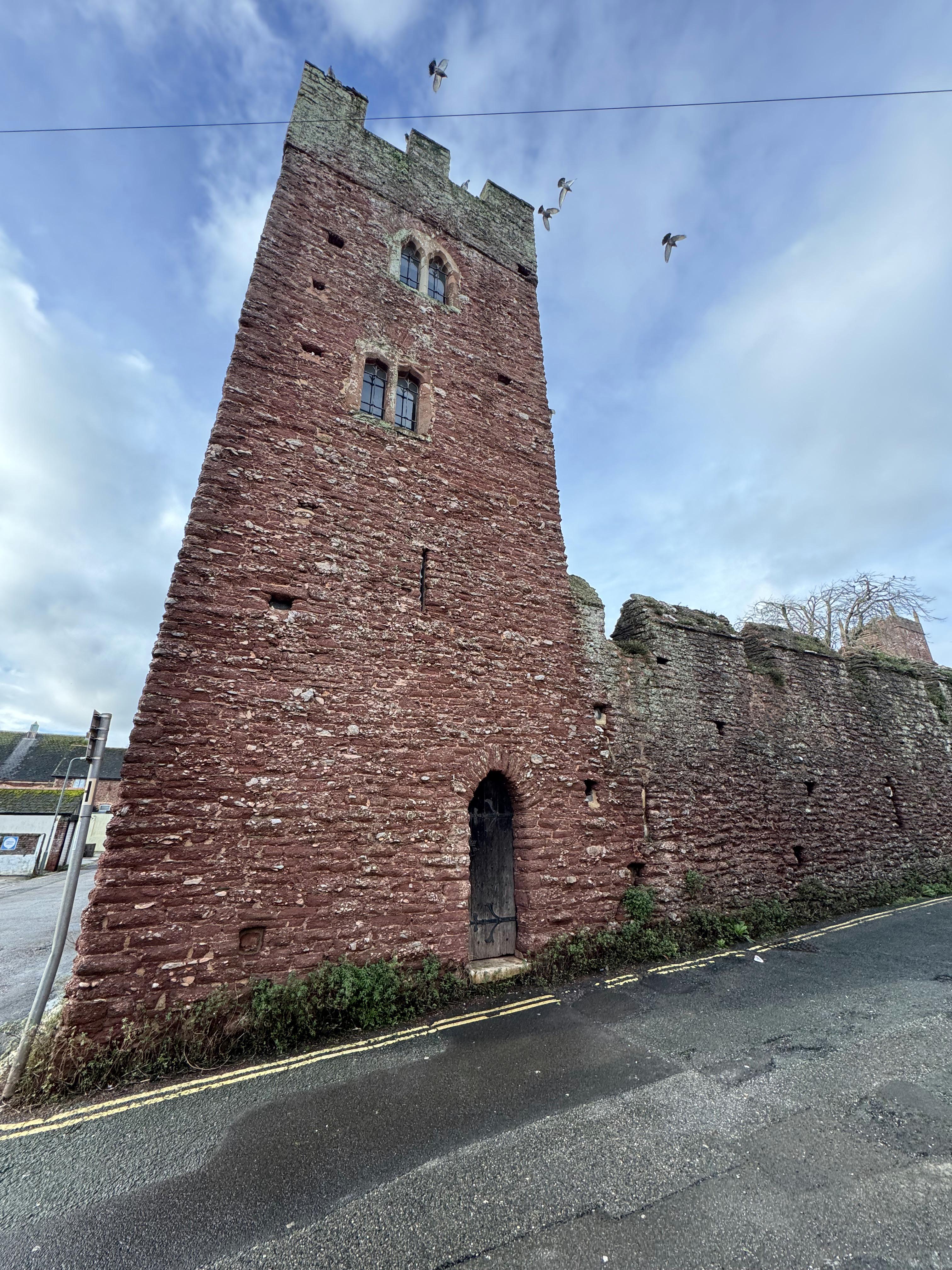
In the medieval period at least two significant church properties were in Paignton in addition to St John the Baptist. This Bishop’s House was possibly a summer residence for the Bishop of Exeter and his entourage. An earlier Bishop’s Palace was similarly built in Chudleigh to the north of Paignton. The fact that they were crenellated perhaps indicates that the church was identified more with the invading Normans than as peace‑loving clerics. And of course, they tended to hold incredibly valuable objects within. The tower which still stands is sometimes referred to as the Coverdale Tower in honour of the last Bishop of Exeter. Myles Coverdale was Bishop of Exeter in the tumultuous years of 1551–1553 under Edward VI, but his fame came during the reign of Henry VIII when, as a friend of Thomas Cromwell, he was chosen by the King to complete Tyndale’s translation of the Bible into English (Tyndale had never completed the translation of the Old Testament). It is hard to overstate just how important this translation of the Bible was in creating a national Protestant church.
Indeed, it is often erroneously cited by locals that Coverdale completed his translation in the Bishop’s Palace. But those of you good at maths may have noticed that the dates don’t add up. Not only was he Bishop of Exeter after he translated the Bible, but the building itself had stopped being church property in 1549, two years before he was Bishop. Sadly for Coverdale, his importance to Protestantism meant that the Catholic Queen Mary took a dim view of this Bishop and had him relieved of his post and imprisoned in the Tower of London. Fortunately for him, his brother‑in‑law was the chaplain to the King of Denmark, who petitioned for him to be allowed to go into exile. He used this time to do even more translating, this time on the even more famous Geneva Bible being produced in… can you guess where? He returned to England with the accession of Queen Elizabeth and the return to Protestantism. I believe the name of the Coverdale Tower is more an honour for his role in promoting Protestantism in its early days rather than for his translating the Bible there.
 |
|
|
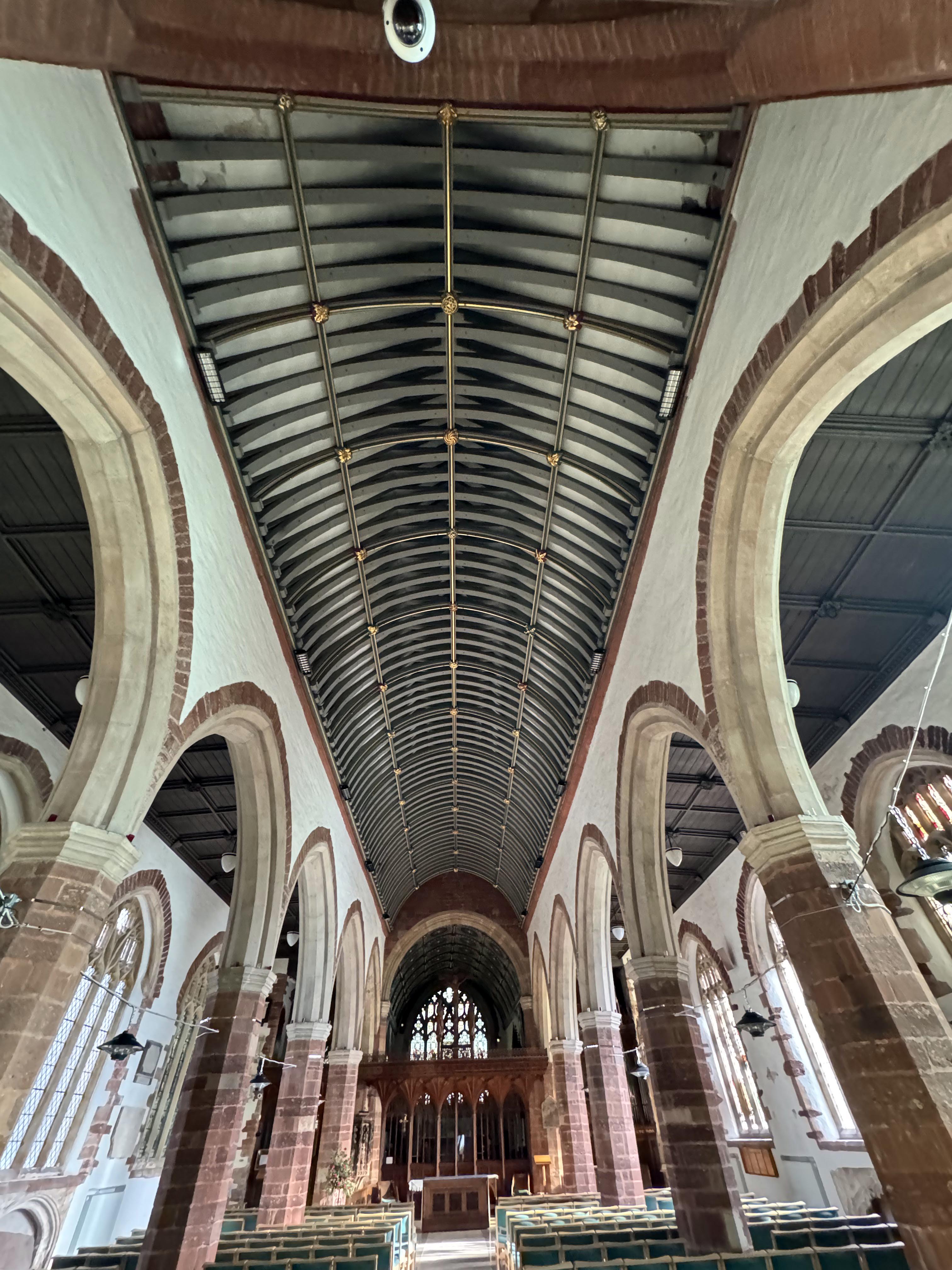
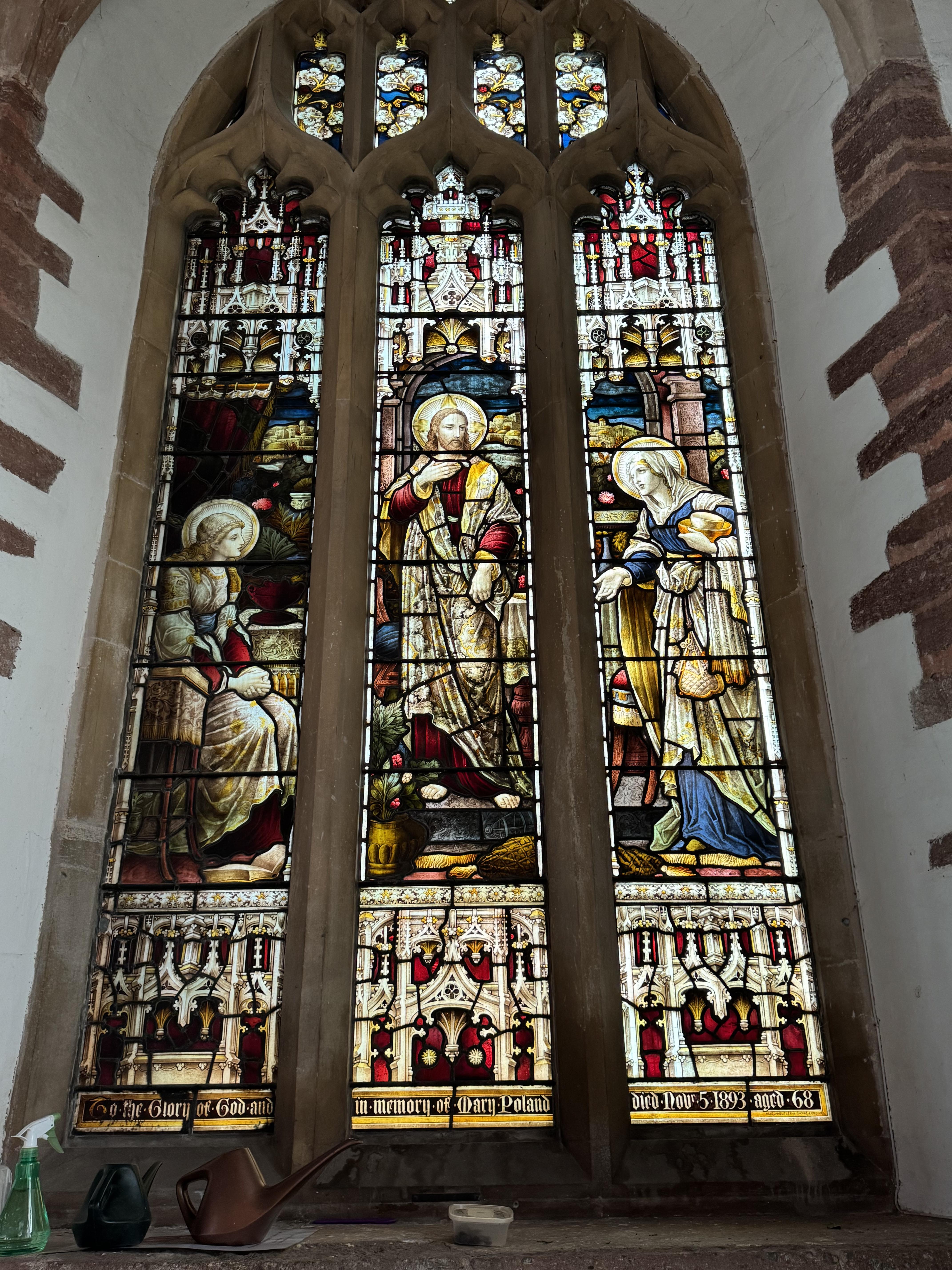
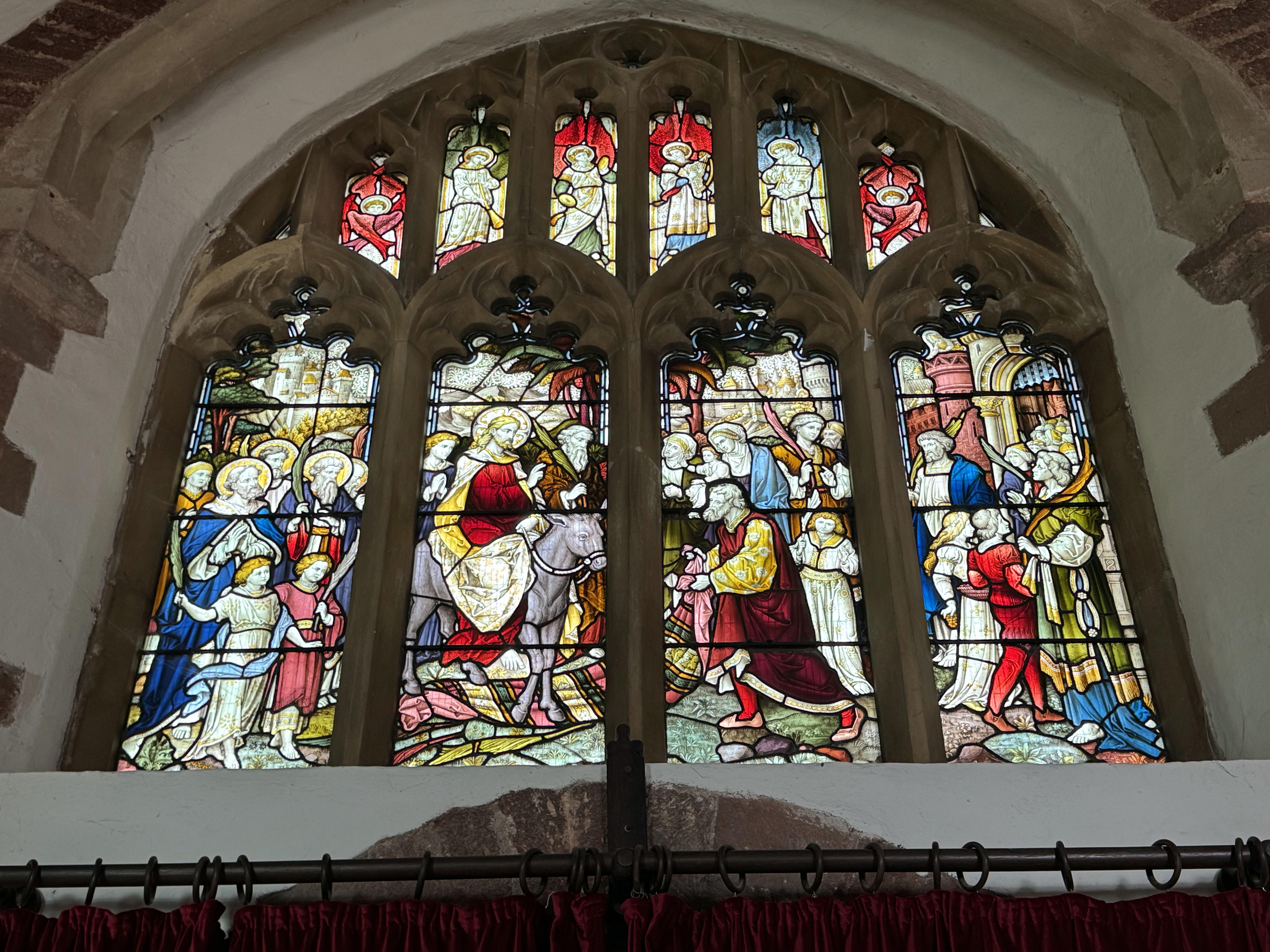
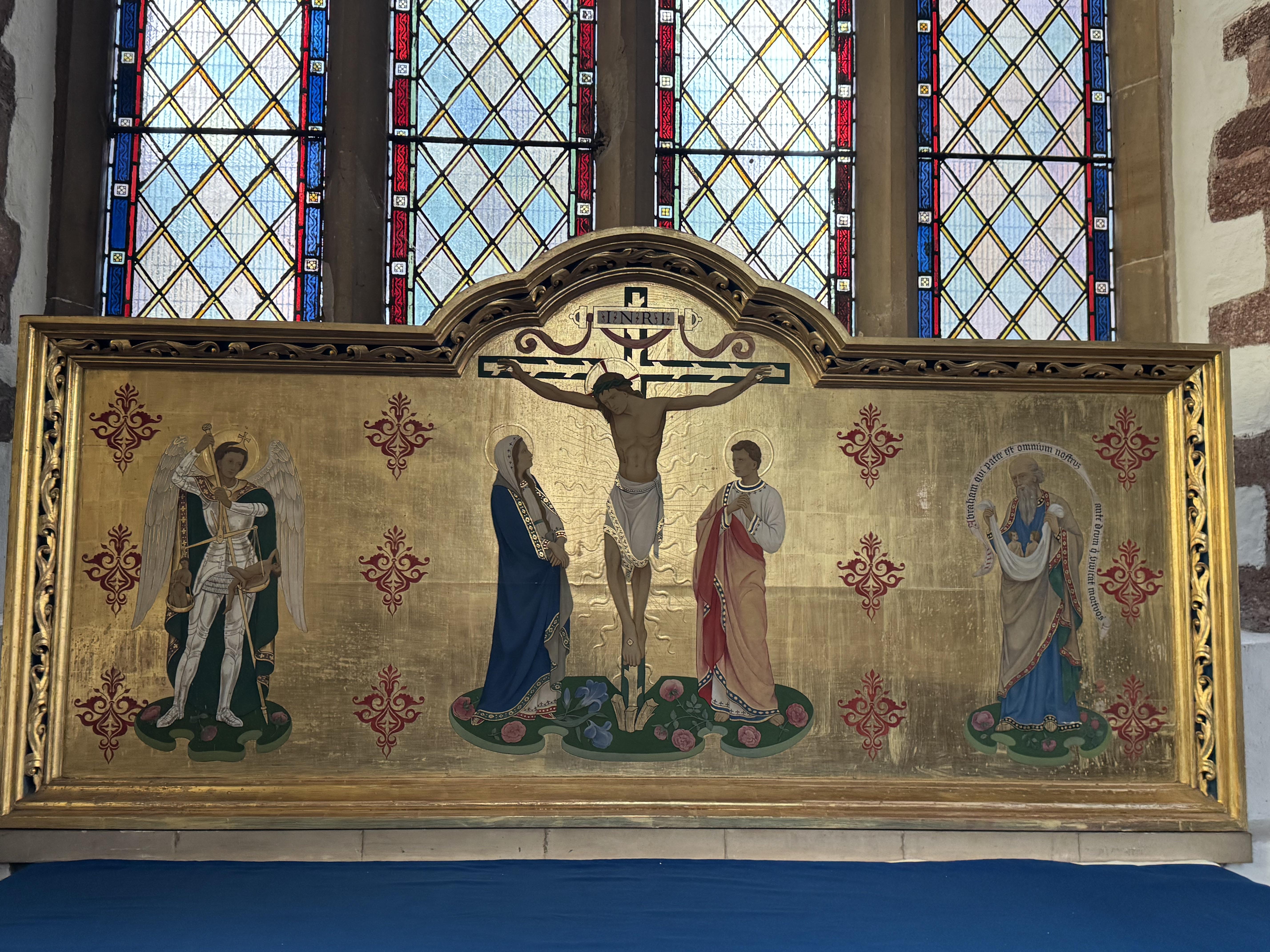
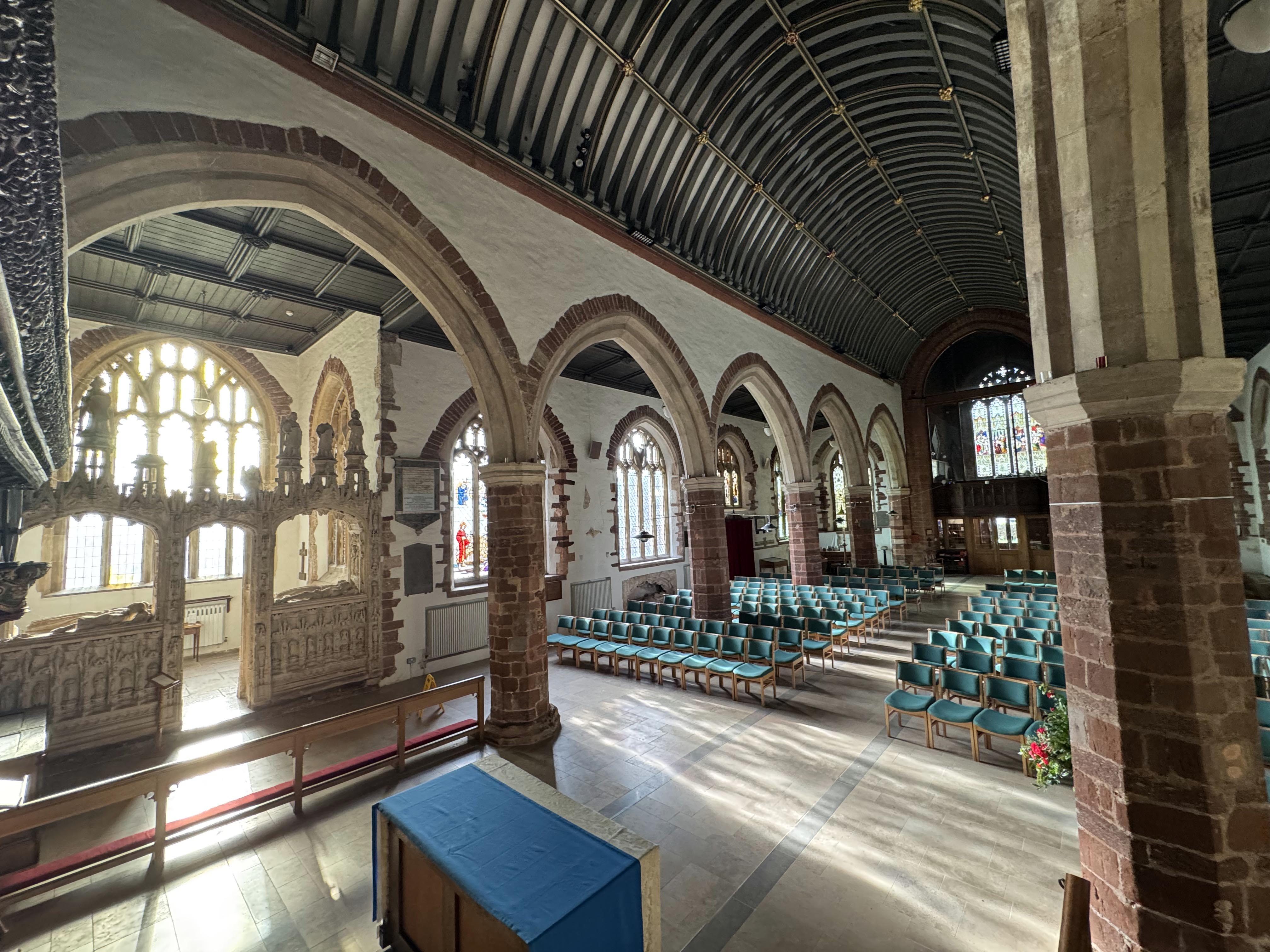
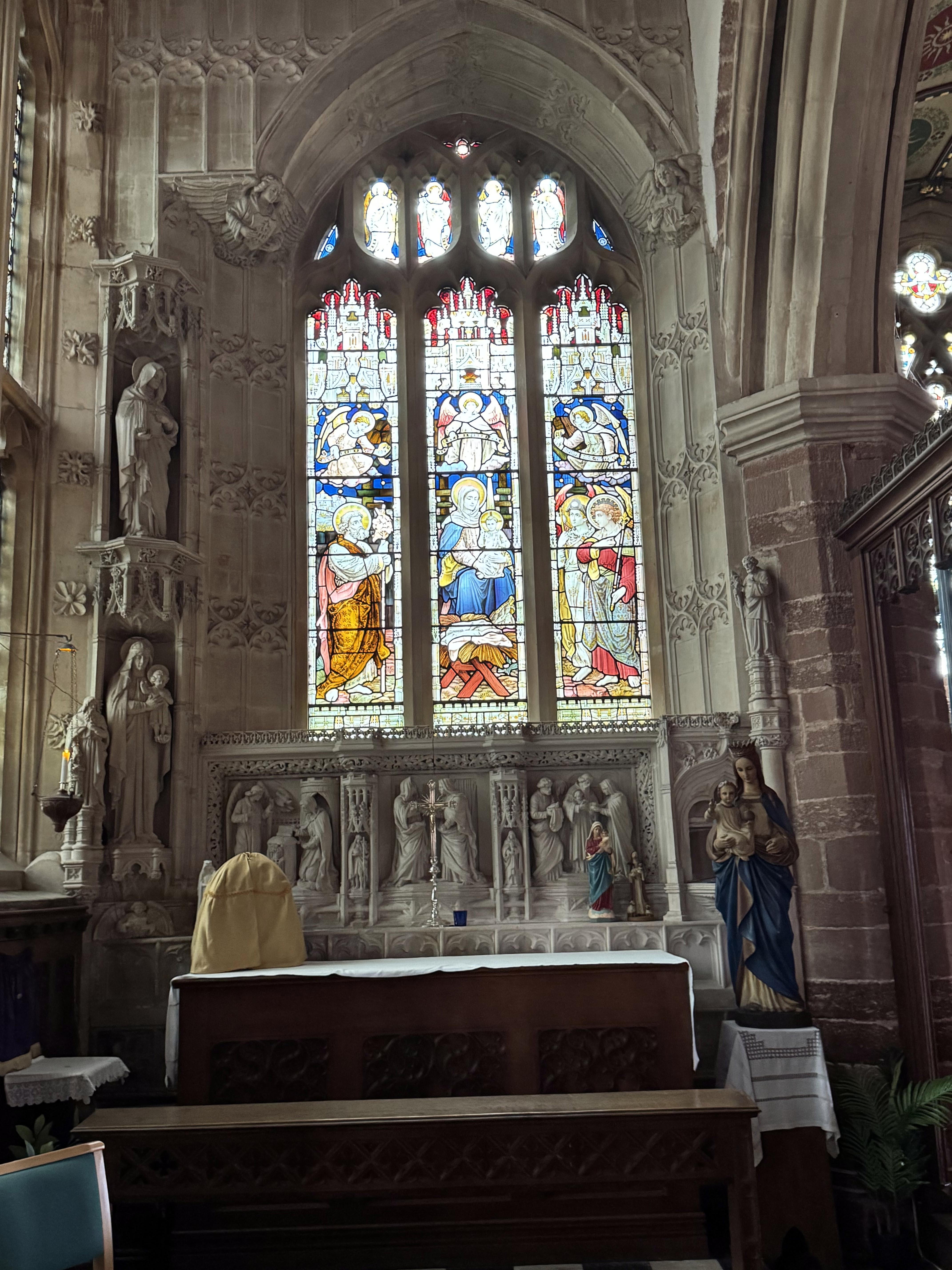
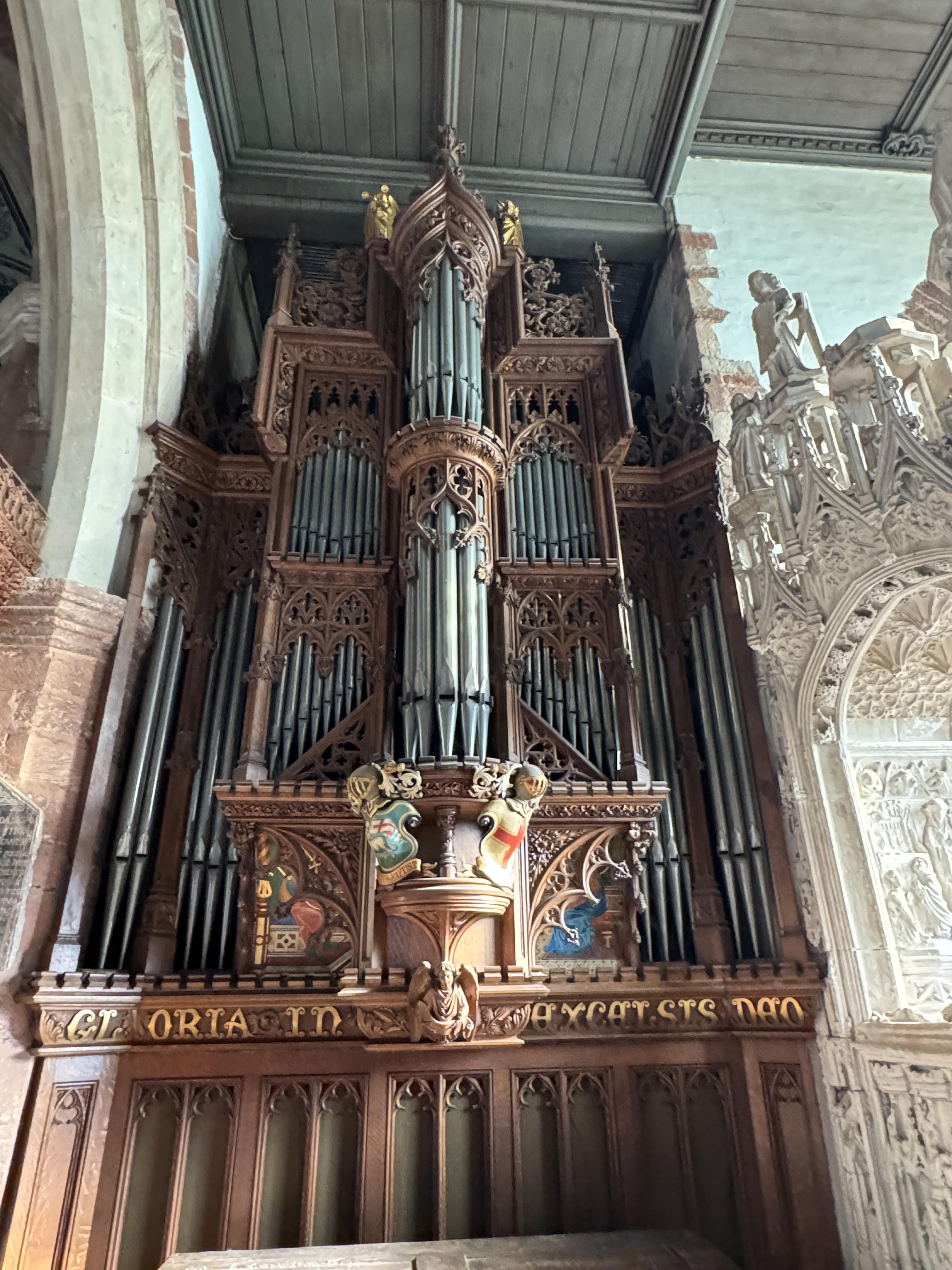
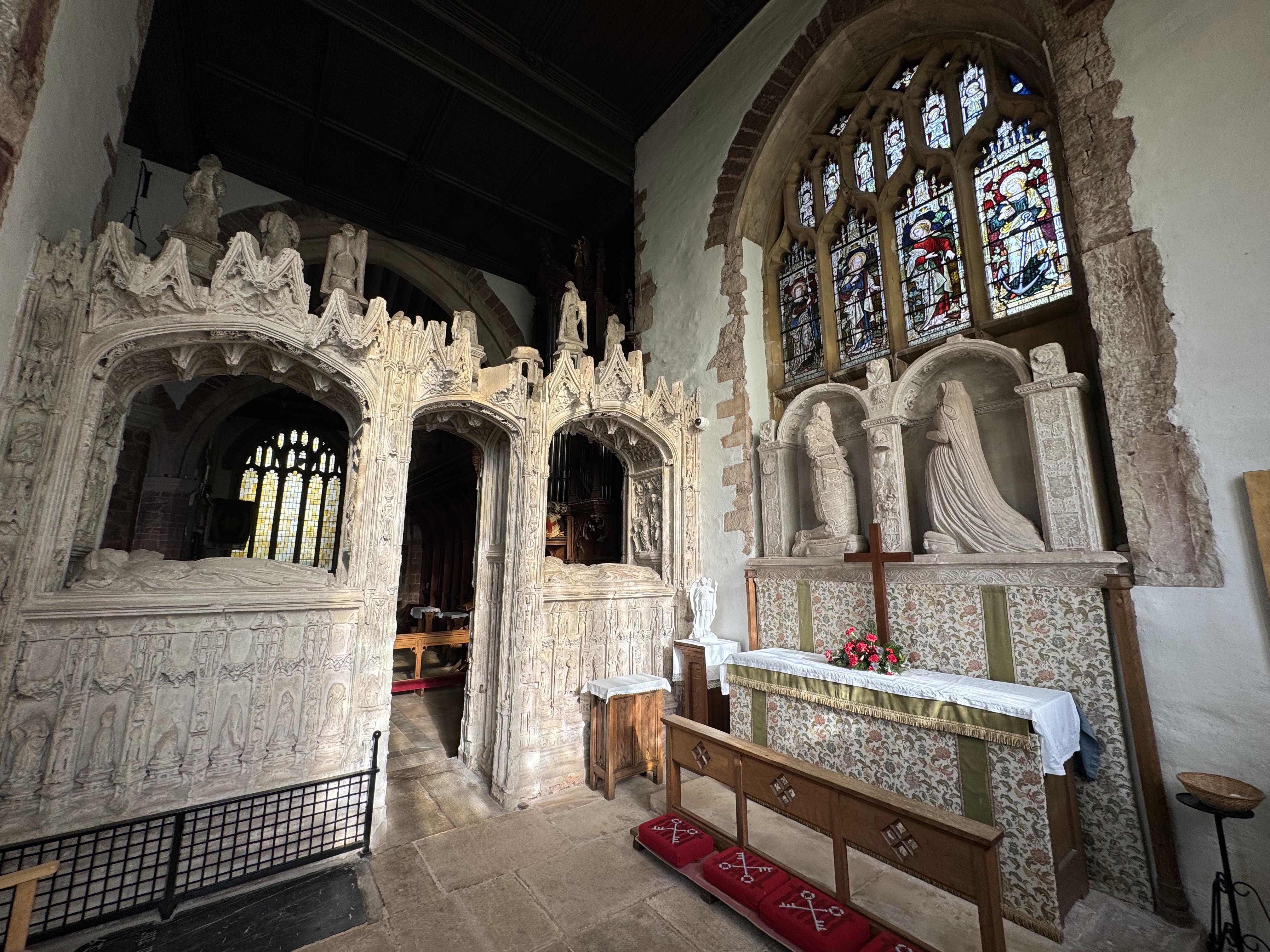
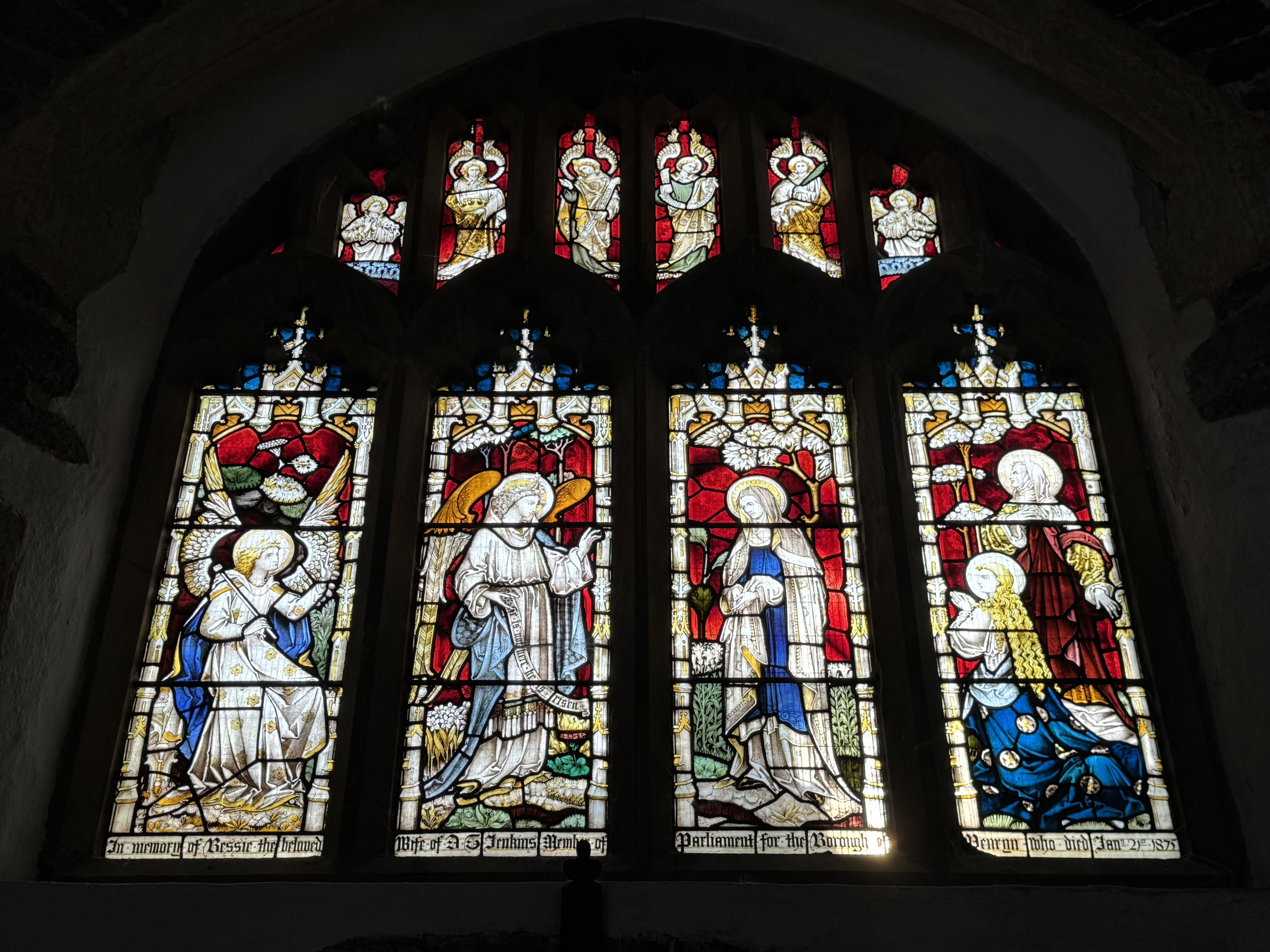
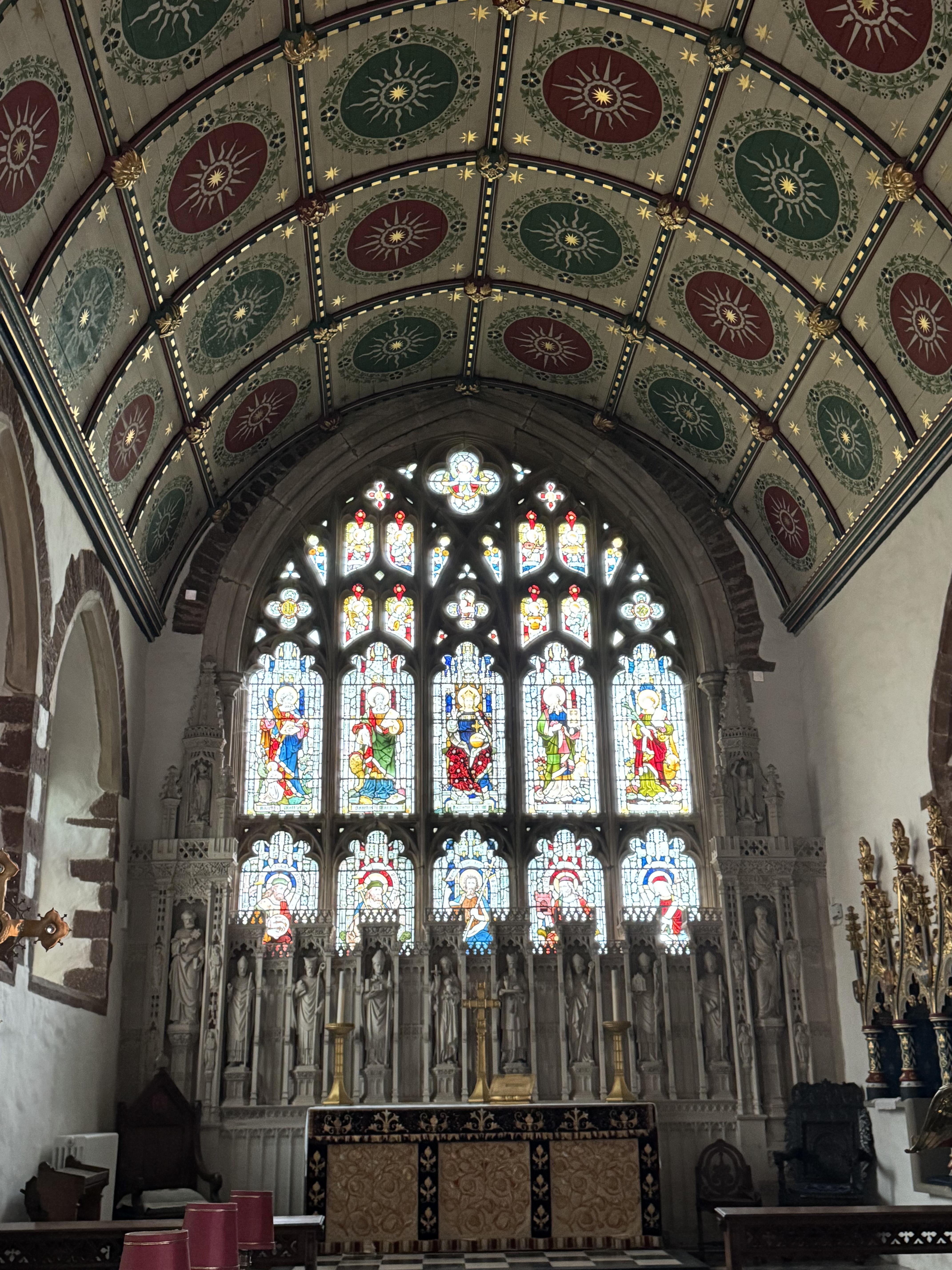
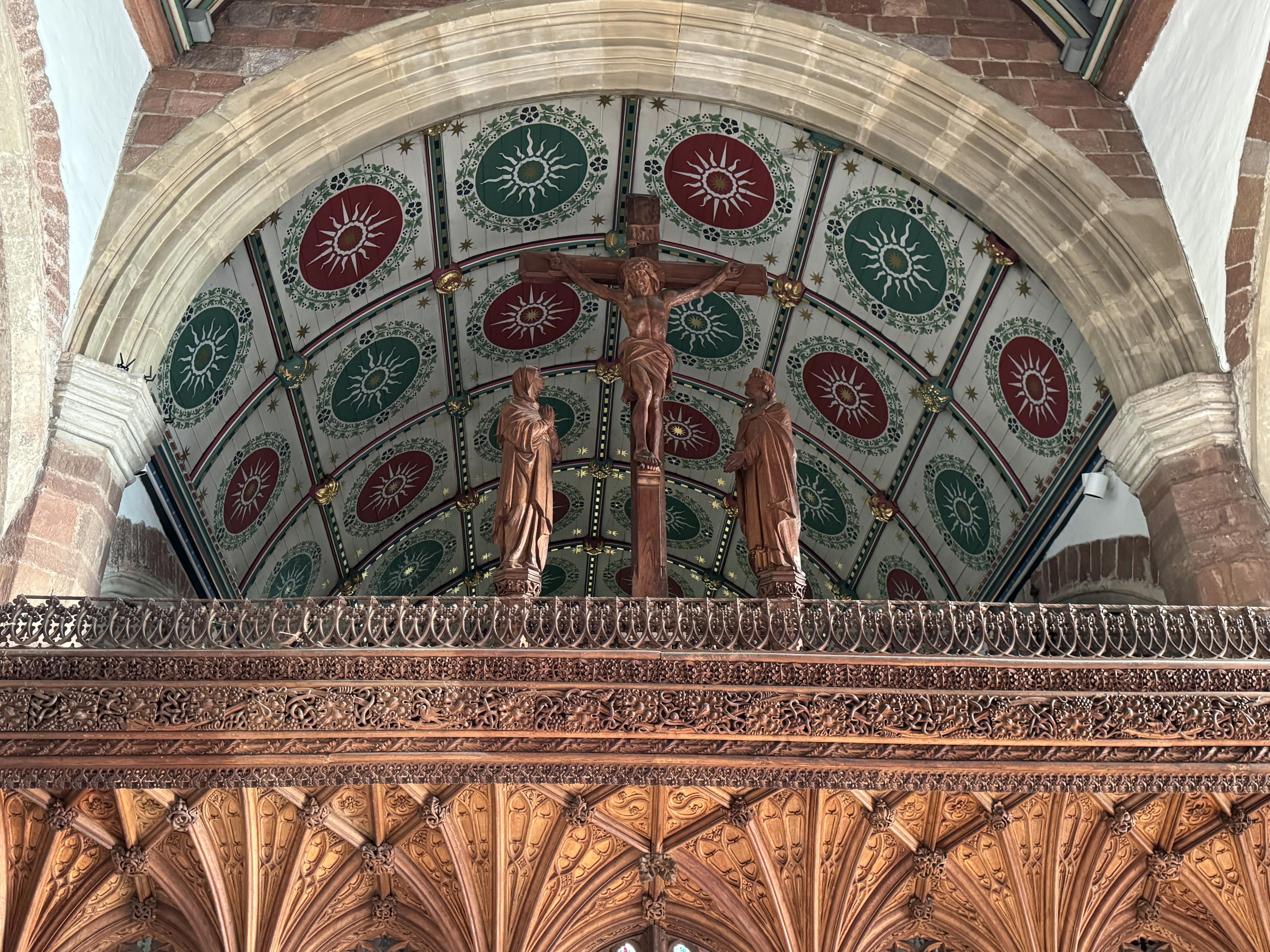
The Church of St John the Baptist is a fascinating church in its own right. The chancel has a place for bishops to take their seat and its fine furnishings hint at its former importance next to the Bishop’s Palace. But you can also see lots of evidence of the struggles of Protestantism and Catholicism in the artwork within. The beautiful wine‑glass 15th‑century pulpit has all the heads removed. There is a remarkable chantry chapel – possibly the finest in any Devon church – and when we were in there the light was having a most magical effect. Once again, though, many of the heads of the clergy had been removed – although the family heads were very much left in place, perhaps as those were personal rather than clerical. The family in question is believed to be the Kirkhams of nearby Blagdon Manor. The ornate organ was a gift from the Singer family of Oldway in 1889 – in this case from Paris Singer, the son and heir of Isaac. The rood screen was returned in the Edwardian period and is a fine example of the work of Herbert Read of Exeter. And the font at the back of the church is believed to be the oldest Norman font in Devon, made of local red sandstone.
 |
|
|
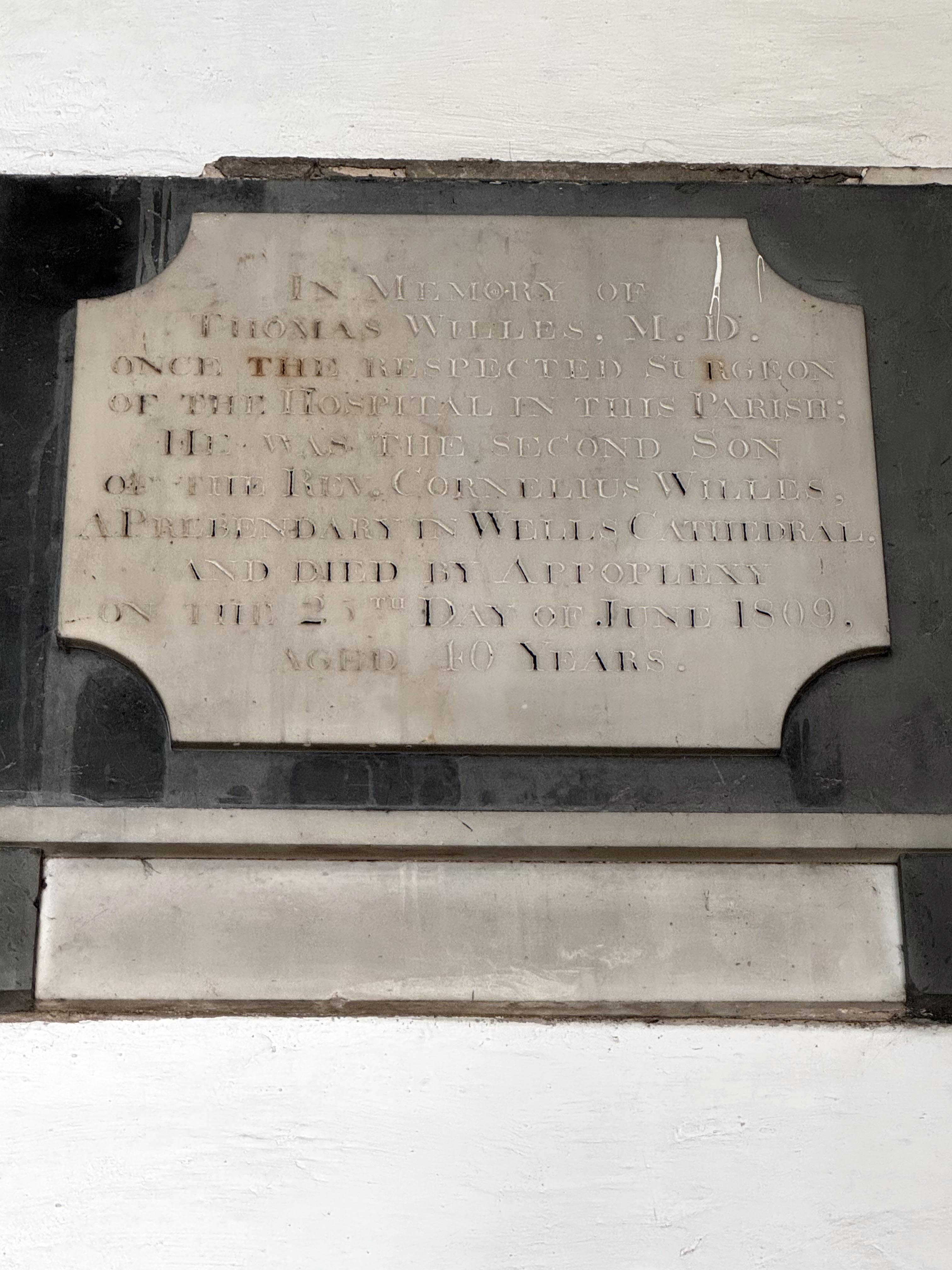
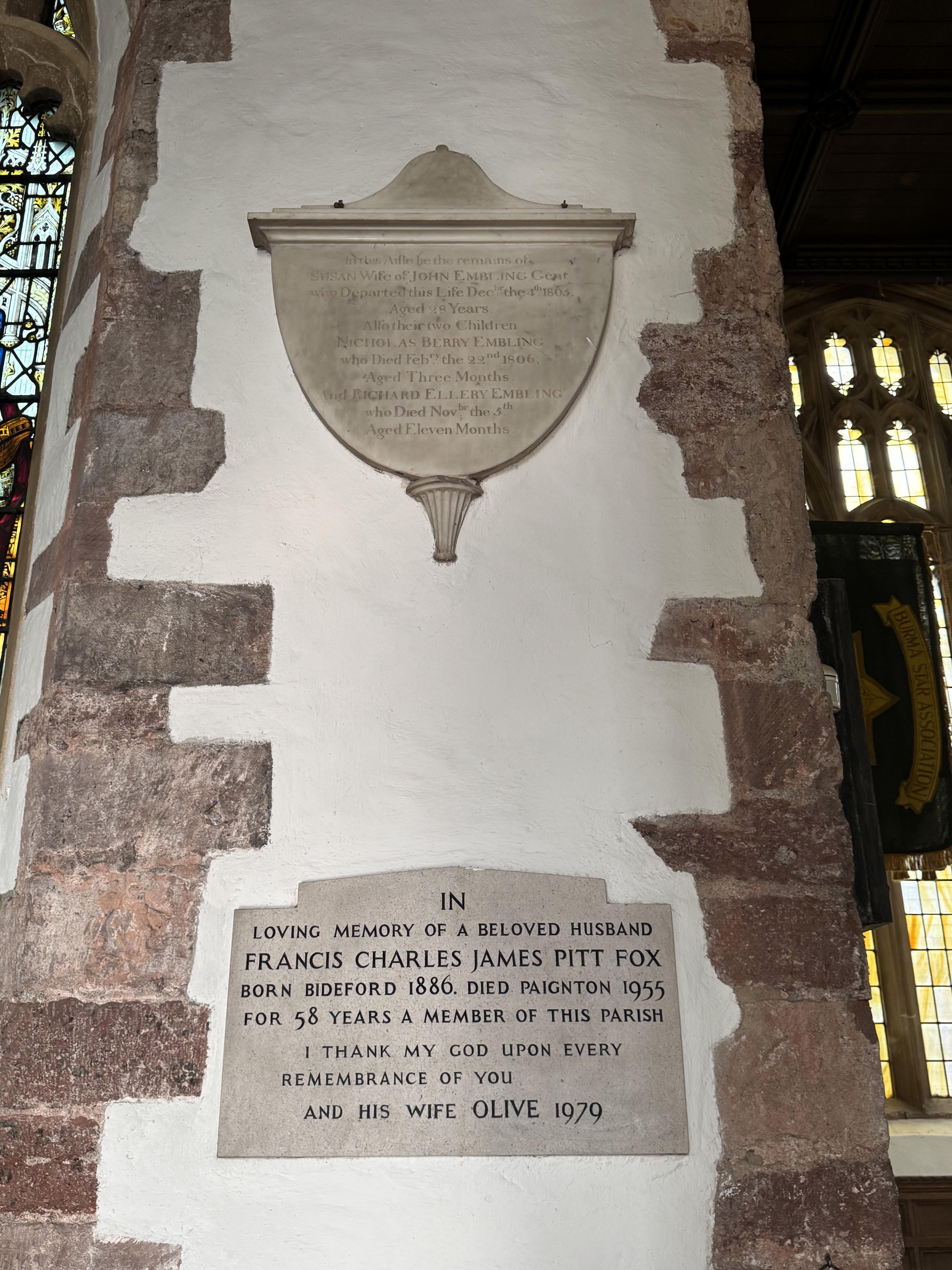
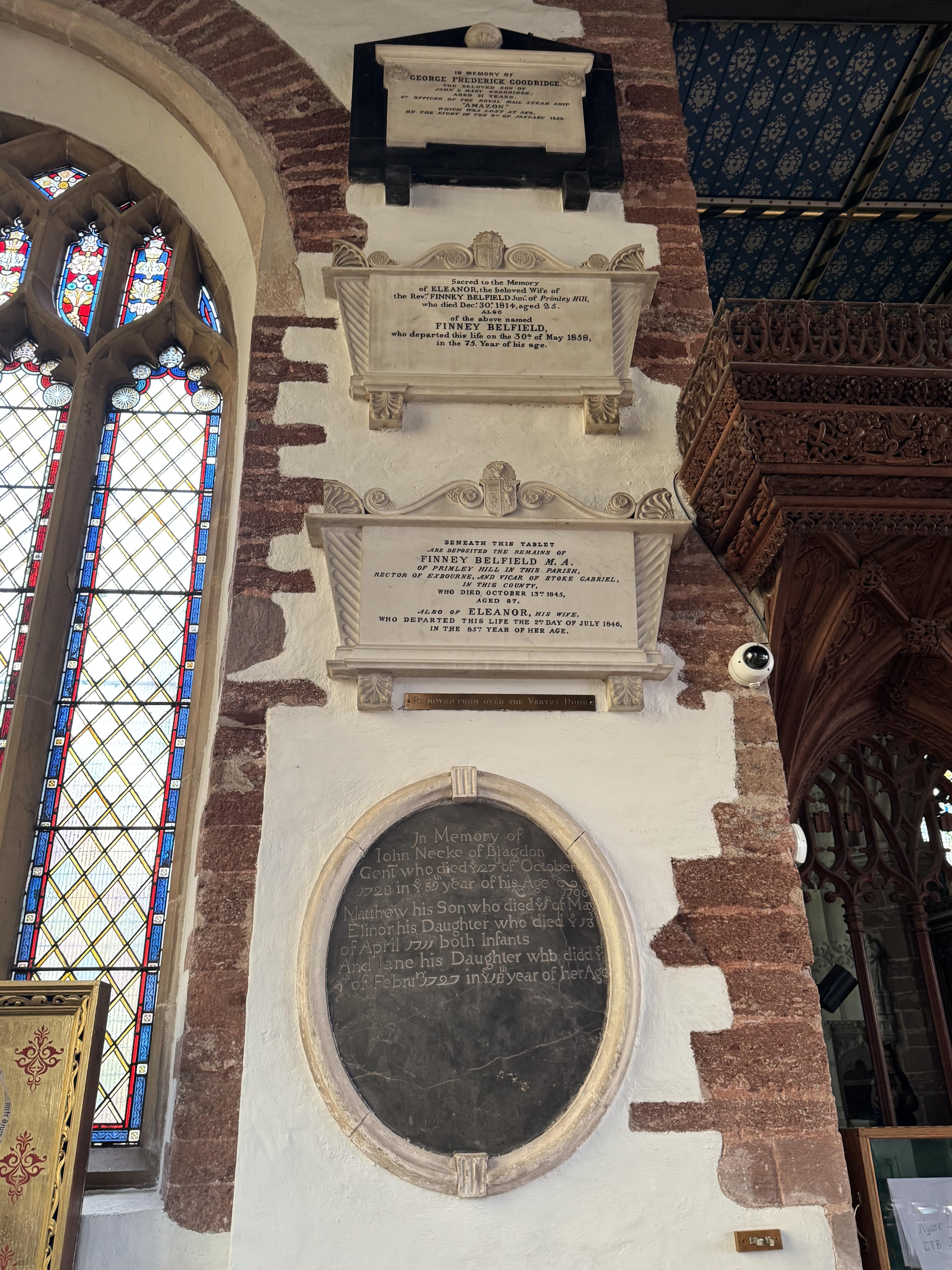
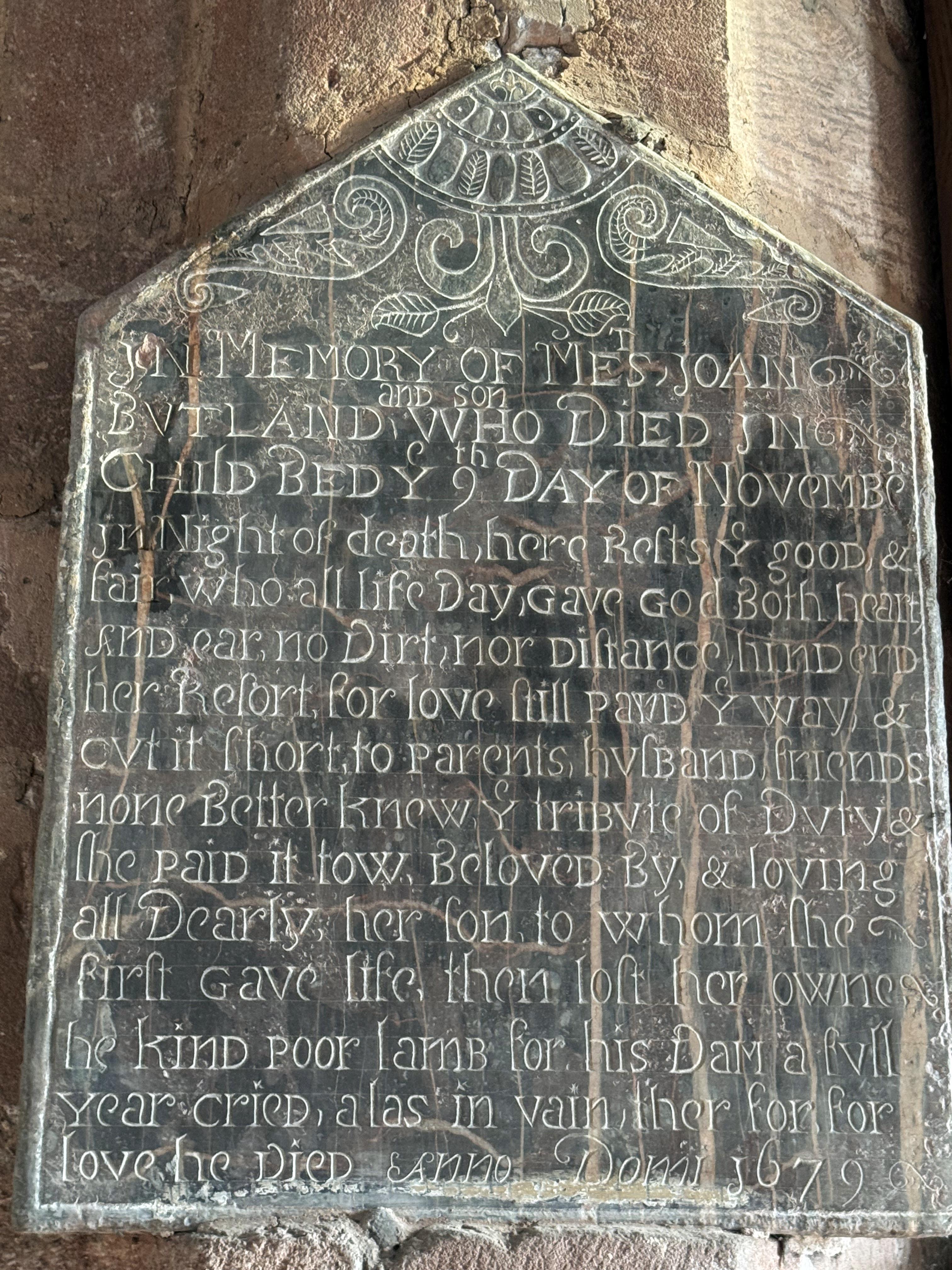
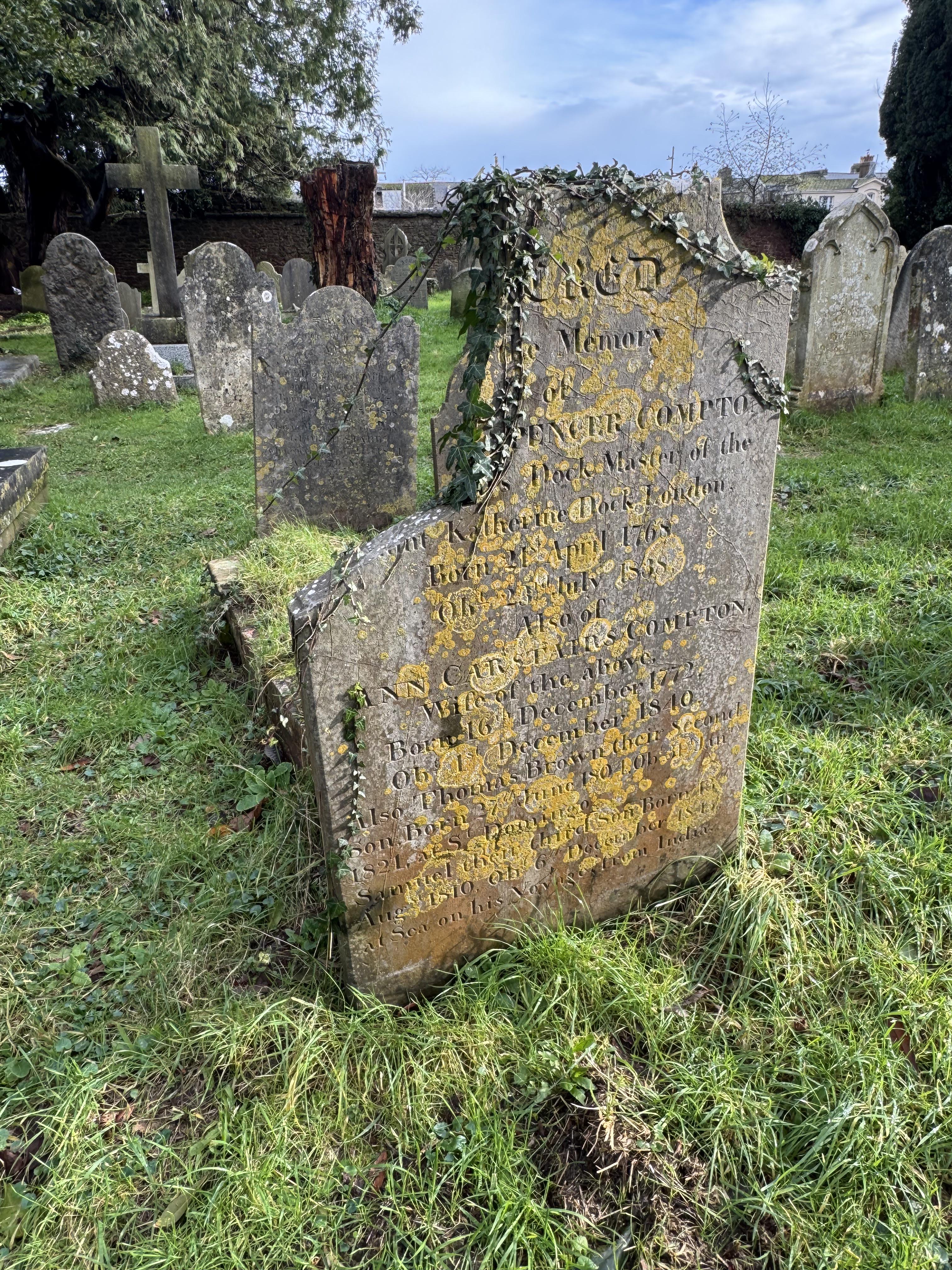
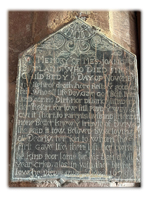
Whenever I go to these lovely old churches I like to find odd or interesting memorials, and this church seemed to have more than most. First of all, we noticed an inordinate number of sailors and clergymen honoured inside and outside the church, and up to fairly recently, so not connected to the Bishop’s Palace. My theory for this is that local families of course long donated sons to the armed forces and clergy, but that Paignton might also have become the kind of place that those who had served the monarch or the church might come to retire to.
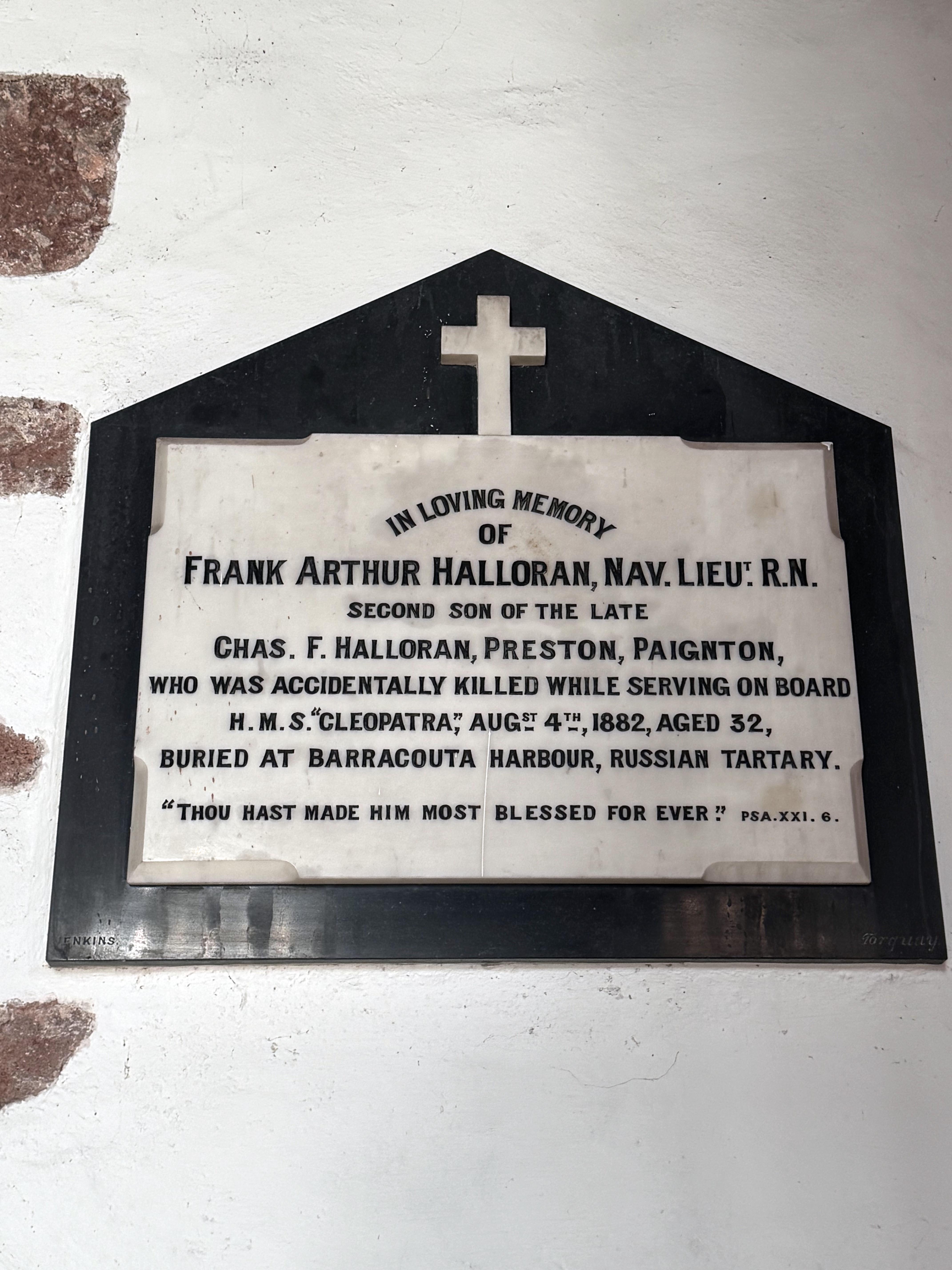
With regards to sailors, there were some intriguing dedications, including one to Lieutenant Frank Arthur Halloran of Preston, Paignton, who was ‘Accidentally Killed While Serving on HMS Cleopatra August 4th 1882 aged 32 and Buried at Barracouta Harbour, Russian Tartary’. This meant that he was buried off the island of Sakhalin, about as far from Paignton as it is possible to get on the Russian Pacific coastline. Barracouta Harbour was actually the English name of the harbour given during the Crimean War when HMS Barracouta and HMS Winchester surveyed the coastline whilst Britain was at war with Russia. Interestingly, HMS Winchester had been the flagship of a certain Rear Admiral Maitland, who had been the famous captain of the Bellerophon and who had brought Napoleon to Plymouth in 1815! And, funnily enough, HMS Cleopatra would end up on the River Lynher off Plymouth as one of the ships at HMS Defiance, the torpedo and mine school, until as late as 1931 when she was broken up in Millbay. Poor Frank was apparently killed by a gunshot wound – probably accidentally discharged. This plaque was the only way his family could commemorate his death some five and a half thousand miles away.
 |
|
|
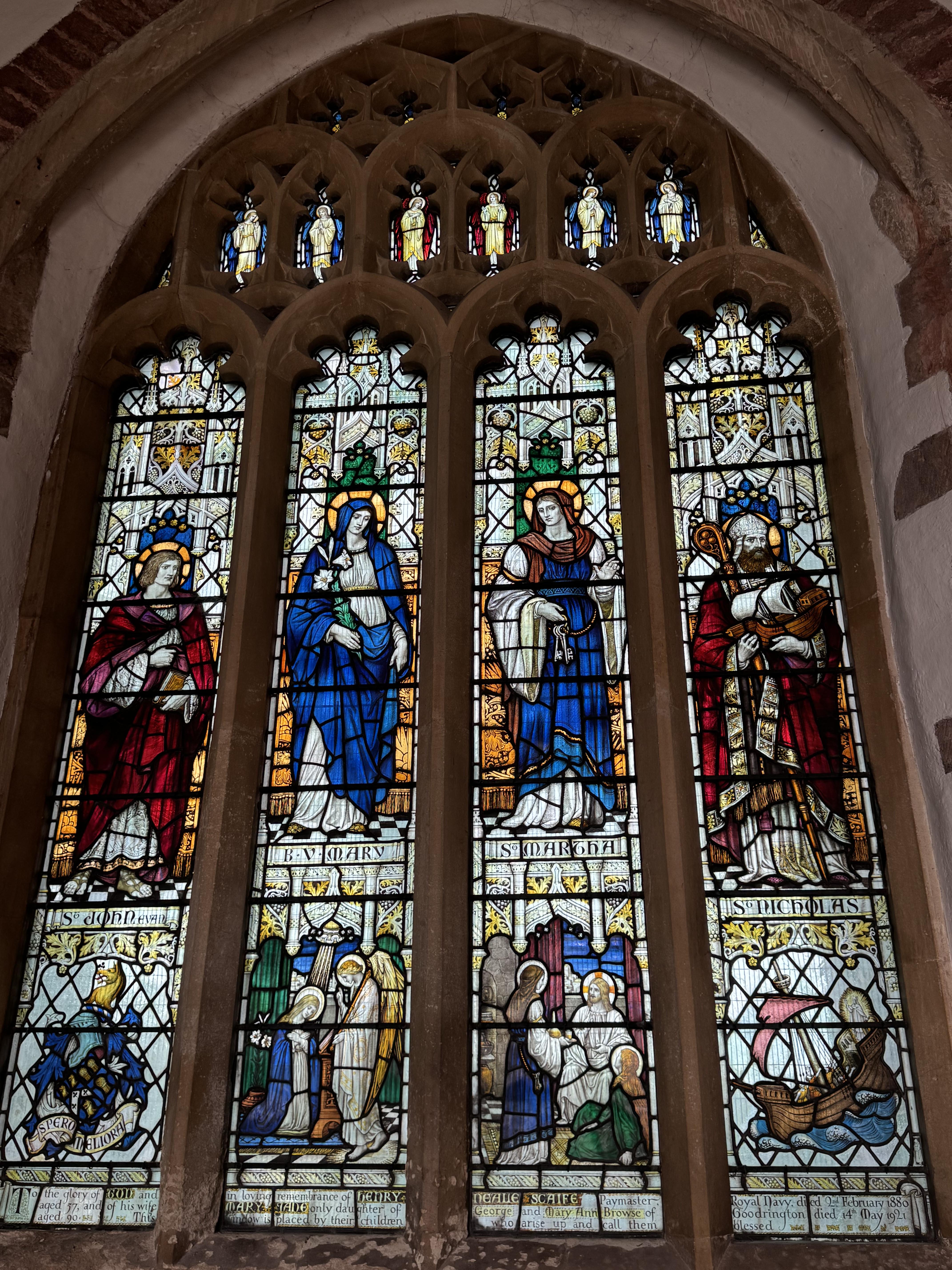
Another interesting sailor’s death was that of George Frederick Goodridge, who as a 21‑year‑old was killed as the 4th officer on the Royal Mail Steam Ship Amazon in 1852. RMS Amazon, at the time of her construction, was one of the largest wooden‑hulled steamships ever built. There are some sad parallels with the Titanic disaster. Like the Titanic, the Amazon departed Southampton on her maiden voyage to cross the Atlantic, although in the Amazon’s case she was heading to the Caribbean. The Amazon’s problem was not icebergs but her own engines, which almost straight away began to overheat. Several times they stopped the engines to let them cool, but 36 hours into the voyage, whilst crossing the Bay of Biscay in a storm, fire broke out from the overheating engines and spread to the oil and tallow store. With the fire in the middle of the ship, crew and officers were isolated from one another, passengers were panicking and soon many of the lifeboats were aflame. Being a new ship, the crew struggled with launching the remaining lifeboats, and they had been unable to stop the engines from running, creating a serious hazard with the giant paddle churning the water. Some lifeboats did get away, but there were to be only 58 survivors out of the 162 people on board. It was something of a national tragedy, and Queen Victoria and Prince Albert led an appeal for the widows and orphans caused by the tragedy. Sadly, young George was one of those casualties. The captain stayed at his post and went down with his ship.
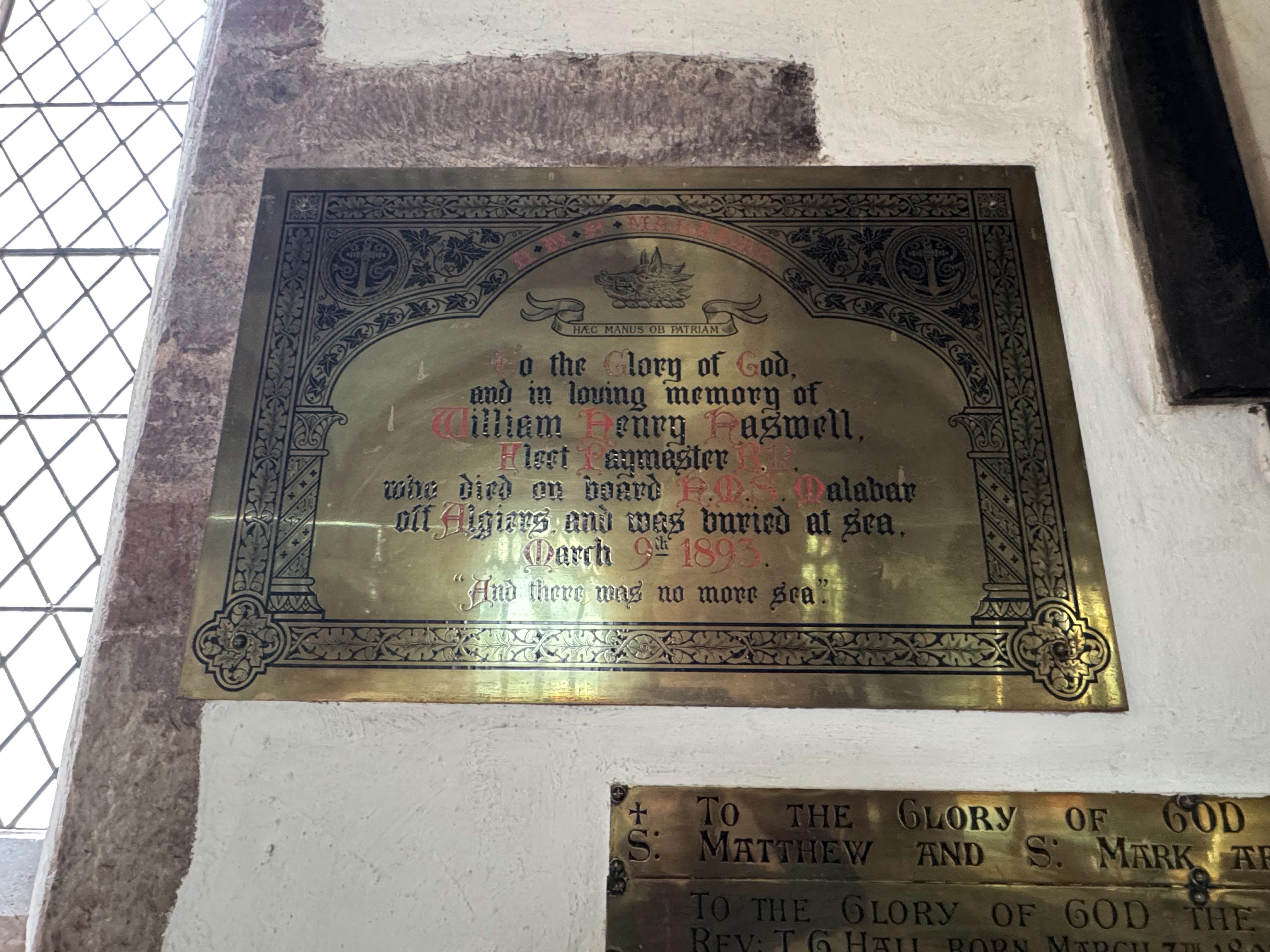
There is yet another sailor who died in an exotic location: that of William Henry Haswell, a Fleet Paymaster who apparently died on board HMS Malabar off the coast of Algiers and was buried at sea in 1893. HMS Malabar was a troopship that would carry British troops to and from India, traversing the Suez Canal as it did so many times. It could carry up to 1,200 troops on a voyage that might take up to 70 days to complete. On this journey they started in Portsmouth and were headed to Bombay. There is no indication of what poor William Henry Haswell died of, but I was intrigued to find that he was named after his father, who was a veteran sailor from the Napoleonic Wars who married at Stoke Damerel Church here in Plymouth, just over the road from my old school! His father had actually been serving on the frigate HMS Phoebe, which participated in the Battle of Trafalgar, acting as a reconnaissance ship shadowing the Spanish fleet and later in securing the prizes in the aftermath of victory.
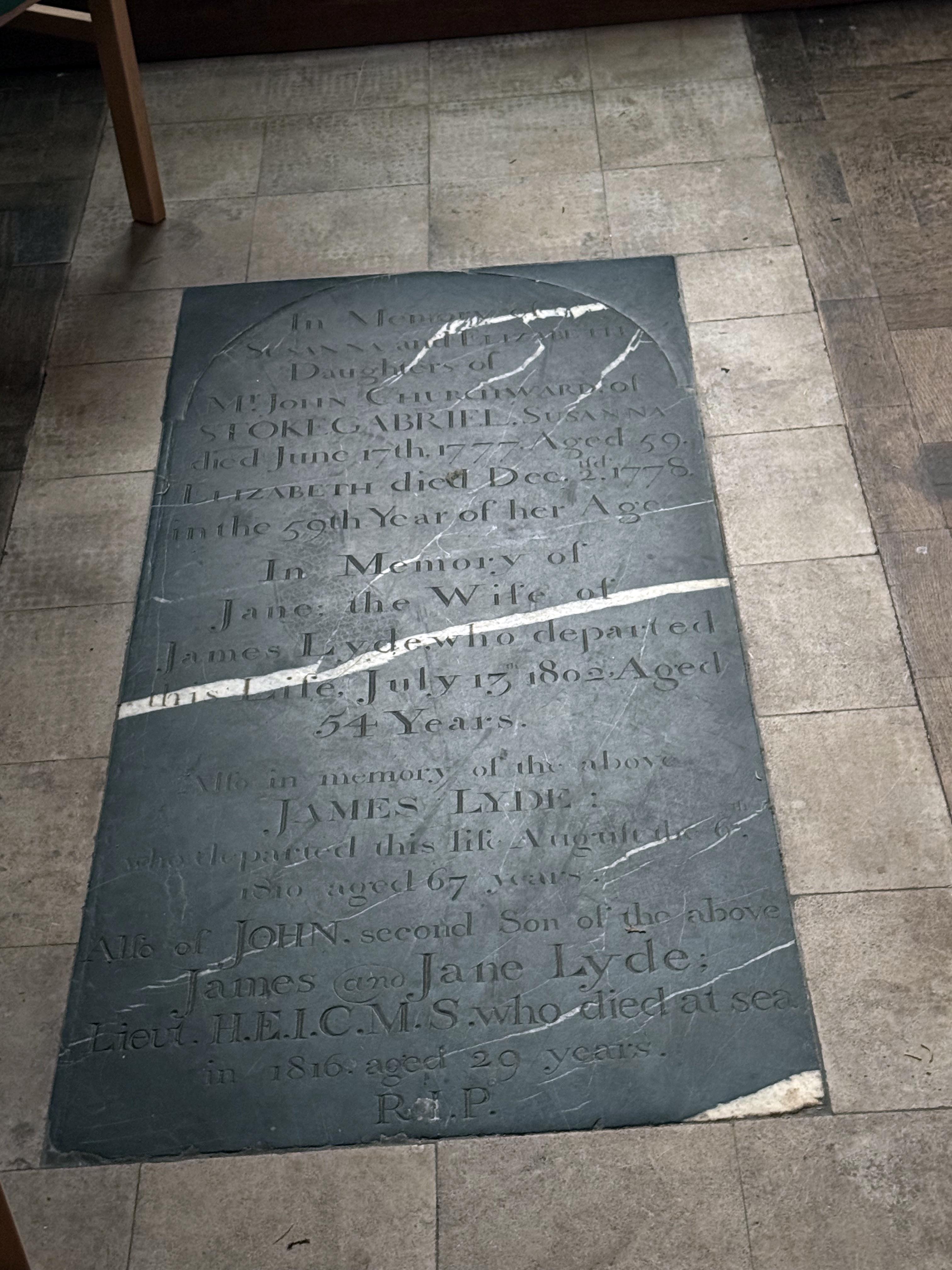
In the Lady Chapel I spied an interesting memorial to members of the Lyde family, including the young 20‑year‑old Lieutenant John Lyde of the Honourable East India Company Medical Services, who appeared to have died on board a ship in 1816. Again, this memorial would provide a tangible focus for a family who would never see where their son was lost.
There is a Boer War memorial to a 21‑year‑old by the name of Steward Ferris, who it says was a member of the South African Constabulary and died of wounds sustained at Engelbrecht Drift in 1901. This was an early clash during the guerrilla phase of the war and represented an early ambush of imperial forces by Boers. He may well have emigrated to South Africa, but his parents were still living in Paignton, hence this memorial. It bears reminding that before the First World War there were no formal government memorials. All memorials were privately commissioned until the establishment of the Imperial War Graves Commission.
But most chilling of all is the rather gruesome cadaver monument on the south wall of an unknown cleric. These cadaver monuments were intended to illustrate the transience of life and that all would eventually die and so should live as good Christians and prepare for the afterlife. There is a suggestion that he may have been a 15th‑century Irish bishop, but sadly there is no convenient plaque revealing his identity. In many ways, though, his anonymity makes his message even more universal.
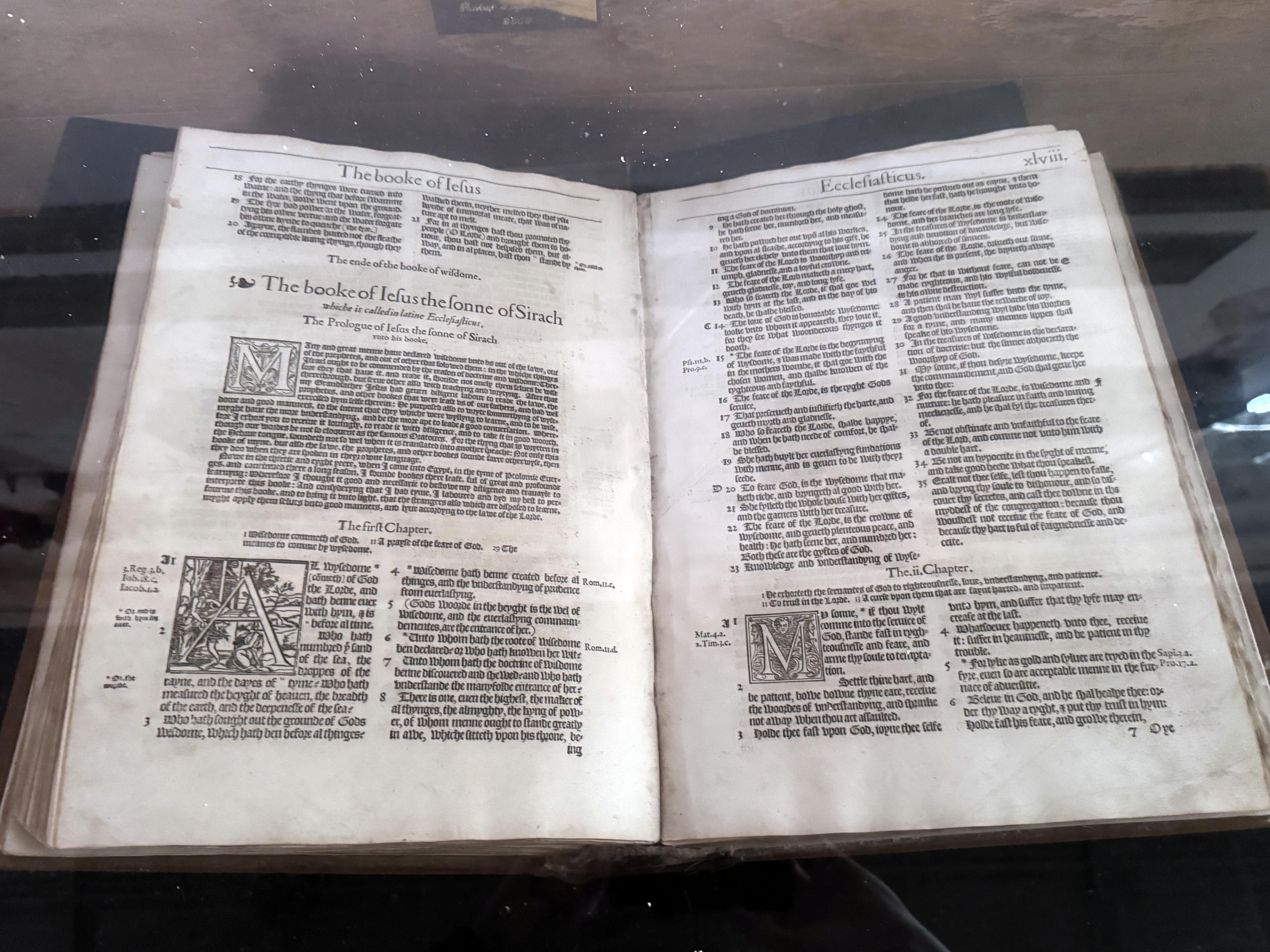
The church displays a Bishop’s Bible from the 16th century, so‑called as the bishops checked and updated the earlier Tyndale and, of course, Coverdale translations. Although they added their own idiosyncrasies, including the treacle reference in the Book of Jeremiah, Chapter 8, Verse 22: “Is there not triacle (treacle) at Gilead?”, the more common translation being “balm”. This led to these Bibles being referred to as Treacle Bibles.
After having a good look around the cemetery we headed down past the Bishop’s Palace towards Palace Avenue Gardens, where the war memorials are located. We noted a few of the poppy wreaths blown out of position and gladly returned them around the monument.
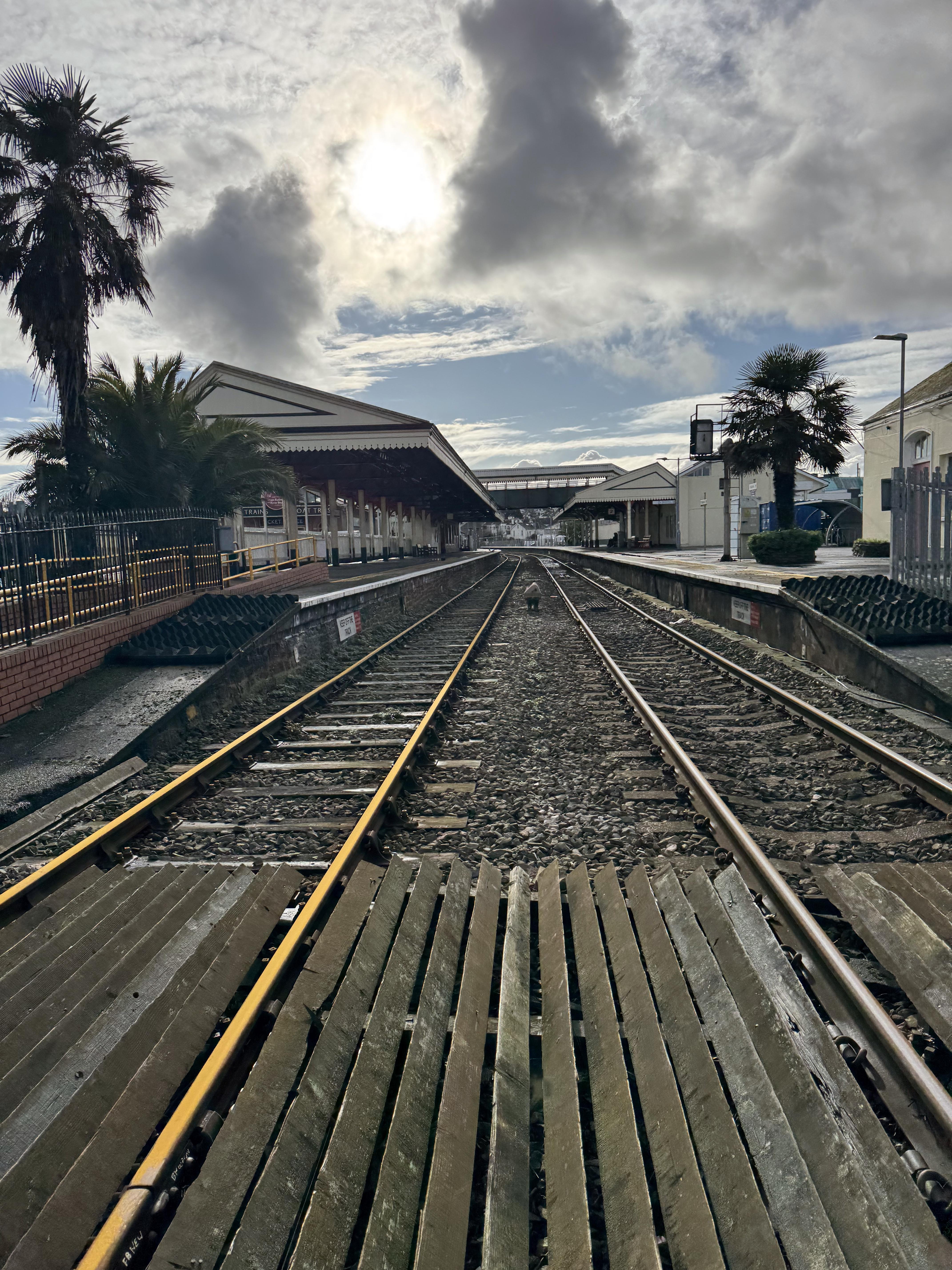
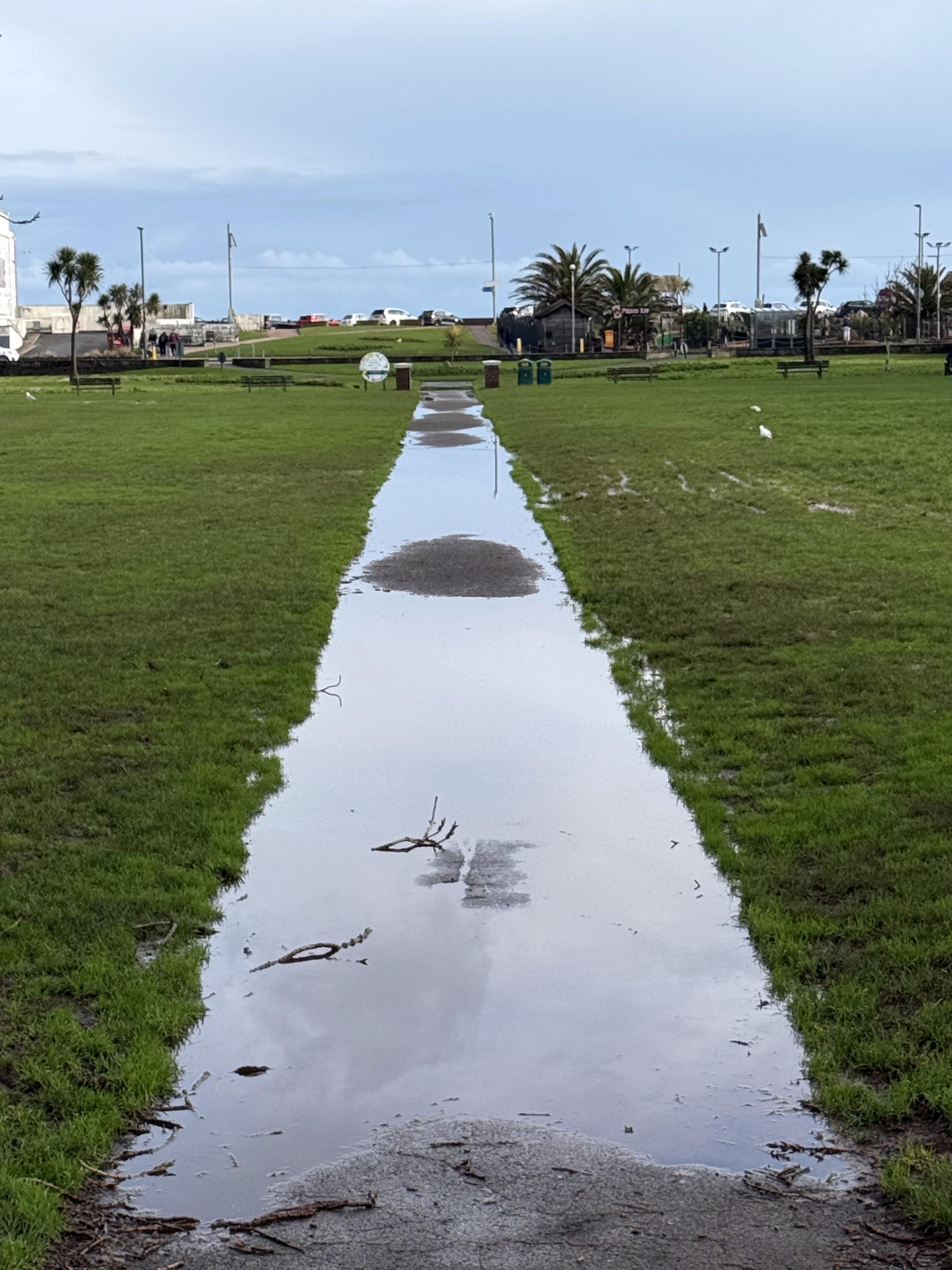
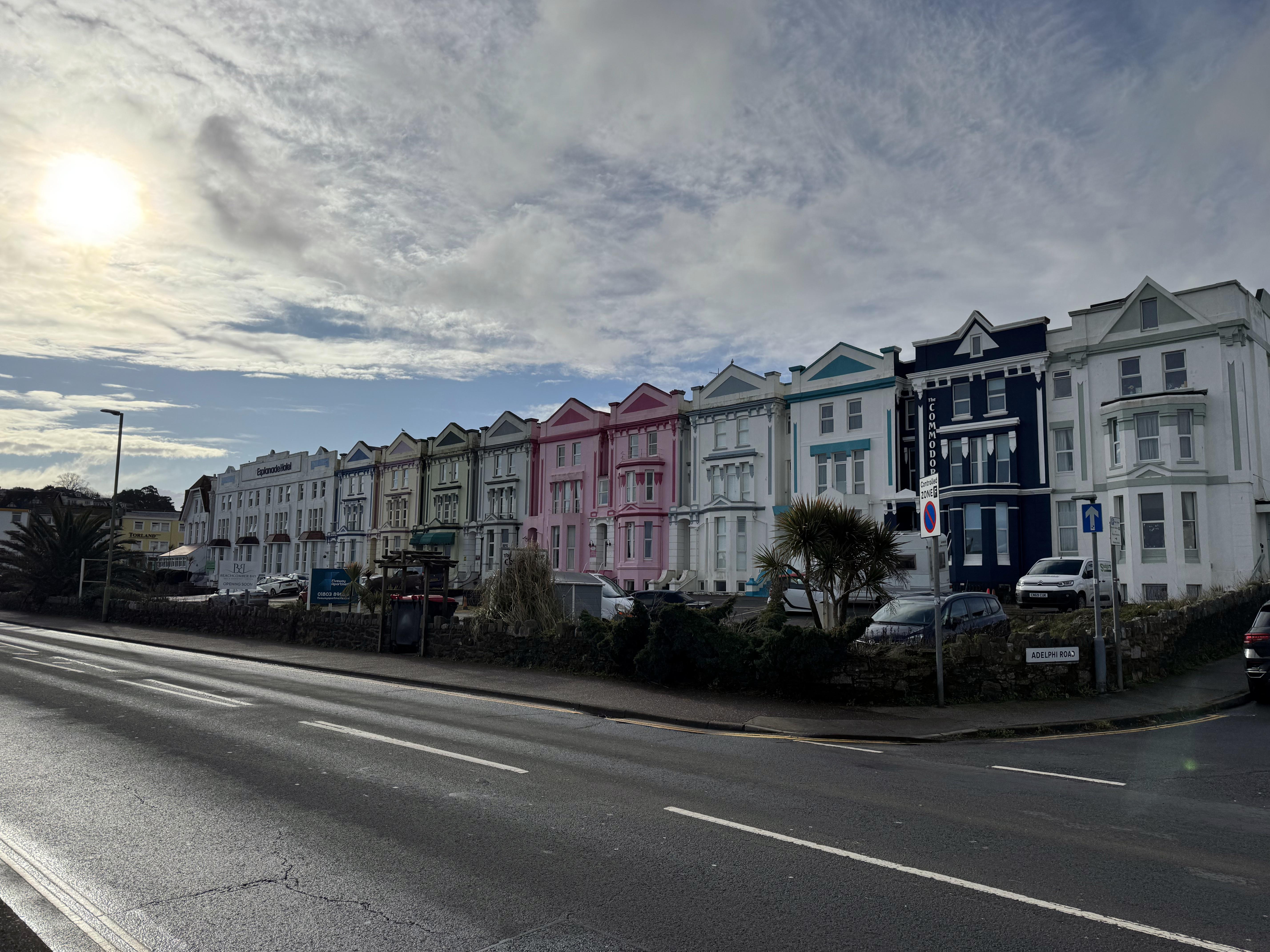
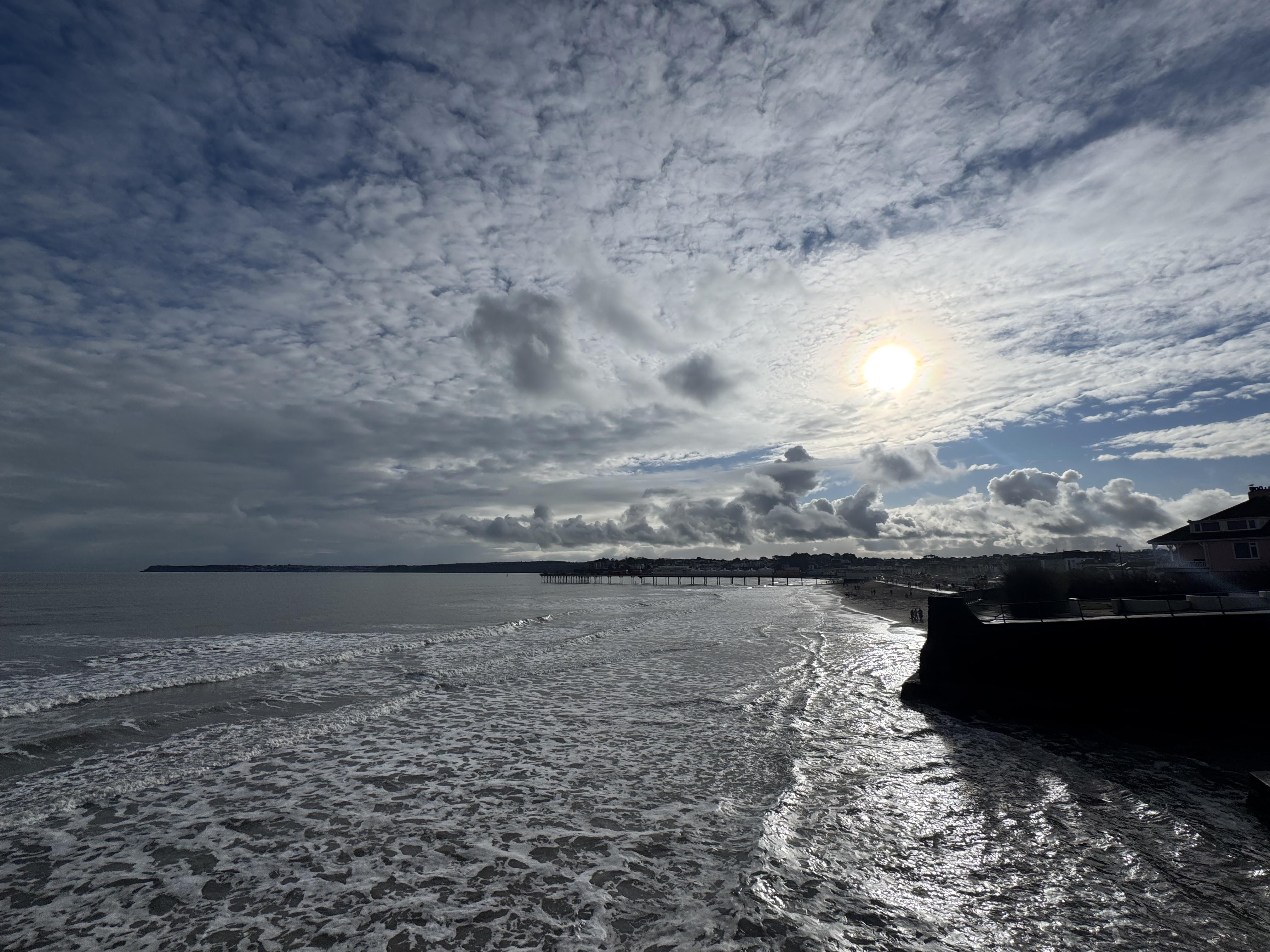
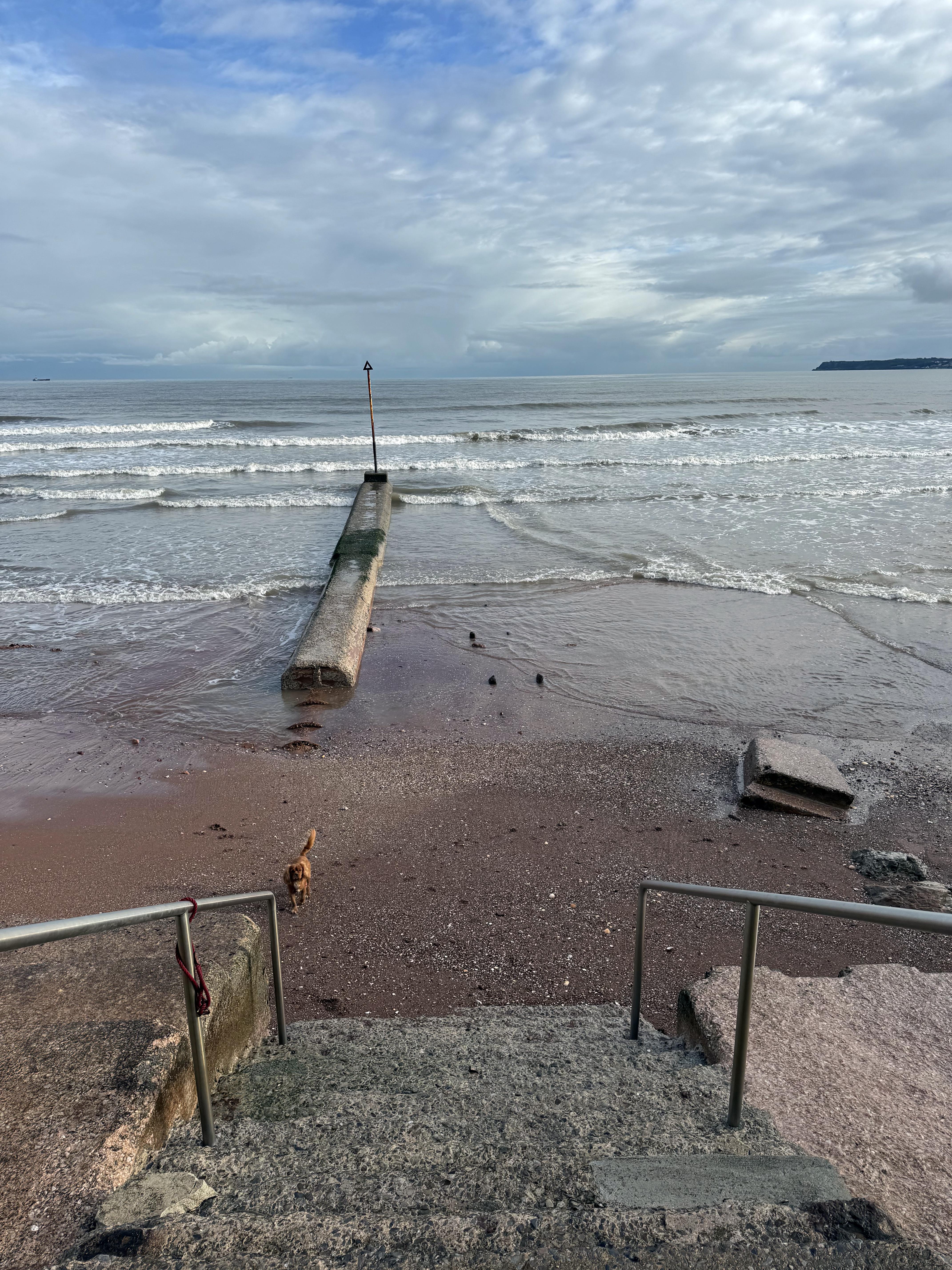
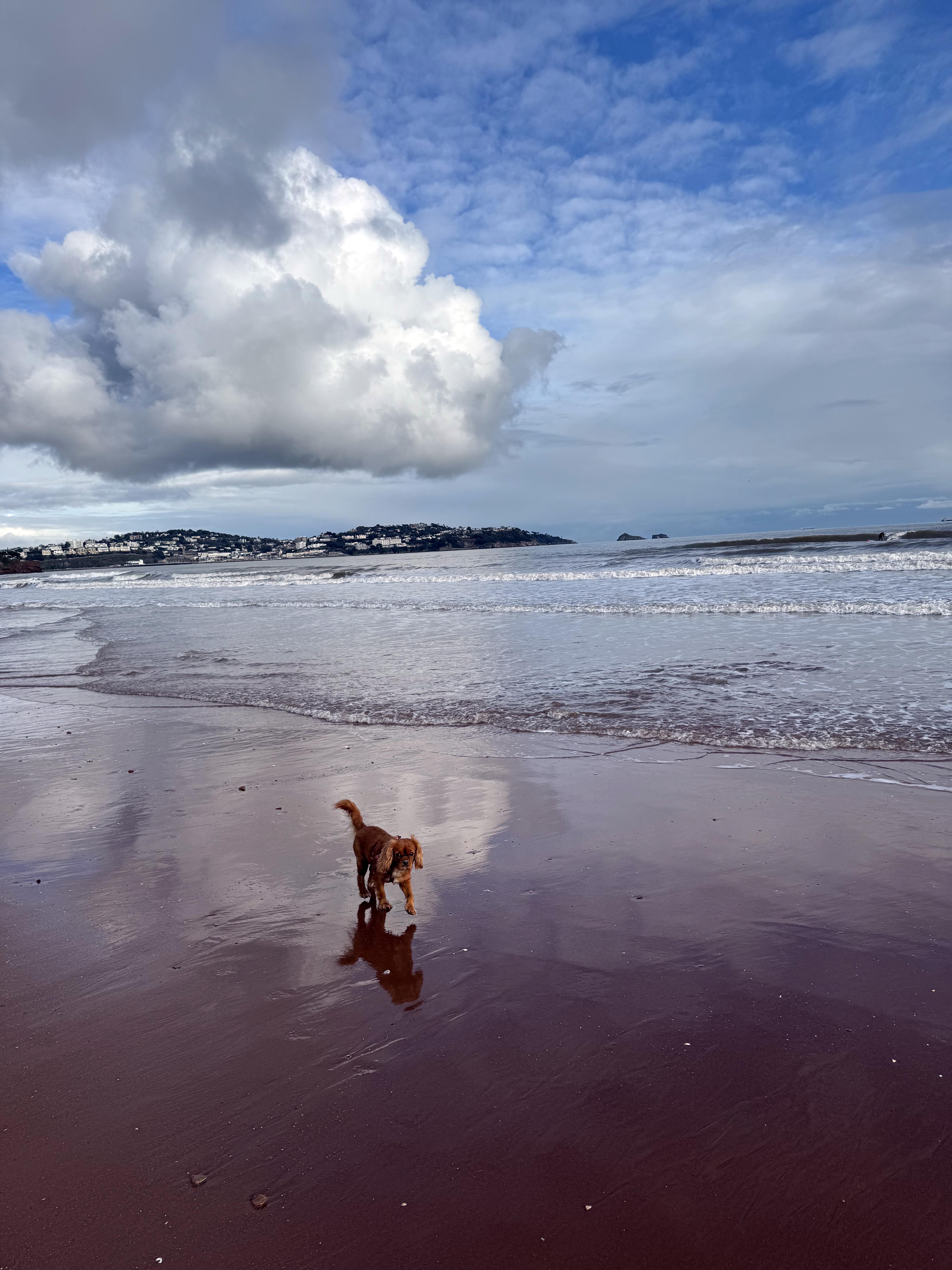
We then decided to turn east and head to the seafront, crossing over the railway tracks as we did so. After all the rain we noted some very waterlogged park pathways, so kept to the roads and caught a glimpse of the arcades and tourist ephemera that Paignton is now known for. These garish shops and amenities are not quite my cup of tea, but when you get to the sea you can understand why Paignton still attracts so many visitors. The seafront is quite delightful and the sun seemed to appear just as we got to its characteristic red sand. The pier jutted out but looked delicate in the choppy seas. Just a few days previously nearby Teignmouth lost some of its own pier to stormy weather.
 |
|
|
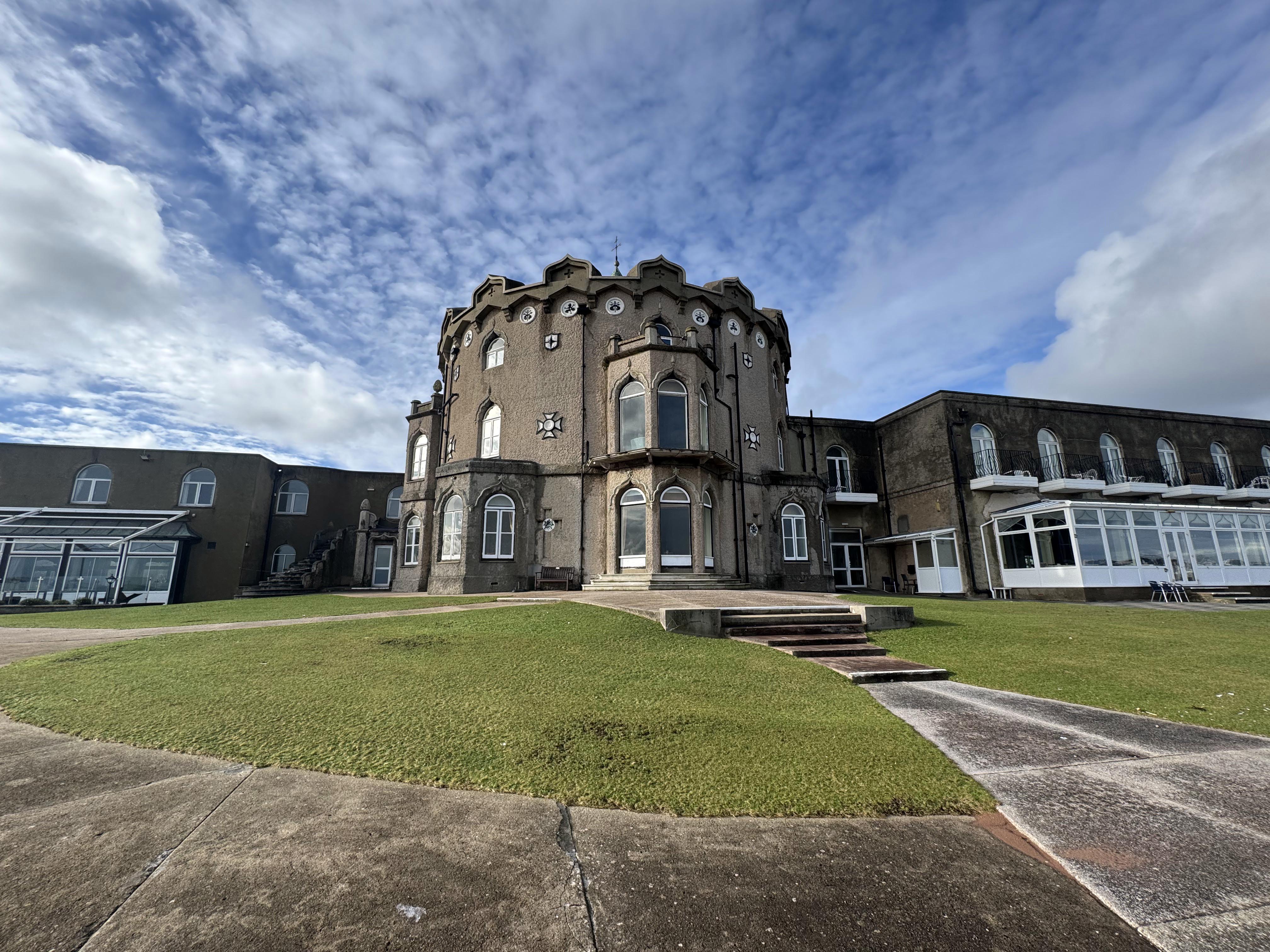
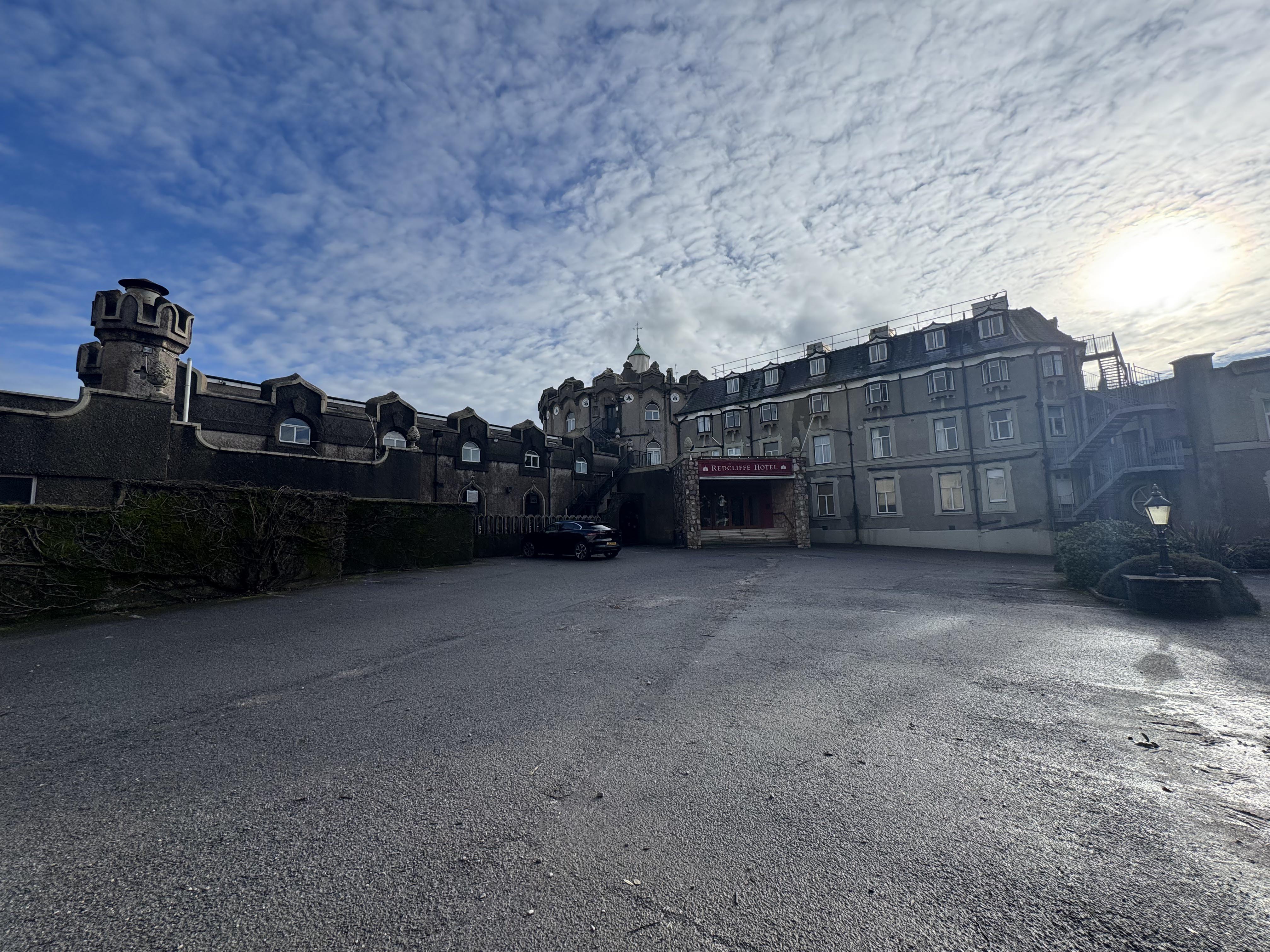
We followed the seafront back northwards, making our way to the fascinating Redcliffe Hotel, which had been built by an old Imperial India hand by the name of Colonel Robert Smith. He had joined the Bengal Engineers in 1805 and built much of the Company infrastructure to help administer the Bengal Presidency. However, he was even more famous as an artist, and much of the early imagery of East India Company rule in Bengal was recorded for posterity by Robert Smith. He was a man of means and built this enormous house full of Indian motifs and inspiration to remind him of his career in India. We were fortunate to find it bereft of cars and the hubbub of guests, as it is about to undergo a major refurbishment process.
From here we carried on following the coastal path to Hollicombe Park, where we crossed back over the train line. We then climbed up looking for the Occombe Valley Nature Reserve, which, despite being very soggy, afforded us magnificent views back over Torbay. We then had a muddy but pleasant woodland walk back to Shorton. Paignton is the kind of place that you don’t expect to find with quite such deep roots, but it has as fascinating a history as you could hope to find. Not many people associate Paignton with bishops, Bibles, American industrialists, imperial agents or disasters at sea, and yet it has its own unique history that you can still find fragments of if you look hard enough.
|