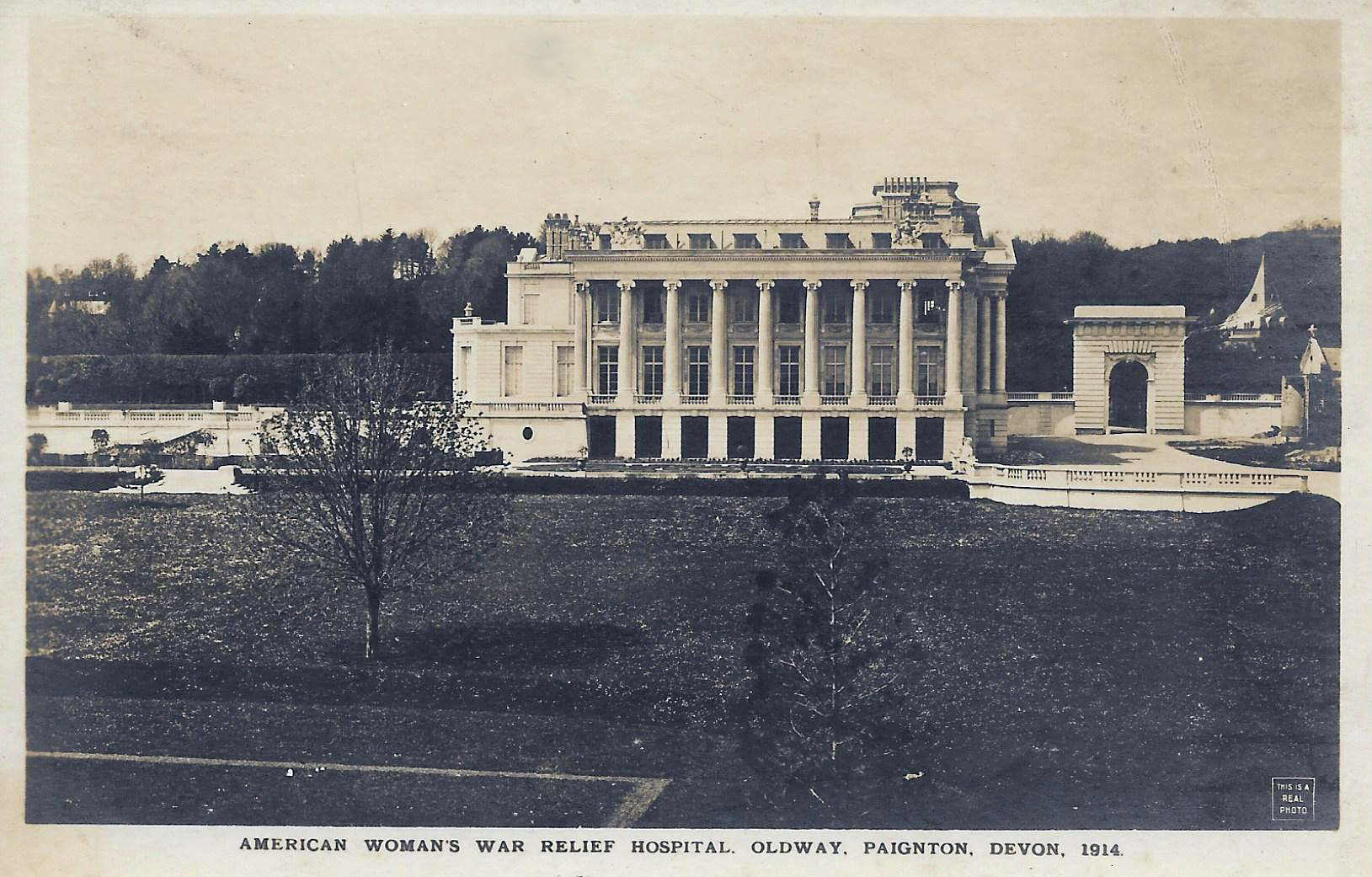
Oldway Mansion is one of those buildings that seems almost embarrassed by its own scale. Isaac Merritt Singer, having made a fortune from sewing machines and an even larger reputation for personal chaos, decided in the 1870s that Paignton was the ideal place to construct a French palace. The result was Oldway: a curious mixture of ambition, imitation and sheer bravado, complete with a staircase modelled on the one at the Paris Opéra and interiors that looked as though they had been ordered wholesale from a catalogue of European grandeur. It must have been quite something for the locals, who were more accustomed to red sandstone cottages than gilded balustrades.
Singer died before the house was finished, leaving his family to complete the project and then live in it with varying degrees of enthusiasm. The mansion drifted through the late nineteenth century as a kind of monument to the Singer dynasty, its gardens laid out for promenades and its rooms used for the usual round of Victorian entertainments. The family’s wealth and eccentricities were well known, but Oldway itself remained a private world behind its gates, glimpsed only occasionally by the townspeople who walked past its walls.
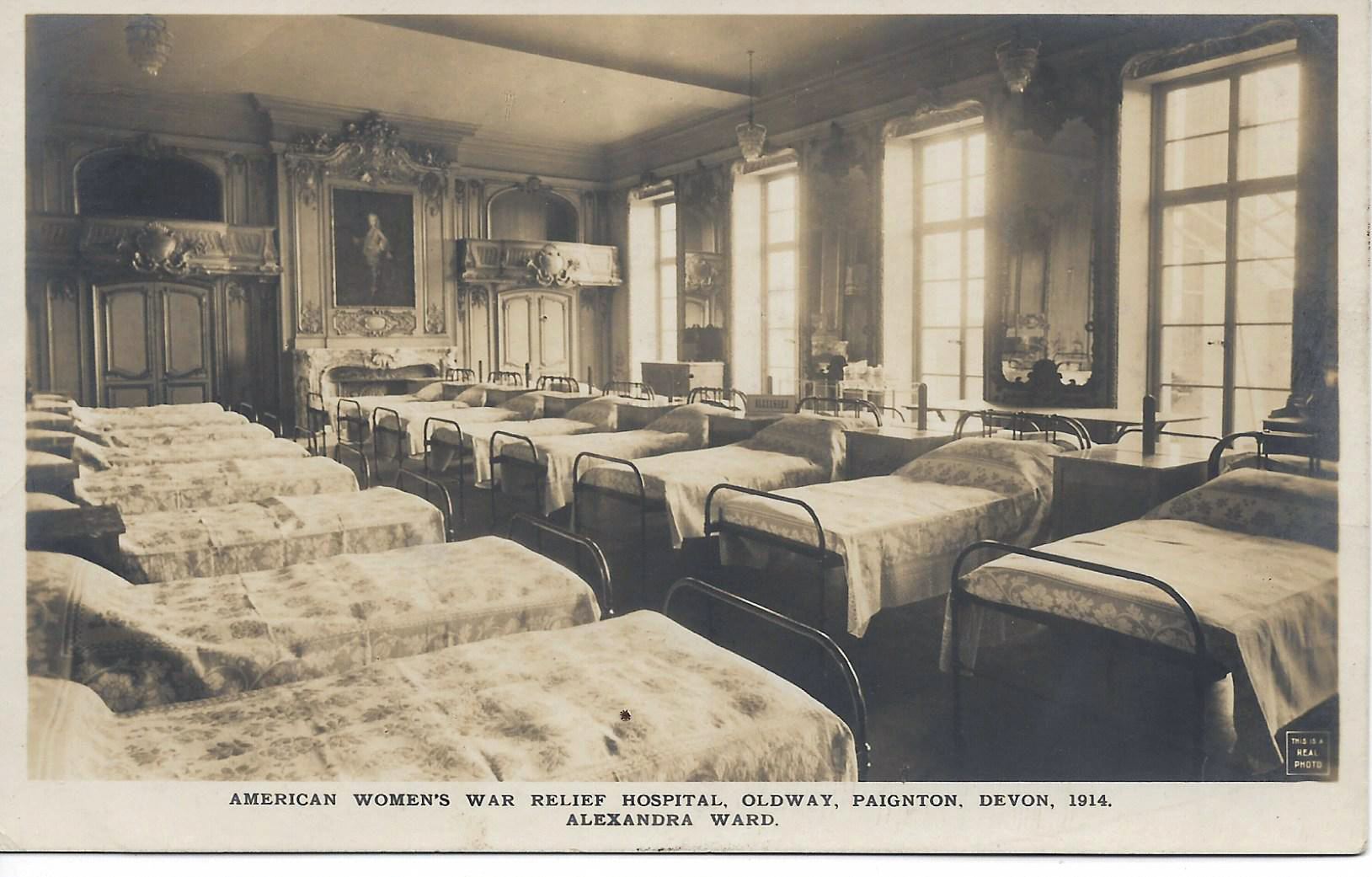
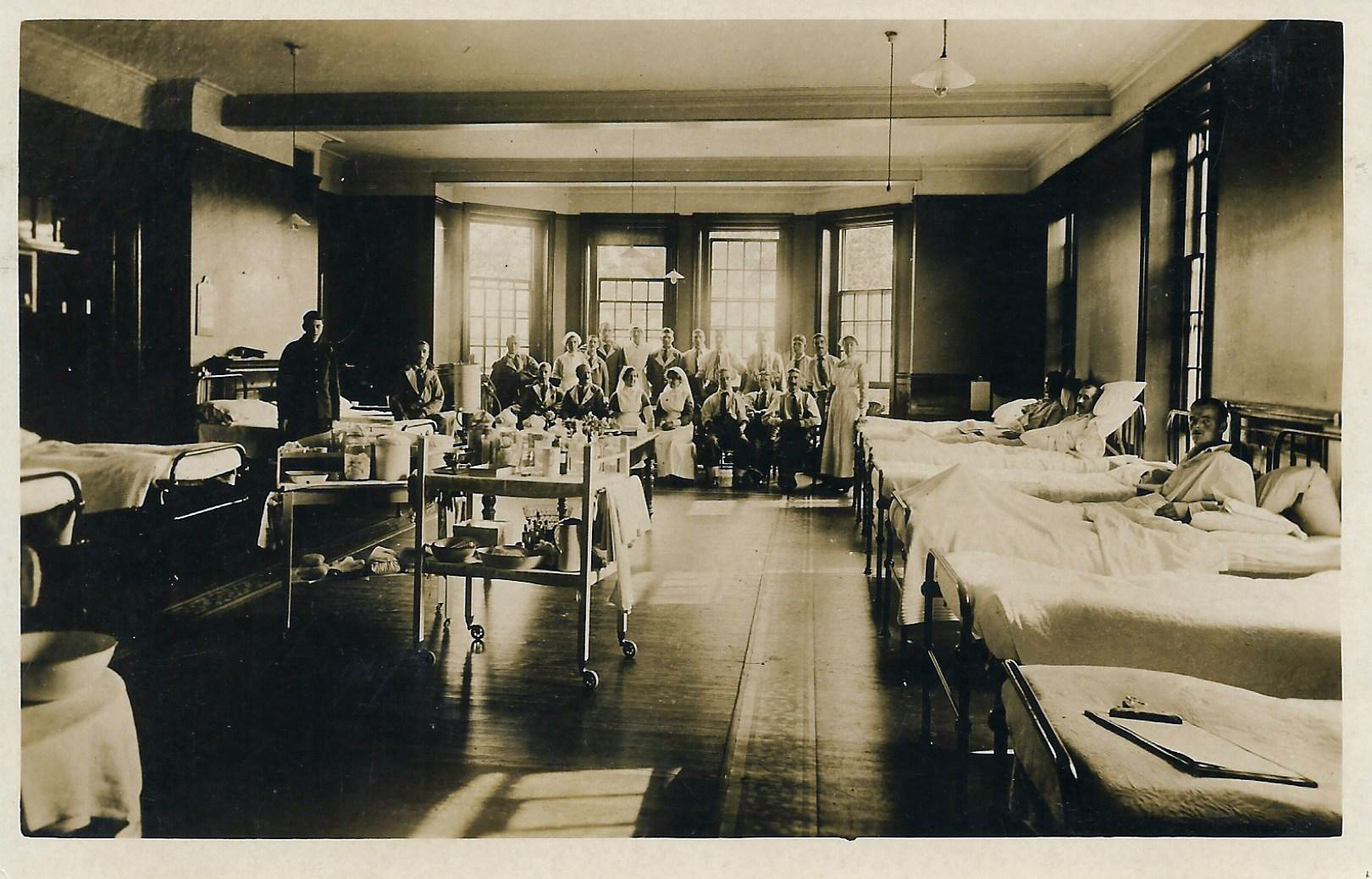
Everything changed in 1914. With the outbreak of the First World War, the Singer family offered the house to the American Women’s War Relief Committee, who promptly turned this improbable palace into a hospital. The transformation was rapid and practical. The grand entrance hall became a ward; the ballroom was filled with beds; the ornate fireplaces and plasterwork found themselves sharing space with medical screens, trolleys and improvised operating areas. Photographs from the time show the Alexandra Ward with its neat rows of beds beneath chandeliers and carved panelling — a collision of luxury and necessity that could only have happened in a place like Oldway.
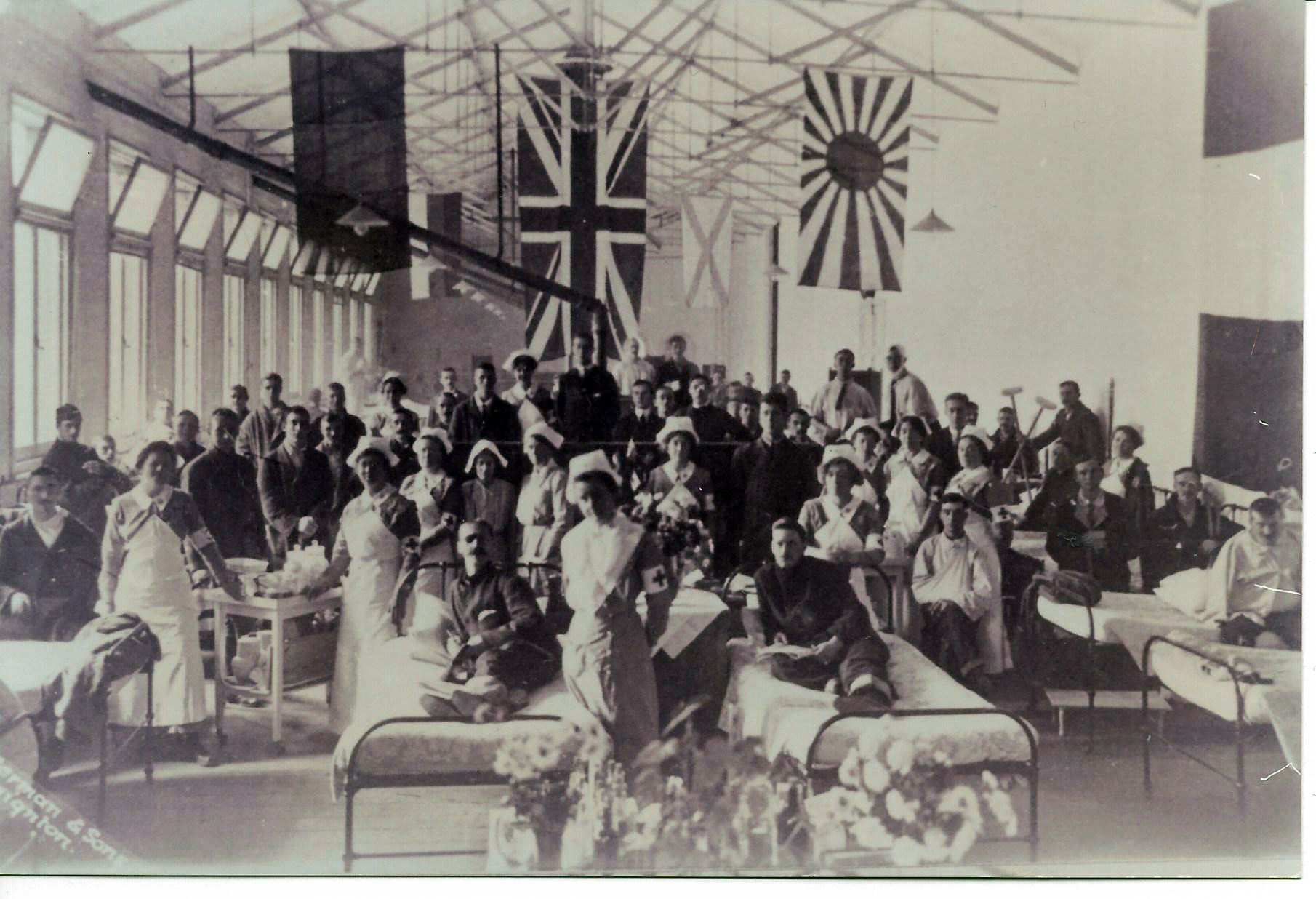
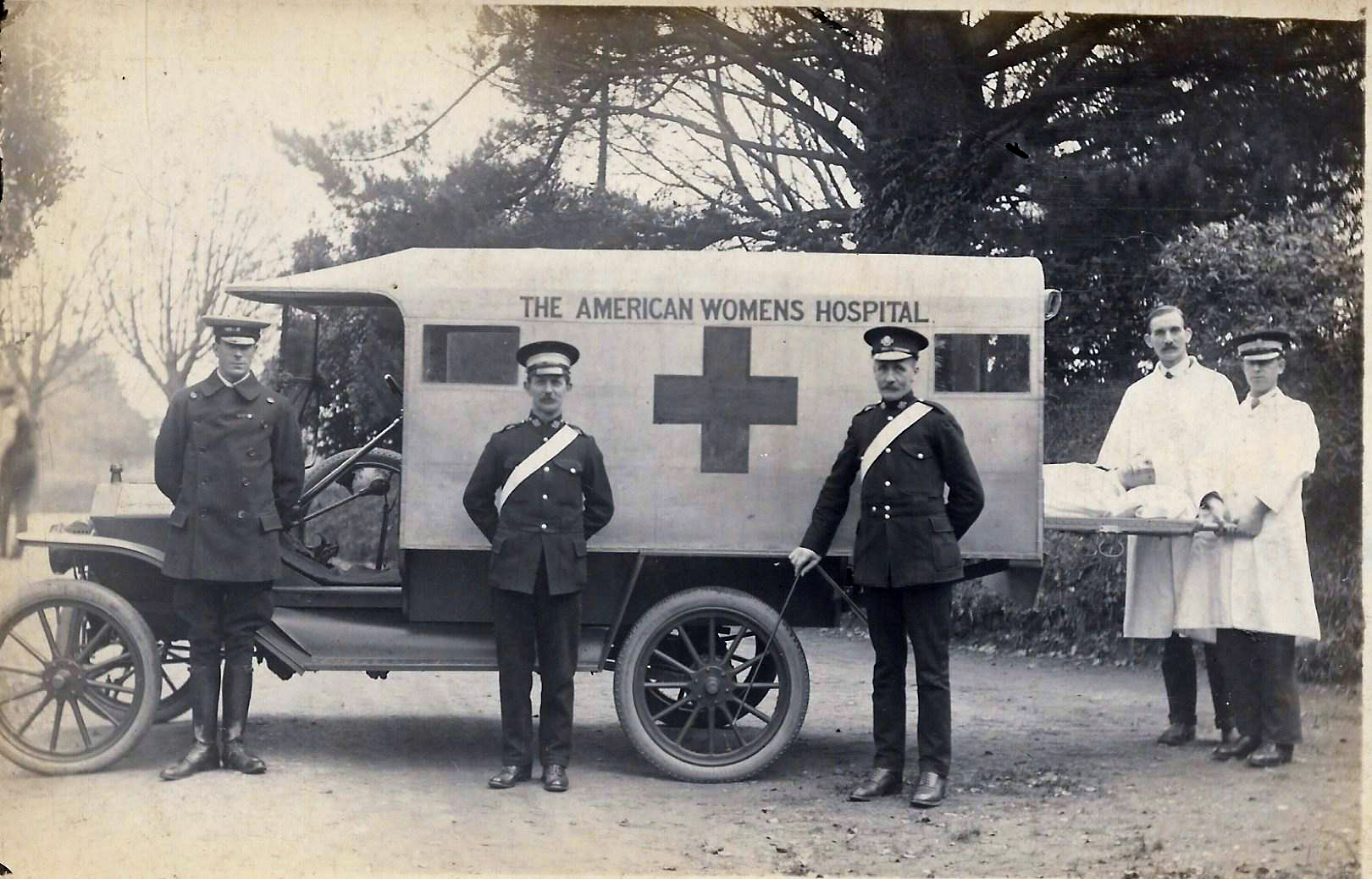
The American women who ran the hospital were efficient and unflappable. They staffed the wards, organised supplies, and dealt with the steady flow of wounded soldiers arriving from the Western Front. Early motor ambulances bearing the red cross pulled up beneath the mansion’s portico, and nurses in starched uniforms posed for group photographs with the same mixture of pride and exhaustion seen in most wartime medical teams. The house, designed for display, suddenly found itself being used for something altogether more serious.
Outside, the gardens took on a new role. Soldiers recovering from surgery or injury walked the terraces or sat on the lawns looking out across Torbay. The ornamental features of the estate — fountains, balustrades, clipped hedges — became part of the daily routine of convalescence. The contrast between the theatrical setting and the very real business of recovery is evident in the surviving images, which show patients resting beneath palm trees or gathered on the steps of the mansion.
After the war, Oldway returned to civilian life, though never quite to the purpose its builder intended. It became a venue for events, a council property, a tourist attraction, and eventually a building in search of a future. The Singer staircase remained impressive, the gardens continued to grow and decline in cycles, and the house itself settled into the slightly faded grandeur that now defines it. Its years as a hospital are often mentioned only in passing, yet they remain one of the most distinctive episodes in its long and improbable story.