|
With my son getting a job in Exeter, my dog Rupert and I are going to be doing a lot more exploring of that lovely city in the not too distant future. In this walk we concentrated on what was once the village of Heavitree, well outside the old city walls of Exeter, but is now firmly within the city limits and hard to tell apart from the urban conurbation. But if you look carefully in the churches and the architecture of the buildings you can still recall some of its more tranquil and rural history, and there is plenty of evidence of the living arrangements of the well-to-do who may well have worked in Exeter but wished to live the lives of country gentlemen and women with more genteel pastimes.

|
|
|
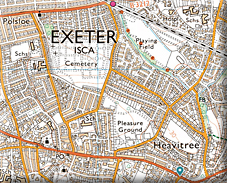
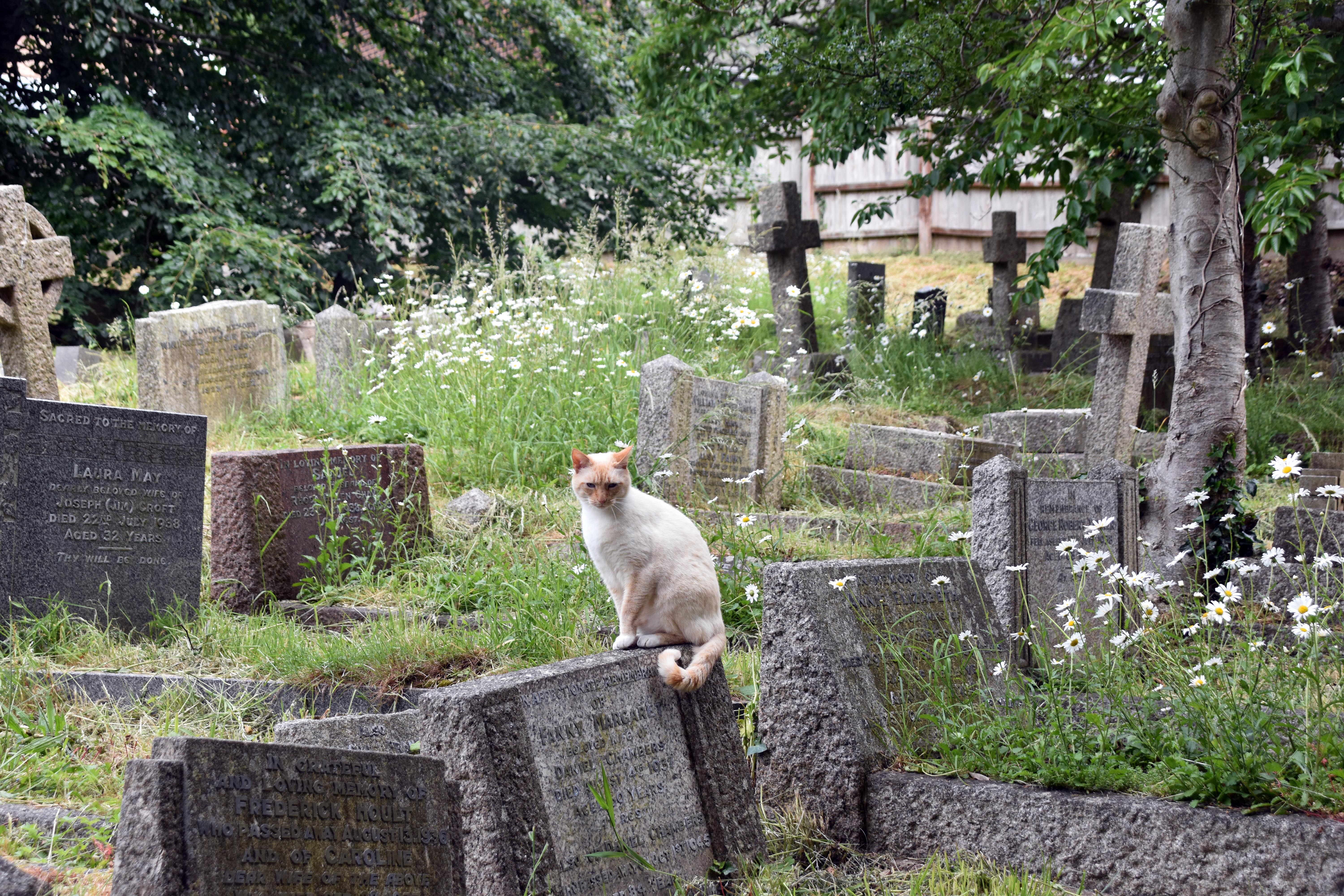
We once more parked by Higher Cemetery which we explored all too briefly a few weeks ago. There was another motive as I wished to identify the graves of two aircrew who were killed on Hameldown Hill near to Grimspound, the memorial of which we visited just a fortnight previously. And within seconds we found the headstones of the Pilot Officer the Honourable R. D. Wilson lying next to the South African Sergeant R. L. A. Ellis. If you note carefully you will see that Pilot Officer Wilson’s date of death is the following day from that of Sergeant Ellis. This was because three of the crew died on impact but Pilot Officer Wilson had been very securely strapped in his seat and survived the initial impact. They had been flying in low cloud and had assumed they were flying over water when they descended to see if they could improve their visibility. Sadly, they were flying into the heights of Dartmoor.
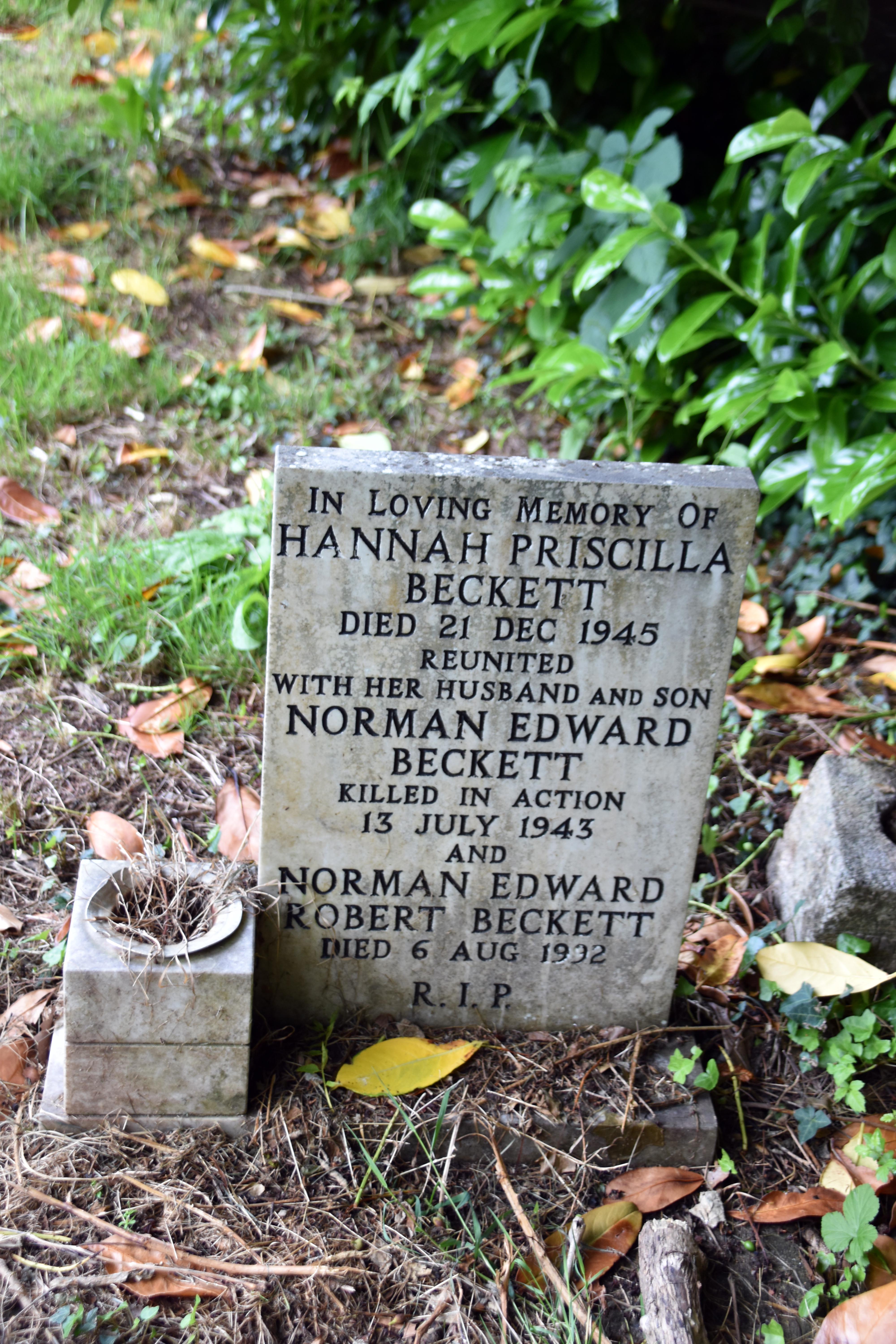
Nearby was a grave to Hannah Priscilla Beckett which remembered her own son Norman Edward Beckett who, the headstone explains, was killed in action on 13th July 1943. He was in the 2nd Battalion of the Devonshire Regiment which had been stationed on Malta since 1940 and already undergone severe privations and multiple bombing attacks. However, with the loss of Tunisia to the Afrika Korps he was now participating in Operation Husky – the Allied invasion of Sicily. The invasion took place on the 13th itself where the Devons were involved in a swift advance up to the town of Vizzini, 2000 feet above sea level and ferociously guarded by a mixture of Italian soldiers, German paratroopers and Hermann Göring’s armoured division. It was in this initial onslaught that poor Corporal Beckett was killed at the age of 31. He is buried at the Syracuse War Cemetery on Sicily. If you do the maths on this headstone it reveals a very sad family as the father had already died back in 1932 and the mother herself died only two years after her son in 1945.
|
|
|
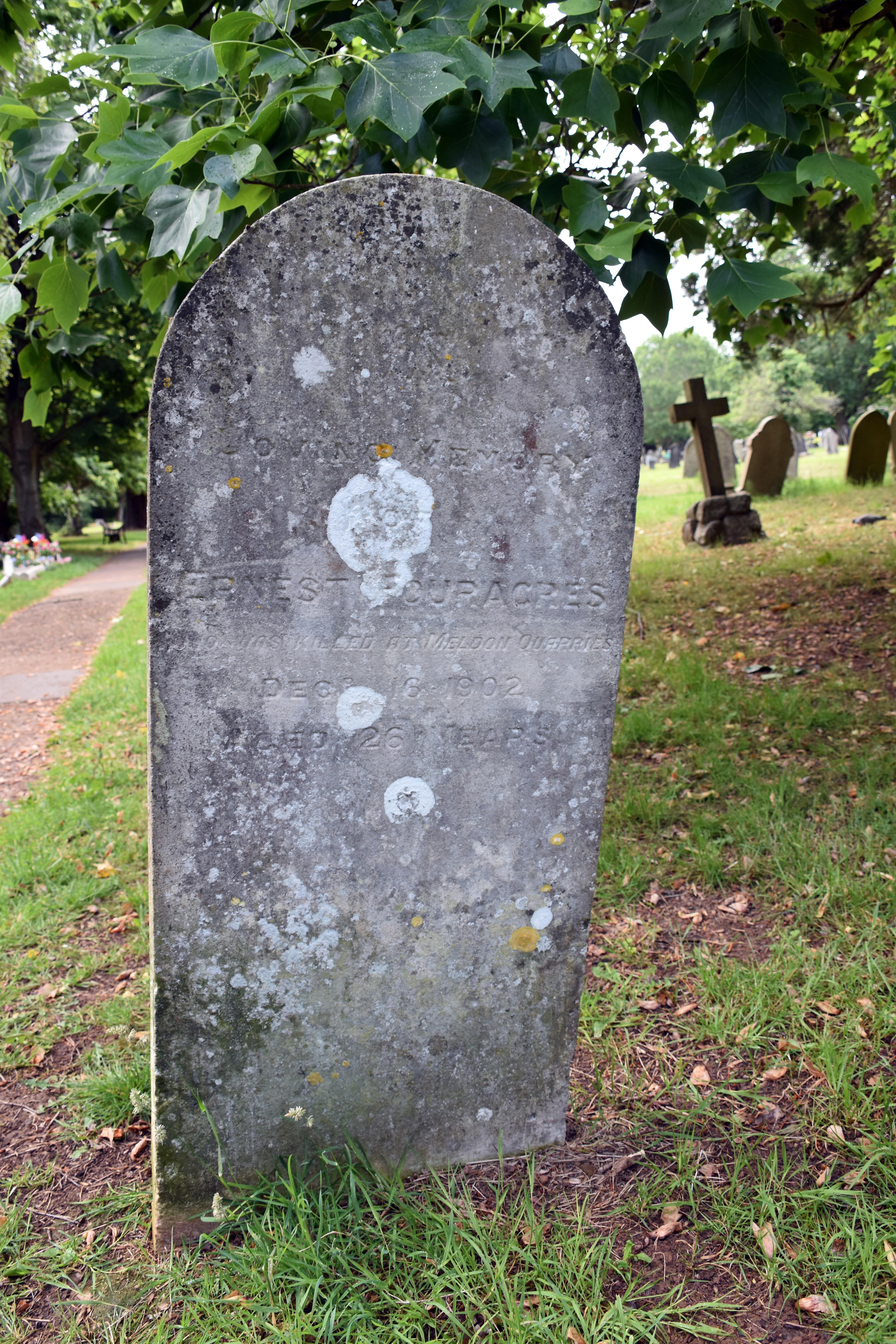
There was then another grave that caught my attention, mainly as it had the name Fouracre and I had just come across that name as a company in Plymouth that used to produce stained-glass windows. It was not connected to that particular firm as far as I know but I was intrigued to read the faint inscription which explained that Ernest Fouracre was killed at Meldon Quarries in 1902 at the age of just 26 years old. I know those Meldon quarries well. It transpires that he was killed on only his second day at work at these particular quarries although he was an experienced quarryman. At 7am in the morning the rock face he was working on collapsed, sending a ton of rocks on top of him. He was killed instantly in what was judged to be an accidental death. It is a reminder of the brutalities and dangers of physical labour in an era when machinery was less prevalent and reliable to use.
|
|
|
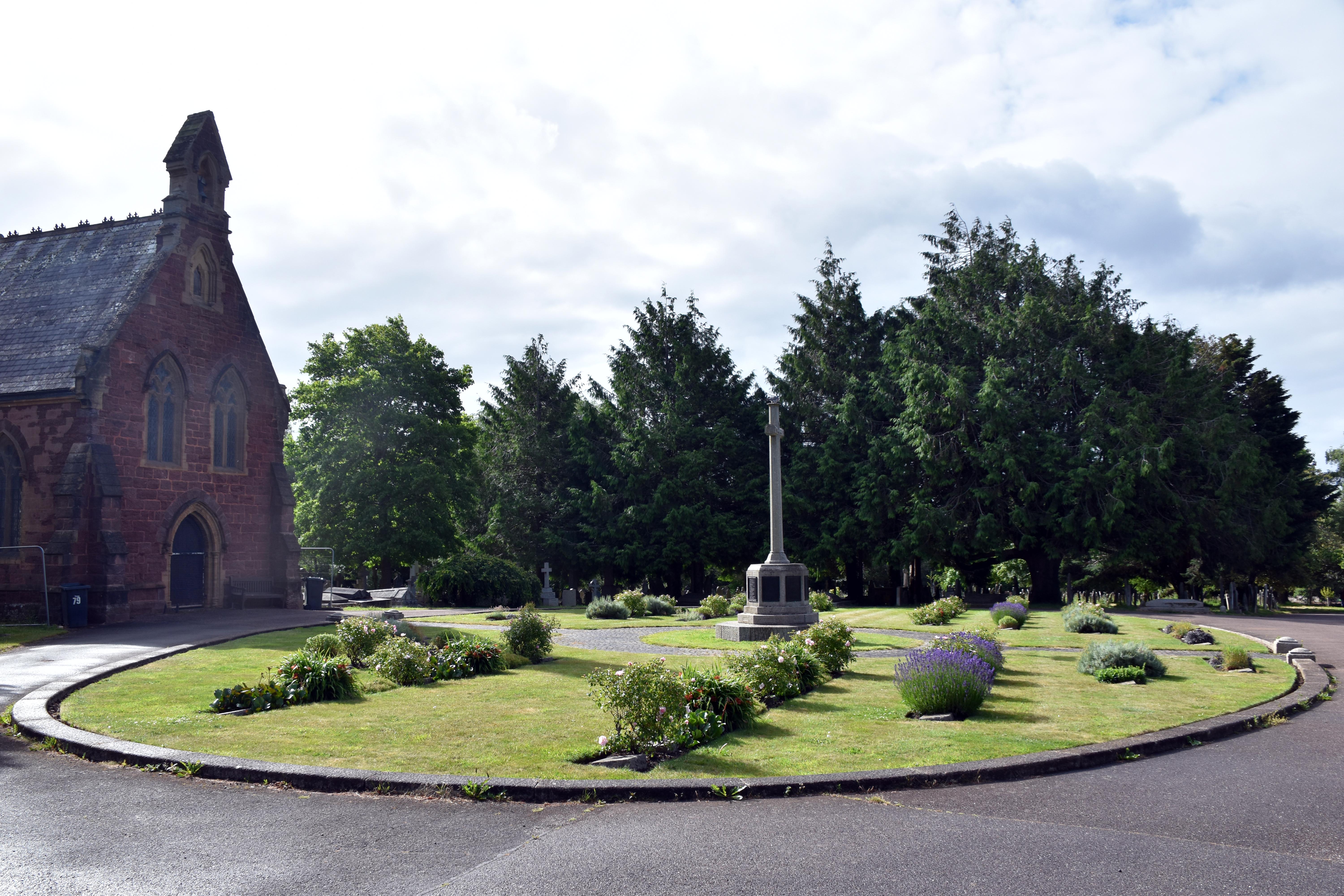
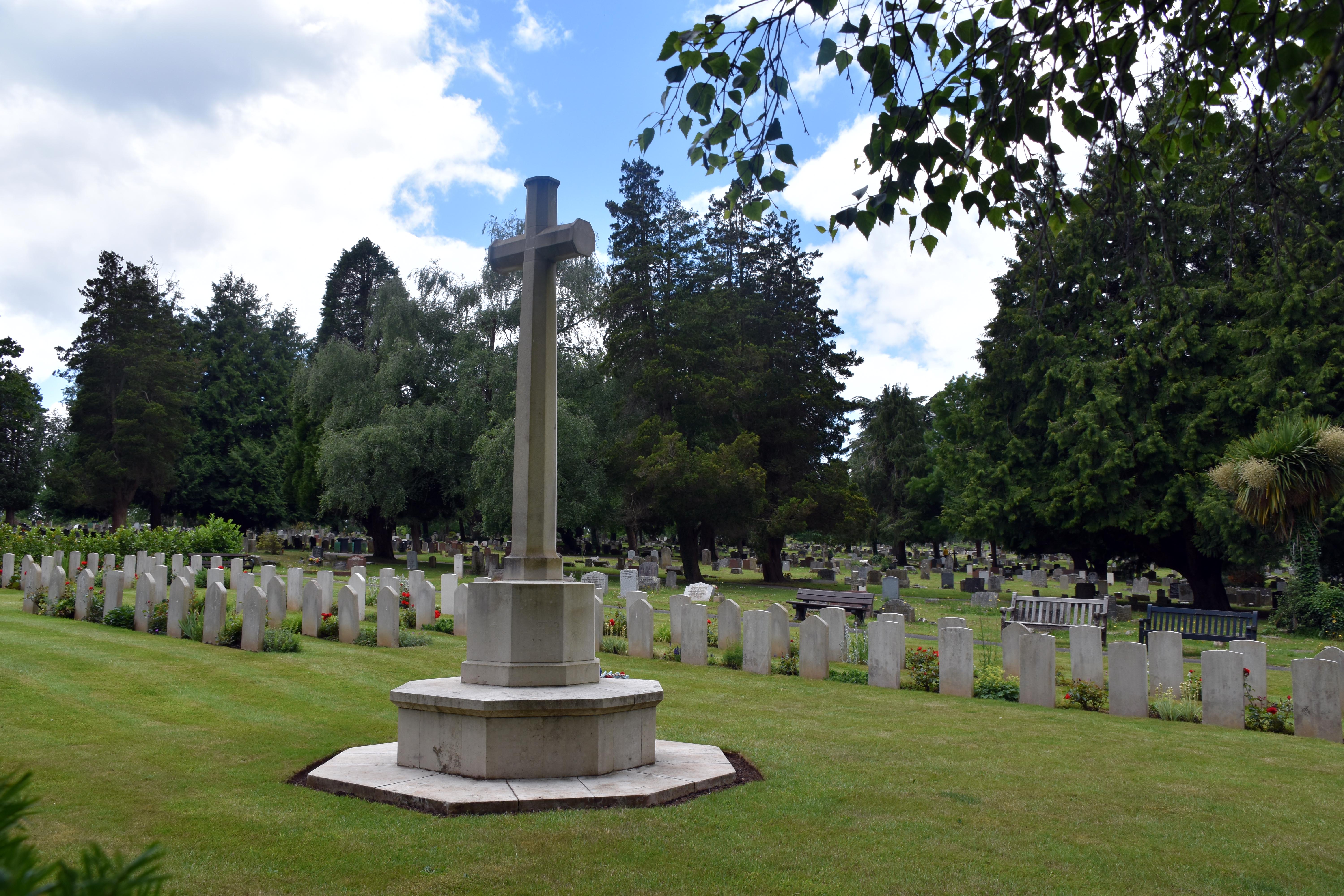
I was conscious that last time I came to the cemetery I had not visited the First World War memorial and graves. These are most unusual in that they are all flat headstones bearing only the name of the soldiers. There is no rank, no regimental identity – classless and ageless. It is a reminder that the battlefield could cause pain and suffering no matter what your rank or station in life. Nearby there is a more formidable family vault that recalls a Captain Horace Charles Gracey of Exwick House, but this is no grave as the sad inscription explains. It tells us that this Captain in The Rifle Brigade went missing on the 18th of October 1916 east of Les Boeufs towards Le Transloy, Somme, France at the age of 23 years. The unusually detailed description of where he was seen has the air of a desperate plea to help locate him or his body. It may well have been subconsciously added so that any soldiers or their family members visiting the Western Front might keep an eye out or let them know if a body was located. Many thousands of grieving parents and family members made the grim pilgrimage to the battlefields in the immediate aftermath of the war as they sought to discover where their sons had died or comprehend the nature of the warfare that took their lives. With no known body, Horace Gracey is remembered along with 72,000 other soldiers who went missing in action on the Thiepval Memorial. Missing is a clinical euphemism that mostly hides gruesome deaths that may have involved utter obliteration from artillery shells or being buried in mud or in collapsed trenches. It is hard enough coming to terms with death when you have a body confirming that fact. Having a son missing could be far more painful as it held out the tiny possibility that he might have become a prisoner or become concussed. Both sides were actually efficient at gathering names of prisoners and sharing them via the Red Cross, but the very fact that there was no confirmation of death must have provided untold sleepless nights and tears as loved ones desperately willed or prayed for their safe return only to be sorely disappointed.
|
|
|
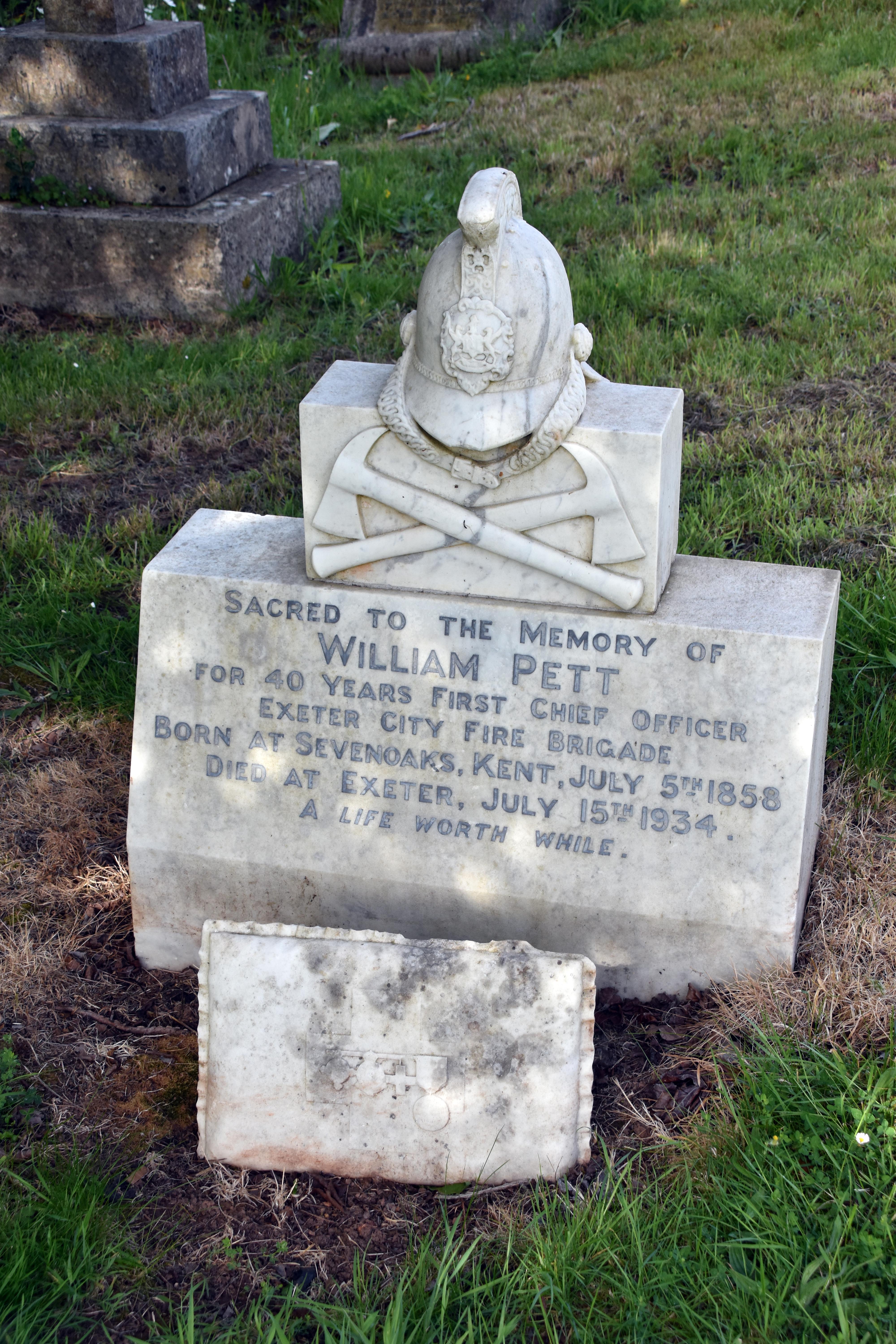
It is not just soldiers who exhibit bravery. There is a magnificent grave to William Pett, the first Superintendent of Exeter’s Fire Brigade which had been formed in the aftermath of the horrible Theatre Fire which I wrote about previously. The grave proudly shows off a fireman’s helmet and crossed axes and there is a neat line of his medals engraved just before it – he was awarded the equivalent of the Firefighters’ Victoria Cross. He pioneered extensive training techniques for the first time and introduced the first fire engines into the city. He patented various firefighting pieces of equipment and pioneered the use of whistles which carried better in noisy conflagrations. Interestingly both of his sons went into the firefighting profession and both took their skills to the Empire, one to Singapore and then on to Shanghai and the other to South Africa.
Nearby I saw a grave partially obscured by leaves which I endeavoured to read and was glad that I did so. It is in memory of Lieutenant Arthur Ernest of the 11th Regiment of Foot (which would become the Devonshire Regiment). It says he contracted a fever in Egypt where he had volunteered for service. He died in Brighton in January 1883. He may well have taken part in the landings that occurred as part of the Bombardment of Alexandria in 1882 and/or the subsequent battle of Tel-el-Kebir that saw the British defeat the army of Arabi Pasha who had seized control from the Khedive of Egypt in 1879. Britain and France were concerned that he would default on Egypt’s substantial debt to them and that he might seize the Suez Canal much like another Egyptian colonel would do some 70 years later. When Christians were attacked in Alexandria Britain and France sent a fleet and army to intervene but at the last moment the French had a constitutional crisis that saw their fleet recalled to France leaving Britain alone to land troops like Lieutenant Arthur Ernest and regain control of the city and ultimately of the entire country which was put under strict supervision by Lord Baring as Consul-General of Egypt. He ensured that all debts were honoured and secured the Suez Canal as a critical communications route for the British Empire. The French ever lamented allowing Britain to take such a pre-eminent role in a part of the world that they took a serious interest in. It would become an ongoing source of diplomatic friction up until the Anglo-French Entente of 1904.
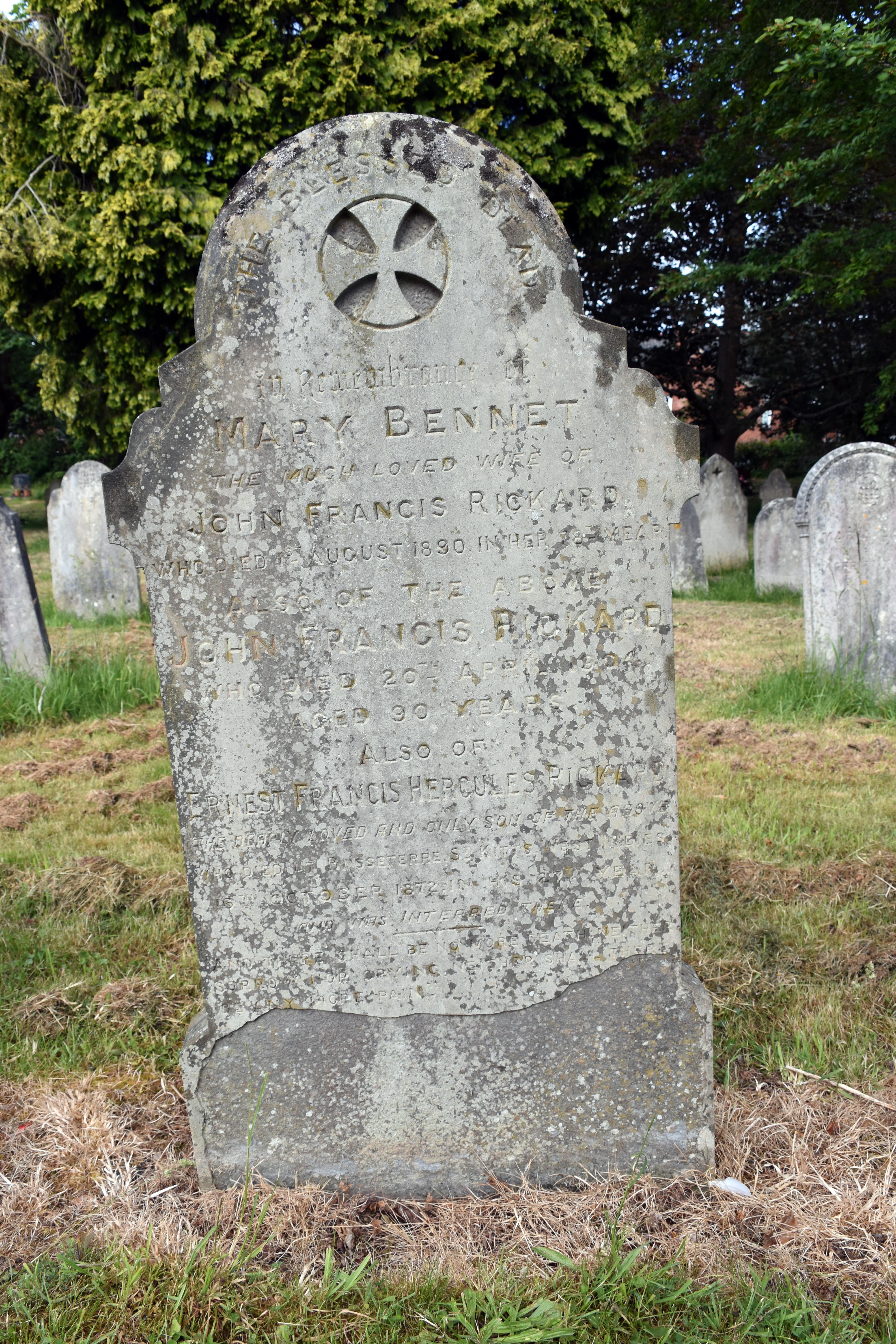
Then just as we were leaving the cemetery and were very happy with all the interesting graves we had seen so far, I caught the glimpse of a grave to Ernest Frances Hercules Rickard who was to be another casualty of Empire. The memorial says that he was the deeply loved and only son of Mary Bennet and John Francis Rickard and died at Basseterre on the island of St Kitts in the West Indies in 1872 at the age of just 27. It also explains that he is buried there in an age when few bodies were repatriated. The father had been an accountant but it is not clear why the son had gone to the Caribbean to make his way in the world. Although beautiful, St Kitts was prone to both earthquakes and hurricanes and was not one of the wealthier colonies to make your fortune in. But the grave is a reminder of how the Empire provided a theatre of ambition for the sons and occasionally daughters of Britain, although it was not without risk and did not always lead to the hoped-for rewards and opportunities.
|
|
|
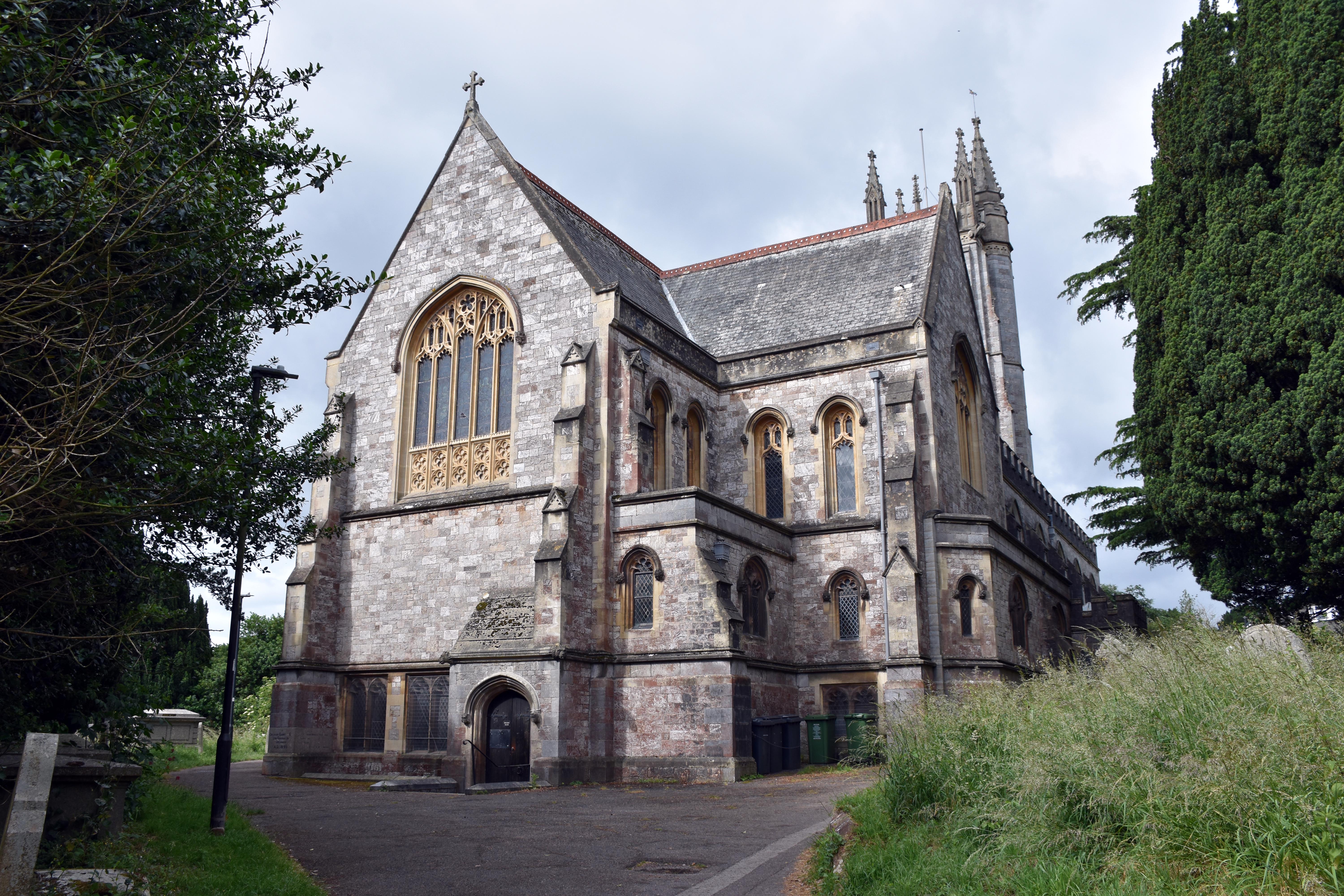
We finally pulled ourselves away from the fascinating Higher Cemetery and walked along Ladysmith Road, hinting at its construction in the aftermath of the Boer War, towards Fore Street, which we crossed on the way to St Michael and All Angels Church in Heavitree. This is an imposing building substantially rebuilt in the Victorian era as the wealth and confidence of the country reached its apogee and saw the great and the good use their newfound wealth to further their religious commitments with what they would have seen as community assets. This is one imposing building both inside and out and to say it was festooned with interesting memorials is something of an understatement. It really reveals how Heavitree was becoming an integral part of Exeter as the Industrial Revolution and imperial opportunities saw our urban areas and ports expand in influence. The ambition of the rebuilders of this church shows that they had confidence that this community would increase dramatically in size and yet it would still retain many of the wealthy manor houses and well-to-do professional families who preferred some distance from the cramped Exeter city inside its walls.
I was fortunate that the church was open. Two days a month they are open as a library for the local community with retired and experienced librarians running it. It was very gratifying to see that so many people came to use it in the time that I was there including young families with children, the elderly to have some tea and cake, and a steady stream of book borrowers. I say I was fortunate as all too often urban churches are closed to the public. This is such a shame. Sadly we appear to have moved increasingly into a low-trust society and urban churches have treasures and even prosaic possessions that could definitely be stripped and sold. How our Victorian forefathers would have been shocked to see their places of worship regularly locked as a matter of course. But at least Rupert and I managed to time our walk just right and were able to talk to many of the volunteers, helpers and visitors throughout our visit there.

|
|
|
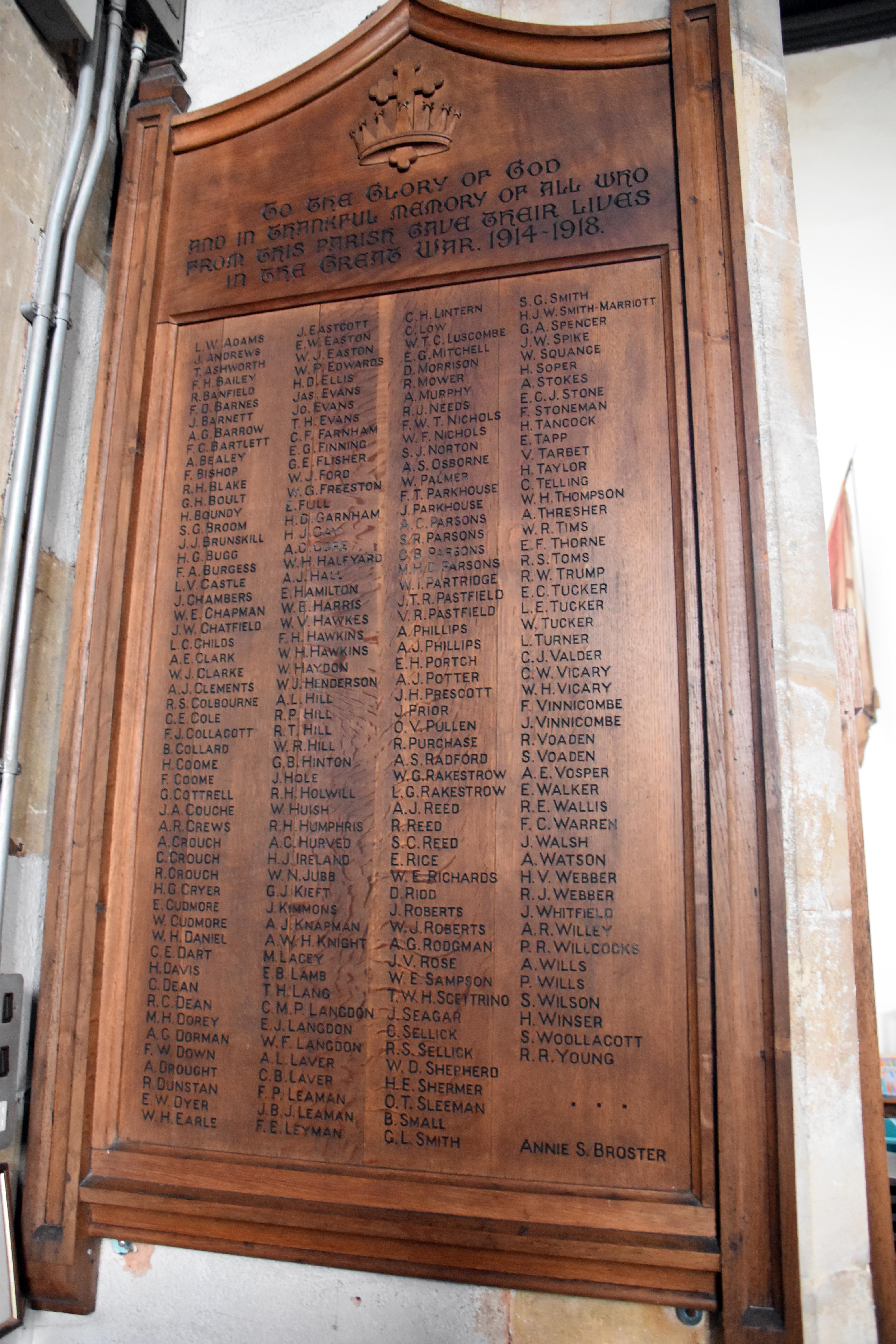
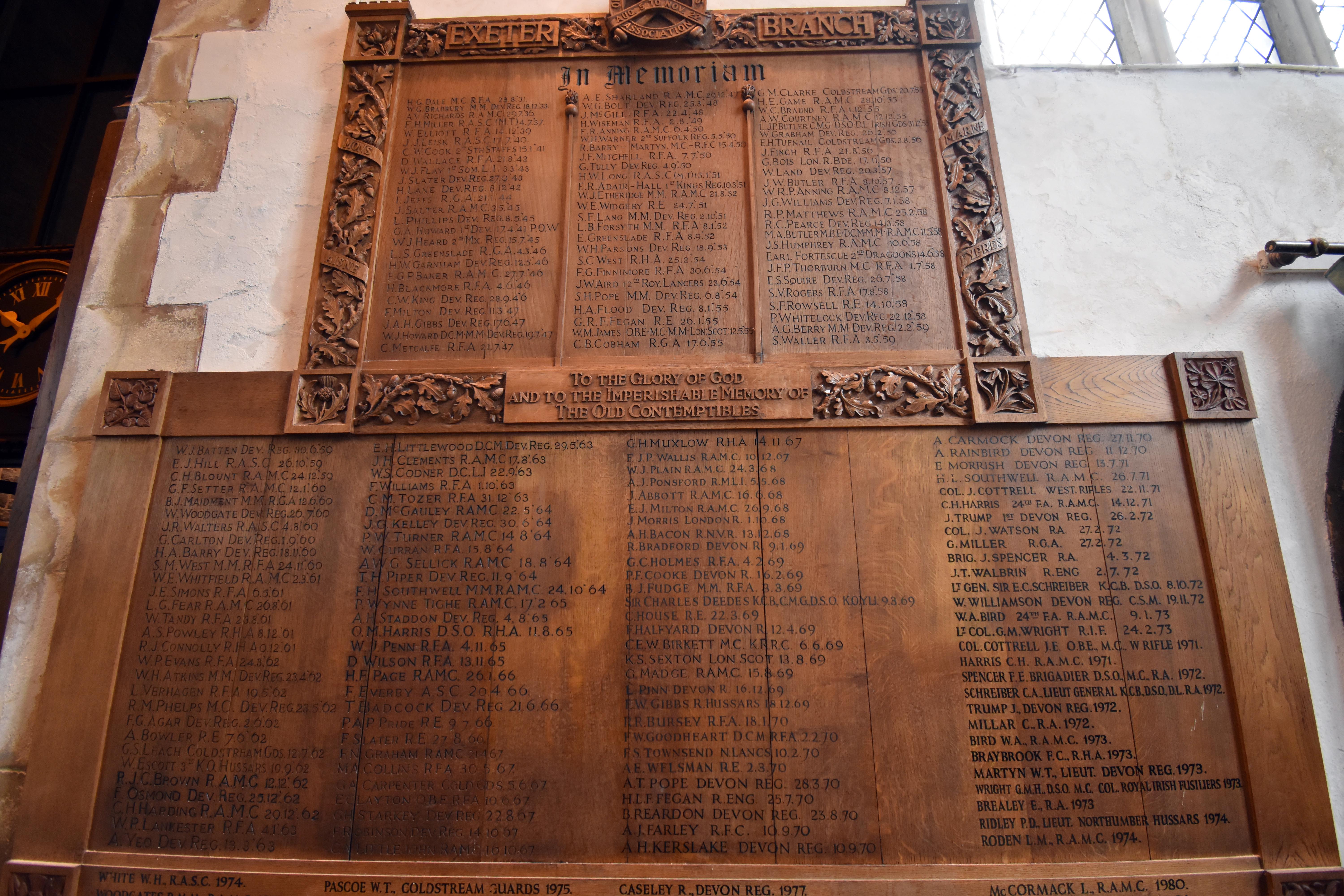
As you enter the church on your left you immediately see a long list of names of parishioners who perished in the First World War. Its very length indicates that Heavitree was no longer a mere village by the time of the First World War. I also caught the glimpse of a namesake of mine whom I shall have to investigate further. Luscombe is a Devon name, but not that common a one. But just around the corner it was an even more remarkable First World War-related memorial that really caught my attention. This was a list of all the Exeter branch of Old Contemptible Soldiers. The Old Contemptibles was the ironic name taken by members of the British Expeditionary Force who landed in France and Belgium in 1914 to meet the German invaders. The Kaiser had told his generals he had no cause to worry about Sir John French’s “contemptible little army” that they could be swatted aside. The arrival of one of the most professional armies Britain has ever put ashore in Europe provided a rude awakening to the advancing Germans and seriously messed up their timetable to defeat France. Sadly much of the army was lost in the process but this remarkable memorial recalls all the names of the veterans of that 1914 campaign in the date order of their deaths. Again it is a remarkably democratic record with privates and generals and all ranks between rubbing shoulders and soldiers from a myriad of different regiments who all served in those initial clashes of World War One. The very last date of one of the Exeter branch dying was in 1997. One of their number appears to have died as a prisoner of war in the Second World War. This is particularly interesting to me as my own great-grandfather was an Old Contemptible with the Royal Artillery although he would have been in the Plymouth branch rather than the Exeter branch. I wonder if there is a similar Plymouth branch one somewhere with his name on it. I’ve not heard of one.
|
|
|
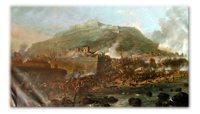
This was not the only war memorial in the church and certainly not the last to commemorate a soldier. But there was a fascinating one dating all the way back to the Napoleonic Wars commemorating Charles Sleech Rhodes of the Royal Engineers. This 28-year-old captain was killed at the storming of San Sebastian in 1813 during the Peninsular Campaign. He was serving with the Duke of Wellington's Anglo-Portuguese army. It goes on to say that “Whilst leading the Storming Party to the Attack his left arm was shattered to pieces by a musket ball, notwithstanding which, he mounted the breach, and fell covered with wounds.” Of course engineers often led assaults on walled cities, being responsible for causing the breaches through gunpowder, mining or concentrated artillery fire and also building saps (hence the term sapper) which were effectively covered trenches that would allow assaulting troops to get close to breach points. The city had been besieged for two months and had undergone two distinct assaults. The east wall was brought down by mines on August 31st allowing the assaulting troops to cross nearly 200 yards of open ground to reach the hole in the outer wall. Unfortunately they hadn’t anticipated an inner wall manned by French troops to remain largely intact and a two-hour firefight broke out at this point causing great stress to the attacking forces which may well have included our Charles Sleech Rhodes. In something of desperation British artillery fired over the heads of their own troops for 20 minutes to create breaches on the inner defences at great risk to the attacking British. The result was that the inner wall was breached and the French defences collapsed allowing the city to be captured. It had been a dramatic victory for Wellington. The Spanish campaign would be nearly at an end after this victory and soon Wellington would cross the Pyrenees into France itself.
|
|
|
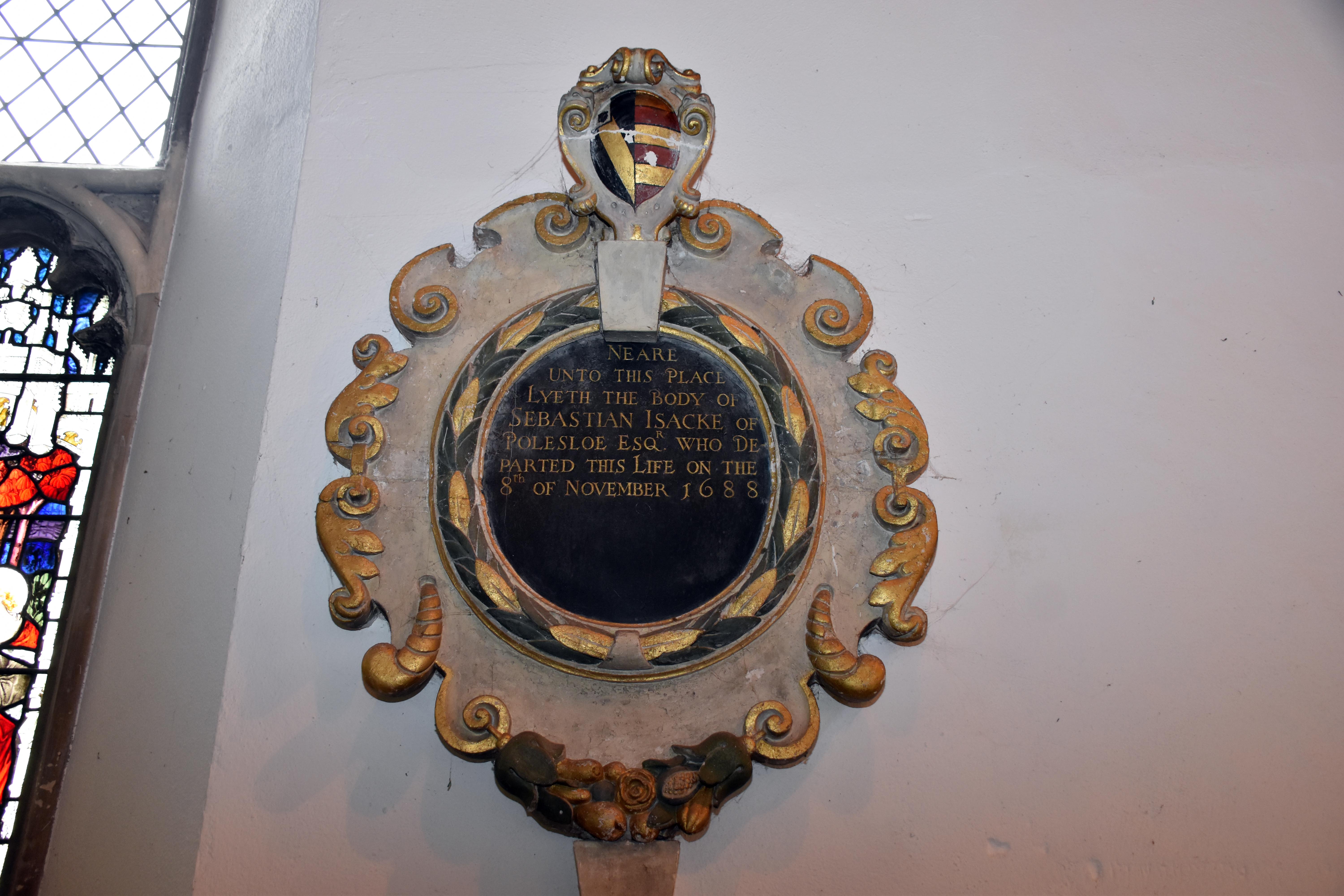
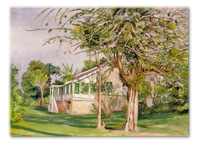
There is an even older memorial to a soldier who had been a colonel in the Royalist Army from the English Civil War. This was Sebastian Isacke of Polesloe (Polsloe) here in Heavitree. There is also a dedication to Captain Hugh Allen Markey of the Royal Artillery who it also says was Brigade Major to the forces in Jamaica. He died at Bermuda Mount, Jamaica at the comparatively young age of 37 in 1877. Yet again an example of the colonies providing opportunities and dangers. Interestingly, the famous 19th-century painter Marianne North, whose work you can see in Kew Gardens, painted Bermuda Mount in Jamaica in the 1870s. One wonders if their paths crossed or perhaps the tranquillity of this part of the island was seen as a perfect resting place for a soldier cut down presumably by disease.
|
|
|
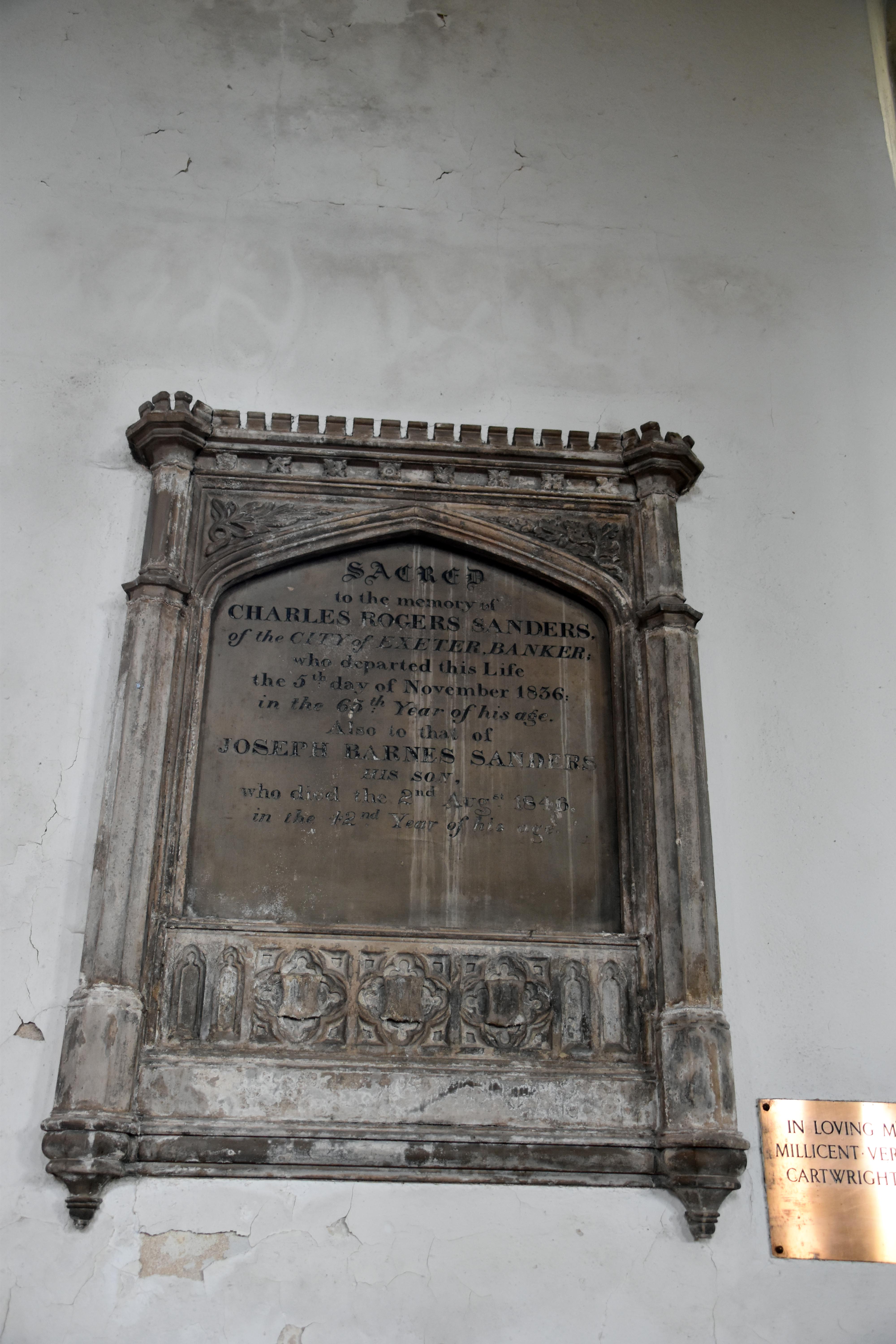
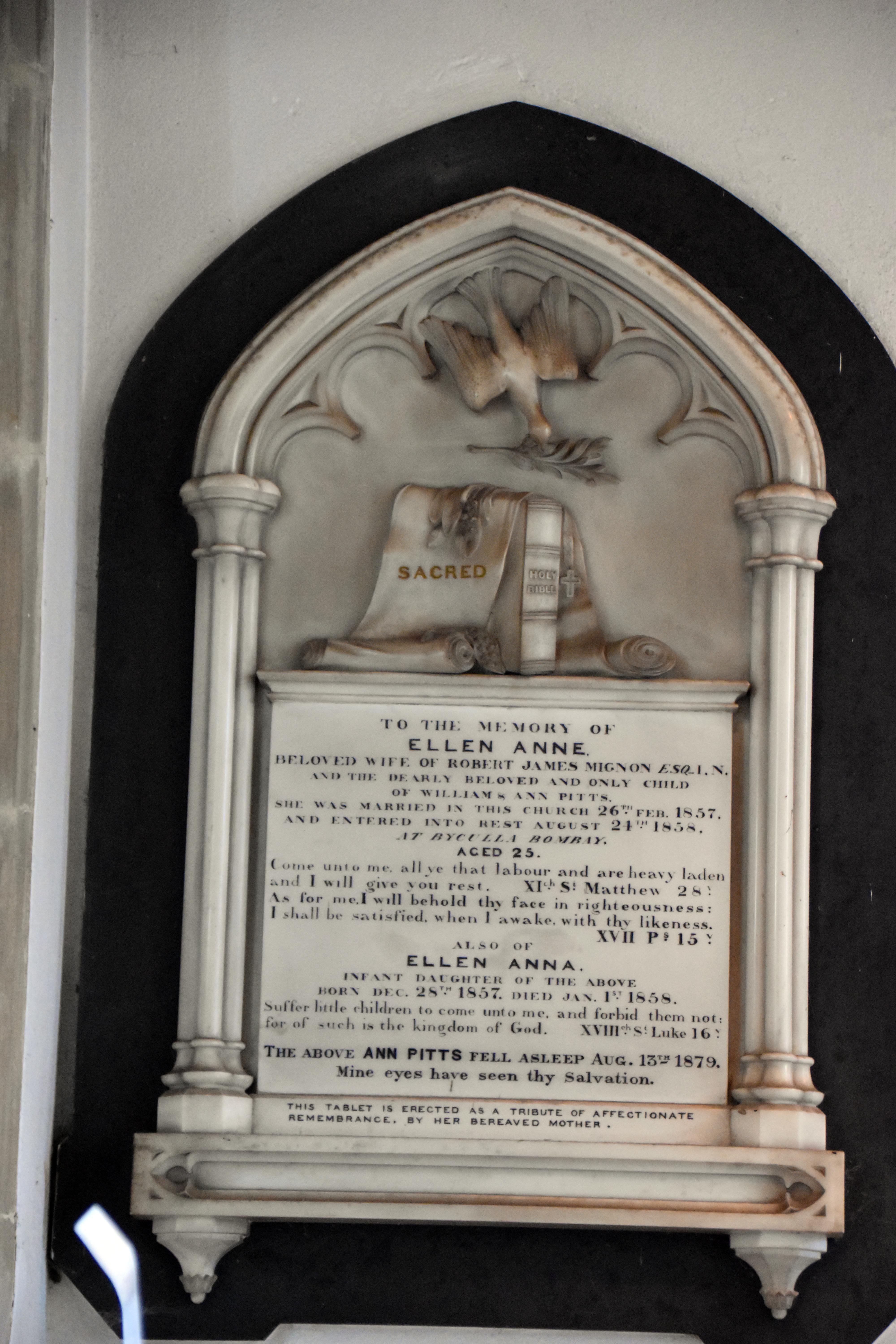
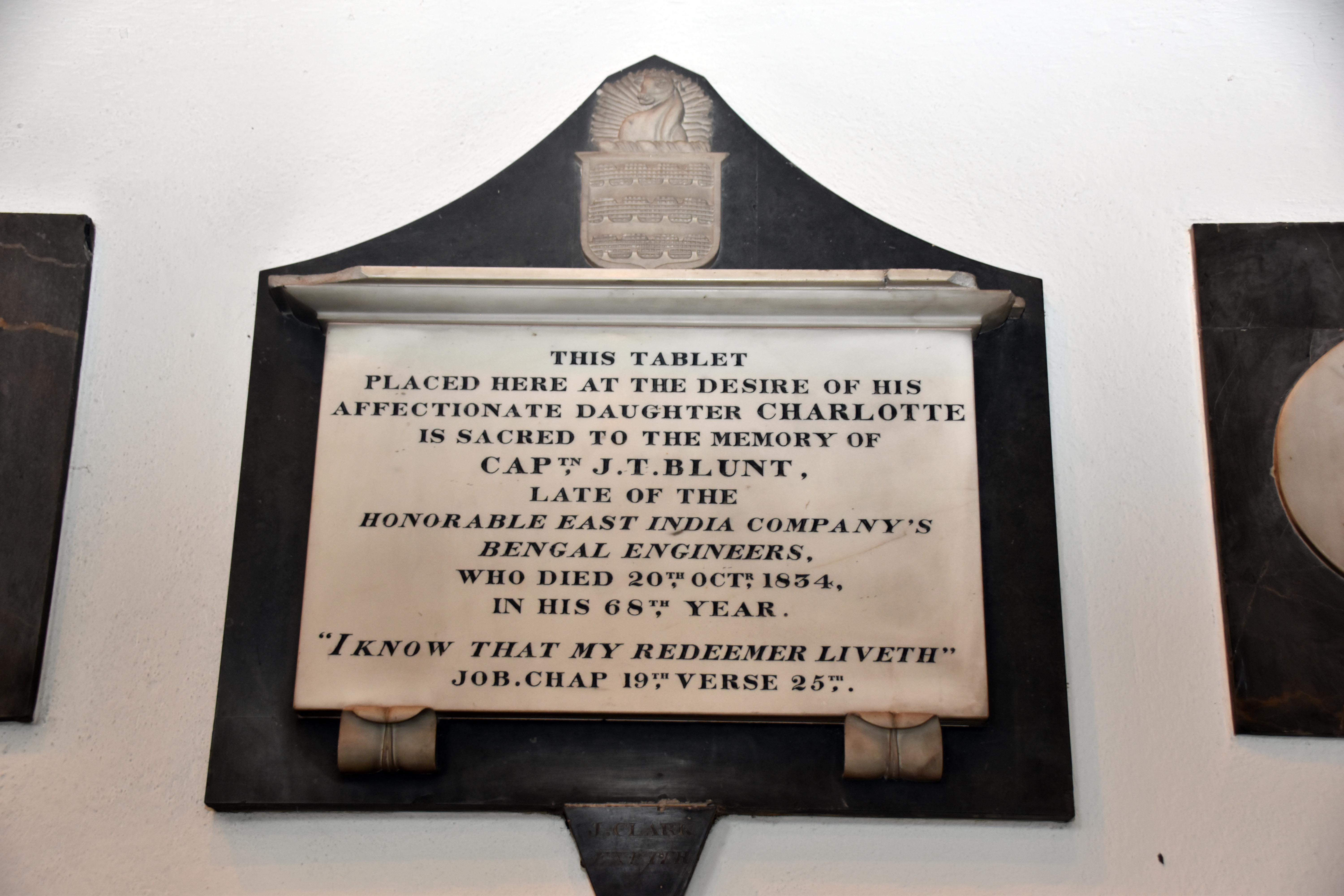
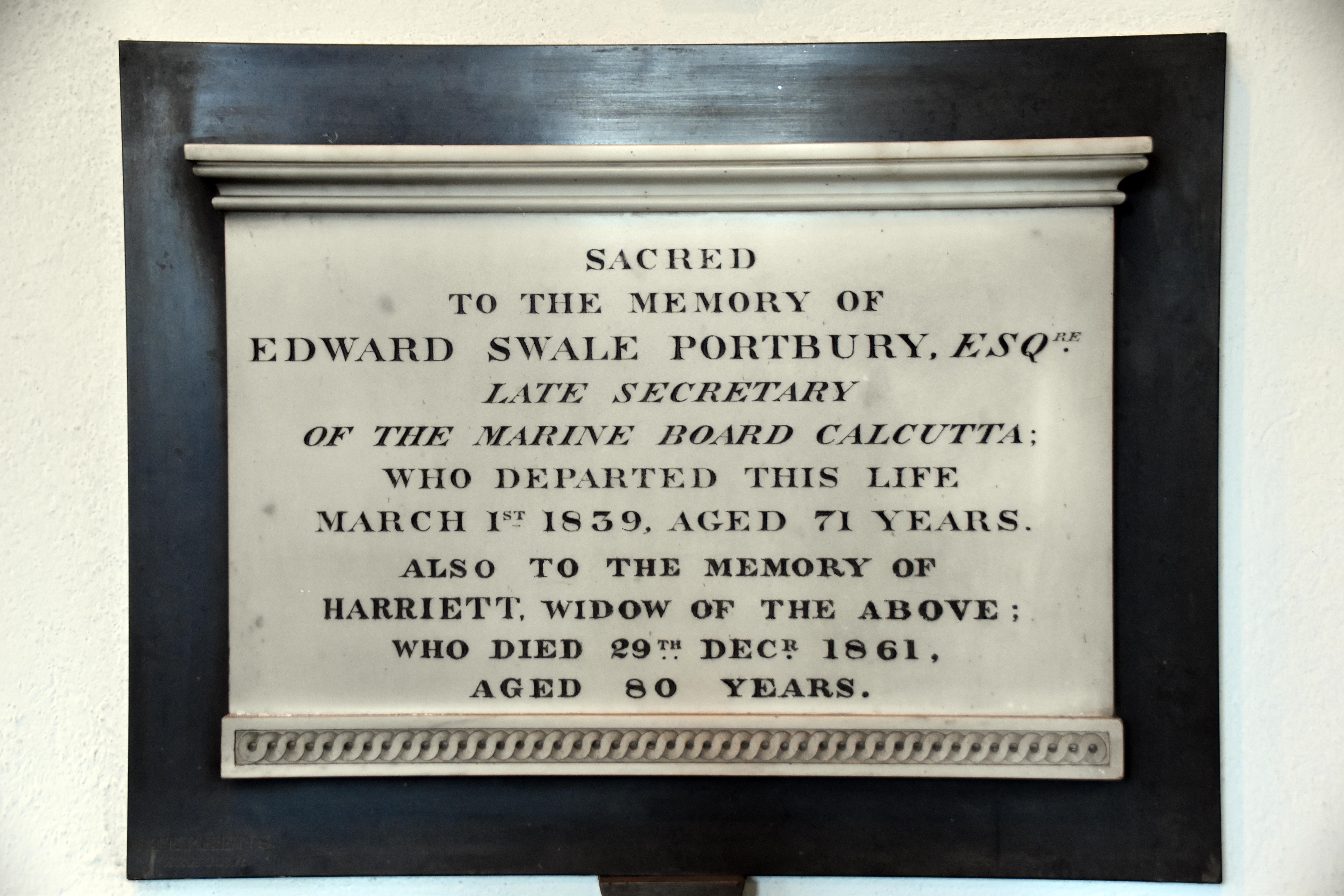
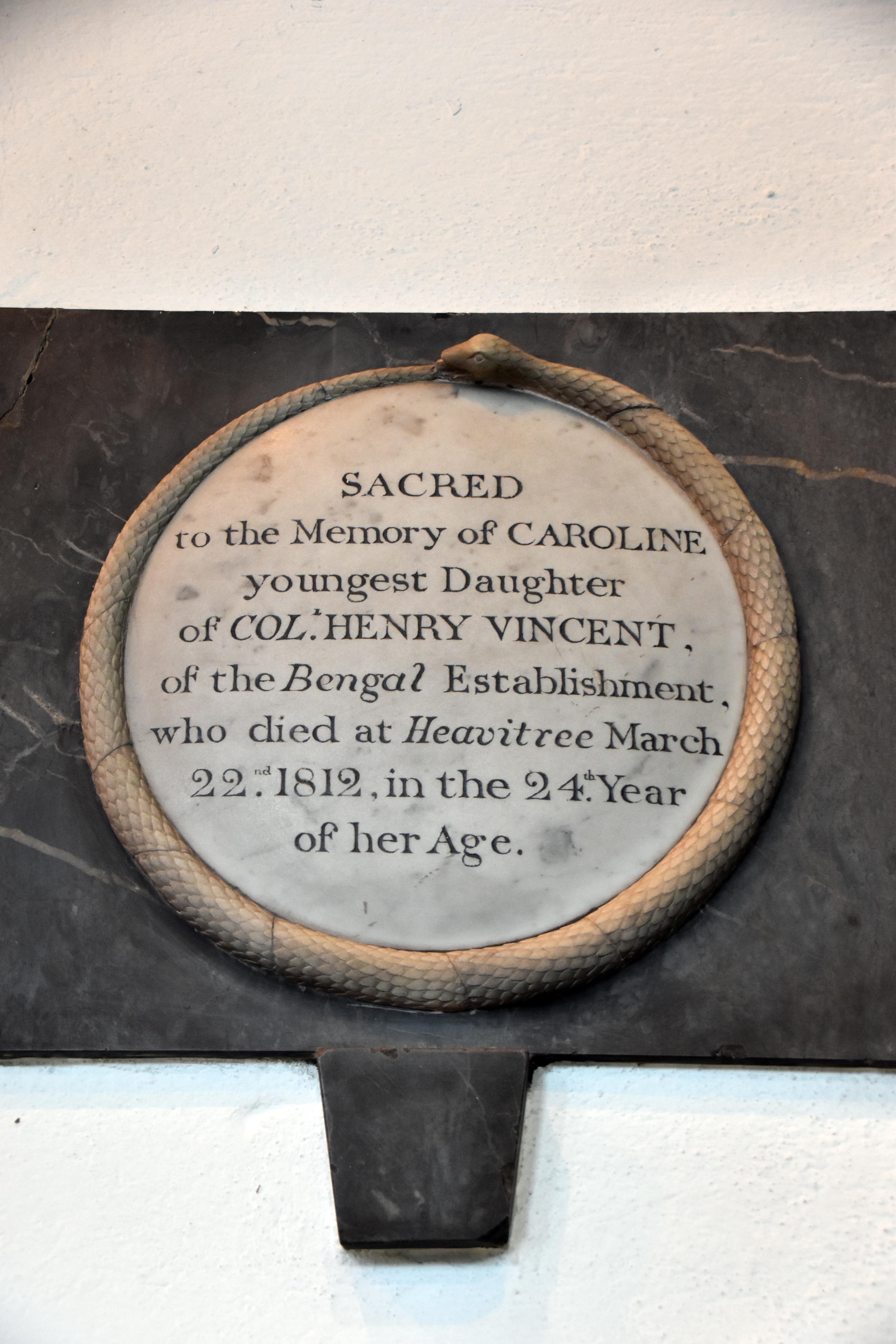
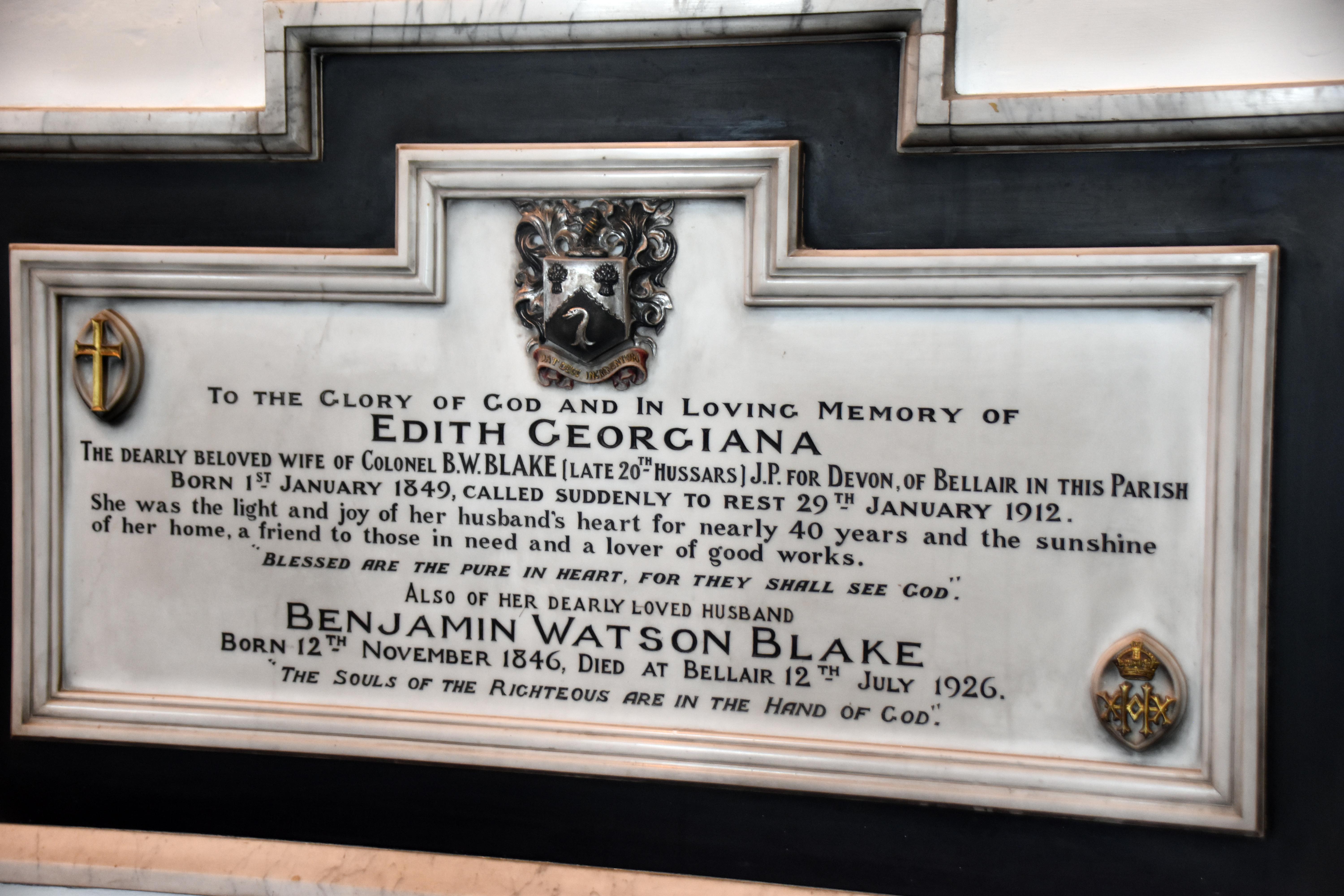
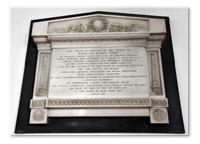
I cannot recall the last time I saw a church with quite so many dedications to people with strong links to India. There is a memorial to Captain Blunt of the Honourable East India Company’s Bengal Engineers who died in 1834. Edward Swale Portbury, the late Secretary of the Marine Board of Calcutta, who died in 1839. Caroline Vincent, daughter of Colonel Henry Vincent of the Bengal Establishment, who died aged 24 in 1812. There is a sad dedication to Ellen Anne who married Robert James Mignon of the Indian Navy in this church in 1857 only to be laid to rest in Byculla, Bombay in 1858 – very likely another person not standing up to the rigours of a tropical climate. But perhaps the most impressive of all was a very large memorial high up on the wall to successive members of the Raleigh family. This has multiple connections to both Gibraltar and to India. The principal name is John Raleigh who, it says, was Chief Secretary to the Government of Gibraltar for 38 years and during six successive governments! Two of his sons were soldiers, one of whom, Francis Raleigh, served as the Town Major of Gibraltar with the 9th Regiment of Foot and the other, Edward Raleigh, shows that he served in the Peninsular War (wonder if he knew Charles Sleech Rhodes) and the West Indies with the 11th Regiment of Foot. But it is the grandchildren and great-grandchildren that illustrate the strong links to India including Frederick Raleigh, second son of Edward and Esther Raleigh, a major of the Bengal Army and for the last fourteen years of his life commandant of the Calcutta Militia, who died of cholera at Calcutta on the 25th of April 1856 in the 45th year of his age, and in the 29th year of his military service. And of his gallant eldest son Walter Keppel Raleigh, lieutenant of the 7th Regiment of the Bengal Light Cavalry, who was killed at Lucknow by the breaking out of the Indian Mutiny at that station on the 30th of May 1857 at the early age of 17 years and three months. And finally of Edward W. Walter Raleigh F.R.C.S. of the Bengal Medical Staff, formerly surgeon to the Governor General of India, in the Calcutta Hospital and Eye Infirmary, and Professor of Surgery at the Medical College of Calcutta. These are remarkable lives by any standard and all are commemorated here in Heavitree.
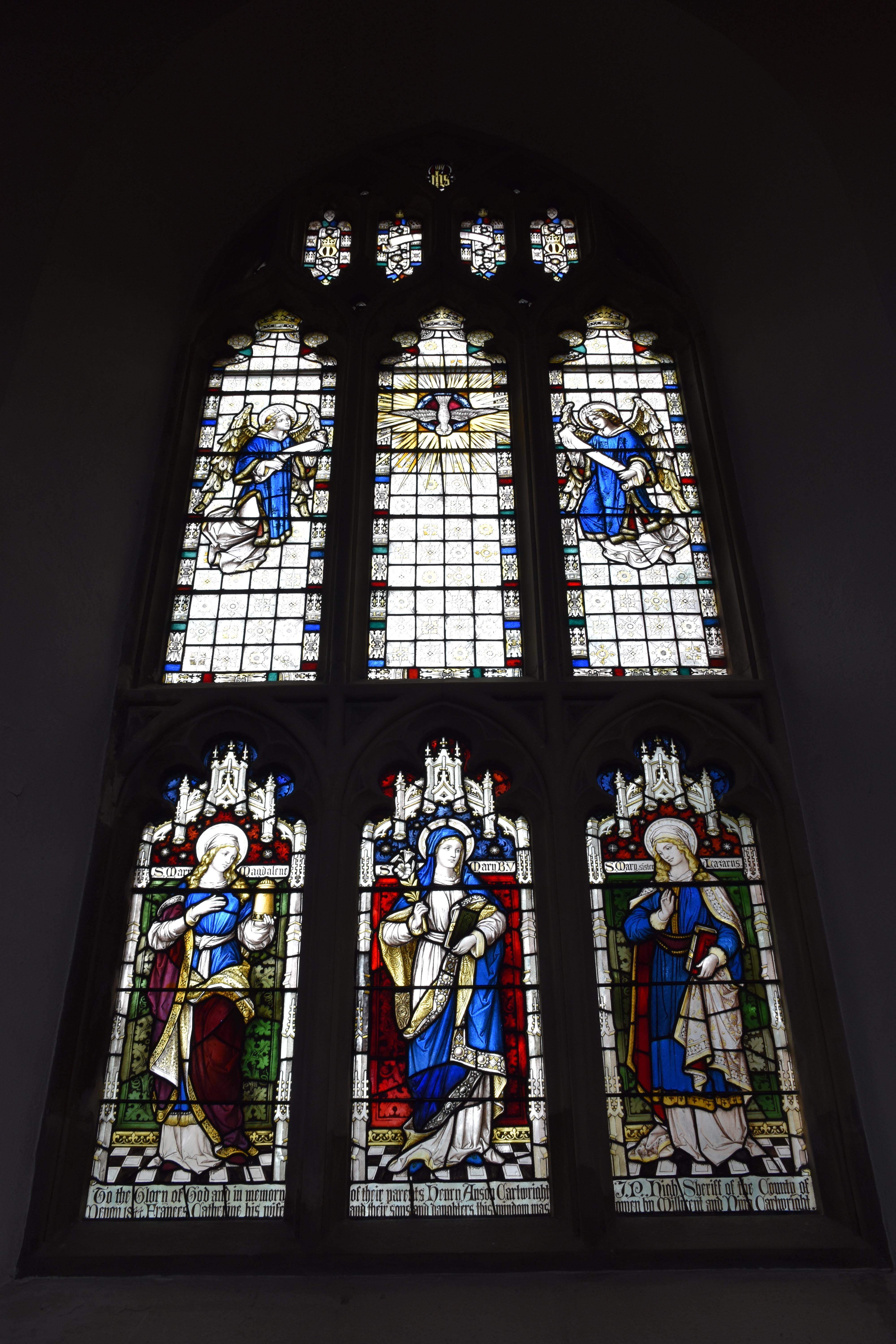
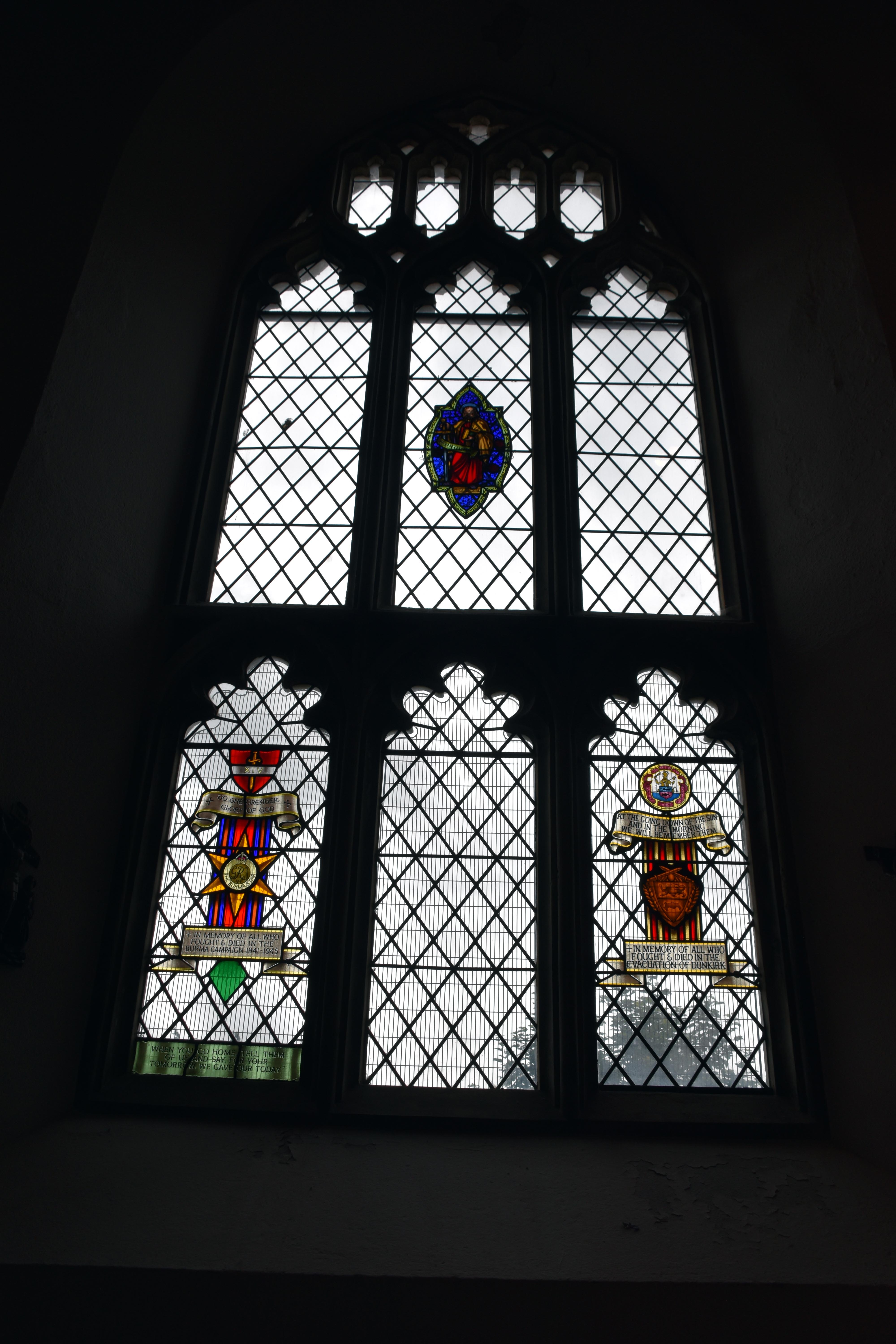
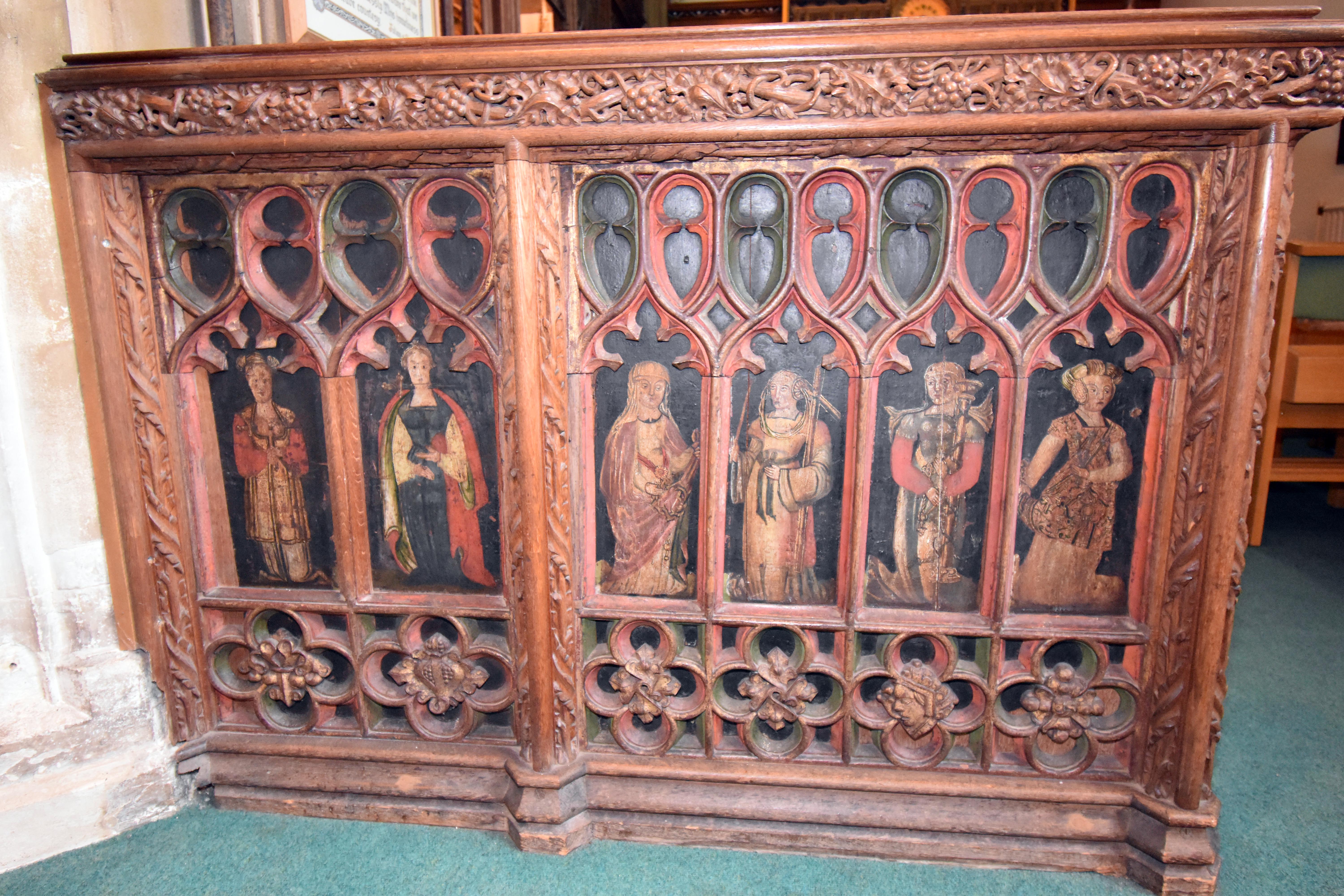
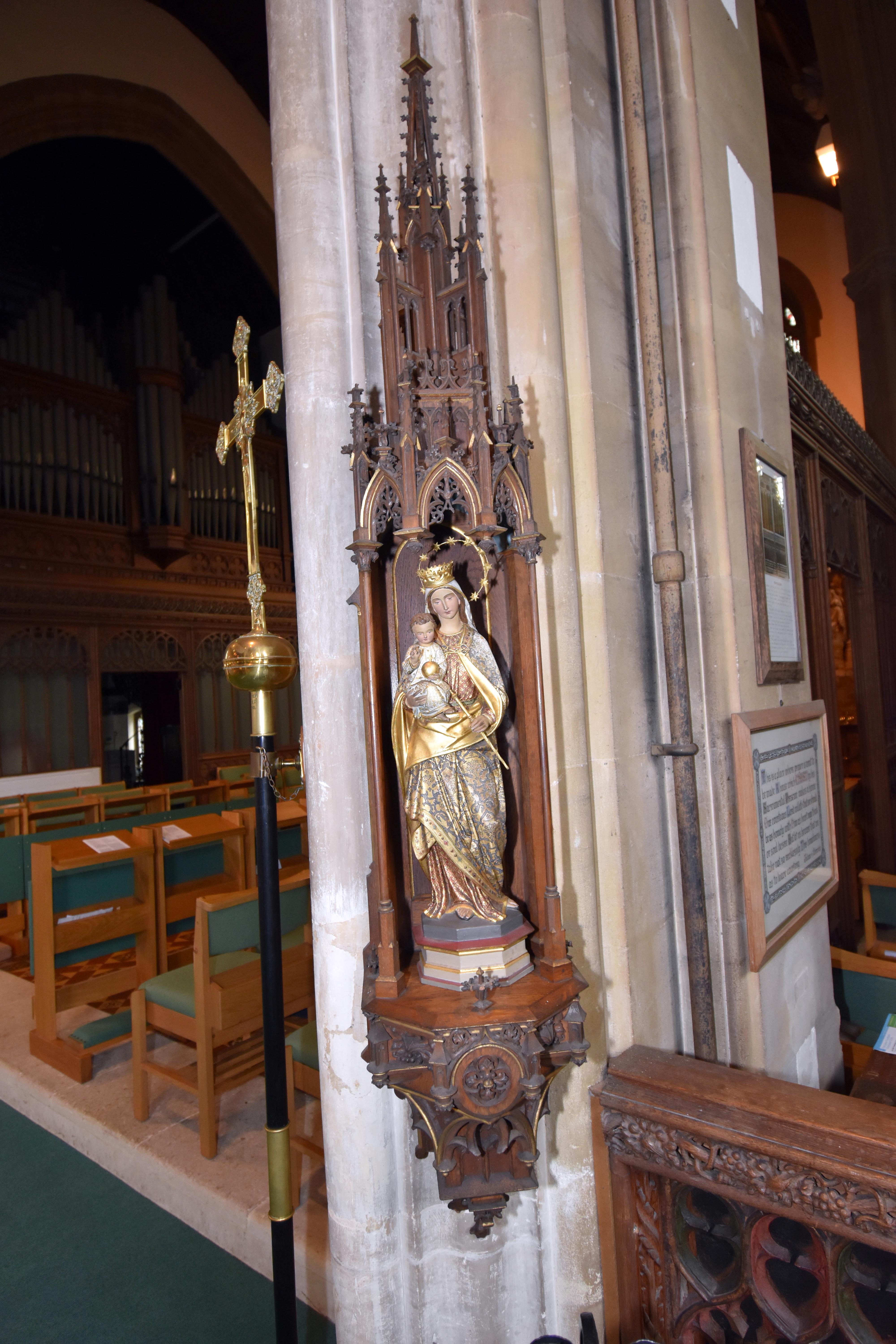
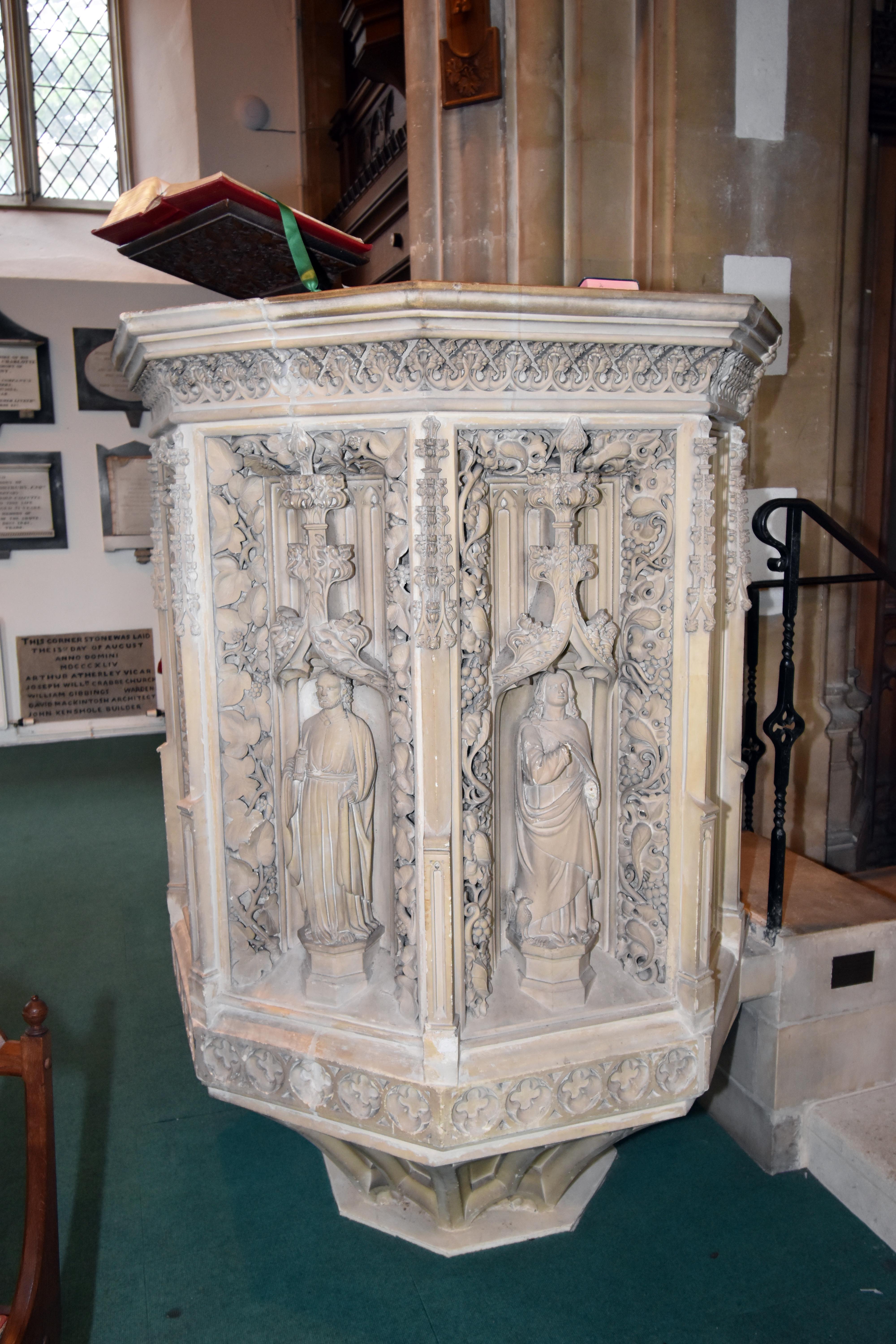
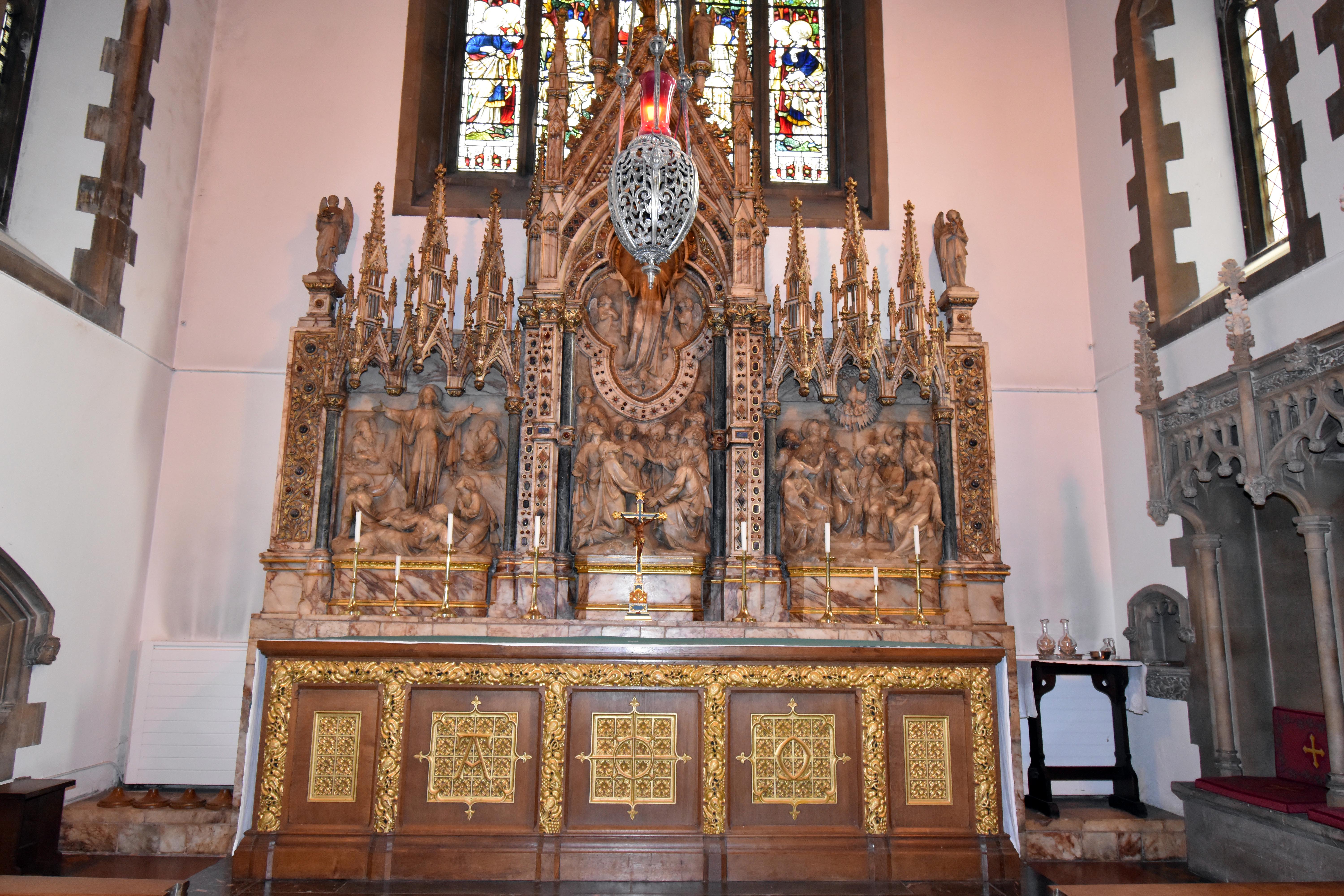
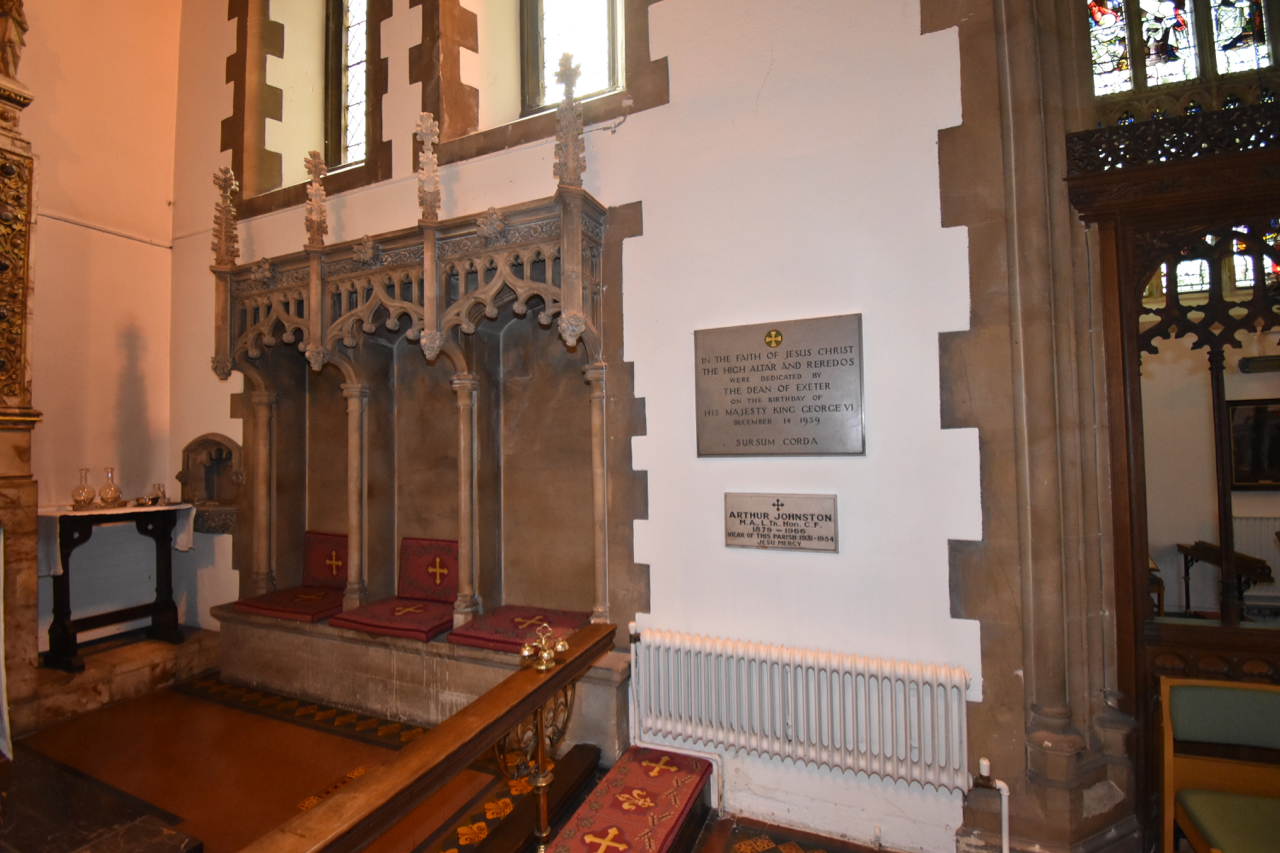
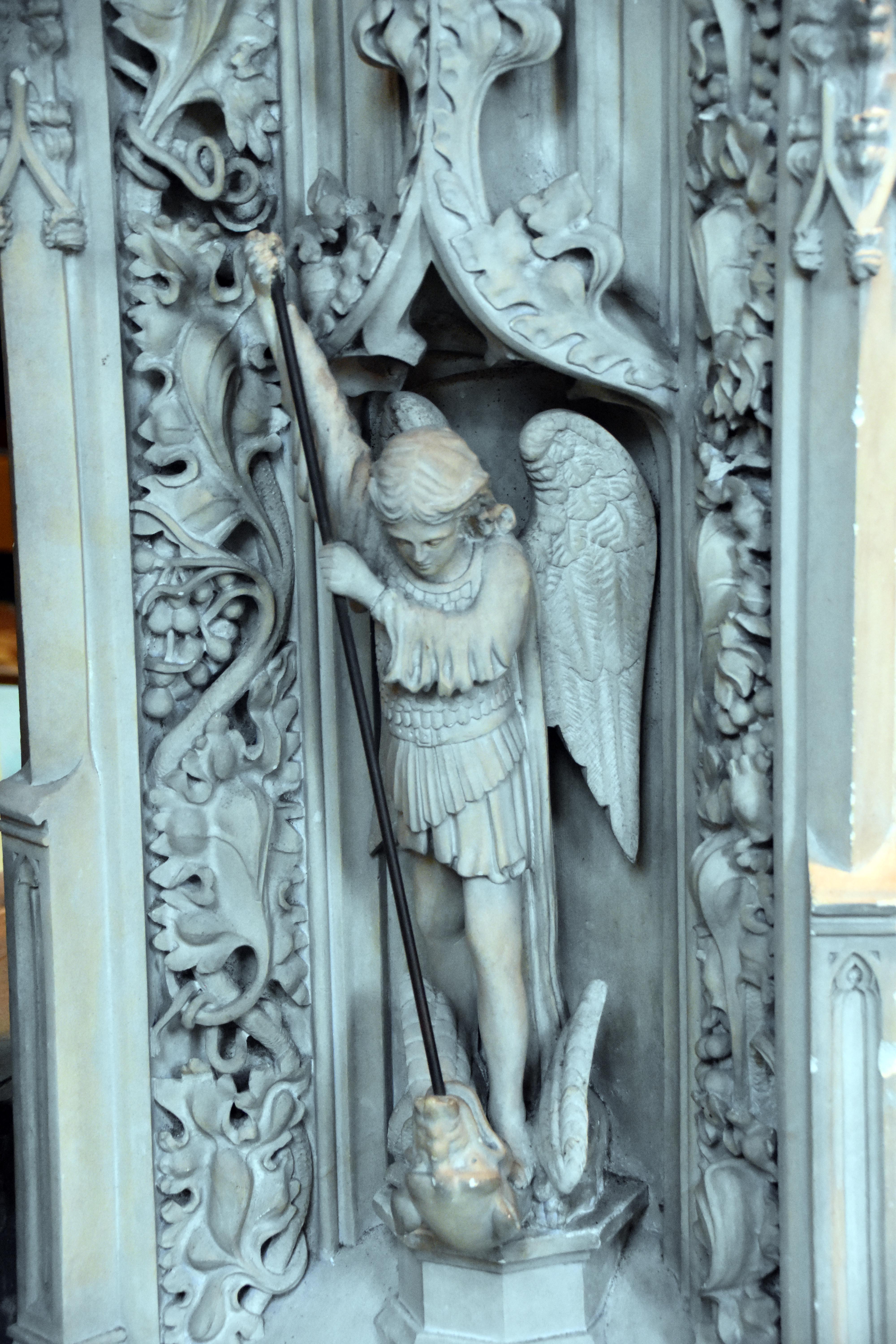
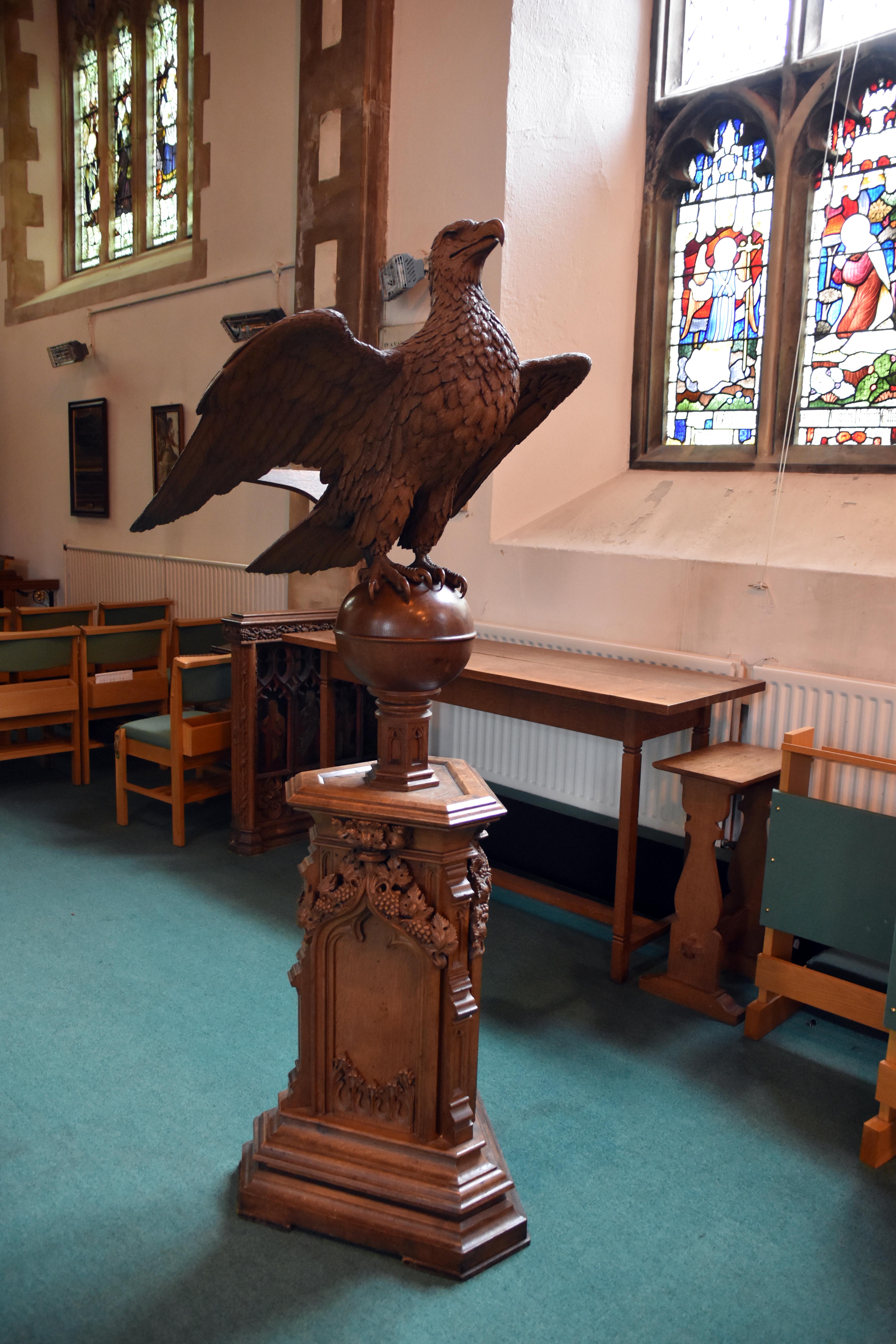
I have talked so much about the memorials that I have barely mentioned the impressive Victorian décor, foremost of which are the alabaster reredos which once stood in Exeter Cathedral. There is a beautiful stone pulpit showing the Four Evangelists and St Michael and there are many beautiful Victorian stained-glass windows. Oh, I should point out there are some modern windows too dedicated to the Burma Star and Dunkirk Veterans Associations. I point these out as a few weeks previously I spotted the grave of one such Burma Star veteran in Exwick Cemetery who was actually instrumental in having this stained-glass window installed here. Despite this being overwhelmingly Victorian in décor there are still some medieval panels of a painted rood screen which helps connect the church to its much older origins.
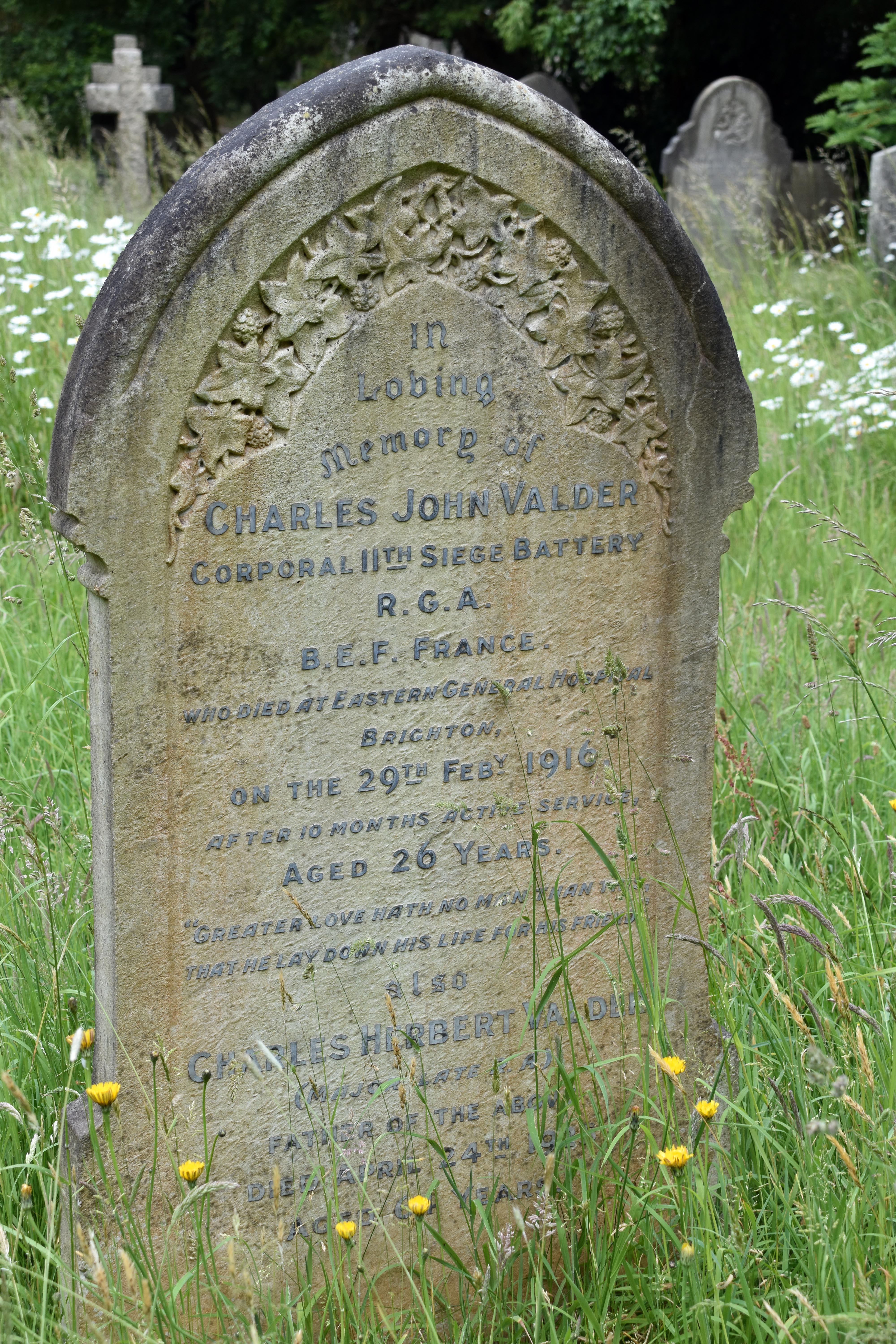
…Out in the graveyard outside I spotted some interesting graves including a very sad one for the Smith family who appear to have lost three children within a year. Two of these were soldiers: Corporal Gilbert Leonard Smith of the 1st Devons who died in November 1914 in Belgium, and Private Samuel George Smith of the 3rd Devons who died at Belmont Nursing Home in March 1915, presumably of wounds received fighting. But their sister Constance Margaret Harborrow died in October 1915, but in India, and although it says that she was buried at St Paul’s Cathedral Cemetery in Madras, it probably should be St Paul’s Church in Vepery, Madras rather than Cathedral. Not sure how that misunderstanding took place.
|
|
|
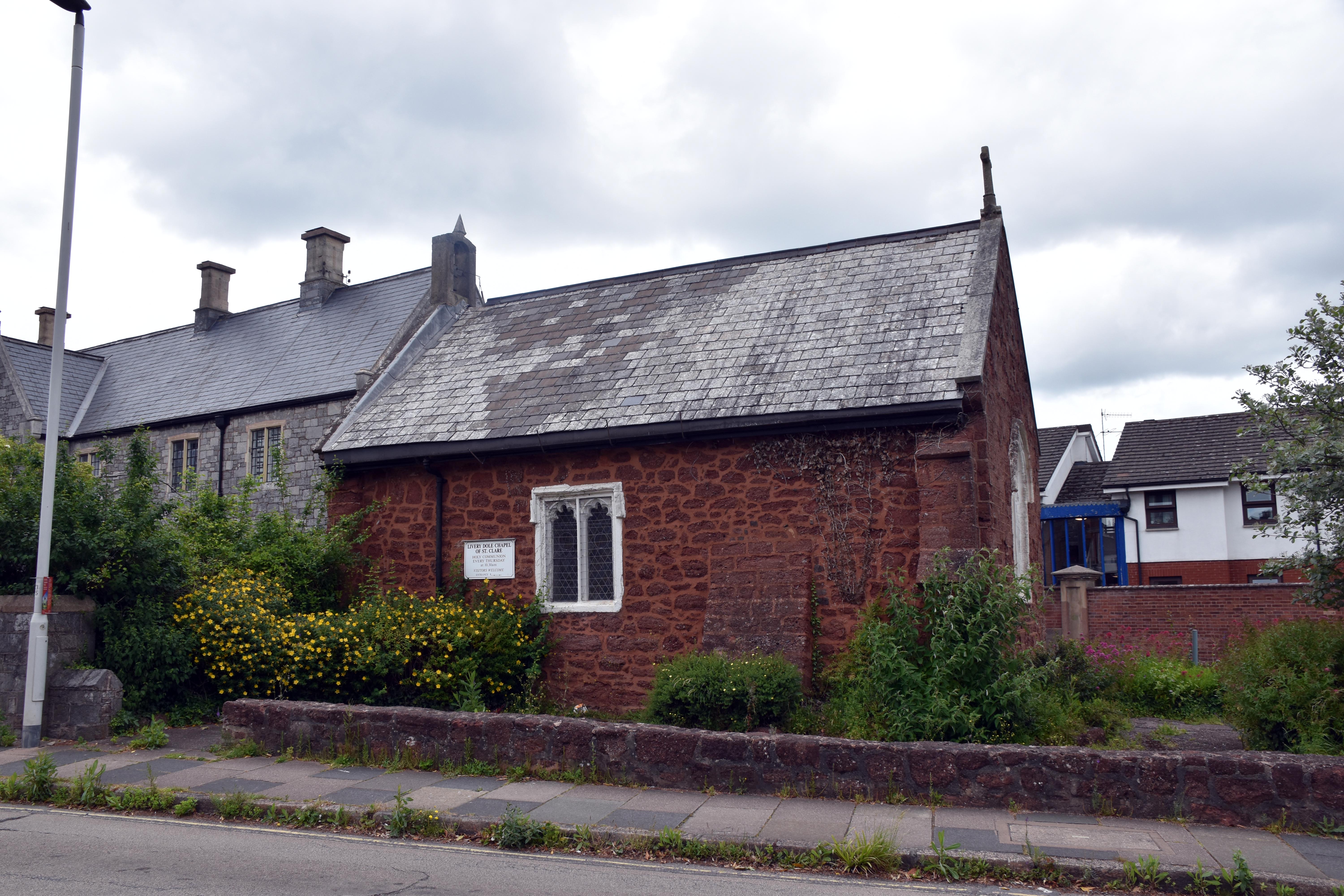
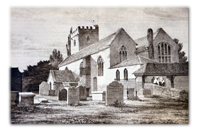
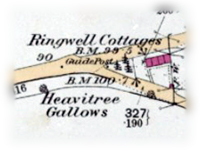
We weren’t done with churches yet. We had a lovely conversation with a lady in the churchyard who pointed out that one of the graves was a relative who had been evacuated from Dunkirk and had fought in Burma with the Forgotten Army. She then pointed me towards Livery Dole Chapel of St Mary which was definitely closed but has an intriguing history nonetheless. Despite its quaint appearance it lies on the spot of some particularly gruesome executions. Here heretics in particular were burned at the stake including early Protestant martyrs, one of which, Thomas Benet, was burned in 1531 during the reign of Henry VIII before his Reformation had begun in earnest. His crime had been nailing a message that the Pope was the Anti-Christ on Exeter Cathedral. He should have waited a few years and then Henry would have been fine with it. The executions go back much earlier than this as the church was built as a chantry for the souls of the executed in the 15th century. As if these burnings weren’t enough, just down the road was Magdalen Drop where the public hangings were held. It is hard to imagine these public executions as you stand at either of the two busy junctions. You really have to concentrate hard to conjure scenes of a baying mob and of the screams of terror of those being executed.
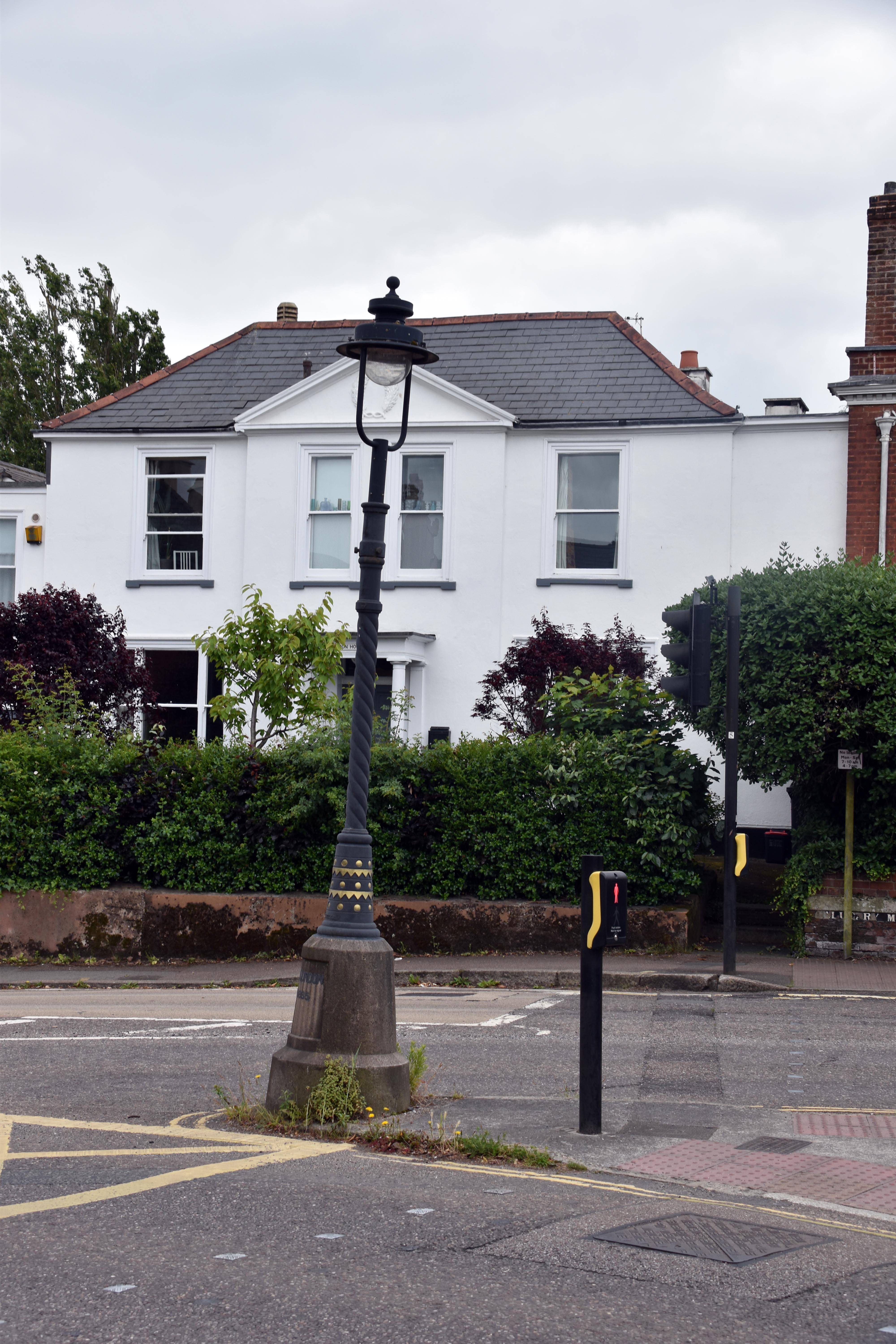
Just in front of this church is yet another imperial memorial. This one to General Gordon. Just a few weeks ago I was at St Thomas’ Church where I spotted a memorial to the Gordon family who had strong links to the area. Gordon’s grandparents lived on the site of St Thomas Lunatic Asylum and he came to visit them in 1884 on his way to visit the Baker Explorers of Sanford Orleigh in Newton Abbot as part of his preparations for going out to Khartoum. When news of his death reached England, the vicar of Heavitree Church, who was a personal friend of the Gordon family, paid for the lamp as a memorial to Charles Gordon’s Christian beliefs and sacrifice. It is gratifying to see it still there.
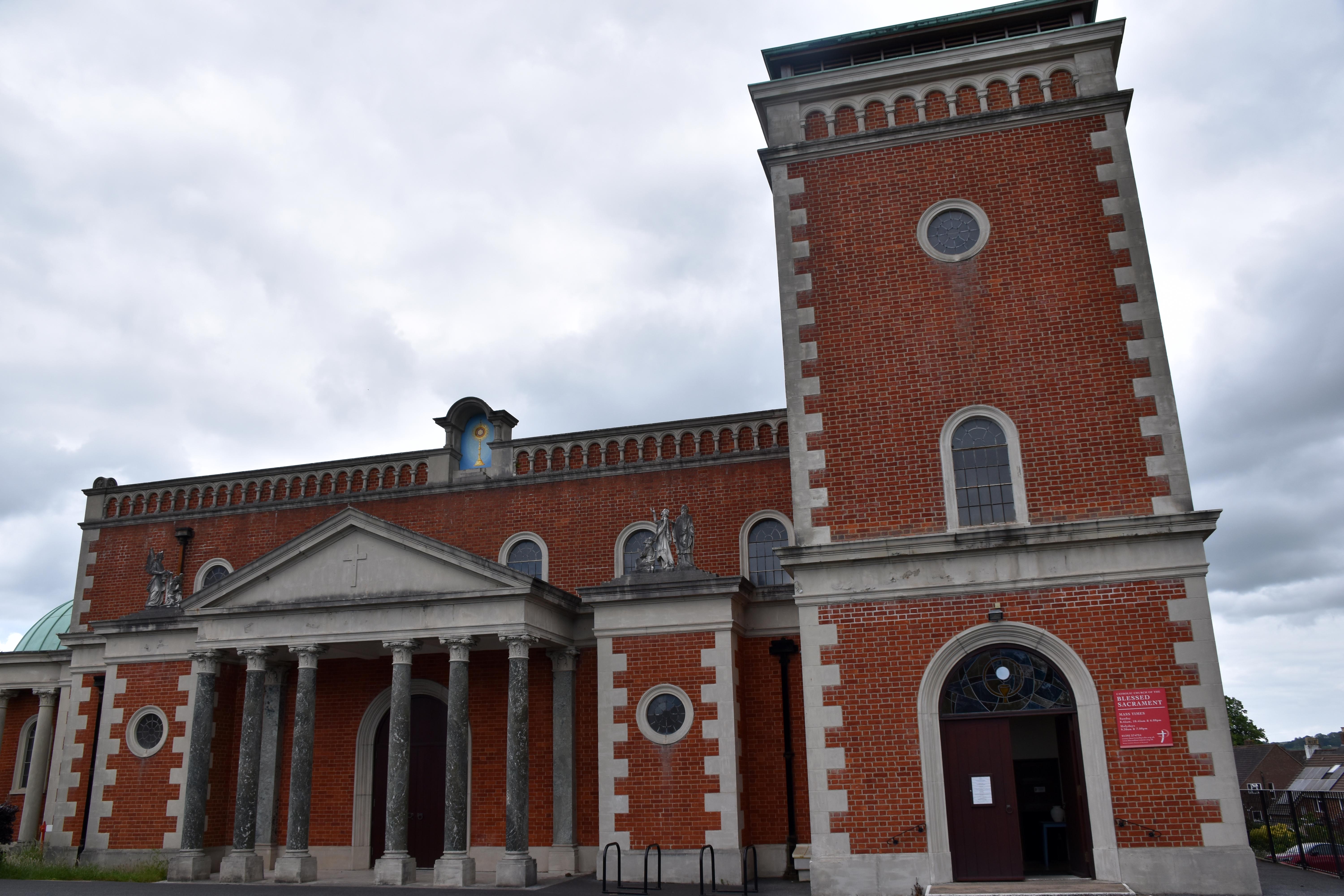
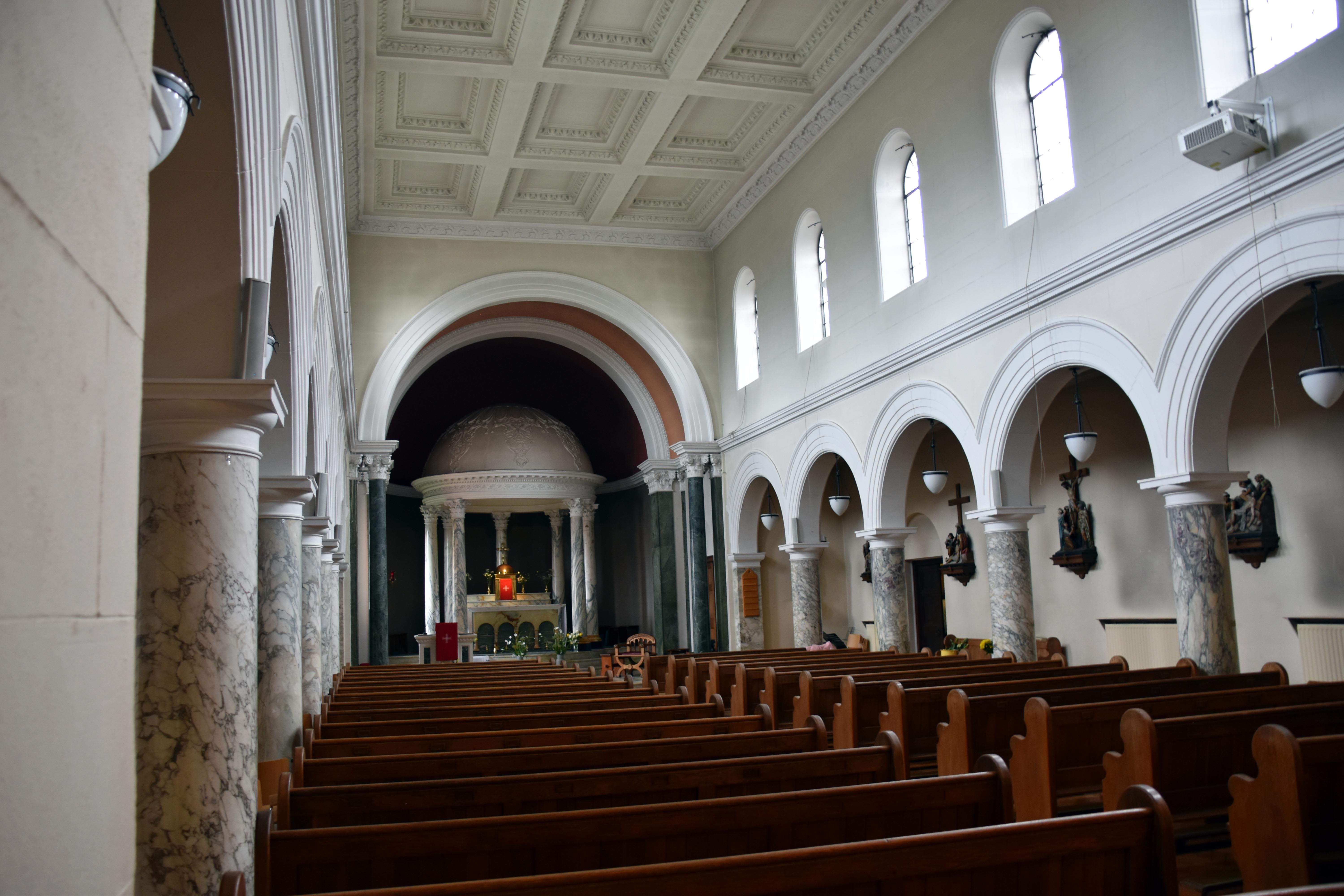
Just down the road from this is yet another church, this one being the Catholic Church of the Blessed Sacrament. This very impressive Georgian-style church is less than a century old—just. It was opened in 1932. It feels more like a Greek temple than a Catholic church but thanks to the Reformation the Catholic Church has something of a blank slate when it comes to building churches and are in no way constrained by history. The church did not completely survive the Exeter Blitz and its tower was damaged and had to be rebuilt, but the building itself at least survived mostly. The church remembers yet another martyr from the reign of King Henry VIII but this one a Catholic one: Richard Reynolds. He was a monk originally from Pinhoe in Exeter who refused to acknowledge Henry as the Head of the Church of England after the King’s marriage to Anne Boleyn. Richard Reynolds was imprisoned in the Tower of London before being hanged, drawn and quartered in 1535. One wonders what his views had been on the execution of Thomas Benet just a few years earlier.
|
|
|
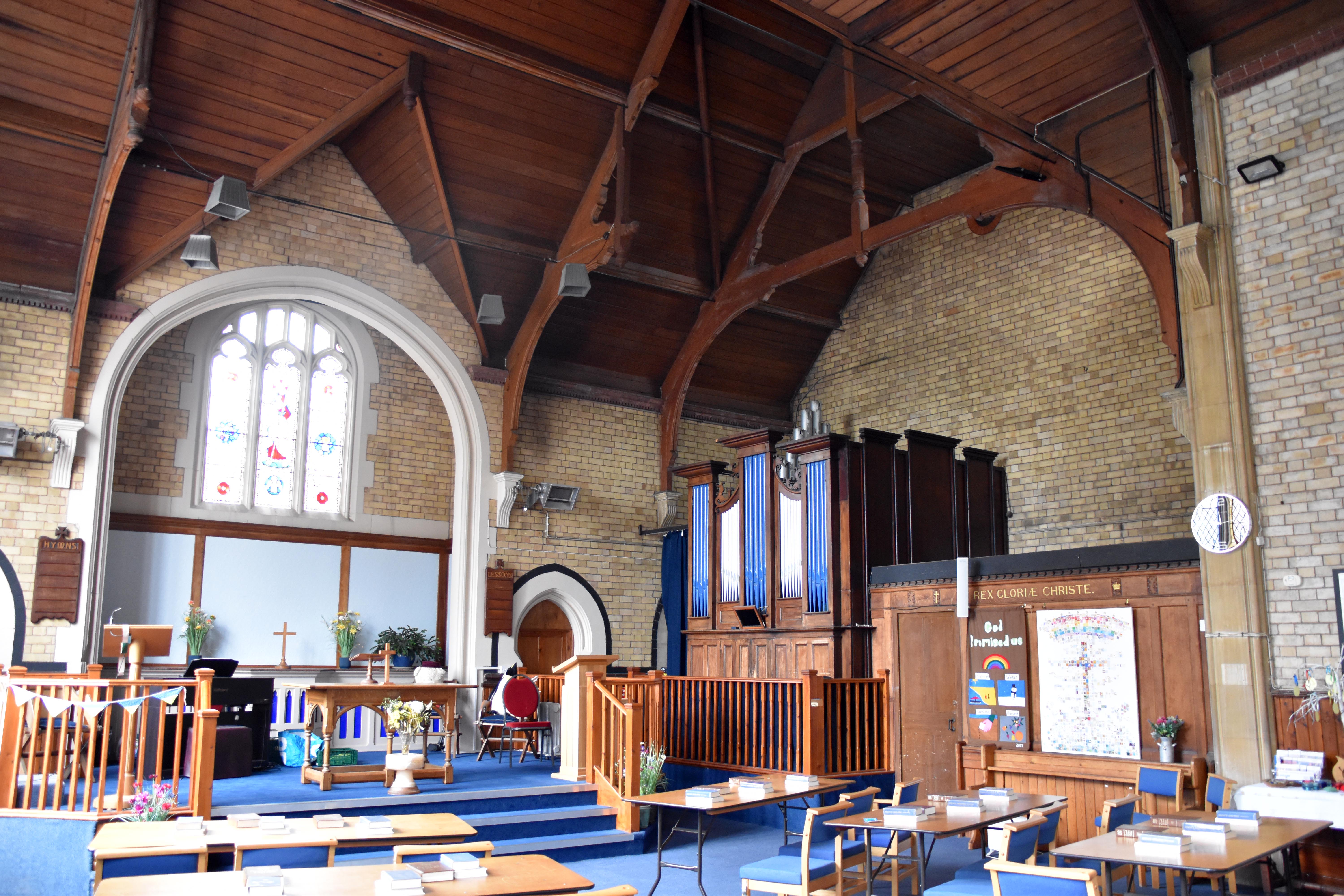
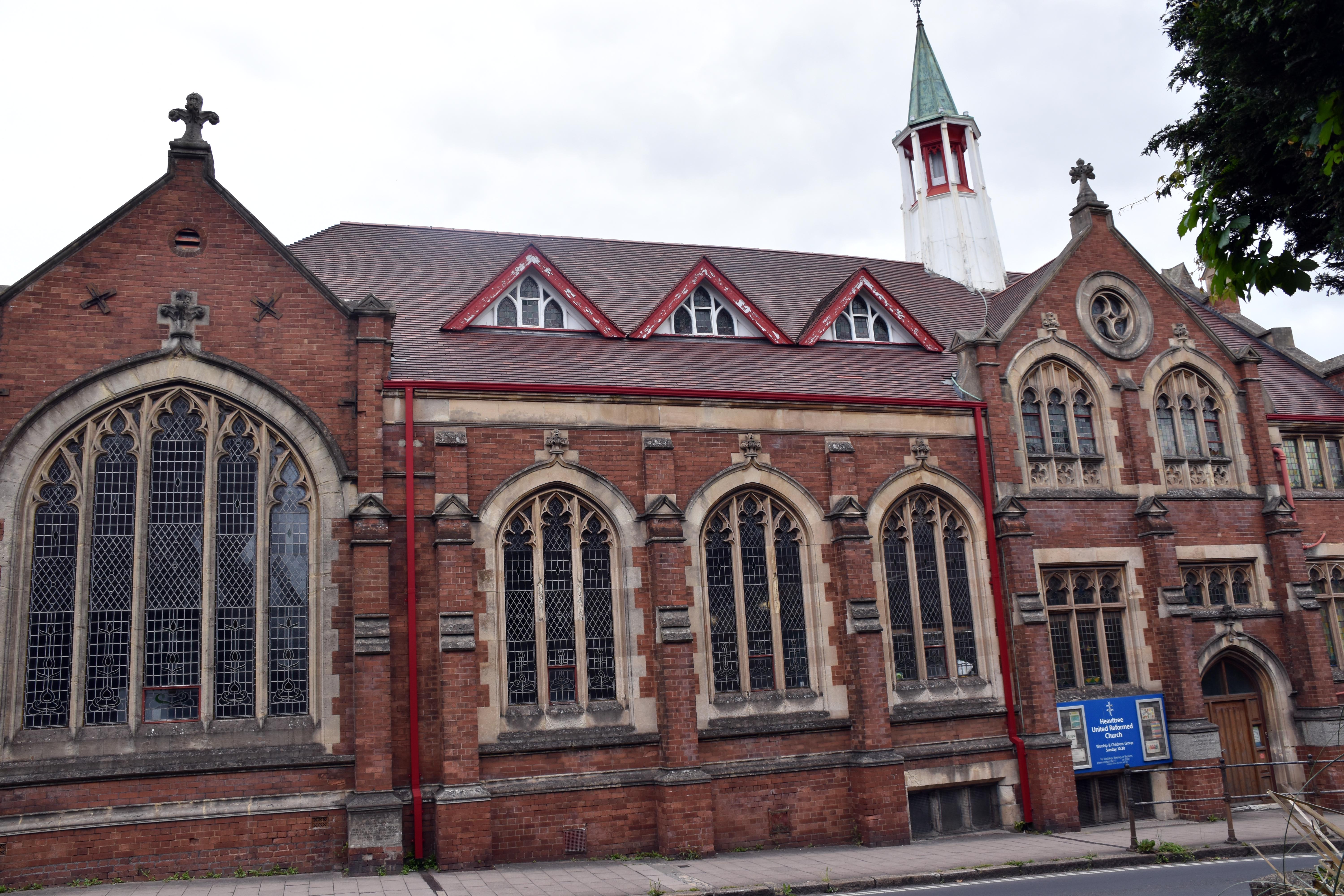
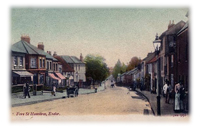
And we still were not done with churches as we walked down Fore Street and came across the Heavitree United Reformed Church. This non-conformist place of worship predates the Catholic church up the road by a good three decades. This is another significantly large church. Three of the four churches today were quite simply enormous and each could have sat hundreds of people in it if required to do so. This hints at the Christian heritage that once could realistically envisage full churches. This one also suffered some damage during the Blitz, especially to the windows, but the building remained largely intact.
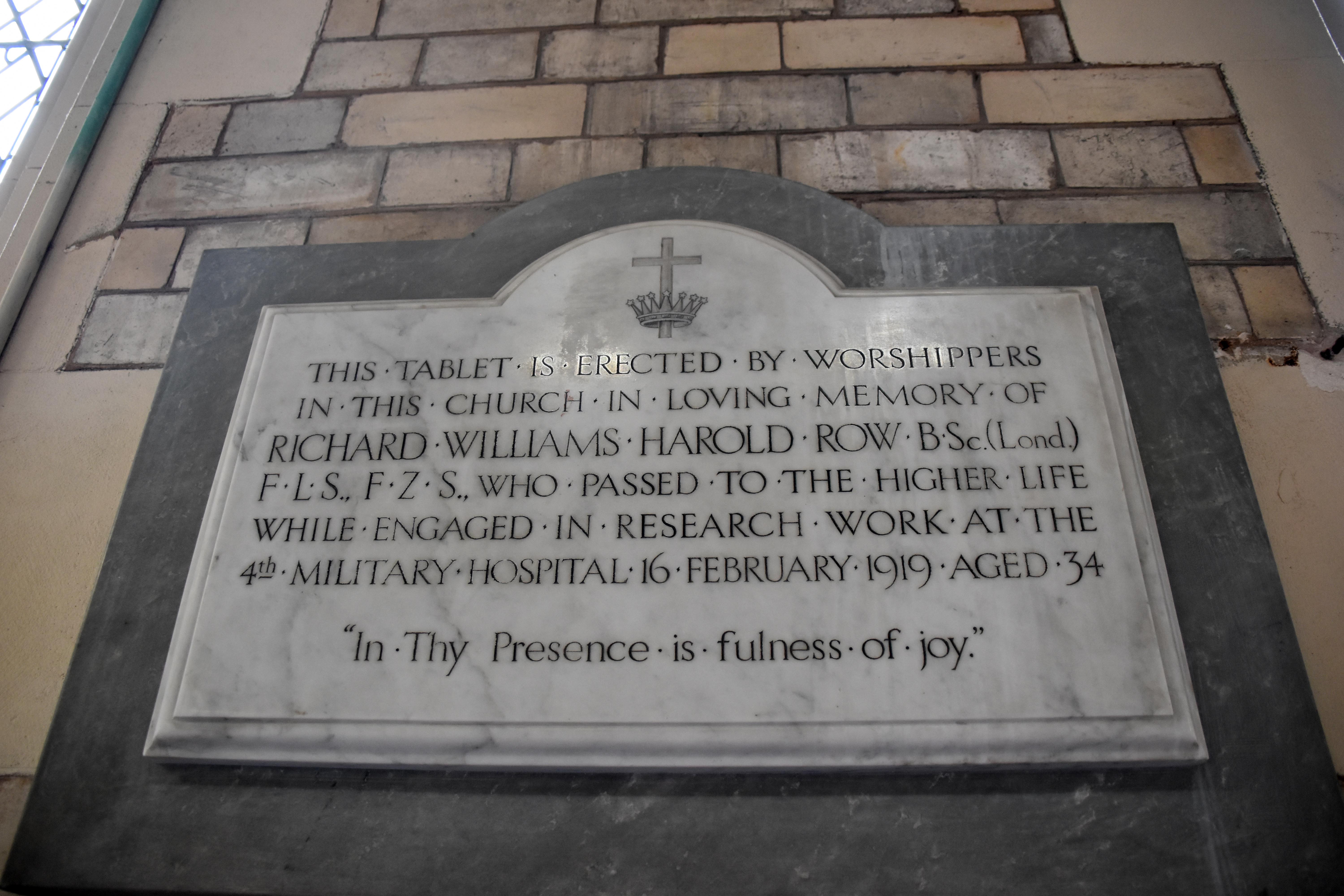
There were a couple of interesting memorials in this church including one to Richard Williams Harold Row “who passed to the Higher Life While Engaged in Research Work at the 4th Military Hospital” in 1919 aged just 34. He was actually a spongiologist – which is exactly what it sounds like – a biologist who specialised in sponges. I believe they were attempting to see if they could be used to help with the treatment of wounds. The fact that he died in 1919 strongly suggests that he may well have been a victim of the influenza epidemic – especially in a place like a hospital. This young man also had built up a reputation as a renowned stamp collector specialising in the stamps of Siam. After his death his mother donated his collection to the British Library for their Philatelic Collection, which they still look after to this day.
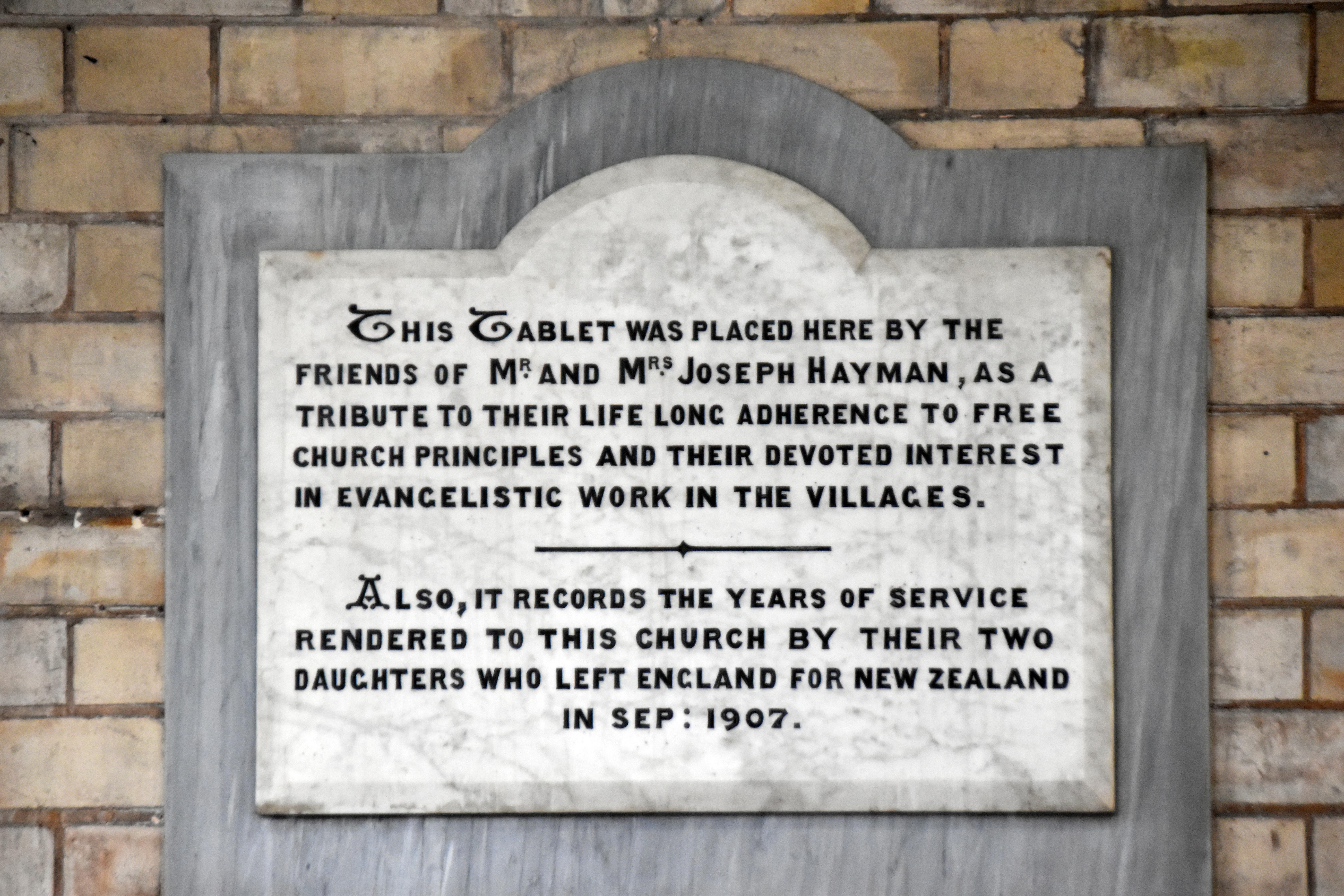
The other intriguing memorial was to the Hayman family. Mr and Mrs Joseph Hayman are remembered for their evangelistic work in the surrounding villages of the area. But it is their daughters who hint at yet another imperial connection, who, it says, used to work for years in this church before leaving England for New Zealand in 1907. It does not say precisely why they left to travel to the other side of the world—perhaps for evangelical purposes, perhaps economic purposes, but also perhaps for female suffrage as New Zealand at that time was one of the only places in the world where women could vote. Whatever the reason, their departure was enough to commemorate for those they left behind.
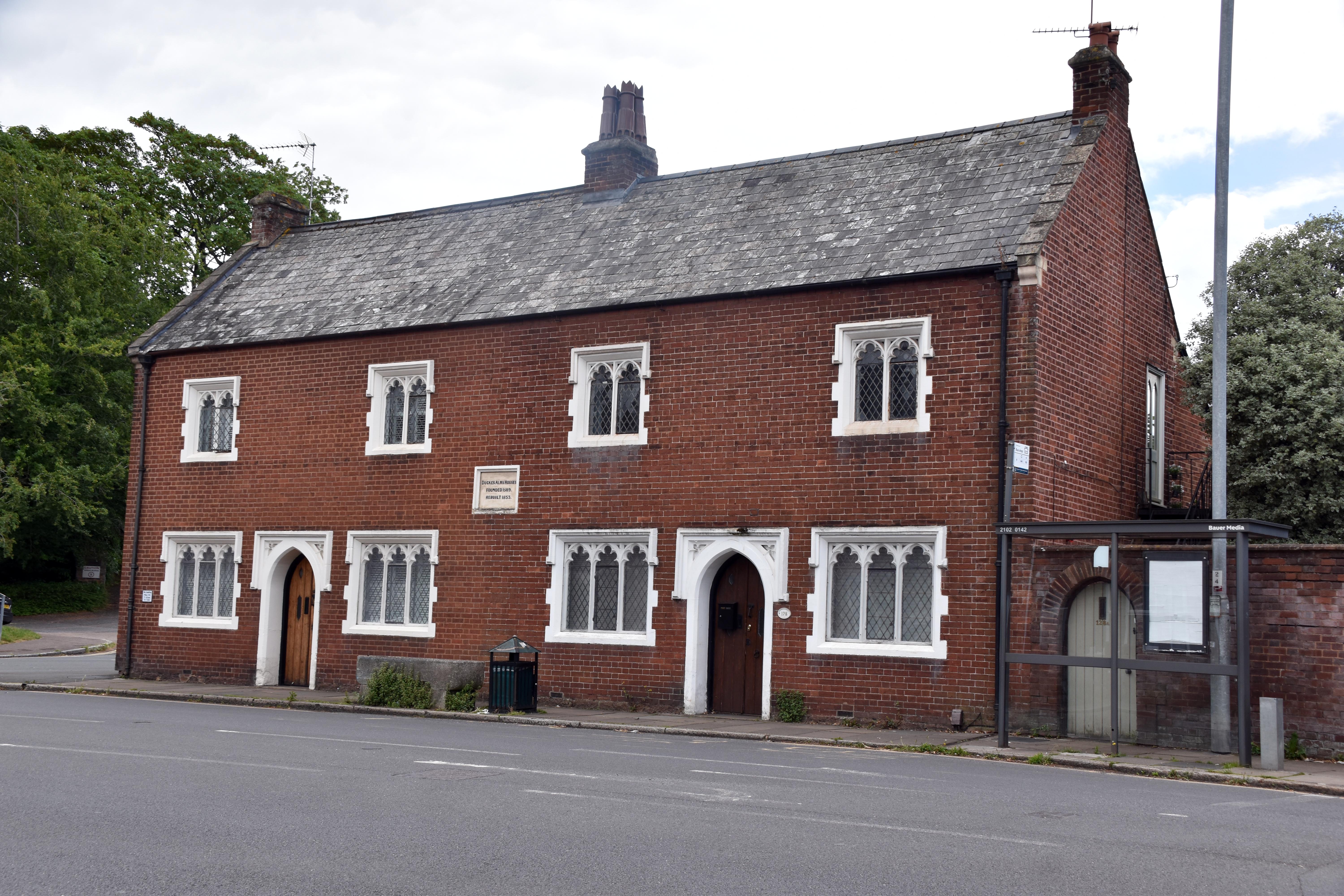
We then walked down Fore Street to the old Duckes Almshouses dating back originally to Elizabethan times, when they realised that by shutting down all the monasteries it was the government who might have to take over the role of looking after the poor and the sick. These original buildings though were rebuilt by the Victorians in 1853 although, strangely, with their Tudor windows look older than they are. Perhaps the architect was trying to make that link back to Elizabeth I.
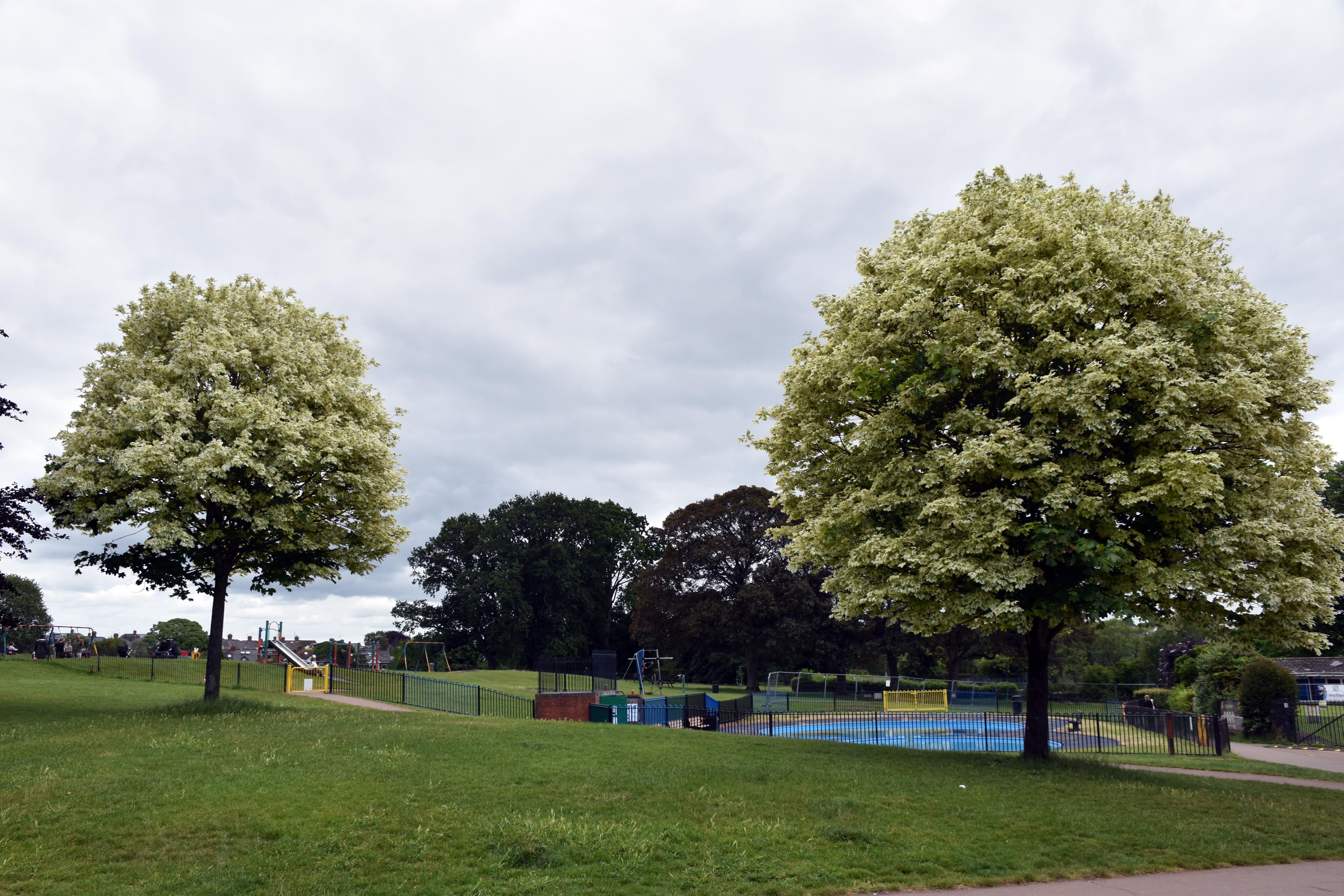
We then turned into Heavitree Pleasure Grounds which were built by the Edwardians in 1906 originally as the local population realised that they were no longer a village on the edge of a city but were being subsumed by that city. There was a great park-building programme in the late Victorian and Edwardian periods as they sought to hold on to just a little of the countryside that the cities were consuming. This one was built just in the nick of time to preserve a sense of greenery as the roads and houses continued to sprout up all over the area.
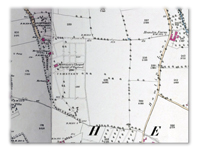
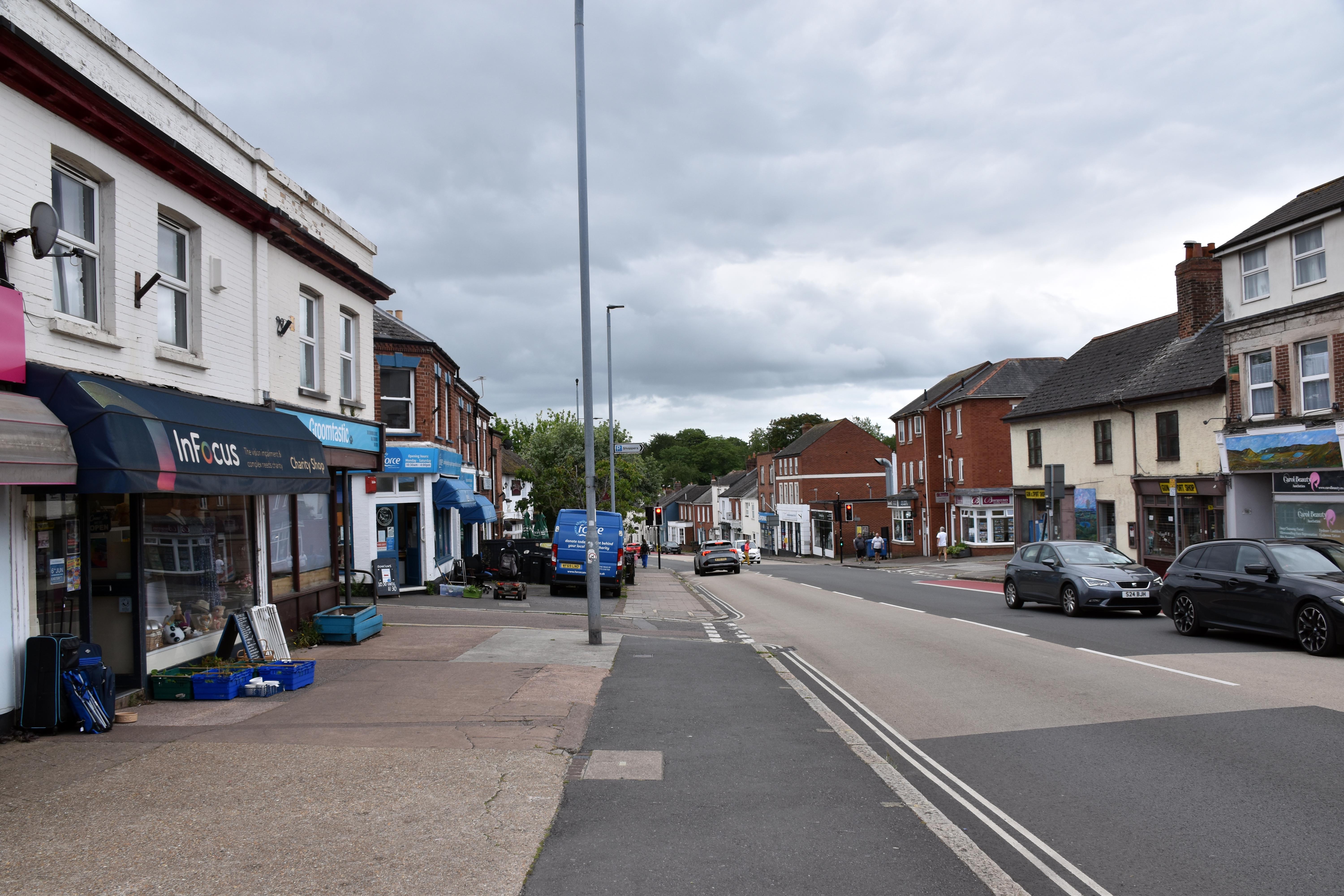
We then headed back to the car outside Higher Cemetery. There is something nice about visiting an area that you really do not know well. You bring eyes of the curious. You see things that perhaps many of the locals take for granted or no longer see at all. Heavitree has layers of history that are worth unpeeling. It was once a rural area that thrived on farming, then wealthy families moved in who wanted to be close to Exeter but not too close. Then it became a suburb before finally succumbing to full-on urbanisation as an integral part of Exeter itself. These layers reveal themselves in their churches and in the architecture of the buildings. Wander around these streets and you catch a glimpse of all the stages of this fascinating community.
|