British Empire Title

The Westcountry Walker: Hiking Through History

A Single Somerset Walk Weaving Together: Sarawak, Sedgemoor, Speke, the Source of the Nile and a Stop Line


St Mary's Church

There are days when Somerset feels less like a county and more like a living chronicle, its churches and lanes carrying the weight of centuries while welcoming the wanderer with quiet beauty. Returning here with Rupert, we found ourselves not only walking through villages and estates but stepping into stories of rebellion, exploration, and devotion — each place a page in a history that seemed to open itself to us as we passed.

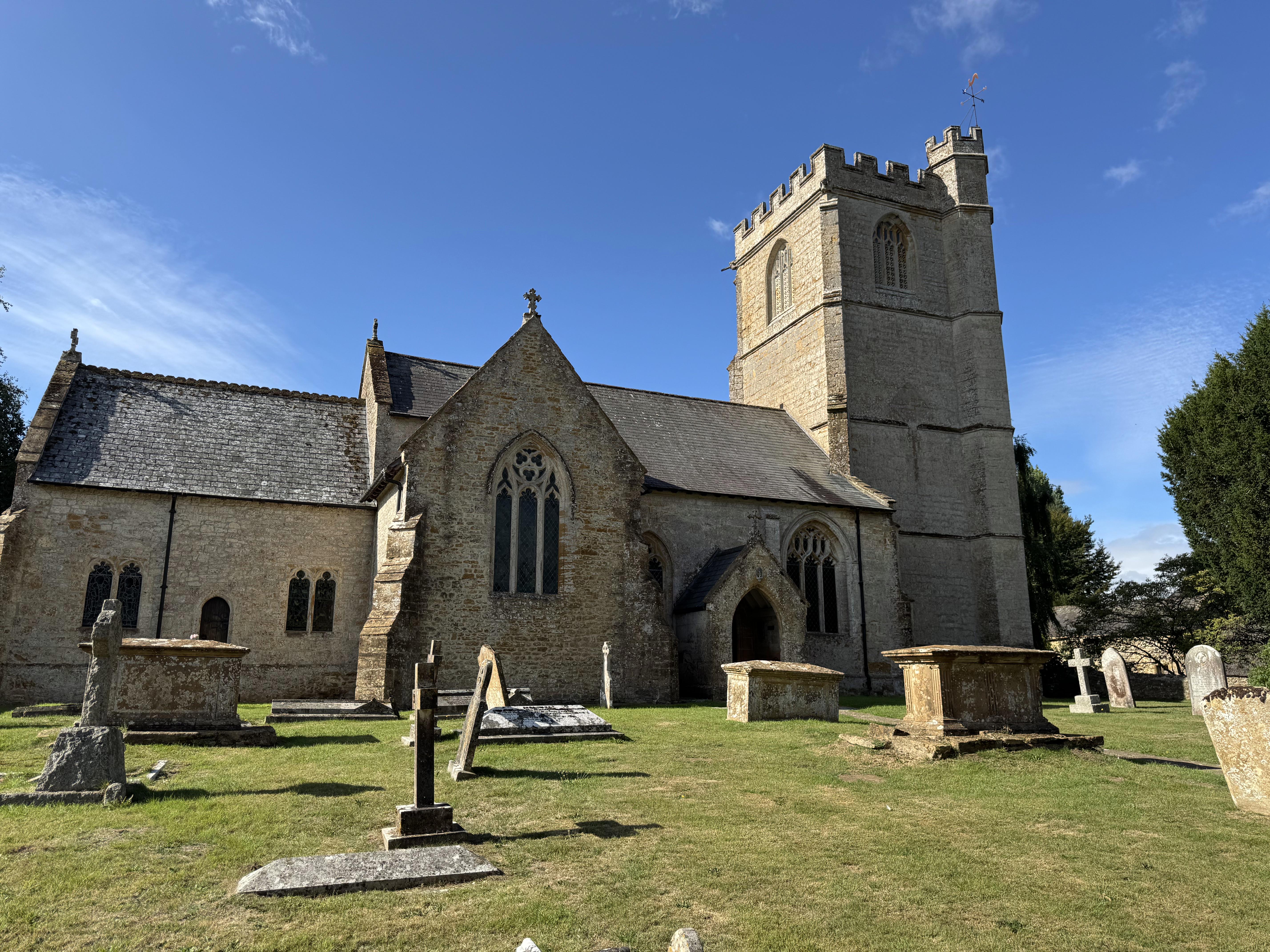
Our walk that day carried us through three stunning churches before leading us into Ilminster, across the Dillington Estate, and finally back to Whitelackington Church, where so many of these stories converge. The Speke family — long among the local landowners — seemed to appear at every turn. Their manor stood beside St Mary’s in Whitelackington, their family vault lay at Dowlish Wake Church, and through marriage into the Hanning family they came to live at the beautiful Dillington House. Whitelackington’s church, in particular, is crammed with history, much of it revolving around rebellion and challenges to authority. It began with support for the Lollards, a pre‑Reformation movement that opposed Catholic authority. Then in 1497, John Speke threw his weight behind Perkin Warbeck’s challenge to Henry VII. Warbeck pretended to be one of the ‘Princes in the Tower’ who had mysteriously disappeared under Richard III’s care. He landed in Cornwall and advanced as far as nearby Taunton before being confronted, arrested, and hanged. John Speke escaped with a fine and must have regained favour, for he was later entrusted with escorting Catherine of Aragon from Plymouth to London to marry Prince Arthur — and she even stayed in the manor house beside St Mary’s on her way to meet her groom.
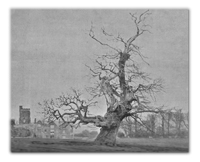
Monmouth Tree

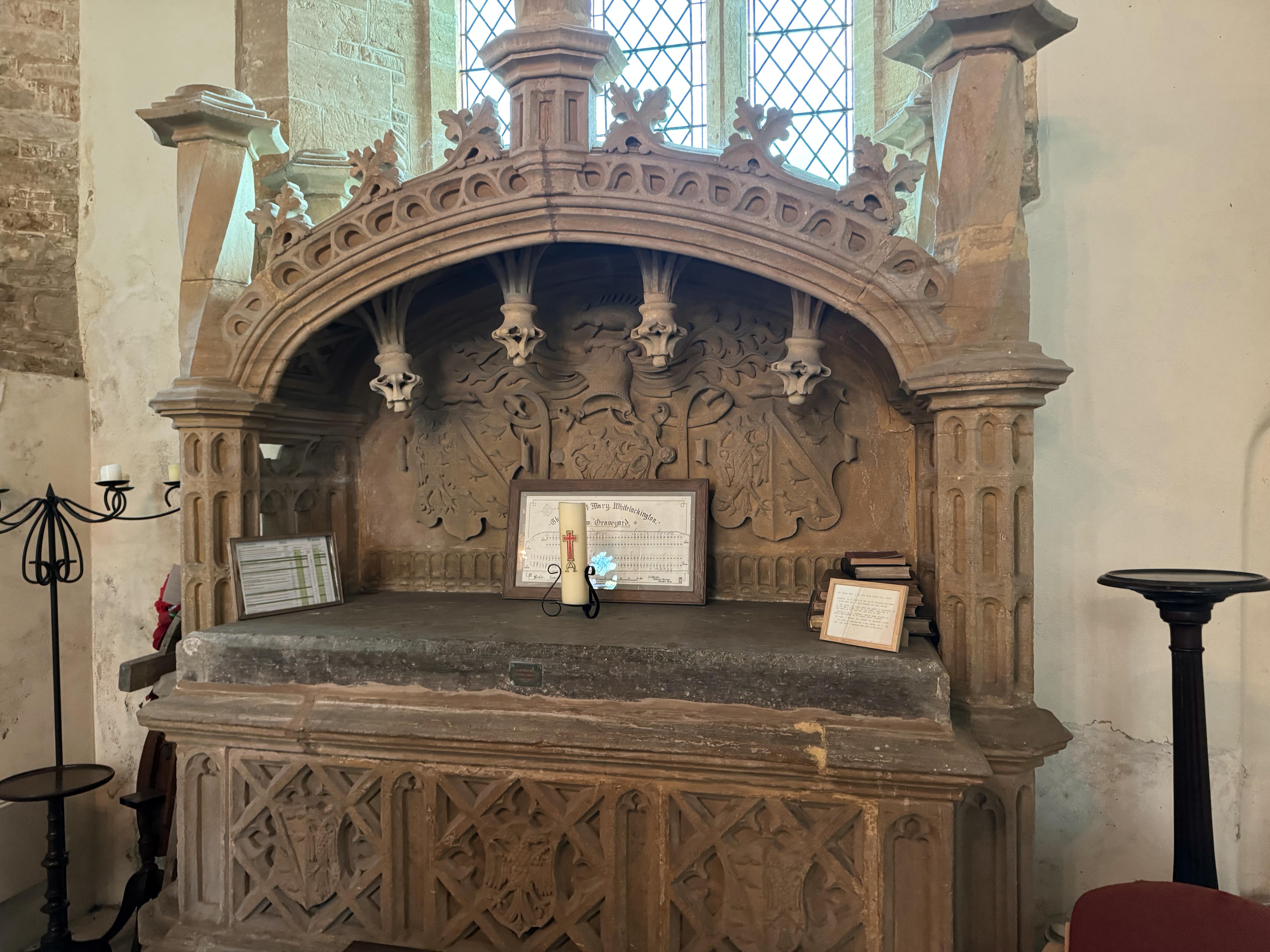
The English Civil War saw the Speke family fight strongly for the king, raising their own troop of Horse and giving Prince Rupert a thousand Crown Pieces to prosecute the war. George Speke was captured at Bridgwater, and the family had a very tough time under the Commonwealth. This did not dent their allegiance to Protestantism, though, and when the Duke of Monmouth toured England in 1680 testing his support against his Catholic uncle James, he found a particularly warm welcome at Whitelackington. There was a famous image of the young pretender sitting under a tree near the church, taking refreshment before meeting his Protestant supporters. On the back of this memory, when the Duke of Monmouth landed at Lyme Regis, he made a point of stopping at Whitelackington and trying to raise troops to support his rebellion against King James II. The Spekes were possibly the highest‑profile supporters of the Duke of Monmouth and furnished a troop of cavalry, and the eldest son John Speke served as a Colonel in the ill‑fated battle at Westonzoyland, which we visited earlier in the week. Sadly, it was the youngest son Charles who would be executed, despite the fact that he did not participate in the rebellion at all — but he had committed the crime of shaking the Duke of Monmouth’s hand. This was enough for Judge Jeffreys to condemn him to death.
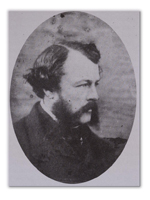
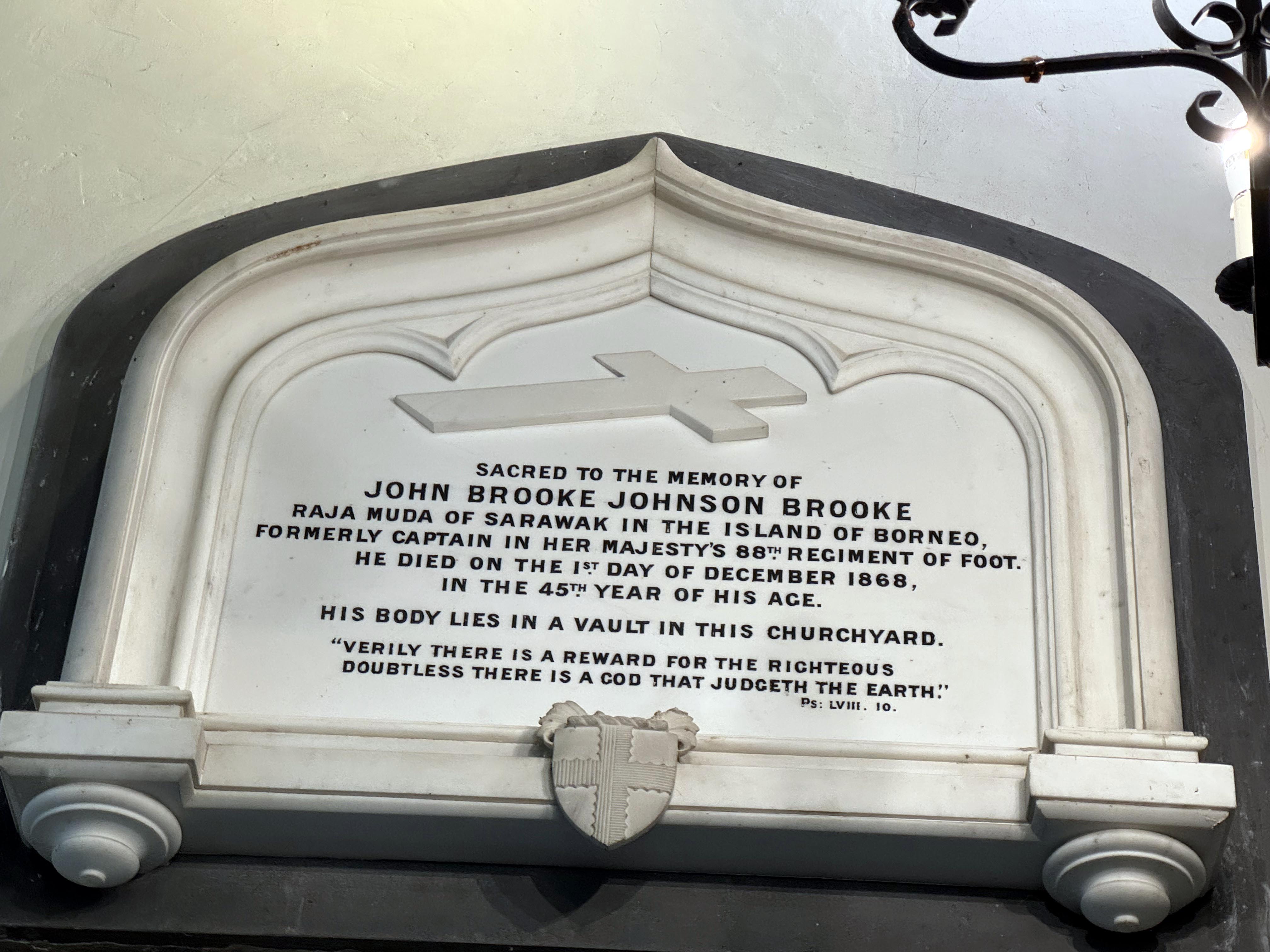
John Brooke Johnson Brooke

Now I had no idea of this connection, but John Brooke Johnson Brooke has a dedication and was buried in Whitelackington church. He had been due to replace James Brooke as Rajah of Sarawak. However, at the last moment James changed his mind and chose John’s brother Charles instead to replace him when he retired to Burrator in Devon. I have mentioned it before, but James and Charles are buried in St Leonard’s church in Sheepstor, pretty much next to my own great‑great‑great‑grandfather, who also died the same week as James Brooke did in Burrator. I had no idea that there was this connection between Whitelackington and Sheepstor. I also noted that John’s father is commemorated here, and he had been a vicar in Sarawak too. An amazing coincidence.

Colonel Arthur Vaughan Hanning Vaughan-Lee

I got to talk to a lady who was looking after the church… later in the day Rupert and I ran into her again in Ilminster — we had never visited Ilminster before and knew nobody — except the woman we met in the morning. We had a second lovely chat. Sadly we learned that the church had just had one of its beautiful stained glass windows broken that very morning. It was just a small hole but very distressing for all those involved in the church and doubtless will cost a fortune to repair. These isolated churches are such treasures to the nation, it is always sad when they are damaged whether it be through vandalism or any other way. I am in awe of all those who go out of their way to look after these buildings and seek to pass them on to future generations so that they might enjoy them as much as we can do so today.

We walked due south along some beautiful footpaths, where the countryside opened up with glimpses of old pillboxes and wartime defences from the Ilminster Stop Line — though those stories would come later. Our first real stop was the Church of St John the Evangelist and All Saints at Kingstone, a smaller parish church than Ilminster’s grand Minster, but no less charming. Built of warm hamstone with a slate roof, its roots go back to the 14th century, with records of a church here as early as 1291. The modest nave and chancel are crowned by a sturdy three-stage tower, home to a peal of six bells, some dating back to the 1690s. Inside, the atmosphere is simple and welcoming, with a 15th‑century font, fragments of medieval stained glass, and fittings largely from the 19th century. Today, the church remains active as part of the Winsmoor benefice — a grouping of local parishes that share clergy and resources — ensuring that even small rural congregations like Kingstone (and they don't get much smaller than Kingstone) continue to thrive within the wider Diocese of Bath and Wells.
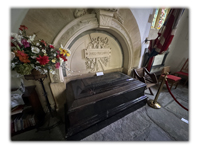
Tomb of John Hanning Speke

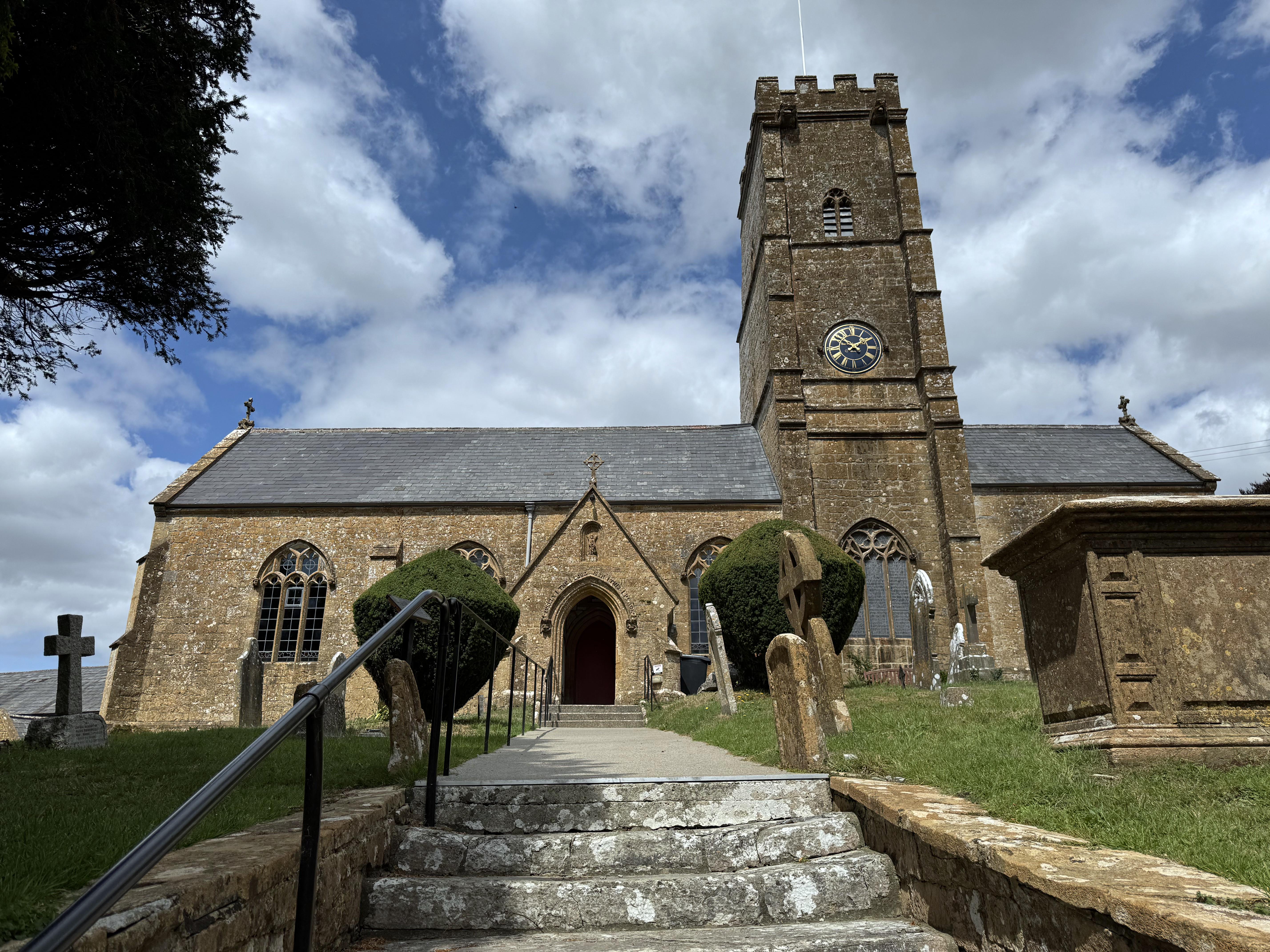
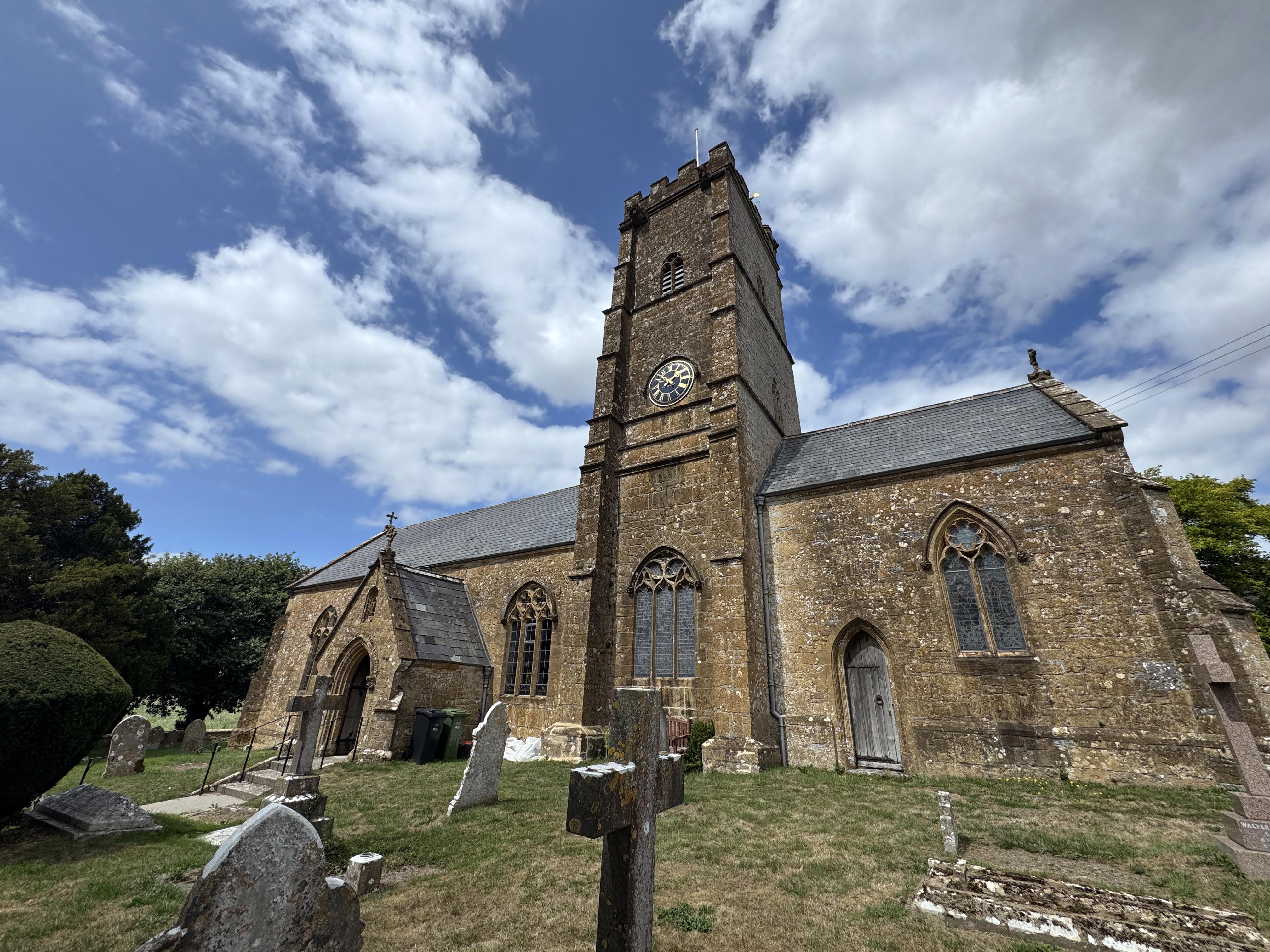
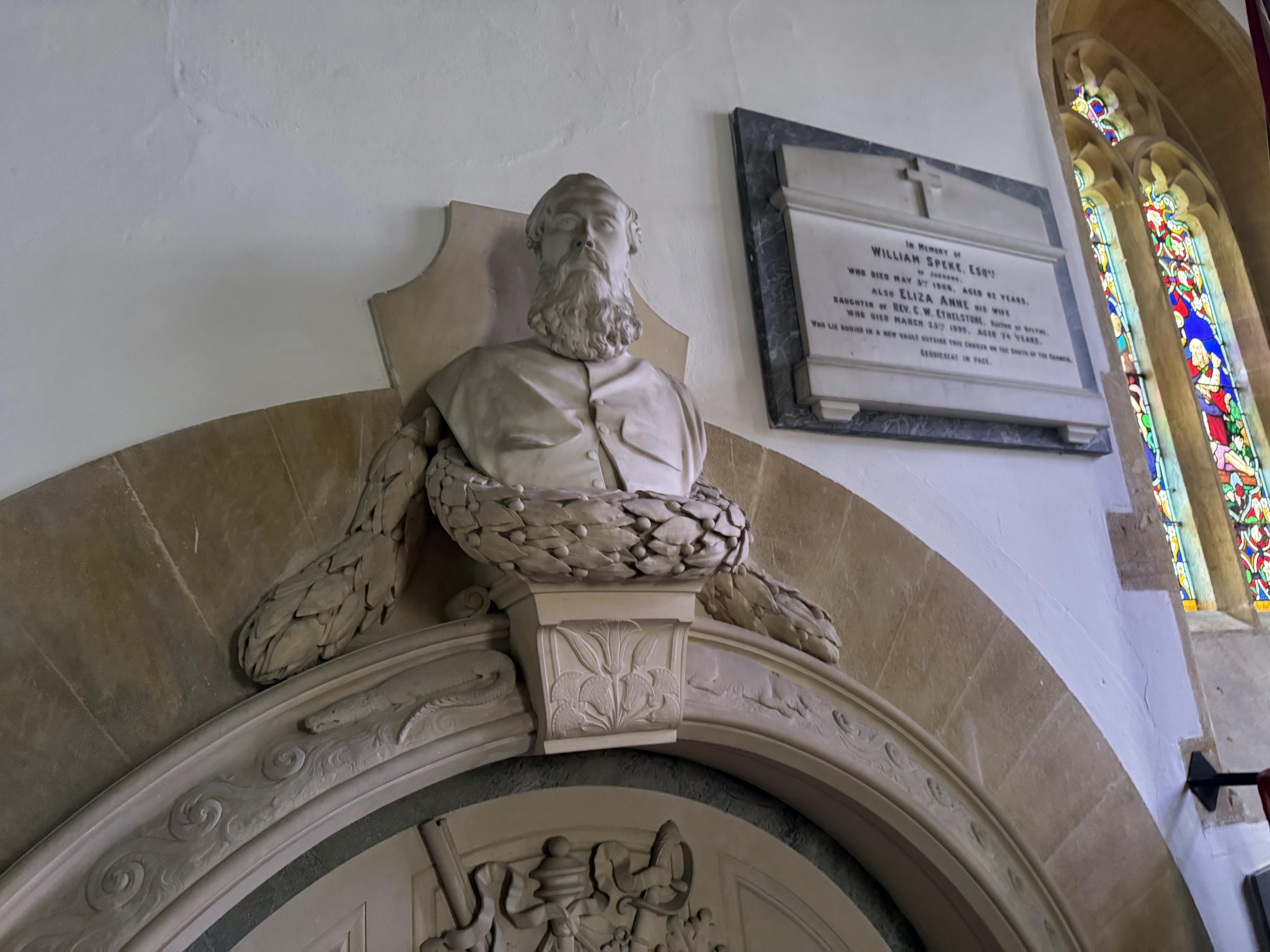
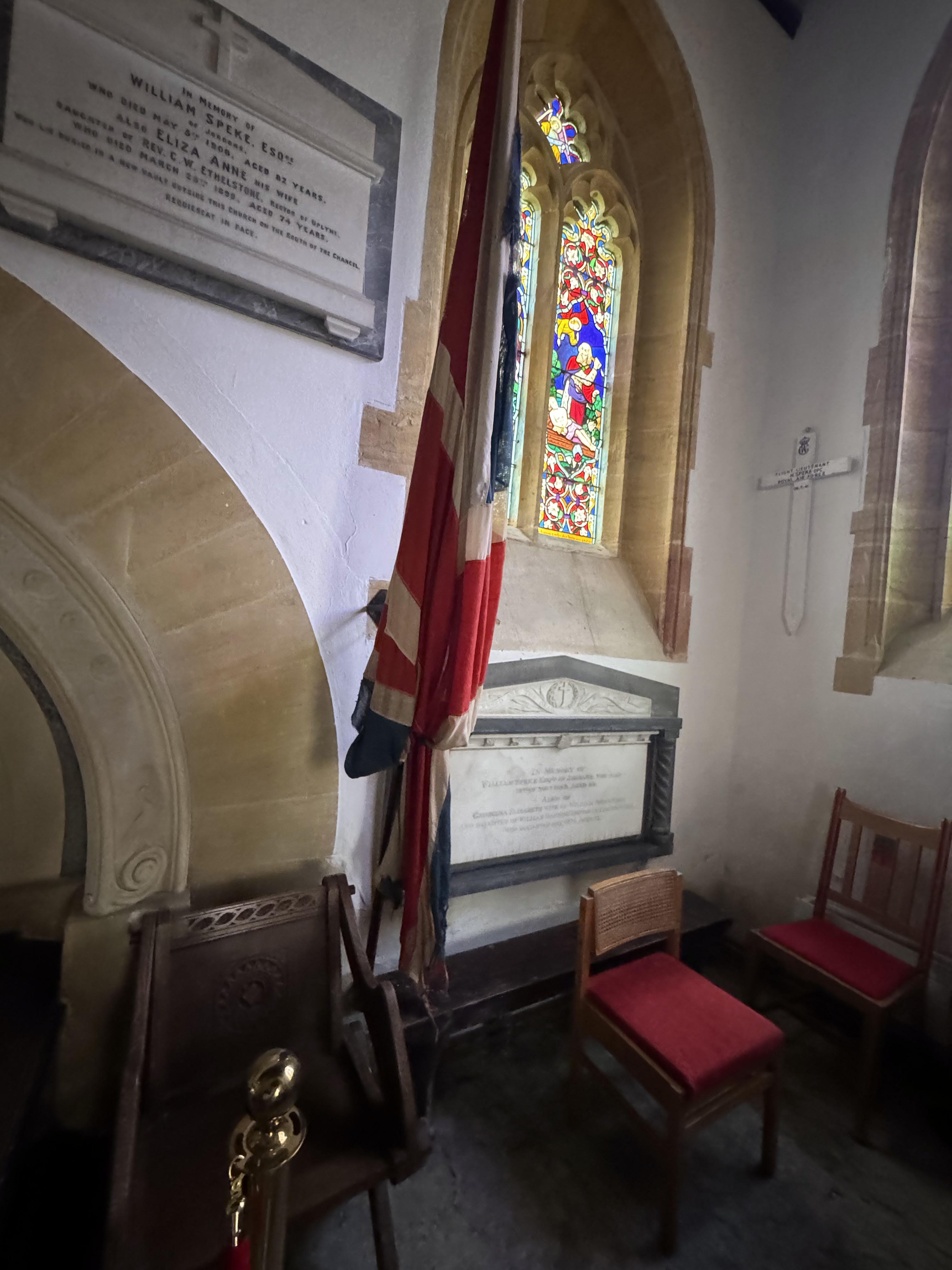
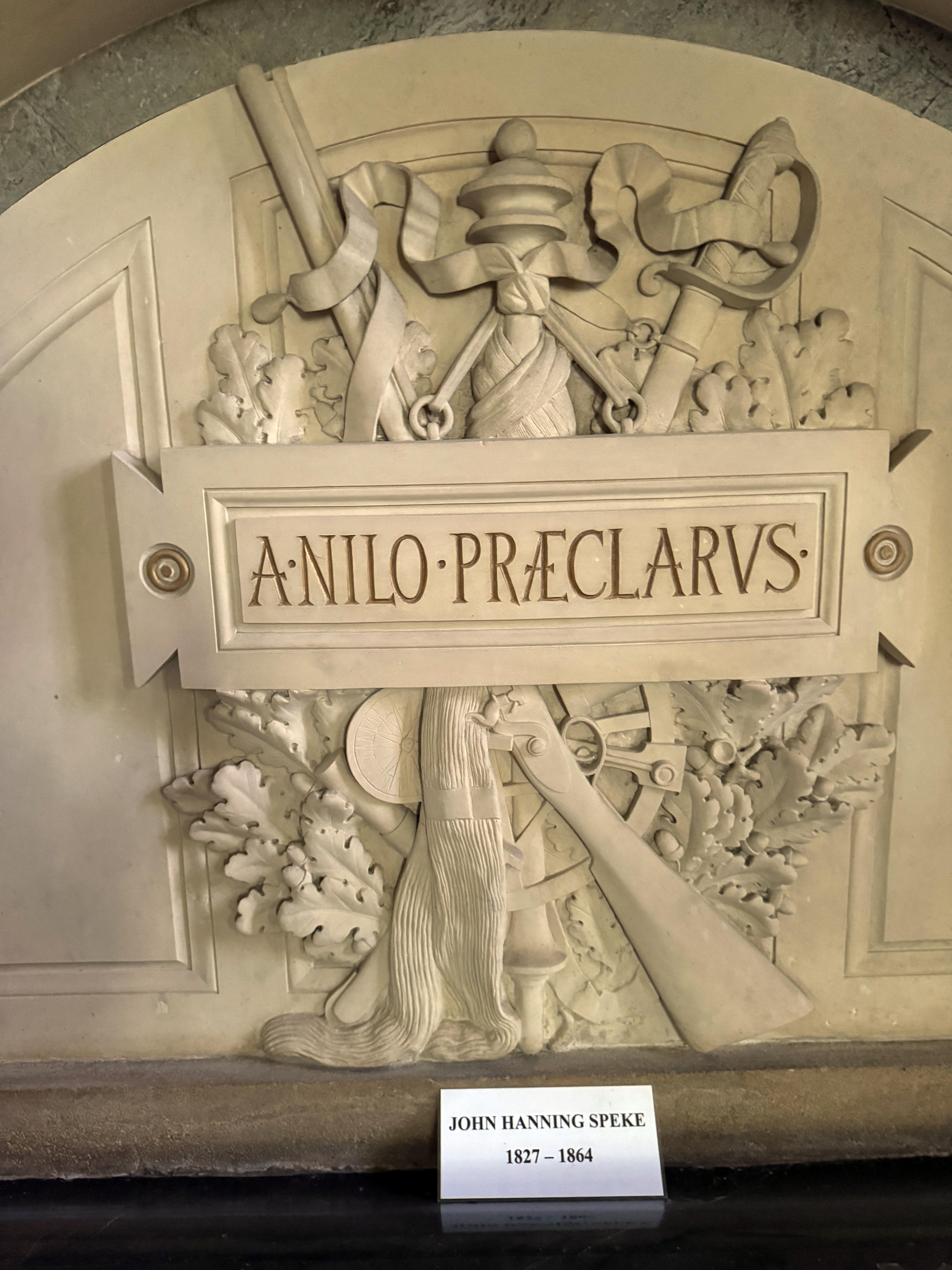
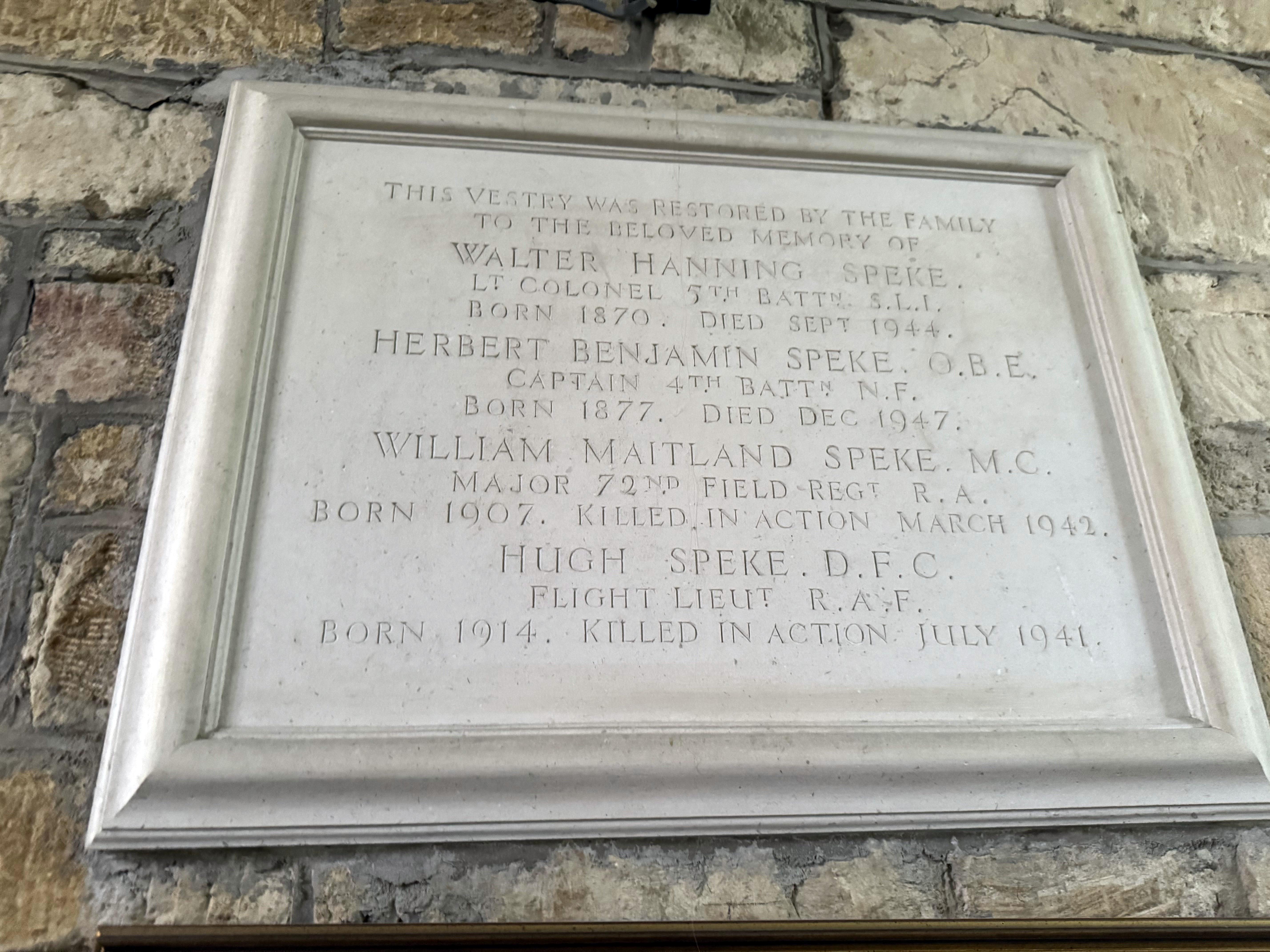
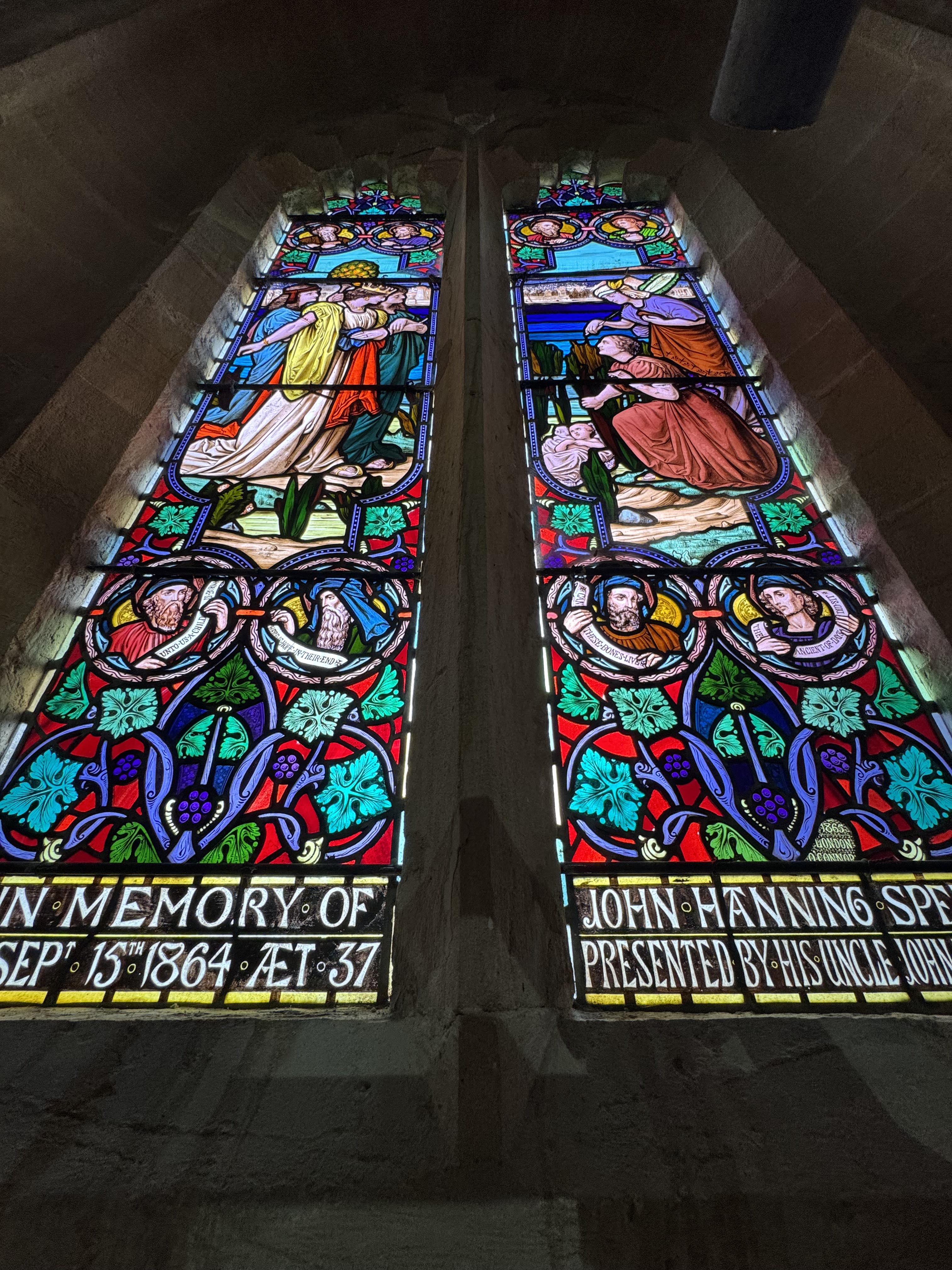
But it was St Andrew’s Church at Dowlish Wake that we were really interested in visiting. These two churches are surprisingly close to one another, separated only by a gentle walk through farmland and fields of maize. Where Kingstone feels isolated yet intimate, St Andrew’s carries a different presence — still part of the Winsmoor benefice, but firmly rooted in the life of the village that it overlooks. The church has long been tied to the great estates around Dowlish Wake with landlords who shaped much of the area’s history through the centuries and invested much into St Andrew's itself. Indeed, the Speke family vaults are located at the church in Dowlish Wake, and this was why we had come here. We were seeking the grave and dedication to John Hanning Speke. John Speke was one of the true giants of Victorian exploration and was the first person to correctly identify Lake Victoria as the source of the White Nile. There was some controversy over this claim, as the famous Richard Burton, who had accompanied him on his first expedition, disagreed with Speke, and they had an almighty falling‑out. Speke went back on another expedition with James Grant and found the outflow of water at Ripon Falls that suggested his hunch was correct. There was supposed to be a huge debate in Bath between Speke and Burton, with David Livingstone presiding over it. However, tragedy struck, as the evening before Speke was killed in a hunting accident whilst crossing a wall with a loaded gun that went off. Burton assumed that he had killed himself rather than suffer the ignominy of a debate. The timing could hardly have been worse. News of the death arrived in Bath just as Burton was starting his talk. It would take another twelve long years to confirm beyond all doubt that Speke was correct. It should be said that David Livingstone, along with many of the Royal Geographical Society, attended Speke’s funeral at this beautiful little church. Next to Speke’s funeral casket is a Union Jack which once flew on the British Embassy at Jinja, near the Ripon Falls, which is the spot where Speke first saw the outflow of the Nile from Lake Victoria.

Ilminster Stop Line

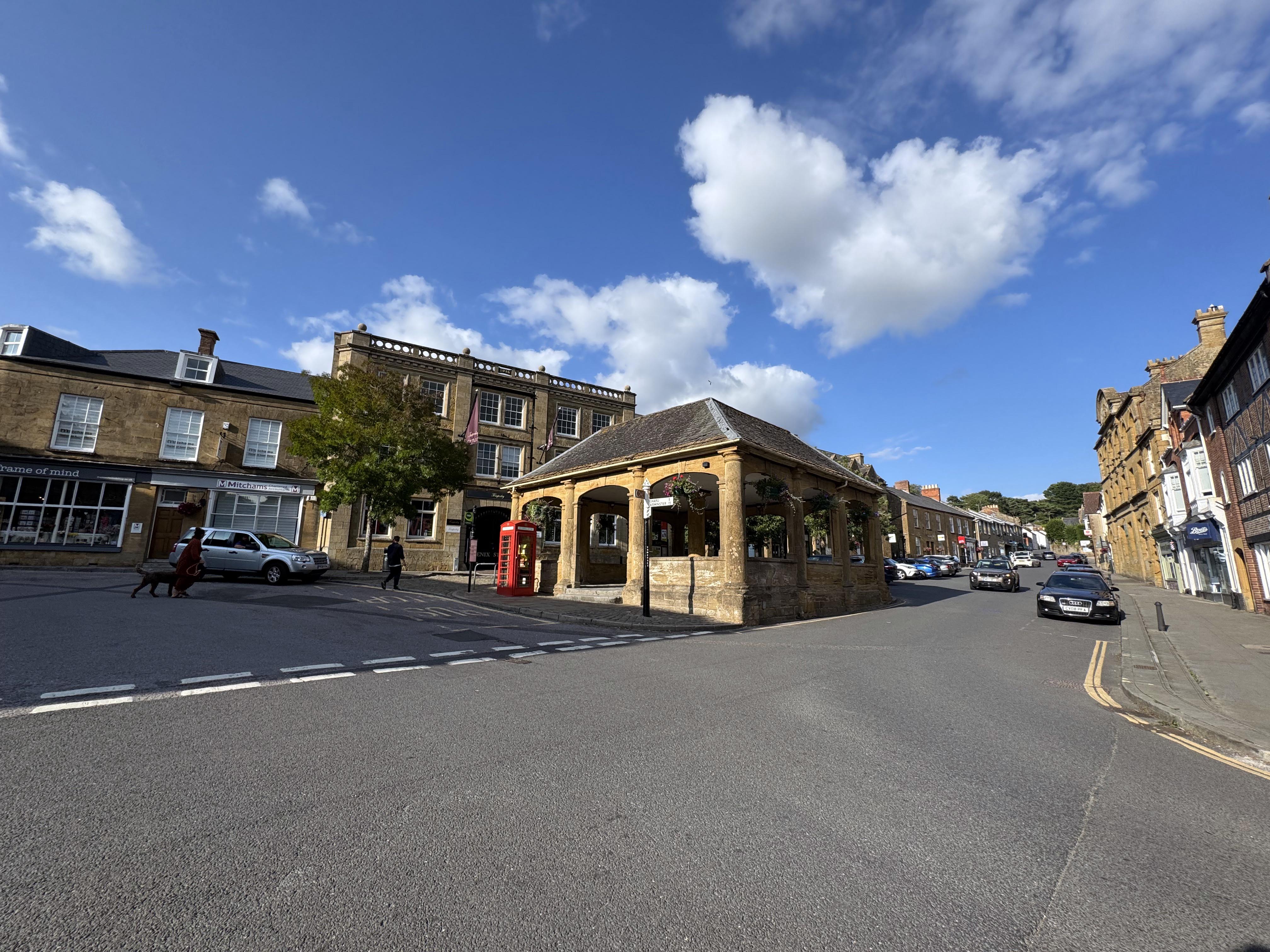
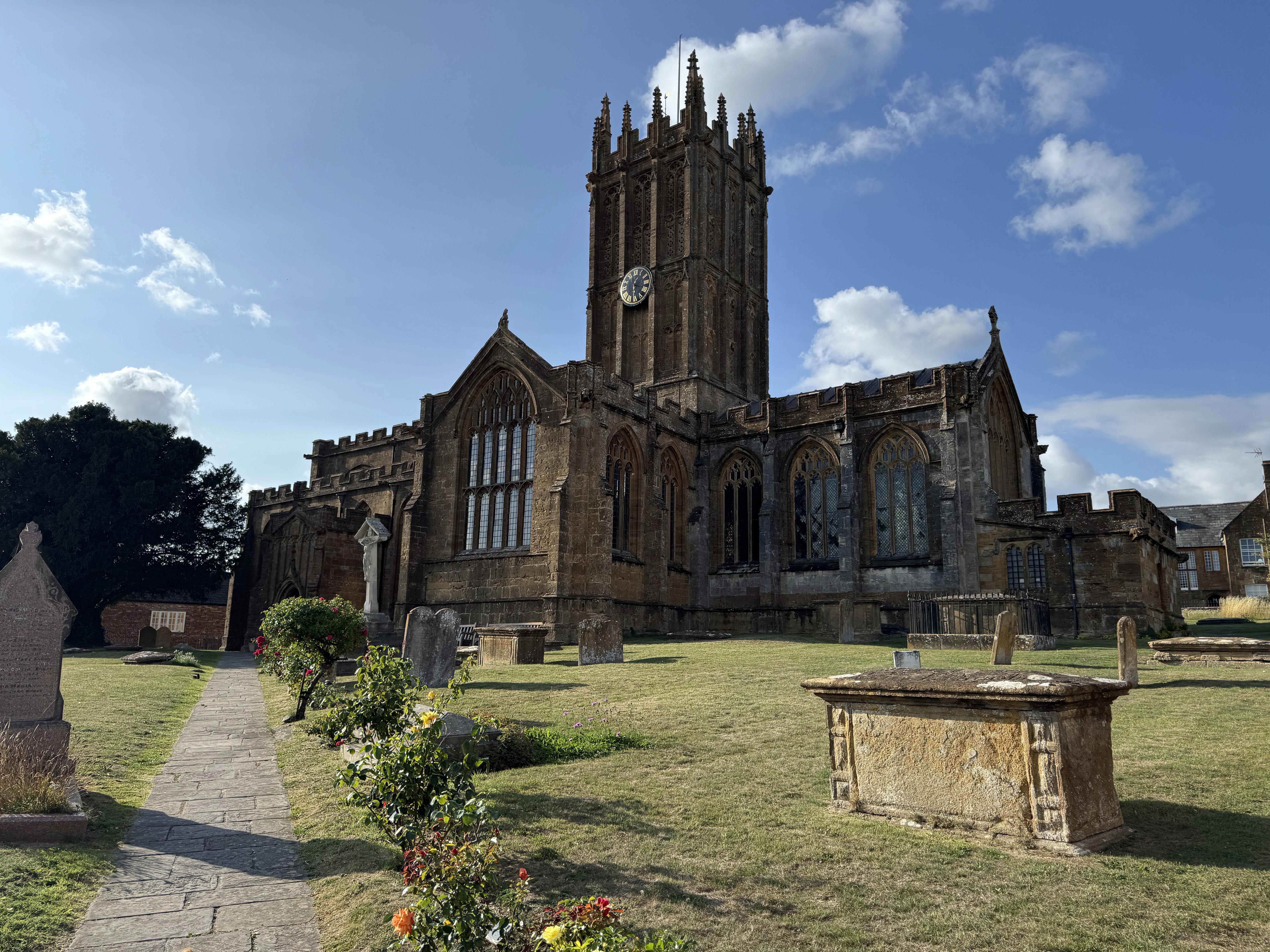
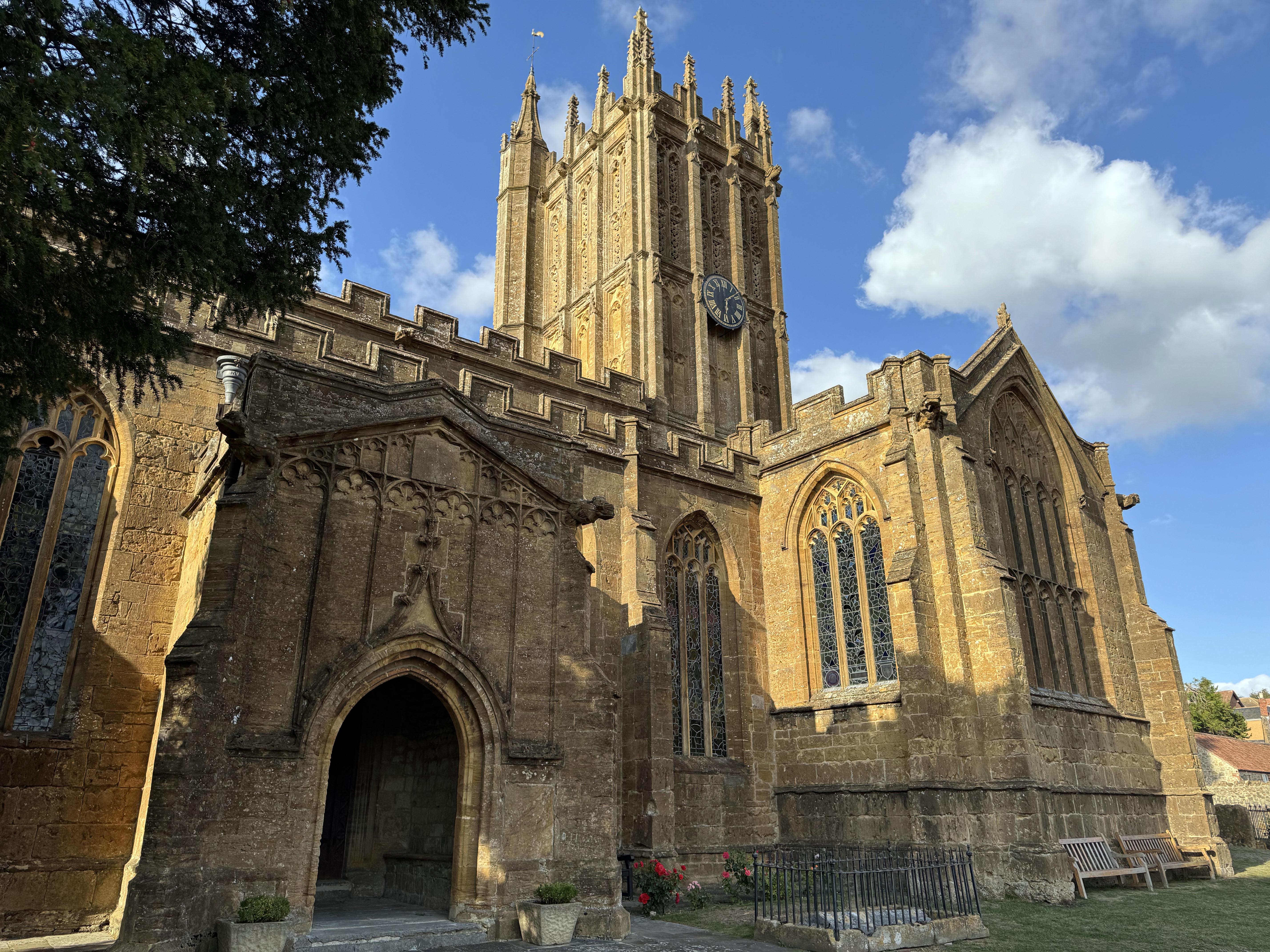
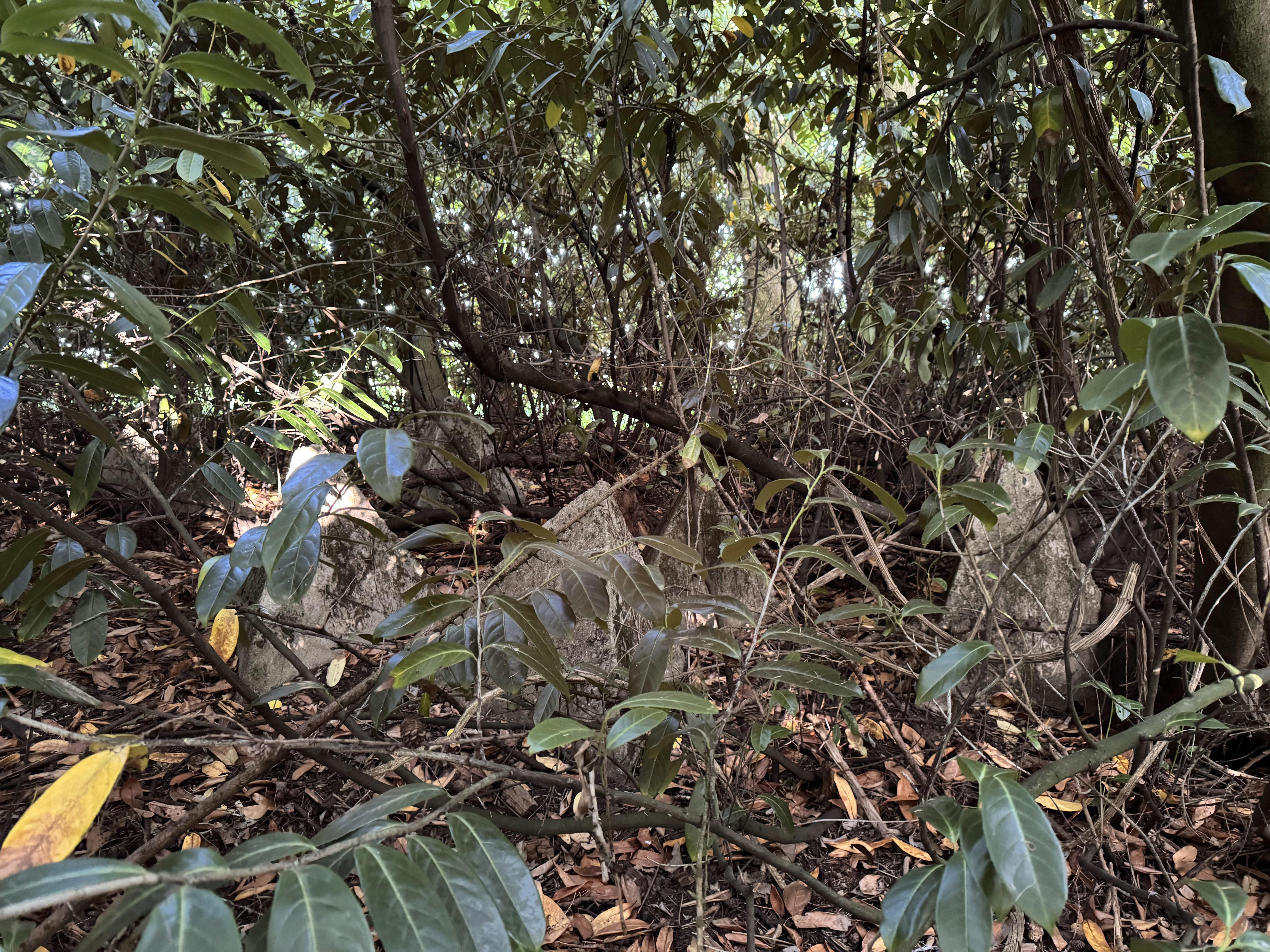
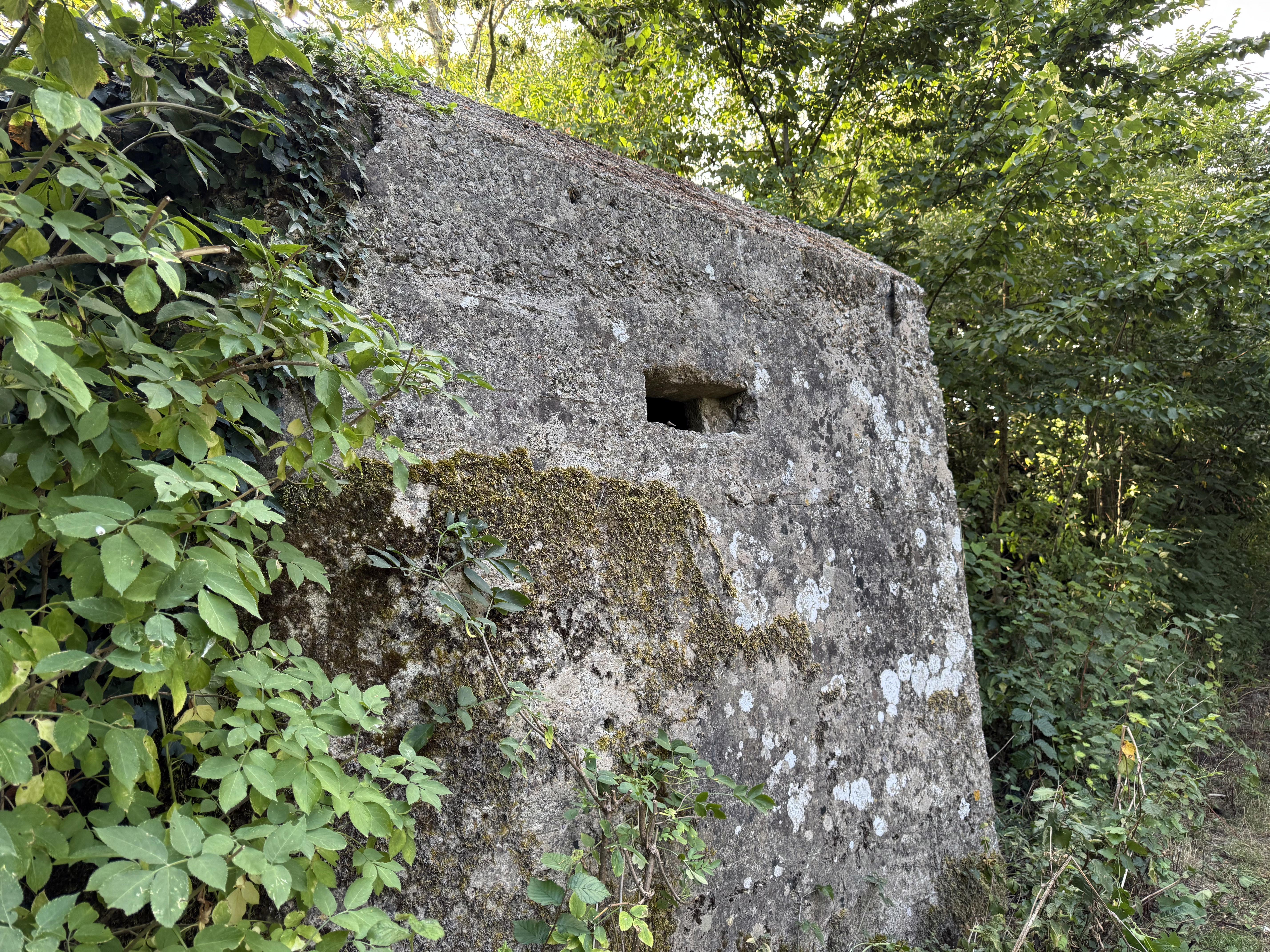
From here we headed to the pretty little town of Ilminster and went to see the Minster there — sadly it was too late to have a look around the inside, but it looked lovely in the evening sun. So we continued to Dillington Estate and House. As you walk towards the house you see a pillbox and a considerable line of concrete dragon’s teeth, all laid out in 1940 as part of the Ilminster Stop Line that was designed to frustrate any German invasion that might try to use the A303 route to move through southern England. It is the most extensive set of genuine WW2 dragon’s teeth I have seen in this country. It stretches up along the path to the house before turning towards the Taunton Stop Line defences.
Tomb of John Hanning Speke

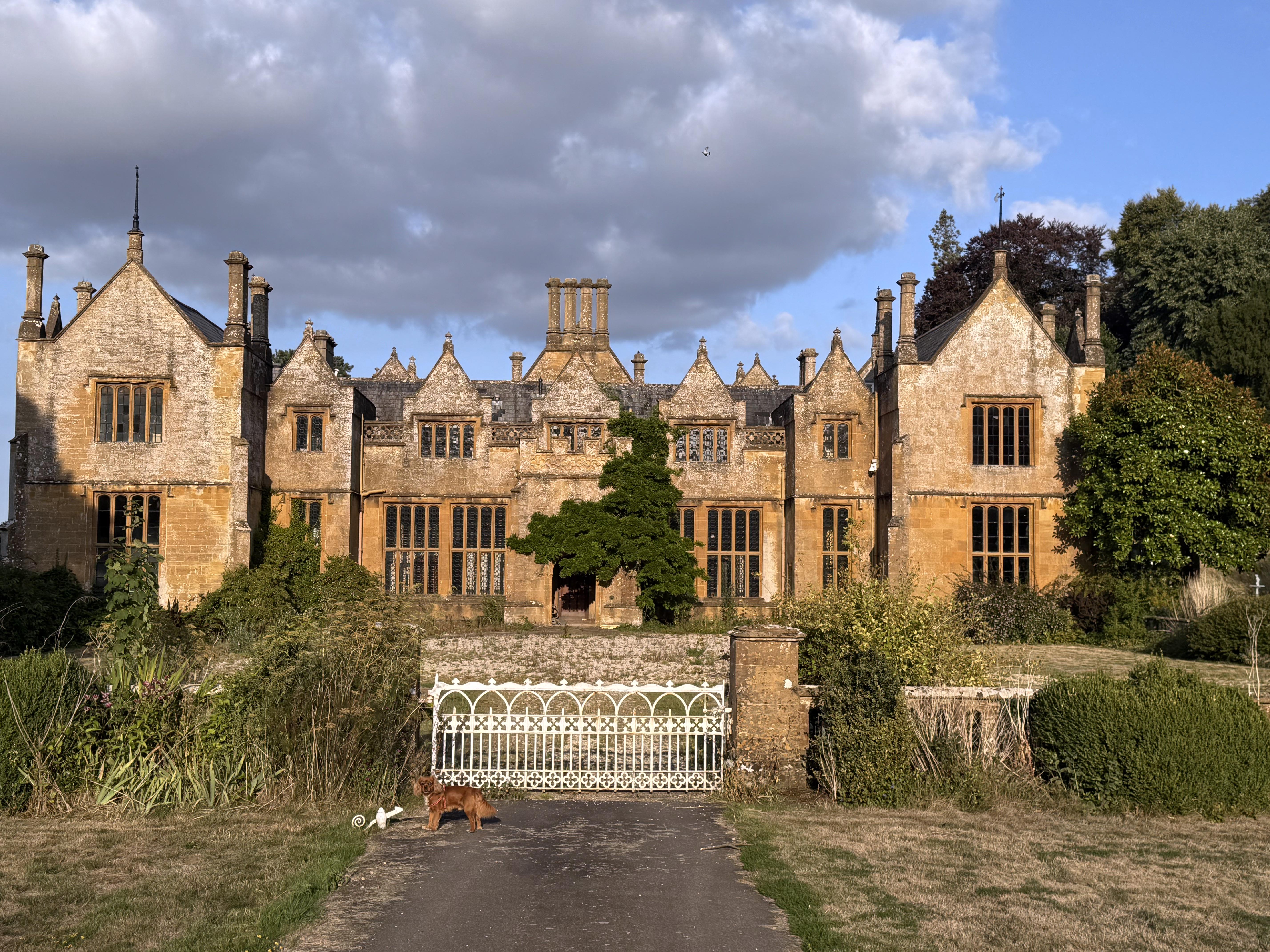
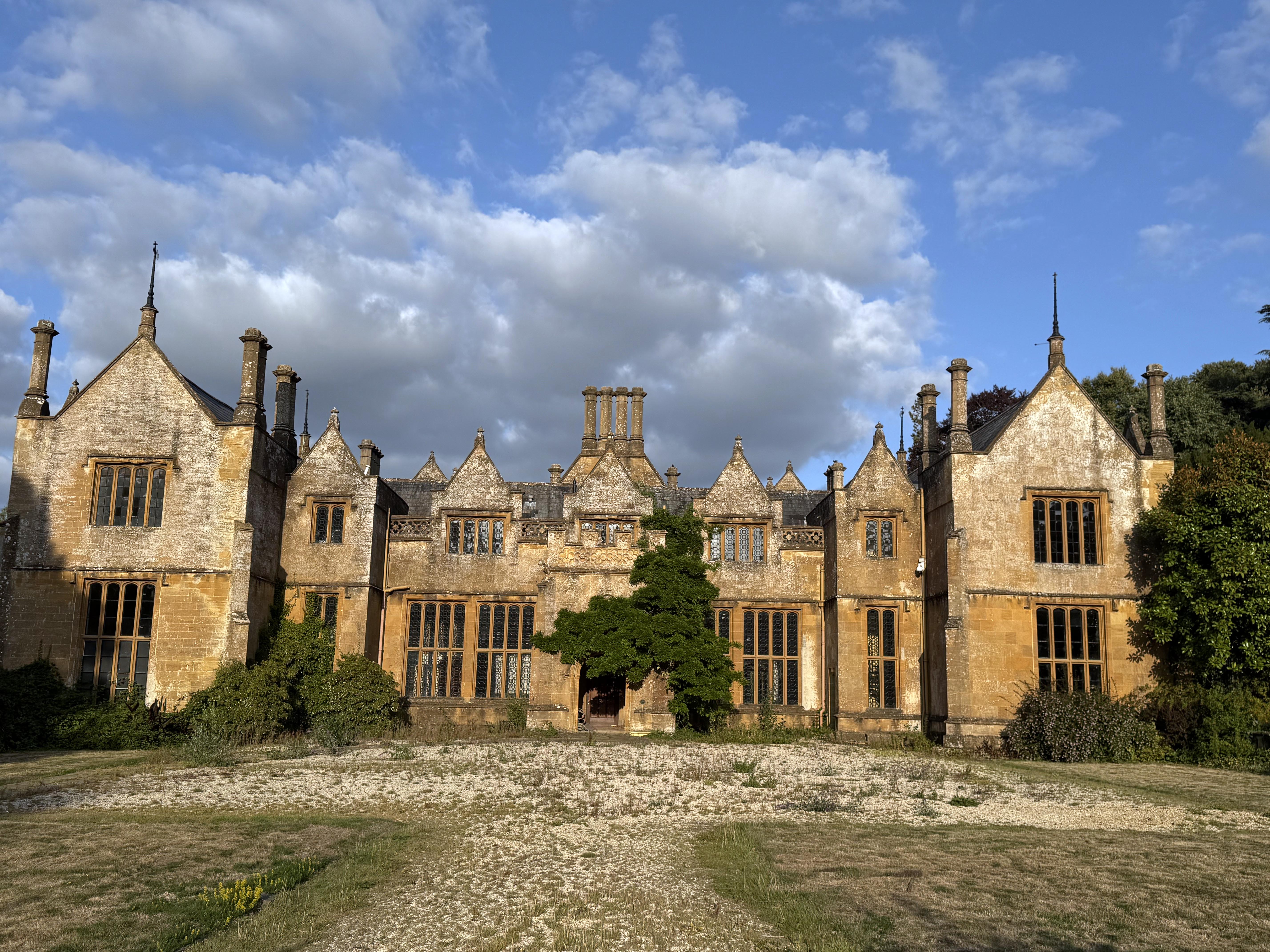
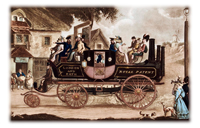
Dillington House has had many owners over the years, including the Spekes. Indeed, it was Anne Speke who married Lord North, who was something of a notorious, if charming, Prime Minister of Britain. He was notorious for not dealing well with the American Revolution and is usually blamed for the catastrophe that unfolded. Later, the house was owned by the Hannings (who married back into the Spekes at some point — hence John Hanning Speke). The Hannings once tried to invest in the brand new technology of steam locomotives — but not ones that ran on rails, rather those that ran on roads. They were somewhat ahead of their time, as the roads struggled to support the weight of the new‑fangled contraptions, but it was an interesting experiment back in the 1830s — seven decades before the internal combustion engine came along. Sadly, the house is vacant now — it had been owned by the local council, who have apparently sold it on to a company that is going to hold weddings there. It would be nice to see such a beautiful building put back to use.

But really this was an amazingly beautiful walk, packed full of fascinating history. The weather was perfect, and the light in the evening was a delight. It is remarkable to think that within just a few miles we encountered stories stretching from Somerset to Sarawak, from Sedgemoor to the Source of the Nile, and even to the Stop Line of 1940. Few walks can carry you across such far‑flung places and pivotal moments in history, yet all remain bound together here in the landscape of one small corner of Somerset.

Location of Walk

Click for OS Map of Area

Links

Church of St Mary the Virgin, Whitelackington – Historic England
Grade II* listed parish church with statutory details and architectural notes

British Listed Buildings – Church of St Mary the Virgin, Whitelackington
Listing entry with coordinates, map, and heritage description

Wikipedia – Church of St Mary the Virgin, Whitelackington
Historical background, architecture, and parish details

Church of St Andrew, Dowlish Wake – Historic England
Grade II* listed church with statutory details and architectural notes

Wikipedia – Church of St Andrew, Dowlish Wake
History, restoration notes, and parish information

St Mary’s Church (The Minster), Ilminster – Historic England
Grade I listed parish church with statutory details and architectural notes

Wikipedia – St Mary’s Church, Ilminster
Historical background, architecture, and restoration history

Visit Ilminster – The Minster Church of St Mary
Visitor information, architectural highlights, and community role

Dillington House, Whitelackington – Historic England
Grade II* listed manor house with statutory details and architectural notes

Wikipedia – Dillington House
History of the house, ownership, and architectural development

Parks & Gardens – Dillington House
Landscape history, gardens, and estate features

Suggested Reading

Barley, M. W. – The English Farmhouse and Cottage
Routledge, 1961

Hoskins, W. G. – Devon
Phillimore, 1954 (reissued)

Johnson, Owen – The Somerset Stop Line
Taunton Press, 1995

Maitland, Alexander – The Life of Captain John Hanning Speke
John Murray, 1999

Marks, Richard – Stained Glass in England
Routledge, 1993

Orme, Nicholas – English Churches in the Middle Ages
Oxford University Press, 2010

Speke, John Hanning – Journal of the Discovery of the Source of the Nile
Blackwood, 1863

Speke, John Hanning – What Led to the Discovery of the Source of the Nile
Blackwood, 1864

Stoyle, Mark – West Country Rebellions: The Monmouth Rebellion
University of Exeter Press, 1980

Tarling, Nicholas – Sarawak and Its Rajahs
Oxford University Press, 1982

More Walks

Walks by the Westcountry Walker

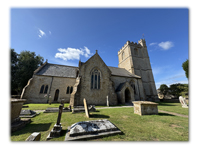
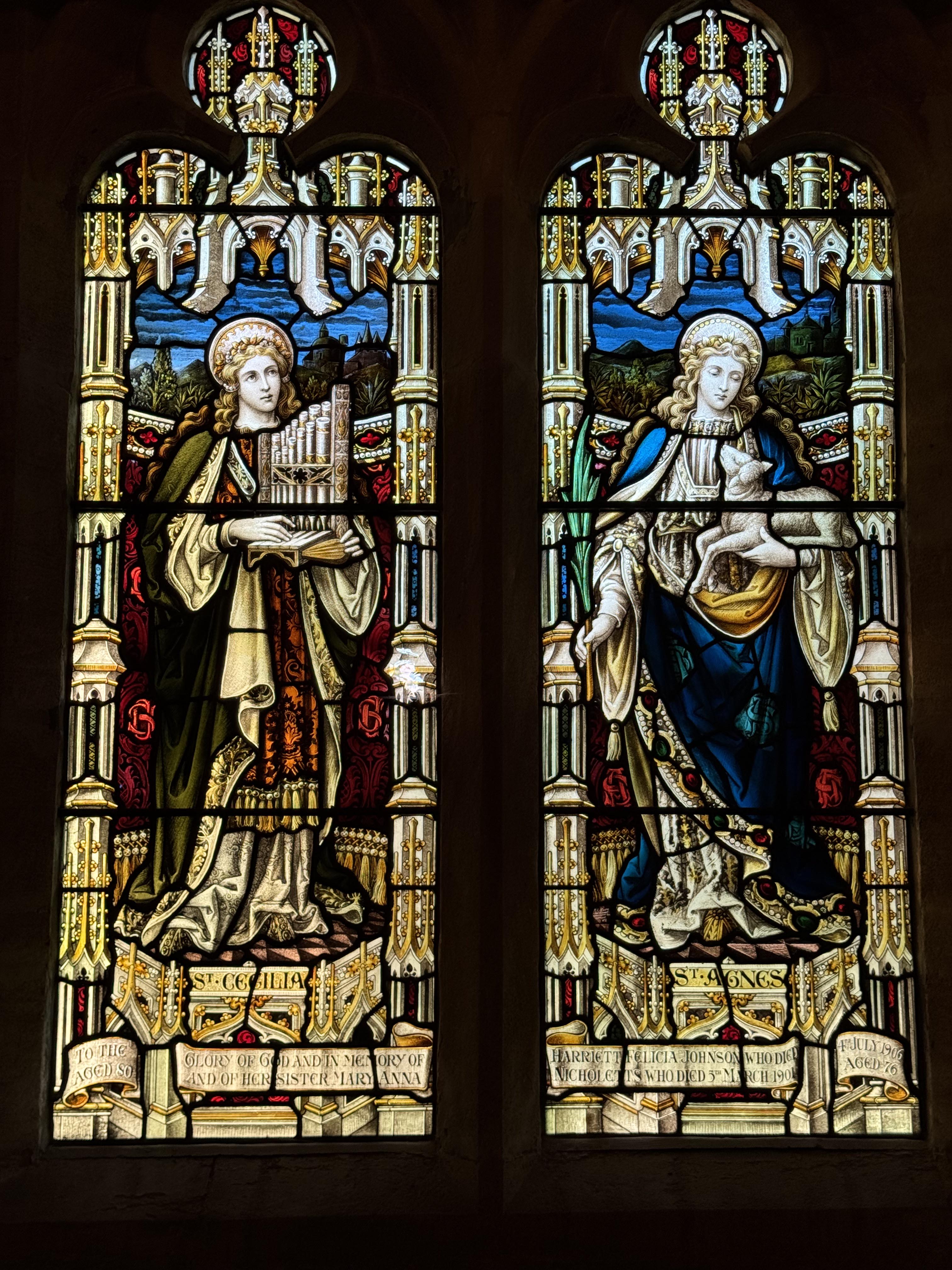
Exterior view of Whitelackington Church with Gothic windows, crenellated tower, and surrounding gravestones Tomb of Sir George Speke in Whitelackington Church with flamboyant Perpendicular canopy, skull motifs, and heraldic shields Stained glass memorial windows of St Cecilia and St Agnes in Whitelackington Church, with musical and pastoral iconography Memorial plaque to John Brooke Johnson Brooke, Raja Muda of Sarawak, mounted on the church wall
Church exterior — Whitelackington’s C14–C15 Gothic tower and weathered gravestones set against a clear Somerset sky Speke tomb — flamboyant Perpendicular monument to Sir George Speke, died 1583, with skulls and heraldry Saints in glass — St Cecilia and St Agnes memorial windows, rich with colour, music, and symbolism Raja Muda plaque — commemorating John Brooke Johnson Brooke’s military and colonial service, with biblical inscription
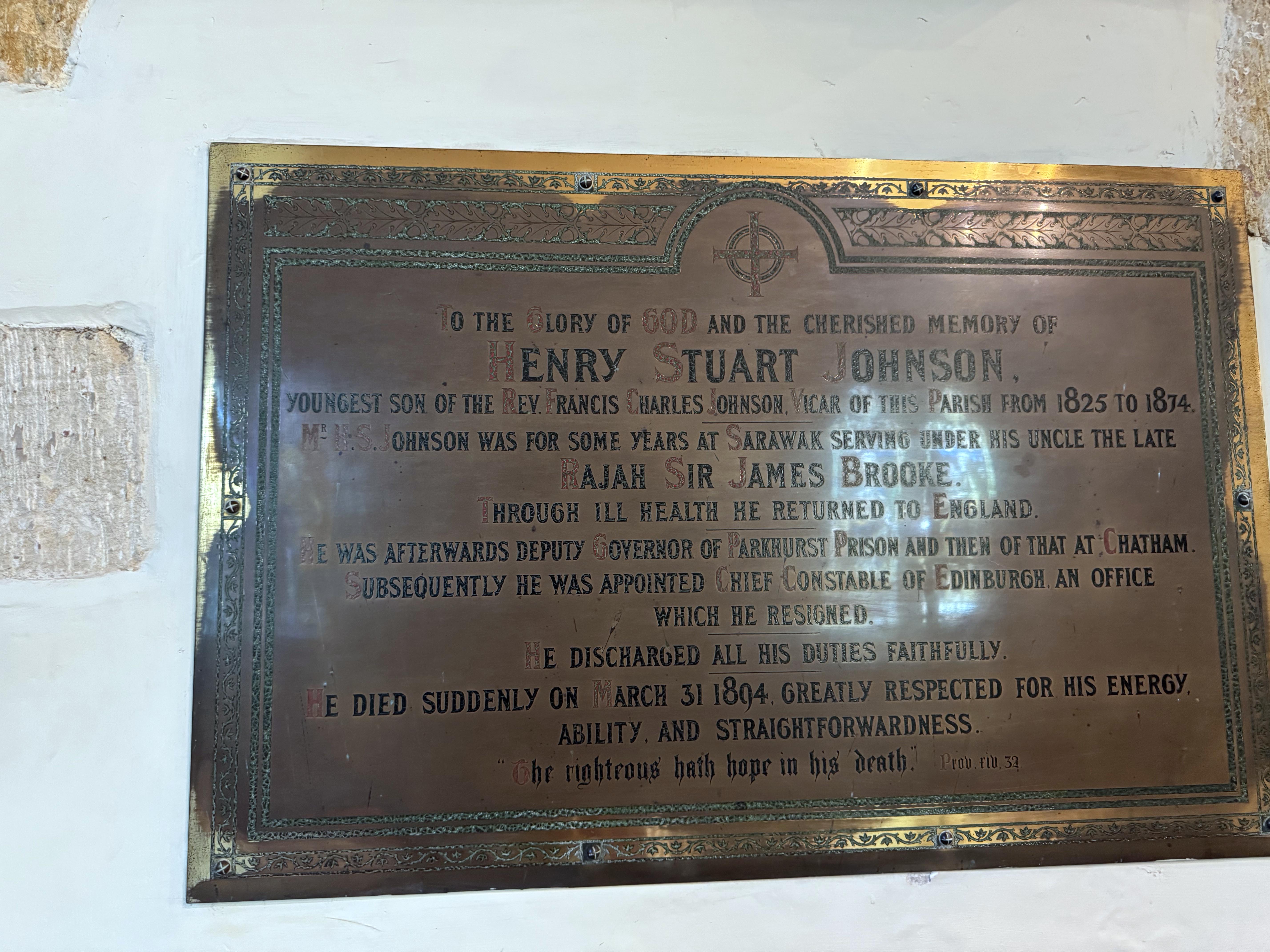
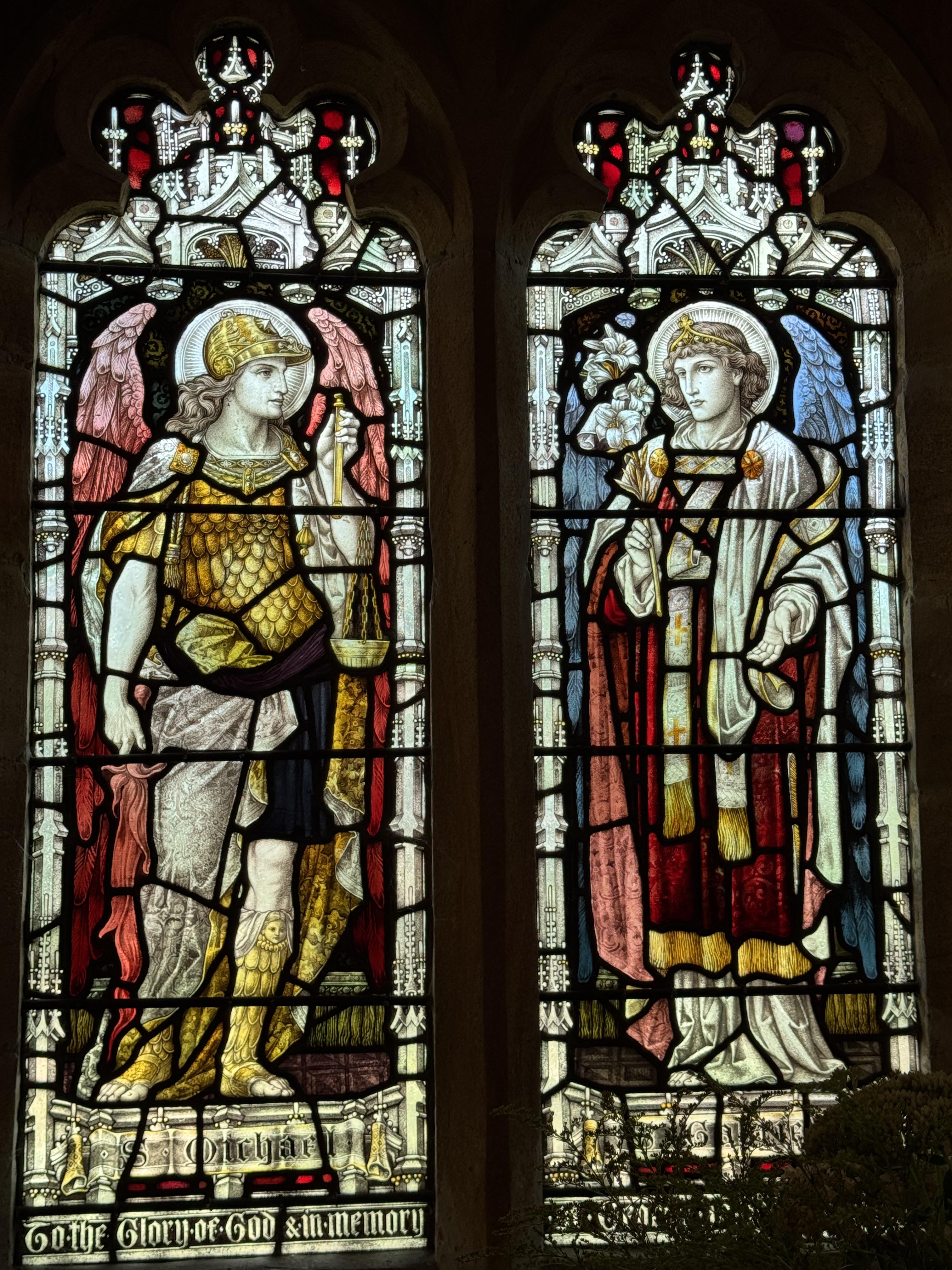
Commemorative plaque to Henry Stuart Johnson, detailing his service in Sarawak and British institutions WWI memorial plaque to William Stuart Northcote Johnson, who died in action near Loos, France in 1914 Stained glass window depicting St Michael in golden armour and a saint holding lilies, framed by Gothic arches Stained glass windows of angels S. Raphael and S. Uriel, with staff, globe, book, and vibrant winged robes
Sarawak service — plaque to Henry Stuart Johnson, who served under his uncle Rajah Sir James Brooke Fallen in France — WWI memorial to William Stuart Northcote Johnson, Royal Navy officer attached to French infantry Archangel and lilies — stained glass of St Michael and a saintly figure, radiant with colour and symbolism Raphael and Uriel — angelic stained glass memorial to Laudima Downing, with celestial iconography and dedication
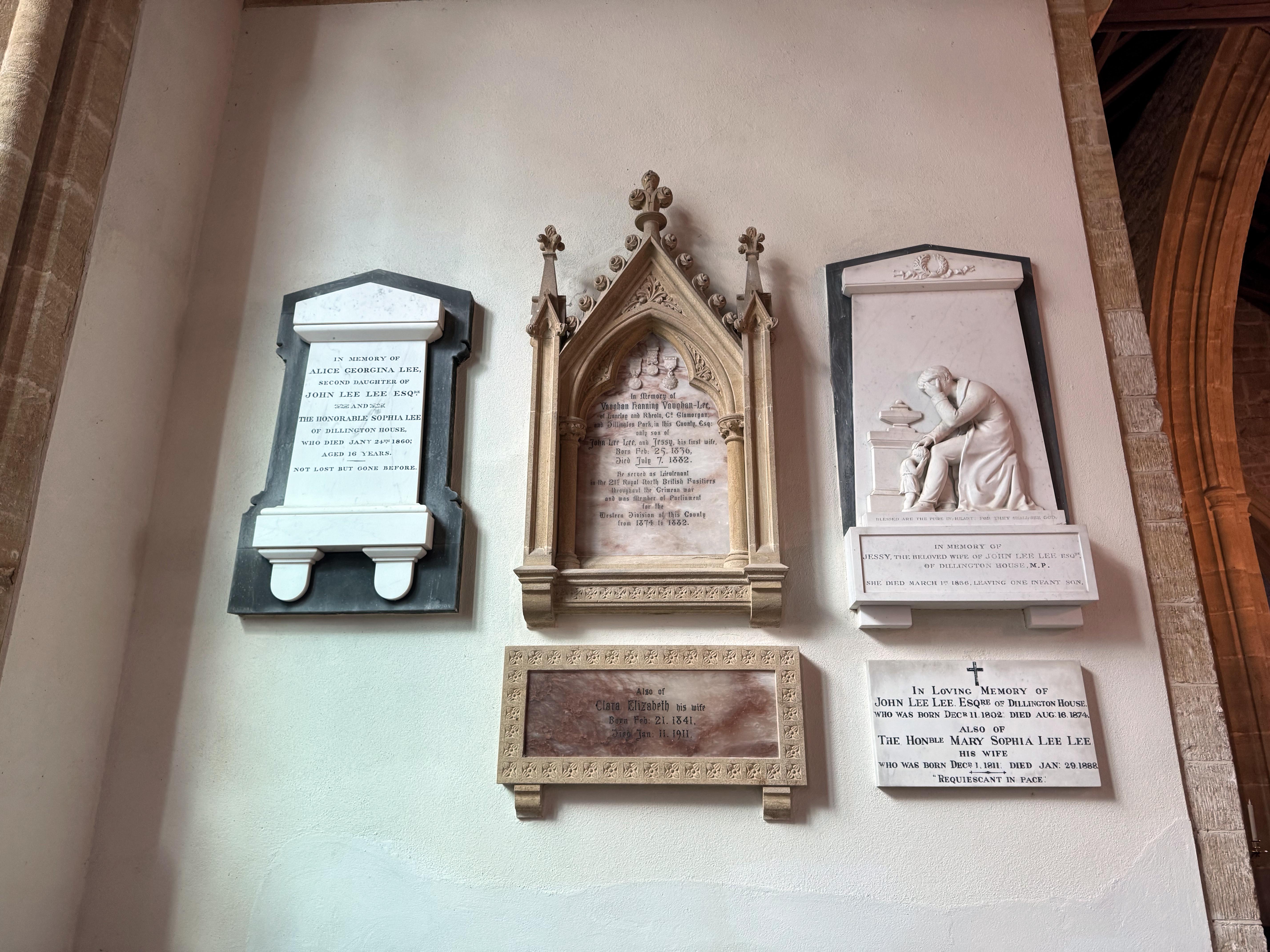
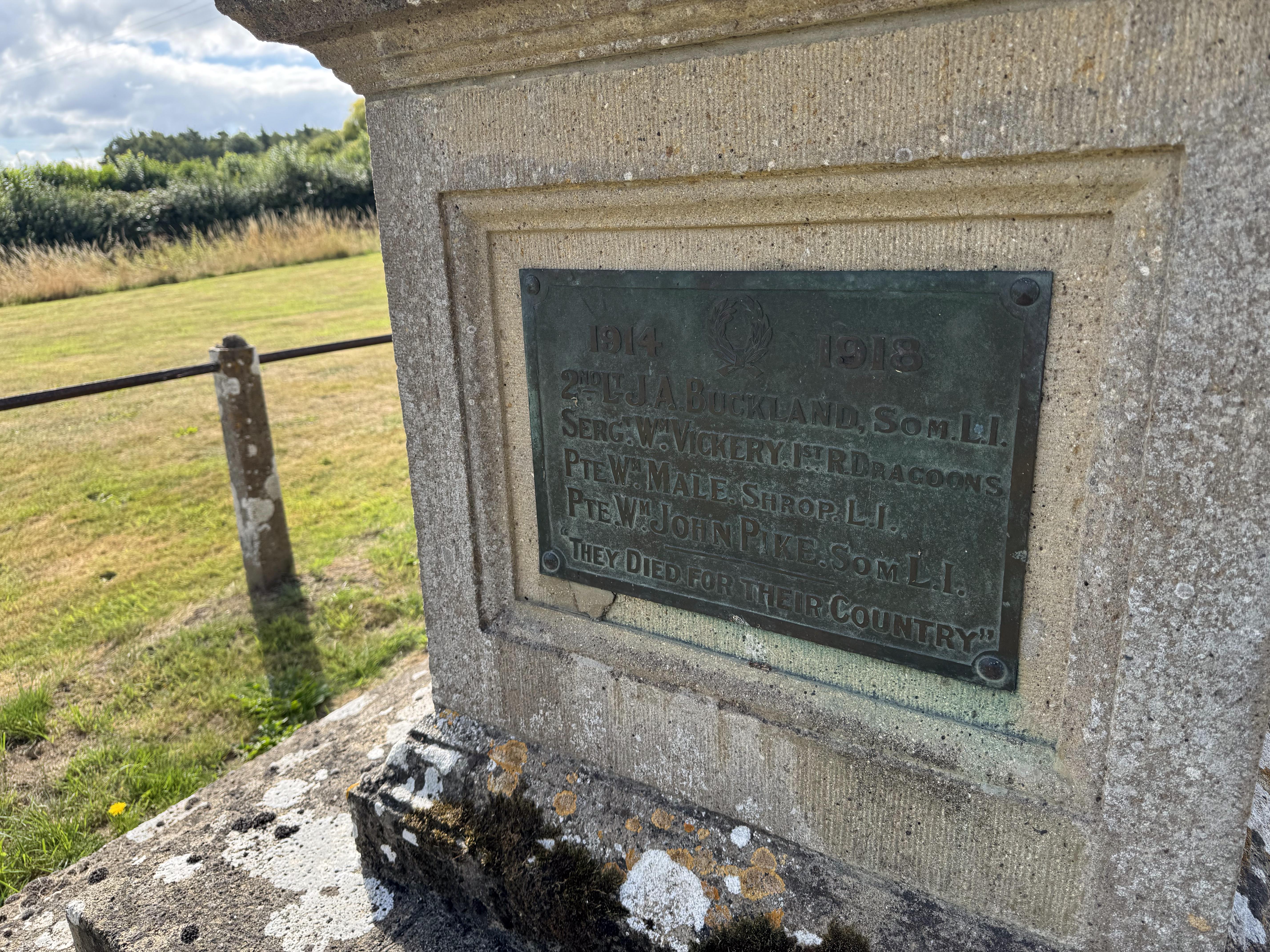
Memorial plaque to Colonel Arthur Vaughan Hanning Vaughan-Lee of Dillington Park, Royal Horse Guards (Blues) Wall of memorial tablets in Whitelackington Church commemorating members of the Lee family of Dillington House Interior of Whitelackington Church showing altar, pews, chandeliers, and memorials on the wall Outdoor WWI memorial plaque listing names of fallen soldiers from the parish, mounted on stone with rope barrier
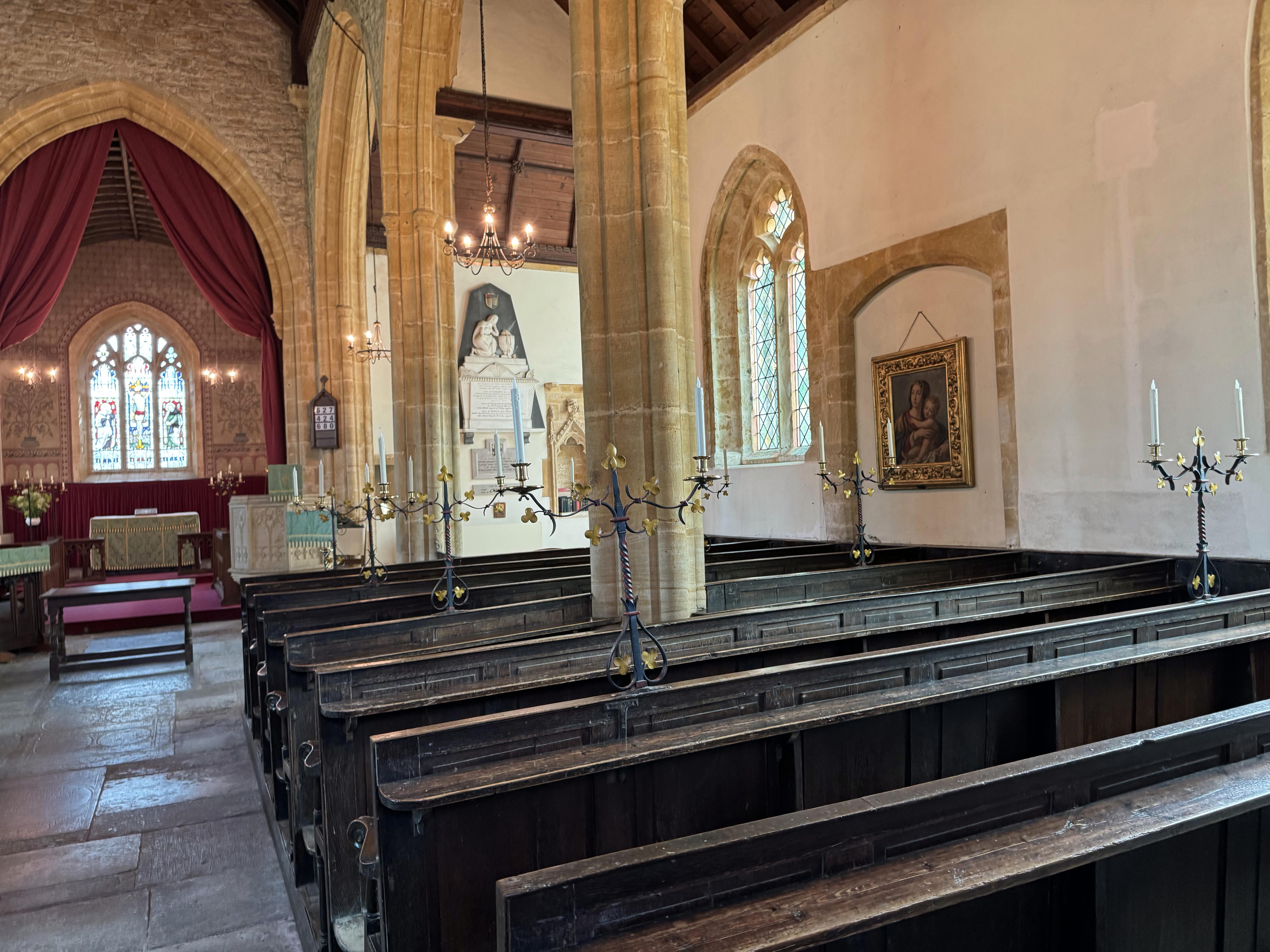
Dillington memorial — plaque to Colonel Arthur Vaughan Hanning Vaughan-Lee, Royal Horse Guards, died 1933 Lee family tablets — memorials to John Lee Lee and Mary Sophia Lee of Dillington House, with sculpted mourning figure Church interior — Whitelackington’s altar, chandeliers, and memorials in a serene and historic setting Parish war memorial — WWI plaque honouring local soldiers who died for their country, set in a quiet outdoor space
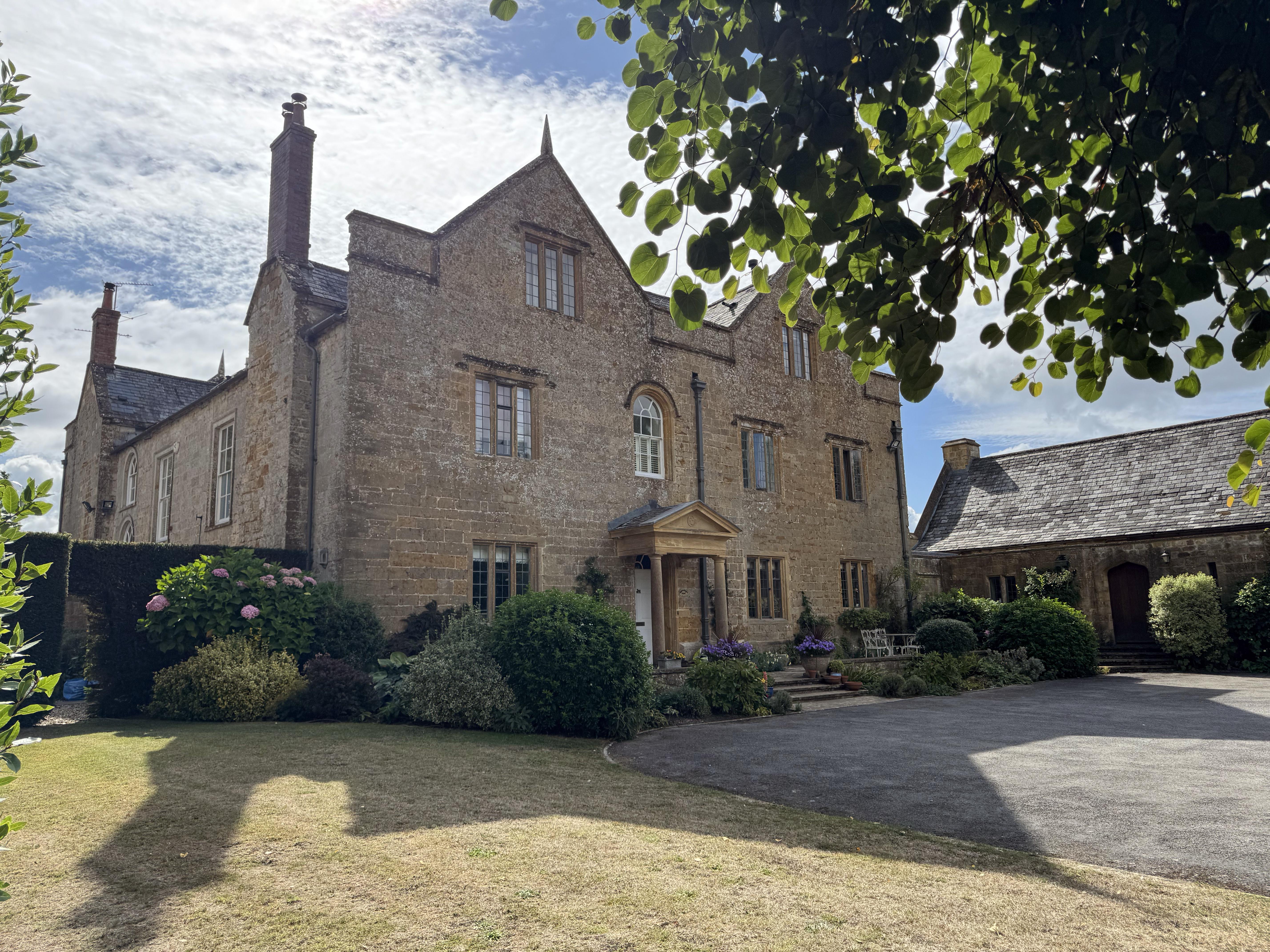
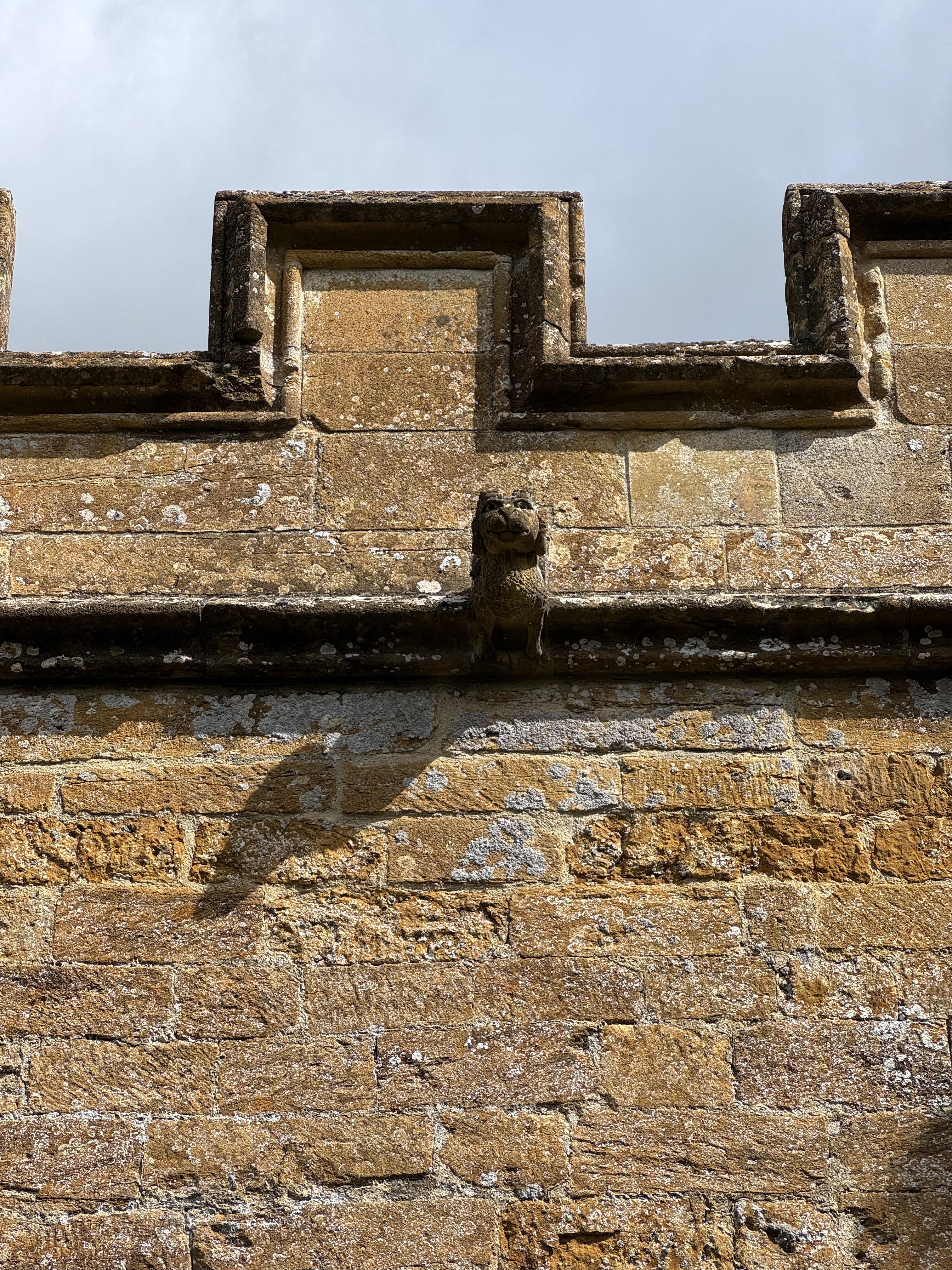
Whitelackington Manor, historic stone house adjacent to St Mary’s Church, once owned by the Speke family Stone gargoyle projecting from crenellated wall, casting shadow on weathered ashlar blocks Thatched semi-detached house with C17–C18 origins, Ham stone, octagonal chimneys, and projecting porch Footpath heading south through farmland towards Knott Oak Dairy, bordered by trees and hedgerows
Whitelackington Manor — Speke family home where Catherine of Aragon stayed en route to marry Prince Arthur Gargoyle detail — medieval stone carving on crenellated wall, part of Whitelackington’s ecclesiastical architecture Thatched house - former Dillington Park Lodge - C17–C18 semi-detached cottage with Ham stone, octagonal chimneys, and blind lancet porch Route south — footpath towards Knott Oak Dairy, winding through Somerset fields and woodland edges
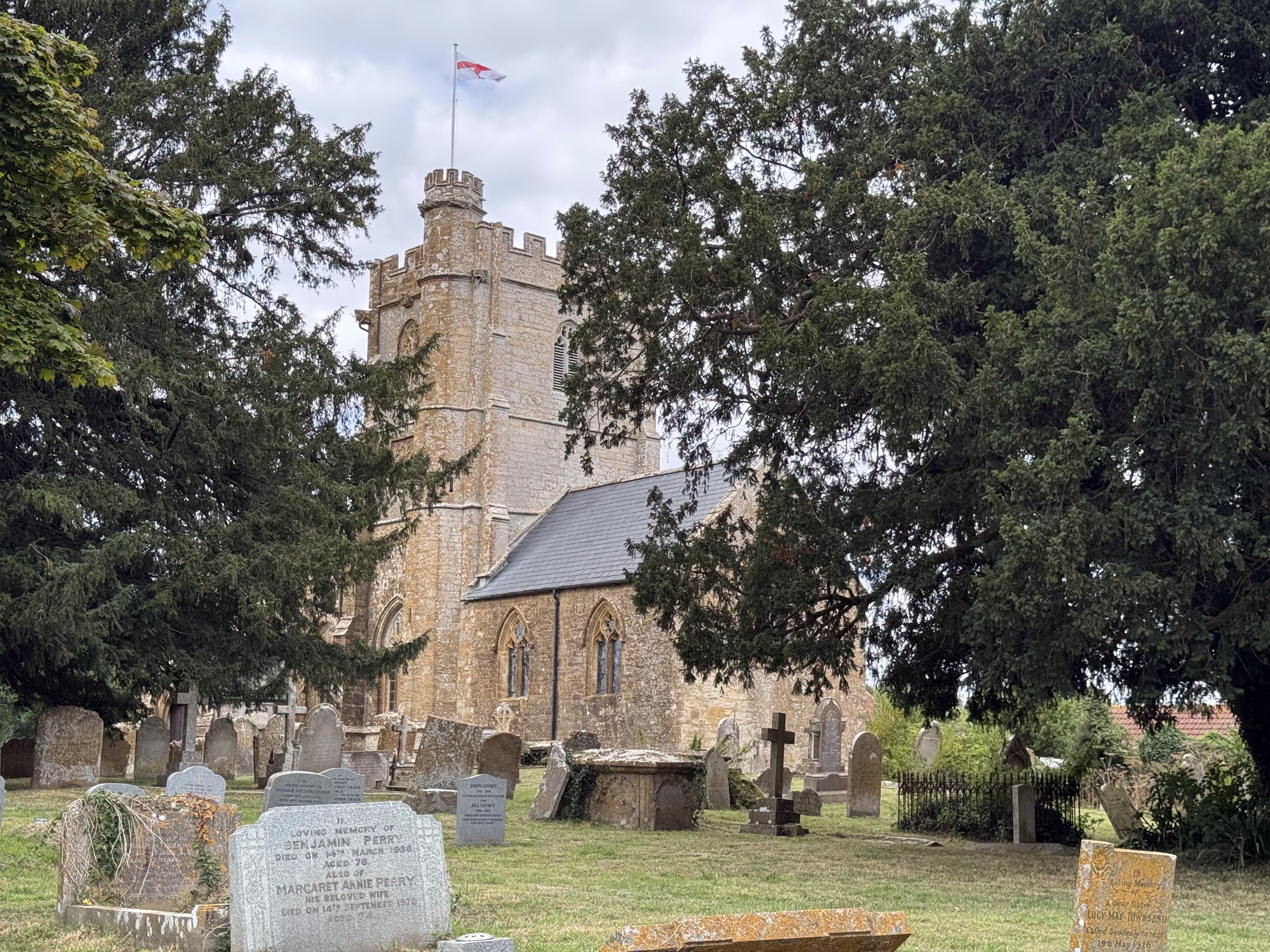
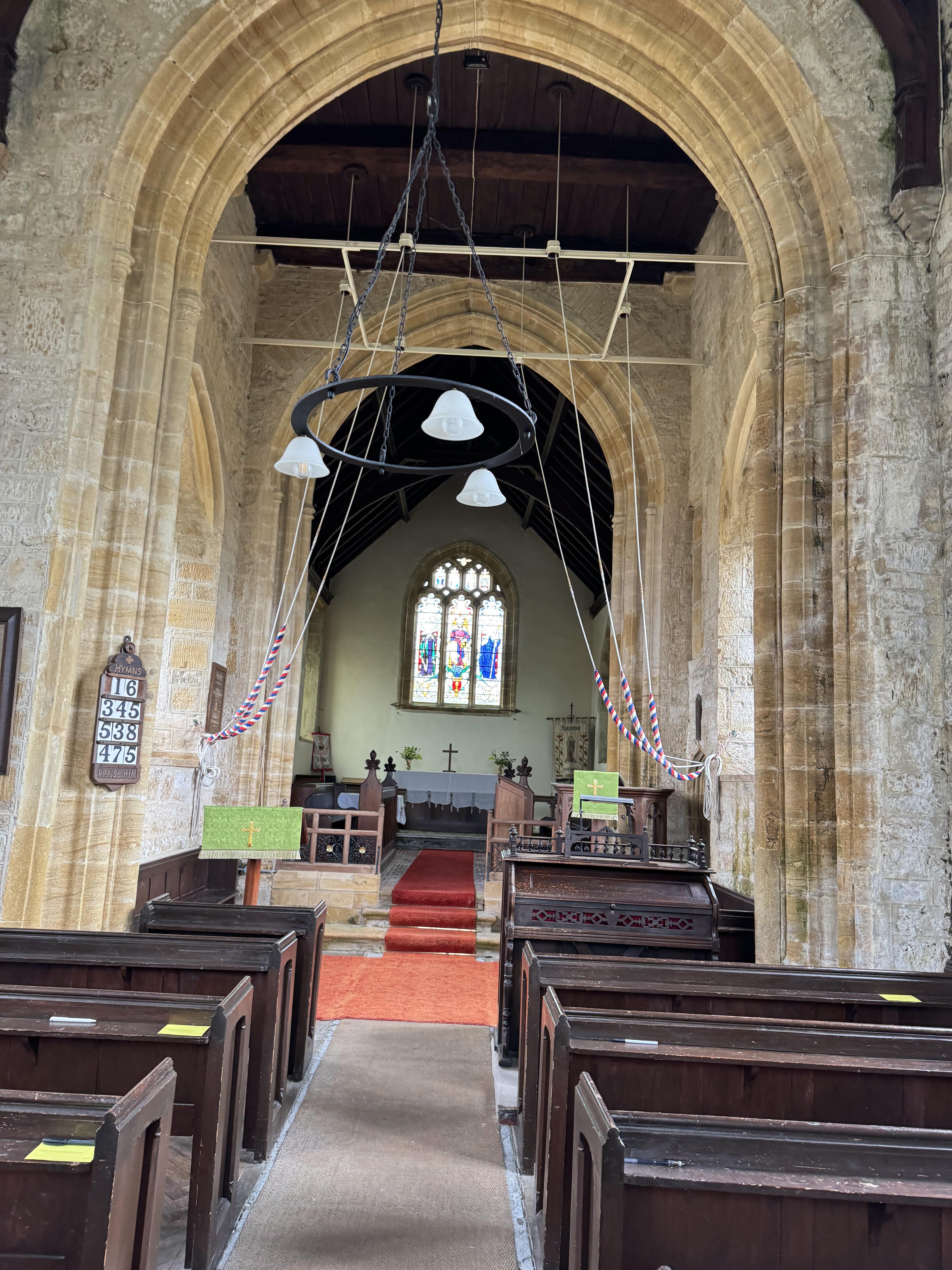
Exterior of Church of St John the Evangelist and All Saints with battlemented tower, gravestones, and surrounding trees Interior of the church showing nave, altar, stained glass, and braided bell ropes hanging from ceiling Memorial plaque to Richard James, Mary James, and Edward James with urn relief and poetic epitaph Footpath through farmland with dog standing on grassy track and dramatic Somerset sky overhead
Church exterior — medieval tower and graveyard of St John the Evangelist and All Saints Nave and altar — interior with braided bell ropes, stained glass, and vaulted ceiling James family memorial — plaque to Richard, Mary, and Edward James with urn relief and poetic epitaph Somerset path — rural track with dog and fields under a dramatic sky
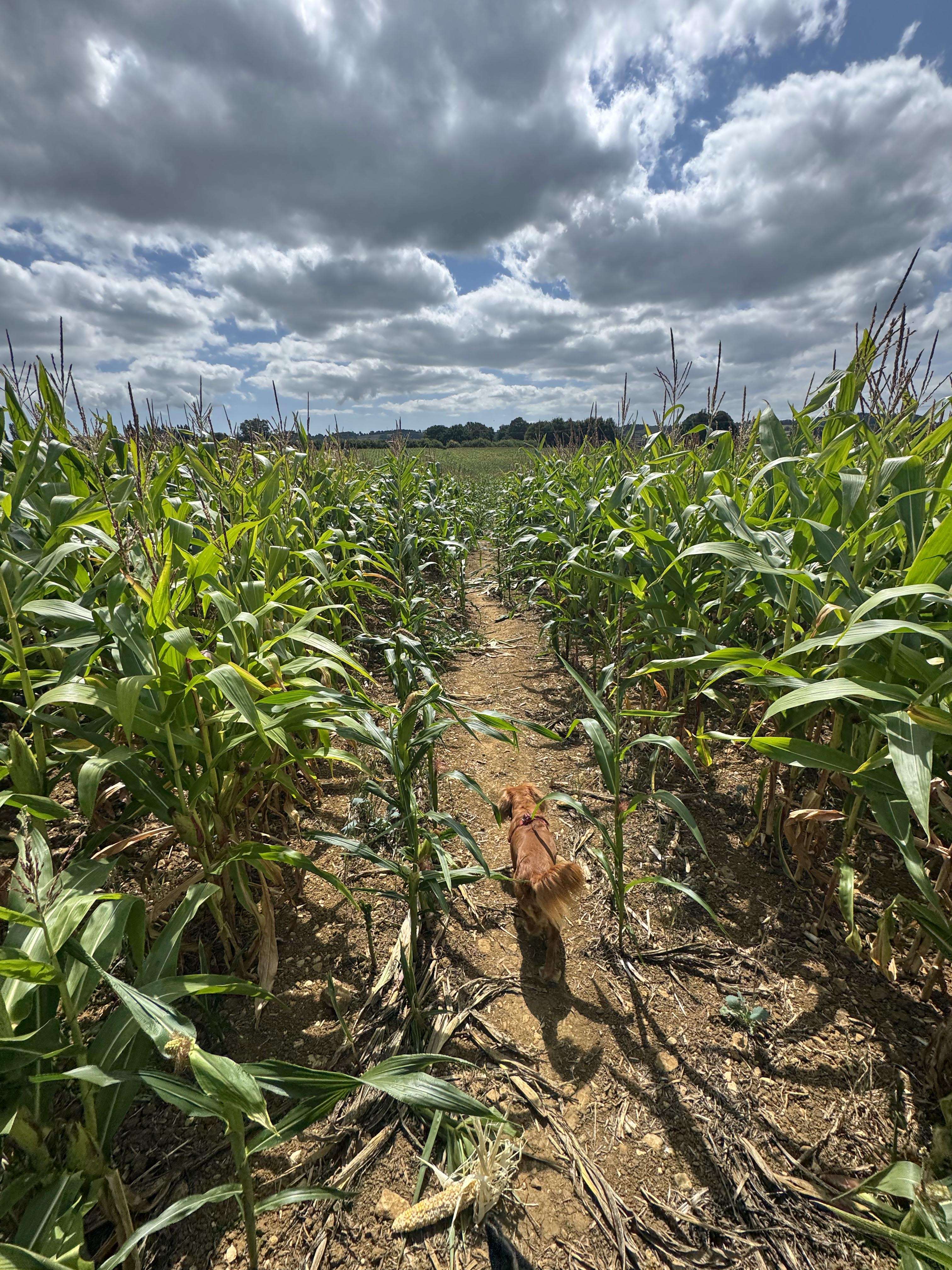
Cornfield with tall green stalks and a small brown dog walking along a dirt path under a dramatic sky Exterior of St Andrew’s Church, Dowlish Wake, with battlemented tower, clock dial, and surrounding gravestones Alternate view of St Andrew’s Church showing Gothic windows, tower with clock, and weathered gravestones Interior of Speke Chapel with effigy tomb, bust of John Hanning Speke, stained glass, and memorial plaques
Cornfield walk — Rupert exploring a sunlit maize field under shifting Somerset skies Church tower — St Andrew’s, Dowlish Wake, with battlements, clock dial, and medieval gravestones Gothic stonework — south face of St Andrew’s with C14–C15 windows and historic churchyard Speke Chapel — effigies of Joane and John Speke, bust of John Hanning Speke, and Isabel Wake’s tomb
Marble bust of John Hanning Speke mounted above a memorial arch with garland and Latin inscription Memorial bust of John Hanning Speke above ornate arch with crocodile carving and commemorative plaque Interior of Speke memorial chapel with expedition flag from Jinja, stained glass, and commemorative plaques Union Jack and bust of William Henry Speke with memorial plaque and stained glass window in Speke chapel
Speke bust — marble likeness of John Hanning Speke above memorial arch with garland and Latin motto Crocodile arch — Speke memorial with bust, carved archway, and plaque commemorating his Nile discovery This Union Jack once flew on the British Embassy at Jinja, near the Ripon Falls, which is the spot where Speke first saw the outflow of the Nile from Lake Victoria. Family honour — Union Jack and bust of William Henry Speke with memorial inscriptions and chapel window
Commemorative plaque for John Hanning Speke with Latin inscription 'A NILO PRAECLARUS' and carved symbols of exploration Tombstone of John Hanning Speke with decorative metal cross and inscription, surrounded by carved relief and floral motifs Memorial plaque to four Speke family members with military service, including WW2 casualties and regimental details Stained glass memorial window to John Hanning Speke with religious scenes and inscription presented by his uncle John
Nile explorer — plaque honouring Speke’s achievements with Latin motto and carved rifle, wheel, and oak leaves Speke tomb — dark stone memorial with metal cross and inscription, set beneath carved relief and floral arch Speke servicemen — plaque commemorating four family members with military ranks and wartime sacrifice Memorial window — stained glass tribute to Speke, presented by his uncle, with religious iconography and dedication
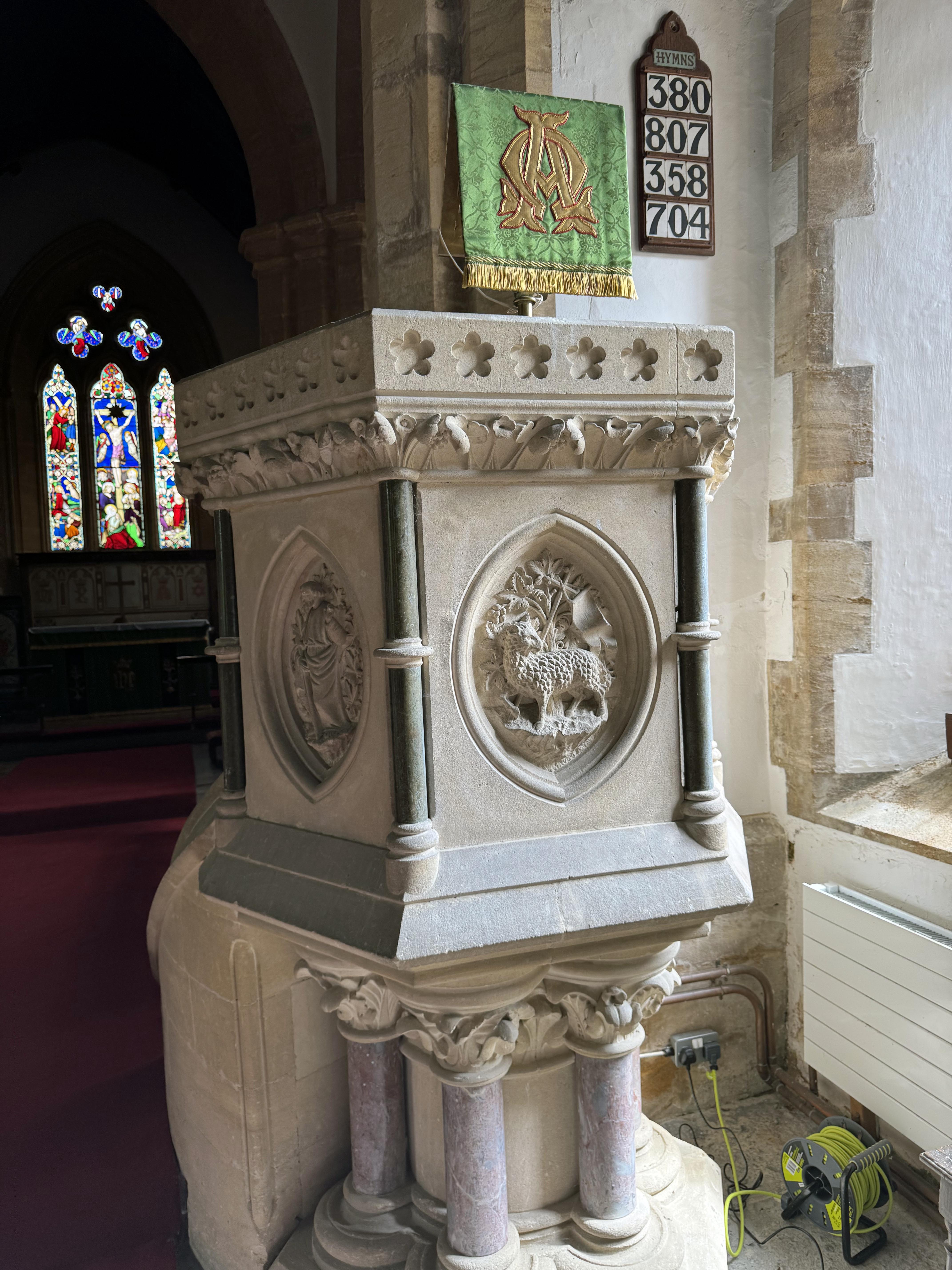
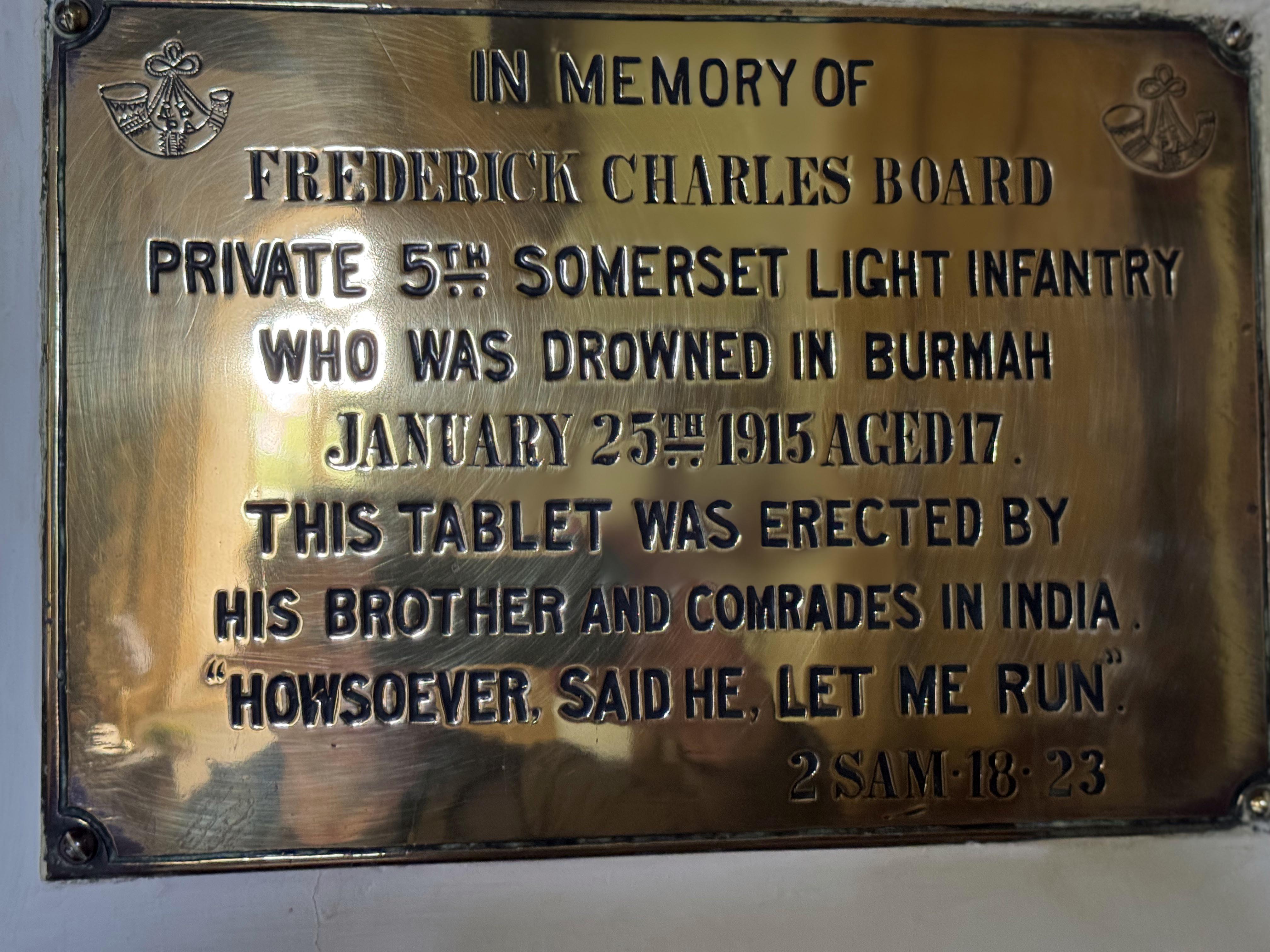
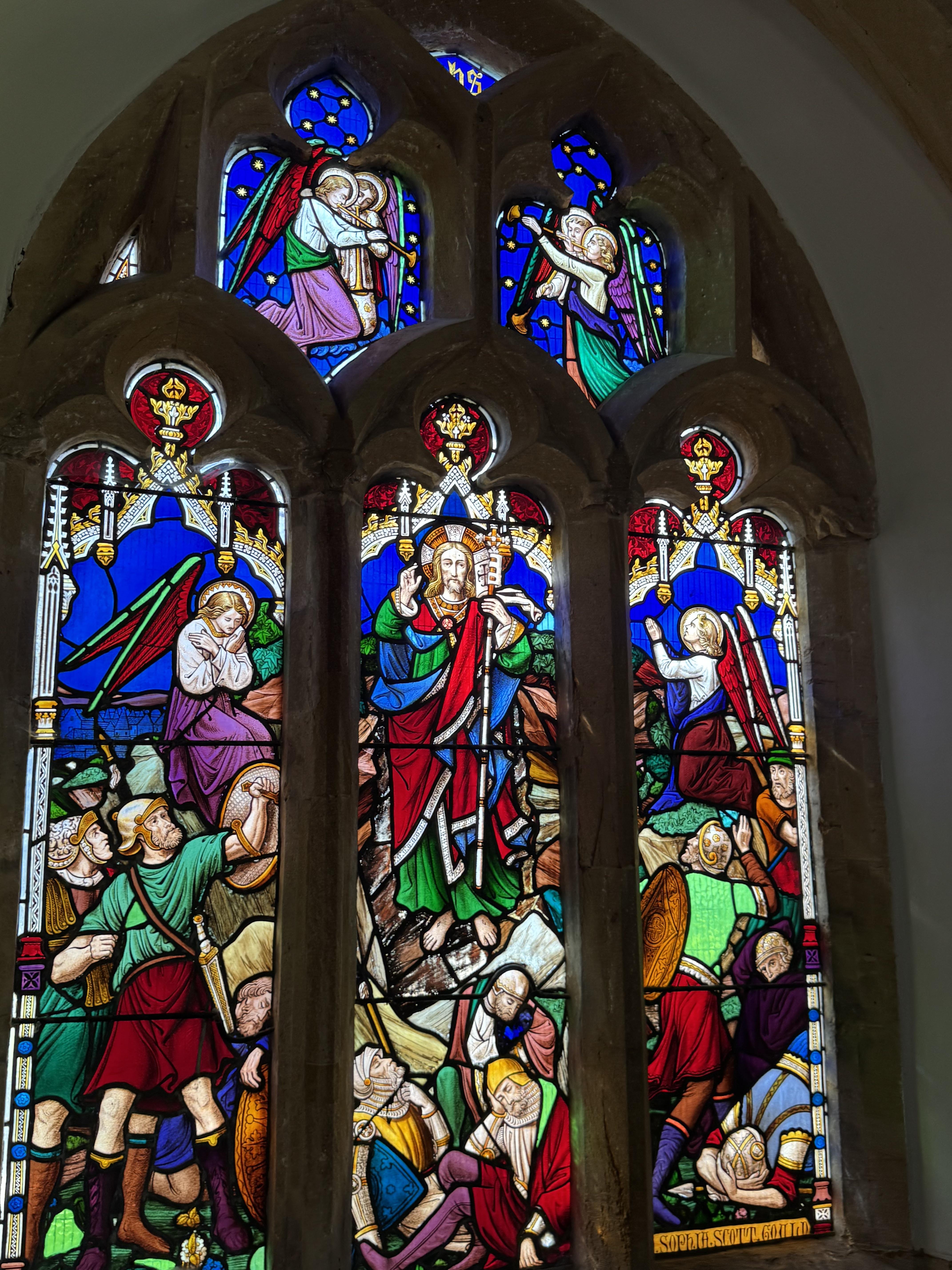
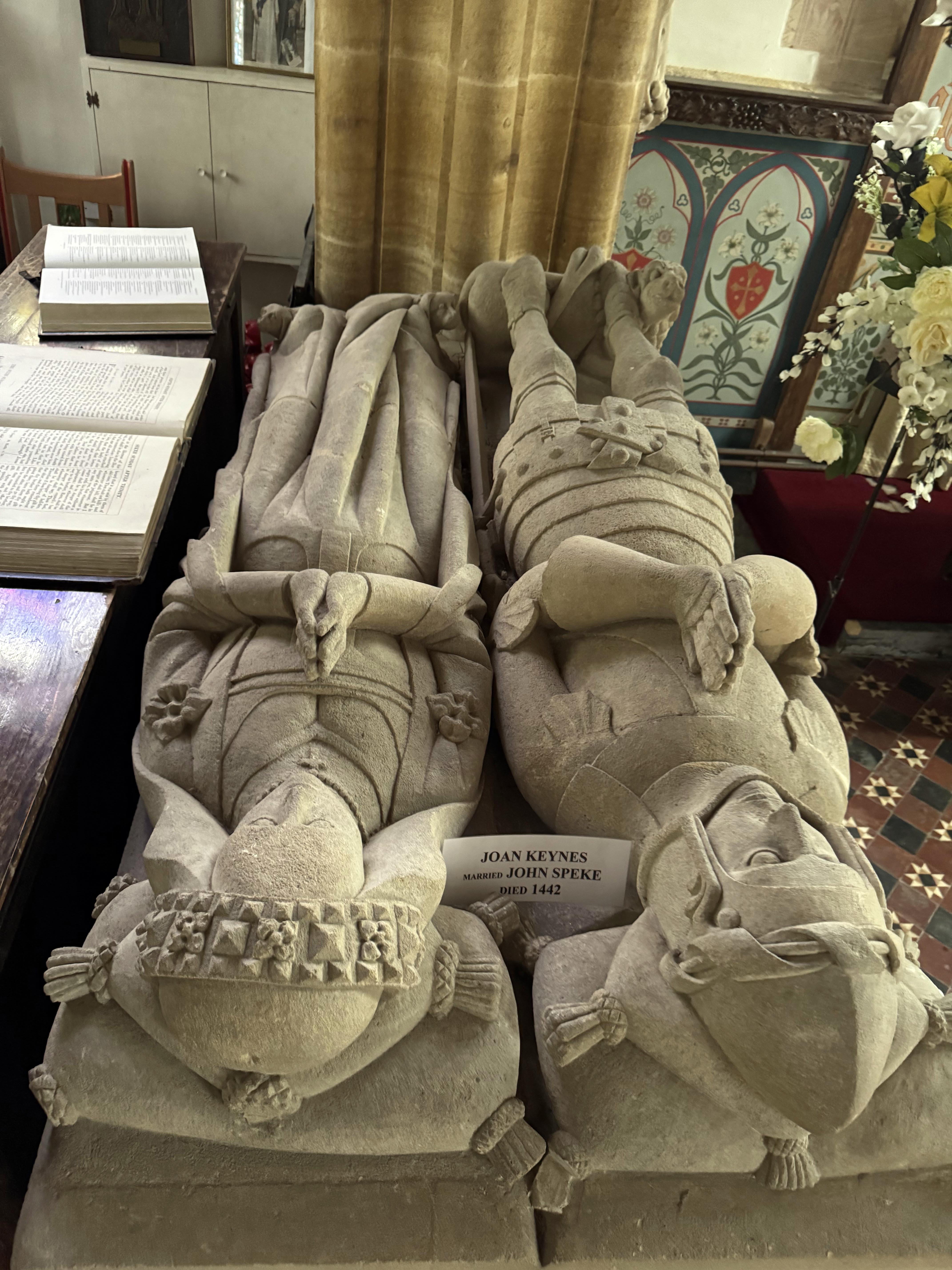
Effigies of Joan Keynes and John Speke, died 1442, lying side by side in medieval dress within Speke Chapel Stone pulpit or font with carved Lamb of God symbol, Alpha and Omega cloth, and hymn board in Dowlish Wake Church Brass plaque to Frederick Charles Board, Private 5th Somerset Light Infantry, drowned in Burma aged 17 in 1915 Stained glass window with central figure of Christ, surrounded by angels, soldiers, and followers in vivid colours
Speke effigies — medieval tomb of Joan Keynes and John Speke, founders of the Speke line in Somerset Lamb of God — carved font or pulpit with Alpha and Omega cloth and hymn board in Dowlish Wake Church Burma memorial — plaque to Frederick Charles Board, aged 17, commemorated by comrades in India Christ in glory — stained glass with celestial and earthly scenes, crafted in vivid colour and detail
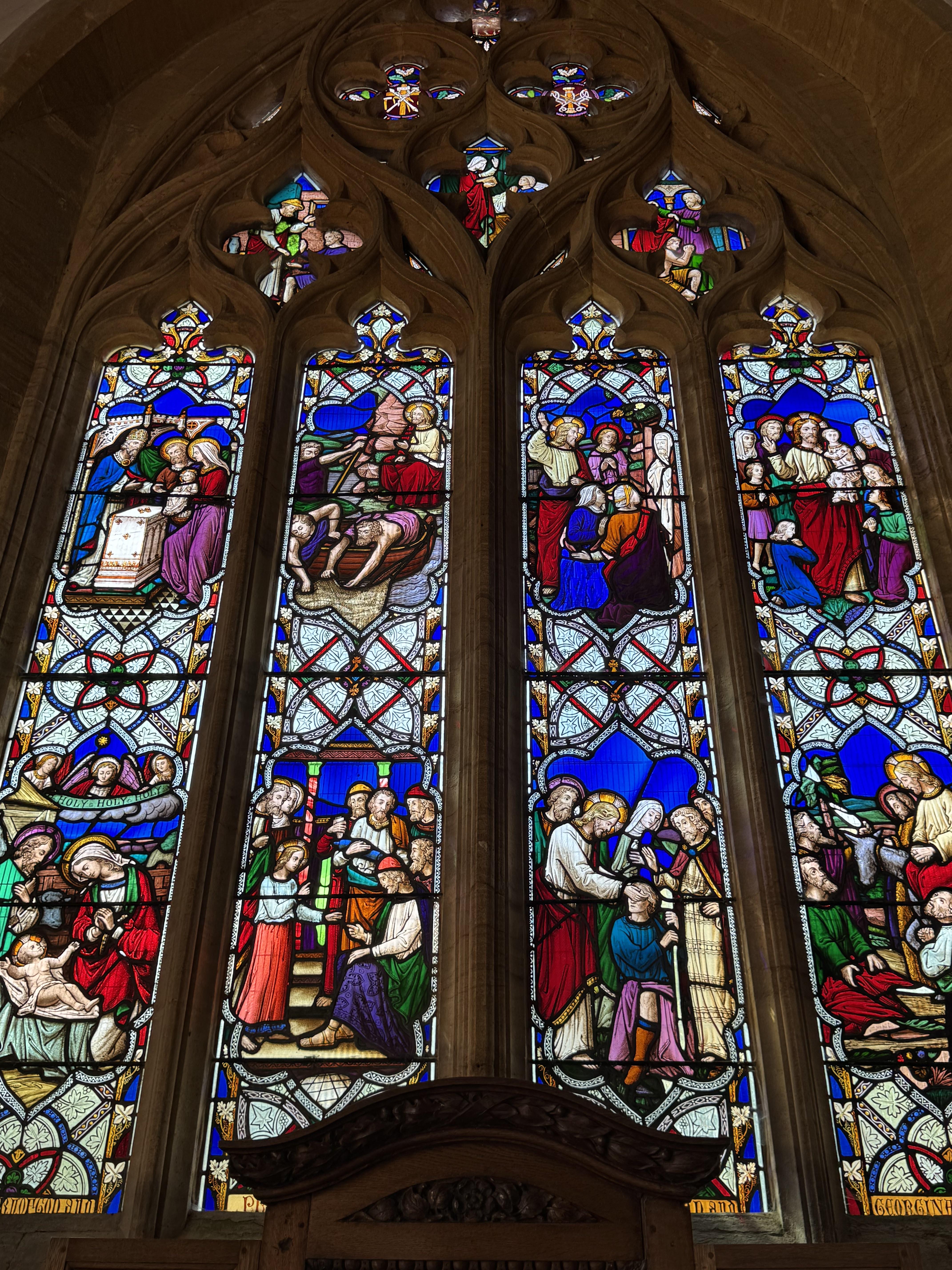
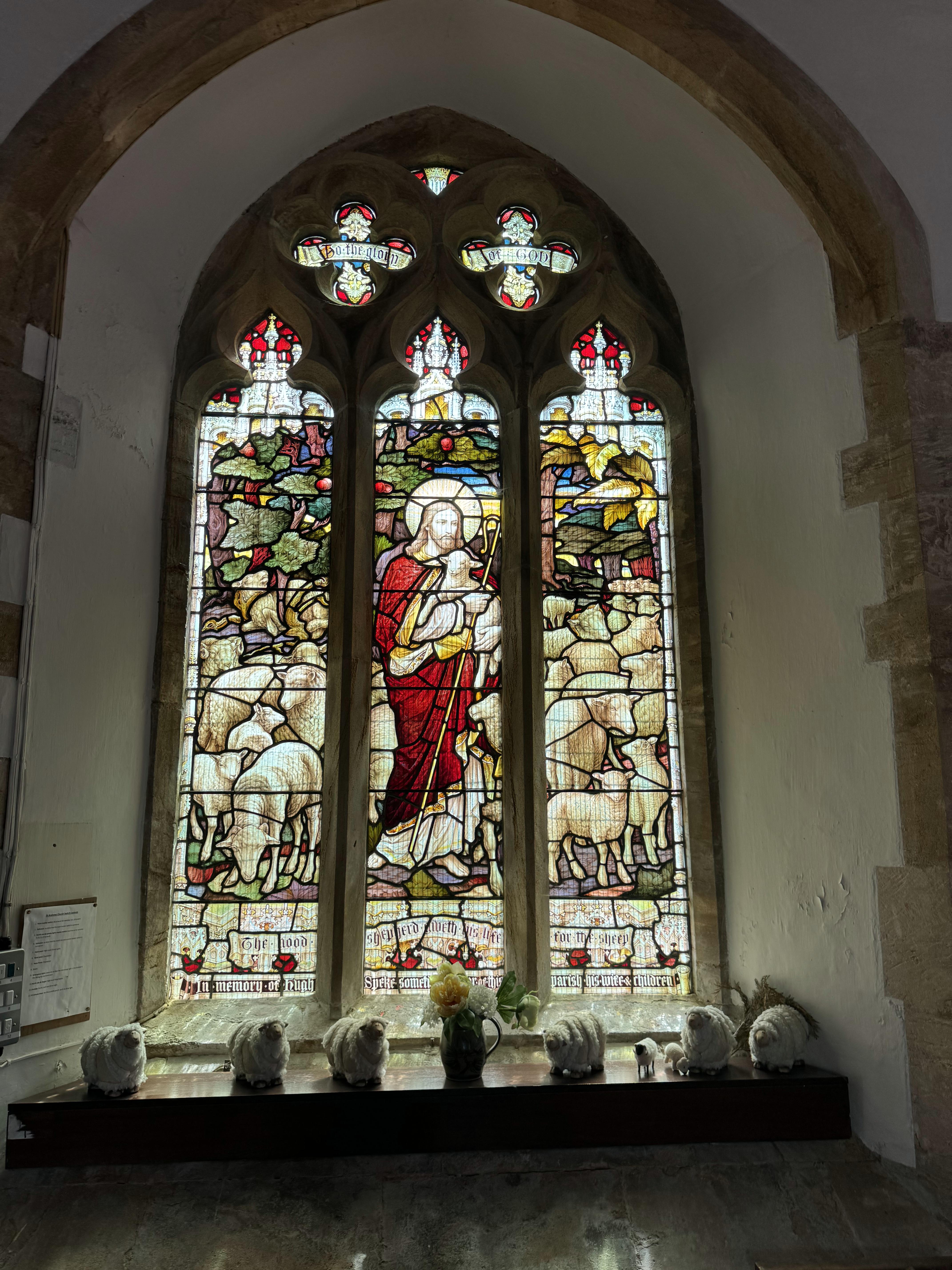
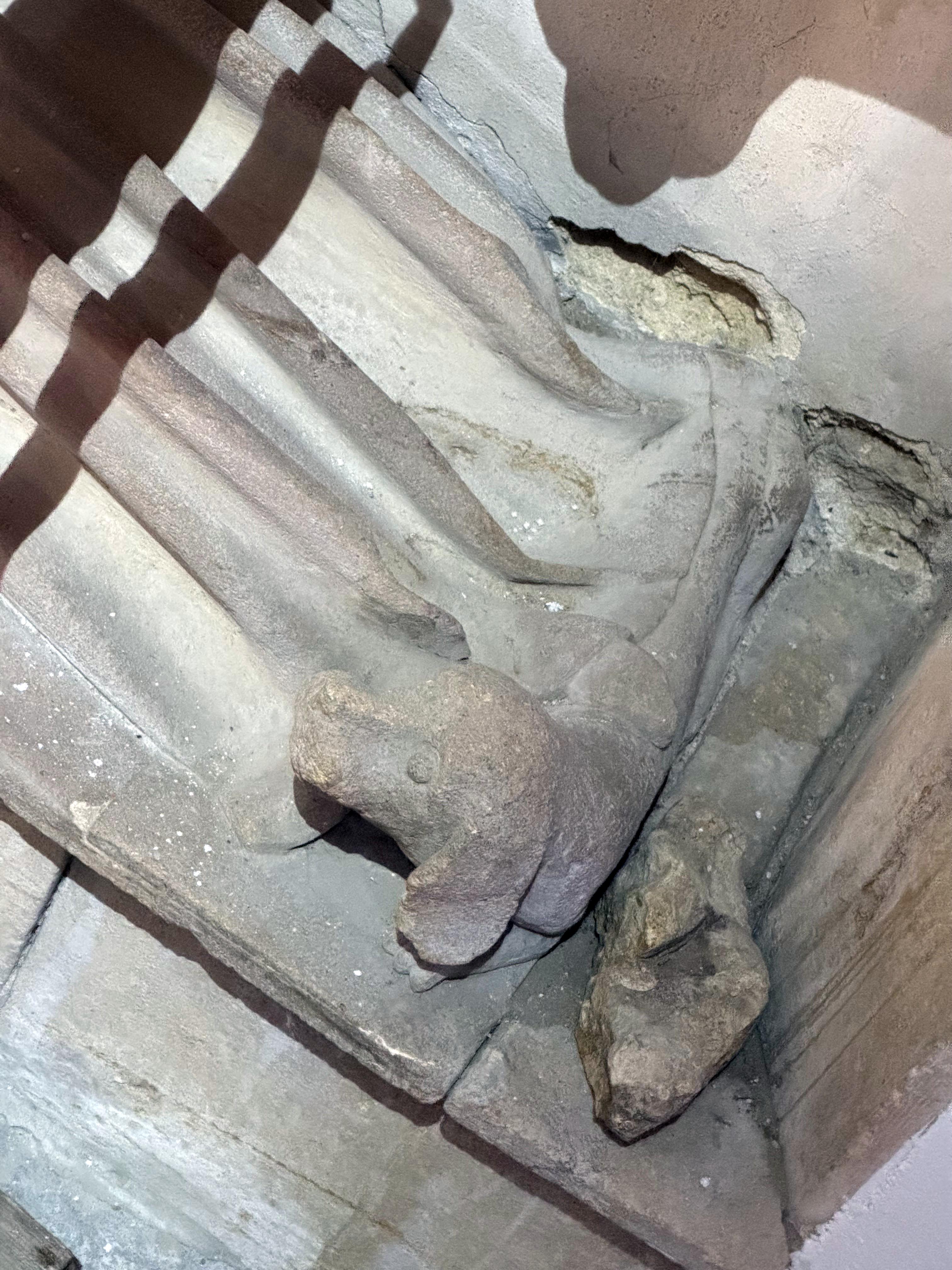
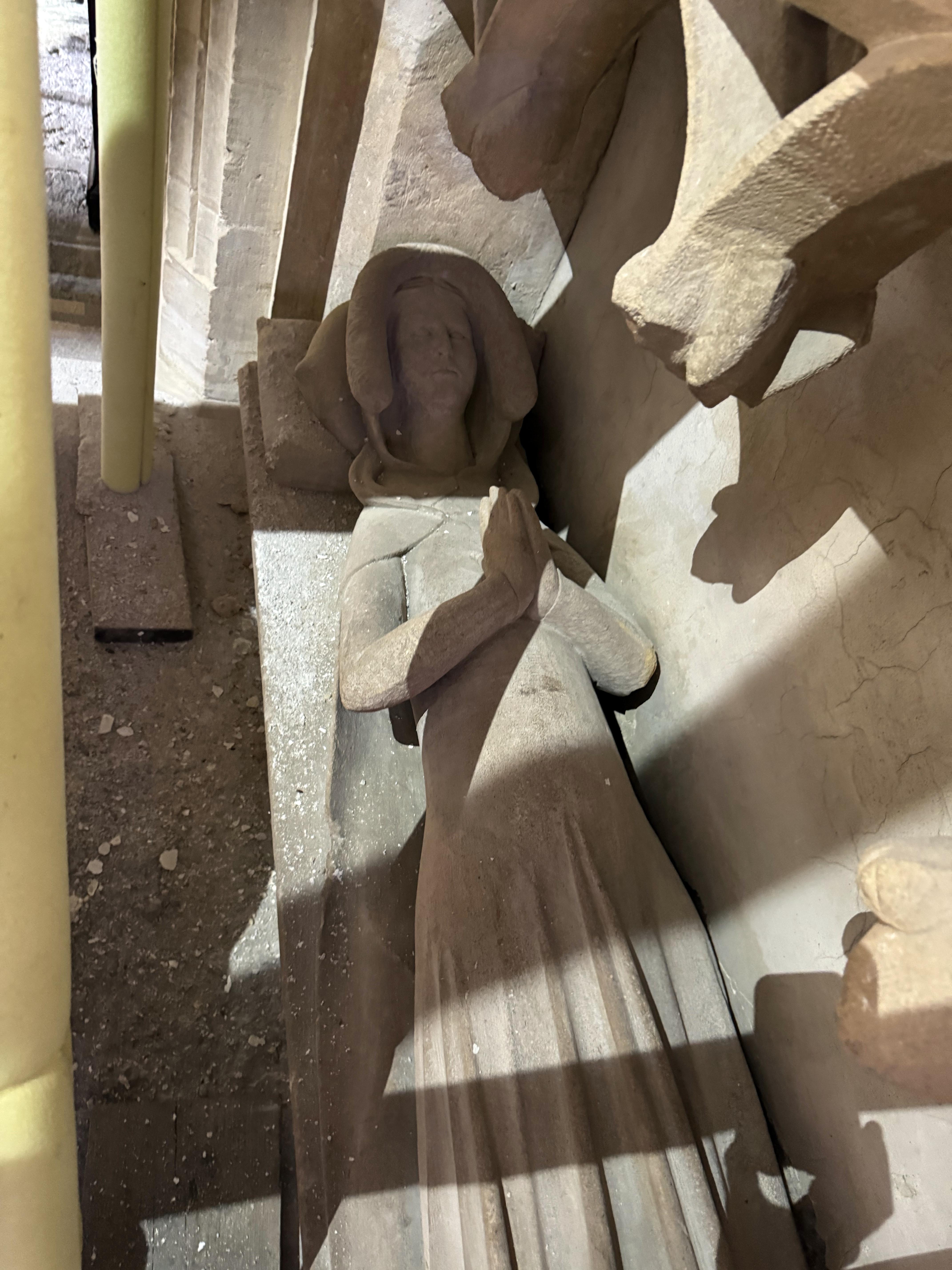
Large stained glass window in Ilminster Minster with three vertical panels depicting biblical scenes and figures Stained glass window of the Good Shepherd surrounded by sheep, with dedication to Harold Ryke Sondes Stone sculpture of a reclining dog embedded in church wall, worn and stylised with floppy ears Stone effigy of a robed figure lying in repose with hands clasped in prayer, surrounded by architectural elements
Minster glass — three-panel stained glass window in Ilminster depicting healing, teaching, and family scenes Good Shepherd — pastoral stained glass with sheep figurines and dedication to Harold Ryke Sondes Church dog — stylised stone carving of a reclining dog at the feet of Isabel Wake - although it could represent a loving pet, a dog also symbolised fidelity, loyalty, and constancy. Effigy in repose — medieval tomb sculpture of Isabel Wake with hands clasped in prayer
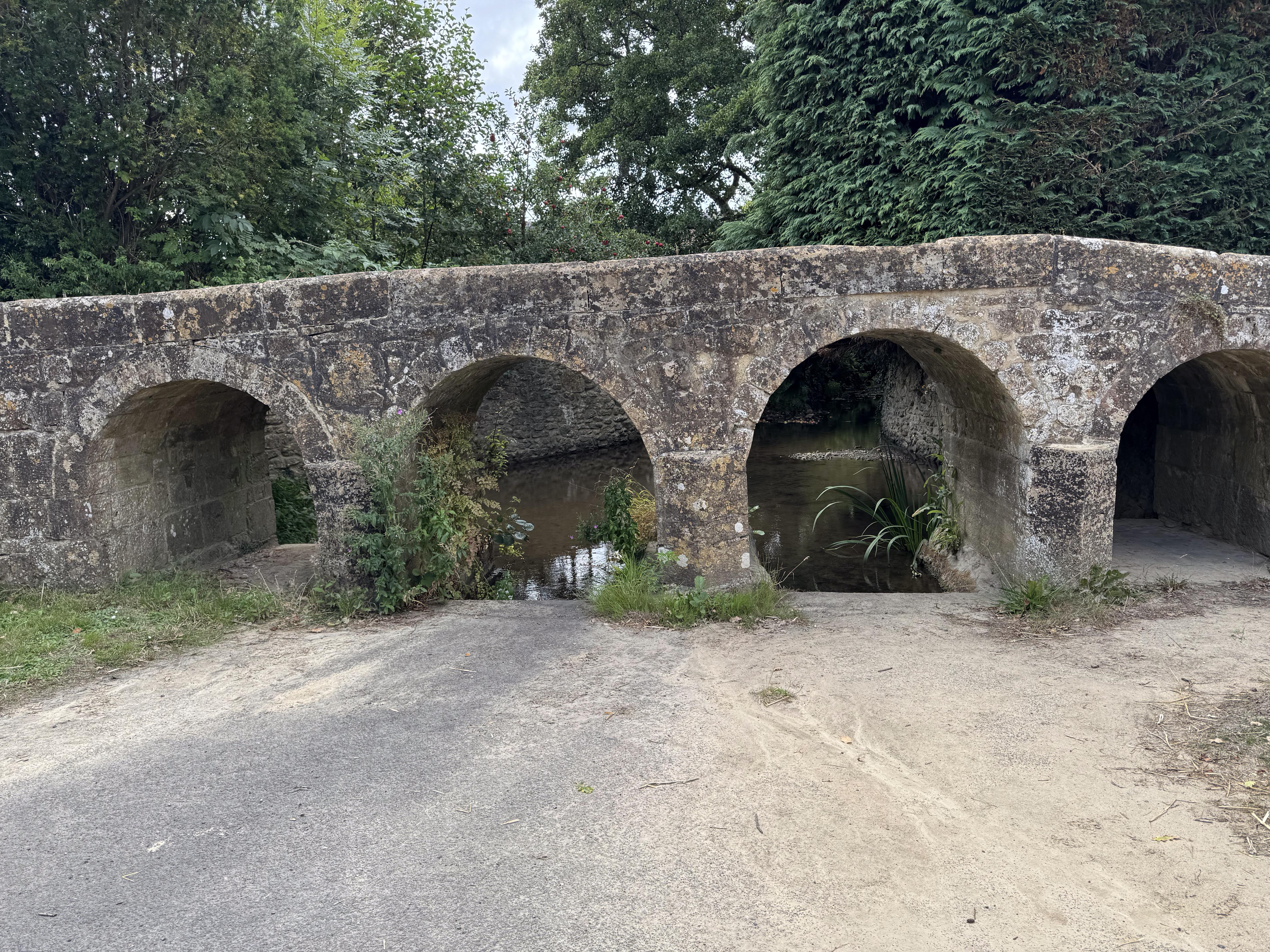
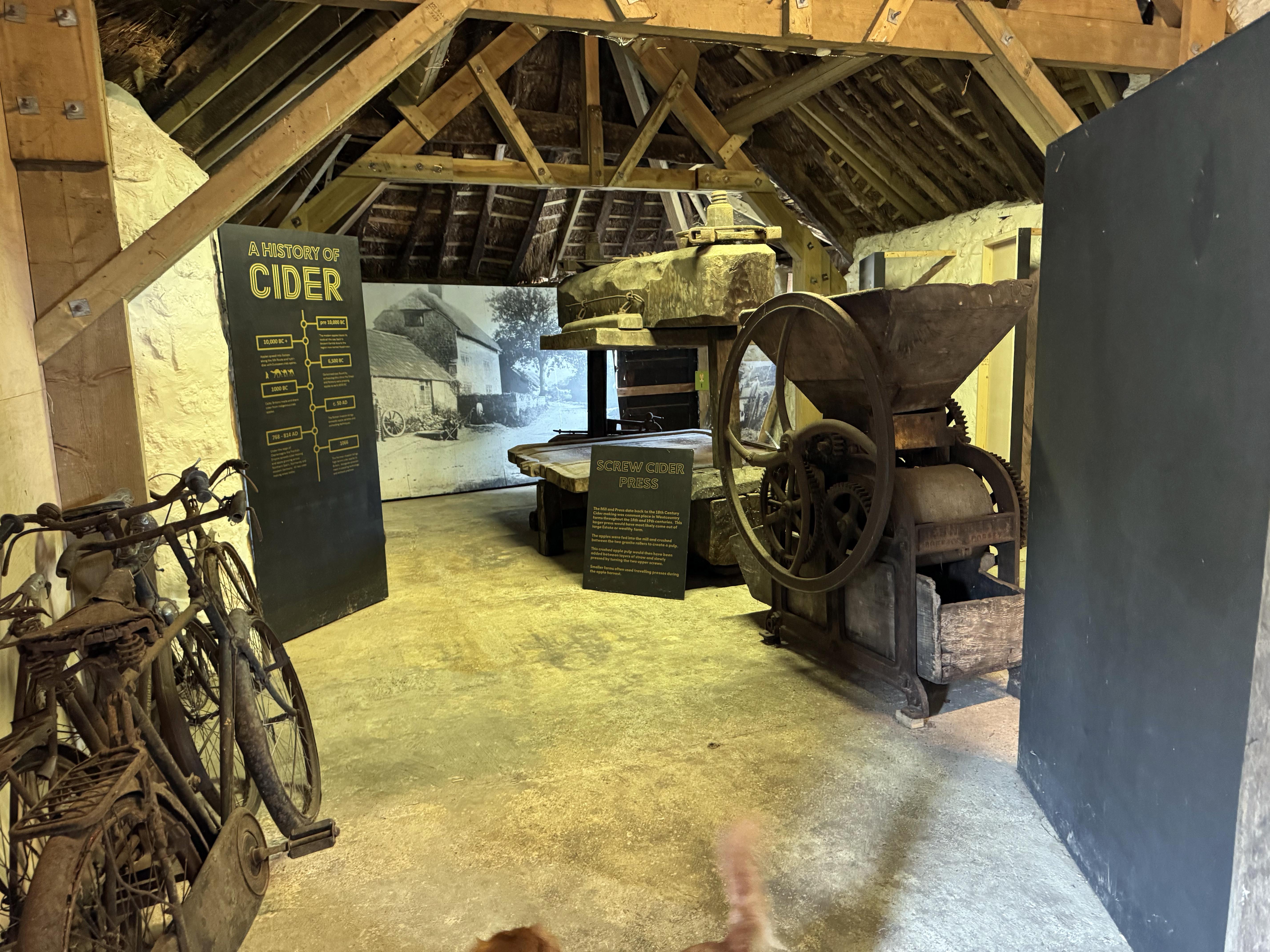
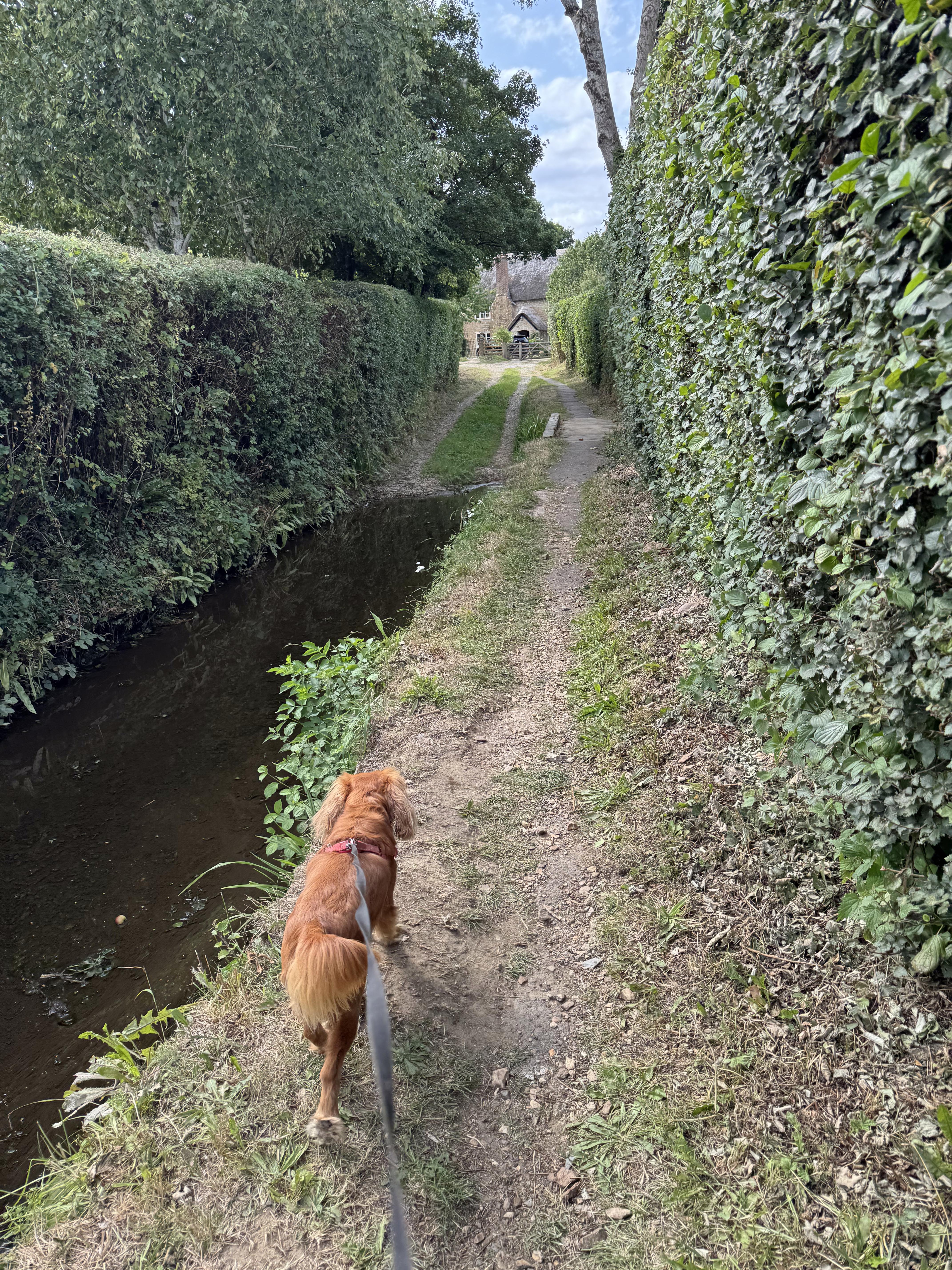
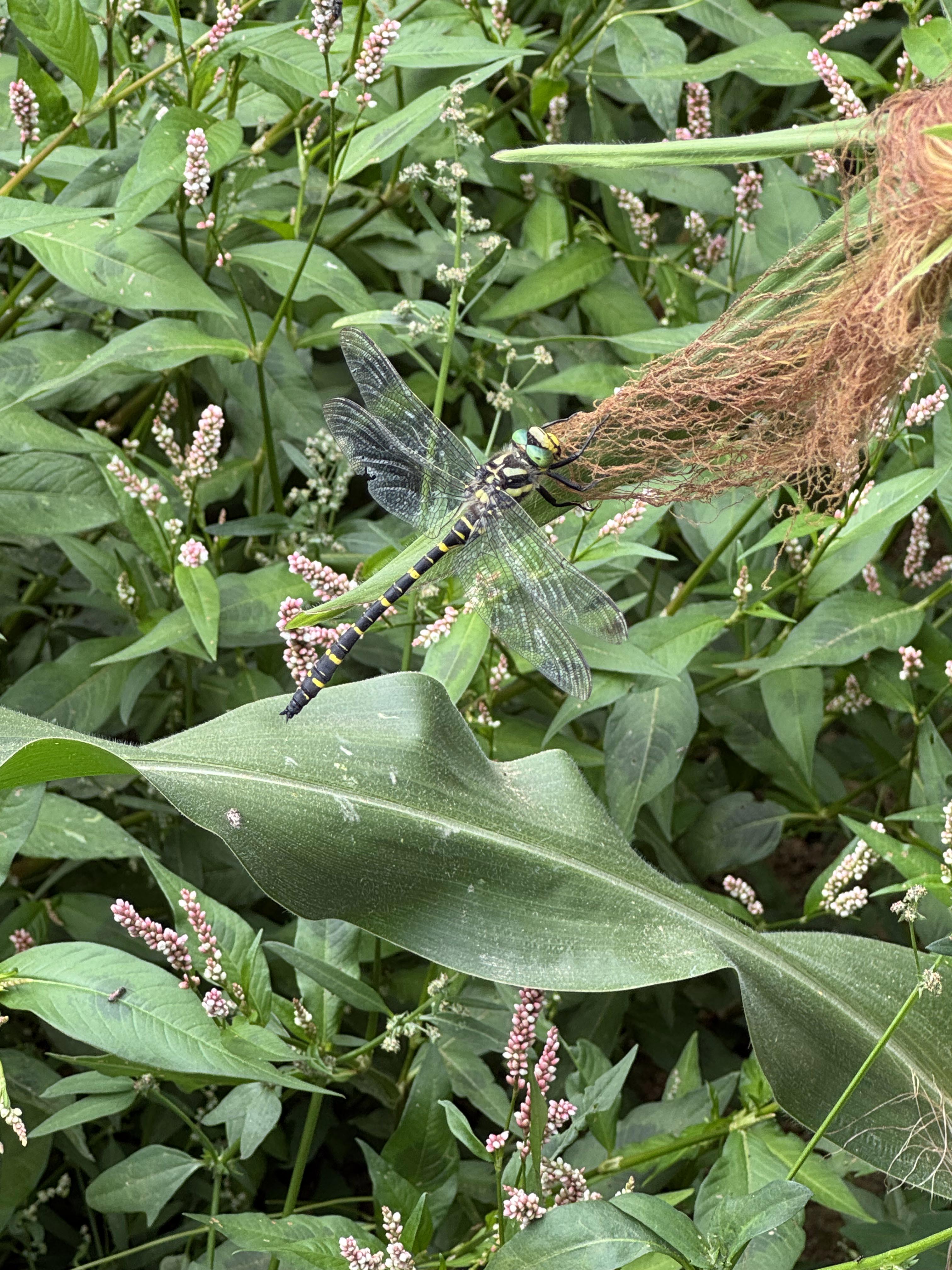
Late 18th-century road bridge in Dowlish Wake with single semi-circular arch and chamfered parapets over stream Historic cider mill exhibit with scrumpy press, timeline of cider history, and vintage bicycle under thatched roof Track heading west towards Ilminster, bordered by hedgerows and stream, with dog walking ahead toward stone cottage Southern Hawker dragonfly perched on corn silk, with green thorax and black-yellow abdomen amid pink-flowered foliage
Dowlish Wake bridge — late C18 Ham stone arch rebuilt near Moolham Mill, with curved bank seats and angled return Cider heritage — scrumpy press and cider timeline in rustic exhibit beneath thatched roof Path to Ilminster — hedged track with stream and Rupert, leading west toward stone cottage and wooded rise Southern Hawker — dragonfly with green thorax and banded abdomen resting on corn silk amid smartweed
Dirt path through mature cornfield with small brown dog wearing harness, surrounded by tall green stalks and ears of corn Ilminster town center with stone market structure, hanging flower baskets, red telephone booth, and traditional shops under blue sky Historic stone church in Ilminster with Gothic tower, battlements, stained glass windows, and surrounding graveyard with ornate headstones Warm-toned Gothic church facade in Ilminster with clock tower, benches, flower garden, and late afternoon sunlight on stonework
Cornfield path — Rupert striding through tall green corn, heading toward Ilminster Ilminster market — stone structure with pitched roof and flower baskets at town junction, near red phone box St Mary's Church and graveyard — Gothic tower with battlements and stained glass, surrounded by ornate headstones Sunlit church — warm stone facade with clock tower, benches, and garden in late afternoon light
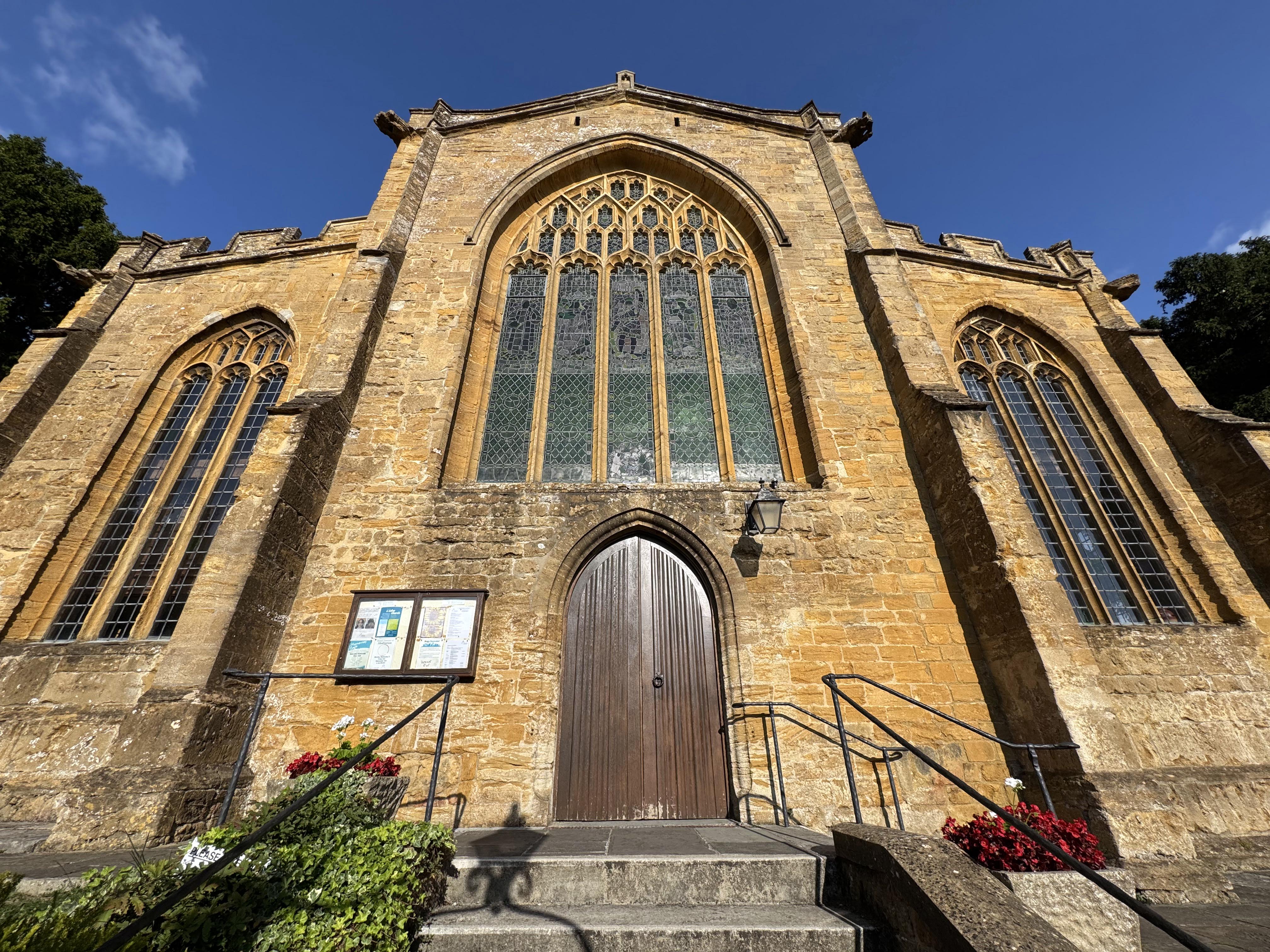
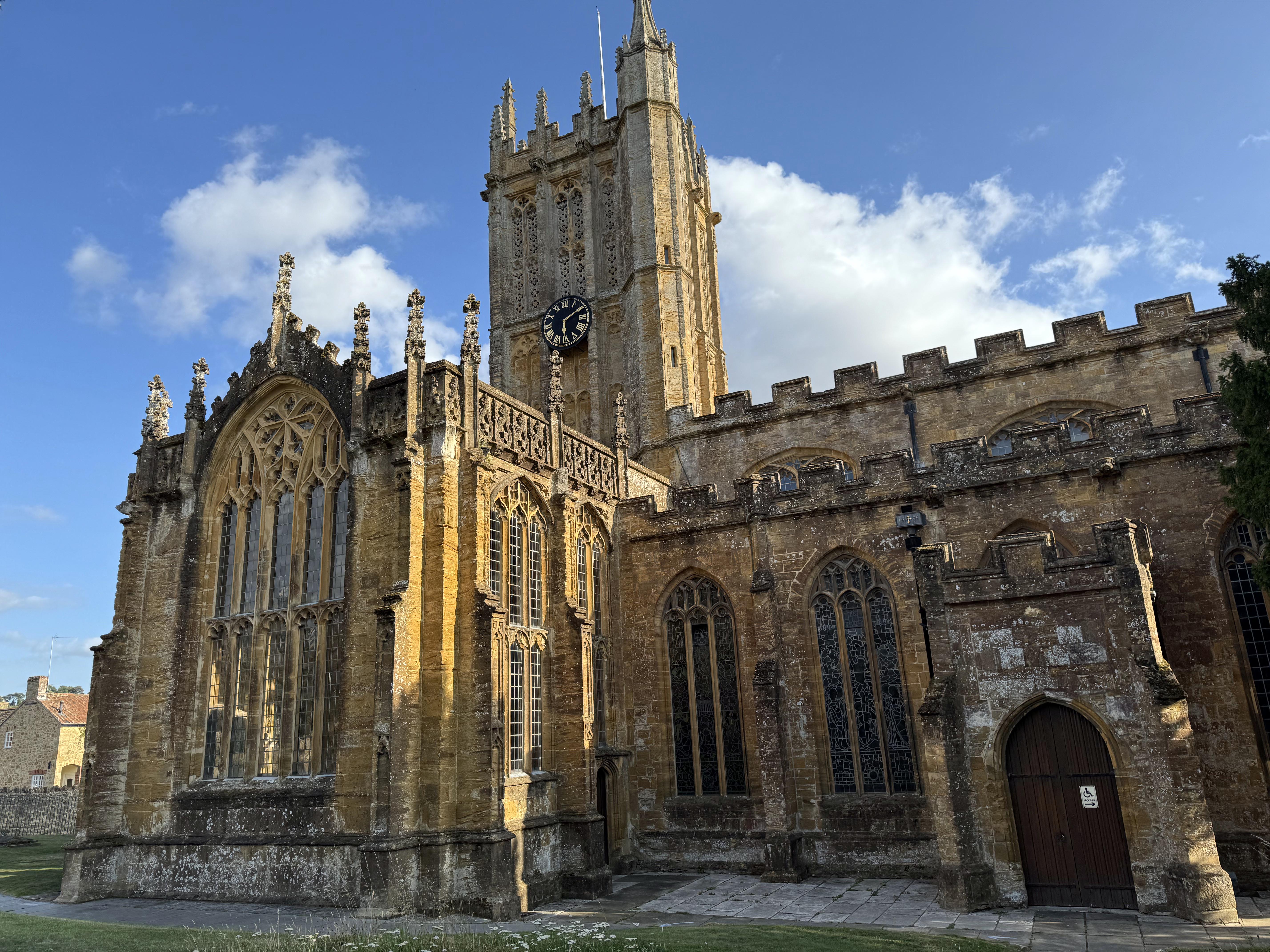
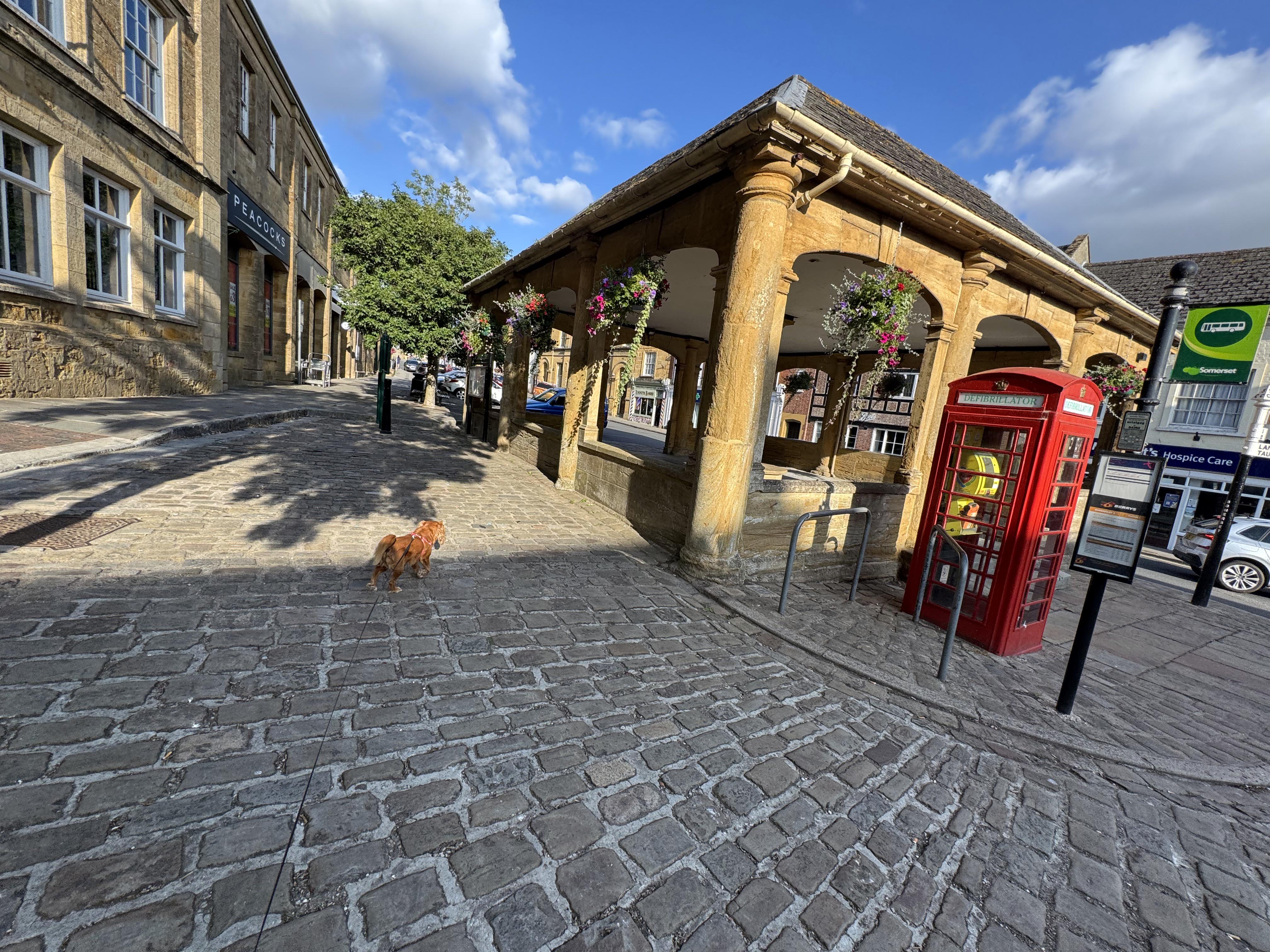
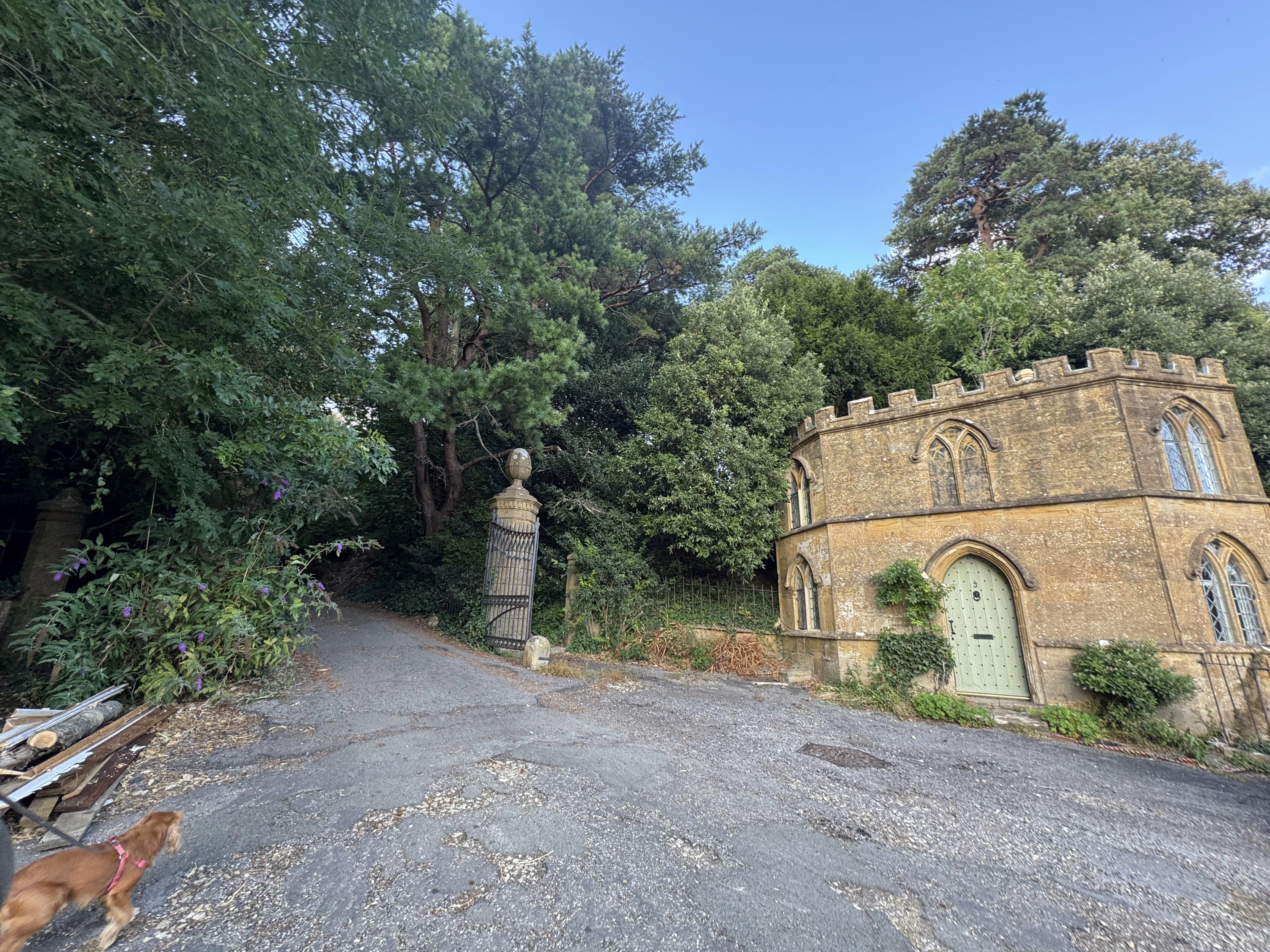
Front facade of St Mary’s Church in Ilminster with Gothic arched windows, central wooden door, and flower pots on stone steps St Mary’s Church tower in Ilminster with battlements, clock face, and Gothic spires, surrounded by grass and paved walkway Ilminster town center with red telephone box, stone market structure, hanging flower baskets, and cobblestone street with dog on leash Gated entrance to wooded path beside crenellated stone building with bust-topped pillar and small dog in pink harness walking along road
Church entrance — Gothic facade with arched stained glass, flower pots, and notice board under clear sky Church tower — battlemented spire with clock face and Gothic windows, late afternoon light on Hamstone Town center — red phone box, market structure, and cobbled street scene with Rupert and Somerset signage Southern Lodge at Dillington House - the easiest access to Dillington Grounds from Ilminster
Dragon’s teeth anti-tank obstacles in wooded area near Ilminster, weathered stone blocks partially obscured by foliage and underbrush Concrete pillbox bunker near Ilminster, partially covered by vegetation with small rectangular firing slit and moss-covered surface Dillington House facade with Gothic gables, tall chimneys, and golden stonework, surrounded by garden and decorative white gate Historic Dillington House with steep gables, ornate windows, and weathered stone, set in landscaped grounds under partly cloudy sky
Dragon’s teeth — WWII anti-tank blocks hidden in woodland, part of Ilminster Stop Line defences Pillbox — moss-covered concrete bunker with firing slit, guarding the wartime Ilminster Stop Line Rupert posing in front of Dillington House — Gothic mansion with Speke and Hanning family ties, Ham Stone. Dillington House — historic estate with ornate tracery and gables, set in landscaped Somerset grounds

Walks by the Westcountry Walker
Armed Forces | Art and Culture | Articles | Biographies | Colonies | Discussion | Glossary | Hiking | Home | Library | Links | Map Room | Sources and Media | Science and Technology | Search | Student Zone | Timelines | TV and Film | Wargames
Donate by Stephen Luscombe