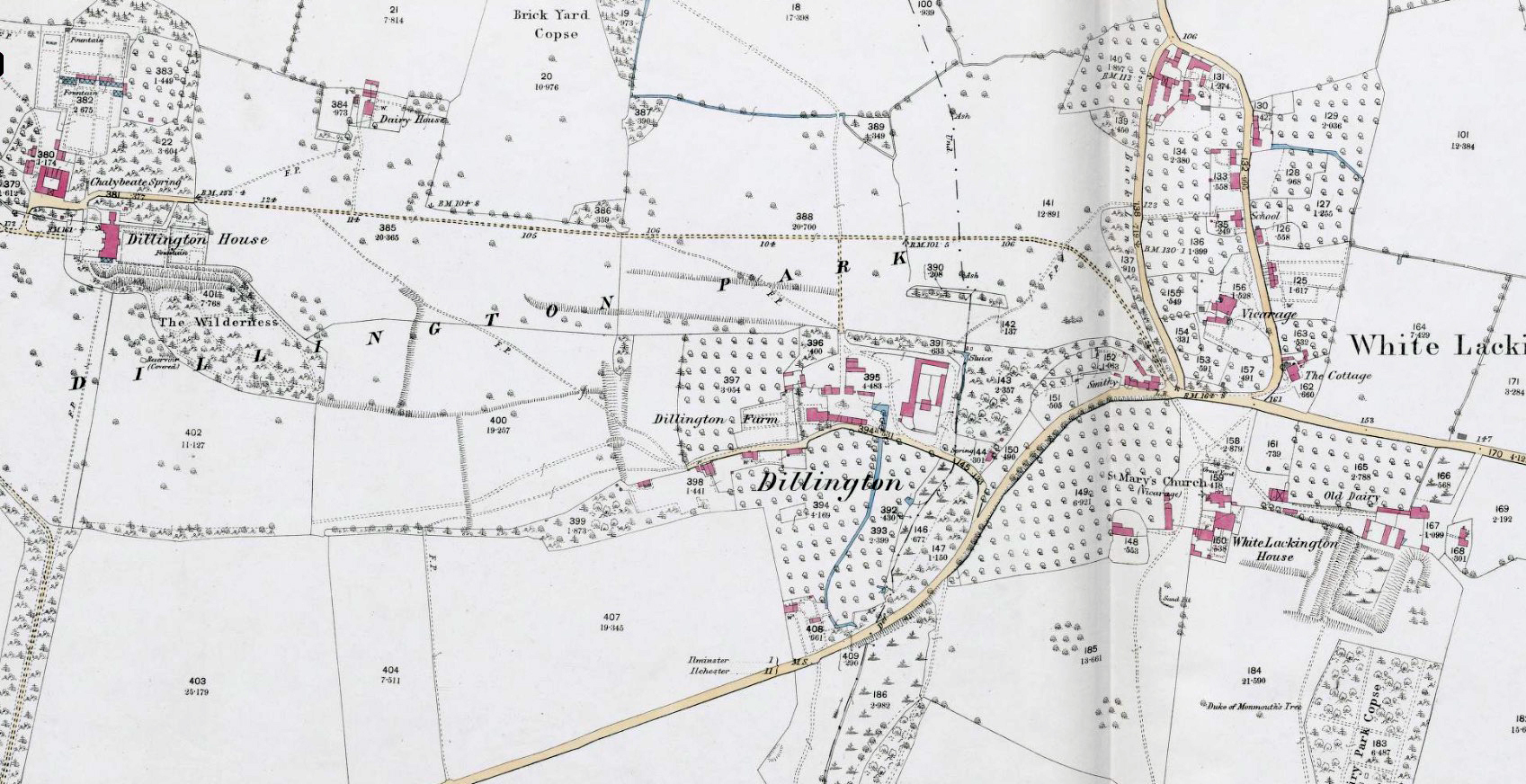
On the edge of Ilminster, Somerset, stands Dillington House, a stately manor whose history is marked not only by landed tradition but also by daring innovation. Its mellow hamstone walls and sweeping lawns recall centuries of county life, yet in the early nineteenth century the estate became linked to one of the boldest experiments in transport history. Under the stewardship of the Hanning family, Dillington was drawn into the story of Sir Goldsworthy Gurney, the Cornish inventor whose steam carriages promised to revolutionise travel.
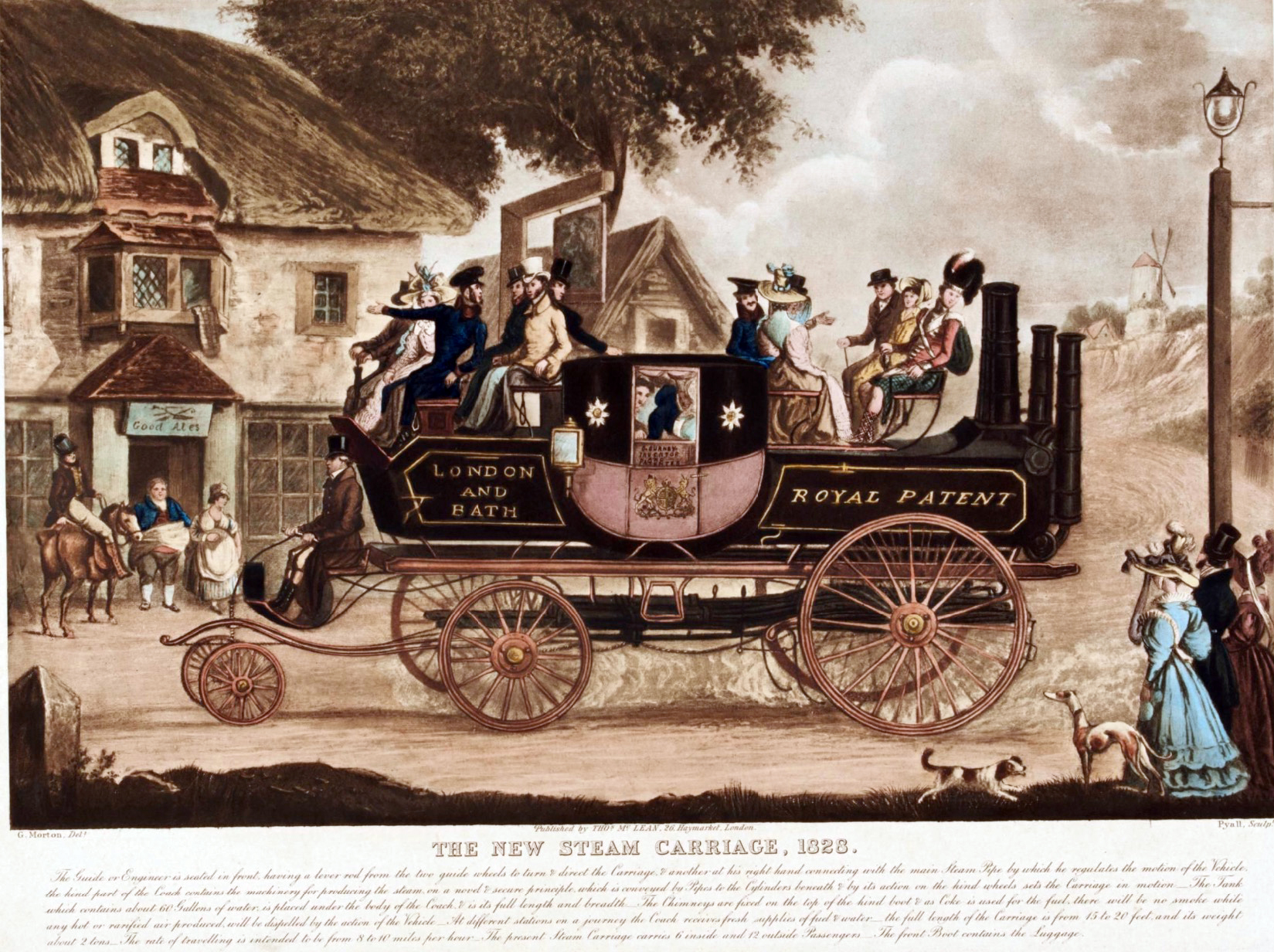
Gurney (1793–1875) was a physician, chemist, and engineer, celebrated for his restless ingenuity. In 1829 he demonstrated the potential of steam road transport by driving his carriage from London to Bath and back at an average speed of fifteen miles per hour — a feat that astonished contemporaries and suggested that horse‑drawn travel might soon be obsolete. The carriages were noisy, heavy, and prone to mechanical failure, but they represented a vision of modernity decades ahead of the motor car.
Among Gurney’s strongest supporters was William Hanning of Dillington House. A prominent Somerset landowner and magistrate, Hanning invested heavily in the project, convinced that steam carriages could transform the nation’s roads. His financial backing tied Dillington directly to the industrial revolution’s restless energy. Trials were made on the lanes around the estate, where the hiss of pistons and the rumble of iron wheels startled villagers and strained the fragile road surfaces. The experiment faltered, but it revealed the Hannings’ willingness to embrace invention even in the heart of rural Somerset.
Dillington itself continued to flourish, later passing to the Vaughan‑Lee family and eventually serving as a cultural centre in the twentieth century. Yet the memory of Gurney’s steam carriage and Hanning’s patronage remains a fascinating footnote. It shows how even the most traditional of English country houses could be touched by the spirit of progress, its story stretching from the quiet lanes of Ilminster to the daring highways between London and Bath.
For the traveller today, Dillington House is more than an architectural landmark. It is a reminder that innovation often springs from unexpected places. The Hannings’ support for Gurney’s steam carriage may have ended in failure, but it anticipated the motor car by generations. To walk the grounds is to imagine not only the calm grandeur of landed life but also the clang and clatter of a machine that tried, too early, to bring the future down Somerset’s roads.