British Empire Title

The Westcountry Walker: Hiking Through History

History Beneath the Downs: Swanmore and Bishop’s Waltham


Swanmore

This trip was a bit further afield than normal as my daughter and here partner were in the process of looking at a new house in the area, and before going to view their prospective home Rupert and I were able to explore a bit around Swanmore and Bishop’s Waltham. These are definitely sleepy, well‑heeled towns but, just like everywhere else in England, both are able to provide interesting bits of history.

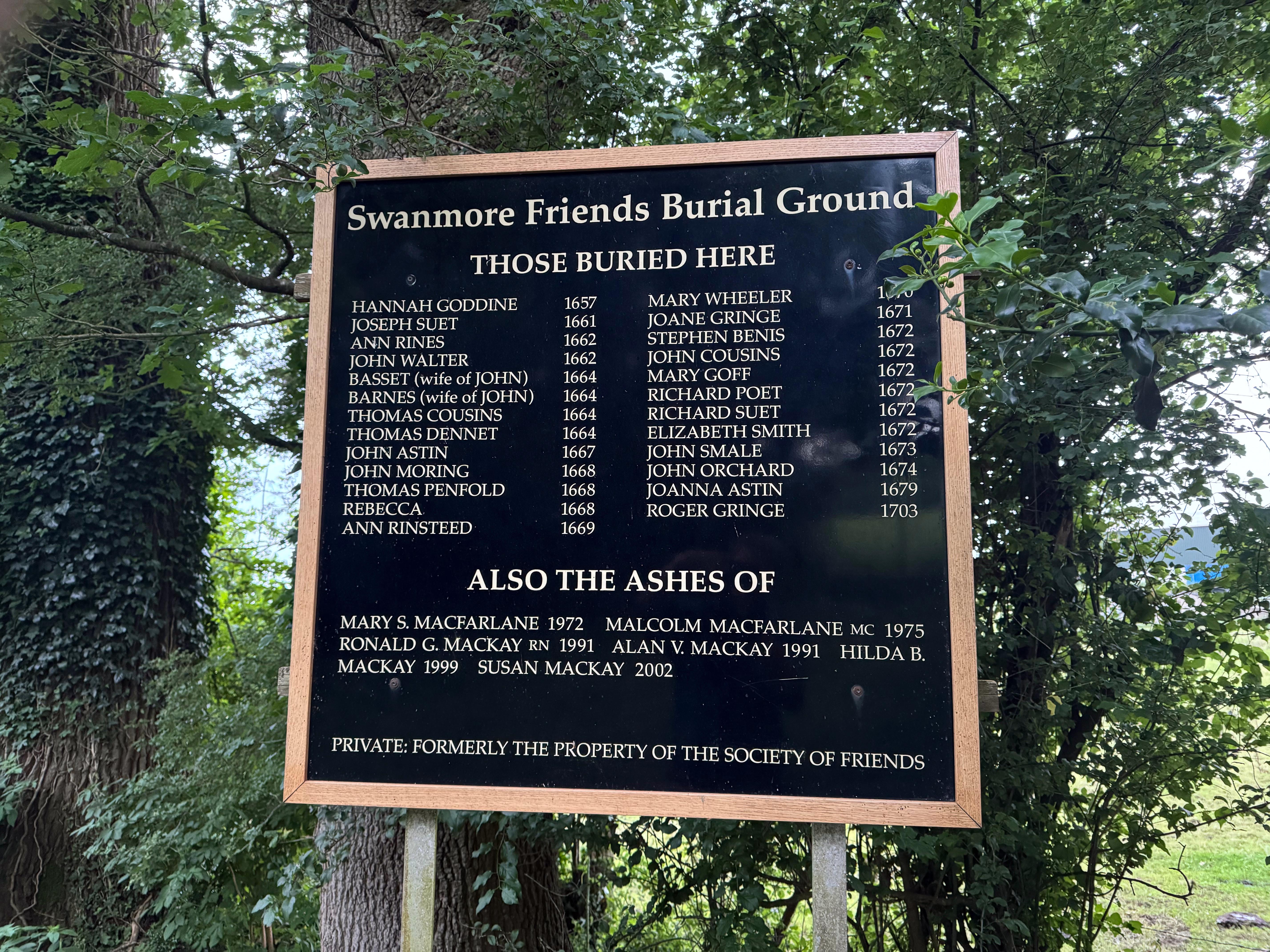
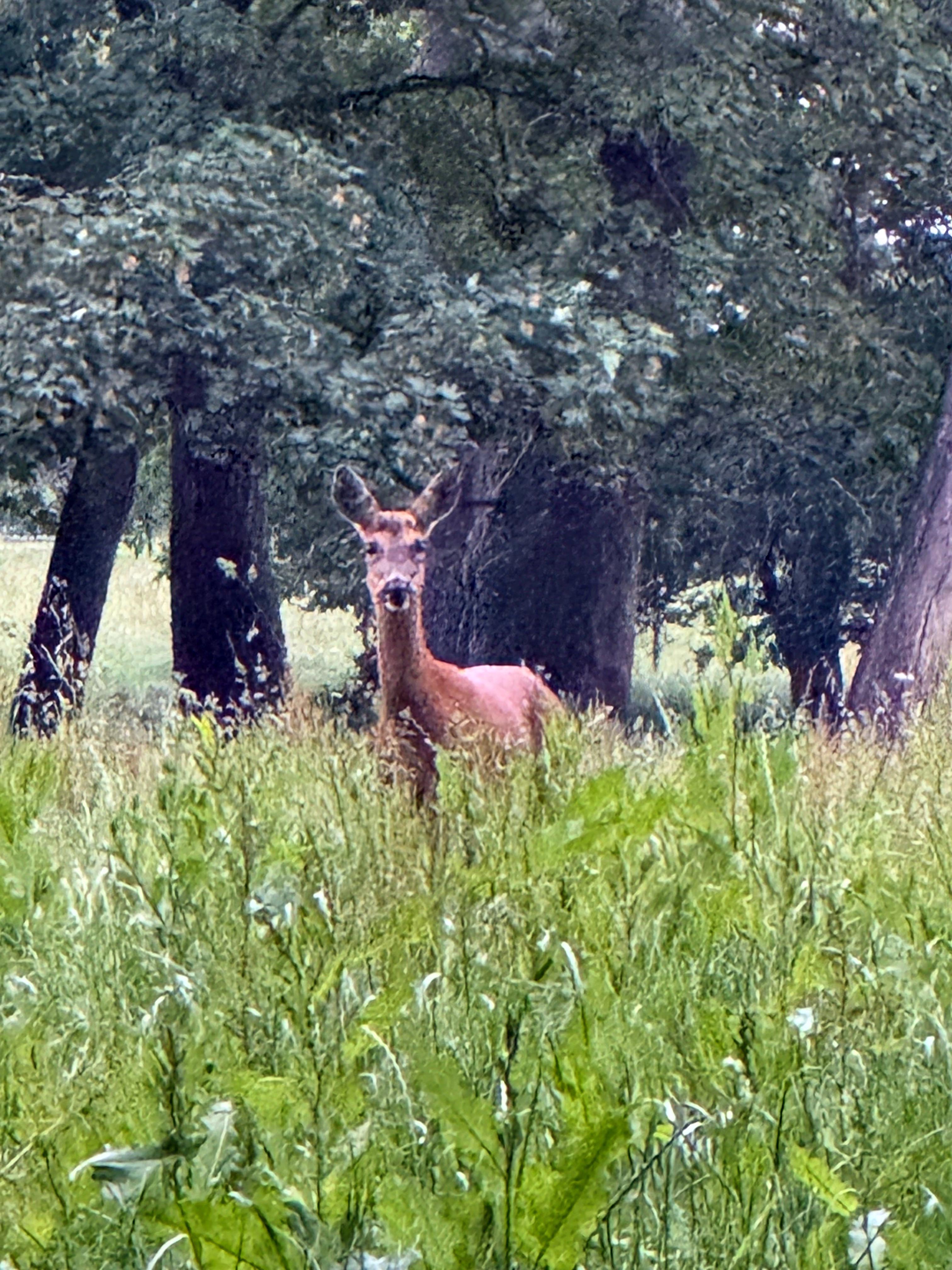
We started on the northern edge of Swanmore, literally on the edge of the South Downs National Park. Walking north, spotting some deer as we did so, we came across one of the oldest Quaker burial grounds in the country, dating from the very origins of Quakerism in the mid‑seventeenth century. At the time, the settlement of Swanmore had no church of its own and a two‑mile hike to Droxford was required, where an austere Presbyterian took over during the Commonwealth years of the 1650s. Seemingly uninspired by this minister, many locals were drawn to the teachings of the founder of Quakerism, George Fox. The Commonwealth years were a period of religious tumult, and many Christian sects came and went and rose and fell in popularity. Attending Quaker services, however, was to repudiate the established church, and if you decided to avoid paying your tithes to the parish church you were not permitted to be buried (or married) within the parish church. It was with this in mind that a local Quaker offered the orchard at the bottom of his garden as a burial place for his coreligionists. It is possible that his house was used as a Quaker meeting house, but of course there would not have been any Quaker minister as such, as they technically have no ministry, all members being equally free to be moved by the spirit to contribute to their meetings. Sadly, his own infant son was to be the second person buried there. The 1660 Restoration, if anything, made the plight of Quakers even worse, at least in the short run, as the Anglican Church attempted to reassert its authority. This was demonstrated in 1665 when one of the trustees of the Quaker graveyard was himself imprisoned for refusing to contribute to repairs for Bishop’s Waltham church. He was kept in appalling conditions and died while still imprisoned in Winchester in 1668. They underwent sustained persecution in the 1670s and 1680s up until the Glorious Revolution and the Act of Toleration in 1689, which finally recognised Nonconformist religions’ right to practise and exercise their faith (although state anti‑Catholicism remained entrenched for many more years). There was no need for a private burial ground any longer and it fell into disuse, with the last burial being in 1703. This beautiful natural spot provided the perfect resting place for earnest Quakers who were prepared to defy the authorities in order to practise their own religion. It is both moving and inspiring to come across a place like this.

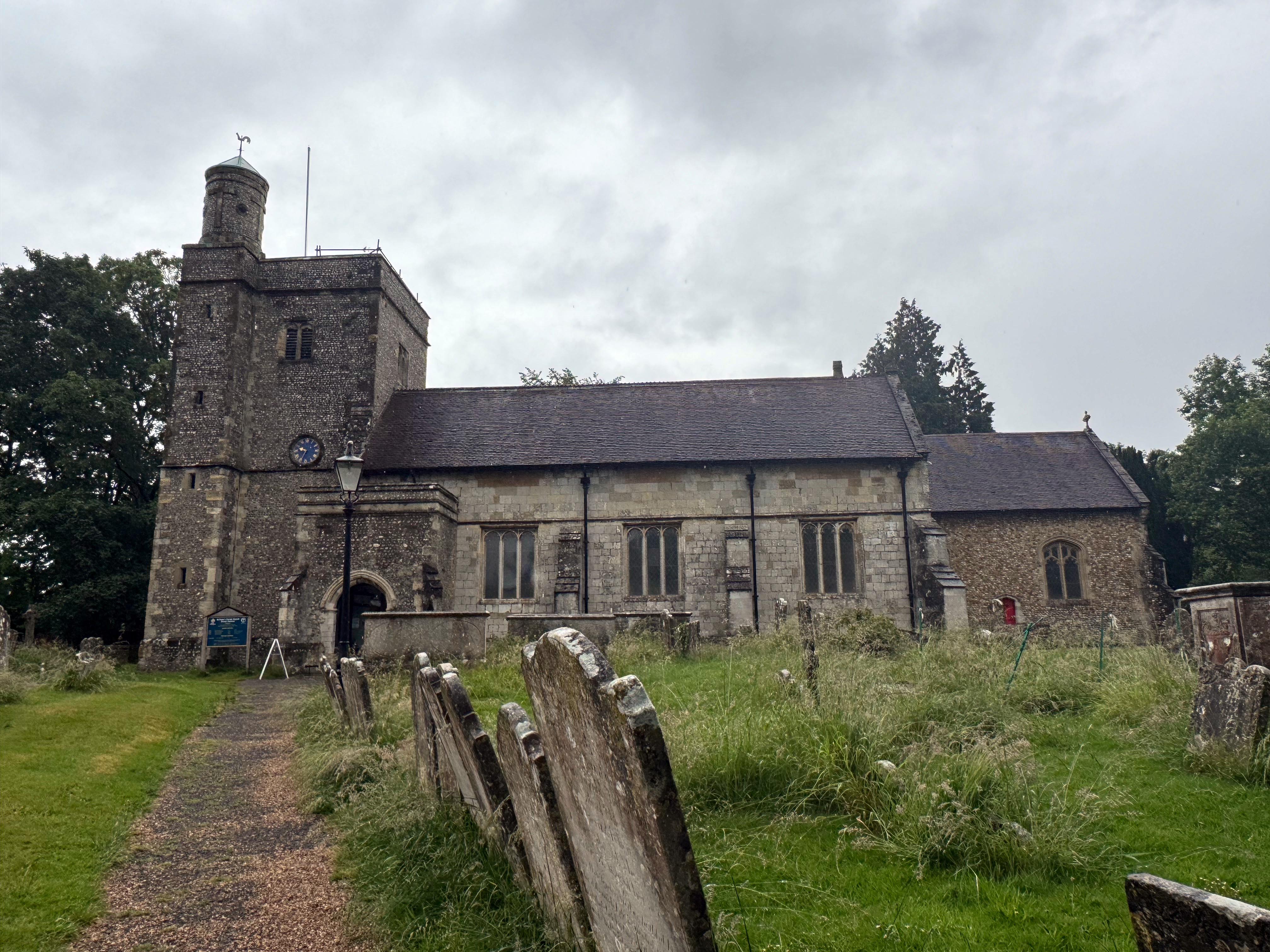
Religion would definitely prove the theme of the day, as it so often does in England. Walking into Bishop’s Waltham, of which the name alone explains a strong religious connection, the rain started to fall in ever greater volume. We decided not to dilly‑dally and head straight to St Peter’s church and pray that it were open so early in the morning. Fortunately, our prayers were answered. It is a significant church, especially when you consider it was not the only religious house in the town and definitely not the largest — but more of that later.

St Peter’s, Bishop's Waltham'

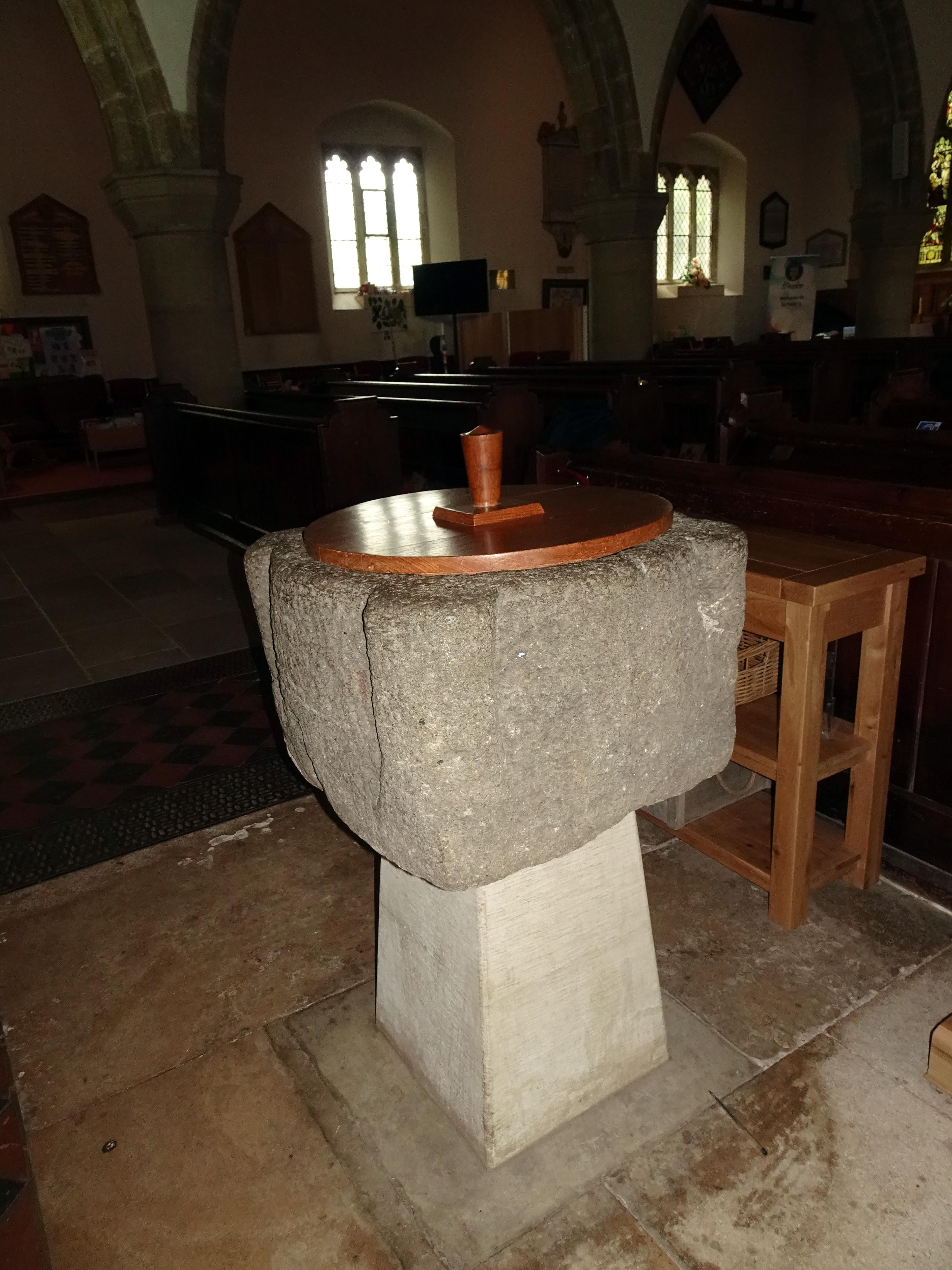
St Peter’s has been there since early Christian Saxon years. Indeed, our friend Wynfrith from Crediton in Devon (better known as St Boniface) came to this church to receive a blessing on his first missionary journey to Frisia. His nephew was to study and live in Waltham. The font is dated to the Saxon era but was found in someone’s garden in the 1930s.

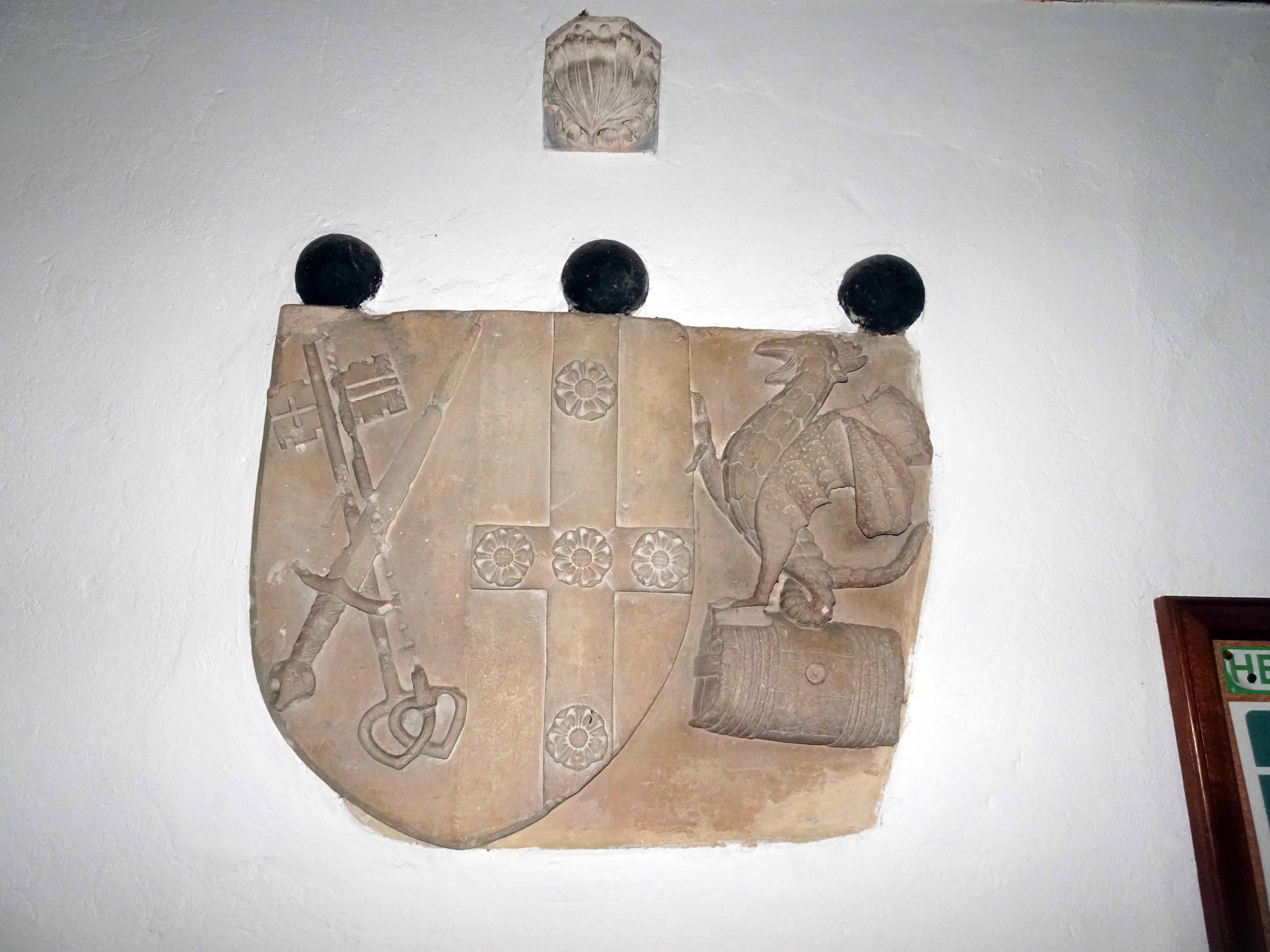
It is tempting to think that these places have been tranquil and peaceful for centuries, but they have known their turmoil. In 1001, Waltham was burned to the ground by Danes who had rebelled against Aethelred the Unready (who, in the following year, tried to wipe all the Danes out in his kingdom with the St Brice’s Day Massacre). The original Saxon church was probably destroyed in that attack and this one, on a slightly different spot, was built. The area also saw extensive fighting in the English Civil War (the Battle of Cheriton took place not far to the north). There are three Civil War cannon balls sitting atop a coat of arms from the fighting at the nearby Bishop’s Palace. In addition to this, the church itself was used in the Second World War as an observation post while the Luftwaffe prosecuted the Battle of Britain and Blitz. They display some aircraft recognition charts that would have been used to help identify friend from foe.

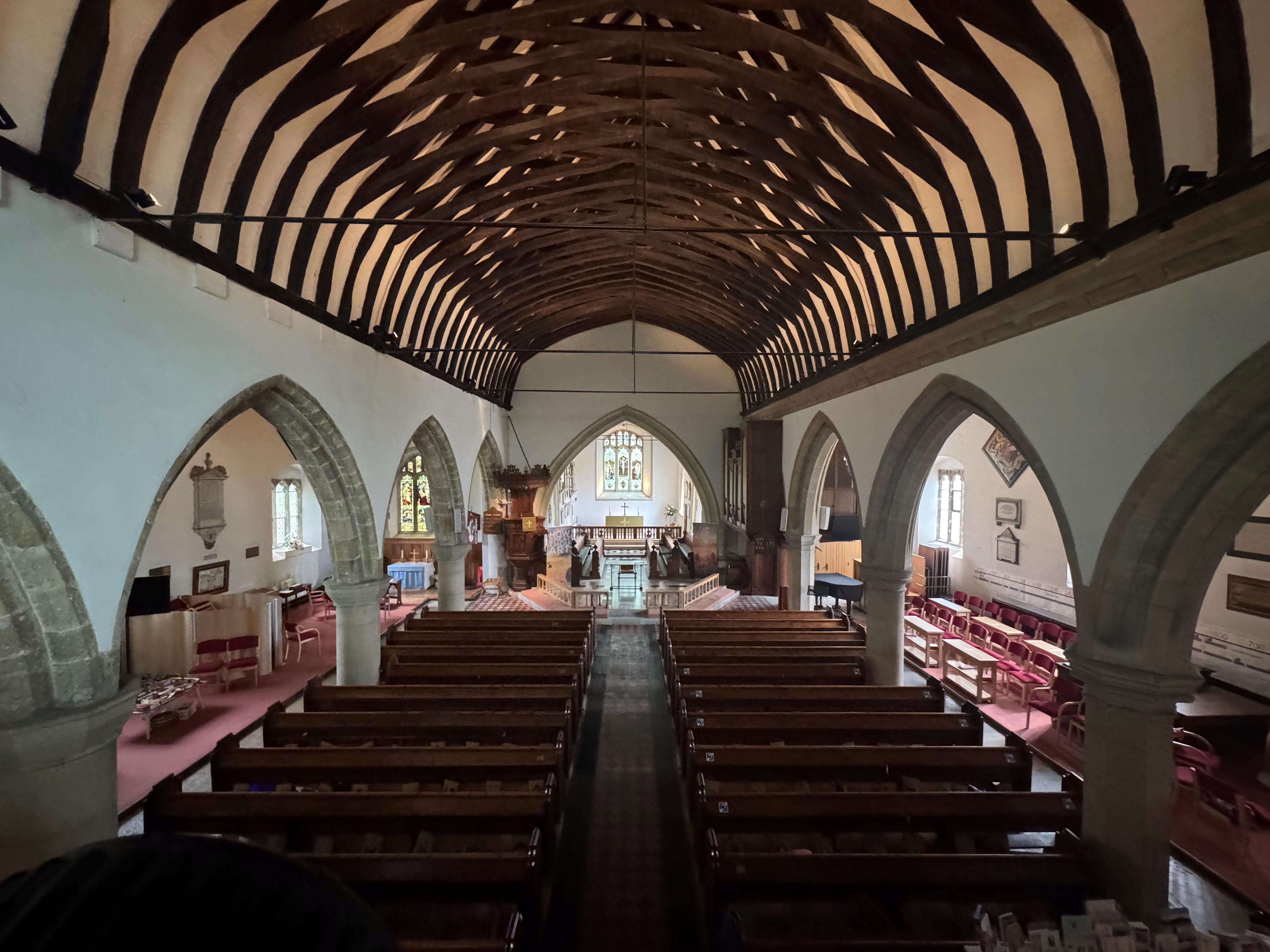
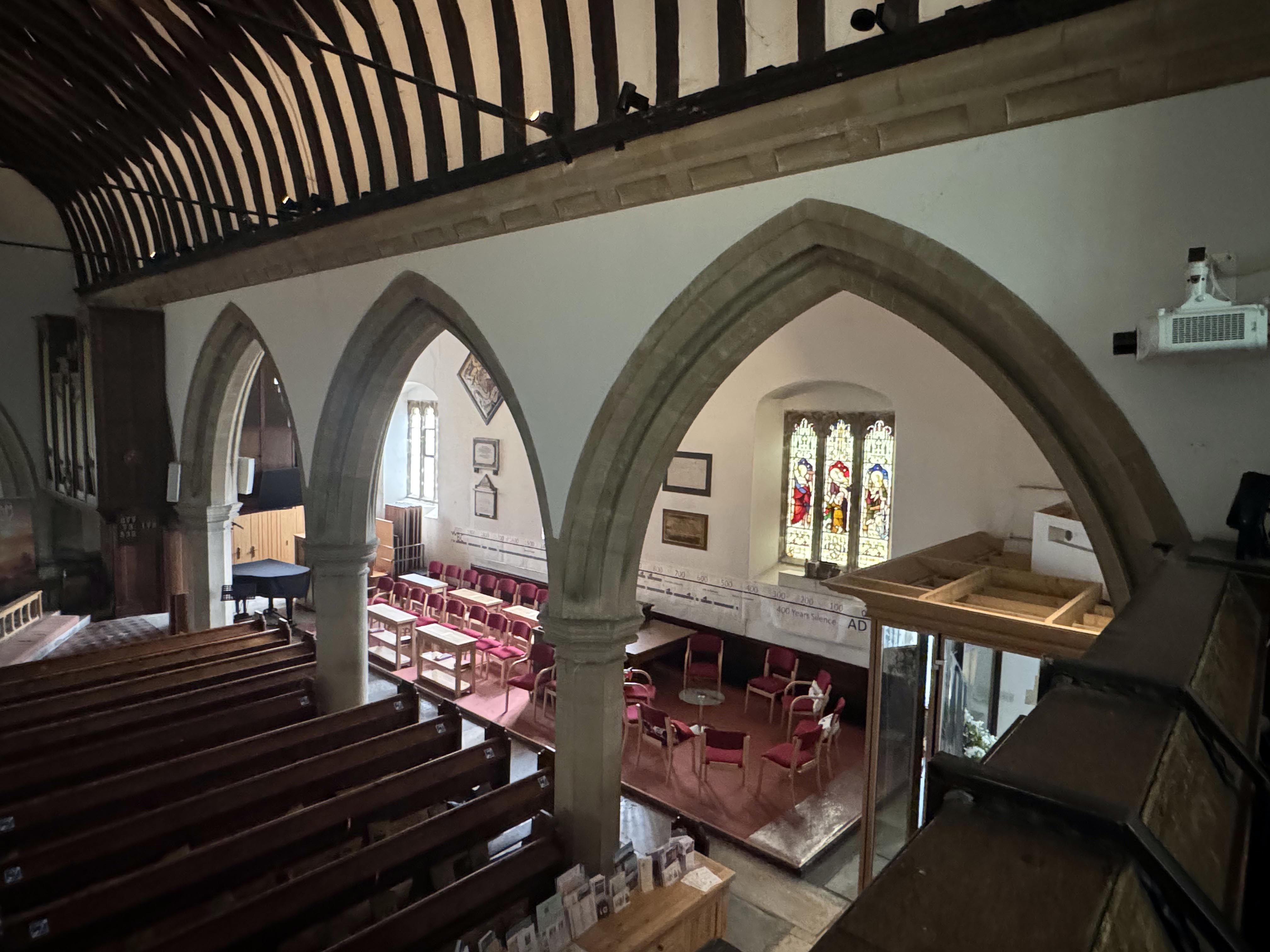
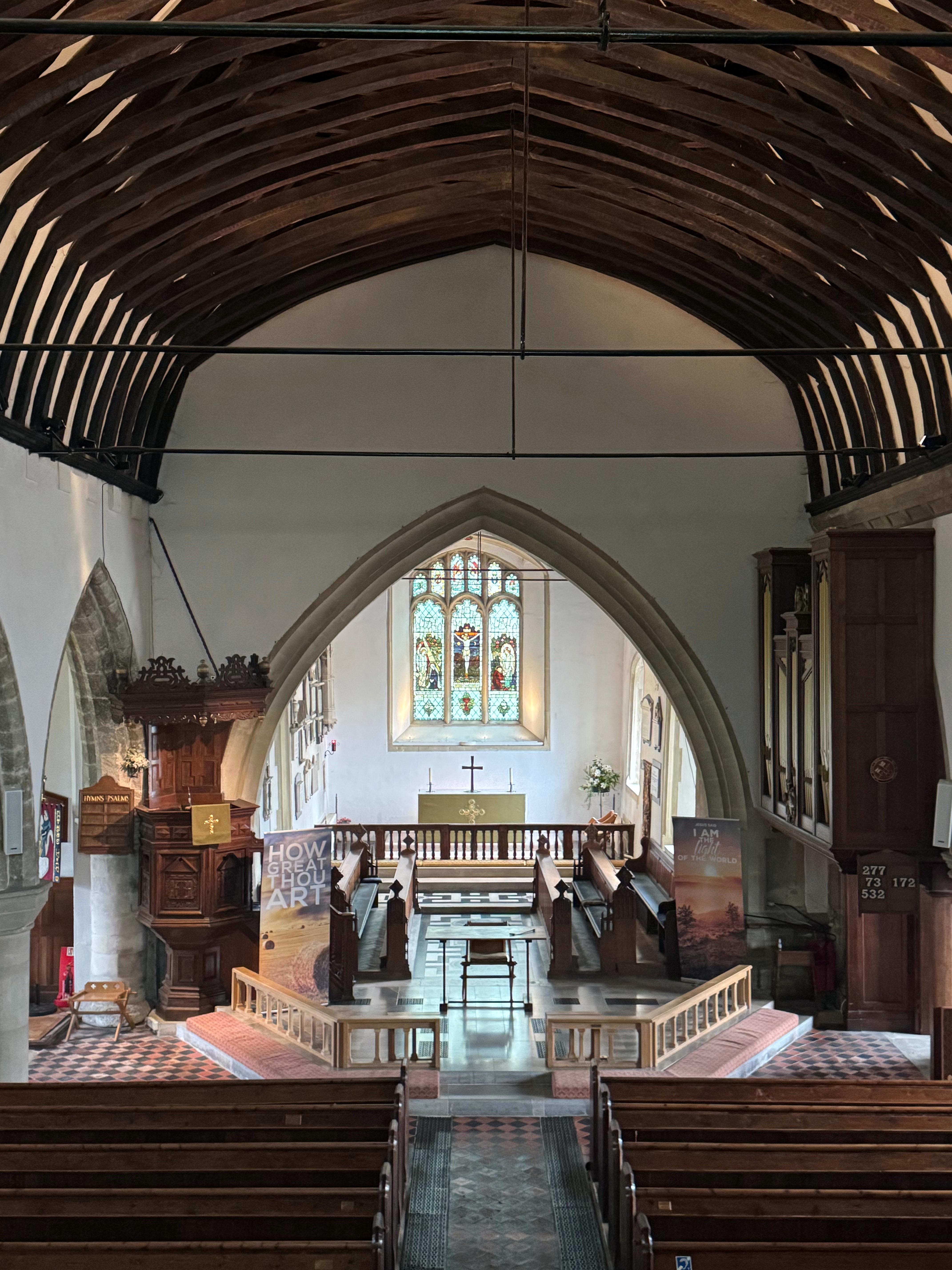
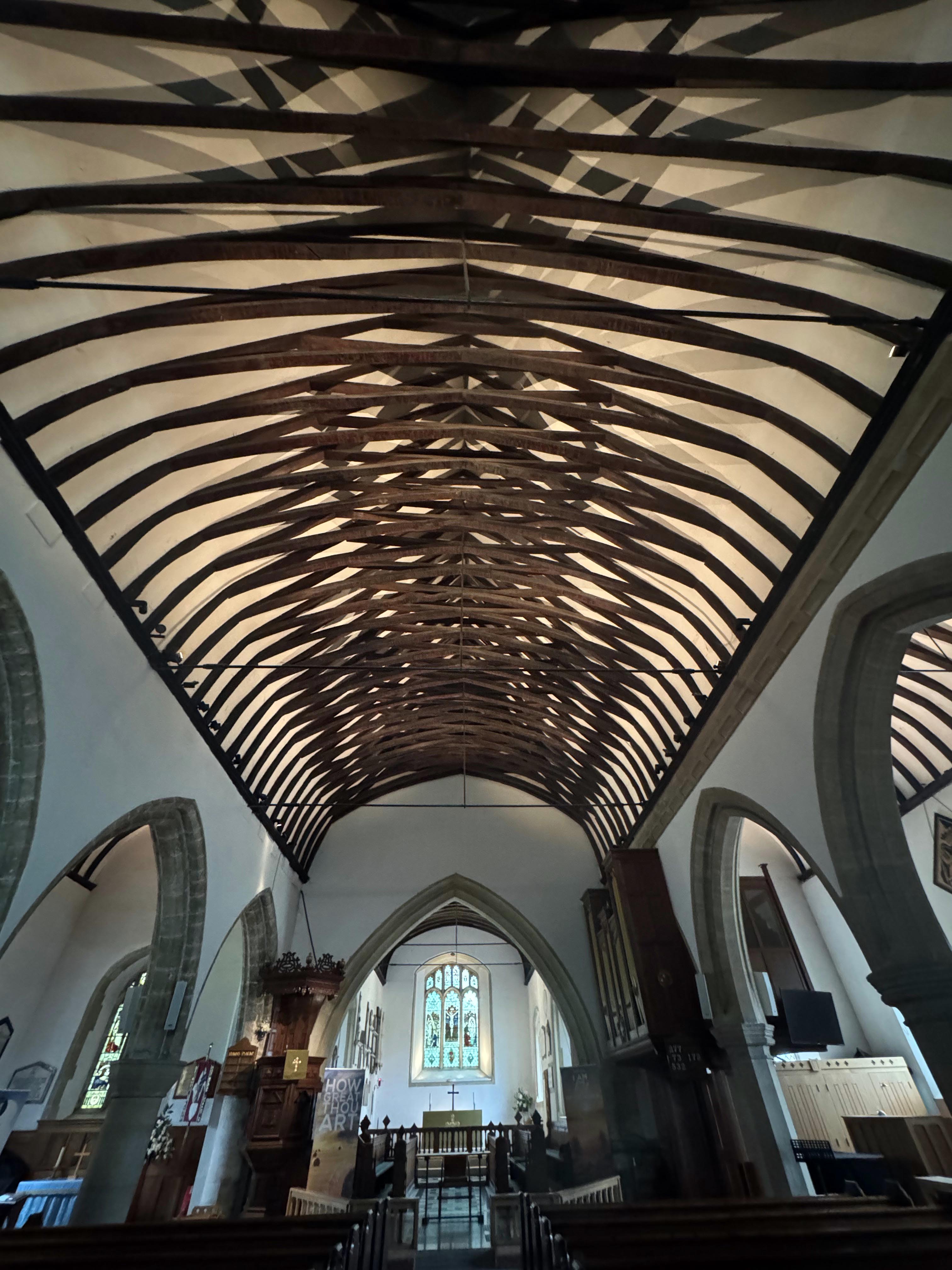
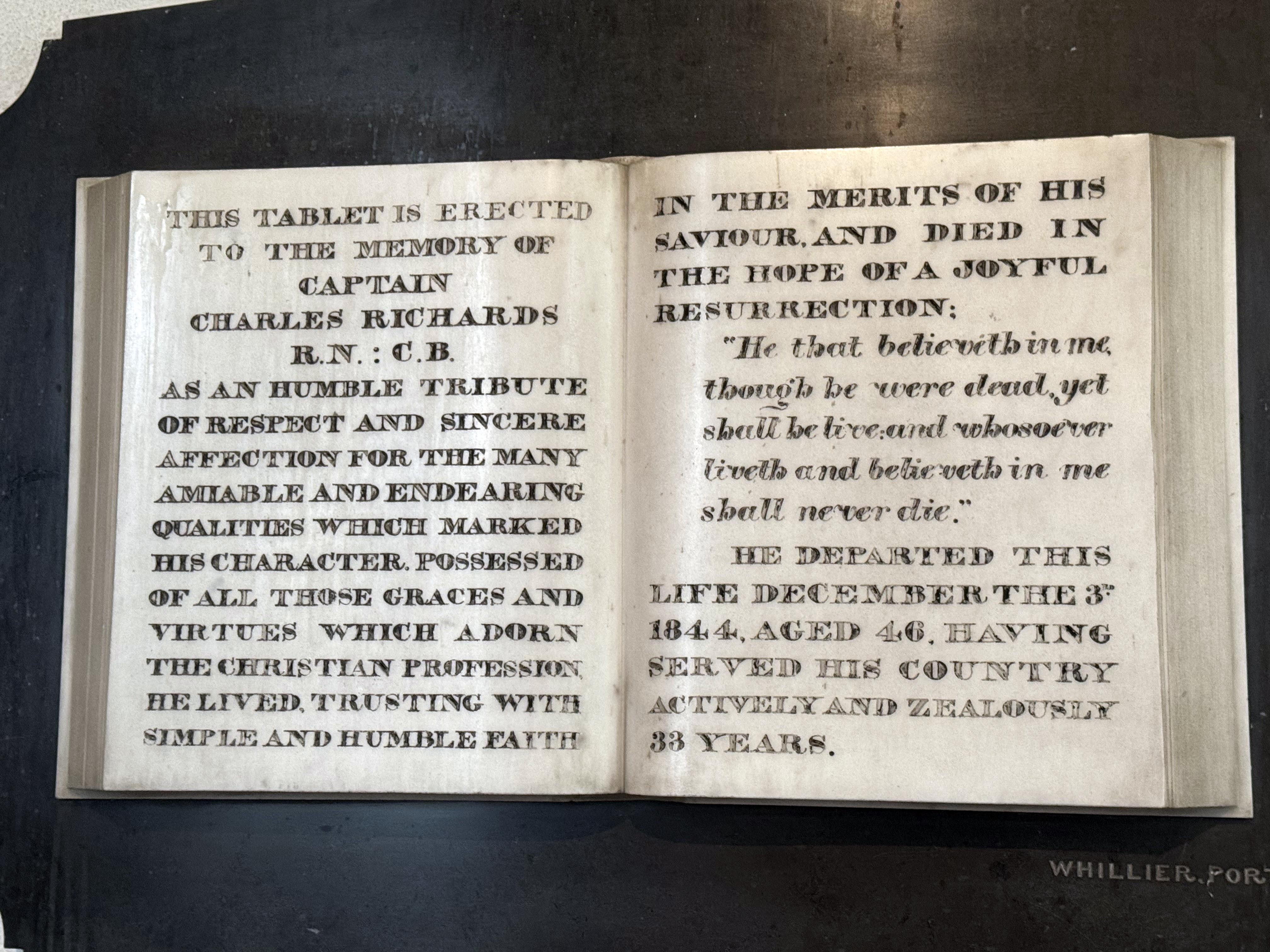
Despite its antiquity and having been seriously remodelled in the seventeenth century, this is largely a Victorian church designed and restored by the prolific Sir Thomas Jackson. Not only does it have a huge nave with a north and south aisle, there is even a balcony at the back to pack in even more parishioners. The church has a large number of memorials which hint at both the ecclesiastical importance of this town and its military connections, for we are not far from Portsmouth and Southampton here, and it appears many a mariner either lived or retired here. Indeed, there is even an Admiral’s Corner, and the number of seafarers mentioned was quite noticeable both inside and outside the church.
Admiral Andrew Browne Cunningham of Hyndhope

Probably the most significant sailor commemorated here is Admiral Andrew Browne Cunningham of Hyndhope (known as ABC from his initials). He was Commander‑in‑Chief in the Mediterranean at the most critical stages of the fighting in North Africa and for the Balkans too. He was the man responsible for ordering the first ever all‑aircraft naval attack in history with the attack on Taranto, which crippled the Italian fleet in 1940. He followed this up with the remarkable victory at Cape Matapan in 1941, which pretty much finished off the rest of the Italian naval presence in the Mediterranean. He also oversaw the naval evacuation of Crete following the assault on the island by German paratroopers. This event was immortalised by the Noël Coward film In Which We Serve. It was also his job to keep Malta supplied with fuel, ammunition and food despite all the assets the Axis forces could throw at this endeavour. He also oversaw the Allied invasions of Sicily and Italy. So quite the A‑list admiral. He also lived pretty much next door to the Bishop’s Palace which we would visit later, and in retirement did much to have those remains recognised as an important cultural asset and preserved for posterity.

Another admiral remembered is Admiral Sir David Hallifax, who I confess I had not heard of, even though he was the Chief of Staff to the Commander‑in‑Chief, Admiral Sir John Fieldhouse, during the Falklands Campaign in 1982, a campaign in which I am keenly interested. It appears he was effectively responsible for the day‑to‑day running of the Northwood Headquarters during the campaign — one of those all‑important back‑room men who ensured the cutting edge had the supplies, equipment and orders to succeed 8,000 miles away.

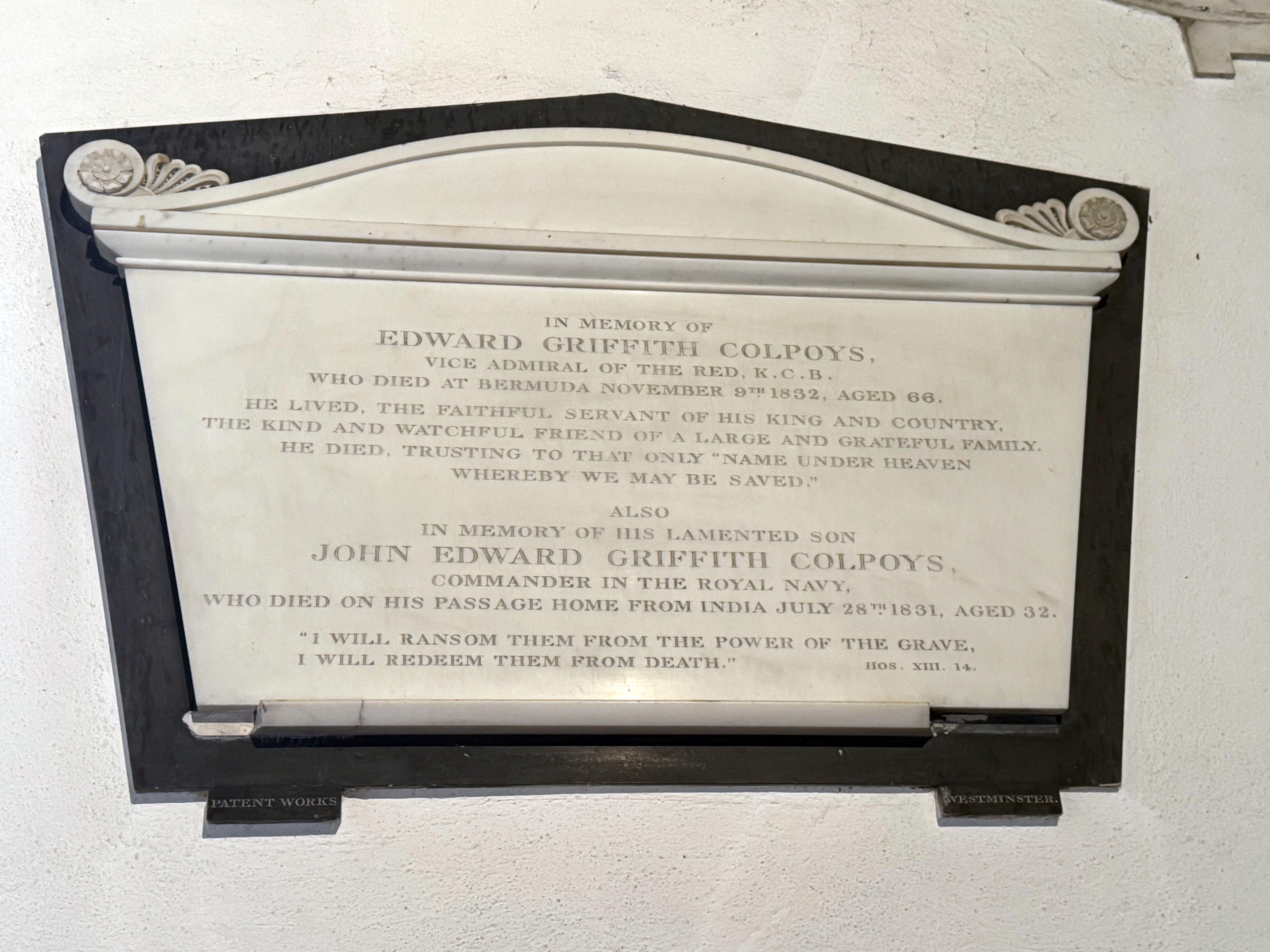
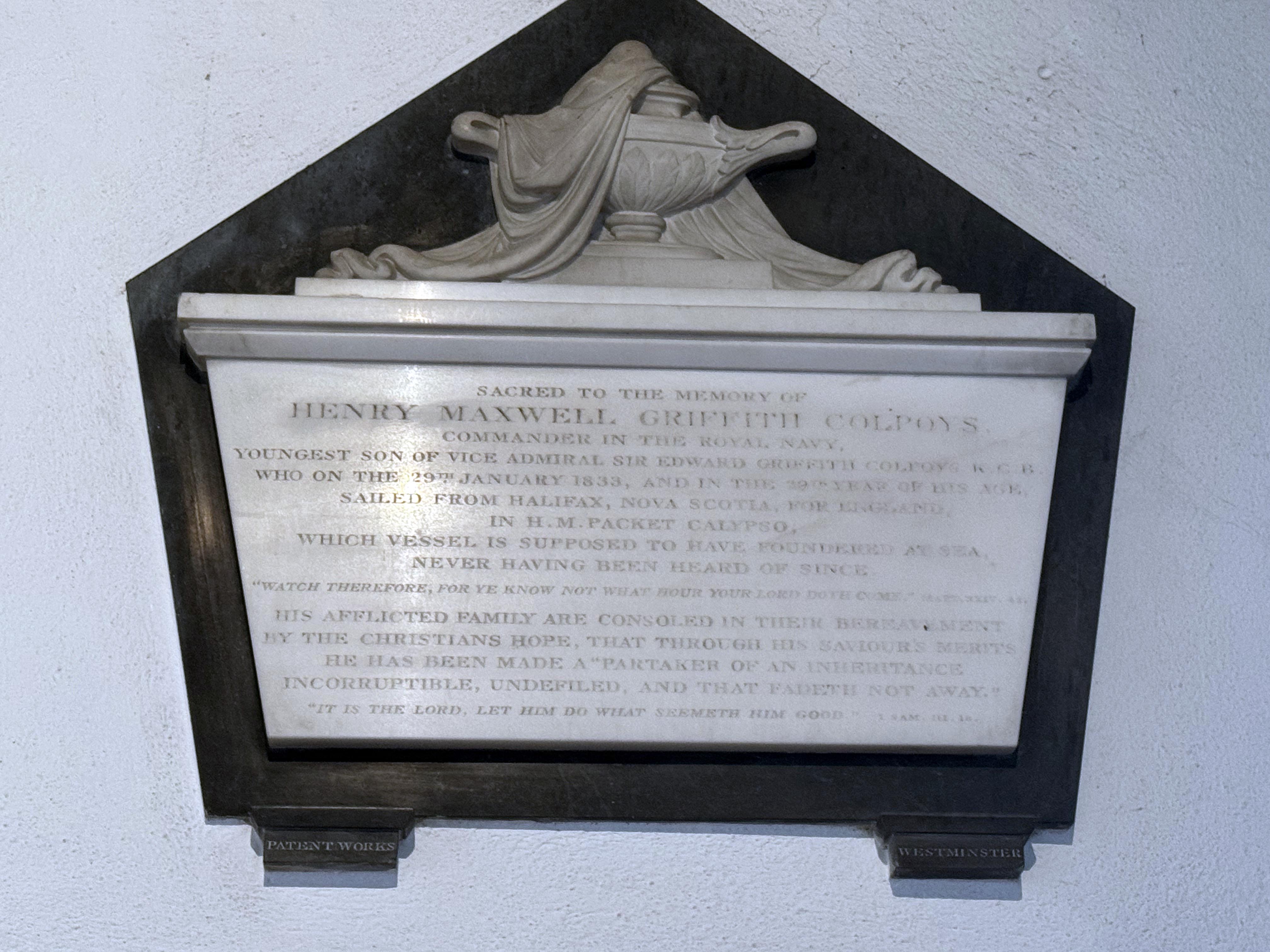
But perhaps the saddest admiral remembered is that of Edward Griffith Colpoys, who had been Vice‑Admiral of the Red. He had been involved in the Trafalgar campaign, although not at the battle itself, but had fought in the preceding Battle of Cape Finisterre. He was very active in the 1812–1814 war and remained on station in North America until 1821, rising to be its Commander‑in‑Chief. He went back to North America when the Canadian and Jamaica stations were merged; however, his health was failing and he was to die in Bermuda in November 1832. But what makes this one sad is that this sailor lost not one but two sons to the sea. John Edward Griffith Colpoys RN died on a passage home from India in 1831. This is commemorated on the same plaque as his father, who would have been heartbroken by the news. But there is a separate memorial to Henry Maxwell Griffith Colpoys RN, who died just two months after his father in January 1833. His father may have been spared the agony of knowing that his youngest son went missing in His Majesty’s Packet Calypso, which “is supposed to have foundered at sea, never having been heard of since.” This ship was sailing from his father’s old base at Halifax, where he had been Commander‑in‑Chief. These memorials are a reminder that a career in the Royal Navy was not just dangerous in times of war; the sea and disease lay in wait for many a sailor of whatever rank and status.

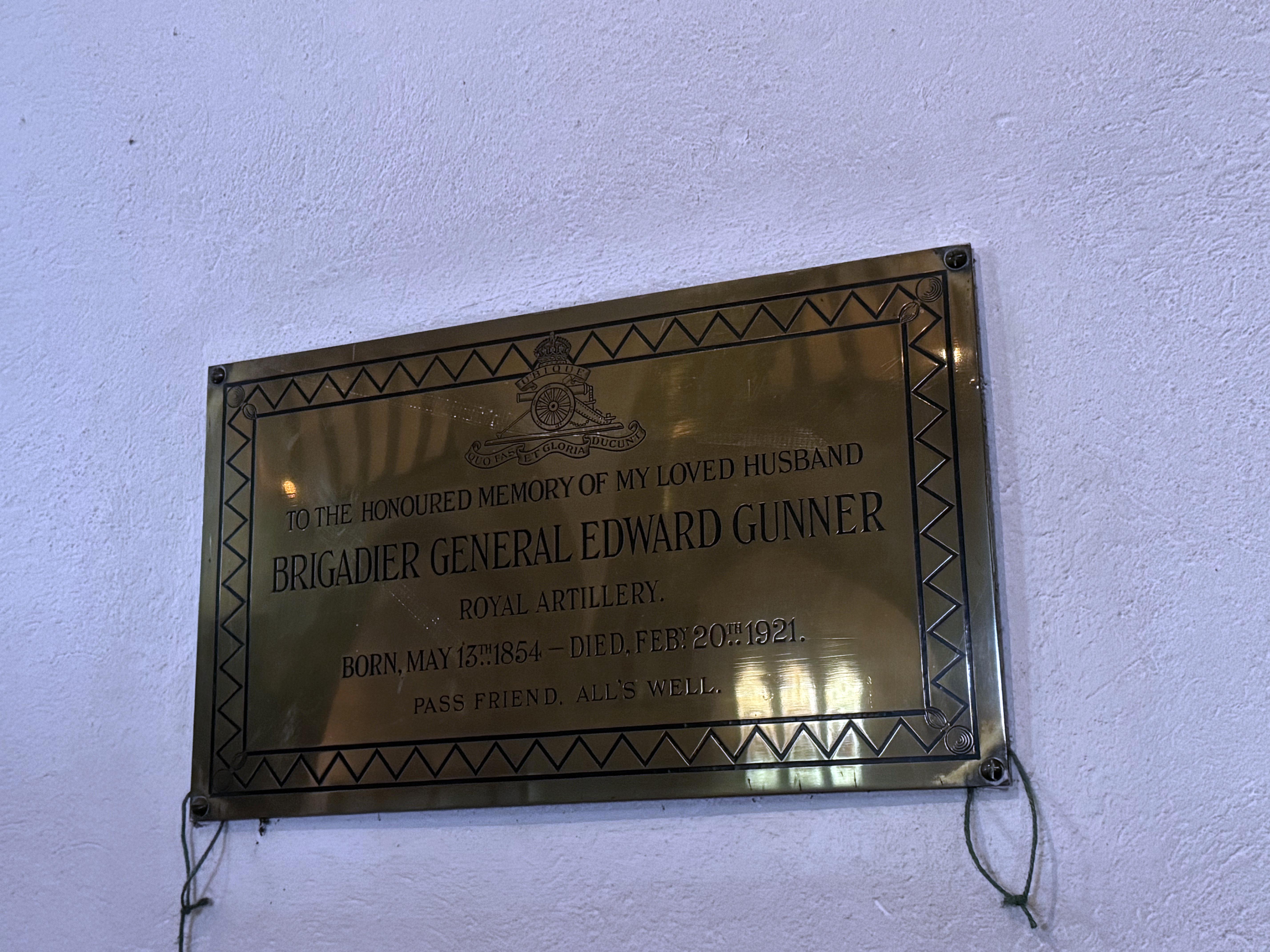
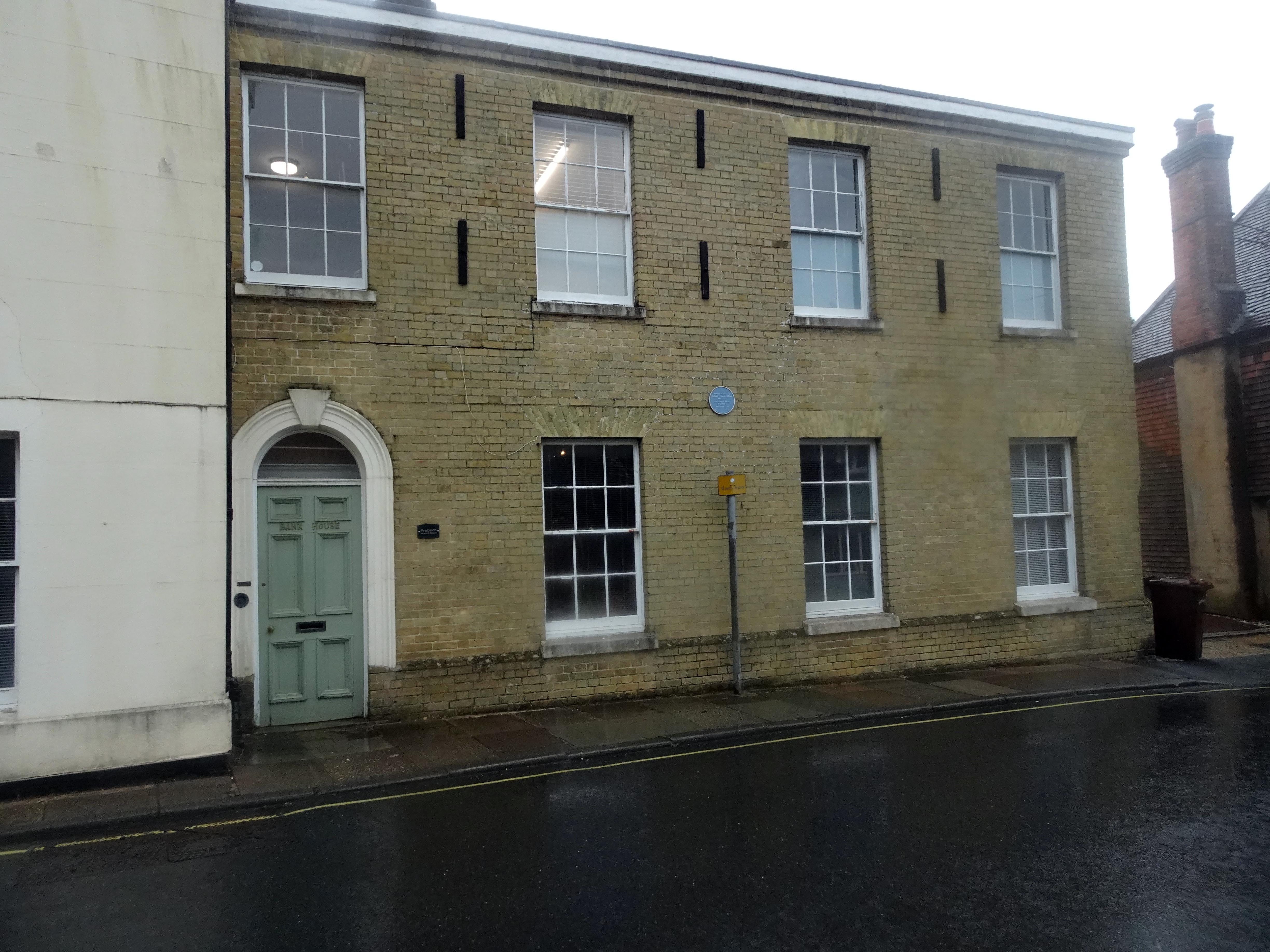
Now there is an interesting case of nominative determinism with the memorial to Brigadier‑General Edward Gunner of the Royal Artillery! With a name like that, what other job could he have got? Well, actually, he could have been a banker, as the Gunners were very important local bankers in the nineteenth and early twentieth centuries. Indeed, later we would see the blue plaque that marks the location of their bank, which was also the last private issuer of nationwide banknotes in the country. The Bank of England eventually took control of that in England and Wales (it gets a bit more complicated in Scotland and Northern Ireland). Sadly, the Gunners were to know grief, as another memorial in the church makes clear — this time to his niece Elsie Gertrude Gunner, who died at the age of two and a half (that half being particularly heartbreaking that it was recorded). She died in Ahmednagar in India, yet another indication of the dangers of colonial life. The Gunners illustrate nicely the intersection of a family who made their fortunes in finance, then diversified into the military and imperial spheres.
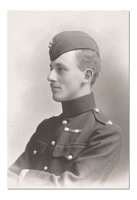
Belmont

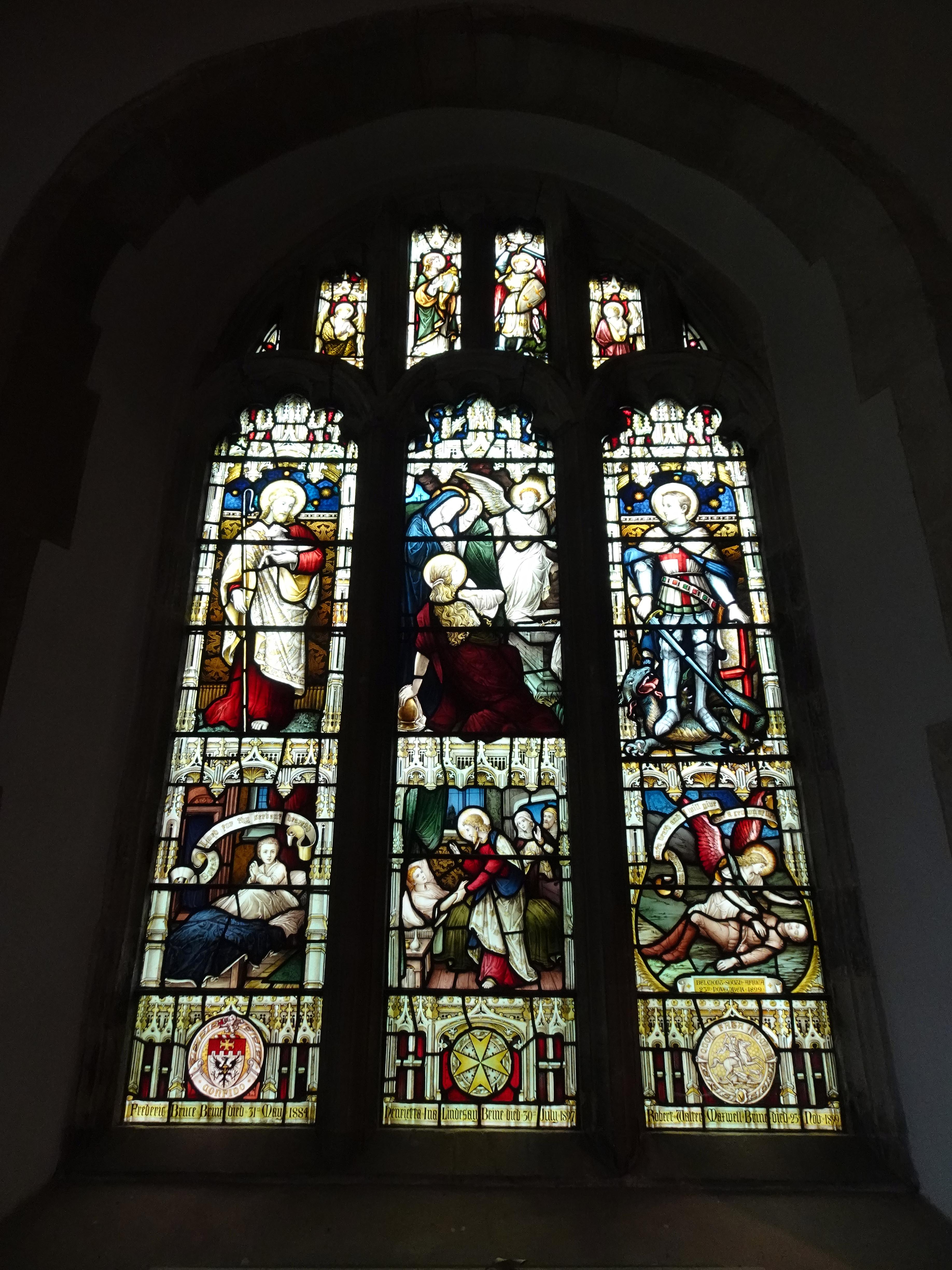
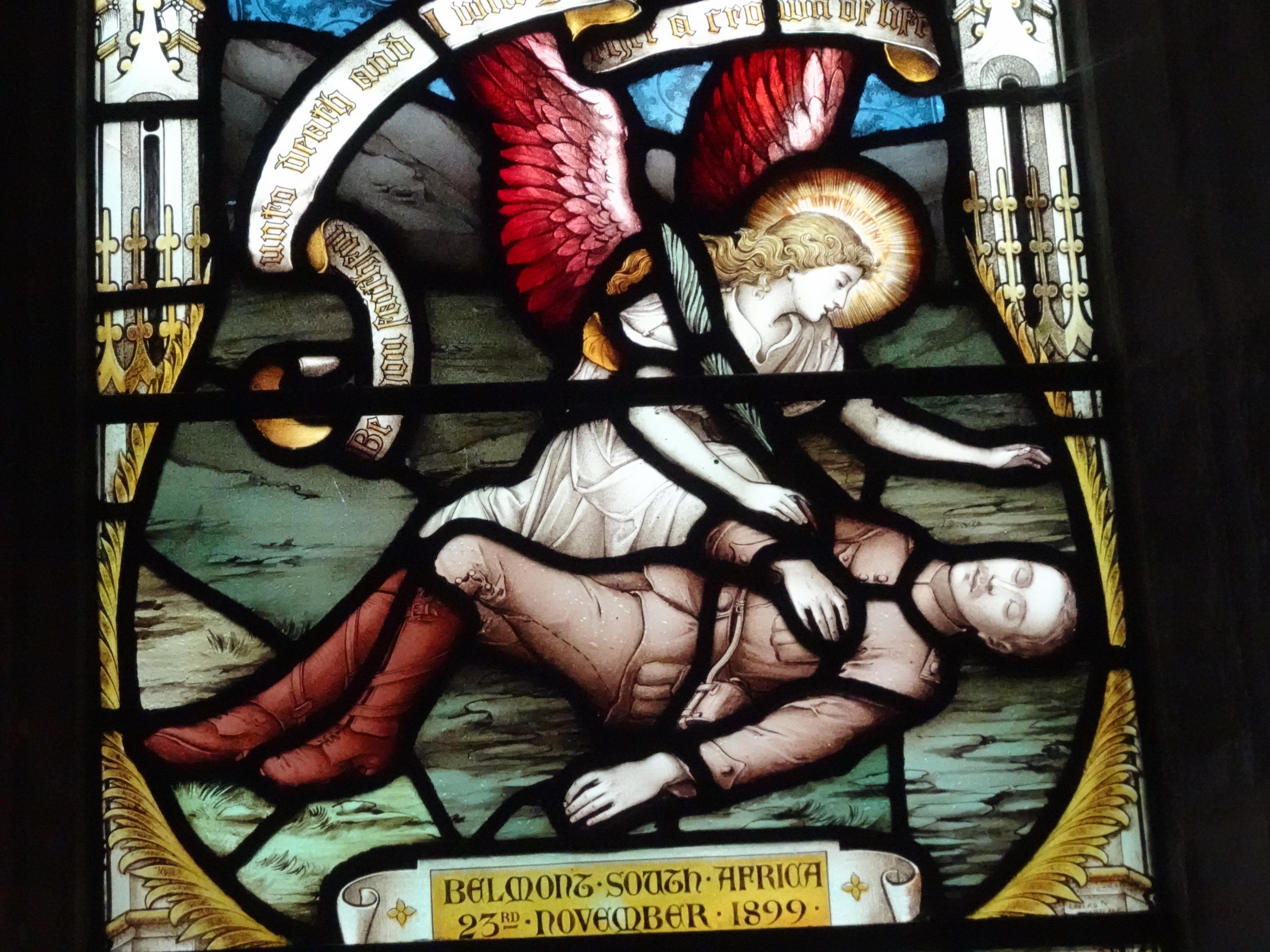
There are so many more memorials I could point out, but the one I will leave with is the beautiful stained‑glass window dedicated to members of the Brine family. It remembers three members of the family, but one of whom has a particularly beautiful rendition of the soldier Lieutenant Robert Walter Maxwell Brine being killed in the Boer War and being accompanied by an angel. The 24‑year‑old served with the Northumberland Fusiliers and was killed at Belmont. He was actually killed by a Boer who was flying a white flag at the time. Lieutenant Brine was not the only victim of this treachery, Lieutenant Blundell-Hollinshead-Blundell was also killed by the same Boer whilst medically attending a wounded Boer soldier. Lieutenant Brine was already a veteran from Kitchener’s 1898 Nile Expedition, where he had been decorated. Belmont was one of the early battles illustrating that the British were ill‑prepared for the well‑armed and mobile Boers. Two thousand Boers were dug in and entrenched. The Guards Brigade, which included the Northumberland Fusiliers, were ordered to outflank and assault the Boers, only to get lost with faulty maps and discover themselves in front of the Boer positions. By the time the British got to the entrenchments, the Boers had mounted and retreated, and repeated the process. Buried in South Africa, a stained‑glass window was one way to keep their son’s memory alive and sacrifice honoured. Sadly, not everyone could afford such an ostentatious memorial, and the lack of care and thought given to the British fallen in the Boer War would be a prime motivation for the creation of the Imperial War Graves Commission in the First World War.

Admiral Villeneuve

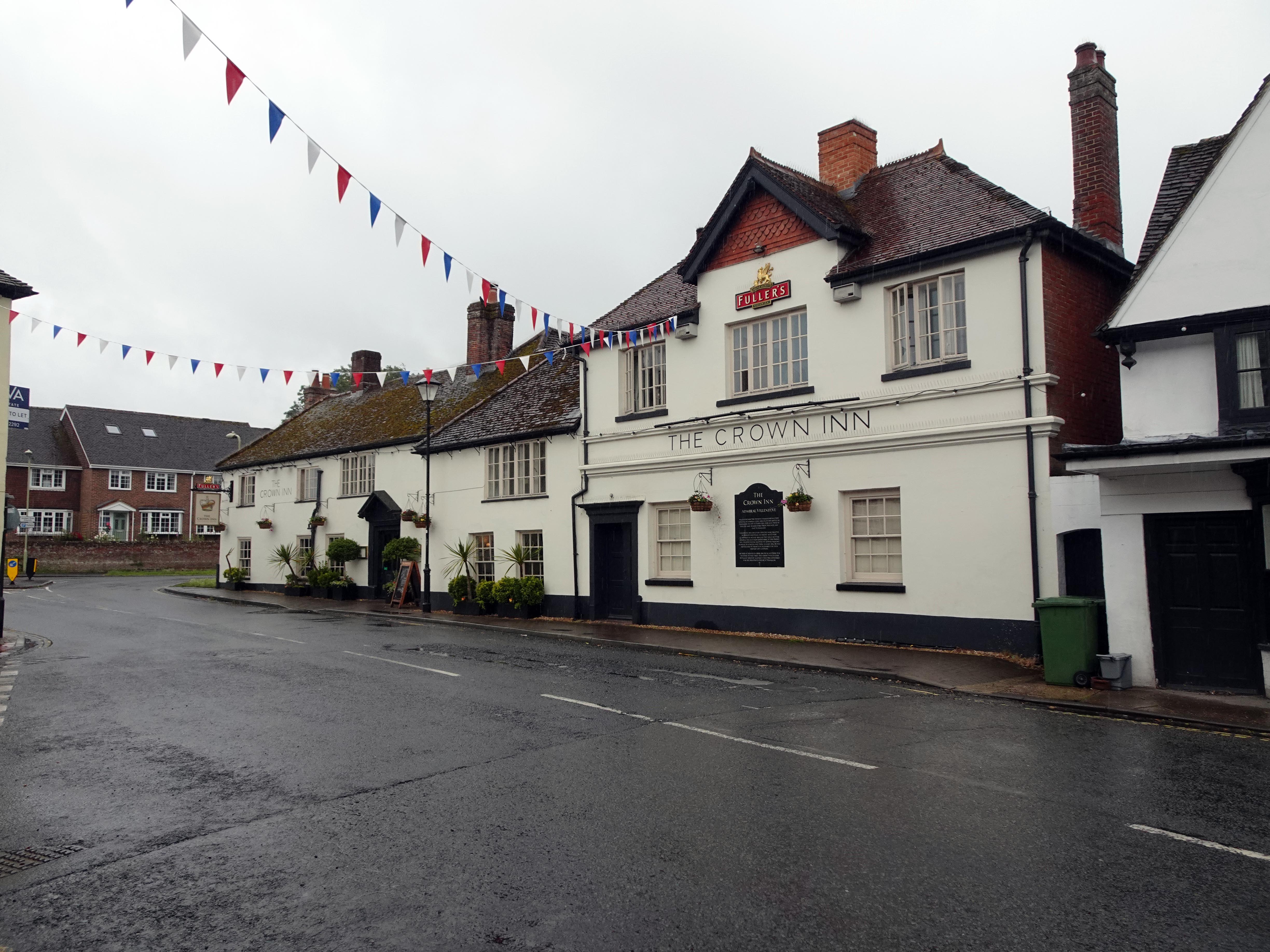
From the church we headed through the very pretty town of Bishop’s Waltham, with the rain still falling, sadly. We were headed to the Bishop’s Palace but stopped off at the Crown Inn, which once had a very important guest indeed — if a reluctant one. Here apparently lodged Admiral Villeneuve, the commander of the French fleet, after his capture at the Battle of Trafalgar in 1805. He and 200 officers were offered parole in Bishop’s Waltham after surrendering their swords and giving their word that they would not abscond. The following year he was exchanged for British naval captains in a prisoner swap. This was possibly not the smartest move of Admiral Villeneuve, and he may have preferred to have stayed in England. Within weeks of his return he was stabbed multiple times in the chest. The official verdict was an unlikely suicide — far too many stabs to keep on doing it to yourself. It is more believable that he was ordered murdered by Napoleon due to his disastrous defeat at Trafalgar.
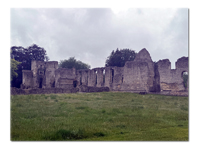
Bishop’s Palace

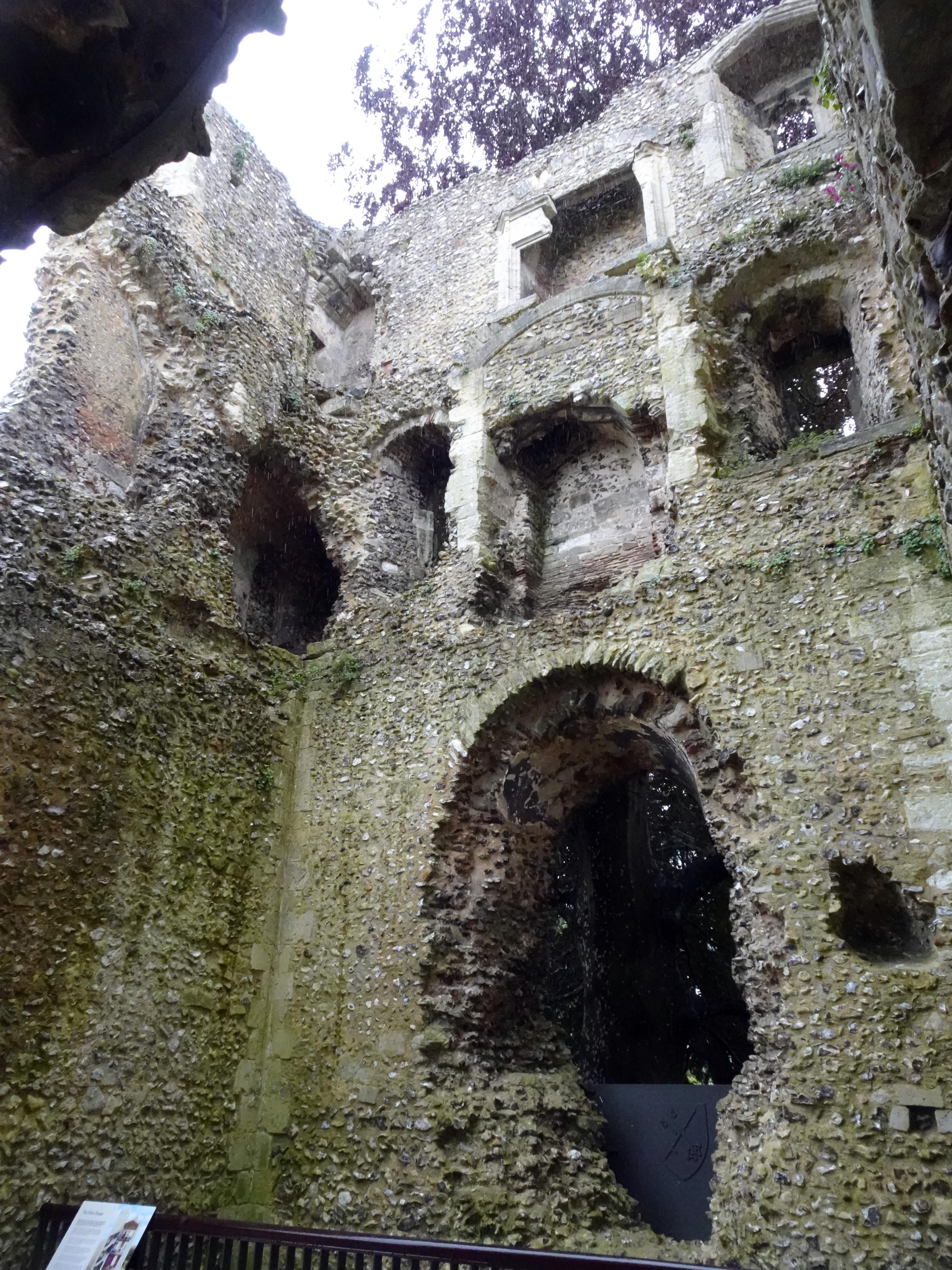
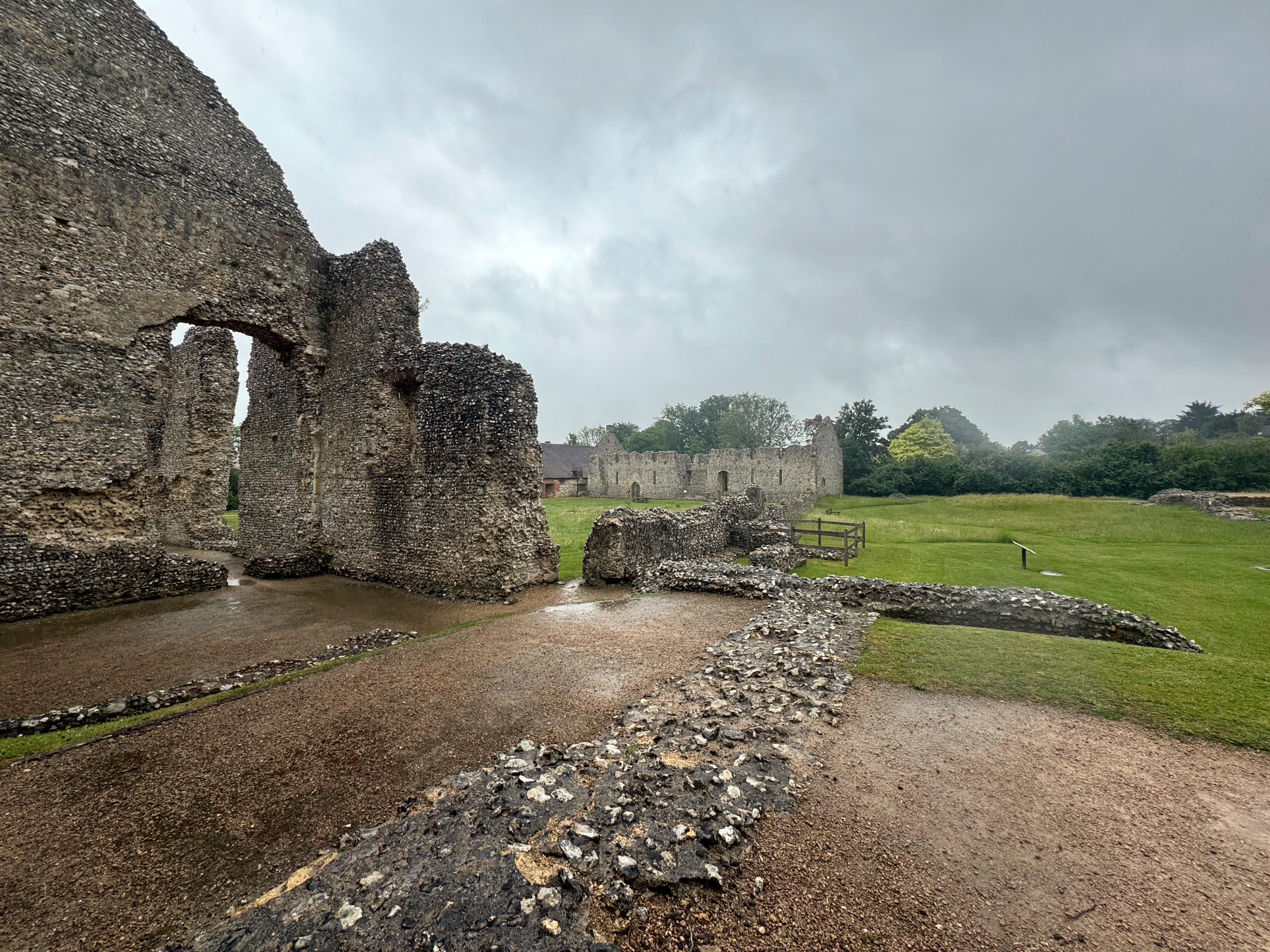
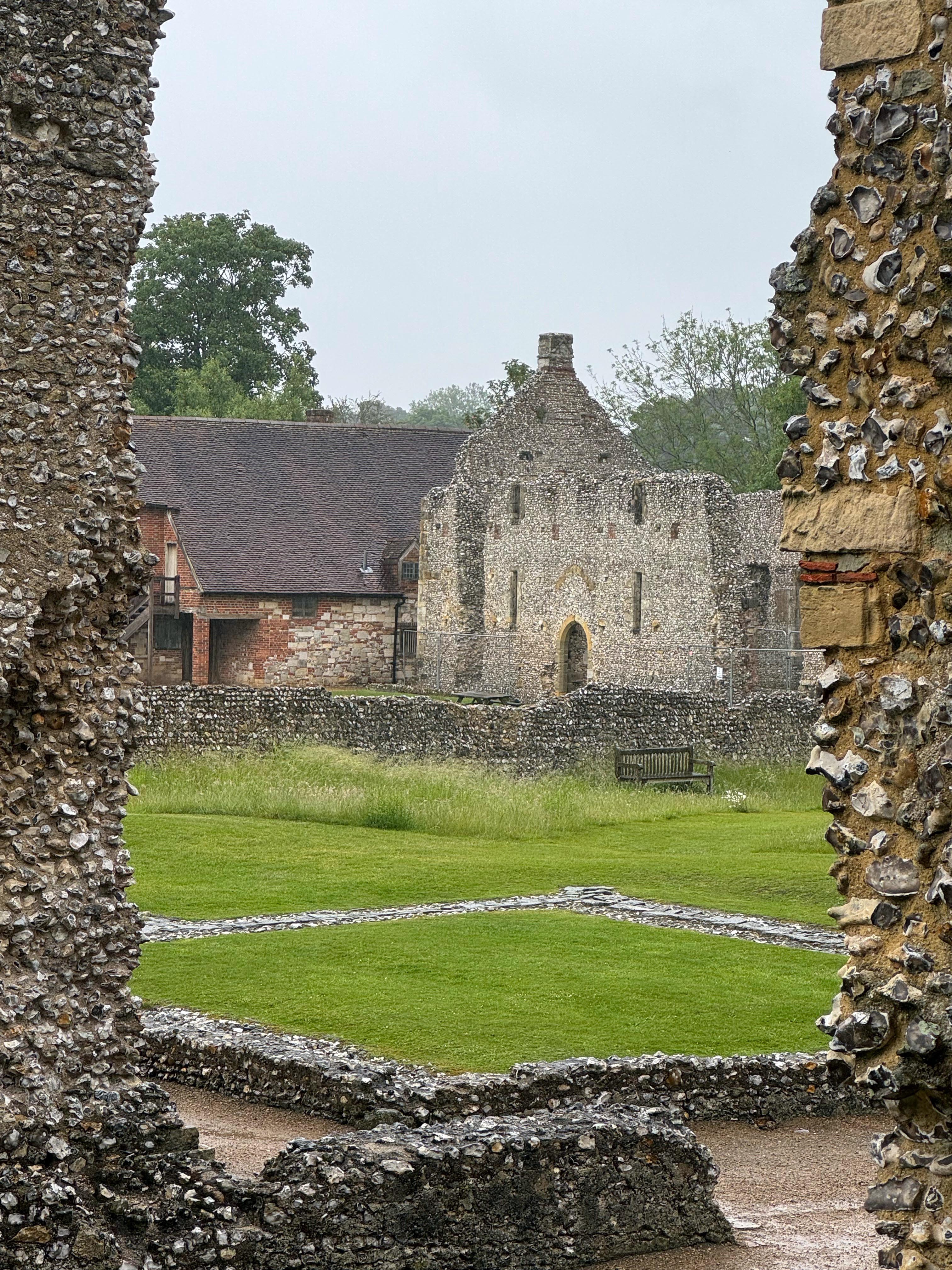
Eventually we got to the Bishop’s Palace, which gives Bishop’s Waltham its name and indeed is the reason for its importance. The palace dates from the twelfth century during the reign of Henry I, when his nephew Henry of Blois (grandson of William the Conqueror and brother of the later King Stephen) was made Bishop of Winchester. This in itself neatly illustrates how the Normans were taking secular and ecclesiastical roles to dominate their newly conquered realm. This was to be a summer palace for the Bishop of Winchester, and given his wealth and status it really was a palace indeed. There was a little hiccup for Bishop Henry of Blois when his brother died and Matilda’s son took the throne as Henry II. He disappeared to France for a few years before eventually being permitted to return. The palace eventually became one of the largest residences in the south of England. It even survived the Reformation due to the continuation of the bishops. Sadly, it did not survive the Civil War, as the King’s forces were besieged and surrendered to the Parliamentary forces here. Parliament had less love for bishops and it was left to rot during the Commonwealth. It was handed back to the Bishopric of Winchester with the Restoration, but by then it was in too bad a state of disrepair except for some of the old lodgings, which were turned into a farmhouse. As mentioned before, Admiral Cunningham was instrumental in saving the ruins and having them pass into official guardianship in 1952 when he lived pretty much next door to them. They are now maintained by English Heritage, who were doing a sterling job cutting the grass in the terrible rain. And best of all, it is free for anyone to visit. I am always happy when our heritage is made as widely available as possible. This complex could have been lost to the nation, but fortunately its importance was identified and now we can all begin to understand why Bishop’s Waltham is called Bishop’s Waltham. We can also see with our own eyes the wealth and power that used to be wielded by the church. This is part of our island story and an important part at that.

It was becoming a bit torrential by this time. Rupert in particular thought that it was time to go home. As we passed a pet shop, its owner thought that Rupert was looking a bit pathetic and showered him with much‑needed treats. We then headed back to Swanmore as directly as we could. We were wet, but we had still packed a lot of history into our slightly curtailed walk.

Location of Walk

Click for OS Map of Area

Links

Swanmore Parish Council – Quaker Burial Ground
Local history of the seventeenth‑century Quaker burial ground in Swanmore

Historic England – Church of St Peter, Bishop’s Waltham
Grade II* listing with architectural and historical details of the parish church

St Peter’s Church – Parish History
Local history including Saxon origins, Civil War relics, and wartime use

English Heritage – Bishop’s Waltham Palace
Visitor information for the medieval palace ruins preserved through Admiral Cunningham’s efforts

Historic England – Bishop’s Waltham Palace
Scheduled Monument entry for the palace complex and grounds

HMS Hood Association – Admiral Andrew Browne Cunningham
Detailed biography of “ABC”, Commander‑in‑Chief Mediterranean Fleet during WWII

The Independent – Obituary: Admiral Sir David Hallifax
Obituary of the senior naval officer who served as Chief of Staff during the Falklands Campaign

Schrödinger’s Admiral – The Curious Case of Pierre‑Charles Villeneuve
Article examining the mysterious death of the French admiral paroled at Bishop’s Waltham after Trafalgar

Battlefields Trust – Battle of Cheriton (1644)
Overview of the key Parliamentarian victory fought north of Bishop’s Waltham during the Civil War

Encyclopaedia Britannica – St Boniface
Biography of Wynfrith of Crediton, linked to early Christian Waltham

Bishop’s Waltham Society – Local History
Local history of the town, its buildings, and notable residents compiled by the Bishop’s Waltham Society

Suggested Reading

Adair, John – Cheriton 1644: The Campaign and the Battle

Braithwaite, William C. – The Beginnings of Quakerism

Cunningham, A. B. – A Sailor’s Odyssey

Lloyd, David W. – The Churches of Hampshire

Mee, Arthur – The King’s England: Hampshire

Page, William (ed.) – Victoria County History: Hampshire

Taylor, Christopher – Village and Farmstead: A History of Rural Settlement in England

More Walks

Walks by the Westcountry Walker

Walks in Cornwall

Walks in Devon

Walks in Somerset

Walks in Hampshire

Walks in Wiltshire

Swanmore Friends Burial Ground sign listing seventeenth‑century Quaker burials and later ashes Roe deer standing alert among tall summer grass in the meadows near Bishop’s Waltham Approaching Bishop’s Waltham on the quiet lane from Swanmore after rain Exterior of St Peter’s Church, Bishop’s Waltham, showing the flint tower and churchyard path lined with old gravestones
Swanmore Friends Burial Ground sign listing seventeenth‑century Quaker burials and later ashes. Roe deer standing alert among tall summer grass in the meadows near Bishop’s Waltham. Approaching Bishop’s Waltham on the quiet lane from Swanmore after rain. Exterior of St Peter’s Church, Bishop’s Waltham, showing the flint tower and churchyard path lined with old gravestones.
View from the gallery of St Peter’s Church, Bishop’s Waltham, showing the nave and chancel beneath the timber roof South arcade of St Peter’s Church, Bishop’s Waltham, with stone arches and stained glass of St George and St Michael North arcade of St Peter’s Church, Bishop’s Waltham, viewed from the gallery with pews and meeting area below Interior of St Peter’s Church, Bishop’s Waltham, showing the chancel, pulpit, and stained glass east window
View from the gallery of St Peter’s Church, Bishop’s Waltham, showing the nave and chancel beneath the timber roof. South arcade of St Peter’s Church, Bishop’s Waltham, with stone arches and stained glass of St George and St Michael. North arcade of St Peter’s Church, Bishop’s Waltham, viewed from the gallery with pews and meeting area below. Interior of St Peter’s Church, Bishop’s Waltham, showing the chancel, pulpit, and stained glass east window.
Timber roof of St Peter’s Church, Bishop’s Waltham, viewed from the nave showing the intricate arching beams and chancel beyond Stained glass window in St Peter’s Church, Bishop’s Waltham, depicting biblical figures in richly coloured panels with a model of the church below Brass memorial plaque to Major Andrew Buchanan King, Argyll and Sutherland Highlanders, who died in 1915 at Hazebrouck Altar and east window of St Peter’s Church, Bishop’s Waltham, showing the crucifixion scene in stained glass and the modern altar frontal with gold cross
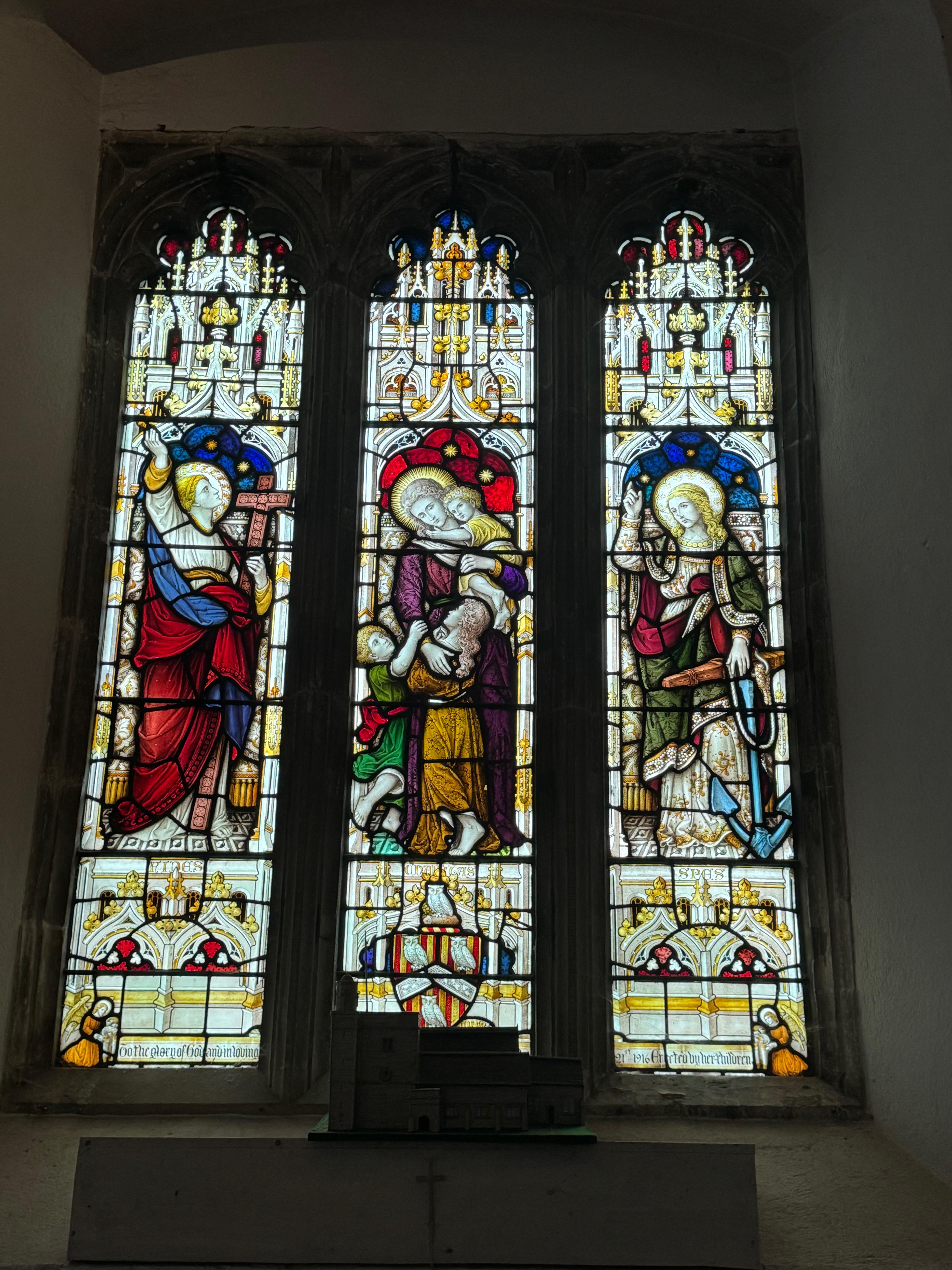
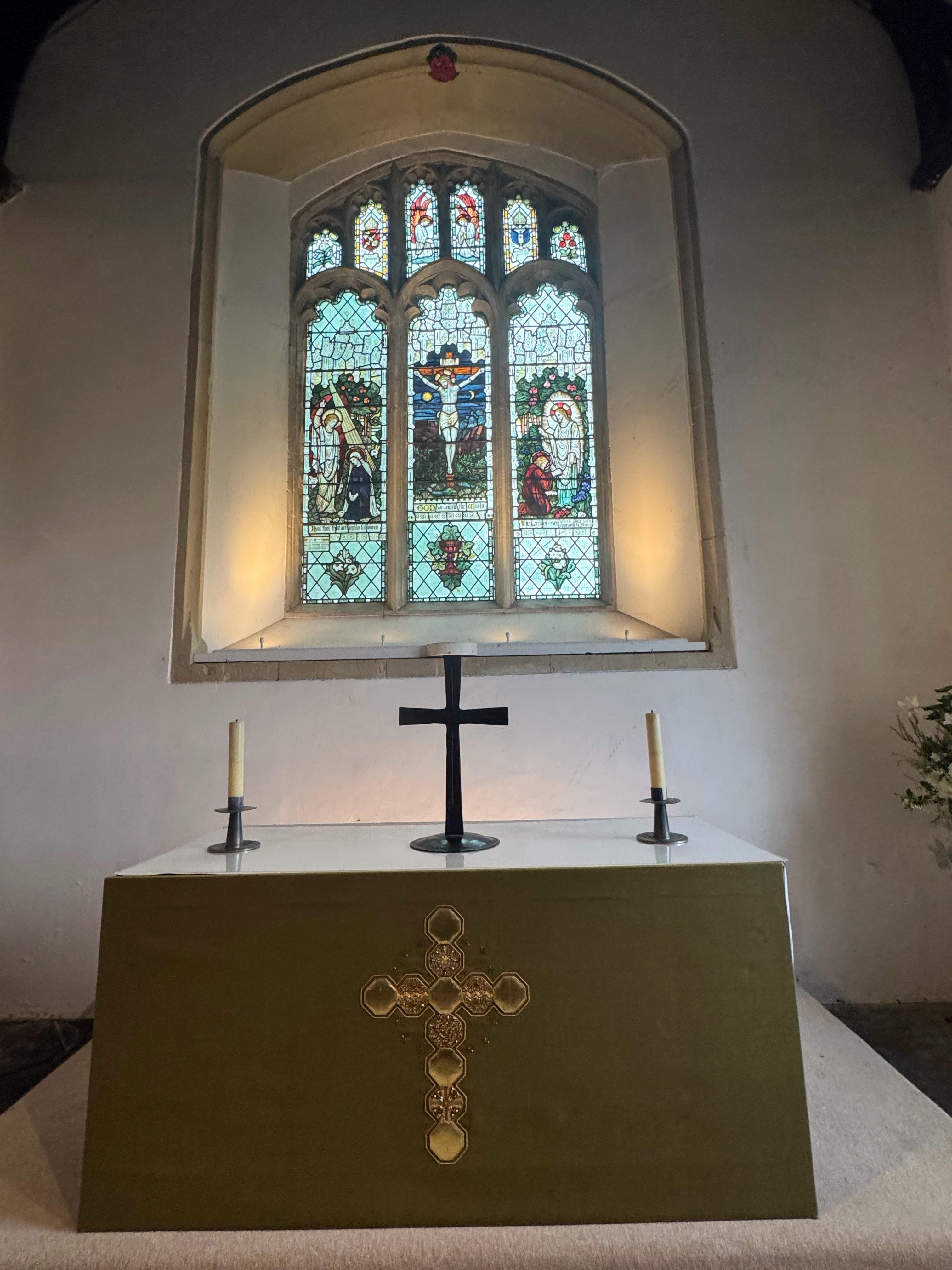
Timber roof of St Peter’s Church, Bishop’s Waltham, viewed from the nave showing the intricate arching beams and chancel beyond. Stained glass window in St Peter’s Church, Bishop’s Waltham, depicting biblical figures in richly coloured panels with a model of the church below. Brass memorial plaque to Major Andrew Buchanan King, Argyll and Sutherland Highlanders, who died in 1915 at Hazebrouck. Altar and east window of St Peter’s Church, Bishop’s Waltham, showing the crucifixion scene in stained glass and the modern altar frontal with gold cross.
Marble wall tablet commemorating Vice‑Admiral Edward Griffith Colpoys K.C.B. and his son Commander John Edward Griffith Colpoys, Royal Navy Memorial to Commander Henry Maxwell Griffith Colpoys, Royal Navy, lost at sea in 1833 when H.M. Packet Campos disappeared after sailing from Halifax Open‑book memorial tablet to Captain Charles Richards R.N., C.B., who died in 1844 after thirty‑three years of naval service Brass plaque to Midshipman Robin George Bruce (‘Chips’) Giffard, killed aboard H.M.S. Invincible in the Battle of Jutland, 1916
Marble wall tablet commemorating Vice‑Admiral Edward Griffith Colpoys K.C.B. and his son Commander John Edward Griffith Colpoys, Royal Navy. Memorial to Commander Henry Maxwell Griffith Colpoys, Royal Navy, lost at sea in 1833 when H.M. Packet Campos disappeared after sailing from Halifax. Open‑book memorial tablet to Captain Charles Richards R.N., C.B., who died in 1844 after thirty‑three years of naval service. Brass plaque to Midshipman Robin George Bruce (‘Chips’) Giffard, killed aboard H.M.S. Invincible in the Battle of Jutland, 1916.
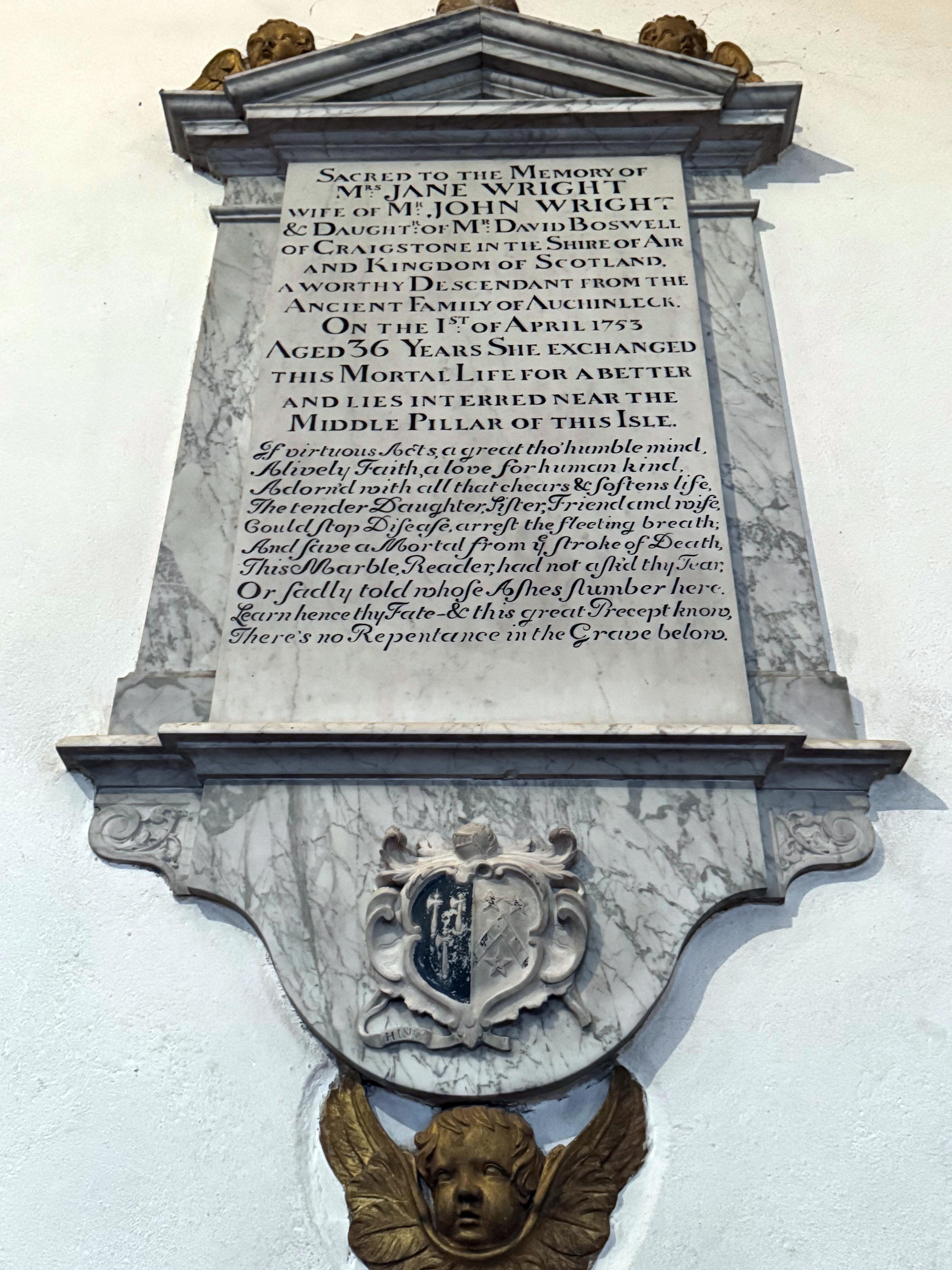
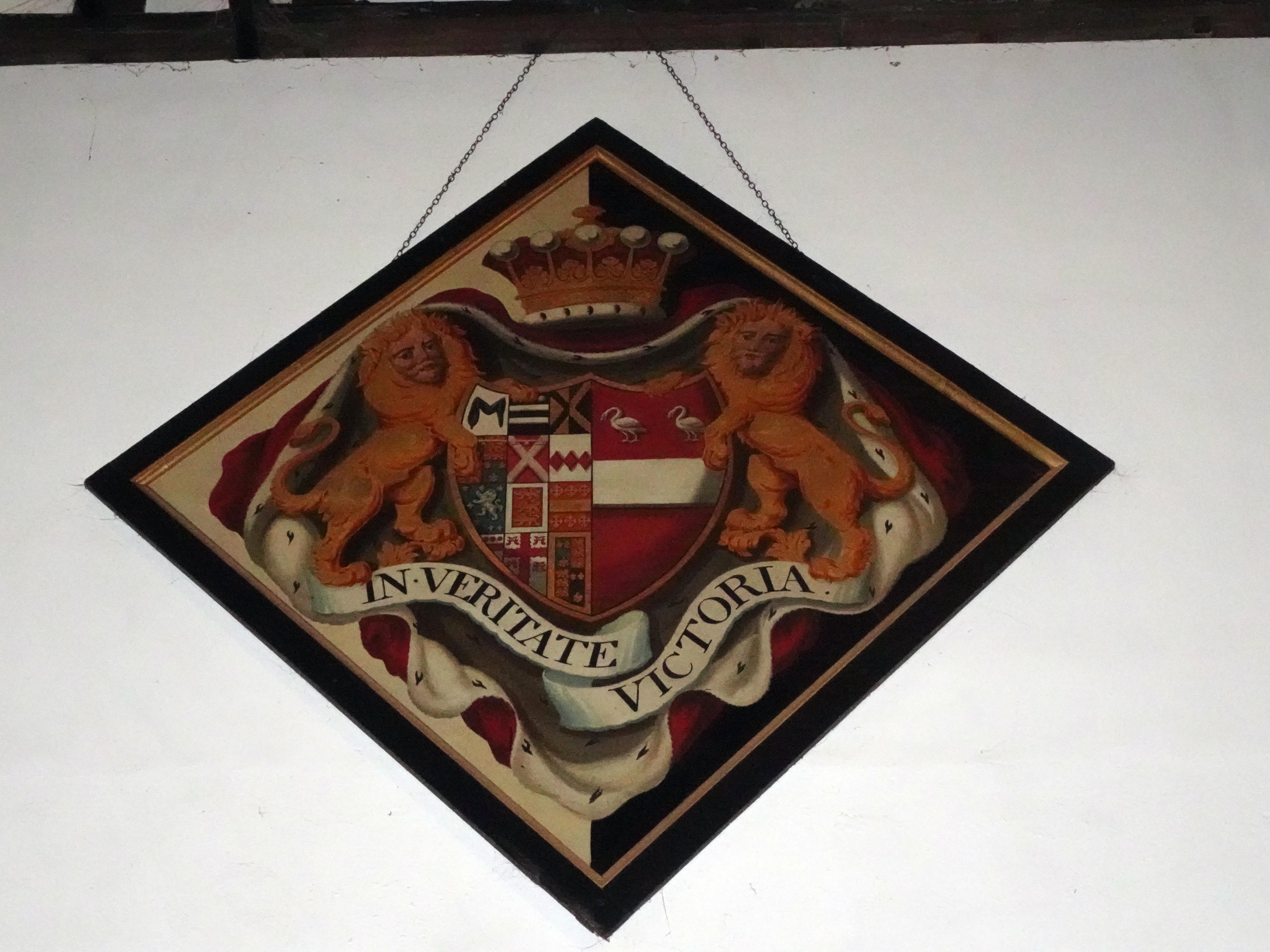
Brass plaque commemorating Captain John Hugh Gunner, Hampshire Carabiniers Yeomanry, killed in action near Ypres in 1918 Memorial to Brigadier General Edward Gunner, Royal Artillery, born 1854 and died 1921, inscribed ‘Pass Friend. All’s Well.’ Marble monument to Mrs Jane Wright (1753), wife of John Wright and daughter of David Boswell of Craigstone, Scotland, with cherub and coat of arms Painted hatchment bearing the motto ‘In Veritate Victoria’ and a heraldic shield supported by two lions inside St Peter’s Church, Bishop’s Waltham
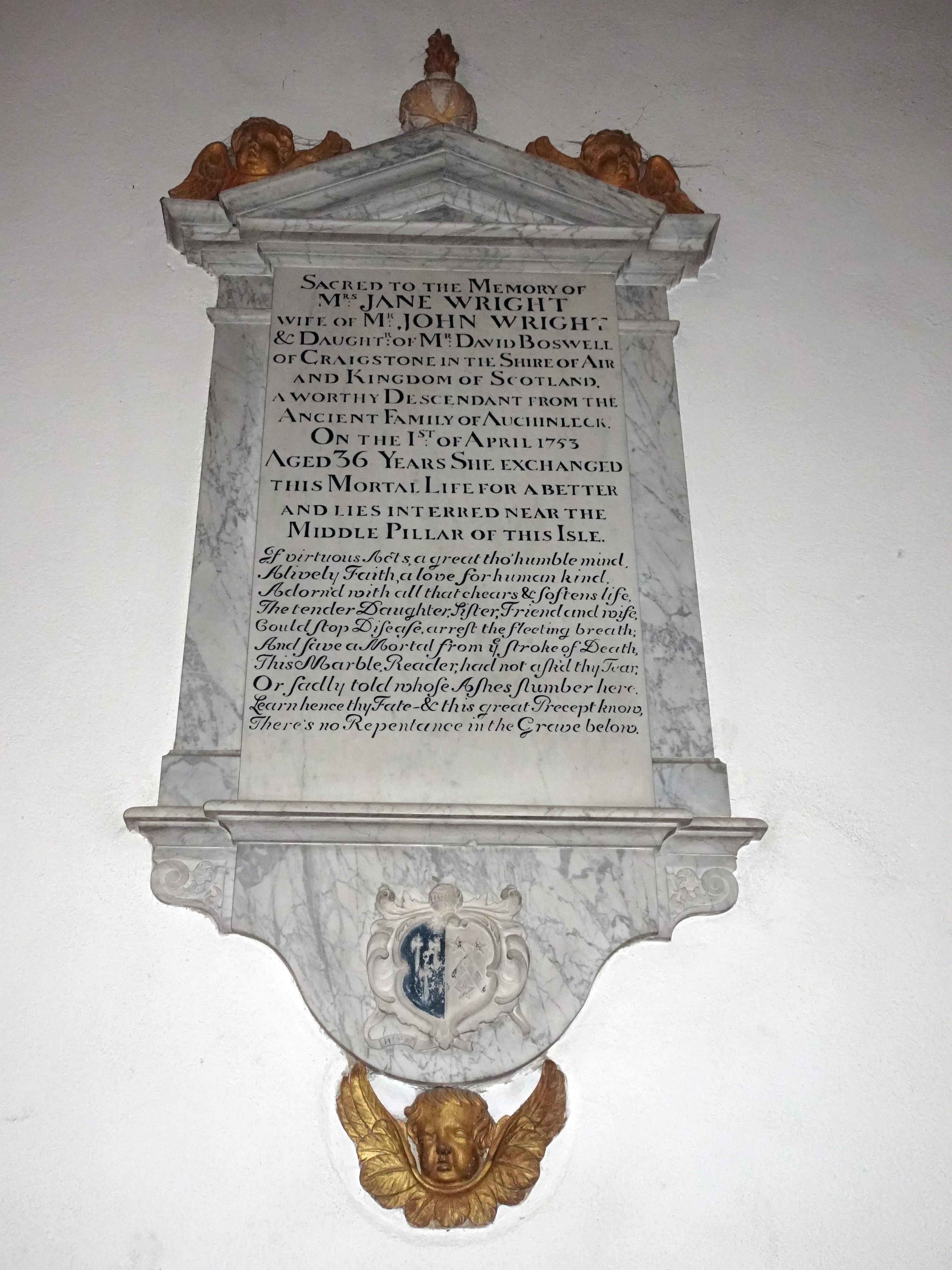
Brass plaque commemorating Captain John Hugh Gunner, Hampshire Carabiniers Yeomanry, killed in action near Ypres in 1918. Memorial to Brigadier General Edward Gunner, Royal Artillery, born 1854 and died 1921, inscribed ‘Pass Friend. All’s Well.’ Marble monument to Mrs Jane Wright (1753), wife of John Wright and daughter of David Boswell of Craigstone, Scotland, with cherub and coat of arms. Painted hatchment bearing the motto ‘In Veritate Victoria’ and a heraldic shield supported by two lions inside St Peter’s Church, Bishop’s Waltham.
Carved stone coat of arms in St Peter's Church, Bishop's Waltham, showing crossed sword and key, a cross with roses, and a dragon upon a barrel Memorial plaques to Admiral Sir David Hallifax K.C.B. K.C.V.O. K.B.E. and Admiral of the Fleet Viscount Cunningham of Hyndhope K.T. G.C.B. O.M. D.S.O. and his wife Nona Marble monument to Mrs Jane Wright (1753), wife of John Wright and daughter of David Boswell of Craigstone, Scotland, with cherub and coat of arms Framed Roll of Honour listing parishioners of Bishop's Waltham who fell in the World Wars of 1914–18 and 1939–45
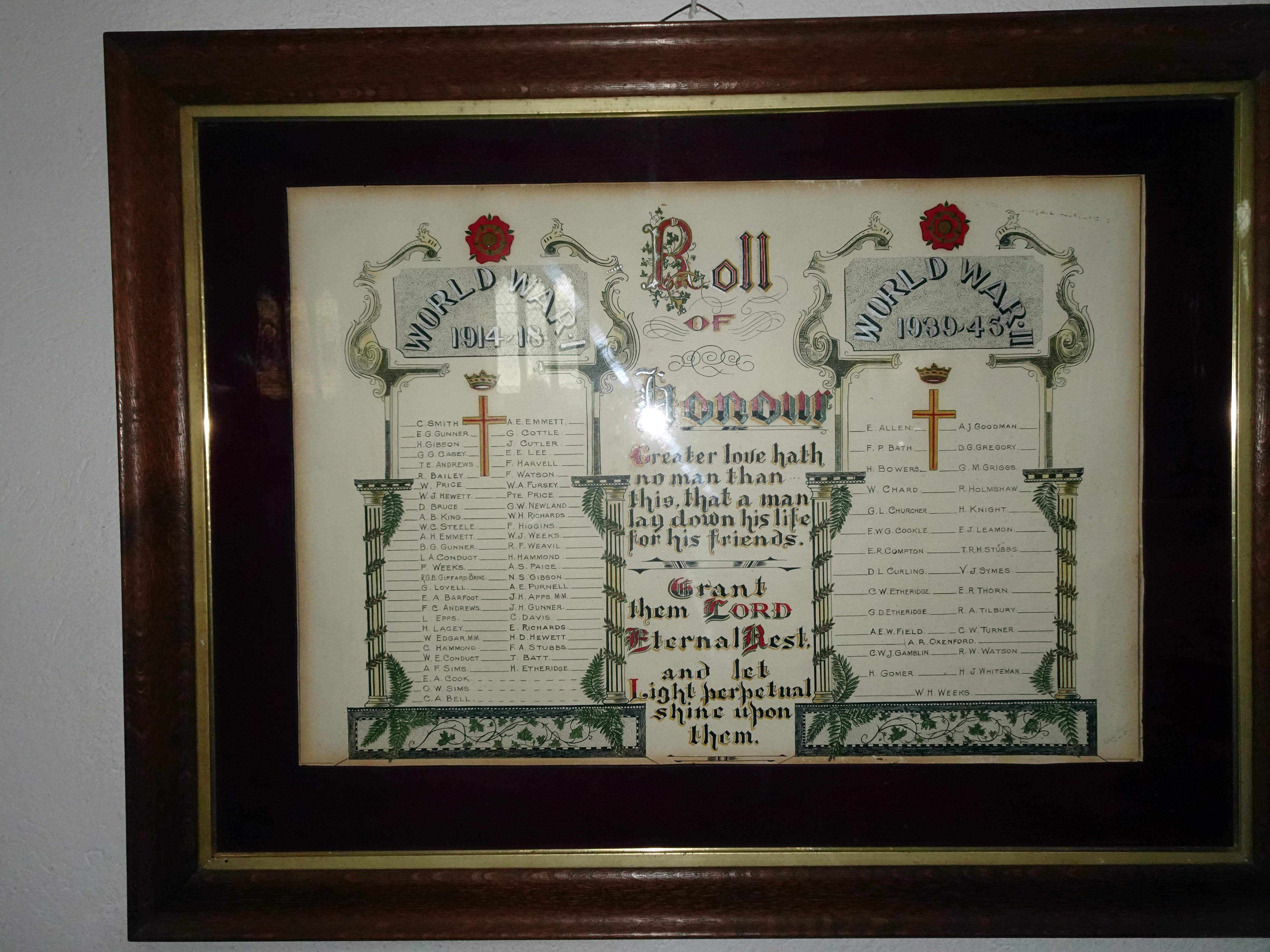
Carved stone coat of arms in St Peter's Church, Bishop's Waltham, showing crossed sword and key, a cross with roses, and a dragon upon a barrel. Memorial plaques to Admiral Sir David Hallifax K.C.B. K.C.V.O. K.B.E. and Admiral of the Fleet Viscount Cunningham of Hyndhope K.T. G.C.B. O.M. D.S.O. and his wife Nona. Marble monument to Mrs Jane Wright (1753), wife of John Wright and daughter of David Boswell of Craigstone, Scotland, with cherub and coat of arms. Framed Roll of Honour listing parishioners of Bishop's Waltham who fell in the World Wars of 1914–18 and 1939–45.
Brass plaque commemorating Captain John Hugh Gunner, Hampshire Carabiniers Yeomanry, killed in action near Ypres on 9 August 1918 aged 34 Marble memorial to Admiral George A. Giffard C.M.G. and his family, including Commander Frederic Giffard D.S.O. and Charlie Giffard, Royal Navy Brass plaque in memory of Elsie Gertrude Gunner, who died at Ahmednagar on 18 April 1884 aged two and a half years Stained glass east window of St Peter's Church, Bishop's Waltham, depicting biblical scenes and memorial inscriptions to Frederic Bruce King and the Windsor family
Brass plaque commemorating Captain John Hugh Gunner, Hampshire Carabiniers Yeomanry, killed in action near Ypres on 9 August 1918 aged 34. Marble memorial to Admiral George A. Giffard C.M.G. and his family, including Commander Frederic Giffard D.S.O. and Charlie Giffard, Royal Navy. Brass plaque in memory of Elsie Gertrude Gunner, who died at Ahmednagar on 18 April 1884 aged two and a half years. Stained glass east window of St Peter's Church, Bishop's Waltham, depicting biblical scenes and memorial inscriptions to Frederic Bruce King and the Windsor family.
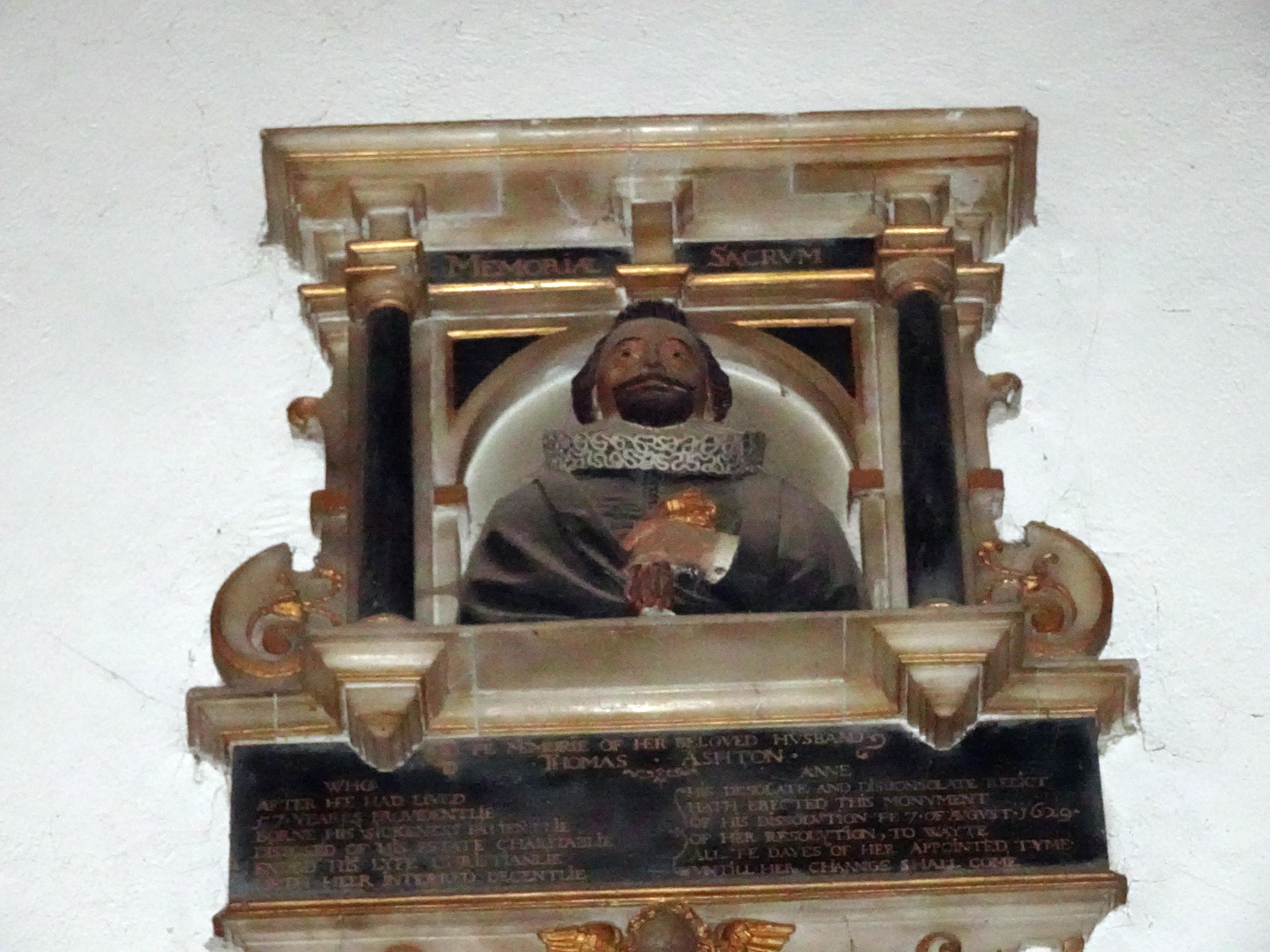
Detail of stained glass window in St Peter's Church, Bishop's Waltham, showing an angel comforting a fallen soldier at Belmont, South Africa, 23 November 1899 Carved wooden pulpit of St Peter's Church, Bishop's Waltham, with canopy and hymn board, dating from the seventeenth century restoration Wall of memorial tablets in St Peter's Church, Bishop's Waltham, commemorating parishioners from the eighteenth to twentieth centuries Painted monument to Thomas Ashton, dated 1629, showing his bust within an architectural frame with gold detailing and Latin inscription
Detail of stained glass window in St Peter's Church, Bishop's Waltham, showing an angel comforting a fallen soldier at Belmont, South Africa, 23 November 1899. Carved wooden pulpit of St Peter's Church, Bishop's Waltham, with canopy and hymn board, dating from the seventeenth century restoration. Wall of memorial tablets in St Peter's Church, Bishop's Waltham, commemorating parishioners from the eighteenth to twentieth centuries. Painted monument to Thomas Ashton, dated 1629, showing his bust within an architectural frame with gold detailing and Latin inscription.
Memorial tablet to Mary Kerby and Robert Kerby, early eighteenth century, with heraldic arms and carved skull motifs in St Peter's Church, Bishop's Waltham Marble wall monument to Richard Biggs, his wife Ursula, and their son Richard, dated 1749, inscribed 'Fear God. Honour the King.' Ancient baptismal font in St Peter's Church, Bishop's Waltham, carved from rough stone and mounted on a modern pedestal with wooden cover South porch doorway of St Peter's Church, Bishop's Waltham, with flint walls, carved stone arch, and bright red wooden door with black ironwork
Memorial tablet to Mary Kerby and Robert Kerby, early eighteenth century, with heraldic arms and carved skull motifs in St Peter's Church, Bishop's Waltham. Marble wall monument to Richard Biggs, his wife Ursula, and their son Richard, dated 1749, inscribed 'Fear God. Honour the King.' Ancient baptismal font in St Peter's Church, Bishop's Waltham, carved from rough stone and mounted on a modern pedestal with wooden cover. South porch doorway of St Peter's Church, Bishop's Waltham, with flint walls, carved stone arch, and bright red wooden door with black ironwork.
Carved stone head of a crowned king on the south porch of St Peter's Church, Bishop's Waltham, showing detailed beard and curls against flint walling Carved stone head of a queen or noblewoman on the south porch of St Peter's Church, Bishop's Waltham, with crown and stylised facial features Narrow lane in Bishop's Waltham lined with historic cottages, climbing roses, and hanging pub sign for The Three Tuns Grapes Quiet residential street in Bishop's Waltham with Georgian houses, cobbled pavements, and potted plants along the walls
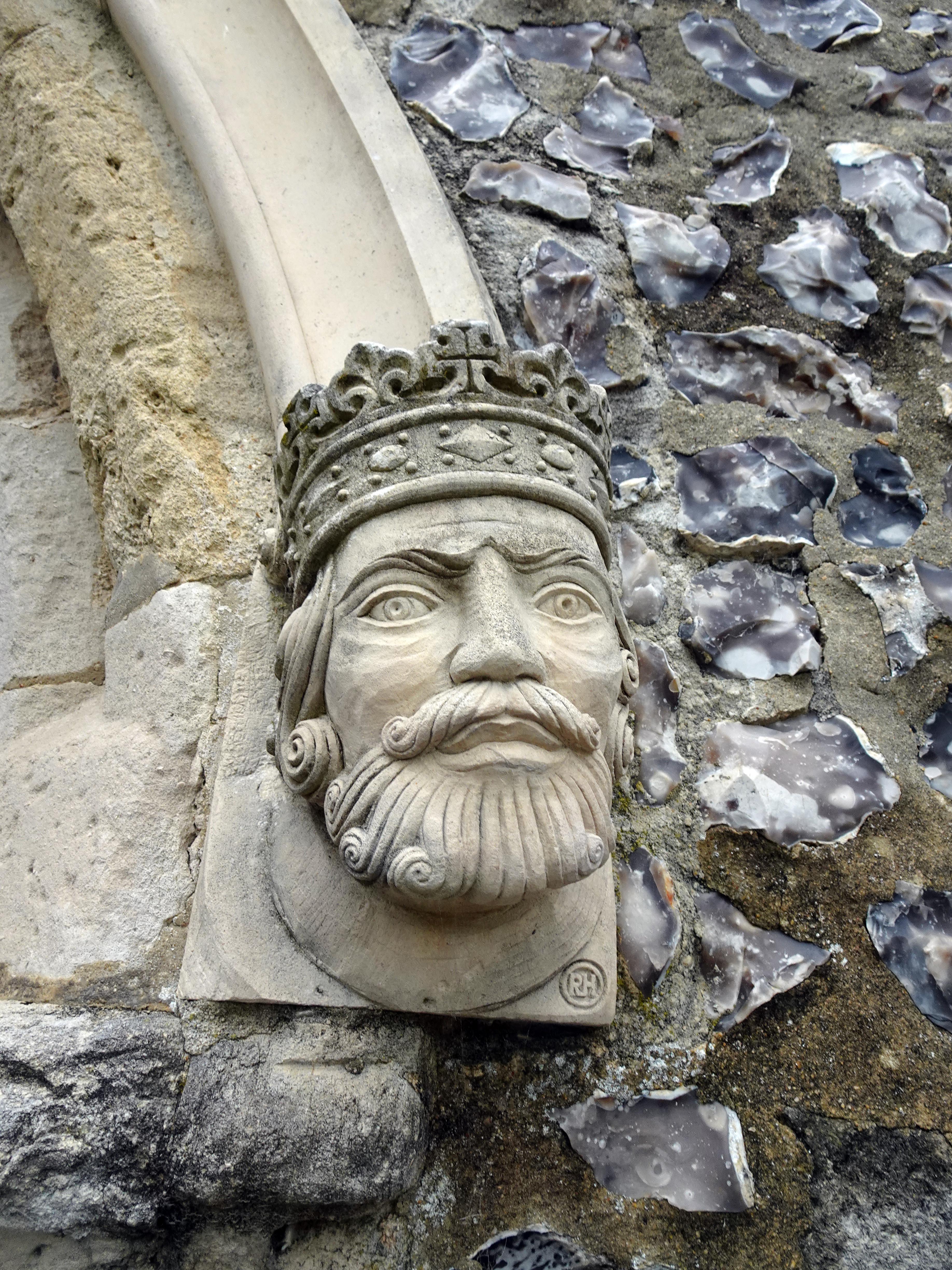
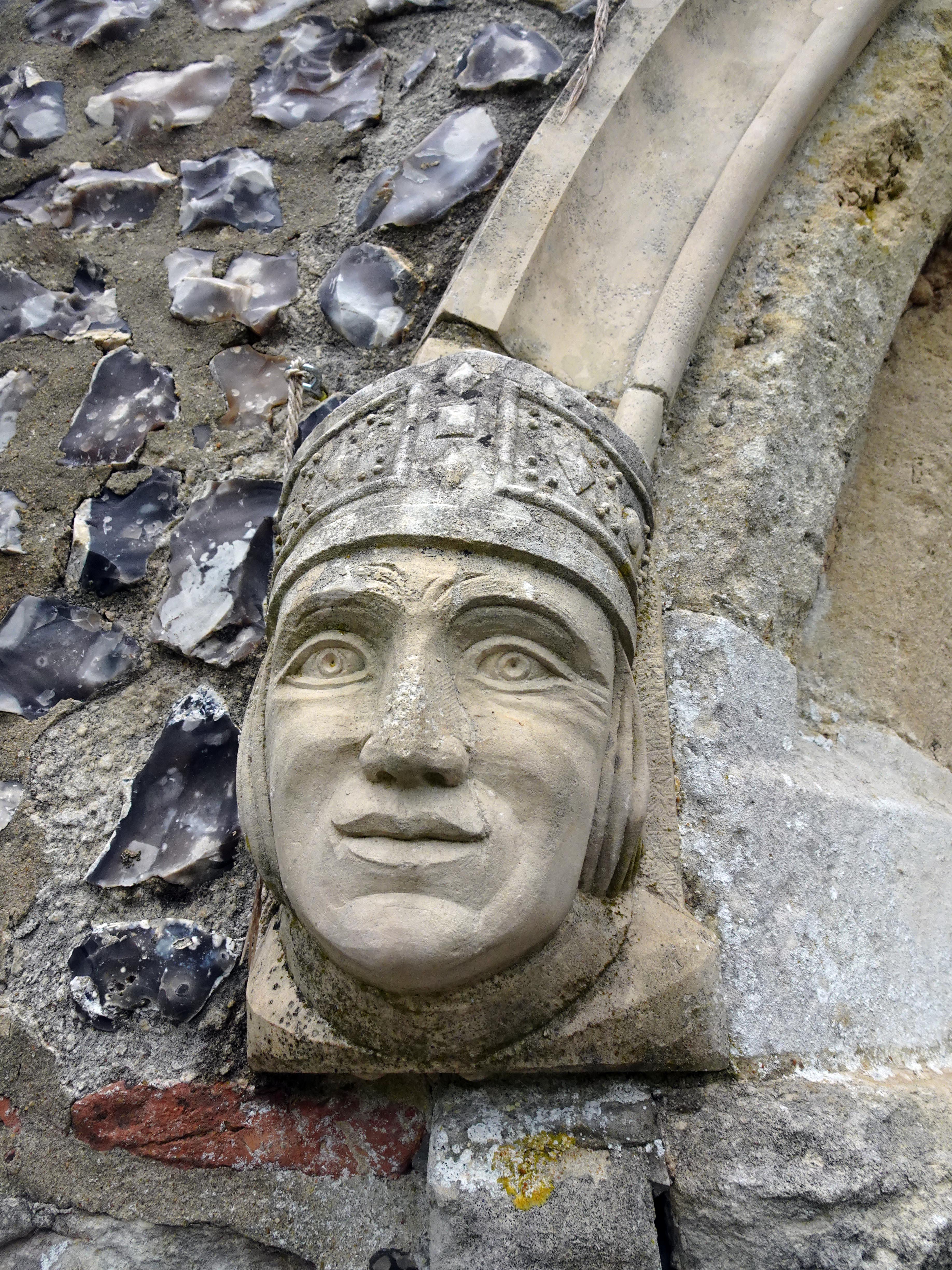
Carved stone head of a crowned king on the south porch of St Peter's Church, Bishop's Waltham, showing detailed beard and curls against flint walling. Carved stone head of a queen or noblewoman on the south porch of St Peter's Church, Bishop's Waltham, with crown and stylised facial features. Narrow lane in Bishop's Waltham lined with historic cottages, climbing roses, and hanging pub sign for The Three Tuns Grapes. Quiet residential street in Bishop's Waltham with Georgian houses, cobbled pavements, and potted plants along the walls.
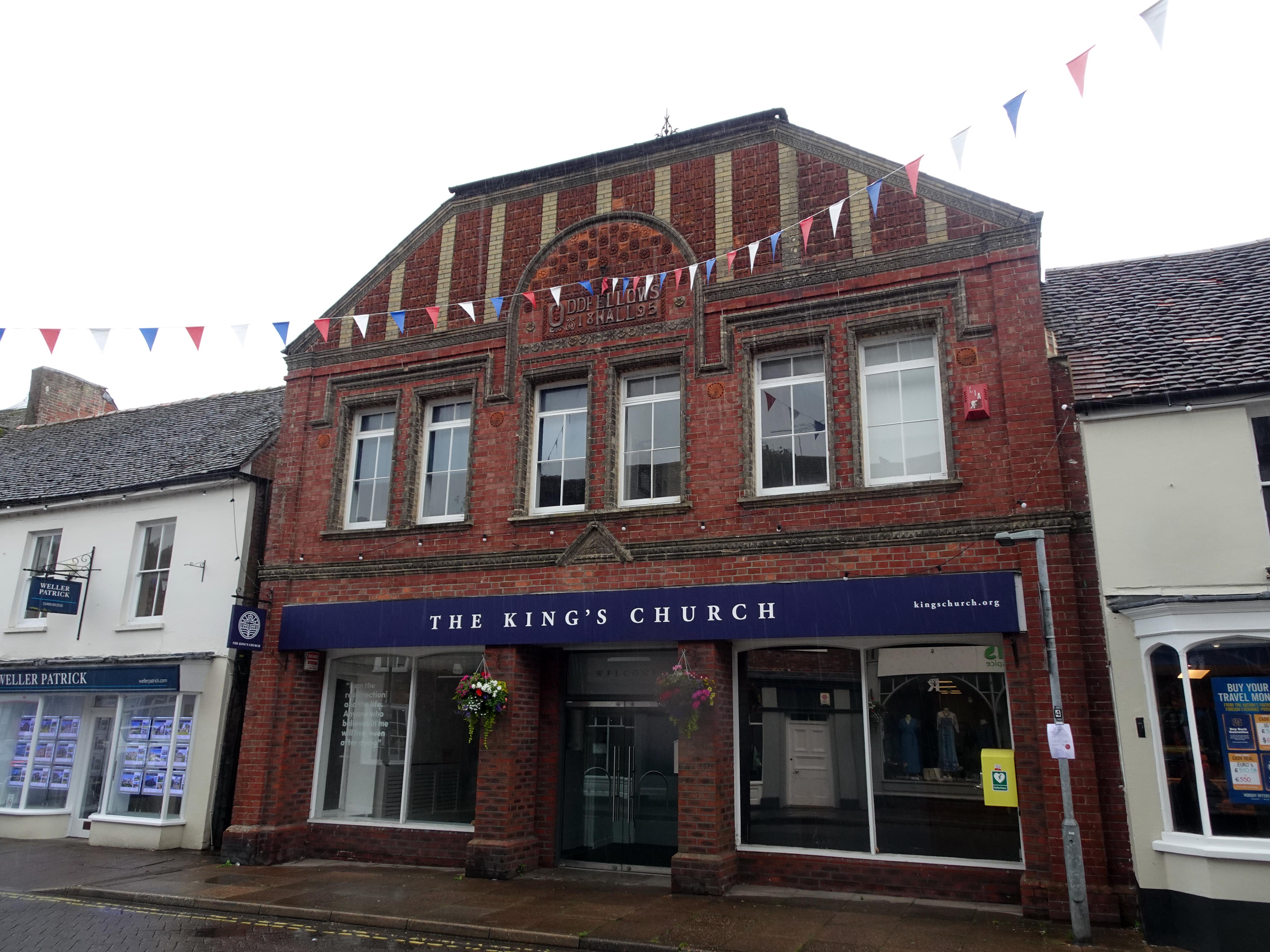
Timber-framed Tudor buildings on Bank Street, Bishop's Waltham, including the former town hall with projecting upper storey and tiled roof Oddfellows Hall, Bishop's Waltham, built in 1895 and now occupied by The King's Church, with red brick façade and decorative patterned brickwork The Crown Inn, Bishop's Waltham, a historic coaching inn associated with Admiral Villeneuve, featuring white façade and hanging bunting Commemorative plaque on The Crown Inn, Bishop's Waltham, describing Admiral Villeneuve's stay after the Battle of Trafalgar in 1805
Timber-framed Tudor buildings on Bank Street, Bishop's Waltham, including the former town hall with projecting upper storey and tiled roof. Oddfellows Hall, Bishop's Waltham, built in 1895 and now occupied by The King's Church, with red brick façade and decorative patterned brickwork. The Crown Inn, Bishop's Waltham, a historic coaching inn associated with Admiral Villeneuve, featuring white façade and hanging bunting. Commemorative plaque on The Crown Inn, Bishop's Waltham, describing Admiral Villeneuve's stay after the Battle of Trafalgar in 1805.
Street art on a brick wall in Bishop's Waltham depicting a seated girl in monochrome stencil style, surrounded by grass and wet pavement Interior of Bishop's Waltham Palace ruins showing flint walls, arched openings, and remnants of medieval windows with moss and weathering Ruins of Bishop's Waltham Palace viewed across the grassy courtyard, with a dog standing on the stone remains in the foreground Central section of Bishop's Waltham Palace ruins, with surviving stone walls and archways, viewed across the open green area
Street art on a brick wall in Bishop's Waltham depicting a seated girl in monochrome stencil style, surrounded by grass and wet pavement. Interior of Bishop's Waltham Palace ruins showing flint walls, arched openings, and remnants of medieval windows with moss and weathering. Ruins of Bishop's Waltham Palace viewed across the grassy courtyard, with a dog standing on the stone remains in the foreground. Central section of Bishop's Waltham Palace ruins, with surviving stone walls and archways, viewed across the open green area.
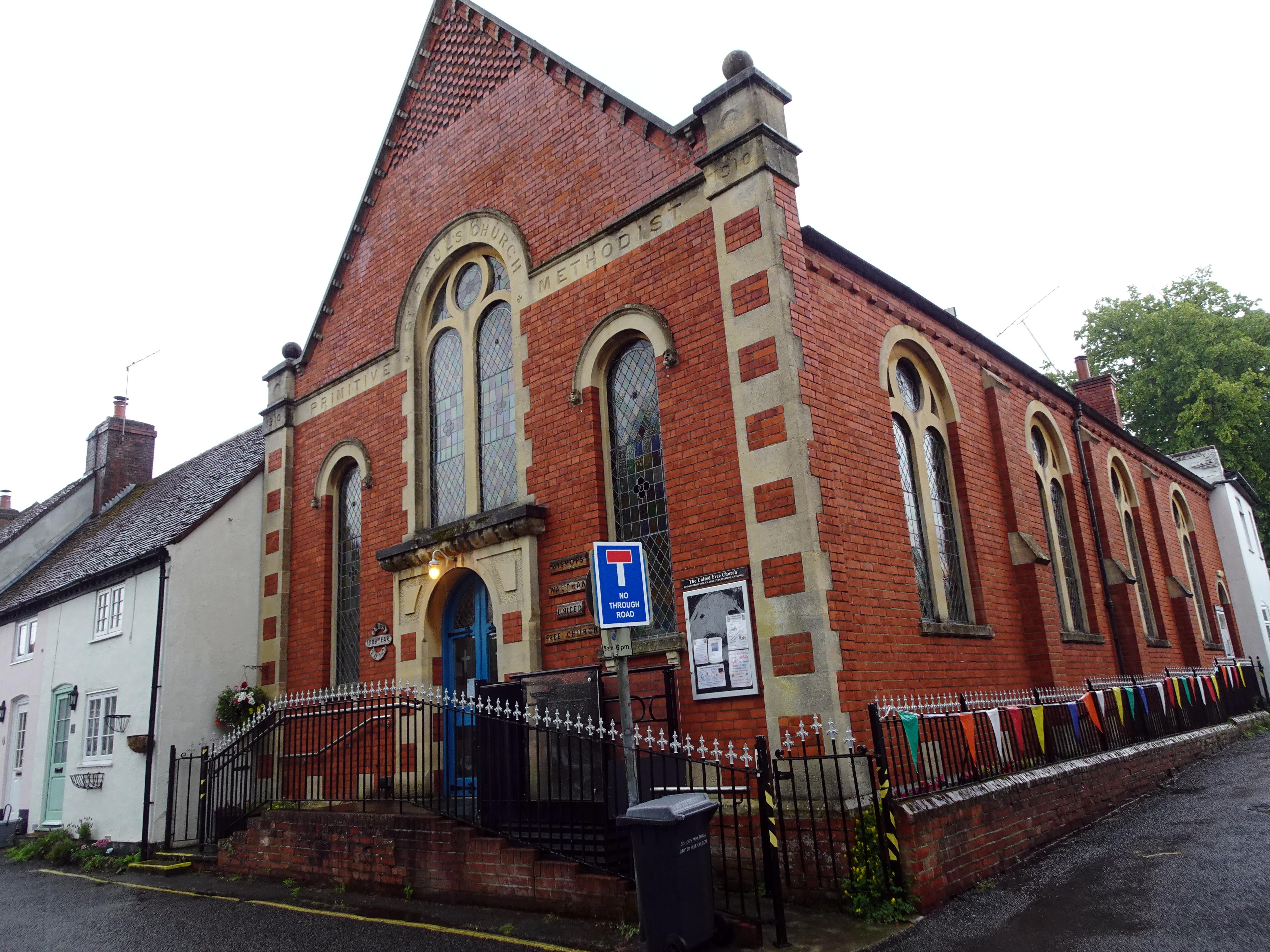
Detail of Bishop's Waltham Palace interior walls, showing flint construction and remnants of medieval window openings Interior view of Bishop's Waltham Palace ruins, showing flint walls, arched openings, and grassy courtyard beyond under a grey sky United Free Church in Bishop's Waltham, built in 1910, with red brick façade, arched stained-glass windows, and decorative stonework Bank House, Bishop's Waltham, the former Gunner family residence, showing pale brick façade, sash windows, and arched doorway with green door
Detail of Bishop's Waltham Palace interior walls, showing flint construction and remnants of medieval window openings. Interior view of Bishop's Waltham Palace ruins, showing flint walls, arched openings, and grassy courtyard beyond under a grey sky. United Free Church in Bishop's Waltham, built in 1910, with red brick façade, arched stained-glass windows, and decorative stonework. Bank House, Bishop's Waltham, the former Gunner family residence, showing pale brick façade, sash windows, and arched doorway with green door.

Walks by the Westcountry Walker
Armed Forces | Art and Culture | Articles | Biographies | Colonies | Discussion | Glossary | Hiking | Home | Library | Links | Map Room | Sources and Media | Science and Technology | Search | Student Zone | Timelines | TV and Film | Wargames
Donate by Stephen Luscombe