British Empire Title

Haldon House, Dunchideock and Connections to India

Haldon House
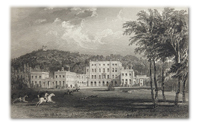
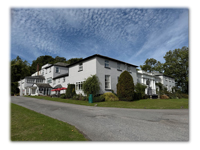
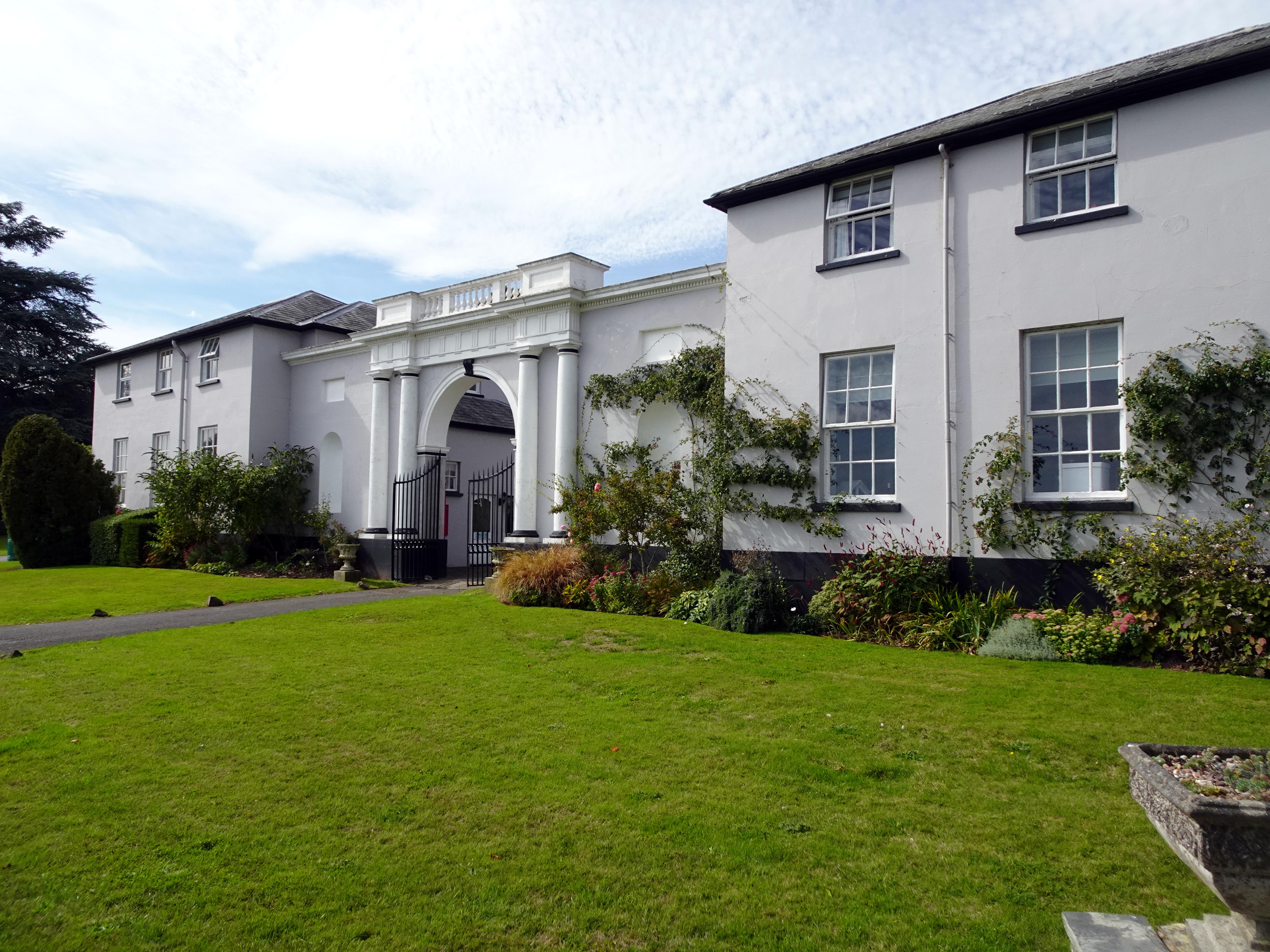
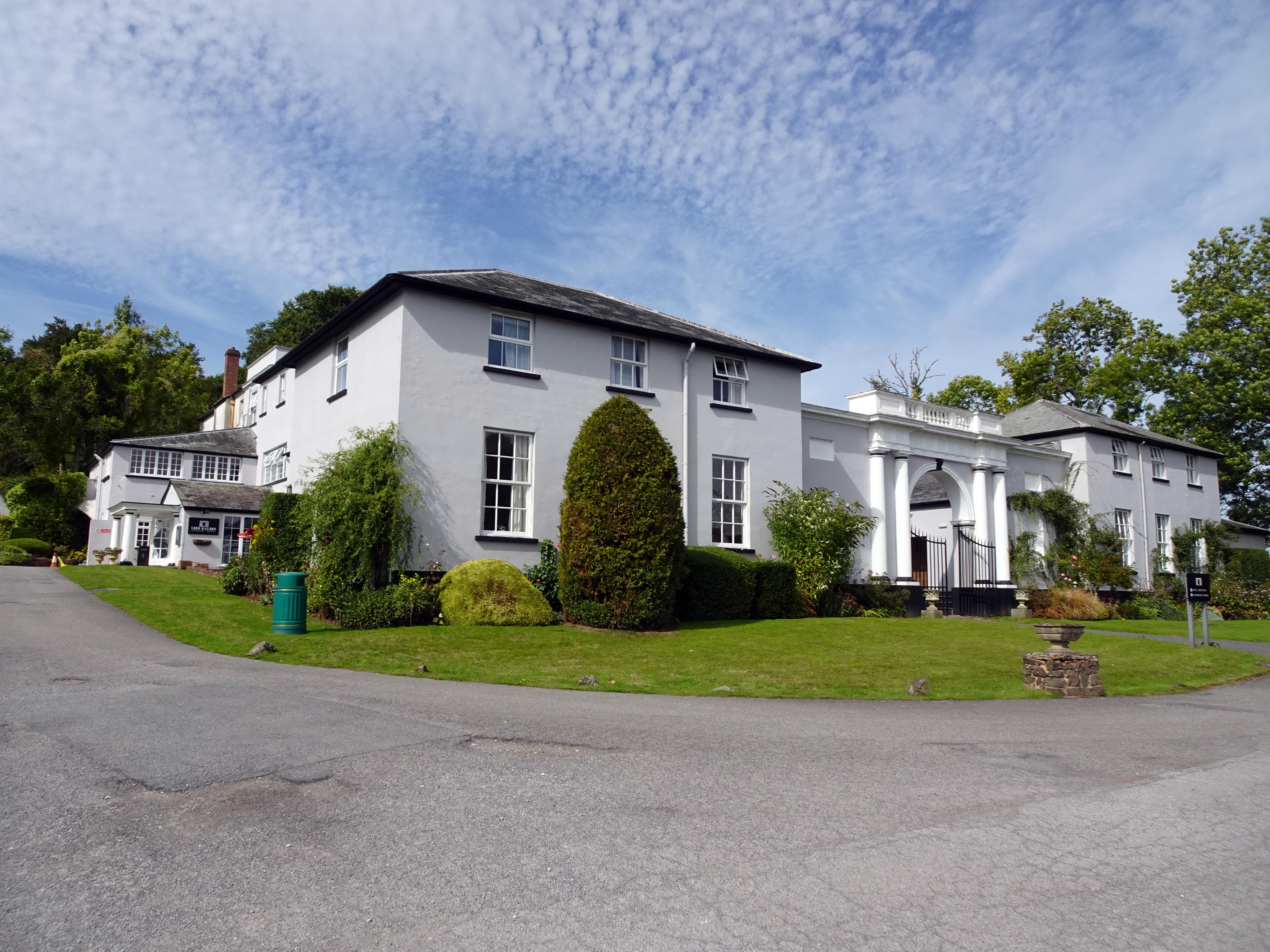
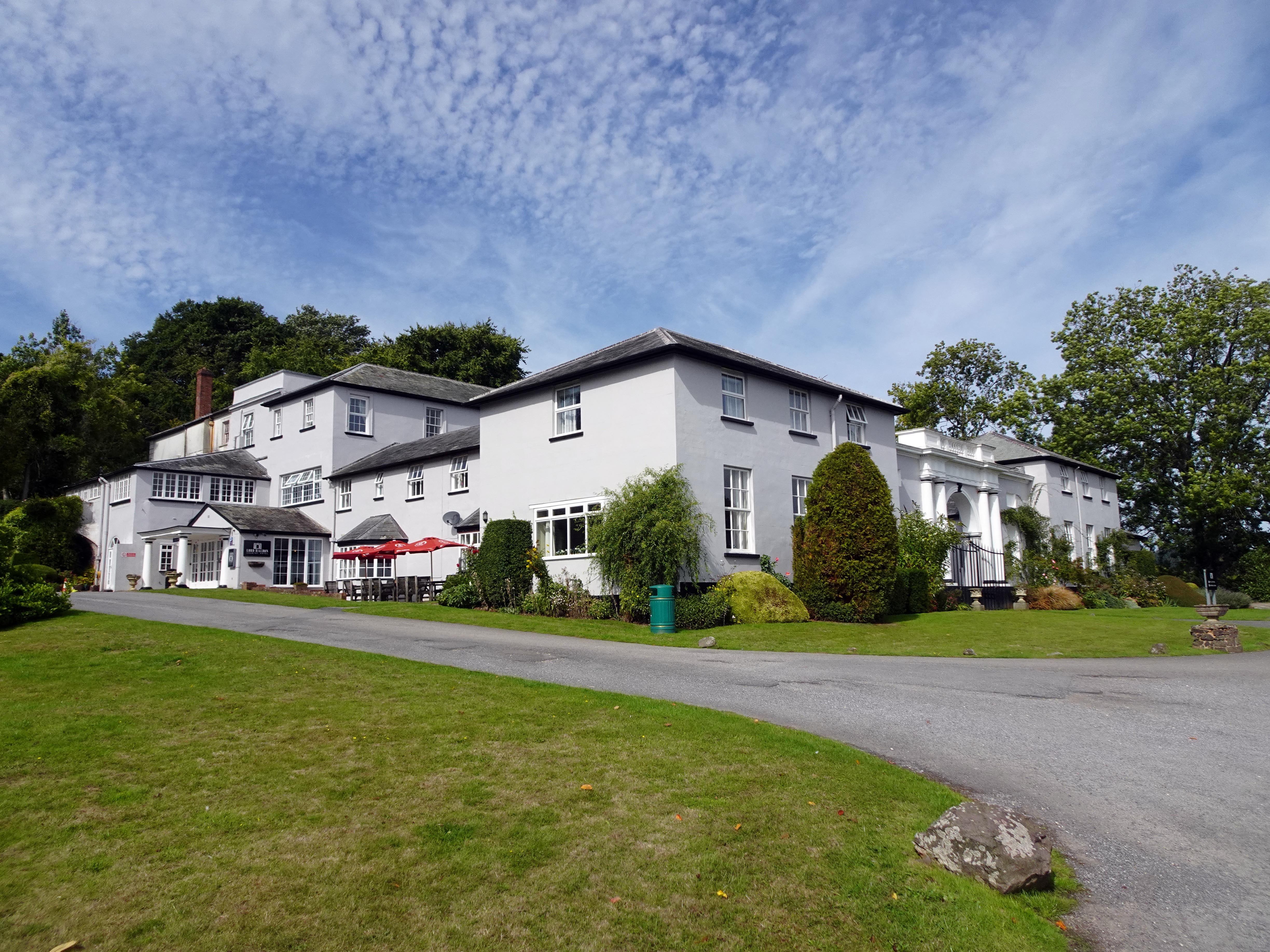
Most people who are from or who visit Devon frequently know of the very steep Haldon Hill and the equally interesting drive down through Haldon Forest on the A38. What many of these people do not always appreciate is that Haldon Hills are a 24 mile long ridgeline that once nestled a huge Haldon House just to its east with its substantial connections to the earliest days of the East India Company. Sadly there is only a fraction of the original house left - one of the wings which is now a hotel. Most of it was sold off and knocked down in the 1925. in many ways this was the sad result of the First World War killing off the only son of the Bannatyne family and the father dying in 1915 also. A heartbroken mother sold it for a fraction that it was bought at after the war. With few takers in a world that had changed irrevocably it was broken up into smaller parcels of land and nobody wanted the huge house despite its impressive history and being only recently renovated and modernised. Originally though the grand house had been built in the 1730s by the Chudleighs and it was actually modelled on Buckingham House which you probably know better as Buckingham Palace.

Haldon House
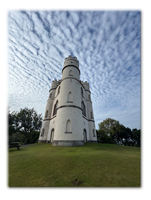
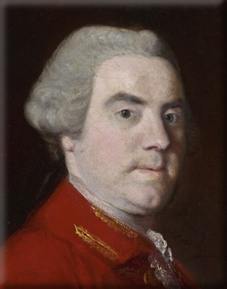
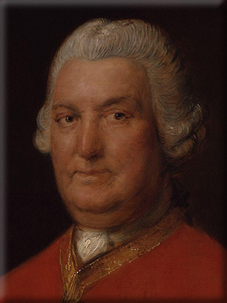
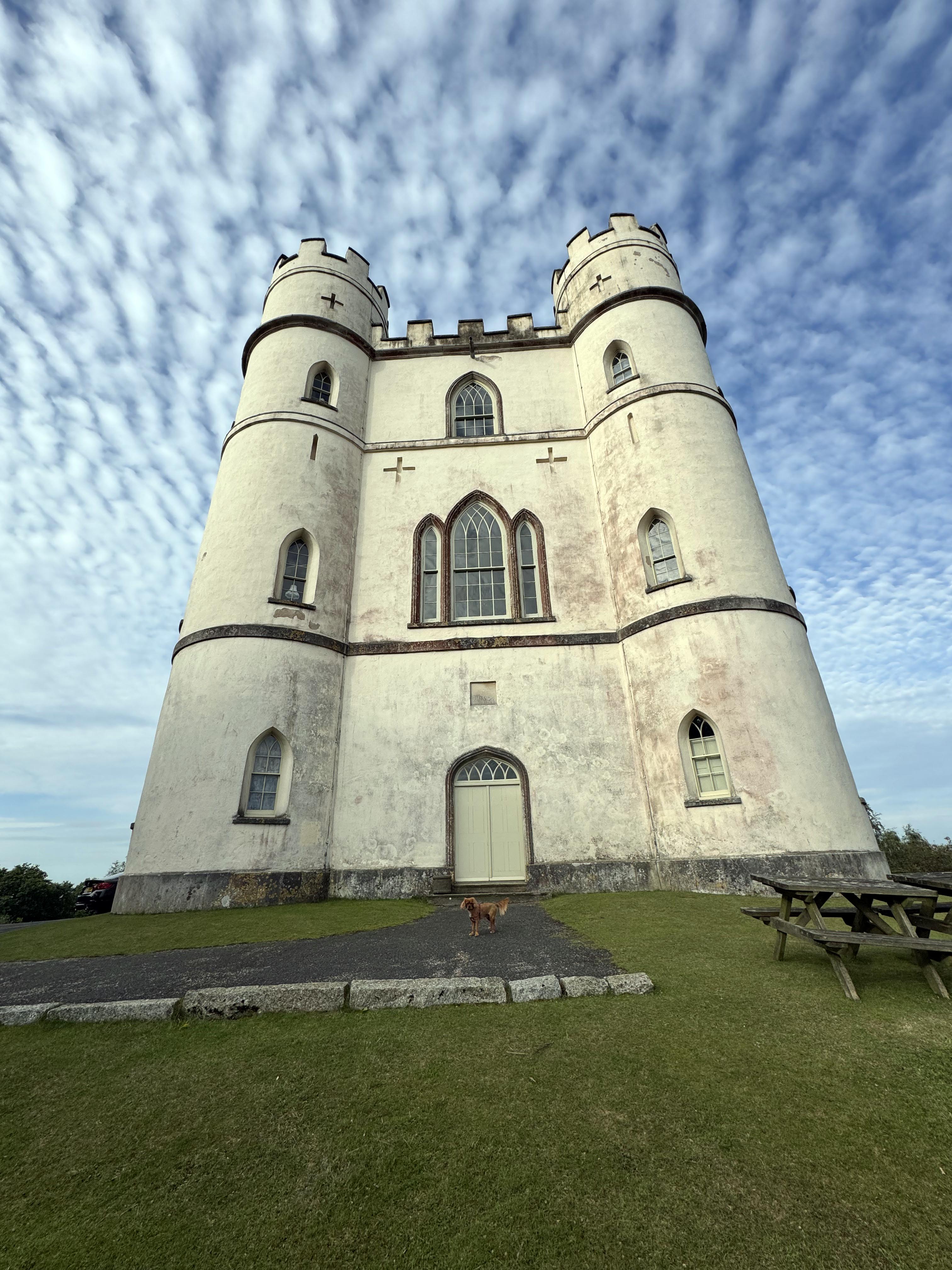
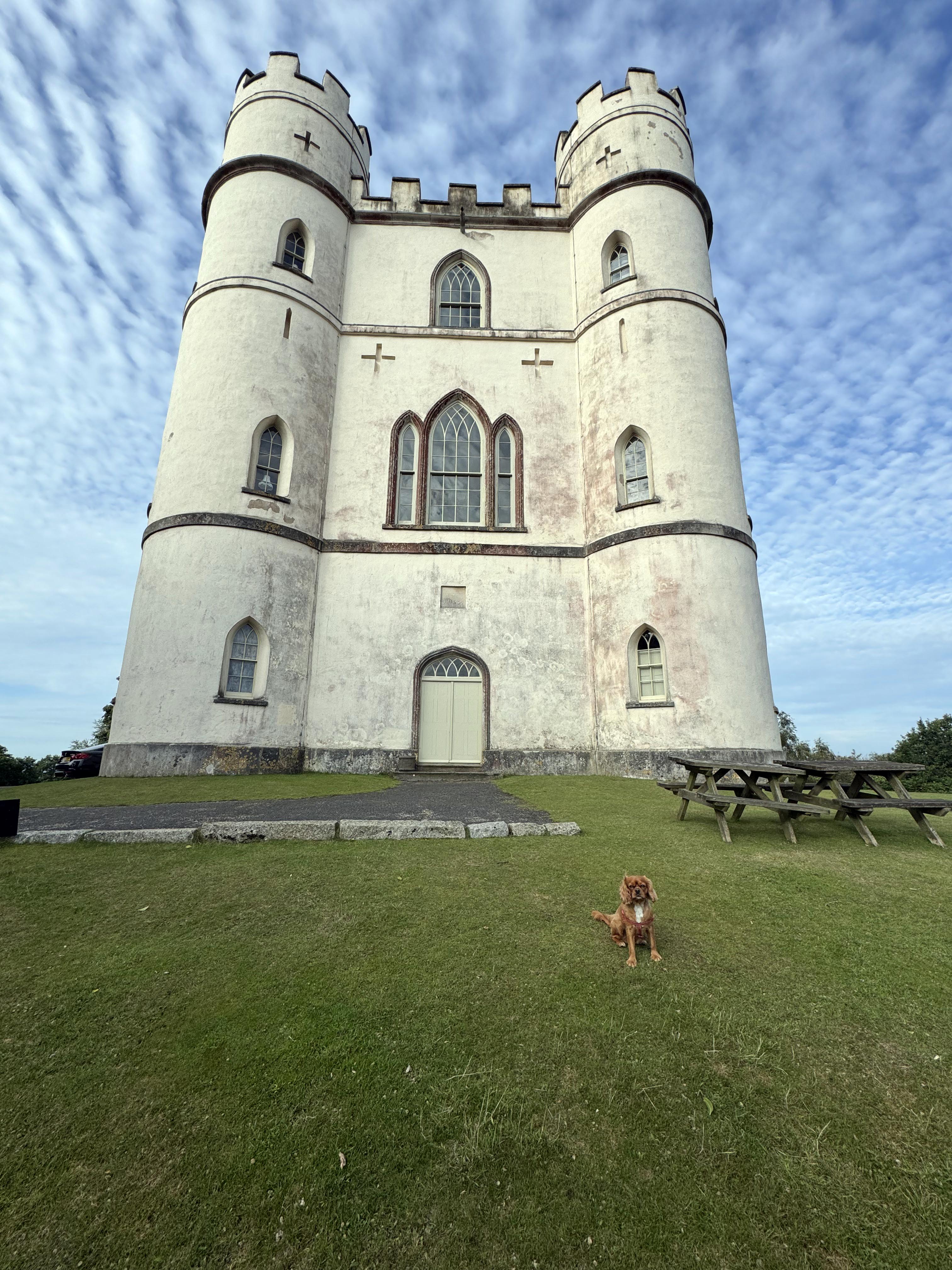
The East India connection comes when Sir Robert Palk bought it on retiring from his position as Governor of Madras Province as part of the East India Company. Palk had actually been the son of a farmer near Ashburton who trained as a Deacon at Exeter Cathedral and took a job as naval chaplain to Admiral Boscawen in 1747 and travelled to India. England was vying with the French for primacy in trade on the Indian Subcontinent at the time. In 1749 Clive of India fell out with his chaplain at Fort St David in India and asked Palk to replace him in this role. In so doing Palk met Major-General Stringer Lawrence who he formed a life long friendship with. The 1750s saw Robert Clive and the East India Company supplant the French and become the dominant force in Indian politics. By getting in early, Palk was entrusted with the role of Paymaster and Commissary to Lawrence’s East India Army. Palk would go on to marry the sister of Henry Vansittart the Governor of Bengal further embedding his connections to the Company. He later took over the Company’s Treasury committee and Export keeper. In 1763 he was appointed Governor of Madras eventually leaving India in 1767. After having made a fortune as one of the earliest of the so-called 'nabobs' he retired to Haldon House to live the life of an aristocrat - despite his modest origins in life. He would later be joined by his good friend Major-General Stringer Lawrence when he retired. Lawrence loved walking over the Haldon ridgeline and through Haldon Forest and so when he died in 1775, Palk built Haldon Belvedere in remembrance of his friend. It is sometimes referred to as Lawrence Castle or Lawrence Tower. Lawrence had no family of his own and actually left much of his own considerable fortune to Palk in gratitude of their friendship and for hosting him in his latter years. Tellingly Palk would name his son and heir after his good friend as Sir Lawrence Palk and indeed all subsequent male heirs were named after Major-General Lawrence Stringer.

Haldon House
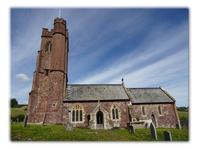
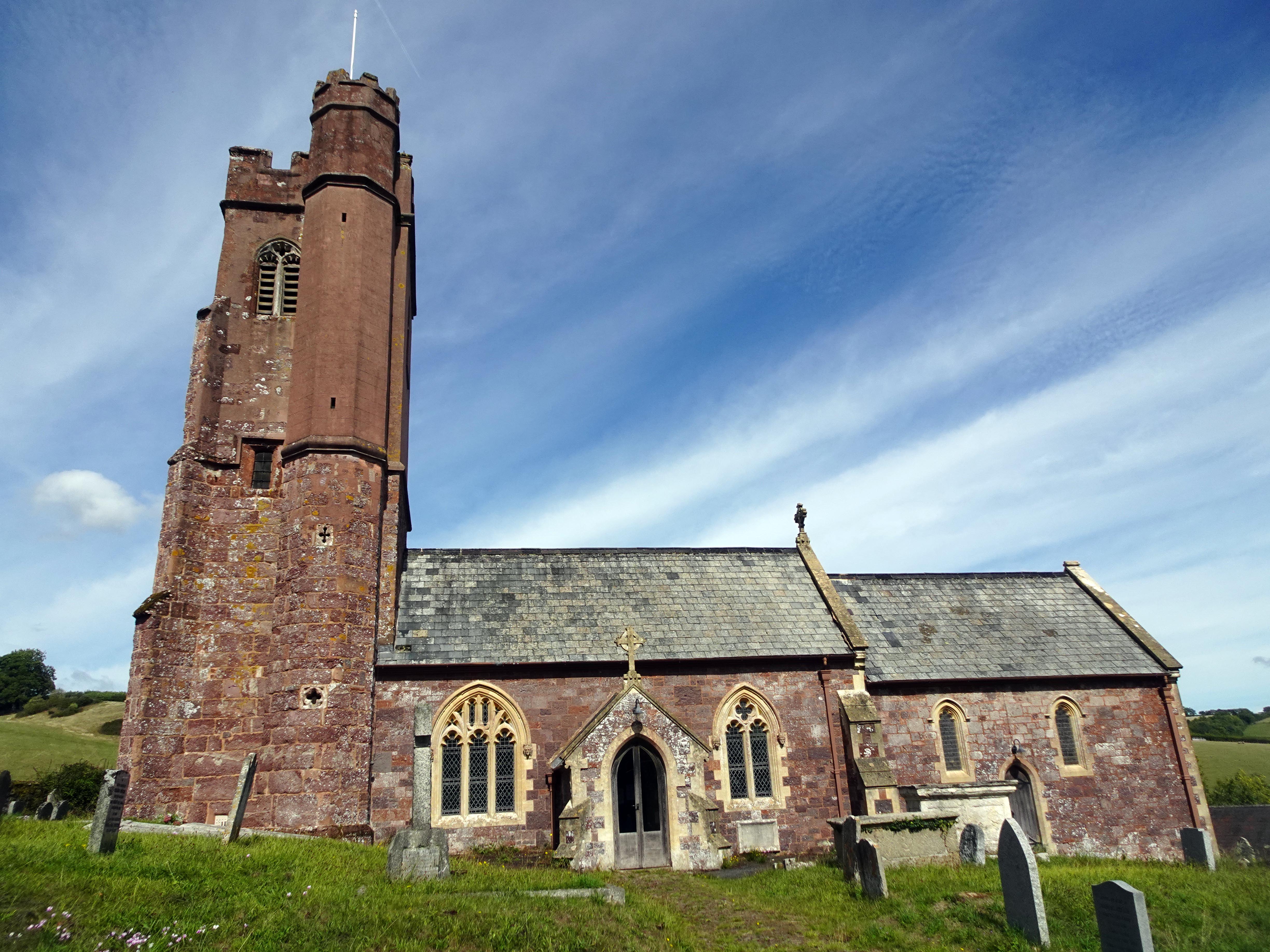
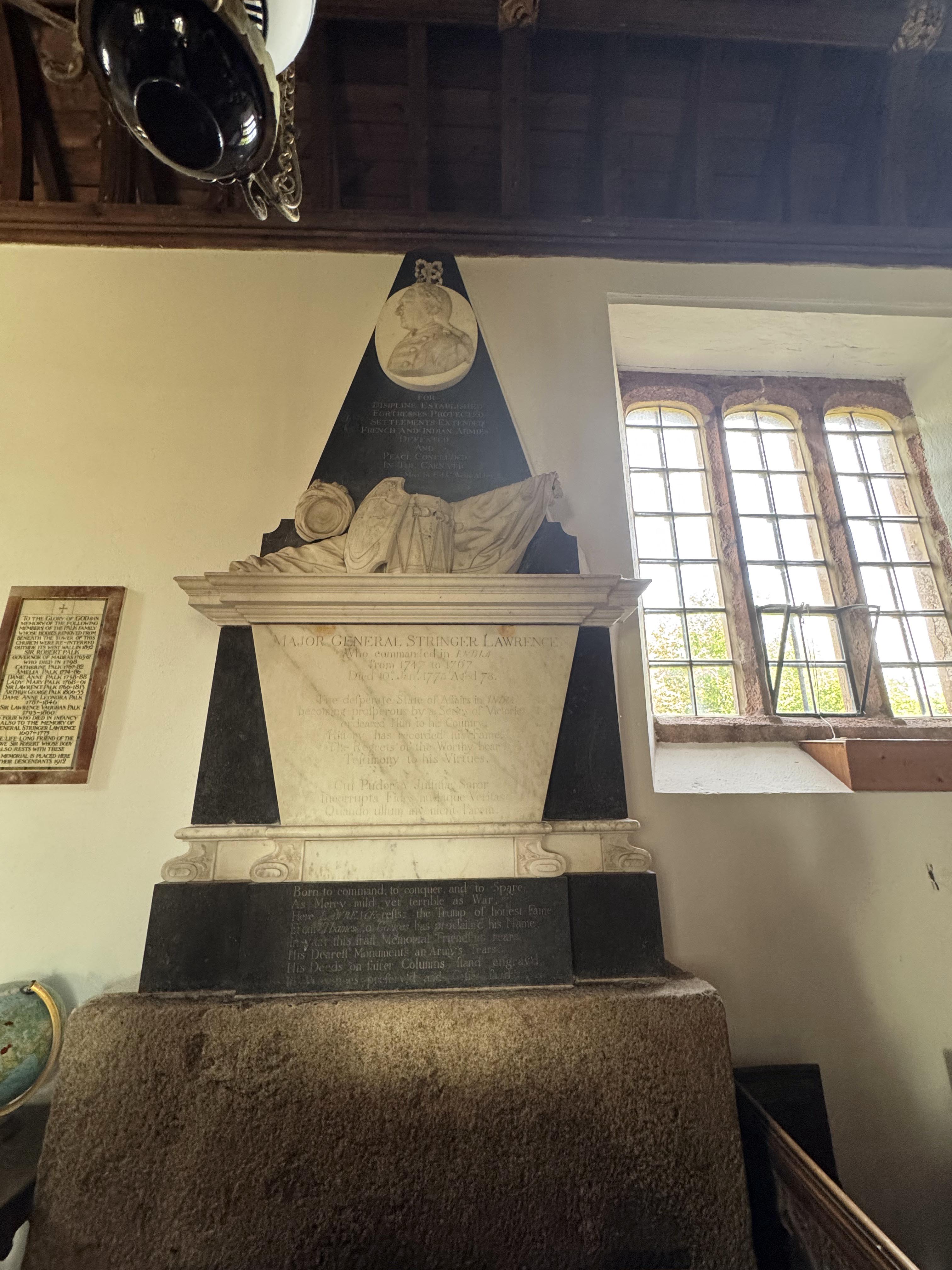
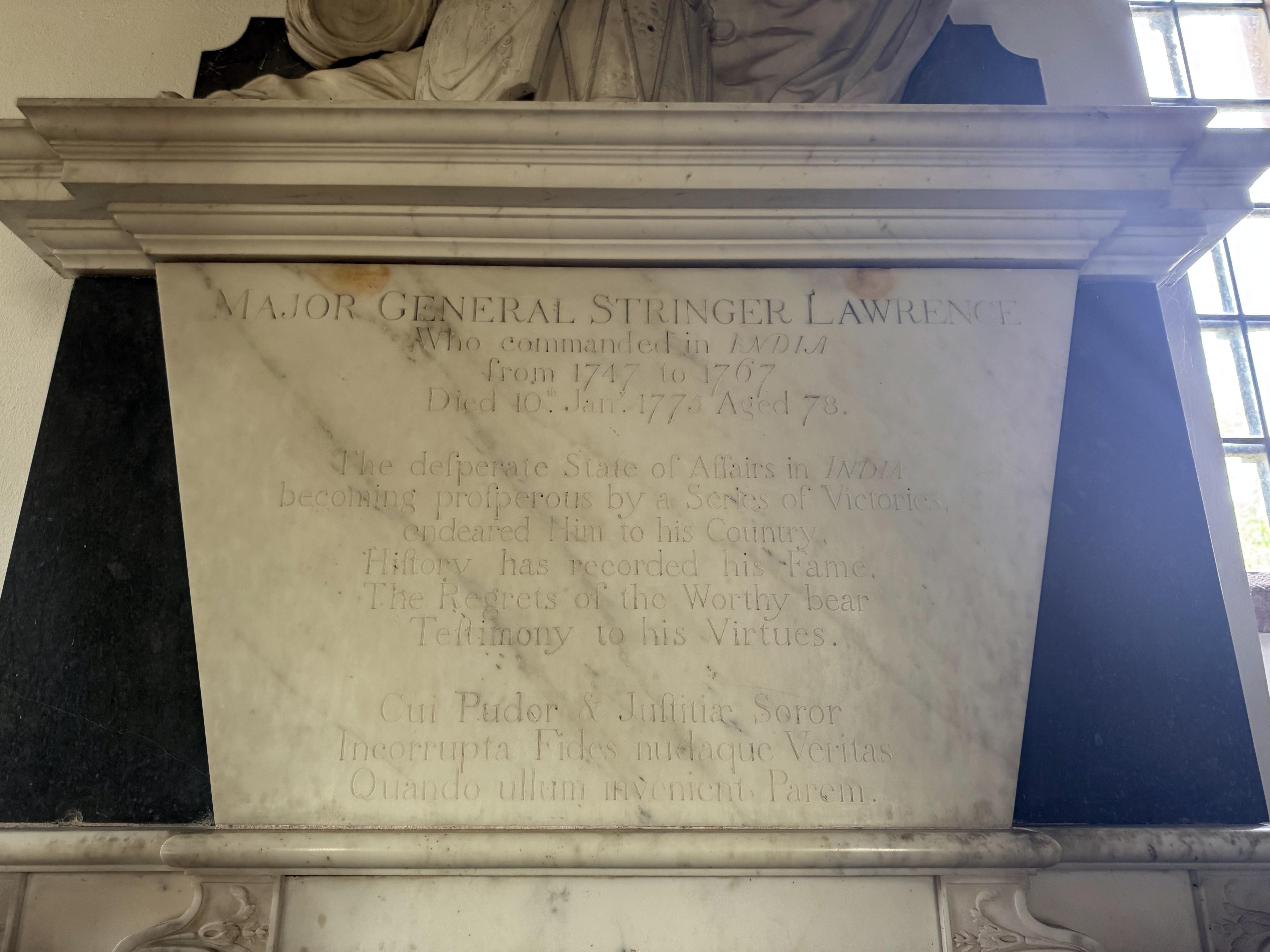
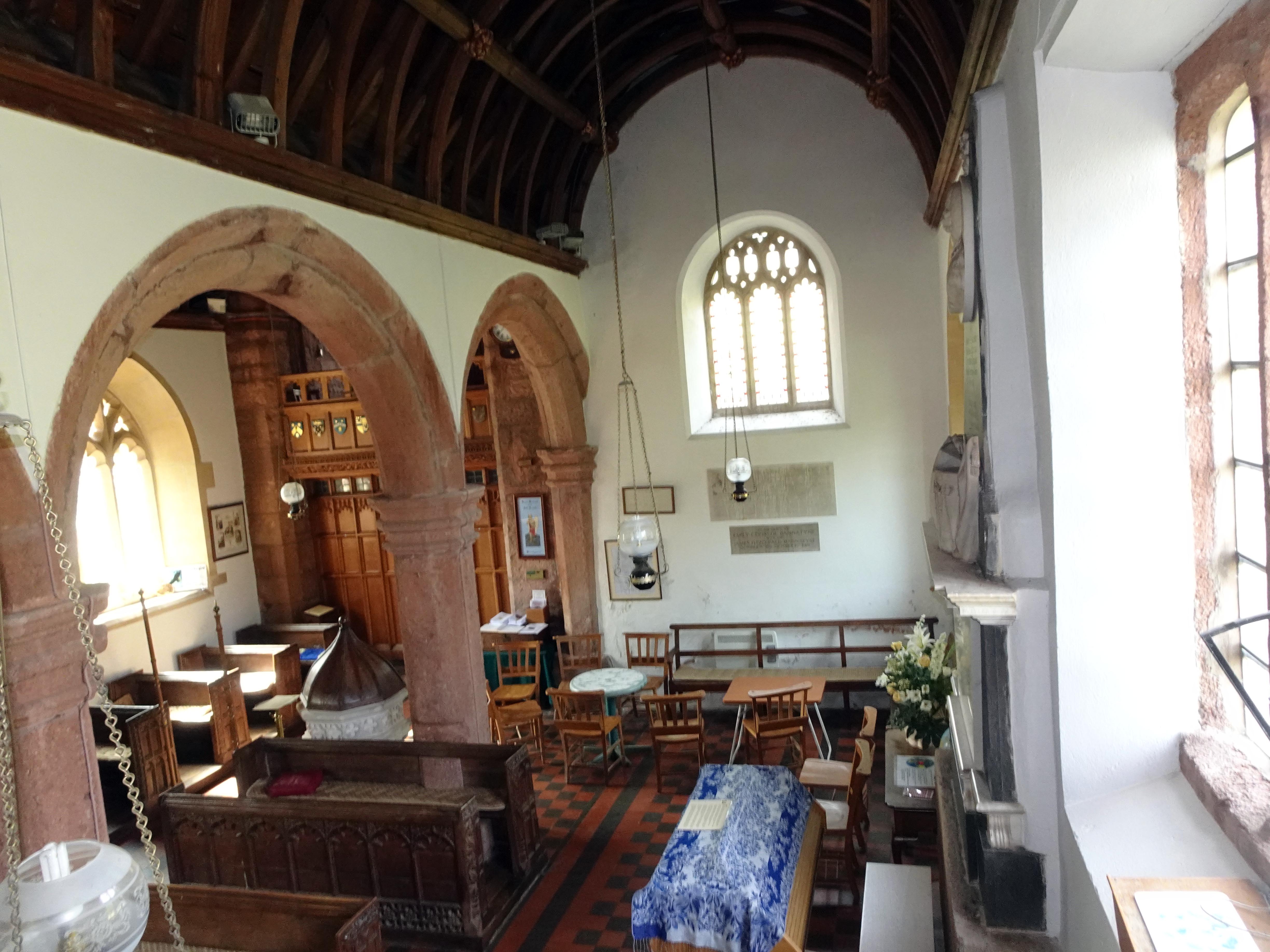
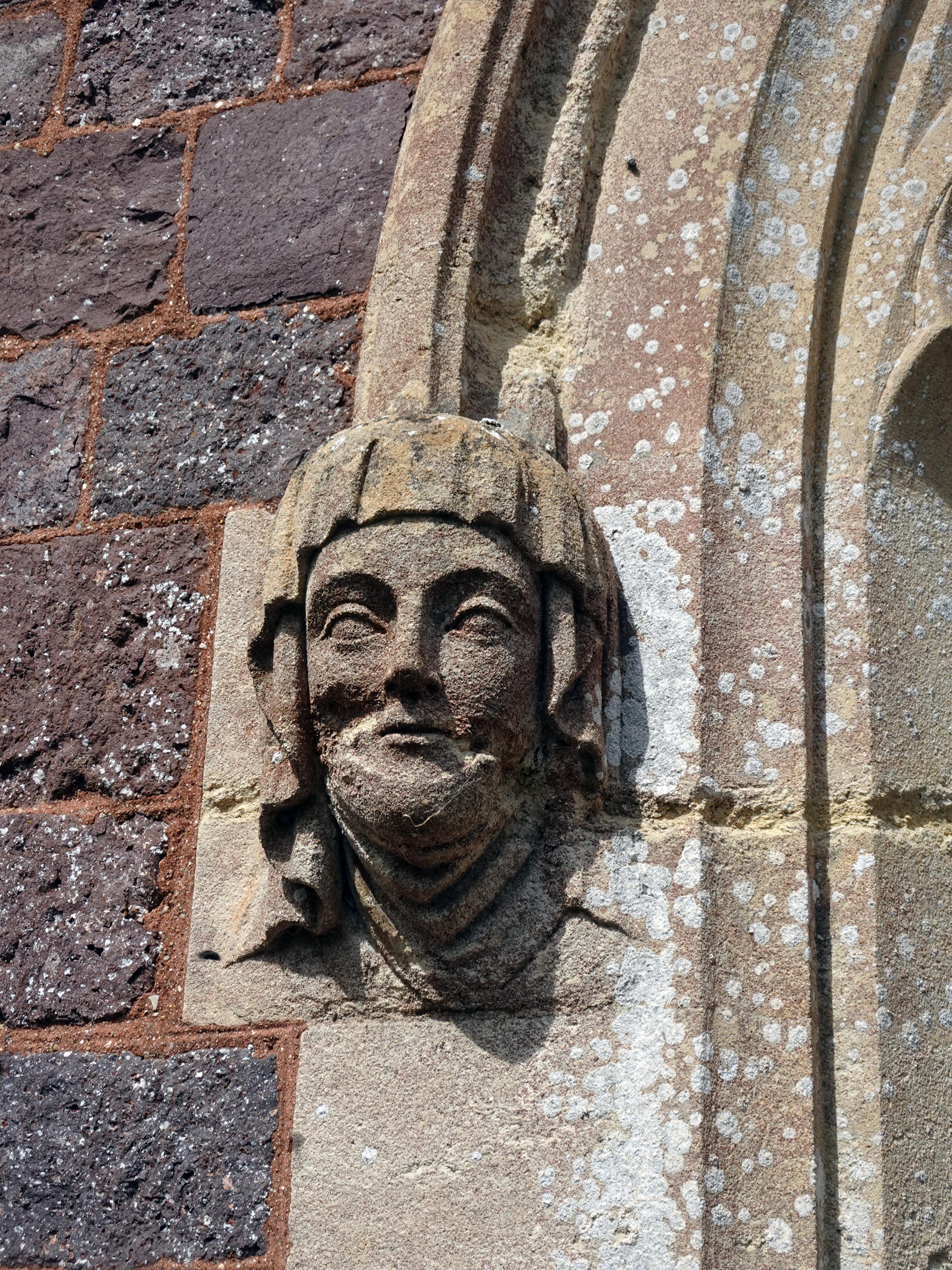
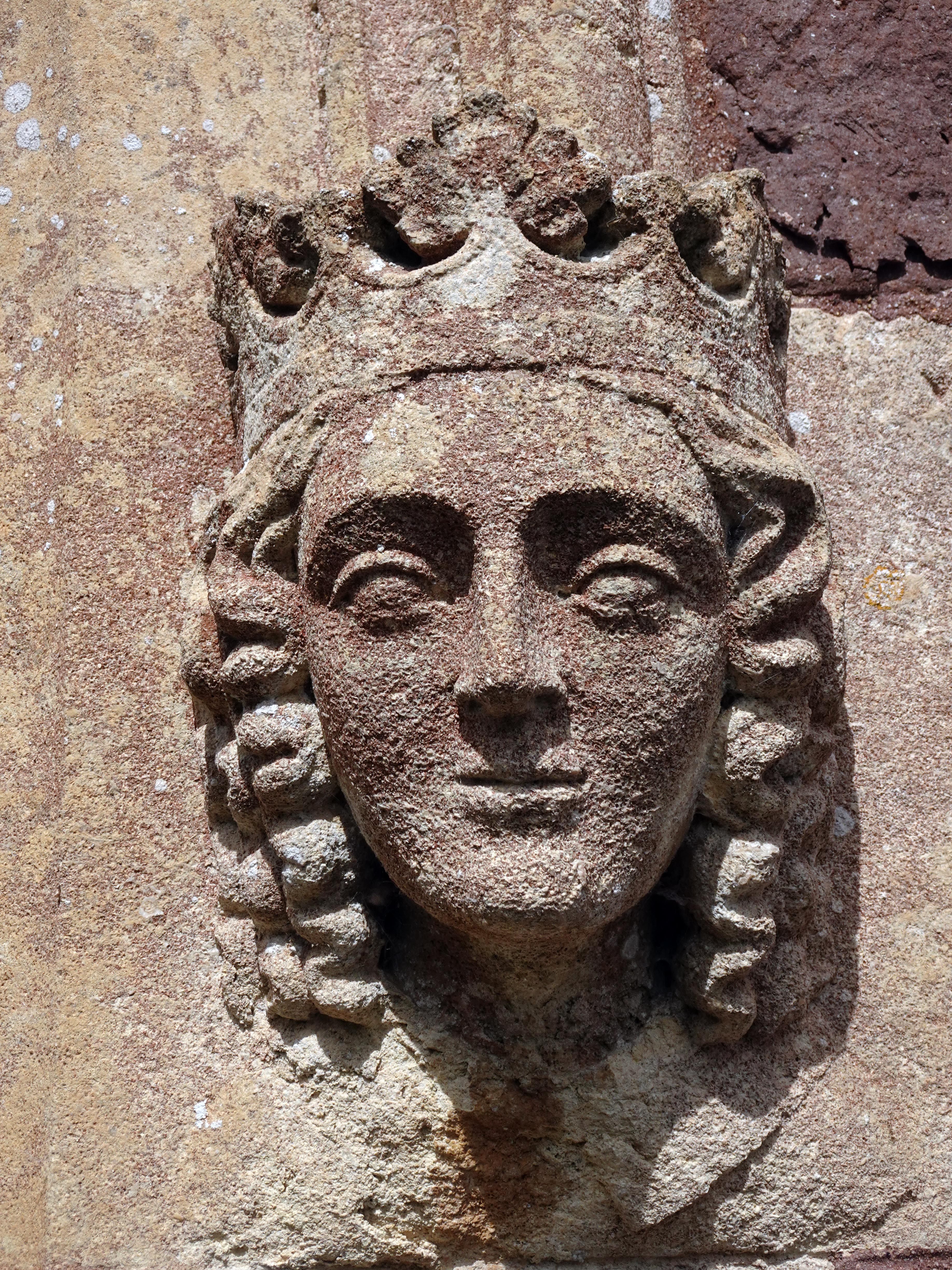
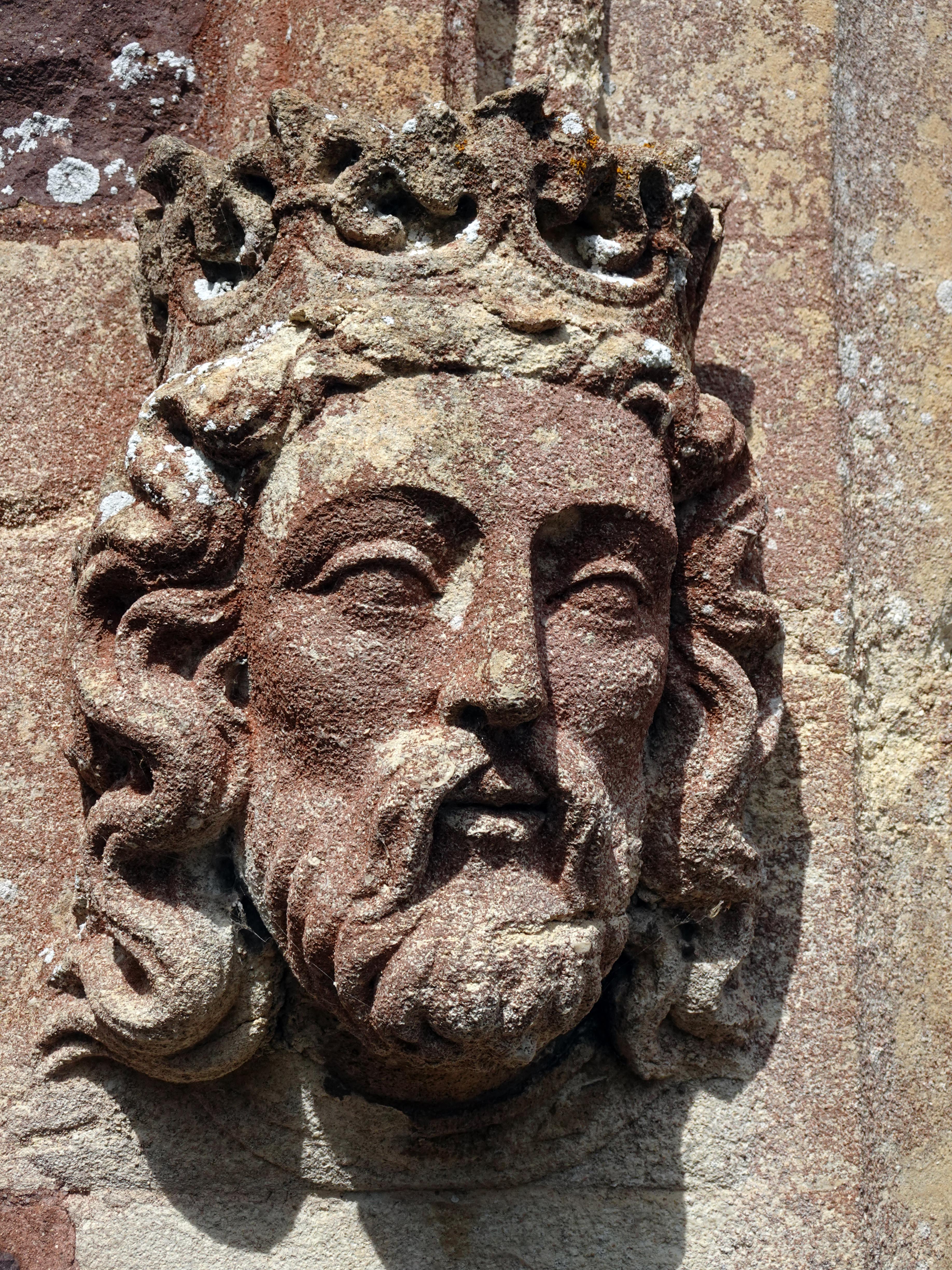
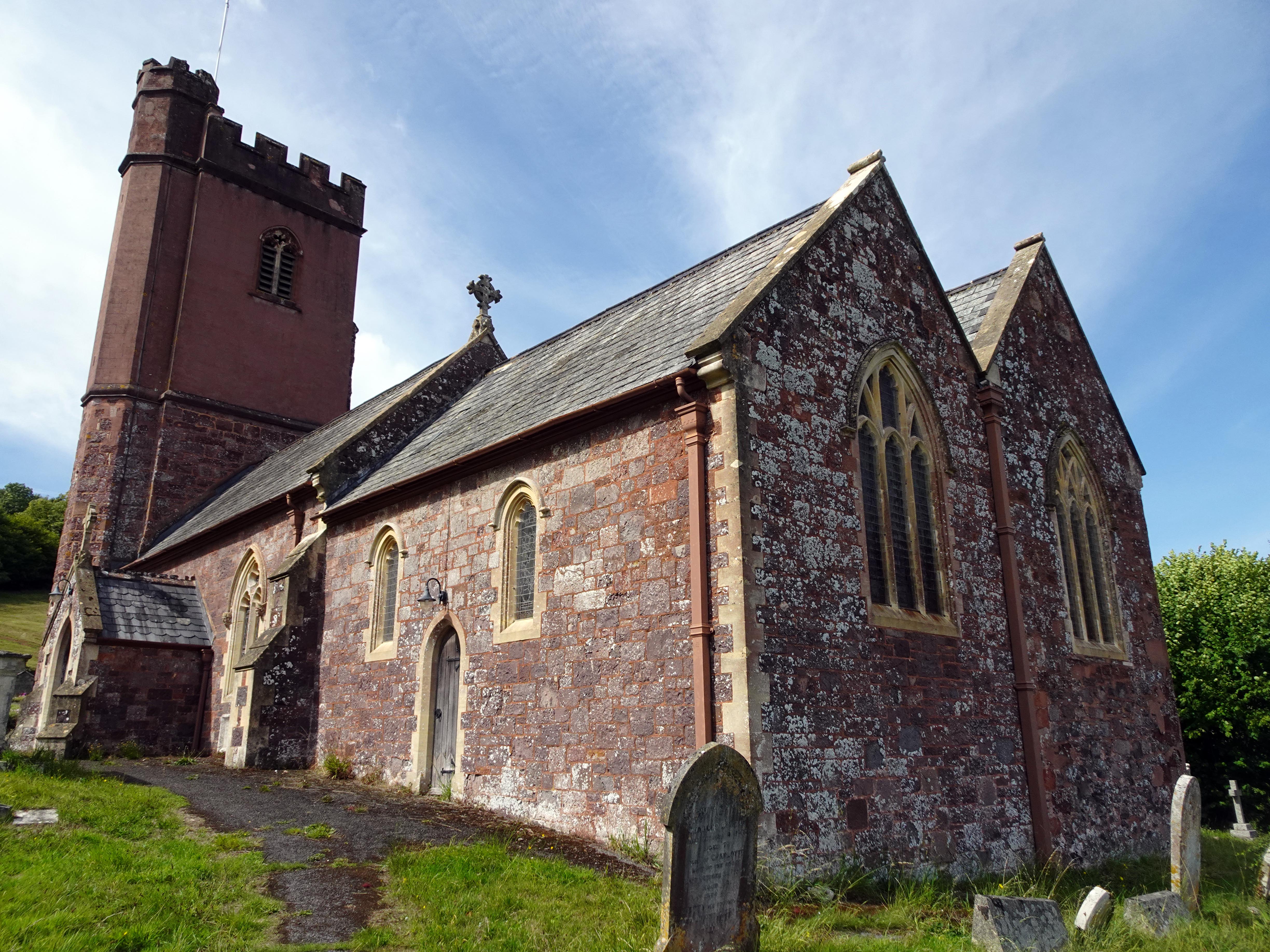
Both Lawrence and Palk were buried in the beautiful 12th century church at Dunchideock which was next on the agenda. This church was largely renovated in the 19th Century but still has magnificent 14th century bosses on the ceiling and some fascinating stone carvings on the outside. One can get the feeling of staring into the faces of Medieval people. There are several interesting memorials in addition to the huge one to Major-General Stringer Lawrence (and there is an even bigger one to him in Westminster Abbey!)

Haldon House
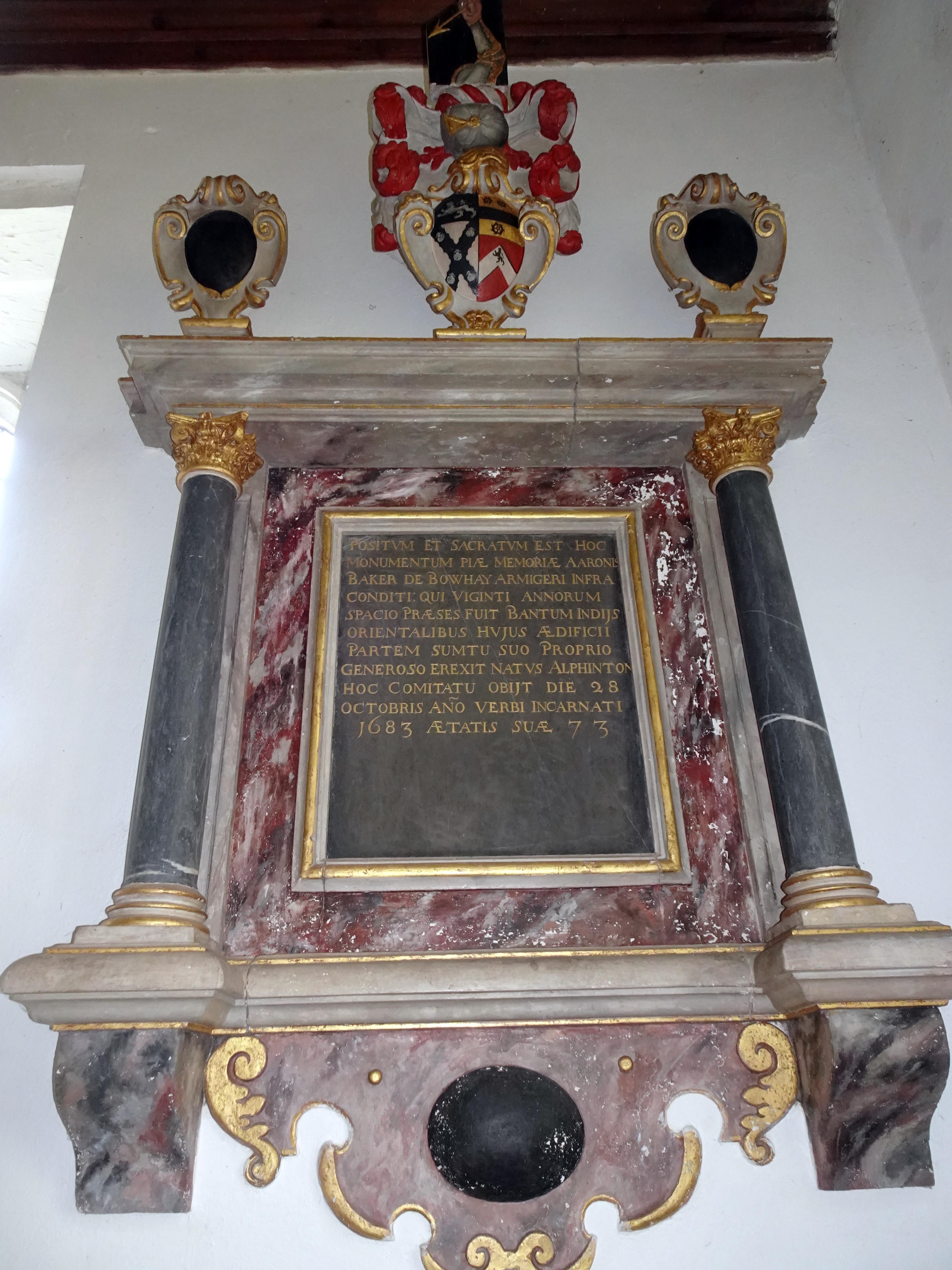
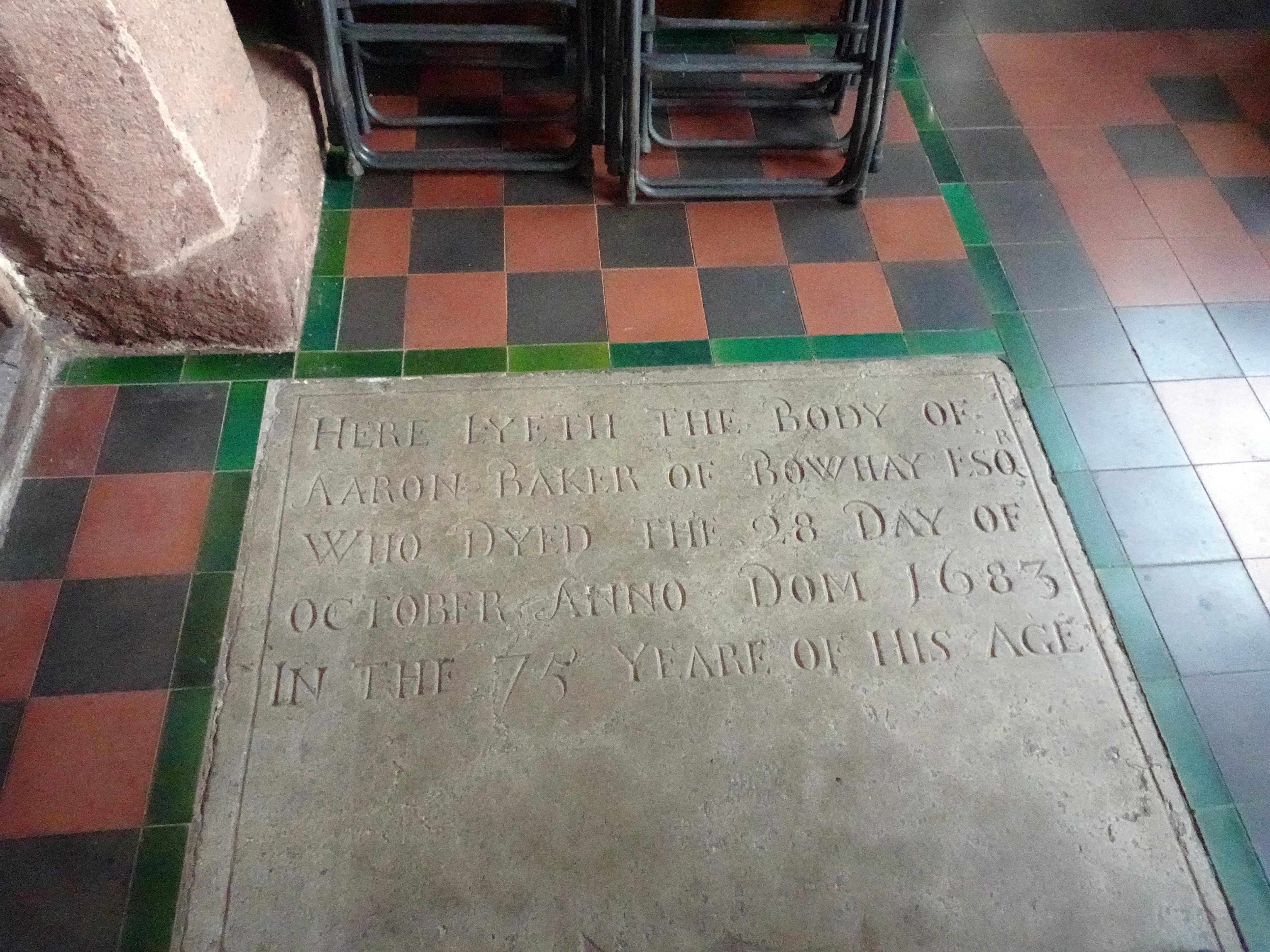
There is a dedication to another person who made their fortune in the East Indies in this case Aaron Eli Baker who died in 1683 in the church. He was Governor of the now long forgotten English trade factory of Bantam in modern day Indonesia for a good 20 years. And then by an amazing coincidence he had been the first President of Madras at Fort St. George although he had been more unfortunate in his timing and seen Fort St. George besieged and all but put out of commission for the time being. What are the chances of two administrators of Madras being buried in the same church!

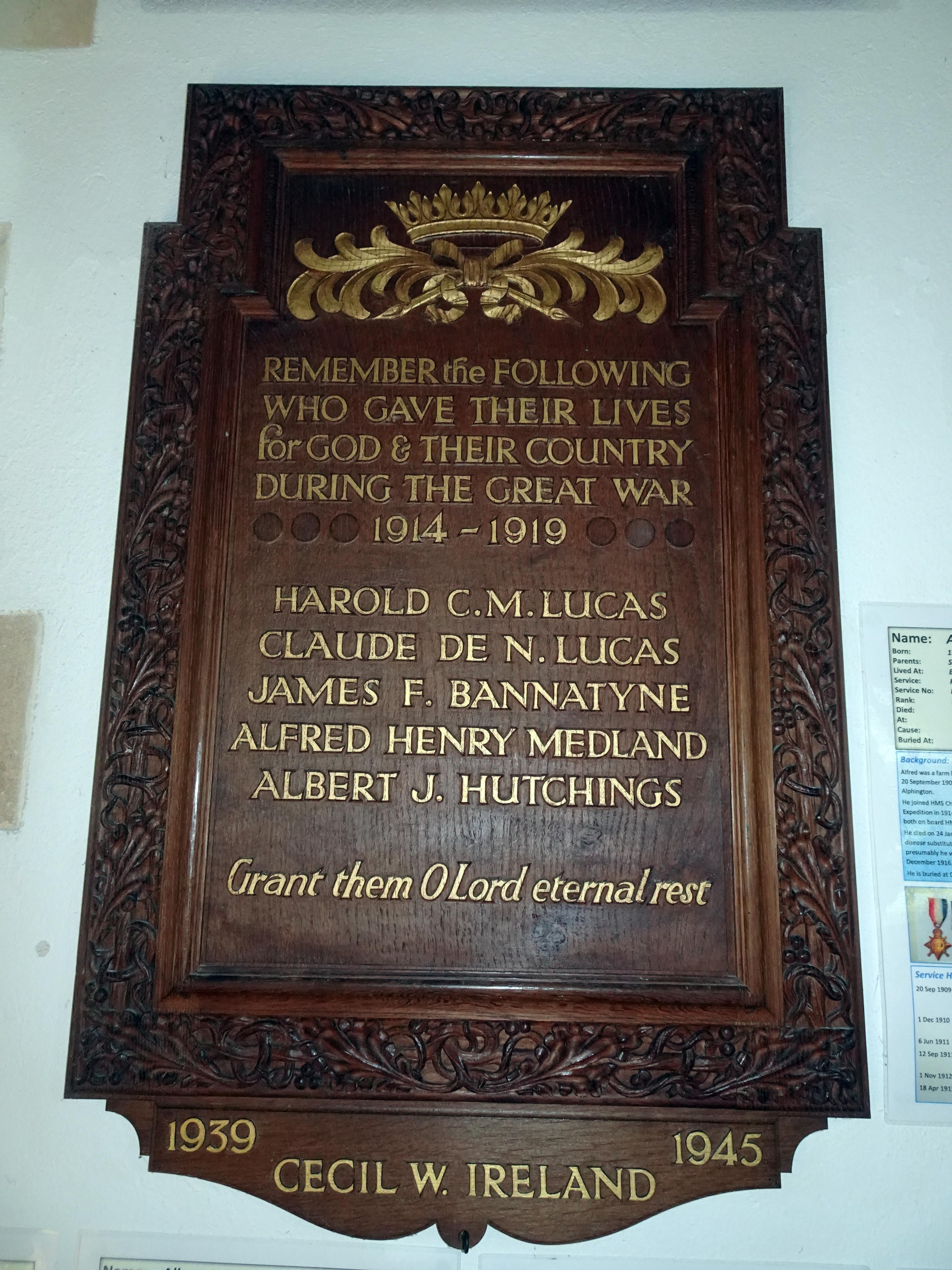
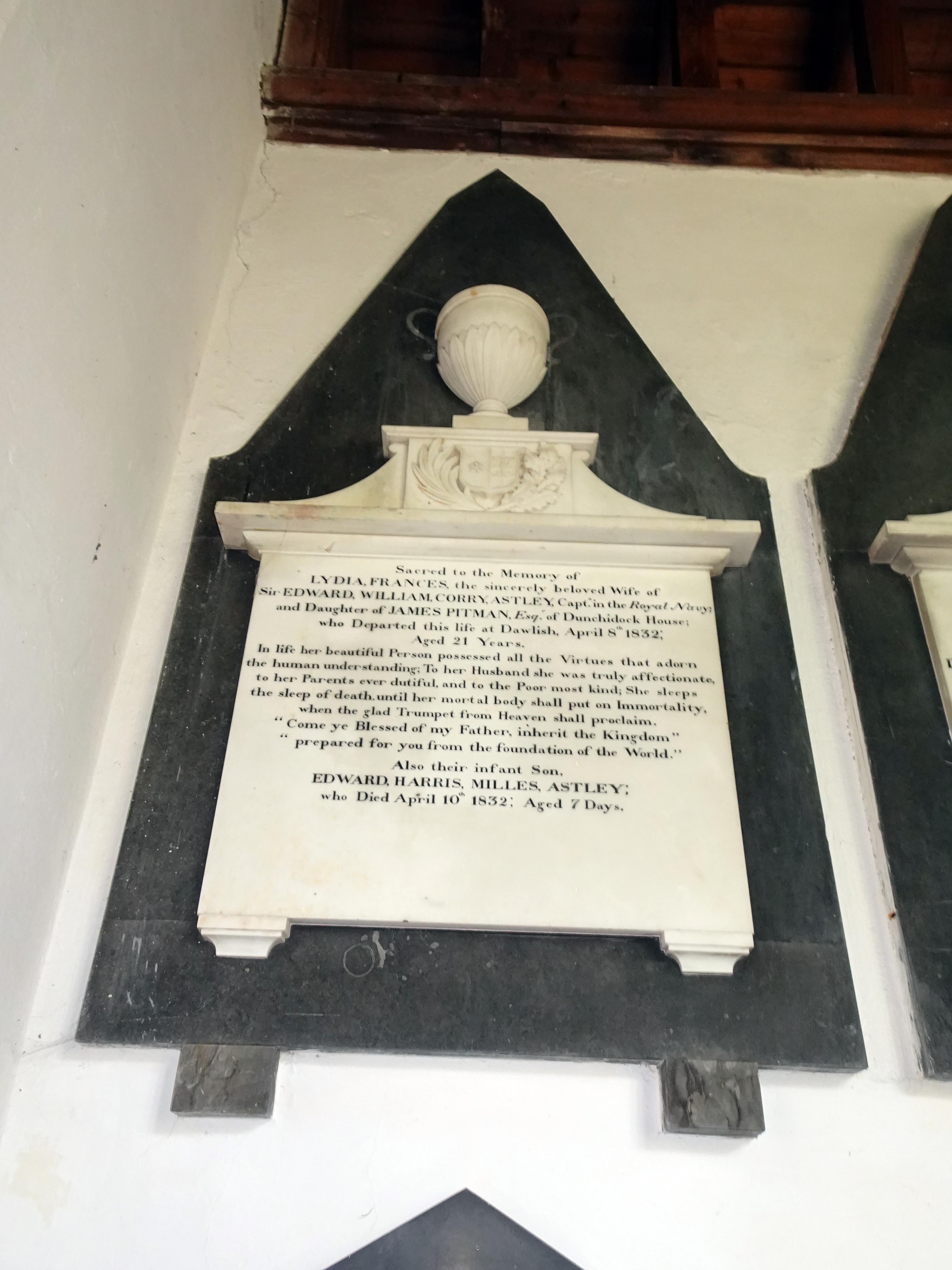
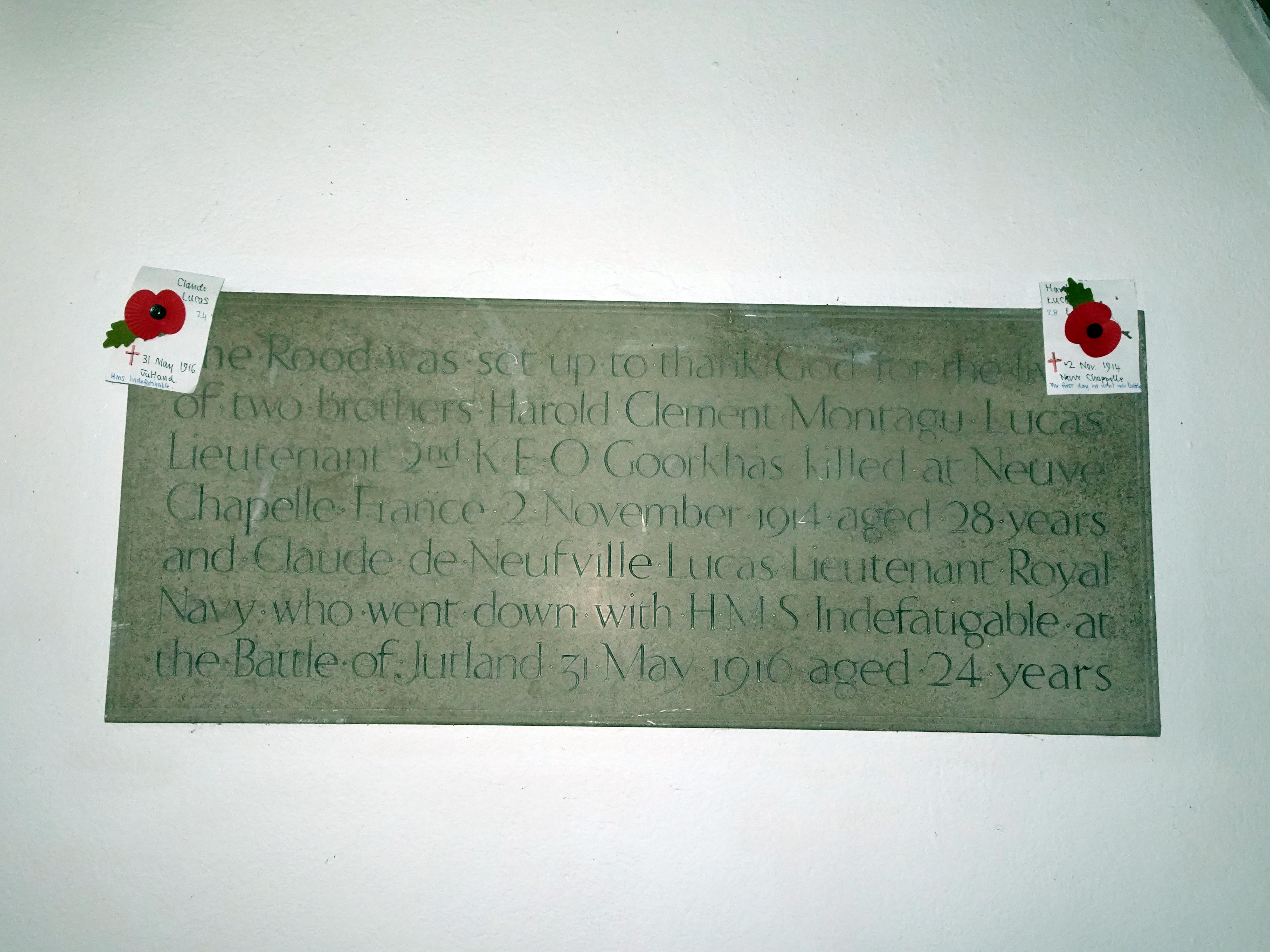
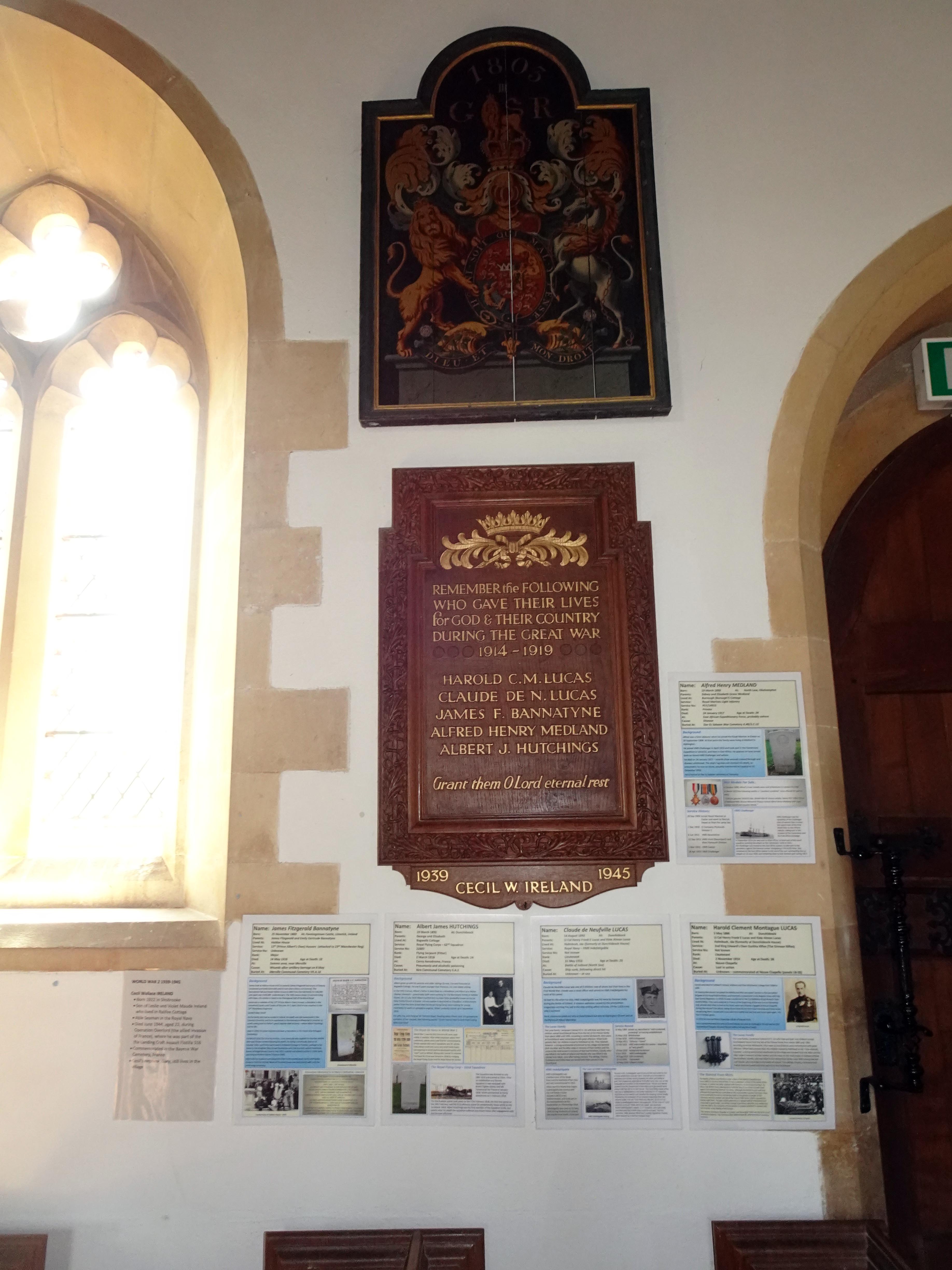
There is one dedication to Captain Charles R. S. Pitman who was awarded the Military Cross in Mesopotamia in World War One and went on to be a noted Game Warden and conservationist and was actually good friends with Joy Adamson of Born Free fame. He sent specimens of plant and animal life to many leading museums. Another dedication is to another officer in the Indian Army Harold Clement Montagu Lucas who was a Lieutenant with the 2nd Goorkhas killed at Neuve Chappelle in November 1914.

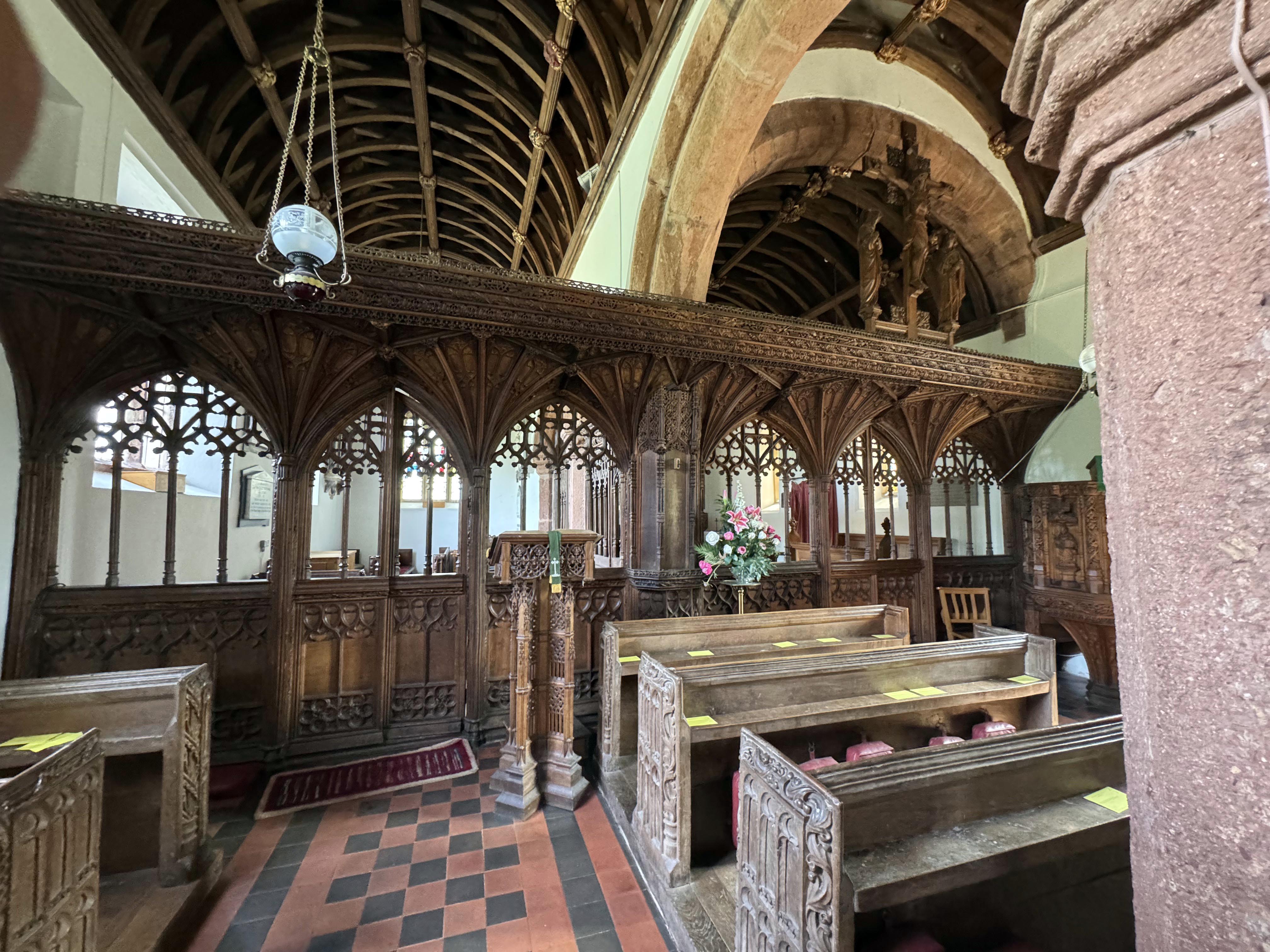
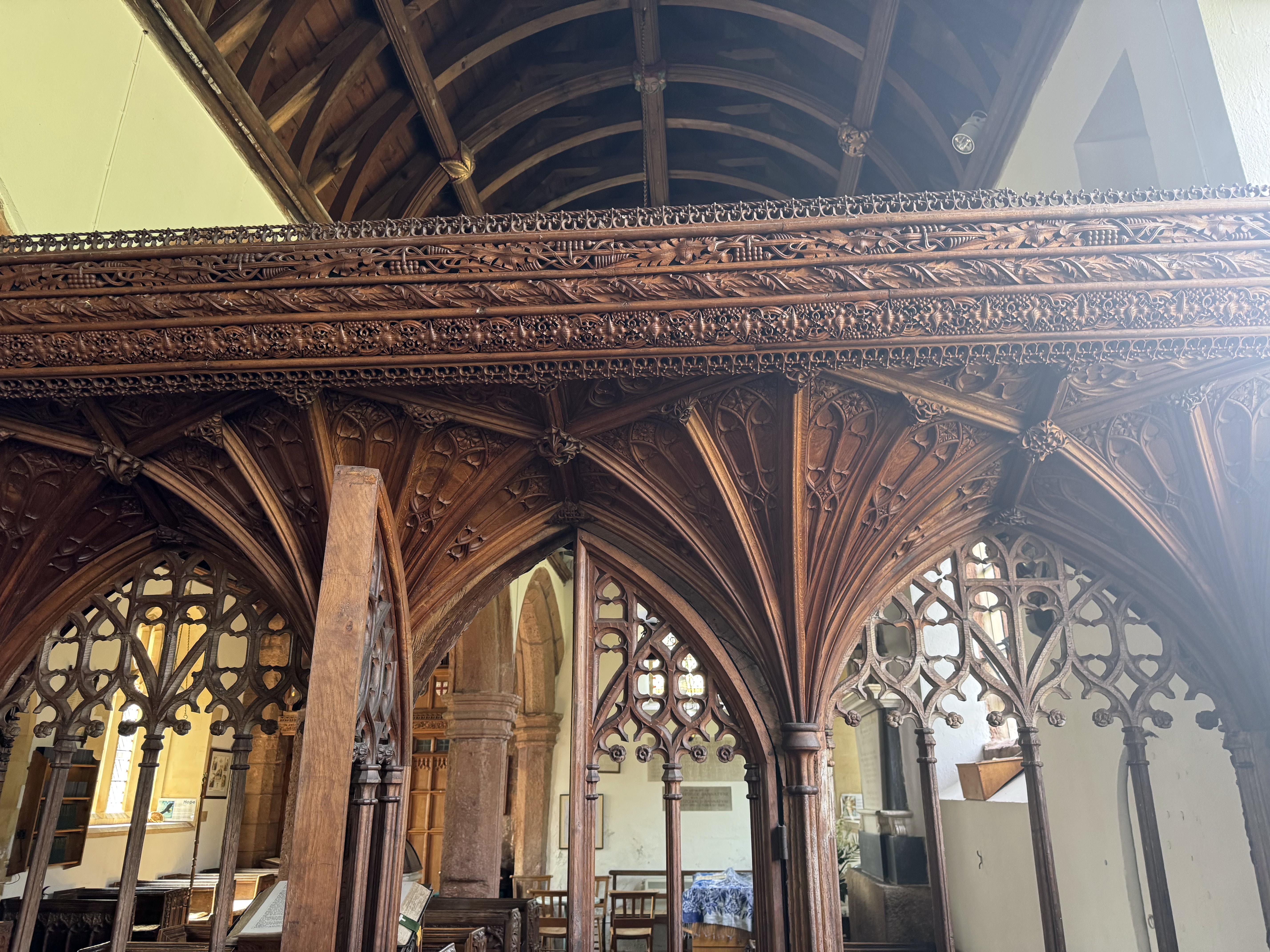
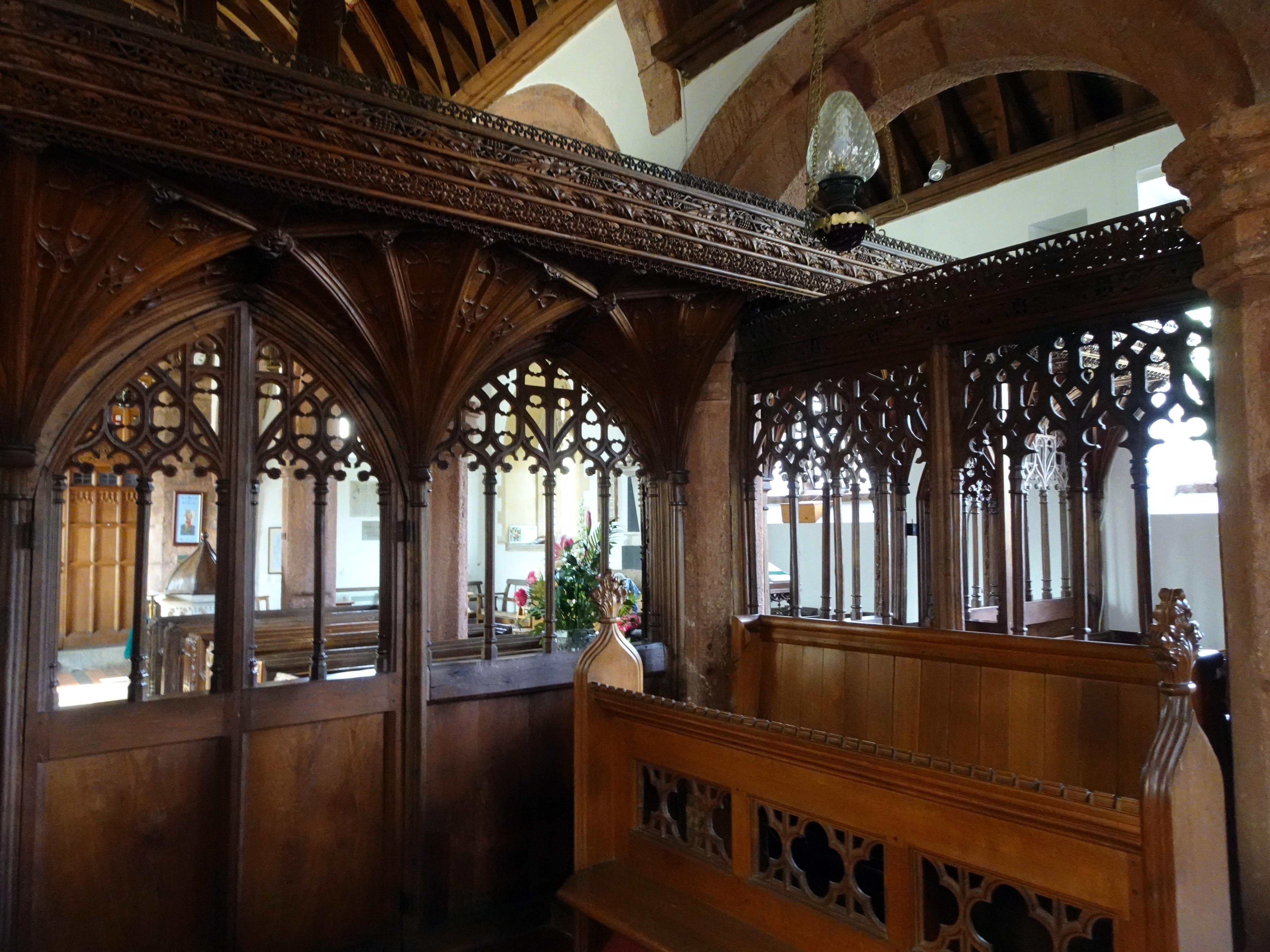
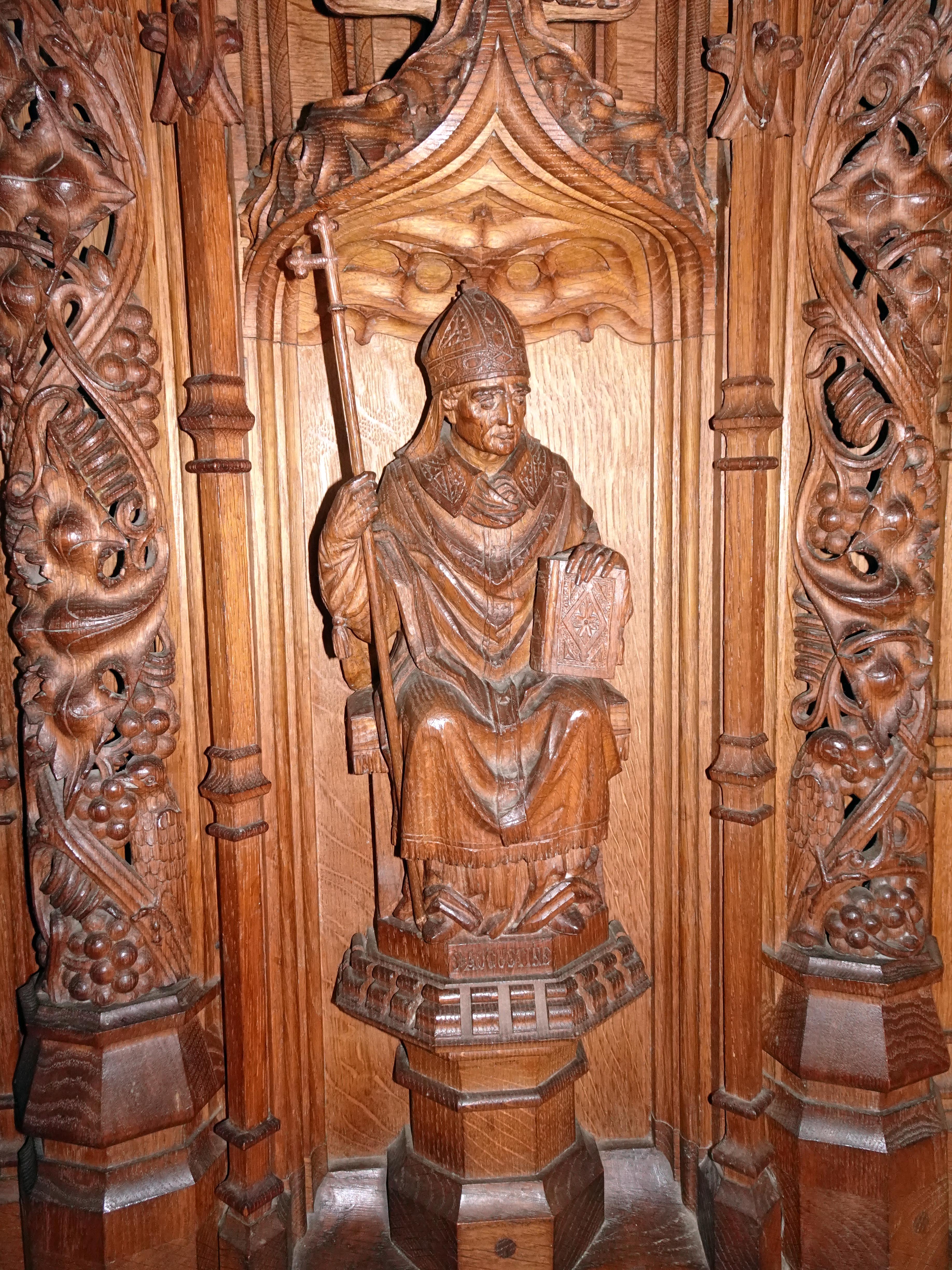
The rood screen is ornately carved and beautifully so. This is not the original rood screen but part of the significant Victorian renovations. This is a truly gorgeous church and so interesting to connect this little village in the middle of Devon with so much World and Imperial history.

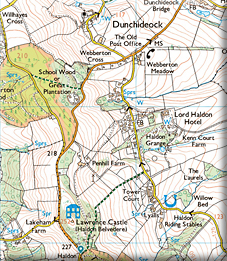
Location of Walk

Click for OS Map of Area

Pilgrimage Route
Haldon House
Sir Robert Palk
Haldon House
Major-General Stringer Lawrence
Suggested Reading

Trading Places: The East India Company and Asia, 1600–1834
by Farrington, Anthony – British Library, 2002

The East India Company at Home, 1757–1857
edited by Finn, Margot & Smith, Kate – UCL Press, 2018

The Palk Family of Haldon House & Torquay
by Fraser, Iain – Sylverwood Publishing, 2008

Devon’s Past: An A–Z of Local History
by Gray, Todd – Mint Press, 2006

Devon
by Hoskins, W. G. – Phillimore, 2003 (reprint of 1954 edition)

The Buildings of England: Devon
by Pevsner, Nikolaus & Cherry, Bridget – Yale University Press, 2002

Ideology and Empire in Eighteenth‑Century India: The British in Bengal
by Travers, Robert – Cambridge University Press, 2007

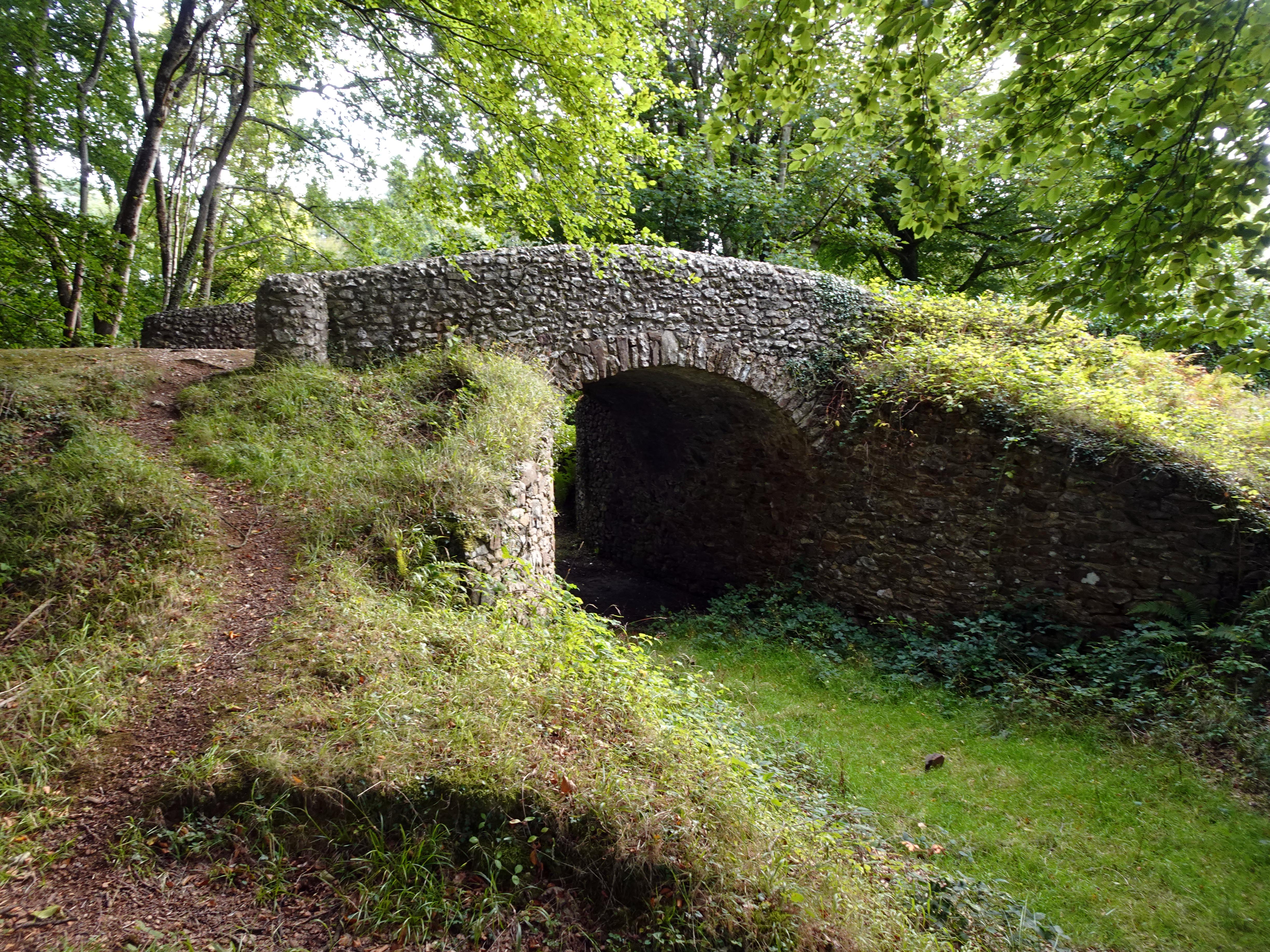
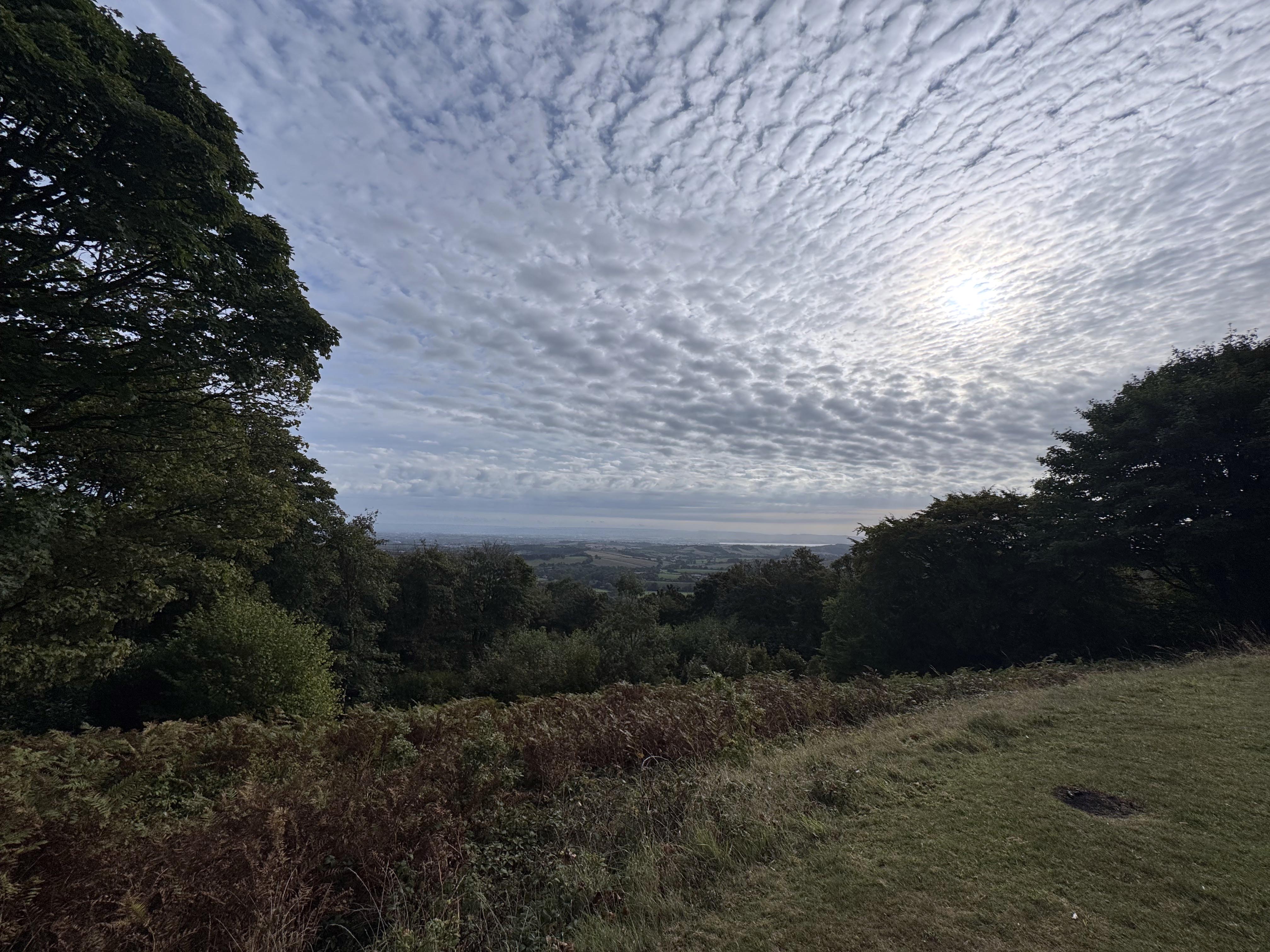
Stone bridge in the grounds of Haldon Belvedere Haldon Belvedere tower View from Stringer Castle towards the Exe estuary Haldon Belvedere with twin towers and entrance
Bridge in the grounds of Haldon Belvedere — moss‑covered stone arch spanning a woodland stream Haldon Belvedere — Stringer Castle rising against a dramatic sky View from Stringer Castle — sweeping panorama towards the Exe estuary Haldon Belvedere — twin‑towered façade with arched doorway and picnic lawn
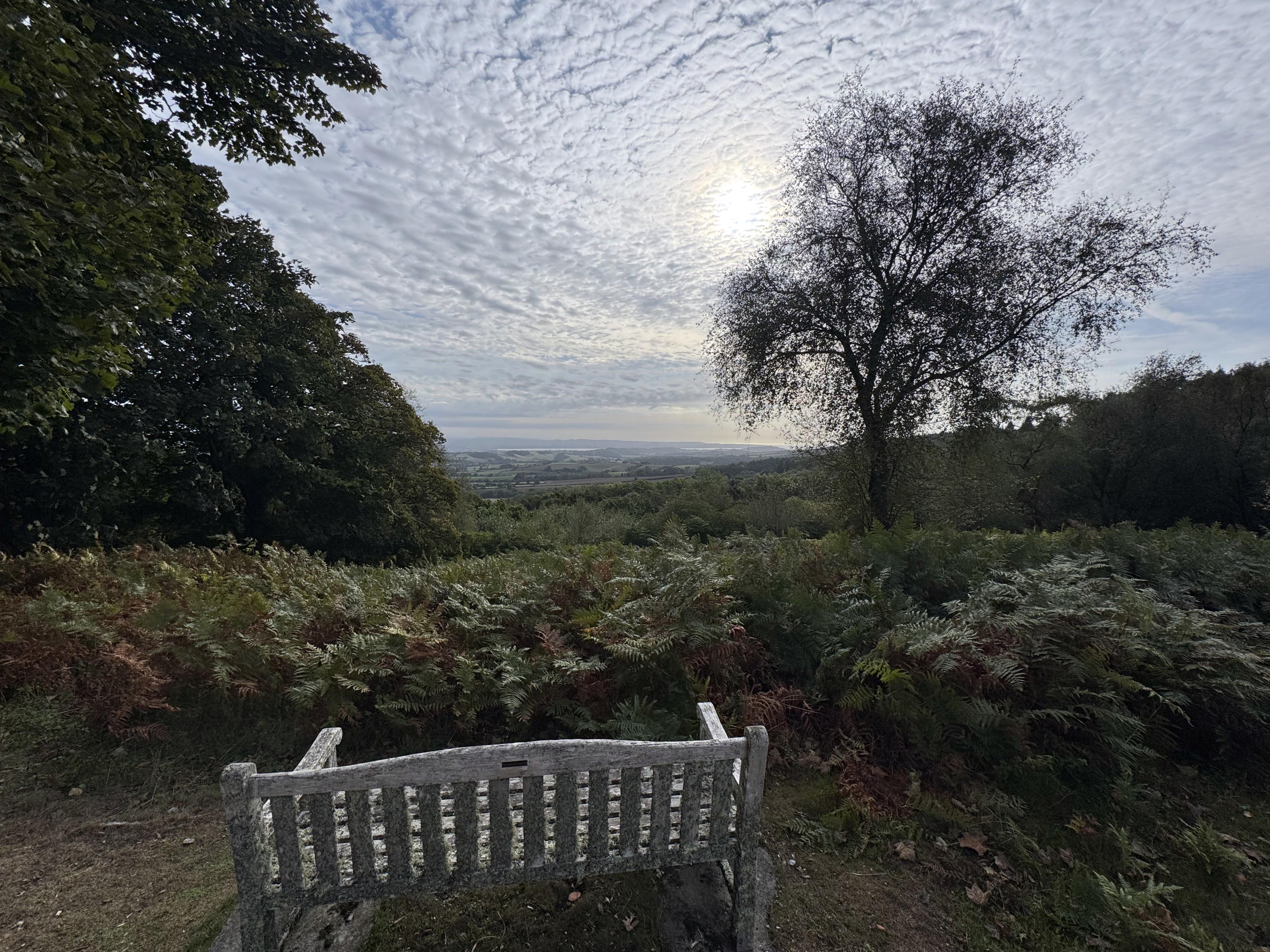
Haldon Belvedere with Rupert the dog on the lawn View from Haldon Belvedere with bench and ferns Surviving wing of Haldon House, now a hotel Front façade of Haldon House with classical portico
Rupert the dog outside Haldon Belvedere — a playful companion at Stringer Castle Bench and ferns overlooking the Exe valley — a tranquil view from the Belvedere grounds Surviving wing of Haldon House — sold after the First World War, now converted into a hotel Haldon House façade — built in the 1730s by the Chudleighs, modelled on Buckingham House
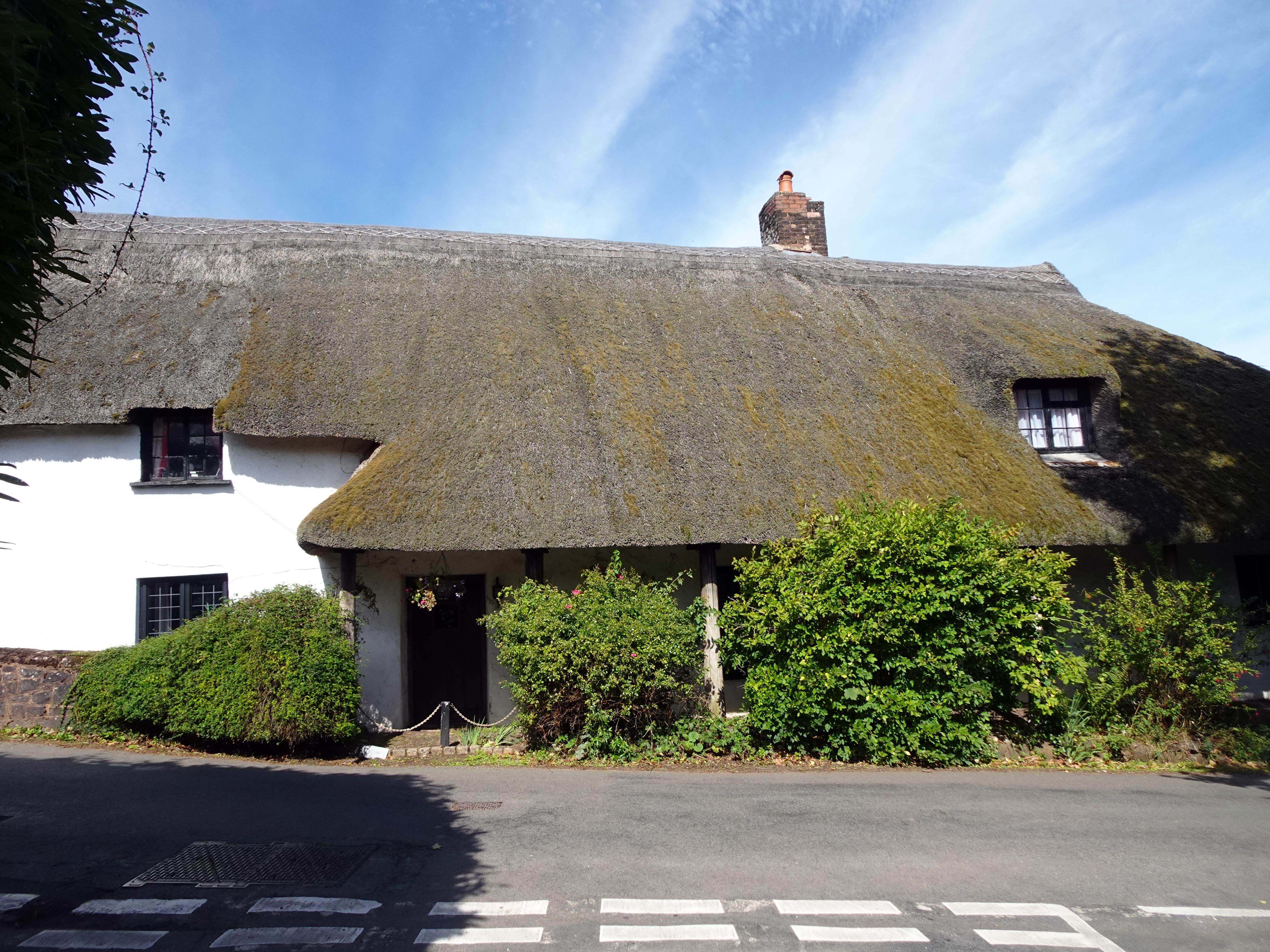
Haldon House surviving wing, now a hotel Typical Devon thatched cottage Dunchideock Church exterior Memorial plaque inside Dunchideock Church
Haldon House — the surviving wing sold after the First World War, now converted into a hotel A typical Devon thatched cottage — whitewashed walls and straw roof, echoing rural tradition Dunchideock Church — 12th‑century foundation with 14th‑century bosses and Victorian restoration Memorial plaque — commemorating parishioners who gave their lives in the Great War and WWII
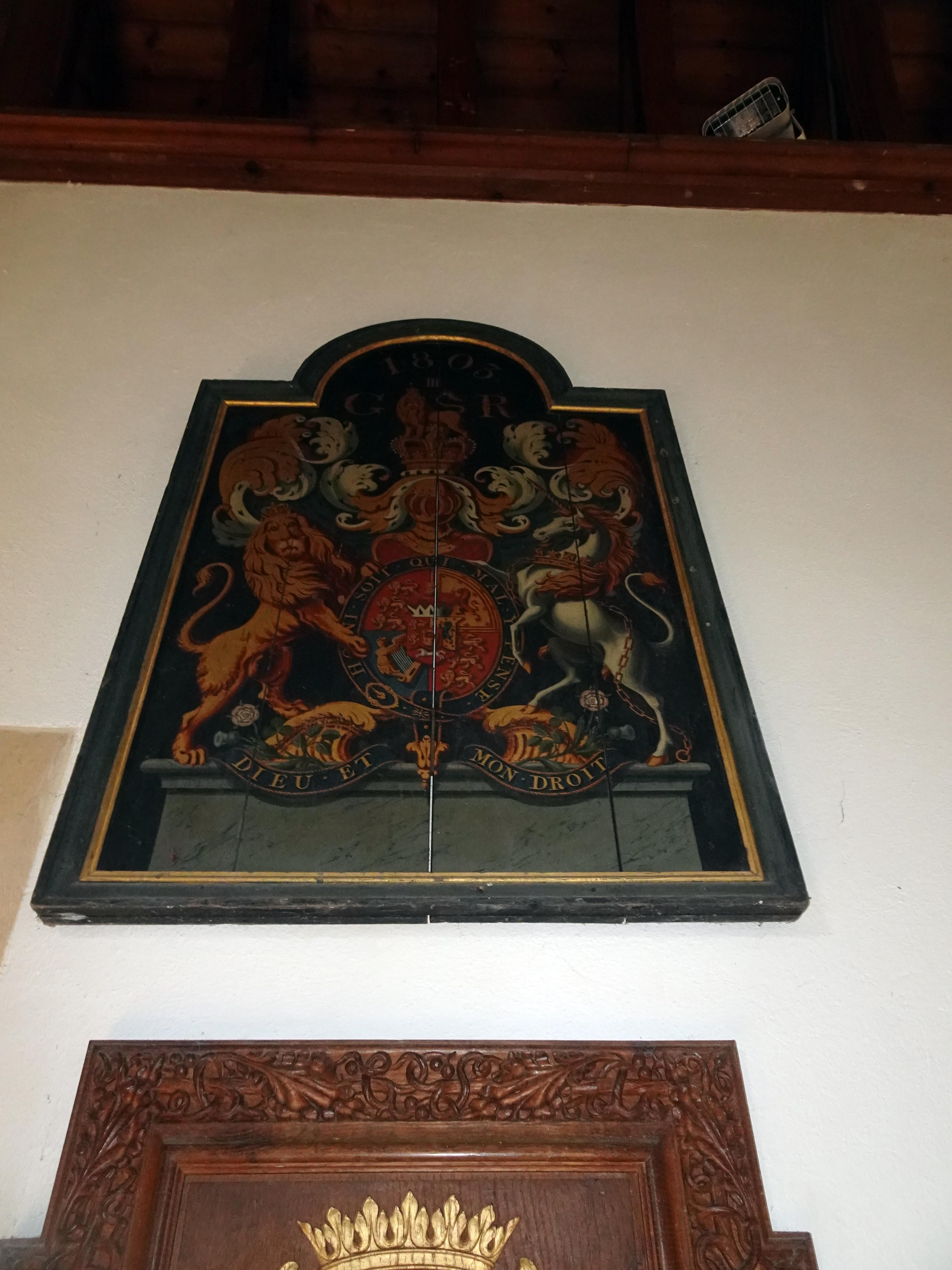
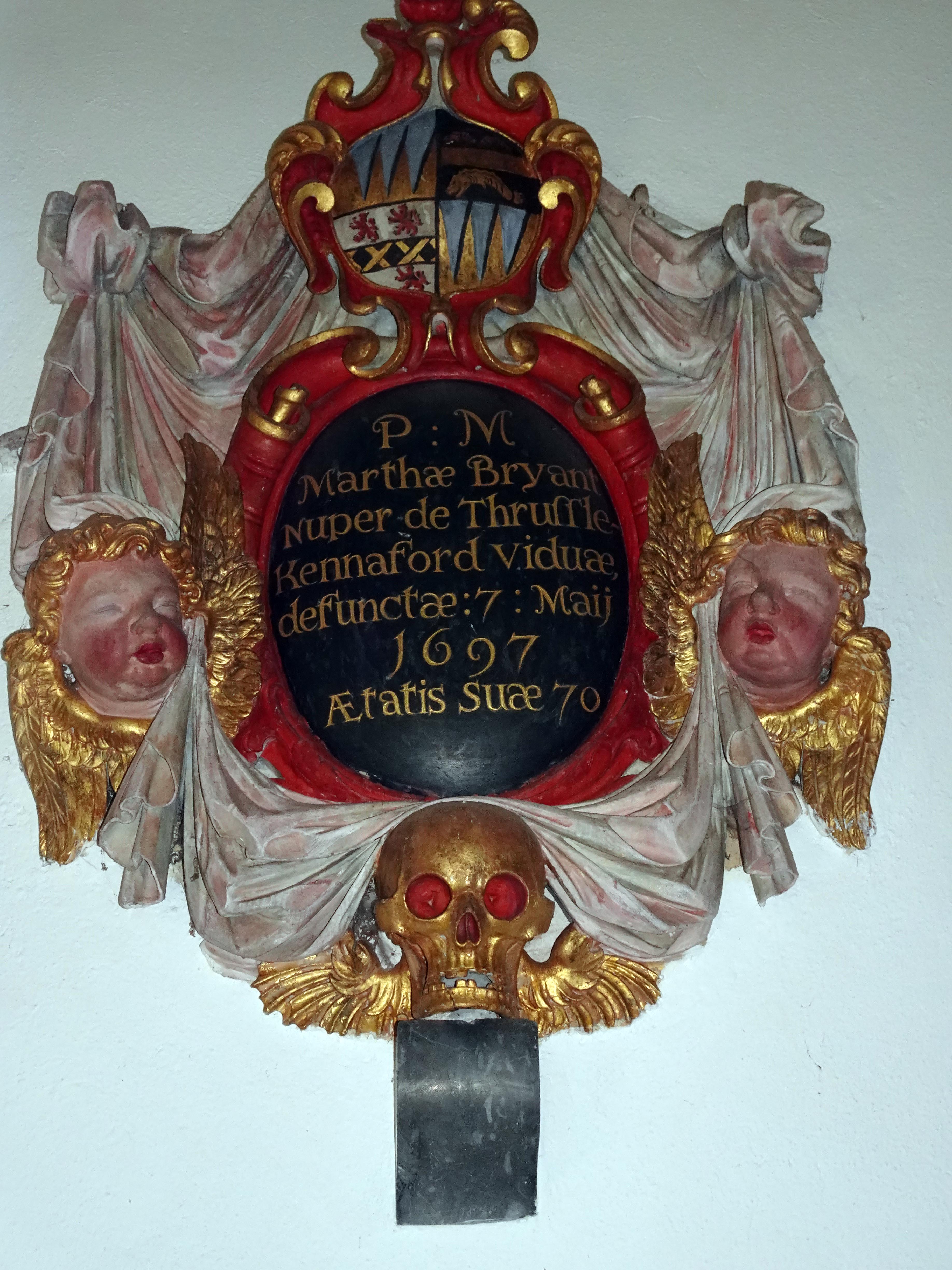
Royal Coat of Arms panel inside Dunchideock Church Carved wooden pulpit with painted saints Major-General Stringer Lawrence memorial at Dunchideock Memorial to Martha Bryan, 1697
Royal Coat of Arms — the lion and unicorn flanking the shield, monarchy and state authority within the parish church Ornately carved pulpit — Gothic tracery and painted saints, part of the Victorian renovations at Dunchideock Major‑General Stringer Lawrence memorial — commemorating the “Father of the Indian Army,” Palk’s friend and Haldon Belvedere’s dedicatee Martha Bryan memorial (1697) — heraldic shield, cherubs, and memento mori skull, vivid 17th‑century funerary art
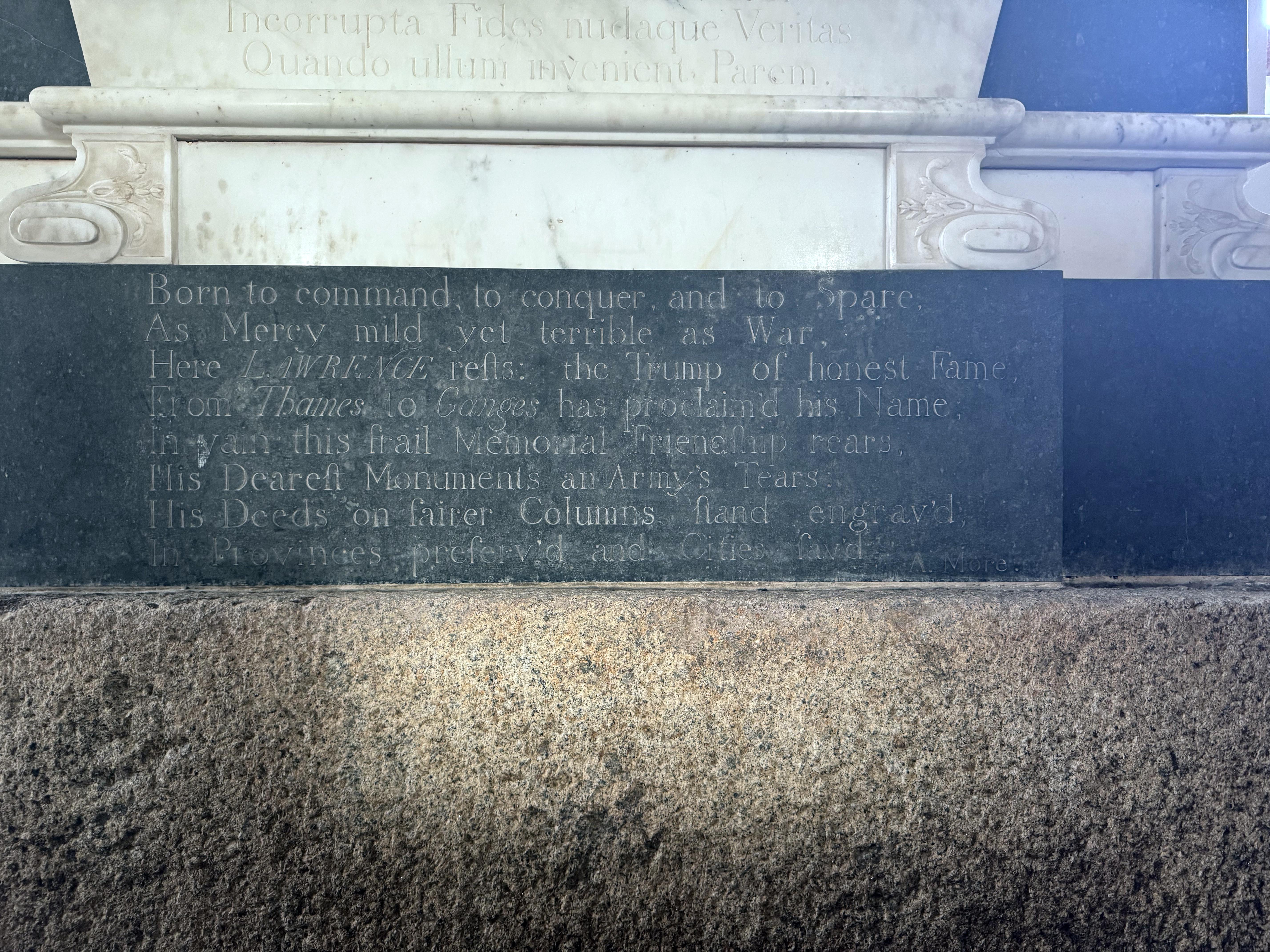
Rood screen and chancel at Dunchideock Church Major-General Stringer Lawrence memorial monument Inscribed poetic epitaph for Stringer Lawrence Marble plaque commemorating Major-General Stringer Lawrence
Rood screen and chancel — ornately carved Gothic woodwork, reconstructed in the Victorian era, framing the altar with medieval bosses above Monument to Major‑General Stringer Lawrence — reclining effigy with portrait medallion, commemorating the “Father of the Indian Army” Poetic epitaph — verses honouring Lawrence’s fame from Thames to Ganges, his deeds remembered in friendship and in tears Marble plaque to Stringer Lawrence — recording his command in India (1747–1767) and his death in 1775, testimony to his virtues and service
Memorial plaque to Captain Charles R.S. Pitman Interior view of Dunchideock Church with font and pews Intricately carved rood screen inside Dunchideock Church Aaron Baker memorial plaque with heraldic shield
Captain Charles R.S. Pitman — Indian Army officer, decorated in WWI, later Game Warden in Uganda and friend of Joy Adamson, last of the Pitman line of Dunchideock House Interior of Dunchideock Church — red and black tiled floor, medieval font, and Victorian furnishings within the restored nave Rood screen — elaborate Gothic tracery and painted panels, reconstructed by Herbert Read in 1892, preserving medieval craftsmanship Aaron Baker memorial — Governor of Bantam and first President of Madras, commemorated with Corinthian columns and heraldic arms, linking Devon to early East India Company history
Memorial plaque to Edwina Pry inside Dunchideock Church Memorial plaque to Catherine Jane Keats and Diana Elizabeth Pitman Stained glass window commemorating Samuel Gilbert Scott and Edward Thomas Scott Stained glass window depicting biblical scenes with multiple figures
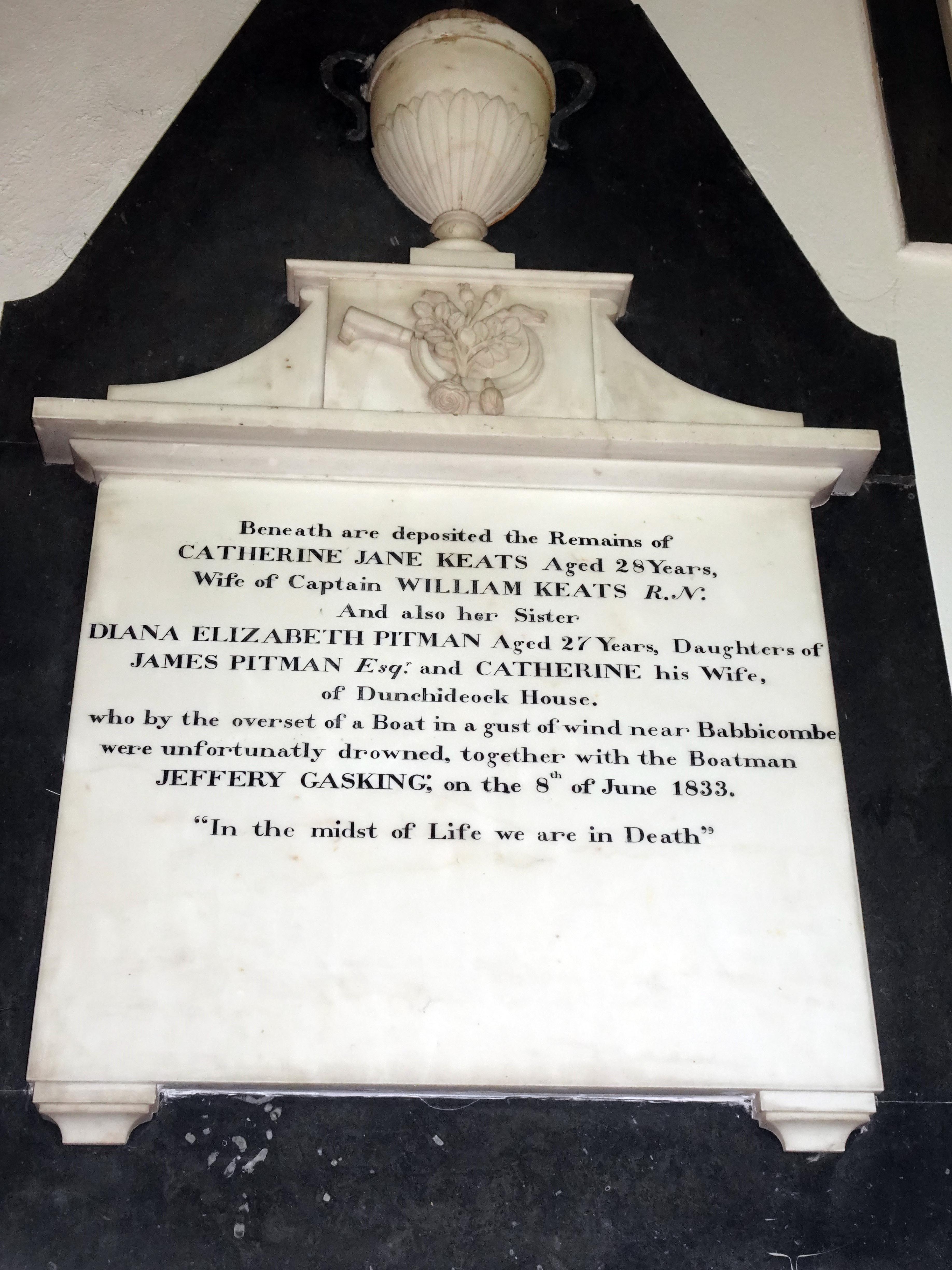
Edwina Pry memorial — poignant 1832 plaque recalling her virtues and beneficence, alongside her infant son Edward Harris Miller Catherine Jane Keats and Diana Elizabeth Pitman — sisters drowned in a boating accident near Babbacombe in 1833, remembered with an ornate marble plaque Stained glass window — central crucifixion scene flanked by saints, dedicated to Samuel Gilbert Scott and Edward Thomas Scott, parishioners commemorated in colour Richly coloured stained glass — biblical figures in reverence, angels above, a Victorian addition enhancing the devotional atmosphere of Dunchideock
Chancel screen and pews at Dunchideock Church Stained glass window with heraldic shields Memorial plaque to Harold and Claude Lucas, Great War Ledger stone of Aaron Baker, Governor of Bantam and Madras
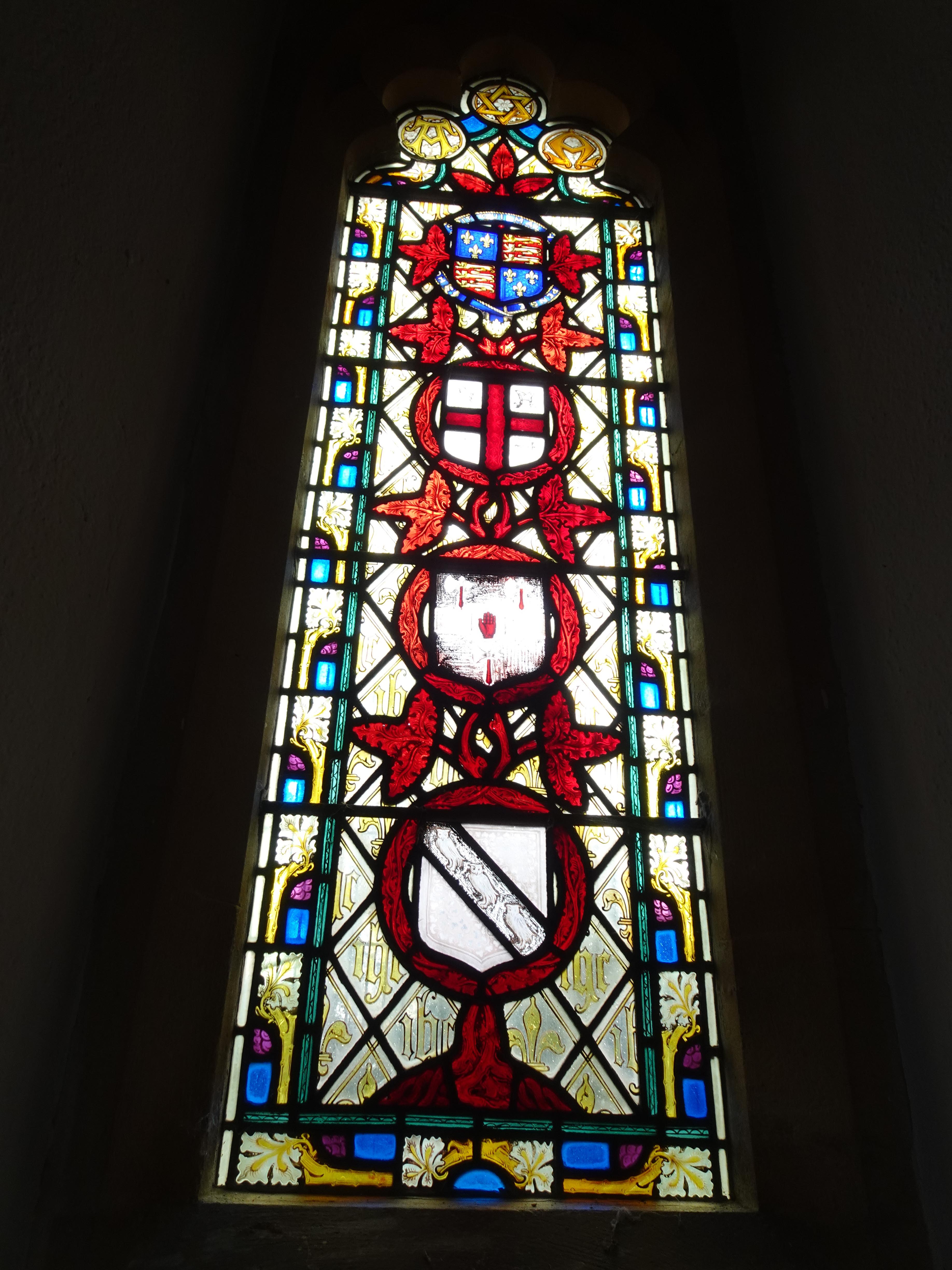
Chancel screen and pews — richly carved Gothic tracery, Herbert Read’s Victorian reconstruction, with medieval bosses above Heraldic stained glass — shields of England, noble families, and local arms, glowing reminders of aristocratic ties Lucas brothers memorial — Harold Clement Montagu Lucas, killed at Neuve Chapelle, and Claude de Neufville Lucas, lost at Jutland, remembered with poppies Ledger stone of Aaron Baker — Governor of Bantam and first President of Madras, who endowed the north chapel in 1669, buried here in 1683
Carved wooden figure of bishop or saint in niche Carved wooden figure of monk or scholar with book WWII memorial wall with plaques and coat of arms Painted wooden cross with stylised head sculpture
Carved bishop figure — mitred saint holding staff and book, part of the ornate ecclesiastical woodwork at Dunchideock Scholar or monk carving — seated with open book, Gothic tracery surrounding, a reminder of medieval devotion and learning WWII memorial wall — plaques honouring parishioners who gave their lives, crowned by the Royal Arms, “Greater love hath no man than this” Painted rood cross detail — stylised head with moustache and headdress, vivid colours against dark wood, a striking devotional motif
Weathered stone head of bishop or cleric on church wall Stone carving of monk or cleric with tonsure Crowned stone head embedded in medieval wall Crowned male head with beard carved in stone
Medieval stone boss — bishop’s head with mitre, weathered by centuries, gazing from the church wall Medieval stone head — a woman in headdress, one of the expressive faces carved into the church walls Crowned figure — stylised royal head, symbolic of authority and devotion, set high in the masonry Kingly visage — crowned and bearded stone head, finely chiselled, echoing medieval craftsmanship
Medieval stone boss carving on church exterior Medieval stone head carving on wall of Dunchideock Church Crowned medieval stone head carving View over the Teign Valley from Haldon ridgeline
Exterior boss — weathered medieval carving, one of the expressive faces that still gaze from the church walls Stone head — clerical figure with tonsure, a reminder of the parish’s medieval community Crowned head — royal or noble figure carved in stone, symbolic of authority and devotion Looking out from Haldon ridgeline — sweeping view across the Teign Valley, echoing Stringer Lawrence’s beloved walks

Walks by the Westcountry Walker
Armed Forces | Art and Culture | Articles | Biographies | Colonies | Discussion | Glossary | Hiking | Home | Library | Links | Map Room | Sources and Media | Science and Technology | Search | Student Zone | Timelines | TV and Film | Wargames
Donate by Stephen Luscombe