|
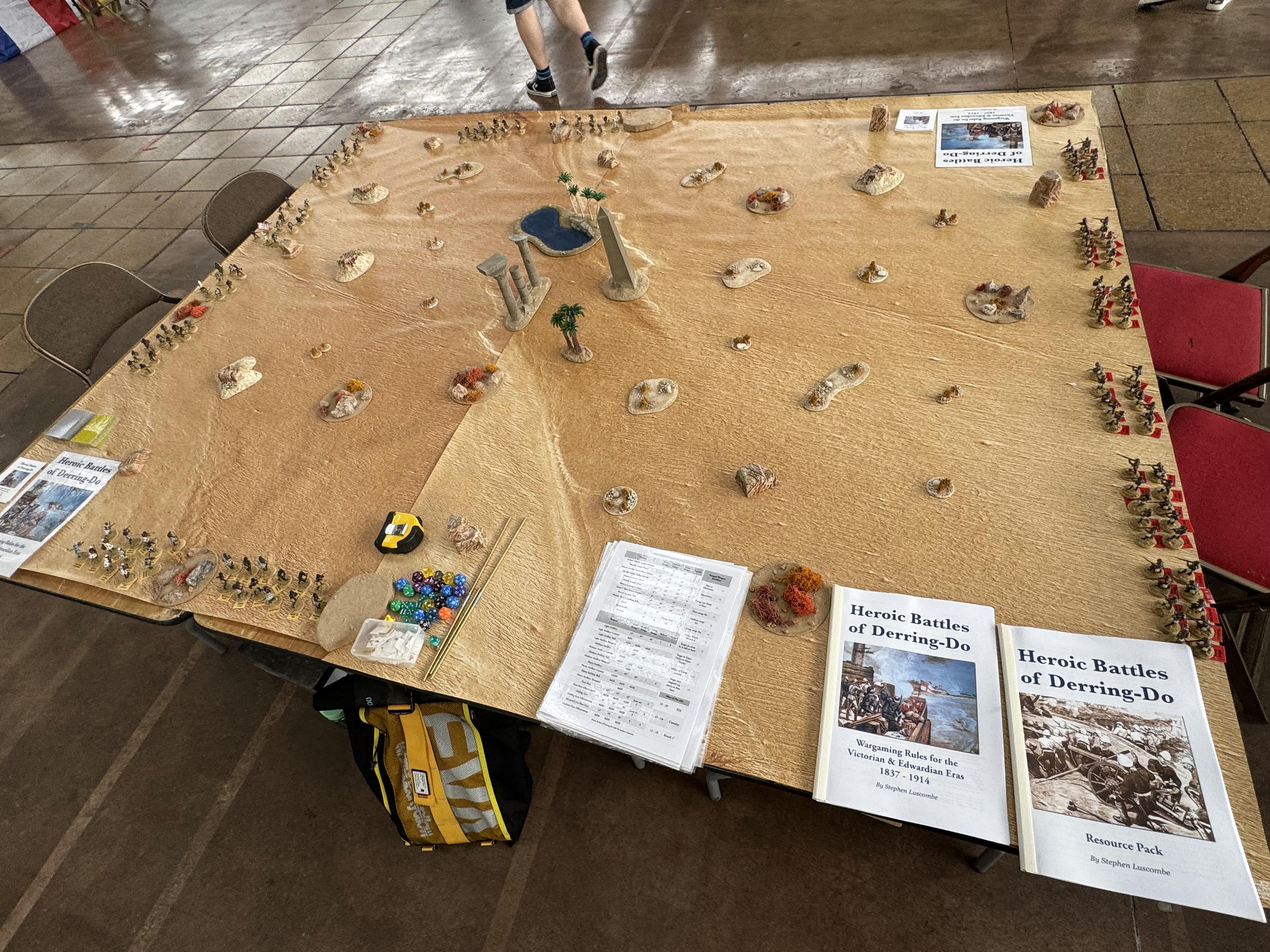
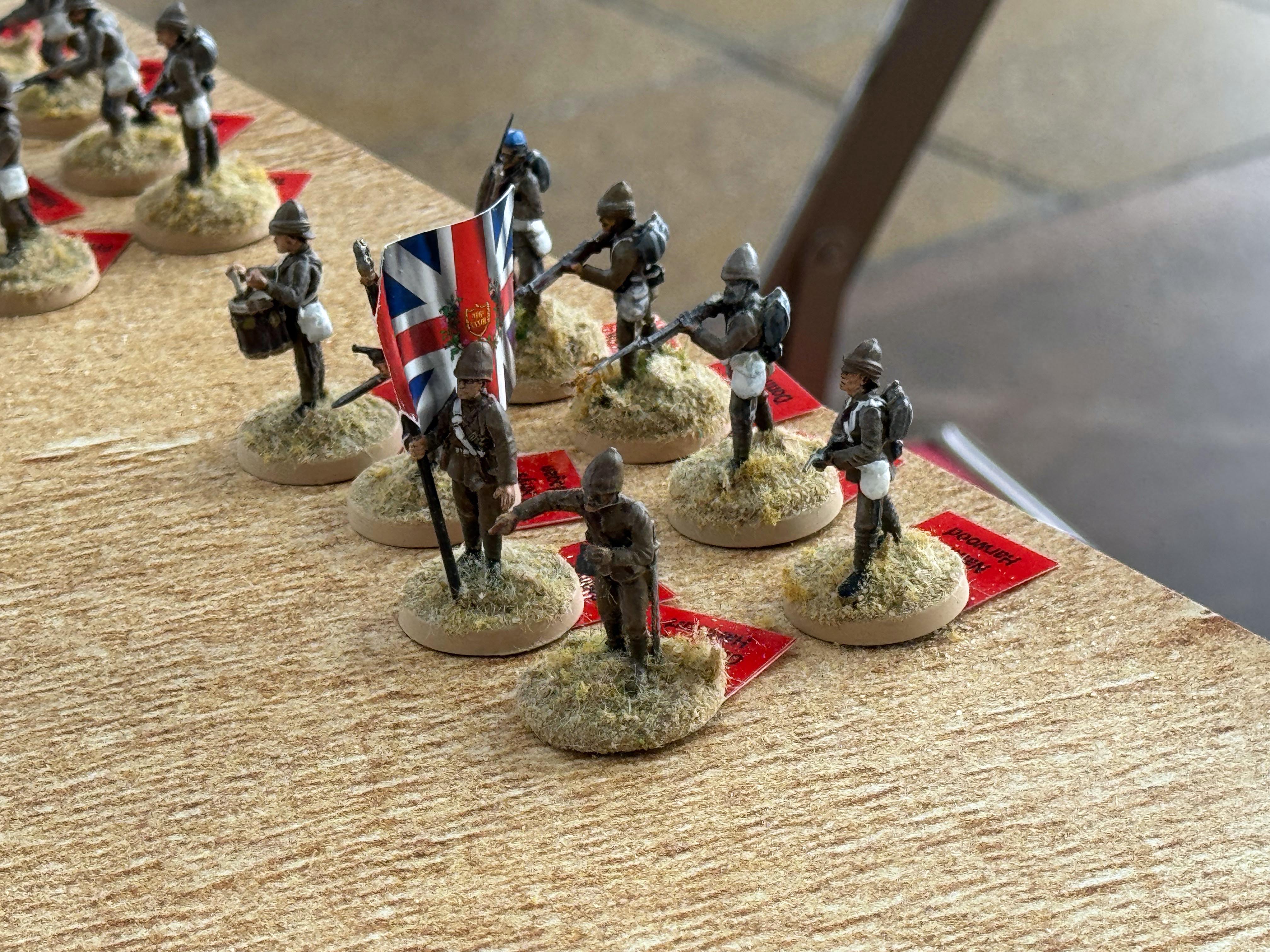
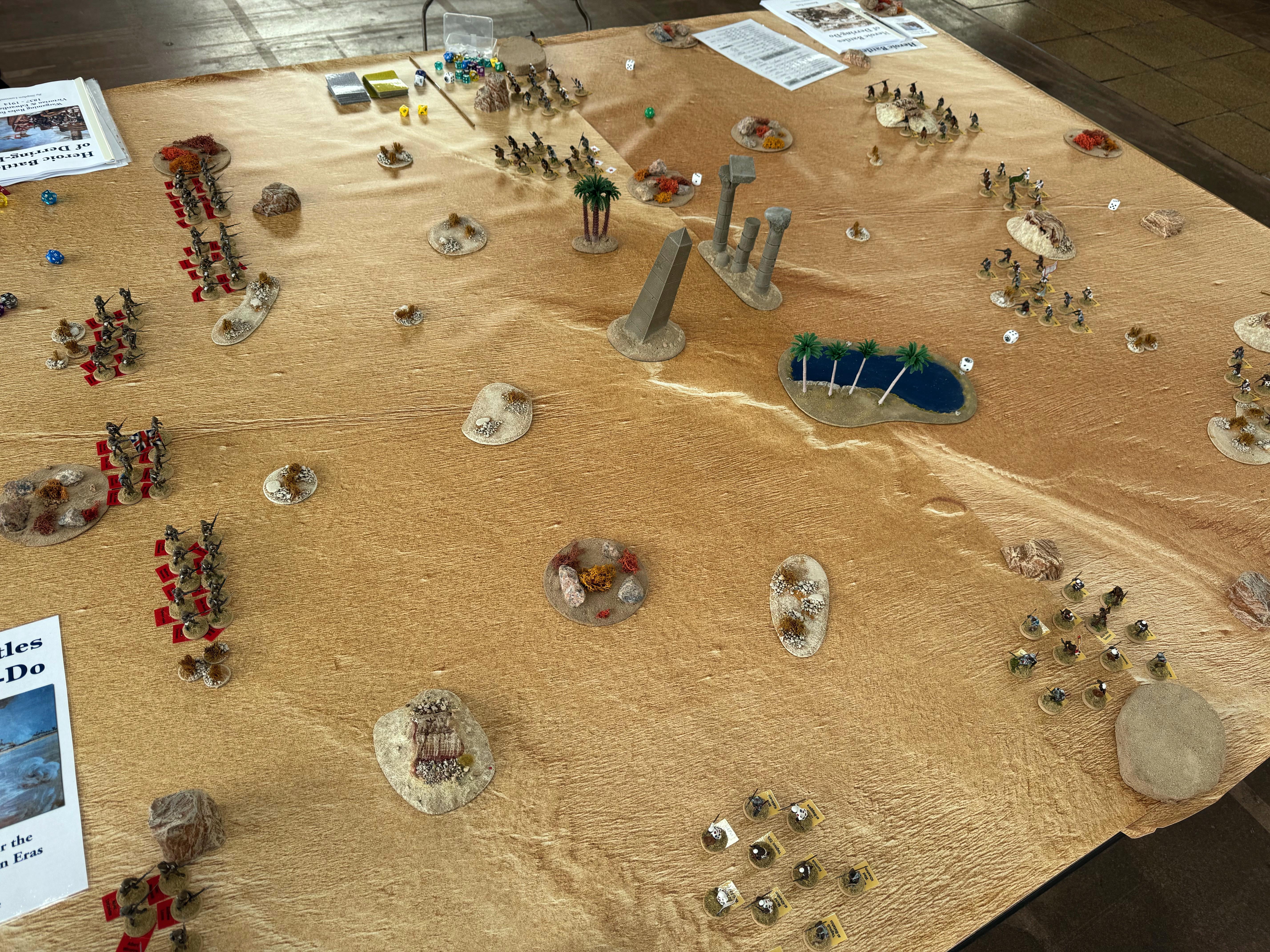
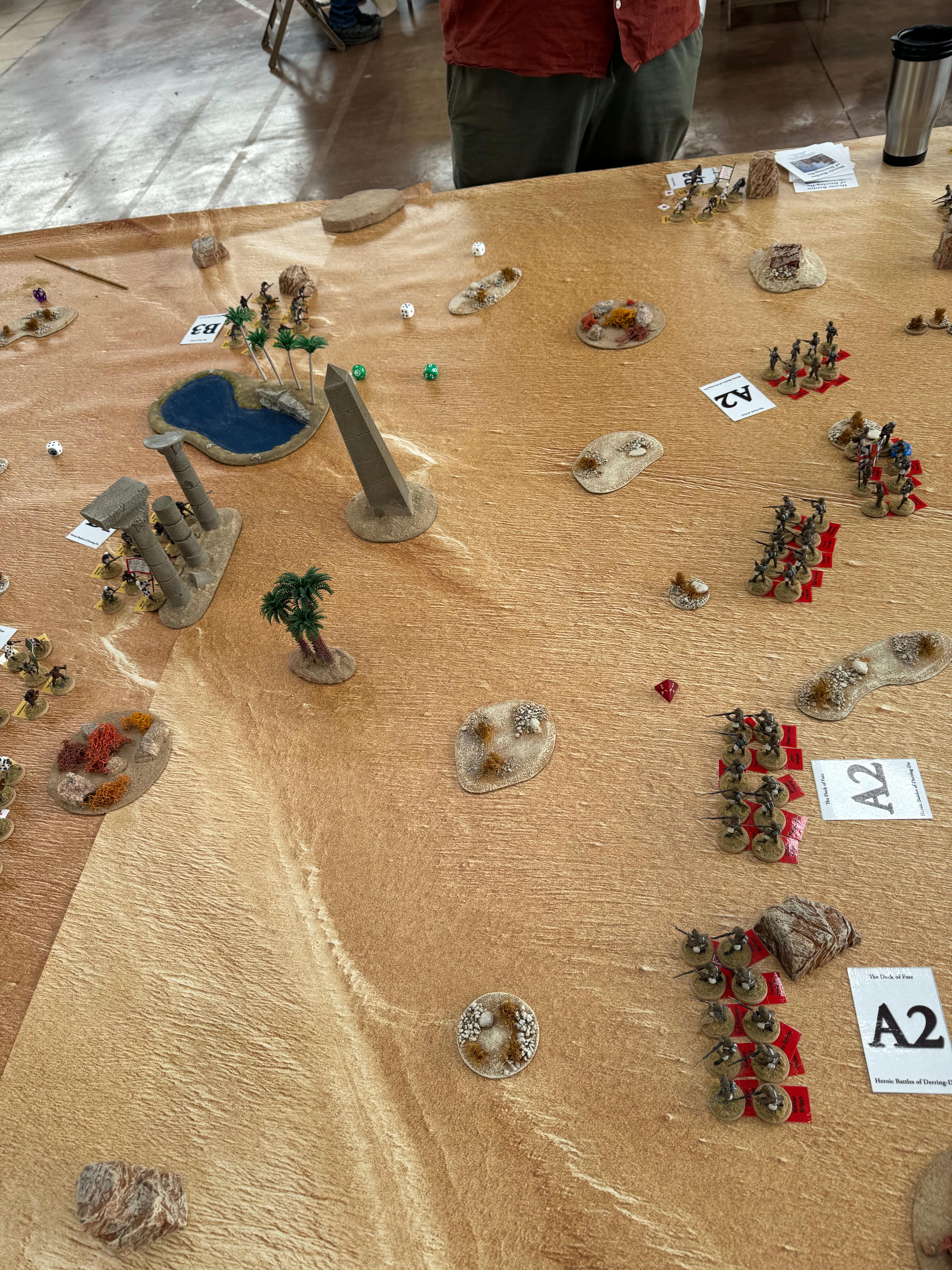
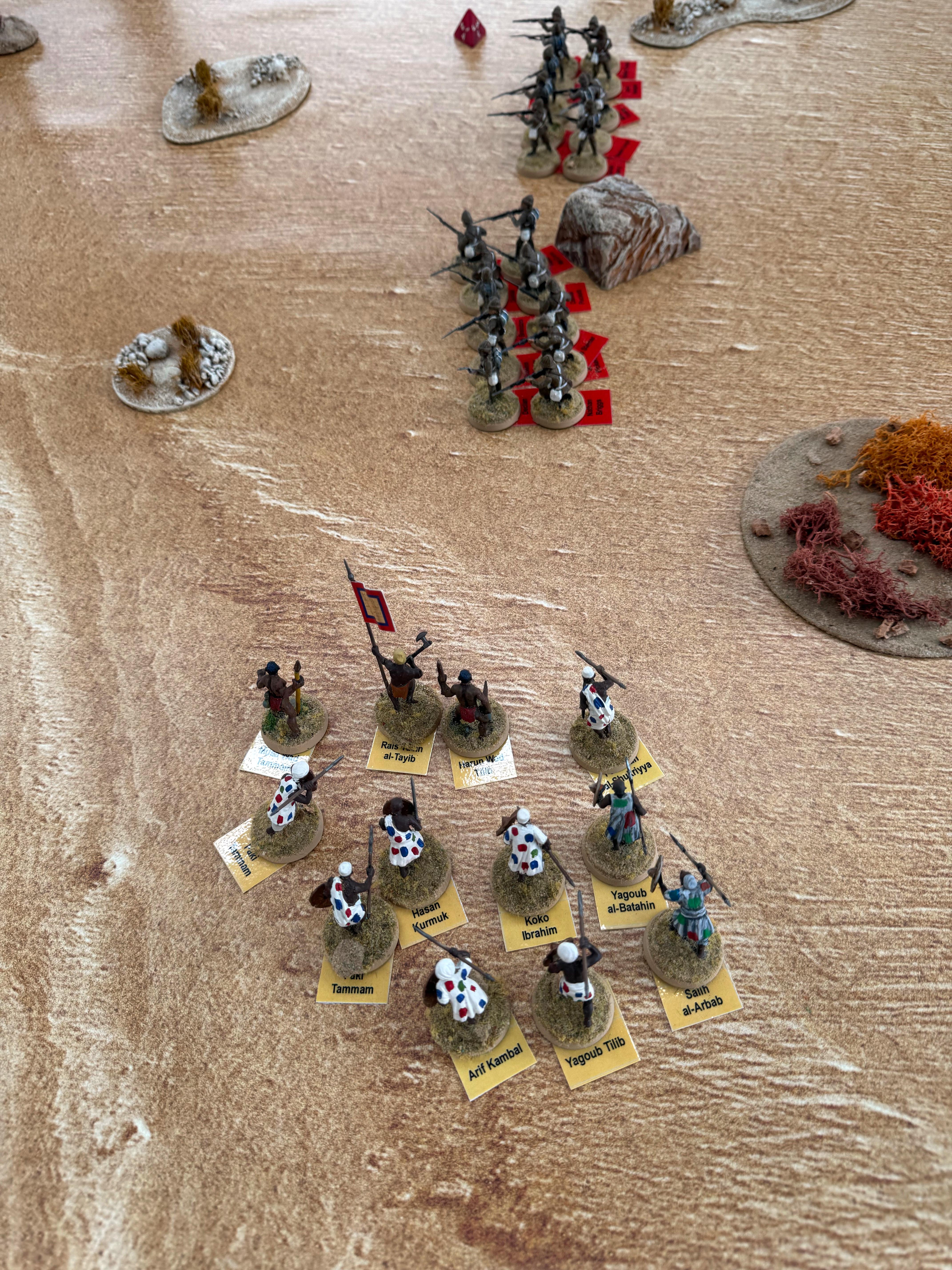
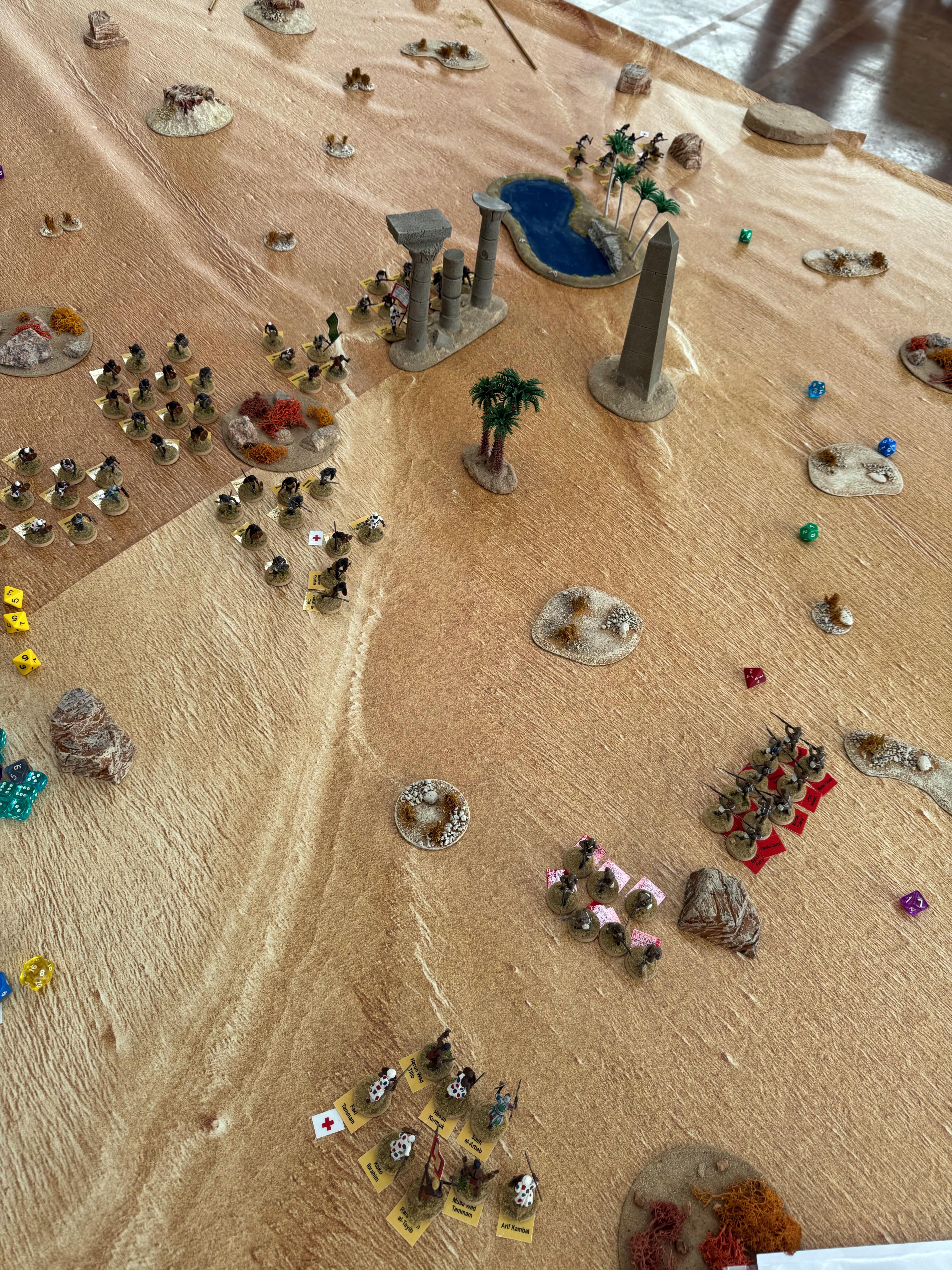
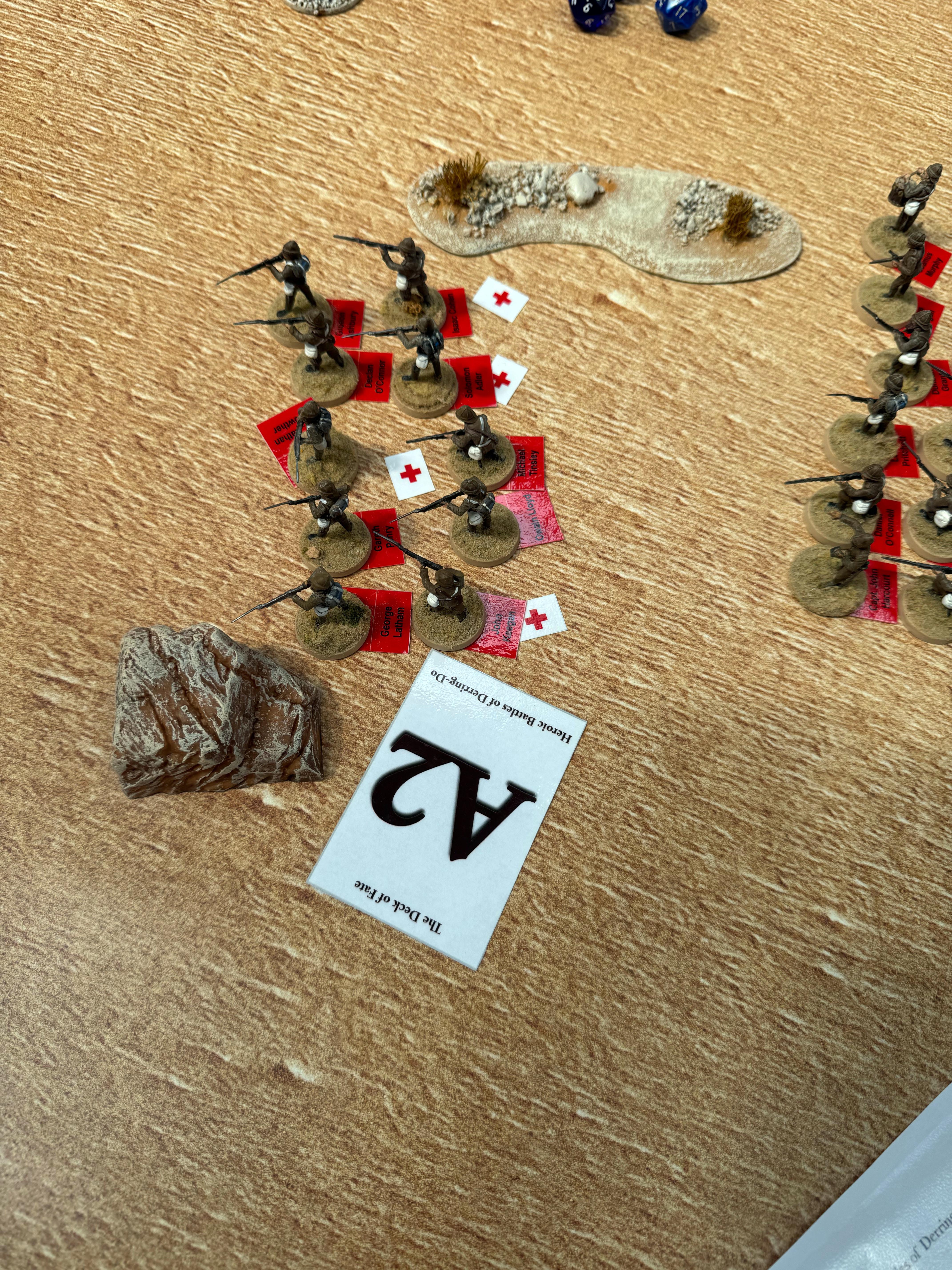
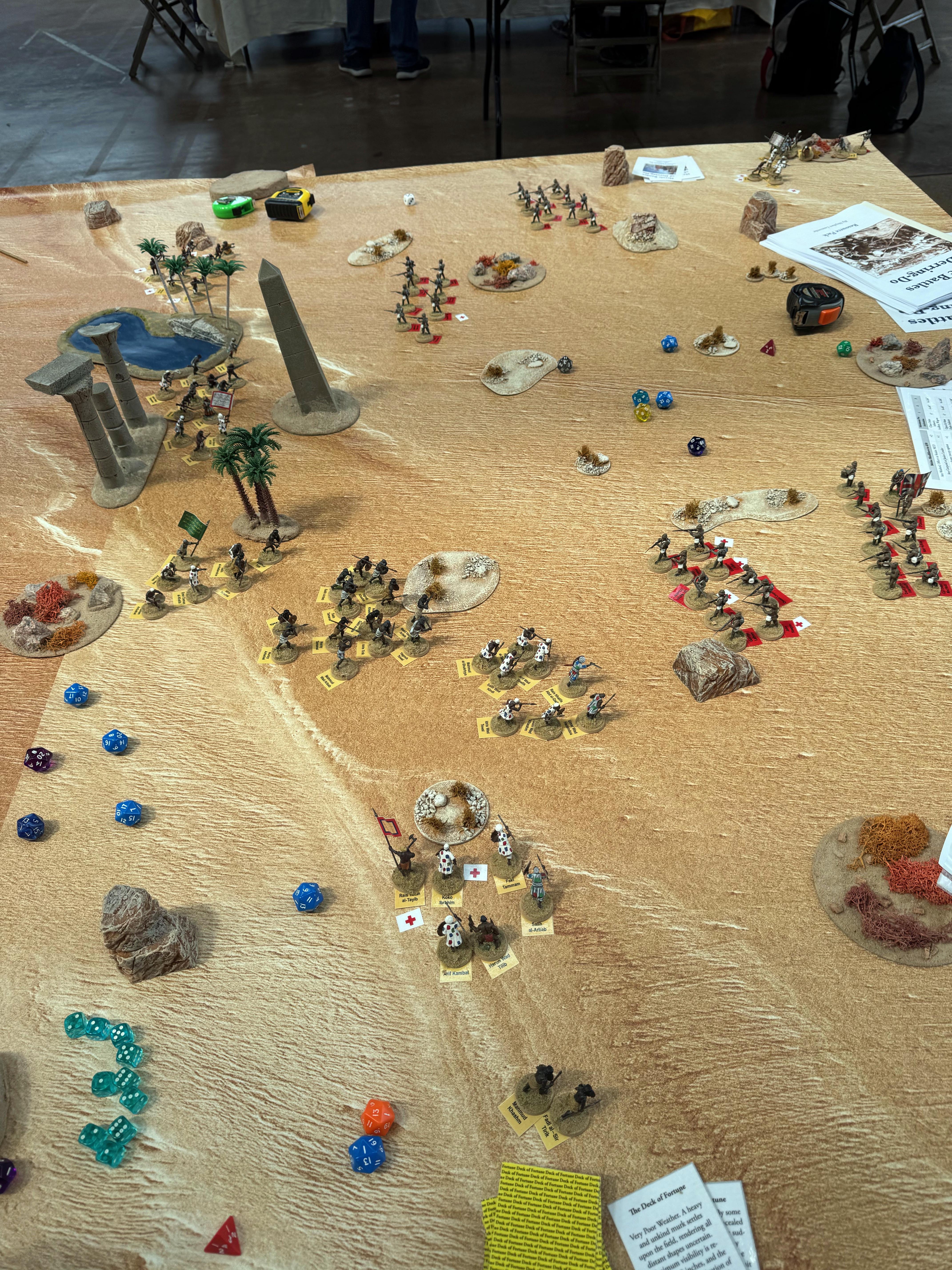
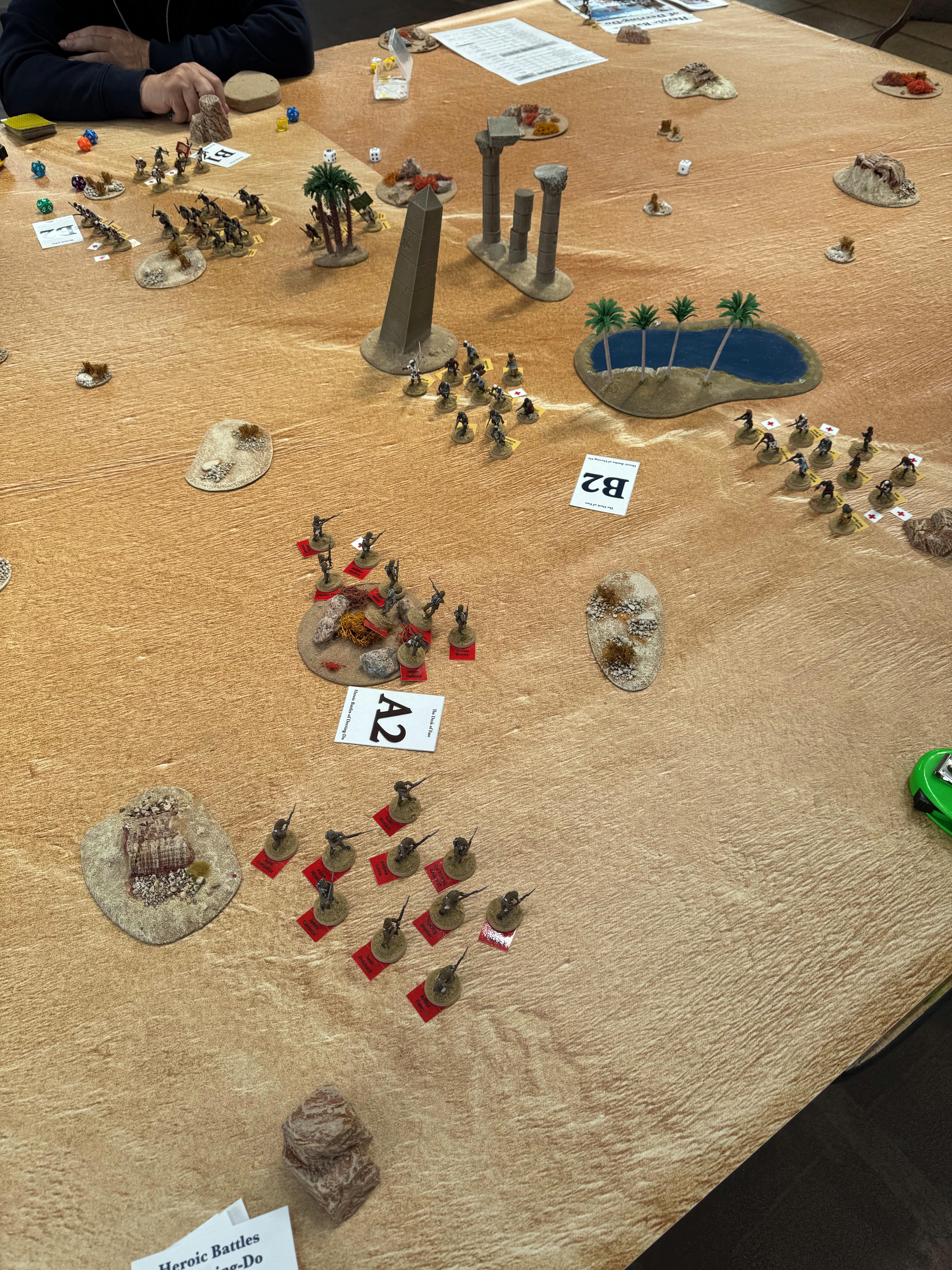
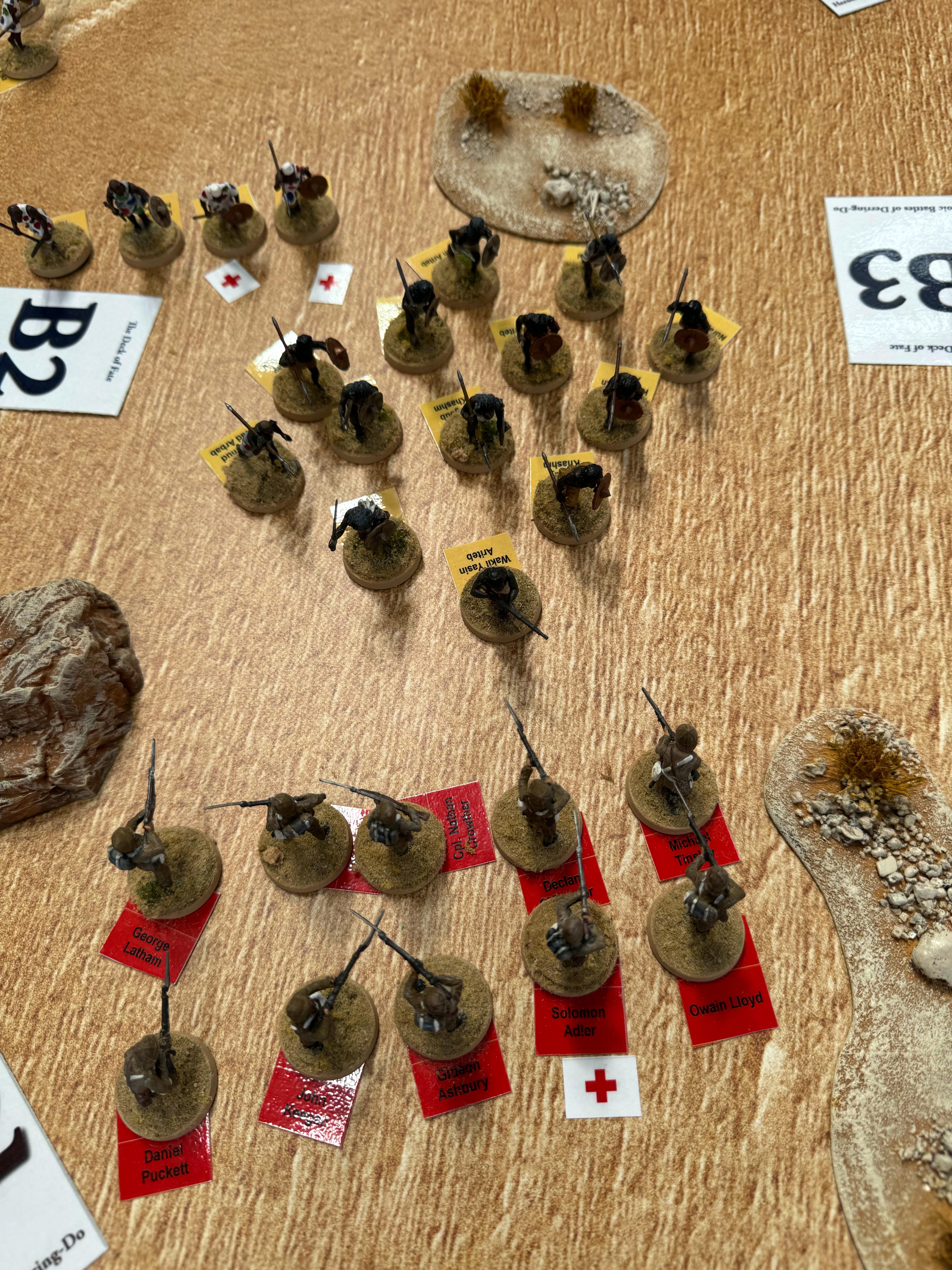
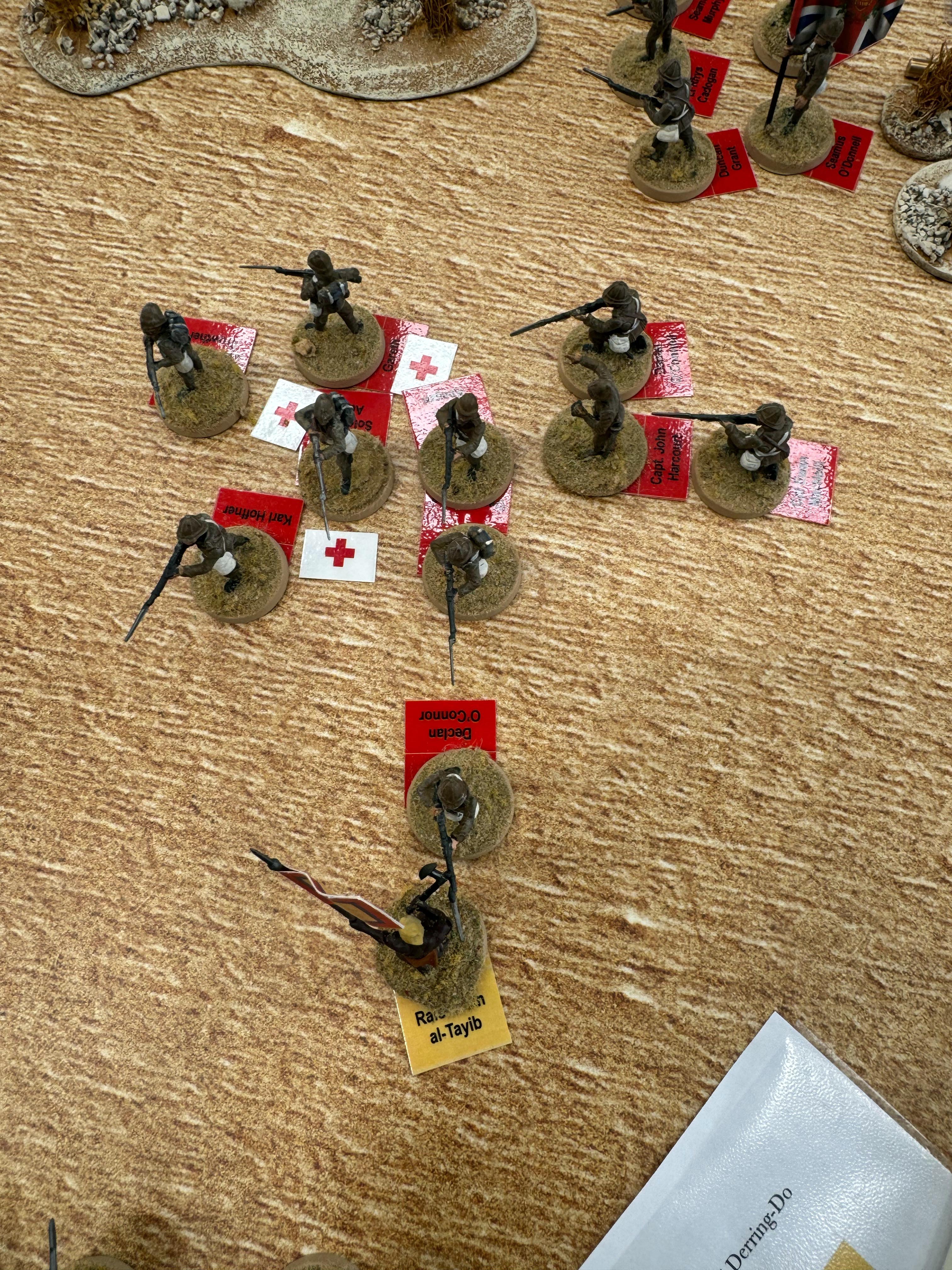
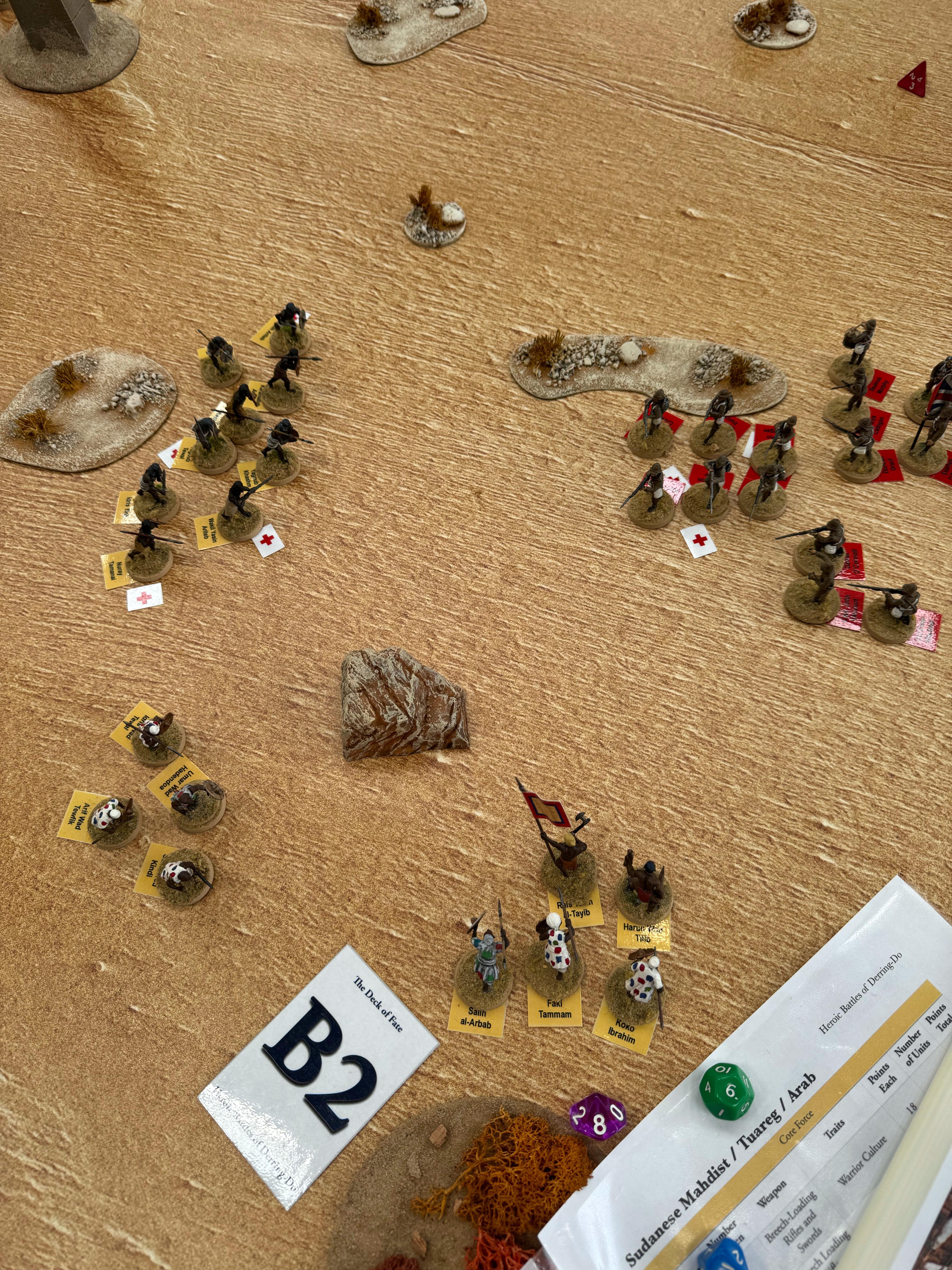
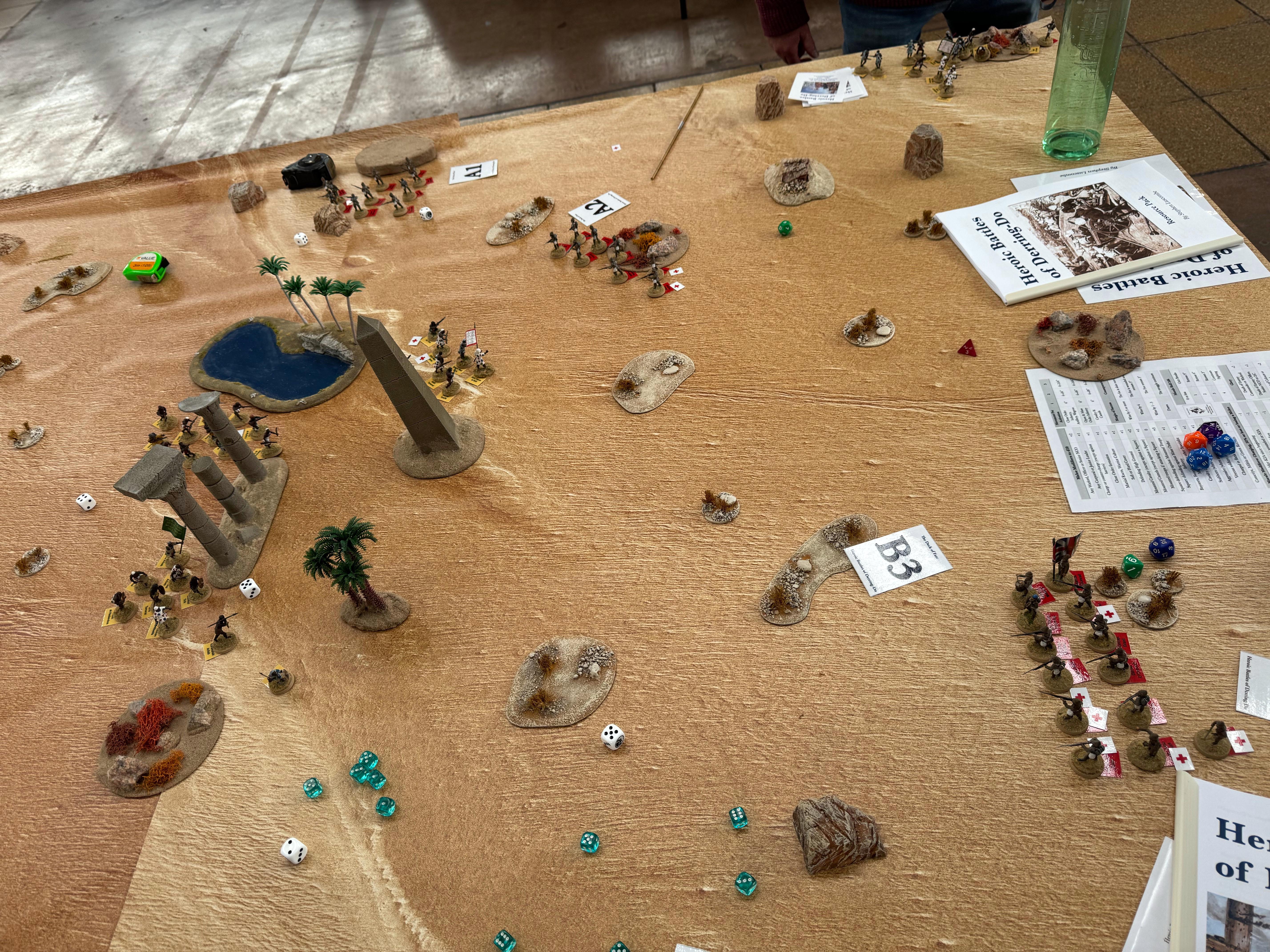
Somewhere on the burning plains of the Sudan in 1885 dust is stirred. A British field force, built around a battalion of the Inniskillings, was making its cautious advance towards Khartoum when its progress was abruptly challenged by a numerous body of the Mahdi’s adherents. These tribesmen, a mixed host of Ansar and Hadendowah, were further strengthened by a handful of Egyptian rifles lately taken in some skirmish, and these pieces were to prove a troublesome addition to their armoury. No cavalry or guns were present; the camels and artillery were employed elsewhere. Thus the burden of the day fell wholly upon the infantry, and upon Captain Harcourt in particular, who was obliged to rely upon discipline and the steady, deliberate fire of the single‑shot Martini‑Henry.
The British elected to maintain close order for the greater part of the action, thereby securing the fullest effect from their volleys and presenting a firm front should the matter come to cold steel. Yet this formation, while formidable at short range, offered the enemy riflemen a more generous target. Even so, the Martini‑Henry soon made its influence felt. Though the fire was not destructive in the grand manner, each tribesman struck down eased the pressure upon the line. On the British left the shooting was especially serviceable, for not one but two Ansar leaders were dropped in quick succession, throwing that wing of the enemy into some disorder.
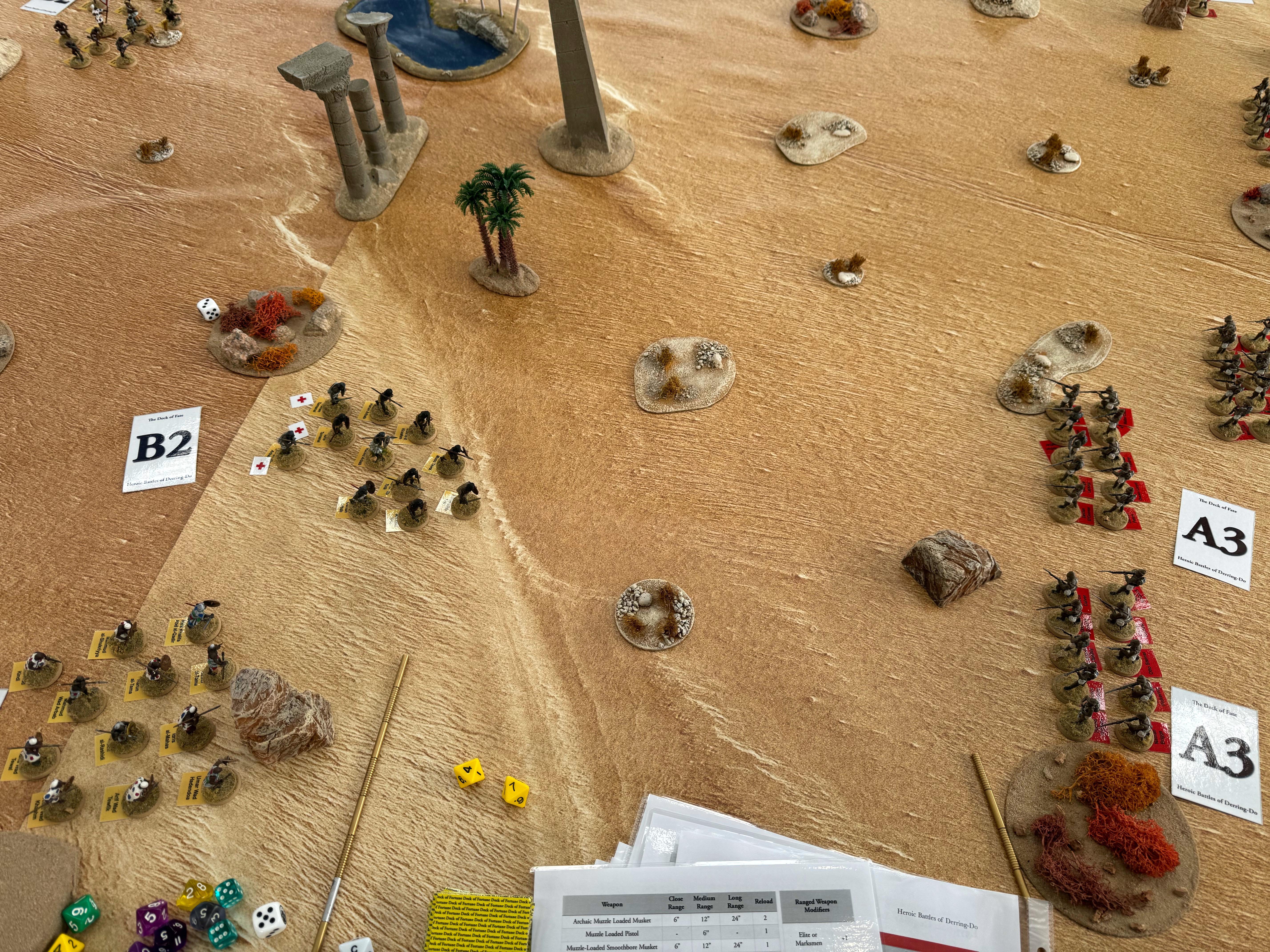
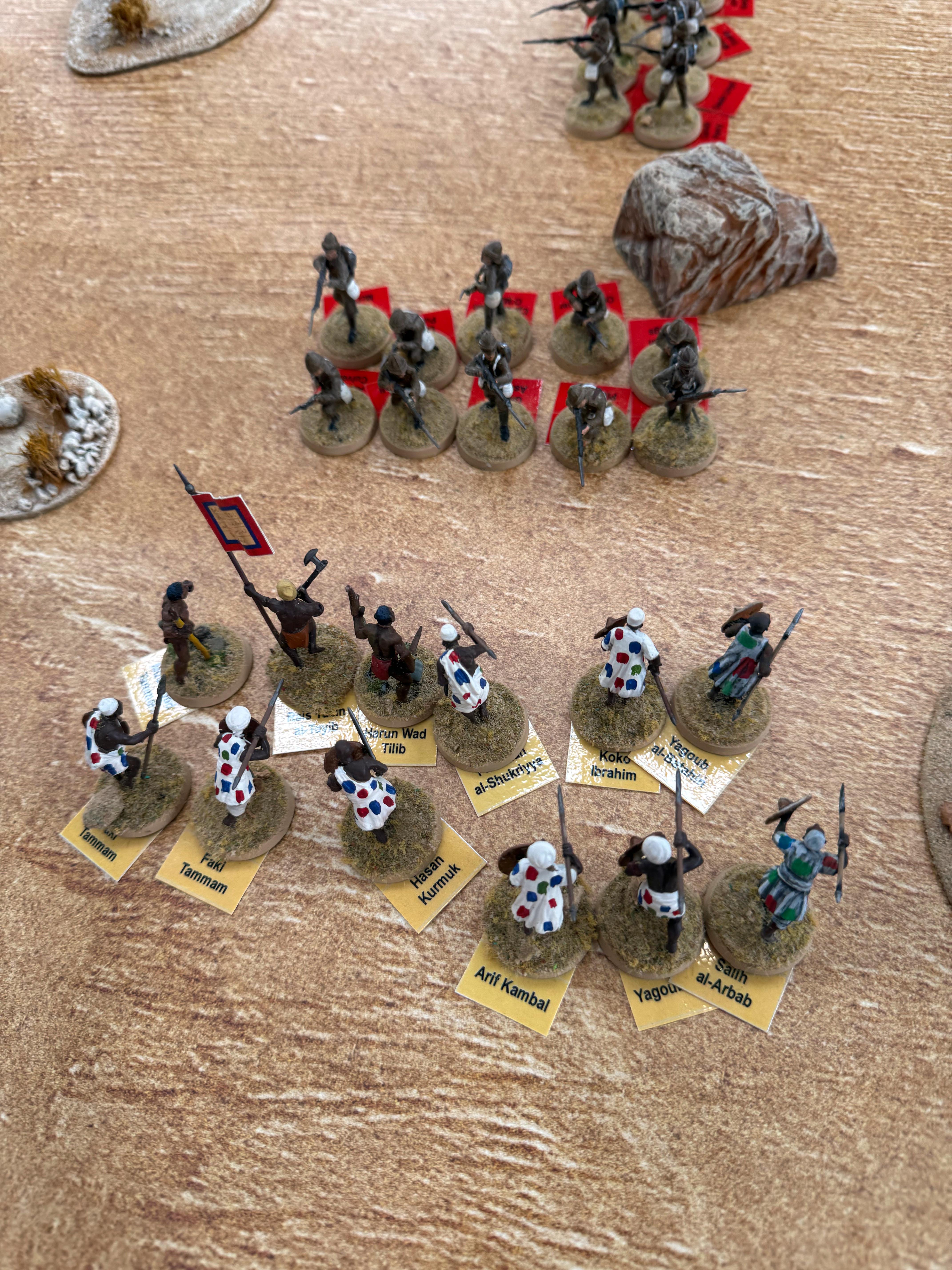
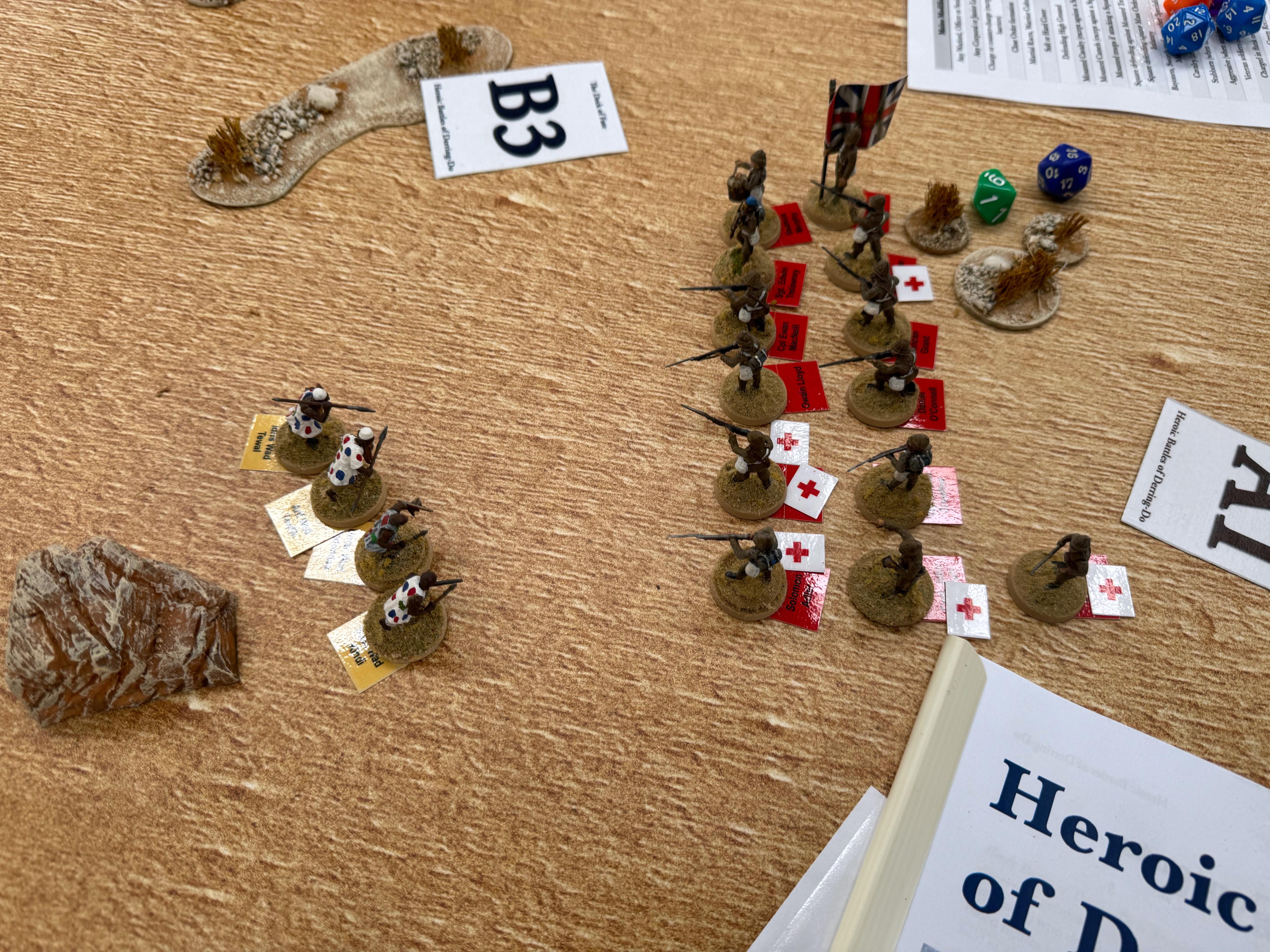
On the opposite flank the tribesmen displayed remarkable endurance, advancing at a prodigious pace across the open, as though schooled in the long‑distance running of their East African cousins. One body covered the full eighteen inches of its movement in a single bound, yet the British, steady in their ranks, met them with sustained volleys that thinned their numbers at every step. One Ansar band contrived to close, but the bayonets of the Inniskillings proved equal to the occasion, and the assailants were repulsed with trifling loss to the defenders.
The gravest peril of the day arose, unexpectedly, on the British left. A body of Ansar, hitherto concealed in some dry watercourse, burst suddenly upon the flank of the outermost company. The British had barely time to wheel about and present their front before the shock fell upon them. The onset was fierce, and for a moment it seemed the line must give way; but the redcoats held, and the tribesmen were beaten off. Scarcely had this danger passed when a fresh wave of warriors crashed upon the newly exposed flank. The struggle grew desperate. Though many of the enemy were brought down, the company was at last worn to a shadow, and the survivors withdrew painfully towards Headquarters to seek direction and succour.
The neighbouring company, still intact, was now subjected to a continual succession of attacks. Captain Harcourt, calm amid the tumult, fed forward such men as he could spare to stiffen the line for each renewed encounter. Time and again the soldiers were driven to the very brink, only to rally, dress their ranks, and prepare for the next rush of spear and sword.
In the centre the Egyptian rifles in the enemy’s hands began to tell. Casualties mounted, and the British found themselves under an unwelcome fire from an unexpected quarter. At this juncture nature herself intervened. A sudden khamsin swept across the field, filling the air with dust and reducing visibility to a mere dozen yards. Movement slowed. The tribesmen were no longer threatened by long‑range volleys, yet the same murk allowed the British on the left and centre to open out their formations and push forward with greater boldness.
But the decision was to come on the left, where the sandstorm offered no shield against the relentless Ansar and Hadendowah. At last the final British company on that flank was overwhelmed, leaving only the Headquarters party, with its precious colours, standing solitary amidst the storm. The tribesmen, however, were themselves spent. Several charges faltered before they reached the mark; others were brushed aside with surprising ease. Then a fresh body of Hadendowah, their courage undimmed, flung themselves upon the little knot of defenders.
What followed was fighting of the most desperate character. Blow for blow, thrust for thrust, the struggle narrowed until it rested upon a single man. Though the regiment was Irish, the last figure standing was a Cornishman — Sergeant Trelawney. When all others had fallen back, he held his ground, swinging rifle and bayonet with a grim determination that at length broke the spirit of the remaining Hadendowah. The “Fuzzy Wuzzies,” brave to the last, fell before him, and the colours were saved.
It had been a near‑run thing. Many were afterwards mentioned in despatches, but Captain Harcourt did not hesitate to recommend Sergeant Trelawney for the highest honour within his gift. The lives of the detachment, and the preservation of the colours, were owed in no small measure to that sergeant’s remarkable derring‑do.
|