

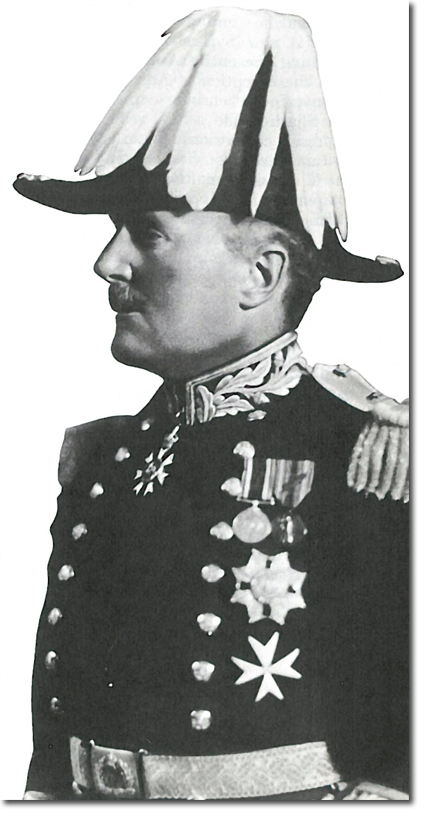
Sir Ronald Storrs, remembered chiefly for his service in Egypt, Palestine, and Cyprus, spent a brief and little-documented period as Administrator of Northern Rhodesia in the early 1930s. His memoirs, Orientations, make only passing reference to the territory, noting the rigid social protocol whereby the only African a European was permitted to shake hands with was the Lozi paramount chief of Barotseland. This anecdote reflects the entrenched racial hierarchies of colonial society, which Storrs himself found intolerable.
His most tangible administrative act was to oversee the transfer of the capital from Livingstone to Lusaka. The decision reflected both geographical and economic considerations: Livingstone, though close to the Zambezi and the Victoria Falls, was remote from the rapidly developing Copperbelt, while Lusaka offered a more central location with potential for expansion. The move symbolised the shift in Northern Rhodesia’s administrative focus from its southern borderlands to the interior, closer to the mining economy that was becoming the colony’s defining feature.
Storrs’s tenure, however, was short-lived. He was not in Northern Rhodesia long enough to leave a lasting impression on its governance or institutions. In 1934 he was invalided out of tropical service under circumstances that remain obscure, and his departure ended what might have been a more influential chapter in his career. Unlike his earlier postings in Egypt, Palestine, and Cyprus, where he played prominent roles in shaping policy and navigating political complexities, his time in Northern Rhodesia was marked more by transition than by innovation.
Although his administration is scarcely remembered in the colony’s history, Storrs’s brief presence coincided with a period of change. The relocation of the capital to Lusaka proved enduring, laying the foundation for the city’s later role as the centre of government and, eventually, the capital of independent Zambia. In this respect, his short tenure contributed indirectly to the shaping of Northern Rhodesia’s future, even if his personal impact was limited and his memoirs largely silent on the experience.

