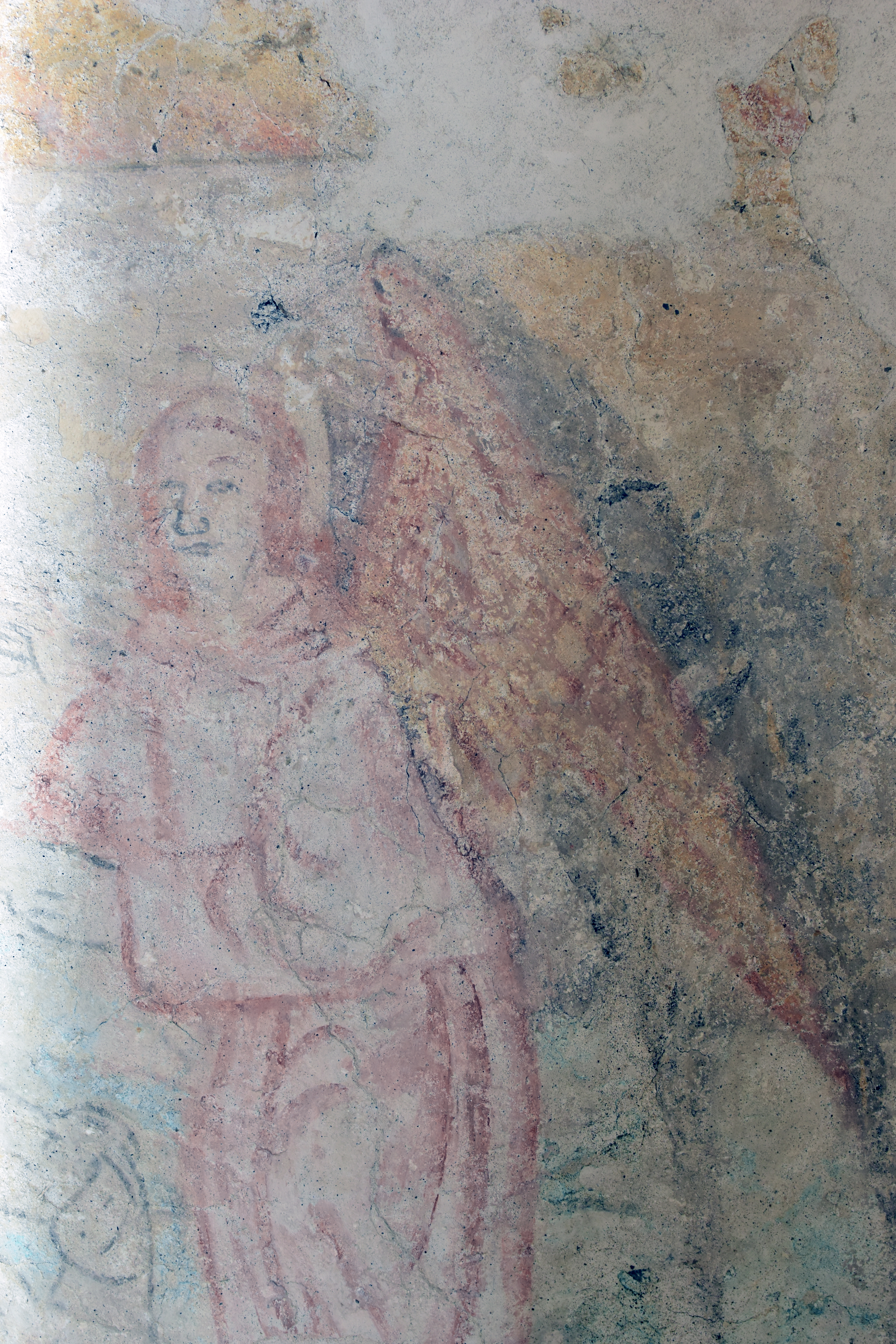
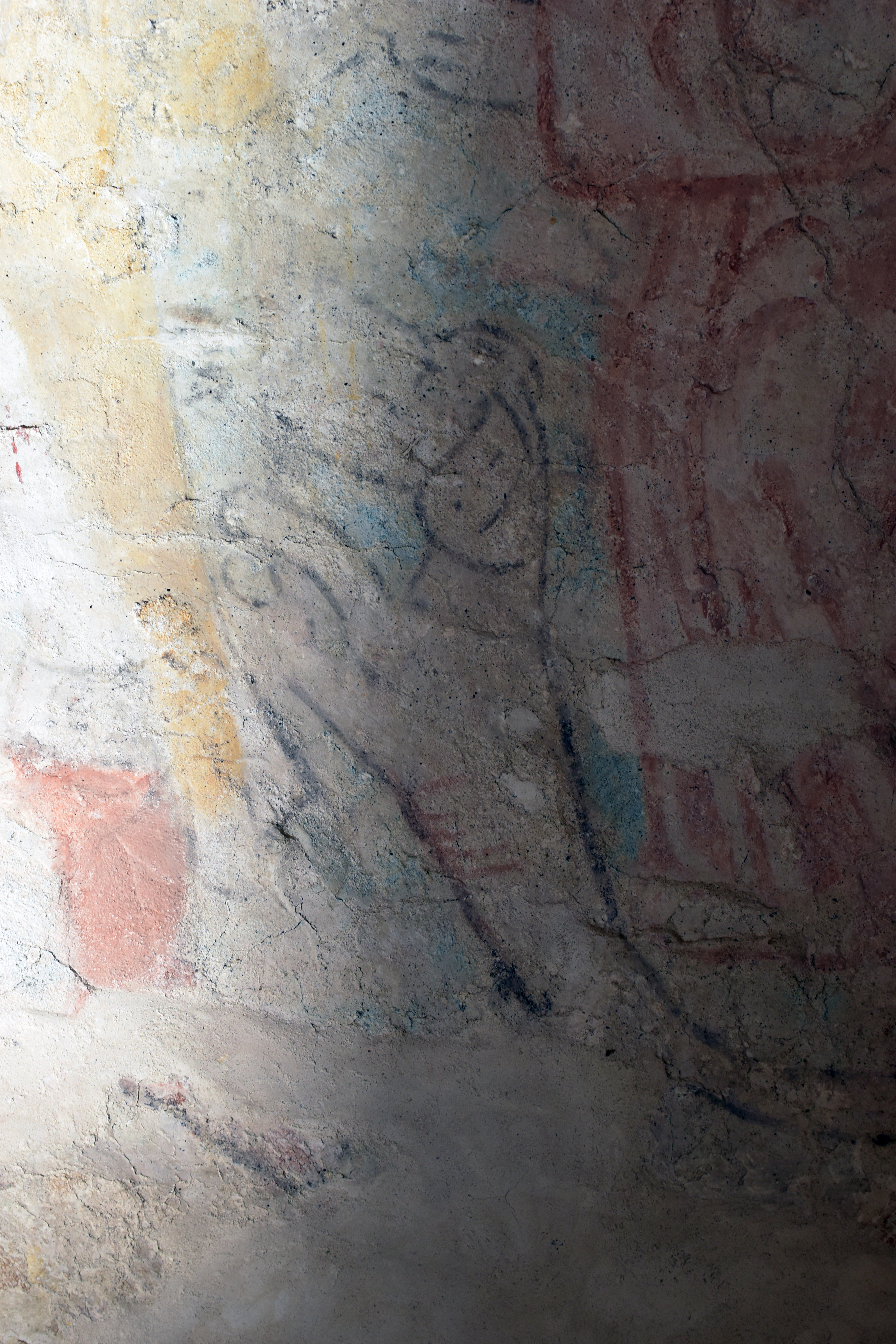
The presence of such a painting at St Thomas is particularly noteworthy because of the church's long association with leprosy. Down the Kensey Valley stood the Hospital of St Leonard, established to care for lepers who had been removed from the settlement of Newport. The explanatory leaflet produced by the church goes further, suggesting that the canons of the priory continued a tradition of caring for lepers in the district and notes that bread was collected each day from the hospital for their needs. Whether every aspect of that tradition can be verified today is open to question, but there can be little doubt that the church, the priory and the leper hospital all formed part of the same religious and charitable landscape.
The painting therefore offers a fascinating insight into how medieval people understood disease. Leprosy and plague were feared, but they were also regarded as opportunities for Christian charity. The Church encouraged believers to care for the sick even when doing so involved considerable personal risk. Saints such as Roche embodied those values. It is therefore entirely plausible that an image of a saint renowned for tending sufferers of disease would find a home in a church closely connected with a community of lepers.
There is a further irony in the painting's survival. Before the Reformation, English parish churches were often far more colourful than modern visitors imagine. Their walls carried depictions of saints, biblical scenes and religious instruction intended to educate a largely illiterate population. Most of these paintings disappeared beneath whitewash during the religious upheavals of the sixteenth century. The St Roche painting survived precisely because it was hidden rather than destroyed. Had the Victorian restorers not removed those layers of limewash in 1871, one of the most evocative reminders of medieval Newport might still remain concealed today.