|
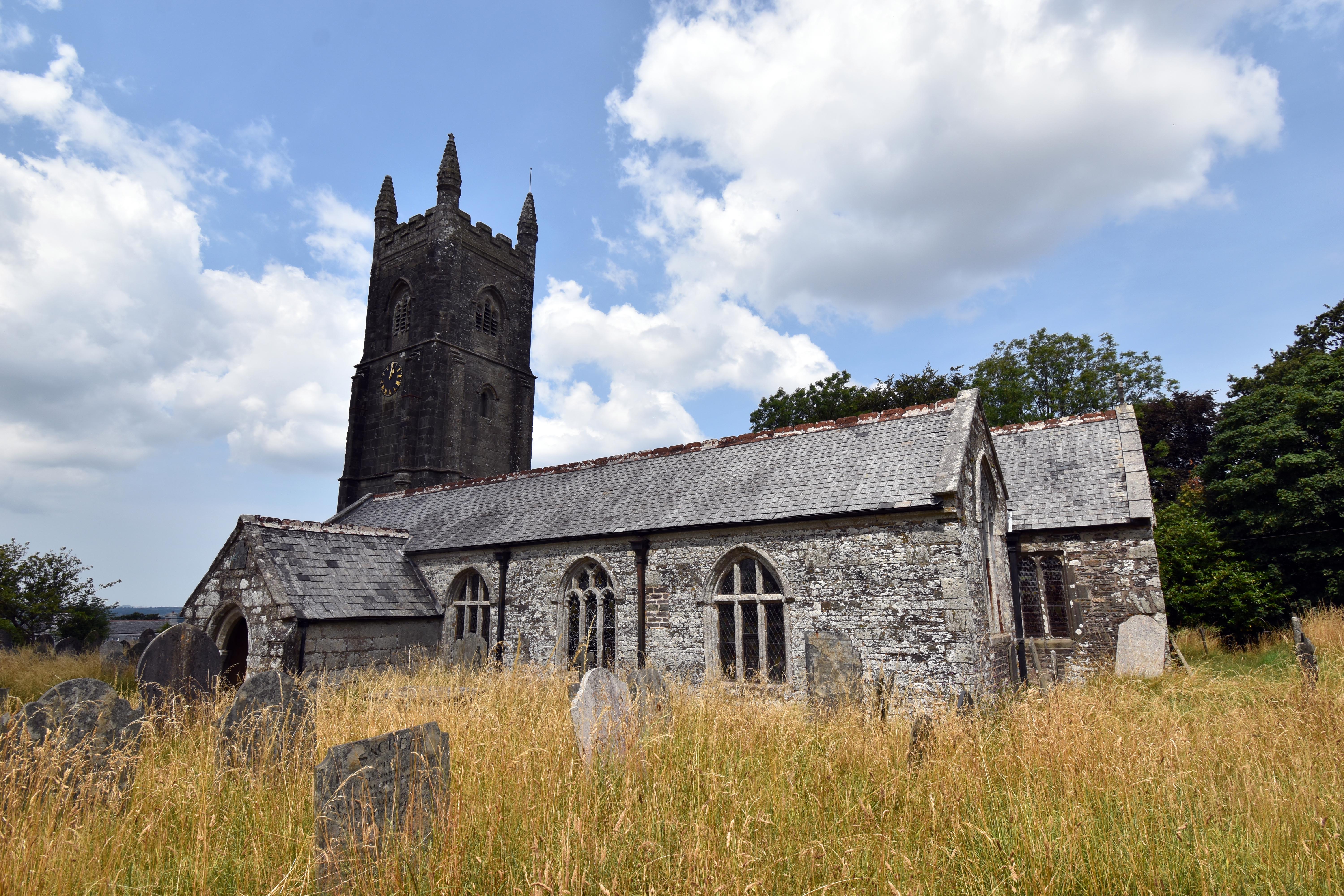
Rupert and I headed to Lewannick yesterday up near the A30 between the River Inner and the River Lynher. It was another hot summer’s day but at least there were some clouds to help dull the heat at times. We parked to the south of the village and headed towards the church which is very much the focal centre of the place. Indeed it is sitting on something of an island with a narrow road running all around it. Many early graveyards were oval shaped and the ‘Lann’ of Lanwennick almost certainly refers to some religiously important land - perhaps belonging to Wennick? It is probable that most prefix Lan- place names in the West Country are likely to have a religious connection of some kind.
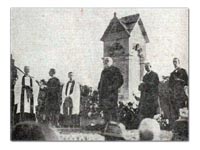
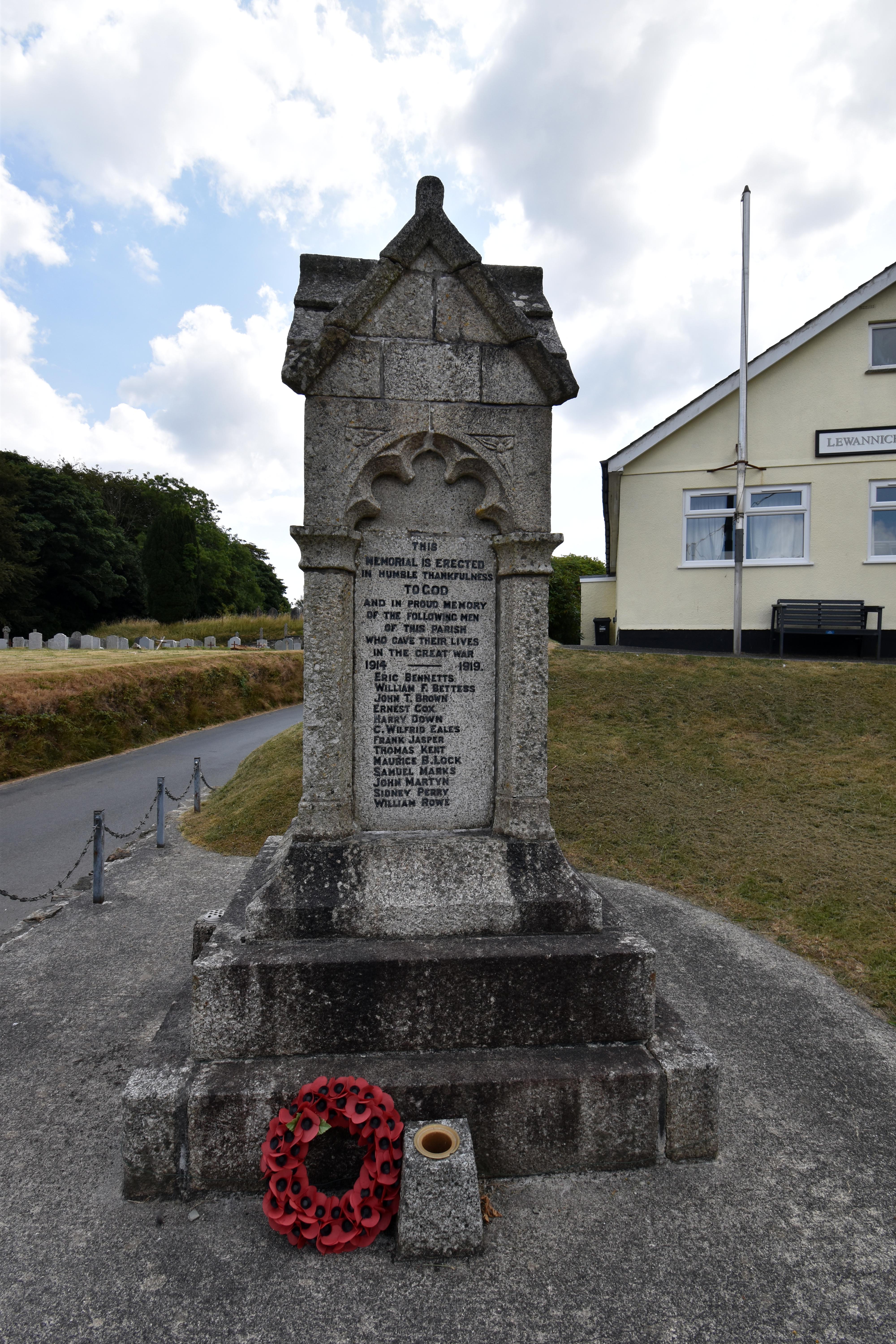
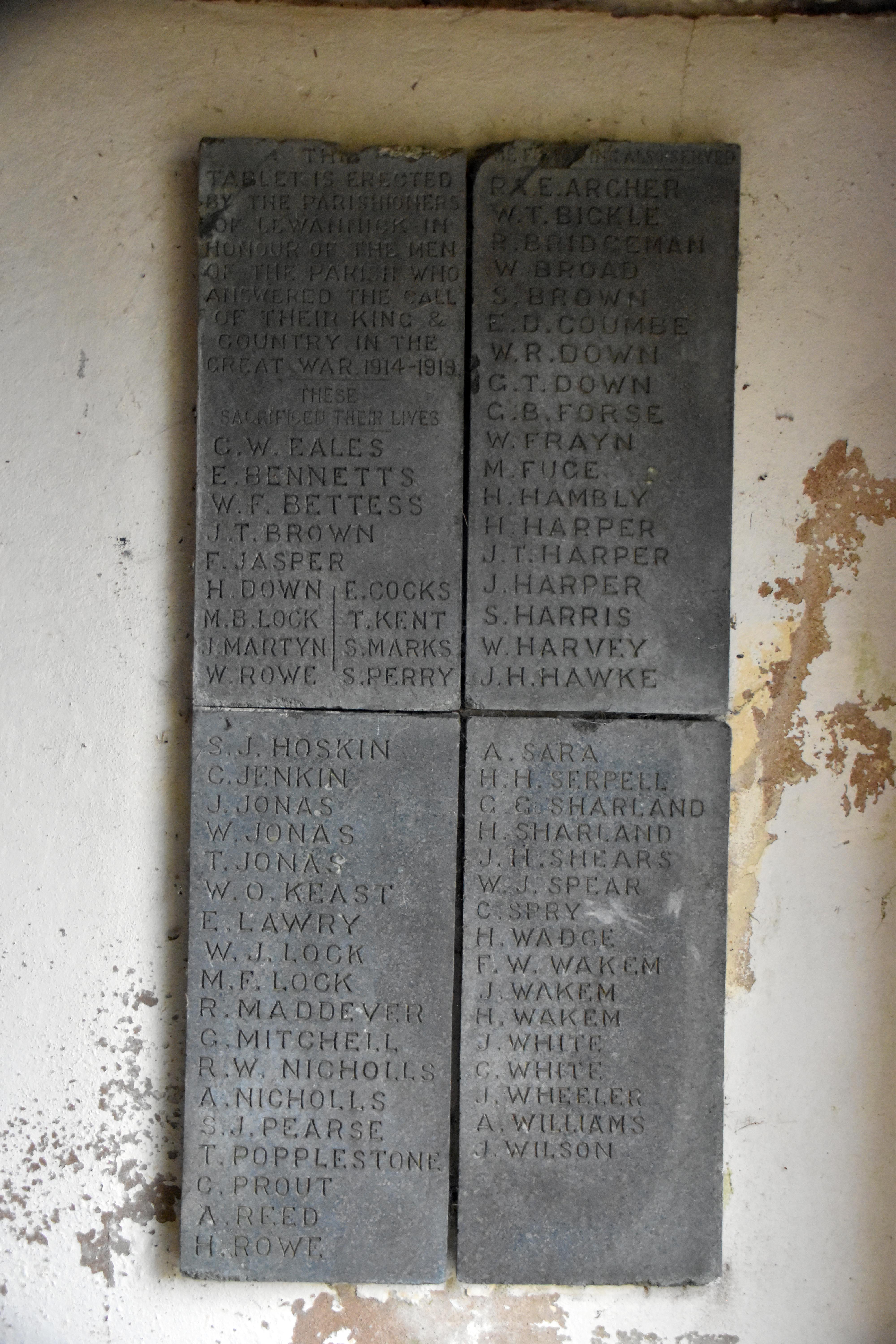
Just before we got to the church we stopped off at the Village Hall with its war memorial proudly displayed out in front. It explains that it was dedicated in 1921 by the Liberal MP for the area at the time, George Croydon Marks, who was a well‑regarded engineer who made his name and fortune specialising in the building of steep‑incline cliff railways. He was swept from office at the 1924 General Election, which was an unmitigated disaster for the Liberal Party. Their leader Asquith had helped prop up the first ever Labour minority government of 1923, and indeed George Croydon Marks was an enthusiastic supporter of this policy. We forget how febrile feelings were in the years after the World War and especially after the Russian Revolution. The government fell over failing to prosecute a leading Communist by the name of John Ross Campbell for inciting British soldiers to mutiny. To compound matters for Labour’s electoral prospects, there was the famous Zinoviev Letter incident just days before the 1924 General Election, which purportedly came from the head of the Communist International instructing British Communists to prepare for revolution. Liberals like George Croydon Marks were blamed for enabling Ramsay MacDonald’s government to come to power, and the Conservatives were to win this seat with ease whilst the Liberals entered effectively terminal decline as a major political force. Perhaps seeing the inevitability of Labour replacing the Liberals, George Croydon Marks was to be one of those Liberals who abandoned his party and formally joined Ramsay MacDonald’s Labour Party, being rewarded with a peerage as Baron Marks of Woolwich in the 1929 Labour government.
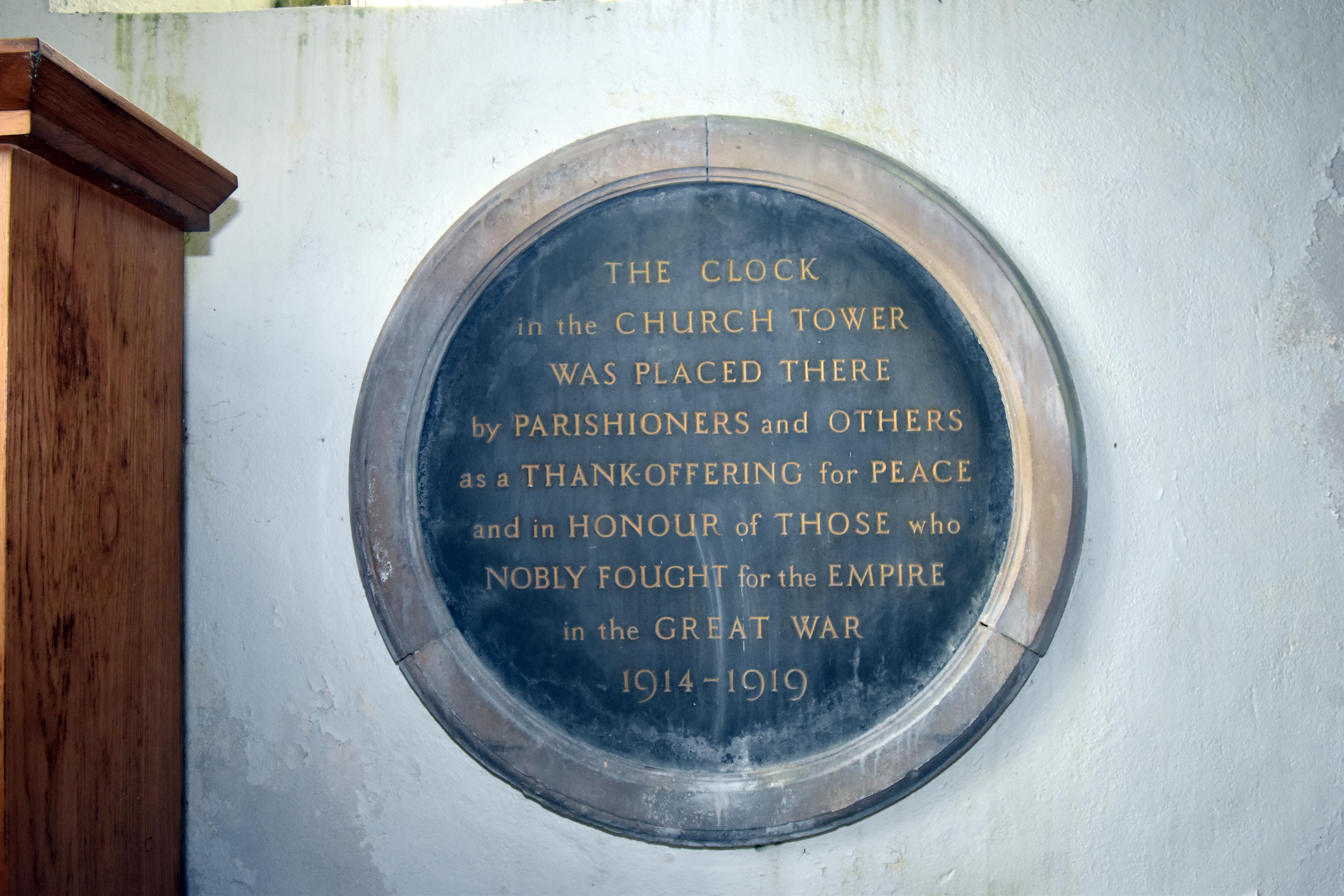
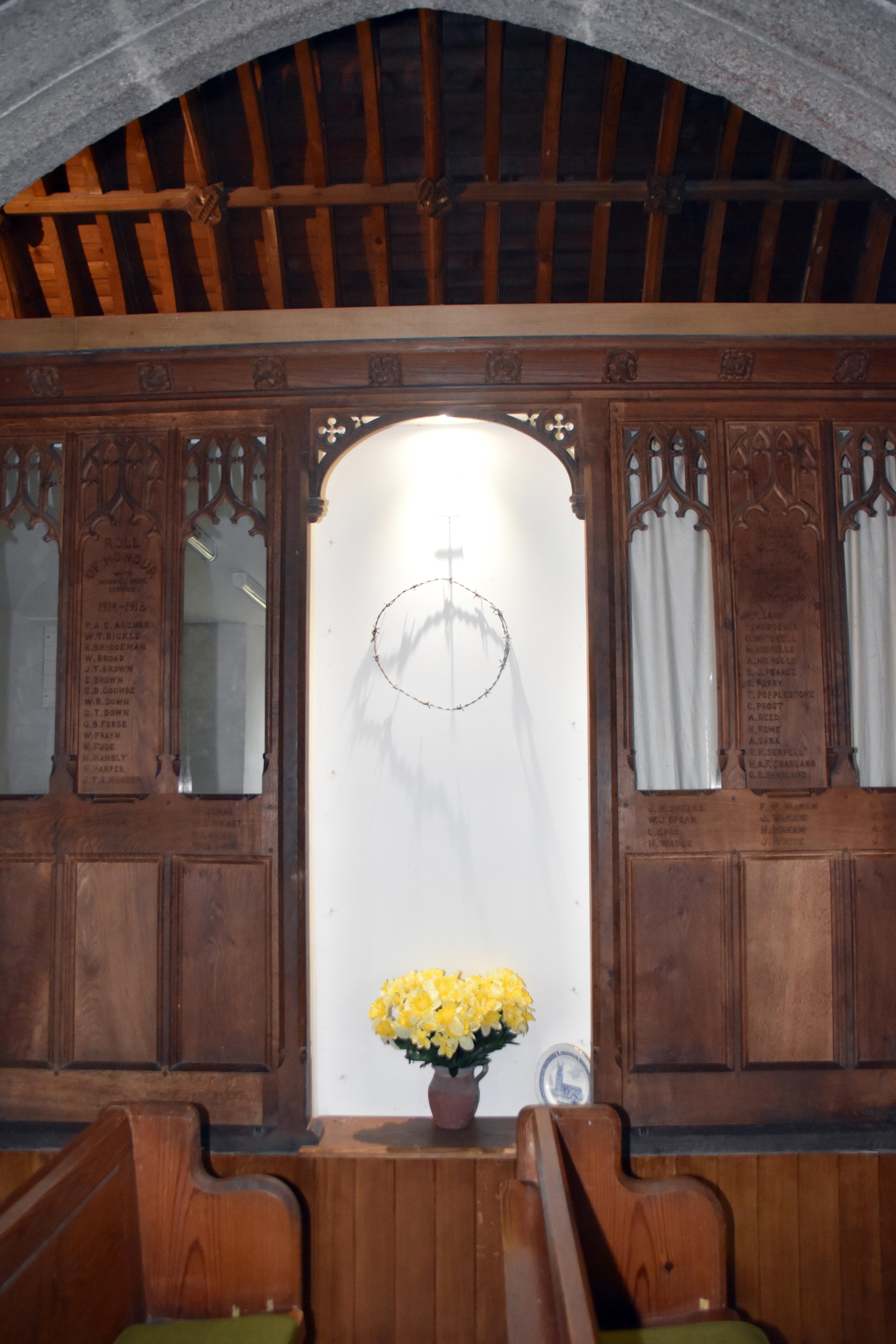
The memorial itself is another reminder of how much our countryside changed between the First and the Second World Wars. It displays no less than 13 soldiers with connections to the parish having perished in that war. And yet the later Second World War addition lists but a single name. This is not because World War Two was significantly safer for soldiers than World War One had been. Rather it illustrates how many fewer people were required to work in agriculture and its attendant supporting industries. Mechanisation, more effective fertilisers and depressed agricultural prices drove many thousands from the rural economy into urban centres or emigration overseas. A quick glance at this war memorial illustrates just how much the rural world had changed from 1914 to 1945. If you go to urban areas you often see the opposite, with Second World War casualties being substantially larger than those recorded for the First World War.
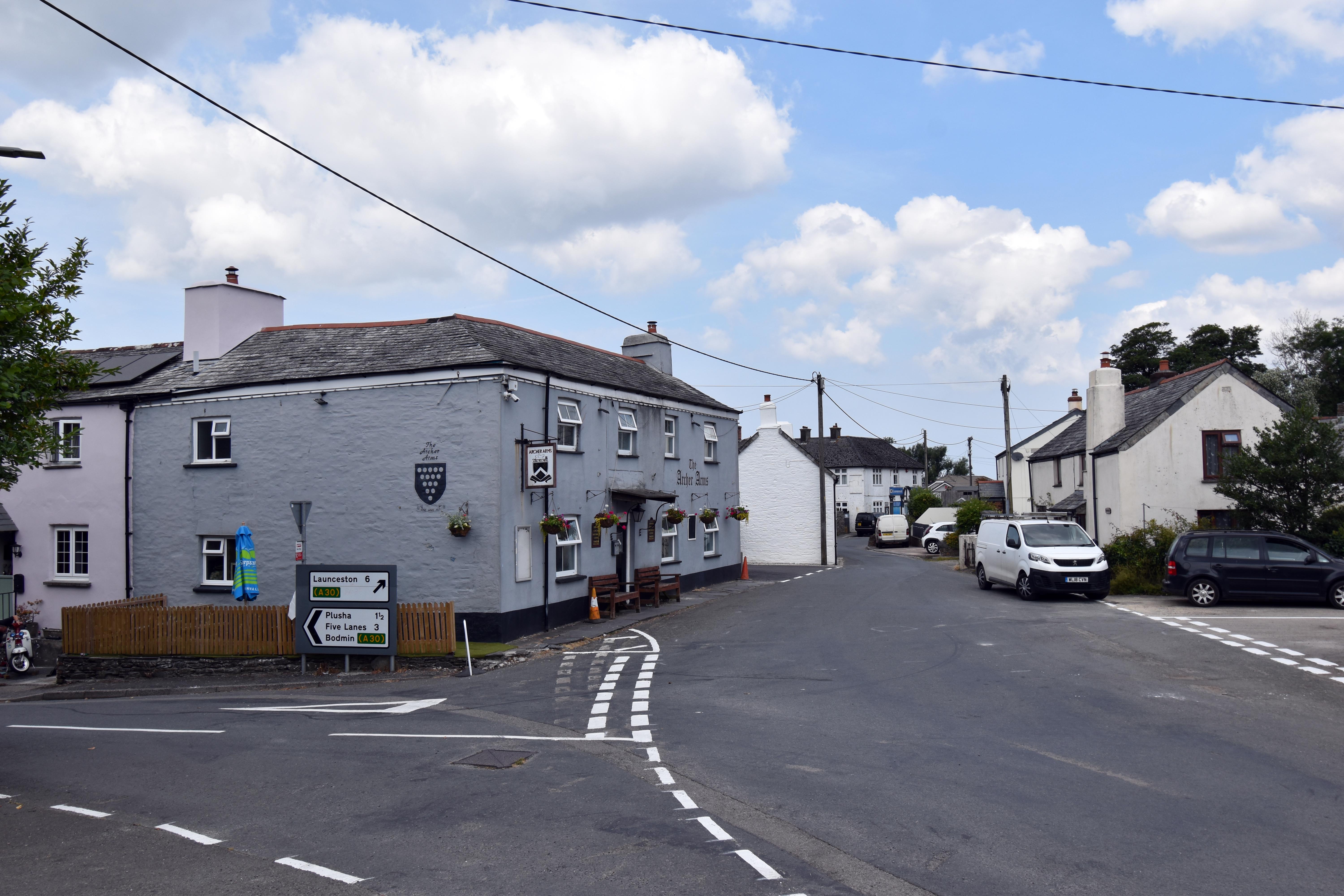
Just opposite the war memorial we caught sight of the Archer Arms pub. There is a reason that the Archer name is very strongly associated with Lewannick as we were to discover for ourselves throughout the day. From here though we walked over the road to the raised land where the church stands helping its prominent spire stand out even more than it ordinarily would.
|
|
|
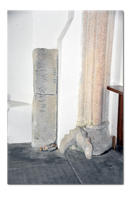
Now Lewannick has some seriously old connections to early Christianity. Just a few weeks ago Rupert and I had visited Lustleigh in Devon where we had come across a 6th‑century Romano‑British memorial stone. Now Lewannick can see Lustleigh’s remarkable early Christian symbol and raise it. They have not one but two stones — one inside the church and one in the churchyard. And these are thought to be older still, perhaps a century older. Just like the Lustleigh stone, they have Latin inscriptions basically saying “Here lies Ulcagnus.” But both stones also have the markings of another script known as Ogham, which seems to have originated in Ireland in the third century. Hence these are known as Ogham Stones, and there are only half a dozen or so surviving ones here in Devon and Cornwall, and about a third of those are in this church. The script is not really an alphabet as such; it is more like a series of straight notches and lines — which of course are so much easier to carve into stone or wood than any curved letters are.
Now I find these stones absolutely fascinating evidence of the retreat and recovery of Christianity in the final years of the Roman Empire. The fifth century saw the effective end of Roman rule in Britain, but the Romans had allowed Christianity to spread from an obscure Middle Eastern belief system into an empire‑wide religion, even if not taken up by everyone within it. With the barbarian invasions and collapse of the Western Roman Empire, Christians were pushed further and further to the fringes of Europe — with Ireland a particular haven but in some cases to even more remote islands like Skellig Michael or Iona, where dedicated Christians effectively hid from rampaging barbarians. These Ogham stones with their Irish Ogham script are evidence, perhaps, of their fightback and returning Christian influence back to Britain’s shores. It would make sense that they would find it easier to maintain or re‑establish links with a Celtic region like Cornwall, which would have had a long history of trading and familial connections and a common language to converse in. Cornwall itself straddled the two worlds of the Celtic and Roman worlds, providing the Romans with much‑needed metals like tin, silver and lead. Elements of their aristocracy would very much have bought into the Romano‑British culture, perhaps even more so here in Lewannick on the eastern side of Dumnonia. There is a strong chance that the people remembered on these two stones regarded themselves as Romano‑British, thanks to the use of Latin. However, the Ogham marks suggest an Irish — and almost certainly an Irish‑Christian — connection which allowed them to connect these two worlds in the face of barbarian invasions from the south and east. When you look at these two stones you are looking at a direct connection to a period in history of remarkable instability and transition. You are looking at a Christianity that was hanging on by its fingernails. It might have been a religion that could have been snuffed out with a more coordinated attempt to do so. But from its relative isolation in Ireland and the Celtic fringes, it was able to stage a comeback.
Ultimately the Saxons were to prevail in this part of Cornwall, perhaps after the battle of Hingston Down in 835AD. And somewhat ironically the threat to the Celtic church so carefully preserved by the Irish and reintroduced into places like Cornwall and Brittany would face its biggest challenge not from a rival religion at all but from a Papal version of Christianity which travelled with the Saxons, bringing different ideas, architecture and even saints. Those Ogham stones suggest a religious continuity on the site from at least the 5th century if not older still. There may well have been a wooden Saxon church built on this site but there is no evidence left of it. It is interesting that the name St Martins was ultimately used for this church as that is one of the few saints that both Celtic and Roman Christians were happy with. St Martin was a 4th‑century Roman soldier from Tours who cut his cloak in half to share with a freezing beggar. St Martin is particularly popular in the Westcountry and perhaps is connected to the strong link between Bretons and the Dumnonii. But it is fitting that a Roman soldier should be the patron saint of this church with such strong connections to the Roman‑British.
The lands in this area all passed to King William the Conqueror’s half‑brother Robert, Count of Mortain. Lewannick itself is not specifically mentioned in the Domesday Book but the nearby manors of Treliske and Trewanta both went to Robert, as indeed did the vast bulk of Cornwall. Some of the early tenants of Treliske are likely to be the Upton family. Now these may well be the same people who built the fortified manor house that we visited, Upton Castle, next to the River Lynher not far from here. That defendable house was probably built during the anarchy years of Matilda and Stephen. Perhaps when peace returned the Uptons could turn their attention to upgrading Trelaske Manor.
|
|
|
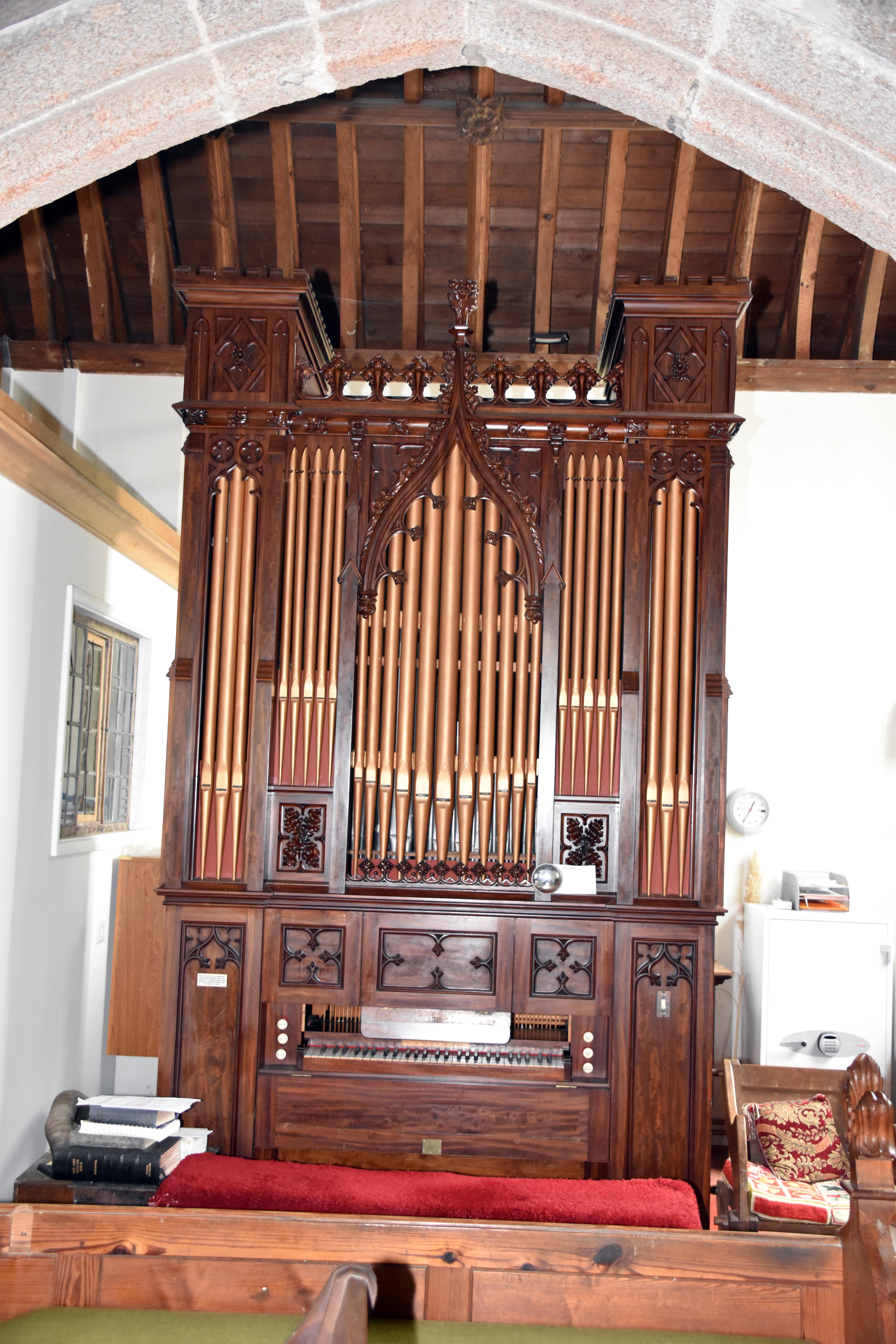
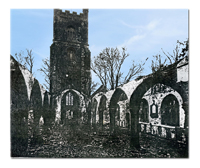
The Normans appear to have built a stone church in Lewannick in the 12th century. This church, like many others in the Westcountry, would have been greatly extended in the 15th century as the rich farming land surrounding it would have brought in the wealth to justify its expansion. Sadly much of that medieval church, and certainly its furniture and memorials, was lost in an enormous fire in 1890.
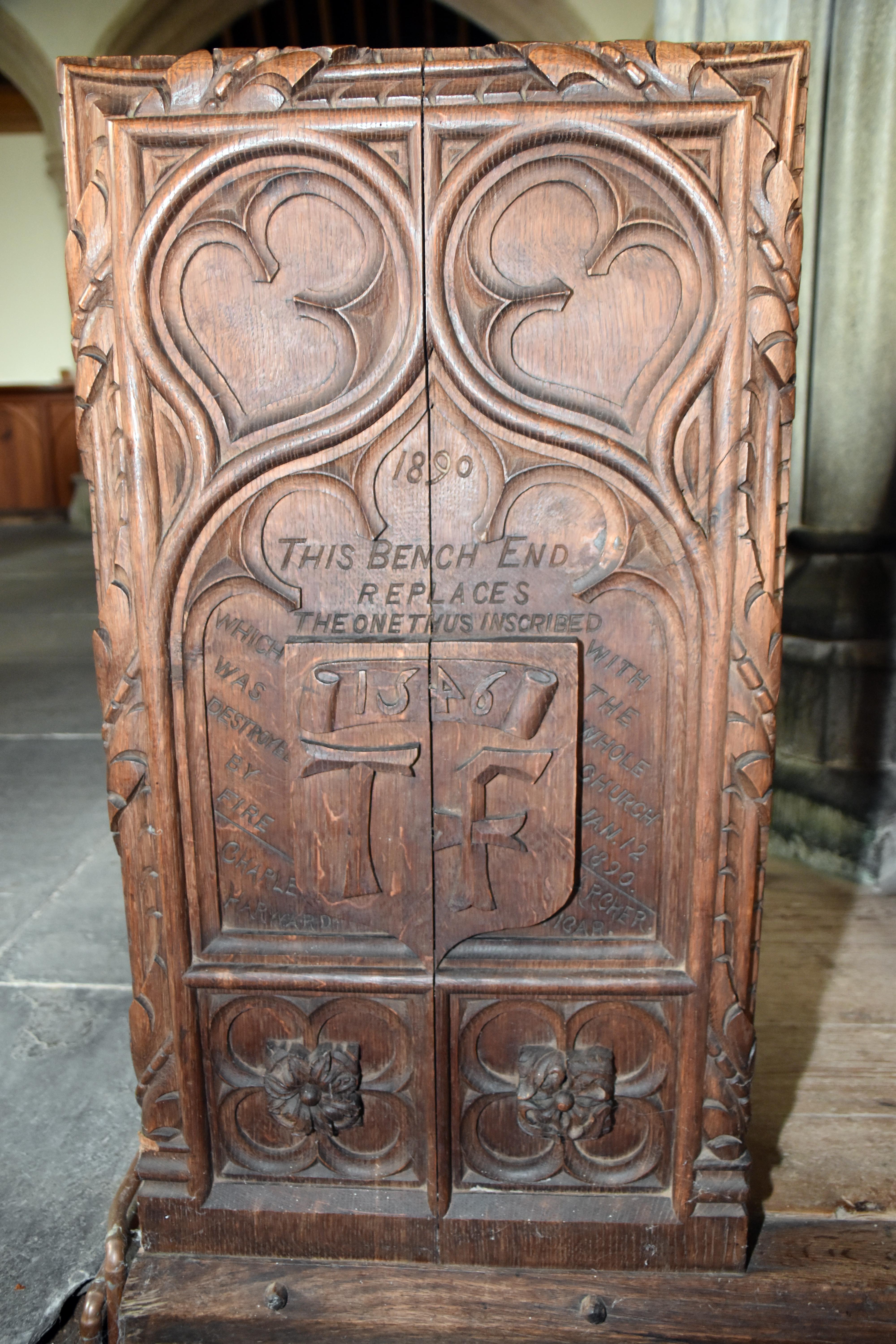
The fire appears to have started on a cold winter’s night in early January when a Sexton lit a stove in preparation for the next day’s service. Somehow during the night fire took hold and quickly spread through the entire structure – gutting it with the parishioners and the Reverend Charles Archer looking on forlornly. All the timber was gone, the bells destroyed and the beautifully carved 16th‑century bench ends (probably similar to those we saw in Altarnun) were all destroyed. Only the font, a cresset stone and a couple of marble memorials, the two porches and the vestry survived. And what is a cresset stone? A cresset stone is simply an ancient block of granite hollowed into little cups to hold lamps and flames, and this one at Lewannick is a rare survivor from pre-Norman times. It probably dates from the late Saxon era providing yet more evidence of the continuity of this as a religious site.
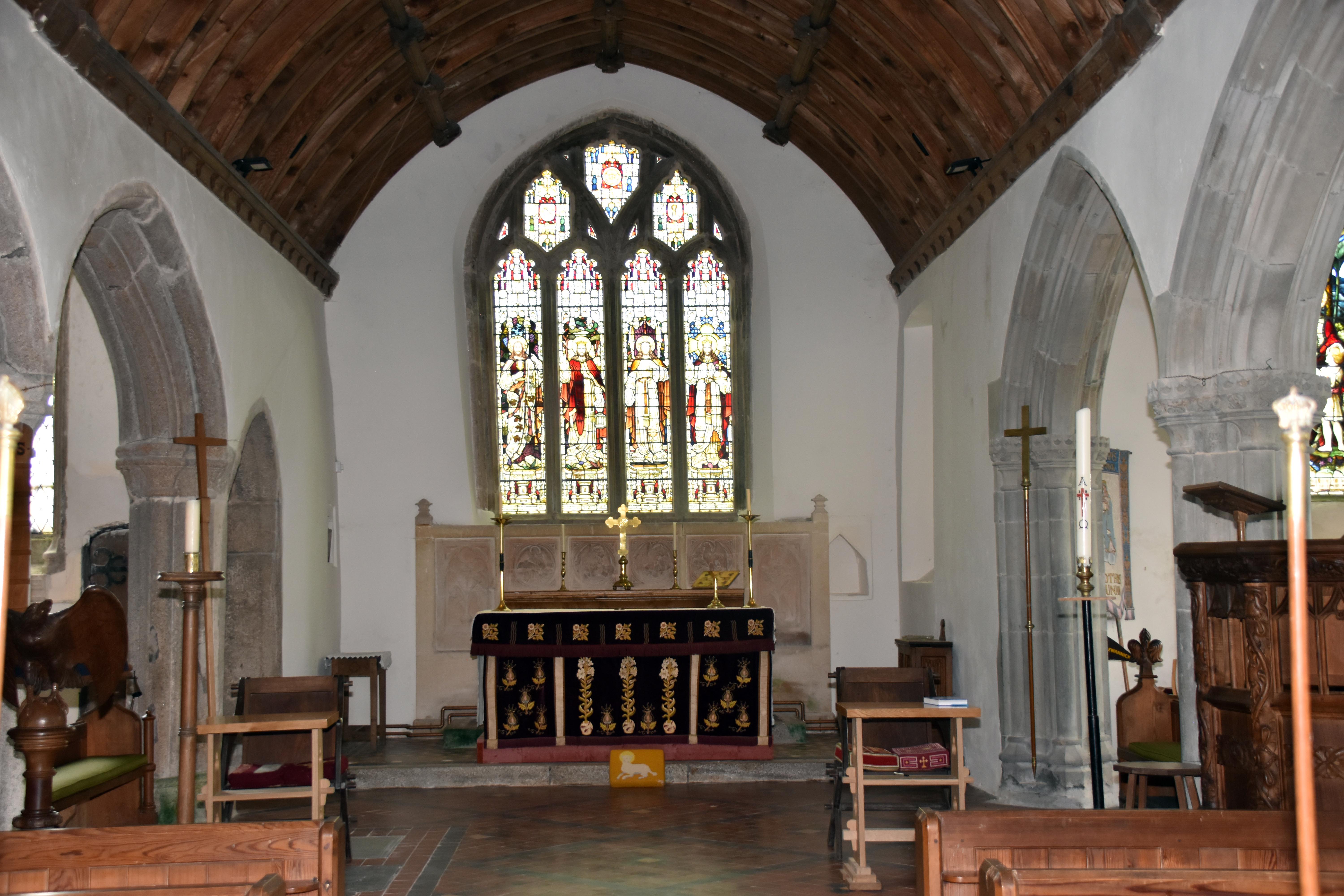
With a speed that modern church renovators would find hard to emulate, it was completely rebuilt within ten months. It was designed to be as close a restoration as the original as could be achieved although with tiled floors to make it a little less at risk from fire.

|
|
|
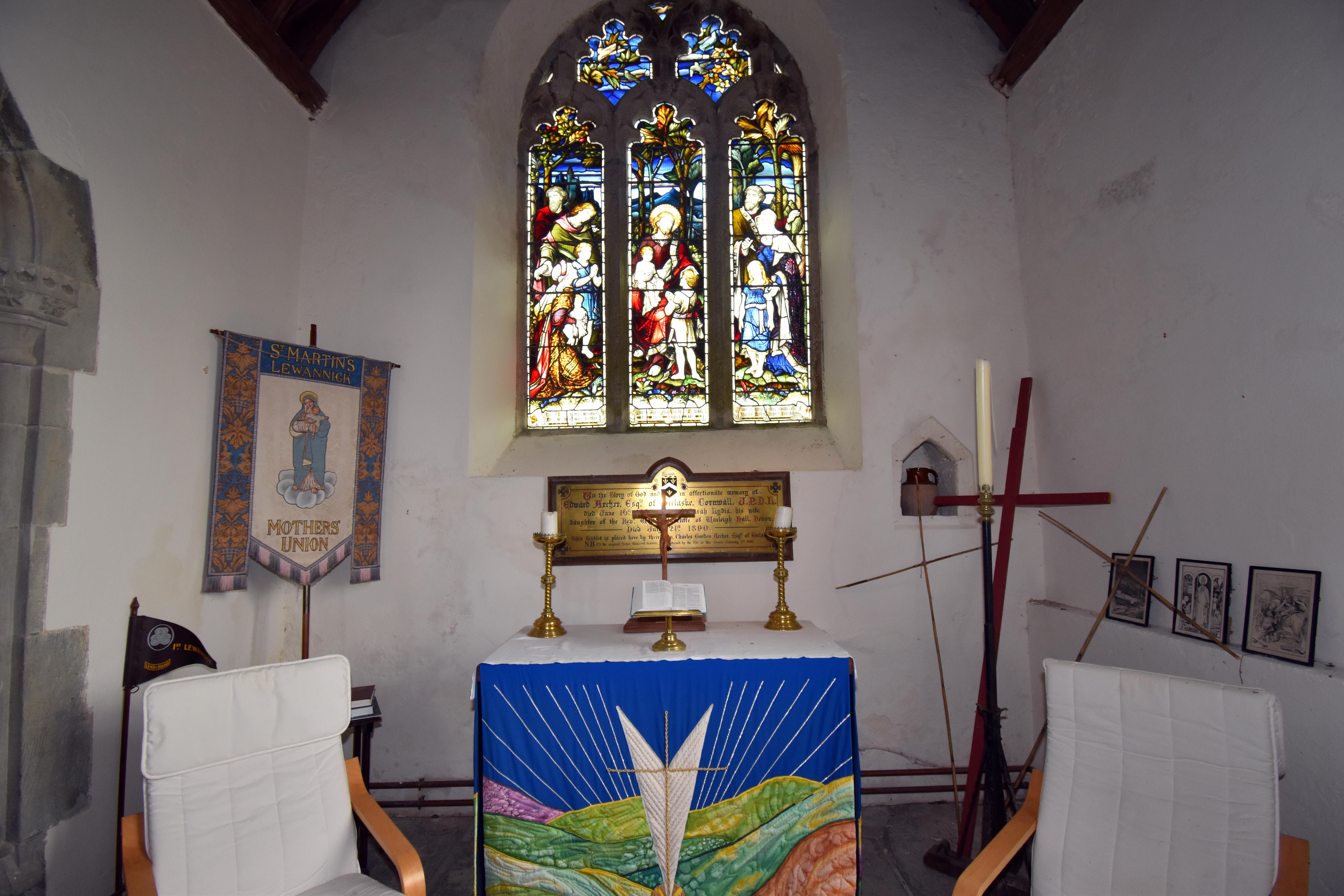
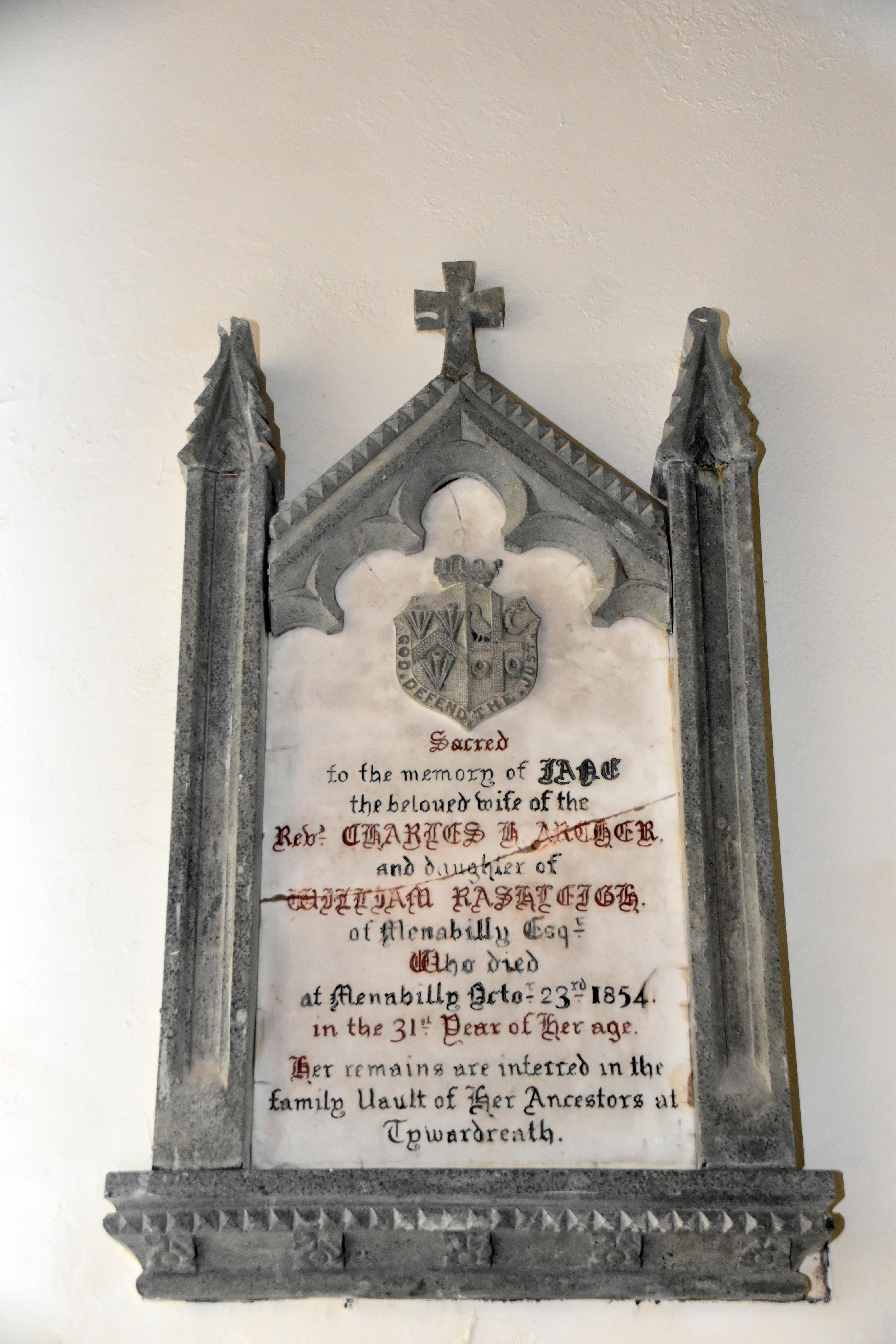
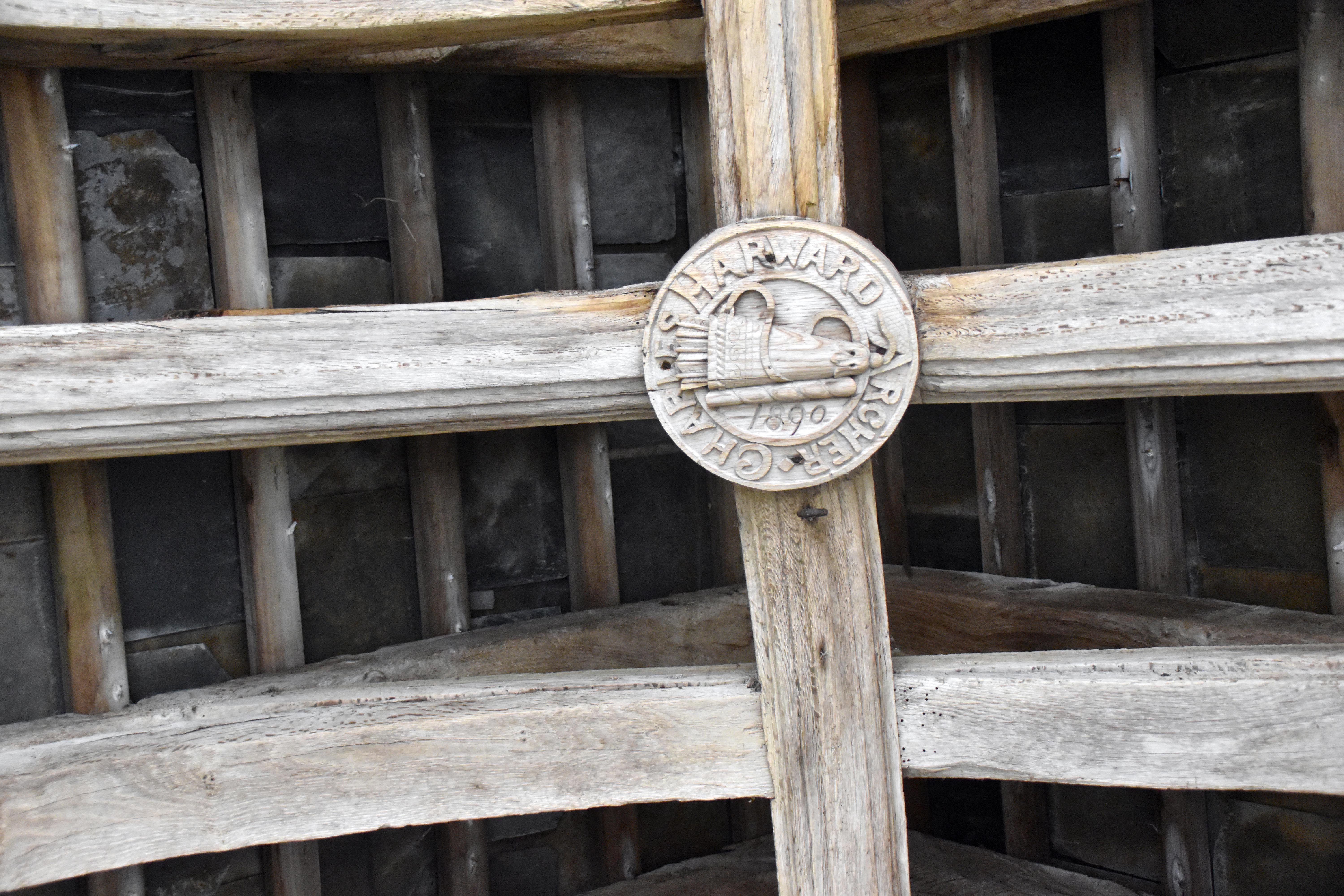
You may have noticed that the Archer name has reappeared in this account. Charles Harward Archer was brought up in Trelaske House the son of Lt Colonel Edward Archer. As the second son he did not get to inherit this manor, that privilege went to his brother Colonel Edward Archer (He was Colonel of Duke of Cornwall's Rifle Volunteers). As a second son, a career in the clergy beckoned. Charles was the vicar who witnessed the church burning to the ground, but as vicar from a privileged background he was able to call upon the Archer family and other wealthy landowners to help rebuild the church. There is a fascinating ceiling boss to Charles Harward Archer in the porch way. Inside there is a memorial to Charles’ wife Jane who died 45 years before her husband at the age of just 31. They had just one daughter. But his brother has a brass memorial remembering him and his wife. Edward Archer died in 1885 but there is an interesting addendum to the memorial placed by his son Charles Gordon Archer which says. “N.B. All the original Archer Memorial Tablets were destroyed by the Fire in this Church, January 12th 1890.” Another interesting feature of this memorial is that it says that Edward’s wife Sarah Lydia was the daughter of Reverend Walter Radcliffe of Warleigh Hall in Devon. I actually grew up near to this house just outside Tamerton Foliot on the outskirts of Plymouth. It is a stunning house in a stunning location which these days is actually owned by the retired TV Personality from the 1980s and 1990s Robert Kilroy-Silk. It is strange how names of places you know jump out from these memorials.
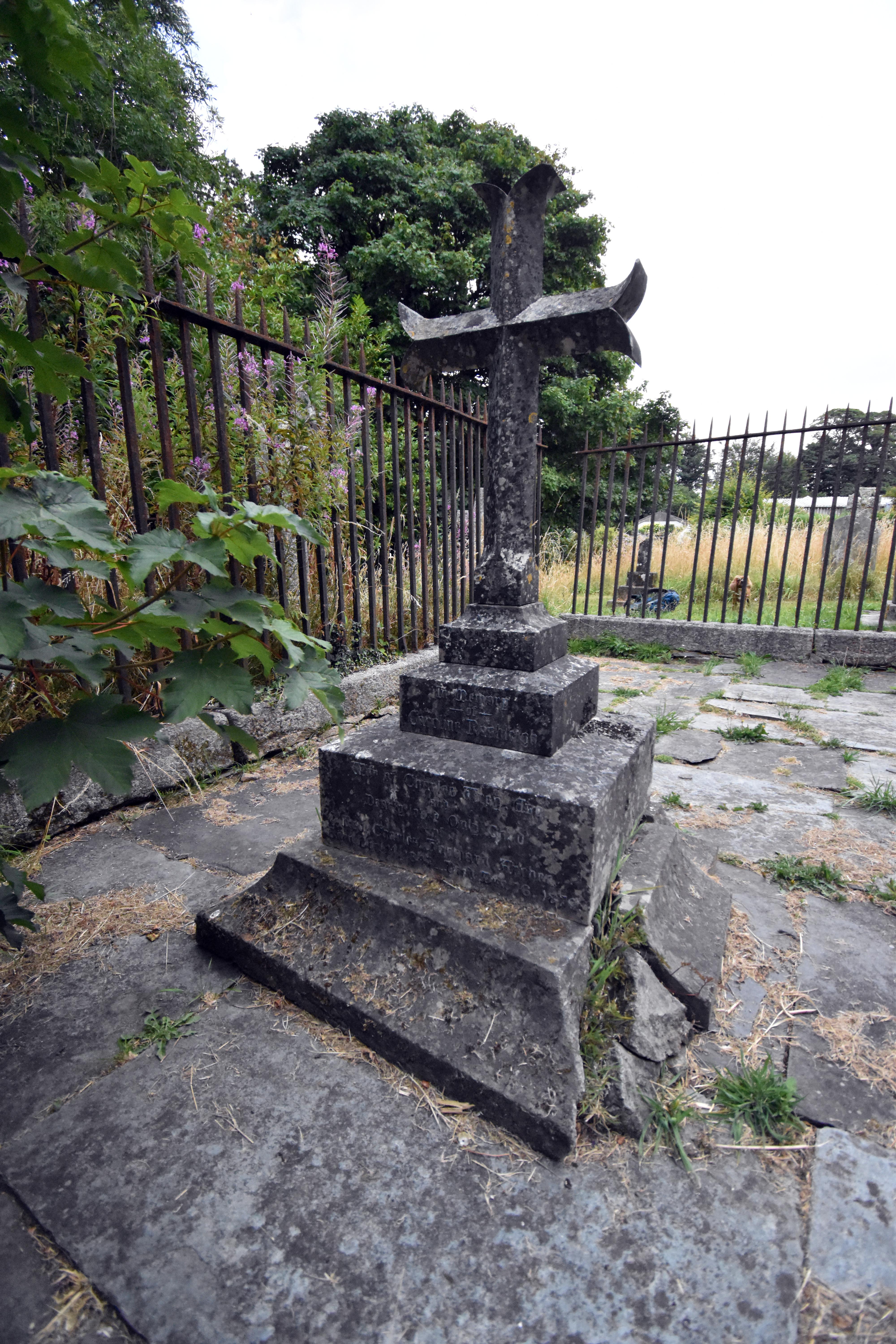
When we left the church building we discovered the Archer family graves tucked away at the back. They themselves probably thought that this was a privileged position close to the church, connecting them to the centre of community and religious life in the parish. Iron railings surround these graves and there is an unusual amount of space around them. However the iron has sadly rusted over the years and in some places buckled. Also it appears that whoever does the gardening has given up hope in some of those graves of cutting back the grass and brambles. It was a hard job trying to even see whose names were on the graves, but we did at least establish that they were indeed Archers.
Well with all these Archer connections it only seemed fitting to walk the fairly short couple of kilometres to Trelaske Manor to find their ancestral home. However this was to prove a lot easier said than done. Now we do a lot or walking and we depend on those magical green footpaths rights of way to allow us to connect all these lovely places in history. But few footpaths can have been quite so determined to stop us as this one from Lewannick to Trelaske. Indeed it was so problematic that I have already reported all the issues to Cornwall County Council to let them know of the egregious problems we encountered.
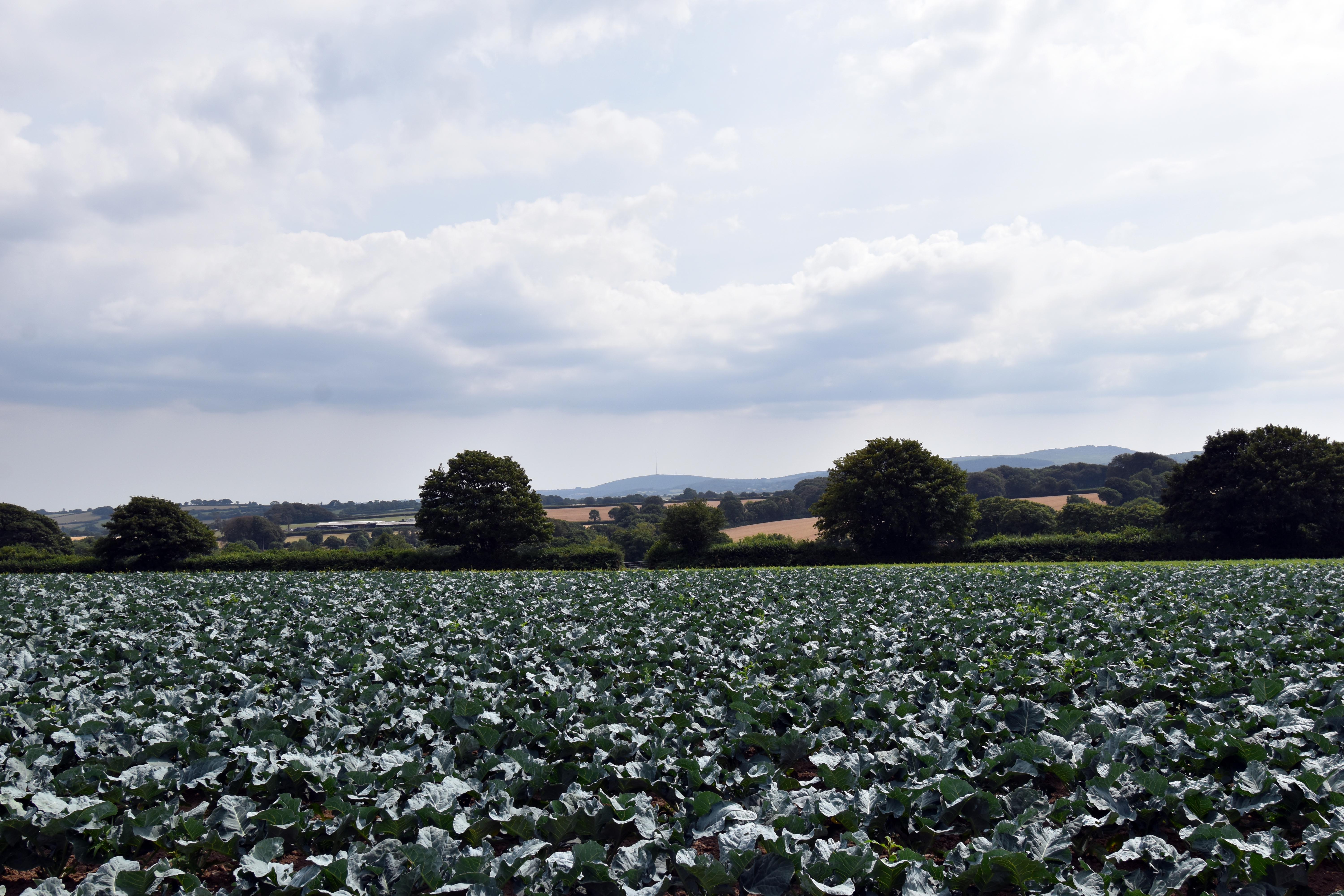
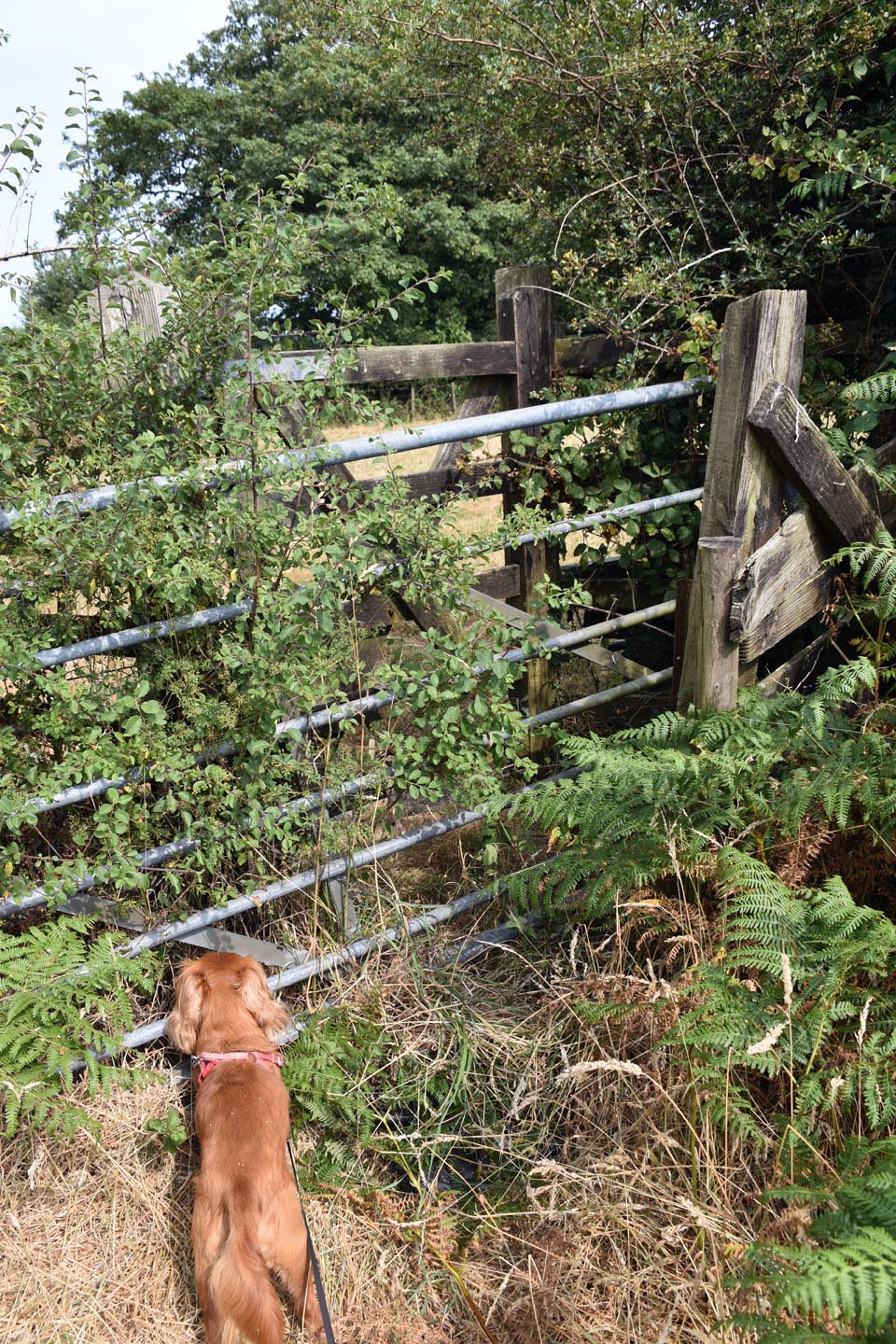
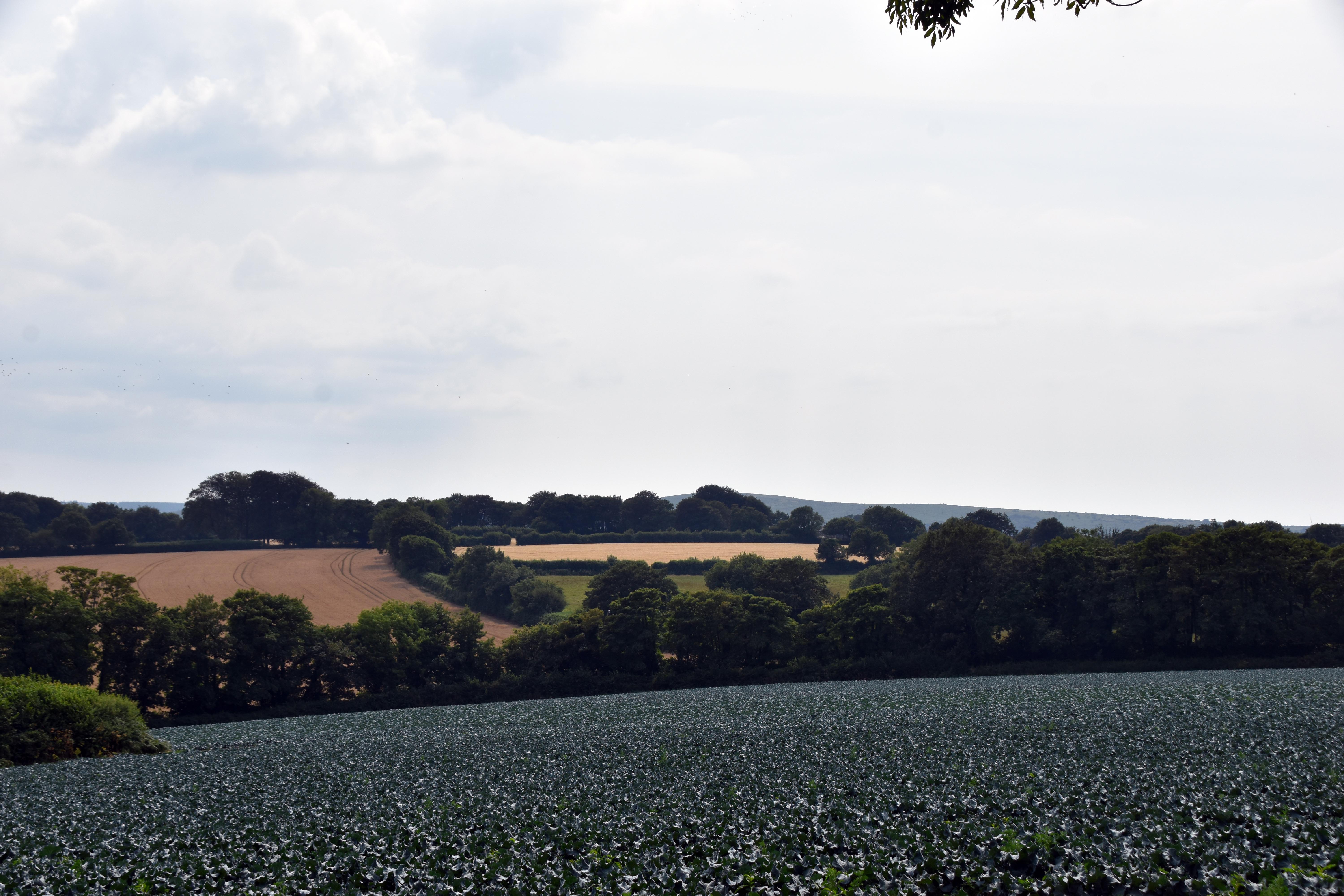
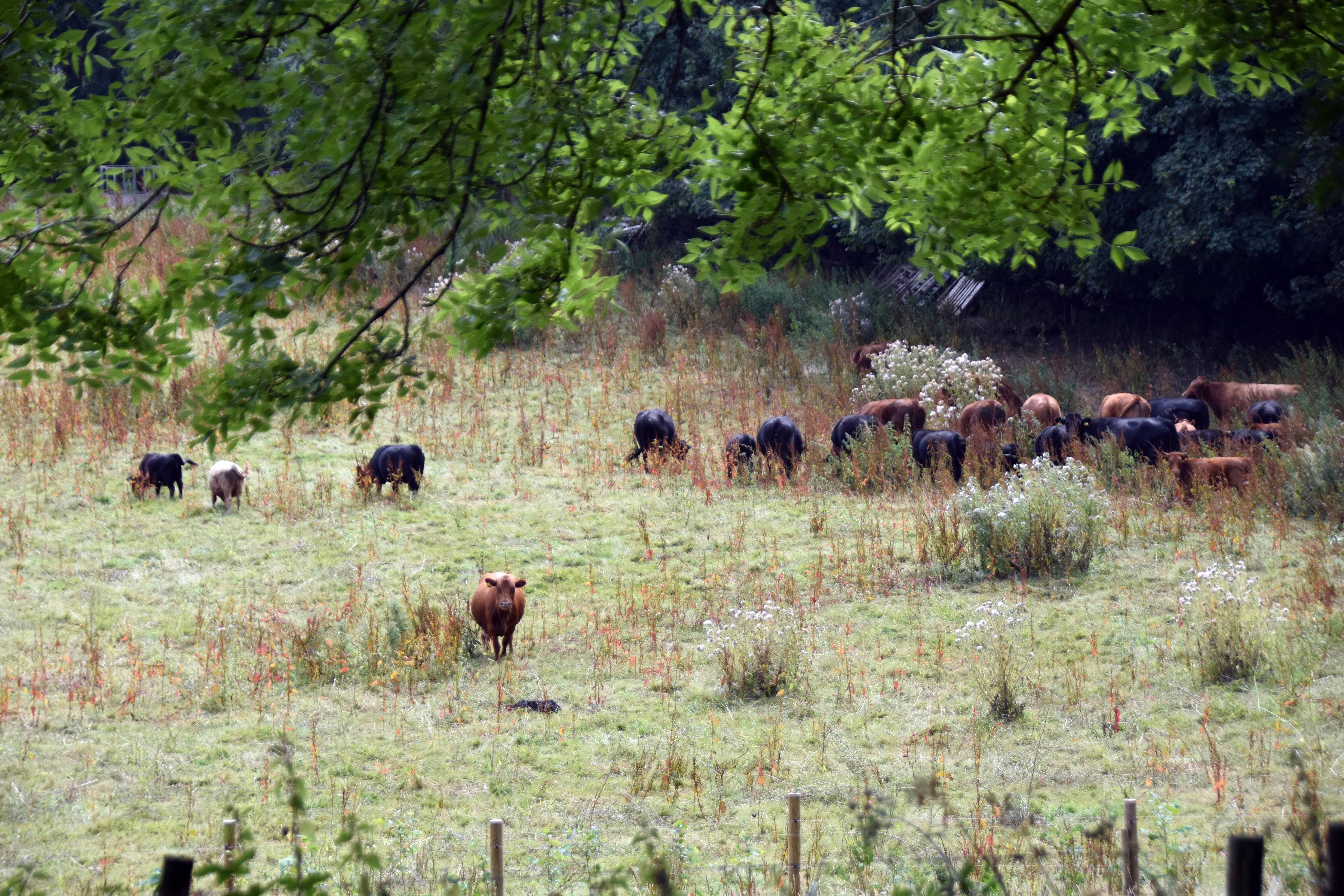
The very first problem was getting to the footpath clearly marked as leaving from the east of Lewannick. As far as the map was concerned you had to walk through a farm to get to it. On this farm was a very clear sign saying Private Property No Public Right of Way. Try as we might we could find no other alternative route to even get to the footpath in the first place. Eventually we headed south and followed a road leaving the village. We spotted a field with no gate that would lead us up to where the public footpath should be. We actually saw an estate worker of some kind in the field and asked if we could walk through it to the footpath. He said sure but he didn’t know if it was passable. When we got to the footpath we should have been warned off from the fact that the gate behind us was blocked off despite being on the footpath. We continued through a lovely looking field of cabbages to the far field edge where we came across a kissing gate with the footpath sign and Duchy of Cornwall signs on it but it had been deliberately blocked with a metal gate rammed into it. We could just about clamber over it and continue on our way. The views were actually lovely looking one way towards the Lynher Valley and the other over towards the Inney Valley and Tamar beyond. Our next gate actually was a stile and it was not blocked off. However, in the field we entered we saw quite a collection of bulls. We hoped that it was too hot for them and tried walking down the side. But soon they spotted us and curiosity seemed to awaken them and they started trotting our way. We decided to retrace our steps and clamber back over the blocked gate and returned to the road. Very annoying, and when we emerged down at Trelaske House we saw that there was no warning to anyone coming this way along the footpath that it was full of bulls and blocked gates. Very annoying. I don’t know how the Duchy of Cornwall can get away with this but we will see if the Council can do something about it.
|
|
|
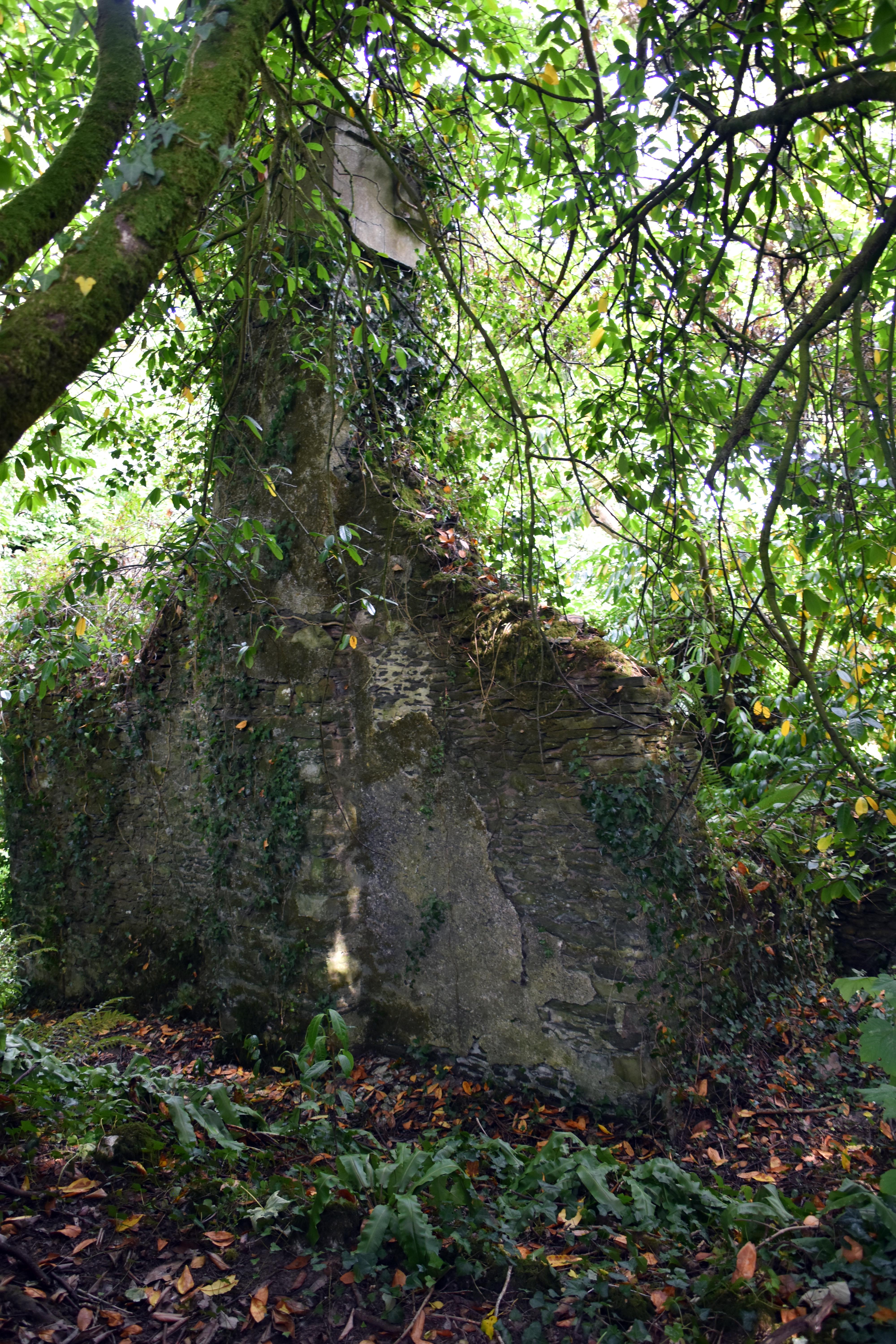
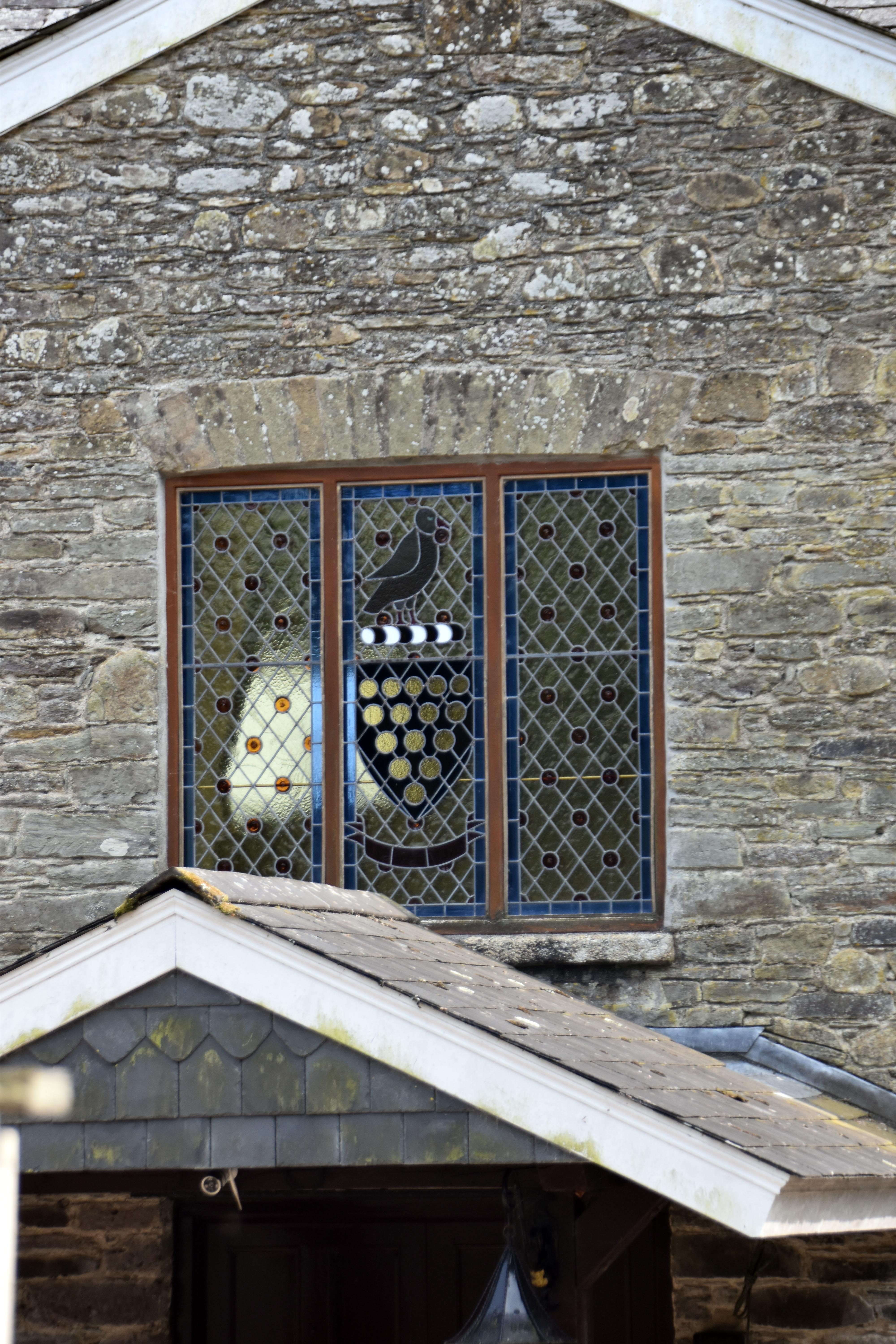
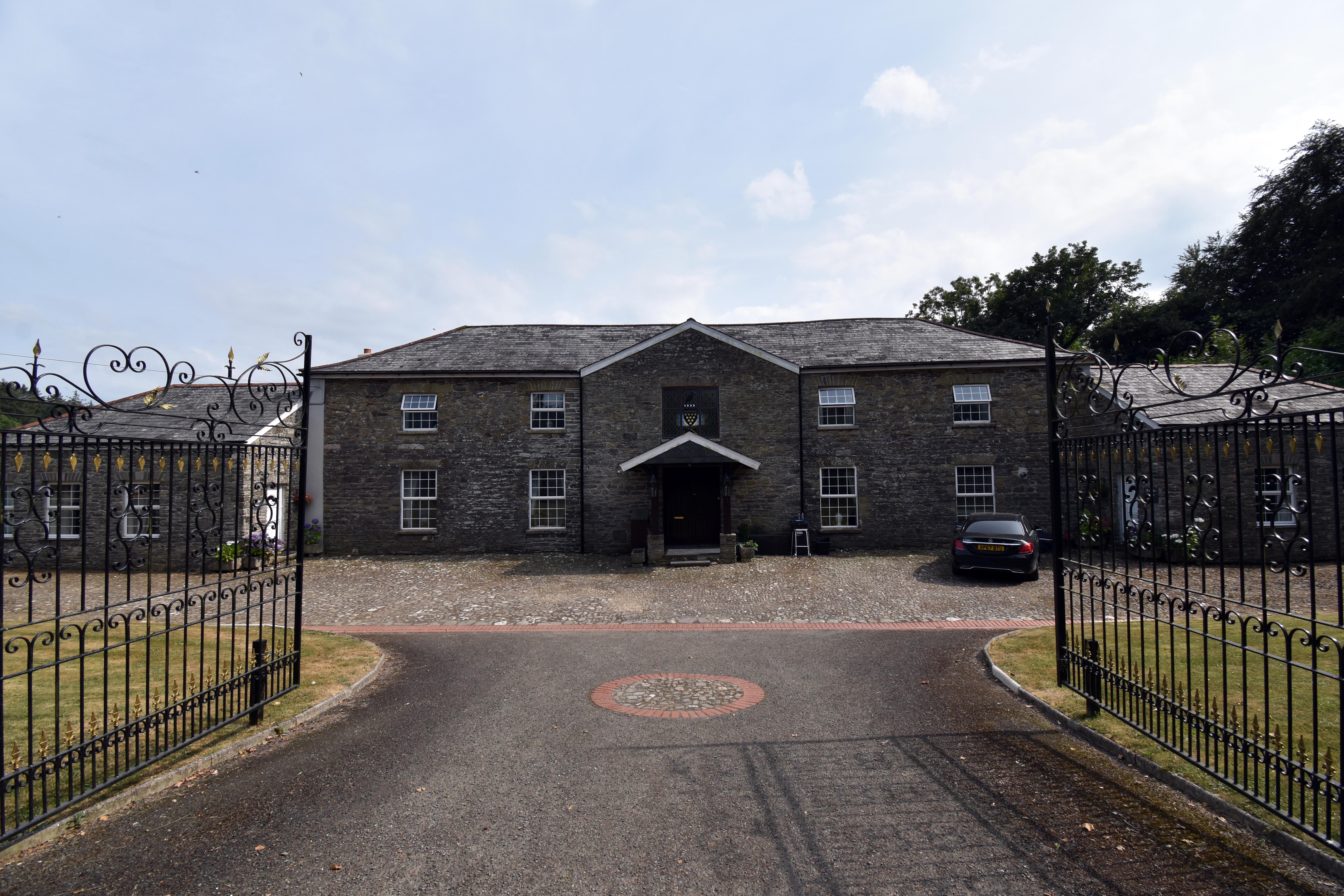
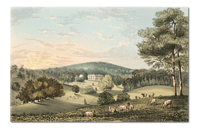
Now as we entered the area around Trelaske we were met with hints of its former faded glory. Once upon a time this was a huge Manor House. Now only part of its western wing remains. What now calls itself Trelaske Manor is actually the old stable block where once his pack of hounds would also have been installed, hinting at the size of the original estate. We also passed an old formal walled garden with a huge entrance. Next to that had stood a large Gothic gate lodge too – also enclosed. We marvelled at the amount of work that must have gone into making these and sadly they seem to have been left entirely to nature to reclaim. It was all very Secret Garden. The Archers had already become victims of the 1894 Estate Death Duties Act which imposed punitive taxes on the deaths of their owners and would eventually see many of these old estates disappear forever. The estate shrunk significantly in size after the First World War and when the last Archer died childless in 1957 the remains of the estate were broken up and sold off. The house itself was demolished in 1959 except for that little western portion; presumably it was thought too expensive to repair and renovate. Now the house and its ancient manor only live on in maps and fading pictures.
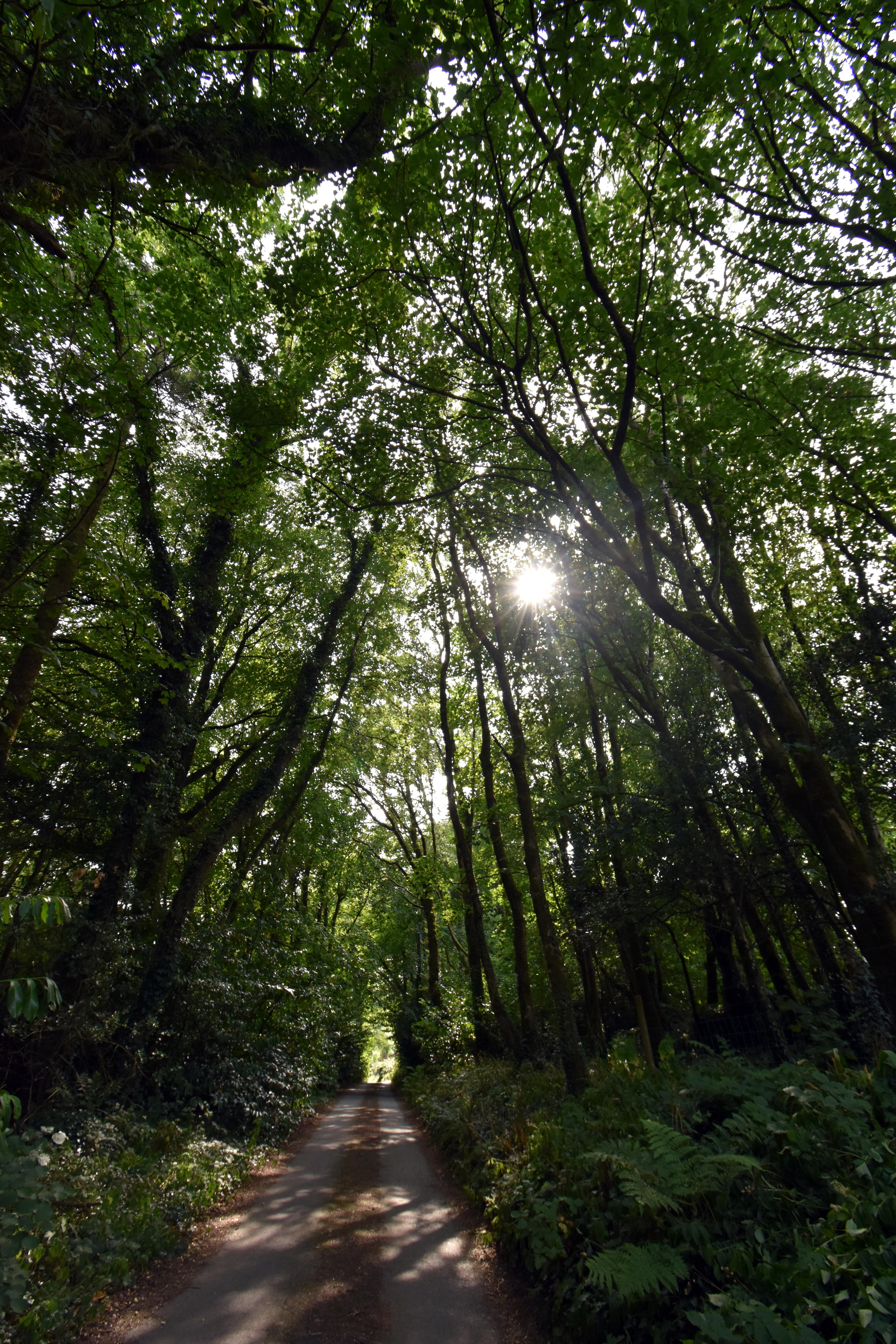
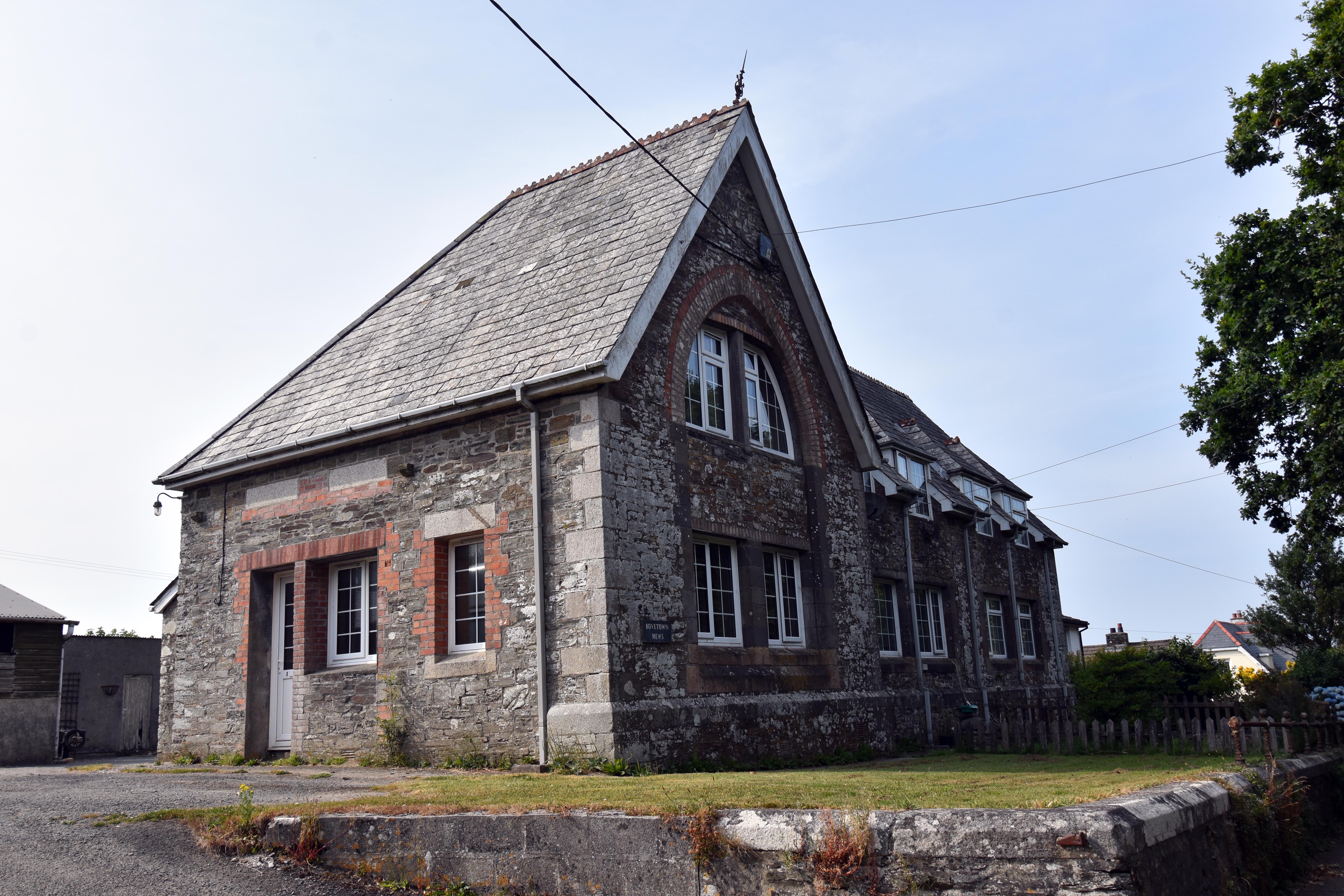
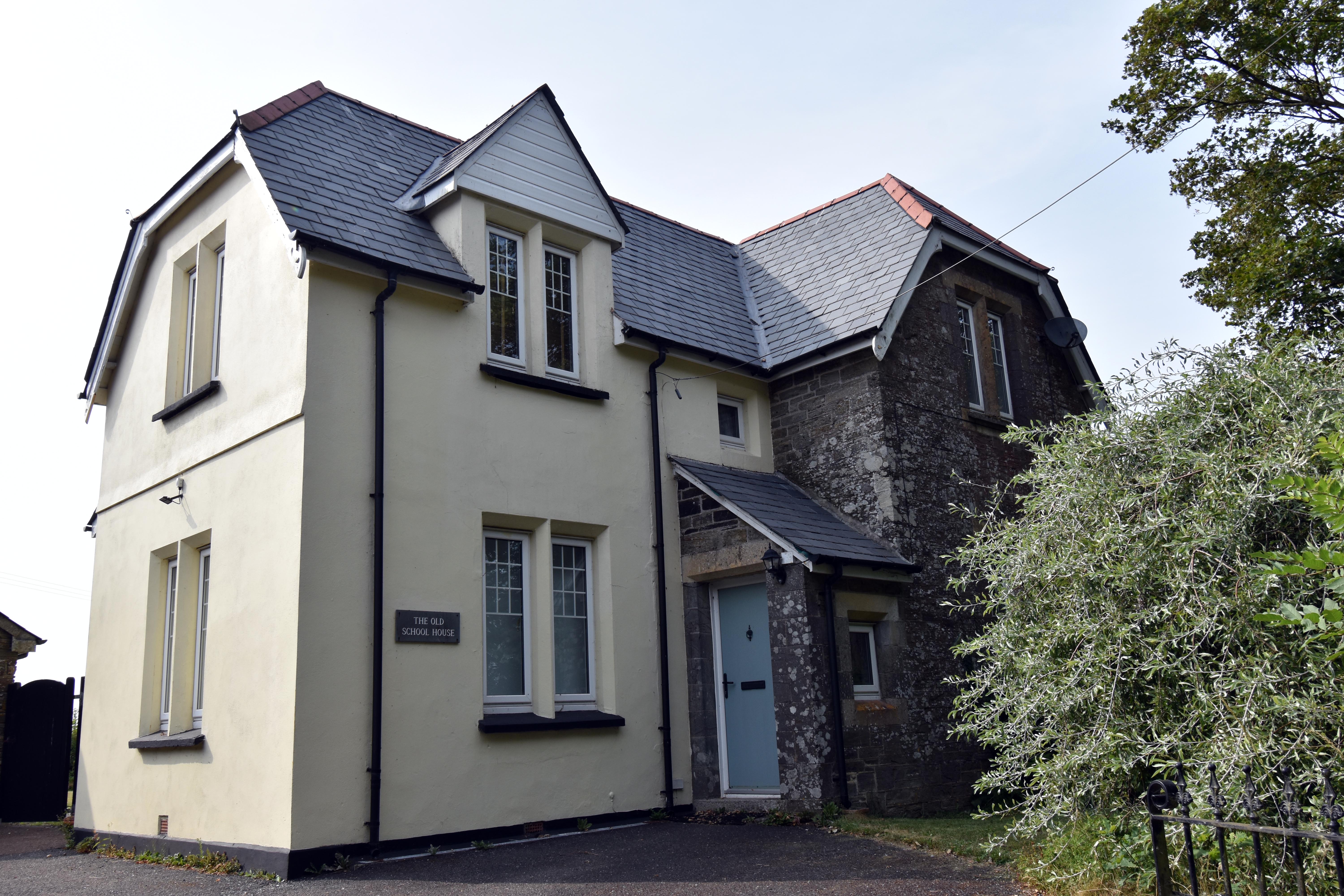
From here we retraced our steps again for a portion before diverting through Lewannick Down Plantation and entered Lewannick from the south. We passed the old school whose diminutive size reminds us how small this village once would have been, although far more people would have lived and worked in the surrounding farms. We were parked near the modern school which itself appeared to be undergoing renovations as the summer holidays had just started. We may not have travelled far due to spending so much time in and around the fascinating church but also due to the various man‑made obstacles that seemed to block our way. Undaunted though we continued to search for history no matter how many gates we had to clamber over or bulls to evade. Whilst following the Archer family it almost seemed like an episode straight out of the Radio 4 Archers programme.
|