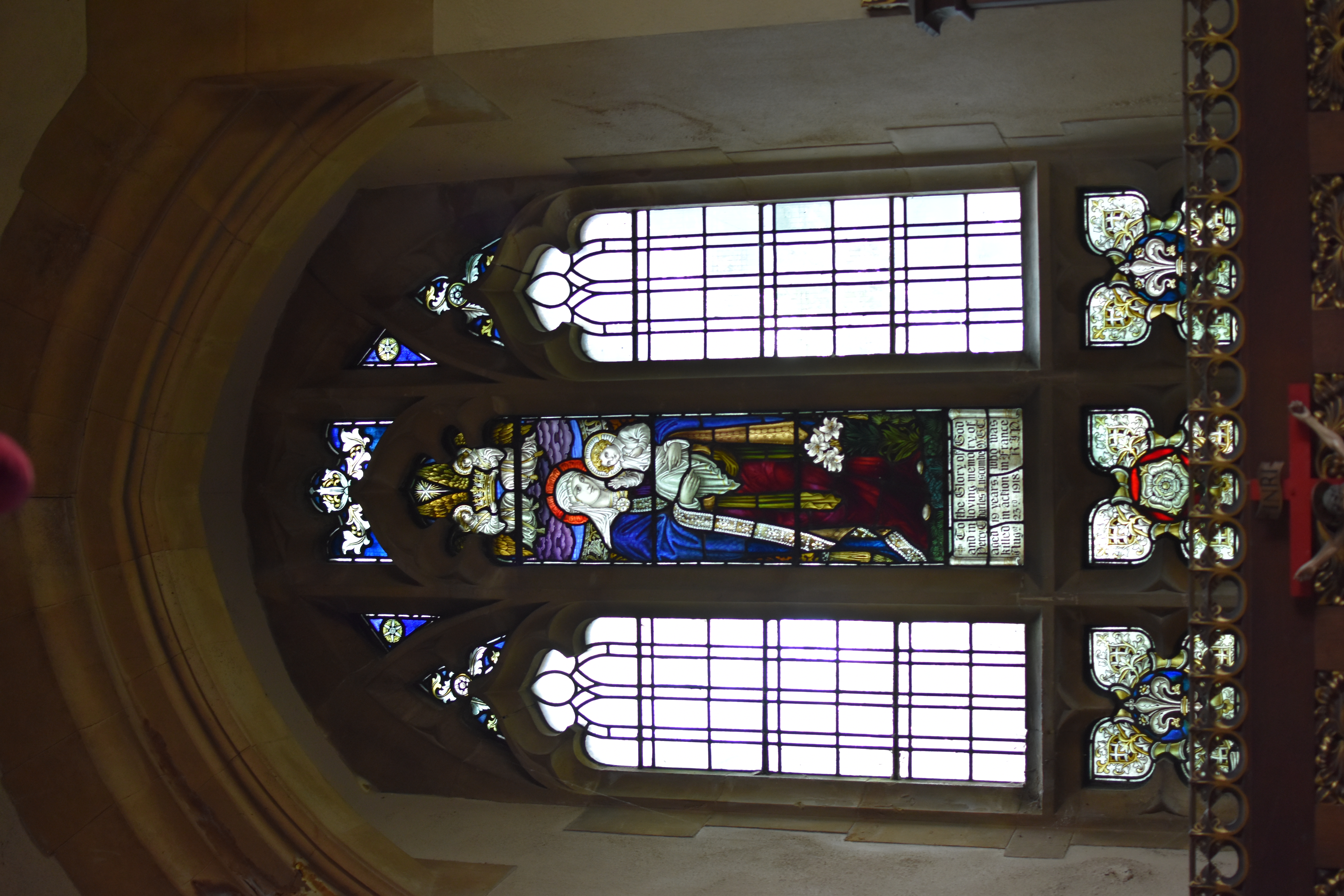
Among the memorials at St Mary’s Church, Laira, one of the most moving is the stained glass window in the Lady Chapel dedicated to Percy Charles Luscombe. Percy was the youngest son of Thomas and Florence Kate Luscombe, innkeepers at the Laira Inn, and he grew up singing in the choir at both Crabtree Mission and later at St Mary’s itself. In 1918, at just eighteen years of age, he joined the Machine Gun Corps and was sent to France during the German Spring Offensive. He was killed near Albert on 23 August 1918, one of the many “Men of 18 in 1918” who were rushed from training camps into battle.
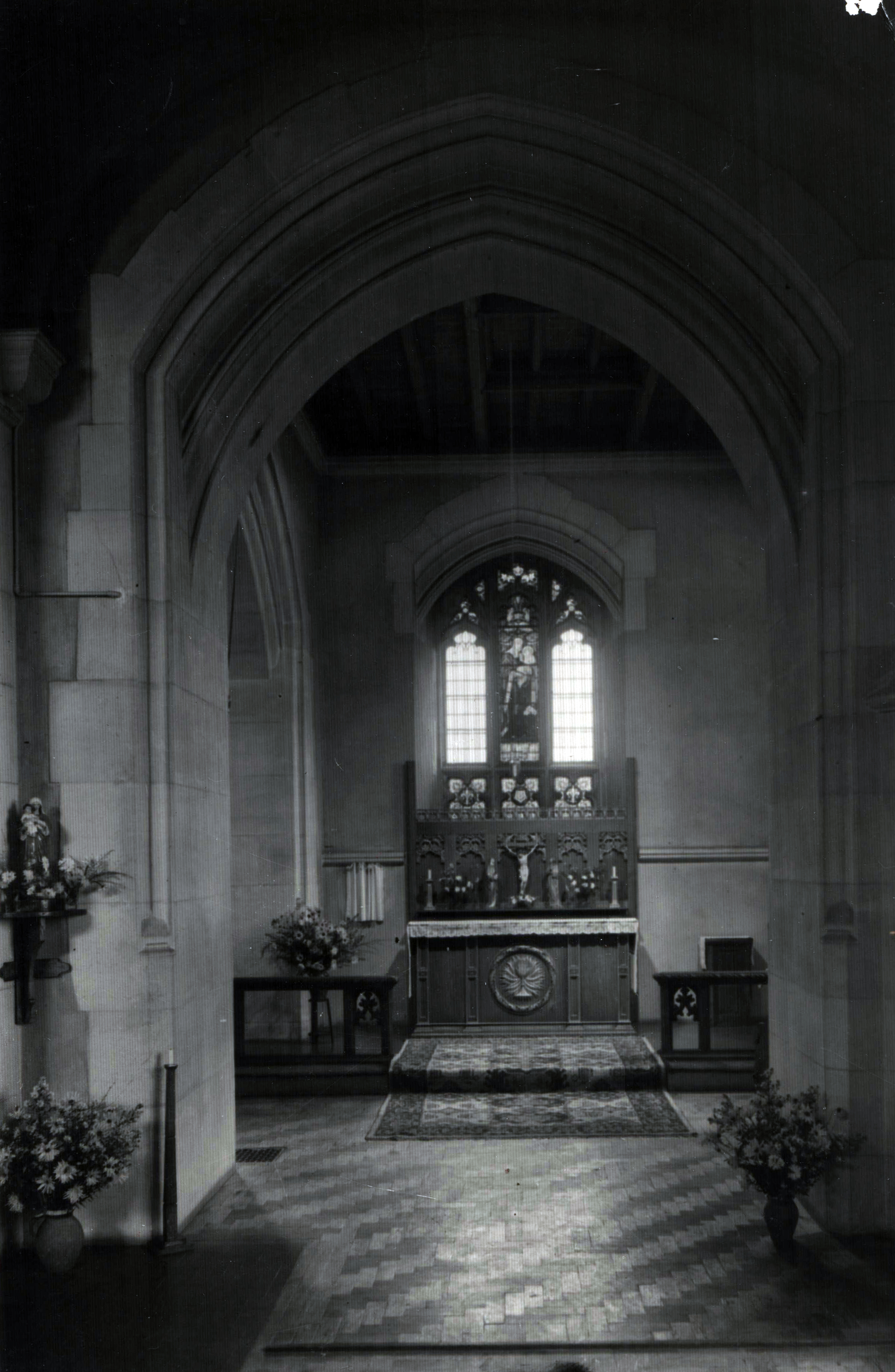
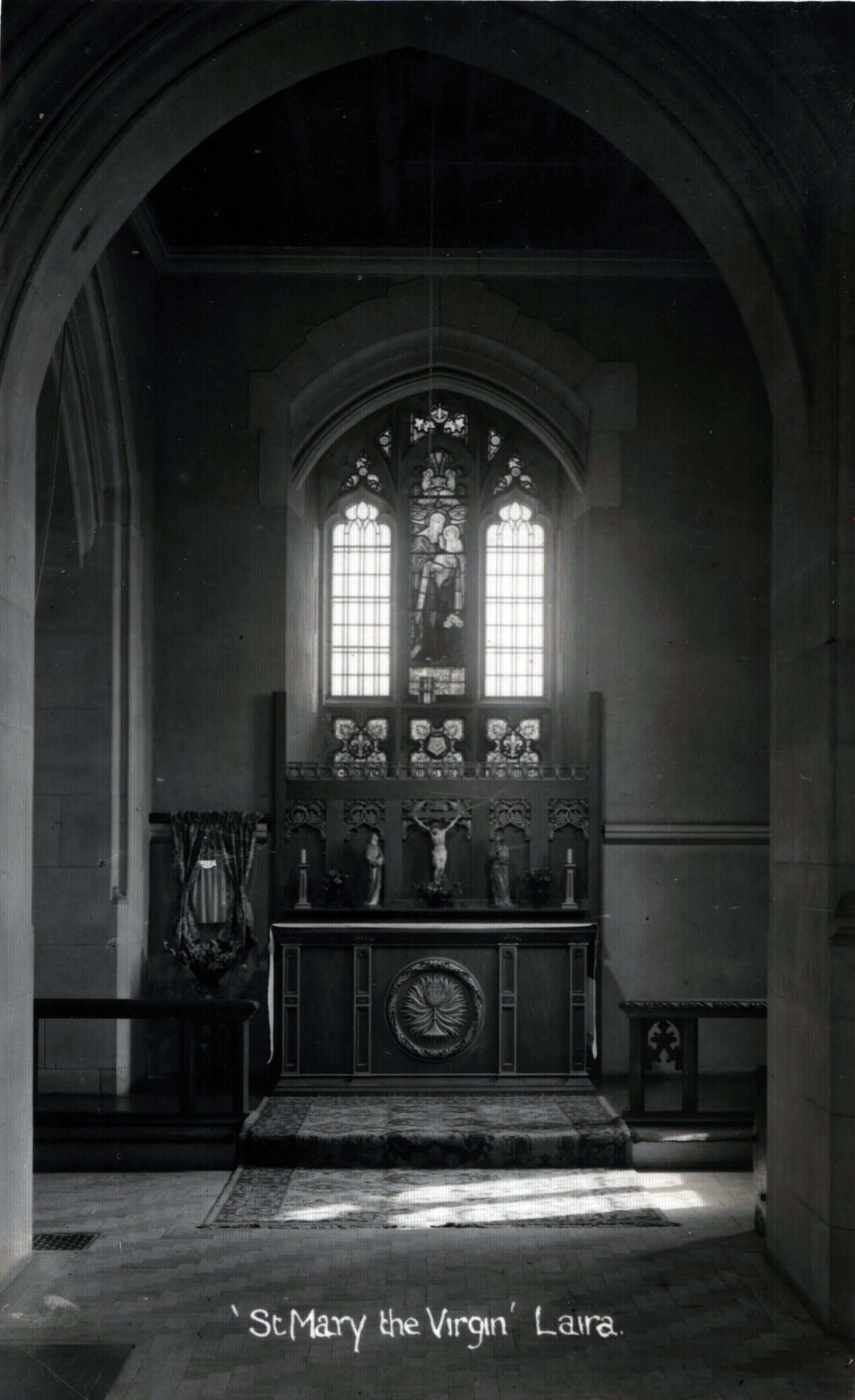
The stained glass window was installed in 1919, only months after the war ended. It depicts the Virgin Mary with the Holy Child, a powerful image of maternal love and divine hope. Its placement in the Lady Chapel gave Percy’s family and fellow parishioners a quiet space to reflect on his life and sacrifice. For his parents, Thomas and Kate, the window must have offered some comfort, even as they mourned the loss of their youngest son.
Percy’s name was also inscribed on the Old Laira Road war memorial plaque and on the Roll of Honour at St Edward’s Church, Eggbuckland. Yet the stained glass window at St Mary’s is perhaps the most personal of these tributes, set within the church where Percy had sung as a chorister. It ensured that his memory was woven into the daily life of the parish, illuminated by the light streaming through its coloured glass.
The words chosen for Percy’s headstone in France read: “A Bright Young Life; A Noble Death; And For a Noble Cause.” The Lady Chapel window echoes that sentiment, reminding worshippers of his sacrifice and linking his story to the wider tragedy of the Great War. Today, it remains a focal point of remembrance, a testament to both Percy’s short life and the resilience of the Laira community in the face of loss.