

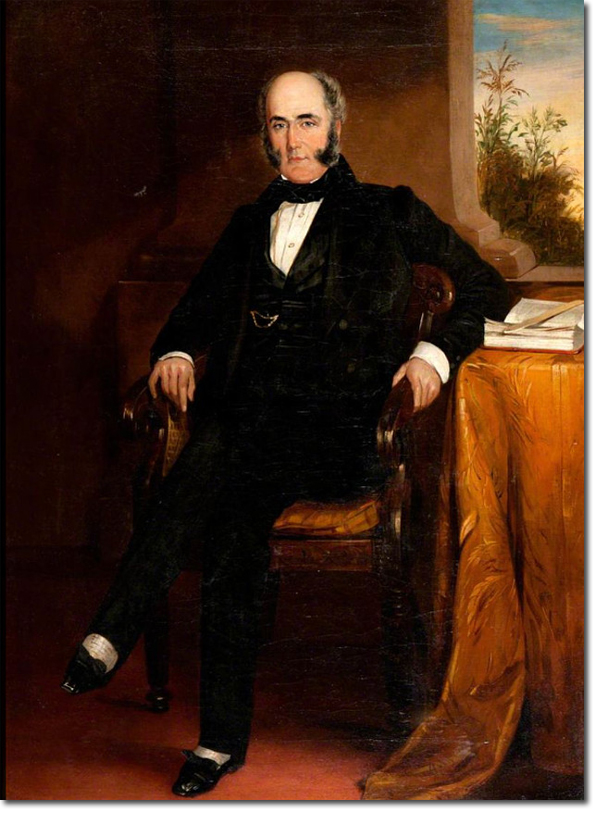
Alan Cameron was born in Lochaber in 1753, the eldest son of Ewen Cameron of Erracht. The Cameron clan had supported the Jacobites in 1745 so when the Highlanders were defeated the Government imposed strict measures, the carrying of weapons and wearing the kilt were forbidden. The leaders of Clan Cameron were imprisoned or exiled. The Locheil estate was forfeited to the crown and many of the houses of Lochaber were destroyed. Alan’s father, Ewen was ill in 1745 and so was not involved in the rebellion, thus he survived the purge and emerged as one of the natural leaders of the clan. Alan was born at Erracht, educated at Inverness and at Aberdeen University. However, in 1772 he had a serious dispute with Alexander Cameron of Muirshearich and fought a duel, in which Alexander was killed.
Alan was forced to go abroad and went to the West Indies, then North America. He was working in the Indian Department in the colonies when the War of American Independence broke out. He volunteered to serve the Crown and was commissioned into the Queen’s Rangers, employed in intelligence work. But he was captured and spent two and a half years as a prisoner of war. He made three attempts at escape and in the last attempt he fell off a roof and was badly injured. In 1778 he was exchanged for a rebel prisoner and brought back to London. He lived there for 15 years, during which time he married Ann Phillips, 14 at the time, daughter of Nathaniel Phillips, a wealthy merchant and owner of estates in the West Indies.
Alan entered politics and was a prominent figure in the Scottish community. They lobbied for a repeal of the Act of Proscription of Highland dress. He befriended William Pitt, Prime Minister, and Henry Dundas, Secretary of War. He became very determined to raise a regiment of members of Clan Cameron and had the financial backing of his father-in-law. This would have had a beneficial effect on the economy of Lochaber and put to good use the fighting qualities of the young men. At the time the number of infantry regiments was 77 and the government was unwilling to increase the army. But when the war with Revolutionary France broke out there was a call for more soldiers. Alan Cameron received authorisation by Letter of Service on 17 Aug 1793. The 79th Regiment was raised and Cameron was appointed Major Commandant. He commanded the 79th until 1808 when he was put in charge of a brigade in the Peninsular War. He handed over command of the 79th to his son, Lt-Colonel Phillips Cameron. He remained as Honorary Colonel of the regiment and reached the rank of Lieutenant-General. He was knighted as KCB in 1815 but he was nicknamed Cia mar tha, his normal greeting for the men of the regiment. He died in 1828.

