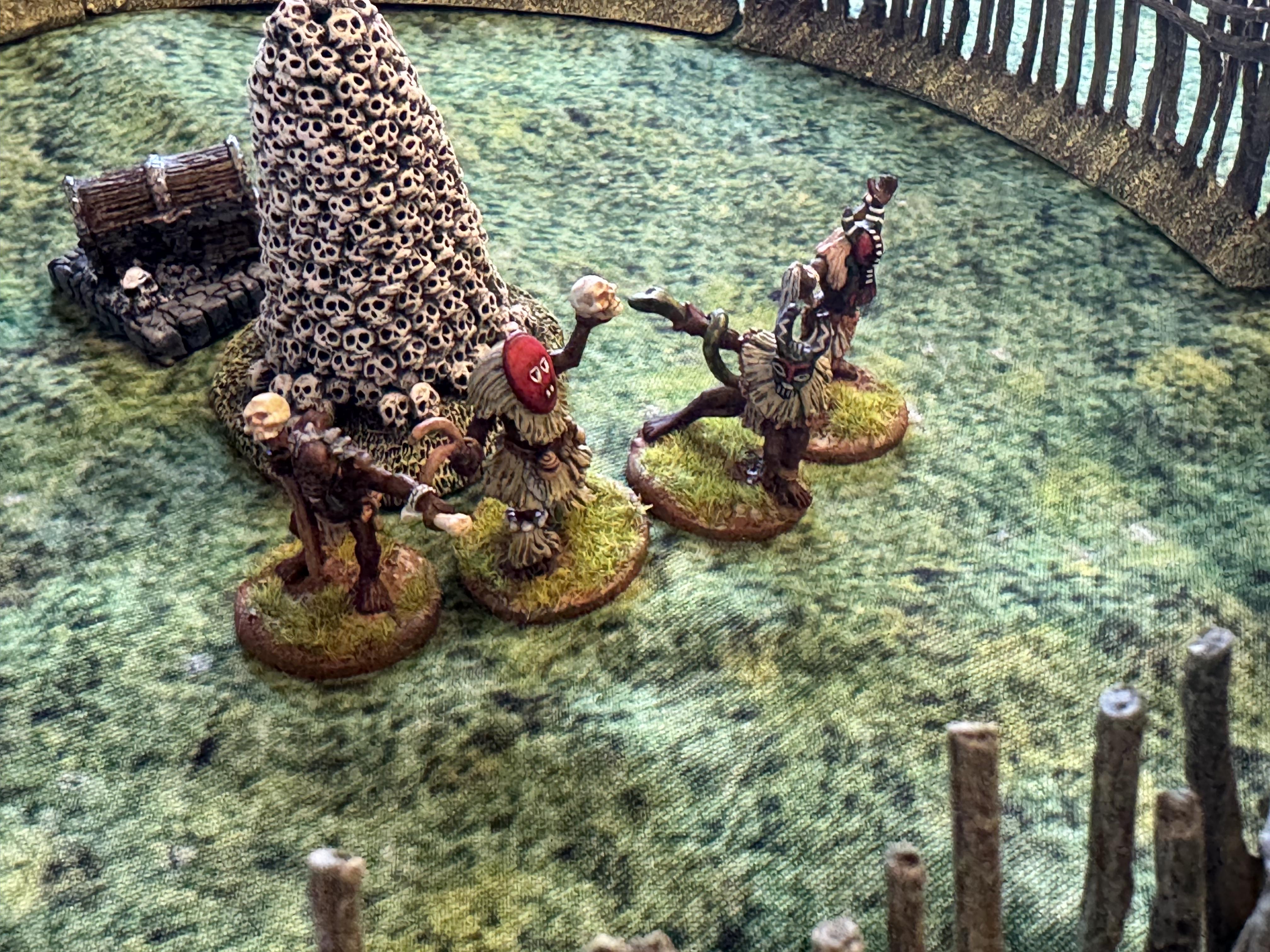
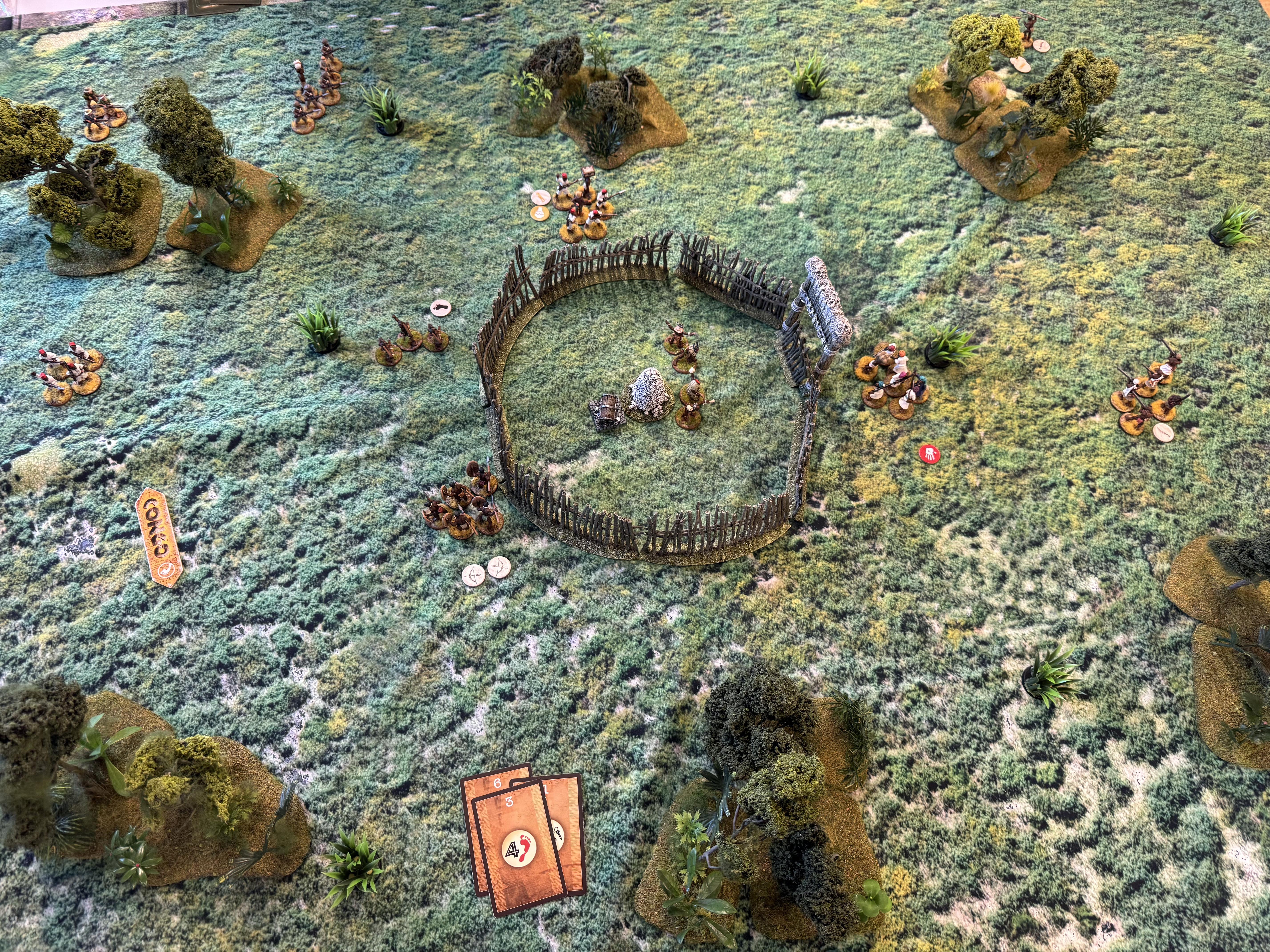
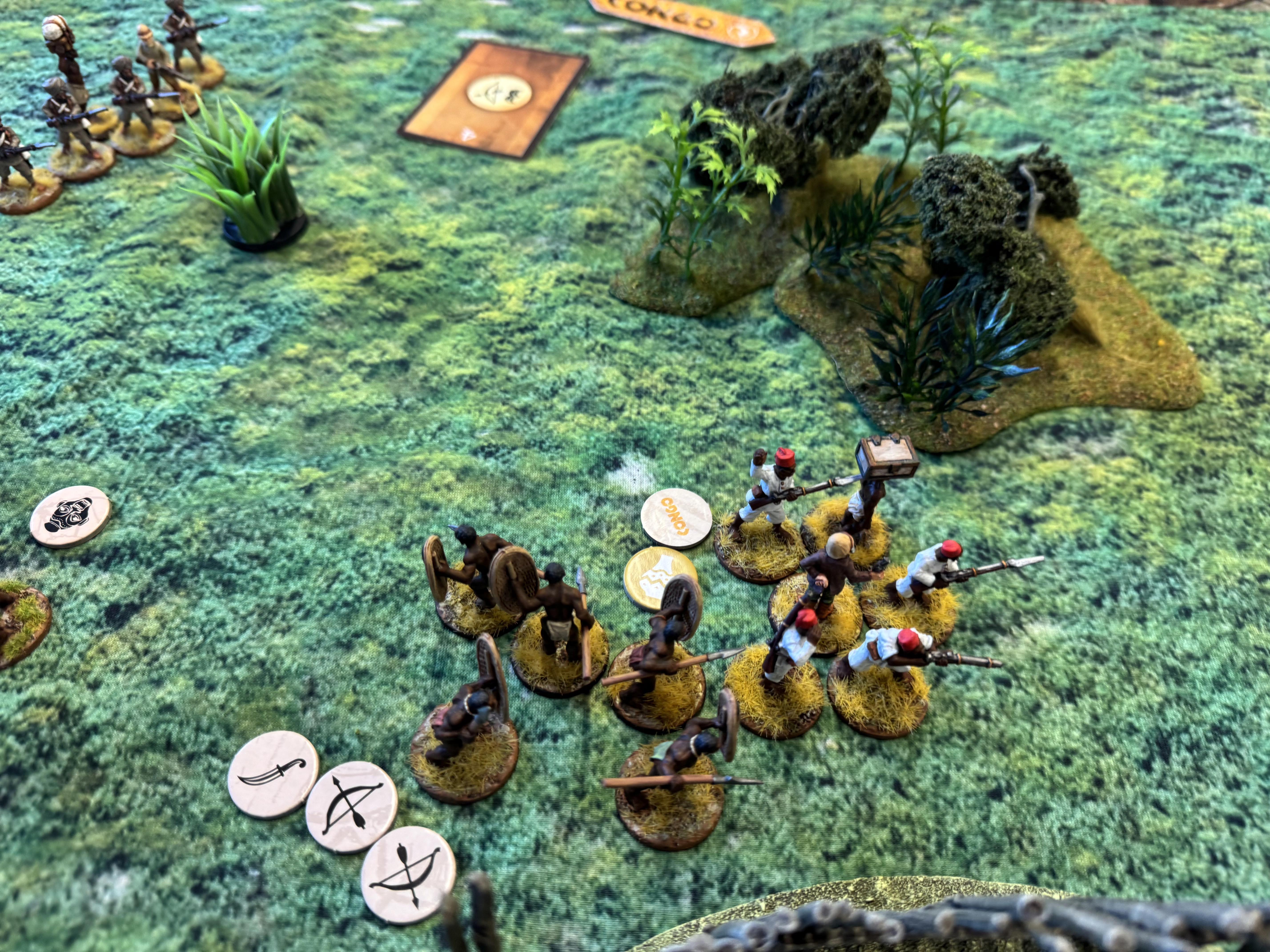
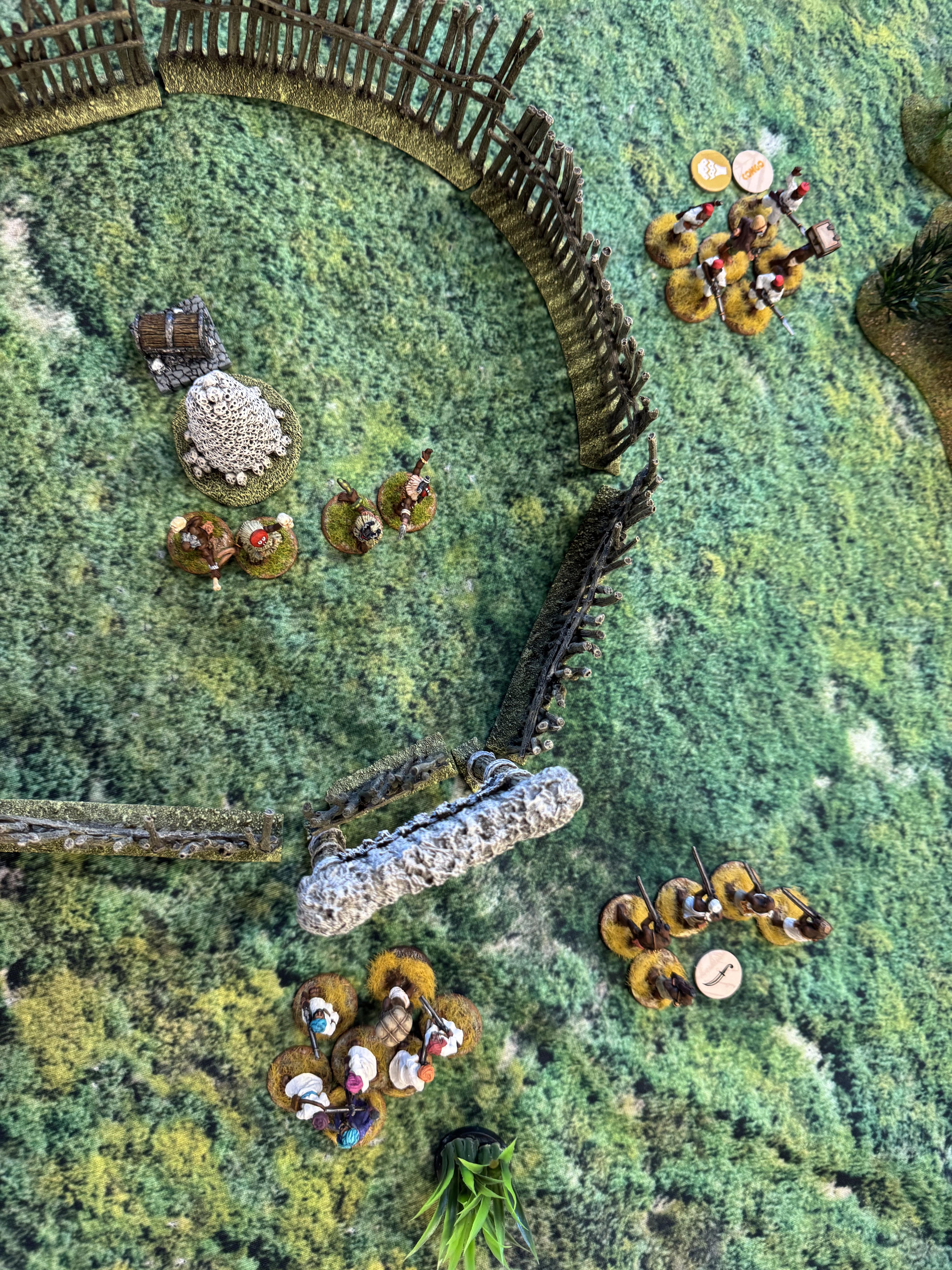
The rumours travelled across the breadth of Africa, whispered at caravan fires and muttered in the markets of Mombasa, swelling in wonder as they passed from man to man. All spoke of the NFazali tribe, a people so ancient and secretive that even neighbouring clans treated them with wary awe. Their treasure, it was said, was guarded by warriors who fought one another for the privilege of standing watch over it, and though no living soul could describe the artefact, its value grew with every retelling. Some claimed it was a jewel of impossible brilliance; others insisted it was a relic from the dawn of mankind. All agreed that it lay beneath a mound of skulls, a grim cairn that warned intruders of the price of curiosity. The Sultan, hearing these tales repeated with ever‑greater fervour, resolved to seize the treasure and despatched Sheikh Mahmoud, a man of stern courage, with a company of warriors and a trusted Mombasa trader whose eye for worth was as sharp as any blade. Yet destiny had already set another upon the same trail, for Captain Bunny, soldier of fortune and wanderer of frontiers, had heard the same whispers and approached the forbidden valley from a different quarter. Thus it came to pass that both expeditions, unknown to one another, converged upon the treasure at the same hour, as though summoned by the same unseen hand.
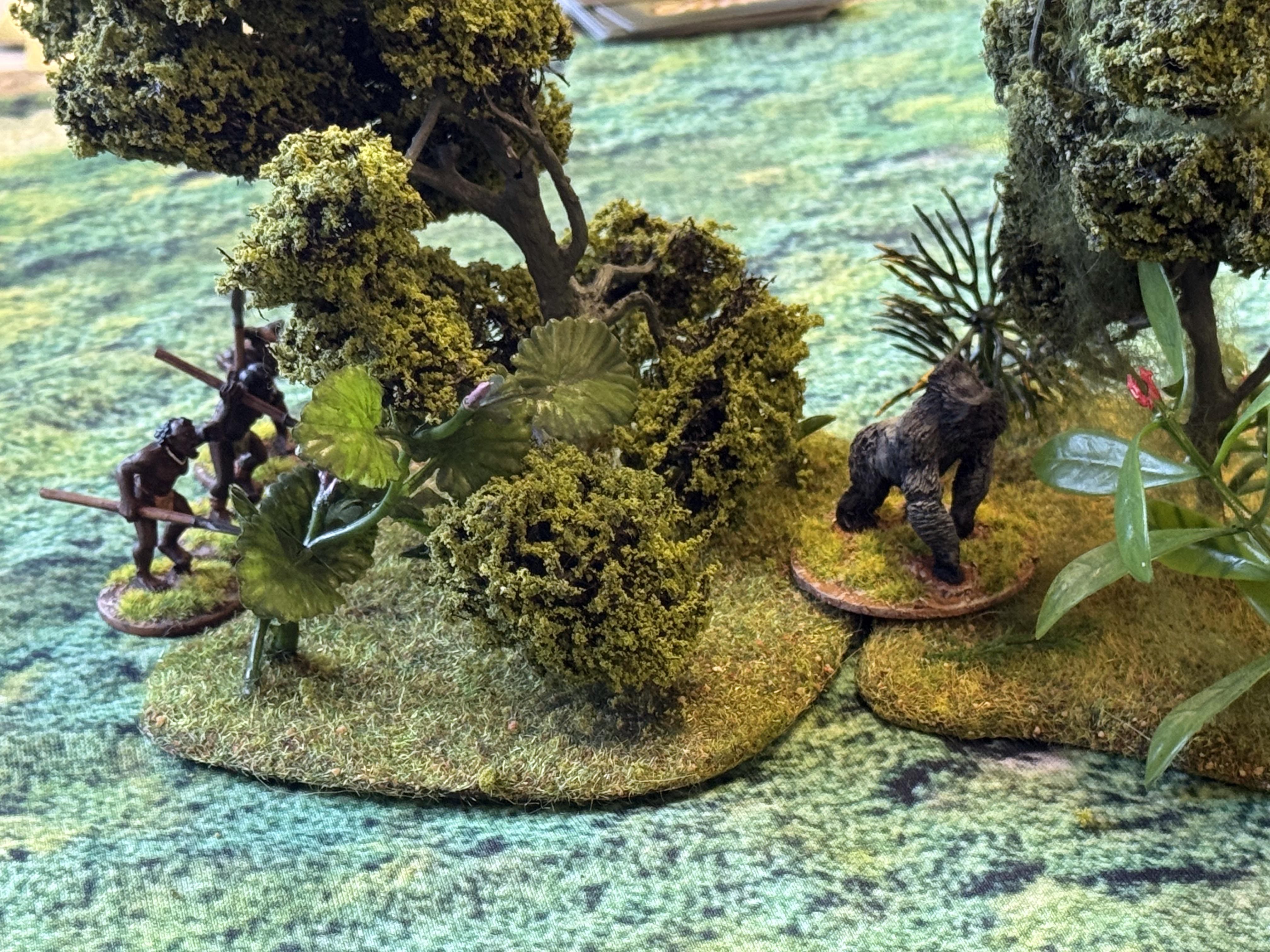
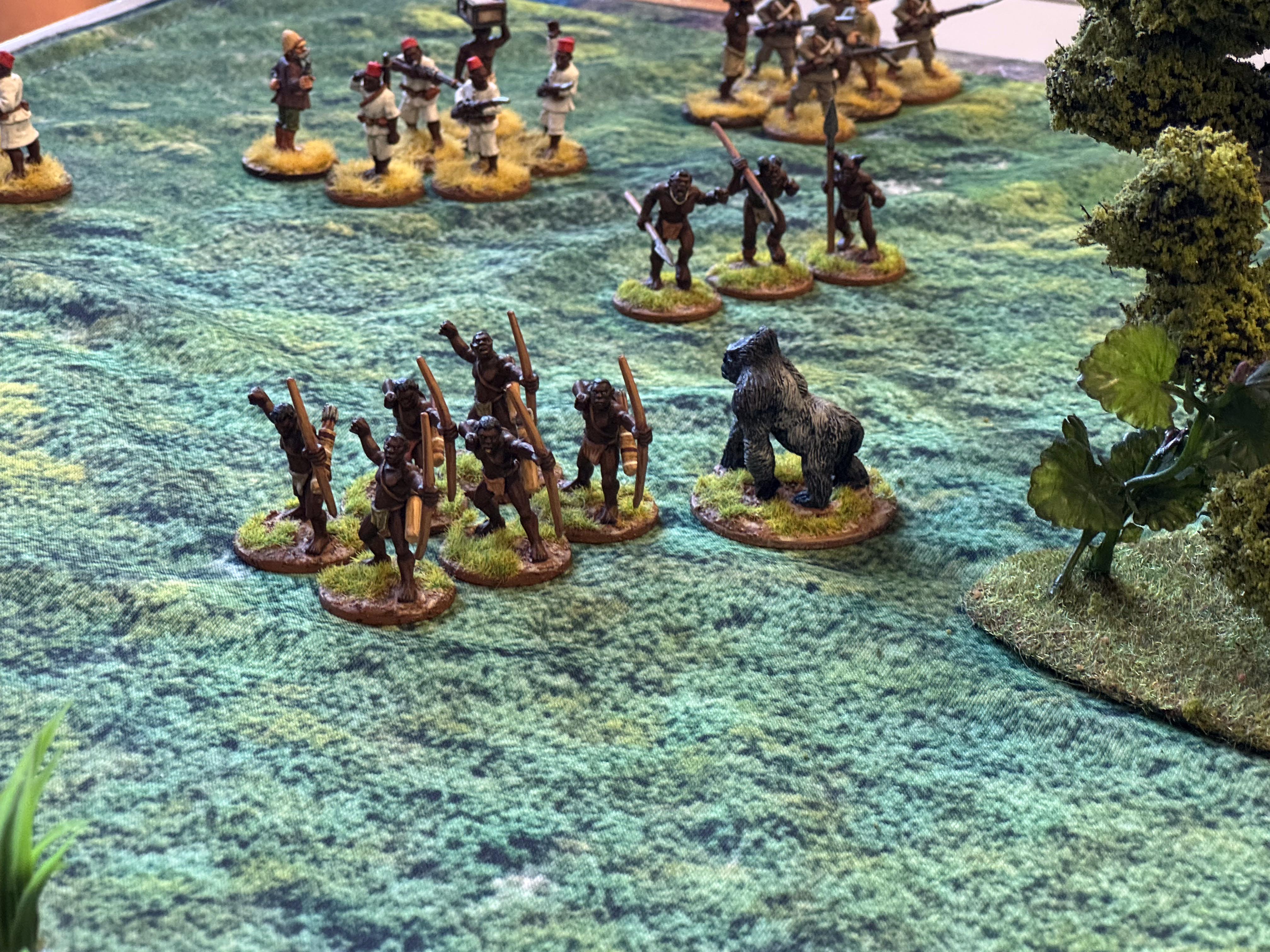
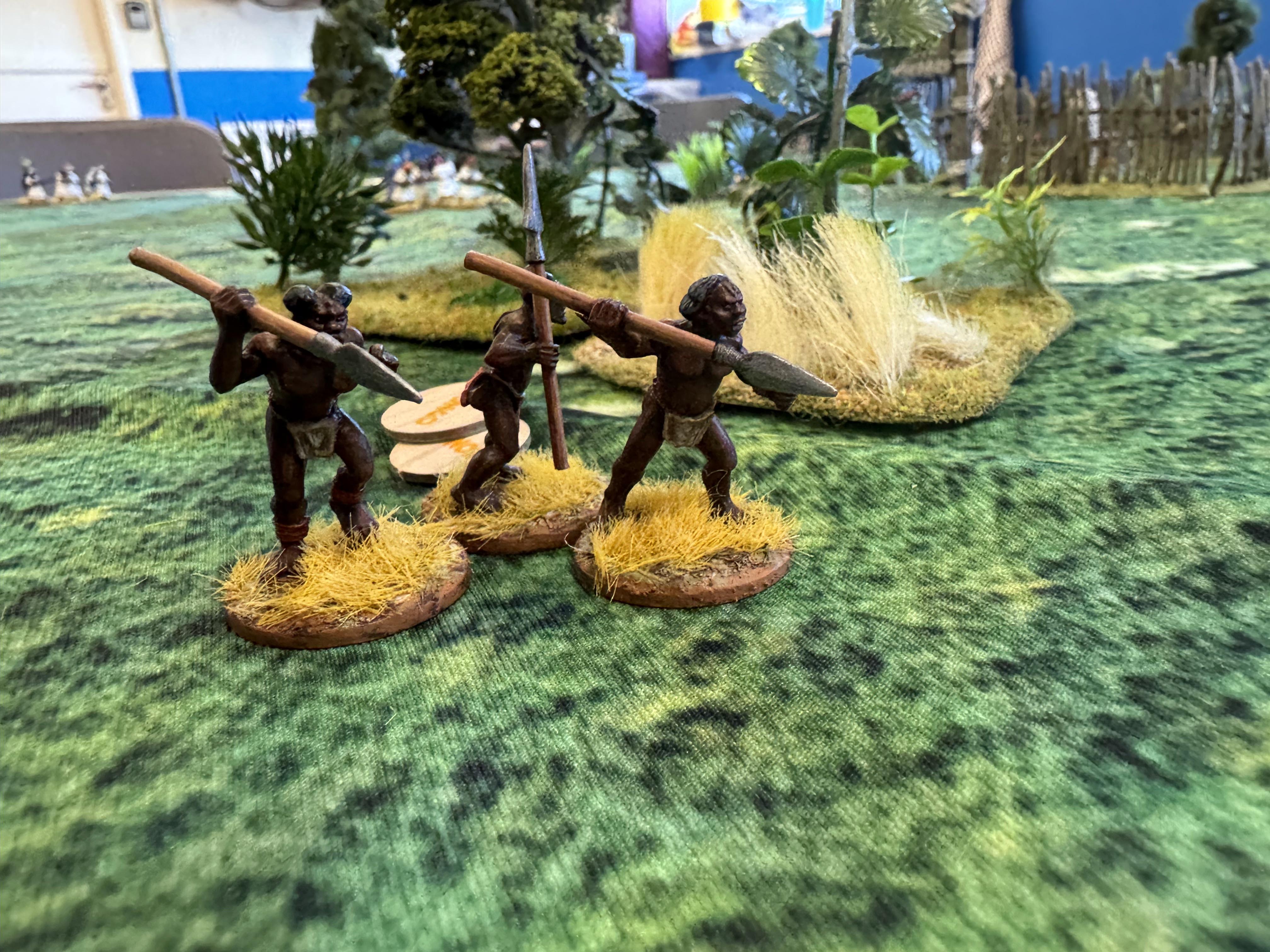
Captain Bunny’s scouts, men hardened by long marches and accustomed to the Congo’s oppressive silence, pressed forward with confidence until a sudden agitation in the trees made them halt. They had expected no enemies in that desolate place and advanced again, though unease prickled at their necks. Without warning, the undergrowth burst apart and a gorilla of monstrous size emerged, its chest heaving, its eyes burning with a fury that seemed almost human. The beast fell upon the archers with terrifying swiftness, tearing two apart before they could cry out. The survivors fled in panic, and the gorilla, its rage still smouldering, beat its chest and roared before lumbering back into the shadows. It required the Captain’s best shots, men who had faced danger in many forms, to drive the creature off with well‑placed bullets. Those shots rolled through the valley like thunder, and Sheikh Mahmoud’s men, hearing them, knew that rivals were near.
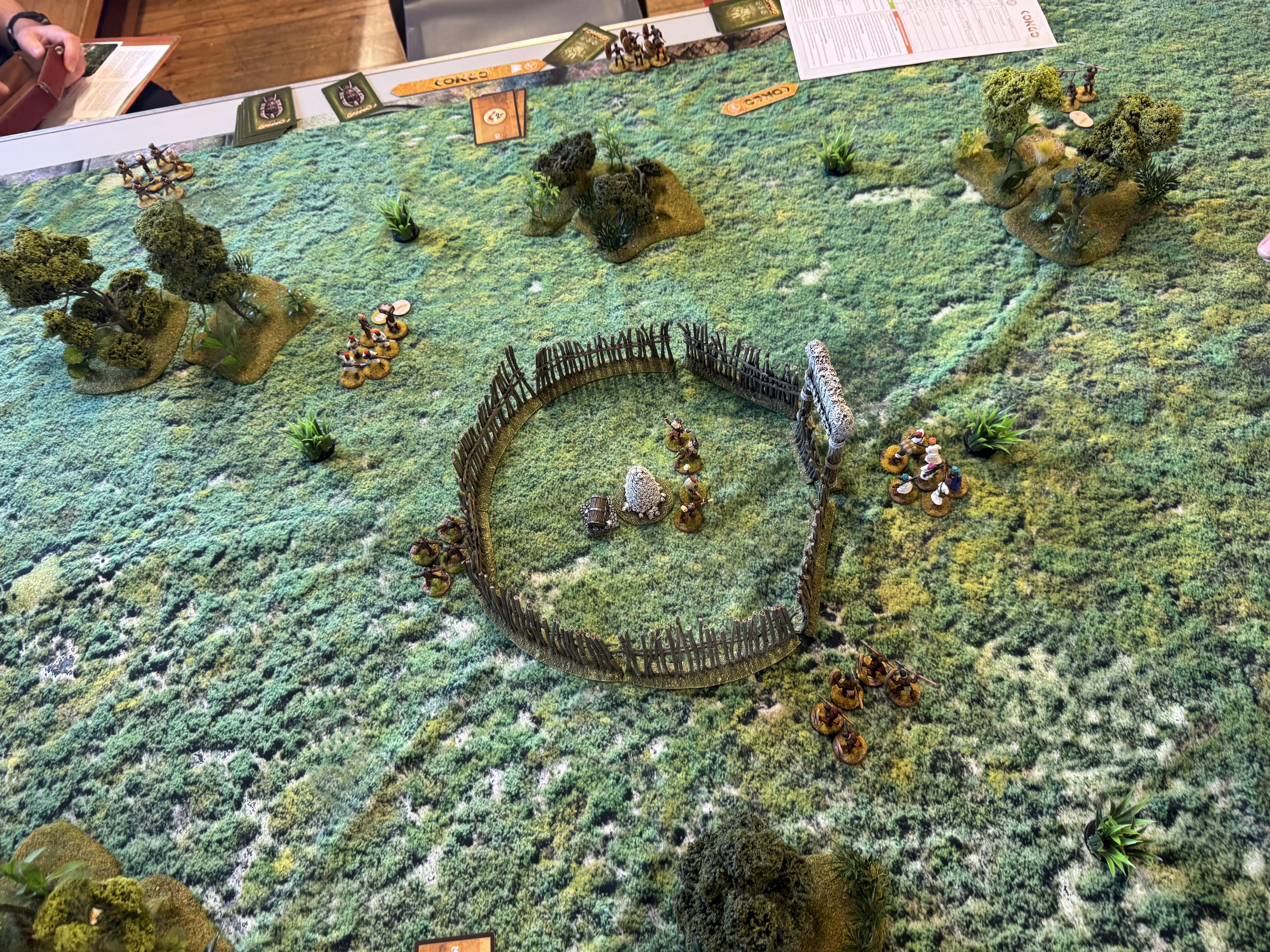
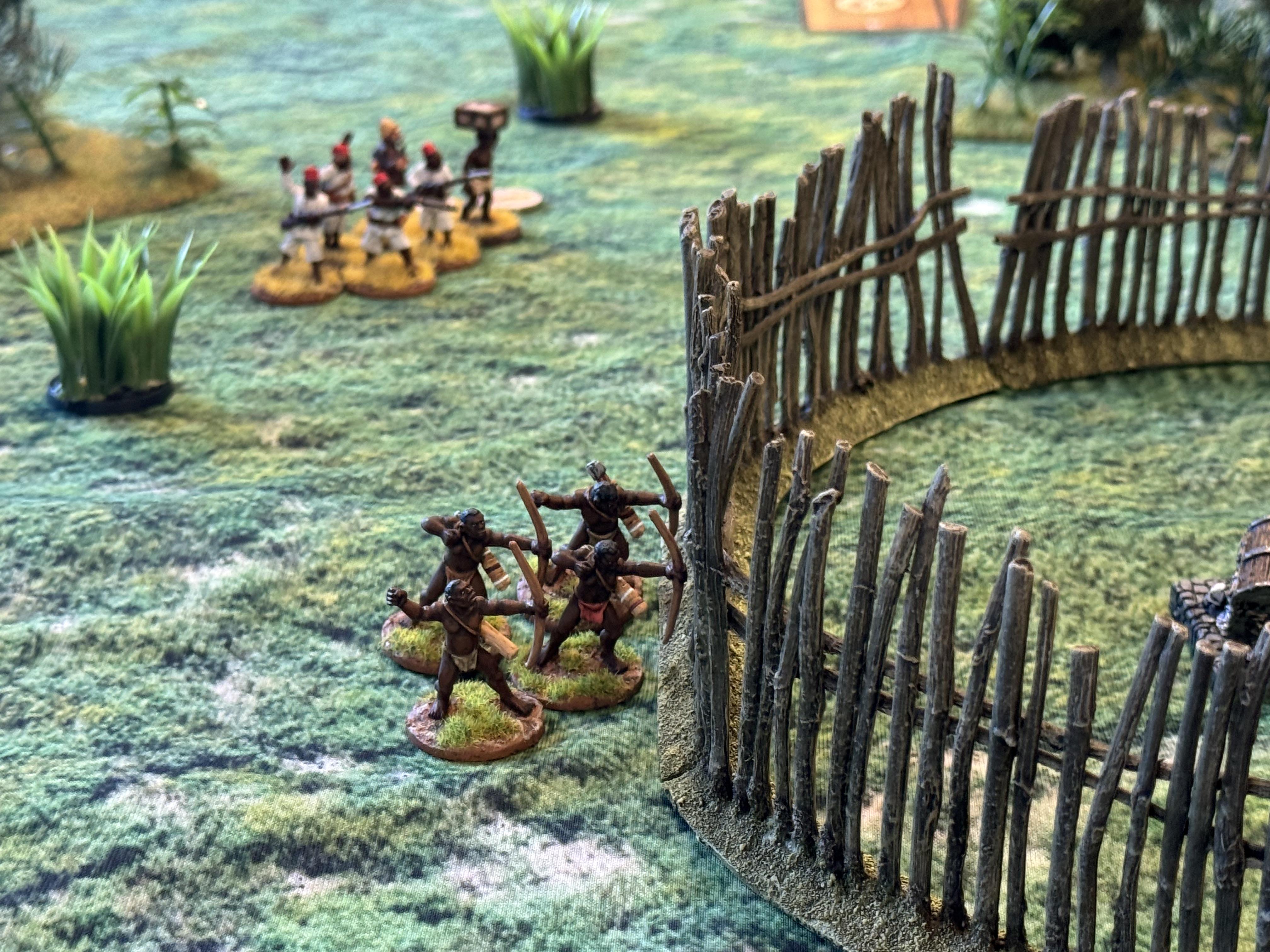
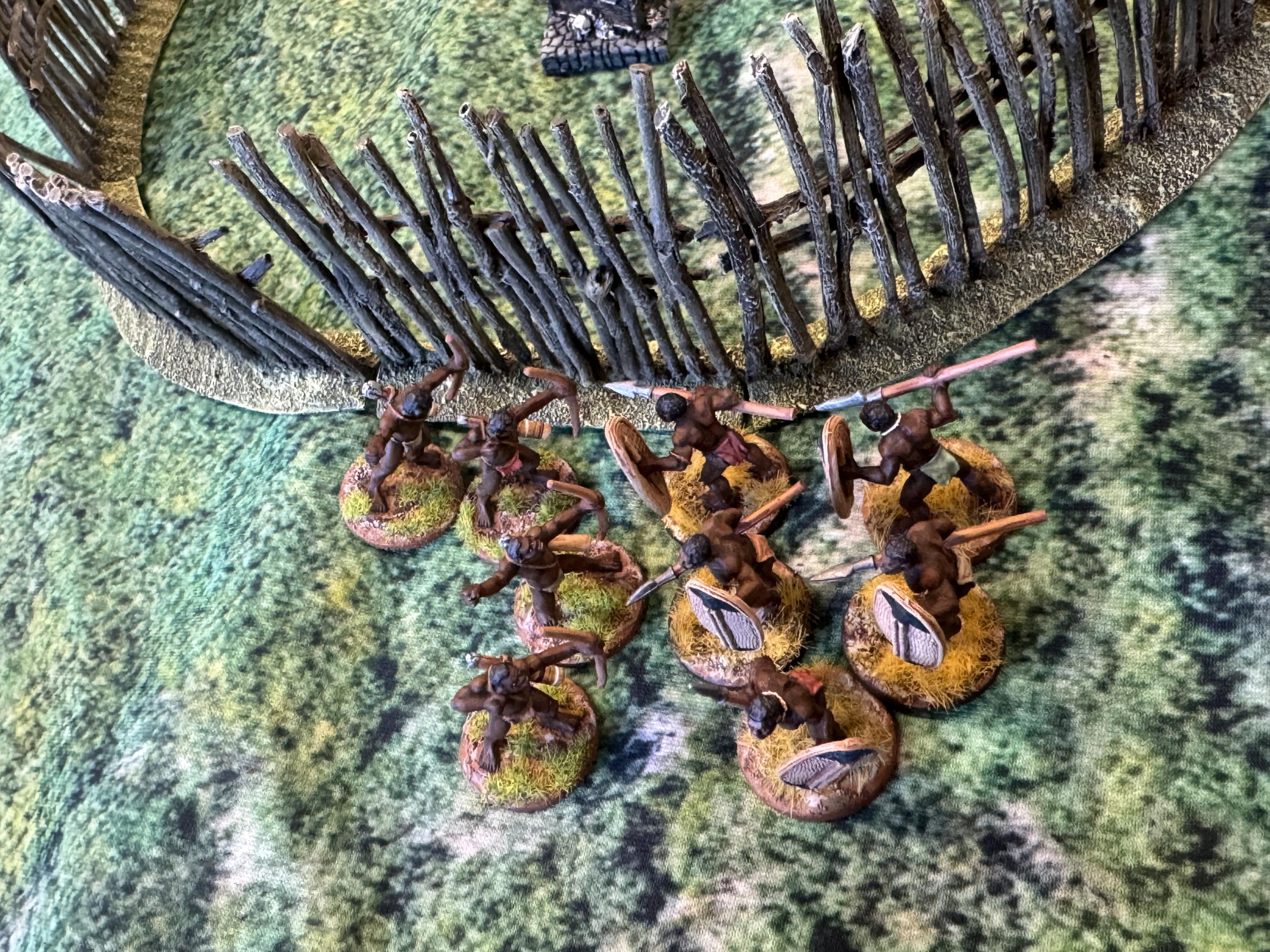
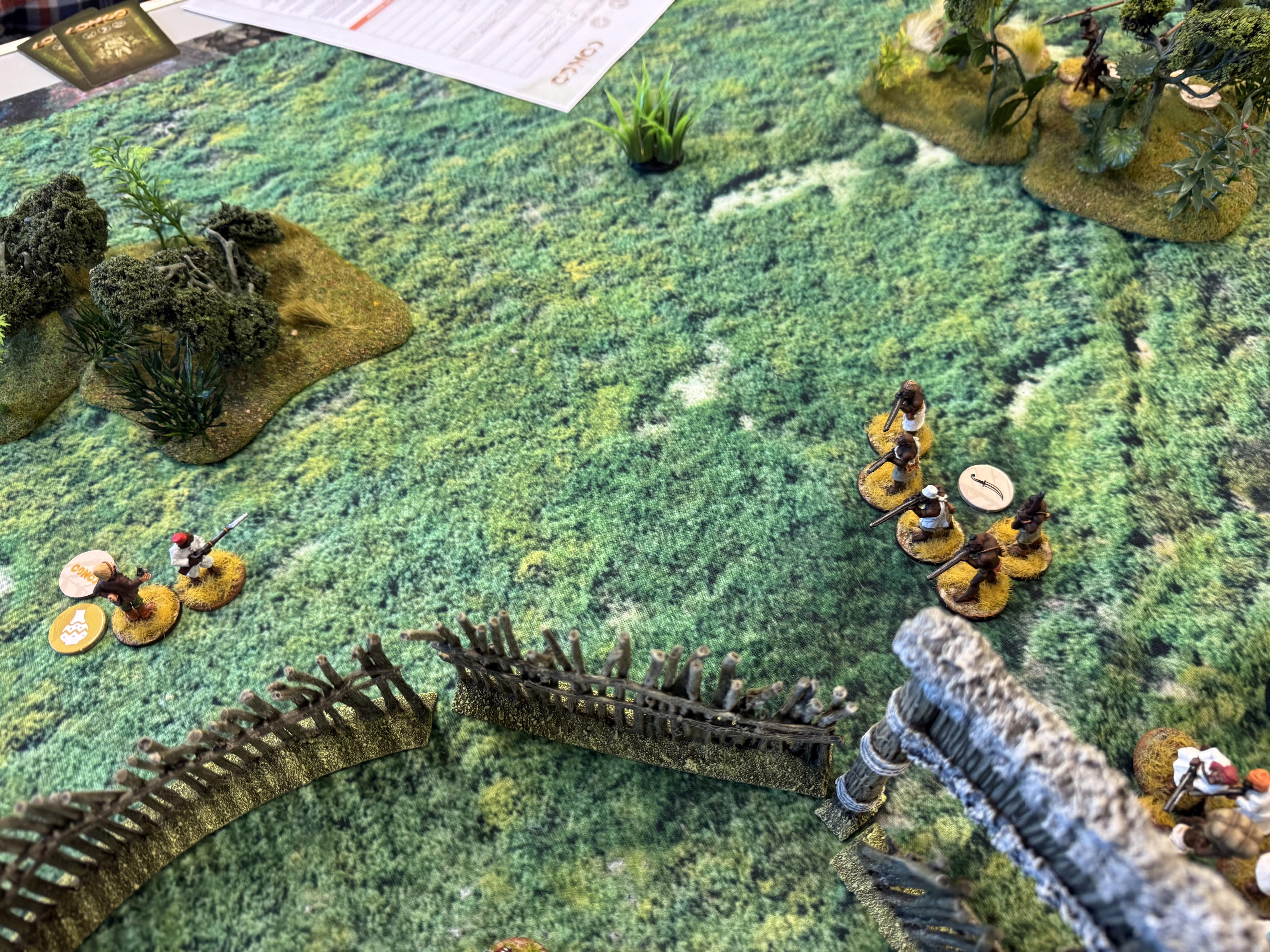
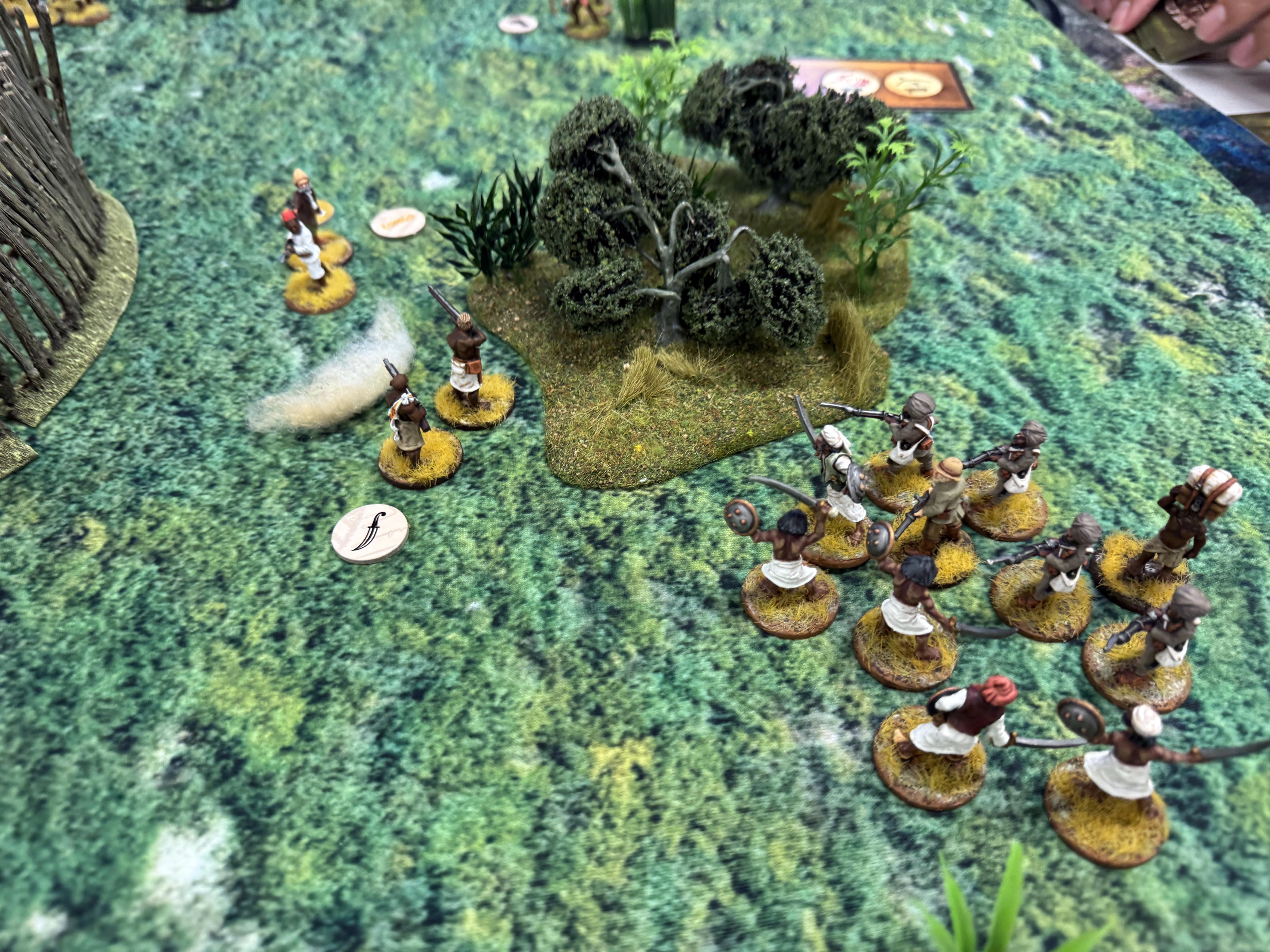
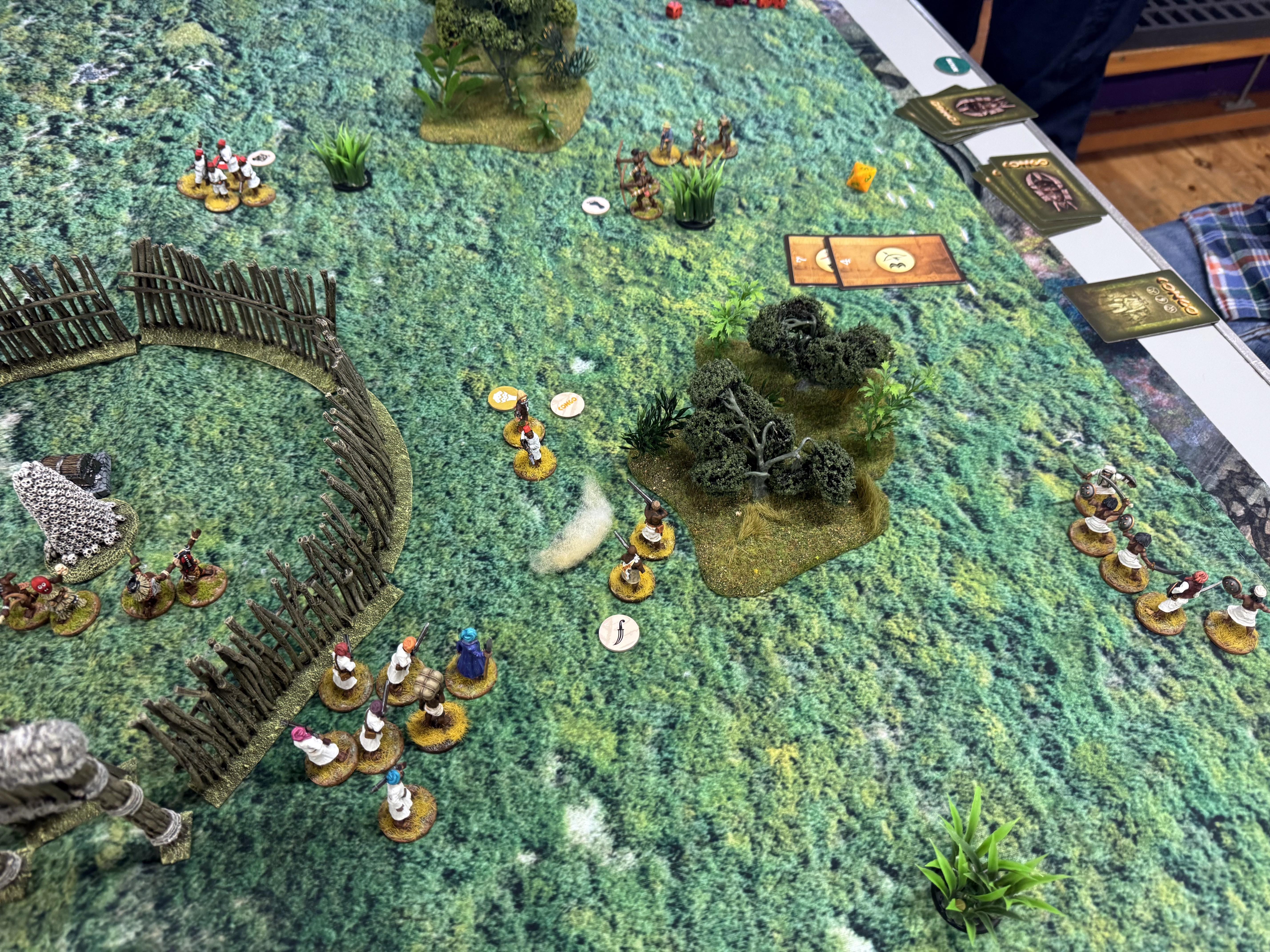
The Sheikh’s scouts, nimble as apes among the branches, soon found Bunny’s archers studying the entrance to the NFazali compound, attempting to discern a way through the forbidding palisade. The young warriors of the Sheikh, eager for glory and stung by the thought of another force trespassing upon their mission, charged without hesitation. Their courage was beyond question, but the archers, hardened by their encounter with the forest’s monstrous sentinel, refused to yield. Twice the warriors were driven back, though not without bloodshed. Their sacrifice bought precious time, for a company of Askaris advanced and opened fire, their rifles cracking sharply in the heavy air. Surrounded by archers and three units of riflemen, the young warriors resolved to die magnificently and hurled themselves upon Captain Bunny’s own company. Their charge was splendid and fatal, but not wasted, for it allowed the Sheikh’s Ruga Ruga, grim mercenaries armed with antiquated muskets, to move up and take their place. These men, though equipped with weapons that belonged to another age, fired with surprising accuracy and maintained a stubborn line until a band of ex‑Indian Army soldiers emerged from the flank and poured a deadly enfilade into their ranks. The Ruga, choosing advance over retreat, pressed on doggedly, determined to keep their fire upon Bunny’s men even as their numbers dwindled.
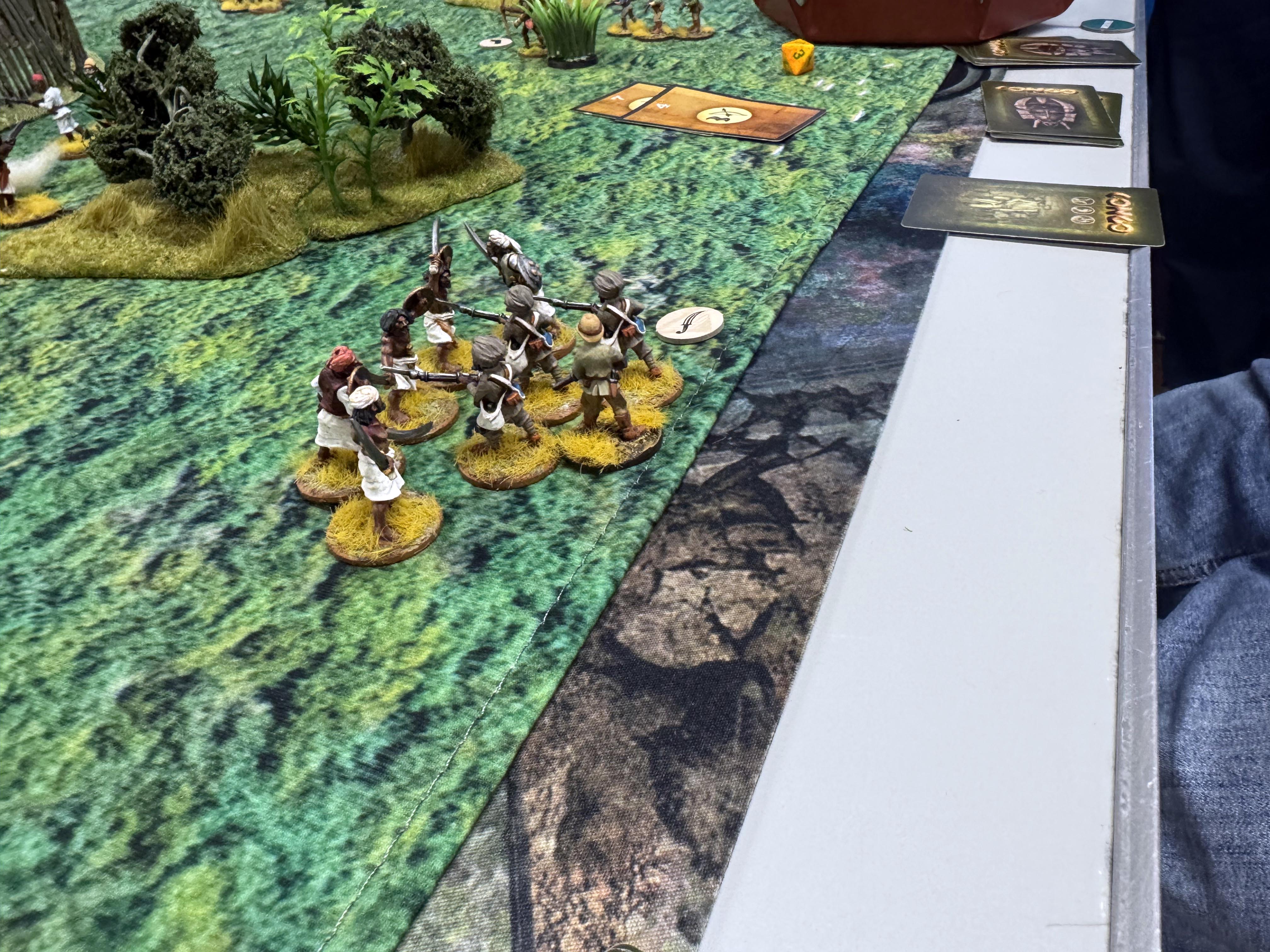
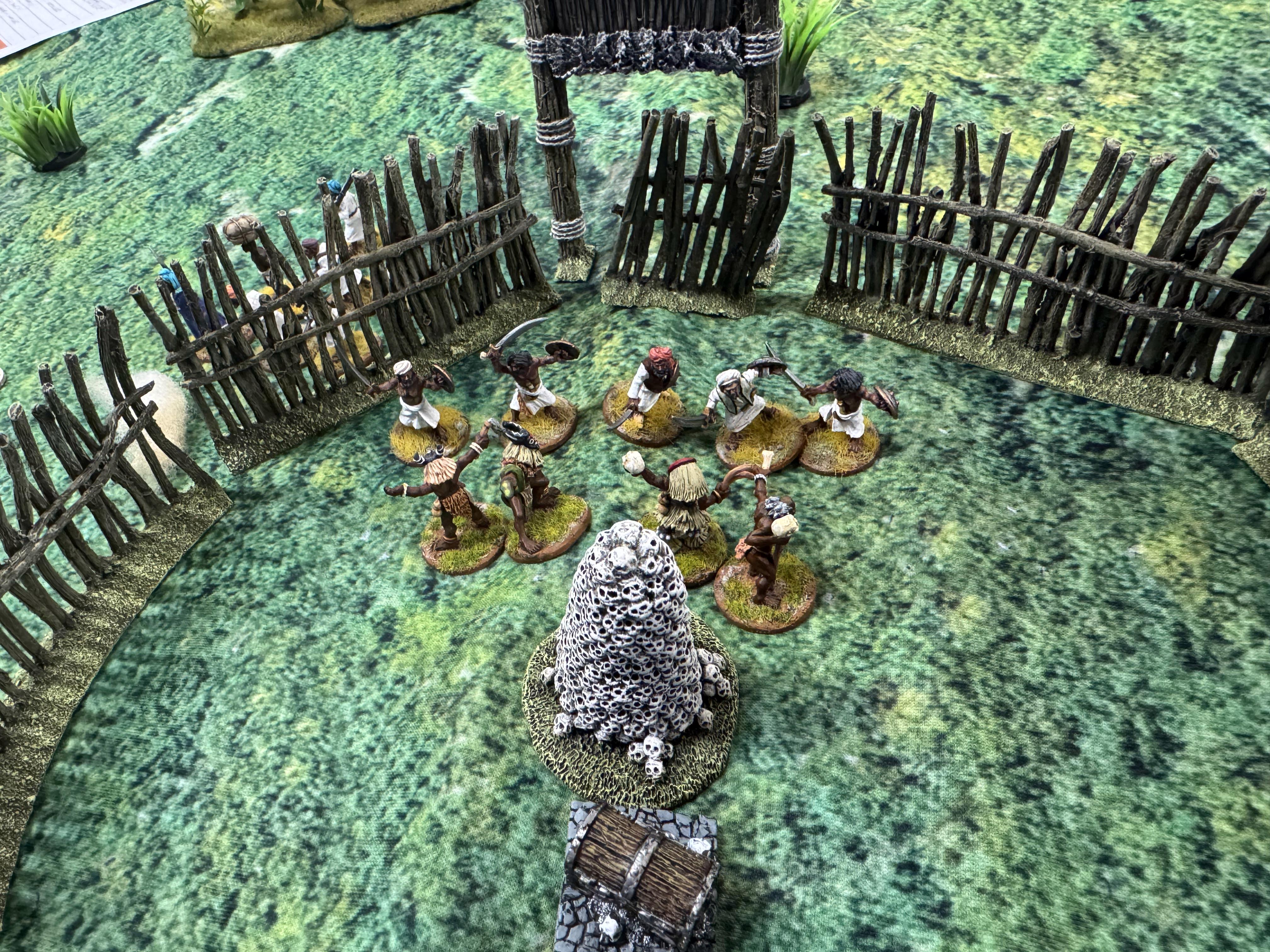
The struggle reached its height when the Sheikh’s Baluchi warriors, who had been on the verge of entering the NFazali compound itself, turned instead upon the Indian soldiers. With a cry that seemed torn from the depths of their souls, they charged faster than they had ever run. The Indians braced themselves, but the Baluchis struck with irresistible force, overwhelming them in moments. The survivors retreated for a final stand, but even this proved futile, for the Baluchis fell upon them again with renewed ferocity and chased the sole survivor into the jungle, where he vanished like a shadow swallowed by the trees.
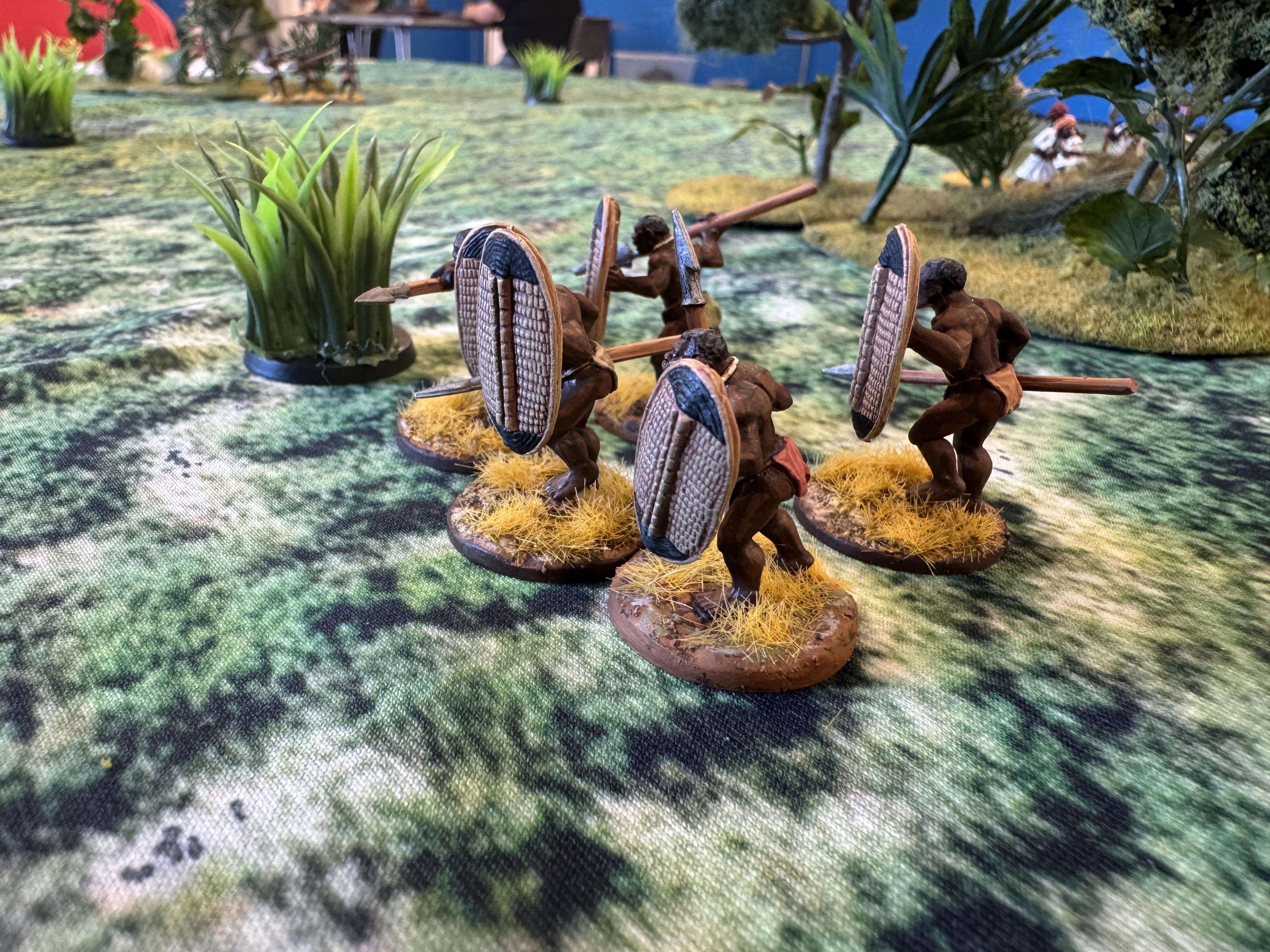
Captain Bunny, watching the tide of battle turn, realised that no treasure could outweigh the value of his own life. He ordered his men to melt back into the forest, leaving the Baluchis to contend with the murderous temple guards whose reputation for bloodshed was known even beyond the Congo. Yet even as he withdrew, a thought lingered in his mind. The Sheikh might indeed seize the treasure, but victory breeds carelessness, and celebrations dull the senses. Bunny wondered where and when the Sultan’s men might relax their vigilance, and whether that moment might offer him a second chance at the prize.