|
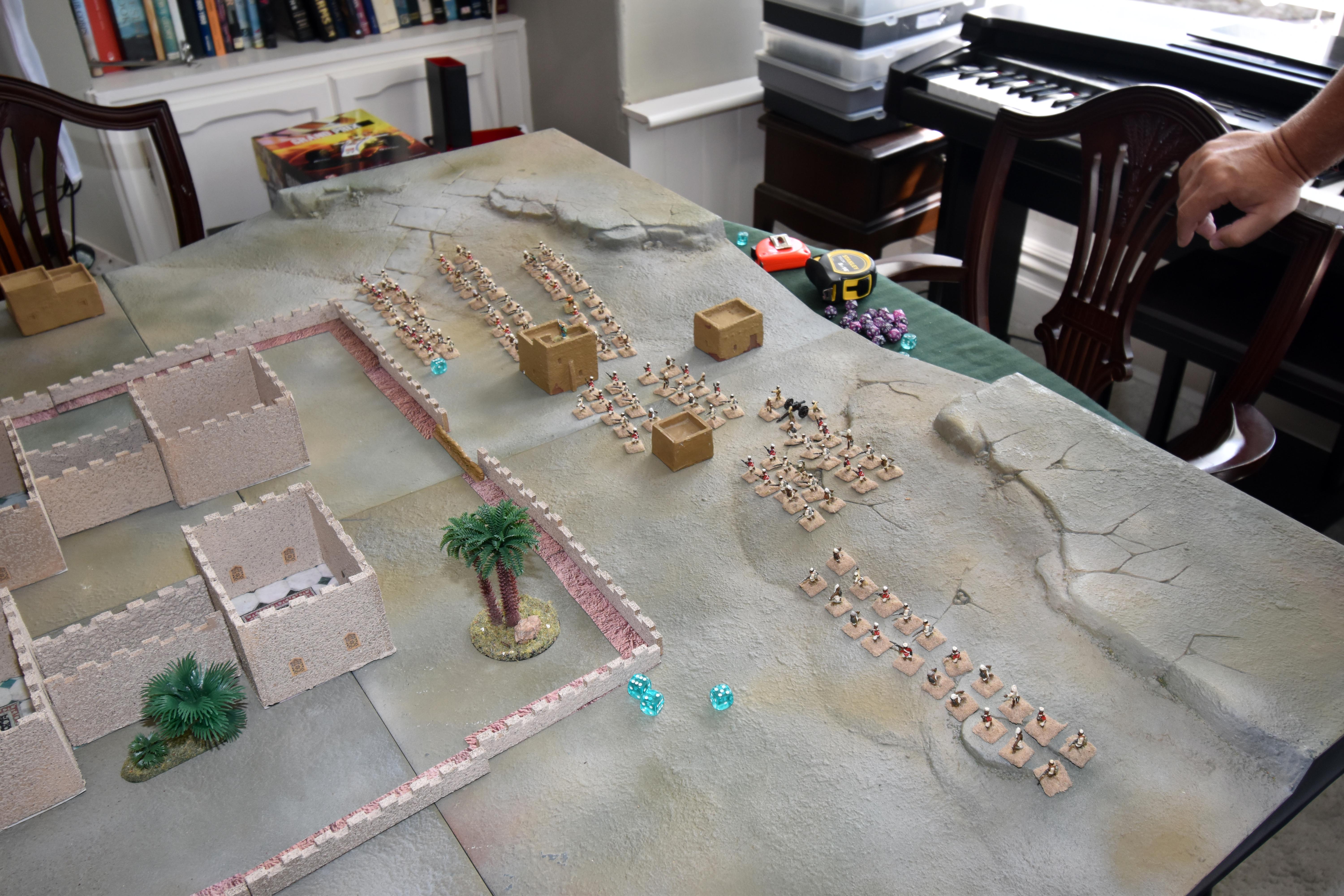
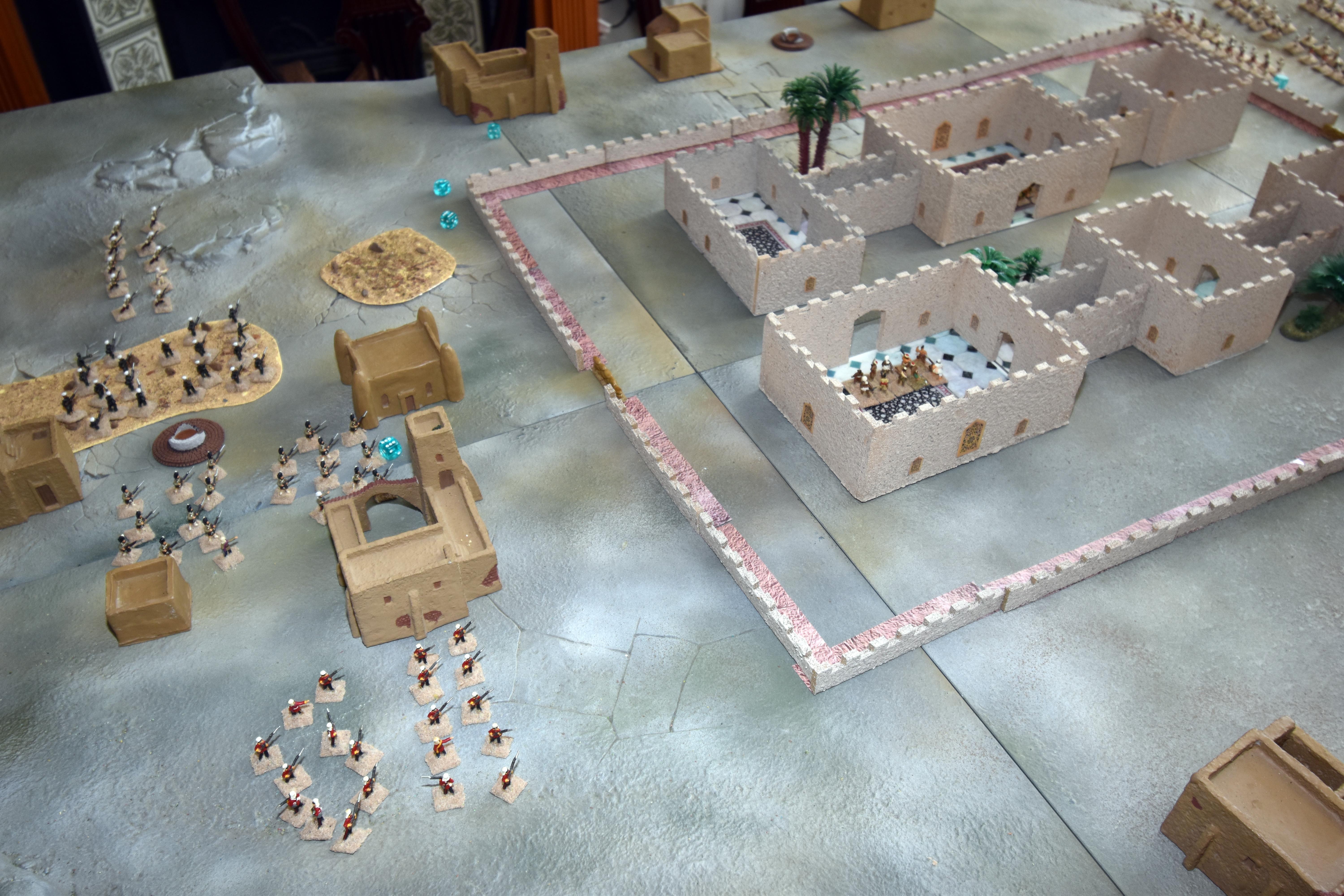
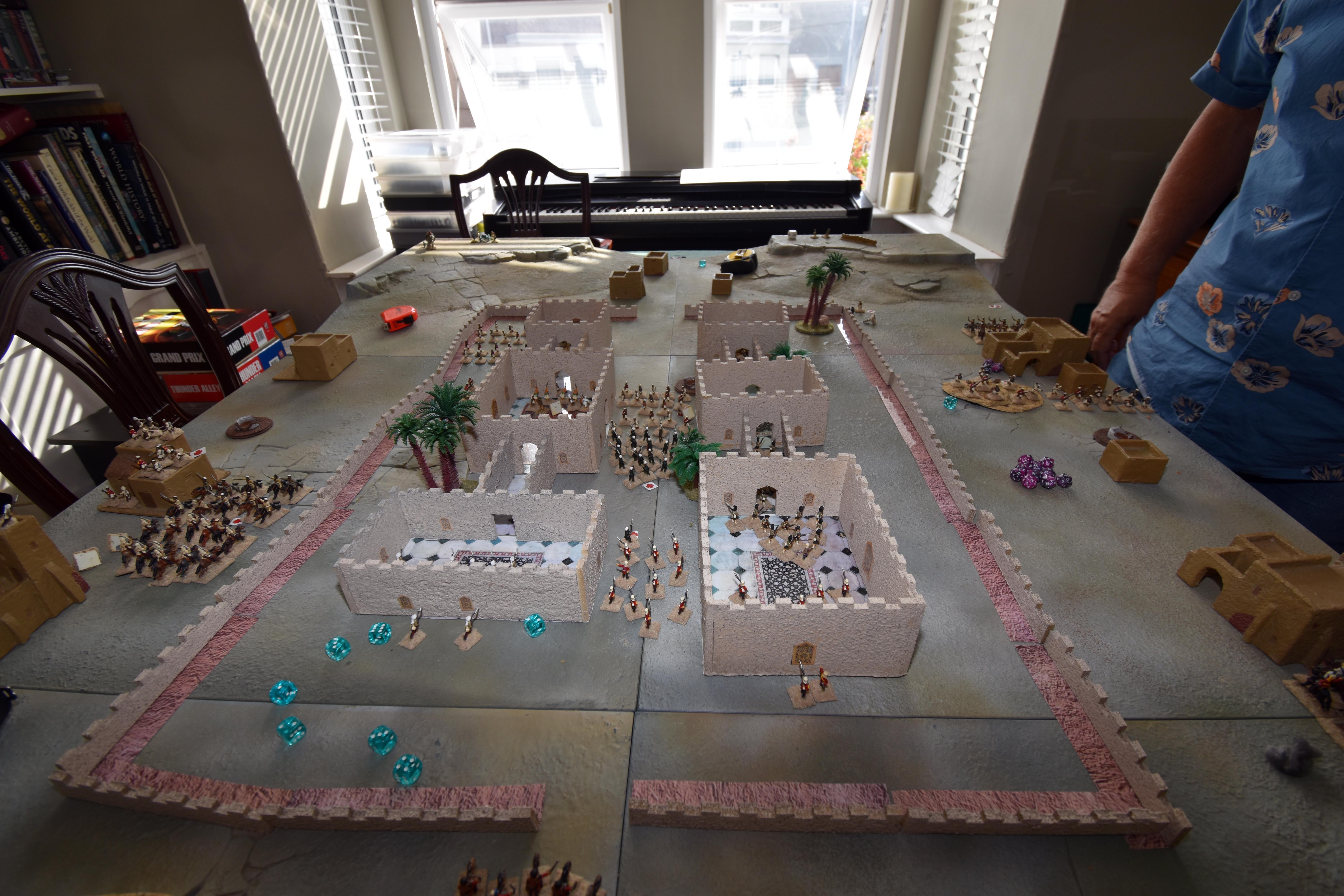
The Nizam of Hydrobath sat in his palace, resplendent in silks, surrounded by hookahs, mangoes, and an alarming number of peacocks, awaiting the inevitable arrival of petitioners. Both the Mutineers and the East India Company were determined to secure his allegiance, preferably with polite diplomacy, but failing that, with a spot of violence. The Nizam, ever the pragmatist, had already ordered extra cushions for whichever side won the day, and a barrel of gin for himself. His courtiers whispered nervously, while the palace cats prowled about, sensing that something was afoot — or at least that someone would drop a chicken leg in the confusion.
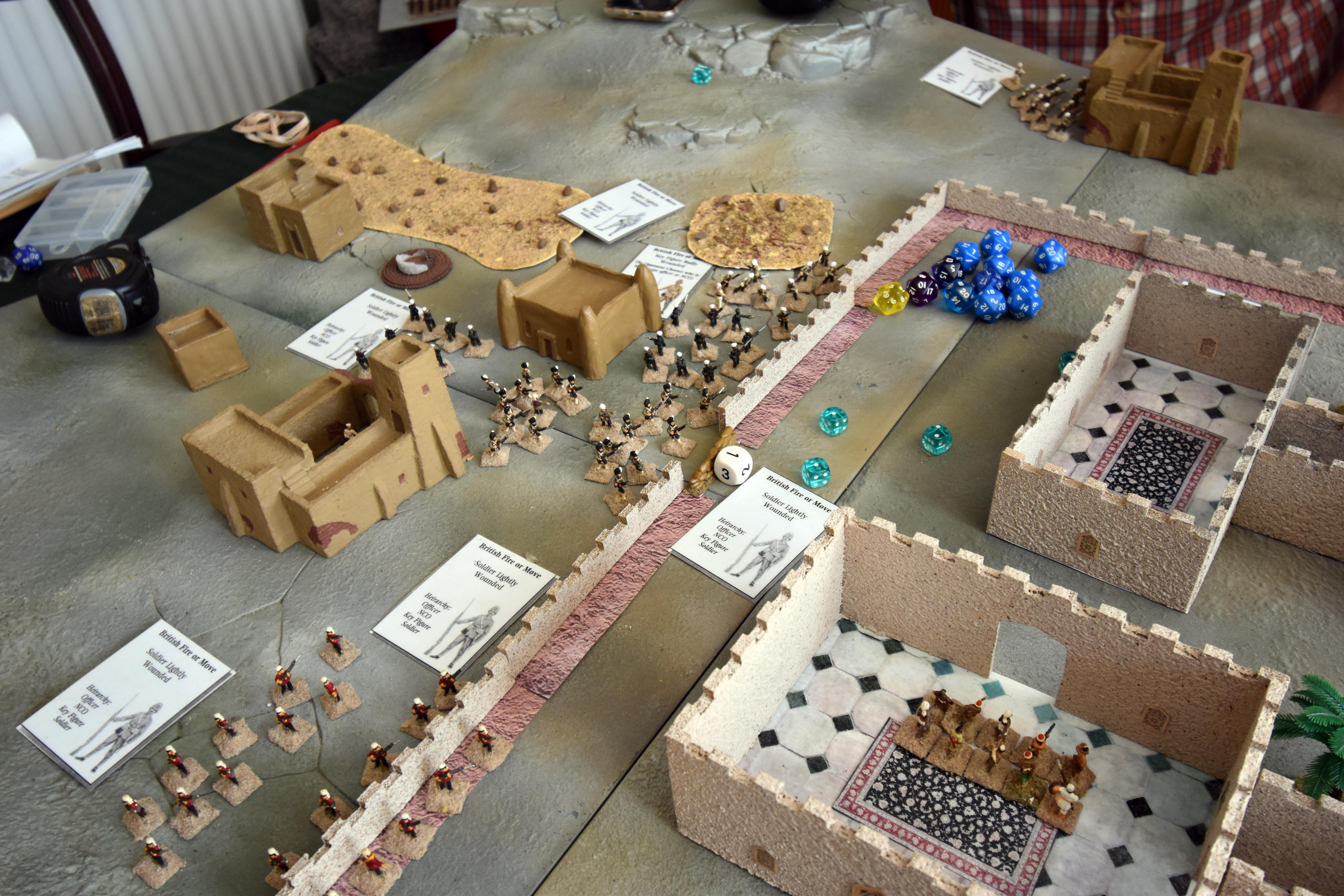
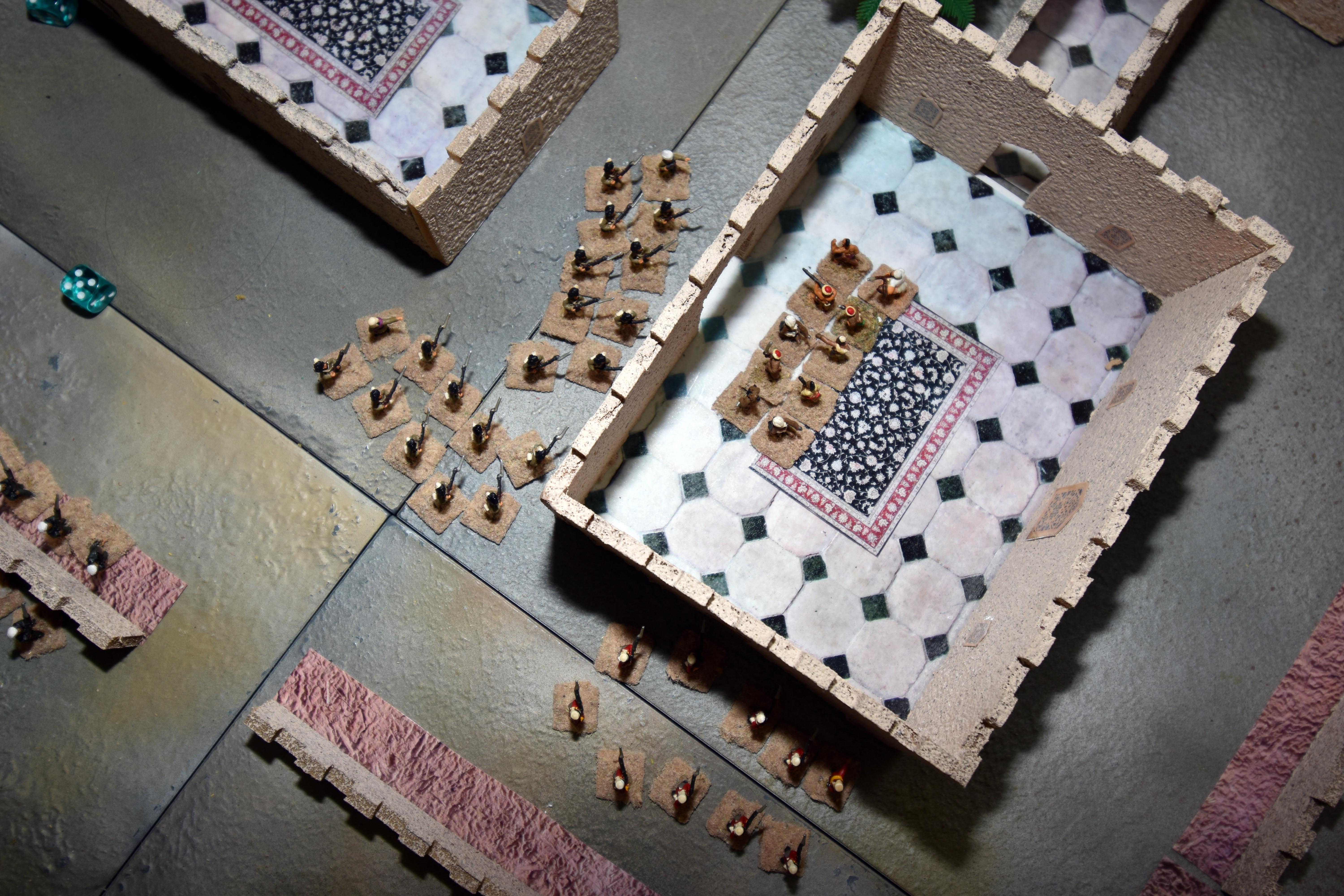
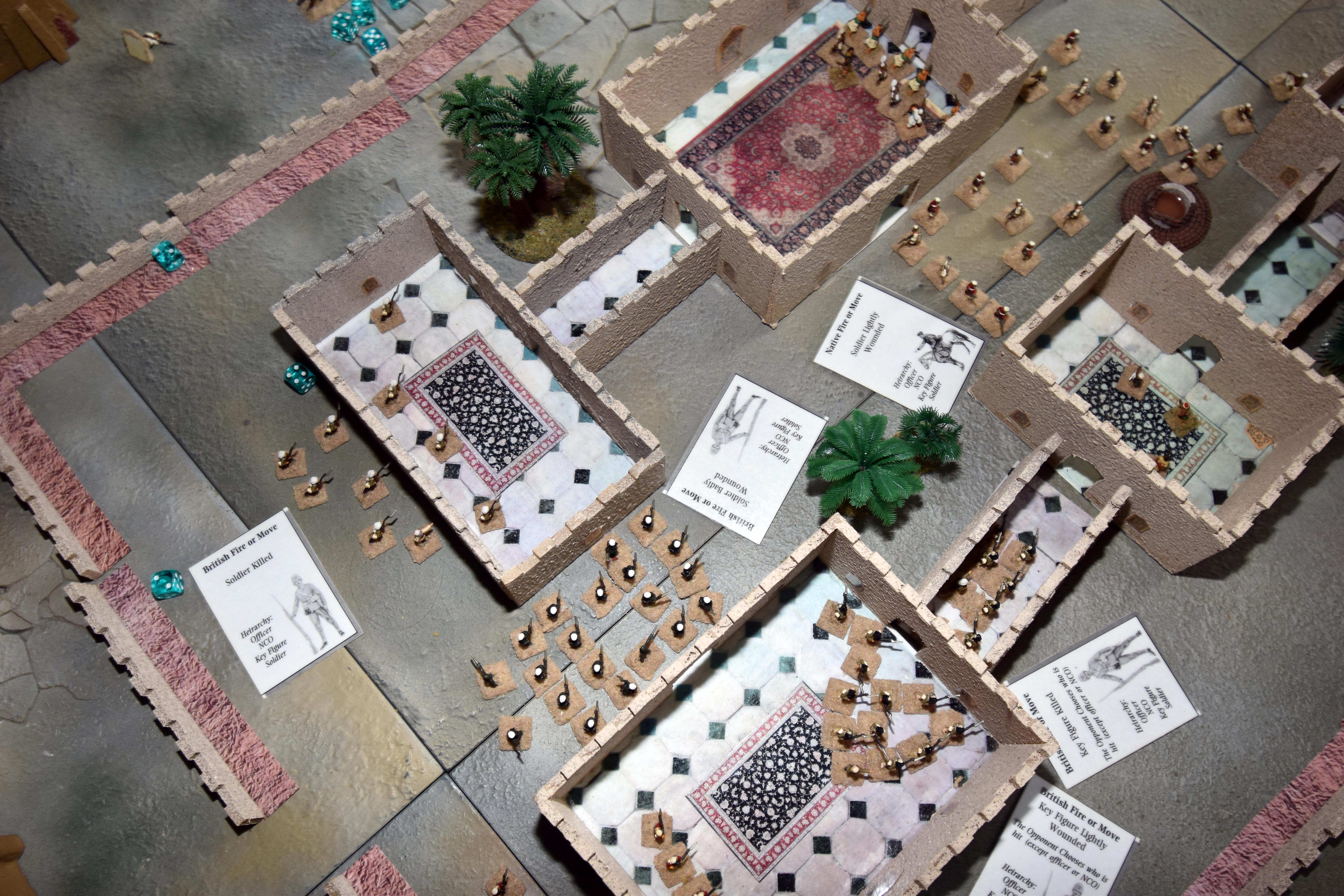
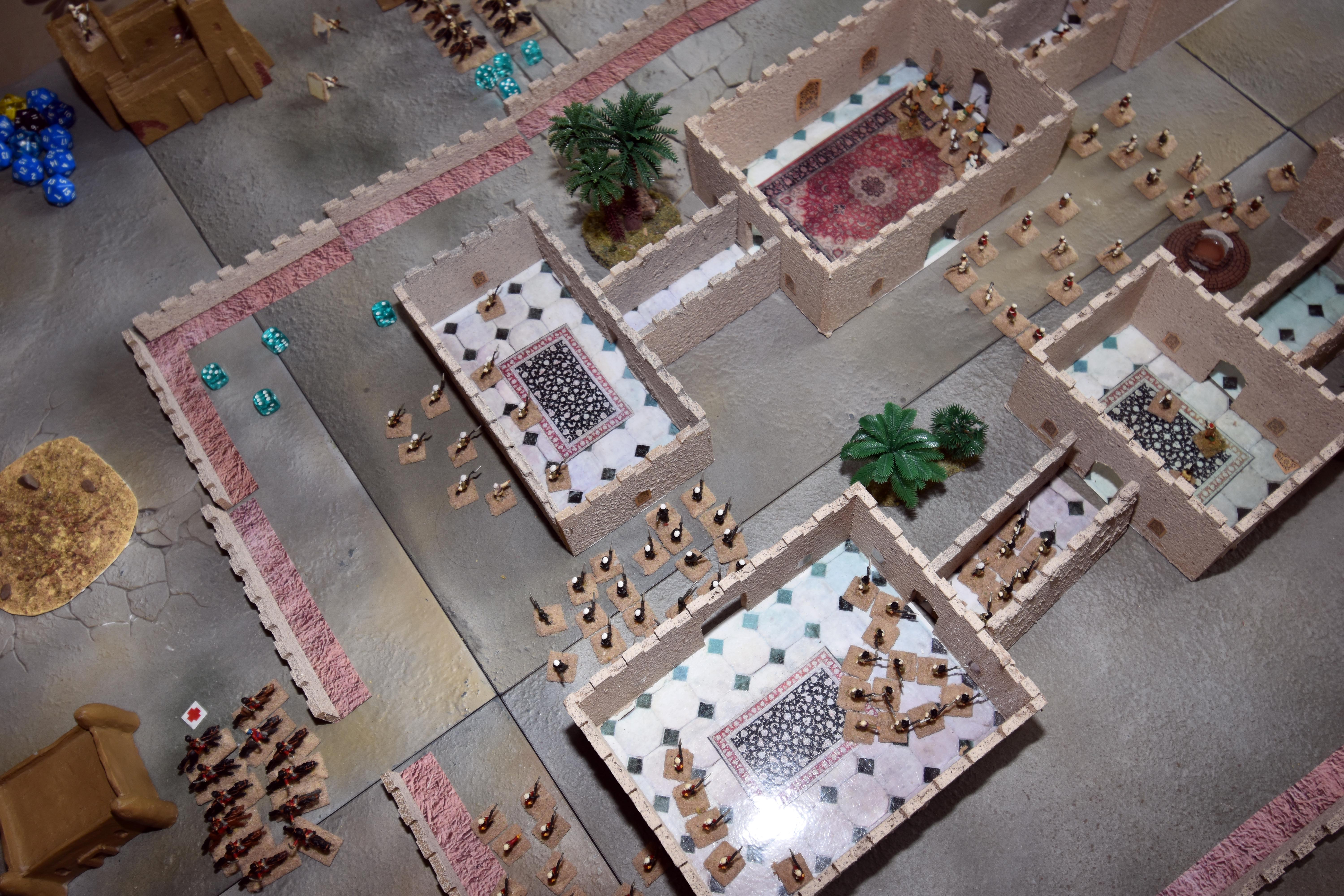
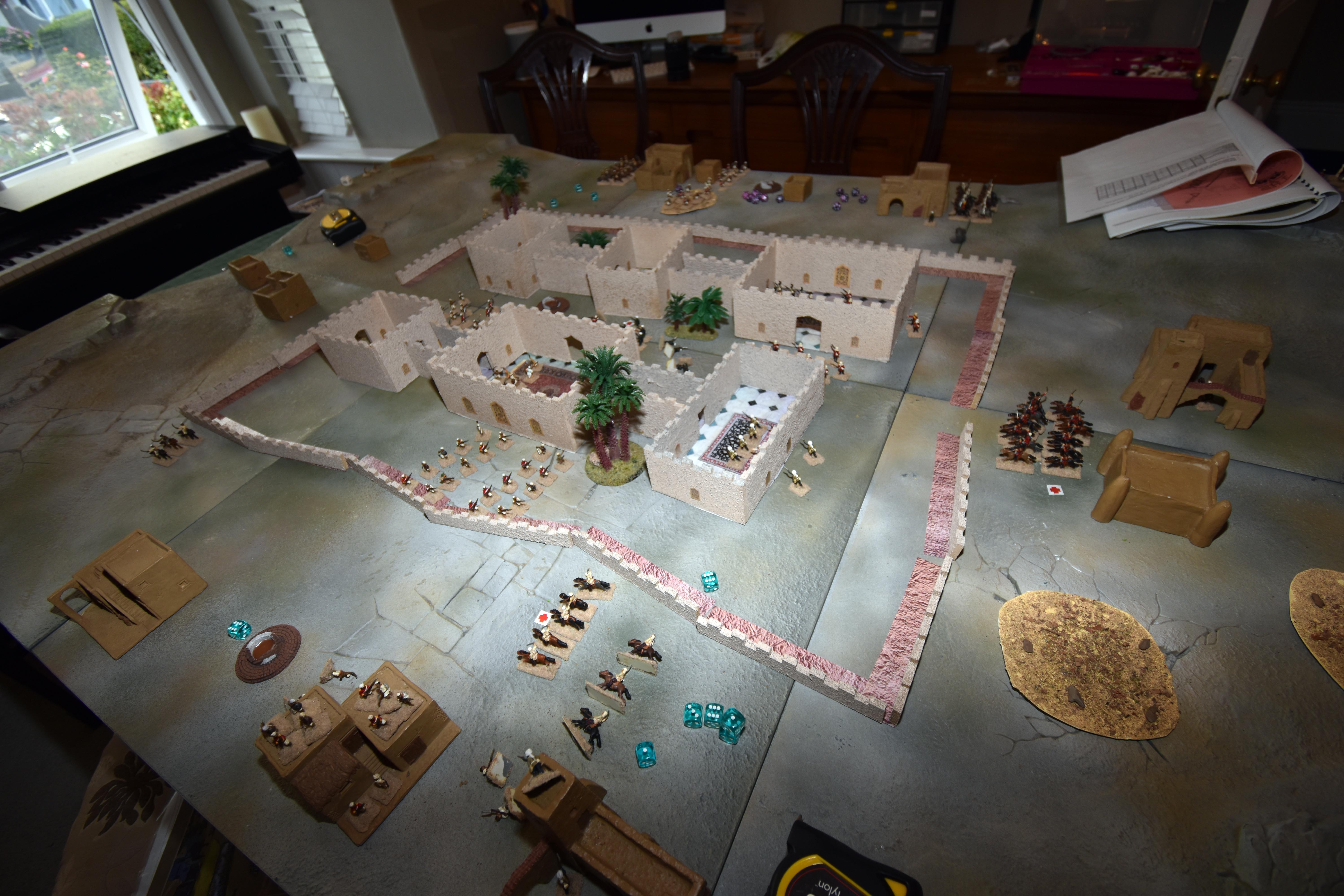
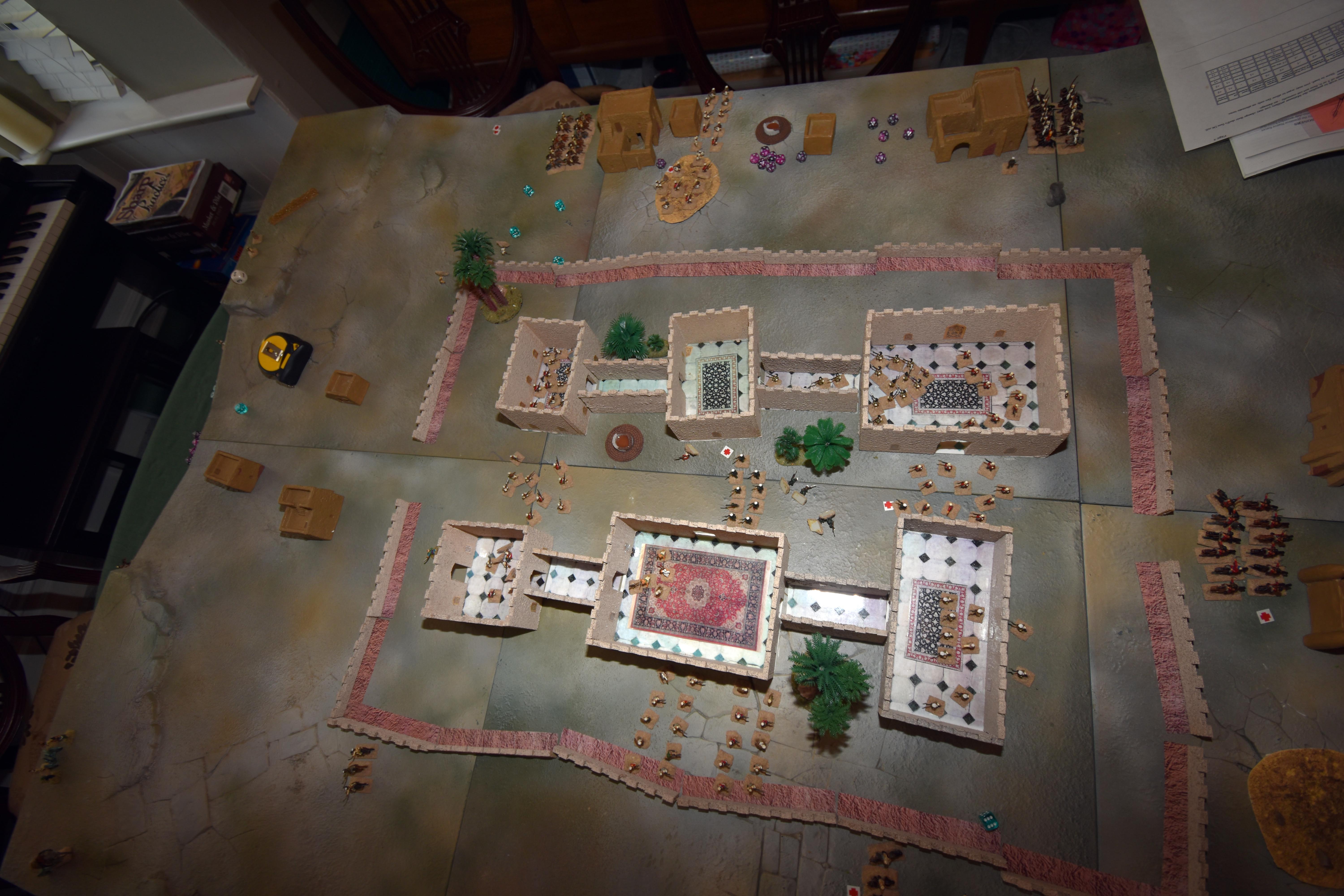
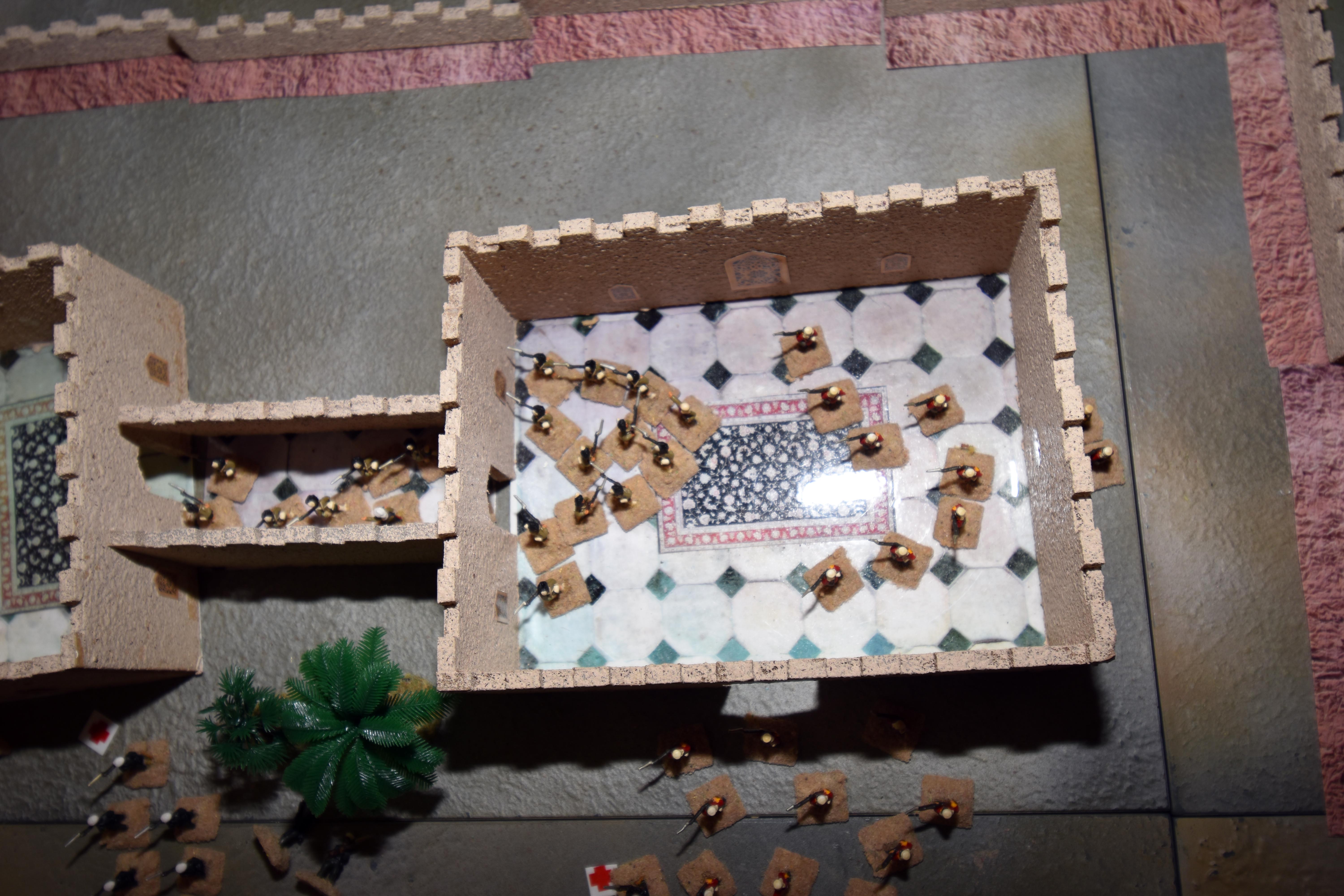
The Highlanders, never ones to wait for an invitation, were first to storm the palace. With a cry of “Och aye, the loot!” they dismantled the sandbags at the entrance as if they were merely inconvenient furniture, and soon British soldiers were flooding into the compound like a tartan tide. Not to be outdone, the Mutineers began leaping over the walls with all the grace of startled cats, and before long both sides were clambering through windows, doors, and even the laundry chute. The palace resembled less a fortress and more a Carry On film set, with soldiers colliding in corridors, tripping over carpets, and occasionally pausing to admire the Nizam’s collection of ornamental teapots. One unfortunate fusilier was last seen stuck halfway through a window, his kilt flapping like a flag of surrender.
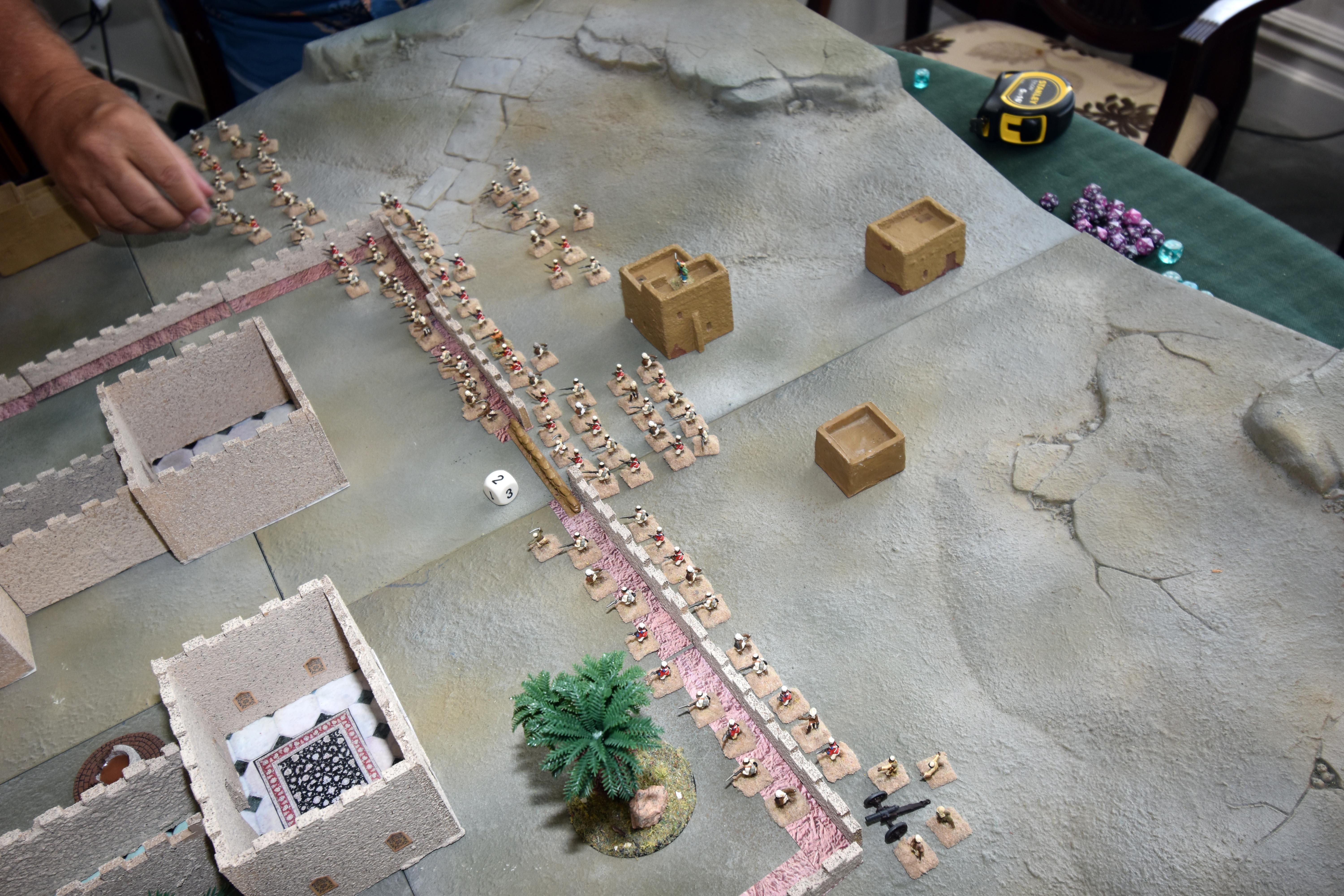
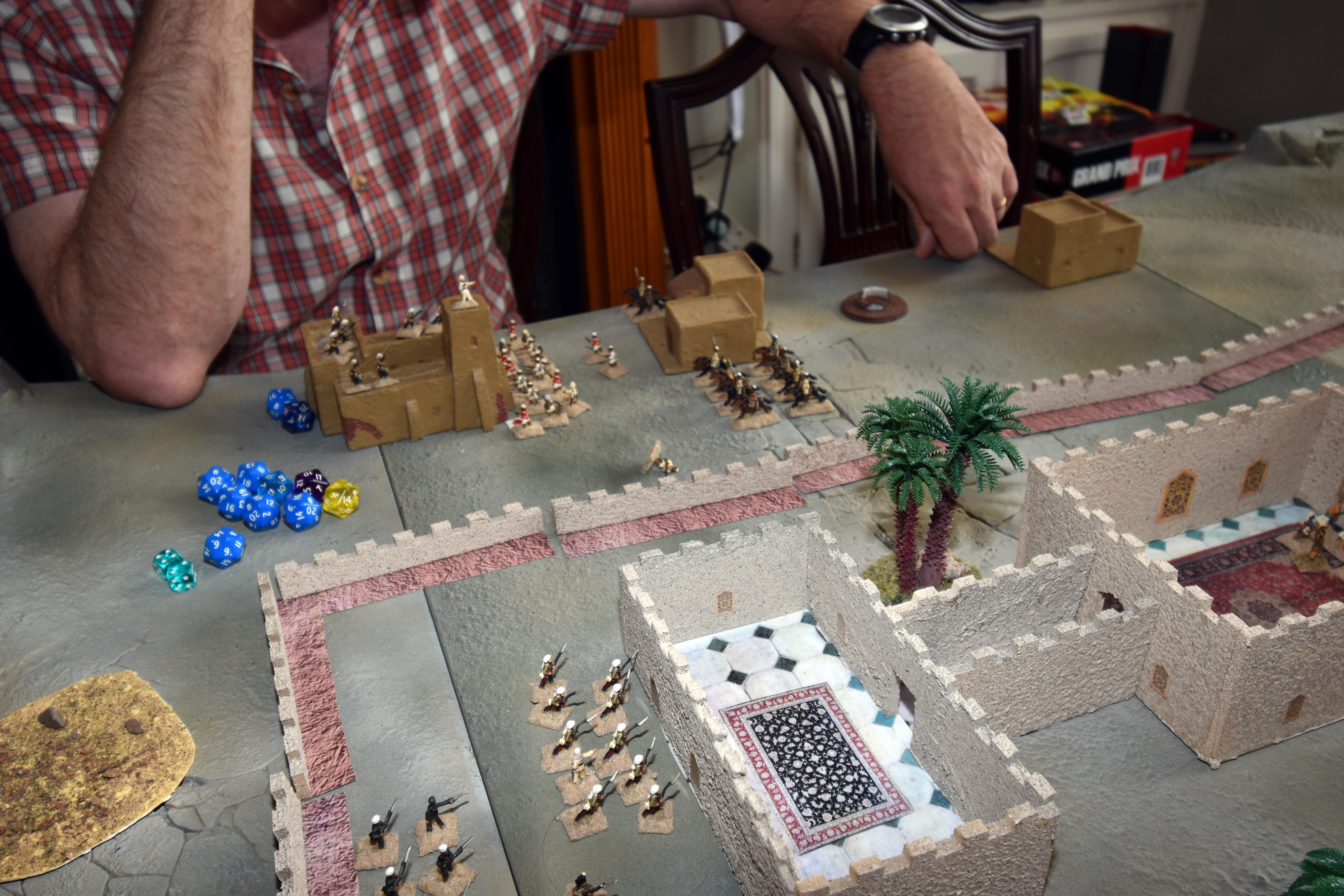
Outside, an artillery duel raged. The British guns thundered with professional precision, while the Mutineer artillery was reduced to one heroic gunner who, despite being half‑singed and wholly deafened, continued to fire his cannon with reckless abandon. Each shot was less about accuracy and more about enthusiasm, but his sheer persistence inspired his comrades to press forward, shouting “If he can do it with one arm and no eyebrows, so can we!” The British, meanwhile, congratulated themselves on their superior gunnery, though one officer was overheard remarking that the Mutineer gunner had “the devil’s own luck and a death wish to match.”
Within the palace, the Highlanders made first contact with the Nizam’s soldiers. The defenders put up a spirited resistance, but the professional Scots brushed them aside with the efficiency of men late for supper. Yet once inside, the Highlanders’ advance slowed dramatically as they discovered the palace’s looting potential. Silverware, rugs, and suspiciously large jars of chutney proved irresistible distractions, and soon the corridors echoed less with battle cries and more with arguments over who had dibs on the Nizam’s favourite armchair. One sergeant was found attempting to stuff a peacock under his arm, insisting it would make a fine regimental mascot.
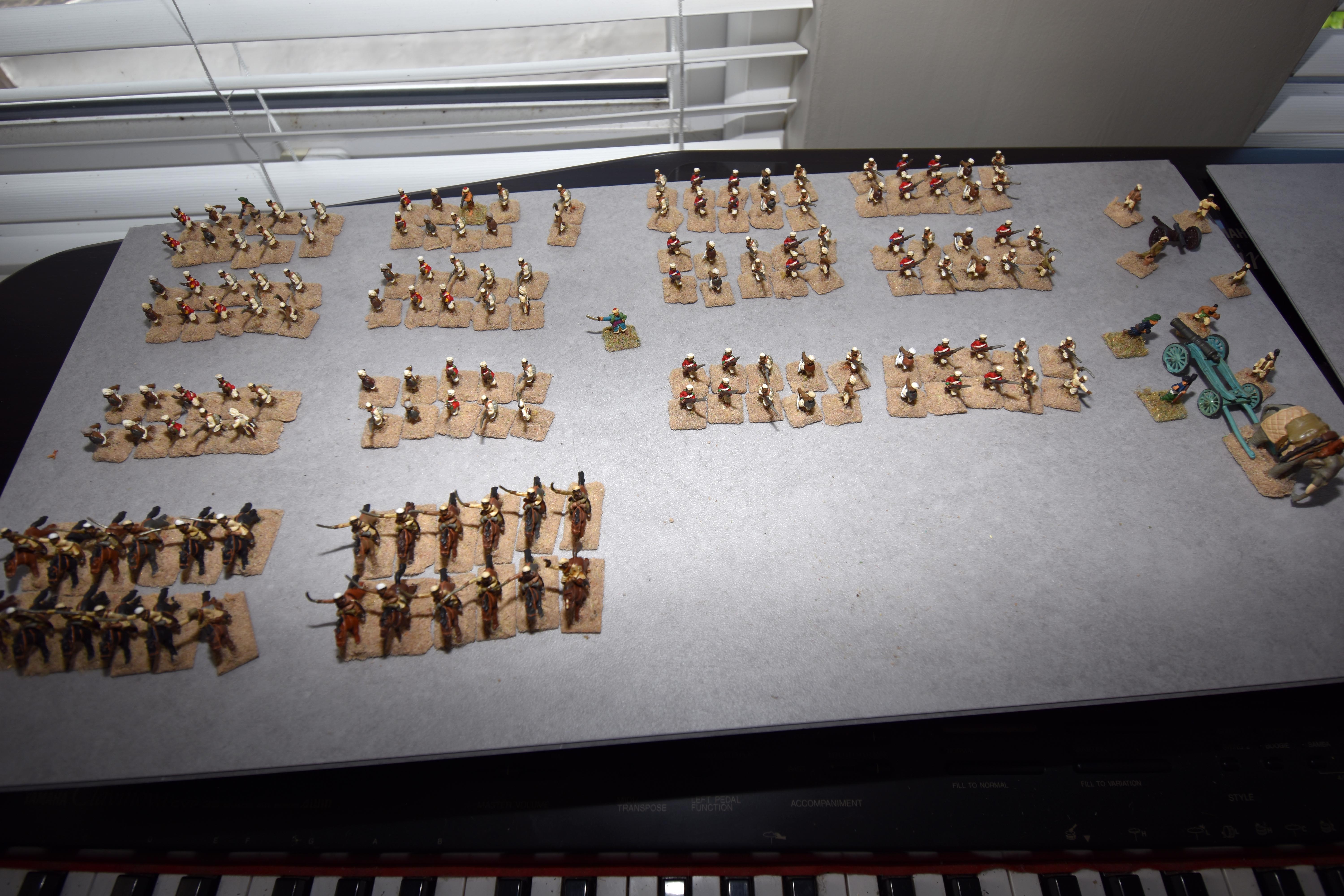
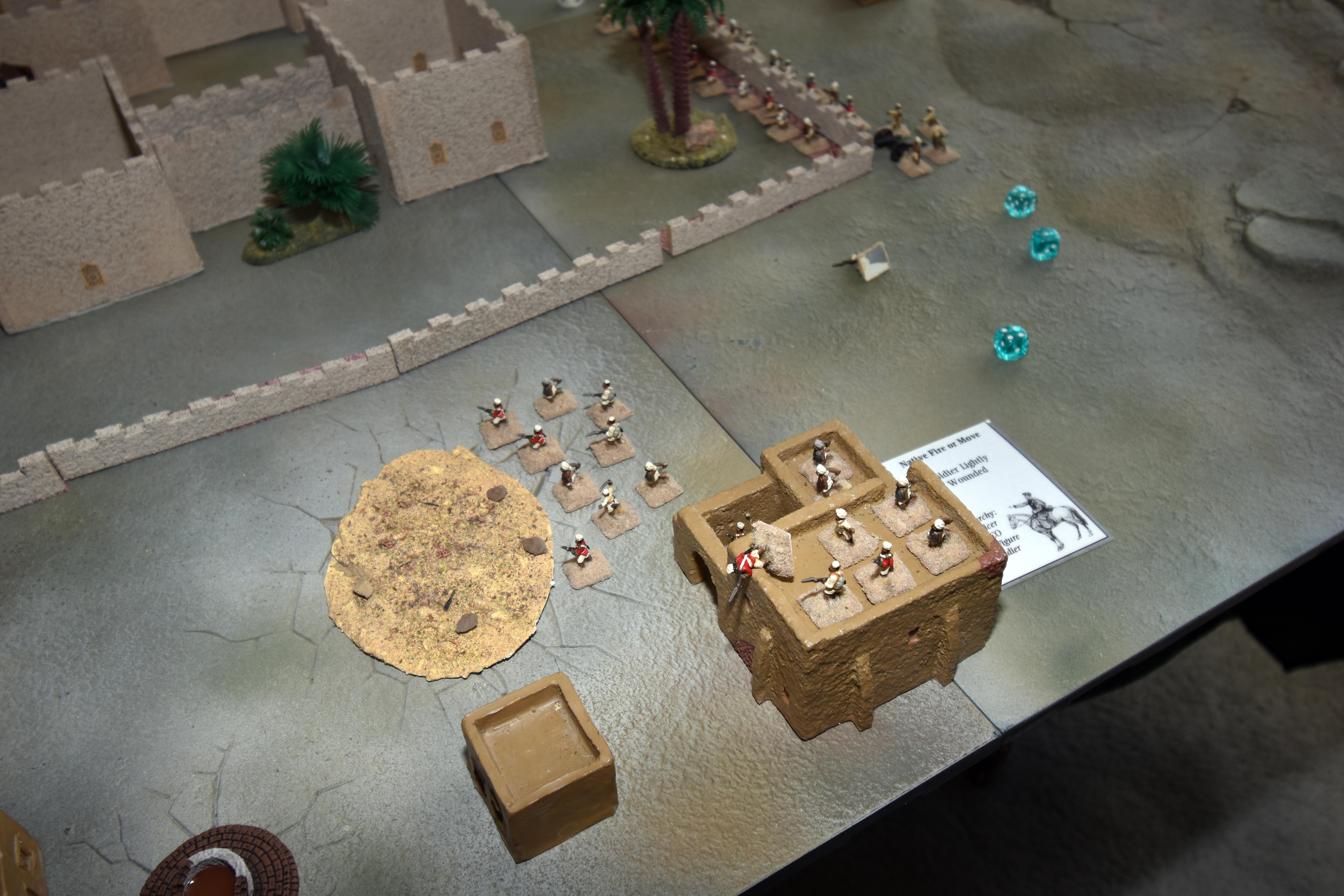
On the Mutineer right flank, progress was more promising. Devoid of enemy artillery, they surged towards British troops holding nearby settlement buildings. A sharp firefight ensued, followed by a Mutineer charge that looked impressive but was ultimately repelled by the plucky British, who fought with the stubbornness of men defending their last bottle of port. The Mutineers, chastened but not defeated, regrouped and adopted Plan B: occupy buildings of their own and commence a prolonged firefight, which quickly devolved into a shouting match over who had the better curtains. The Nizam’s palace began to resemble less a battlefield and more a property dispute.
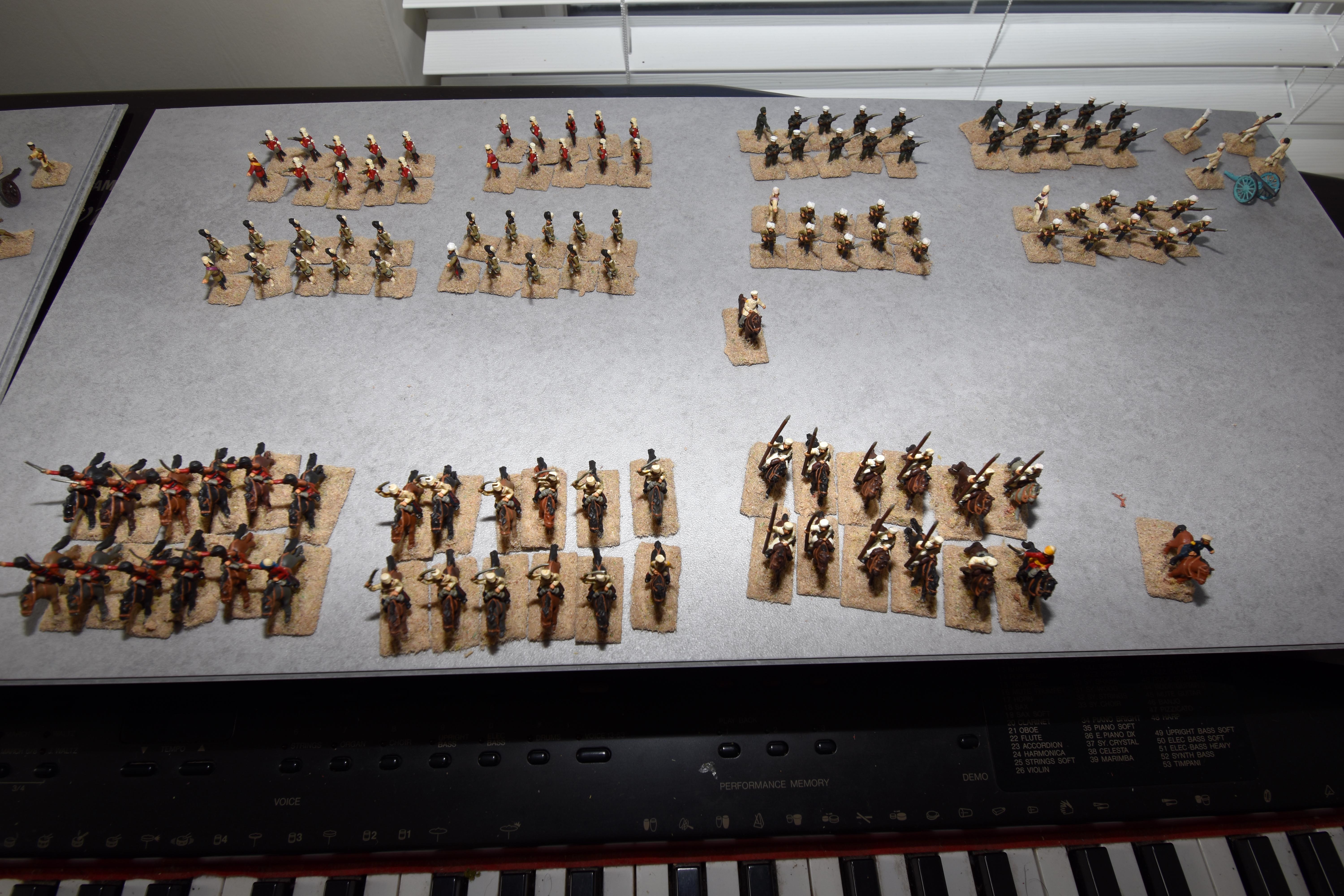
Meanwhile, the Mutineers attempted to tackle the Nizam’s troops directly. Alas, enthusiasm waned at the prospect of actual hand‑to‑hand combat, and they were beaten back by defenders who fought with the vigour of men protecting their lunch. Worse still, Gurkhas stormed down the palace’s central avenue, their kukris flashing and moustaches bristling. The Mutineers, confronted by this terrifying sight, promptly scarpered, leaving behind only a trail of dropped turbans and unfinished sandwiches. One Gurkha was later seen calmly polishing his blade while balancing a stolen samovar on his head, much to the admiration of his comrades.
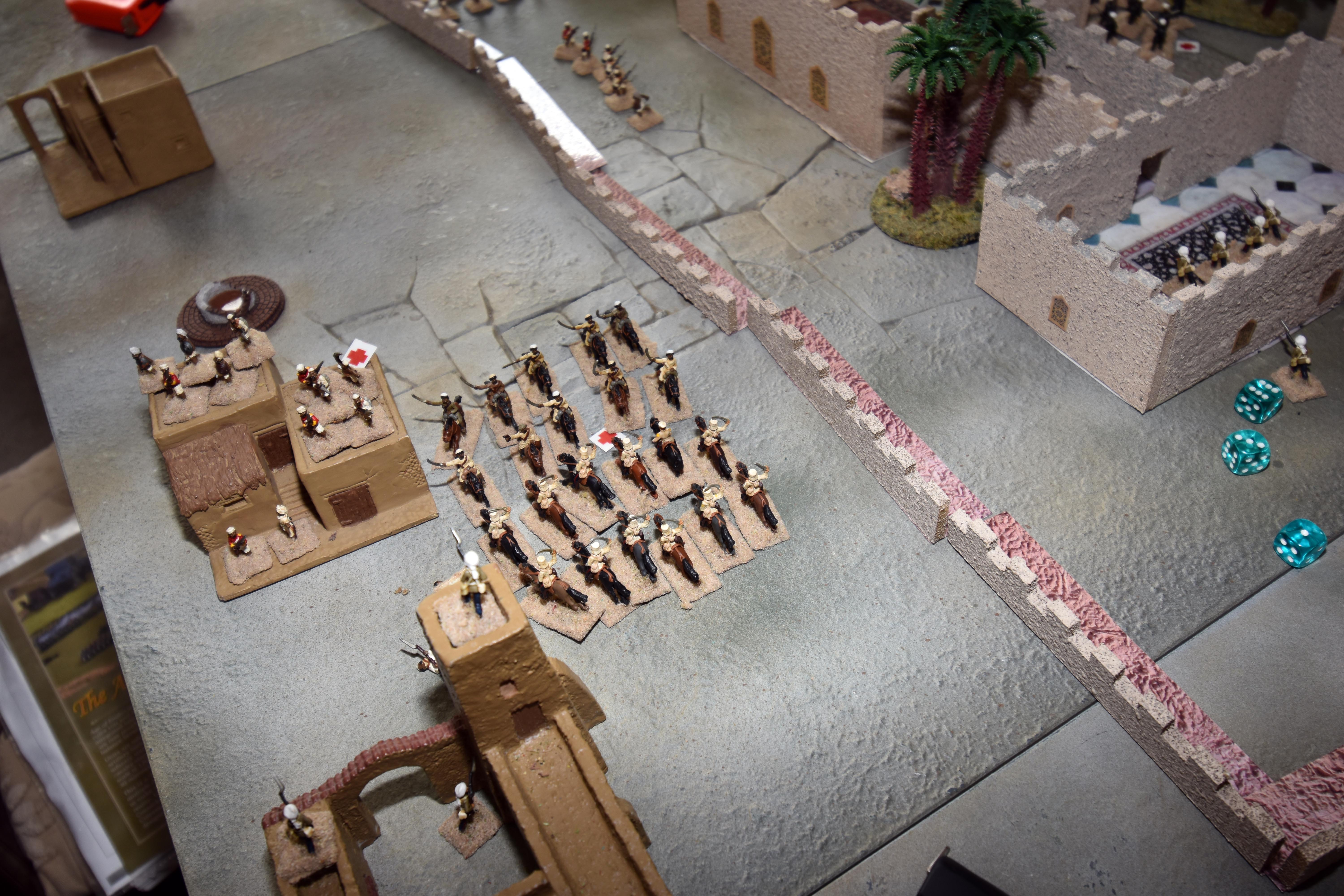
There remained one last desperate gambit: a cavalry charge. With bugles blaring and horses neighing in confusion, the Mutineers hurled themselves forward. The British cavalry, equally undaunted, met them head‑on in a clash that resembled less a military manoeuvre and more a chaotic jousting tournament. The fighting ebbed and flowed, sabres clashed, and one unfortunate horse bolted straight into the Nizam’s kitchen, scattering cooks and curry pots alike. Eventually, the battered British cavalry emerged victorious, their triumph signalled by a ragged cheer and a request for tea. The Mutineers, seeing their last hope dashed, began a fighting withdrawal, muttering darkly about the unfairness of British horses having better manners than their own.
Thus ended the day’s farce. The Mutineers, bruised and bewildered, retreated in disorder, while the British claimed victory and, more importantly, the allegiance of the Nizam of Hydrobath. Whether won by diplomacy, bravery, or simply the point of a bayonet, the Nizam was now firmly in British hands. He celebrated by ordering another round of gin, remarking that if war was always this entertaining, he might petition for it to be held weekly. His courtiers nodded sagely, though one was heard to whisper that the palace carpets would never recover.
And so the palace returned to its usual state of chaos, with peacocks strutting, Highlanders arguing over loot, Gurkhas sharpening kukris, and the Nizam chuckling into his moustache. Truly, it was a day worthy of Kipling’s pen — or perhaps Sid James’ laugh — a comedy of errors, bravery, and opportunistic looting that would echo in the annals of Hydrobath for years to come.
|