|
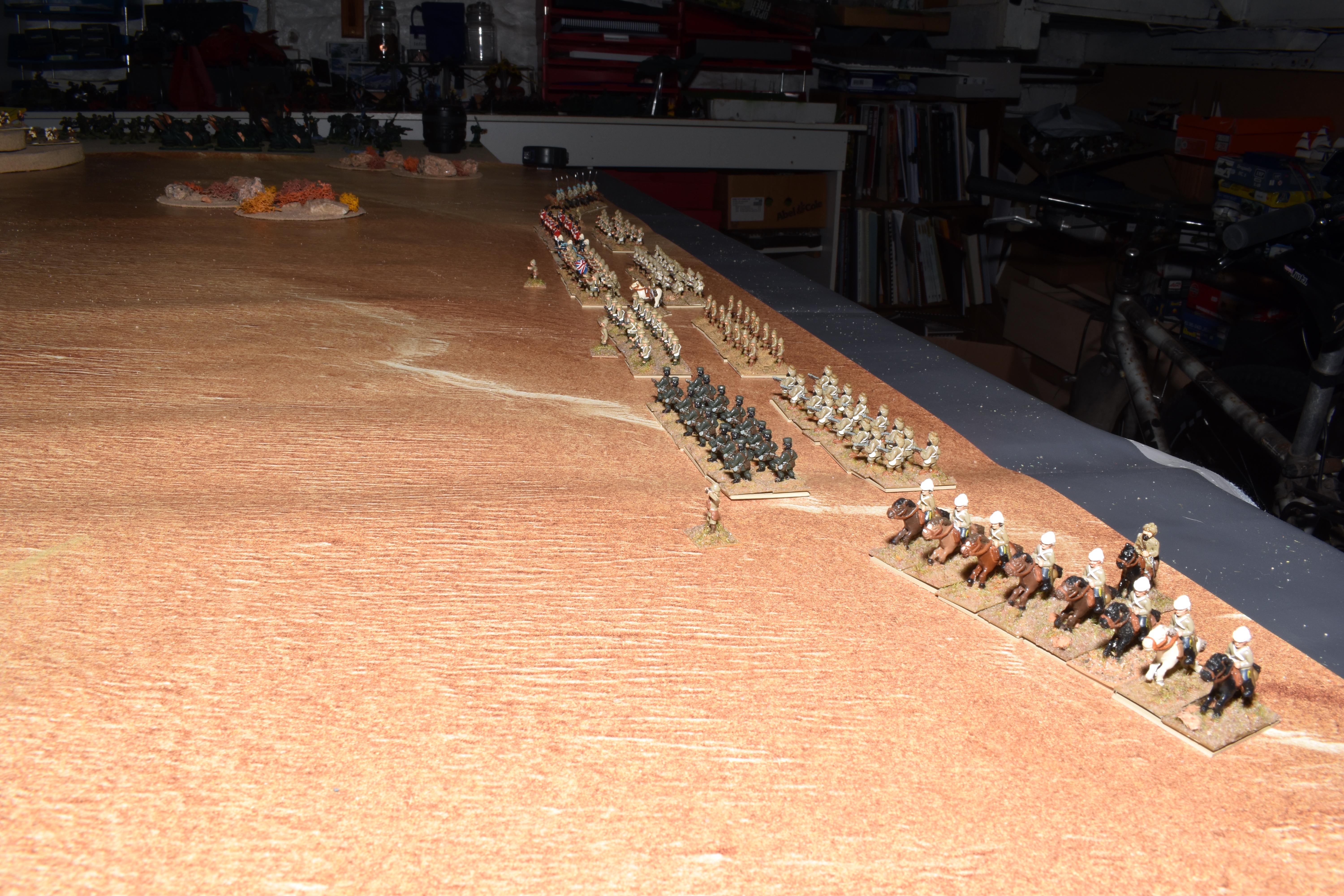
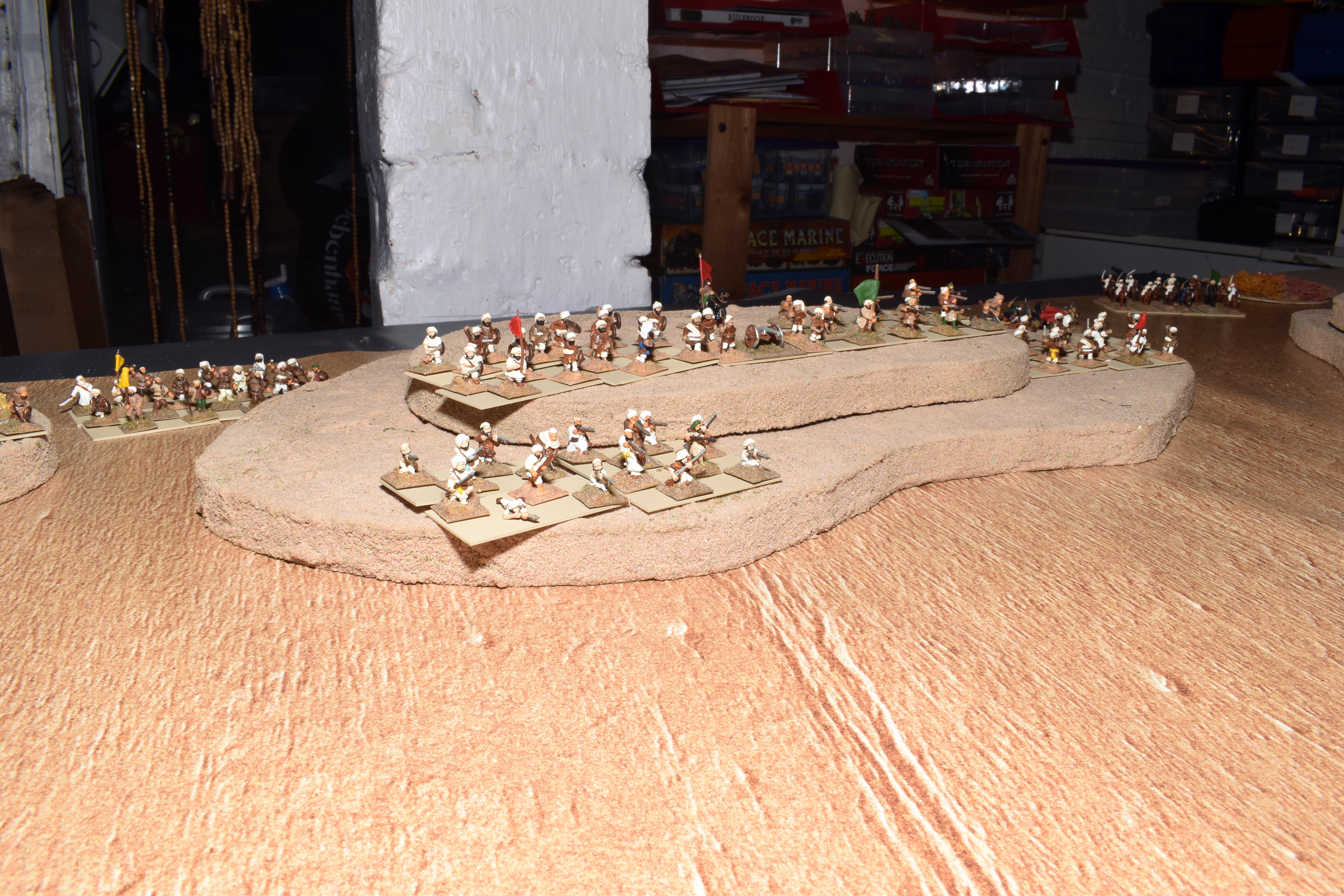
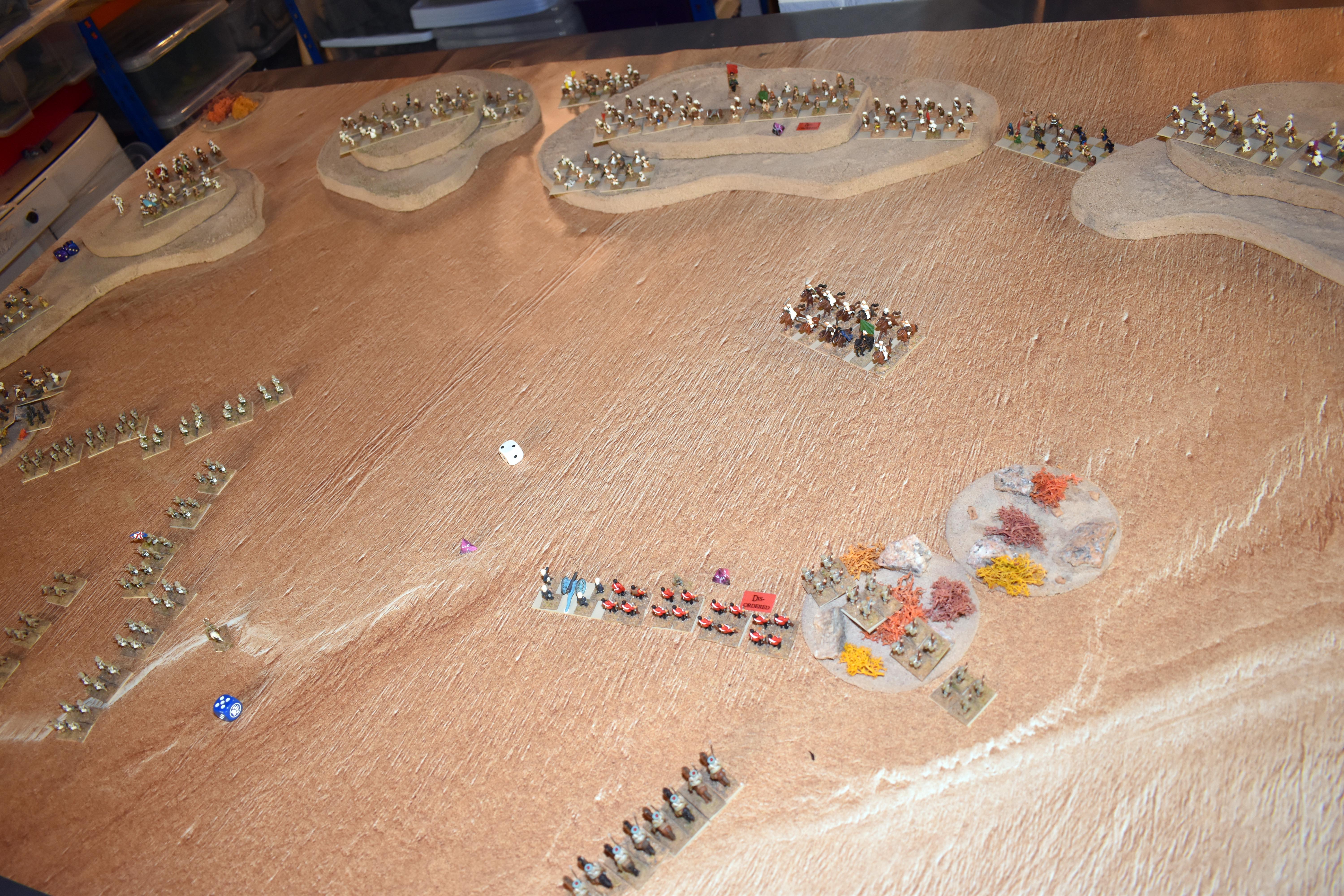
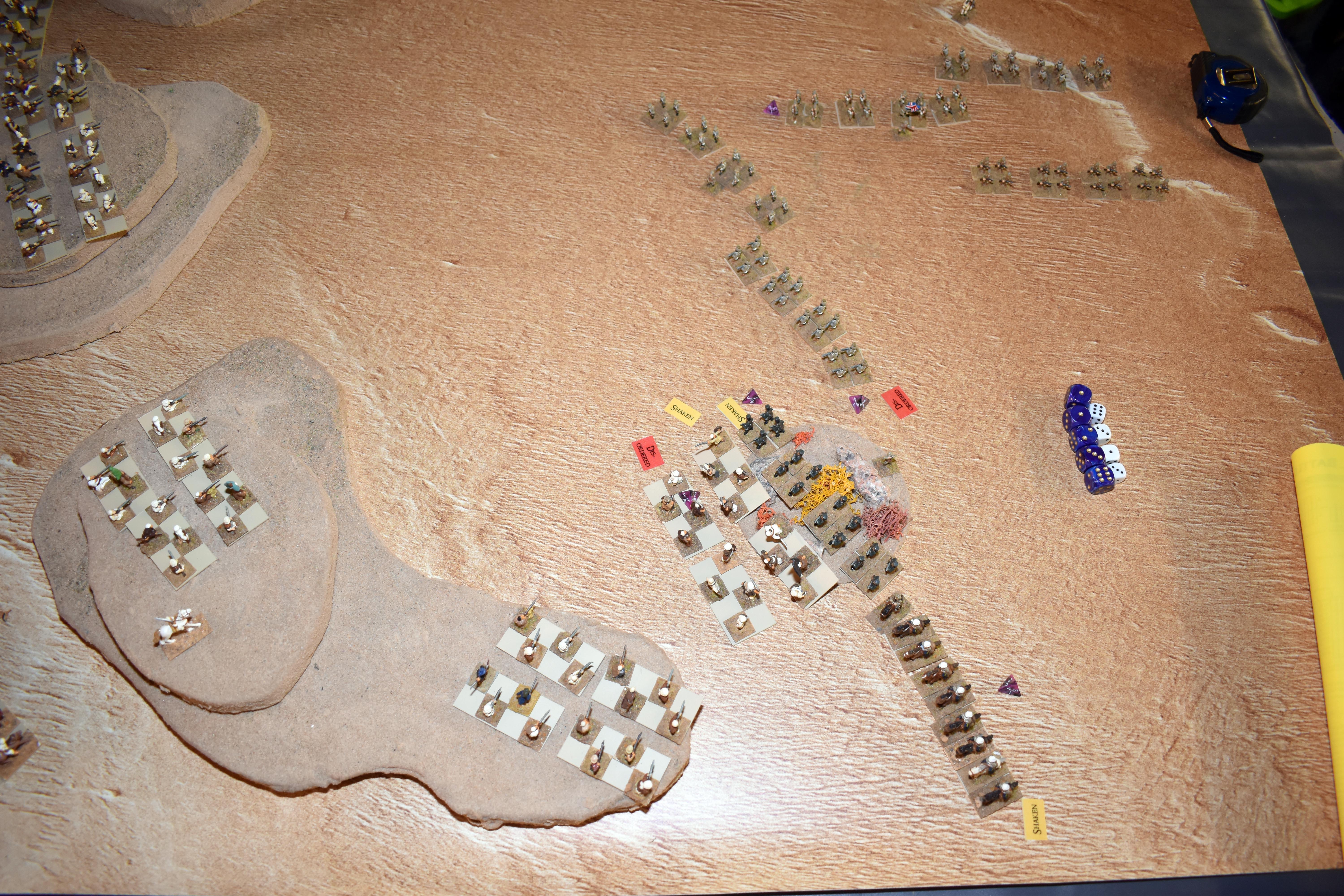
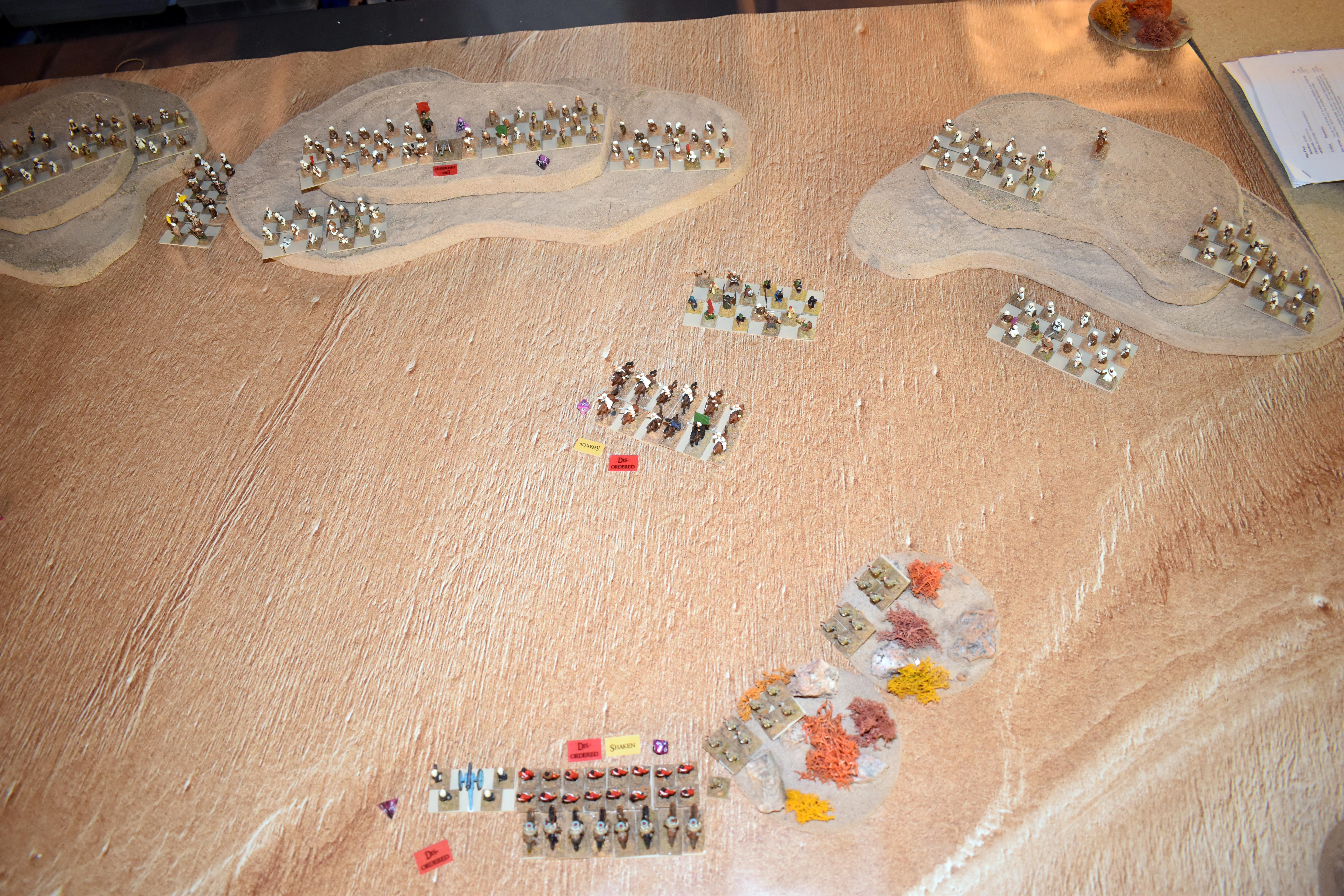
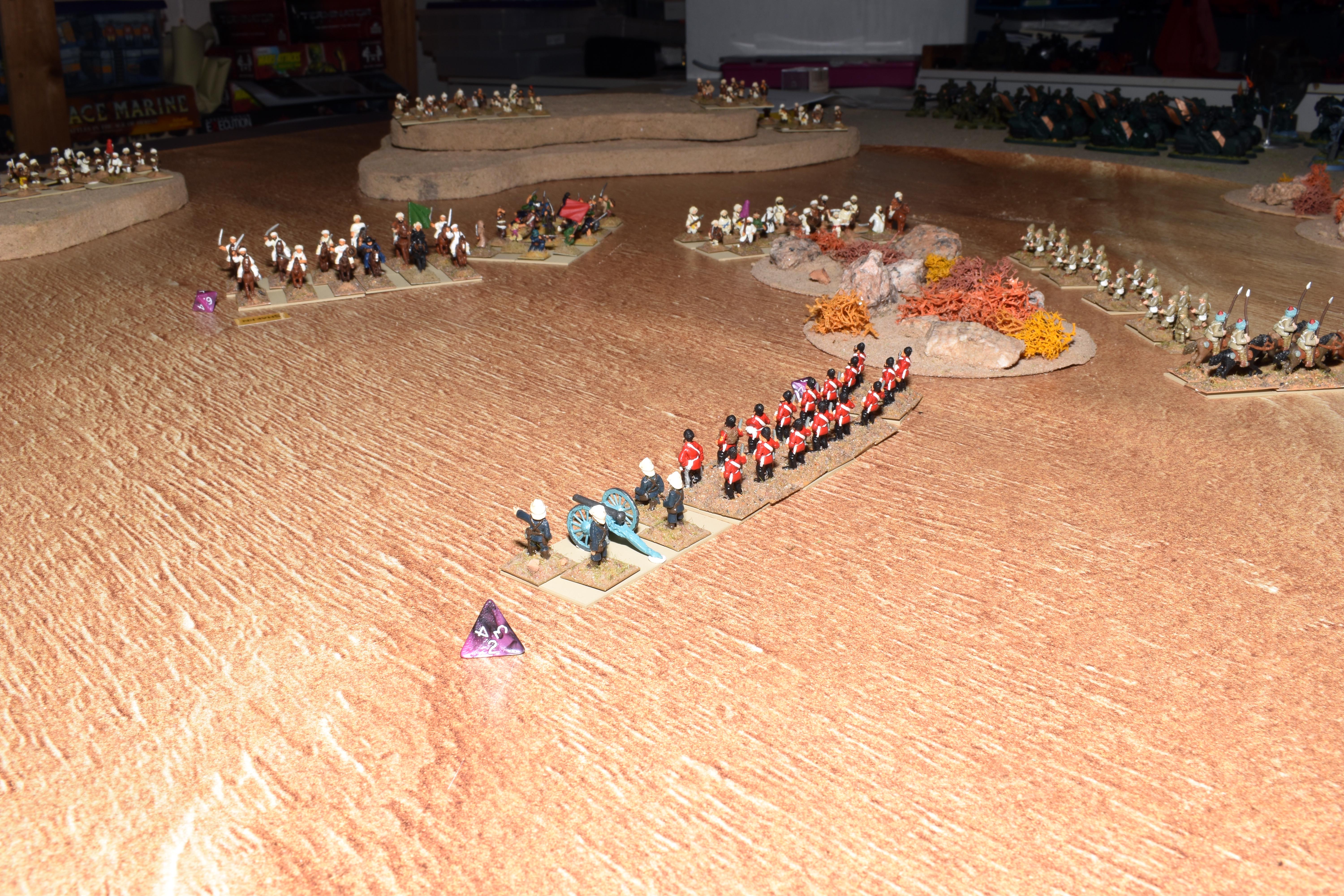
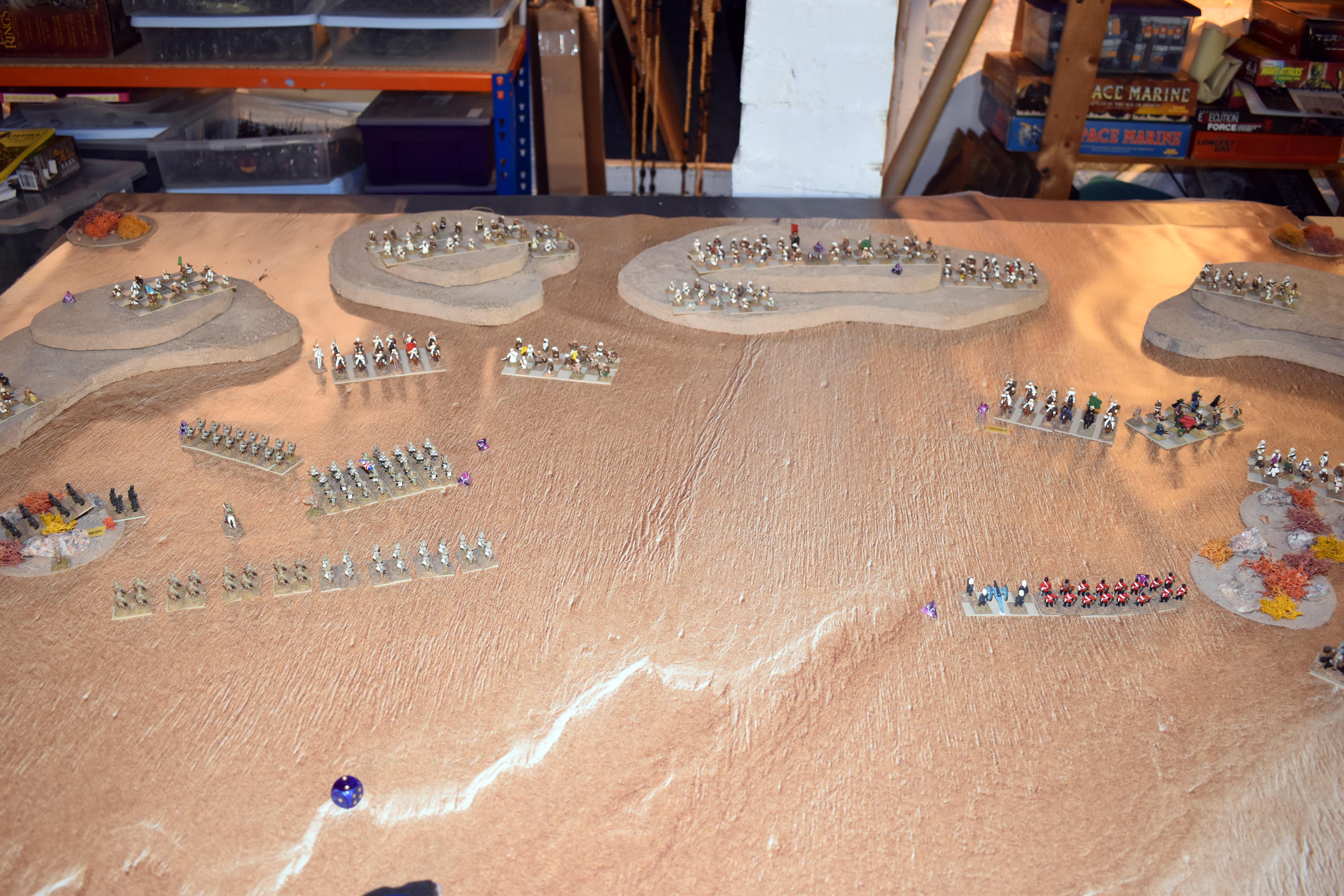
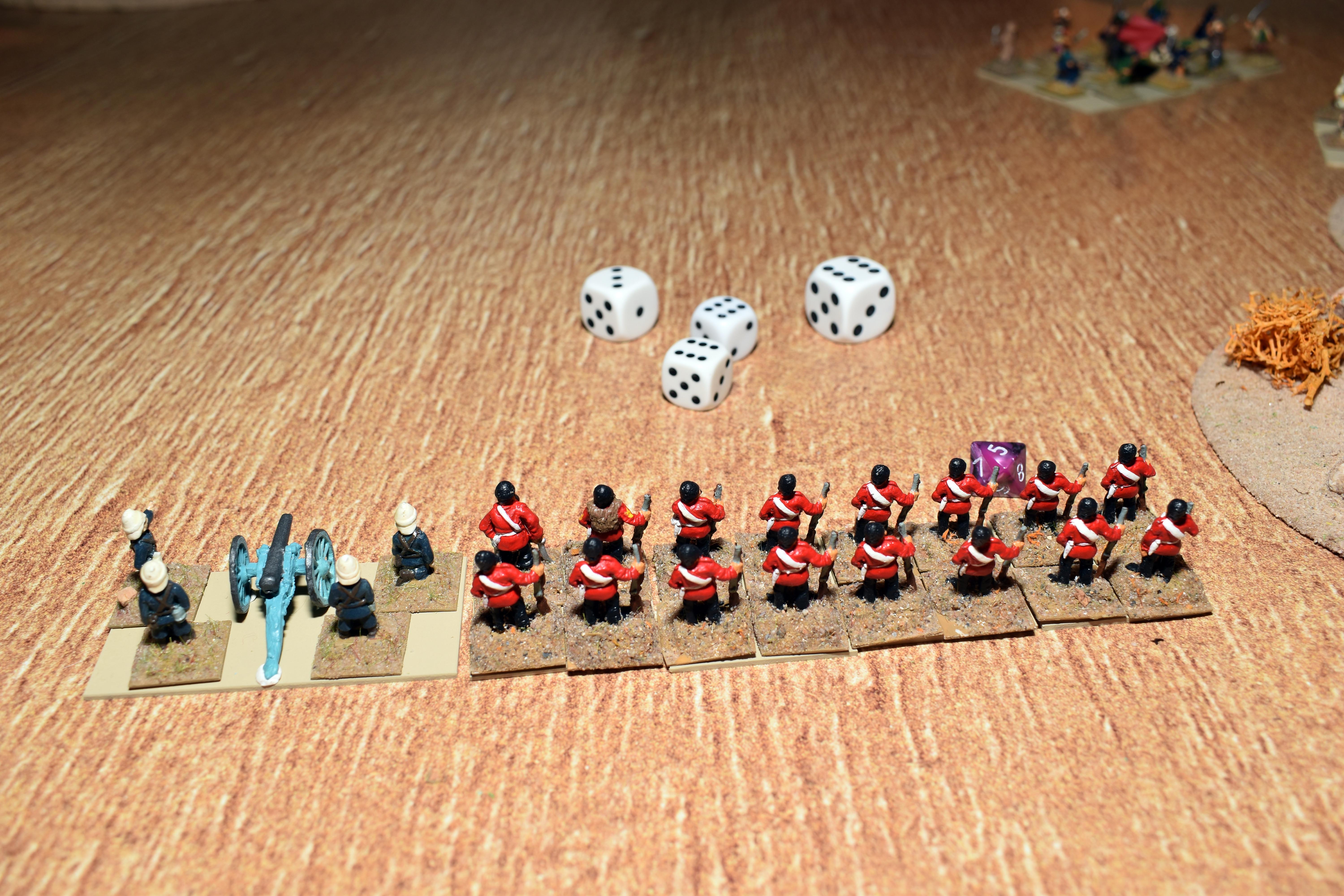
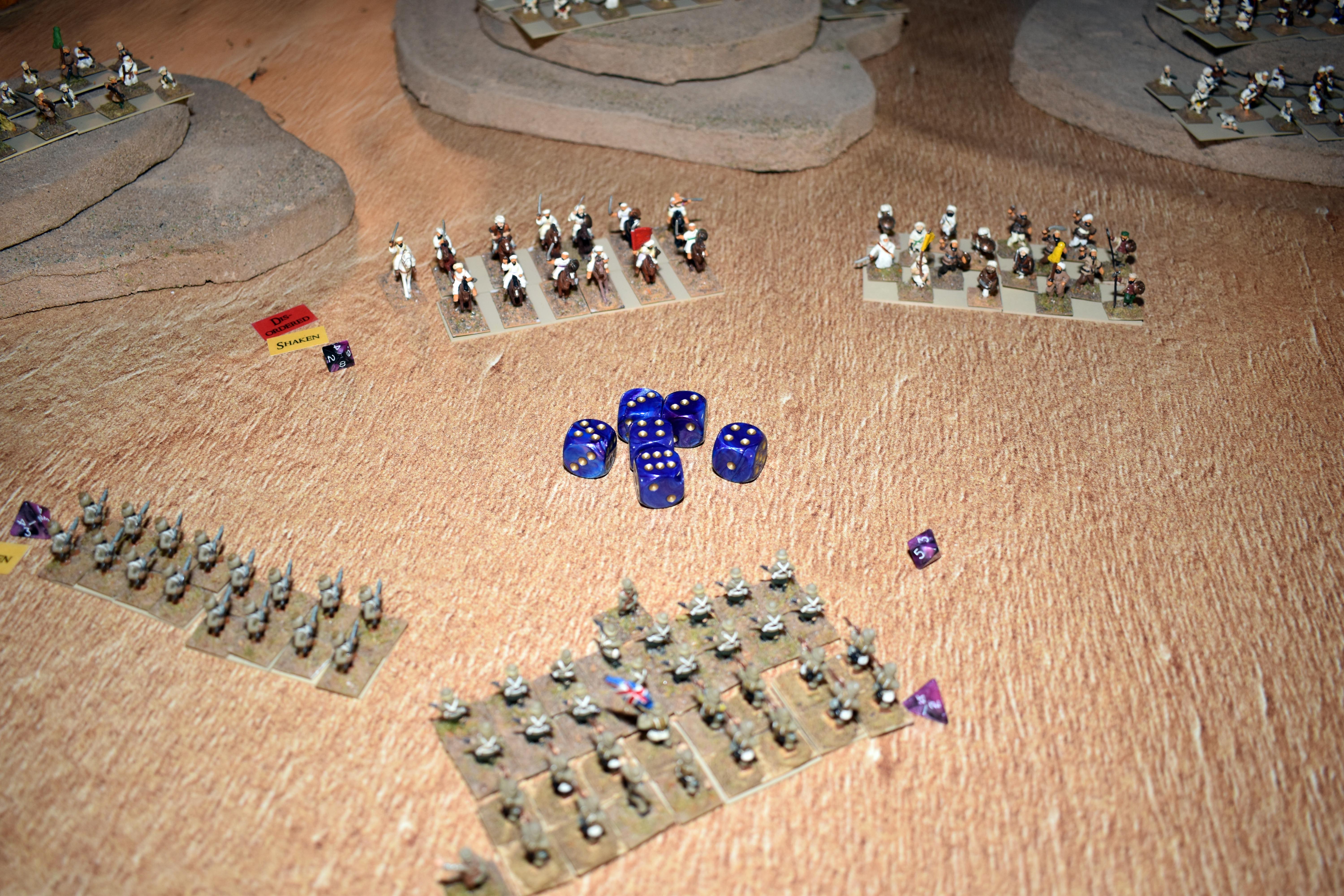
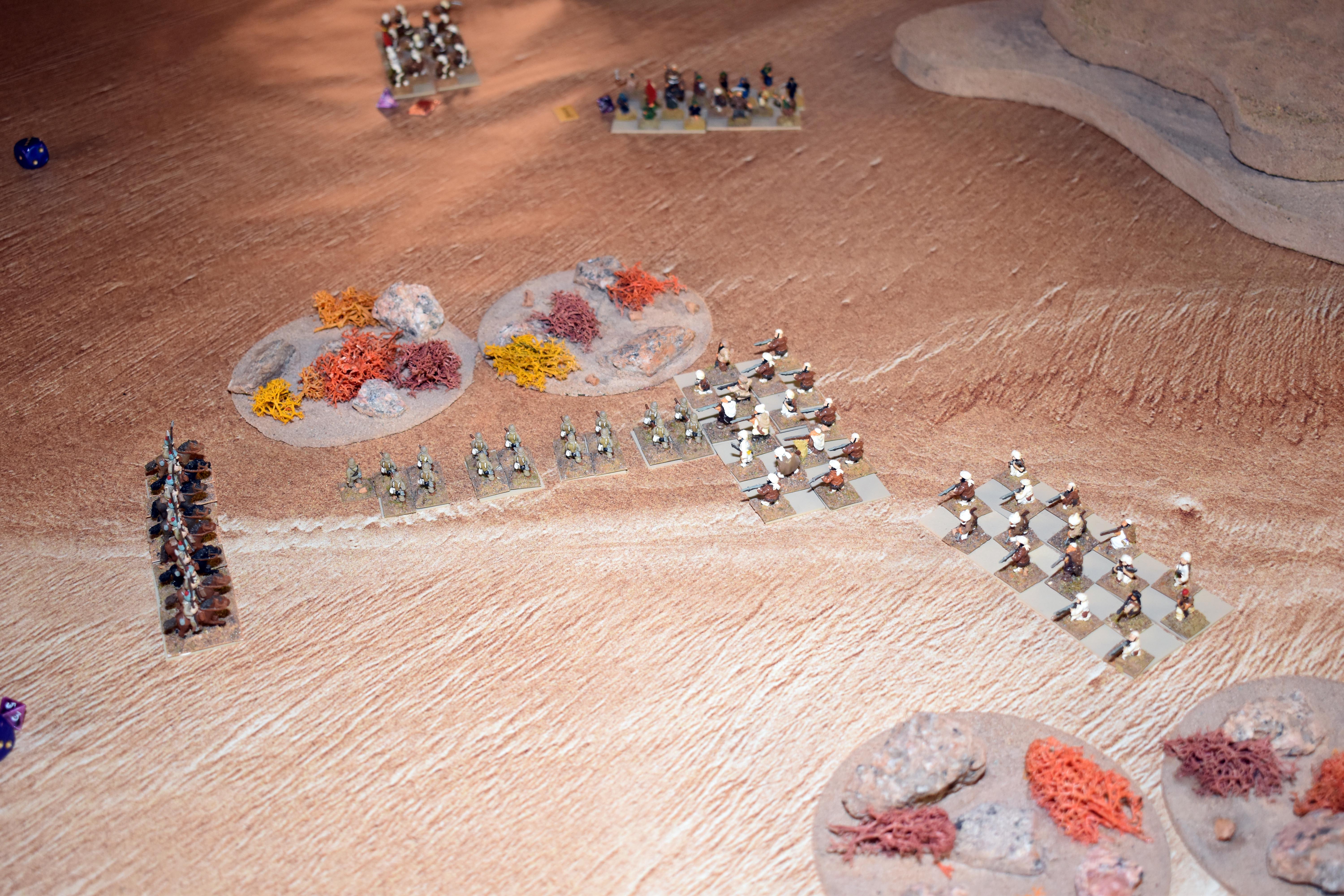
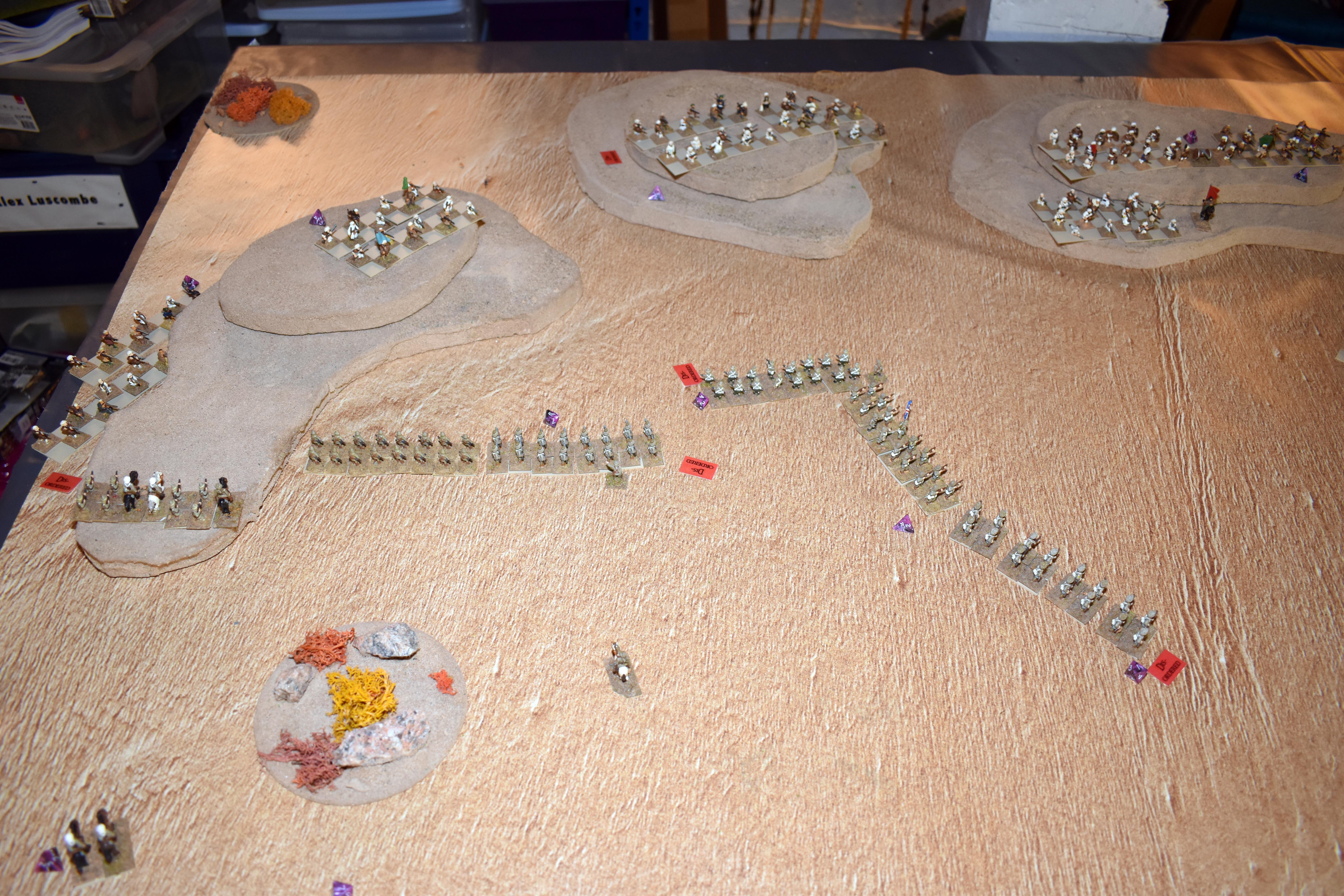
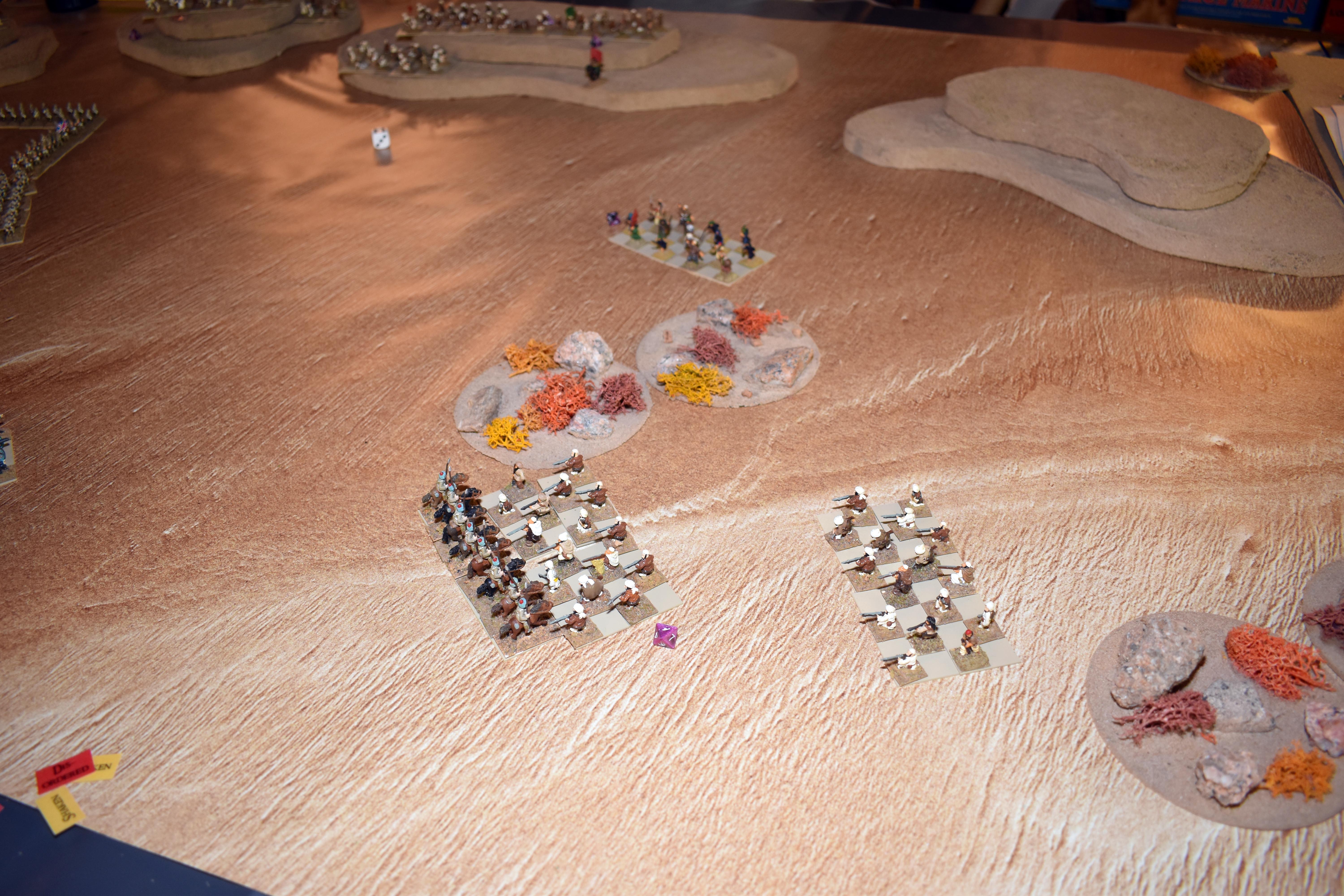
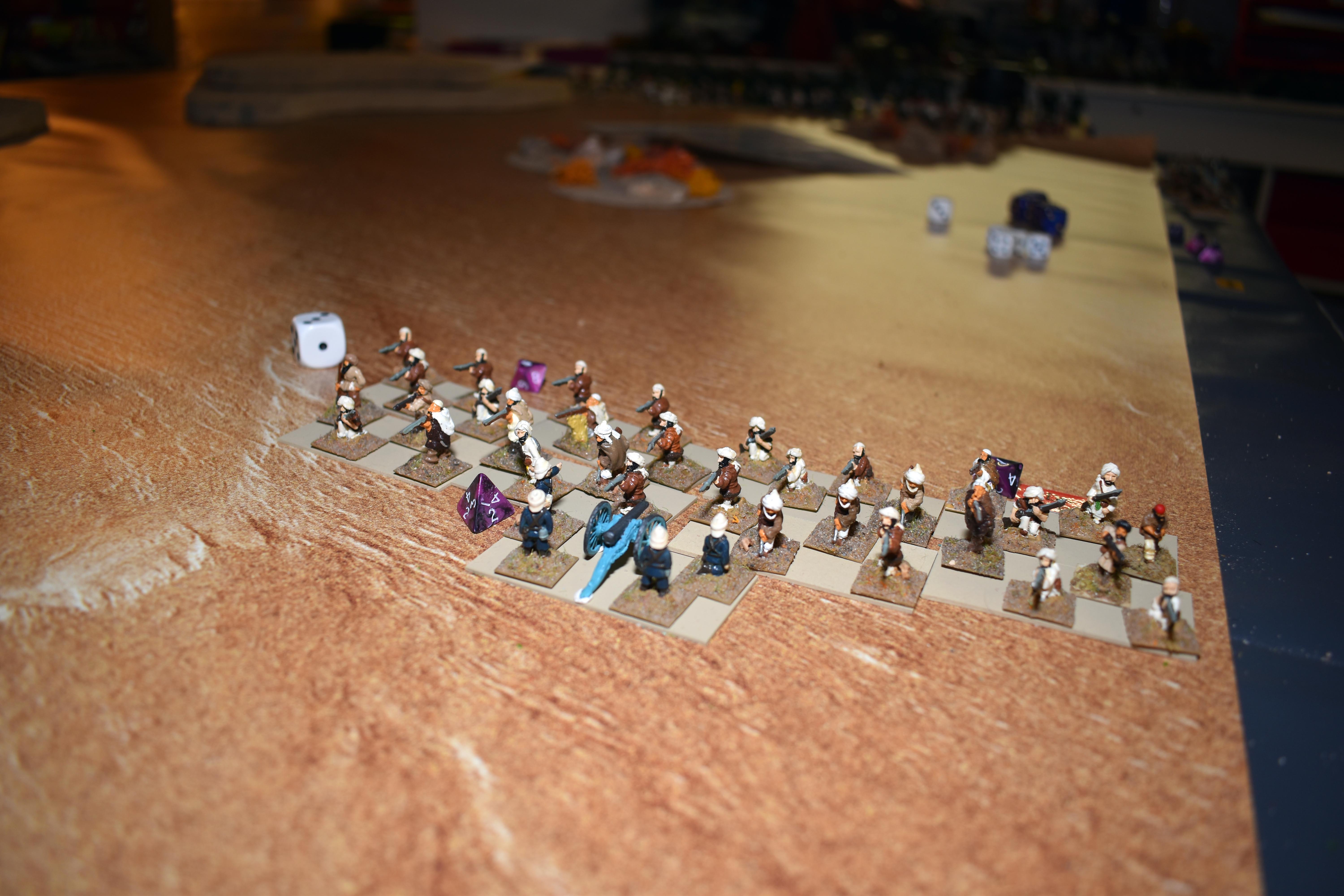
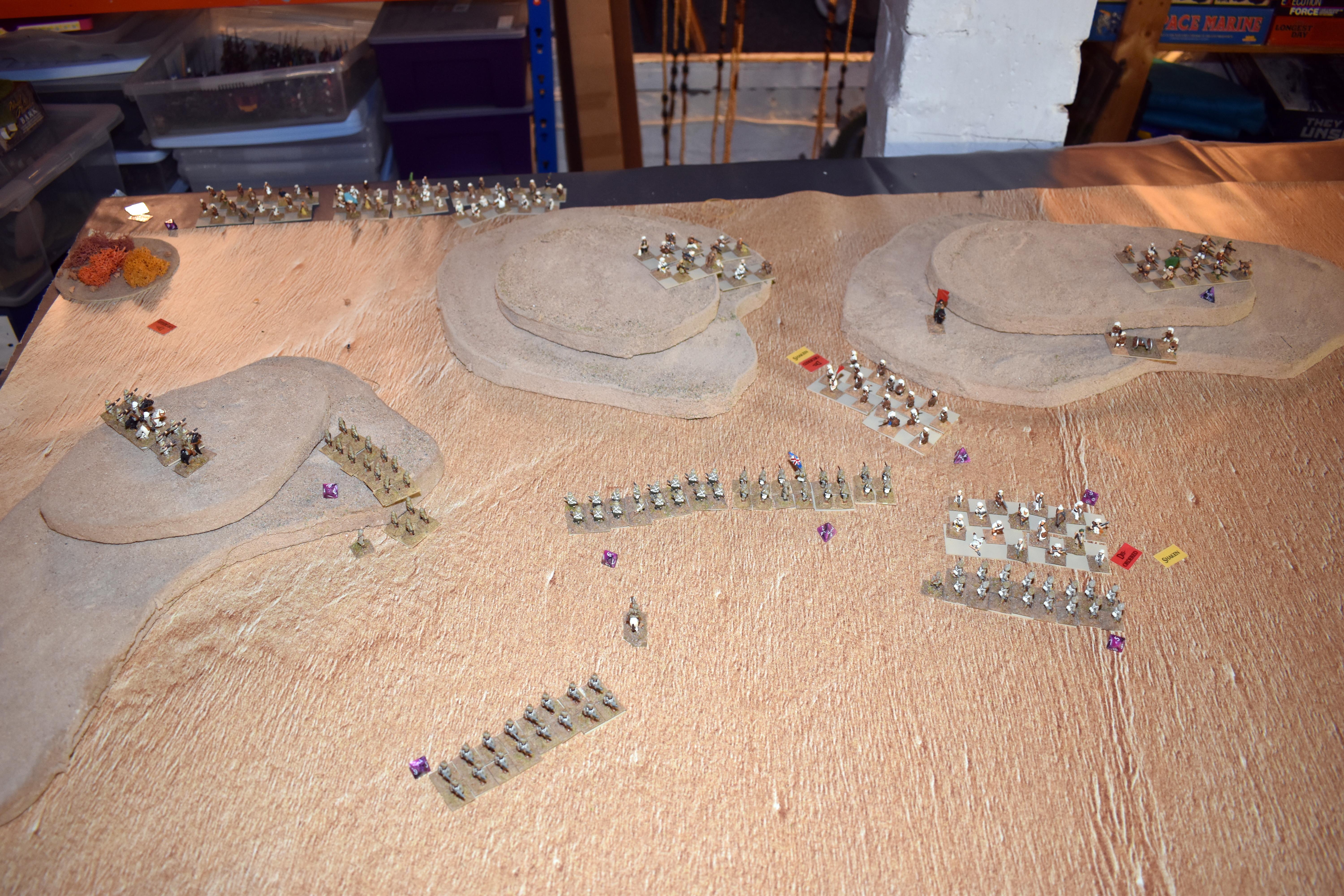
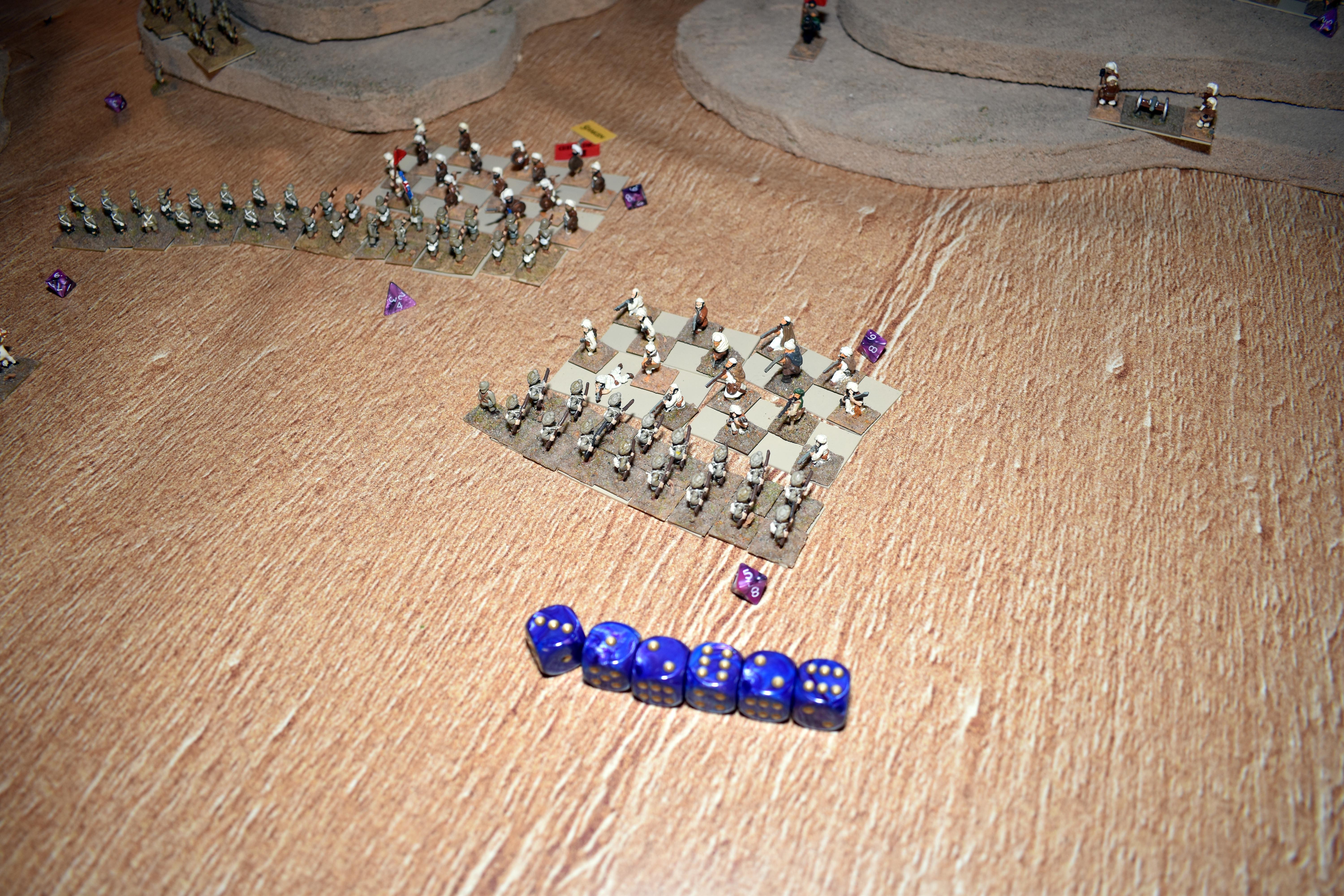
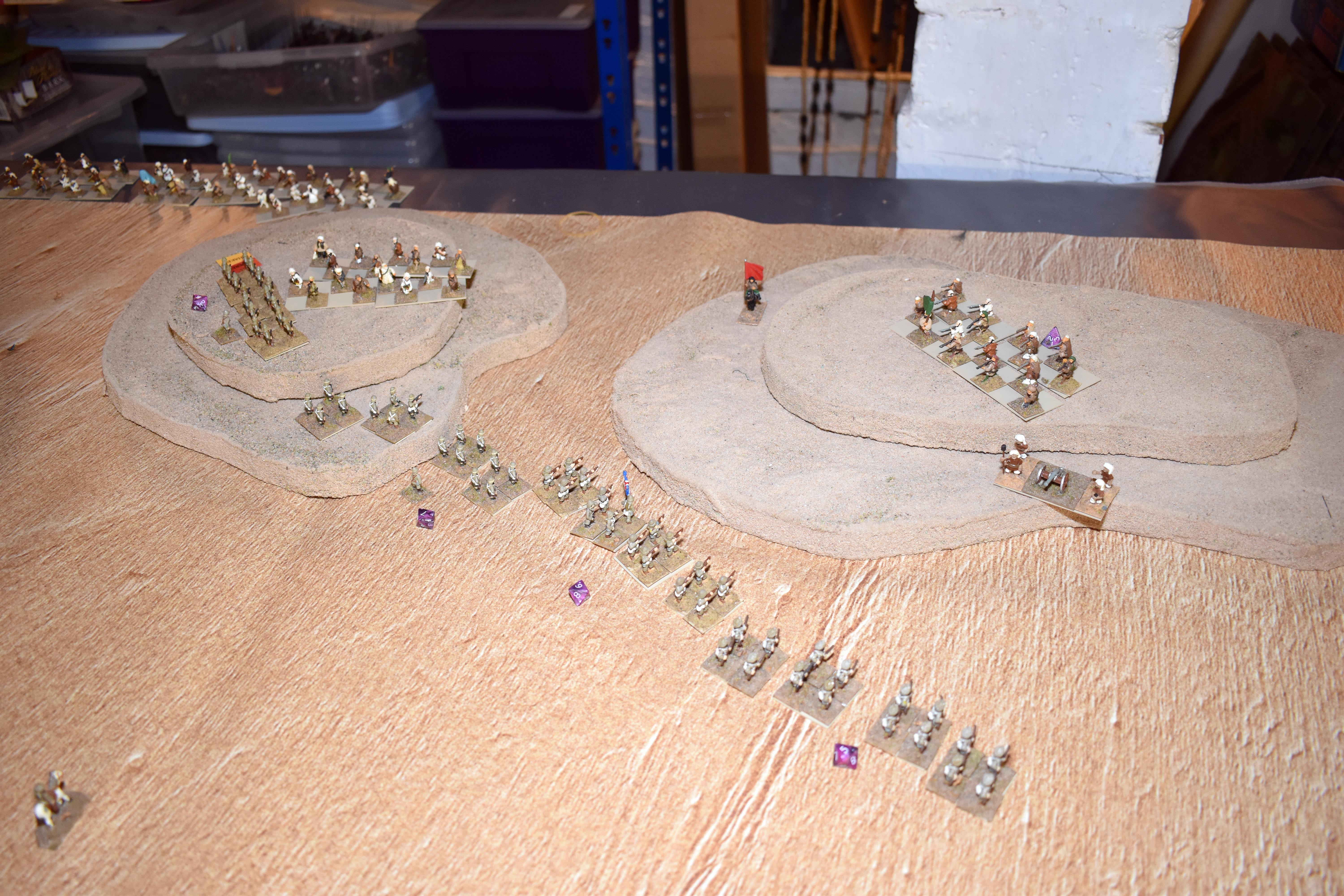
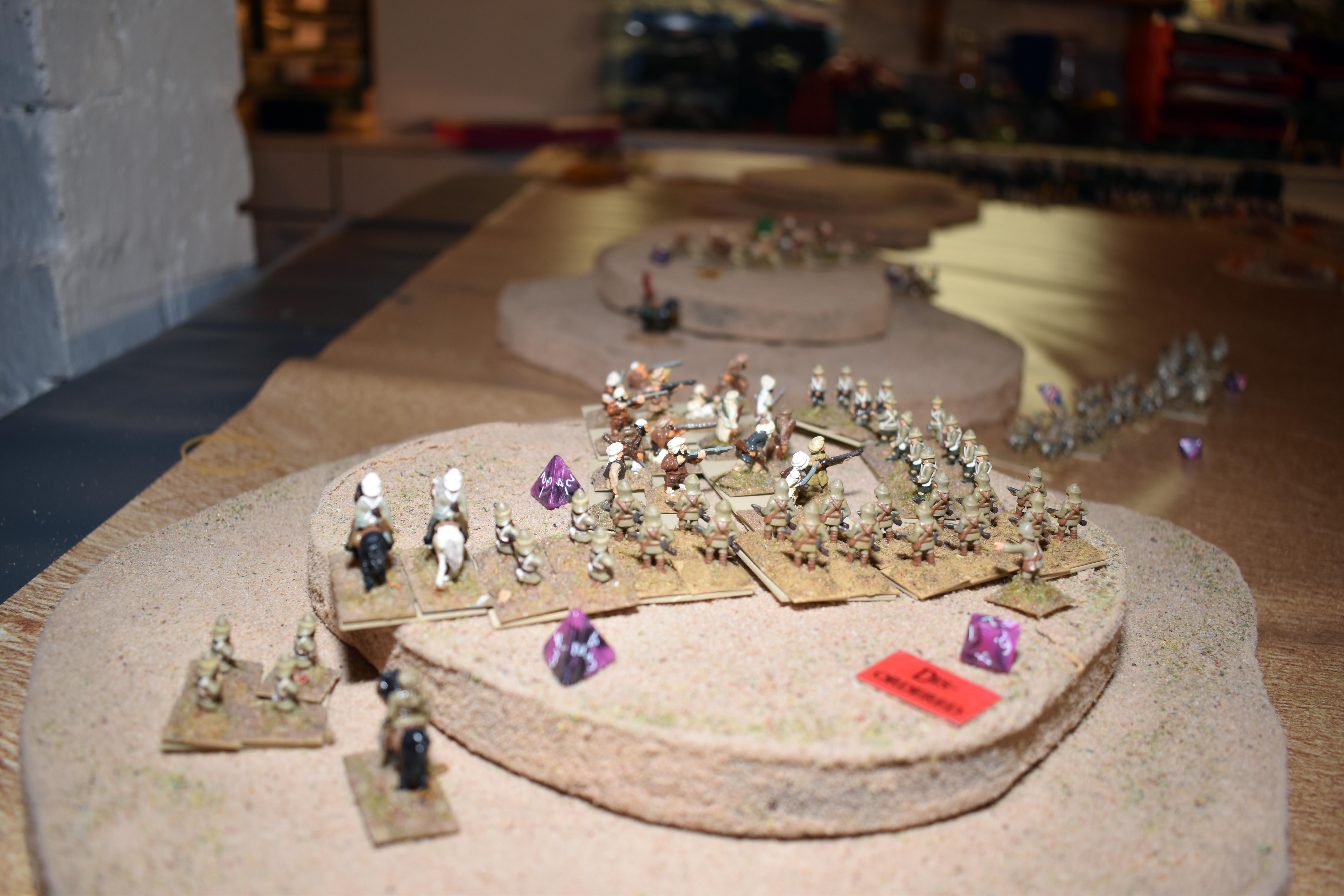
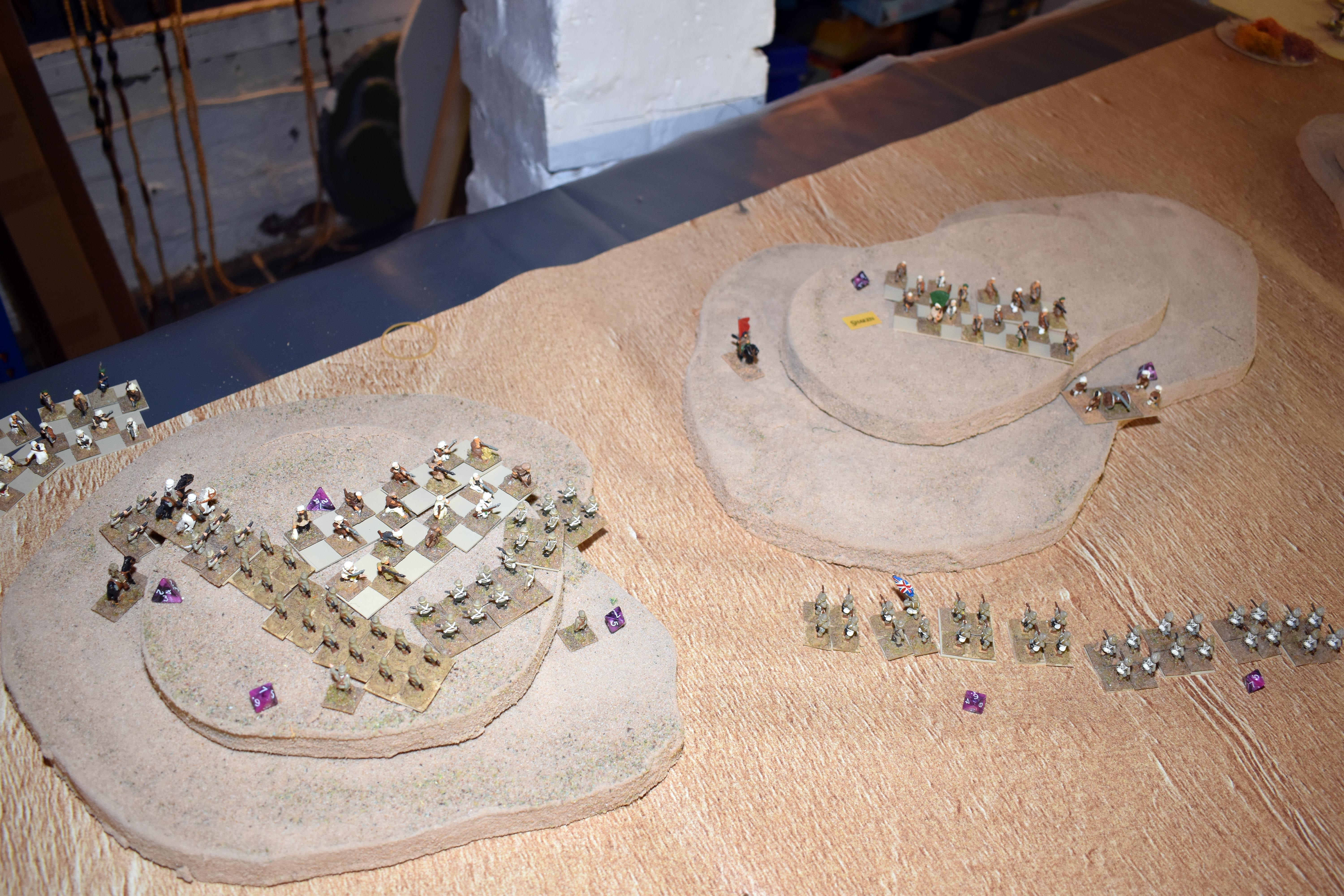
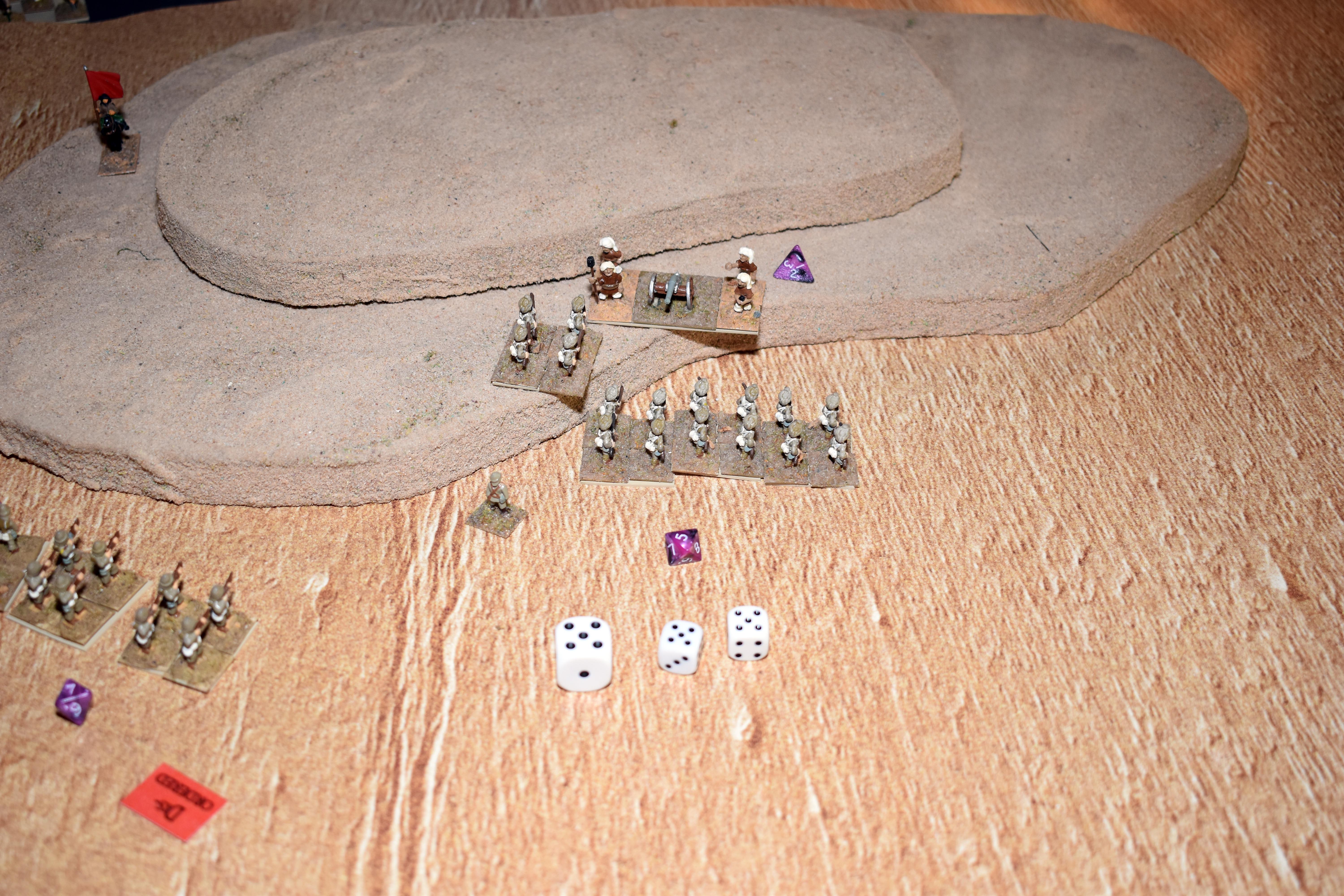
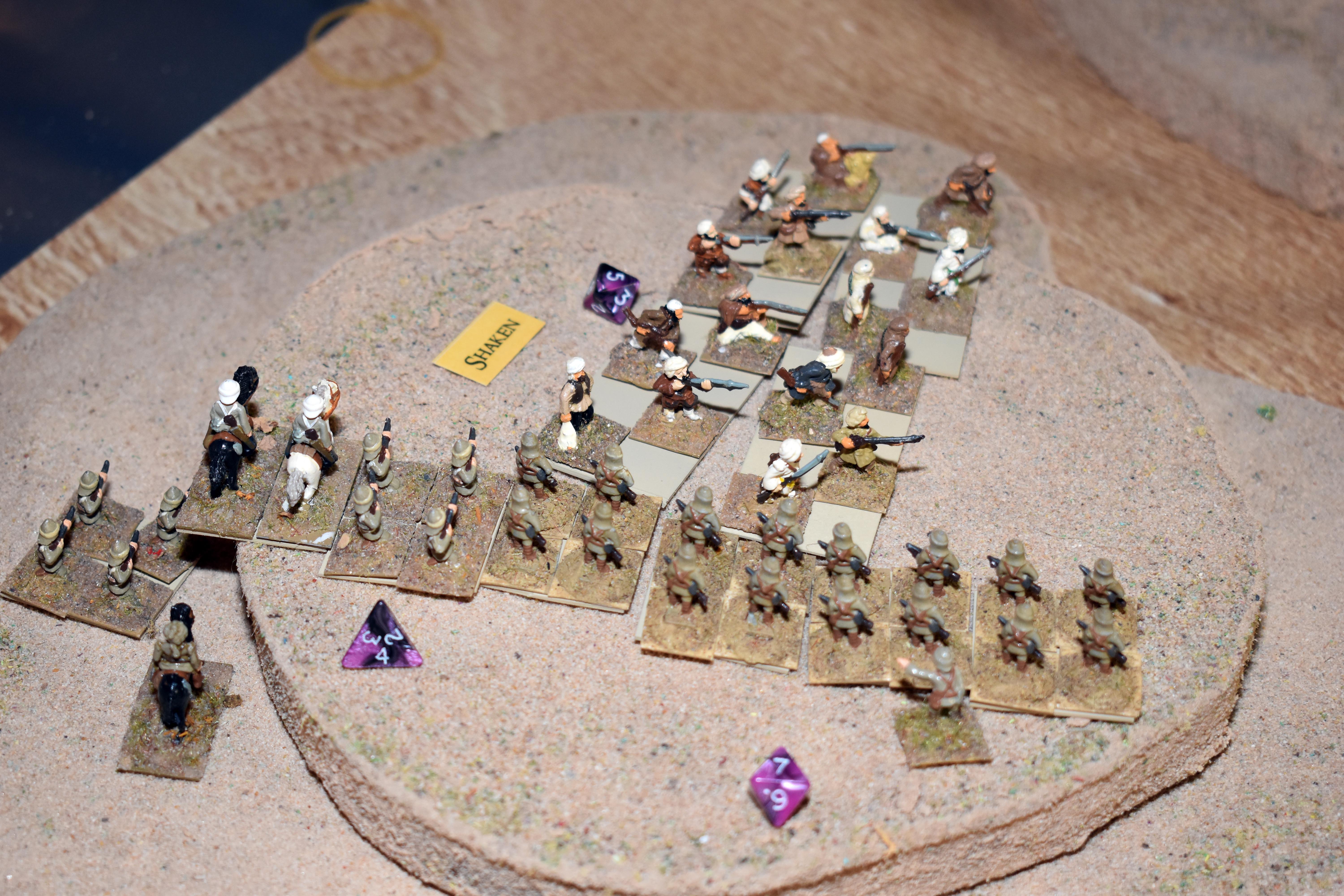
Colonel Theophilus Earnshaw-Hetherington had been charged with a duty both thankless and inevitable: to chastise the Bhurpas, who made a sport of raiding their neighbours the Flatus and driving off sheep and goats as if they were spoils of empire. Emir Durta petitioned Her Imperial Empress for redress, and so the Colonel marched in the heat of summer, his men parched and dusty, to make an example in the valley of the Bhurpas. The Bhurpas, lean and wiry, revealed themselves along the ridgeline, Jezails in hand and an ancient gun dragged from some forgotten conquest, the sangars piled high with stone. Emir Tajshw, proud and obstinate, had no thought of returning goats or sheep. He meant to keep them, and the valley too. The opening movements were ill-favoured to those who trust to skirmishing. The Essex on the right, scattered in rough ground, saw Bhurpa swordsmen swelling like a storm and pulled back to form in the open, wary of a flank. In the centre the Bhurpa horse sat stunned, reluctant to test the plains. On the left the Highlanders wavered until Earnshaw-Hetherington himself rode amongst them, a cool word here and a sharp order there, and steadied them to stand. They would not advance, but they did not run. It was the Sikhs who saw the danger clear. Bhurpa cavalry and blades were bearing down, Jezails cracking from the heights to rake flank and rear. The Sikhs stood to it, and their rifles spoke with discipline rare even in the service, four perfect volleys that staggered the horse. Inspired, the Highlanders loosed their rapid fire and finished the work. The hills spat back in answer; the Jezails, needing the devil’s own luck, found it, and the Regular Afghans were swept away in a breath. The guns tried to make amends, pounding Afghan horse to ruin, yet the stone nests held, and the Bhurpas from their sangars plied the trade of distance and elevation. The fight rolled like fever. Bengal Lancers, shaken and undone, were cut to pieces. Hussars, dismounted and grim, drove their foes back and shot them as they reeled. The batteries, brave but overmatched, fired raggedly at the charge, killing one unit and succumbing to the weight of the rest. On the slopes the British and Indian lines pressed forward, volleys tearing into Bhurpa ranks. Twice the enemy seemed broken, twice they rallied into fanatic charges. The Indians, steady as granite, shot them down at close range. The British took the shock of steel and held, bloodied but unbent. Those who speak lightly of discipline have never watched a battalion choose to stand. The Bhurpas who had silenced the guns swept towards the rear, a dark knife turned inward. The Sikhs, depleted and low on ammunition, turned, marched, and braced. Their rifles spoke once more; then the line met blade with bayonet. They died where they stood, but they broke the wave, leaving the ground littered with torn turbans and spent cartridges. If medals mean anything, they belonged to those men. Still the hills held. An Indian regiment ran at the Bhurpa gun, bold to the last, and was torn apart by canister. The final contest came when Highlanders and Hussars stormed the sangars under another hail of bullets. The Highlanders melted away, spent, but the Hussars pressed on, and at last the hill was taken with boots slipping on dust and blood. The field was won, and victory tasted of ashes. Earnshaw-Hetherington looked over the valley and cursed the lack of guns and the stubbornness of men in stone. Once they left their sangars they were meat for the rifles; inside them they were iron. He would not push further up the gorge. The Bhurpas had been bloodied, and the Empire’s men had paid the price. So the Colonel sent word to Emir Durta that the lesson had been taught, though goats and sheep are slow to learn the politics of men. The valley kept its echo of Jezails, and the sangars, newly silent, remembered those who stood, those who ran, and those who did not move at all. It is a hard land and it keeps score in stone.
|