|
It was just after first light when the shooting started — that brittle, cracking kind of gunfire that carries for miles across the scrub, telling anyone with sense that trouble has arrived. Jean‑Claude Beaumont’s little enclave of French settlers had been bracing for it for days. They had the look of men who had slept in their boots and shaved with cold water, waiting for Kofi Lumina’s Fundamentalist Greens to come rolling out of the hills like a biblical judgement.
Lumina, flushed with his victories at Gorton and Denton, had convinced himself that the Maghreb was ripe for ideological harvest. His fighters believed it too. They came on in that peculiar mixture of enthusiasm and fatalism that only irregulars can muster — half militia, half zealot, all noise.
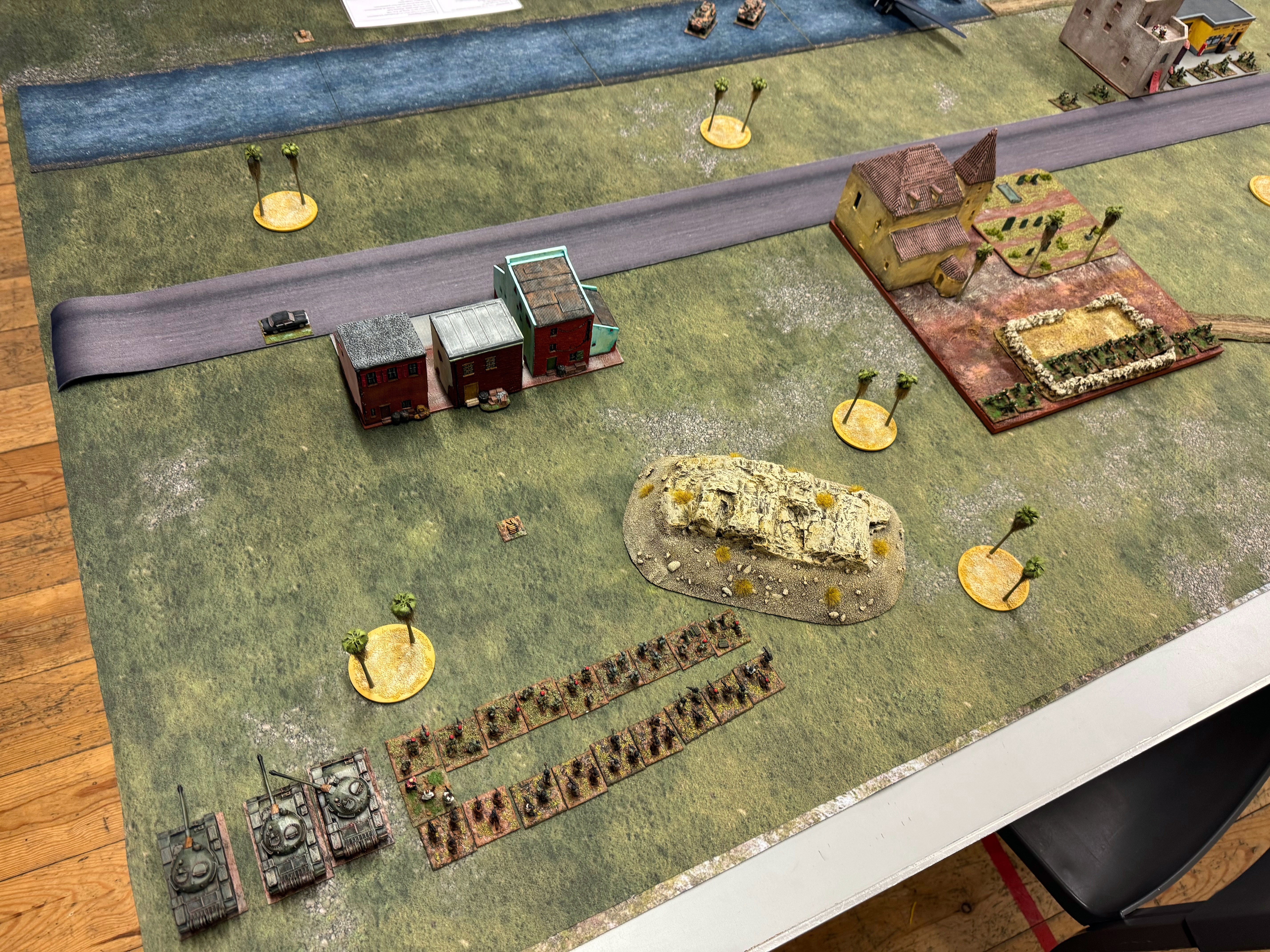
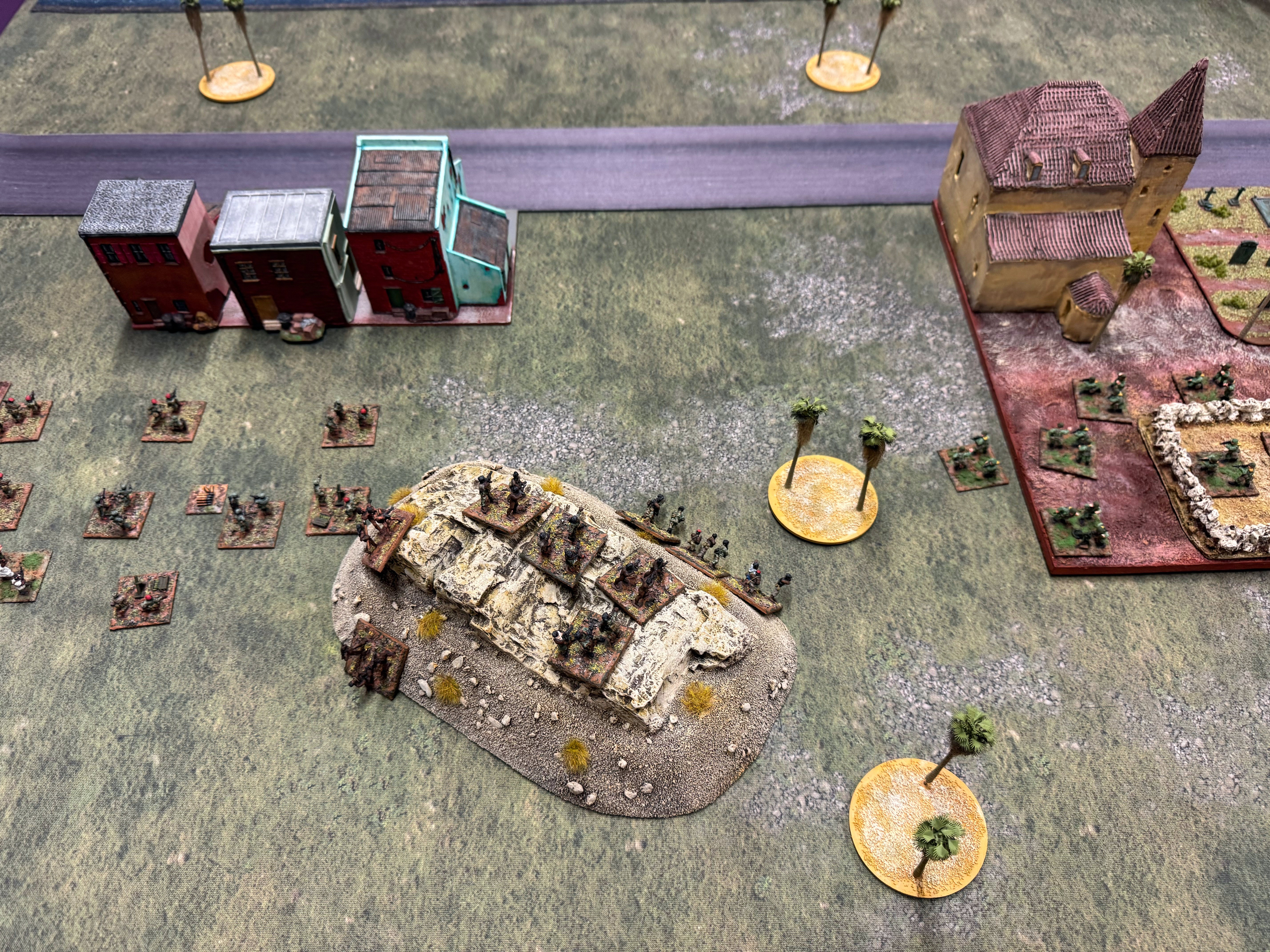
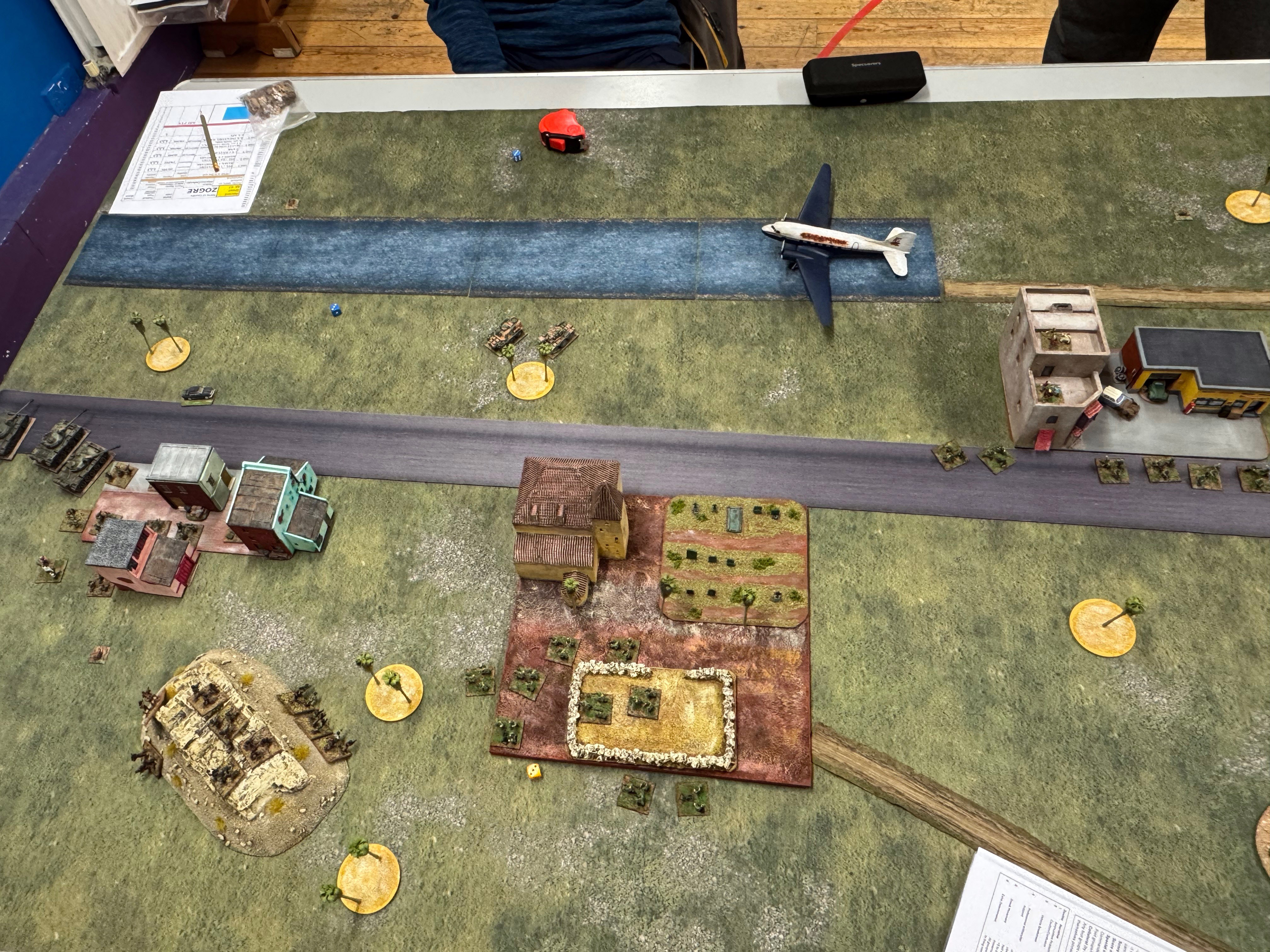
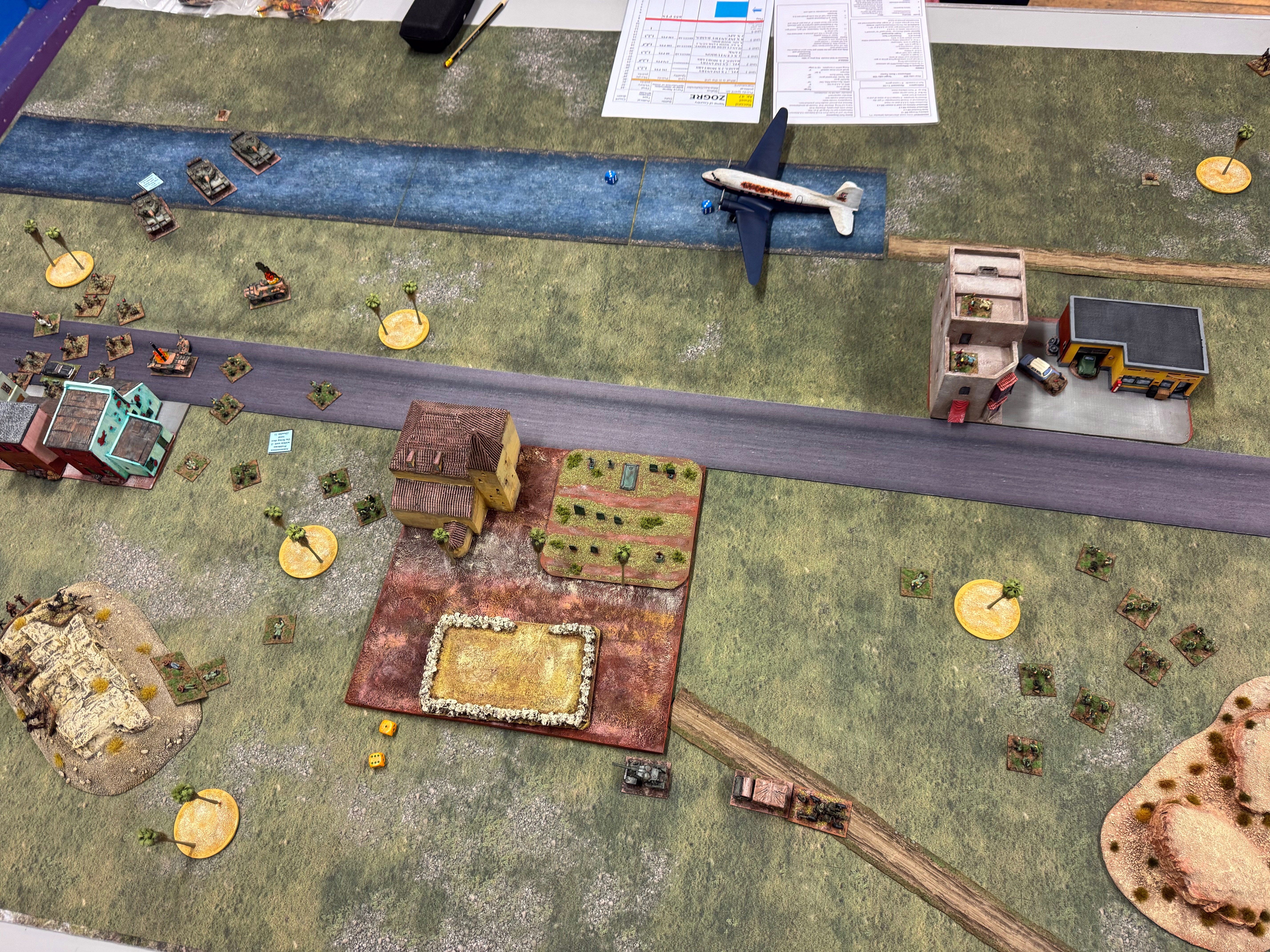
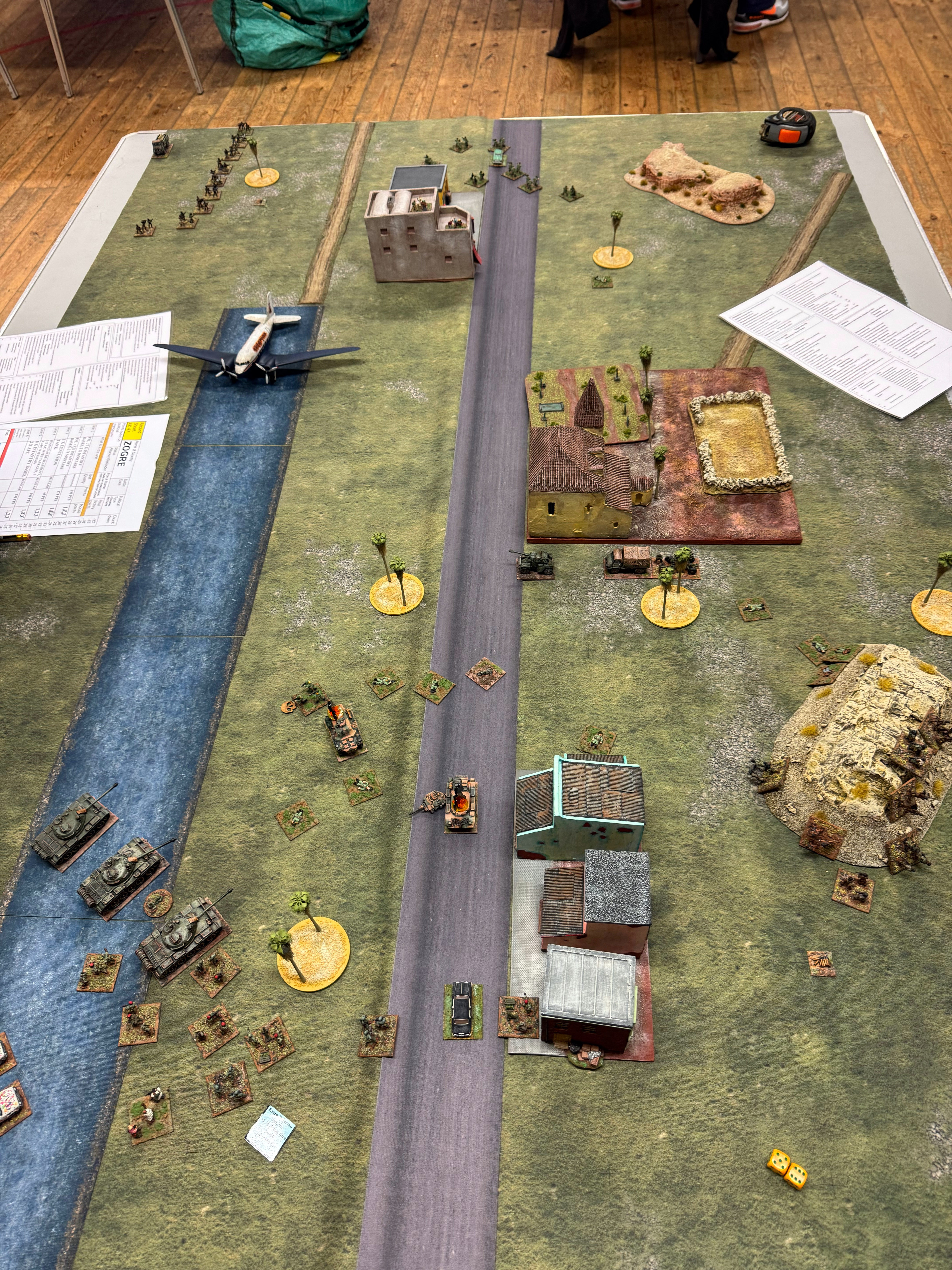
The Foreign Legion, veterans of too many forgotten wars, dug themselves into the centre of the line. They had the good positions, the sandbags, the mortars, the discipline. What they didn’t have was the luxury of choosing where Lumina would strike. He came down both flanks, but it was the left where the real hammer blow fell. The Legionnaires were forced to peel away from their central bastion, trudging through thorn and dust to stem the tide of militia and regulars pouring toward the two objectives that anchored the flank.
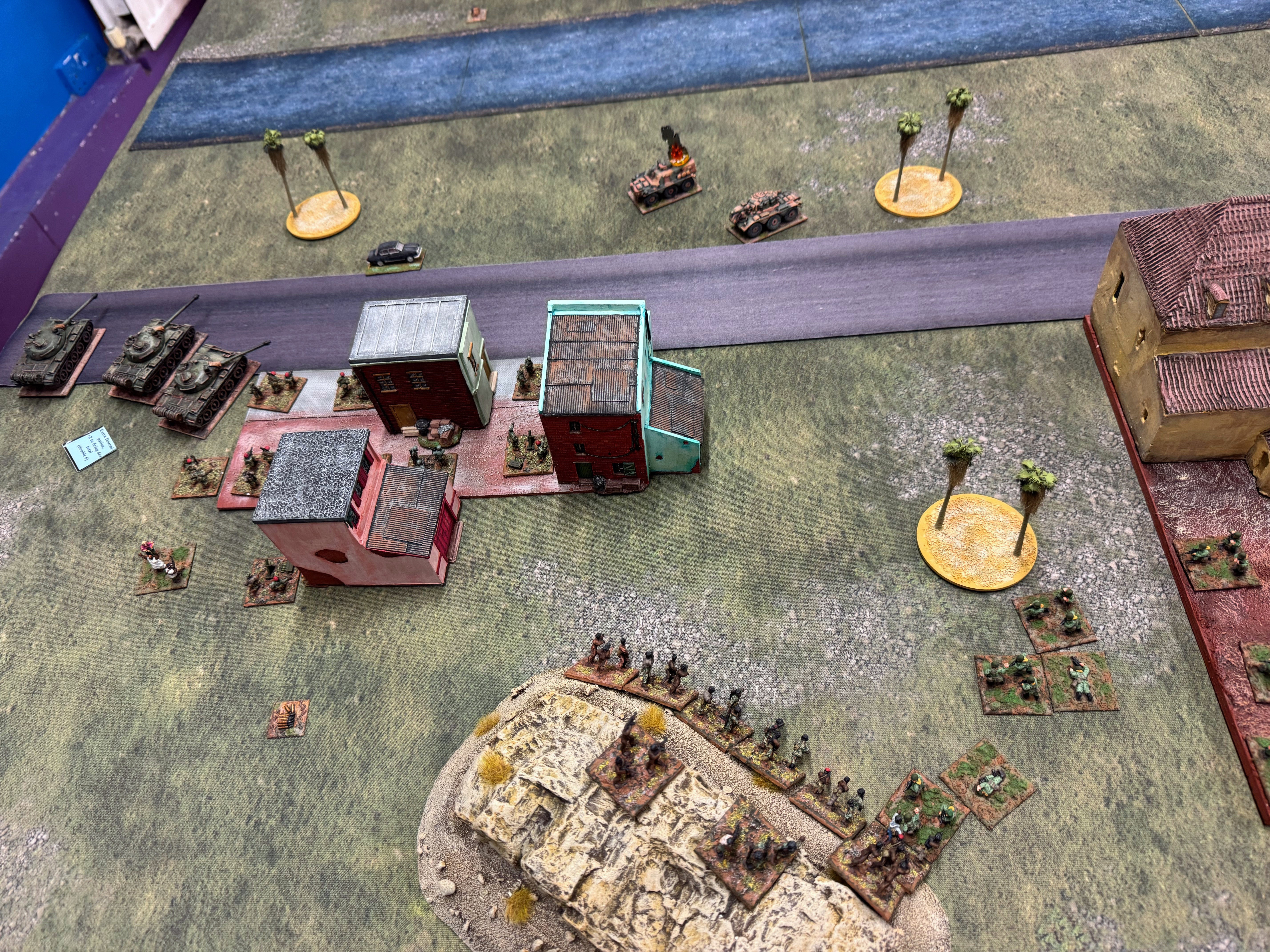
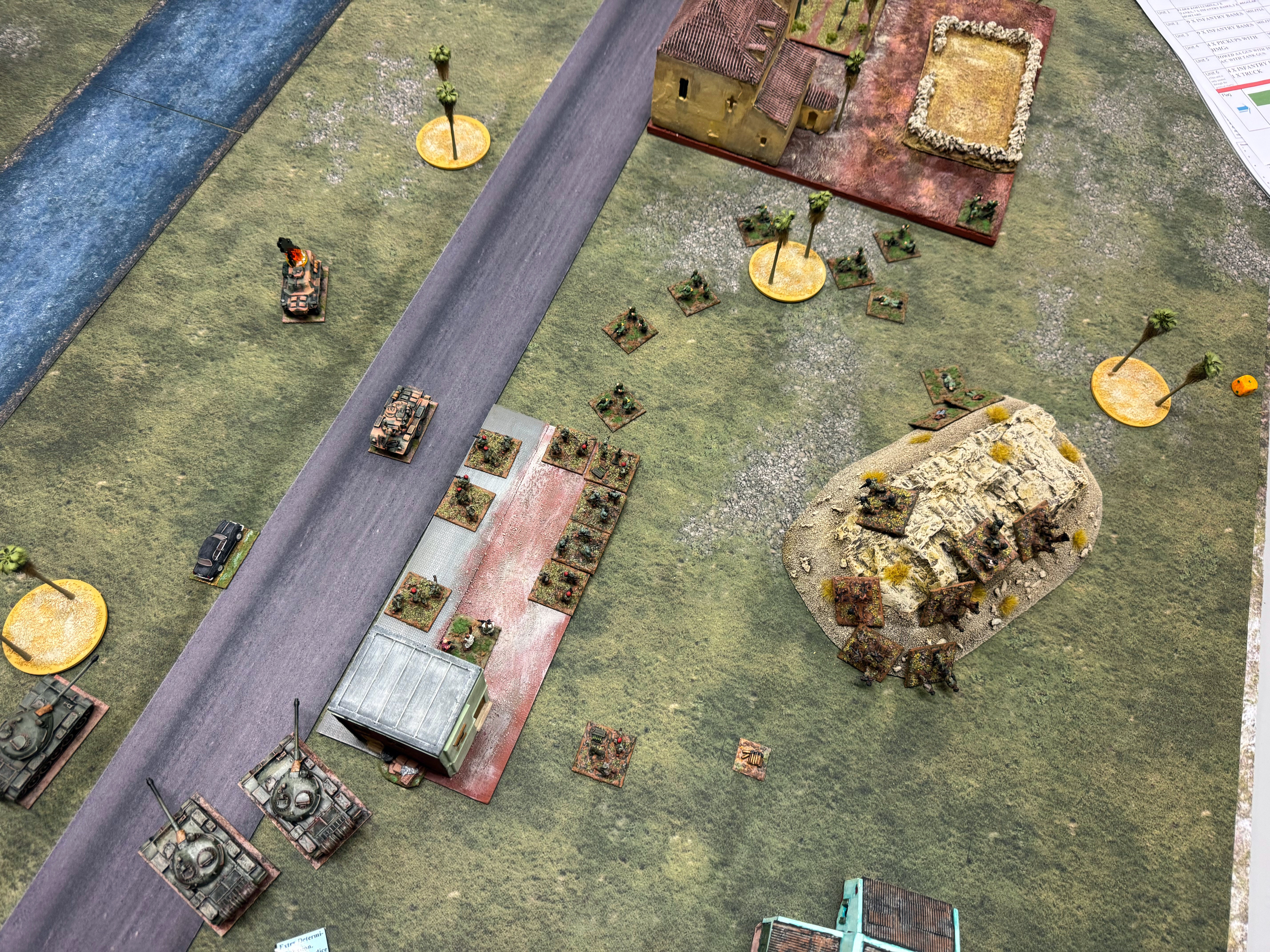
The mortars thumped dutifully, sending up little puffs of dust among the hills, but the Greens were dug in like ticks. They slowed the Legion’s advance to a crawl. There was hand‑to‑hand fighting in places — the kind of ugly, intimate work that no soldier ever forgets. To their credit, the militia held longer than anyone expected, bolstered by their Regular comrades who fought with a stubbornness that belied their rag‑tag appearance.
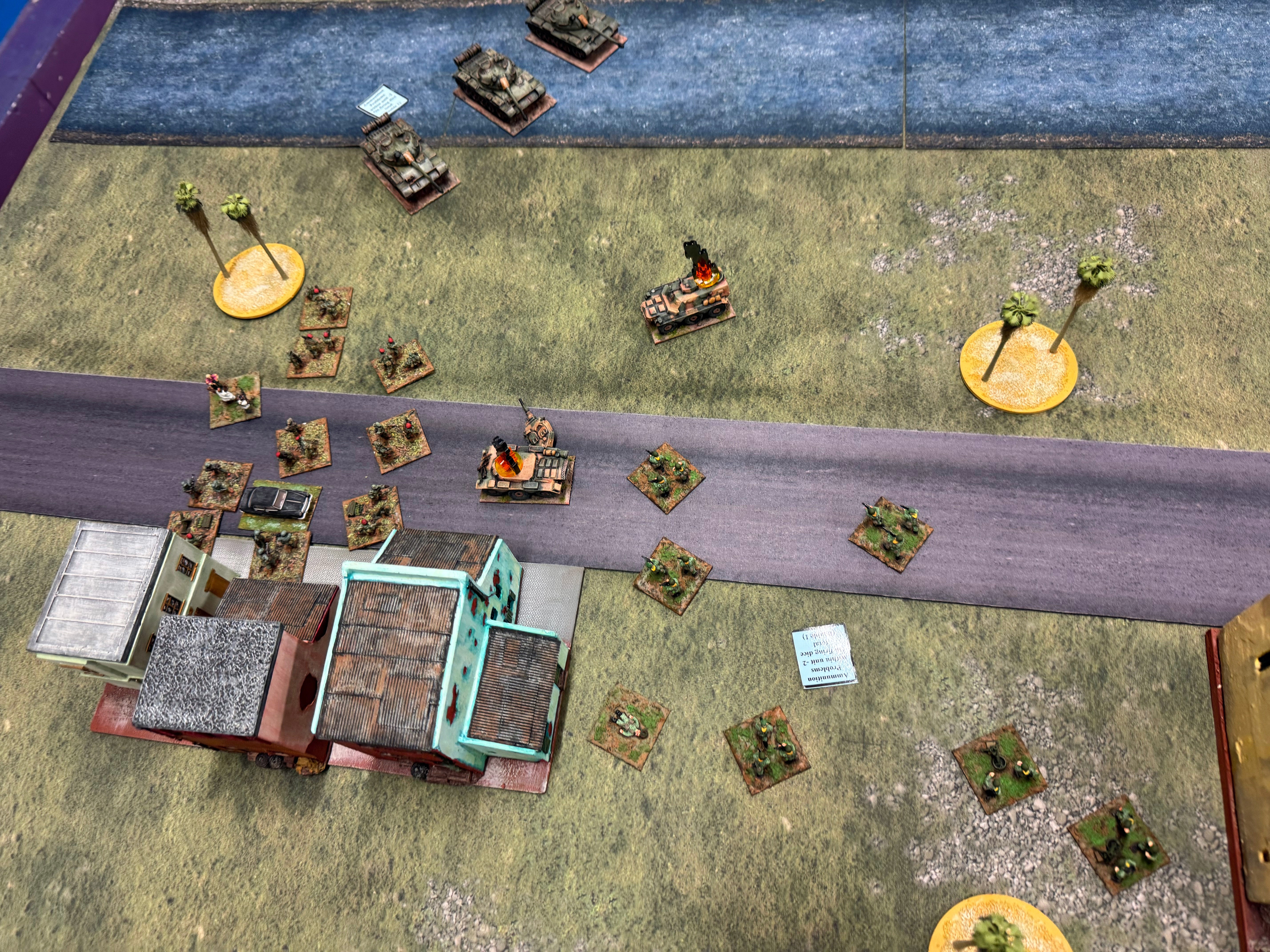
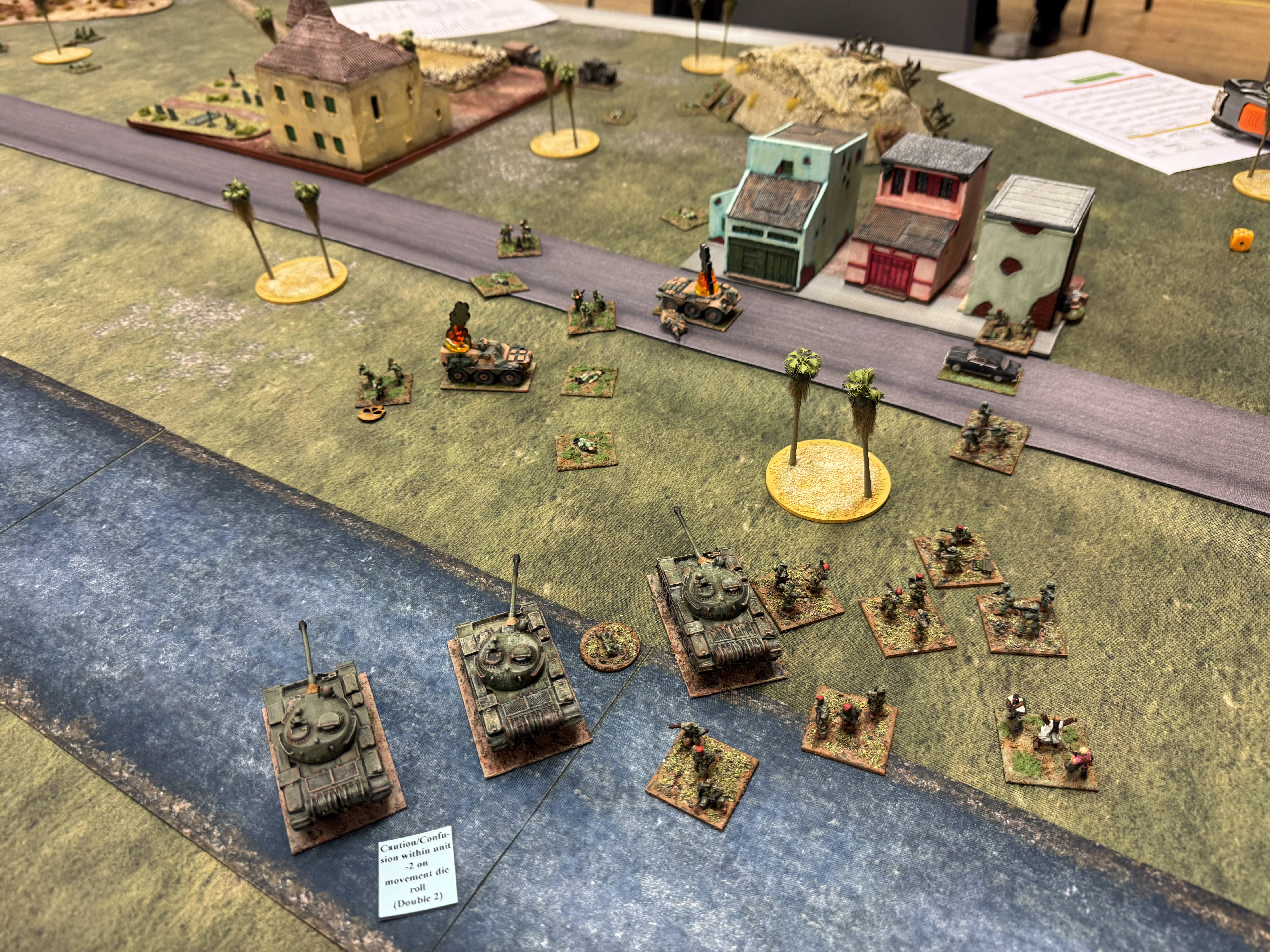
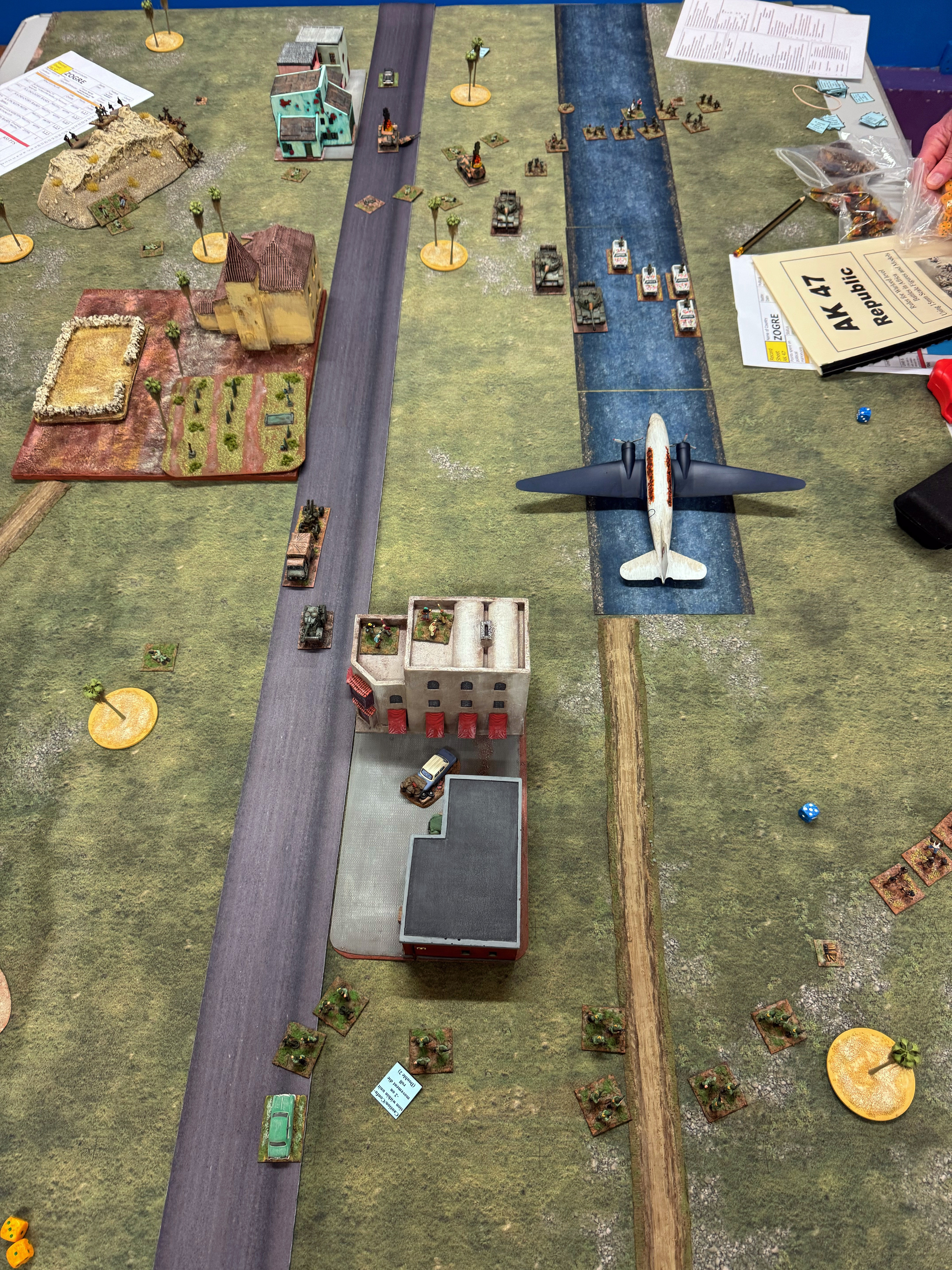
But the real turning point came with the tanks. They appeared around the corner of the village with the inevitability of a bad debt, their engines growling, their guns already seeking targets. The Colonists’ armoured car and APC tried to meet them head‑on. It was a brave gesture, but bravery doesn’t stop a tank round. The first shot silenced Beaumont himself — a clean kill, if such things can be called clean. With him went whatever central coordination the colonists had left.
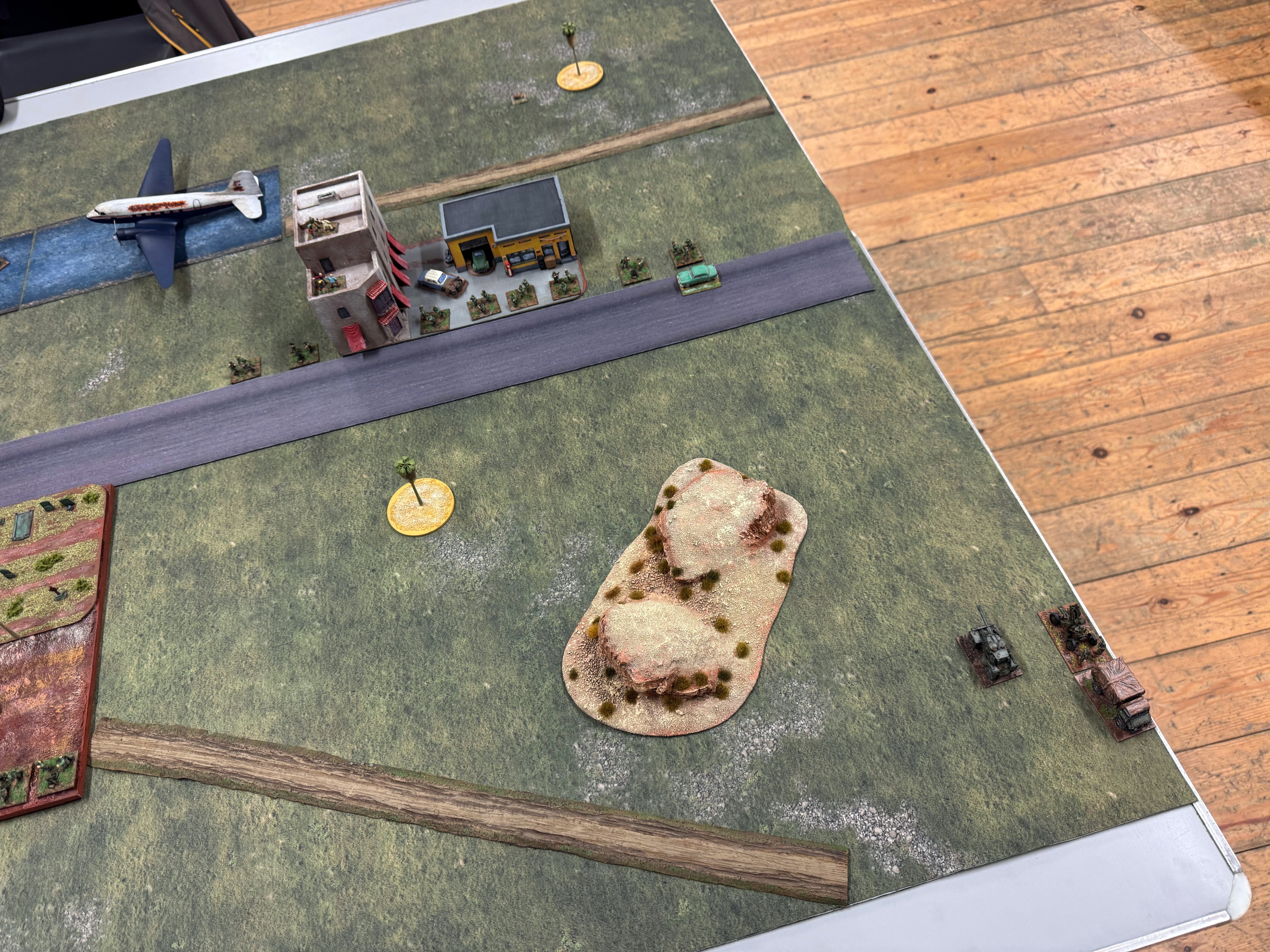
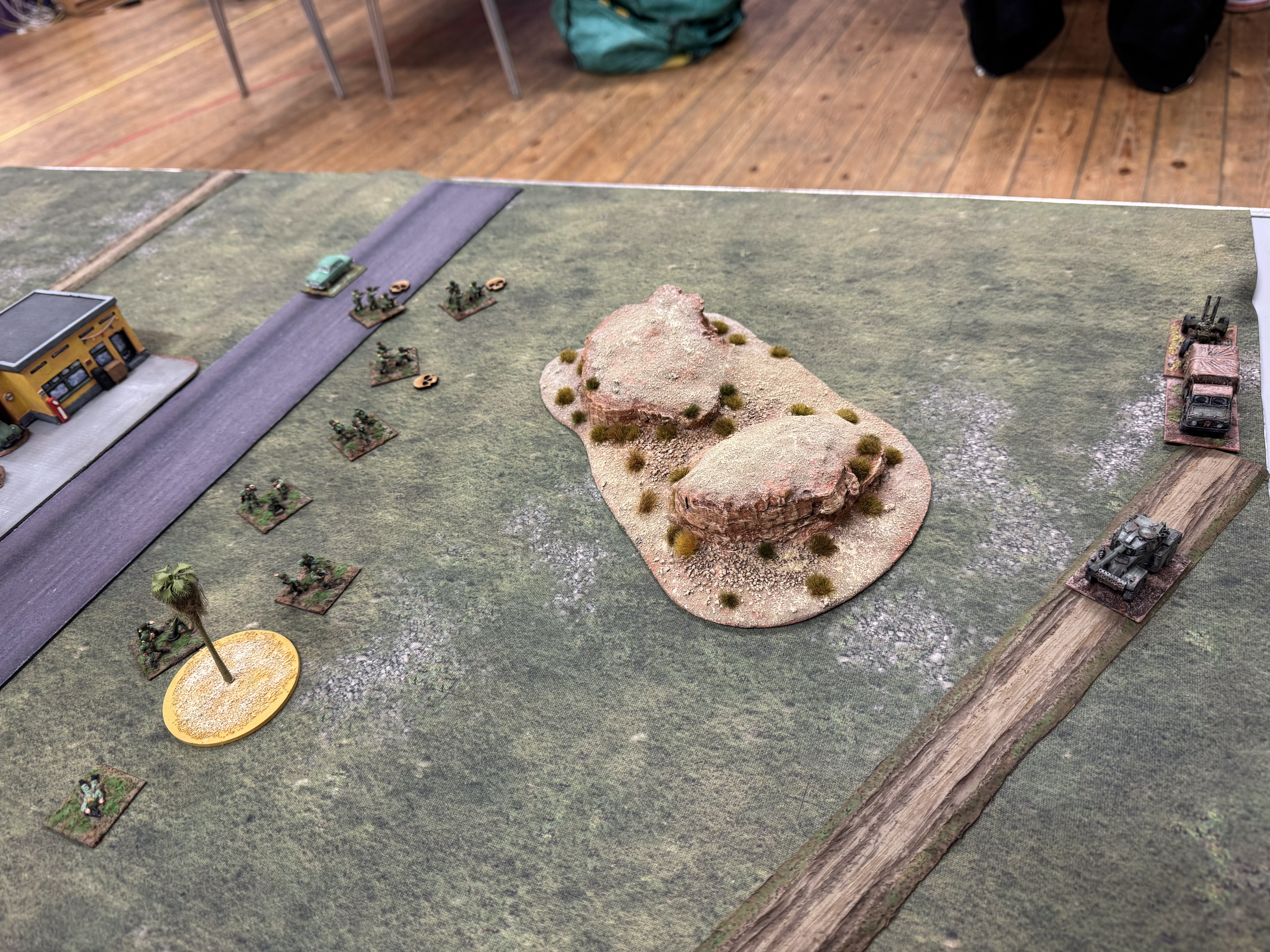
On the opposite flank, a Green armoured car and an AA gun made a nuisance of themselves, trading fire with the Legionnaires before deciding they had tempted fate long enough. They withdrew at speed, kicking up dust and dodging small‑arms fire with the luck of men who know they’ve overstayed their welcome.
But the real battle — the one that would decide the day — raged on the Greens’ left. Reinforcements arrived in a steady trickle: pickups with heavy machine guns, more militia, more shouting, more dust. The Legion fought like the professionals they were, but professionalism only goes so far when you’re outgunned and outnumbered. The Greens seized both objectives on the flank and dared the French to take them back. It was a challenge the Legionnaires simply didn’t have the strength to answer.
There was a brief moment of hope on the far flank. After chasing off the armoured car and AA gun, the colonists turned back just in time to see dust clouds heralding the arrival of yet more militia. The first wave was scattered efficiently — French SLRs and mortar fire doing what they were designed to do. But the second wave held on long enough for tanks and technicals to come roaring down the airstrip in support.
By then, the sands of time had run out for the colonists. They contested the final objective but couldn’t seize it. The Greens, sensing victory, fired their AKs skyward and broke into their victory chant “Allah Huwa Akbar!” — a sound that has echoed across too many African battlefields in too many forgotten wars. And somewhere in the dust and heat, the sun climbed higher, indifferent as ever.
|