Myles Coverdale is not a name most people associate with Paignton, yet the town has one of the few surviving structures linked to him: the small medieval tower on Tower Road that now carries his name. Coverdale himself was born around 1488 in Yorkshire, educated at Cambridge, and trained as an Augustinian friar before drifting steadily toward the reforming ideas circulating on the continent. By the 1520s he had left the order entirely and was working as a preacher, translator and occasional fugitive, depending on who was in power at the time.
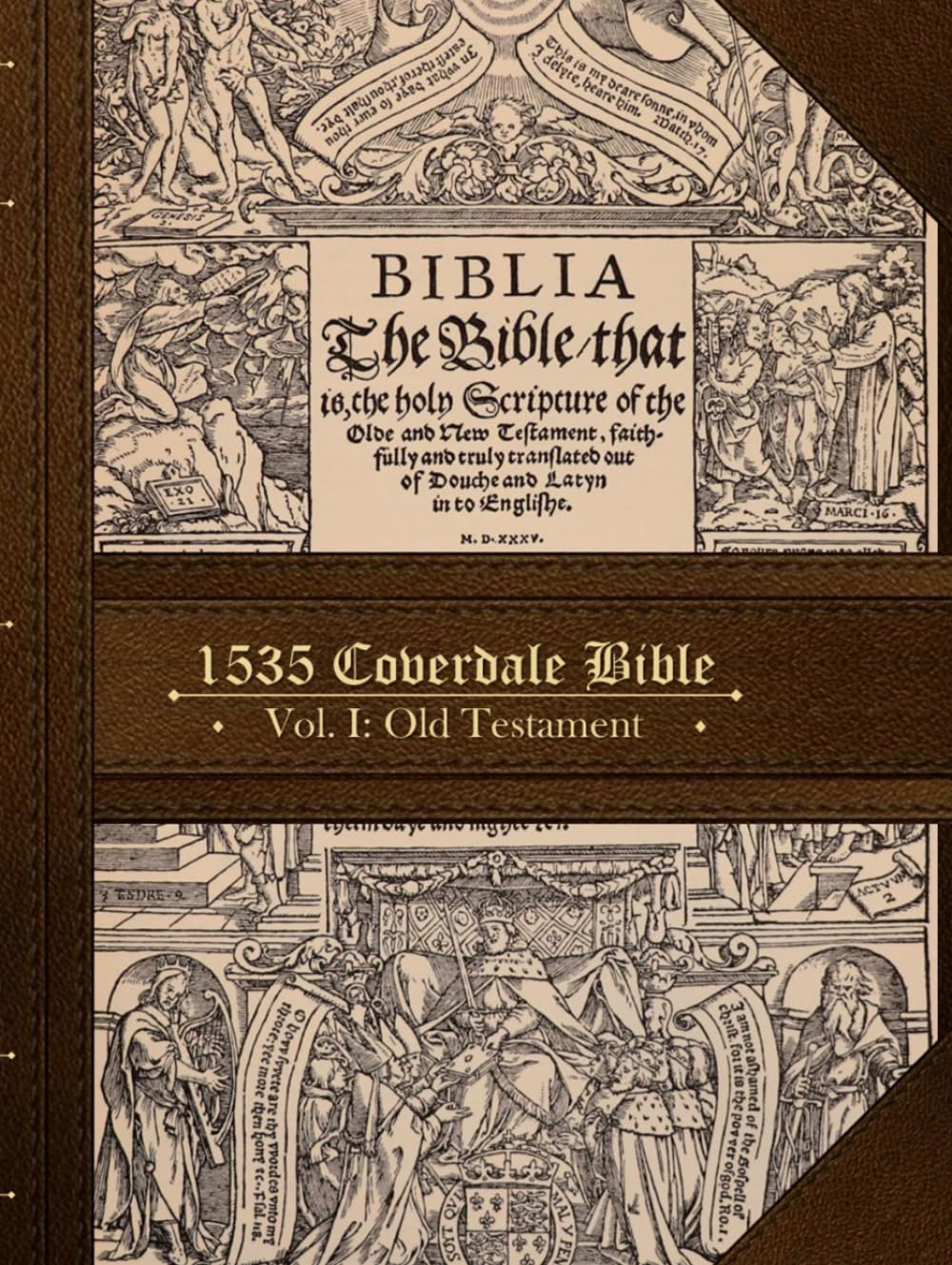
His major achievement came in 1535 with the publication of what is now known as the Coverdale Bible, the first complete printed Bible in English. William Tyndale had already translated the New Testament and parts of the Old, but Coverdale supplied the missing books, drawing on Latin and German sources rather than the original languages. He was not a Hebrew or Greek scholar, but he had a good ear for English prose, and the result was a readable, coherent Bible that circulated widely. A revised edition appeared in 1537 and was licensed for use in parish churches, making Coverdale’s work the first officially sanctioned English Bible.
Coverdale spent much of his life in and out of exile, depending on the religious climate. He worked in Antwerp and other centres of reform, assisted in the production of the Great Bible of 1539, and returned to England under Edward VI, when he was made Bishop of Exeter. His tenure was short-lived. Mary I’s accession sent him back into exile, and he did not return until Elizabeth I restored a more favourable environment. Even then he never regained a bishopric, serving instead as a parish minister in London until his death in 1569.
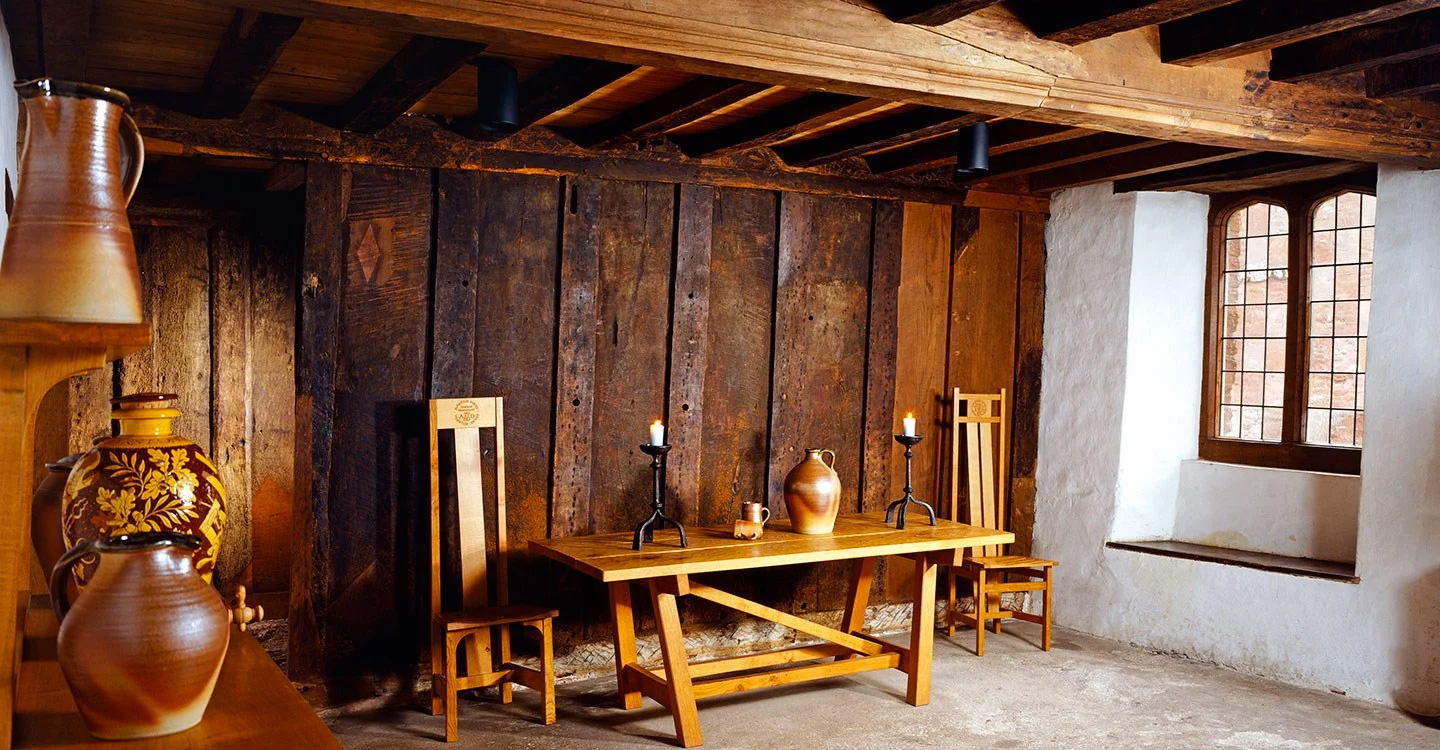
The Paignton connection comes through the small fortified tower now known as Coverdale Tower, part of the remains of the medieval Bishop’s Palace. Coverdale is believed to have stayed there during his brief period as Bishop of Exeter, using the building as a base while travelling through the diocese. The association is not grand, but it is one of the few physical survivals linked to him anywhere in the country. The tower itself, with its red sandstone walls and crenellations, looks more defensive than domestic, and it is easy to imagine Coverdale finding it draughty, inconvenient and entirely typical of episcopal accommodation in the mid-sixteenth century.
The tower’s later naming was an attempt to anchor Coverdale’s legacy in the local landscape, and it has succeeded in the modest way such things often do. Visitors walking along Tower Road pass it without much comment, unaware that one of the key figures in the history of the English Bible once lodged there. The building has outlasted the palace it belonged to, the political storms that shaped Coverdale’s career, and the various attempts to tidy up Paignton’s medieval remnants. It remains a small but tangible reminder of a man whose work helped define English religious life for centuries.