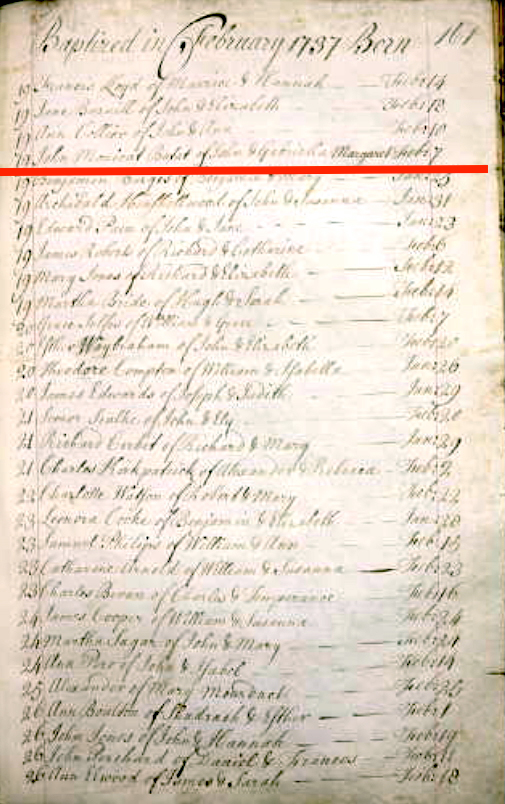
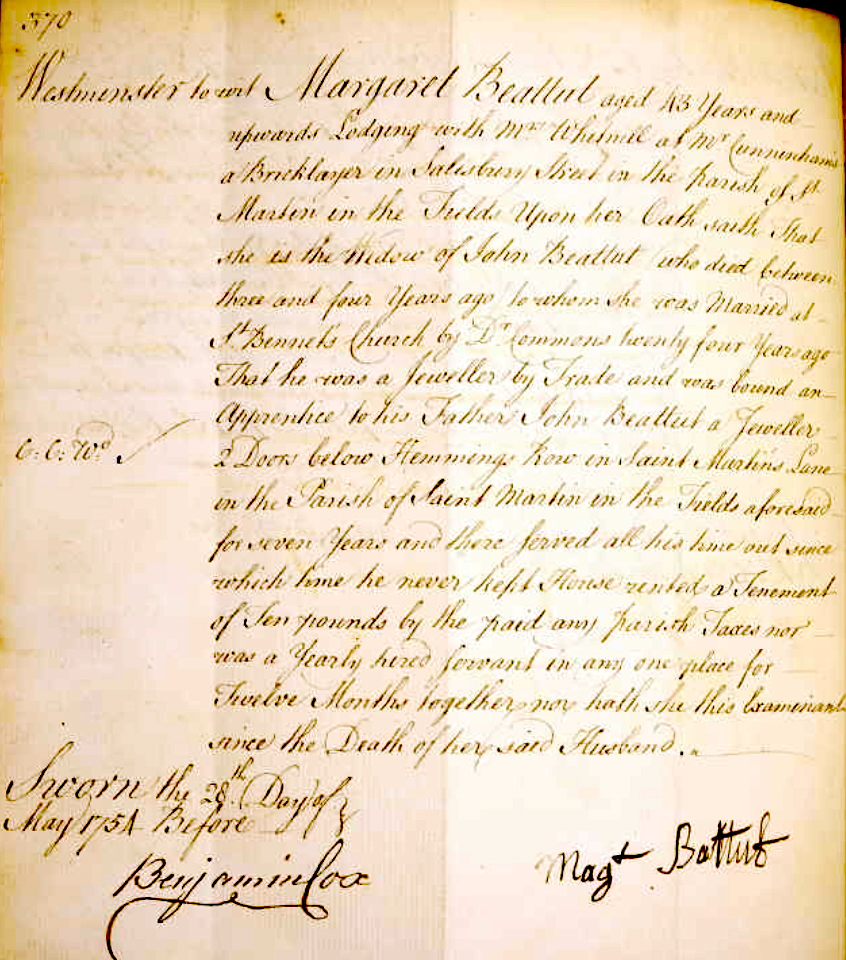
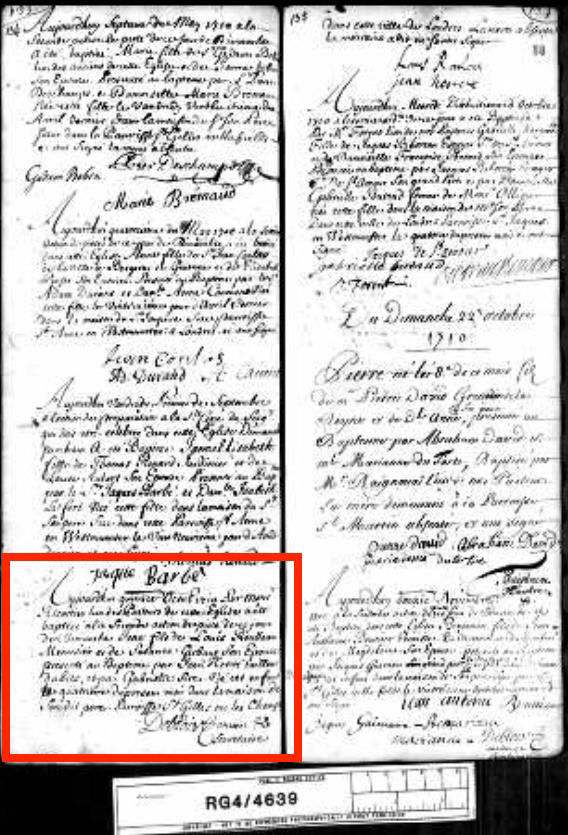
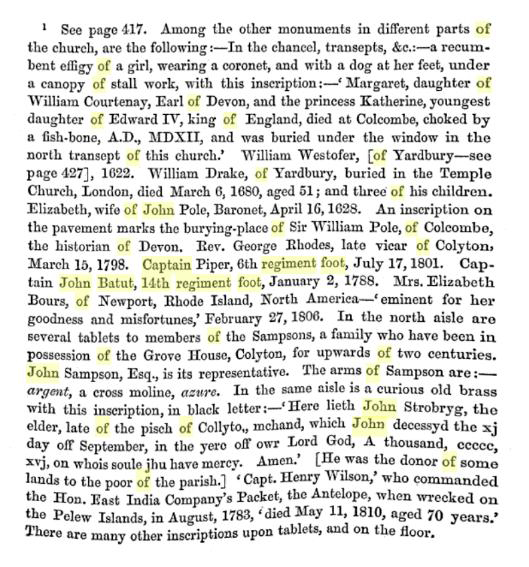
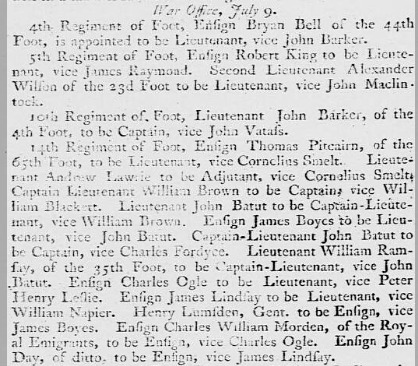
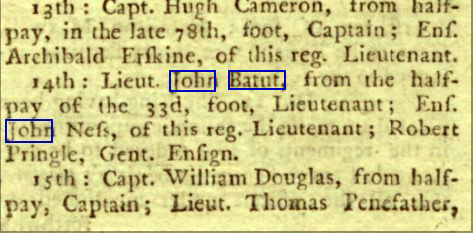
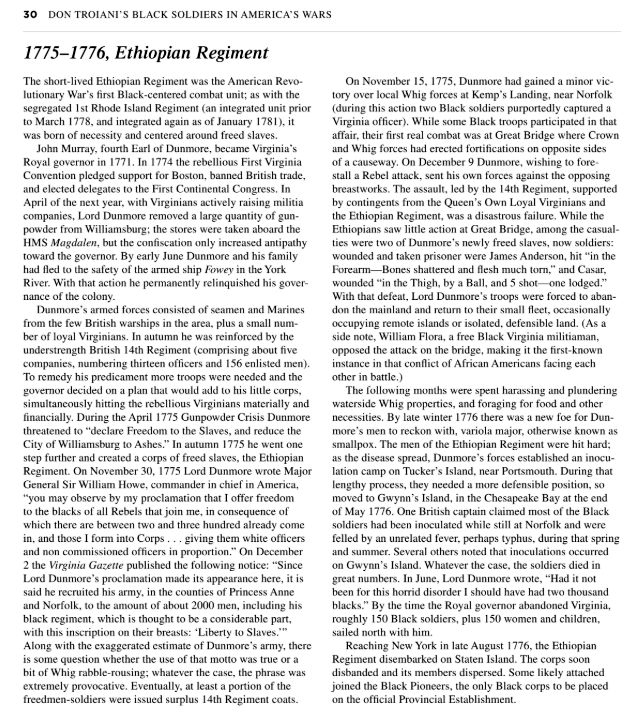
Captain John Batut of the 14th Regiment of Foot, commemorated at St Andrew’s Church in Colyton, lived a life that spanned London, the Huguenot community, and service in America during the turbulent years before the Revolution. Born in 1737, probably the John Monicat Batut baptised at St Martin-in-the-Fields, Westminster, he was the son of John Batut and Gabriells Margaretta Bihoro St Amour, of French Huguenot descent. His father died around 1750, leaving his mother in straitened circumstances, but Batut pursued a military career and was commissioned into the 14th Regiment of Foot in December 1770. He is remembered above all for his part in the Battle of Great Bridge in Virginia in December 1775.
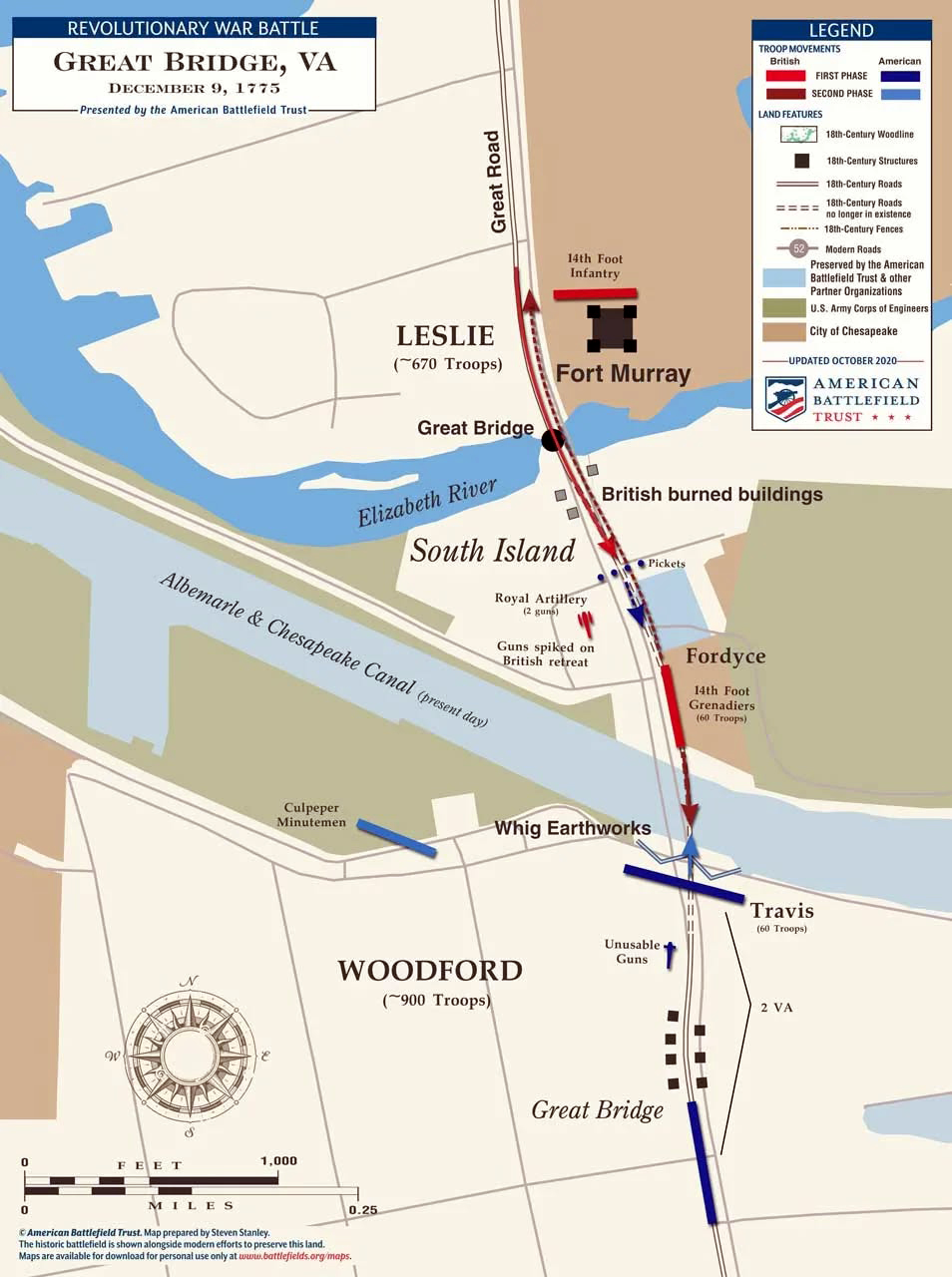
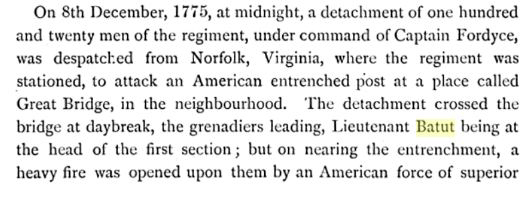
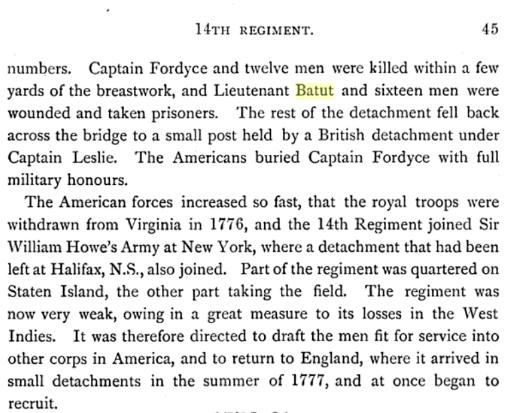
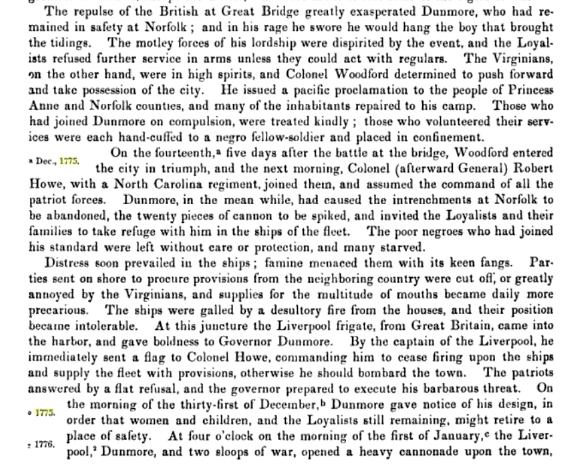
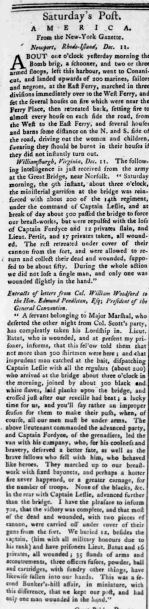
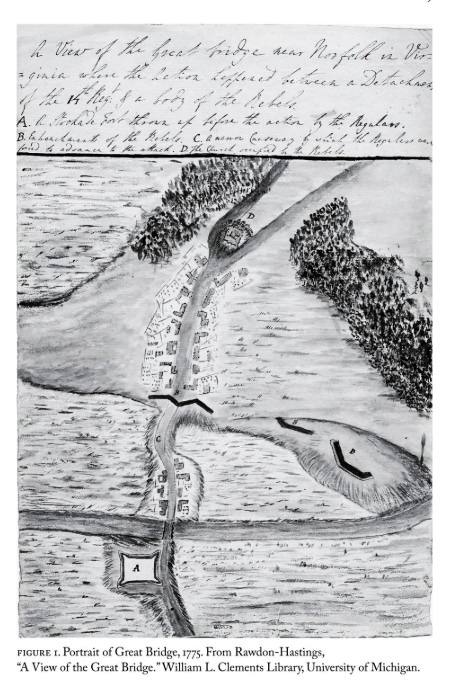
The bridge across the Elizabeth River was the key to Norfolk, and both sides recognised its importance. Lord Dunmore, the Royal Governor, had fortified the northern end with a stockade named Fort Murray. On the morning of 9 December, Dunmore ordered an assault to dislodge the Patriot forces under Colonel William Woodford. The vanguard of the attack was entrusted to Captain Charles Fordyce and Lieutenant John Batut of the 14th Foot. Behind them stood loyalist reserves under Captain Samuel Leslie, while the Ethiopian Regiment (freed black slaves fighting for the British) made a diversionary attack to hold the Culpeper Minute Battalion in place.
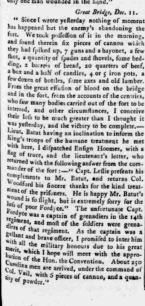
At dawn, Batut and Fordyce led their grenadiers and light infantry across the narrow causeway, advancing six abreast under heavy fire. They marched boldly towards the breastworks, exposed all the way to volleys from thirty Virginians stationed to defend the position. Captain George Johnson of the 2nd Virginia Regiment, who witnessed the assault, described the dreadful fire and the causeway covered with blood. Fordyce managed to bring a handful of men to the breastwork, where they stood for twenty minutes under unrelenting musketry. Batut was struck down in the advance, falling amidst the dead and wounded who littered the causeway. Fordyce, though grievously wounded, rose to cry “the day is our own,” before being shot down with fourteen wounds.
The attack faltered. The British platoons fired and reloaded in turn, but the Virginians’ volleys were devastating. Batut being hit and falling symbolised the fate of the vanguard, brave but overwhelmed. Leslie’s reserves could not exploit a breakthrough, and by nightfall the British spiked their guns and abandoned Fort Murray. The battle lasted less than an hour, but its consequences were decisive: more than a hundred British casualties against a single wounded Virginian, and within days Norfolk fell to the Patriots while Dunmore fled Virginia.
John Batut survived the campaign but his service at Great Bridge marked him indelibly. He had led his men into the storm of fire at the head of the column, sharing in the courage and the tragedy of that dawn assault. His later years brought him back to England, where he died in 1788 at the age of fifty. The memorial at Colyton records that he came from London to end his days, and it is fitting that his name endures there, linking the quiet parish church to the wider struggles of empire, rebellion, and the service of a Huguenot-descended officer who fought at the very outset of the American Revolution.