

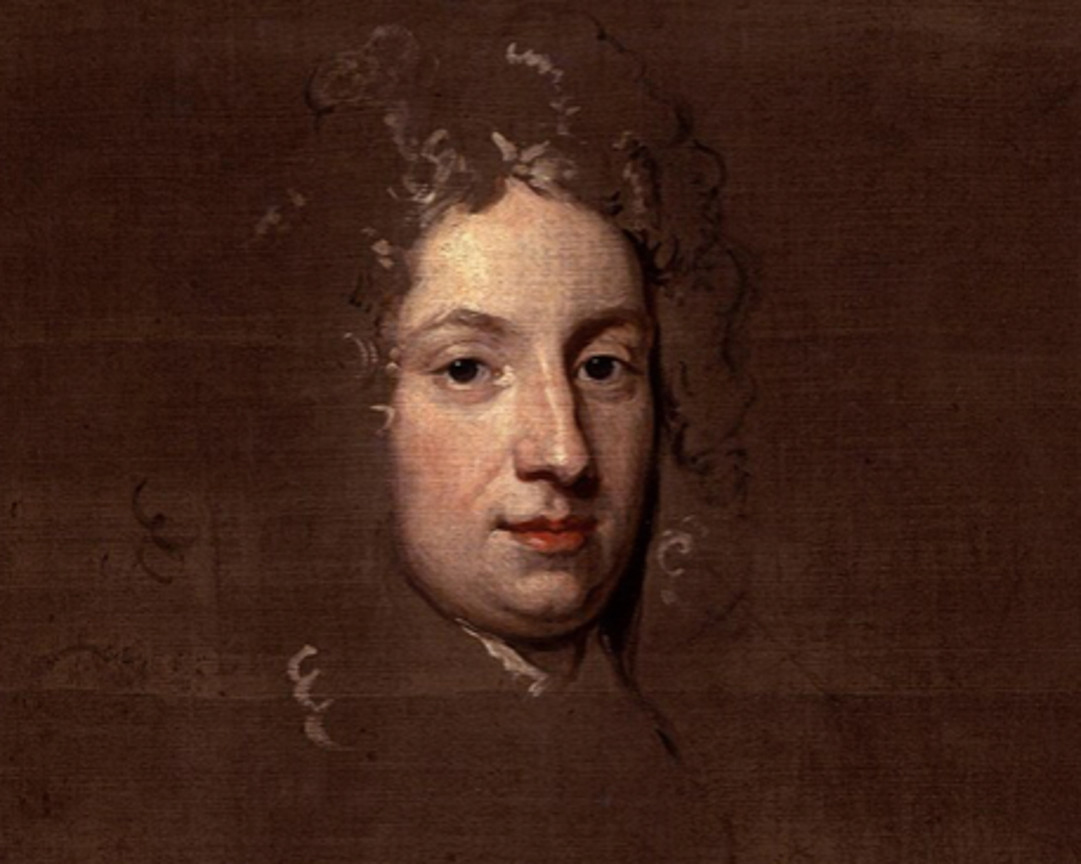
Richard Boyle was born in 1675, he was the son of Hon. Richard Boyle and Elizabeth, daughter of Sir John Ponsonby of Bessborough. He was 15 when he took part in the Battle of the Boyne in 1690, and three years later was wounded at Landen, and taken prisoner. He served as a cavalry officer in the Horse Guards. In 1699 he inherited the title from his paternal grandfather, to be 2nd Viscount Shannon in the Peerage of Ireland.
In 1702 he commanded grenadiers at the storming of Vigo and was rewarded with the honour of returning to Queen Anne with the despatch reporting the complete destruction of the French fleet. Another success at Barcelona in 1705 resulted in a similar honour. In 1708 he was promoted to major-general. He also stood for Parliament and was Whig MP for Arundel 1708-10, Hythe 1710-11, and East Grinstead 1715-22 and 1722-34. He was a lieutenant-general in 1709 and appointed Colonel of the future KOSB on 27 Jan 1715, transferring to the King’s Carabiniers (later the 6th Dragoon Guards) on 17 June 1721, and finally he was Colonel of the 4th Troop of Horse Guards from 9 March 1727.
He served on the Privy Council of Ireland and was one of the Lord Justices of Ireland in 1722. He was promoted to General in December 1735, appointed Governor of Portsmouth in 1737 and promoted to Field Marshal on 17 July 1739. He was married on 6 June 1704 to Mary Sackville who was the illegitimate daughter of the Earl of Dorset. But Mary died in 1716 and he remarried, to Grace Senhouse. They had a daughter, also called Grace. The family home was at Ashley Park, Walton-on-Thames, where Field Marshal Richard Boyle died, on 20 December 1740. There is a monument to him in St Mary’s Parish Church.

