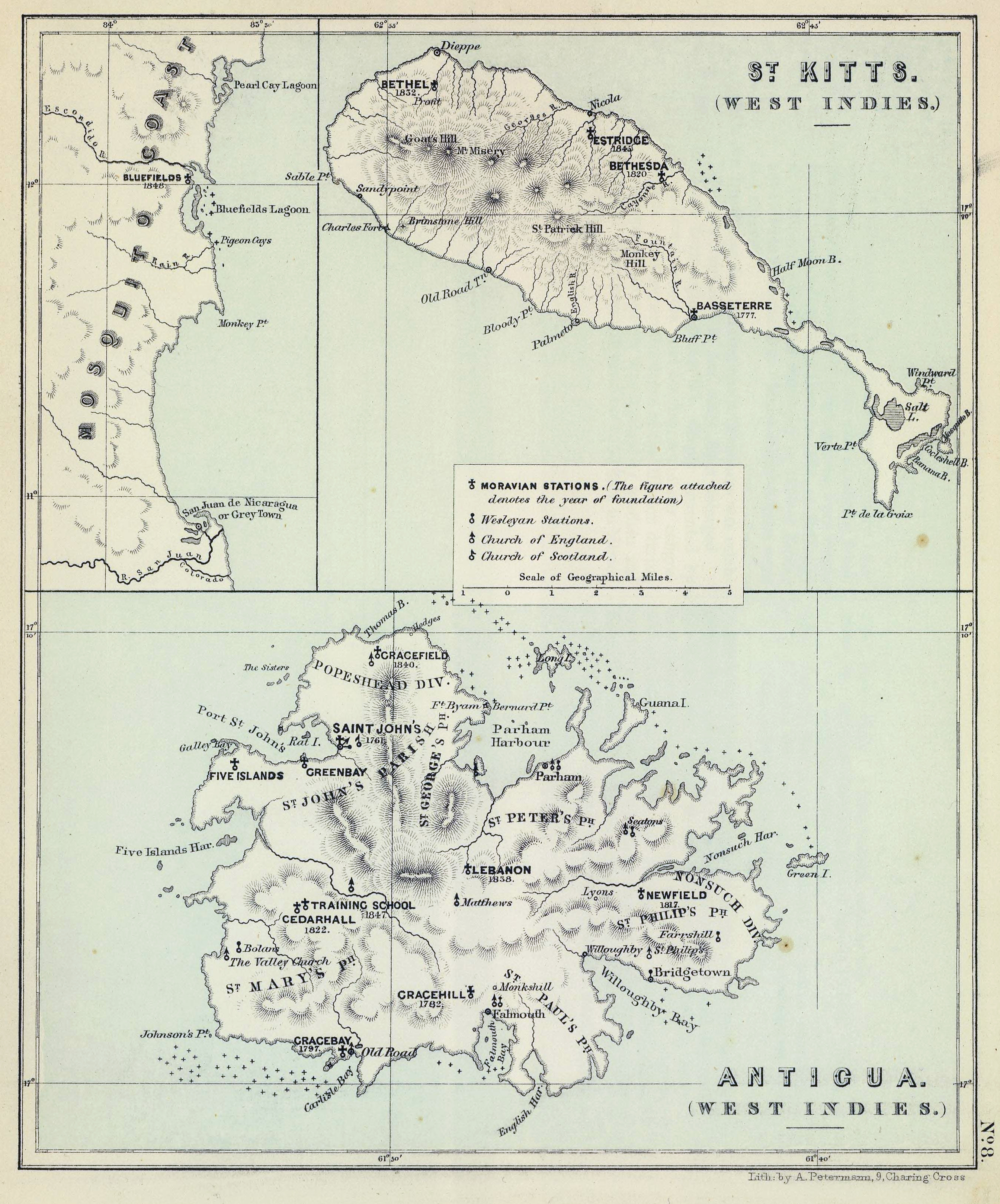
Despite the name, this stretch of coast was not named after the abundance of mosquitoes in the region. Instead, it derived its name from the indigenous Meskito (or Miskito) Indians who lived there—more specifically, from the English attempts to pronounce their name. The English first came into contact with these people through the activities of the Providence Company in the 1630s, when the Company attempted to establish a colony on nearby Providence Island. That settlement lasted little more than a decade, as constant friction between Spain and England made it difficult to support such isolated outposts. During the heyday of piracy and buccaneering, any attempts at settlement were doomed to be short-lived. The Spanish were determined to prevent the English from gaining a foothold on the mainland, despite the good relations that existed between the Meskito and the English. Hostility to Britain’s vague claims over the area was later inherited by the successor Central American states, such as Nicaragua, which were equally keen to maximise their own territorial claims—even at the expense of Meskito wishes and interests.
In 1848, Meskito Indians seized the town of Greytown from Nicaragua with British aid and support. Nicaragua, in turn, found an ally in the United States. The US had no desire to see Britain carve out a new sphere of influence on the continent, particularly at a time when various international companies were seeking routes for a canal across the Central American isthmus. Britain and the United States eventually signed the Clayton–Bulwer Treaty of 1850, in which both powers pledged not to build fortifications or establish new colonies in Central America.
Britain then attempted to consolidate its remaining mainland possessions around British Honduras and handed over control of the Mosquito Coast to Nicaragua and Honduras. This greatly angered the Meskito Indians, who revolted in 1859–60. The Nicaraguans offered to grant the Meskito a degree of autonomy within a designated reserve, but only for the lifetime of the reigning chief. The arrangement lapsed upon his death in 1864.