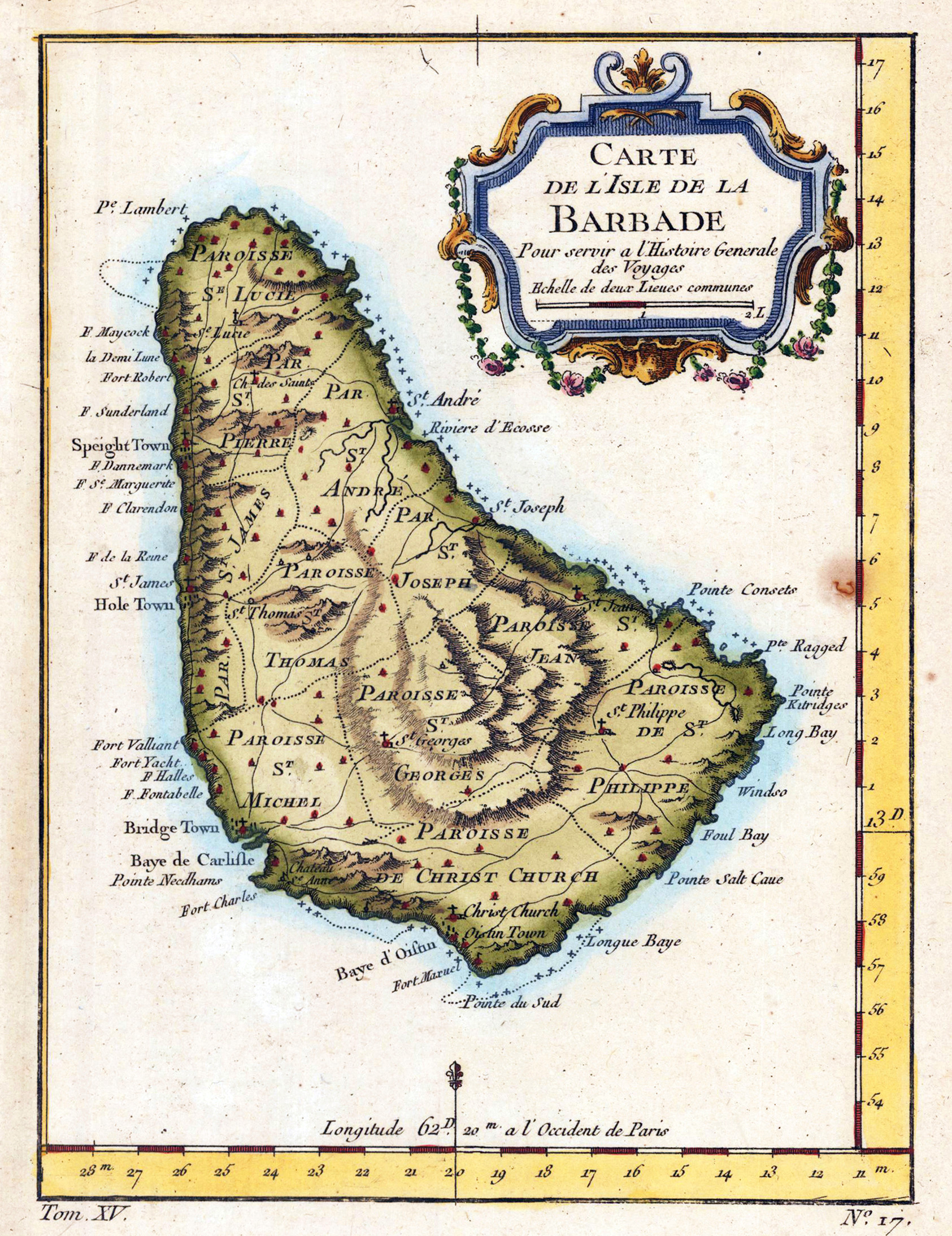
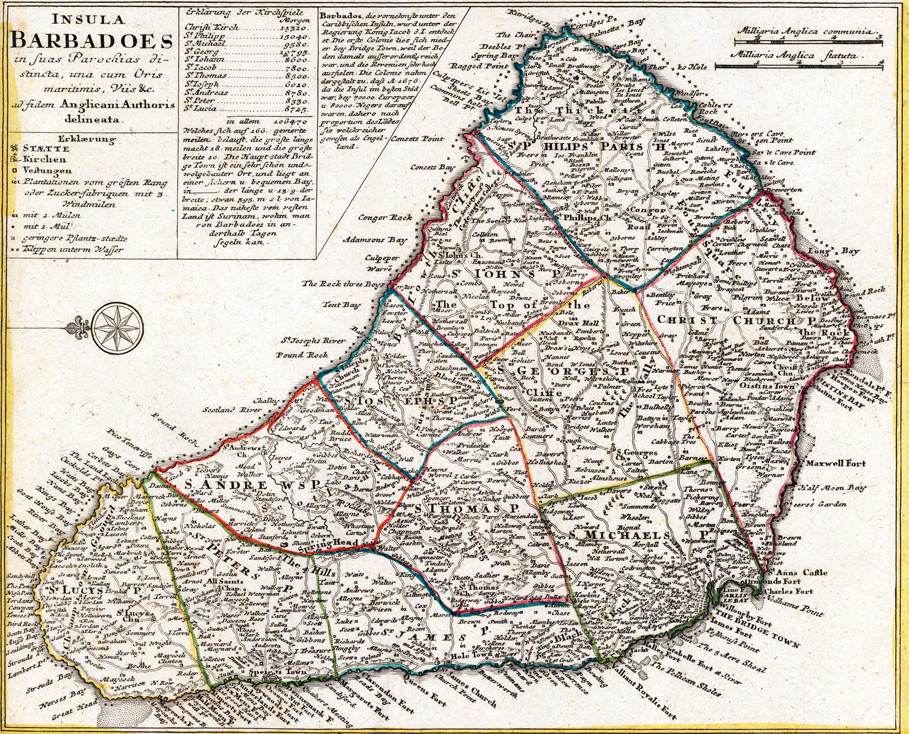

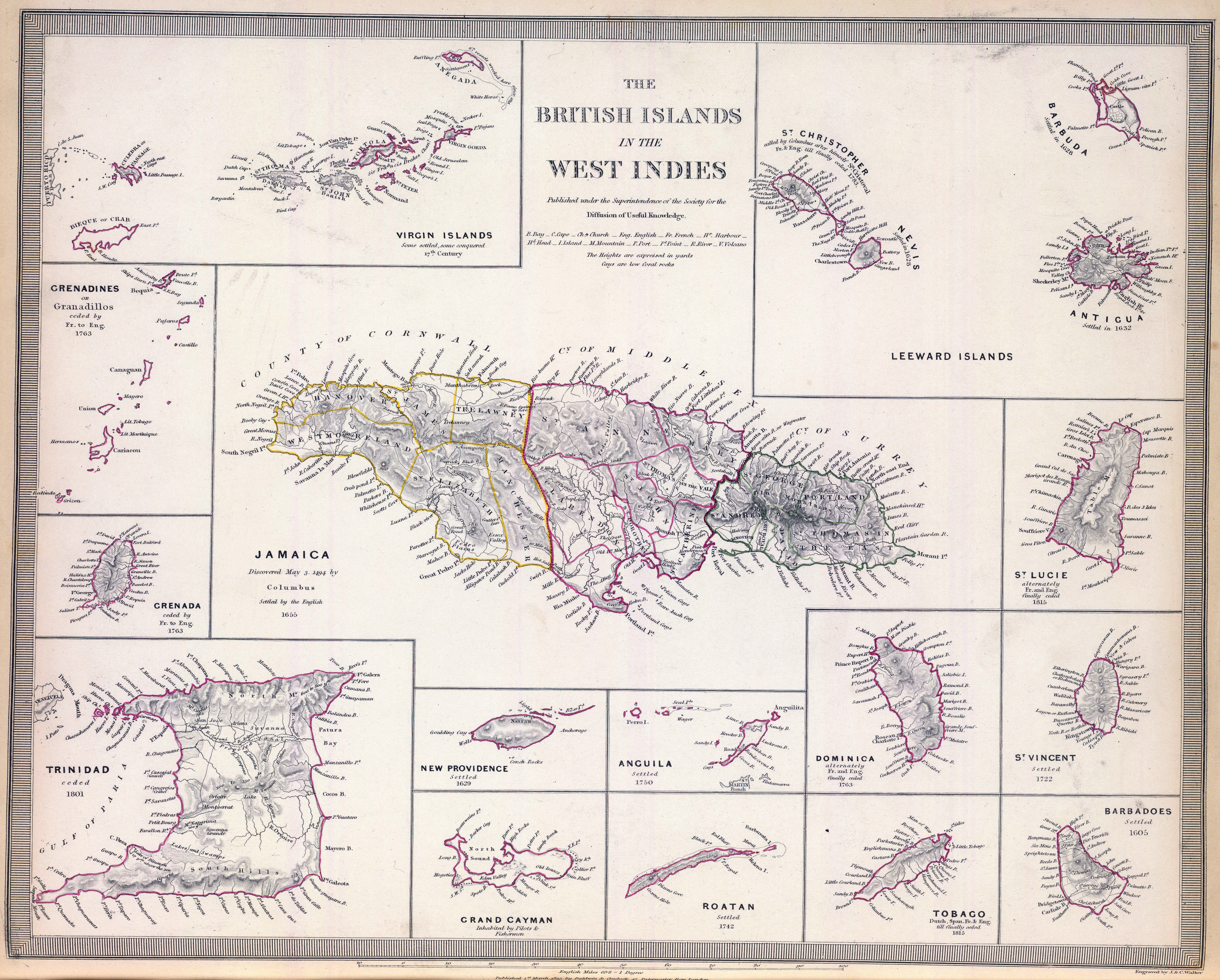

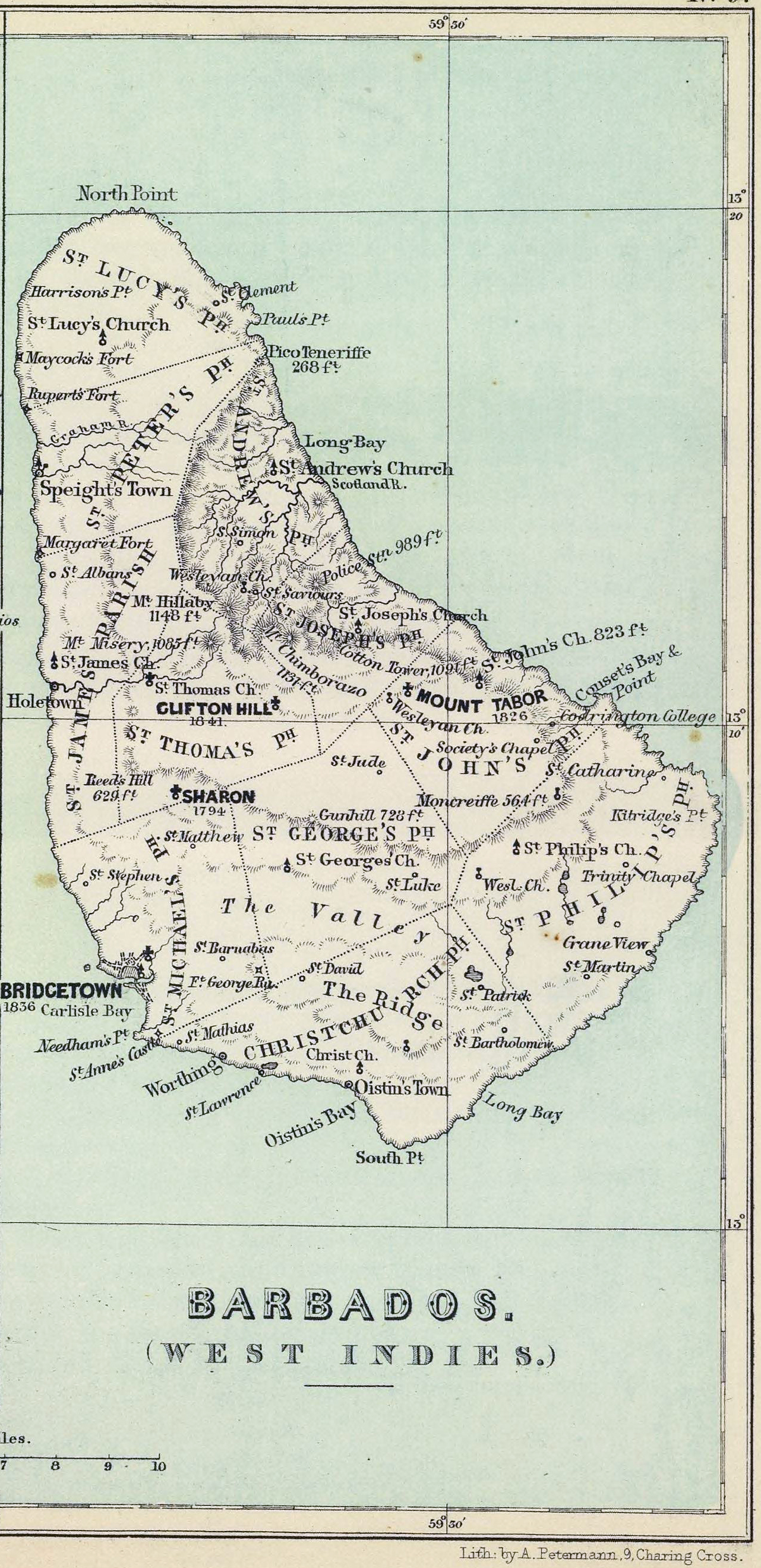
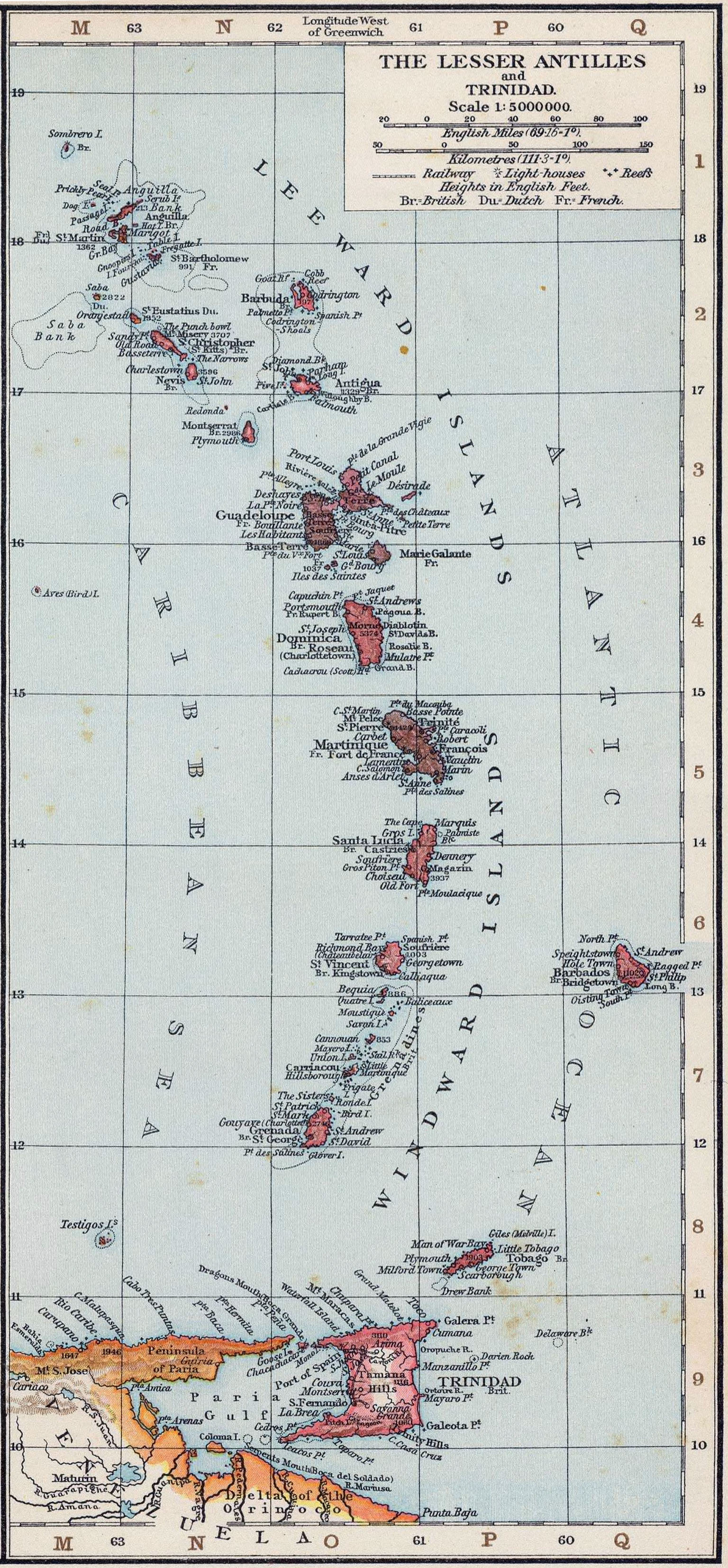
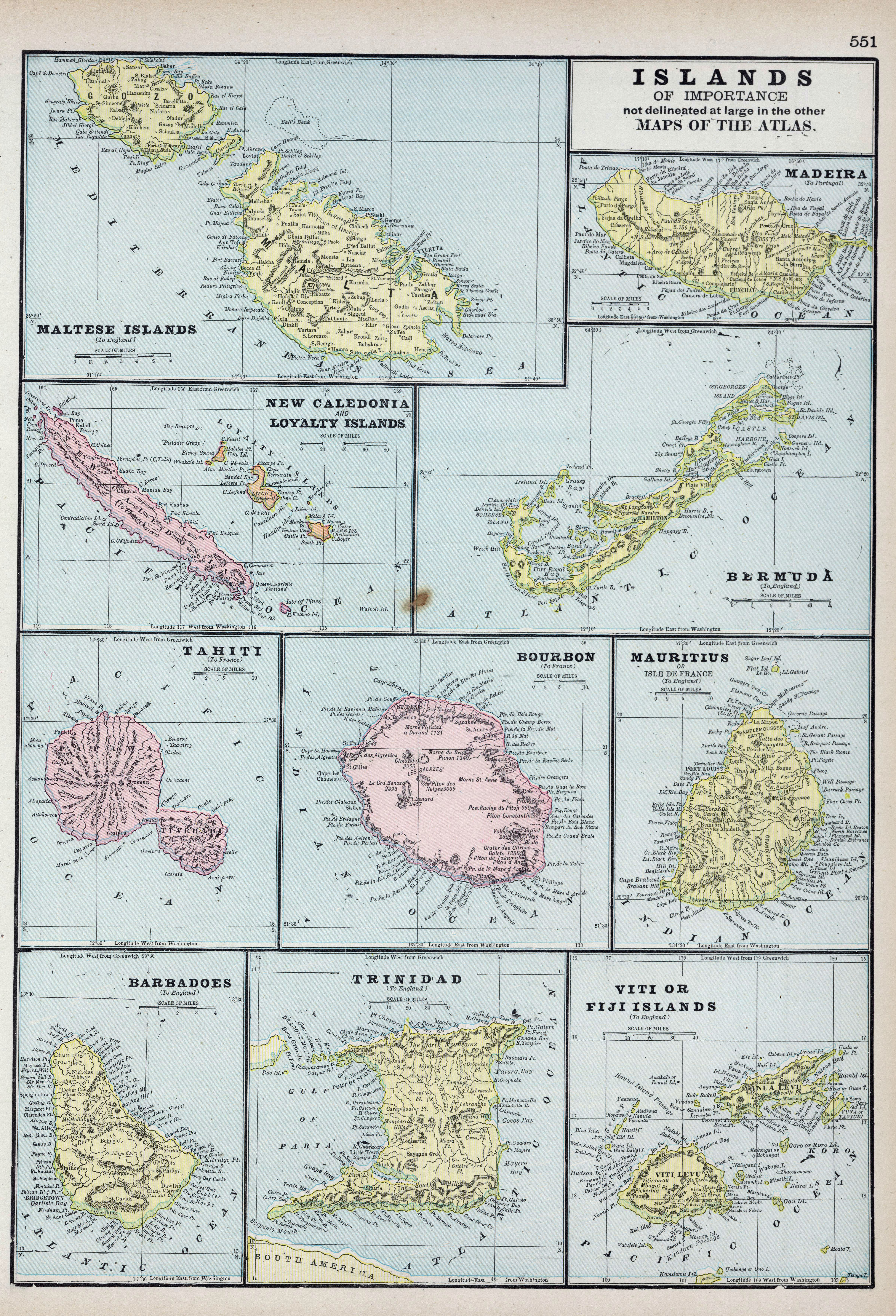
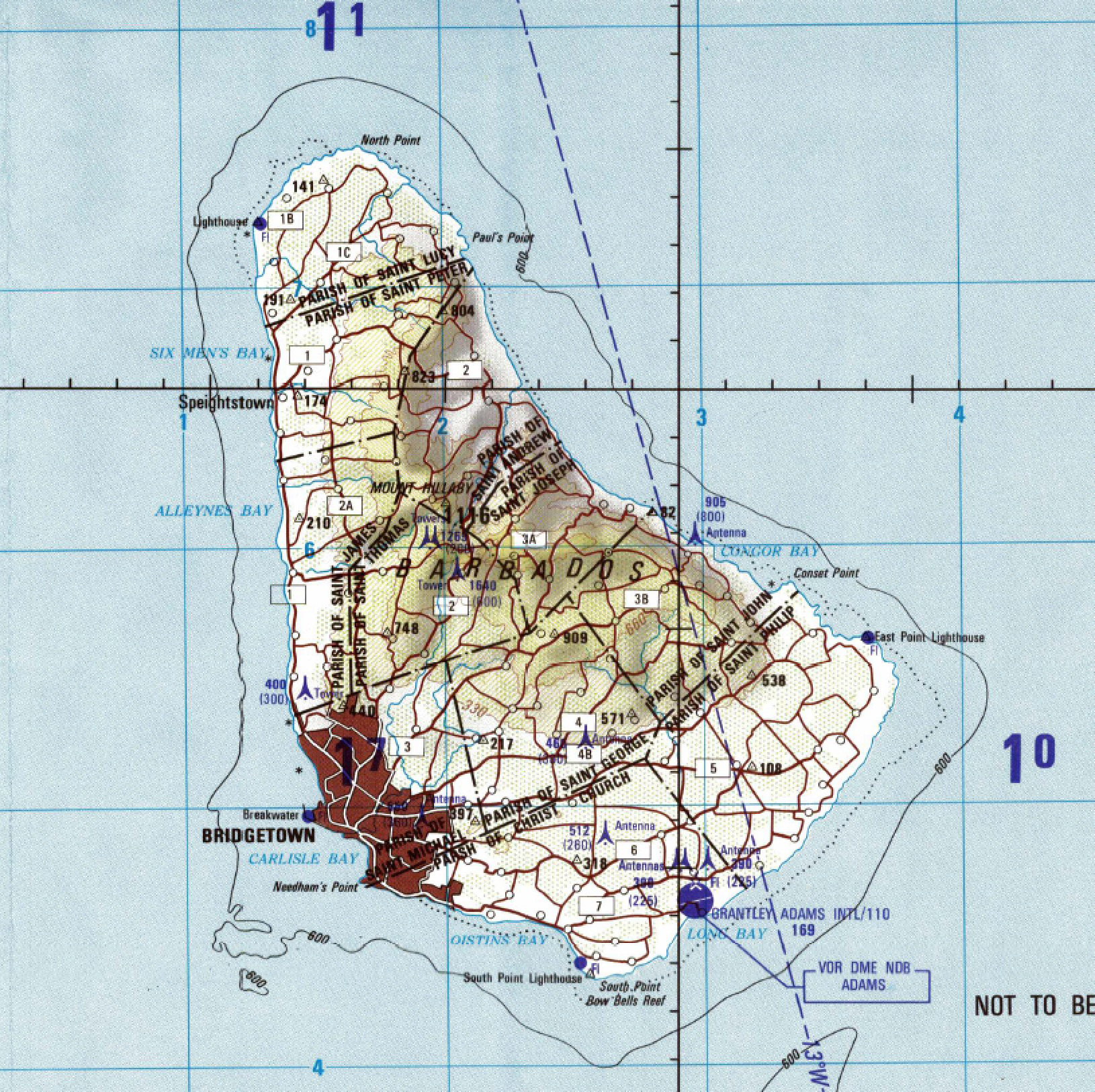
Unusually for the Caribbean, the island remained entirely in the possession of the British until its independence in 1966. It was first encountered in 1625 by the British ship Olive Blossom, whose crew, finding it uninhabited, took possession in the name of James I. The first settlement was made at the direction of Sir William Courteen under the patent of Lord Leigh (Ley), afterwards Earl of Marlborough, to whom the island had been granted by the king. Two years later, a compromise having been effected with Lord Marlborough, a grant of the island was obtained by the Earl of Carlisle, whose claim was based on a grant, from the king, of all the Caribbean islands in 1624; and in 1628 Charles Wolferstone, a native of Bermuda, was appointed as governor. In the same year sixtyfour settlers arrived at Carlisle Bay and the present capital was founded.
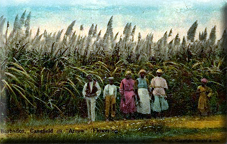
It was sugar that brought the Africans to Barbados, creating a rural-industrial proletariat decades before the English Industrial Revolution. Blacks not only cut cane: at the centre of every plantation was the factory: the sugar mill - Barbados has one of the few remaining in the Caribbean, at Morgan Lewis - and the boiling house and the sugar curing house, perhaps a distilling house for the manufacture of rum. Much skill was required, particularly from the sugar-boilers.
During the Civil War in England many Royalists sought refuge in Barbados, where, under Lord Willoughby (who had leased the island from the Earl of Carlisle), they offered determined resistance to the forces of the Commonwealth. Willoughby, however, was ultimately defeated and exiled.
After the Restoration, to appease the planters, doubtful as to the title under which they held the estates which they, had converted into valuable properties, the proprietary or patent interest was abolished, and the crown took over the government of the island; a duty of 4.5% on all exports being imposed to satisfy the claims of the patentees. In 1684, under the governorship of Sir Richard Dutton, a census was taken, according to which the population then consisted of 20,000 whites and 46,000 slaves. The European wars of the 18th century caused much suffering, as the West Indies were the scene of numerous battles between the British and the French. During this period a portion of the 4.5 % duty was returned to the colony in the form of the governor's salary.
In the course of the American War of Independence Barbados again experienced great hardships owing to the restrictions placed upon the importation of provisions from the American colonies, and in 1778 the distress became so acute that the British government had to send relief. For three years after the peace of Amiens in 1802 the colony enjoyed uninterrupted calm, but in 1805 it was only saved from falling into the hands of the French by the timely arrival of Admiral Cochrane. Since that date, however, it remained unthreatened in the possession of the British. The rupture between Great Britain. and the United States in 1812 caused privateering to be resumed, the trade of the colony being almost destroyed. This led to an agitation for the repeal of the duty, but it was not till 1838 that the efforts to secure this were successful. The abolition of slavery in 1834 was attended by no ill results, the slaves continuing to work for their masters as hired servants, and a period of great prosperity succeeded. The proposed confederation of the Windward Islands in 1876, however, provoked riots, which occasioned considerable loss of life and property, but secured for the people their existence as a separate colony. Hurricanes would always remain as the scourge of Barbados, those of 1780, 1831, and 1898 being so disastrous as to necessitate relief measures on the part of the home government.
Barbados had the third oldest Parliament in the Commonwealth (after Westminster and Bermuda). However, plantation owners and merchants of British descent dominated local politics, owing to the high income qualification required for voting. More than 70 percent of the population were excluded from the democratic process. It was not until the 1930s that the descendants of emancipated slaves began a movement for political rights. One of the leaders of this, Sir Grantley Adams, founded the Barbados Progressive League in 1938, which later became known as the Barbados Labour Party.
Adams and his party demanded more rights for the poor and for the people, and staunchly supported the monarchy. Progress toward a more democratic government in Barbados was made in 1942, when the exclusive income qualification was lowered and women were given the right to vote. By 1949 governmental control was wrested from the planters, and in 1958 Adams became Premier of Barbados.
From 1958 to 1962, Barbados was one of the ten members of the West Indies Federation, a federalist organisation doomed by nationalist attitudes and the fact that its members, as British colonies, held limited legislative power. Grantley Adams served as its first and only "Premier", but his leadership failed in attempts to form similar unions, and his continued defence of the monarchy was used by his opponents as evidence that he was no longer in touch with the needs of his country. Errol Walton Barrow, a fervent reformer, became the people's new advocate. Barrow had left the BLP and formed the Democratic Labour Party as a liberal alternative to Adams' conservative government. Barrow instituted many progressive social programmes, such as free education for all Barbadians and a school meals system. By 1961, Barrow had replaced Adams as Premier and the DLP controlled the government.
With the Federation dissolved, Barbados reverted to its former status, that of a self-governing colony. The island negotiated its own independence at a constitutional conference with Britain in June 1966. After years of peaceful and democratic progress, Barbados finally became an independent state on 30 November 1966, with Errol Barrow its first Prime Minister, although Queen Elizabeth II remained the monarch. Upon independence Barbados maintained historical linkages with Britain by becoming a member of the Commonwealth of Nations.
|