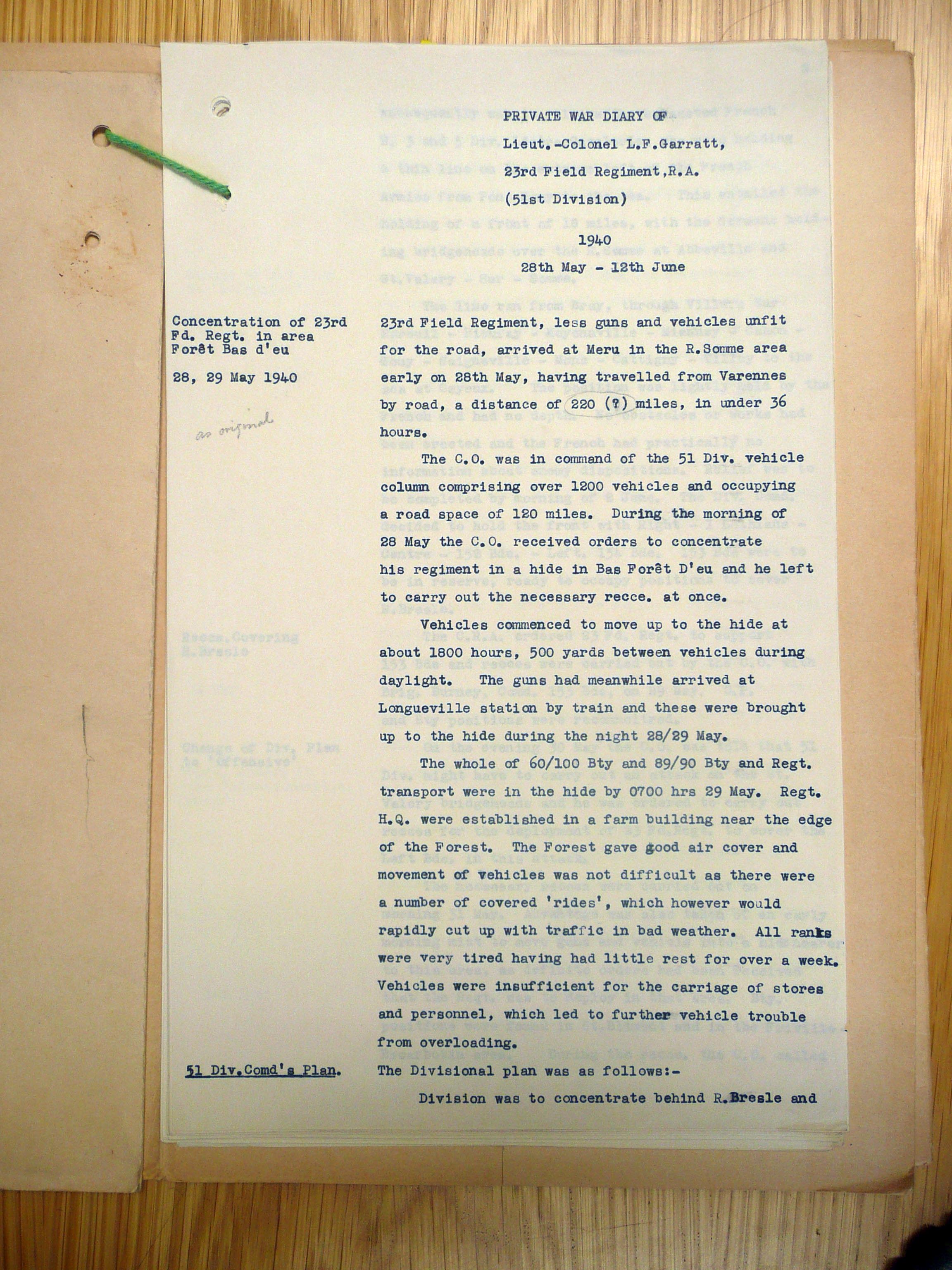
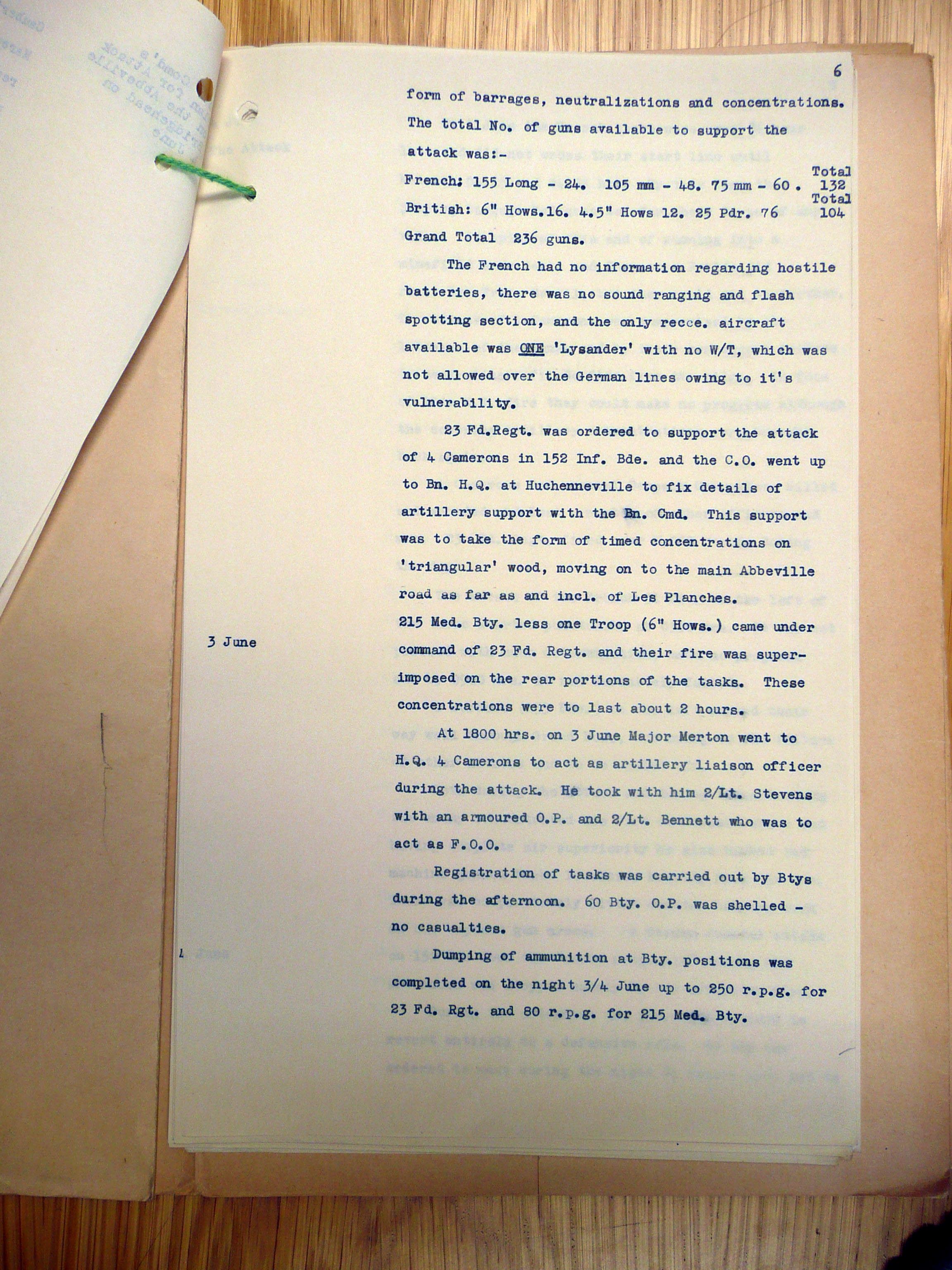
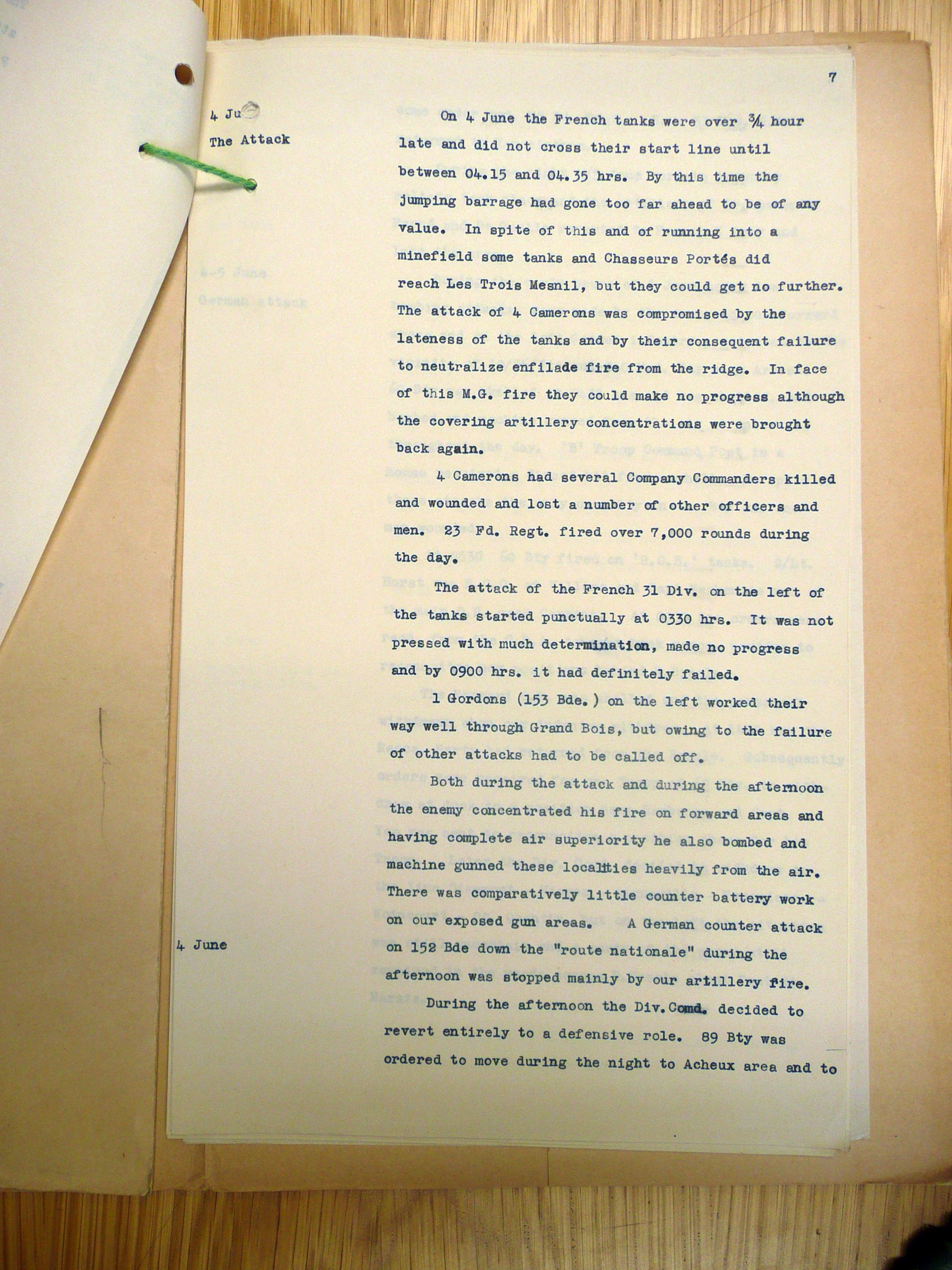
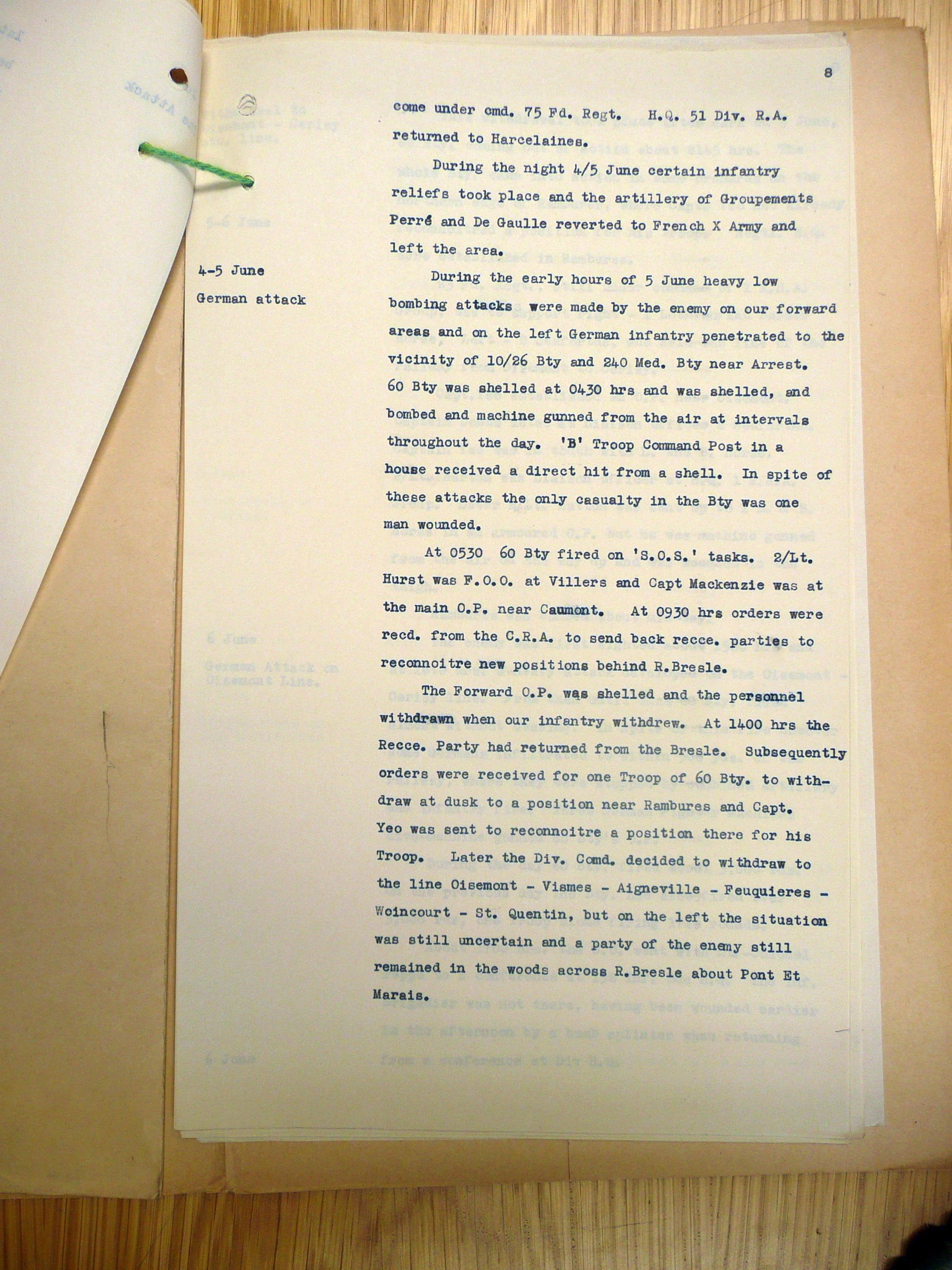
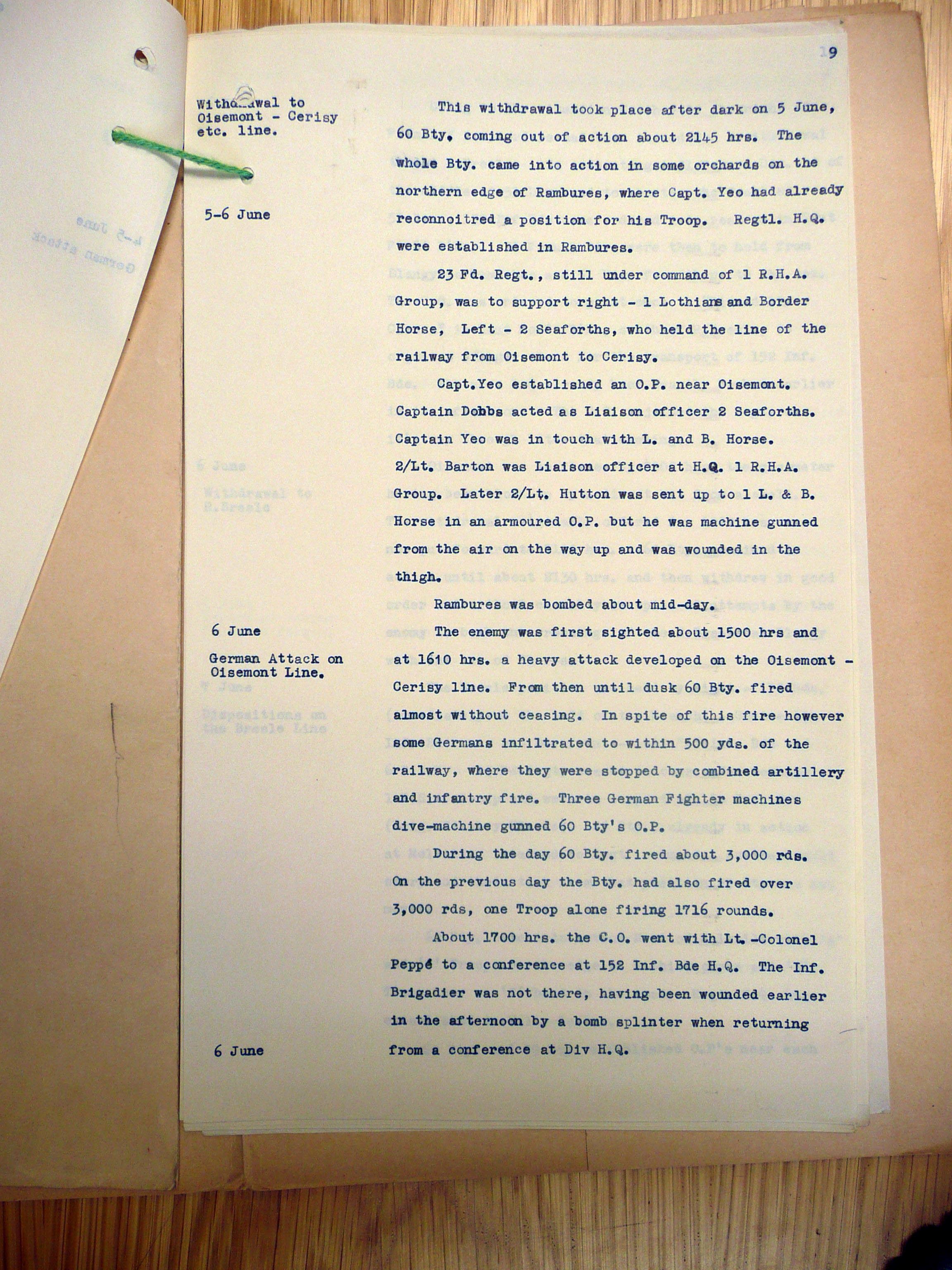
Lieutenant-Colonel Lawrence Francis Garratt, DSO, MC, MID, was born on 9 July 1893 at Headington and educated at the Royal Military Academy, Woolwich. He later completed the 23rd Gunnery Staff Course and qualified in both coast defence and anti-aircraft work. Commissioned as a Second Lieutenant in the Royal Regiment of Artillery on 18 July 1913, he belonged to the generation of professional gunners whose careers bridged the last years of empire and two world wars.
He entered the army on the eve of the First World War, when the old pre-war structure was about to be tested to destruction. He first went to France in February 1915, and in June was transferred to the Royal Garrison Artillery, joining the 105th Siege Battery. The unit initially operated French 120mm guns and opened fire for the first time on 10 June 1916 against German positions on Vimy Ridge. Five days later Garratt received his first Mention in Despatches, on 15 June 1916, an early indication of the steadiness and competence that marked his career. Heavy casualties followed, and by the end of June the battery commander had been invalided home, leaving Garratt, still a young officer, to shoulder responsibilities far beyond his rank.
The 105th moved south to support XIII Corps during the Battle of the Somme. Siege batteries were prime targets for counter-battery fire, and the 105th endured repeated bombardments and gas attacks throughout the summer. In September the worn French guns were replaced with British howitzers. Shortly afterwards Garratt was awarded the Military Cross, gazetted on 1 January 1917, followed by the Belgian Order of the Crown, recognising his conduct during the long Somme offensive.
Promoted Lieutenant on 9 June 1915, he served as Adjutant of the 105th Siege Battery from 17 January 1916 to 28 February 1917, and became Acting Captain from 11 March to 25 April 1917. He was promoted Captain on 18 July 1917. During the Battle of Arras he again found himself in temporary command after heavy shelling left him the senior surviving officer. The battery remained under strength for months, operating only four guns until reinforcements arrived in September. At Ypres, the 105th again suffered severe losses, including the destruction of No. 2 howitzer, which exploded and killed or wounded the entire detachment. By November the battery was once more reduced to four guns.
Instead of the home leave they expected, the 105th was sent to the Italian Front, where Garratt was promoted Acting Major from 26 April 1917 to 25 December 1918. The final months of the war in Italy saw the collapse of the Austro-Hungarian armies, and the heavy artillery played a decisive role in the advance. For his conduct in these operations Garratt was awarded the Distinguished Service Order, gazetted on 3 June 1919. A second Mention in Despatches, dated 5 June 1919, also belongs to this period. He served in France and Belgium from 8 February 1915 to 17 May 1915 and from 20 August 1915 to 18 November 1917, and in Italy from 19 November 1917 to 4 November 1918.
After the Armistice he continued in regimental and staff appointments. He held further adjutant posts between 13 August 1919 and 15 December 1922, and again from 1 October 1926 to 21 September 1930, the latter with a Territorial Army unit. In 1919 he was posted to India and served on the North-West Frontier during the Third Anglo-Afghan War, receiving the India General Service Medal with Afghanistan N.W.F. 1919 clasp. His service appears to have been with a Bengal or Punjabi artillery unit, and his second Mention in Despatches dates from this period.
He remained in India for much of the inter-war period, rising steadily through the ranks. He was promoted Major on 4 July 1932. By June 1933 he was serving with the 8th Field Brigade, Royal Artillery, at Mhow, and by January 1937 the brigade was responsible for Lucknow, Cawnpore and Fyzabad. By January 1939 he was with the 7th Field Regiment, Royal Artillery, at Catterick Camp. On 1 August 1939 he was promoted Lieutenant-Colonel, a rank he retained until his retirement on 29 March 1947.
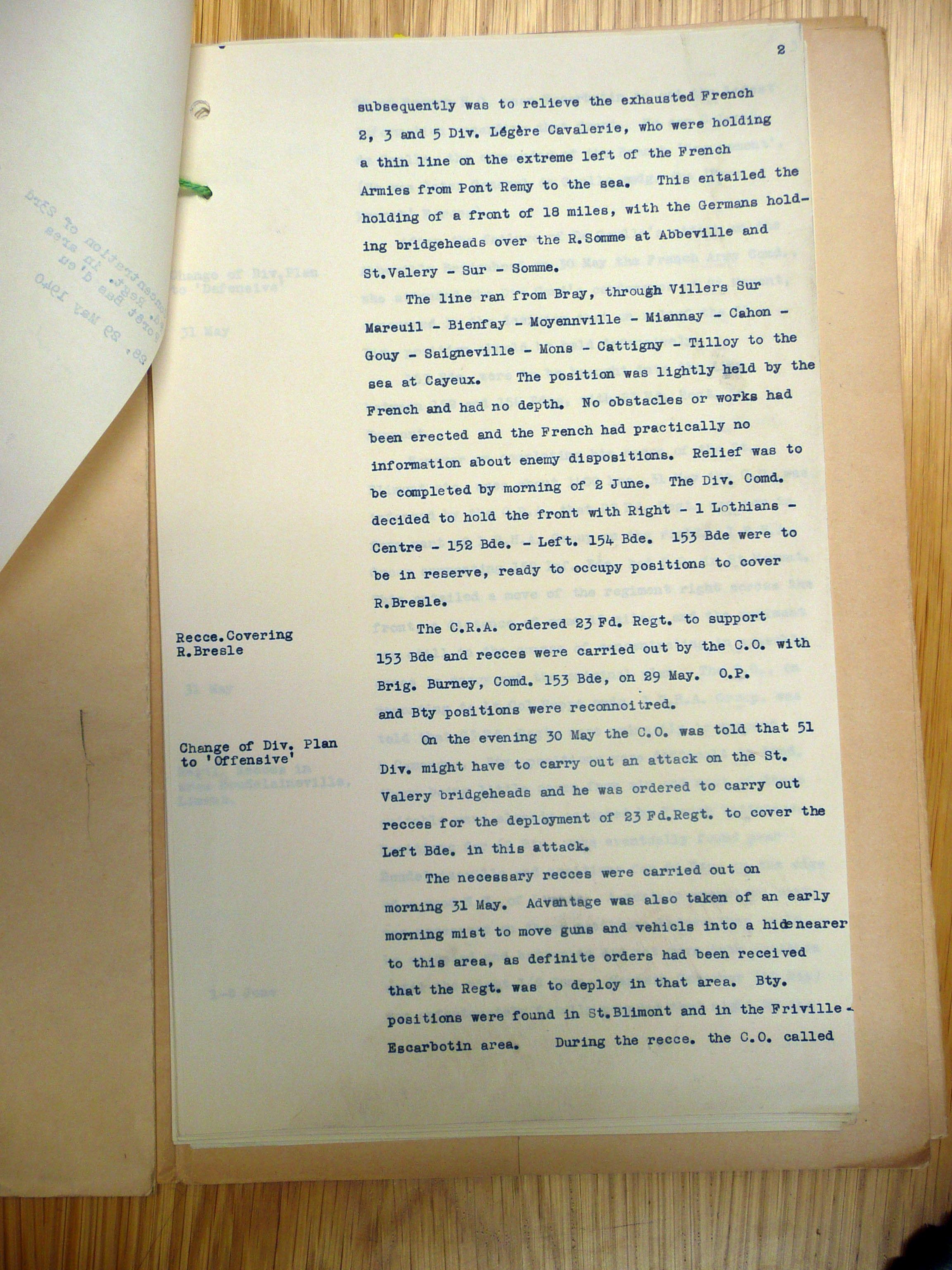
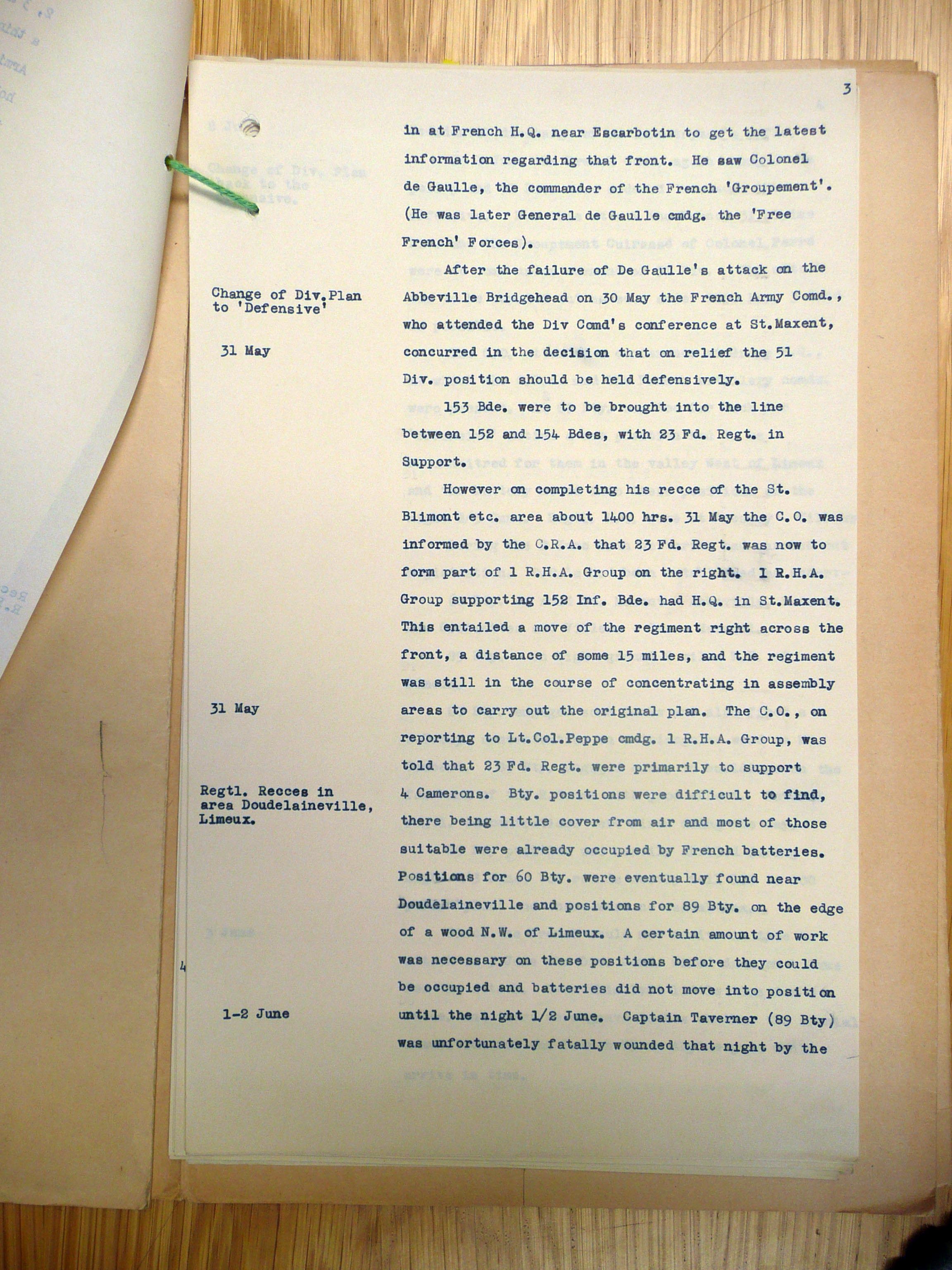
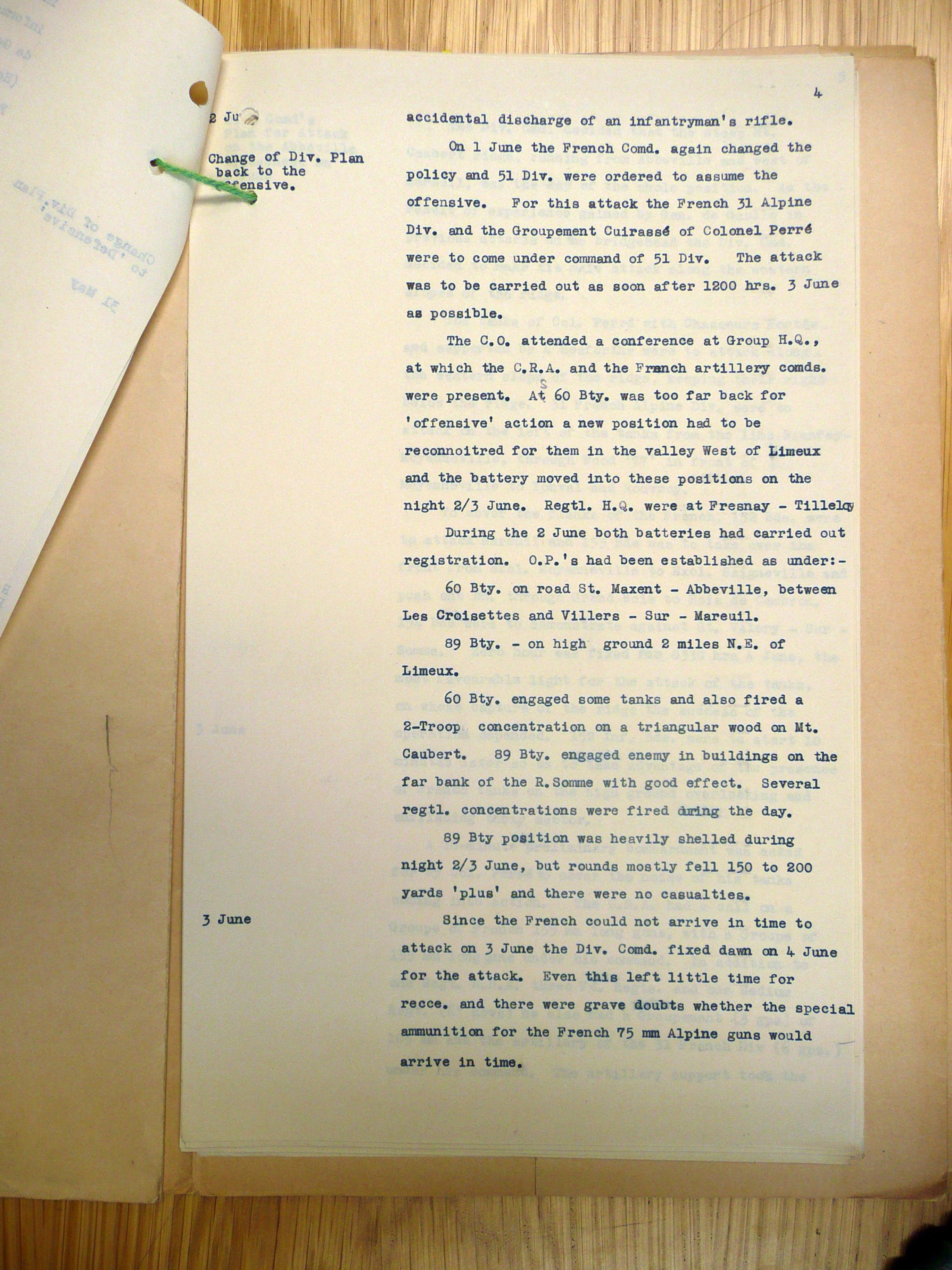
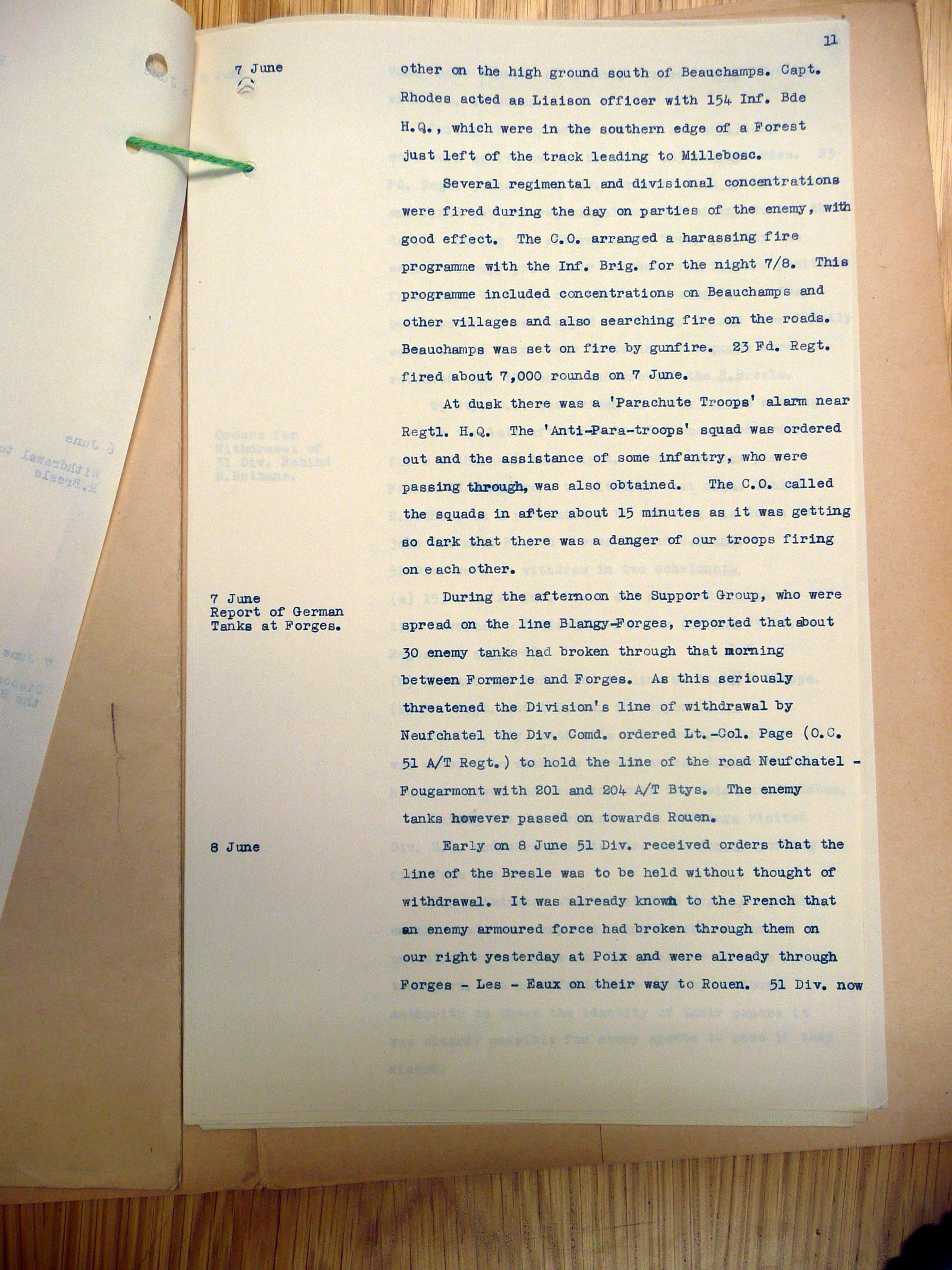
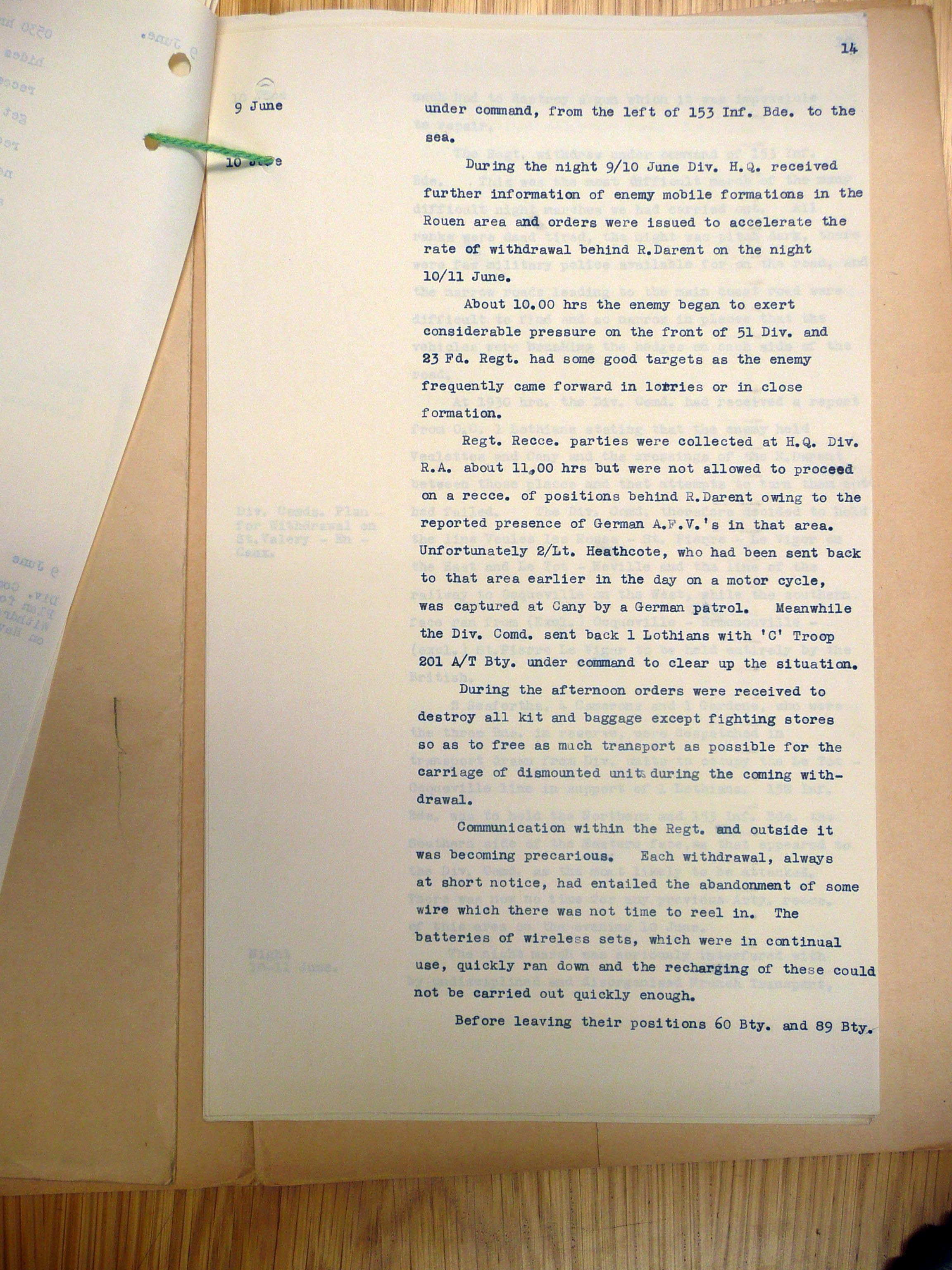
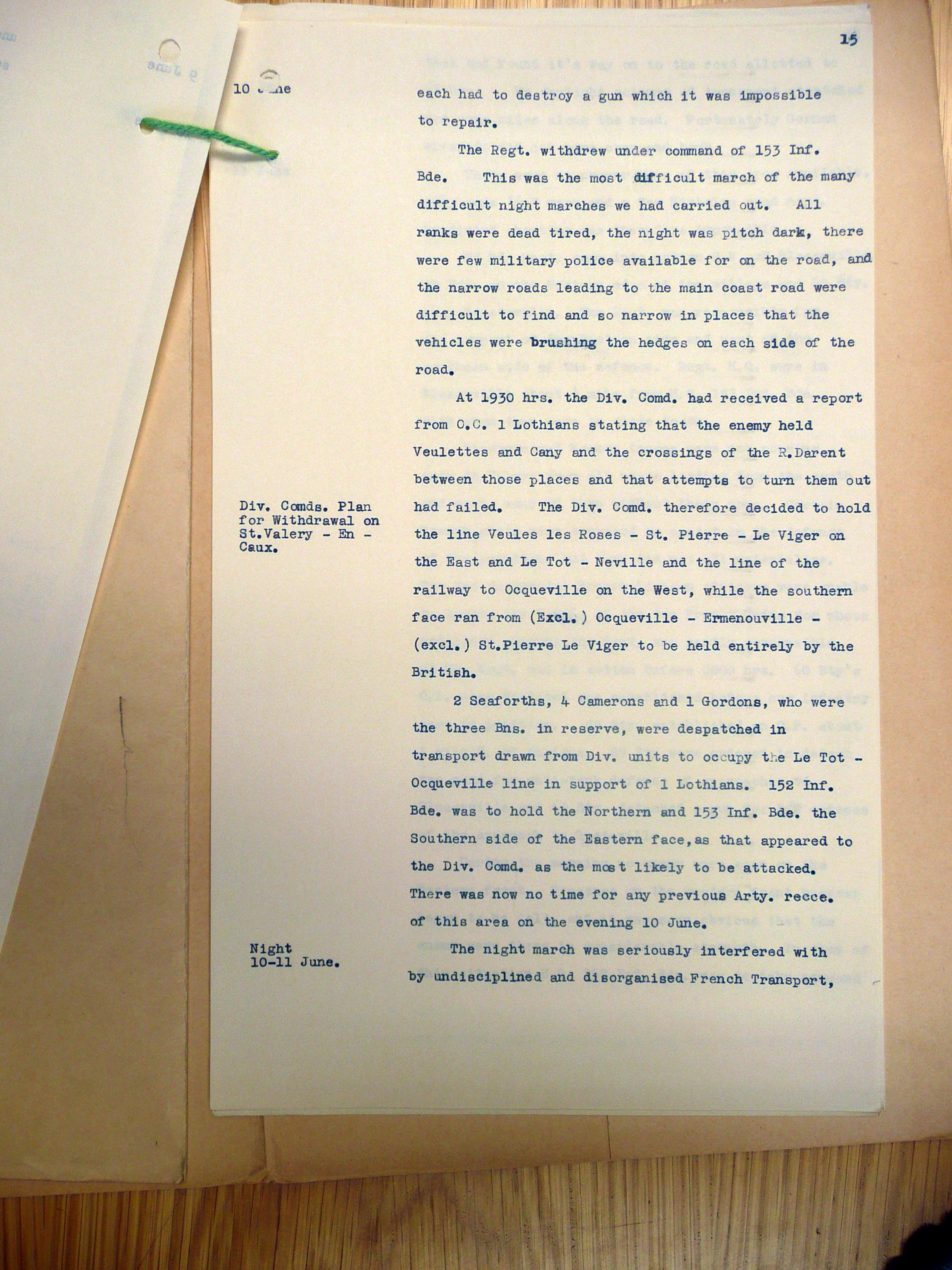
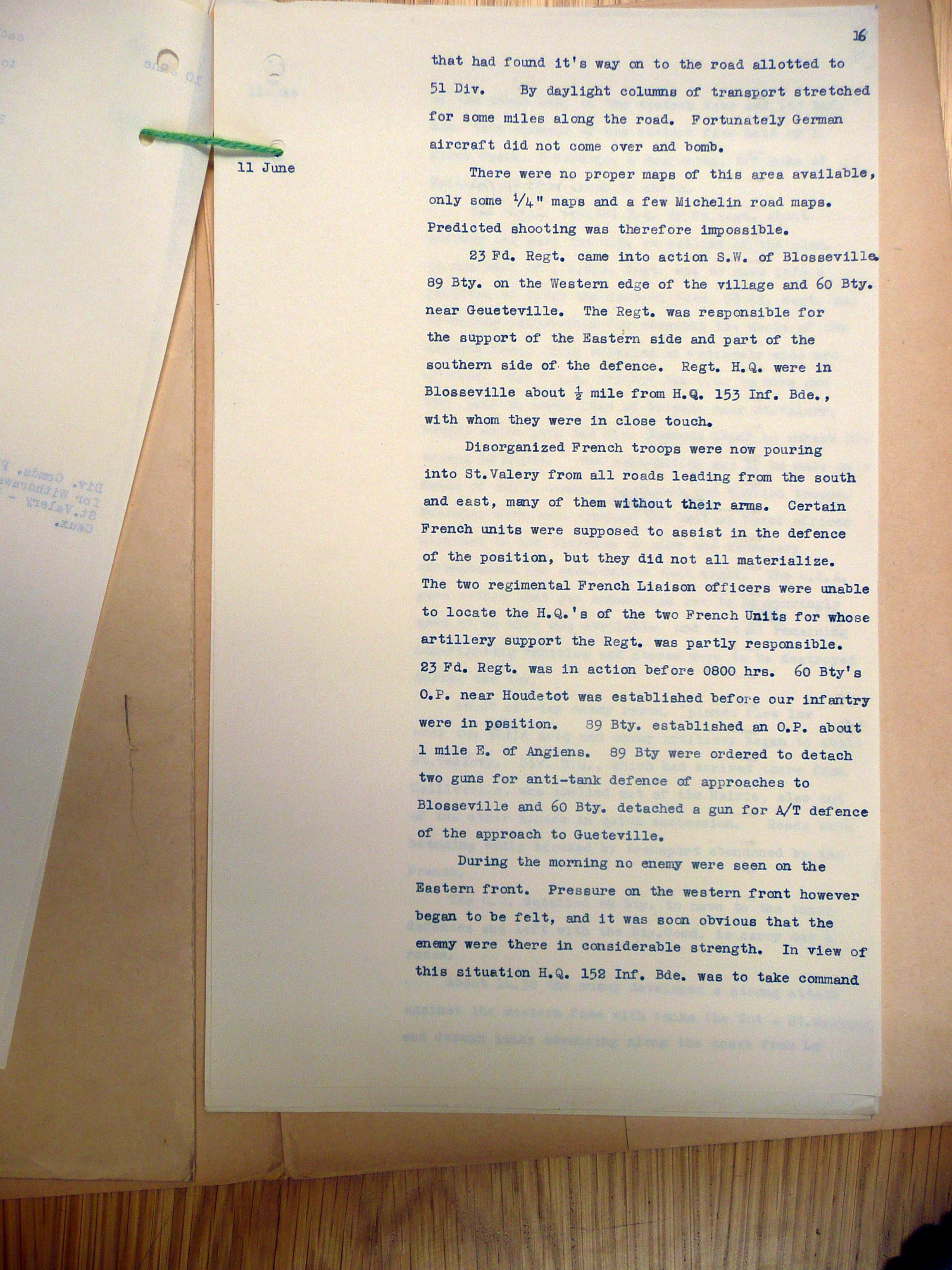
At the outbreak of the Second World War Garratt was attached to the 51st Highland Division, one of the formations committed to the defence of France in 1940. When the German advance cut the Allied armies in two, the division was ordered to withdraw towards Le Havre in the hope of evacuation. Garratt commanded the British artillery supporting the retreat, a task made harder when the French gunners lost their guns early in the movement, leaving the British batteries to cover the entire withdrawal alone. His diary records the strain of the night marches: the men exhausted, the roads blocked with refugees and abandoned equipment, and the darkness so complete that units struggled to keep contact. As the situation deteriorated the gunners were forced to destroy their vehicles, ammunition and guns, completing the retreat with nothing heavier than rifles and Bren guns.
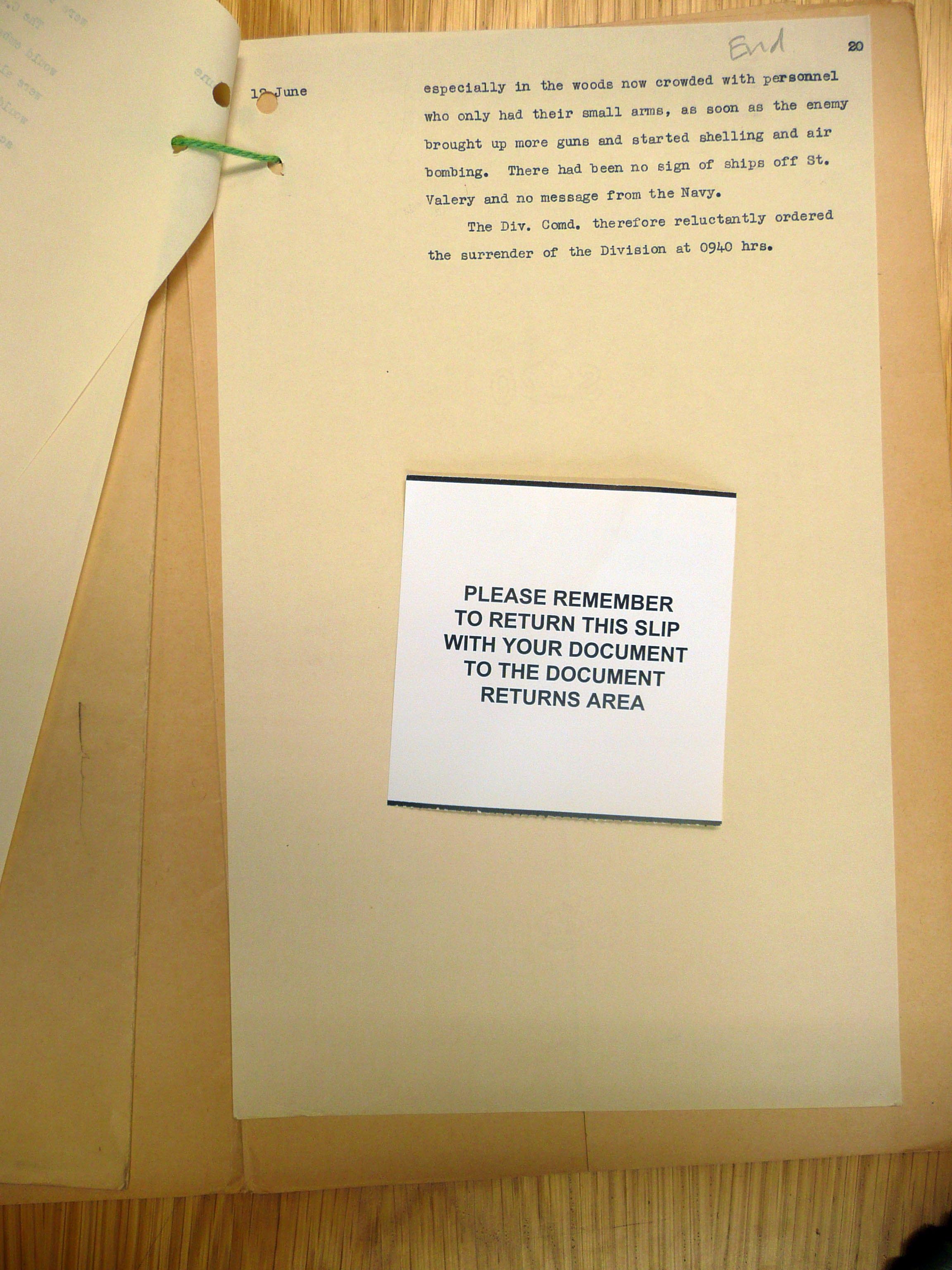
The division was eventually surrounded at St Valery-en-Caux. Garratt’s diary describes the final hours in the town: men sheltering in ruined buildings, hungry, tired and in many cases unarmed, waiting for an evacuation that never came. Under bombardment and with no prospect of relief, Major General Fortune concluded that further resistance would only lead to needless casualties. Garratt’s diary ends with the surrender. His subsequent captivity is poorly documented, but he received a final Mention in Despatches on 11 October 1945 for gallant and distinguished services in the field, almost certainly following his liberation.
His decorations reflect a career spent almost entirely on active service: the Distinguished Service Order for Italy, the Military Cross for the Western Front, three Mentions in Despatches, the Belgian Order of the Crown, the 1914–15 Star, the British War Medal 1914–1920, the Victory Medal, and the Afghanistan North-West Frontier 1919 Medal and Clasp. His sword, bearing an alternative initial whose meaning is uncertain, is one of the most decorated examples associated with a single officer. Whether the marking refers to a Royal Garrison Artillery designation or to a later owner remains unclear, but the weapon stands as a reminder of a long and demanding military life.
Lieutenant-Colonel Lawrence Francis Garratt died on 6 June 1967 at Plaxtol, near Sevenoaks, in the Maidstone district of Kent.