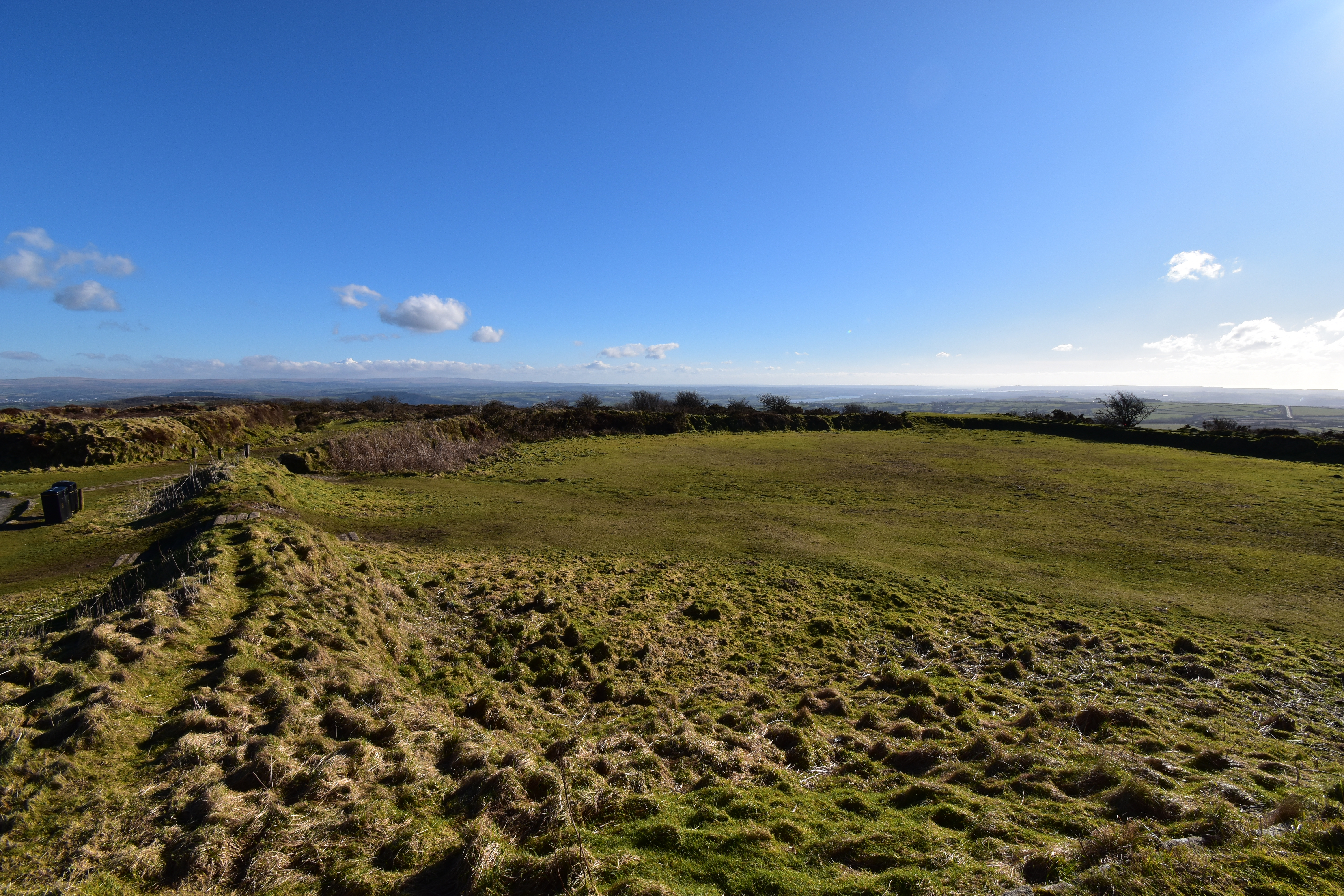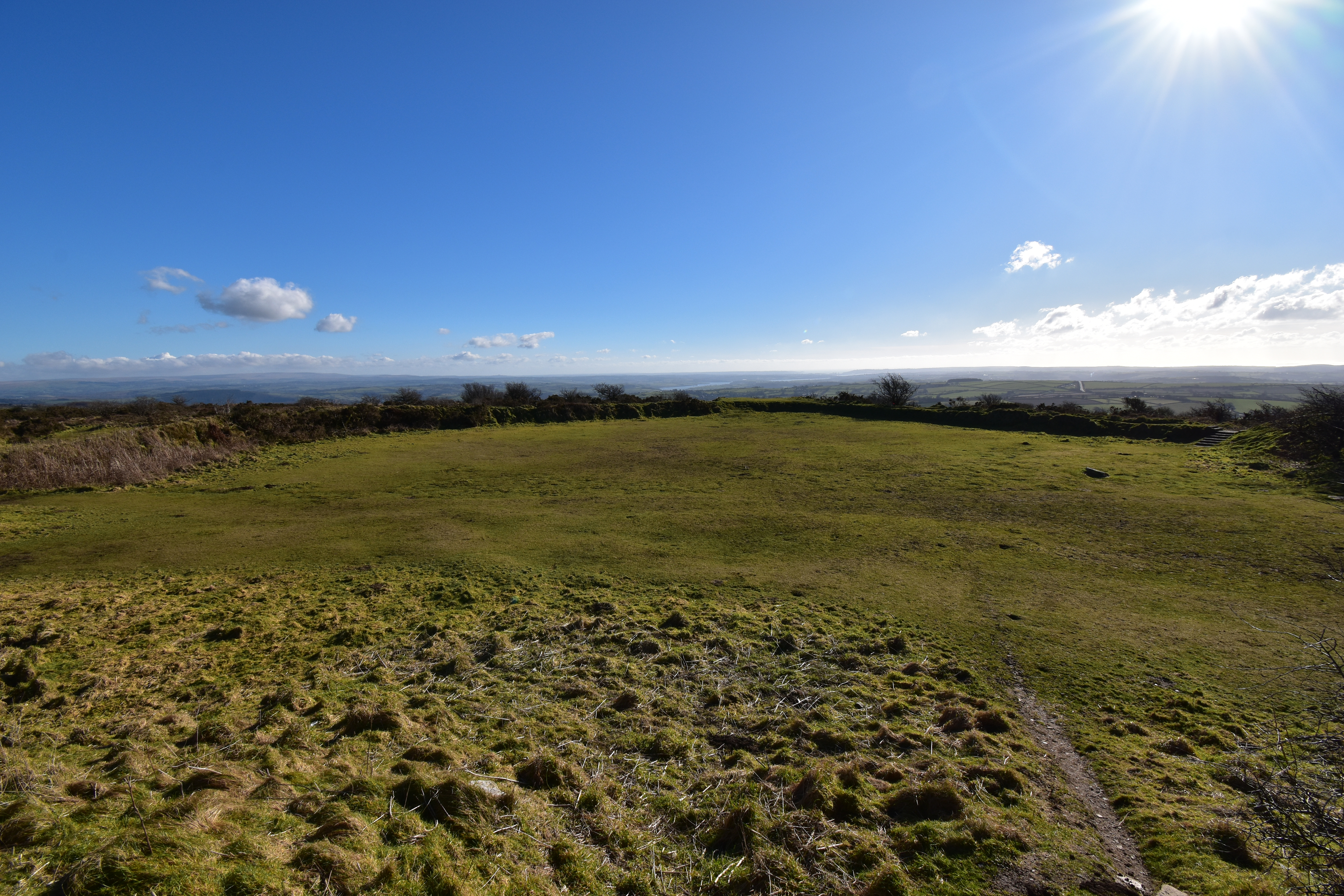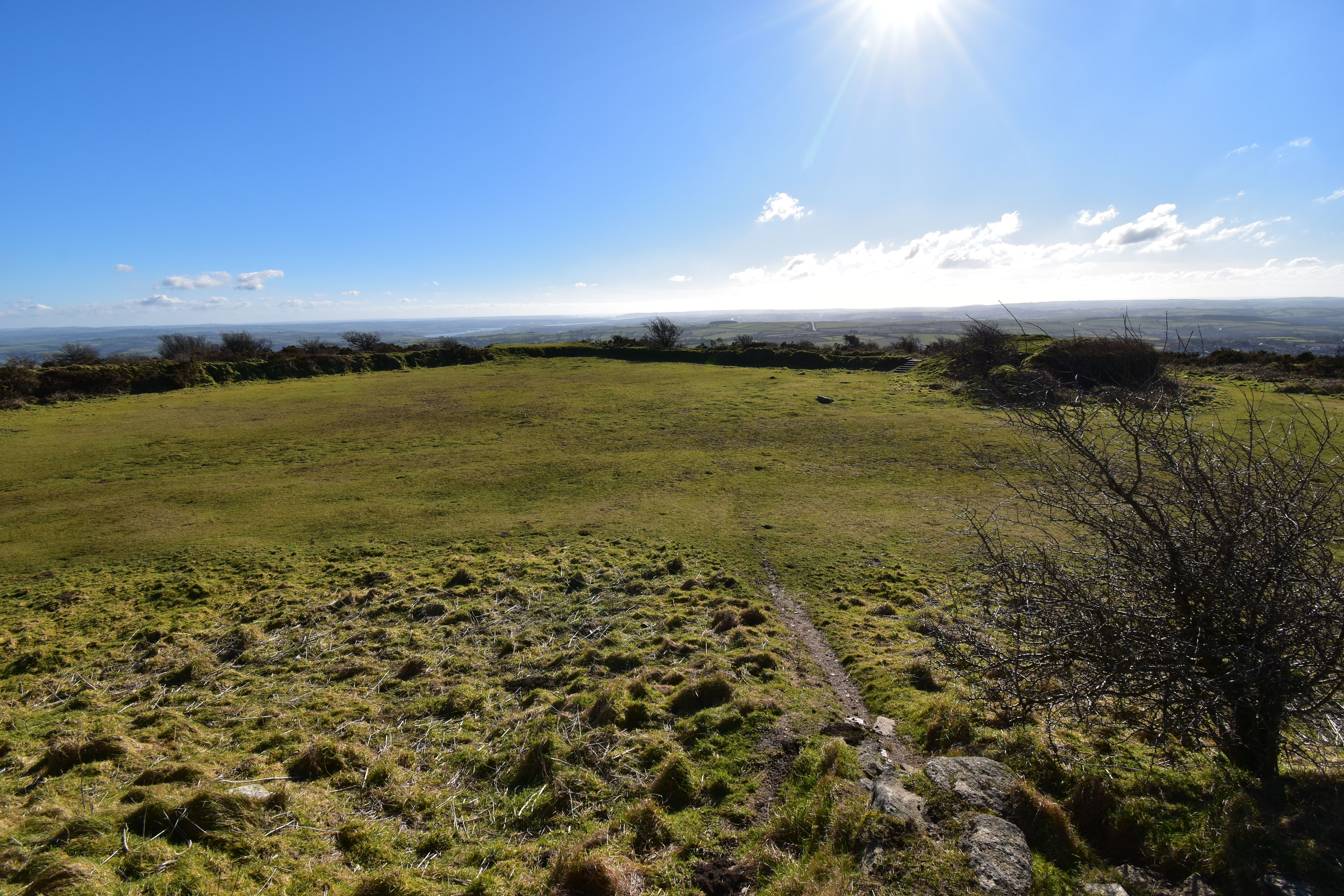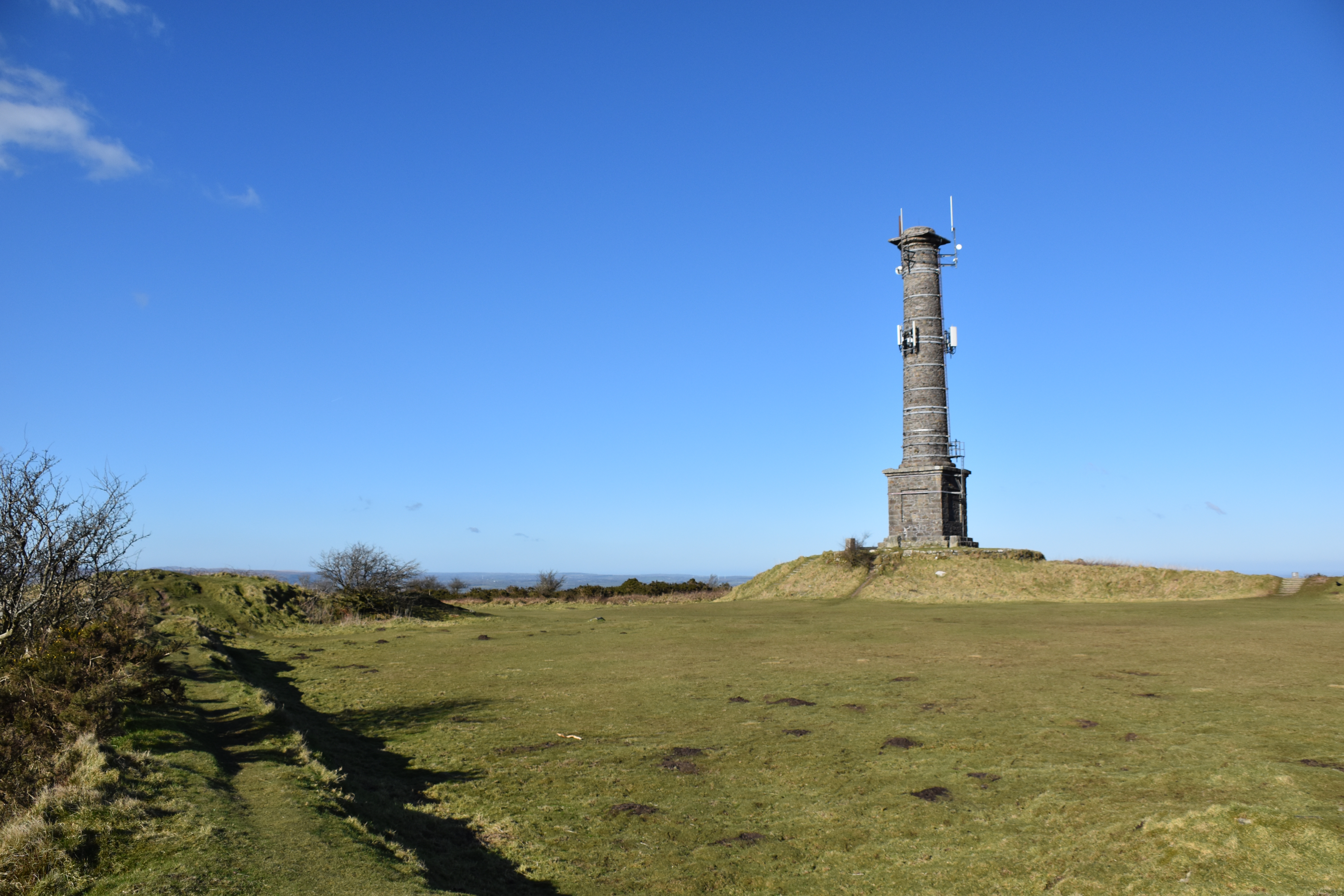
Just north of Plymouth along the Tamar Valley is Kit Hill on the road between Callington and Tavistock. You can see the summit stack of an old mining complex from Plymouth on a clear day. It was originally constructed in 1858 at the height of the Industrial Revolution when Kit Hill mined tin, copper, arsenic and wolfram. But the really interesting thing about Kit Hill is the folly right next to this big chimney. Nobody realised it was a folly for many years. For well over a century people assumed that the fort like features must have dated from the English Civil War - although why the Royalists would have defended this particular hill miles from any Parliamentarian forces should have served as a warning light. Interestingly many references on the internet today - including even Wikipedia - still make this mistake 35 years after the original purpose was discovered - by accident.
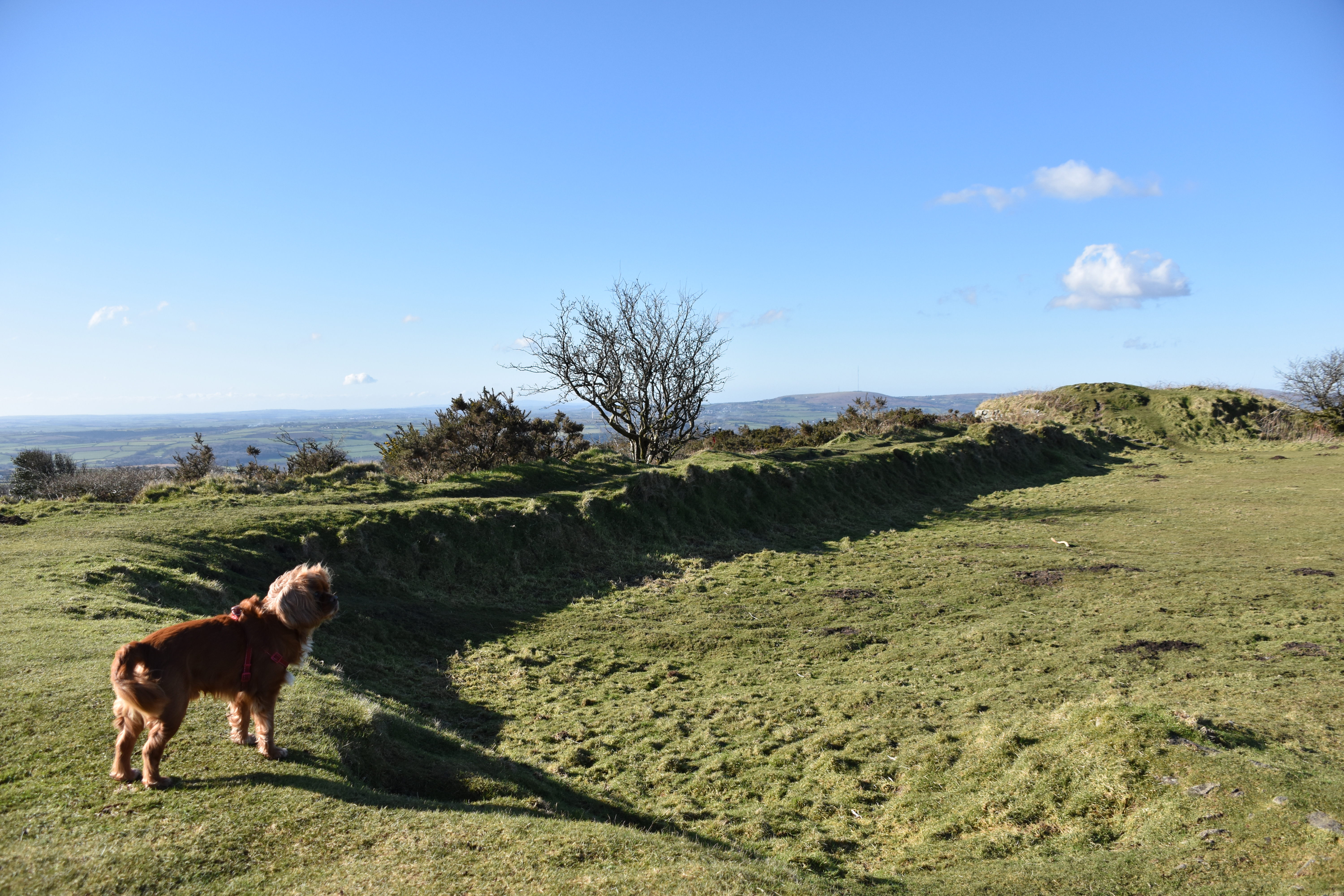
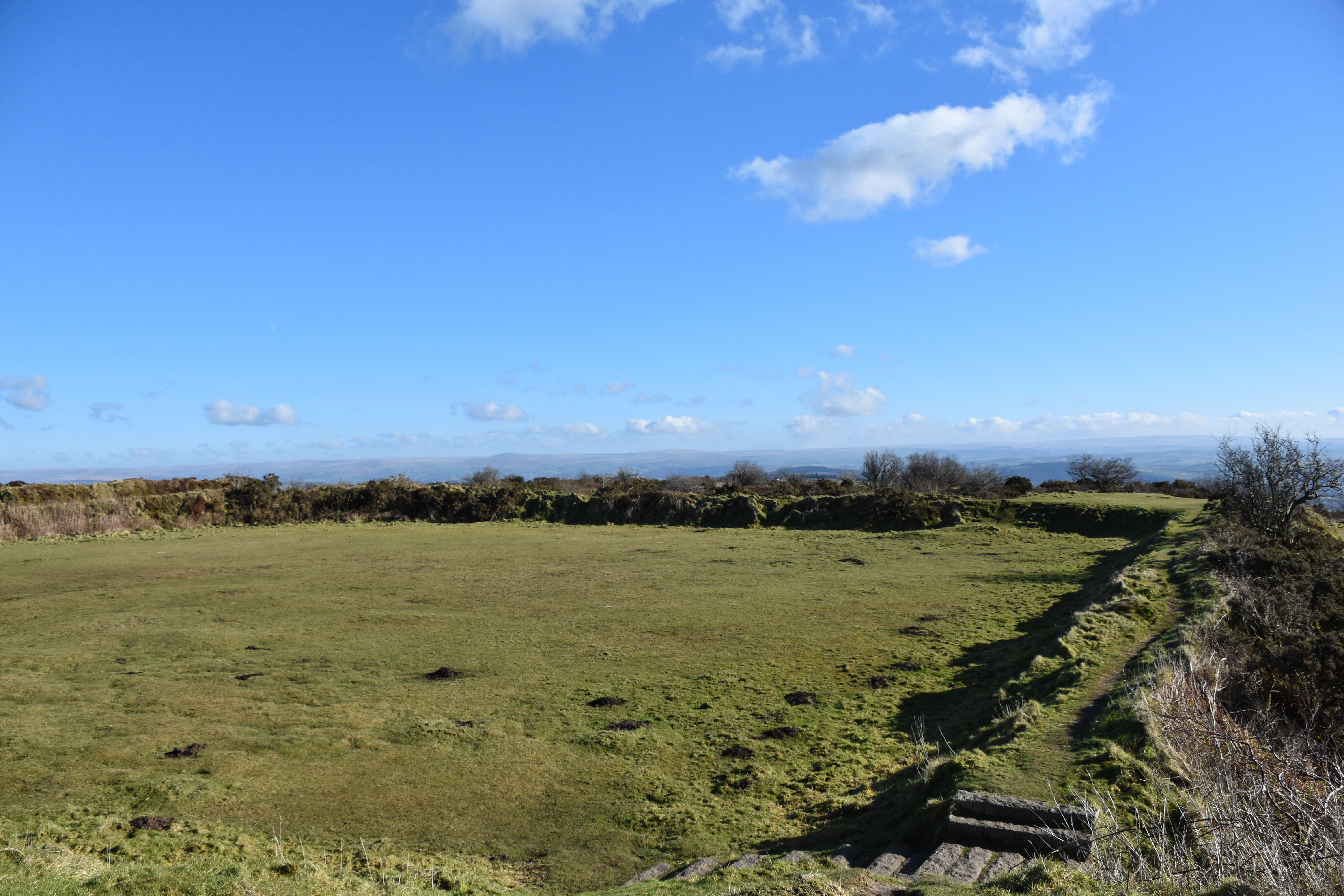
The folly was built by a very interesting character called Sir John Call in 1780 although he didn’t seem to tell anyone what he was doing and why he was doing it. Sir John Call had been a senior Engineer and Artillery Officer in the East India Company and had even been recommended by Clive of India to take over the governorship of Madras before his father died and Sir John had to return home to take over his family lands and titles in 1766. He lived at nearby Whiteford House. He became MP for Callington and was High Sheriff of Cornwall for a period too - indeed he was the man who was responsible for the building of Bodmin Gaol. He was a fellow of the Royal Society and of the Royal Antiquarian Society and it is in this capacity that he built his ‘folly’. Now follies were all the rage in the 18th Century as landowners sought to build interesting places around their lands in order to give an excuse to take guests on tours of their expansive properties and show off their wealth and prestige. Sir John Call discovered that one of the possible locations for a significant battle from the Dark Ages may have happened on his lands at Hingston Down. This was the first foray of the Vikings into British politics when they allied with the Cornish and fought a battle against the West Saxons under King Egbert in 838 AD. Hingston is thought to be a corruption of Hengist who was one of the two most famous mythical Saxons (Horsa is the other) who were supposed to be the first ashore in Britain in 5th Century presaging the arrival of all the Saxons finding their new home. Such a famous name would only have been bequeathed to a place of significance such as that of a famous military victory. The Battle of Hingston Down is mentioned in the Anglo-Saxon chronicles but the precise location is not specified although Hingston Down between Kit Hill and Gunnislake is certainly a viable candidate. Sir John Call thought he would nudge history in his direction by building a Saxon era hill fort on Kit Hill which he referred to as the ‘Danish Castle’. He died in 1801 and after all the mine working and construction on the hill people forgot about his original folly. Later historians assumed the earthworks there must have been from the English Civil War and started marking it on maps and referring to it in articles as such. In 1985 the Duchy of Cornwall who had acquired the lands gave it to Cornwall County Council who started renovating and doing research of their own to manage the site and provide information for tourists and visitors. A researcher saw an obscure reference to a Danish Castle built by Sir John. Intrigued they looked through the papers of Sir John Call and discovered mentioned in his will that he had constructed a folly on Kit Hill in the style of an Saxon era earthwork (as he thought it might look) in honour of the battle of Hingston Down. It is still there to this day and you can see that it could definitely serve a defensive purpose - even if only in the imagination of the original architect (remember he had been a military Engineer himself). The main problem though is that the Anglo-Saxon chronicles does not mention any hill fort playing any part in the battle of Hingston Down. In fact there isn’t much to go on at all. This is all that it says of the battle: “In this year (838) a great naval force arrived among the West Welsh, and the latter combined with them and proceeded to fight against Ecgberht, king of the West Saxons. When he heard that, he then went hither with his army, and fought against them at Hingston Down, and put both the Welsh and the Danes to flight.” (The West Welsh is what the Saxons called the Cornish) The Viking’s first alliance ended in defeat. They would unite once more with the Cornish at Exeter and that really was the undoing of this Cornish kingdom as the Saxons realised they couldn’t stop the Vikings from appearing wherever and whenever by longboat but they could stop the Cornish who could not escape their wrath. The last known King of Cornwall died in 875 and Cornwall passed definitively into the realm of England.
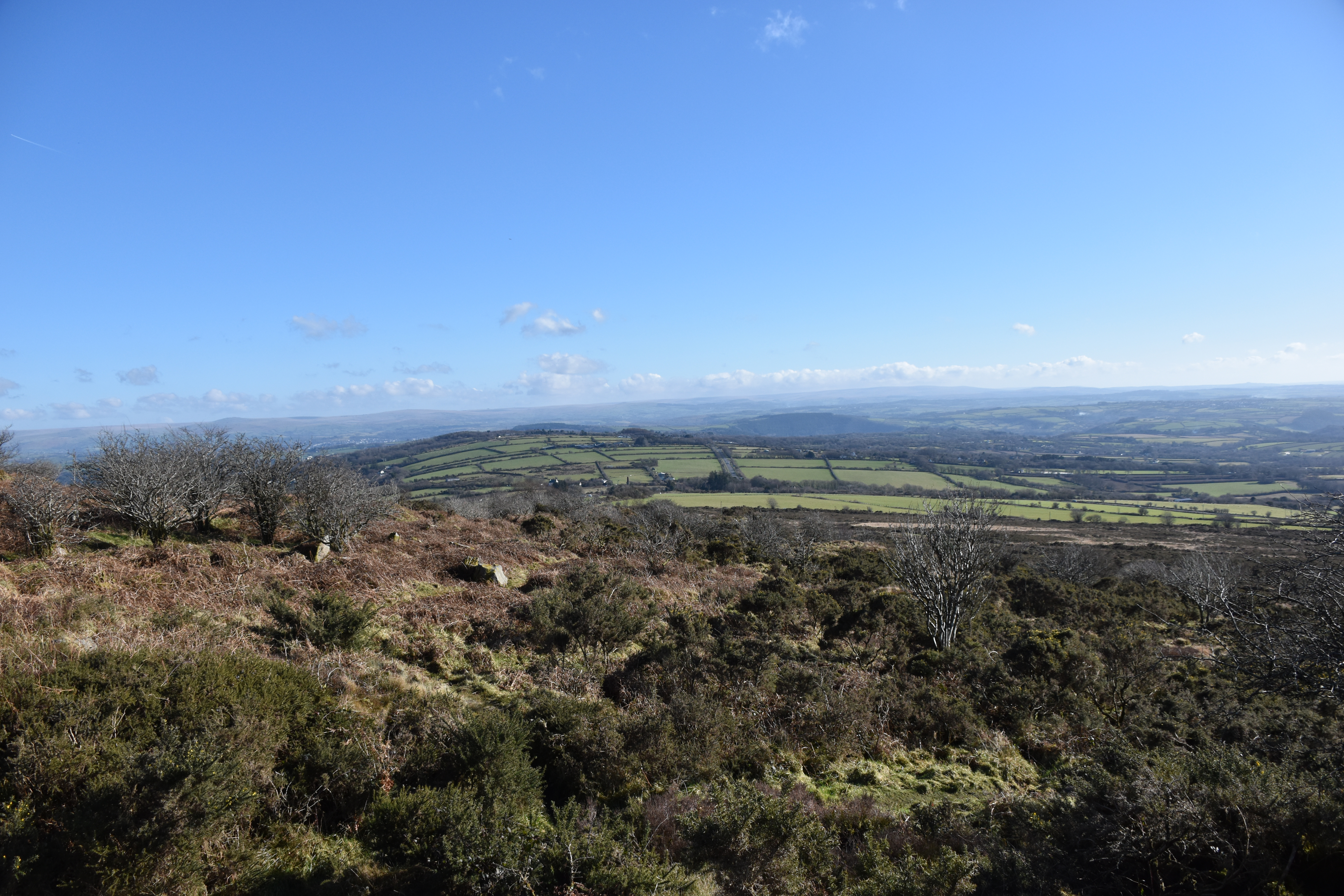
So when you are atop Kit hill not only can you see for miles over to Dartmoor - over to Bodmin Moor - down to Plymouth and up the Tamar Valley - you can also see the scars of the Industrial Revolution and the possible site of a major Dark Ages battle and a folly built in its memory - even if the old India hand forgot to tell anyone why he had built it.
https://historicengland.org.uk/listing/the-list/list-entry/1004446